The Biochemical Blueprint of Behavior: Bridging Neurochemistry, Genetics, and Drug Development
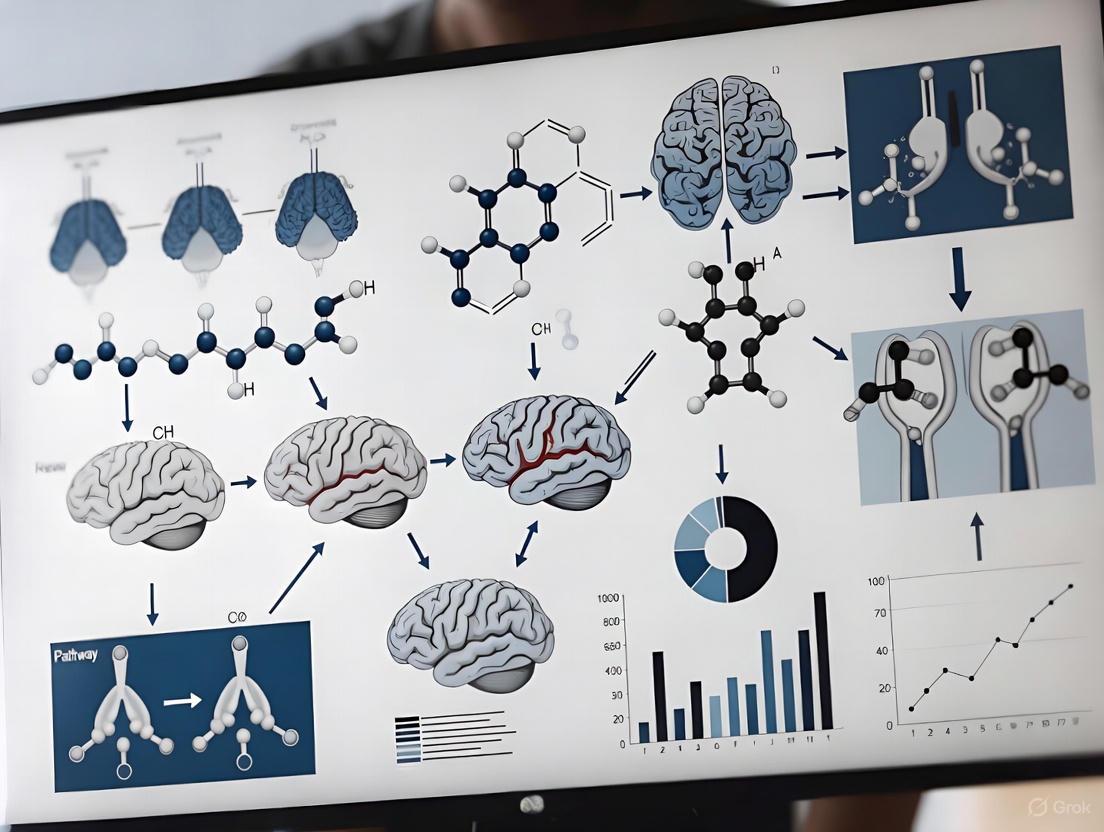
This article provides a comprehensive analysis of the biochemical foundations of human psychology and behavior for research and drug development professionals.
The Biochemical Blueprint of Behavior: Bridging Neurochemistry, Genetics, and Drug Development
Abstract
This article provides a comprehensive analysis of the biochemical foundations of human psychology and behavior for research and drug development professionals. It explores the foundational roles of neurotransmitters, hormones, and genetic factors in shaping cognitive and emotional processes. The content covers advanced methodological approaches in behavioral neuroscience, addresses key challenges in psychopharmacology and treatment optimization, and offers a critical evaluation of biological versus psychological explanatory models. By integrating recent breakthroughs with established research, this resource aims to inform the development of targeted, effective therapeutic interventions.
Neurotransmitters, Hormones, and Genetics: The Core Biological Systems Governing Behavior
Neurotransmitter Functions and Dysfunctions in Mental Processes
The intricate interplay of neurotransmitters forms the cornerstone of the biochemical basis of human psychology and behavior. These signaling molecules govern everything from fundamental physiological processes to complex cognitive functions and emotional states. Understanding their precise mechanisms—from synthesis and release to receptor interaction and elimination—is paramount for advancing research and developing novel therapeutics for psychiatric and neurodegenerative disorders. This whitepaper provides an in-depth technical guide to neurotransmitter functions and dysfunctions, framing this complex system within the context of modern neuroscience research and drug development. It details core mechanisms, presents key quantitative data, outlines established experimental protocols, and visualizes critical signaling pathways, serving as a resource for scientists and industry professionals navigating this challenging field.
Core Neurotransmitter Systems: Functions and Clinical Correlations
Neurotransmitters are chemical messengers that facilitate communication between neurons across synapses. The process of neurotransmission begins with an action potential triggering the release of these molecules from synaptic vesicles in the presynaptic neuron into the synaptic cleft. They then diffuse across this gap and bind to specific receptors on the postsynaptic neuron, eliciting excitatory, inhibitory, or modulatory responses. Termination of the signal occurs via enzymatic degradation, reuptake into the presynaptic terminal, or diffusion away from the synapse [1] [2].
The following table synthesizes the functions, pathways, and clinical significance of key neurotransmitters relevant to mental processes.
Table 1: Key Neurotransmitters, Their Functions, and Associated Pathologies
| Neurotransmitter | Type | Primary CNS Functions | Receptor Types / Key Targets | Dysfunctions & Clinical Correlations |
|---|---|---|---|---|
| Glutamate [1] [3] [2] | Excitatory | Major excitatory transmitter; crucial for synaptic plasticity, learning, and memory. | NMDA, AMPA, Kainate, mGluR | Excitotoxicity (stroke, epilepsy); implicated in Alzheimer's, Huntington's, and Parkinson's diseases [1]. |
| GABA (Gamma-aminobutyric acid) [1] [3] [2] | Inhibitory | Primary inhibitory transmitter; regulates anxiety, motor control, and sleep. | GABAA, GABAB | Low levels linked to anxiety, seizures, and mood disorders; targeted by benzodiazepines [1] [2]. |
| Dopamine [3] [2] | Modulatory | Pleasure, motivation, reward, motor control, and executive function. | D1–D5 receptors | Overactivity linked to schizophrenia; decreased levels in Parkinson's disease; role in addiction [3] [2]. |
| Serotonin (5-HT) [3] [2] | Inhibitory | Regulates mood, sleep, appetite, and digestion. | 5-HT1–5-HT7 families | Low levels associated with depression, anxiety, and insomnia [2]. |
| Norepinephrine (Noradrenaline) [3] [2] | Excitatory | Alertness, focus, arousal, and stress response ("fight-or-flight"). | α1, α2, β1, β2 adrenoceptors | Imbalances linked to depression, anxiety, and ADHD [2]. |
| Acetylcholine [1] [3] [2] | Excitatory | Muscle contraction, memory, attention, and learning. | Nicotinic, Muscarinic (M1–M5) | Low levels and receptor loss strongly implicated in Alzheimer's disease [2]. |
Beyond these classical roles, neurotransmitters are now recognized as pivotal players in immunomodulation, influencing immune cell functions like cytokine production and migration, which opens new avenues for understanding pathologies involving inflammation [4]. Furthermore, dysfunctions in these systems are not confined to the central nervous system; for instance, irritable bowel syndrome (IBS) has been correlated with altered levels of norepinephrine, acetylcholine, and serotonin, highlighting the role of the gut-brain axis [5].
Quantitative Landscape of Neurotransmitter-Targeted Drug Development
The central role of neurotransmitters in brain function and disease makes them prime targets for therapeutic intervention. The current drug development pipeline reflects a diversified approach to modulating these systems.
Table 2: Neurotransmitter and Biological Target Focus in the 2025 Alzheimer's Disease Drug Development Pipeline [6]
| Pipeline Category | Number of Drugs | Representative Biological Targets & Processes |
|---|---|---|
| Biological Disease-Targeted Therapies (DTTs) | 30% | Amyloid-beta (Aβ), Tau, Inflammation, Synaptic plasticity/neuroprotection |
| Small Molecule DTTs | 43% | Tau, Apolipoprotein E (APOE) & lipids, Inflammation, Metabolism & bioenergetics |
| Symptomatic Therapies for Cognitive Enhancement | 14% | Acetylcholine pathways, Glutamate receptors (e.g., NMDA) |
| Symptomatic Therapies for Neuropsychiatric Symptoms | 11% | Serotonin receptors, GABA receptors |
Key quantitative insights from the 2025 pipeline analysis reveal 138 drugs in 182 active clinical trials for Alzheimer's disease alone [6]. Biomarkers are integral to this effort, serving as primary outcomes in 27% of active trials to establish target engagement and pharmacodynamic response [6]. A significant portion (33%) of the pipeline consists of repurposed agents, indicating a strategic approach to finding new applications for existing drugs that modulate neurotransmitter systems or related pathways [6].
Experimental Protocols for Investigating Neurotransmitter Systems
Immunocytochemical Localization of Neurotransmitters and Enzymes
This methodology is used to anatomically map neurotransmitters and their biosynthetic enzymes within neural tissue [1].
- Tissue Preparation: Perfuse-fixate animal or collect post-mortem human brain tissue. Section tissue using a cryostat or vibratome.
- Antibody Incubation: Incubate tissue sections with primary antibodies specific to the neurotransmitter (e.g., glutamate, GABA) or synthetic enzyme (e.g., tyrosine hydroxylase for dopamine, tryptophan hydroxylase for serotonin).
- Visualization: Apply enzyme-conjugated (e.g., horseradish peroxidase) or fluorophore-conjugated secondary antibodies. For enzyme conjugates, add a chromogenic substrate to produce a visible precipitate. For fluorescence, image using a confocal or epifluorescence microscope.
- Analysis: Map the distribution and density of immunoreactive cells and fibers across brain regions. Co-localization studies using multiple antibodies can identify neurons that release more than one transmitter [1].
In Vivo Microdialysis for Measuring Extracellular Neurotransmitter Levels
This technique allows for the continuous sampling of neurotransmitters from the extracellular fluid of specific brain regions in living animals [5].
- Surgery and Probe Implantation: Stereotactically implant a guide cannula above the target brain region (e.g., prefrontal cortex, striatum). After recovery, insert a microdialysis probe through the cannula. The probe has a semi-permeable membrane at its tip.
- Perfusion: Perfuse the probe with an artificial cerebrospinal fluid (aCSF) at a low, constant flow rate (e.g., 0.2 - 2 µL/min).
- Sample Collection: Collect dialysate samples at regular intervals (e.g., every 5-30 minutes) into microvials. During collection, subjects can be exposed to behavioral tasks, drugs, or other stimuli.
- Analysis: Analyze dialysate samples using high-performance liquid chromatography (HPLC) with electrochemical or fluorometric detection to quantify neurotransmitter concentrations (e.g., monoamines like dopamine and serotonin) [5].
Receptor Binding Assays
These assays quantify receptor density, affinity, and distribution for specific neurotransmitters.
- Membrane Preparation: Homogenize brain tissue and isolate the synaptosomal or crude membrane fraction via differential centrifugation.
- Incubation: Incubate membrane preparations with a radioactively labeled (e.g., ³H, ¹²⁵I) or fluorescently tagged ligand specific to the receptor of interest (e.g., [³H]SCH-23390 for D1 dopamine receptors). To determine non-specific binding, parallel samples are incubated with the labeled ligand and a high concentration of an unlabeled competitor.
- Separation and Quantification: Rapidly filter the incubation mixture to separate membrane-bound radioactivity from free ligand. Wash the filters and quantify the bound radioactivity using a scintillation counter.
- Data Analysis: Calculate specific binding (total binding minus non-specific binding). Use saturation binding experiments to determine receptor density (Bmax) and affinity (Kd). Use competition binding experiments to determine the inhibitory constant (Ki) of unlabeled drugs.
Signaling Pathway Visualizations
Dopaminergic Signaling Pathway
Glutamatergic and GABAergic Synapse Balance
The Scientist's Toolkit: Research Reagent Solutions
Table 3: Essential Research Reagents for Neurotransmitter Studies
| Reagent / Tool Category | Specific Examples | Research Function & Application |
|---|---|---|
| Specific Agonists/Antagonists [1] [2] | NMDA (agonist), CNQX (AMPA/Kainate antagonist), Muscimol (GABAA agonist), Baclofen (GABAB agonist), SCH-23390 (D1 antagonist) | To selectively activate or block specific receptor subtypes and study their physiological roles and signaling pathways. |
| Enzyme Inhibitors [1] | Acetylcholinesterase inhibitors (e.g., Donepezil), Monoamine Oxidase Inhibitors (MAOIs; e.g., Selegiline) | To block neurotransmitter degradation, thereby increasing synaptic levels; used to study transmitter dynamics and as therapeutic agents. |
| Transporter Inhibitors [1] [2] | Selective Serotonin Reuptake Inhibitors (SSRIs; e.g., Fluoxetine), Cocaine (Dopamine transporter blocker) | To block reuptake, prolonging neurotransmitter action in the synapse; critical for studying uptake mechanisms and antidepressant action. |
| Tagged Ligands [1] | [³H]Spiperone (D2 receptor), [¹²⁵I]ω-Conotoxin GVIA (N-type Ca2+ channels) | Radioactive or fluorescently labeled compounds used in receptor binding assays to quantify receptor density, distribution, and affinity. |
| Specific Antibodies [1] [3] | Anti-Tyrosine Hydroxylase, Anti-Glutamate, Anti-GABA, Anti-Receptor Subunits (e.g., Anti-NMDAR1) | For immunocytochemical localization of neurotransmitters, synthetic enzymes, and receptor proteins in tissue sections (IHC, ICC). |
The study of neurotransmitter functions and dysfunctions remains a dynamic and critically important frontier in neuroscience. The complex signaling pathways and intricate balance between different neurotransmitter systems form the biochemical foundation of all mental processes. Continued innovation in research methodologies—from high-resolution imaging and specific molecular tools to the development of sophisticated drug delivery systems that can cross the blood-brain barrier [7]—is driving progress. The active and diverse drug development pipeline, particularly for neurodegenerative conditions, underscores the translational significance of this field [6]. A deep and nuanced understanding of neurotransmitter mechanisms is therefore indispensable for researchers and drug development professionals aiming to decode the complexities of the brain and develop the next generation of neuropsychiatric therapeutics.
The endocrine system, a network of glands and organs that produce and release hormones, serves as a fundamental regulator of complex psychological processes, including the response to stress, the formation of social bonds, and the modulation of motivation [8]. These hormones act as chemical messengers, traveling through the bloodstream to target tissues, where they initiate profound changes in physiology and behavior [9]. Understanding the specific hormonal pathways governing these behaviors is critical for advancing research in the biochemical basis of human psychology. This whitepaper provides an in-depth technical analysis of the roles of catecholamines, glucocorticoids, oxytocin, and vasopressin in orchestrating these core behavioral domains, with the aim of informing targeted therapeutic and drug development strategies for related psychiatric and neurological disorders. The framework established here positions the endocrine system not merely as a homeostatic regulator, but as a central interface between an individual's internal state and their external behavioral expressions.
Hormonal Regulation of the Stress Response
The stress response is a complex neuroendocrine cascade designed to re-establish homeostasis following a perceived threat. This response is subserved by a coordinated two-axis system: a rapid, short-term response mediated by the sympathetic nervous system and adrenal medulla, and a sustained, long-term response governed by the hypothalamic-pituitary-adrenal (HPA) axis [10] [11] [12].
The Short-Term ("Fight-or-Flight") Response
Upon perception of a stressor, the hypothalamus signals the adrenal medulla via direct nerve impulses, triggering the immediate release of the catecholamine hormones epinephrine and norepinephrine into the bloodstream [10] [13]. These hormones bind to adrenergic receptors on various target tissues, initiating a suite of physiological changes that prepare the body for immediate physical activity. The effects include increased heart rate and cardiac output, dilation of the bronchioles to improve oxygen intake, and the rapid mobilization of energy stores through the breakdown of glycogen to glucose in the liver and skeletal muscles [13] [11]. Blood flow is prioritized to essential organs like the heart, brain, and skeletal muscles, while being restricted to systems not critical for immediate survival, such as the digestive system and kidneys [10]. This coordinated response ensures the body is primed for a "fight-or-flight" reaction.
The Long-Term (HPA Axis) Response
For stressors lasting more than a few hours, a second, longer-term system is activated. The hypothalamus releases Corticotropin-Releasing Hormone (CRH), which stimulates the anterior pituitary gland to secrete Adrenocorticotropic Hormone (ACTH) [10] [11] [14]. ACTH, in turn, travels through the circulation to the adrenal cortex, prompting the synthesis and release of corticosteroids, primarily the glucocorticoid cortisol in humans [10]. Glucocorticoids ensure long-term energy requirements are met by mobilizing lipid and protein reserves and stimulating gluconeogenesis (the production of glucose from non-carbohydrate sources) [11]. They also conserve glucose for use by neural tissue and have potent anti-inflammatory and immunosuppressive effects, which help to modulate the immune system's response to prolonged stress [10]. Concurrently, mineralocorticoids like aldosterone are released, which act on the kidneys to stimulate the reabsorption of water and sodium ions, thereby increasing blood pressure and volume [10] [11].
Table 1: Key Hormones in the Stress Response and Their Functions
| Hormone | Origin | Primary Trigger | Major Physiological Actions |
|---|---|---|---|
| Epinephrine/Norepinephrine | Adrenal Medulla | Sympathetic Nerve Impulses | Increase heart rate, bronchodilation, glycogenolysis, vasoconstriction/vasodilation to shunt blood [10] [13] [11] |
| Corticotropin-Releasing Hormone (CRH) | Hypothalamus | Stressful Stimuli | Stimulates anterior pituitary to release ACTH [12] [14] |
| Adrenocorticotropic Hormone (ACTH) | Anterior Pituitary | CRH | Stimulates adrenal cortex to release glucocorticoids [10] [14] |
| Cortisol (Glucocorticoid) | Adrenal Cortex | ACTH | Stimulates gluconeogenesis, mobilizes fats/proteins, suppresses immune system [10] [11] |
| Aldosterone (Mineralocorticoid) | Adrenal Cortex | ACTH / Angiotensin II | Increases renal reabsorption of Na+ and water, increasing blood volume/pressure [10] [11] |
Experimental Protocols for Stress Hormone Analysis
Protocol 1: Quantifying Plasma Catecholamines and Cortisol in a Controlled Stress Paradigm
- Objective: To measure the dynamic changes in epinephrine, norepinephrine, and cortisol in response to an acute laboratory stressor.
- Methodology:
- Participant Preparation: Recruit healthy, medication-free adults. Participants should fast and abstain from caffeine, alcohol, and vigorous exercise for 12 hours prior to testing.
- Baseline Sampling: Insert an intravenous catheter. After a 30-minute acclimatization period, collect baseline blood samples for plasma catecholamines (via HPLC with electrochemical detection) and serum cortisol (via ELISA or LC-MS/MS).
- Stressor Application: Administer the Trier Social Stress Test (TSST), a standardized protocol involving a preparation period, a public speaking task, and a mental arithmetic task in front of an audience.
- Post-Stress Sampling: Collect blood samples immediately post-stress, and at 15, 30, 60, and 90-minute intervals to capture the catecholamine surge and the slower cortisol response.
- Data Analysis: Perform an ANOVA with repeated measures to compare hormone levels across time points. Correlate hormone responses with subjective stress ratings.
Protocol 2: Dexamethasone Suppression Test (DST) for HPA Axis Negative Feedback
- Objective: To assess the integrity of the glucocorticoid-mediated negative feedback loop in the HPA axis, often dysregulated in major depression.
- Methodology:
- Baseline Measurement: Collect a blood sample at 8:00 AM for baseline cortisol measurement.
- Dexamethasone Administration: Administer a low dose (1-2 mg) of dexamethasone, a synthetic glucocorticoid, orally at 11:00 PM.
- Post-Decadron Sampling: Collect a second blood sample at 8:00 AM the following day (9 hours post-administration) for cortisol measurement.
- Interpretation: In healthy individuals, dexamethasone suppresses ACTH release, leading to a significant drop in morning cortisol levels. Non-suppression (cortisol levels above a defined cutoff, e.g., 1.8 μg/dL) indicates impaired feedback and is a biological marker associated with melancholic depression.
Diagram 1: HPA Axis Stress Pathway
Hormonal Regulation of Bonding and Social Behavior
The neuropeptides oxytocin and arginine vasopressin (AVP) are primary regulators of social bonding, attachment, and trust. Despite their similar structures, they mediate distinct yet complementary roles in social behaviors [15].
Oxytocin: The Maternal and Social Bonding Hormone
Oxytocin is synthesized primarily in the paraventricular and supraoptic nuclei of the hypothalamus [15] [14]. It is transported along axons and stored in the posterior pituitary, from where it is released into the systemic circulation. Its most well-established functions are in parturition, where it stimulates uterine contractions, and in lactation, where it mediates the milk ejection reflex [14]. Beyond these reproductive functions, oxytocin is a key player in prosocial behaviors. It facilitates the formation of the mother-infant bond (attachment), promotes pair-bonding in monogamous species, and increases feelings of trust, empathy, and generosity in humans [15] [14]. Its release is stimulated by positive social interactions, such as touch, warmth, and social support, thereby reinforcing bonding behaviors.
Vasopressin: The Modulator of Social Memory and Male-Typical Behavior
Arginine vasopressin (AVP), also synthesized in the hypothalamic nuclei and released from the posterior pituitary, is the principal endocrine regulator of renal water excretion, maintaining plasma volume and osmolality through its action on V2 receptors in the kidneys [15] [14]. As a neurohormone, AVP acts as a potent modulator of social behavior. It is intricately involved in male social behaviors such as territoriality, mate-guarding, aggression, and pair-bond formation, often in a species-specific manner [15]. AVP, acting through its V1a receptors in the brain, is critical for social recognition and memory—the ability to recognize and remember conspecifics, which is a foundational requirement for complex social structures [15].
Table 2: Oxytocin and Vasopressin in Bonding and Social Behavior
| Characteristic | Oxytocin (OT) | Vasopressin (AVP) |
|---|---|---|
| Primary Behavioral Roles | Maternal bonding, pair-bonding, trust, empathy, reduction of stress/anxiety [14] | Social memory, territoriality, mate-guarding, aggression, male-typical social bonding [15] |
| Key Physiological Roles | Uterine contractions during labor, milk ejection reflex [14] | Water reabsorption in kidneys (V2 receptors), vasoconstriction (V1a receptors) [15] [14] |
| Site of Synthesis | Paraventricular & Supraoptic Nuclei (Hypothalamus) [15] [14] | Paraventricular & Supraoptic Nuclei (Hypothalamus) [15] [14] |
| Release Site | Posterior Pituitary [14] | Posterior Pituitary [14] |
| Primary Receptors | Oxytocin receptor (OTR) | V1a, V1b, V2 |
Experimental Protocols for Social Behavior Research
Protocol 1: Intranasal Oxytocin Administration and Trust Game Paradigm
- Objective: To investigate the causal effect of oxytocin on trust in humans.
- Methodology:
- Design: Double-blind, placebo-controlled, between-subjects design.
- Administration: Participants self-administer either 24 IU of intranasal oxytocin or a matched placebo 45 minutes before behavioral testing.
- Behavioral Task: Participants play a computerized Trust Game. They are assigned the role of "Investor" and paired with anonymous "Trustees." The Investor decides how much of an endowment to send to the Trustee, knowing the amount will be tripled. The Trustee then decides how much to return. The amount sent is the primary measure of trust.
- Data Analysis: Compare the average amount sent by the oxytocin group versus the placebo group using an independent samples t-test. Control for potential confounding variables like mood and personality traits.
Protocol 2: Measuring AVP V1a Receptor Distribution and Social Memory in Rodents
- Objective: To correlate regional variation in V1a receptor density with performance in a social memory task.
- Methodology:
- Subjects: Use a rodent model (e.g., prairie vole or mouse) with known variation in V1a receptor distribution.
- Social Memory Test: Use the social recognition/social novelty test. In the habituation phase, a subject animal is exposed to a novel conspecific (Animal A) for a set time. After a delay, the subject is presented with both the familiar Animal A and a novel Animal B. Time spent investigating each animal is recorded. Normal animals will spend more time investigating the novel animal.
- Receptor Autoradiography: Euthanize the animals and rapidly remove the brains. Process brain tissue for in situ hybridization or receptor autoradiography using a radiolabeled antagonist specific for the V1a receptor to map and quantify receptor density in brain regions like the lateral septum and amygdala.
- Data Analysis: Correlate V1a receptor density in specific brain regions with the discrimination index (time with novel animal / total investigation time) in the social memory test.
Diagram 2: Bonding Hormone Pathways
Hormonal Regulation of Motivation and Reward
The catecholamine family of neurotransmitters and hormones, particularly dopamine, is the central architect of motivation and reward-guided behavior, forming a core component of the brain's reward system [9] [13] [16].
Dopamine: The Reward and Motivation Signal
Dopamine is synthesized in several brain regions, most notably the ventral tegmental area (VTA) and the substantia nigra [13] [16]. Its functions are multifaceted, but its role in motivation is paramount. Dopamine is not simply the chemical of pleasure; it is the chemical of "wanting" and motivation [16]. It is released in response to rewarding or motivationally salient stimuli—such as food, sex, and social interaction—and, pathologically, by drugs of abuse [9]. This dopamine release in target regions like the nucleus accumbens reinforces behaviors, teaching the brain to seek out those rewarding experiences again. It provides the drive and focus required to pursue goals, and dysfunctions in the dopamine system are implicated in a range of disorders from anhedonia and apathy in depression to the compulsive drug-seeking of addiction [9] [16].
Interaction of Dopamine with Other Hormones
The motivation system does not operate in isolation. Cortisol, released during stress, can directly influence dopamine transmission in the mesolimbic pathway. Chronically elevated cortisol can blunt dopamine signaling, leading to reduced motivation and anhedonia, or conversely, it can sensitize the reward system, potentially contributing to stress-induced relapse in addiction [9]. Furthermore, while norepinephrine's primary role in the fight-or-flight response is to increase alertness and arousal, this state of heightened vigilance is a permissive factor that complements dopamine-driven goal-directed behavior [13].
Table 3: Key Hormones and Neurotransmitters in Motivation
| Molecule | Primary Origin | Role in Motivation & Reward | Associated Clinical Conditions |
|---|---|---|---|
| Dopamine | Ventral Tegmental Area (VTA), Substantia Nigra [13] [16] | Reward prediction, motivation, "wanting," reinforcement learning [9] [16] | Parkinson's disease (low), Addiction (dysregulated), Anhedonia (low) [16] |
| Norepinephrine | Locus Coeruleus, Adrenal Medulla [13] | Increases alertness, arousal, and vigilance, supporting goal-directed behavior [13] | ADHD, Depression |
| Cortisol | Adrenal Cortex [10] | Modulates dopamine system; chronic stress can disrupt reward processing [9] | Major Depressive Disorder, Cushing's Syndrome |
Experimental Protocols for Motivational Neuroendocrinology
Protocol 1: Fast-Scan Cyclic Voltammetry (FSCV) to Measure Dopamine Release During Reward Task
- Objective: To record real-time, phasic dopamine release in a specific brain region (e.g., nucleus accumbens) during a behavioral task.
- Methodology:
- Surgery: Implant a carbon-fiber microelectrode and a reference electrode into the nucleus accumbens of an anesthetized rodent. Secure with a cranial implant.
- Behavioral Training: After recovery, train the animal in an operant conditioning chamber to perform a task (e.g., pressing a lever for a sucrose reward), often paired with a cue.
- FSCV Recording: During the task, apply a triangular waveform (-0.4 V to +1.3 V and back, at 400 V/s) to the carbon-fiber electrode. Measure the oxidation current of dopamine at its characteristic peak potential.
- Data Analysis: Align dopamine concentration changes (calculated from the oxidation current) with behavioral events (cue presentation, lever press, reward delivery). This reveals the precise timing of dopamine release relative to reward anticipation and consumption.
Protocol 2: Sucrose Preference Test for Anhedonia in Rodent Models
- Objective: To assess motivation for a natural reward (anhedonia) as a behavioral endpoint in models of depression or chronic stress.
- Methodology:
- Habituation: Prior to testing, expose animals to both plain water and a 1-2% sucrose solution for 48 hours to overcome neophobia.
- Baseline Test: Place animals in individual cages with free access to two pre-weighed bottles, one with sucrose solution and one with water, for 24 hours. The positions of the bottles should be switched halfway through to control for side preference.
- Experimental Manipulation: Apply the experimental manipulation (e.g., chronic unpredictable stress protocol).
- Post-Test: Repeat the 24-hour two-bottle test.
- Calculation: Calculate sucrose preference as [Sucrose intake / (Sucrose + Water intake)] * 100%. A significant decrease in sucrose preference in the experimental group compared to controls is interpreted as a state of anhedonia.
The Scientist's Toolkit: Essential Reagents and Materials
Table 4: Key Research Reagent Solutions for Hormonal and Behavioral Studies
| Reagent/Material | Function/Application | Example Use Case |
|---|---|---|
| Selective Receptor Agonists/Antagonists | To selectively activate or block specific hormone receptors (e.g., OTR, V1aR, D1-5R, α/β-adrenergic receptors) and determine their functional roles. | Microinjection of a V1a receptor antagonist into the lateral septum to impair social memory in rodents [15]. |
| Enzyme-Linked Immunosorbent Assay (ELISA) Kits | To quantify hormone concentrations (e.g., cortisol, ACTH, oxytocin) in plasma, serum, saliva, or brain tissue homogenates. | Measuring salivary cortisol levels before and after the Trier Social Stress Test (TSST) [10]. |
| Radioimmunoassay (RIA) Kits | A highly sensitive method for measuring hormones and peptides (e.g., AVP) using radiolabeled antigens. | Quantifying plasma vasopressin levels in a study of water deprivation or hyponatremia [15]. |
| Intranasal Administration Devices | For the non-invasive delivery of neuropeptides (e.g., oxytocin, vasopressin) to the central nervous system in human participants. | Administering 24 IU of oxytocin in a study on its effects on trust or empathy [15]. |
| CRISPR/Cas9 Gene Editing Systems | To create knockout or knock-in animal models with targeted mutations in genes for specific hormones or their receptors. | Generating a line of mice with oxytocin receptor knockout to study its necessity for social bonding behaviors. |
| Ligands for Receptor Autoradiography | Radiolabeled compounds that bind to specific receptors to map and quantify their distribution and density in brain sections. | Using [³H]AVP to map V1a receptor binding sites in the brain of different vole species to explain differences in social structure [15]. |
| High-Performance Liquid Chromatography with Electrochemical Detection (HPLC-ECD) | To separate and detect catecholamines (dopamine, norepinephrine, epinephrine) and their metabolites in tissue samples or microdialysate. | Measuring dopamine release in the nucleus accumbens from microdialysis samples collected during a reward task [13] [16]. |
Integrated Signaling Pathways in Behavior
Complex behaviors often emerge from the integrated action of multiple hormonal systems. For instance, the process of forming a pair-bond involves the stress axis, the reward system, and social bonding neuropeptides. Acute stress can initially facilitate bonding, potentially through the coordinated release of CRH, which can stimulate dopamine release in the reward pathway, while the positive social interaction with a partner subsequently promotes the release of oxytocin, which further modulates the dopamine system to attach reward value to the specific partner [9] [15]. Conversely, chronic stress, through the prolonged action of cortisol, can be detrimental to social bonds and motivation, contributing to social withdrawal and anhedonia [9]. This intricate crosstalk highlights that a holistic, multi-system approach is essential for a complete understanding of the biochemical basis of human psychology.
Diagram 3: Dopamine Reward Pathway
Genetic and Epigenetic Influences on Behavioral Predispositions
The study of the biological foundations of human psychology has evolved to recognize that behavioral predispositions arise from a complex interplay of genetic inheritance and epigenetic regulation. While behavioral genetics has established that most psychological characteristics show some degree of genetic influence, the emerging field of behavioral epigenetics provides a mechanistic bridge explaining how environmental factors produce lasting changes in brain function and behavior [17] [18]. This whitepaper examines the complementary roles of genetic and epigenetic mechanisms in shaping behavioral predispositions, focusing on the biochemical pathways that translate molecular changes into psychological outcomes.
Genetic variations create a baseline predisposition for behavioral traits, with heritability estimates for most psychological characteristics ranging from 30-70% based on twin, family, and adoption studies [18] [19]. However, the fixed DNA sequence alone cannot explain the dynamic adaptation of neural circuits to environmental input. Epigenetic processes, including DNA methylation, histone modifications, and chromatin remodeling, provide a regulatory system that translates environmental experiences into stable changes in gene expression, thereby shaping behavioral outcomes throughout the lifespan [17] [20]. This interaction creates a biological interface where nurture meets nature, with profound implications for understanding the etiology of psychological disorders and developing novel therapeutic interventions.
Genetic Foundations of Behavior
Behavioral Genetics Research Approaches
Behavioral geneticists employ several powerful methodological approaches to disentangle genetic and environmental influences on behavior:
- Twin Studies: Compare similarity between monozygotic (MZ) twins (genetically identical) and dizygotic (DZ) twins (sharing approximately 50% of genes) [18] [19]. Greater MZ than DZ twin similarity indicates genetic influence.
- Adoption Studies: Compare biologically related relatives raised apart versus unrelated individuals raised together, separating genetic relatedness from shared environment [18].
- Family Studies: Examine patterns of trait similarity across different degrees of biological relatedness [18].
These quantitative genetics approaches allow researchers to distinguish between shared environmental influences (factors common to relatives that make them similar) and nonshared environments (unique experiences that make relatives different) [18].
Key Findings from Behavioral Genetics
Decades of behavioral genetics research have yielded several fundamental insights regarding behavioral predispositions:
Table 1: Genetic Influences on Psychological Characteristics
| Domain | Strength of Genetic Influence | Key Evidence |
|---|---|---|
| Cognitive Ability | Moderate to strong | MZ twins > DZ twins in correlation (0.75 vs 0.45-0.55) [18] |
| Personality Traits | Moderate | MZ twins > DZ twins in correlation (0.45-0.50 vs 0.25-0.30) [18] |
| Psychological Disorders | Variable | Schizophrenia, bipolar disorder show strong genetic influence; depression moderate [18] |
| Social Attitudes | Significant | MZ twins more similar than DZ twins for religious behaviors, political ideology [18] |
| Family Relationships | Partial | Parenting styles, sibling interactions show genetic influence [18] |
The evidence indicates that nearly all reliably measured psychological characteristics are influenced to some degree by genetic factors, including traits traditionally viewed as entirely environmental in origin [18]. This does not imply deterministic genetic effects, but rather that genetic variations create probabilistic predispositions that interact with environmental factors throughout development.
Epigenetic Mechanisms in Behavioral Regulation
Molecular Mechanisms of Epigenetic Regulation
Epigenetic regulation involves several interconnected biochemical systems that modify chromatin structure and function without altering the underlying DNA sequence:
- DNA Methylation: The addition of methyl groups to cytosine bases within CpG dinucleotides, primarily associated with gene silencing when occurring in promoter regions [17] [20]. DNA methyltransferases (DNMTs) establish (DNMT3A, DNMT3B) and maintain (DNMT1) methylation patterns [20].
- Histone Modifications: Post-translational modifications including acetylation, methylation, phosphorylation, and ubiquitination that alter histone-DNA interactions [21] [20]. These modifications create a "histone code" that regulates DNA accessibility.
- Chromatin Remodeling: ATP-dependent complexes that reposition nucleosomes, making genomic regions more or less accessible to transcription machinery [20].
- Non-Coding RNAs: RNA molecules that regulate gene expression through transcriptional and post-transcriptional mechanisms [21].
These mechanisms operate as an integrated system often described through the "writer-reader-eraser" paradigm: enzymes that add epigenetic marks (writers), proteins that interpret them (readers), and enzymes that remove them (erasers) [21]. All three classes represent potential targets for pharmacological intervention.
Experience-Dependent Epigenetic Modifications
Environmental experiences, particularly during sensitive developmental periods, produce stable epigenetic changes that shape behavioral predispositions:
Table 2: Experience-Dependent Epigenetic Changes in Animal Models
| Environmental Exposure | Epigenetic Change | Behavioral Outcome | Reference |
|---|---|---|---|
| Maternal care (licking/grooming) | Hippocampal GR promoter methylation | Stress responsivity, anxiety-like behavior [17] | |
| Repeated maternal separation | Hippocampal reelin methylation, AVP hypomethylation | Depressive-like behaviors, HPA axis dysregulation [17] | |
| Adverse caregiving (scarcity) | Prefrontal cortex BDNF methylation | Altered maternal behavior, cognitive deficits [17] | |
| Low maternal LG behavior | MPOA ER-α promoter methylation | Altered maternal behavior in offspring [17] |
The quality of early-life caregiving produces particularly robust epigenetic programming effects. The seminal work of Weaver et al. (2004) demonstrated that adult rats reared by high-licking/grooming mothers showed hypomethylation of the hippocampal glucocorticoid receptor (GR) promoter, higher GR expression, and more modest hypothalamic-pituitary-adrenal (HPA) axis responses to stress compared with animals reared by low-licking/grooming mothers [17]. Cross-fostering studies confirmed these effects were determined by postnatal maternal behavior rather than genetic inheritance, and pharmacological manipulation of methylation patterns could reverse both molecular and behavioral effects [17].
Experimental Approaches and Methodologies
Epigenetic Analysis in Behavioral Research
Animal Model Experimental Protocols
Protocol 1: Maternal Separation Model
- Purpose: To investigate effects of early-life stress on epigenetic regulation and behavior
- Methods: Separate rodent pups from mother for 3 hours daily during postnatal days 1-14; control pups remain undisturbed [17]
- Tissue Collection: Dissect brain regions of interest (prefrontal cortex, hippocampus, hypothalamus)
- Epigenetic Analysis: Bisulfite sequencing for DNA methylation; ChIP for histone modifications
- Behavioral Testing: Forced swim test, elevated plus maze, social interaction tests
- Outcome Measures: Altered methylation of Crh, GR, BDNF genes; depressive-like and anxiety-like behaviors [17]
Protocol 2: Maternal Care Phenotype Assessment
- Purpose: To examine natural variations in maternal care and epigenetic outcomes
- Methods: Observe rat maternal behavior (licking/grooming, arched-back nursing) during first postnatal week; classify mothers as high or low LG [17]
- Cross-Fostering: Rear pups of low LG mothers with high LG mothers and vice versa
- Molecular Analysis: DNA methylation and gene expression of GR, GAD1, ER-α in specific brain regions
- Pharmacological Manipulation: Central administration of DNMT inhibitors or HDAC inhibitors
- Outcome Measures: Cross-fostering reverses epigenetic and behavioral phenotypes; pharmacological manipulation confirms causal role [17]
Human Translational Studies
Protocol 3: Peripheral Biomarker Analysis
- Purpose: To examine epigenetic markers in human populations
- Cohort Selection: Identify individuals with specific environmental exposures (prenatal stress, childhood trauma)
- Sample Collection: Obtain peripheral tissues (blood, buccal cells) for DNA methylation analysis
- Epigenome-Wide Analysis: Perform Illumina EPIC array or whole-genome bisulfite sequencing
- Statistical Analysis: Identify differentially methylated regions associated with exposure history
- Validation: Pyrosequencing of candidate regions; correlation with behavioral measures [22]
Protocol 4: Twin Epigenetic Studies
- Purpose: To disentangle genetic and environmental contributions to epigenetic variation
- Design: Recruit monozygotic and dizygotic twin pairs discordant for environmental exposures or behavioral outcomes
- Sample Collection: Collect tissue samples from twins
- Epigenetic Analysis: DNA methylation profiling in twin pairs
- Data Interpretation: Greater MZ than DZ differences indicate environmental influence; similar differences suggest genetic regulation [19]
The Scientist's Toolkit: Research Reagent Solutions
Table 3: Essential Research Reagents for Behavioral Epigenetics
| Reagent/Category | Specific Examples | Function/Application |
|---|---|---|
| DNMT Inhibitors | 5-azacytidine (Vidaza), 5-aza-2'-deoxycytidine (Dacogen) | Demethylating agents; reverse DNA methylation established during development [21] |
| HDAC Inhibitors | Vorinostat, Romidepsin, Trichostatin A | Increase histone acetylation; enhance gene expression [21] |
| Methylation Detection | Bisulfite conversion reagents, Methylation-specific PCR, Pyrosequencing | Convert unmethylated cytosines to uracils; quantify methylation at specific loci [17] |
| Antibodies | 5-methylcytosine, Histone modification-specific antibodies | Immunoprecipitation of methylated DNA or modified histones (MeDIP, ChIP) [20] |
| Methyl-Binding Proteins | MBD2, MeCP2 | Pull-down of methylated DNA regions; study of methylome [20] |
Epigenetic Pathways in Neurodevelopmental Programming
The following pathway diagram illustrates the established epigenetic mechanisms through which early-life experiences program behavioral predispositions via lasting changes in gene expression within specific neural circuits:
Early-Life Experience Epigenetic Programming Pathway
This pathway demonstrates how early environmental factors trigger epigenetic modifications that alter developmental trajectories of key neural systems, establishing lasting behavioral predispositions toward stress resilience or vulnerability.
Quantitative Models of Genetic and Epigenetic Variation
Advanced quantitative approaches help disentangle the contributions of genetic and epigenetic factors to complex behavioral traits. The following model provides a framework for estimating epigenetic contributions to phenotypic variation:
Quantitative Genetic-Epigenetic Model Framework
This quantitative model, derived from but extending traditional quantitative genetic theory, allows researchers to estimate how much phenotypic variation is contributed by epigenetic variants and through which pathways epialleles trigger their effects on behavioral values [23]. The model incorporates both traditional genetic effects (additive and dominance) and epigenetic effects, accounting for their interactions and environmental contributions.
Implications for Neurodevelopmental Disorders and Treatment
Prenatal Programming of Neurodevelopmental Disorders
Adverse prenatal environments, including maternal stress, toxicological exposures, and viral infections, can disrupt normal brain development through epigenetic mechanisms, contributing to disorders such as schizophrenia, autism spectrum disorder, and depression [22]. Animal studies demonstrate that prenatal exposures induce lasting epigenetic changes in genes including the glucocorticoid receptor (Nr3c1) and brain-derived neurotrophic factor (Bdnf), with effects dependent on gestational timing, sex, and exposure level [22].
The translation to human studies shows that gestational exposure to environmental risks is associated with epigenetic changes in peripheral tissues, suggesting potential biomarkers for neurodevelopmental risk prediction [22]. However, comprehensive epigenomic analyses of both peripheral and brain tissues over time are needed to fully understand the epigenetic basis of neurodevelopmental disorders.
Epigenetic Therapeutics in Neuropsychiatry
The dynamic reversibility of epigenetic marks has generated significant interest in epigenetic-based therapeutics for neuropsychiatric disorders [21]. Several epigenetic drug classes have emerged:
Table 4: Epigenetic-Based Therapeutics
| Drug Class | Molecular Target | Clinical Applications | Development Status |
|---|---|---|---|
| DNMT Inhibitors | DNA methyltransferases | Myelodysplastic syndrome, AML | FDA-approved (azacitidine, decitabine) [21] |
| HDAC Inhibitors | Histone deacetylases | Cutaneous T-cell lymphoma | FDA-approved (vorinostat, romidepsin) [21] |
| HMT Inhibitors | Histone methyltransferases | MLL-rearranged leukaemia | Clinical trials (DOT1L inhibitors) [21] |
| BET Inhibitors | Bromodomain proteins | Various cancers | Clinical trials [21] |
While current FDA-approved epigenetic drugs target hematological malignancies, extensive research is exploring their potential for neuropsychiatric disorders. Challenges include improving blood-brain barrier penetration, achieving target specificity to reduce side effects, and optimizing treatment timing to capitalize on critical windows of epigenetic plasticity [21].
The integration of genetic and epigenetic perspectives provides a more complete understanding of the biological basis of behavioral predispositions. Genetic factors establish probabilistic ranges of behavioral potential, while epigenetic mechanisms fine-tune this genetic template in response to environmental input, creating lasting adjustments to neural circuit function and behavioral output [17] [18].
Future research directions should include:
- Comprehensive Epigenomic Mapping: Large-scale integration of epigenomic data from brain and peripheral tissues across development
- Single-Cell Epigenetics: Cell-type-specific epigenetic analysis to account for neural heterogeneity
- Epigenetic Editing: Precise manipulation of epigenetic marks using CRISPR-based technologies to establish causal relationships
- Longitudinal Designs: Studies tracking epigenetic changes over time in relation to environmental exposures and behavioral outcomes
- Intergenerational Transmission: Investigation of mechanisms by which epigenetic changes can be transmitted across generations
The recognition that epigenetic processes serve as an interface between genes and environment represents a paradigm shift in our understanding of behavioral development [17]. This perspective provides new avenues for understanding risk and resilience mechanisms, identifying biomarkers for early detection, and developing novel intervention strategies that target the epigenetic machinery to redirect behavioral trajectories in neurodevelopmental and psychiatric disorders.
The quest to understand the biological underpinnings of human psychology has increasingly focused on the intricate networks of the brain. Within this framework, three structures stand out for their pivotal roles in governing emotion, memory, and behavior: the prefrontal cortex (PFC), the amygdala, and the hippocampus. Rather than operating in isolation, these regions form a dynamic, interconnected circuit where balance and communication dictate psychological well-being. Disruptions within this circuit provide a compelling neuroanatomical basis for a spectrum of psychiatric disorders. This whitepaper provides an in-depth examination of these key brain structures, framing their functions and interactions within the context of the biochemical basis of human psychology and its implications for therapeutic drug development.
Structural and Functional Profiles
The PFC, amygdala, and hippocampus each contribute unique computational functions to emotional and behavioral processing. The table below provides a comparative overview of their distinct roles, neurobiological profiles, and susceptibility to dysregulation.
Table 1: Comparative Overview of Key Brain Structures in Behavior and Emotion
| Feature | Prefrontal Cortex (PFC) | Amygdala | Hippocampus |
|---|---|---|---|
| Primary Functions | Executive control, emotion regulation, decision-making, planning, complex social behavior [24] [25] | Threat detection, fear processing, emotional learning, reward association [24] [26] [27] | Long-term memory formation, spatial navigation, contextual learning, memory consolidation [24] [28] [29] |
| Key Subregions | Dorsolateral PFC (DLPFC), Ventromedial PFC (vmPFC), Medial PFC (mPFC) [25] [30] | Basolateral complex, Centromedial nucleus [26] | CA1, CA2, CA3, Dentate gyrus [29] |
| Dominant Neurotransmitter Systems | Glutamate (excitatory), GABA (inhibitory), Dopamine [25] | Glutamate, GABA, Norepinephrine [26] | Glutamate, GABA, Acetylcholine [29] |
| Plasticity Mechanisms | Dendritic remodeling, synaptic strengthening/weakening [31] | Fear conditioning via LTP, synaptic potentiation [26] | Long-Term Potentiation (LTP), adult neurogenesis [29] |
| Dysregulation in Disorders | Reduced activity in depression & anxiety; impaired control in ADHD [24] [30] | Hyperactivity in anxiety disorders, PTSD, and depression [24] [26] | Atrophy and reduced volume in PTSD and major depression [24] [31] |
The Prefrontal Cortex (PFC): The Executive Center
The PFC is the anterior part of the frontal lobes and is paramount for higher-order cognitive functioning [25]. It is not a unitary structure but comprises functionally distinct subregions:
- Dorsolateral PFC (DLPFC): Critical for executive functions such as working memory, planning, and cognitive flexibility [32]. It exerts top-down control to regulate emotional responses originating from the amygdala [24].
- Ventromedial PFC (vmPFC) and Medial PFC (mPFC): These regions are integral to emotional regulation, value-based decision-making, and social cognition [30] [32]. The mPFC, in particular, is implicated in modulating anxiety and is a key node in the perception of social support [30].
A primary function of the PFC is the top-down regulation of limbic structures, effectively serving as the brain's "brakes" on impulsive emotional reactions [24]. This regulatory capacity is neurochemically mediated by dopaminergic and glutamatergic systems, making it a target for pharmacological interventions in conditions like schizophrenia and addiction [33].
The Amygdala: The Emotional Sentinel
The amygdala, an almond-shaped cluster of nuclei deep in the temporal lobe, is the brain's primary threat detection and fear processing center [24] [27]. It operates as a rapid, bottom-up evaluator of sensory information, assigning emotional significance to stimuli and triggering physiological responses via the hypothalamic-pituitary-adrenal (HPA) axis and autonomic nervous system [26].
Its central role in fear conditioning and implicit emotional memory links it directly to the pathophysiology of anxiety disorders and Post-Traumatic Stress Disorder (PTSD), where it often exhibits hyperactivity and heightened reactivity to negative stimuli [24] [26]. The amygdala's output drives immediate fight-or-flight responses, but its activity is normally kept in check by inhibitory inputs from the PFC [24].
The Hippocampus: The Memory Integrator
The hippocampus is essential for forming and consolidating declarative and episodic memories [28] [29]. It acts as a "gateway" for memory, binding the sensory, emotional, and contextual details of an experience into a coherent trace distributed across the cortex [24]. This function is mechanistically supported by long-term potentiation (LTP) and, uniquely, by adult neurogenesis in the dentate gyrus [29].
Through its dense interconnections with both the PFC and amygdala, the hippocampus provides critical contextual information to emotional experiences [24]. It helps determine whether a threat is real in the present context. In mood and anxiety disorders, the hippocampus is particularly vulnerable to the neurotoxic effects of chronic stress and elevated glucocorticoids, leading to dendritic atrophy and volume reduction that correlate with memory impairments [31].
Integrated Circuitry in Behavior and Emotion
The functional interplay between the PFC, amygdala, and hippocampus forms the core of a dynamic system that integrates thought, emotion, and memory. The following diagram illustrates the primary signaling pathways and logical relationships within this integrated circuit.
Diagram 1: Integrated circuitry of PFC, amygdala, and hippocampus.
The Amygdala-PFC Feedback Loop
A critical circuit for emotional regulation is the reciprocal pathway between the amygdala and the PFC [24]. The amygdala acts as a rapid threat detector, signaling the presence of emotionally salient stimuli. The PFC, particularly the vmPFC and mPFC, subsequently provides top-down inhibitory control, dampening amygdala reactivity and allowing for the reframing of negative emotions and impulsive reactions [24] [30]. In psychiatric conditions such as anxiety and PTSD, this circuit is disrupted, characterized by a hyperactive amygdala and a hypoactive PFC, leading to a failure of emotional regulation and heightened anxiety [24].
Contextual Modulation via the Hippocampus
The hippocampus modulates emotional processing by providing contextual and mnemonic information to both the PFC and amygdala [24]. It helps distinguish between a real threat in the current environment and a neutral stimulus that merely resembles a past threat. By forming contextual memories, the hippocampus enables adaptive, situationally appropriate responses. In PTSD, hippocampal dysfunction is thought to contribute to the inability to contextualize fear memories, causing individuals to react to safe reminders as if they were the original trauma [24] [31].
Stress and Circuit Dysregulation
Chronic stress has a profound and differential impact on this tripartite circuit, as summarized in the table below.
Table 2: Structural and Functional Effects of Chronic Stress on Key Brain Structures
| Brain Structure | Structural Changes | Functional & Behavioral Consequences |
|---|---|---|
| Prefrontal Cortex (PFC) | Dendritic atrophy, spine loss [31] | Impaired executive function, poor emotional regulation [31] |
| Amygdala | Dendritic growth and arborization [31] | Enhanced fear and anxiety, hyper-vigilance [31] |
| Hippocampus | Dendritic atrophy, suppressed neurogenesis, volume loss [31] | Deficits in contextual memory and learning [31] |
These stress-induced changes create a vicious cycle: a weakened PFC cannot effectively inhibit an amplified amygdala, while a compromised hippocampus fails to provide accurate contextual information, collectively predisposing an individual to psychopathology [31].
Experimental Methods and Research Tools
Research into these brain circuits relies on sophisticated techniques that allow for the manipulation and measurement of neural activity. The following workflow outlines a standard protocol for a functional circuit investigation.
Diagram 2: Experimental workflow for functional circuit investigation.
Detailed Experimental Protocol: Optogenetic fMRI (ofMRI)
ofMRI combines cell-type-specific neural manipulation with whole-brain activity mapping, ideal for studying distributed circuits like the PFC-amygdala-hippocampus network [33].
- Viral Vector Delivery: AAV vectors encoding light-sensitive opsins (e.g., Channelrhodopsin-2 for excitation) are stereotactically injected into a specific brain region (e.g., the prelimbic PFC of rodents) to infect target neurons [33].
- Optic Fiber Implantation: An optic fiber cannula is implanted above the injection site to deliver light pulses for neural control.
- Functional MRI Acquisition: After recovery, animals are placed in an MRI scanner. During functional image acquisition, specific neural populations are stimulated with light.
- Data Analysis: Statistical parametric maps are generated to identify brain-wide areas with significant hemodynamic responses (BOLD signal) to the precise optogenetic stimulation. This reveals the functional connectivity of the manipulated circuit [33].
- Behavioral Correlation: In separate cohorts, the same optogenetic manipulation is performed during behavioral tasks to link circuit activity to function.
The Scientist's Toolkit: Research Reagent Solutions
Table 3: Essential Research Reagents for Neural Circuit Investigation
| Reagent / Tool | Function & Application |
|---|---|
| Adeno-Associated Virus (AAV) | Safe and efficient gene delivery vector for expressing opsins, sensors, or modulatory proteins in specific neuron populations [33]. |
| Channelrhodopsin-2 (ChR2) | A light-gated cation channel used in optogenetics to precisely excite neurons with blue light upon illumination [33]. |
| Clozapine N-Oxide (CNO) | A biologically inert compound that activates Designer Receptors Exclusively Activated by Designer Drugs (DREADDs) to chemically manipulate neural activity. |
| Cre-Recombinase Mouse Lines | Genetically engineered animals that allow for cell-type-specific targeting of genes in Cre-expressing neurons, enabling high-precision circuit dissection. |
| Fear Conditioning Apparatus | A standardized setup (chamber, grids, tone generator) to assay learned fear behavior and its neural correlates in rodent models. |
| c-Fos Immunohistochemistry | A method to visualize and quantify neural activity patterns by staining for the immediate-early gene product c-Fos, a marker of recent neuronal firing. |
Implications for Drug Development
Understanding the PFC-amygdala-hippocampus circuit provides a neurobiological roadmap for developing novel therapeutics.
- Targeting Plasticity: The discovery of stress-induced structural plasticity suggests that promoting synaptic resilience or recovery, rather than simply modulating neurotransmission, is a promising avenue. Compounds that enhance BDNF signaling or modulate the endocannabinoid system could foster such structural recovery [31].
- Circuit-Based Neuromodulation: Non-invasive brain stimulation techniques like Transcranial Magnetic Stimulation (TMS), which often targets the DLPFC, are thought to exert their therapeutic effects in depression by normalizing activity in the disturbed PFC-amygdala circuit [30].
- Cognitive Enhancers for Adjunct Therapy: Drugs that enhance glutamatergic function (e.g., NMDA receptor modulators) or cholinergic transmission could potentially improve hippocampal-dependent memory and contextual learning, which is often impaired in PTSD and depression [29].
The prefrontal cortex, amygdala, and hippocampus form an integrated neural triad that is fundamental to emotional experience, cognitive function, and adaptive behavior. Their interactions—characterized by a balance between bottom-up emotional drives and top-down cognitive control, informed by contextual memory—provide a robust biological framework for understanding the complexities of human psychology. Disruptions in this circuit, particularly under conditions of chronic stress, underlie the pathophysiology of major psychiatric disorders. Future research that continues to delineate the molecular and biochemical mechanisms governing this circuit will be indispensable for pioneering the next generation of targeted and effective neurotherapeutics.
The Neurobiology of Learning, Memory, and Neuroplasticity
The quest to understand the biological underpinnings of learning and memory represents a central pursuit in neuroscience, with profound implications for deciphering human psychology and behavior. This whitepaper delineates the neurobiological mechanisms through which experiences are acquired, consolidated, and retrieved, framing these processes within their biochemical context. Learning induces enduring changes in neural circuit function, a fundamental property known as neuroplasticity, which manifests at molecular, cellular, and systems levels [34] [35]. Research in this field spans analysis from molecular biology to synaptic and neural plasticity and behavior, investigating neural circuits and molecular mechanisms in both experimental animals and human subjects [34]. A significant conceptual reorientation in the field acknowledges that experience-dependent changes in neural connectivity occur across many different brain systems, suggesting that no single structure holds a uniquely important role [35]. This document synthesizes current frameworks to provide researchers, scientists, and drug development professionals with a technical guide to the core mechanisms and methodologies driving this rapidly evolving discipline.
Core Neurobiological Mechanisms
Molecular Foundations of Synaptic Plasticity
Synaptic plasticity, the ability of synaptic connections to strengthen or weaken over time in response to increases or decreases in their activity, is the primary candidate mechanism for memory encoding at the cellular level. This process is governed by a complex interplay of receptor systems, signaling cascades, and gene expression programs.
- Glutamate Receptor Function: Long-term potentiation (LTP), a persistent strengthening of synapses based on recent patterns of activity, critically depends on NMDA receptor activation. This receptor acts as a coincidence detector, requiring both presynaptic glutamate release and postsynaptic depolarization to relieve its magnesium block and permit calcium influx. Subsequent AMPA receptor trafficking to the postsynaptic membrane enhances synaptic transmission efficacy.
- Intracellular Signaling Cascades: Calcium influx through NMDA receptors triggers a biochemical cascade involving calcium/calmodulin-dependent protein kinase II (CaMKII), protein kinase A (PKA), and mitogen-activated protein kinase (MAPK). These kinases phosphorylate existing synaptic proteins and transcription factors such as cAMP response element-binding protein (CREB), which regulates genes essential for long-term memory formation.
- Structural Plasticity: The consolidation of long-term memories involves the growth of new synaptic connections and modification of existing ones. This structural reorganization is facilitated by actin cytoskeleton remodeling and membrane insertion processes regulated by signaling pathways like Rho GTPases.
Table 1: Key Molecular Players in Synaptic Plasticity
| Molecular Component | Function | Role in Plasticity |
|---|---|---|
| NMDA Receptor | Glutamate-gated ion channel | Coincidence detector; initiates LTP via Ca²⁺ influx |
| AMPA Receptor | Glutamate-gated ion channel | Mediates fast excitatory transmission; trafficked to synapse during LTP |
| CaMKII | Calcium/calmodulin-dependent kinase | Synaptic memory molecule; autophosphorylation maintains enzymatic activity after Ca²⁺ decay |
| CREB | Transcription factor | Regulates expression of plasticity-related genes (e.g., BDNF, Arc) |
| BDNF | Neurotrophin | Promotes synaptic growth, protein synthesis, and long-term stability |
Systems-Level Memory Consolidation
The initial memory encoding involves coordinated activity across multiple brain regions. The hippocampus plays a critical role in the initial binding of disparate cortical inputs to form coherent episodic memories. Current research, including work from organizations like Google DeepMind, has been guided by neuroscience-inspired approaches, such as viewing the hippocampus as a predictive map and understanding its contribution to model-based planning [36]. This systems-level approach has informed the development of artificial intelligence architectures, including meta-reinforcement learning systems and agents utilizing grid-like representations for navigation [36]. Over time, through a process known as systems consolidation, memories become increasingly dependent on distributed neocortical networks and less on the hippocampus. This reorganization involves the reactivation of memory traces during offline periods, including sleep, which reinforces cortical connections.
Experimental Methodologies in Learning and Memory Research
Advancements in our understanding of neuroplasticity are driven by sophisticated experimental approaches that allow researchers to observe, measure, and manipulate neural activity with increasing precision.
Behavioral Paradigms for Assessing Memory
- Fear Conditioning: A classical conditioning paradigm used to assess associative learning, typically measured through freezing behavior. Animals learn to associate a neutral conditioned stimulus (e.g., tone, context) with an aversive unconditioned stimulus (e.g., mild footshock). This task is highly dependent on the amygdala for cued fear and the hippocampus for contextual fear.
- Morris Water Maze: A spatial learning task where animals use distal cues to navigate to a hidden escape platform submerged in an opaque pool. This task is heavily dependent on hippocampal function and assesses both acquisition (learning) and retention (memory) of spatial information.
- Novel Object Recognition: A test for non-spatial declarative memory based on an animal's innate preference for novelty. Animals are exposed to two identical objects during a training trial, and after a delay, one familiar object is replaced with a novel object. More time spent exploring the novel object indicates successful memory encoding.
Electrophysiological and Optical Techniques
- In Vivo Electrophysiology: This technique involves recording neural activity, including single-unit and multi-unit activity, and local field potentials (LFPs), in awake, behaving animals. It allows for the investigation of how individual neurons and neural ensembles encode information during learning tasks, such as the role of hippocampal place cells in spatial memory.
- Calcium Imaging: Using genetically encoded calcium indicators (e.g., GCaMP), researchers can visualize the activity of large populations of neurons in real-time. This technique can be combined with miniature microscopes (miniscopes) to monitor thousands of neurons simultaneously in freely behaving animals, revealing how memory engrams are formed and reactivated.
Molecular and Genetic Interventions
- Optogenetics: This technique uses light-sensitive opsins (e.g., Channelrhodopsin-2 for neuronal activation, Halorhodopsin for inhibition) expressed in specific neuronal populations to control their activity with millisecond precision. It is used to establish causal relationships between specific neural circuits and memory behaviors, including memory recall and the manipulation of memory engrams.
- Chemogenetics (DREADDs): Designer Receptors Exclusively Activated by Designer Drugs (DREADDs) are engineered G-protein-coupled receptors that allow for remote control of neuronal activity using inert chemical ligands like clozapine N-oxide (CNO). This technique provides temporal flexibility for manipulating neural circuits over longer timescales than optogenetics.
- CRISPR-Cas9 Gene Editing: This powerful tool allows for precise manipulation of genes implicated in learning and memory. It can be used to create conditional knockouts of plasticity-related genes (e.g., NMDA receptor subunits, CREB) in specific brain regions or cell types to determine their necessity.
Table 2: Core Methodologies for Investigating Neuroplasticity
| Methodology | Primary Application | Key Measured Variables |
|---|---|---|
| Fear Conditioning | Associative emotional memory | Percentage of time spent freezing |
| Morris Water Maze | Spatial learning and memory | Escape latency, path length, time in target quadrant |
| In Vivo Electrophysiology | Neural coding during behavior | Firing rates, spike timing, oscillatory rhythms (theta, gamma) |
| Calcium Imaging | Population-level activity dynamics | Fluorescence transients (ΔF/F), correlation matrices, ensemble activity |
| Optogenetics | Causal circuit manipulation | Behavioral outcome (e.g., memory retrieval, fear expression) following light stimulation |
Signaling Pathways in Neuroplasticity: A Visual Synthesis
The following diagrams, generated using Graphviz DOT language, illustrate key signaling pathways and experimental workflows central to the neurobiology of learning and memory. All diagrams adhere to the specified color palette and contrast requirements.
NMDA Receptor-Dependent LTP Signaling Pathway
Memory Engram Experimental Workflow
The Scientist's Toolkit: Essential Research Reagents
The following table catalogs critical reagents and materials used in contemporary learning and memory research, providing researchers and drug development professionals with a reference for experimental design.
Table 3: Essential Research Reagents and Materials for Neuroplasticity Research
| Reagent/Material | Category | Primary Function in Research |
|---|---|---|
| AAV vectors (e.g., AAV5-CaMKIIa-hChR2-eYFP) | Viral Vector | Enables targeted gene delivery for optogenetic/chemogenetic manipulation or reporter expression in specific neuron populations. |
| Clozapine N-oxide (CNO) | Pharmacological Tool | Inert ligand used to selectively activate DREADDs (Designer Receptors Exclusively Activated by Designer Drugs) for chemogenetic control of neuronal activity. |
| ANISOMYCIN | Protein Synthesis Inhibitor | Blocks translational elongation; used to dissect the requirement for de novo protein synthesis in long-term memory consolidation. |
| Kainic Acid | Neurotoxin | Agonist for ionotropic glutamate receptors; used in excitotoxic lesion studies to selectively ablate specific brain regions (e.g., hippocampus). |
| Genetic Calcium Indicators (GCaMP series) | Biosensor | Genetically encoded fluorescent proteins that change intensity upon binding calcium; used for real-time monitoring of neural activity in vivo. |
| c-Fos/tTA Transgenic Mice (e.g., Fos-TRAP2) | Genetic Model | Allows permanent genetic access to neurons that are active during a specific time window, enabling labeling and manipulation of memory engram cells. |
| Phospho-Specific Antibodies (e.g., pCREB, pERK) | Immunological Reagent | Used in Western blotting and immunohistochemistry to detect activation of specific signaling pathways following learning or neural stimulation. |
The neurobiology of learning, memory, and neuroplasticity provides a critical biochemical framework for understanding human psychology and behavior. The field has matured from focusing on single brain structures to recognizing that experience-dependent changes are distributed across multiple neural systems [35]. The experimental paradigms and molecular tools detailed herein empower researchers to deconstruct these complex processes with unprecedented precision. For drug development professionals, this mechanistic understanding opens avenues for therapeutic interventions targeting cognitive disorders. The continued integration of molecular biology, systems neuroscience, and computational approaches—including those inspired by artificial intelligence research—promises to unravel the enduring mystery of how neural circuits store our past to guide our future [36].
Advanced Research Methods and Translational Applications in Psychopharmacology
Functional neuroimaging technologies provide a non-invasive window into the functioning human brain, offering critical insights into the biochemical and physiological underpinnings of psychology and behavior. For researchers and drug development professionals, understanding the capabilities and limitations of these tools is essential for advancing both basic neuroscience and clinical applications. This technical guide provides an in-depth examination of three principal functional neuroimaging modalities—functional magnetic resonance imaging (fMRI), electroencephalography (EEG), and positron emission tomography (PET)—framed within the context of mapping brain activity for research and pharmaceutical development. Each technique captures distinct aspects of neural function, from metabolic processes and neurovascular coupling to direct electrophysiological signaling, together contributing to a more comprehensive understanding of the brain's functional architecture [37].
Technical Comparison of Core Modalities
The selection of an appropriate neuroimaging technique depends on the specific research question, with key differentiators including spatial and temporal resolution, invasiveness, and the specific physiological process being measured.
Table 1: Fundamental Characteristics of fMRI, EEG, and PET
| Feature | fMRI | EEG | PET |
|---|---|---|---|
| Primary Measured Signal | Blood Oxygen Level-Dependent (BOLD) effect [38] | Electrical potentials from pyramidal neurons [39] | Concentration of a radioactive tracer (e.g., FDG) [40] |
| Spatial Resolution | High (1-3 mm) [41] [37] | Low (1-2 cm) [42] | Moderate (4-6 mm) [41] |
| Temporal Resolution | Moderate (1-4 seconds) [38] [37] | Excellent (< 1 millisecond) [42] | Low (30 seconds to minutes) [40] |
| Invasiveness | Non-invasive (no ionizing radiation) [38] | Non-invasive [39] | Invasive (requires injection of radioactive tracer) [40] |
| Key Applications | Mapping brain activation, functional connectivity, resting-state networks [38] [43] | Diagnosing epilepsy, sleep studies, cognitive event-related potentials (ERPs) [39] [43] | Measuring metabolism, neurotransmitter receptor occupancy, amyloid plaque detection [40] [44] |
Table 2: Practical and Safety Considerations for Research and Clinical Use
| Consideration | fMRI | EEG | PET |
|---|---|---|---|
| Radiation Exposure | None [41] | None [39] | Present (from radioactive tracer) [41] |
| Key Safety Protocols | Screening for ferromagnetic implants, managing claustrophobia [41] | Proper skin preparation, electrode hygiene [39] | Minimizing tracer dose, screening for pregnancy [41] [45] |
| Facility Requirements | High-field MRI scanner, shielded room [41] | EEG system, electrically quiet room [39] | Cyclotron, radiopharmacy, PET scanner [41] [40] |
| Operational Cost | High (equipment maintenance, staffing) [41] | Relatively low [43] | Very high (tracer production, equipment, waste disposal) [41] |
Principles and Mechanisms
Functional Magnetic Resonance Imaging (fMRI)
fMRI measures brain activity indirectly through the Blood Oxygen Level-Dependent (BOLD) contrast. When a brain region becomes active, it triggers a localized increase in cerebral blood flow and oxygen delivery. This leads to a net decrease in deoxygenated hemoglobin (dHb) in the blood vessels of that area [38]. Because dHb is paramagnetic (more magnetic) and distorts the local magnetic field, its decrease results in a stronger and more coherent MR signal. The BOLD signal therefore reflects a complex interplay between neuronal activity, blood flow, and oxygen metabolism, known as neurovascular coupling [38]. The signal is typically measured using T2*-weighted pulse sequences, such as echo-planar imaging (EPI), which are sensitive to these magnetic susceptibility changes [38]. The hemodynamic response unfolds over 4-6 seconds, fundamentally limiting the temporal resolution of fMRI [38].
Electroencephalography (EEG)
EEG records the brain's electrical activity directly from the scalp. The primary signal originates from the synchronous postsynaptic potentials of large, parallel-oriented pyramidal neurons in the cerebral cortex [39]. When these neurons are activated in synchrony, the summed electrical currents create a dipole that can be measured at the scalp surface using conductive electrodes. The signal is characterized by its oscillatory patterns, which are categorized into frequency bands associated with different brain states: delta (0.5-4 Hz) in deep sleep, theta (4-7 Hz) in drowsiness, alpha (8-13 Hz) in relaxed wakefulness, and beta (13-30 Hz) during active, alert mental states [39]. A key limitation is that the electrical signal is blurred by the skull and other tissues, which act as resistors and capacitors, limiting the spatial resolution. Furthermore, EEG is predominantly sensitive to cortical activity, with deep brain structures like the hippocampus or thalamus contributing little to the scalp signal [39].
Positron Emission Tomography (PET)
PET imaging relies on the detection of gamma photons emitted from the brain after the administration of a radioactive tracer. A biologically relevant molecule, such as a glucose analog (e.g., Fluorodeoxyglucose, FDG) or a neurotransmitter ligand, is labeled with a positron-emitting radionuclide (e.g., ¹¹C, ¹⁸F, ¹⁵O) and injected into the bloodstream [40]. As the radiotracer decays, it emits a positron that travels a short distance before annihilating with an electron, producing two 511 keV gamma photons that travel in nearly opposite directions. The PET scanner's ring of detectors registers these simultaneous "coincidence" events, allowing a computer to reconstruct a 3D image of the tracer's concentration throughout the brain [40]. This enables the quantitative measurement of metabolic rates (with FDG), cerebral blood flow (with H₂¹⁵O), or the density and occupancy of specific neuroreceptors, providing a direct window into molecular and metabolic processes in the brain.
Experimental Protocols and Methodologies
Protocol: Task-Based fMRI for Visual Activation
This protocol outlines a standard block-design fMRI experiment to localize visual cortex activity, a common paradigm in basic and clinical neuroscience [38].
- Subject Preparation: Screen for MRI contraindications (e.g., ferromagnetic implants, pacemakers). Educate the subject on the importance of minimizing head movement. Use foam padding and a head coil to stabilize the head. Provide earplugs or headphones for hearing protection.
- Stimulus Presentation: Use an MRI-compatible visual presentation system (e.g., LCD goggles or a rear-projection screen). The paradigm consists of alternating 30-second "blocks." Rest Block: The subject views a fixation cross on a neutral background. Activation Block: The subject is presented with a high-contrast, flickering checkerboard pattern or an alternating visual stimulus at a defined frequency (e.g., 8 Hz) [45].
- Data Acquisition: Acquire high-resolution anatomical scans (e.g., T1-weighted) for brain structure. For functional BOLD imaging, use a T2*-weighted Echo-Planar Imaging (EPI) sequence. Typical parameters at 3.0 Tesla might include: Repetition Time (TR) = 2000 ms, Echo Time (TE) = 30 ms, flip angle = 90°, field of view = 220 mm, matrix size = 64 × 64, yielding isotropic voxels of ~3.4 mm. The entire functional scan lasts for approximately 5-10 minutes (e.g., 10 cycles of rest/activation blocks).
- Data Analysis: Preprocess the data, including slice-timing correction, head motion realignment, co-registration to the anatomical scan, spatial normalization to a standard brain template (e.g., MNI), and spatial smoothing. Use a general linear model (GLM) to statistically compare the BOLD signal during activation blocks versus rest blocks. The resulting activation map, thresholded for statistical significance (e.g., p < 0.05, corrected for multiple comparisons), will show clusters of significant activity in the primary and secondary visual cortices.
Protocol: ERP Study of Cognitive Processing
Event-Related Potentials (ERPs) derived from EEG are used to study the timing of cognitive processes with millisecond precision [39] [44].
- Subject Preparation: Prepare the scalp by lightly abrading the skin and applying conductive electrolyte gel to achieve electrode impedances below 5 kΩ. Apply an electrode cap according to the International 10-20 system, ensuring coverage over frontal, central, parietal, temporal, and occipital sites.
- Experimental Paradigm: Implement an "oddball" paradigm. The subject is presented with a series of frequent "standard" stimuli (e.g., a 1000 Hz tone, 80% probability) and infrequent "deviant" stimuli (e.g., a 1500 Hz tone, 20% probability) in a random sequence. The subject's task is to respond (e.g., with a button press) only to the deviant stimuli. Each stimulus is presented for a short duration (e.g., 100 ms) with a variable inter-stimulus interval (e.g., 1-1.5 seconds) to prevent habituation. A minimum of 100-200 deviant trials is typically required for a clean signal.
- Data Acquisition: Record continuous EEG data with a sampling rate of at least 500 Hz (1000 Hz is preferable). Apply an online band-pass filter (e.g., 0.1-100 Hz) during acquisition. Record electrooculogram (EOG) to detect and later correct for eye-blink artifacts.
- Data Analysis: Filter the data offline (e.g., 0.1-30 Hz). Segment the continuous data into epochs time-locked to the stimulus onset (e.g., from -200 ms pre-stimulus to +800 ms post-stimulus). Perform artifact rejection to remove epochs contaminated by large eye blinks or muscle activity. Correct for blinks using a regression-based algorithm. Average the epochs separately for standard and deviant stimuli. The resulting ERP waveforms will show a series of positive (P) and negative (N) deflections, or components. The analysis focuses on the difference wave (deviant minus standard), which should reveal a positive component around 300 ms post-stimulus (the P300), which is associated with context updating and attention allocation.
Protocol: PET Imaging for Neuroreceptor Occupancy
This protocol is critical in drug development to confirm that a candidate drug engages its intended central nervous system target [44].
- Radiotracer Production: Synthesize a high-affinity, selective radioligand for the target of interest (e.g., [¹¹C]Raclopride for dopamine D2/D3 receptors) using a cyclotron and automated synthesis module. Ensure radiochemical purity exceeds 95%.
- Baseline Scan: The subject fasts for several hours prior to the scan to stabilize blood glucose levels. Position the subject in the PET scanner. Inject a bolus of the radiotracer (e.g., ~370 MBq of [¹¹C]Raclopride) intravenously. Perform a dynamic PET scan for 60-90 minutes to capture the tracer's uptake and binding in the brain. An arterial line may be placed to measure the concentration of unmetabolized tracer in plasma (the "input function") for full quantitative modeling.
- Drug Intervention & Post-Dose Scan: Administer the drug candidate to the subject at a specified dose and route (e.g., oral). Based on the drug's pharmacokinetic profile, perform a second dynamic PET scan, identical to the baseline, at the time of the drug's expected peak plasma concentration (Tₘₐₓ).
- Data Analysis: Reconstruct the dynamic PET data into a series of frames. Define regions of interest (ROIs) on coregistered MR images for a target region high in receptors (e.g., striatum for [¹¹C]Raclopride) and a reference region devoid of specific binding (e.g., cerebellum). Calculate the binding potential (BPₙᴅ) in the target region at baseline and post-drug administration using a reference tissue model. The receptor occupancy by the drug is calculated as: Occupancy (%) = [(BPₙᴅbaseline - BPₙᴅpostdrug) / BPₙᴅ_baseline] × 100. This quantitative measure directly informs dose-selection for subsequent clinical trials.
Application in Drug Development and Research
Neuroimaging plays a pivotal and growing role in de-risking drug development, particularly in psychiatry and neurology [44]. Its applications span from early-phase decision-making to patient stratification.
- Pharmacodynamic Measures and Target Engagement: A primary use is to confirm that a drug modulates its intended target in the human brain. PET imaging can directly demonstrate target occupancy at the molecular level, proving brain penetration and helping establish a dose-occupancy relationship [44]. Functional modalities like fMRI and EEG can demonstrate functional target engagement. For example, a drug intended to enhance cognition in schizophrenia can be tested for its ability to normalize known electrophysiological (EEG/ERP) deficits or to alter BOLD activity in fronto-parietal networks during a working memory task, even in small Phase 1 studies [44].
- Dose Selection and Go/No-Go Decisions: By establishing a dose-response relationship for a functional neuroimaging biomarker, developers can select a clinically relevant dose for large, expensive Phase 3 trials, moving beyond doses selected solely on the basis of tolerability or maximum molecular occupancy [44].
- Patient Stratification and Enrichment: Neuroimaging biomarkers can identify biologically coherent patient subgroups. For instance, amyloid PET can confirm the presence of Alzheimer's pathology in clinical trials, ensuring the enrolled population has the disease targeted by the therapy [40] [44]. Similarly, specific EEG signatures or fMRI connectivity patterns might predict responsiveness to a particular drug, enabling enrichment of clinical trials and paving the way for personalized medicine approaches in psychiatry [44].
Table 3: Essential Research Reagent Solutions for Neuroimaging
| Reagent / Material | Function and Research Application |
|---|---|
| FDG (Fluorodeoxyglucose) [¹⁸F] | Glucose analog radiotracer for PET. Measures regional cerebral metabolic rate of glucose, a marker of neural activity. Used in studying Alzheimer's disease, epilepsy, and cancer [40]. |
| Raclopride [¹¹C] | Radioligand for PET. Antagonists for dopamine D2/D3 receptors. Used to quantify receptor availability and occupancy in disorders like schizophrenia and in drug development [40] [44]. |
| Pittsburgh Compound B (PiB) [¹¹C] | Amyloid-binding radiotracer for PET. Detects and quantifies amyloid-beta plaques in the brain, a key pathology of Alzheimer's disease [40]. |
| High-Density EEG Electrode Caps | Scalp interface for EEG recording with standardized placements (e.g., 64, 128, or 256 channels). Enables high-fidelity recording of electrical brain activity and improves spatial resolution for source localization [39] [42]. |
| Conductive Electrolyte Gel | Medium applied to EEG electrodes to ensure low electrical impedance between the electrode and the scalp, crucial for obtaining a high-quality signal with minimal noise [39]. |
| MRI Contrast Agents (e.g., Gadolinium-based) | Paramagnetic substances injected intravenously to enhance contrast in MR images by altering the relaxation times of nearby water protons. Used in structural MRI to assess blood-brain barrier integrity, perfusion, and vasculature [38]. |
Integration and Future Directions
The future of neuroimaging in mapping the biochemical basis of behavior lies in the multimodal integration of techniques, leveraging their complementary strengths. Simultaneous EEG-fMRI allows researchers to correlate the exquisite temporal resolution of EEG with the high spatial resolution of the BOLD signal, linking fast electrophysiological events to their specific anatomical substrates [37]. The combination of PET with fMRI provides a powerful framework for connecting molecular-level data (e.g., receptor density from PET) with large-scale network dynamics (from resting-state fMRI). Emerging applications, such as using fMRI-based neurofeedback for self-regulation of brain activity, open new avenues for therapeutic interventions [46]. Furthermore, the development of novel PET tracers for previously inaccessible targets and the push for more portable, accessible neuroimaging technologies like NIRS will continue to expand the tools available to researchers and clinicians [42]. For drug developers, the systematic embedding of these modalities throughout the clinical pipeline—from first-in-human studies to patient stratification in Phase 3—represents a clear path toward de-risking development and delivering more effective, precision neurotherapeutics [44].
Utilizing Large-Scale Biobanks for Cognitive and Pharmacological Research
Large-scale biobanks represent a paradigm shift in biomedical research, enabling unprecedented exploration of the biochemical underpinnings of human psychology and behavior. These repositories integrate genetic, clinical, imaging, and pharmacological data from hundreds of thousands of participants, providing the statistical power necessary to decode complex relationships between biological systems and cognitive function. This technical guide examines sophisticated methodologies for leveraging biobank resources to advance cognitive and pharmacogenetic research, with particular emphasis on integrative analysis techniques, experimental protocols, and computational frameworks. By synthesizing insights from major biobank initiatives including the UK Biobank, Alzheimer's Disease Neuroimaging Initiative, and Chronic Renal Insufficiency Cohort Study, we provide researchers with a comprehensive toolkit for designing robust, reproducible studies that illuminate the biological basis of behavior and accelerate therapeutic development.
The emergence of large-scale biobanks has fundamentally transformed investigative approaches in cognitive neuroscience and pharmacology. These infrastructures provide multidimensional data that capture the complex interplay between genetic predisposition, physiological states, environmental exposures, and behavioral outcomes. For researchers investigating the biochemical basis of human psychology, biobanks offer an unparalleled resource for examining biological pathways that underlie cognitive processes and individual variations in treatment response.
Global biobanking initiatives have assembled extensive phenotypic and genetic datasets that are increasingly linked to electronic health records (EHRs), creating powerful platforms for longitudinal observation and hypothesis generation [47]. The UK Biobank, for instance, has recruited approximately 500,000 participants aged 40-69, collecting detailed cognitive assessments, genomic data, and medical information, with a subset undergoing advanced neuroimaging [48] [49]. Similarly, the Alzheimer's Disease Neuroimaging Initiative (ADNI) provides comprehensive datasets specifically focused on cognitive decline and neurodegenerative processes [47]. These resources share common strengths, including large sample sizes that enable detection of subtle effects, longitudinal designs that facilitate tracking of cognitive trajectories, and diverse data modalities that support integrative analyses.
For pharmacological research, biobanks linked to EHRs present unique opportunities to investigate genetic contributors to drug response variability. As noted in recent pharmacogenetic studies, "Electronic health records (EHRs) coupled with large-scale biobanks offer great promises to unravel the genetic underpinnings of treatment efficacy" [50]. This is particularly valuable in psychopharmacology, where treatment response is influenced by complex interactions between pharmacokinetic genes, neural circuitry, and cognitive processing pathways.
Cognitive Research Applications and Methodologies
Cognitive Assessment in Biobank Populations
Large-scale biobanks implement standardized cognitive assessments to quantify domains relevant to psychological function and neurodegenerative risk. The UK Biobank cognitive battery includes tests measuring executive function, processing speed, memory, and reasoning, providing multidimensional phenotyping for genetic and physiological correlations [49].
Table 1: Cognitive Assessment Domains in UK Biobank
| Cognitive Domain | Assessment Task | Measurement | Sample Size |
|---|---|---|---|
| Executive Function/Reasoning | Verbal-Numerical Reasoning | 13 logic questions (max score 13) | 480,416 participants |
| Processing Speed | Reaction Time Test | Mean response time (milliseconds) | 480,416 participants |
| Visual Memory | Pairs-Matching Task | Number of errors | 480,416 participants |
| Prospective Memory | Prospective Memory Test | Binary success/failure | Subset of cohort |
| Numeric Memory | Maximum Digits Remembered | Digit span | Subset of cohort |
Principal components analysis of these cognitive measures in UK Biobank participants reveals a one-factor solution (eigenvalue = 1.60) accounting for approximately 40% of the variance, suggesting a general cognitive ability factor ('g') underpinning performance across domains [49]. This psychometric structure aligns with established neuropsychological models and supports the validity of these brief assessments for population-based research.
Longitudinal stability analyses in 20,346 UK Biobank participants retested after approximately four years demonstrate varying reliability across cognitive measures, with intraclass correlation coefficients ranging from 0.16 to 0.65 [49]. This temporal stability enables investigation of both trait-like cognitive characteristics and within-individual change over time.
Analytical Approaches for Cognitive Data
Advanced analytical frameworks are essential for extracting meaningful insights from biobank cognitive data. Unsupervised machine learning approaches can identify distinct subpopulations based on cognitive profiles and associated biological features. In one illustrative study, researchers applied k-means and hierarchical clustering to 7,614 imaging, clinical, and phenotypic features from 9,914 UK Biobank subjects, deriving two robust sub-cohorts with distinct cognitive and neurobiological characteristics [48].
The experimental workflow for cognitive clustering analysis typically includes:
- Data Preprocessing: Cleaning and normalization of cognitive scores and covariates
- Feature Selection: Dimensionality reduction via principal components analysis or similar methods
- Clustering Optimization: Determination of optimal cluster number using silhouette values or within-cluster sum of squares
- Validation: Cross-validation and replication in independent samples
- Biological Characterization: Identification of salient features distinguishing clusters
Diagram 1: Cognitive Data Analysis Workflow
For genetic analyses of cognitive traits, genome-wide association studies (GWAS) leverage biobank data to identify common genetic variants associated with cognitive performance. These approaches have revealed significant SNP-based heritability estimates of 31% for verbal-numerical reasoning, 5% for memory, and 11% for reaction time in UK Biobank participants [48]. The large sample sizes available in biobanks provide sufficient statistical power to detect variants with modest effect sizes, advancing understanding of the polygenic architecture of cognitive function.
Pharmacological Research Applications
Pharmacogenetic Study Designs
Biobanks linked to medication data enable innovative pharmacogenetic (PGx) study designs that overcome traditional sample size limitations in drug response research. These resources facilitate investigation of genetic modifiers of treatment efficacy across therapeutic domains, with particular relevance to neuropharmacology and psychotropic medications.
The fundamental PGx analytical framework in biobanks involves:
- Cohort Definition: Identification of participants prescribed target medications
- Response Phenotyping: Quantification of biomarker changes following treatment initiation
- Genetic Association Testing: Discovery of variants associated with response magnitude
- Replication and Validation: Confirmation in independent datasets or functional studies
A recent investigation extracted longitudinal prescription and biomarker data from UK Biobank primary care records, emulating drug response cohorts for medication-biomarker pairs including statin-lipids, metformin-HbA1c, and antihypertensive-blood pressure [50]. This approach demonstrates how EHR-derived phenotypes can support robust pharmacogenetic discovery.
Analytical Considerations for Pharmacogenetic Studies
Critical methodological considerations for biobank-based PGx research include:
Response Phenotype Definition: Both absolute (post-treatment minus baseline) and relative (logarithmic) biomarker differences provide complementary information about drug effects. Stringent versus lenient filtering criteria represent trade-offs between phenotypic purity and statistical power [50].
Confounding Control: Medication-induced biomarker trajectories must be distinguished from natural progression through appropriate control groups and statistical adjustment. As noted in recent research, "These associations are treatment-specific and not associated with biomarker progression in medication-naive individuals" [50].
Genetic Architecture: Joint analysis of common variants (MAF ≥ 0.05) through GWAS and rare variants through burden tests provides comprehensive assessment of genetic contributors to drug response.
Table 2: Pharmacogenetic Associations from Biobank Studies
| Drug-Biomarker Pair | Sample Size | Significant Loci | Biological Function |
|---|---|---|---|
| Statin-LDL-C Response | 26,669 | LDLR, APOE, SLC22A3/LPA | Cholesterol metabolism, lipid transport |
| Statin-Total Cholesterol Response | 26,669 | ZNF800, SLCO1B1 | Transcriptional regulation, drug transport |
| Antihypertensive-SBP Response | 740-6,933 | No genome-wide significant hits | - |
| Metformin-HbA1c Response | 4,119 | No genome-wide significant hits | - |
The discovery of novel associations such as ZNF800 with statin response highlights the potential of biobank-powered PGx to identify previously uncharacterized pharmacological mechanisms [50]. For cognitive and behavioral pharmacology, these approaches can be extended to psychotropic medications and cognitive or neuroimaging endpoints.
Integrated Experimental Protocols
Protocol 1: Cognitive Genetics and Pharmacogenomics
This protocol outlines an integrated approach for investigating genetic modifiers of cognitive traits and pharmacological responses in biobank data.
A. Data Extraction and Quality Control
- Extract genetic data (SNP array or sequencing), cognitive assessments, and medication records
- Apply standard QC filters: sample call rate >98%, variant call rate >95%, Hardy-Weinberg equilibrium p > 1×10⁻⁶
- Remove related individuals (kinship coefficient > 0.044) and population outliers
- Verify cognitive test reliability and exclude participants with incomplete data
B. Phenotype Harmonization
- For cognitive traits: Regress out effects of age, sex, education, and assessment center
- For drug response: Define pre-treatment baseline and on-treatment periods from prescription records
- Calculate absolute and relative change in target biomarkers (e.g., cognitive scores, laboratory values)
C. Genetic Association Analysis
- Perform GWAS using linear mixed models to account for population structure
- For rare variants, conduct gene-based burden tests using sequencing data
- Apply multiple testing correction (genome-wide significance threshold p < 5×10⁻⁸ for common variants)
D. Triangulation and Validation
- Employ Mendelian randomization to assess potential causal relationships
- Replicate findings in independent biobank cohorts (e.g., All of Us program)
- Conduct functional annotation of significant loci using epigenetic profiling in relevant tissues
Protocol 2: Multi-Omics Integration for Cognitive Traits
This protocol describes sophisticated methods for integrating multiple molecular data types to elucidate biological pathways underlying cognitive function.
A. Data Acquisition and Preprocessing
- Obtain genomic (SNP array, WES, WGS), transcriptomic (RNA-seq), and epigenomic (methylation array) data
- Perform platform-specific normalization and batch effect correction
- Annotate functional elements using reference datasets (e.g., ENCODE, Roadmap Epigenomics)
B. Integrative Co-localization Analysis
- Apply methods such as INCO (integrative co-localization) to identify genomic units with concurrent effects across omics levels [51]
- Test for association between multi-omics features and cognitive phenotypes
- Prioritize candidate genes based on convergent evidence from different molecular layers
C. Pathway and Network Analysis
- Map significant genes to biological pathways using curated databases (KEGG, Reactome)
- Construct protein-protein interaction networks to identify functional modules
- Test for enrichment of specific cell types using single-cell RNA-seq reference data
D. Experimental Validation
- Select top candidates for functional follow-up in model systems
- Use gene editing (CRISPR/Cas9) to manipulate candidate genes in cellular models
- Assess effects on neuronal function using high-content imaging or electrophysiology
Computational and Visualization Frameworks
Data Harmonization and Analysis Pipelines
The analysis of biobank data requires sophisticated computational approaches to manage scale and complexity. Scalable algorithms such as SEAGLE enable efficient computation of gene-environment interaction tests for sample sizes up to 10⁵ without requiring high-performance computing infrastructure [51]. Similarly, federated analysis approaches allow secure integration of data across multiple biobanks while preserving privacy.
For cognitive data, automated processing pipelines transform raw assessment scores into analyzable phenotypes while accounting for practice effects, longitudinal drift, and contextual factors. The UK Biobank neuroimaging pipeline, for instance, automatically processes structural and functional MRI data to extract thousands of quantitative brain features [48].
Diagram 2: Computational Analysis Pipeline
Visualization of Complex Relationships
Effective visualization is essential for interpreting high-dimensional biobank data. Dimensionality reduction techniques such as t-distributed stochastic neighbor embedding (t-SNE) and uniform manifold approximation and projection (UMAP) enable visualization of population structure and cognitive subtypes in two-dimensional space [48]. These approaches reveal natural clustering of participants based on integrated biological and cognitive profiles.
For pharmacogenetic findings, Manhattan plots display genome-wide association results, highlighting chromosomal regions with significant associations to drug response phenotypes. LocusZoom plots provide detailed views of specific association signals, including linkage disequilibrium patterns and nearby genes [50].
Essential Research Reagents and Materials
Table 3: Research Reagent Solutions for Biobank Studies
| Reagent/Material | Specification | Research Application | Example Use Case |
|---|---|---|---|
| SNP Genotyping Arrays | Illumina Global Screening Array, Affymetrix Axiom Biobank Array | Genome-wide genotyping of common variants | GWAS of cognitive traits and drug response |
| Whole Genome Sequencing | 30x coverage, PCR-free library preparation | Comprehensive variant discovery across genome | Identification of rare variants influencing cognitive decline |
| DNA Extraction Kits | High-molecular weight DNA, automated platforms | Sample processing for genetic analyses | Biobank sample quality control and distribution |
| Methylation Arrays | Illumina EPIC array >850,000 CpG sites | Epigenome-wide association studies | Analysis of DNA methylation patterns in cognitive aging |
| Biomarker Assays | Immunoassays, mass spectrometry platforms | Quantification of protein biomarkers | Validation of cognitive status biomarkers in plasma |
| Cell Culture Matrices | Matrigel, synthetic hydrogels | 3D organoid culture establishment | Creating patient-derived organoids for experimental validation |
| Cryopreservation Media | DMSO-containing formulations, controlled-rate freezing | Long-term sample biobanking | Preservation of viable cells for functional studies |
Methodological Challenges and Solutions
Data Quality and Heterogeneity
Biobank data analysis presents significant challenges related to data quality and methodological heterogeneity. Different studies employ varied cognitive assessments, data collection protocols, and biomarker measurements, complicating cross-study integration [47]. Missing data, particularly for longitudinal cognitive assessments and medication histories, can introduce selection bias and limit analytical options.
Solutions:
- Implement sophisticated imputation methods for missing data
- Develop cross-walks for harmonizing cognitive measures across different test batteries
- Apply meta-analytic techniques to combine results across heterogeneous studies
- Utilize epidemiological triangulation with different methodological approaches to strengthen causal inference [47]
Statistical and Computational Considerations
The high-dimensional nature of biobank data creates statistical challenges, including multiple testing burden, model overfitting, and computational intensity. Rare variant analysis requires specialized methods with sufficient power to detect associations.
Solutions:
- Develop scalable algorithms for large-scale data analysis (e.g., SEAGLE for G×E interactions) [51]
- Implement machine learning approaches with appropriate cross-validation to prevent overfitting
- Utilize dimension reduction techniques to manage multiple testing burden
- Apply distributed computing frameworks to manage computational demands
The expanding scale and scope of biobank resources will continue to drive innovation in cognitive and pharmacological research. Emerging opportunities include the integration of digital health technologies (e.g., smartphone-based cognitive monitoring), real-world treatment outcomes from linked EHRs, and multi-omics profiling at unprecedented scale. Advanced analytical methods such as federated learning will enable privacy-preserving analysis across multiple biobanks, increasing sample diversity and statistical power.
For the biochemical basis of behavior research, biobanks provide an essential infrastructure for connecting molecular pathways to cognitive function and treatment response. The methodologies outlined in this technical guide equip researchers with robust frameworks for leveraging these powerful resources to advance our understanding of the biological underpinnings of human psychology and behavior. Through sophisticated analysis of integrated genetic, clinical, and cognitive data, biobank-based research will continue to illuminate the complex pathways from molecules to mind, accelerating the development of targeted interventions for cognitive disorders and personalized approaches to neuropsychiatric treatment.
The biochemical basis of human psychology provides the foundational framework for developing therapeutics for central nervous system (CNS) disorders. Human behavior, cognition, and emotion are ultimately products of complex biological processes involving genetics, neurochemistry, and neural circuitry [52]. The biological approach in psychology posits that all thoughts, feelings, and behaviors ultimately have a biological cause, making understanding of these internal mechanisms essential for therapeutic development [52]. This perspective enables researchers to bridge the gap between psychological phenomena and their underlying physiological substrates, creating targeted interventions for CNS disorders that affect millions worldwide.
The CNS drug development pipeline represents a rapidly advancing frontier in medicine, driven by increasing understanding of neural mechanisms and technological innovations. With current treatments for many neurological and psychiatric conditions often providing only temporary relief or proving ineffective for many patients, there is a pressing demand for innovative solutions that address the root causes of these disorders [53]. This whitepaper examines the current landscape of CNS drug development, focusing on the pipeline from target identification to clinical evaluation, with particular emphasis on the challenges and breakthroughs shaping this evolving field.
The CNS Therapeutic Landscape: Quantitative Pipeline Analysis
The Alzheimer's disease (AD) drug development pipeline serves as an instructive model for understanding CNS therapeutic development more broadly. As of 2025, there are 138 drugs being assessed in 182 clinical trials in the AD pipeline alone, representing an increase in both trials and drugs compared to the previous year [54] [6]. This growth reflects intensified investment and innovation in CNS therapeutics.
Table 1: 2025 Alzheimer's Disease Drug Development Pipeline Composition
| Therapeutic Category | Percentage of Pipeline | Number of Agents | Primary Characteristics |
|---|---|---|---|
| Biological Disease-Targeted Therapies (DTTs) | 30% | ~41 | Includes monoclonal antibodies, vaccines, ASOs |
| Small Molecule DTTs | 43% | ~59 | Typically oral drugs <500 Daltons |
| Cognitive Enhancers | 14% | ~19 | Target symptomatic cognitive improvement |
| Neuropsychiatric Symptom Ameliorators | 11% | ~15 | Address agitation, psychosis, apathy |
| Repurposed Agents | 33% | ~46 | Approved for other indications |
The AD pipeline is notably diverse, with agents addressing 15 distinct disease processes, reflecting multiple approaches to tackling this complex condition [6]. Biomarkers play an increasingly crucial role, serving as primary outcomes in 27% of active trials and assisting in patient selection, target engagement assessment, and monitoring of therapeutic response [6].
CNS Drug Modalities and Mechanisms
Beyond Alzheimer's disease, the broader CNS therapeutic landscape encompasses multiple modalities targeting various conditions including Parkinson's disease, multiple sclerosis, spinal cord injuries, and rare neurological disorders [53]. Gene and cell therapies represent a rapidly advancing segment, propelled by technologies such as CRISPR gene editing, stem cell therapy, and AAV vectors for gene delivery [53].
The pipeline includes several promising first-in-class drugs with novel mechanisms of action:
- Mesdopetam: A dopamine D3-receptor antagonist in development for treatment of levodopa-induced dyskinesias in Parkinson's disease patients [55]
- Pirepemat: Developed to improve balance and reduce falls in Parkinson's disease by strengthening nerve cell signaling in the prefrontal cortex via action at 5HT7 and alpha-2 receptors [55]
- RGX-121: A gene therapy for Mucopolysaccharidosis type II (Hunter syndrome) that delivers the gene encoding the iduronate-2-sulfatase (I2S) enzyme directly to the CNS using an AAV9 vector [56]
- Mirdametinib: A selective inhibitor of MEK1 and MEK2 for neurofibromatosis type 1-associated plexiform neurofibromas [56]
The Blood-Brain Barrier Challenge: Experimental Approaches for CNS Delivery
The BBB as a Biological Filter
The blood-brain barrier represents one of the most significant challenges in CNS drug development. This highly selective "fortress" is composed of tightly packed brain endothelial cells, astrocytes, pericytes, and a basement membrane, functioning as a defense system to protect the brain from pathogens and toxins [57]. While essential for maintaining CNS homeostasis, this barrier prevents most therapeutic molecules from reaching their intended targets in the brain.
Receptor-Mediated Transcytosis (RMT) Platforms
To overcome this bottleneck, scientists have developed various BBB-crossing strategies, with receptor-mediated transcytosis (RMT) emerging as one of the most promising approaches [57]. This mechanism hijacks naturally occurring transport systems to shuttle therapeutics across the BBB. Transferrin receptor 1 (TfR1) and CD98hc have become mainstream focuses for this approach [57].
Table 2: Major BBB-Penetrating Platforms in Development (2024-2025)
| Company/Platform | Primary Target | Therapeutic Modality | Key Development/Partnership |
|---|---|---|---|
| Roche Brainshuttle | TfR1 | Antibody | Clinical data for Trontinemab showed 91% of patients became Aβ-PET negative within 28 weeks |
| Aliada Therapeutics (acquired by AbbVie) | TfR1 & CD98hc | Antibody | $1.4B acquisition; platform includes BBB-penetrating anti-Aβ antibody Alida-1758 |
| Denali Therapeutics Dual ATV | TfR1 & CD98hc | Antibody, ASO, siRNA | Collaboration worth up to $2.25B for CNS and neuromuscular diseases |
| JCR Pharmaceuticals JUST-AAV | TfR1 | AAV | Alexion (AstraZeneca) secured license for $825M; high-efficiency BBB delivery |
| ABL Bio Grabody-B | IGF1R | Antibody, ASO, siRNA | Partnership with GSK for Alzheimer's and Parkinson's disease |
The field has become an active "battleground" for neurodegenerative diseases, with major pharmaceutical companies making significant investments in BBB-platform technologies. For example, Roche's new-generation Aβ antibody, Trontinemab, has demonstrated impressive clinical data, with the highest dose group showing 91% amyloid clearance at 28 weeks and an ARIA-E incidence of less than 5%, highlighting the potential of TfR1-targeting platforms in neurodegeneration [57].
Experimental Models for BBB Research
A major challenge in evaluating BBB-penetrating platforms is that many human-specific therapeutics cannot bind to or cross the mouse BBB due to species differences [57]. For instance, many human-targeting TfR1 platforms cannot bind to rodent TfR1 or cross the mouse BBB [57]. This creates a significant translational barrier in preclinical development.
To address this limitation, specialized humanized mouse models have been developed for BBB research. These models are engineered to express key human BBB targets, including TfR1, CD98hc, IGF1R, and RAGE, allowing for more accurate testing of human-specific therapeutics in vivo [57]. The B6-hTFRC(CDS) mouse model, for example, specifically expresses the human TfR1 protein instead of the mouse version, making it an ideal tool for evaluating antibody-based platforms that use TfR1 as a molecular "Trojan horse" [57].
Diagram 1: BBB Receptor-Mediated Transcytosis (RMT) - This diagram illustrates the mechanism by which therapeutic conjugates bind to receptors on the blood-brain barrier, initiating transcytosis for CNS delivery.
Methodologies in CNS Drug Development: From Discovery to Clinical Evaluation
Integrative Screening Platforms
Conventional drug discovery approaches face particular challenges in the CNS space due to the complexity of the brain and the difficulty of predicting both efficacy and safety. Innovative screening platforms have emerged to address these challenges. The Integrative Screening Process (ISP) developed by IRLAB Therapeutics represents one such advanced approach [55].
This proprietary platform is based on an extensive database with information from nearly 1,500 CNS substances across all known CNS drug classes, combined with AI-based analysis methods including machine learning [55]. Unlike traditional target-based approaches, ISP uses advanced preclinical disease models to provide reliable predictions of a substance's effect on diseases and their symptoms. According to company data, the probability that an ISP-generated drug will reach pivotal Phase III studies is almost three times higher than for drugs developed with traditional methods—20% compared to 7% [55].
Neurobehavioral Assessment Methods
Evaluating the efficacy of CNS therapeutics requires sophisticated behavioral assessment methods that can translate across preclinical and clinical studies. Key methodological approaches include:
- Calcium imaging: For monitoring neuronal activity in real-time during behavioral tasks [58]
- In vivo electrophysiology: To record electrical activity of neurons in behaving animals [58]
- Chemo- and optogenetics: For precise manipulation of specific neural circuits to establish causal relationships with behavior [58]
- Novel decision-making paradigms: Drawing from behavioral ecology, animal learning theory, and neuroeconomics to assess complex cognitive processes [58]
These methods are essential for understanding how interventions affect not only molecular targets but also the resulting behavioral outcomes, creating a crucial bridge between mechanism and medicine.
Biomarker Implementation in Clinical Trials
Biomarkers have become indispensable tools in CNS drug development, serving multiple functions throughout the clinical trial process. In the current Alzheimer's pipeline, biomarkers are incorporated as primary outcomes in 27% of active trials [6]. These biomarkers serve several critical functions:
- Target identification: Establishing the presence of the pathological target (e.g., amyloid or tau in Alzheimer's disease)
- Patient stratification: Selecting appropriate trial participants based on biological markers
- Target engagement: Demonstrating that the therapeutic is interacting with its intended target
- Pharmacodynamic response: Measuring biological effects of the intervention
The successful development and regulatory approval of anti-amyloid antibodies for Alzheimer's disease has relied heavily on biomarkers, particularly amyloid PET imaging and plasma biomarkers, to establish target presence and removal [6].
Research Reagent Solutions for CNS Drug Development
Table 3: Essential Research Reagents for CNS Drug Development
| Reagent/Model | Function/Application | Key Features |
|---|---|---|
| B6-hTFRC(CDS) Mouse | Evaluation of human TfR1-targeting therapeutics | Specifically expresses human TfR1 protein, not mouse TfR1 |
| B6-hIGF1R Mouse | Testing IGF1R-targeting platforms | Humanized IGF1R model for accurate human-specific therapeutic evaluation |
| Disease-Specific Humanized Models (AD, PD, ALS) | Therapeutic efficacy assessment in disease context | Combine humanized targets with disease pathophysiology |
| AAV Vectors (e.g., AAV9) | CNS gene delivery | Serotypes with enhanced CNS tropism for gene therapy applications |
| Calcium Indicators (e.g., GCaMP) | Neuronal activity monitoring | Enable real-time recording of neural dynamics during behavior |
The availability of specialized research reagents, particularly humanized mouse models, has become increasingly important for accurate preclinical evaluation of CNS therapeutics. These models help bridge the translational gap caused by species differences between humans and rodents, which can otherwise compromise drug development efforts [57].
Emerging Trends and Future Directions
Personalized Medicine Approaches
The CNS drug development landscape is increasingly moving toward personalized or precision medicine approaches [53]. This trend allows treatments to be more specific and effective for individual patients, potentially reducing side effects and improving outcomes. In the Alzheimer's pipeline, for example, therapies are increasingly targeted to specific pathological subtypes or genetic profiles, moving away from one-size-fits-all approaches.
Diversification of Therapeutic Modalities
The pipeline is witnessing a diversification of therapeutic modalities beyond traditional small molecules:
- Gene therapies: Using AAV vectors to deliver genetic material directly to CNS cells [56]
- Antisense oligonucleotides (ASOs): Designed to reduce production of pathogenic proteins [56]
- RNA interference (RNAi) therapeutics: Including siRNA approaches for targeted gene silencing [56]
- Cell-based therapies: Utilizing stem cells for regenerative approaches [53]
Innovative Clinical Trial Designs
Advancements in clinical trial methodology are shaping the future of CNS drug development:
- Adaptive designs: Allowing modification of trials based on interim results
- Biomarker-enriched populations: Selecting participants based on biological characteristics
- Multi-arm platform trials: Evaluating multiple therapeutics simultaneously against a shared control group
- Digital endpoints: Utilizing wearable technology and digital biomarkers to capture subtle clinical changes
The drug development pipeline for CNS targets represents a dynamic and rapidly evolving field, driven by advances in our understanding of the biological basis of behavior and innovative technologies for therapeutic intervention. From overcoming the fundamental challenge of blood-brain barrier penetration to developing increasingly sophisticated disease models and clinical trial methodologies, the field is making significant strides toward effective treatments for CNS disorders.
The current pipeline's diversity—encompassing biological therapies, small molecules, gene and cell therapies, and repurposed agents—reflects multiple approaches to tackling the complexity of the nervous system. As these developments progress, they promise to deliver not only new treatments but also deeper insights into the biochemical mechanisms that underlie human psychology and behavior, creating a virtuous cycle of discovery and therapeutic innovation.
The integration of biomarker strategies, specialized research tools, and innovative clinical trial designs positions the field to translate mechanistic understanding into meaningful medicines for patients suffering from CNS disorders. While challenges remain, particularly in ensuring the accessibility and affordability of these advanced therapies, the current trajectory suggests a promising future for CNS drug development.
This case study investigates the impact of valproic acid (VPA) and amitriptyline on cognitive performance through a detailed analysis of their neurochemical mechanisms, clinical effects, and methodological approaches for research. Both medications are widely used in neurological and psychiatric therapeutics but exhibit complex profiles with both intended cognitive modulation and unintended adverse effects. VPA, a primary anticonvulsant and mood stabilizer, modulates GABAergic and glutamatergic systems, while the tricyclic antidepressant amitriptyline primarily affects serotonergic and noradrenergic reuptake. We synthesize therapeutic drug monitoring data, clinical trial outcomes, and neuropharmacological studies to delineate the dose-dependent and interaction-based cognitive consequences. The analysis is framed within a thesis on the biochemical basis of human psychology, providing researchers and drug development professionals with structured quantitative data, experimental protocols, and visual mechanistic pathways to inform future psychotropic medication development and clinical application.
The biochemical underpinnings of human psychology and behavior are profoundly influenced by psychotropic medications, which can produce both therapeutic benefits and unintended cognitive alterations. Valproic acid (VPA) and amitriptyline represent two clinically significant compounds with complex neuropharmacological profiles. VPA is a first-line treatment for epilepsy and bipolar disorder and is used for migraine prophylaxis, while amitriptyline is a tricyclic antidepressant (TCA) used for major depressive disorder, neuropathic pain, and chronic headache prevention [59] [60]. Despite their therapeutic utility, a growing body of evidence suggests these medications exert significant effects on cognitive domains including attention, memory, and executive function through multiple mechanisms.
Understanding the cognitive impact of these medications requires investigation at several levels: molecular mechanisms, neurophysiological effects, systemic drug interactions, and clinical outcomes. This case study employs an integrative approach to examine how VPA and amitriptyline modulate cognitive performance, with particular emphasis on their effects on synaptic plasticity, neurotransmitter systems, and neural network function. The findings have crucial implications for medication selection in clinical practice and for the development of novel agents with improved cognitive side effect profiles.
Neuropharmacological Profiles of Target Medications
Valproic Acid (VPA)
Valproic acid is a branched short-chain fatty acid derivative with multiple mechanisms of action contributing to its therapeutic and cognitive effects. Its primary mechanisms include:
- GABAergic enhancement: VPA increases availability of gamma-aminobutyric acid (GABA), the principal inhibitory neurotransmitter, through multiple presynaptic and postsynaptic actions [61] [60]. It increases GABA synthesis, reduces degradation, and may potentiate GABAergic inhibitory responses.
- Glutamatergic modulation: VPA reduces excitatory neurotransmission through blockade of voltage-gated sodium channels and T-type calcium channels, dampening neuronal hyperexcitability [60].
- Epigenetic regulation: As a histone deacetylase (HDAC) inhibitor, VPA influences gene expression by altering chromatin structure, potentially affecting neuronal plasticity and resilience [60].
- Kinase signaling: VPA activates extracellular signal-regulated kinase (ERK) pathways and increases levels of LEF1, a transcription factor involved in neurodevelopmental processes [60].
The therapeutic applications of VPA include epilepsy management (tonic-clonic, absence, and myoclonic seizures), bipolar disorder maintenance, and migraine prophylaxis [62] [60]. Its pharmacokinetic profile features high bioavailability, extensive protein binding (80-90%), hepatic metabolism via glucuronidation and mitochondrial β-oxidation, and an elimination half-life of 9-16 hours [60].
Amitriptyline
Amitriptyline is a tertiary amine TCA with a complex pharmacological profile that underlies both its therapeutic actions and cognitive effects. Its primary mechanisms include:
- Monoamine reuptake inhibition: Amitriptyline potently blocks the serotonin transporter (SERT) and norepinephrine transporter (NET), increasing synaptic concentrations of these neurotransmitters [59].
- Receptor antagonism: It exhibits strong binding affinities for muscarinic M1 (anticholinergic), histaminic H1, and alpha-adrenergic receptors, contributing significantly to its side effect profile [59].
- Neurotrophic effects: Chronic administration increases brain-derived neurotrophic factor (BDNF) levels, promoting neuronal survival and synaptic plasticity [59].
- Mast cell stabilization: Emerging evidence suggests amitriptyline may reduce visceral pain through inhibition of mast cell degranulation, representing a non-CNS mechanism relevant to its use in irritable bowel syndrome [63].
The therapeutic applications of amitriptyline extend beyond depression to include neuropathic pain, fibromyalgia, migraine and tension headache prophylaxis, and irritable bowel syndrome [59] [63]. Its pharmacokinetic profile includes oral bioavailability of 30-60% due to significant first-pass metabolism, extensive protein binding (96%), hepatic metabolism primarily via CYP2C19 and CYP2D6 to active metabolites (notably nortriptyline), and an elimination half-life of 10-28 hours [59].
Table 1: Key Pharmacological Characteristics of Valproic Acid and Amitriptyline
| Parameter | Valproic Acid | Amitriptyline |
|---|---|---|
| Primary Mechanisms | GABA enhancement, Glutamate reduction, HDAC inhibition | Serotonin/Norepinephrine reuptake inhibition, Muscarinic receptor antagonism |
| Protein Binding | 80-90% | 96% |
| Metabolism | Hepatic (UGT, β-oxidation) | Hepatic (CYP2C19, CYP2D6, CYP3A4) |
| Active Metabolites | None significant | Nortriptyline |
| Elimination Half-life | 9-16 hours | 10-28 hours |
| Therapeutic Applications | Epilepsy, Bipolar Disorder, Migraine | Depression, Neuropathic Pain, Migraine |
Cognitive Impact: Mechanisms and Clinical Evidence
Valproic Acid and Cognitive Function
Valproic acid exerts a bidirectional influence on cognitive performance, with both protective and detrimental effects observed across clinical populations. The therapeutic benefits for cognitive function primarily stem from seizure control in epilepsy and mood stabilization in bipolar disorder, as uncontrolled seizures or manic episodes themselves cause significant cognitive impairment. However, adverse cognitive effects frequently include:
- Sedation and psychomotor slowing: Dose-dependent drowsiness occurs in approximately 19% of patients, directly impairing attention, processing speed, and motor coordination [62] [60].
- Executive dysfunction: Some patients report difficulties with complex attention, working memory, and mental flexibility, potentially related to GABAergic over-enhancement and disrupted cortical excitability/inhibition balance.
- Medication-induced encephalopathy: In severe cases, particularly with elevated serum levels, VPA may cause confusion, cognitive blunting, and delirium [62].
The mechanistic basis for VPA's cognitive effects involves its enhancement of inhibitory GABAergic transmission, which may excessively dampen neuronal excitability in cortical and hippocampal circuits critical for learning, memory, and executive function. Additionally, VPA's epigenetic actions through HDAC inhibition may alter expression of genes involved in synaptic plasticity and cognitive processes, with potentially complex outcomes depending on brain region and treatment duration.
Special vulnerable populations include elderly patients, who demonstrate increased sensitivity to VPA's CNS effects, and children exposed in utero, who may experience neurodevelopmental delays and cognitive deficits as part of fetal valproate spectrum disorder [60].
Amitriptyline and Cognitive Function
Amitriptyline's cognitive effects are characterized by significant anticholinergic burden, which represents the primary mechanism for its adverse impact on cognition. Key cognitive domains affected include:
- Memory and learning: Antagonism of central muscarinic receptors impairs hippocampal-dependent memory formation and consolidation, with explicit memory particularly affected [59].
- Attention and processing speed: Sedation from histamine H1 receptor blockade reduces vigilance and information processing efficiency, especially during initial treatment phases [59].
- Executive function: Complex decision-making, cognitive flexibility, and problem-solving may be compromised, particularly in elderly patients or those with pre-existing cognitive vulnerabilities [59].
Clinical evidence indicates a dose-response relationship for these effects, with lower doses (10-50 mg/day) typically producing minimal cognitive impairment while higher doses (≥100 mg/day) often causing significant deficits. Notably, some cognitive domains may improve with successful treatment of depression, as mood normalization can enhance cognitive performance that was impaired by the depressive episode itself.
Vulnerable populations include the elderly, who exhibit heightened sensitivity to anticholinergic effects and for whom amitriptyline is generally avoided according to Beers Criteria [59], and individuals with genetic polymorphisms in metabolizing enzymes (CYP2D6, CYP2C19) that result in elevated drug concentrations [59].
Table 2: Cognitive Effects and Risk Profiles of Valproic Acid and Amitriptyline
| Cognitive Domain | Valproic Acid Impact | Amitriptyline Impact |
|---|---|---|
| Attention/Alertness | ↓↓ (Sedation, drowsiness) | ↓↓↓ (Strong sedative effects) |
| Memory | ↓ (Dose-dependent; encephalopathy risk) | ↓↓↓ (Strong anticholinergic effects) |
| Executive Function | ↓ (Psychomotor slowing) | ↓↓ (Complex task impairment) |
| Processing Speed | ↓↓ (Dose-dependent) | ↓↓ (Sedation-mediated) |
| Primary Risk Factors | High doses, elderly, polypharmacy | Anticholinergic burden, elderly, CYP poor metabolizers |
Drug Interactions and Cognitive Consequences
The concomitant administration of VPA and amitriptyline produces a clinically significant pharmacokinetic interaction that amplifies their individual cognitive effects. A therapeutic drug monitoring study demonstrated that VPA coadministration markedly increases serum concentrations of both amitriptyline and its active metabolite nortriptyline [64]. Specifically, the total concentration of amitriptyline plus nortriptyline was approximately 88% higher in patients receiving combination therapy (237.1 ng/mL) compared to amitriptyline monotherapy controls (126.4 ng/mL) [64].
This interaction potentially results from competitive inhibition of metabolic enzymes, particularly CYP2C19 and CYP2C9, though the precise mechanism requires further elucidation. The clinical implications are substantial, as elevated TCA levels increase the risk of anticholinergic delirium, excessive sedation, and significant cognitive impairment, as documented in a case report of a 73-year-old man who developed anticholinergic delirium after VPA was added to his stable amitriptyline regimen [64].
This interaction exemplifies how medication combinations can produce cognitive effects that exceed those predicted from individual drug profiles alone, highlighting the importance of therapeutic drug monitoring and cautious dose adjustment when using these agents in combination.
Experimental Methodologies for Cognitive Impact Assessment
Therapeutic Drug Monitoring Protocol
Therapeutic drug monitoring (TDM) provides essential guidance for optimizing medication efficacy while minimizing adverse cognitive effects, particularly for drugs with narrow therapeutic indices like amitriptyline and valproic acid.
Sample Collection Protocol:
- Obtain trough blood samples immediately before scheduled dose
- Use 5-10 mL venous blood collected in serum separator tubes
- Allow samples to clot for 20-30 minutes at room temperature
- Centrifuge at 2000-3000 RPM for 10-15 minutes
- Transfer serum to polypropylene tubes and store at -20°C until analysis
Analytical Methodology:
- High-Performance Liquid Chromatography (HPLC): Separate amitriptyline, nortriptyline, and valproic acid using reverse-phase C18 columns with UV or mass spectrometry detection
- Immunoassay Techniques: Employ fluorescence polarization or enzyme-multiplied immunoassay techniques (EMIT) for valproic acid quantification
- Quality Control: Include calibrators and controls with each analytical run to ensure accuracy and precision
Data Interpretation:
- Therapeutic Ranges: Amitriptyline + nortriptyline: 80-200 ng/mL; Valproic acid: 50-100 μg/mL
- Toxic Thresholds: Amitriptyline + nortriptyline >500 ng/mL associated with cognitive toxicity; Valproic acid >150 μg/mL predicts encephalopathy risk
- Pharmacogenetic Considerations: Adjust expected therapeutic ranges based on CYP2C19 and CYP2D6 metabolizer status [59]
Neurophysiological Assessment of Synaptic Plasticity
Transcranial magnetic stimulation (TMS) paradigms provide non-invasive assessment of cortical excitability and plasticity mechanisms relevant to cognitive function.
Paired-Pulse TMS Protocol:
- Equipment: Magstim or similar TMS device with figure-of-eight coil
- Participant Preparation: Secure comfortable seating with headrest; monitor motor evoked potentials (MEPs) from first dorsal interosseous muscle
- Short-Interval Intracortical Inhibition (SICI): Paired-pulse paradigm with 3 ms interstimulus interval, conditioning stimulus 80% resting motor threshold, test stimulus 120% resting motor threshold
- Intracortical Facilitation (ICF): Paired-pulse paradigm with 10 ms interstimulus interval, same intensity parameters as SICI
- Data Acquisition: Minimum 20 trials per condition, presented in randomized order
tDCS Plasticity Induction Protocol:
- Stimulation Parameters: Anodal/cathodal tDCS at 1-2 mA for 15-20 minutes; electrode size 25-35 cm²
- Plasticity Assessment: Measure MEP amplitudes pre-intervention and at 0, 30, 60, 90, 120 minutes post-intervention
- Pharmacological Modulation: Acute serotonergic enhancement with citalopram (20-40 mg) demonstrates 5-HT prolongation of LTP-like effects and conversion of LTD-like to LTP-like plasticity [65]
Data Analysis:
- Normalize MEP amplitudes to baseline pre-intervention values
- Express SICI and ICF as ratio of conditioned to unconditioned MEP amplitudes
- Employ repeated measures ANOVA to assess time × drug interaction effects
Neuropsychological Testing Battery
A comprehensive cognitive assessment battery should target domains potentially affected by VPA and amitriptyline:
Attention and Processing Speed:
- Digit Symbol Coding (WAIS-IV)
- Trail Making Test Part A
- Choice Reaction Time tasks
Learning and Memory:
- Rey Auditory Verbal Learning Test
- Brief Visuospatial Memory Test-Revised
- Hopkins Verbal Learning Test
Executive Function:
- Trail Making Test Part B
- Wisconsin Card Sorting Test
- Stroop Color-Word Interference Test
- Verbal Fluency (phonemic and semantic)
Assessment Schedule:
- Baseline: Pre-treatment or within 3 days of initiation
- Acute phase: 2 weeks post-treatment initiation
- Chronic phase: 8-12 weeks post-treatment initiation
Signaling Pathways and Neurochemical Mechanisms
Valproic Acid Mechanisms Diagram
Diagram 1: Valproic Acid Neurochemical Mechanisms and Cognitive Impact
Amitriptyline Mechanisms Diagram
Diagram 2: Amitriptyline Neurochemical Mechanisms and Cognitive Impact
Serotonergic Modulation of Synaptic Plasticity
Diagram 3: Serotonergic Modulation of Synaptic Plasticity Pathways
The Scientist's Toolkit: Essential Research Reagents and Methodologies
Table 3: Essential Research Reagents and Methodologies for Cognitive Pharmacology Studies
| Research Tool | Application | Function/Mechanism |
|---|---|---|
| Therapeutic Drug Monitoring Assays | Quantifying serum drug levels | HPLC, GC-MS, and immunoassay techniques for precise measurement of drug and metabolite concentrations [64] |
| Transcranial Magnetic Stimulation (TMS) | Assessing cortical excitability and plasticity | Paired-pulse paradigms (SICI, ICF) evaluate GABAergic and glutamatergic contributions to cortical inhibition/facilitation [65] |
| Transcranial Direct Current Stimulation (tDCS) | Inducing neuroplasticity | Anodal/cathodal stimulation elicits LTP/LTD-like plasticity; combined with pharmacotherapy to study modulation [65] |
| CYP Enzyme Genotyping Kits | Pharmacogenetic profiling | Identify poor/intermediate/ultrarapid metabolizer status for CYP2C19, CYP2D6 to predict drug exposure [59] |
| Primary Neuronal Cultures | Mechanistic studies | Isolated hippocampal/cortical neurons for electrophysiology, calcium imaging, and molecular analyses of drug effects |
| Animal Behavior Paradigms | Cognitive phenotyping | Morris water maze (spatial memory), fear conditioning (emotional memory), novel object recognition (recognition memory) |
| Electroencephalography (EEG) | Neural oscillatory activity | Spectral analysis of brain rhythms (theta, gamma) during cognitive tasks; event-related potentials (P300) for attention/processing |
| Functional MRI (fMRI) | Network-level brain activity | BOLD signal during cognitive tasks reveals drug effects on functional connectivity within cognitive networks |
This case study demonstrates that valproic acid and amitriptyline exert complex, multifactorial effects on cognitive performance through distinct but occasionally overlapping neurochemical mechanisms. VPA primarily modulates inhibitory and excitatory neurotransmission balance, while amitriptyline's cognitive profile is dominated by anticholinergic and sedative actions. Critically, their pharmacological interaction exemplifies how polypharmacy can amplify cognitive adverse effects through pharmacokinetic mechanisms.
The bidirectional relationship between therapeutic and cognitive effects underscores the importance of individualized dosing, therapeutic drug monitoring, and careful consideration of pharmacogenetic factors. Future research should focus on developing targeted medications that maintain therapeutic efficacy while minimizing cognitive compromise, particularly for vulnerable populations. The methodological approaches outlined provide a framework for systematic evaluation of cognitive impacts in both clinical and preclinical settings, advancing the broader understanding of the biochemical basis of human psychology and behavior.
The intricate interplay between steroid hormones and complex behavioral phenotypes represents a frontier in the biological basis of human psychology. Testosterone, a primary sex hormone, exerts profound organizational and activational effects on the brain that extend beyond reproductive behavior to influence social cognition, personality architecture, and clinical psychopathology. Emerging 2025 research provides unprecedented resolution into how testosterone modulates neural circuits governing social evaluation, self-esteem dynamics, and the specific manifestations of psychopathy. This technical review synthesizes groundbreaking evidence from double-blind placebo-controlled trials, computational modeling approaches, and neuroimaging studies to delineate the precise neurocomputational mechanisms through testosterone shapes social behavior and predisposes to specific psychopathy subtypes. The implications for targeted pharmacotherapeutic interventions and dimensional personality research are substantial, potentially revolutionizing our approach to personality disorders with biological underpinnings.
Testosterone's Impact on Social Cognitive Processes: 2025 Mechanistic Insights
Neurocomputational Mechanisms of Social Evaluation
Landmark 2025 research published in Biological Psychiatry: Cognitive Neuroscience and Neuroimaging has fundamentally advanced our understanding of testosterone's causal effects on social cognition through sophisticated computational modeling approaches [66] [67]. A double-blind, placebo-controlled study with 120 healthy young men administered either 150mg testosterone gel or placebo revealed that testosterone specifically amplifies sensitivity to social feedback during self-esteem updating processes.
The research team employed a social evaluation task where participants predicted whether strangers would approve of them and received programmed feedback. Computational modeling of the behavioral data demonstrated that testosterone administration significantly increased the computational weight assigned to both expected social feedback and social prediction errors (discrepancies between expected and actual outcomes) when updating moment-to-moment self-esteem [67]. This indicates testosterone doesn't simply raise or lower self-esteem, but fundamentally alters how social information is computationally processed during self-evaluation.
Table 1: Key Experimental Parameters from 2025 Testosterone Social Cognition Study
| Experimental Component | Specifications | Measurement Output |
|---|---|---|
| Participant Cohort | 120 healthy young men (18-26 years) | Double-blind, placebo-controlled between-subjects design |
| Testosterone Administration | Single dose 150mg testosterone gel (Androgel) | Serum concentration peak ~3 hours post-administration |
| Social Evaluation Task | Prediction of approval from 184 "strangers" with varying approval probabilities (15%-85%) | State self-esteem ratings after feedback blocks |
| Computational Modeling | Reinforcement learning framework assessing expectation weight and prediction error sensitivity | Parameter estimates for social valuation processes |
| Key Finding | Testosterone increased weight on expected social feedback and social prediction errors | Enhanced sensitivity to both approval and disapproval |
Experimental Protocol: Social Evaluation Task with Computational Modeling
For researchers seeking to replicate these findings, the precise methodological workflow is essential:
Participant Preparation: Screen healthy adult males (18-40) excluding neurological/psychiatric conditions, endocrine disorders, or steroid use. Schedule sessions between 1:00-2:30 PM to control for diurnal hormone variations [68].
Testosterone Administration: Apply 150mg testosterone gel (Androgel) or placebo gel in double-blind fashion. Allow 3-hour absorption period before behavioral testing to reach peak serum concentrations.
Task Implementation: Present social evaluation task where participants (a) create personal profiles, (b) predict likelihood of approval from each "rater" (categorized by approval probability: 85%, 70%, 30%, 15%), and (d) receive predetermined feedback (thumbs-up, thumbs-down, or no response).
Data Collection: Obtain state self-esteem ratings after every feedback block using standardized scales. Record response times and prediction patterns.
Computational Modeling: Apply reinforcement learning models to quantify how social expectations and prediction errors influence self-esteem updates. Specifically estimate:
- Weight assigned to expected social feedback
- Sensitivity to social prediction errors
- Learning rates for value updating
- Choice consistency parameters
Testosterone-Psychopathy Nexus: Subtype Specificity and Hormonal Interactions
Dual Hormone Hypothesis and Psychopathic Traits
The relationship between testosterone and psychopathy is critically moderated by cortisol levels according to the Dual Hormone Hypothesis. A comprehensive 2014 study with 237 non-clinical participants revealed sex-specific interactions: in men, testosterone and cortisol were independently positively correlated with psychopathic traits, but more importantly, cortisol moderated the testosterone-psychopathy relationship [69]. The relationship between testosterone and psychopathy was positive when cortisol levels were high, but negative when cortisol levels were low [69].
This interaction appears particularly relevant for specific psychopathy facets. Research indicates the testosterone-to-cortisol ratio may specifically predispose to the affective and interpersonal deficits central to psychopathy by altering amygdala-orbitofrontal cortex communication [70]. Higher testosterone relative to cortisol may reduce fearfulness, enhance reward-seeking, and diminish emotional input from the amygdala to cortical regions involved in empathy and risk assessment [70] [71].
Table 2: Hormonal Profiles Across Psychopathy Components
| Psychopathy Component | Testosterone Relationship | Cortisol Relationship | Proposed Mechanism |
|---|---|---|---|
| Interpersonal (Facet 1) | Positive correlation | Moderating role | Reduced fear; enhanced dominance motivation |
| Affective (Facet 2) | Strong positive correlation | Inverse correlation | Amygdala reactivity blunting; reduced empathy |
| Lifestyle (Facet 3) | Moderate correlation | Weak association | Reward sensitivity; impulsivity |
| Antisocial (Facet 4) | Context-dependent | Low baseline | Impaired fear conditioning; aggression |
Prenatal Programming and Developmental Trajectories
Beyond circulating hormones, prenatal testosterone exposure appears to establish developmental trajectories toward psychopathic traits. A 2023 study measuring the 2D:4D digit ratio (a retrospective marker of prenatal testosterone exposure) found that a lower ratio (indicating higher prenatal testosterone) correlated with higher Machiavellianism and psychopathy scores in both men and women (n=268) [72]. This suggests organizational effects of testosterone during fetal development may create predispositions that activational effects during adolescence and adulthood then amplify.
The neurobiological pathways include testosterone's impact on fronto-limbic development, particularly the amygdala, orbitofrontal cortex, and connecting pathways like the uncinate fasciculus, which consistently show structural and functional abnormalities in psychopathy [73]. These neural systems are critically involved in emotion regulation, empathy, fear processing, and moral reasoning - all core domains impaired in psychopathy.
Neurobiological Mechanisms: From Molecules to Behavior
Neural Circuitry of Testosterone-Modulated Social Cognition
Testosterone exerts its effects on social behavior through distributed neural networks, with particular impact on:
Amygdala-Prefrontal Circuits: Testosterone reduces amygdala-prefrontal connectivity, diminishing emotional input to decision-making regions [70]. This may underlie the reduced empathy and increased instrumental aggression observed in psychopathy.
Default Mode Network: Psychopathy is associated with DMN dysfunction, linked to poor moral judgment and deficient metacognitive abilities [73]. Testosterone may exacerbate these deficits through its impact on cortical midline structures.
Reward Processing Pathways: Testosterone increases dopamine in the ventral striatum [68], potentially enhancing reward sensitivity while diminishing punishment sensitivity - a pattern consistent with psychopathy's risk-taking and stimulation-seeking features.
Research Reagent Solutions: Experimental Toolkit
Table 3: Essential Research Materials and Applications
| Reagent/Assessment | Specifications | Research Application |
|---|---|---|
| Androgel | 150mg testosterone in topical gel | Double-blind administration for causal testing |
| Salivary Cortisol ELISA | High-sensitivity immunoassay | HPA axis function assessment; dual hormone hypothesis testing |
| 2D:4D Digit Ratio | Digital calipers (0.01mm precision) | Retrospective marker of prenatal testosterone exposure |
| PCL-R | 20-item clinician-administered assessment | Gold standard psychopathy measurement across four facets |
| Social Evaluation Task | Computerized paradigm with programmed feedback | State self-esteem measurement and social prediction error assessment |
| Computational Modeling Pipeline | RLDDM (Reinforcement Learning Drift Diffusion Model) | Decomposition of learning, decision thresholds, and choice consistency |
Clinical Implications and Therapeutic Horizons
The mechanistic insights from recent research open promising avenues for biologically-informed interventions. The finding that testosterone enhances sensitivity to social feedback [66] [67] suggests potential for hormone-behavior combination therapies where testosterone administration is paired with structured positive social feedback to rebuild self-esteem in clinical populations. Conversely, for individuals with psychopathic traits and high testosterone, interventions that modulate hormonal activity or compensate for its cognitive effects might reduce antisocial behavior.
Particular promise exists in subtype-specific treatments targeting the specific neurohormonal profiles of different psychopathy variants. The primary, low-anxiety variant characterized by high testosterone-to-cortisol ratios might respond to cortisol modulation or testosterone-blocking agents, while the secondary, high-anxiety variant might benefit from different approaches.
The emerging 2025 research landscape reveals testosterone as a pivotal biological factor shaping social cognition and specific psychopathy subtypes through computable neurocognitive mechanisms. By precisely quantifying how testosterone alters social feedback processing, interacts with stress hormones, and develops neural circuits, we gain not only fundamental insights into human behavior but also clinically actionable targets for intervention. The integration of neuroendocrinology, computational psychiatry, and clinical personality science promises to revolutionize our approach to these complex behavioral phenotypes, moving us toward truly personalized biological psychiatry.
Addressing Challenges in Treatment Efficacy and Research Translation
Overcoming the Blood-Brain Barrier in Central Nervous System Drug Delivery
The blood-brain barrier (BBB) represents one of the most significant challenges in modern pharmacology, particularly for treatments targeting central nervous system (CNS) disorders that underlie various psychological and behavioral conditions. This highly selective physiological interface protects the brain from toxins and pathogens while meticulously regulating the exchange of substances between the bloodstream and neural tissue [74] [75]. Understanding its biochemical architecture is fundamental to advancing drug development for neurological and psychiatric conditions, as the BBB's protective function simultaneously prevents approximately 95% of potential therapeutic agents from reaching their intended targets in the brain [75]. The restrictive nature of the BBB contributes to the high failure rates of CNS drug candidates and represents a critical bottleneck in developing effective treatments for conditions ranging from neurodegenerative diseases to brain cancers.
Structurally, the BBB is composed of tightly bound endothelial cells forming the brain's capillaries, reinforced by pericytes, astrocytes, and a basement membrane collectively termed the neurovascular unit (NVU) [74] [75]. These endothelial cells are characterized by tight junctions comprising proteins such as claudin-5, occludin, and zonula occludens-1 (ZO-1), which severely limit paracellular transport [76]. The barrier also expresses active efflux transporters including P-glycoprotein (P-gp) and breast cancer resistance protein (BCRP) that actively pump foreign compounds back into the bloodstream [74] [75]. This complex biological system maintains the delicate homeostasis required for optimal neural function while presenting a formidable obstacle for therapeutic intervention.
Structural and Biochemical Fundamentals of the BBB
Cellular and Molecular Composition
The BBB functions as a sophisticated regulatory interface rather than a simple physical barrier. Its functional unit encompasses brain microvascular endothelial cells (BMVECs) connected by tight junctions, supported by pericytes embedded in the basement membrane, and enveloped by astrocytic end-feet [74] [75]. This neurovascular unit creates a combined surface area of approximately 12-18 m² in the average adult human brain, representing an extensive interface for controlled exchange [75]. The tight junctions between endothelial cells form a continuous seal that eliminates ordinary gap formations found in peripheral capillaries, resulting in high electrical resistance that restricts paracellular diffusion of most molecules [74].
At the molecular level, the tight junctions are composed of transmembrane proteins including claudin-5, occludin, and junctional adhesion molecules (JAMs), which are linked to the actin cytoskeleton by cytoplasmic accessory proteins such as ZO-1 [76] [74]. This arrangement creates a physical barrier that limits the passive diffusion of hydrophilic compounds. Additionally, the BBB exhibits selective permeability through specialized transport mechanisms that regulate the passage of nutrients and essential molecules while excluding potential toxins and pathogens [75]. The integrity of this system is maintained through complex signaling between the cellular components of the NVU, with astrocytes and pericytes playing crucial roles in inducing and preserving the barrier phenotype in endothelial cells [77].
Physiological Transport Mechanisms
The BBB employs multiple specialized transport mechanisms to maintain brain homeostasis while allowing essential nutrients to enter. These natural pathways can be leveraged for drug delivery, with the major mechanisms including:
- Paracellular Pathway: Aqueous diffusion route between adjacent endothelial cells, severely restricted by tight junctions and generally limited to small water-soluble molecules under ~400 Da [74].
- Transcellular Lipophilic Pathway: Passive diffusion through endothelial cell membranes, favoring small (<400-600 Da), lipophilic molecules [78] [74].
- Receptor-Mediated Transcytosis (RMT): Vesicular transport of macromolecules via specific receptor-ligand interactions (e.g., transferrin receptor) [57] [75].
- Transporter-Mediated Transcytosis (TMT): Carrier-mediated transport of small molecules like glucose and amino acids via specific membrane transporters [75].
- Adsorption-Mediated Transcytosis (AMT): Electrostatic interaction between positively charged molecules and negatively charged cell membranes, less specific than RMT or TMT [75].
- Cell-Mediated Transcytosis: Transport of immune cells across the BBB, potentially carrying therapeutic cargo [74].
Table 1: Physiological Transport Mechanisms at the BBB
| Mechanism | Substrate Characteristics | Examples | Limitations |
|---|---|---|---|
| Paracellular | Small (<400 Da), hydrophilic | Water, ions | Highly restricted by tight junctions |
| Transcellular Passive | Small (<600 Da), lipophilic | Caffeine, ethanol | Limited to small molecules with specific properties |
| Receptor-Mediated Transcytosis (RMT) | Macromolecules, nanoparticles | Transferrin, insulin | Receptor specificity, potential competition with endogenous ligands |
| Transporter-Mediated Transcytosis (TMT) | Nutrients, small molecules | Glucose, amino acids | Substrate specificity, saturation kinetics |
| Adsorption-Mediated Transcytosis (AMT) | Cationic molecules, peptides | Cell-penetrating peptides | Low specificity, potential toxicity |
The efflux transporter systems, particularly P-glycoprotein (P-gp), breast cancer resistance protein (BCRP), and multidrug resistance-associated proteins (MRPs), actively extrude a wide range of xenobiotics back into the capillary lumen, further limiting brain penetration of many therapeutic compounds [74]. These transporters recognize diverse molecular structures and significantly reduce the intracellular concentration and transcellular delivery of their substrates, representing a major hurdle for CNS drug development.
Advanced Strategies for BBB Permeation
Small Molecule Approaches
Small molecule drugs remain a cornerstone of CNS therapeutic development due to their inherent pharmacokinetic advantages, including lower molecular weight (<400-600 Da) that facilitates passive diffusion across the BBB lipid bilayer [78]. Recent FDA approvals highlight the continued potential of small molecules in treating CNS disorders, with several breakthrough therapies demonstrating the effectiveness of optimized molecular properties for brain penetration.
In September 2024, the FDA approved Cobenfy (xanomeline/trospium chloride), representing the first oral small-molecule antipsychotic that targets cholinergic rather than dopaminergic pathways, introducing a novel mechanistic class for schizophrenia treatment [78]. This was followed by the August 2024 approval of Voranigo (vorasidenib), a first-in-class brain-penetrant small molecule inhibitor for grade 2 IDH1- or IDH2-mutant gliomas [78]. Another significant approval came in April 2024 with Ojemda (tovorafenib) for pediatric low-grade glioma harboring BRAF rearrangements, demonstrating the potential of systemic small-molecule kinase inhibitors in CNS oncology [78].
Emerging technologies are further expanding the capabilities of small-molecule therapeutics. Targeted protein degradation (TPD), particularly through proteolysis-targeting chimeras (PROTACs), represents a novel "event-driven" rather than "occupancy-driven" therapeutic modality [78]. Oral PROTAC degraders such as ARV-102 have demonstrated the ability to penetrate the BBB in Phase 1 clinical trials and achieve significant target protein degradation in cerebrospinal fluid, offering new possibilities for treating conditions like multiple sclerosis and brain metastases [78]. Unlike traditional inhibitors, protein degraders do not require high tissue exposure concentrations and can deliver sustained pharmacology at low ligand exposure, potentially overcoming some limitations of conventional small-molecule approaches.
Table 2: Recently Approved BBB-Penetrating Small Molecule Drugs (2024)
| Drug Name | Approval Date | Indication | Mechanism of Action | Molecular Characteristics |
|---|---|---|---|---|
| Cobenfy (xanomeline/trospium chloride) | September 2024 | Schizophrenia | Muscarinic receptor agonist (cholinergic pathway) | Combination therapy, oral administration |
| Voranigo (vorasidenib) | August 2024 | IDH1/2-mutant glioma | Inhibitor of mutant IDH1 and IDH2 enzymes | First-in-class, brain-penetrant |
| Ojemda (tovorafenib) | April 2024 | Pediatric low-grade glioma with BRAF rearrangements | Kinase inhibitor | Systemic administration with CNS penetration |
Nanoparticle and Biologics Delivery Systems
Nanotechnology has revolutionized CNS drug delivery by creating specialized carriers capable of bypassing BBB restrictions through various engineered approaches. Nanoparticles (5-200 nm) can protect therapeutic cargo from degradation, enhance targeting specificity, and reduce off-target effects through controlled release profiles [74]. Several nanocarrier platforms have shown promise in preclinical and early clinical studies for brain delivery:
- Liposomes and Lipid Nanoparticles: Spherical vesicles with aqueous cores surrounded by phospholipid bilayers that can encapsulate both hydrophilic and hydrophobic drugs, with surface modifications enabling RMT [74] [75].
- Polymeric Nanoparticles: Biodegradable particles (e.g., PLGA, chitosan) offering high drug-loading capacity and tunable release kinetics, often functionalized with targeting ligands [74].
- Solid Lipid Nanoparticles (SLNs): Lipid-based matrices combining advantages of liposomes and polymeric nanoparticles with improved stability and controlled release profiles [74].
- Dendrimers: Highly branched, monodisperse macromolecules with precisely controllable architecture and multivalent surfaces for ligand attachment [74].
- Exosomes: Natural nanovesicles (30-200 nm) secreted by cells that inherently cross biological barriers, including the BBB, and can be engineered as drug carriers [79].
These nanocarriers employ various targeting strategies to enhance brain delivery, with receptor-mediated transcytosis (RMT) being one of the most promising approaches. The transferrin receptor (TfR1) has emerged as a primary target for RMT-based delivery, with multiple platforms in clinical development [57]. Roche's Brainshuttle platform, which utilizes TfR1-binding modules, has demonstrated impressive clinical results with Trontinemab, a BBB-penetrating anti-amyloid beta antibody that achieved 91% amyloid clearance in the highest dose group within 28 weeks, with significantly reduced incidence of ARIA-E (<5%) compared to conventional antibodies [57].
Stem Cell and Exosome-Based Therapeutics
Stem cells and their derived exosomes represent a promising biological approach for both repairing BBB dysfunction and delivering therapeutic cargo to the CNS. Stem cells, particularly mesenchymal stem cells (MSCs), can home to sites of injury and inflammation, where they exert therapeutic effects through anti-inflammatory, antioxidant, and pro-angiogenic mechanisms [80]. Additionally, stem cell-derived exosomes serve as natural nanocarriers that can transport proteins, RNAs, and miRNAs across the BBB to target cells in the brain parenchyma [80] [79].
Exosomes offer several advantages as drug delivery vehicles, including innate biological compatibility, low immunogenicity, and the ability to be engineered for enhanced targeting [79]. Different cellular sources produce exosomes with distinct properties and therapeutic potential. Microglia-derived exosomes participate in neuroinflammatory regulation and synaptic pruning, while astrocyte-derived exosomes normally support neuronal survival but may acquire pro-apoptotic properties in disease states like Alzheimer's disease [79]. MSC-derived exosomes have demonstrated particular promise, with studies showing they can inhibit oxidative stress, reduce neuroinflammation, promote vascular generation and neurogenesis, and ultimately improve functional recovery in stroke and neurodegenerative disease models [80] [79].
The therapeutic application of exosomes is being explored for various neurological conditions. In Alzheimer's disease, exosomes play a dual role in both propagating pathological proteins like Aβ and tau while also offering potential as delivery vehicles for therapeutic molecules [79]. For stroke treatment, stem cell-derived exosomes have shown remarkable potential in repairing BBB damage and improving neurological function through multiple mechanisms, including regulation of intercellular signaling and reduction of inflammation [80]. However, challenges remain in standardizing isolation methods, ensuring consistent dosing, and optimizing administration routes for clinical translation.
Experimental Models and Methodologies
In Vitro BBB Models
Reliable in vitro models are essential for evaluating the BBB penetration potential of drug candidates during early development. Recent advances have focused on improving the physiological relevance of these models through better cell sourcing and more complex co-culture systems.
The establishment of robust protocols for isolating primary neurovascular cells has addressed a critical bottleneck in BBB modeling. Researchers at the University of Washington have developed standardized methods for obtaining relatively pure populations of astrocytes, pericytes, and endothelial cells from rat brain tissue, with detailed documentation of morphological benchmarks and troubleshooting guidance [77]. These protocols minimize cell trauma during isolation through optimized critical processes, resulting in higher yield and viability by reducing debris and non-attaching cell death in culture vessels [77]. The availability of such standardized methodologies enhances reproducibility across laboratories and facilitates more accurate screening of candidate therapeutics.
Sophisticated in vitro BBB models incorporate multiple cell types to better mimic the neurovascular unit. A typical setup involves brain microvascular endothelial cells (BMVECs) cultured on Transwell inserts coated with extracellular matrix components like Matrigel and fibronectin, with astrocytes and/or pericytes cultured in the lower chamber [76]. The integrity of the endothelial barrier is validated using markers such as FITC-labeled dextran, with absence in the lower chamber confirming successful barrier formation [76]. These models enable quantitative assessment of drug permeability through measures like the apparent permeability coefficient (Papp) and can be customized to evaluate specific transport mechanisms.
For screening small molecule penetration, specialized assays like the "Funnel" model developed by WuXi AppTec have demonstrated high accuracy in distinguishing BBB-penetrant compounds from those with poor passive diffusion or susceptibility to efflux transporters [78]. This platform enables rapid identification of promising candidates during early discovery phases, helping prioritize molecules for further development.
In Vivo Models and Translational Considerations
Animal models remain indispensable for evaluating BBB penetration and distribution of CNS therapeutics, with recent advances focusing on addressing species differences that often complicate translation to humans. A significant challenge in the field is that many human-specific therapeutics cannot effectively bind to or cross the mouse BBB due to differences in receptor biology, particularly for targeted approaches like TfR1-mediated transcytosis [57].
Humanized mouse models have emerged as valuable tools for bridging this translational gap. Companies like Cyagen have developed models expressing key human BBB targets, including TfR1, CD98hc, IGF1R, and RAGE, allowing more accurate evaluation of human-specific therapeutics [57]. The B6-hTFRC(CDS) model, for example, expresses human TfR1 protein instead of the mouse version, making it particularly useful for assessing TfR1-targeting platforms [57]. These models can be further combined with disease-specific models for conditions like Alzheimer's, Parkinson's, and ALS to evaluate both target engagement and therapeutic efficacy.
Advanced techniques for assessing brain penetration in vivo include:
- Microdialysis: Enables continuous sampling of brain extracellular fluid to measure unbound drug concentrations over time [78].
- Quantitative Whole-Body Autoradiography (QWBA): Provides comprehensive mapping of drug distribution throughout the brain and other tissues [78].
- Precise Brain Dissection: Allows measurement of drug concentrations in specific brain regions (up to 20 different areas), revealing region-specific distribution patterns [78].
- Serial CSF Sampling: In both rodent and large animal models to correlate CSF exposure with target engagement and pharmacological effects [78].
Table 3: Key Research Reagent Solutions for BBB Studies
| Reagent/Model | Function/Application | Key Features | Research Context |
|---|---|---|---|
| B6-hTFRC(CDS) Mouse | In vivo testing of human-specific TfR1-targeting therapeutics | Expresses human TfR1 protein instead of mouse version | Validation of TfR1-mediated transcytosis platforms [57] |
| Primary Neurovascular Cells | Establishing physiologically relevant in vitro BBB models | Isolated astrocytes, pericytes, and endothelial cells with high purity | Disease modeling and therapeutic screening [77] |
| "Funnel" Assay Model | In vitro brain permeability evaluation of small molecules | High accuracy in distinguishing BBB-penetrant compounds | Early-stage screening of candidate molecules [78] |
| Transwell Systems | Creating compartmentalized BBB models for permeability studies | Membrane inserts coated with extracellular matrix components | Measurement of transendothelial electrical resistance and permeability [76] |
| hIGF1R & hRAGE Models | Evaluating therapeutics targeting specific RMT pathways | Humanized insulin-like growth factor and receptor for advanced glycation end products | Testing targeted delivery platforms [57] |
Emerging Technologies and Future Directions
The field of BBB drug delivery is experiencing rapid innovation, with several promising technologies advancing through preclinical and early clinical development. Receptor-mediated transcytosis continues to be a primary focus, with TfR1 remaining the most extensively validated target, though new targets like CD98hc are gaining attention [57]. The impressive clinical results from Roche's Brainshuttle platform with Trontinemab have validated the potential of RMT approaches, demonstrating significantly enhanced efficacy and improved safety profiles compared to conventional antibodies [57]. This success has spurred substantial investment and partnership activity within the pharmaceutical industry, with numerous major deals focused on BBB-platform technologies occurring throughout 2024 and 2025 [57].
Beyond RMT, several innovative approaches show considerable promise:
- Focused Ultrasound with Microbubbles: Temporarily and reversibly disrupts the BBB to allow localized drug delivery, though concerns about potential tissue damage and unwanted substance infiltration remain [74].
- Cell-Penetrating Peptides (CPPs): Short peptides that facilitate cellular uptake of various cargoes through adsorption-mediated transcytosis and other mechanisms [75].
- Biological & Biomimetic Systems: Leveraging natural carriers like exosomes or engineering cell-mediated delivery approaches that exploit immune cell trafficking across the BBB [79].
- Gene Therapy Vectors: Engineered adeno-associated viruses (AAVs) with enhanced BBB penetration capabilities, such as JCR Pharmaceuticals' JUST-AAV platform, which Alexion licensed for $825 million [57].
The industry trend clearly indicates strong confidence in platform technologies that enable reproducible and scalable BBB penetration strategies. Major pharmaceutical companies including AbbVie, GSK, AstraZeneca, Novartis, and Sanofi have made significant investments in BBB-platform technologies through acquisitions and partnerships, with deal values ranging from $120 million to $2.25 billion [57]. This concentrated activity suggests that the field is moving toward standardized, platform-based approaches rather than compound-specific solutions, potentially streamlining CNS drug development in the future.
The blood-brain barrier remains both a formidable challenge and an area of tremendous opportunity in CNS drug development. Recent advances in understanding its fundamental biology, coupled with innovative engineering approaches, are gradually transforming this barrier from an impenetrable fortress into a selectively permeable interface that can be harnessed for therapeutic benefit. The growing success of platform technologies leveraging receptor-mediated transcytosis, particularly those targeting TfR1, demonstrates that systematic approaches to BBB penetration can yield clinically meaningful improvements in drug delivery.
The continued evolution of BBB-modulating strategies holds profound implications for the biochemical basis of human psychology and behavior research. As we develop more sophisticated methods for delivering therapeutics to specific brain regions and cell types, we gain not only better treatments for neurological and psychiatric disorders but also powerful tools for investigating the neurobiological underpinnings of cognition, emotion, and behavior. The convergence of advanced drug delivery technologies with increasingly precise neurobiological targets promises to usher in a new era of CNS therapeutics, potentially transforming our approach to conditions that have long resisted effective intervention.
Navigating Side Effects and Cognitive Impacts of Psychotropic Medications
The therapeutic application of psychotropic medications necessitates a meticulous balance between efficacy and adverse effect profiles, particularly concerning cognitive function. This whitepaper synthesizes current research on the neurocognitive side effects of psychotropic drugs, detailing the underlying biochemical mechanisms, methodologies for systematic assessment, and emerging strategies for mitigation. Framed within the broader context of the biochemical basis of human behavior, this guide provides researchers and drug development professionals with a comprehensive overview of the molecular pathways involved, quantitative analyses of side-effect profiles, and advanced experimental protocols for preclinical and clinical investigation. The objective is to advance the development of safer therapeutic agents through a precise understanding of neurochemical interactions and their impact on cognition.
Psychotropic medications, fundamental to managing mental health disorders, exert their effects by modulating neurotransmitter systems to alleviate psychiatric symptoms. A critical, yet often challenging, aspect of treatment is the navigation of side effects, which range from transient and tolerable to severe and treatment-limiting [81]. Among these, cognitive side effects—such as impairments in memory, attention, and executive function—are particularly significant as they can directly impact a patient's quality of life and functional recovery. It is crucial to recognize that by effectively treating the underlying mental illness, these medications often provide a net cognitive benefit by reducing the distracting and debilitating nature of psychiatric symptoms [82]. The clinical decision is therefore always a risk-benefit calculation, weighing the therapeutic gains against the burden of side effects.
The biochemical basis of these cognitive effects is rooted in the drugs' mechanisms of action. Many psychotropic medications achieve their primary therapeutic effects by binding to neurotransmitter receptors or transporters, but this interaction often lacks absolute specificity, leading to unintended effects on cognitive circuits [83]. Understanding these mechanisms is not merely an academic exercise but a prerequisite for the rational design of next-generation therapeutics with improved cognitive safety profiles. This paper explores these intricacies, providing a technical roadmap for profiling and mitigating cognitive adverse effects in drug development.
Quantitative Profiling of Cognitive Side Effects by Drug Class
Different classes of psychotropic medications have distinct side effect profiles based on their receptor affinity and neurochemical targets. The table below summarizes the primary cognitive side effects associated with major drug classes, their proposed biochemical mechanisms, and the strength of associated evidence.
Table 1: Cognitive Side Effect Profiles of Major Psychotropic Drug Classes
| Drug Class | Primary Cognitive Side Effects | Proposed Biochemical Mechanism | Evidence Strength & Notes |
|---|---|---|---|
| Benzodiazepines & Z-drugs | Sedation, decreased alertness, impaired concentration, worsened memory, amnestic episodes [82]. | Potentiation of GABAA receptor-mediated inhibitory neurotransmission, leading to generalized CNS depression [84] [83]. | Domain-specific impact on memory. High-potency for abuse and dependence [84]. |
| Antipsychotics | Sedation, slowed processing speed, adverse impact on learning and memory (especially with D2 receptor occupancy >70%) [82]. | Dopamine D2 receptor blockade (leading to extrapyramidal symptoms); muscarinic M1 and histaminergic H1 receptor antagonism [84] [82]. | Anticholinergic burden is a key contributor. First-generation agents typically have higher D2 occupancy. |
| Antidepressants (SSRIs, SNRIs, TCAs) | Sedation or activation (dose-dependent), emotional blunting, potential long-term risk of cognitive decline (mixed evidence) [84] [82]. | Initial modulation of serotonin/norepinephrine leading to indirect downstream effects; anticholinergic effects (prominent with TCAs) [84] [83]. | Literature is mixed regarding dementia risk; some studies show no difference or slower decline [82]. |
| Anticholinergic Agents | Confusion, significant memory impairment, increased long-term risk of dementia [82]. | Competitive antagonism of muscarinic acetylcholine receptors, critically involved in learning and memory [82]. | Strong, dose-dependent association with incident dementia in prospective cohort studies [82]. |
The data indicates that medications with significant anticholinergic or anti-histaminergic properties, as well as those causing strong GABAergic enhancement, carry the highest burden for cognitive side effects. The risk of cognitive decline and dementia increases in adults older than 65 taking these drugs in a dose-response fashion, a finding confirmed over a 10-year period [82].
Experimental Protocols for Assessing Cognitive Impact
A multi-faceted approach is essential for rigorously evaluating the cognitive effects of psychotropic substances in both preclinical and clinical settings. The following protocols outline standardized methodologies.
Preclinical Behavioral Assessment in Rodent Models
Animal models remain a cornerstone for initial screening of cognitive side effects. Key behavioral paradigms include:
- Morris Water Maze (MWM): A standard test for spatial learning and long-term memory. The protocol involves a circular pool filled with opaque water and a hidden escape platform. Rats or mice undergo training trials over several days to learn the platform location. The primary outcome measures are escape latency (time to find the platform) and the time spent in the target quadrant during a probe trial (with the platform removed) [85]. Deficits induced by a test compound indicate impaired hippocampal-dependent learning and memory.
- Novel Object Recognition (NOR): This test assesses episodic-like memory and is based on a rodent's innate preference for novelty. The experimental workflow consists of three phases: habituation to an empty arena, a training session where the animal explores two identical objects, and a test session where one familiar object is replaced with a novel one. A significant reduction in the Discrimination Index ([Time with Novel Object - Time with Familiar Object] / Total Exploration Time) in drug-treated animals suggests impaired recognition memory [85].
- Startle Response and Prepulse Inhibition (PPI): Used to model sensorimotor gating deficits, often relevant to schizophrenia research. The protocol involves exposing the animal to a loud acoustic startle pulse alone, or preceded by a weaker prepulse. The percentage of PPI is calculated as
[1 - (Startle amplitude on prepulse-pulse trial / Startle amplitude on pulse-alone trial)] * 100[85]. Pharmacological disruption of PPI can indicate undesirable side effects on fundamental information processing.
Clinical and Biomarker Assessment in Human Subjects
Translating preclinical findings requires rigorous clinical methodologies.
- Systematic Neuropsychological Testing: A comprehensive battery is required to assess specific cognitive domains. This should include the Trail Making Test (TMT) Parts A & B (attention, processing speed, executive function), Digit Span (working memory), Hopkins Verbal Learning Test (HVLT) (verbal memory), and the Continuous Performance Test (CPT) (sustained attention) [84] [82].
- Biomarker Discovery and Application: Biomarkers are crucial for objective measurement and early detection of cognitive decline. Key biomarker categories include [84]:
- Biochemical: Analysis of plasma/serum levels of BDNF (Brain-Derived Neurotrophic Factor), inflammatory cytokines (e.g., IL-6, TNF-α), and miRNA profiles.
- Neurophysiological: Quantitative EEG (qEEG) and Event-Related Potentials (ERPs), particularly the P300 component, to assess real-time neural processing.
- Genetic/Epigenetic: Genome-wide association studies (GWAS) to identify risk alleles and analysis of DNA methylation patterns related to synaptic plasticity genes.
- Therapeutic Drug Monitoring (TDM) and Pharmacogenetics (PGx): TDM measures drug plasma concentrations to guide dosing and minimize toxicity, while PGx testing identifies genetic variants affecting drug metabolism (e.g., CYP450 enzymes) [81]. A holistic interpretation is critical, as isolated TDM or PGx results can be misleading without clinical context [81].
Table 2: Essential Research Reagents and Materials for Cognitive Impact Studies
| Reagent / Material | Primary Function in Research | Application Example |
|---|---|---|
| Rodent Behavioral Arenas (e.g., Water Maze, Open Field) | Provides a controlled environment for administering and quantifying behavioral tasks. | Assessing spatial learning (MWM) or general activity and anxiety (Open Field) in response to a drug [85]. |
| Microdialysis Systems | Allows for continuous sampling of extracellular fluid in specific brain regions of live animals. | Measuring real-time changes in neurotransmitter levels (e.g., dopamine, glutamate) in the prefrontal cortex or hippocampus during a cognitive task [86]. |
| ELISA/Kits for BDNF & Inflammatory Cytokines | Quantifies protein levels of key biochemical biomarkers from plasma, serum, or brain tissue homogenates. | Correlating a drug-induced cognitive deficit with a decrease in serum BDNF or an increase in pro-inflammatory markers [84]. |
| PCR Arrays for Epigenetic Markers | Enables high-throughput analysis of gene expression (mRNA) and DNA methylation patterns. | Identifying drug-induced changes in the transcriptome or epigenome of neurons related to memory formation [84] [87]. |
| FDA Adverse Event Reporting System (FAERS) | A large database of spontaneous adverse event reports used for pharmacovigilance signal detection. | Identifying signals for drug-induced liver injury (DILI) or other severe side effects associated with specific receptor binding profiles [81]. |
Signaling Pathways and Neurochemical Mechanisms
The cognitive side effects of psychotropic drugs are a direct consequence of their interaction with complex neurochemical signaling pathways. The diagram below illustrates the primary pathways implicated.
Figure 1: Key Neurochemical Pathways in Cognitive Side Effects. This map visualizes how engagement of primary molecular targets by different drug classes leads to downstream cognitive impairments. Dashed lines indicate a long-term, cumulative risk.
The interplay of these pathways explains the domain-specific cognitive impacts. For instance, the pronounced amnestic effects of benzodiazepines are a direct result of excessive GABAergic inhibition in the hippocampus and cortex [83] [82]. Conversely, the memory deficits linked to anticholinergic drugs stem from the blockade of muscarinic receptors, critically disrupting the hippocampal and cortical acetylcholine systems essential for learning and memory consolidation [82].
Emerging Research and Future Directions
The field is moving beyond classical monoaminergic targets towards novel mechanisms and personalized approaches.
- Novel Molecular Targets: Research is exploring the glutamatergic system (e.g., ketamine for depression), the kappa opioid receptor (KOR) for dysphoria and addiction, and endogenous systems like the Klotho proteins for neuroprotection [88] [87]. Agents like ketamine and psilocybin represent a shift towards rapid-acting antidepressants with potentially different cognitive side-effect profiles [88] [87].
- 'Omics' and Personalized Medicine: Advanced techniques are enabling a more precise understanding of individual risk. Transcriptomics studies RNA expression patterns to identify signatures associated with treatment response or side effect susceptibility [87]. Epigenetics investigates how environmental factors and drug exposure cause lasting changes in gene expression through DNA methylation and histone modification, potentially explaining long-term cognitive risks [84] [87]. The goal is to use genetic and biomarker profiles to tailor treatments, maximizing efficacy while minimizing adverse effects.
- Focus on Polypharmacy: A significant clinical challenge is polypharmacy, which increases the risk of side effects, especially in vulnerable populations [81]. For example, a large-scale analysis found that 12.6% of adults prescribed benzodiazepine anxiolytics were on benzodiazepine polypharmacy (BAP), which was associated with the concurrent use of other psychotropic medications [81]. Future research must develop strategies to manage complex medication regimens and emphasize non-pharmacological therapies to reduce polypharmacy.
The following diagram outlines an integrated experimental workflow for profiling a novel psychotropic compound's cognitive impact, from basic research to clinical application.
Figure 2: Integrated Drug Safety Profiling Workflow. This flowchart depicts a multi-stage strategy for evaluating the cognitive side effects of a novel psychotropic compound, integrating preclinical predictions with clinical and post-marketing data.
Navigating the cognitive side effects of psychotropic medications is a central challenge in modern psychopharmacology. A deep understanding of the biochemical basis of these effects—from receptor-level interactions to downstream impacts on neural circuits—is indispensable for progress. The path forward lies in the rigorous application of standardized experimental protocols, the strategic integration of biomarker research to enable early detection and personalized treatment, and a commitment to understanding the long-term consequences of drug exposure, particularly in the context of polypharmacy. By adopting this multifaceted and mechanistic approach, researchers and drug developers can significantly advance the field, leading to psychotropic agents that not only effectively manage psychiatric symptoms but also preserve and enhance cognitive well-being.
Optimizing Clinical Trials for Neurodevelopmental and Psychiatric Disorders
The pursuit of effective therapeutics for neurodevelopmental disorders (NDDs) and psychiatric disorders requires a fundamental shift in clinical trial methodology. Traditional drug development approaches, largely modeled after medical conditions with distinct pathophysiology, have proven inadequate for conditions rooted in complex neurobiology and developmental trajectories. The emerging neurodevelopmental framework recognizes that these disorders involve alterations in brain maturation processes that unfold over time, requiring trial designs that account for developmental stage, symptomatic heterogeneity, and the dynamic nature of underlying neural circuitry [89]. This paradigm shift is particularly crucial given that many psychiatric disorders, including schizophrenia and autism spectrum disorder (ASD), are now understood to have neurodevelopmental origins with genetic and environmental factors influencing brain development from early life [90].
Recent genetic discoveries have revolutionized our understanding of NDDs, revealing hundreds of genetic contributors and highlighting the exceptional heterogeneity in these conditions. This genetic complexity necessitates more sophisticated clinical trial approaches that consider specific biological pathways rather than broad diagnostic categories alone. Furthermore, incorporating a developmental perspective means recognizing that the timing of interventions may be critical—there may be sensitive periods during which treatments have enhanced efficacy [89]. This white paper synthesizes current methodological innovations and provides a technical framework for optimizing clinical trials within the context of the biochemical and neurodevelopmental underpinnings of human behavior and psychology.
Key Challenges in Current Clinical Trials
The development of effective treatments for NDDs and psychiatric disorders has faced significant obstacles, many stemming from methodological limitations in clinical trial design. Understanding these challenges is essential for developing optimized approaches.
Limited Understanding of Disease Biology: Unlike most fields of medicine, the development of psychiatric drugs has been hampered by insufficient knowledge of disease etiology and pathophysiology. Current drugs for schizophrenia and mood disorders are arguably no more effective than the first-generation agents introduced over 50 years ago, with most working via the same fundamental mechanisms of action [90].
High Failure Rates in Clinical Development: Few molecular targets validated through behavioral and genetic approaches have led to compounds that successfully treat psychiatric disorders. Many clinical trials have proven uninterpretable due to factors including poor dose selection, variability in placebo response rates (often 60-80% of the active drug response), and challenges in confirming target engagement in the human brain [90].
Diagnostic Heterogeneity and Comorbidity: Neurodevelopmental and psychiatric disorders present with substantial symptomatic variability and frequent co-occurrence of conditions. For instance, behavioral comorbidities including inattention, hyperactivity, anxiety, and irritability are common in individuals with ASD, intellectual disability (ID), and global developmental delay [91]. This heterogeneity complicates patient stratification and outcome measurement.
Table 1: Major Challenges in Neurodevelopmental and Psychiatric Disorder Clinical Trials
| Challenge Category | Specific Limitations | Impact on Trial Success |
|---|---|---|
| Biological Understanding | Limited knowledge of etiology and pathophysiology; highly polygenic architecture | Difficult to identify and validate drug targets; reductionist approaches often fail |
| Trial Methodology | High placebo response; variable outcome measures; poor target engagement assessment | Uninterpretable results; failed Phase 2/3 trials despite promising preclinical data |
| Developmental Considerations | Static vs. progressive course unclear; sensitive period interventions not defined | Uncertainty about optimal timing for intervention; difficulty measuring change |
| Measurement Challenges | Lack of validated biomarkers; developmental trajectories affect outcome measures | Insensitive to treatment effects; inability to detect meaningful clinical change |
Psychometric Considerations for Outcome Assessment
Selecting appropriate outcome measures is arguably the most critical element in designing clinically meaningful trials for NDDs. The U.S. Food and Drug Administration (FDA) emphasizes the importance of Clinical Outcome Assessments (COAs) that are "fit for purpose"—demonstrating strong psychometric properties including validity, reliability, and responsiveness to change [92].
Types of Clinical Outcome Assessments
Patient-Reported Outcomes (PROs): Measures completed directly by patients about their own health, condition, or treatment. However, many individuals with NDDs have significant cognitive impairments that limit their ability to self-report, requiring adaptation or alternative approaches [92].
Observer-Reported Outcomes (ObsROs): Assessments completed by someone who observes the patient in daily life (typically a parent or caregiver). These are particularly valuable for NDD populations, especially for measuring behaviors and skills that manifest in natural settings. The Aberrant Behavior Checklist (ABC), for instance, has been widely used to measure psychiatric symptoms and behavioral disturbances in individuals with intellectual disability across five domains: irritability, social withdrawal, stereotypic behavior, hyperactivity, and inappropriate speech [93] [92].
Performance-Based Outcomes: Assessments administered by trained professionals in standardized settings. These include developmental assessments like the Vineland Adaptive Behavior Scales (Vineland-3), which evaluates adaptive behavior across communication, daily living skills, and socialization domains [93] [92]. Performance-based measures can provide objective data on specific functional capacities but may not fully capture real-world functioning.
Developmental Considerations in Outcome Measurement
Measuring change in developmental disorders presents unique methodological challenges. Unlike many medical conditions where the goal is restoration of function, NDDs involve altered developmental trajectories. This necessitates special consideration of several factors:
Developmentally Referenced Change: In typically developing children, skills emerge rapidly and sequentially. For individuals with NDDs, the acquisition of these skills may be delayed, disordered, or occur in different sequences. Outcome measures must be sensitive to changes that are meaningful within the individual's developmental context rather than merely comparing to normative samples [92].
Ability-to-Norm Comparison: Many standardized measures compare performance to age-based norms, which can be problematic in conditions where mental age significantly diverges from chronological age. Alternative approaches include using growth scale values (GSVs) or W scores that measure absolute level of performance independent of age comparisons, allowing for more sensitive measurement of change over time [93] [92].
Variable Baselines and Plateau Effects: Developmental progress in many NDDs occurs at different rates and may plateau at various stages. Clinical trials must account for these variable trajectories when establishing baseline measurements and evaluating treatment effects [92].
Table 2: Psychometric Properties of Common Outcome Measures in NDD Clinical Trials
| Assessment Tool | Domains Measured | Population | Psychometric Strengths | Developmental Considerations |
|---|---|---|---|---|
| Vineland-3 [93] [92] | Adaptive behavior (communication, daily living, socialization) | Broad NDD populations | Strong validity and reliability; sensitive to change | Age equivalents and growth scale values available for developmental tracking |
| Aberrant Behavior Checklist (ABC) [93] [92] | Irritability, social withdrawal, stereotypic behavior, hyperactivity, speech | Intellectual disability populations | Well-validated across multiple NDDs; treatment-sensitive | Useful across wide age range but may show floor/ceiling effects |
| Communication Function Classification System (CFCS) [93] | Communication function | Severe NDDs (e.g., FOXG1 syndrome) | Practical and reliable classification | Focuses on everyday performance rather than capacity |
| Repetitive Behavior Scale-Revised (RBS-R) [92] | Stereotyped, self-injurious, compulsive, ritualistic, sameness, restricted behaviors | ASD populations | Comprehensive coverage of repetitive behaviors | Sensitivity to change requires sufficient baseline frequency |
Emerging Clinical Trial Methodologies and Endpoint Selection
Natural History Studies and Biomarker Development
Robust natural history studies are foundational to successful clinical trial design for rare genetic neurodevelopmental disorders (GCANDs). These studies characterize the longitudinal progression of a condition, identifying meaningful clinical endpoints and informing trial duration and sample size calculations. For example, in FOXG1 syndrome, a recent study of 101 individuals established it as a static encephalopathy without evidence of neurodegeneration, informing selection of appropriate endpoints for future clinical trials [93]. The development of a FOXG1 syndrome severity score encompassing 20 clinical phenotypes across somatic growth, motor development, behavior, neurological features, and MRI abnormalities provides a structured approach to quantifying disease severity and treatment response [93].
Natural history data also helps identify potential biomarkers that can serve as secondary endpoints or enrichment strategies in clinical trials. These may include electrophysiological measures, neuroimaging parameters, or molecular markers that reflect underlying biological processes. The integration of biomarkers is particularly important for conditions where clinical endpoints may change slowly or show high variability.
Novel Endpoint Strategies
Endpoint selection requires careful consideration of both clinical meaningfulness and statistical properties. Key considerations include:
Composite Endpoints: Combining multiple related measures into a single endpoint can increase sensitivity to detect treatment effects. For instance, a composite might include measures of cognitive function, adaptive behavior, and clinician global impression. However, composite endpoints require careful validation to ensure all components are clinically meaningful and responsive to change [92].
Dichotomization Approaches: Converting continuous measures into binary endpoints (e.g., "responder" vs. "non-responder") can simplify interpretation but typically reduces statistical power. When using dichotomized endpoints, it is crucial to establish a minimally important clinical difference (MCID) threshold that represents meaningful change to patients and caregivers [92].
Bayesian and Adaptive Designs: These innovative trial designs allow for more efficient evaluation of treatments by modifying trial parameters based on accumulating data. Adaptive designs are particularly valuable in rare disorders where sample sizes are small, as they can increase trial efficiency and likelihood of detecting true treatment effects [92].
The following diagram illustrates a comprehensive workflow integrating these methodological considerations from natural history to endpoint analysis:
Clinical Trial Optimization Workflow
Experimental Protocols and Assessment Methodologies
Comprehensive Phenotypic Characterization
Detailed phenotypic assessment is essential for both patient stratification and outcome measurement in NDD clinical trials. The following protocols represent current best practices for comprehensive characterization:
Protocol 1: Multidimensional Assessment of Core Domains in NDDs
Purpose: To comprehensively evaluate functioning across key developmental domains for patient characterization and treatment monitoring.
Materials: Vineland-3, Aberrant Behavior Checklist (ABC), Children's Sleep Habits Questionnaire (CSHQ), gross motor function classification system (GMFCS), manual abilities classification system (MACS), communication function classification system (CFCS).
Procedure:
- Administer the Vineland-3 caregiver form to assess adaptive behavior in communication, daily living skills, and socialization domains. Record v-Scale Scores, age equivalents, and growth scale values.
- Complete the ABC to quantify behavioral challenges across five domains: irritability/agitation, social withdrawal, stereotypic behavior, hyperactivity, and inappropriate speech.
- Administer the CSHQ to evaluate sleep disturbances across eight domains: bedtime resistance, sleep onset delay, sleep duration, sleep anxiety, night waking, parasomnias, sleep-disordered breathing, and daytime sleepiness.
- Classify functional abilities using the GMFCS (levels I-V), MACS (levels I-V), and CFCS (levels I-V) to standardize reporting of motor and communication function.
Analysis: Generate domain profiles and composite scores as appropriate for the specific condition and trial objectives. For longitudinal assessment, focus on measures with demonstrated sensitivity to change, particularly growth scale values from the Vineland-3 and domain scores from the ABC [93] [92].
Protocol 2: Disorder-Specific Severity Assessment
Purpose: To quantify disease severity for conditions with established severity metrics (e.g., FOXG1 syndrome severity score).
Materials: Medical history, clinical assessment, neuroimaging data when available.
Procedure:
- Evaluate somatic growth parameters (head circumference, weight, height) relative to age-specific norms.
- Assess motor and speech development milestones (sitting unassisted, walking unassisted, hand functions, expressive speech).
- Document behavioral features (sleep abnormalities, autism spectrum disorder features).
- Evaluate neurological features (epilepsy, spasticity, stereotypies, dyskinesia, feeding difficulties, scoliosis).
- Review neuroimaging for characteristic findings (corpus callosum abnormalities, delayed myelination, cortical abnormalities).
Analysis: Score each domain according to established criteria and compute total severity score. For FOXG1 syndrome, this encompasses 18 items across five domains, with higher scores indicating greater severity [93].
Neurotransmitter System Evaluation
Understanding the biochemical basis of behavior is fundamental to developing targeted treatments for neurodevelopmental and psychiatric disorders. The major neurotransmitter systems implicated include dopamine, serotonin, norepinephrine, glutamate, and GABA, each playing specific roles in cognition, emotion, and behavior [83] [94].
The following diagram illustrates the complex relationships between neurotransmitter systems, their primary functions, and associated neurodevelopmental and psychiatric conditions:
Neurotransmitter Systems in NDDs
The Scientist's Toolkit: Essential Research Reagents and Materials
Table 3: Key Research Reagent Solutions for Neurodevelopmental Disorder Research
| Reagent/Assessment | Primary Function | Application in Research |
|---|---|---|
| Vineland-3 [93] [92] | Measures adaptive behavior in communication, daily living, socialization | Tracking developmental trajectories; treatment outcome assessment |
| Aberrant Behavior Checklist (ABC) [93] [92] | Quantifies behavioral symptoms across five domains | Measuring treatment effects on core behavioral features in NDDs |
| Repetitive Behavior Scale-Revised (RBS-R) [92] | Assesses stereotypic, self-injurious, compulsive behaviors | Evaluating restricted/repetitive behavior domain in ASD interventions |
| Communication Function Classification System (CFCS) [93] | Classifies everyday communication performance | Stratifying samples; measuring functional communication outcomes |
| GABA Receptor Modulators [95] | Target GABAergic system to regulate neuronal excitability | Investigating new pharmacological approaches for anxiety in NDDs |
| Glutamate Receptor Modulators [90] [95] | Target glutamatergic system to modulate synaptic plasticity | Exploring novel mechanisms for cognitive and social deficits |
| Transcranial Magnetic Stimulation (TMS) [95] | Non-invasive brain stimulation to modulate cortical activity | Investigating circuit-based interventions for neurodevelopmental disorders |
The optimization of clinical trials for neurodevelopmental and psychiatric disorders requires continued methodological innovation across several key areas:
Personalized Medicine Approaches
The future of clinical trials in NDDs lies in personalized approaches that account for individual genetic, biochemical, and phenotypic characteristics. Genetic stratification based on specific pathogenic variants or biological pathways rather than broad diagnostic categories may enhance treatment response detection [89] [95]. For instance, research indicates that psychiatric needs in genetic neurodevelopmental disorders are more closely tied to behavioral comorbidities than to genetic diagnosis status alone, reinforcing the importance of symptom-driven assessment and treatment approaches [91].
The movement toward personalized medicine is facilitated by advances in genetic testing and biomarker identification, allowing for more targeted therapeutic development. As one recent study noted, "The integration of genetic information into clinical practice has the potential to improve treatment outcomes by allowing clinicians to tailor treatment to an individual's unique genetic profile" [83].
Novel Therapeutic Mechanisms and Trial Designs
Emerging treatments are exploring novel mechanisms beyond traditional neurotransmitter systems, including:
- Oxytocin and vasopressin pathways for social deficits in ASD [95]
- Neurosteroids and neuropeptides for mood and anxiety components [90]
- Mitochondrial function and cellular metabolism in specific genetic syndromes [89]
Concurrently, innovative trial designs including adaptive platform trials, sequential multiple assignment randomized trials (SMART), and N-of-1 designs are being implemented to more efficiently evaluate interventions in heterogeneous populations [92].
In conclusion, optimizing clinical trials for neurodevelopmental and psychiatric disorders requires a multifaceted approach integrating rigorous psychometric methods, sophisticated trial designs, and a deep understanding of neurodevelopmental trajectories and biochemical mechanisms. By implementing the frameworks and methodologies outlined in this technical guide, researchers can advance the development of more effective, targeted interventions for these complex conditions.
Catastrophic forgetting, the tendency of artificial neural networks to abruptly and drastically lose previously learned information upon learning new tasks, represents a fundamental challenge in the development of true artificial intelligence and provides critical insights into the remarkable memory capabilities of biological systems [96]. This technical whitepaper examines the core mechanisms underlying this phenomenon, explores biologically-inspired solutions, and presents quantitative frameworks for evaluating mitigation strategies. Unlike artificial systems, human and other animal brains have evolved sophisticated biochemical and physiological processes that enable continual learning without catastrophic interference, offering valuable blueprints for addressing this limitation in artificial intelligence systems [97] [98]. The investigation of this problem not only advances machine learning but also deepens our understanding of the biochemical basis of human memory and cognition, with potential applications in therapeutic interventions for memory-related disorders.
The Fundamental Problem: Catastrophic Forgetting in Neural Systems
Definition and Historical Context
Catastrophic forgetting, also termed catastrophic interference, is defined as the abrupt and drastic forgetting of previously learned information by a neural network when exposed to new information [96]. This phenomenon was first systematically identified and brought to the attention of the scientific community by McCloskey and Cohen (1989) and concurrently by Ratcliff (1990) through experiments with backpropagation neural networks [96]. The problem represents a radical manifestation of the 'stability-plasticity dilemma' – the challenge of creating systems that remain stable enough to retain existing knowledge while maintaining sufficient plasticity to integrate new information [99].
The core issue distinguishes artificial neural networks from biological cognitive systems. While humans typically demonstrate gradual forgetting and can integrate new knowledge without completely disrupting existing memories, standard artificial neural networks suffer from near-complete knowledge loss when trained sequentially on new tasks [100] [96]. This fundamental limitation has persisted as a significant barrier to developing artificial general intelligence capable of continuous, lifelong learning.
Root Causes and Mechanisms
The primary cause of catastrophic forgetting in distributed neural networks is representational overlap at the hidden layers [96]. In distributed representations, each input creates changes across many connection weights, and when new learning alters weights important for previous tasks, interference occurs. This can be conceptualized through the weight space model, where learning finds optimal points for recognizing specific patterns [96]. Sequential learning moves the network to new regions optimal for new tasks but suboptimal for previous ones.
From a biochemical perspective, this relates to how biological systems avoid catastrophic forgetting through synaptic consolidation [97]. Research indicates that when a mouse acquires a new skill, a proportion of excitatory synapses are strengthened through increased dendritic spine volume, and these structural changes persist despite subsequent learning, protecting the encoded skill from interference [97]. Artificial systems lack equivalent mechanisms to protect consolidated knowledge, making them vulnerable to catastrophic forgetting.
Quantitative Analysis of Catastrophic Forgetting
Metrics and Benchmark Performance
Research by Kemker et al. (2017) introduced standardized metrics for evaluating catastrophic forgetting, comparing five primary mitigation mechanisms: regularization, ensembling, rehearsal, dual-memory, and sparse-coding [101]. Their findings demonstrated that optimal mechanism selection depends heavily on the incremental training paradigm and data type, with no single solution universally solving the problem. The table below summarizes key quantitative findings from major studies:
Table 1: Quantitative Performance of Mitigation Strategies
| Study | Method | Domain | Performance Retention | Limitations |
|---|---|---|---|---|
| Kirkpatrick et al. (2017) [97] | Elastic Weight Consolidation (EWC) | MNIST Classification | >70% retention across 10 tasks | Quadratic penalty complexity |
| Bazhenov et al. (2022) [102] | Sleep-like Replay | Spiking Neural Networks | Significant mitigation of forgetting | Requires biologically-plausible network |
| French (1991) [96] | Node Sharpening | Backpropagation Networks | Reduced interference | Limited to specific architectures |
| McCloskey & Cohen (1989) [96] | Standard Backpropagation | Sequential Learning | Near 0% retention | Baseline catastrophic performance |
Signal-to-Noise Ratio Analysis
Analytical work on linear networks learning random binary patterns reveals distinct forgetting dynamics between standard gradient descent and biologically-inspired approaches [97]. With standard gradient descent, the signal-to-noise ratio (SNR) for the first learned pattern initially follows a power-law decay (slope = -0.5) but transitions to exponential decay as network capacity is approached. In contrast, Elastic Weight Consolidation maintains power-law decay indefinitely, significantly increasing the fraction of memories retained [97]. This demonstrates how protecting important weights from modification fundamentally alters forgetting dynamics from exponential to more gradual power-law decay.
Biologically-Inspired Solutions and Their Mechanisms
Synaptic Consolidation and Elastic Weight Consolidation (EWC)
Inspired by neurobiological evidence, Kirkpatrick et al. (2017) developed Elastic Weight Consolidation, which slows learning on weights identified as important for previous tasks [97] [103]. This approach approximates the synaptic consolidation observed in biological systems, where a proportion of synapses become less plastic following learning [97]. The mathematical implementation uses a Bayesian framework, adding a quadratic penalty term to the loss function that anchors parameters to previous solutions while allowing flexibility for new learning:
$$L(θ) = LB(θ) + \sumi \frac{λ}{2} Fi(θi - θ_{A,i}^*)^2$$
Where $LB(θ)$ is the loss for the new task, $λ$ determines the importance of old versus new tasks, $Fi$ represents the Fisher information matrix quantifying parameter importance, and $θ_{A,i}^*$ are the optimal parameters for the previous task [97].
Diagram 1: EWC protects old memories by identifying important parameters and constraining their movement during new learning.
Sleep-Based Memory Consolidation
Building on the well-established role of sleep in memory consolidation, research has demonstrated that implementing sleep-like phases in artificial neural networks can dramatically reduce catastrophic forgetting [102] [98]. In biological systems, sleep enables memory reactivation and replay, particularly during Non-Rapid Eye Movement (NREM) stages characterized by slow oscillations and spindles [98]. This reactivation strengthens memory traces and mitigates interference between competing memories.
Bazhenov et al. (2022) implemented this principle in spiking neural networks, finding that "sleep" periods allowed networks to replay old memories without explicit retraining, preventing catastrophic forgetting [102]. The mechanism involves spontaneous replay during offline periods that fine-tunes synaptic connectivity to allow overlapping neuronal populations to store multiple competing memories [98].
Diagram 2: Sleep-mediated consolidation replays and strengthens memories without new input, reducing interference.
Dual-Memory Systems
Inspired by the complementary learning systems theory of mammalian memory, dual-memory approaches implement separate structures for rapid learning (hippocampus analog) and slow consolidation (neocortex analog) [99] [98]. This architecture allows new information to be initially stored in a separate buffer with minimal interference, then gradually integrated into the main network through interleaved rehearsal or system-level consolidation [99].
Experimental Protocols and Methodologies
Standardized Evaluation Framework
To ensure reproducible measurement of catastrophic forgetting, researchers should implement the following standardized protocol adapted from Kemker et al. (2017) [101]:
- Task Sequencing: Train network on Task A until performance reaches predetermined threshold (e.g., 95% accuracy)
- Immediate Testing: Evaluate performance on Task A validation set
- Sequential Training: Train on Task B without further exposure to Task A data
- Post-Testing: Evaluate performance on both Task A and Task B validation sets
- Forgetting Metric: Calculate percentage performance drop on Task A using formula: $Forgetting = (Perf{initial} - Perf{final}) / Perf_{initial}$
Elastic Weight Consolidation Implementation
The experimental protocol for implementing EWC consists of these key methodological steps [97]:
- Baseline Training: Train network on initial task (Task A) to convergence, storing final parameters $θ_A^*$
- Fisher Information Calculation: Compute diagonal Fisher information matrix $F$ over Task A training dataset: $Fi = E\left[\left(\frac{∂}{∂θi} \log p(D_A|θ)\right)^2\right]$
- Multi-Task Learning: For each new task B, minimize modified loss function: $L(θ) = LB(θ) + \sumi \frac{λ}{2} Fi(θi - θ_{A,i}^*)^2$
- Parameter Update: After learning Task B, update anchor parameters to $θ_B^*$ and combine Fisher information for subsequent tasks
Sleep-Based Consolidation in Artificial Networks
The protocol for implementing sleep-like consolidation in spiking neural networks involves these key steps [102] [98]:
- Awake Training Phase: Train network on sequential tasks using spike-timing-dependent plasticity (STDP) rules
- Sleep Induction: Switch network to sleep state by modifying parameters to mimic neuromodulatory changes (e.g., reduced acetylcholine)
- Spontaneous Replay: Allow network to enter spontaneous replay states without external input
- Memory Testing: Return network to awake state and test performance on all previously learned tasks
- Comparative Analysis: Compare forgetting rates between networks with and without sleep phases
Research Reagent Solutions Toolkit
Table 2: Essential Experimental Resources for Catastrophic Forgetting Research
| Reagent/Resource | Function | Example Implementation |
|---|---|---|
| Fisher Information Matrix | Quantifies parameter importance for previous tasks | Diagonal approximation for computational efficiency [97] |
| Elastic Weight Consolidation (EWC) | Applies quadratic constraint to important parameters | $\frac{λ}{2} Fi(θi - θ_{A,i}^*)^2$ added to loss function [97] |
| Spiking Neural Networks | Biologically-plausible models supporting sleep phases | Hodgkin-Huxley or integrate-and-fire neurons [98] |
| Spike-Timing-Dependent Plasticity (STDP) | Biological learning rule for sequence learning | Weight updates based on precise spike timing [98] |
| Dual-Memory Architecture | Isolates new learning from consolidated knowledge | Hippocampal-neocortical model with gradual transfer [99] |
| Sparse Coding Schemes | Reduces representational overlap | Activates smaller subsets of neurons per pattern [96] |
| Fahlman Offset | Prevents loss of plasticity in sigmoid units | Adds constant (e.g., 0.1) to derivative function [99] |
Catastrophic forgetting remains a significant challenge in artificial intelligence, but biologically-inspired approaches have demonstrated substantial progress in mitigating this problem. The investigation of this phenomenon not only advances machine learning capabilities but also provides valuable insights into the biochemical and physiological mechanisms that enable robust memory storage in biological systems. Future research should focus on integrating multiple approaches—combining synaptic consolidation, sleep-like replay, and dual-memory systems—to develop more comprehensive solutions. Additionally, translating these computational insights back to neuroscience may reveal novel therapeutic targets for addressing memory disorders and age-related cognitive decline. As we deepen our understanding of how biological systems balance stability and plasticity, we move closer to creating artificial intelligence with human-like continual learning capabilities while simultaneously advancing our knowledge of the biochemical foundations of human psychology.
Strategies for Personalized Medicine Based on Genetic and Trait-Specific Profiles
Personalized medicine represents a paradigm shift in healthcare, moving away from a one-size-fits-all approach to one that leverages individual genetic and biochemical profiles to guide medical decisions. This approach is particularly transformative within the context of the biochemical basis of human psychology and behavior, where genetic variations profoundly influence neurochemistry, treatment response, and behavioral outcomes. Research in the biological basis of behavior establishes that thoughts, feelings, and behaviors ultimately have a biological cause, influenced by genetics, hormones, and the nervous system [94] [52]. Genomic medicine integrates genomics and bioinformatics into clinical care, using an individual's genetic information to tailor treatments, thereby accounting for genetic variations that influence disease risk, progression, and, critically, treatment response [104]. This guide details the core strategies and methodologies for implementing personalized medicine, with a specific focus on applications in behavioral and psychological research.
Foundational Concepts: Genetic Variations and Their Clinical Implications
The human genome contains approximately 20,000-25,000 genes, and variations within this genetic code are fundamental to personalizing medicine [105]. These variations explain why individuals with the condition may respond differently to the same medication or have varying disease risks.
Table 1: Key Types of Genetic Variations and Their Clinical Implications
| Variation Type | Description | Clinical and Behavioral Implications |
|---|---|---|
| Single Nucleotide Polymorphisms (SNPs) [104] | A variation at a single position in the DNA sequence. | Influences promoter activity (gene expression), mRNA stability, and protein localization. Associated with risk for multifactorial diseases like cancer and cardiovascular disorders [104]. |
| Copy Number Variations (CNVs) [104] | Structural variations involving a segment of DNA that is 1 kb or larger, present at a variable copy number. | Arise from genomic rearrangements (deletion, duplication); implicated in various complex disorders and can influence behavioral phenotypes [104]. |
| Insertions/Deletions (INDELs) [104] | The addition or removal of small nucleotide sequences within the genome. | The second most common type of genetic variation; can disrupt gene function if they occur within coding regions [104]. |
| High-Penetrance Mutations [105] | Rare genetic variants that significantly increase disease risk. | Examples include BRCA1/2 for breast cancer; often require enhanced screening and targeted prevention strategies [105]. |
Understanding these variations provides the foundation for key personalized medicine strategies like pharmacogenomics and nutrigenomics, which are crucial for developing targeted treatments in psychiatry and behavioral medicine.
Core Strategic Frameworks for Personalization
Pharmacogenomics: Optimizing Drug Response
Pharmacogenomics examines how genes affect an individual's response to medications, accounting for 20-95% of variability in drug response [105]. This is critical in psychiatry, where neurotransmitter imbalances are linked to mental health conditions.
- Mechanisms of Genetic Influence: Genes control liver enzymes (affecting drug metabolism), drug target sites (altering effectiveness), and transport proteins (impacting medication concentration) [105]. For example, individuals with certain variants in the CYP2C19 gene may not effectively convert the blood thinner clopidogrel to its active form, rendering it less effective [105].
- Clinical Applications: Pharmacogenomic testing is valuable for psychiatric medications (antidepressants, antipsychotics), pain management, cardiovascular drugs, and cancer treatments [105]. It reduces the "trial-and-error" approach, allowing for precise medication selection and dosing [105].
Nutrigenomics: Personalizing Nutritional Interventions
Nutrigenomics explores how genetic variations influence the body's processing of nutrients, which can impact neurological health and behavior.
- Genetic Influences on Nutrition: Genes affect macronutrient metabolism, vitamin utilization, food sensitivities, and even taste preferences [105]. For instance, individuals with the MTHFR gene variant may not efficiently convert folate to its active form, potentially requiring supplementation with methylated B vitamins for optimal neurological function [105].
- Practical Implementation: Nutrigenomic insights can guide the development of personalized meal plans, identify beneficial supplements, and determine which dietary approaches may work best for an individual's genetic makeup [105].
Predictive Genetics for Proactive Intervention
Predictive genetic testing identifies disease risks before symptoms appear, enabling targeted prevention strategies. This is applicable to both physiological and behavioral traits.
- Types of Risk Assessment: This includes identifying high-penetrance mutations, calculating polygenic risk scores, and understanding gene-environment interactions [105].
- Behavioral and Psychological Applications: Genetic markers can identify susceptibility to conditions like schizophrenia and depression [52]. This allows for earlier interventions and more personalized monitoring strategies.
Technical Methodology and Experimental Protocols
Genetic Testing and Analysis Workflows
The process of integrating genetic insights into clinical practice and research follows a structured workflow.
Diagram 1: Genetic Testing Workflow
- Sample Collection and DNA Extraction: The process begins with collecting a biological sample, typically blood or saliva [105]. DNA is then extracted and purified from the sample for analysis. In research settings, techniques like Polymerase Chain Reaction (PCR) are initially used to amplify the DNA, increasing the amount available for sequencing [106].
- Laboratory Analysis and Sequencing: Several technologies are employed:
- Next-Generation Sequencing (NGS): A high-throughput method that fragments DNA, attaches adapters, and amplifies it before sequencing on a flow cell using massive parallel sequencing [104]. This approach has lowered costs and improved the speed of genome sequencing [104].
- Third-Generation Sequencing: Emerging technologies that sequence single DNA molecules without amplification, producing much longer reads [104].
- Genome-Wide Association Studies (GWAS): An automated process that scans for genetic markers (SNPs) across genomes from groups with and without a particular trait or disease to identify associated genetic variations [106].
- Data Interpretation and Integration: Bioinformatic tools analyze sequencing data to identify relevant genetic variants. Researchers or genetic counselors interpret these results in the context of the individual's health or the research question [105]. The findings are then used to develop a personalized prevention or treatment strategy, which is monitored and adjusted over time [105].
Key Reagents and Research Tools
Table 2: Essential Research Reagents and Tools for Genetic Analysis
| Reagent / Tool | Function in Personalized Medicine Research |
|---|---|
| DNA Sequencing Kits [104] | Provide the necessary chemicals, enzymes, and buffers for next-generation and third-generation sequencing platforms to determine the order of nucleotides in DNA. |
| PCR Master Mix [106] | A pre-mixed solution containing Taq polymerase, dNTPs, and buffers for the amplification of specific DNA regions, crucial for increasing DNA quantity for analysis. |
| Microarrays / Chips [106] | Solid surfaces with attached DNA probes used in GWAS to genotype hundreds of thousands of SNPs across the genome efficiently. |
| Adeno-Associated Viral (AAV) Vectors [104] | Tools in gene therapy research used to introduce therapeutic genes into target cells, such as in the heart for cardiovascular disease models. |
| CRISPR/Cas System [104] | A genome engineering tool used in preclinical research to edit specific DNA sequences, allowing for the study of gene function and the development of gene therapies. |
| Fluorescence In Situ Hybridization (FISH) Kits [104] | Reagents used for the detection of specific chromosomal abnormalities or tumor-specific genetic variations on tissue samples. |
Data Analysis and Visualization in Genomic Research
Effective presentation of data is crucial for communicating research findings in personalized medicine.
Presenting Categorical and Numerical Data
- Categorical Variables: Data such as sex or disease presence (dichotomous variables) or Fitzpatrick skin types (ordinal variables) are best presented using frequency distributions [107]. These can be displayed in tables showing absolute and relative frequencies, or visually using bar charts or pie charts [107].
- Numerical Variables: Data like age, height, or drug dosage (discrete or continuous variables) can be presented in tables that include absolute, relative, and cumulative relative frequencies [107]. For continuous data, it is often necessary to transform the variable into categories with the same amplitude before creating histograms or frequency polygons [107].
Statistical Analysis and Experimental Design Considerations
In network-based studies or those involving social behaviors, standard experimental designs can yield biased results due to interference, where outcomes for one unit depend on the treatment of others [108]. Methods like graph cluster randomization, where random assignment to treatments is correlated within network clusters, and analytical approaches that incorporate information about a subject's network neighbors, can reduce this bias [108].
Application in Behavioral and Psychological Research
The biological approach to psychology provides a direct link between personalized medicine and behavioral outcomes. This approach posits that all thoughts, feelings, and behaviors have a biological basis, influenced by genetics and neurochemistry [52].
Neurotransmitter Pathways and Personalized Intervention
Imbalances in neurotransmitters are strongly linked to mental health conditions. For example, serotonin is linked to mood regulation, and dopamine dysregulation is implicated in schizophrenia [52]. Understanding an individual's genetic predispositions affecting these pathways allows for personalized pharmacological and nutritional interventions.
Diagram 2: Gene-Behavior-Intervention Pathway
Twin Studies and Genetic Determinants of Behavior
Twin studies demonstrate a strong genetic influence on psychological traits. Research comparing identical (monozygotic) and non-identical (dizygotic) twins reveals that traits like intelligence and personality characteristics have considerable genetic components [52]. These findings help researchers understand the heritability of behavioral traits and identify targets for personalized prevention strategies.
The strategies outlined provide a roadmap for integrating genetic and trait-specific profiles into a structured framework for personalized medicine, deeply rooted in the biochemical basis of human behavior. The field is evolving rapidly with emerging trends such as polygenic risk scores for complex disease prediction, liquid biopsies for early cancer detection, and advanced gene therapies like CRISPR/Cas-based genome editing [105] [104]. Future challenges include enhancing genomic literacy among healthcare professionals, reducing cost barriers, managing the complexities of data interpretation, and developing robust ethical guidelines. As these strategies become more refined and accessible, they hold the transformative potential to revolutionize the diagnosis, treatment, and management of both physiological and psychological disorders, truly ushering in an era of healthcare that is predictive, personalized, and preemptive.
Evaluating Explanatory Models and Comparative Analysis of Biological Frameworks
Within research concerning the biochemical basis of human psychology and behavior, how phenomena are described is not merely a presentational detail but a potential methodological variable that can influence scientific and clinical judgment. A growing body of evidence indicates that the level of abstraction used to frame behaviors—ranging from broad, general descriptions to specific, person-centered narratives—systematically shifts inferences about their underlying causes. Specifically, abstract framing tends to increase endorsements of biological explanations, whereas concrete framing enhances the perceived role of psychological factors, even when the described behaviors are objectively identical [109] [110]. This framing effect has significant implications for drug development professionals, clinical researchers, and scientists, as it can influence everything from the interpretation of preclinical data and design of clinical trials to the reception of new pharmacological treatments by practitioners and patients. Understanding this phenomenon is thus critical for maintaining objectivity and rigor in a field where biological and psychological explanatory models are frequently integrated.
Empirical Evidence: The Impact of Framing on Causal Attributions
Core Experimental Findings
A series of five controlled experiments firmly establishes the effect of abstract versus concrete framing on causal attributions. These studies, involving both laypeople and expert clinicians, demonstrate that the framing of information is a robust factor in shaping explanatory preferences.
- Experiment 1 & 2 (Mental Disorders): Participants were presented with symptoms of mental disorders (e.g., diminished interest in activities, delusions) either abstractly (e.g., "feeling a substantially diminished interest in most activities") or concretely (e.g., "Dan no longer takes pleasure in long country drives, even though this used to be one of his very favorite weekend activities") [109]. The results showed that concretely framed behaviors were judged to be less biologically based than the same behaviors framed in the abstract. On some dimensions, they were also seen as more psychologically based [109] [110].
- Experiment 3 (Treatment Efficacy): This study demonstrated downstream consequences of these causal judgments. Participants who received abstract descriptions of disorder symptoms were more likely to endorse the effectiveness of medication-based treatments compared to those who received concrete descriptions [109].
- Experiment 4 & 5 (Everyday Behaviors): Extending the findings beyond psychopathology, these experiments confirmed that the framing effect also applies to ordinary behaviors. Concrete framing of everyday actions similarly reduced biological attributions and increased psychological ones, indicating the effect's generality [109].
Table 1: Summary of Key Experimental Findings on Framing Effects
| Experiment | Behavioral Domain | Key Finding: Abstract Framing | Key Finding: Concrete Framing |
|---|---|---|---|
| 1 & 2 | Mental Disorders | Increased judgments of biological basis | Decreased judgments of biological basis; Increased some psychological attributions |
| 3 | Mental Disorder Treatment | Increased perceived efficacy of medication | Decreased perceived efficacy of medication |
| 4 & 5 | Everyday Behaviors | Increased judgments of biological basis | Decreased judgments of biological basis; Increased psychological attributions |
Quantitative Data on Causal Judgments
The shifts in causal attribution are not only statistically significant but also of a meaningful magnitude. The following table synthesizes representative quantitative outcomes from these experiments, illustrating how framing alters the perceived plausibility of different causal mechanisms.
Table 2: Impact of Framing on Causal Attribution Ratings
| Explanatory Type | Abstract Framing Mean (SD) | Concrete Framing Mean (SD) | Effect Size (approx.) | Notes |
|---|---|---|---|---|
| Biological Explanations | Higher Rating | Lower Rating | Medium to Large | Consistent across disorders and everyday behaviors [109]. |
| Psychological Explanations | Lower Rating | Higher Rating | Medium to Large | Particularly strong for intentions and emotions [109]. |
| Medication Efficacy | Higher Rating | Lower Rating | Medium | Downstream consequence of biological attribution shift [109]. |
Detailed Experimental Protocols
To enable replication and critical evaluation, the following section details the methodologies employed in the key studies documenting the framing effect.
Protocol for Framing Manipulation (Experiments 1-5)
The core methodology across experiments involved a between-subjects design where participants were randomly assigned to receive either abstract or concrete descriptions of the target behaviors [109].
- Stimulus Material Development: For each behavior or symptom, two versions were created. The abstract version described the behavior in general terms, referencing a category of people or behaviors across generalized contexts (e.g., "people stay calm in competitive situations"). The concrete version described the identical behavior with reference to a specific, named individual, instantiated in the particular context of that person's life (e.g., "Allen stayed calm during his figure-skating competition") [109].
- Participant Sampling and Assignment: Participants were typically recruited from online platforms or university subject pools. A critical step is the random assignment to either the abstract or concrete framing condition to control for confounding variables.
- Measurement of Dependent Variables: Following exposure to the framed descriptions, participants' causal attributions were measured using rating scales. They rated the extent to which they believed the behavior was caused by biological factors (e.g., brain chemistry, genetics) and psychological factors (e.g., intentions, feelings, stress) on Likert-type scales (e.g., from 1 "not at all" to 7 "extremely") [109].
- Control Measures: Pretests were conducted to verify that the abstract and concrete descriptions were judged as equivalent in their meaning and the behavior they depicted, ensuring any differences in attribution were due to the framing manipulation itself [109].
Protocol for Measuring Downstream Treatment Effects (Experiment 3)
Experiment 3 built upon the basic design to assess practical consequences for treatment judgments [109].
- Procedure: After the standard framing manipulation (abstract vs. concrete description of a disorder), participants were presented with different treatment options. These typically included a pharmacological intervention (e.g., a medication that affects brain chemistry) and a psychosocial intervention (e.g., talk therapy).
- Outcome Measurement: Participants were asked to rate the perceived effectiveness of each treatment type for the described condition. The primary finding was that medication was rated as more effective following abstract descriptions compared to concrete ones.
Theoretical Framework and Mechanistic Explanations
The observed framing effects can be understood through several complementary theoretical lenses. The following diagram illustrates the proposed cognitive mechanisms that link framing to causal judgments.
Key Theoretical Mechanisms
- Generics and Inherent Features: Abstract descriptions often take the form of generic statements (e.g., "people with schizophrenia experience delusions"), which promote explanations based on inherent, stable features of the category. Biological properties are perceived as more immutable and timeless than psychological properties, making them a more compatible explanation for abstractly framed behaviors [109].
- Salience of Psychological States: Concrete, specific descriptions of an individual's actions make that person's mental states—their intentions, feelings, and reasons—more psychologically salient. This heightened salience naturally leads observers to privilege psychological explanations for the behavior [109].
- Compatibility of Explanation Levels: Abstract framing aligns with higher-level, general explanations, while concrete framing aligns with lower-level, specific explanations. In the hierarchy of behavioral explanation, biological accounts can be perceived as more fundamental and general, thus more compatible with abstract descriptions [109].
Implications for Research and Drug Development
The Scientist's Toolkit: Key Research Reagents and Materials
The following table details essential methodological components for researching framing effects and their application in behavioral pharmacology.
Table 3: Research Reagent Solutions for Framing and Behavioral Pharmacology Studies
| Item Category | Specific Example / Protocol | Function in Research |
|---|---|---|
| Stimulus Development Tools | Matched Abstract/Concrete Vignettes | To create experimentally controlled descriptions of behaviors that differ only in their level of abstraction, enabling the isolation of the framing effect. |
| Participant Pool Platforms | University Subject Pools, Online Platforms (e.g., Amazon Mechanical Turk, Prolific) | To recruit participants for randomized, between-subjects experiments that establish the effect's generality across populations. |
| Data Collection Software | Online Survey Platforms (e.g., Qualtrics, REDCap) | To administer framing stimuli and reliably collect attribution ratings and other dependent measures. |
| Classic Behavioral Pharmacology Measures | Drug Self-Administration Procedures [111] | An objective measure of a drug's reinforcing effects, assessing willingness to work for drug doses. Outcome: number of drug choices or "break point." |
| Drug Discrimination Procedures [111] | An objective measure of a drug's discriminative stimulus effects. Outcome: percent drug-appropriate responding. | |
| Subjective Effects Questionnaires [111] | Self-report measures of interoceptive drug effects (e.g., "liking," "high"). Capitalize on humans' ability to verbally report experiences. | |
| Novel Behavioral Measures | Behavioral Economic Tasks (e.g., Drug Purchase Task) [111] | Assesses drug demand and elasticity, providing a more nuanced view of reinforcing efficacy in a simulated market. |
| Attentional Bias Tasks [111] | Measures the degree to which drug-related cues capture attention, a key component of craving and relapse. |
Applications in Scientific and Clinical Practice
The framing effect has direct, practical implications for the work of researchers and drug development professionals.
- Research Communication and Interpretation: Scientists should be aware that presenting data in abstract terms (e.g., "group means show a 30% reduction in symptoms") may inherently bias audiences toward biological interpretations of a drug's mechanism, whereas case studies may emphasize psychological or contextual factors. A comprehensive presentation should integrate both levels of analysis.
- Clinical Trial Design and Reporting: The efficacy perception of a pharmacological intervention can be influenced by how patient outcomes are communicated. When reporting trial results, the use of composite scores and abstract summaries may bolster perceptions of biological efficacy, while detailed patient narratives might highlight individual variation and psychosocial moderators. Both are valid but emphasize different aspects of the truth.
- Regulatory and Educational Materials: For drug development professionals, this research suggests that the language used in regulatory documents, investigator brochures, and educational materials for physicians can shape perceptions of a drug's action. Ensuring balanced framing can lead to more accurate expectations and applications of new therapies.
The evidence is clear: abstract versus concrete framing is a potent methodological variable that systematically alters judgments of biological and psychological causality. For researchers operating at the intersection of biochemistry and human behavior, this is not a mere curiosity but a critical factor in the design, interpretation, and communication of science. Acknowledging and controlling for this framing effect is essential for maintaining objectivity. The most robust scientific approach involves consciously integrating both abstract generalizations and concrete specifics to provide a complete, multi-dimensional understanding of human behavior and the actions of psychoactive compounds. By doing so, the field can mitigate unconscious bias and foster a more nuanced and accurate scientific discourse.
The investigation into the biochemical basis of human psychology and behavior has been dominated by two competing philosophical frameworks: biological reductionism and the biopsychosocial model. This critical appraisal examines the theoretical foundations, methodological approaches, empirical evidence, and practical applications of these competing paradigms within contemporary research and drug development. Biological reductionism, which seeks to explain complex psychological phenomena through isolated biological mechanisms [52], has driven significant advances in understanding neurochemical pathways and genetic contributions to behavior. Conversely, the biopsychosocial model, introduced by George Engel in 1977, challenges this reductionist approach by arguing that health and illness emerge from the dynamic interaction of biological, psychological, and social factors [112] [113]. As researchers and pharmaceutical professionals strive to develop more effective interventions for mental health disorders, the tension between these paradigms raises fundamental questions about how best to conceptualize, study, and treat conditions with both biological and psychosocial dimensions.
The debate between these frameworks extends beyond academic discourse to influence research priorities, methodological approaches, and clinical practice. This analysis examines the strengths and limitations of each approach within the context of a broader thesis on the biochemical basis of human psychology, with particular attention to implications for drug development and mental health treatment.
Theoretical Foundations and Philosophical Underpinnings
Biological Reductionism: Core Principles and Assumptions
Biological reductionism operates on several fundamental principles that guide research in neuroscience and psychopharmacology. This approach maintains that all thoughts, feelings, and behaviors ultimately have a biological cause, emphasizing that "all that is psychological is first physiological" [52]. The central assumptions include:
Biological Determinism: Psychological processes and behaviors are viewed primarily as products of physiological and genetic influences rather than environmental or subjective experiences [52]. This deterministic perspective suggests that neurochemical imbalances, genetic polymorphisms, and neural circuitry abnormalities sufficiently explain psychopathology.
Evolutionary Adaptation: Many behaviors are understood as adaptations shaped by evolutionary processes that enhanced survival and reproduction [52]. This principle underpins evolutionary psychology approaches that seek to identify the biological advantages of various behavioral traits.
Genetic Influence: Psychological traits, including intelligence, personality, and vulnerability to disorders, are considered to have significant hereditary components, typically investigated through twin and family studies [52]. This assumption drives the search for specific genetic markers associated with behavioral phenotypes.
Comparative Methodology: Based on physiological similarities between species, biological reductionism frequently employs animal models to gain insights into human psychology, assuming that knowledge gained from studying other animals can be generalized to humans [52].
The reductionist approach strongly advocates for scientific methodology, utilizing precise techniques such as fMRIs, PET scans, genetic analyses, and controlled laboratory experiments to objectively study psychological phenomena [52]. This commitment to rigorous measurement has established biological psychology as a predominantly nomothetic discipline focused on establishing general laws about physiological and biochemical processes that apply universally [52].
Biopsychosocial Model: An Integrative Framework
The biopsychosocial model emerged as a direct challenge to reductionist approaches in medicine and psychology. Engel's foundational critique identified the biomedical model as "unscientifically reductionist; rooted in mind-body dualism; and neglectful of the patient as a person" [112]. The biopsychosocial framework proposes that health status represents an emergent property of a complex, nested system with multiple interacting levels:
Biological Factors: Including genetics, brain structure and function, neurochemistry, hormonal processes, and physiological responses [113]. Unlike reductionism, however, these biological factors are not considered sufficient explanations but rather components in a larger system.
Psychological Factors: Encompassing mental processes, emotions, behaviors, personality traits, coping mechanisms, stress responses, and cognitive patterns [113]. These elements mediate between biological processes and social contexts.
Social Factors: Including family systems, socioeconomic status, cultural beliefs, educational background, employment conditions, and community support networks [113]. These contextual factors shape both psychological experiences and biological functioning.
The biopsychosocial model conceptualizes health and illness as emerging from "complex adaptive systems whose components interact–often recursively–at multiple levels" [112]. This systemic perspective stands in direct contrast to the linear causality typically sought in reductionist approaches. More recent developments have extended this framework into a "biopsychosociotechnical" model that incorporates technological systems and artificial environments as additional determinants of health [112].
Table 1: Core Principles of Biological Reductionism vs. Biopsychosocial Model
| Aspect | Biological Reductionism | Biopsychosocial Model |
|---|---|---|
| Primary Focus | Biological mechanisms (genes, neurochemistry) | Interactions between biological, psychological, and social factors |
| View of Causality | Linear, primarily bottom-up | Reciprocal, multidirectional, emergent |
| Research Approach | Nomothetic (seeks universal laws) | Idiographic and nomothetic (incorporates individual context) |
| Methodology | Controlled experiments, laboratory studies | Mixed methods, interdisciplinary approaches |
| View of Evidence | Prioritizes objective biological data | Values multiple types of evidence (subjective and objective) |
| Clinical Application | Target-specific pharmaceuticals | Integrated treatment plans including lifestyle and social interventions |
Methodological Approaches and Research Paradigms
Reductionist Methodologies in Practice
Biological reductionism employs a range of precise scientific methodologies designed to isolate and measure biological variables with minimal confounding factors:
Neuroimaging Techniques: Advanced methods including functional magnetic resonance imaging (fMRI), positron emission tomography (PET), and computed tomography (CT) scans enable researchers to correlate specific brain structures and activation patterns with psychological states and behavioral outputs [52] [114]. These technologies have been instrumental in localizing neural functions and identifying structural abnormalities associated with psychiatric disorders.
Genetic Analyses: Twin studies comparing monozygotic (100% genetic similarity) and dizygotic twins (approximately 50% genetic similarity) quantify the heritability of psychological traits and disorders [52]. Genome-wide association studies (GWAS) and molecular genetic techniques further identify specific genetic variants associated with psychological phenotypes.
Neurochemical Manipulations: Psychopharmacological research investigates neurotransmitter systems through agonist and antagonist administration, measuring behavioral changes in controlled animal models and human trials [52]. These approaches have established causal relationships between specific neurochemical systems and behaviors.
Optogenetics and Circuit Manipulation: Cutting-edge techniques use light to control genetically modified neurons with millisecond precision, enabling researchers to map and manipulate specific neural circuits underlying behaviors like reward processing and fear responses [114]. This approach represents reductionist methodology at its most precise, isolating specific neural pathways.
These methodologies prioritize experimental control, quantifiable measures, and reproducibility—hallmarks of the scientific approach valued in biological reductionism [52]. The rigorous application of these methods has generated substantial evidence for biological contributions to behavior, from neurotransmitter influences on mood to neural circuit involvement in cognitive processes.
Biopsychosocial Assessment Strategies
The biopsychosocial model employs more integrative and comprehensive methodological approaches:
Multidimensional Assessment: Clinical and research evaluations simultaneously gather data on biological markers (genetic risk, physiological measures), psychological factors (coping styles, cognitive patterns), and social determinants (socioeconomic status, social support) [113]. This comprehensive profiling aims to capture the complex interplay of factors influencing health.
Ecological Momentary Assessment: Real-time data collection in natural environments using digital technologies tracks fluctuations in biological, psychological, and social factors, capturing dynamic interactions as they occur in daily life [112].
Mixed-Methods Approaches: Combining quantitative biological measures with qualitative data on subjective experiences and social contexts provides a more complete understanding of health and illness [113]. This approach values both objective measurements and personal narratives.
Participatory Design Processes: Engaging patients and communities in research design and intervention development ensures that investigations address relevant contextual factors and real-world complexities [112].
Despite these methodological approaches, critics note that the biopsychosocial model lacks standardized operationalization and specific testable hypotheses, limiting its scientific rigor compared to reductionist approaches [112]. Implementation challenges include the time-intensive nature of comprehensive assessments and difficulty integrating findings across disparate domains [113].
Critical Analysis of Strengths and Limitations
Strengths and Limitations of Biological Reductionism
Biological reductionism has contributed significantly to our understanding of the biochemical basis of behavior, but faces several substantive critiques:
Table 2: Strengths and Limitations of Biological Reductionism
| Strengths | Limitations |
|---|---|
| Precision and Control: Isolating variables enables clear causal inferences [52] | Oversimplification: Ignores complex interactions between systems [115] |
| Measurability: Objective biological data facilitates quantification and replication [52] | Context Neglect: Fails to account for environmental and social influences [112] |
| Therapeutic Advances: Drives development of targeted pharmacological treatments [52] | Deterministic Outlook: Little room for agency, psychological growth, or social change [52] |
| Scientific Rigor: Controlled methods minimize subjectivity and bias [52] | Information Loss: Multidimensional phenomena reduced to single mechanisms [115] |
| Technological Innovation: Fosters development of advanced research tools [114] | Clinical Limitations: Pharmaceutical interventions often show partial efficacy and high placebo responses [113] |
A significant concern regarding biological reductionism involves what has been termed "reductionism-related errors and information loss" [115]. The process of isolating individual biological components necessarily neglects the emergent properties that arise from system interactions. For example, attempts to design vaccines based solely on antigenic properties (reductionist approach) often fail because they neglect the complex in vivo immune responses that determine actual immunogenicity [115].
Furthermore, reductionist approaches struggle with phenomena characterized by circular causality, heterogeneous temporal scales, and ambiguity—properties common in biological systems [115]. The same numerical value of a biological variable may have different meanings in different contexts, creating challenges for interpretation that reductionist models cannot resolve.
Strengths and Limitations of the Biopsychosocial Model
The biopsychosocial model offers a comprehensive alternative but faces its own implementation challenges:
Table 3: Strengths and Limitations of the Biopsychosocial Model
| Strengths | Limitations |
|---|---|
| Comprehensive Perspective: Considers multiple determinants of health [113] | Implementation Complexity: Difficult to apply in time-limited clinical settings [112] [113] |
| Patient-Centered Care: Treatment tailored to individual contexts [113] | Theoretical Vagueness: Lack of specific testable hypotheses and operational definitions [112] |
| Improved Treatment Adherence: Addressing psychosocial needs increases engagement [113] | Measurement Challenges: Psychosocial factors are less quantifiable than biological markers [113] |
| Holistic Understanding: Captures emergent properties from system interactions [112] | Resource Intensive: Requires multidisciplinary teams and comprehensive assessments [113] |
| Practical Relevance: Addresses real-world complexity of health and illness [112] | Incomplete Adoption: Healthcare systems still prioritize biomedical interventions [113] |
A significant critique of the biopsychosocial model concerns its status as a scientific model. Despite Engel's original intention to provide a new scientific paradigm, many scholars argue that the framework is too vague to generate testable hypotheses [112]. Smith et al. suggest that this "non-scientific status accounts in large part for its limited penetration into mainstream medicine, especially research" [112].
Additionally, the model provides limited guidance for prioritizing factors or making pragmatic clinical decisions when resources are constrained [112]. Without operationalized principles for determining which factors are most salient in specific contexts, clinicians may struggle to implement the model effectively.
Experimental Evidence and Case Studies
Reductionist Approaches: Key Experimental Findings
Reductionist methodologies have yielded significant insights into biological mechanisms underlying behavior:
Neurotransmitter Imbalances and Mental Health: Research has established correlations between specific neurotransmitter systems and psychiatric conditions. For example, reduced serotonin activity associates with depression and aggression, while elevated dopamine function links to psychotic symptoms in schizophrenia [52]. These findings directly informed development of selective serotonin reuptake inhibitors (SSRIs) and dopamine-blocking antipsychotics [52].
Genetic Contributions to Behavior: Twin studies demonstrate substantial heritability for various psychological traits. Identical twins show approximately 70-80% concordance for IQ compared to 40-50% in fraternal twins, highlighting strong genetic influences on cognitive abilities [52]. Similar patterns exist for personality dimensions like extraversion and neuroticism.
Neural Circuitry of Fear: Optogenetic studies in rodents precisely identify neural pathways governing fear responses. Research by Stephen Maren and others demonstrates how the hippocampus, amygdala, and prefrontal cortex form interconnected circuits that encode, store, and extinguish fearful memories [58] [114]. These findings have implications for understanding and treating anxiety disorders.
Hormonal Influences on Behavior: Studies consistently show behavioral correlations with hormonal levels. For example, elevated testosterone associates with increased defensiveness and territoriality, while cortisol fluctuations modulate stress responses through the hypothalamic-pituitary-adrenal (HPA) axis [52] [114].
Biopsychosocial Interventions: Clinical Outcomes
Research on biopsychosocial interventions demonstrates the utility of addressing multiple factors simultaneously:
Chronic Disease Management: A 12-week Biopsychosocial-Based Exercise Therapy (BETY) program for rheumatic diseases significantly improved physical function, reduced fatigue, enhanced mood, strengthened social participation, and improved sleep quality compared to control groups [113]. These comprehensive outcomes surpass what typically achieved through biological interventions alone.
Pain Management: Studies comparing biomedical versus biopsychosocial approaches to chronic pain consistently show superior outcomes when treatments combine medication, physical therapy, psychological interventions (e.g., mindfulness, cognitive-behavioral therapy), and social modifications (e.g., workplace accommodations) [113].
Implementation Challenges: Research reveals significant gaps between theoretical acceptance and practical application of the biopsychosocial model. A survey of Indian physiotherapists found strong theoretical knowledge and positive attitudes toward the biopsychosocial approach, but practical application remained limited due to time pressures, patient non-compliance, and resource constraints [113]. Similarly, medical staff addressed psychosocial factors in only 37.5% of appropriate cases, demonstrating substantial underutilization [113].
The Scientist's Toolkit: Essential Research Reagents and Materials
Table 4: Key Research Reagent Solutions in Biological Psychology Research
| Research Tool | Function/Application | Representative Use Cases |
|---|---|---|
| Optogenetic Constructs | Light-sensitive proteins (e.g., channelrhodopsins) enable precise neuronal control [114] | Mapping neural circuits underlying fear, reward, and social behaviors [58] [114] |
| Calcium Indicators (e.g., GCaMP) | Fluorescent proteins that signal neuronal activity via calcium flux [58] | Real-time monitoring of neural ensemble activity during behavior |
| DREADDs (Designer Receptors Exclusively Activated by Designer Drugs) | Chemogenetic tools for remote control of neuronal activity [114] | Investigating specific neural pathways in complex behaviors |
| Monoclonal Antibodies | Target-specific proteins for immunohistochemistry and protein detection | Quantifying neurotransmitter receptors, neural markers |
| CRISPR-Cas9 Systems | Gene editing for creating animal models with specific genetic modifications [114] | Studying genetic factors in behavioral disorders |
| Radioligands | Bind to specific neuroreceptors for PET imaging | Quantifying receptor availability in different psychological states |
| Neurochemical Assays (HPLC, MS) | Precisely measure neurotransmitter and hormone levels | Correlating neurochemical changes with behavioral measures |
Visualizing Complex Relationships: Conceptual Diagrams
Reductionist vs. Biopsychosocial Conceptualization
Experimental Workflow in Reductionist Neuroscience
Implications for Drug Development and Future Directions
The tension between biological reductionism and biopsychosocial models has profound implications for pharmaceutical research and development:
Drug Target Identification: Reductionist approaches excel at identifying specific molecular targets (receptors, enzymes, signaling pathways) for pharmacological intervention [52]. This targeted strategy has produced effective medications for various conditions but often addresses only biological dimensions of complex disorders.
Clinical Trial Design: Traditional randomized controlled trials typically control for psychosocial factors rather than incorporating them as meaningful variables [115]. This methodology aligns with reductionist principles but may limit understanding of how contextual factors influence treatment efficacy.
Personalized Medicine: The biopsychosocial model supports more comprehensive personalization that considers not only genetic profiles but also psychological characteristics and social circumstances [114]. This approach may improve treatment matching and outcomes.
Placebo Effects: The significant placebo responses in psychiatric medication trials highlight the importance of psychological and social factors in treatment outcomes [113]. Reductionist models struggle to explain these effects, while biopsychosocial frameworks incorporate them as meaningful therapeutic components.
Future directions point toward integrated approaches that combine biological precision with psychosocial comprehensiveness. The emerging "biopsychosociotechnical" model represents one such effort, incorporating technological systems and digital health tools to address multiple determinants of health simultaneously [112]. Advances in computational methods, including artificial intelligence and machine learning, may enable better integration of multilevel data from biological, psychological, and social domains [114].
The critical appraisal of biological reductionism and biopsychosocial models reveals complementary strengths and limitations within the context of biochemical research on human psychology and behavior. Biological reductionism provides the methodological precision, causal clarity, and targeted interventions necessary for advancing fundamental knowledge and developing specific treatments [52] [114]. Simultaneously, the biopsychosocial model offers the comprehensive perspective, clinical relevance, and contextual understanding needed to address the complex reality of human health and illness [112] [113].
Rather than representing mutually exclusive paradigms, these frameworks may best serve research and drug development through strategic integration. Reductionist methods can identify biological mechanisms and validate specific pathways, while biopsychosocial approaches can contextualize these findings within the multidimensional reality of human experience. Such integration acknowledges the biological basis of psychological phenomena while recognizing that biological processes are themselves shaped by and expressed through psychological experiences and social contexts.
For researchers and drug development professionals, this synthesis suggests a balanced approach: utilizing reductionist methodologies to elucidate specific biological mechanisms while framing these findings within the broader biopsychosocial context that determines their real-world significance and clinical utility. This integrated perspective promises to advance both the scientific understanding of psychology's biochemical basis and the development of more comprehensively effective interventions.
The precise balance between excitatory and inhibitory (E/I) neurotransmission is a fundamental organizing principle of the central nervous system (CNS), serving as a critical determinant of brain function and stability. This E/I balance regulates everything from microcircuit operations to macro-scale network dynamics, ultimately shaping sensory processing, motor control, and cognitive functions [116] [117]. Disruptions to this delicate equilibrium are increasingly implicated in the pathophysiology of diverse neurological and psychiatric disorders, including autism spectrum disorder (ASD), schizophrenia, epilepsy, and Alzheimer's disease [116] [118] [119]. Understanding the molecular mechanisms that establish and maintain E/I balance, the consequences of its dysregulation, and the experimental approaches for its measurement provides a crucial framework for developing novel therapeutic strategies targeting the biochemical basis of behavior and cognition.
Molecular Foundations of E/I Balance
Core Neurotransmitter Systems
Neuronal communication relies on chemical messengers that either promote or suppress neuronal firing. The primary excitatory neurotransmitter in the brain is glutamate, which acts on ionotropic receptors like the NMDA receptor (NMDAR) to allow positively charged ions into the postsynaptic neuron, leading to depolarization and increased firing probability [119] [117]. Conversely, the major inhibitory neurotransmitter is gamma-aminobutyric acid (GABA), which binds to GABAA receptors (GABAARs) to permit chloride ion influx, hyperpolarizing the neuron and reducing its likelihood of firing [119] [2]. Glycine serves a similar inhibitory role, particularly in the spinal cord [119]. This foundational dichotomy is further refined by neuromodulators like dopamine, serotonin, and norepinephrine, which operate on slower timescales to fine-tune synaptic efficacy and neuronal excitability [117].
Table 1: Primary Neurotransmitter Systems Regulating E/I Balance
| Neurotransmitter | Primary Type | Main Receptor Targets | Net Effect on Postsynaptic Neuron | Key Brain Regions |
|---|---|---|---|---|
| Glutamate | Excitatory | NMDA, AMPA, Kainate | Depolarization | Widespread (Cortex, Hippocampus) |
| GABA | Inhibitory | GABAA, GABAB | Hyperpolarization | Widespread (Cortex, Hippocampus) |
| Glycine | Inhibitory | Glycine Receptor | Hyperpolarization | Spinal Cord, Brainstem |
| Acetylcholine | Excitatory/Modulatory | Nicotinic, Muscarinic | Depolarization/Modulation | Hippocampus, Neuromuscular Junction |
| Dopamine | Modulatory | D1-D5 | Modulation | Prefrontal Cortex, Striatum |
| Serotonin | Inhibitory/Modulatory | 5-HT1-7 | Hyperpolarization/Modulation | Raphe Nuclei, Cortex |
| Norepinephrine | Excitatory/Modulatory | α, β-adrenergic | Depolarization/Modulation | Locus Coeruleus |
Emerging Complexity: Neurotransmitter-Receptor Crosstalk
Traditional models of neurotransmission assign neurotransmitters to specific, canonical receptors. However, recent research reveals a more complex phenomenon known as neurotransmitter-receptor crosstalk, where neurotransmitters can bind to and modulate receptors outside their classical pairings [116]. This crosstalk adds a significant layer of regulatory complexity to E/I balance. Key examples include:
- Glycine, known for its inhibitory action via glycine receptors (GlyRs), also acts as an essential co-agonist for the excitatory NMDAR, blurring the line between inhibitory and excitatory signaling [116].
- Glutamate, the primary excitatory neurotransmitter, can directly bind to and potentiate the function of the inhibitory GABAAR. This allosteric potentiation occurs at a novel binding pocket at the α+/β- subunit interface, with key residues (e.g., K155 on α1, E181 on β2) identified as critical for this interaction [116].
- GABA itself can modulate GlyR function, acting as a weak partial agonist and accelerating the decay kinetics of glycinergic currents [116].
This crosstalk suggests that neurotransmitters often act synergistically, creating a more integrated and dynamic system for regulating neuronal activity than previously appreciated.
Quantitative Assessment of E/I Balance: Methodologies and Protocols
Neurophysiological Measurements Using Transcranial Magnetic Stimulation (TMS)
Transcranial magnetic stimulation (TMS) is a non-invasive technique that allows for the in vivo assessment of cortical excitability and inhibition in conscious humans, often serving as a proxy for wider cortical function [118]. Several paired-pulse TMS paradigms have been developed to probe specific inhibitory and excitatory circuits:
Table 2: Key TMS Paradigms for Assessing Cortical Inhibition and Excitation
| TMS Paradigm | Interstimulus Interval | Neurotransmitter System Probed | Typical Finding in Schizophrenia | Protocol Details |
|---|---|---|---|---|
| SICI (Short-interval Intracortical Inhibition) | 1-5 ms | GABAA Receptor | Reduced Inhibition | A subthreshold conditioning pulse is followed by a suprathreshold test pulse. The reduced motor-evoked potential (MEP) reflects GABAA-mediated inhibition. |
| LICI (Long-interval Intracortical Inhibition) | 50-200 ms | GABAB Receptor | Variable (Increased/Decreased) | A suprathreshold conditioning pulse is followed by a suprathreshold test pulse. The suppressed MEP reflects GABAB-mediated inhibition. |
| SP (Silent Period) | ~200 ms after stimulus | GABAB Receptor | Variable | A single suprathreshold TMS pulse is delivered during voluntary muscle contraction. The resulting EMG silence reflects GABAB-mediated inhibition. |
| ICF (Intracortical Facilitation) | 8-30 ms | Glutamate (Primarily NMDA) | Generally Unchanged | A subthreshold conditioning pulse facilitates the MEP from a subsequent suprathreshold test pulse, reflecting glutamatergic excitability. |
Experimental Protocol for SICI Measurement [118]:
- Subject Preparation: Seat the subject in a reclining chair. Place electromyography (EMG) electrodes on the first dorsal interosseous (FDI) muscle of the hand.
- Motor Threshold Determination: Use single-pulse TMS over the primary motor cortex (M1) contralateral to the recorded hand to determine the resting motor threshold (RMT), defined as the minimum stimulus intensity required to elicit an MEP of >50 μV in at least 5 out of 10 trials.
- Stimulator Setup: Configure a paired-pulse TMS setup with two magnetic stimulators connected via a BiStim module.
- Conditioning and Test Stimuli: Set the conditioning stimulus (CS) intensity to 80% of the RMT. Set the test stimulus (TS) intensity to evoke an MEP of approximately 1 mV peak-to-peak amplitude when given alone.
- Trial Delivery: Deliver paired pulses at interstimulus intervals (ISIs) of 1, 2, 3, and 5 ms in a randomized, blocked fashion. Include control trials with the TS alone.
- Data Analysis: Calculate SICI as the ratio of the average conditioned MEP amplitude to the average unconditioned (test) MEP amplitude. A ratio of <1 indicates inhibition.
Magnetic Resonance Spectroscopy (MRS) for Metabolic Profiling
Magnetic resonance spectroscopy (MRS) is a non-invasive imaging technique that quantifies the concentration of metabolites in the brain, including neurotransmitters. The ratio of combined glutamate and glutamine (Glx) to GABA is widely used as an index of the E/I balance [120].
Experimental Protocol for MRS Measurement of Glx/GABA Ratio [120]:
- Participant Screening: Recruit participants and screen for neurological/psychiatric history. Obtain informed consent.
- Data Acquisition: Perform MRI/MRS scans on a high-field scanner (e.g., 3T or 7T). Use a standardized protocol for voxel placement in regions of interest (e.g., prefrontal cortex, sensory cortex). Acquire structural scans (e.g., T1-weighted) for anatomical co-registration. Use a specialized MRS sequence, such as MEGA-PRESS, for optimal GABA detection.
- Behavioral Correlates: Administer standardized questionnaires to assess autistic traits (e.g., Autism-Spectrum Quotient) and sensory responsivity.
- Data Processing: Process MRS data using specialized software (e.g., Gannet, LCModel). Fit the GABA and Glx peaks to quantify their concentrations. Calculate the Glx/GABA ratio for each voxel.
- Statistical Analysis: Use cross-correlation and clustering analyses to explore associations between the Glx/GABA ratio, autistic traits, and sensory responsivity.
In Silico Screening for Neurotherapeutics
Computational approaches are increasingly used to identify potential neurotherapeutic compounds, particularly those capable of crossing the blood-brain barrier (BBB).
Experimental Workflow for Screening BBB-Permeable Molecules [121]:
- Pharmacophore-Based Virtual Screening: Use tools like Pharmit, ChemMine, and Swiss Similarity to screen large compound libraries (e.g., PubChem, ZINC15) for molecules structurally similar to known FDA-approved CNS drugs. The screening is based on the Tanimoto similarity score.
- BBB Permeability Prediction: Input the screened molecules into machine learning models (e.g., BBB predictor, BrainBP) that use physicochemical descriptors to classify compounds as BBB-permeable (CNS+) or non-permeable (CNS-).
- ADME and Toxicity Profiling: Evaluate the top BBB-permeable candidates for Absorption, Distribution, Metabolism, and Excretion (ADME) properties, as well as for toxicophores and drug-likeness using tools like SwissADME and ProTox.
- Bioactivity Prediction: Predict the neuroactivity of the final shortlisted molecules (e.g., nootropic, neurotrophic factor enhancer) to prioritize leads for experimental validation.
E/I Imbalance in Disease Pathophysiology
Dysregulation of the E/I balance is a core feature of several neurodevelopmental and psychiatric disorders.
- Autism Spectrum Disorder (ASD): Evidence points toward a shift in the E/I balance toward excess excitation. MRS studies in neurotypical populations show that higher Glx/GABA ratios in the prefrontal cortex are significantly associated with higher levels of autistic traits and sensory responsivity [120]. This is consistent with theories that increased excitability in sensory and social brain networks underlies core features of ASD.
- Schizophrenia (SCZ): Postmortem and TMS studies strongly implicate impaired cortical inhibition, particularly deficits in GABAA receptor-mediated signaling. TMS studies consistently show reduced SICI in SCZ patients across all stages of the illness, which is often correlated with positive symptoms [118]. Postmortem findings of reduced GAD67 (a GABA-synthesizing enzyme) in parvalbumin-positive interneurons provide a molecular correlate for this physiological deficit [118].
- Epilepsy: This condition is a classic example of a hyperexcitable state where excessive neuronal synchronization results from a failure of inhibitory mechanisms or a relative overabundance of excitation [122] [117].
- Alzheimer's Disease (AD) and Parkinson's Disease (PD): Glutamate-mediated excitotoxicity is implicated in the neurodegeneration characteristic of both AD and PD. Dysregulation of glutamatergic signaling can accelerate neuronal damage and cell death [119].
The Scientist's Toolkit: Key Research Reagents and Models
Table 3: Essential Research Reagents and Models for E/I Balance Research
| Reagent / Model | Category | Function/Application | Example Use Case |
|---|---|---|---|
| GABAA Receptor Agonists (e.g., Muscimol) | Pharmacological Agonist | Enhances GABAA receptor function, increasing chloride influx and inhibition. | Studying the role of GABAergic inhibition in circuit dynamics; validating TMS SICI protocols. |
| NMDA Receptor Antagonists (e.g., AP5) | Pharmacological Antagonist | Blocks NMDA receptors, reducing excitatory glutamatergic transmission. | Investigating synaptic plasticity (LTP/LTD); modeling hypoglutamatergic states relevant to schizophrenia. |
| Grin1D481N Transgenic Mouse | Genetic Model | Carries a point mutation in the GluN1 subunit that reduces glycine binding to NMDAR. | Studying the role of glycine co-agonist site in NMDAR function, learning, and memory. |
| Clozapine | Antipsychotic Drug | An atypical antipsychotic that appears to facilitate GABAB receptor function. | Probing the mechanisms of GABAB-mediated inhibition and its restoration as a therapeutic strategy in SCZ. |
| MEGA-PRESS MRS Sequence | Analytical Technique | A specialized MRI pulse sequence for the in vivo detection and quantification of GABA. | Non-invasive measurement of regional GABA levels in human subjects to index inhibitory tone. |
| Parvalbumin Antibodies | Immunohistochemical Reagent | Labels a specific subclass of fast-spiking, GABAergic interneurons. | Identifying and quantifying parvalbumin-positive interneurons in postmortem brain tissue from SCZ patients. |
Visualizing E/I Balance Concepts and Methods
The following diagrams illustrate core concepts and experimental workflows related to E/I balance.
Neurotransmitter-Receptor Crosstalk
TMS Paired-Pulse Paradigm Workflow
The excitatory/inhibitory balance in the brain is not a static condition but a dynamically regulated equilibrium essential for all neural functions. Moving beyond the classical dichotomy of neurotransmitters, modern neuroscience reveals a complex interplay characterized by receptor crosstalk, neuromodulation, and circuit-specific regulation. The breakdown of this balance, whether through genetic, molecular, or synaptic deficits, is a convergent mechanism underlying a spectrum of neuropsychiatric disorders. The development of sophisticated tools—from non-invasive brain stimulation and neuroimaging to computational screening and targeted genetic models—provides researchers and drug developers with an powerful arsenal to quantify E/I dynamics, identify novel therapeutic targets, and ultimately restore balance to dysfunctional neural circuits. This mechanistic understanding is indispensable for advancing the biochemical basis of human psychology and for designing the next generation of CNS therapeutics.
The stress response represents a quintessential example of intersystem communication, involving complex, bidirectional signaling between the nervous and endocrine systems to maintain homeostasis in the face of perceived threats. This sophisticated neuroendocrine coordination is subserved by specialized systems located throughout the central nervous system and periphery, with the hypothalamic-pituitary-adrenal (HPA) axis and sympathetic nervous system (SNS) acting as principal effectors [12] [123]. Appropriate responsiveness of these systems to stressors is a crucial prerequisite for well-being, task performance, and positive social interactions, while dysregulation may precipitate various endocrine, metabolic, autoimmune, and psychiatric disorders [12]. The severity and manifestation of these conditions depend on genetic vulnerability, exposure to adverse environmental factors, and the timing of stressful events, with prenatal life, infancy, childhood, and adolescence representing critical periods of increased vulnerability [12]. This whitepaper examines the biochemical basis of neuroendocrine communication in the stress response, providing a technical framework for researchers investigating the molecular foundations of human psychology and behavior.
Neuroanatomical Foundations of Stress Integration
Central Nervous System Components
The stress response initiates with specialized neural circuits that detect and process threatening stimuli, culminating in coordinated neuroendocrine output. The hypothalamus serves as the primary integrator, synthesizing neural, immune, and metabolic signals into a cohesive physiological response [123]. During stress exposure, paraventricular nucleus neurons secrete corticotropin-releasing hormone (CRH) and arginine vasopressin (AVP), activating downstream endocrine cascades [12] [123]. These hypothalamic outputs reach the pituitary gland via the hypothalamic-hypophyseal portal system, stimulating anterior pituitary corticotrophs to secrete adrenocorticotropic hormone (ACTH) into systemic circulation [123]. This neural-to-endocrine bridge represents the first critical transition point in the stress response hierarchy.
Limbic system structures provide essential regulatory input to hypothalamic centers, with the hippocampus inhibiting HPA activity through glucocorticoid receptor-mediated negative feedback, while the amygdala promotes activation through excitatory projections [123]. The prefrontal cortex provides top-down cognitive appraisal of stressors, modulating subcortical response systems. Recent research has revealed that neuroplastic changes within these limbic structures underlie individual differences in stress resilience, with early-life stress leaving lasting epigenetic marks on genes such as NR3C1 (glucocorticoid receptor) that alter stress sensitivity throughout the lifespan [123].
Peripheral Effector Systems
Peripheral endocrine organs serve as the executive components of the stress system, translating central commands into widespread physiological adaptations. The adrenal glands function as the primary effector organs, with the adrenal cortex releasing glucocorticoids (cortisol in humans) and the adrenal medulla secreting catecholamines (epinephrine and norepinephrine) [123]. These hormones mobilize glucose, increase cardiac output, and prime immune and nervous systems for coordinated action [123]. Additional endocrine components include the renin-angiotensin-aldosterone system (RAAS), which regulates fluid balance and vascular tone, and various neuroendocrine axes that interact as a networked endocrine web to ensure integrated stress regulation across body systems [124] [123].
Molecular Signaling Pathways in Stress Response
Neurotransmitter and Neuropeptide Signaling
The initiation of stress responses involves complex neurotransmitter and neuropeptide signaling pathways that coordinate central and peripheral systems:
Corticotropin-Releasing Hormone (CRH) Systems: CRH neurons in the paraventricular nucleus constitute the primary regulators of pituitary ACTH secretion, acting through G-protein coupled CRH receptors (CRHR1) that activate adenylate cyclase and protein kinase A (PKA) signaling pathways [12] [123]. Extra-hypothalamic CRH systems in limbic regions (particularly amygdala and bed nucleus of stria terminalis) mediate behavioral aspects of stress responses, including anxiety-like behaviors and arousal.
Catecholaminergic Pathways: Brainstem norepinephrine neurons in the locus coeruleus receive visceral sensory input and project widely to forebrain regions, including hypothalamus, amygdala, and prefrontal cortex, promoting arousal, vigilance, and attention to salient stimuli [12] [123]. The sympathetic nervous system activates adrenal medulla secretion of epinephrine (80%) and norepinephrine (20%) into circulation, producing widespread physiological effects.
Glutamatergic and GABAergic Signaling: Excitatory glutamatergic transmission from limbic and cortical regions activates hypothalamic CRH neurons, while GABAergic inhibitory inputs from various brain regions provide regulatory restraint [125]. The balance between excitation and inhibition determines the ultimate magnitude of stress response activation, with chronic stress producing shifts in this balance that contribute to pathophysiology.
intracellular Second Messenger Systems
Neuroendocrine signaling cascades converge on intracellular second messenger systems that amplify and diversify hormonal signals:
cAMP-PKA Signaling Pathway: CRH binding to CRHR1 receptors activates stimulatory G-proteins (Gs) that activate adenylate cyclase, increasing cyclic AMP (cAMP) production and protein kinase A (PKA) activation [123]. PKA phosphorylates numerous substrates, including transcription factors (CREB), ion channels, and enzymes, mediating diverse cellular responses to neuroendocrine signals.
Phospholipase C-IP3-DAG Pathway: Angiotensin II and vasopressin receptors coupled to Gq proteins activate phospholipase C, hydrolyzing phosphatidylinositol 4,5-bisphosphate (PIP2) to inositol trisphosphate (IP3) and diacylglycerol (DAG) [124]. IP3 releases calcium from intracellular stores, while DAG activates protein kinase C (PKC) isoforms, including the epsilon isoform (PKC-ε) that regulates cardiac ion channels [124].
Calcium-Calmodulin Dependent Pathways: Increased intracellular calcium binds calmodulin, activating calcium/calmodulin-dependent protein kinase II (CaMKII) that phosphorylates diverse substrates, including ion channels, transporters, and transcription factors [124]. In heart failure models, CaMKII-mediated regulation of the slow component of the delayed rectifier potassium current (IKs) contributes to action potential duration prolongation and arrhythmogenesis [124].
Figure 1: Integrated Neuroendocrine Stress Response Pathway
Quantitative Analysis of Stress Mediators
Table 1: Key Neuroendocrine Mediators in the Stress Response
| Mediator | Source | Primary Receptors | Second Messenger | Physiological Effects | Half-Life |
|---|---|---|---|---|---|
| CRH | Hypothalamic neurons | CRHR1 (Gs-coupled) | cAMP → PKA | ACTH secretion, anxiety behaviors | ~20 min |
| ACTH | Pituitary corticotrophs | MC2R (Gs-coupled) | cAMP → PKA | Cortisol synthesis & release | 10-30 min |
| Cortisol | Adrenal cortex | Glucocorticoid receptor | Gene transcription | Glucose mobilization, anti-inflammatory, feedback inhibition | 60-90 min |
| Norepinephrine | Locus coeruleus, sympathetic nerves | α1, α2, β-adrenergic | Ca2+, cAMP, PKC | Arousal, vigilance, vasoconstriction | 2-3 min |
| Epinephrine | Adrenal medulla | α1, α2, β-adrenergic | Ca2+, cAMP, PKC | Cardiac stimulation, bronchodilation, glycogenolysis | 2-3 min |
| Angiotensin II | RAAS activation | AT1 (Gq-coupled) | IP3/DAG → PKC | Vasoconstriction, aldosterone release, cardiac remodeling | <1 min |
Table 2: Neuroendocrine Signaling Pathways in Pathophysiological States
| Signaling Pathway | Acute Stress Adaptation | Chronic Stress Maladaptation | Associated Disorders |
|---|---|---|---|
| HPA Axis | Enhanced glucose availability, controlled inflammation | Cortisol dysregulation, hippocampal atrophy, insulin resistance | Depression, PTSD, metabolic syndrome |
| Sympathetic Activation | Increased cardiac output, oxygen delivery | β-receptor downregulation, endothelial dysfunction, arrhythmias | Hypertension, heart failure, sudden cardiac death |
| RAAS Signaling | Fluid/electrolyte balance, vascular tone | Cardiac fibrosis, potassium current inhibition, APD prolongation | Heart failure, ventricular arrhythmias |
| Glutamatergic | Synaptic plasticity, memory formation | Excitotoxicity, dendritic remodeling | Cognitive impairment, anxiety disorders |
| GABAergic | Stress response termination, neural inhibition | Reduced inhibition, network hyperexcitability | Anxiety disorders, epilepsy, insomnia |
Experimental Methodologies for Neuroendocrine Research
Neuroendocrine Challenge Protocols
Laboratory-based neuroendocrine challenge tests assess the functional integrity of stress systems by measuring hormonal responses to standardized stimuli:
CRH Stimulation Test: Administration of ovine or human CRH (1μg/kg IV) with serial plasma ACTH and cortisol measurements over 120-180 minutes. Used to differentiate pituitary vs. hypothalamic contributions to HPA dysregulation [12].
Dexamethasone Suppression Test: Administration of synthetic glucocorticoid (1mg PO) at 2300h, with measurement of cortisol levels the following day at 1600h. Assesses glucocorticoid negative feedback integrity. Modified versions (DEX/CRH test) enhance sensitivity for detecting HPA abnormalities [12].
Trier Social Stress Test: Standardized psychosocial stressor combining public speaking and mental arithmetic tasks before an audience. Serial measurements of cortisol, ACTH, catecholamines, and cardiovascular parameters assess integrated stress responsiveness [126].
Molecular and Cellular Techniques
Advanced methodologies enable precise dissection of neuroendocrine signaling mechanisms:
Microdialysis: In vivo sampling of extracellular fluid in specific brain regions (e.g., hypothalamus, amygdala) during stress exposure, enabling measurement of neurotransmitter release (CRH, norepinephrine, glutamate) in conscious, freely-moving animals [125].
Receptor Autoradiography: Quantitative mapping of neuroendocrine receptor distribution and density using radiolabeled ligands (e.g., [3H]corticosterone, [125I]CRH) in tissue sections, often combined with receptor antagonists to characterize receptor subtypes [12].
Electrophysiological Recording: Patch-clamp techniques in brain slices or isolated cardiomyocytes to measure ion channel function (e.g., IKs current inhibition during sustained β-adrenergic stimulation), action potential duration, and arrhythmogenesis [124].
Genetic and Epigenetic Analyses: CRISPR/Cas9-mediated gene editing of stress-related genes (CRH, CRHR1, NR3C1), chromatin immunoprecipitation (ChIP) for transcription factor binding, and bisulfite sequencing for DNA methylation analysis of promoter regions [123].
Figure 2: Experimental Workflow for Stress Response Research
Research Reagent Solutions for Neuroendocrine Studies
Table 3: Essential Research Reagents for Neuroendocrine Signaling Studies
| Reagent Category | Specific Examples | Research Applications | Key Suppliers |
|---|---|---|---|
| CRH Receptor Ligands | CRH, Urocortin, Antalarmin, CP-154,526 | HPA axis challenge tests, receptor binding studies, anxiety behavior models | Sigma-Aldrich, Tocris, Phoenix Pharmaceuticals |
| Adrenergic Compounds | Isoproterenol, Propranolol, ICI-118,551 | β-AR signaling studies, cardiac electrophysiology, metabolic studies | Sigma-Aldrich, Abcam, MedChem Express |
| Glucocorticoid Reagents | Corticosterone, Dexamethasone, Mifepristone (RU-486) | Receptor binding, gene regulation studies, negative feedback assessment | Sigma-Aldrich, Steraloids, Tocris |
| RAAS Modulators | Angiotensin II, Losartan, Captopril, Aldosterone | Cardiovascular stress studies, ion channel regulation, fibrosis models | Cayman Chemical, Sigma-Aldrich, MedChem Express |
| Signaling Inhibitors | H-89 (PKA), KN-93 (CaMKII), Chelerythrine (PKC) | Intracellular pathway dissection, kinase substrate identification | Tocris, Abcam, MedChem Express |
| Antibodies for Neuroendocrine Markers | anti-CRH, anti-GR, anti-NR3C1, anti-TH | IHC, Western blot, ELISA development for stress pathway components | Abcam, Cell Signaling, Santa Cruz Biotechnology |
| Genetic Tools | CRH-Cre mice, GR-floxed lines, CRHR1 siRNA | Cell-specific manipulation, developmental studies, gene function analysis | Jackson Laboratories, Cyagen, Origene |
Pathophysiological Implications and Therapeutic Targeting
Chronic dysregulation of neuroendocrine stress systems contributes significantly to disease pathogenesis across multiple organ systems. In cardiovascular medicine, sustained sympathetic activation and RAAS signaling in heart failure inhibit cardiac delayed rectifier potassium currents (IKs), prolong action potential duration, and increase arrhythmia susceptibility [124]. β-adrenergic receptor blockers and RAAS inhibitors (ACE inhibitors, ARBs) remain standard therapies that confer mortality benefit by counteracting these pathological signaling pathways [124]. In psychiatry, HPA axis hyperactivity with impaired glucocorticoid negative feedback is observed in approximately 50-80% of depressed patients, particularly those with melancholic features [12] [123]. Novel therapeutic approaches targeting CRH receptor signaling are under investigation for treatment-resistant depression.
The neuroendocrine-immune interface represents another critical pathophysiological mechanism, with glucocorticoids modulating immune cell distribution and cytokine profiles, while pro-inflammatory cytokines (IL-1β, TNF-α) can activate the HPA axis [123]. This bidirectional communication underlies conditions such as chronic fatigue syndrome, autoimmune flare-ups, and inflammation-associated depression. Emerging treatment strategies include glucocorticoid receptor modulators, CRH receptor antagonists, and drugs targeting the neuroendocrine-immune interface [123]. The convergence of systems biology, neuroimaging, and computational endocrinology is enabling real-time mapping of stress physiology, with AI models analyzing hormonal flux, brain activity, and metabolomics to potentially personalize stress interventions [123].
The intricate intersystem communication between nervous and endocrine systems during stress response represents a fundamental biological process with profound implications for understanding the biochemical basis of human psychology and behavior. The precise coordination of neuroanatomical structures, molecular signaling pathways, and peripheral effector systems enables adaptive responses to environmental challenges, while dysregulation of these systems underlies significant pathology. Continued investigation using sophisticated methodological approaches will further elucidate these complex interactions, enabling development of targeted interventions for stress-related disorders that restore neuroendocrine balance and promote resilience.
The transition of a biomarker from a research finding to a clinically actionable tool represents one of the most critical yet challenging processes in modern precision medicine. Biomarkers, defined as measurable biological indicators of normal or pathological processes, serve essential functions across the healthcare continuum from risk estimation and disease screening to diagnosis, prognosis, prediction of therapeutic response, and disease monitoring [127]. In the specific context of human psychology and behavior research, biomarkers offer the unprecedented potential to objectively quantify neurobiological processes underlying mental disorders, moving beyond subjective symptom assessments that have traditionally dominated psychiatric practice [128]. The validation of these biomarkers ensures they provide reliable, reproducible, and clinically meaningful information that can confidently inform treatment decisions and improve patient outcomes.
The journey from biomarker discovery to clinical implementation is fraught with challenges, evidenced by the startling statistic that only approximately 0.1% of potentially clinically relevant cancer biomarkers described in scientific literature progress to routine clinical use [129]. This high attrition rate underscores the rigorous validation requirements necessary to establish both analytical and clinical validity. Within neuropsychiatry, the imperative for validated biomarkers is particularly acute, as current diagnostic systems based on symptom clusters often encompass biologically heterogeneous populations [128]. This heterogeneity likely contributes to the suboptimal effectiveness of many available treatments and the high failure rate of clinical trials in psychiatric drug development.
Biomarker Classification and Intended Use
A foundational principle in biomarker validation is that the process must be fit-for-purpose, with the level of evidence and stringency of validation directly tied to the biomarker's intended clinical application [129]. The Table below outlines major biomarker categories with their primary functions and examples relevant to behavioral research.
Table 1: Classification of Biomarkers by Clinical Application
| Biomarker Category | Primary Function | Example in Behavioral Research |
|---|---|---|
| Diagnostic | Detects or confirms presence of disease | Neuroimaging patterns for Alzheimer's disease [130] |
| Prognostic | Provides information on overall disease outcome regardless of therapy | Genetic markers for autism spectrum disorder progression [128] |
| Predictive | Identifies likelihood of response to a specific treatment | Event-related potentials predicting antidepressant response [131] |
| Monitoring | Tracks disease status or treatment response | Multi-protein blood tests for multiple sclerosis activity [132] |
| Safety | Indicates potential for adverse events | Pharmacogenetic markers for antipsychotic side effects |
The intended use context must be precisely defined early in development, as it dictates all subsequent validation strategies [127]. For instance, a biomarker intended for population screening requires exceptional specificity to minimize false positives, while a companion diagnostic used for treatment selection must demonstrate strong predictive value for therapeutic response. In psychiatry, biomarkers capturing cross-disorder phenomena may eventually facilitate a biological redefinition of mental disorders that transcends current diagnostic boundaries [128].
The Biomarker Validation Pipeline
The validation pipeline transforms promising biomarker candidates into clinically validated tools through a structured sequence of evidence generation. This process demands methodological precision and adherence to rigorous standards to ensure results are reliable, reproducible, and clinically meaningful.
Analytical Validation
Analytical validation establishes that the biomarker measurement itself is reliable and reproducible across different conditions, laboratories, and operators. Key performance characteristics must be empirically demonstrated, with evidence requirements varying based on intended use [129].
Table 2: Essential Analytical Performance Parameters
| Performance Parameter | Definition | Acceptance Criteria Considerations |
|---|---|---|
| Sensitivity | Lowest detectable concentration of the biomarker | Must be sufficient to detect clinically relevant levels |
| Specificity | Ability to measure analyte accurately in presence of interfering substances | Assessment against structurally similar compounds |
| Accuracy | Proximity of measured value to true value | Established using reference materials or comparator methods |
| Precision | Reproducibility under defined conditions (repeatability, intermediate precision) | Both within-run and between-run variability assessed |
| Dynamic Range | Interval between upper and lower concentration quantitation | Must encompass clinically relevant concentrations |
Advanced technologies like liquid chromatography-tandem mass spectrometry (LC-MS/MS) and Meso Scale Discovery (MSD) platforms often provide enhanced precision, sensitivity, and specificity compared to traditional ELISA methods [129]. For example, MSD's electrochemiluminescence detection offers up to 100 times greater sensitivity than traditional ELISA, with a broader dynamic range and capacity for multiplexing [129]. The fit-for-purpose approach to validation means the stringency for each parameter is determined by the clinical context - more rigorous standards apply to biomarkers guiding critical treatment decisions.
Clinical Validation
Clinical validation establishes that the biomarker reliably correlates with or predicts the biological process, pathological state, or response to intervention that constitutes its intended use [127]. This requires demonstrating performance in clinically relevant populations that accurately represent the intended use environment.
Distinguishing Prognostic and Predictive Biomarkers
A crucial distinction in clinical validation lies between prognostic and predictive biomarkers:
- Prognostic biomarkers provide information about the natural history of the disease irrespective of treatment. These can be identified through properly conducted retrospective studies using biospecimens from cohorts representing the target population [127]. For example, specific gene variants may indicate likelihood of autism spectrum disorder progression regardless of intervention [128].
- Predictive biomarkers inform about the differential response to a specific treatment and must be identified through analysis of randomized clinical trials, specifically via a statistical interaction test between treatment and biomarker status [127]. An exemplar is the IPASS study where a significant interaction (p<0.001) demonstrated that EGFR mutation status predicted dramatically different outcomes with gefitinib versus carboplatin-paclitaxel in lung cancer [127].
Statistical Considerations and Performance Metrics
Robust clinical validation requires pre-specified statistical plans with appropriate control for multiple comparisons when evaluating multiple biomarkers [127]. Key performance metrics vary by application:
Table 3: Key Metrics for Evaluating Biomarker Performance
| Metric | Definition | Application Context |
|---|---|---|
| Sensitivity | Proportion of true cases correctly identified | Critical for diagnostic or screening biomarkers |
| Specificity | Proportion of true controls correctly identified | Essential when false positives have serious consequences |
| Positive Predictive Value | Proportion with positive test who have the disease | Highly dependent on disease prevalence |
| Negative Predictive Value | Proportion with negative test who do not have the disease | Dependent on disease prevalence |
| Area Under the Curve (AUC) | Overall ability to distinguish cases from controls | General measure of discriminative performance |
| Hazard Ratio | Magnitude of difference in outcomes between groups | Commonly used for prognostic biomarkers |
For complex behavioral conditions, panels of multiple biomarkers often outperform single biomarkers, providing a more comprehensive representation of underlying biological complexity [127]. The optimal strategy for combining biomarkers depends on both sample size and clinical context, with continuous measures generally retaining more information than dichotomized versions [127].
Regulatory Qualification and Clinical Integration
The final validation stage involves regulatory qualification where biomarkers undergo formal review by agencies like the FDA and EMA against evidentiary standards for their proposed context of use [129]. A review of the EMA biomarker qualification process revealed that 77% of challenges were linked to assay validity issues, with frequent problems including insufficient specificity, sensitivity, detection thresholds, and reproducibility [129].
Successful clinical integration requires demonstrating clinical utility - evidence that using the biomarker improves measurable patient outcomes or provides information that meaningfully alters treatment decisions. The Octave MSDA Test for multiple sclerosis exemplifies this transition, with real-world evidence showing that 59.8% of single test results influenced MS management decisions, increasing to 69.2% with longitudinal use [132]. In 19.4% of cases, test results directly led to treatment adjustments, demonstrating tangible clinical actionability [132].
Experimental Protocols for Biomarker Validation
Protocol for Analytical Validation of a Protein Biomarker Assay
This protocol outlines key experiments for establishing analytical validity of an immunoassay-based protein biomarker measurement, incorporating advanced platforms like MSD or LC-MS/MS.
1. Reference Standard Preparation
- Obtain purified biomarker protein with certificate of analysis
- Prepare stock solution in appropriate matrix (e.g., plasma, CSF)
- Create serial dilutions covering expected physiological range (e.g., 1-1000 pg/mL)
2. Precision and Accuracy Assessment
- Analyze quality control samples (low, medium, high concentrations) in triplicate across five independent runs
- Calculate intra-assay (%CV <15%) and inter-assay (%CV <20%) coefficients of variation
- Determine accuracy as percentage of measured concentration versus known value (85-115% recovery)
3. Sensitivity Establishment
- Measure blank matrix samples (n=20) to determine mean background signal
- Establish Limit of Blank (LoB) = meanblank + 1.645(SDblank)
- Establish Limit of Detection (LoD) = LoB + 1.645(SDlow concentration sample)
- Determine Lower Limit of Quantification (LLOQ) as lowest concentration with CV <20% and accuracy 80-120%
4. Specificity and Interference Testing
- Spike potential interfering substances (hemolyzed blood, lipids, common medications)
- Assess recovery of biomarker measurement (acceptable range: 85-115%)
- Test cross-reactivity with structurally similar compounds
5. Sample Stability Studies
- Evaluate short-term stability (room temperature, 4°C) at multiple timepoints
- Assess freeze-thaw stability (3-5 cycles)
- Determine long-term storage stability at -80°C
Protocol for Clinical Validation of a Predictive Biomarker
This protocol describes the statistical analysis plan for validating a predictive biomarker using data from a randomized controlled trial.
1. Data Preparation
- Pre-specify biomarker measurement and dichotomization/cutpoint selection method
- Document all exclusions and handling of missing data
- Finalize statistical analysis plan before unblinding
2. Primary Analysis: Treatment-Biomarker Interaction
- Fit Cox proportional hazards model for time-to-event outcome:
- Outcome ~ treatment + biomarker + (treatment × biomarker)
- Evaluate significance of interaction term (p<0.05 indicating predictive effect)
- Calculate hazard ratios for treatment effect within each biomarker subgroup
3. Secondary Analyses
- Assess biomarker performance using pre-specified cutpoints
- Evaluate biomarker as continuous variable using splines or fractional polynomials
- Test consistency of treatment effect across key subgroups (age, sex, disease severity)
4. Performance Metrics Calculation
- For binary endpoints, calculate sensitivity, specificity, PPV, NPV
- For time-to-event endpoints, generate Kaplan-Meier curves by biomarker group
- Assess clinical utility using decision curve analysis
Visualization of Biomarker Validation Workflows
Biomarker Validation Pipeline
Statistical Validation Pathways
The Scientist's Toolkit: Essential Research Reagents and Platforms
Table 4: Essential Reagents and Platforms for Biomarker Validation
| Tool Category | Specific Examples | Primary Function in Validation |
|---|---|---|
| Analytical Platforms | LC-MS/MS, Meso Scale Discovery (MSD), Single-cell RNA sequencing | Enable sensitive, specific, and multiplexed biomarker quantification [129] [133] |
| Reference Materials | Certified reference standards, Quality control materials, Synthetic peptides | Establish assay accuracy, precision, and comparability across laboratories [129] |
| Biological Sample Collections | Biobanked specimens, Prospective cohorts, Clinical trial archives | Provide clinically relevant samples for analytical and clinical validation [127] |
| Data Analytics Tools | AI/ML algorithms, Statistical software (R, Python), Multiplex data analysis platforms | Support pattern recognition, predictive modeling, and integration of multi-omics data [134] [133] |
| Assay Development Kits | U-PLEX multiplex assays, Antibody pairs, Detection reagents | Facilitate development of customized biomarker panels with clinical scalability [129] |
Emerging Trends and Future Directions
The field of biomarker validation is undergoing rapid transformation driven by technological innovations and evolving regulatory science. Several key trends are shaping the future landscape:
Artificial Intelligence and Machine Learning: AI-driven algorithms are revolutionizing biomarker discovery and validation through predictive analytics that forecast disease progression and treatment response, automated data interpretation that reduces validation timelines, and personalized treatment planning that matches biomarker profiles to optimal interventions [134]. By 2025, these technologies are expected to become indispensable for analyzing complex datasets and revealing novel biomarker-disease correlations [131].
Multi-Omics Integration: Approaches combining genomics, proteomics, metabolomics, and transcriptomics provide comprehensive biomarker signatures that better reflect disease complexity [134]. This systems biology perspective is particularly valuable for psychiatric disorders, where multiple biological pathways likely contribute to clinical phenotypes [128].
Liquid Biopsy Advancements: Beyond oncology, liquid biopsies are expanding into neurological and psychiatric disorders, offering non-invasive methods for disease diagnosis and monitoring through analysis of circulating biomarkers like cell-free DNA, RNA, and proteins [134]. Technologies with enhanced sensitivity and specificity enable real-time monitoring of disease progression and treatment response.
Regulatory Science Evolution: Regulatory frameworks are adapting to support more streamlined biomarker qualification processes, with increased acceptance of real-world evidence and establishment of standardized validation protocols [134] [129]. The FDA and EMA now advocate for fit-for-purpose validation approaches tailored to specific intended uses rather than one-size-fits-all requirements [129].
In psychiatric research specifically, 2025 is predicted to bring significant advances in biomarker validation, with growing consensus around electrophysiological measures like event-related potentials and other interpretable biomarkers that can support psychiatric drug development [131]. Global initiatives like the Precision Psychiatry Roadmap are working to harmonize methodologies and integrate biological measures into mental disorder classifications, potentially transforming diagnosis and treatment of conditions based on their underlying biochemical foundations [128].
The rigorous validation of biomarkers represents a critical pathway for translating basic research findings into clinically actionable tools that can advance personalized medicine. This process demands methodological rigor, statistical sophistication, and clinical relevance across analytical, clinical, and regulatory domains. For the field of human psychology and behavior research, validated biomarkers offer the promise of transforming diagnosis and treatment from subjective symptom assessment to objective biological measurement. As technologies advance and regulatory frameworks evolve, the validation pipeline will continue to accelerate, enabling more precise targeting of interventions based on individual biological characteristics and ultimately improving outcomes for patients with neurological and psychiatric conditions.
Conclusion
The synthesis of research across the four intents confirms that human psychology is profoundly rooted in a complex, interactive biochemical framework. Foundational exploration reveals specific roles for neurotransmitters, hormones, and genetics. Methodological advances are rapidly translating these insights into novel therapeutic avenues, as seen in recent 2025 studies on trait-specific interventions and hormone effects. However, significant challenges in drug delivery and treatment personalization remain, requiring optimized strategies. Critically, the validation of biological models must be contextualized, as the perceived dominance of biological explanations can be influenced by how behavior is framed. The future of biomedical research lies in developing integrated models that account for this biochemical complexity, paving the way for highly personalized, effective treatments for psychiatric and neurological disorders that are grounded in a rigorous, multifaceted understanding of the biological mind.
References
- 1. - Wikipedia Neurotransmitter [https://en.wikipedia.org/wiki/Neurotransmitter]
- 2. : Types, Function and Examples Neurotransmitters [https://www.simplypsychology.org/neurotransmitter.html]
- 3. , Receptors & Transporters | Neuroscience Neurotransmitters [https://blog.cellsignal.com/neurotransmitters-receptors-and-transporters]
- 4. Shaping Immune Neurotransmitters ... Function [https://www.frontiersin.org/research-topics/67134/neurotransmitters-shaping-immune-function-neurotransmitter-mediated-modulation-of-immune-cell/impact]
- 5. in Irritable Bowel Syndrome: Emerging... Neurotransmitter Dysfunction [https://pubmed.ncbi.nlm.nih.gov/34362210/]
- 6. Alzheimer's disease drug development pipeline: 2025 - PMC [https://pmc.ncbi.nlm.nih.gov/articles/PMC12131090/]
- 7. Frontiers | Strategies for delivering drugs across the blood-brain barrier for the treatment of neurodegenerative diseases [https://www.frontiersin.org/journals/drug-delivery/articles/10.3389/fddev.2025.1644633/full]
- 8. glands and their Endocrine | healthdirect hormones [https://www.healthdirect.gov.au/endocrine-glands-and-their-hormones]
- 9. of Biochemical Basis Human Behavior [https://www.numberanalytics.com/blog/biochemical-basis-of-human-behavior]
- 10. 37.11: Regulation of Body Processes - Hormonal of Regulation Stress [https://bio.libretexts.org/Bookshelves/Introductory_and_General_Biology/General_Biology_(Boundless)/37%3A_The_Endocrine_System/37.11%3A_Regulation_of_Body_Processes_-_Hormonal_Regulation_of_Stress]
- 11. of Hormonal | Biology for Majors II Regulation Stress [https://courses.lumenlearning.com/wm-biology2/chapter/hormonal-regulation-of-stress/]
- 12. of the Endocrinology response stress [https://pubmed.ncbi.nlm.nih.gov/15709959/]
- 13. Physiology, Catecholamines - StatPearls - NCBI Bookshelf [https://www.ncbi.nlm.nih.gov/books/NBK507716/]
- 14. The Pituitary Gland and Hypothalamus | Anatomy and Physiology II [https://courses.lumenlearning.com/suny-ap2/chapter/the-pituitary-gland-and-hypothalamus/]
- 15. The Neurohypophysis: Endocrinology of Vasopressin and Oxytocin - Endotext - NCBI Bookshelf [https://www.ncbi.nlm.nih.gov/books/NBK279157/]
- 16. Dopamine: What It Is, Function & Symptoms [https://my.clevelandclinic.org/health/articles/22581-dopamine]
- 17. in the development of Epigenetic : advances... mechanisms behavior [https://pmc.ncbi.nlm.nih.gov/articles/PMC4080409/]
- 18. THE BIOLOGY OF RELATIONSHIPS: WHAT BEHAVIORAL GENETICS TELLS US ABOUT INTERACTIONS AMONG FAMILY MEMBERS - PMC [https://www.ncbi.nlm.nih.gov/pmc/articles/PMC4685725/]
- 19. | Lifespan Development Behavioral Genetics [https://courses.lumenlearning.com/wm-lifespandevelopment/chapter/behavioral-genetics/]
- 20. Experimental Approaches to the Study of Epigenomic Dysregulation in Ageing - PMC [https://pmc.ncbi.nlm.nih.gov/articles/PMC2838972/]
- 21. The timeline of epigenetic discovery: from reality to dreams drug [https://clinicalepigeneticsjournal.biomedcentral.com/articles/10.1186/s13148-019-0776-0]
- 22. The Epigenetic Link between Prenatal Adverse Environments and... [https://pubmed.ncbi.nlm.nih.gov/28335457/]
- 23. A quantitative genetic and epigenetic model of complex traits | BMC Bioinformatics | Full Text [https://bmcbioinformatics.biomedcentral.com/articles/10.1186/1471-2105-13-274]
- 24. Which Part Of The Brain Controls Emotions ? | Simply Psychology [https://www.simplypsychology.org/which-part-of-the-brain-controls-emotions.html]
- 25. - Wikipedia Prefrontal cortex [https://en.wikipedia.org/wiki/Prefrontal_cortex]
- 26. Understanding Emotions: Origins and Roles of the Amygdala - PMC [https://pmc.ncbi.nlm.nih.gov/articles/PMC8228195/]
- 27. The amygdala: A small part of your brain’s biggest abilities [https://my.clevelandclinic.org/health/body/24894-amygdala]
- 28. The hippocampus and memory: insights from spatial processing | Nature Reviews Neuroscience [https://www.nature.com/articles/nrn2335]
- 29. Hippocampus Functions [https://www.news-medical.net/health/Hippocampus-Functions.aspx]
- 30. The medial prefrontal as a proposed regulatory structure in the... cortex [https://bmcpsychology.biomedcentral.com/articles/10.1186/s40359-025-02449-x]
- 31. Stress Effects on Neuronal Structure: Hippocampus , Amygdala , and... [https://pubmed.ncbi.nlm.nih.gov/26076834/]
- 32. sciencedirect.com/topics/medicine-and-dentistry/ prefrontal - cortex [https://www.sciencedirect.com/topics/medicine-and-dentistry/prefrontal-cortex]
- 33. of brainwide circuit dynamics and... Prefrontal cortical regulation [https://pubmed.ncbi.nlm.nih.gov/26722001/]
- 34. sciencedirect.com/journal/ neurobiology - of - learning -and- memory [https://www.sciencedirect.com/journal/neurobiology-of-learning-and-memory]
- 35. The behavioral and neurobiology : a conceptual... of learning memory [https://pubmed.ncbi.nlm.nih.gov/7820133/]
- 36. Neuroscience at Google DeepMind | Kevin J Miller [https://kevinjmiller.org/neuroscience-at-google-deepmind/]
- 37. [Functional neuroimaging (fMRI, PET and MEG): what do we measure?] - PubMed [https://pubmed.ncbi.nlm.nih.gov/18669186/]
- 38. - Wikipedia Functional magnetic resonance imaging [https://en.wikipedia.org/wiki/Functional_magnetic_resonance_imaging]
- 39. - Wikipedia Electroencephalography [https://en.wikipedia.org/wiki/Electroencephalography]
- 40. Brain positron emission tomography - Wikipedia [https://en.wikipedia.org/wiki/Brain_positron_emission_tomography]
- 41. vs fMRI : 5 Powerful & Essential Differences - Liv Hospital PET [https://int.livhospital.com/fmri-vs-pet-essential-differences/]
- 42. Exploring Brain Imaging Techniques: EEG, MRI, NIRS, and PET [https://www.neuroelectrics.com/blog/exploring-brain-imaging-techniques-eeg-mri-nirs-and-pet]
- 43. Neuroimaging: Brain Scanning Techniques In Psychology [https://www.simplypsychology.org/neuroimaging.html]
- 44. Opportunities for use of neuroimaging in de-risking drug development and improving clinical outcomes in psychiatry: an industry perspective | Neuropsychopharmacology [https://www.nature.com/articles/s41386-024-01970-8]
- 45. Positron Emission Tomography (PET) to Study Brain Signaling | National Institute of Neurological Disorders and Stroke [https://www.ninds.nih.gov/health-information/clinical-trials/positron-emission-tomography-pet-study-brain-signaling]
- 46. Self-regulation of local brain using real-time activity ... functional [https://pubmed.ncbi.nlm.nih.gov/16289548/]
- 47. Big databases and biobanks for studying the links between CKD... [https://pmc.ncbi.nlm.nih.gov/articles/PMC11905747/]
- 48. Predictive Big Data Analytics using the UK Biobank Data | Scientific Reports [https://www.nature.com/articles/s41598-019-41634-y]
- 49. Test Scores in UK Cognitive : Data Reduction in... | PLOS One Biobank [https://journals.plos.org/plosone/article?id=10.1371/journal.pone.0154222]
- 50. Leveraging large -scale biobank EHRs to enhance pharmacogenetics... [https://pmc.ncbi.nlm.nih.gov/articles/PMC11023668/]
- 51. Frontiers | Editorial: Current Status and Future Challenges of Biobank Data Analysis [https://www.frontiersin.org/journals/genetics/articles/10.3389/fgene.2022.882611/full]
- 52. Biological Approach In Psychology [https://www.simplypsychology.org/biological-psychology.html]
- 53. Gene and Cell Therapies Targeting Disorders Market CNS ... Research [https://finance.yahoo.com/news/gene-cell-therapies-targeting-cns-094500511.html]
- 54. Alzheimer's disease drug development pipeline: 2025 - PubMed [https://pubmed.ncbi.nlm.nih.gov/40463637/]
- 55. Drug candidates with blockbuster potential for CNS diseases [https://www.drugtargetreview.com/article/153045/drug-candidates-with-blockbuster-potential-for-cns-diseases/]
- 56. Ten promising first-in-class drugs on track for FDA approval in 2025 [https://www.labiotech.eu/best-biotech/first-in-class-drugs-to-watch-2025/]
- 57. A New Frontier in CNS Drug Development: Overcoming the BBB Bottleneck with Humanized Mouse Models [https://www.cyagen.com/cyagen-lab-notes/cns-bbb-models]
- 58. EBBS 2025 :: Welcome [https://ebbs2025.azuleon.org/]
- 59. Amitriptyline - StatPearls - NCBI Bookshelf [https://www.ncbi.nlm.nih.gov/books/NBK537225/]
- 60. Valproate - Wikipedia [https://en.wikipedia.org/wiki/Valproate]
- 61. [ Mechanisms of action and biochemical toxicology of valproic ] acid [https://pubmed.ncbi.nlm.nih.gov/6094147/]
- 62. Uses, Side Valproic & Warnings acid Effects [https://www.drugs.com/mtm/valproic-acid.html]
- 63. Amitriptyline - Wikipedia [https://en.wikipedia.org/wiki/Amitriptyline]
- 64. Interaction of valproic and acid : analysis of therapeutic... amitriptyline [https://pubmed.ncbi.nlm.nih.gov/23775047/]
- 65. Neurochemical mechanisms underlying serotonergic modulation of neuroplasticity in humans - ScienceDirect [https://www.sciencedirect.com/science/article/pii/S1935861X24000597]
- 66. heightens men's sensitivity to Testosterone feedback and... social [https://www.psypost.org/testosterone-heightens-mens-sensitivity-to-social-feedback-and-reshapes-self-esteem/]
- 67. Administration Increases the Computational Impact of... Testosterone [https://pubmed.ncbi.nlm.nih.gov/40015510/]
- 68. Testosterone eliminates strategic prosocial behavior through impacting choice consistency in healthy males | Neuropsychopharmacology [https://www.nature.com/articles/s41386-023-01570-y]
- 69. , cortisol, and Testosterone traits in men and women psychopathic [https://pubmed.ncbi.nlm.nih.gov/24631306/]
- 70. Increased testosterone to cortisol ratio in psychopathy - PMC [https://pmc.ncbi.nlm.nih.gov/articles/PMC3166523/]
- 71. Neuroendocrine Markers of Psychopathy | SpringerLink [https://link.springer.com/chapter/10.1007/978-1-4020-9838-3_5]
- 72. Higher prenatal testosterone exposure is linked to Machiavellianism... [https://www.psypost.org/higher-prenatal-testosterone-exposure-is-linked-to-machiavellianism-and-psychopathy-study-suggests/]
- 73. A Systematic Literature Review of Neuroimaging of Psychopathic Traits - PMC [https://pmc.ncbi.nlm.nih.gov/articles/PMC7016047/]
- 74. Precision targeting of the CNS: recent progress in brain-directed nanodrug delivery - RSC Advances (RSC Publishing) DOI:10.1039/D5RA03578C [https://pubs.rsc.org/en/content/articlehtml/2025/ra/d5ra03578c]
- 75. Crossing the Blood–Brain Barrier: Innovations in Receptor- and Transporter-Mediated Transcytosis Strategies [https://www.mdpi.com/1999-4923/17/6/706]
- 76. pmc.ncbi.nlm.nih.gov/articles/PMC7348488 [https://pmc.ncbi.nlm.nih.gov/articles/PMC7348488/]
- 77. A blood - brain research roadmap | UW Chemical Engineering barrier [https://www.cheme.washington.edu/news/article/2025-04-21/blood-brain-barrier-research-roadmap]
- 78. 同行致远 | 穿越血脑屏障! 小分子驱动 CNS 治疗新篇章 | Bilingual... [https://news.qq.com/rain/a/20251020A06QG600]
- 79. 外泌体在 神 退行性疾病 经 的作用 中 - PMC 研 究 进 展 [https://pmc.ncbi.nlm.nih.gov/articles/PMC12059994/]
- 80. - Blood repair: potential and brain of stem cells and... barrier challenges [https://pubmed.ncbi.nlm.nih.gov/40260076/]
- 81. Frontiers | Editorial: Safety and side of effects ... psychotropic [https://www.frontiersin.org/journals/psychiatry/articles/10.3389/fpsyt.2025.1562008/full]
- 82. 9709 | Psychopharmacology Institute [https://psychopharmacologyinstitute.com/section/9709/]
- 83. The Biochemical Basis of Behavior [https://www.numberanalytics.com/blog/biochemical-basis-behavior-psychopharmacology]
- 84. Biomarkers of cognitive and memory decline in psychotropic drug... [https://pmc.ncbi.nlm.nih.gov/articles/PMC11735527/]
- 85. Experimental Psychopharmacology | SpringerLink [https://link.springer.com/10.1007/978-3-319-56015-1_3-1]
- 86. [ Behavioral and neurochemical methods in research on new...] [https://pubmed.ncbi.nlm.nih.gov/9453831/]
- 87. Opportunities and challenges in psychopharmacology - PMC [https://pmc.ncbi.nlm.nih.gov/articles/PMC6787536/]
- 88. Finding what you are not looking for: Strategies for developing novel treatments in psychiatry - PMC [https://pmc.ncbi.nlm.nih.gov/articles/PMC3593354/]
- 89. A white paper on a neurodevelopmental framework for drug discovery... [https://pubmed.ncbi.nlm.nih.gov/33781629/]
- 90. Finding new and better treatments for psychiatric disorders - PMC [https://pmc.ncbi.nlm.nih.gov/articles/PMC10700311/]
- 91. determinants of Clinical care in genetic... psychiatric [https://jneurodevdisorders.biomedcentral.com/articles/10.1186/s11689-025-09654-0]
- 92. Psychometric perspectives on developmental outcome and endpoint selection in treatment trials for genetic conditions associated with neurodevelopmental disorder - ScienceDirect [https://www.sciencedirect.com/science/article/abs/pii/S221160952200001X]
- 93. Longitudinal characterization of clinical, developmental, and behavioral phenotypes in 101 children and adults with FOXG1 syndrome | Journal of Neurodevelopmental Disorders | Full Text [https://jneurodevdisorders.biomedcentral.com/articles/10.1186/s11689-025-09653-1]
- 94. Biological Basis of Behavior - Department of Psychology [https://psych.la.psu.edu/about-us/research/biological-basis-of-behavior/]
- 95. Advances in Therapeutic Interventions for Neurodevelopmental ... [https://www.numberanalytics.com/blog/advances-therapeutic-interventions-neurodevelopmental-disorders]
- 96. Catastrophic interference - Wikipedia [https://en.wikipedia.org/wiki/Catastrophic_interference]
- 97. Overcoming catastrophic forgetting in neural networks - PMC [https://pmc.ncbi.nlm.nih.gov/articles/PMC5380101/]
- 98. Can sleep protect memories from catastrophic ? | eLife forgetting [https://elifesciences.org/articles/51005]
- 99. Frontiers | The stability-plasticity dilemma: investigating the continuum... [https://www.frontiersin.org/journals/psychology/articles/10.3389/fpsyg.2013.00504/full]
- 100. in connectionist networks Catastrophic forgetting [https://pubmed.ncbi.nlm.nih.gov/10322466/]
- 101. [1708.02072] Measuring Catastrophic Forgetting in Neural Networks [https://arxiv.org/abs/1708.02072]
- 102. Artificial neural networks learn better when they spend time not learning at all | ScienceDaily [https://www.sciencedaily.com/releases/2022/11/221118160305.htm]
- 103. [1612.00796] Overcoming catastrophic forgetting in neural networks [https://arxiv.org/abs/1612.00796]
- 104. Genomic medicine and personalized treatment: a narrative review... [https://pmc.ncbi.nlm.nih.gov/articles/PMC11981433/]
- 105. The Future of Personalized : How Medicine Can Optimize... Genetics [https://careand.ca/post/personalized-medicine-genetics-optimize-health/]
- 106. Testing and Genetic Personalized Medicines [https://www.news-medical.net/health/Genetic-Testing-and-Personalized-Medicines.aspx]
- 107. Presenting data in tables and charts - PMC [https://pmc.ncbi.nlm.nih.gov/articles/PMC4008059/]
- 108. [1404.7530] Design and analysis of experiments in networks: Reducing bias from interference [https://arxiv.org/abs/1404.7530]
- 109. The effect of abstract on judgments of... versus concrete framing [https://cognitiveresearchjournal.springeropen.com/articles/10.1186/s41235-017-0056-5]
- 110. The effect of abstract on judgments of... versus concrete framing [https://pubmed.ncbi.nlm.nih.gov/28367497/]
- 111. A Brief Introduction to Human Behavioral Pharmacology: Methods, Design Considerations and Ethics - PMC [https://pmc.ncbi.nlm.nih.gov/articles/PMC9163231/]
- 112. The biopsychosociotechnical model : a systems-based framework for... [https://pmc.ncbi.nlm.nih.gov/articles/PMC10791103/]
- 113. (BPSM): Components, Application, and... Biopsychosocial Model [https://alphahealingcenter.in/biopsychosocial-model/]
- 114. Current Trends and Future Directions - Biological Psychology - iResearchNet [https://psychology.iresearchnet.com/biological-psychology/current-trends-and-future-directions/]
- 115. Frontiers | Nature and Consequences of Biological for... Reductionism [https://www.frontiersin.org/journals/immunology/articles/10.3389/fimmu.2017.00612/full]
- 116. Frontiers | Pleiotropic neurotransmitters : neurotransmitter -receptor... [https://www.frontiersin.org/journals/neuroscience/articles/10.3389/fnins.2025.1552145/full]
- 117. How the Brain Balances and Excitation | Quanta Magazine Inhibition [https://www.quantamagazine.org/how-the-brain-balances-excitation-and-inhibition-20250929/]
- 118. Cortical Inhibition, Excitation, and Connectivity in Schizophrenia: A Review of Insights From Transcranial Magnetic Stimulation - PMC [https://pmc.ncbi.nlm.nih.gov/articles/PMC3984517/]
- 119. Physiology, Neurotransmitters - StatPearls - NCBI Bookshelf [https://www.ncbi.nlm.nih.gov/books/NBK539894/]
- 120. Decoding the brain's excitatory - inhibitory metabolite balance in... [https://pubmed.ncbi.nlm.nih.gov/40962237/]
- 121. Frontiers | Neurotherapeutics across blood–brain barrier: screening of BBB-permeable and CNS-active molecules for neurodegenerative disease [https://www.frontiersin.org/journals/pharmacology/articles/10.3389/fphar.2025.1616144/full]
- 122. Excitatory Vs. Inhibitory Neurotransmitters [https://www.simplypsychology.org/excitatory-vs-inhibitory-neurotransmitters.html]
- 123. 25/100 — Neuroendocrine Regulation and Stress Response [https://www.linkedin.com/pulse/25100-neuroendocrine-regulation-stress-response-faizan-ahmed-oizjc]
- 124. Regulation of IKs in Heart Failure: Implications for... Neurohormonal [https://pmc.ncbi.nlm.nih.gov/articles/PMC7726975/]
- 125. sciencedirect.com/topics/neuroscience/neural- signaling - pathway [https://www.sciencedirect.com/topics/neuroscience/neural-signaling-pathway]
- 126. Social Stress and Neuroendocrinology | Frontiers Research Topic [https://www.frontiersin.org/research-topics/4825/social-stress-and-neuroendocrinology/articles]
- 127. Biomarker Discovery and Validation: Statistical Considerations - PMC [https://pmc.ncbi.nlm.nih.gov/articles/PMC8012218/]
- 128. Precision psychiatry roadmap: towards a biology-informed framework for mental disorders | Molecular Psychiatry [https://www.nature.com/articles/s41380-025-03070-5]
- 129. Beyond ELISA: the future of biomarker validation - Drug Target Review [https://www.drugtargetreview.com/article/154316/beyond-elisa-the-future-of-biomarker-validation/]
- 130. The latest trends in drug discovery | CAS [https://www.cas.org/resources/cas-insights/2025-drug-discovery-trends]
- 131. in Drug : 5 expert predictions cover synthetic data... development 2025 [https://www.drugdiscoverytrends.com/drug-development-in-2025-5-expert-predictions-cover-synthetic-data-hybrid-trials-and-more/]
- 132. Octave Bioscience’s MSDA Test Proven to Provide Clinically ... [https://finance.yahoo.com/news/octave-bioscience-msda-test-proven-153000913.html]
- 133. Discovery: Analytical Strategies Advancing Precision... Biomarker [https://www.sepscience.com/biomarker-discovery-analytical-strategies-advancing-precision-medicine-12047]
- 134. Challenges and Future Trends in Biomarker Analysis for Clinical... [https://blog.crownbio.com/challenges-and-future-trends-in-biomarker-analysis-for-clinical-research-whats-ahead-in-2025]