Sanger Sequencing: The Gold Standard in Targeted DNA Analysis for Research and Diagnostics
This article provides a comprehensive overview of the Sanger sequencing method, detailing its foundational principles and enduring relevance for researchers and drug development professionals.
Sanger Sequencing: The Gold Standard in Targeted DNA Analysis for Research and Diagnostics
Abstract
This article provides a comprehensive overview of the Sanger sequencing method, detailing its foundational principles and enduring relevance for researchers and drug development professionals. It explores the method's core workflow, key applications in gene verification and clinical testing, and practical troubleshooting guidance. A critical comparative analysis with Next-Generation Sequencing (NGS) clarifies their complementary roles, offering a strategic framework for selecting the appropriate sequencing technology based on project goals, scale, and required accuracy.
Sanger Sequencing Uncovered: Principles, History, and Lasting Impact
This application note provides a detailed examination of the Sanger sequencing method, also known as the chain termination method. Framed within broader research on DNA sequencing technologies, this document delivers a comprehensive technical overview for researchers, scientists, and drug development professionals. We elucidate the core biochemical principle of dideoxynucleotide-mediated chain termination, present a validated step-by-step protocol, and summarize key performance characteristics through structured data tables. The note further includes essential resources such as a research reagent toolkit and workflow visualizations to support experimental implementation and troubleshooting in both research and clinical settings.
Sanger sequencing, developed by Frederick Sanger and colleagues in 1977, is a foundational method for determining the nucleotide sequence of DNA [1] [2]. Despite the advent of next-generation sequencing (NGS) technologies, it remains the gold standard for sequencing accuracy, achieving base-level accuracy of up to 99.99% [3] [4]. This makes it an indispensable tool for validating sequences obtained from high-throughput NGS platforms and for applications where absolute precision is paramount [5] [6]. Its continued relevance is evidenced by its use in critical public health initiatives, such as sequencing the spike protein of SARS-CoV-2 and norovirus surveillance [2].
The core principle of the Sanger method is the specific termination of DNA synthesis during in vitro replication. This is achieved through the incorporation of dideoxynucleotide triphosphates (ddNTPs), which are chain-terminating analogs of the standard deoxynucleotide triphosphates (dNTPs) [1] [6]. The critical structural difference is that ddNTPs lack a hydroxyl group (-OH) at the 3' carbon of the deoxyribose sugar. This 3'-OH group is essential for forming a phosphodiester bond with the next incoming nucleotide, allowing the DNA strand to elongate. When a DNA polymerase incorporates a ddNTP instead of a dNTP, the extension of the nascent DNA strand is halted irrevocably at that position [3] [4].
In practice, a sequencing reaction contains a single-stranded DNA template, a primer, DNA polymerase, all four standard dNTPs, and a controlled proportion of all four ddNTPs (ddATP, ddGTP, ddCTP, and ddTTP). Each type of ddNTP is labeled with a distinct fluorescent dye [2] [6]. During the reaction, the polymerase randomly incorporates either a dNTP (allowing elongation to continue) or a fluorescently labeled ddNTP (terminating elongation). This process generates a collection of DNA fragments of varying lengths, all complementary to the template strand, and each ending in a fluorescently tagged ddNTP that identifies the terminal base [1].
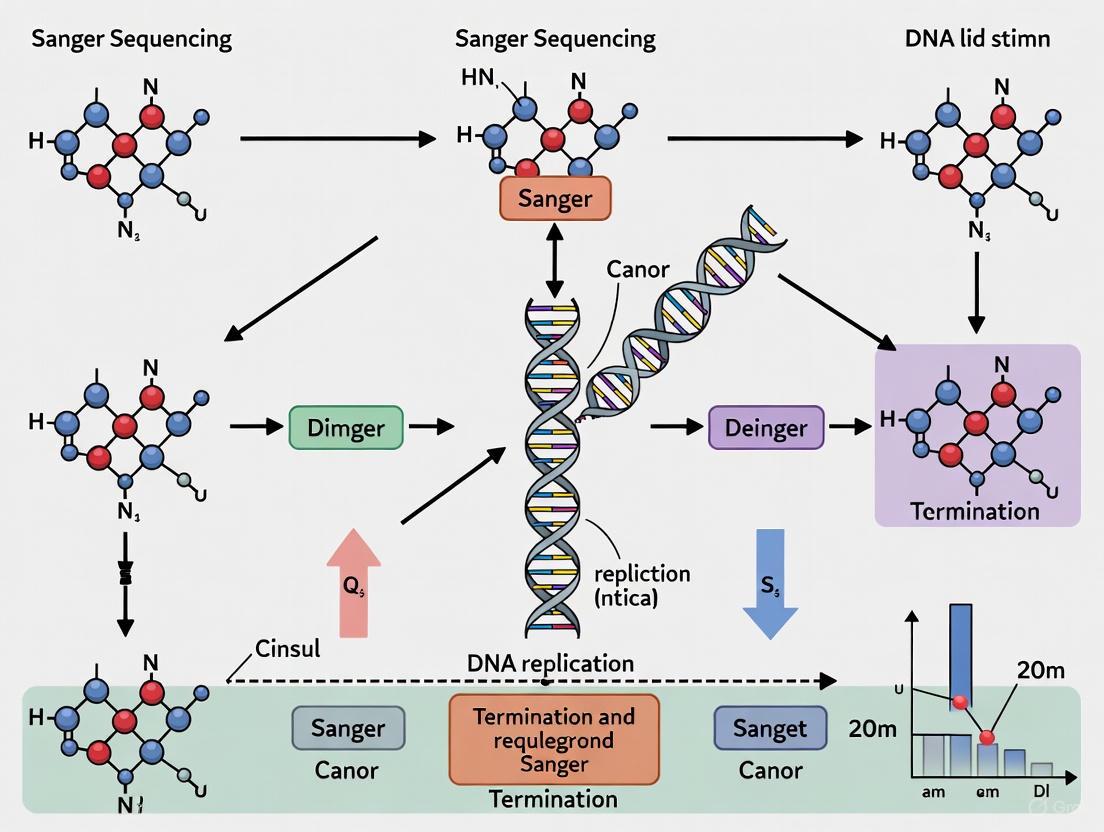
Figure 1: The core workflow of the Sanger chain termination method, illustrating the process from primer binding to the generation of a collection of terminated fragments.
Detailed Experimental Protocol
The following section provides a standardized protocol for performing dye-terminator Sanger sequencing, from template preparation to data analysis. Adherence to this protocol is critical for generating high-quality, reliable sequence data.
DNA Template Preparation
The process begins with the preparation of a high-quality DNA template.
- Input Material: The starting material can be purified genomic DNA, plasmid DNA, or PCR amplicons [6] [7]. For PCR amplicons, a prior amplification step is required to generate a sufficient quantity of the target region.
- Quality Control: The DNA template must be of high purity and integrity. Contaminants such as salts, proteins, or phenolic compounds can inhibit the polymerase. It is recommended to quantify the DNA and assess its quality via spectrophotometry (e.g., A260/A280 ratio) or gel electrophoresis [5] [6]. Using degraded or contaminated DNA is a common source of poor-quality sequencing traces [5].
- Template Type: The method requires a single-stranded DNA template. In modern automated protocols, double-stranded DNA is readily denatured during the initial high-temperature step of the cycle sequencing reaction [1].
Chain Termination PCR (Cycle Sequencing)
This is the key reaction that generates the terminated DNA fragments.
- Reaction Setup: A single reaction mixture is prepared containing:
- 1-10 ng of purified PCR product or 100-500 ng of genomic DNA.
- 3.2 pmol of sequencing primer (an oligonucleotide complementary to a known sequence adjacent to the target region).
- 2-8 µl of ready-to-use cycle sequencing mix (containing DNA polymerase, buffer, dNTPs, and fluorescently labeled ddNTPs).
- Nuclease-free water to a final volume of 10-20 µl [6] [4].
- Thermal Cycling: The reaction is performed in a thermal cycler using the following steps [6]:
- Initial Denaturation: 96°C for 1 minute to denature double-stranded DNA.
- Cycling (25-35 cycles):
- Denaturation: 96°C for 10 seconds.
- Annealing: 50°C for 5 seconds.
- Extension: 60°C for 4 minutes.
- Reaction Principle: During these cycles, the primer anneals to the template, and the polymerase extends it. The presence of fluorescent ddNTPs in the nucleotide mix ensures that a population of DNA fragments, terminated at every possible base position, is generated [1] [6].
Purification of Extension Products
Following the cycle sequencing reaction, it is crucial to remove unincorporated dye-terminators and salts that can interfere with capillary electrophoresis.
- Methods: Common clean-up methods include ethanol/EDTA precipitation or column-based purification kits [4]. This step ensures a clean sample, reducing background noise and improving signal clarity during detection.
Capillary Electrophoresis
The purified extension products are separated based on size.
- Process: The samples are injected into a capillary array instrument. An electric field is applied, causing the negatively charged DNA fragments to migrate through a long, thin capillary filled with a viscous polymer [2] [4].
- Separation: The matrix resolves the DNA fragments with single-base resolution, with shorter fragments migrating faster than longer ones [6].
- Detection: As the fragments pass a laser detector at the end of the capillary, the laser excites the fluorescent dye on the terminating ddNTP. The emitted light is captured by a CCD camera, and the wavelength identifies the base (A, T, G, C) [1] [4].
Data Analysis and Chromatogram Interpretation
The instrument's software translates the fluorescent signals into a sequence chromatogram.
- Chromatogram: This electropherogram displays a series of peaks, each corresponding to a specific base in the DNA sequence [5] [2]. The color of the peak indicates the base (e.g., green for A, black for G, red for T, blue for C), and the height and shape of the peak reflect the signal quality.
- Base Calling: Software algorithms, such as Phred, assign a quality score (Q-score) to each base call, helping to identify low-confidence regions [5] [2].
- Manual Curation: It is essential to manually review the chromatogram to verify the automated base calling, especially in regions with sequence complexity, mixed bases (indicating heterozygosity), or deteriorating quality at the ends of the read [5].
Figure 2: A simplified workflow diagram of the Sanger sequencing protocol, from sample preparation to final data analysis.
The Scientist's Toolkit: Research Reagent Solutions
A successful Sanger sequencing experiment relies on several key reagents, each with a specific function.
Table 1: Essential reagents for Sanger sequencing and their functions.
| Reagent | Function | Critical Parameters |
|---|---|---|
| DNA Template [6] | The target DNA to be sequenced; provides the sequence of interest. | Purity and concentration. Contaminants or degraded DNA lead to failed reactions. |
| Sequencing Primer [4] | A short oligonucleotide that binds to a known site on the template; provides a starting point for DNA polymerase. | Specificity and Tm. Must bind uniquely adjacent to the target region. |
| DNA Polymerase [5] | Enzyme that synthesizes a new DNA strand by adding nucleotides complementary to the template. | Processivity and fidelity. A thermostable enzyme is used for cycle sequencing. |
| Deoxynucleotides (dNTPs) [3] [1] | The four building blocks (dATP, dGTP, dCTP, dTTP) for DNA strand elongation. | Balance and purity. Required for continuous strand extension. |
| Dideoxynucleotides (ddNTPs) [3] [1] | Chain-terminating nucleotides (ddATP, ddGTP, ddCTP, ddTTP); each labeled with a unique fluorescent dye. | Optimal dNTP:ddNTP ratio. A low ratio ensures termination occurs at every base position. |
| Buffer System [6] | Provides the optimal chemical environment (pH, ionic strength) for polymerase activity. | Compatibility with polymerase. Typically supplied with the enzyme. |
Performance Data and Comparative Analysis
Understanding the technical specifications and limitations of Sanger sequencing is vital for appropriate experimental design and data interpretation.
Table 2: Key performance characteristics and a comparative overview of Sanger sequencing and Next-Generation Sequencing (NGS).
| Parameter | Sanger Sequencing | Next-Generation Sequencing (NGS) |
|---|---|---|
| Sequencing Principle | Chain termination with ddNTPs and capillary electrophoresis [3] [8]. | Massively parallel sequencing (e.g., reversible terminators, nanopore) [9] [8]. |
| Maximum Read Length | 500-1000 base pairs [2] [6]. | Varies by platform; typically shorter (e.g., Illumina: 50-300 bp) [3] [9]. |
| Throughput | Low; processes one DNA fragment per reaction [8]. | Very high; sequences millions of fragments simultaneously [9] [8]. |
| Accuracy | Very high (~99.99%); considered the gold standard [3] [4]. | High, but can vary by platform and require higher coverage [10]. |
| Detection Limit for Variants | Low sensitivity; typically 15-20% in a mixed sample [10] [9]. | High sensitivity; can detect variants at frequencies of 1% or lower [10] [9]. |
| Cost per Sample | Low for a few targets [3] [7]. | Higher per sample, but lower per base for large projects [6] [8]. |
| Ideal Application | Validation of NGS results, sequencing of single genes/clones, microbial identification [2] [7]. | Whole-genome sequencing, transcriptomics, metagenomics, variant discovery [10] [8]. |
A key performance limitation of Sanger sequencing is its relatively low sensitivity for detecting minor variants. Because it produces a consensus sequence from all DNA molecules in the reaction, a mutation must be present in a significant proportion of the sample (typically 15-20%) to be clearly distinguishable from background noise [10] [9]. In contrast, NGS, by sequencing individual molecules, can detect variants present at frequencies as low as 1% [10]. This makes NGS more suitable for applications like detecting somatic mutations in heterogeneous tumor samples.
Troubleshooting and Technical Considerations
Even with a robust protocol, technical challenges can arise. The following are common issues and recommended solutions:
- Poor-Quality Sequence at the Start: The first 15-40 bases can be unreadable due to the primer binding and incomplete denaturation. Solution: Ensure complete denaturation of the template and use clean primers. Sequence from both ends (forward and reverse) to ensure full coverage [2].
- Sequence Quality Deterioration After ~700 bp: Readable sequence length is limited by the resolving power of capillary electrophoresis. Solution: For longer targets, design overlapping primers to sequence the region in multiple, shorter segments [2] [6].
- Noisy or Unreadable Chromatograms (Background Noise): This is often caused by non-specific primer binding, poor template quality, or insufficient cleanup of the sequencing reaction. Solution: Optimize PCR conditions to ensure a single, specific amplicon; re-purify the DNA template; and ensure the post-sequencing cleanup is thorough [5].
- Mixed Sequence (Overlapping Peaks) in a Clonal Sample: This can indicate a heterozygous base (in a diploid organism) or a mixed population. Solution: Manually inspect the chromatogram. The presence of two distinct peaks of roughly equal height at a single position is a classic signature of a heterozygous single nucleotide polymorphism (SNP) [5] [7].
The Sanger chain termination method remains a cornerstone of modern molecular biology. Its unparalleled accuracy, reliability, and straightforward workflow ensure its continued utility in research and clinical diagnostics. While NGS excels in high-throughput, discovery-based applications, Sanger sequencing is the definitive choice for targeted sequencing, validation, and applications demanding the highest possible data fidelity. A deep understanding of its core principle, as outlined in this application note, empowers scientists to effectively leverage this powerful technology.
The field of genomics was fundamentally reshaped by the pioneering work of Frederick Sanger, whose development of the chain-termination method in 1977 provided the first practical tool for deciphering the code of life [11]. This revolutionary method, known as Sanger sequencing, earned Sanger his second Nobel Prize in Chemistry and became the foundational technology for the monumental Human Genome Project [12] [11]. For approximately three decades, Sanger sequencing remained the gold standard for DNA sequencing, enabling scientists to read genetic information with remarkable accuracy exceeding 99.99% [2] [3]. The technology's reliability and precision made it the workhorse of large-scale sequencing initiatives, culminating in the first complete sequence of the human genome—a transformative achievement that continues to influence biomedical research, drug discovery, and clinical diagnostics.
The core innovation of Sanger's method was its elegant simplicity. By incorporating chain-terminating dideoxynucleotides (ddNTPs) during in vitro DNA replication, the technique generated DNA fragments of varying lengths that could be separated by size to reveal the exact sequence of nucleotide bases [2] [3] [1]. The subsequent automation of this process through fluorescent labeling and capillary electrophoresis enabled the high-throughput sequencing required for ambitious projects like the Human Genome Project [2] [12]. This document provides a comprehensive overview of Sanger sequencing methodology, its pivotal role in genomic milestones, and its continued relevance in modern research and diagnostic applications.
Principles and Technological Evolution of Sanger Sequencing
Fundamental Principles of the Chain-Termination Method
Sanger sequencing operates on the principle of specific chain termination during DNA synthesis. The method utilizes the DNA polymerase enzyme to synthesize a new DNA strand complementary to the single-stranded template DNA [3] [1]. The critical components required for this reaction include: a single-stranded DNA template, a primer complementary to the template, DNA polymerase, standard deoxynucleotides (dNTPs: dATP, dGTP, dCTP, and dTTP), and modified dideoxynucleotides (ddNTPs) [2] [1].
The key mechanistic differentiator is the structure of ddNTPs, which lack a hydroxyl group (-OH) at the 3' carbon position of the deoxyribose sugar [3] [11]. This structural modification prevents the formation of a phosphodiester bond with the next incoming nucleotide. When a ddNTP is incorporated into the growing DNA strand by DNA polymerase, further elongation is immediately terminated [11]. By including a small proportion of fluorescently labeled ddNTPs alongside the regular dNTPs in the reaction mixture, DNA synthesis terminates randomly at every position where that specific nucleotide occurs, generating a collection of DNA fragments of varying lengths, each ending with a fluorescently tagged ddNTP corresponding to the terminal base [13] [3] [11].
Workflow and Visualization of the Sanger Sequencing Process
The following diagram illustrates the streamlined workflow of a modern Sanger sequencing process, from template preparation to sequence determination:
Figure 1: Sanger Sequencing Workflow
The process begins with the preparation of a single-stranded DNA template, followed by the annealing of a specific primer to initialize DNA synthesis [3]. The sequencing reaction then proceeds in a thermal cycler, where DNA polymerase extends the primer, randomly incorporating fluorescently labeled ddNTPs that terminate strand elongation [11]. The resulting fragments are separated by capillary electrophoresis based on their molecular weight (length), with shorter fragments migrating faster than longer ones [2] [11]. As fragments pass through the detection window, a laser excites the fluorescent tags, and the emitted light is captured to generate a chromatogram—a series of colored peaks corresponding to the sequence of nucleotides in the DNA template [11].
Technological Advancements and Automation
The original Sanger method required four separate reactions, each containing a different ddNTP, and manual reading of DNA sequences from polyacrylamide gels [2]. Two major advancements transformed this process: the development of dye-terminator sequencing and the implementation of capillary array electrophoresis [2].
In dye-terminator sequencing, each of the four ddNTPs is labeled with a distinct fluorescent dye, enabling all four sequencing reactions to be performed in a single tube and run in a single capillary [2] [1]. This innovation significantly streamlined the process and reduced potential errors. Concurrently, the shift from slab gel electrophoresis to automated capillary electrophoresis systems allowed for higher throughput, better separation efficiency, and automated sample loading [2]. These technological improvements were crucial for scaling up Sanger sequencing to meet the demands of the Human Genome Project, enabling laboratories to sequence up to 384 samples in a single batch with read lengths of 500-1000 base pairs [2] [3].
Sanger Sequencing and the Human Genome Project: A Quantitative Leap
Scaling Up for a Monumental Task
The Human Genome Project (HGP), an international research effort to determine the DNA sequence of the entire human genome, relied heavily on Sanger sequencing as its primary workhorse technology [3] [11]. Although next-generation sequencing (NGS) technologies emerged later in the project, Sanger sequencing generated the majority of the completed reference sequence [12]. The HGP necessitated massive scaling of Sanger sequencing capabilities, driving innovations in automation, parallel processing, and data analysis to handle the enormous scale of sequencing three billion base pairs.
To achieve this monumental task, the HGP utilized a hierarchical shotgun sequencing approach. This strategy involved breaking the genome into large, overlapping bacterial artificial chromosome (BAC) clones, creating a physical map, then shearing each clone into smaller fragments suitable for Sanger sequencing [12]. After obtaining the sequences of these small fragments, powerful computers reassembled them into the complete sequence of each BAC clone, which were then stitched together to reconstruct the entire chromosome [2].
Performance Metrics and Comparative Sequencing Technologies
The table below summarizes the key characteristics of Sanger sequencing in comparison with next-generation sequencing technologies:
Table 1: Comparison of Sanger Sequencing and Next-Generation Sequencing (NGS)
| Feature | Sanger Sequencing | Next-Generation Sequencing (NGS) |
|---|---|---|
| Sequencing Principle | Chain-termination method with ddNTPs [3] | Massively parallel sequencing of millions of fragments [13] |
| Throughput | Low throughput; processes one DNA fragment at a time [11] | High throughput; sequences millions of fragments simultaneously [13] [11] |
| Read Length | Long reads (500-1000 base pairs) [2] [3] | Shorter reads (varies by platform) [3] |
| Accuracy | Very high (>99.99%) [2] [3] | High, but typically lower than Sanger; errors can be corrected through repeated sequencing [3] |
| Cost Efficiency | Cost-effective for small regions or few targets (<20) [13] [11] | More economical for large-scale projects and high sample volumes [13] [11] |
| Primary Applications | Small-scale projects, SNP identification, validation of NGS results, clinical diagnostics [13] [3] [11] | Large-scale genome sequencing, transcriptome analysis, metagenomics, discovery-based research [13] [12] |
| Detection Sensitivity | Limited sensitivity for low-frequency variants (~15-20%) [13] | High sensitivity for low-frequency variants (down to 1%) [13] |
The exceptional accuracy and read length of Sanger sequencing made it particularly valuable for the finishing phase of the Human Genome Project, where high-quality sequence data was essential for resolving complex repetitive regions and ensuring minimal error rates in the final reference genome [2]. While NGS technologies offered vastly superior throughput, Sanger sequencing provided the precision required for generating a gold-standard reference sequence against which all subsequent genomic variations would be measured.
Essential Reagents and Research Solutions for Sanger Sequencing
Successful implementation of Sanger sequencing requires precise formulation of reaction components and specialized kits. The following table details the essential reagents and their specific functions in the sequencing workflow:
Table 2: Essential Research Reagents for Sanger Sequencing
| Reagent / Solution | Function and Importance in Sequencing Workflow |
|---|---|
| Single-stranded DNA Template | The DNA to be sequenced; provides the complementary template for DNA synthesis [2] [1] |
| Sequence-specific Primer | Short oligonucleotide (typically 17-24 nt) that anneals to a specific site on the template DNA to initiate DNA synthesis by DNA polymerase [3] [11] |
| DNA Polymerase | Enzyme that catalyzes the template-directed addition of nucleotides to the growing DNA strand; incorporates both dNTPs and ddNTPs [2] [11] |
| Deoxynucleotides (dNTPs) | Standard nucleotides (dATP, dGTP, dCTP, dTTP) that serve as the building blocks for DNA strand elongation [2] [3] |
| Dideoxynucleotides (ddNTPs) | Chain-terminating nucleotides (ddATP, ddGTP, ddCTP, ddTTP) that lack a 3'-OH group; when incorporated, they prevent further strand elongation [2] [3] [11] |
| Fluorescent Dyes | Fluorophores attached to ddNTPs or primers; enable detection during capillary electrophoresis (typically four different dyes for the four bases) [2] [1] |
| Thermal Stable Buffer | Maintains optimal pH and salt conditions for DNA polymerase activity during thermal cycling [3] |
| Capillary Array Electrophoresis Matrix | Polymer matrix that separates DNA fragments by size as they migrate through the capillary under an electric field [2] |
Commercial Sanger sequencing kits, such as the BigDye Terminator kits from Thermo Fisher Scientific, integrate these key components into optimized, ready-to-use formulations that ensure high accuracy and reproducibility [14]. These kits have demonstrated consistent performance with error rates below 0.1% in validation studies, making them suitable for both research and clinical applications [14]. Other notable vendors providing high-quality Sanger sequencing solutions include Agilent Technologies, Qiagen, and New England Biolabs, each offering specialized kits tailored to different applications and throughput requirements [14].
Detailed Experimental Protocol for Sanger Sequencing
Sample Preparation and Template Isolation
The initial phase of Sanger sequencing requires high-quality DNA template preparation. For plasmid DNA, bacterial cultures are grown and plasmids purified using standard miniprep or maxiprep protocols [11]. For PCR products, amplification should be followed by purification to remove excess primers, dNTPs, and enzyme that could interfere with the sequencing reaction [11]. The DNA concentration should be accurately quantified using spectrophotometry (NanoDrop) or fluorometry (Qubit), with typical requirements ranging from 50-500 ng per reaction depending on template size and purity [11]. For clinical samples, such as blood, DNA extraction can be performed using commercial kits like the Nucleo-Mag Blood DNA Kit, followed by quality assessment via pulsed-field gel electrophoresis to ensure high molecular weight DNA [15].
Sequencing Reaction Setup and Thermal Cycling
The sequencing reaction utilizes the chain-termination principle with fluorescently labeled ddNTPs:
Prepare Reaction Mixture: In a PCR tube, combine:
Thermal Cycling Conditions:
This process generates a collection of DNA fragments of varying lengths, each terminating with a fluorescently labeled ddNTP corresponding to the sequence of the template DNA.
Post-Reaction Purification and Capillary Electrophoresis
Following thermal cycling, remove unincorporated dye terminators through purification methods such as ethanol/EDTA precipitation, column-based purification, or magnetic bead clean-up [2] [11]. Resuspend the purified DNA fragments in a suitable loading buffer (e.g., Hi-Di formamide). Denature the samples at 95°C for 5 minutes followed by immediate cooling on ice to prevent renaturation. Load samples onto an automated DNA sequencer equipped with capillary array electrophoresis (e.g., Applied Biosystems 3500xL Genetic Analyzer) [15]. The instrument separates fragments by size through capillary electrophoresis, with shorter fragments migrating faster. As fragments pass the detection window, a laser excites the fluorescent tags, and the emitted light is captured to generate a chromatogram [2] [11].
Contemporary Applications in Biomedical Research and Drug Discovery
Validation of Next-Generation Sequencing Results
Despite the emergence of NGS technologies, Sanger sequencing maintains a critical role in validating results obtained through high-throughput methods [11]. Its exceptional accuracy makes it ideal for confirming clinically significant variants, particularly in complex genomic regions such as AT-rich or GC-rich sequences where NGS may produce false positives [11]. This validation process is essential in clinical diagnostics and research settings where accuracy is paramount, such as in confirming oncogenic mutations for targeted cancer therapies or validating hereditary disease-associated variants for genetic counseling [11].
Microbial Identification and Infectious Disease Surveillance
Sanger sequencing plays a pivotal role in microbial identification and infectious disease monitoring, particularly through the sequencing of conserved genetic markers like the 16S rRNA gene for bacterial identification [16] [11]. During the COVID-19 pandemic, Sanger sequencing was employed for targeted sequencing of specific SARS-CoV-2 genes, such as the spike protein (S-gene), providing a rapid and accurate method for variant surveillance in resource-limited settings where NGS capabilities were unavailable [2]. Public health laboratories also utilize Sanger sequencing as the "gold standard" for norovirus surveillance through the CDC's CaliciNet network, enabling outbreak tracking and source identification for foodborne illnesses [2].
Antibody Discovery and Therapeutic Development
In antibody drug discovery, Sanger sequencing remains the method of choice for validating lead antibody candidates and characterizing specific clones due to its high precision and ability to sequence constructs such as immunoglobulin G (IgG), Fab fragments, and single-chain variable fragments (scFv) [17]. With read lengths of 500-1000 base pairs and accuracy exceeding 99.99%, it provides reliable sequence confirmation for therapeutic antibodies before they advance to costly development and production stages [17] [3]. The technology is also essential for confirming the sequence integrity of mRNAs used in vaccine and therapeutic manufacturing, ensuring they meet stringent regulatory standards for quality and safety [11].
Methodological Limitations and Complementary Approaches
Technical Constraints of Sanger Sequencing
While Sanger sequencing offers exceptional accuracy, it does have several methodological limitations. The technology has relatively low sensitivity for detecting low-frequency variants, with a limit of detection of approximately 15-20% variant allele frequency, making it unsuitable for identifying minor subpopulations in heterogeneous samples [13]. Throughput is substantially lower than NGS, as Sanger sequencing processes individual DNA fragments sequentially rather than in a massively parallel manner [13] [11]. Read lengths, although longer than most NGS platforms, are typically limited to 500-1000 bases, requiring complex assembly for larger genomic regions [2] [3]. Additionally, the method often exhibits deteriorating sequence quality in the first 15-40 bases due to primer binding issues and after 700-900 bases, making base calling challenging in these regions [2] [14].
Integrated Approaches with Modern Sequencing Technologies
To leverage the respective strengths of different sequencing platforms, researchers often implement integrated approaches that combine Sanger sequencing with newer technologies. For non-tuberculous mycobacteria (NTM) identification, studies have demonstrated that concatenated phylogenetic analysis of two or more gene fragments (16S + rpoB) using Sanger sequencing provides accurate species-level identification when MALDI-ToF MS or whole genome sequencing is unavailable [16]. In methylation studies, Sanger bisulfite sequencing has been compared with emerging techniques like MinION nanopore sequencing, revealing that while both methods show good concordance for methylation levels above 20%, Sanger data in the 0-20% methylation range should be interpreted cautiously due to potential bisulfite conversion artifacts [15]. These complementary approaches enable researchers to balance cost, throughput, and accuracy based on their specific experimental needs.
Frederick Sanger's development of the chain-termination method created a technological paradigm that fundamentally transformed biological research and paved the way for the genomic revolution. Its critical role in the Human Genome Project demonstrated that comprehensive sequencing of complex genomes was achievable, inspiring subsequent technological innovations that have made sequencing increasingly accessible and affordable. While next-generation sequencing platforms now dominate large-scale genomic studies, Sanger sequencing maintains its relevance through its unparalleled accuracy, reliability, and efficiency for targeted applications.
The enduring legacy of Sanger sequencing is evident in its continued widespread use for validating NGS findings, clinical diagnostics, microbial genotyping, and quality control in biotherapeutic development. As genomics continues to advance into new frontiers of personalized medicine, drug discovery, and basic research, the principles established by Sanger's method remain foundational to our understanding and application of genetic information. The technology serves as a testament to how a elegantly simple concept, rigorously developed and refined, can yield transformative scientific insights that endure for decades.
The Evolution from Gel Electrophoresis to Capillary Automation
The Sanger method, developed by Fred Sanger in 1977, revolutionized molecular biology by enabling the determination of DNA nucleotide sequences [18] [19]. This chain-termination technique fundamentally relies on the electrophoretic separation of DNA fragments by size, a process that has undergone profound technological transformation [18]. The original methodology utilized dideoxynucleotides (ddNTPs) to randomly terminate DNA synthesis during in vitro replication, creating DNA fragments of varying lengths [19]. These fragments were subsequently resolved using polyacrylamide gel electrophoresis and visualized through autoradiography, allowing researchers to "read" the DNA sequence from the resulting banding pattern [18] [20]. This manual approach, while groundbreaking, was characterized by low throughput, significant labor requirements, and technical challenges that limited its scalability for larger projects [19].
The evolution from manual gel electrophoresis to automated capillary systems represents a critical advancement in molecular biology, particularly within the context of Sanger sequencing research. This transition addressed fundamental limitations in throughput, accuracy, and efficiency, ultimately enabling ambitious large-scale sequencing projects like the Human Genome Project [9]. The progression from slab gels to capillary-based automation has not only refined Sanger methodology but also paved the way for next-generation sequencing technologies by establishing principles of parallelization and automation [18] [9].
Historical Transition: From Manual Gels to Automated Systems
The Era of Slab Gel Electrophoresis
The initial implementation of Sanger sequencing relied exclusively on manual slab gel electrophoresis, requiring researchers to pour polyacrylamide gels between glass plates, manually load samples into delicate wells, and conduct electrophoretic separation over several hours [18] [21]. The detection process involved radioactive labeling with ³²P or ³⁵S isotopes, followed by exposure to X-ray film for band visualization [21]. This approach presented numerous challenges:
- Low throughput: Each gel could separate only a limited number of samples simultaneously [19]
- Technical complexity: The process demanded significant technical expertise to minimize artifacts and ensure consistent results [22]
- Safety concerns: Radioactive labeling posed health risks and required special handling procedures [19]
- Limited resolution: Fragment size separation was constrained by gel quality and uniformity [22]
The first major innovation came with the introduction of fluorescent dye labeling in the late 1980s, replacing radioactive detection methods [19]. This advancement was coupled with the development of early automation systems that could detect fluorescence during electrophoresis, significantly accelerating data acquisition [18].
The Capillary Electrophoresis Revolution
The 1990s witnessed the transformative development of capillary electrophoresis (CE), which addressed the fundamental limitations of slab gel systems [18]. This technology replaced the traditional gel slab with narrow glass capillaries (typically 50-100 μm in diameter) filled with separation polymer [18] [21]. The implementation of CE systems brought several critical advantages:
- Automated sample loading: Robotic systems could inject samples directly into capillaries via electrokinetic or pressure injection [18]
- Enhanced speed: The application of higher voltage (up to 15-30 kV) significantly reduced separation time from hours to minutes [21]
- Parallel processing: Multi-capillary arrays (eventually expanding to 96 capillaries) enabled high-throughput analysis [18]
- Integrated detection: On-capillary fluorescence detection eliminated the need for manual gel scanning [18]
This technological shift was particularly crucial for the Human Genome Project, which relied on automated Sanger sequencing with capillary instrumentation to achieve its landmark completion in 2003 [9]. The transition from gels to capillaries represented more than just incremental improvement—it fundamentally transformed Sanger sequencing from a specialized manual technique to an industrialized process capable of genomic-scale production [9].
Table 1: Comparative Analysis of Gel vs. Capillary Electrophoresis for Sanger Sequencing
| Parameter | Slab Gel Electrophoresis | Capillary Electrophoresis |
|---|---|---|
| Throughput | 1-48 samples per gel | 8-96 samples per run |
| Separation Time | 2-8 hours | 10-120 minutes |
| Automation Level | Manual loading & processing | Fully automated from injection to detection |
| Detection Method | Radioactive/fluorescence scanning | On-capillary laser-induced fluorescence |
| Data Quality | Resolution varies with gel quality | Highly consistent run-to-run |
| Hands-on Time | 3-5 hours for setup & processing | <30 minutes for loading & initiation |
| Fragment Size Resolution | 500-700 bases | 500-1000 bases |
Technical Comparison: Performance Metrics
The evolution from gel to capillary electrophoresis yielded measurable improvements across multiple performance dimensions critical for Sanger sequencing applications. Quantitative assessment demonstrates the clear advantages of automated capillary systems in research and diagnostic contexts.
Throughput and Efficiency Metrics
The implementation of multicapillary arrays represented a quantum leap in sequencing productivity. Where a single researcher could process perhaps 96 samples per week using manual slab gels, the same researcher could process 500-1000 samples per week using a 96-capillary array system [18]. This 5-10x improvement in throughput directly enabled large-scale sequencing projects that would have been practically impossible with manual methods.
The automated sample identification capabilities of capillary systems, incorporating barcode readers and robotic plate handling, significantly reduced administrative errors and sample tracking challenges [22]. This improvement in process integrity was particularly valuable in regulated environments like clinical diagnostics and pharmaceutical development.
Resolution and Data Quality
While early capillary systems faced challenges matching the resolution of high-quality slab gels, technological refinements in separation polymers and buffer systems quickly closed this gap. By the introduction of second-generation multicapillary systems with high-resolution buffers, capillary electrophoresis demonstrated equivalent or superior resolution compared to agarose gel systems, particularly in the critical alpha and beta regions where monoclonal immunoglobulins are detected [22].
Modern capillary systems achieve read lengths of 500-1000 bases with accuracy exceeding 99.99%, establishing the Sanger method as the "gold standard" for validation sequencing in research and clinical applications [9] [19]. This exceptional accuracy explains why Sanger sequencing maintains a vital role alongside next-generation sequencing technologies for confirmation of genetic variants [9].
Table 2: Quantitative Performance Comparison of Electrophoresis Modalities
| Performance Metric | Manual Slab Gel | Automated Capillary | Improvement Factor |
|---|---|---|---|
| Samples per Run | 16-48 | 96 | 2-6x |
| Run Time | 4-8 hours | 0.5-2 hours | 4-8x faster |
| Setup Time | 60-90 minutes | 5-15 minutes | 6-12x reduction |
| Accuracy | 99.9% | >99.99% | Marginal improvement |
| Max Read Length | 500-700 bases | 500-1000 bases | 1.4x improvement |
| Detection Limit | 5-10 ng DNA | 1-5 ng DNA | 2-5x improvement |
| Cost per Sample | $5-10 | $2-5 | 2x reduction |
Experimental Protocols
Traditional Slab Gel Sanger Sequencing Protocol
This protocol outlines the manual Sanger sequencing method using radioactive detection, representing the standard approach before automation [18] [19].
Materials Required:
- DNA template (plasmid or PCR product)
- Sequencing primer
- DNA polymerase
- dNTP/ddNTP mixture
- Polyacrylamide gel apparatus
- Radioactive isotopes (³²P or ³⁵S)
- X-ray film or phosphorimager
Procedure:
- Template Preparation: Purify DNA template to eliminate contaminants. For plasmid DNA, use alkaline lysis followed by column purification. Determine concentration by spectrophotometry.
- Sequencing Reaction: Set up four separate reactions (A, T, G, C) in thin-walled PCR tubes:
- 5x Sequencing Buffer: 4 μL
- DNA template (100-500 ng): 2 μL
- Sequencing primer (5 pmol/μL): 1 μL
- dNTP/ddNTP mix (specific to each base): 2 μL
- DNA polymerase: 1 μL
- Radiolabeled dATP: 1 μL
- Nuclease-free water to 20 μL final volume
- Thermal Cycling:
- Denaturation: 95°C for 2 minutes
- 35 cycles of: 95°C for 30 seconds, 55°C for 30 seconds, 72°C for 1 minute
- Final extension: 72°C for 5 minutes
- Gel Preparation:
- Assemble glass plates with 0.4 mm spacers
- Prepare 6% polyacrylamide/7M urea gel solution
- Pour gel carefully to avoid bubbles, insert comb
- Allow polymerization for 1-2 hours
- Electrophoresis:
- Pre-run gel for 30-60 minutes to reach 45-50°C
- Denature samples at 95°C for 5 minutes, place on ice
- Flush wells, load 2-3 μL per lane
- Run at constant power (40-50W) for 2-8 hours depending on read length requirements
- Detection:
- Transfer gel to filter paper, dry under vacuum
- Expose to X-ray film for 12-48 hours or phosphorimager screen for 2-12 hours
- Develop film or scan screen for sequence interpretation
Automated Capillary Sanger Sequencing Protocol
This protocol describes the contemporary approach using fluorescent detection and capillary electrophoresis [18] [21].
Materials Required:
- DNA template
- BigDye Terminator v3.1 cycle sequencing kit
- POP-7 polymer for capillaries
- 96-well reaction plates
- Capillary electrophoresis instrument (e.g., Applied Biosystems 3730xl)
Procedure:
- Template Preparation: Purify DNA using column-based methods. Quantify using fluorometry for superior accuracy over spectrophotometry for low-concentration samples.
- Sequencing Reaction Setup:
- In a 96-well plate, combine:
- BigDye Terminator Ready Reaction Mix: 2 μL
- Sequencing Buffer (5X): 1.5 μL
- Template DNA (10-100 ng): 1 μL
- Primer (3.2 pmol/μL): 1 μL
- Nuclease-free water to 10 μL final volume
- In a 96-well plate, combine:
- Thermal Cycling:
- Denaturation: 96°C for 1 minute
- 35 cycles of: 96°C for 10 seconds, 50°C for 5 seconds, 60°C for 4 minutes
- Hold at 4°C until purification
- Reaction Cleanup:
- Add 10 μL of nuclease-free water to each reaction
- Transfer to purification plate or use column-based purification
- Elute in 10-20 μL of Hi-Di formamide for injection
- Capillary Electrophoresis:
- Place sample plate in autosampler
- Program instrument with run module (Default Module 1 for 50 cm capillaries)
- Set injection parameters: 1.2 kV for 10-30 seconds
- Run at 8.5 kV for 20-120 minutes depending on desired read length
- Set detection parameters for appropriate dye set (G5 for BigDye Terminator v3.1)
- Data Collection and Analysis:
- Instrument automatically collects fluorescence data
- Base calling performed by instrument software
- Sequence data exported as .ab1 files for downstream analysis
- Quality metrics (QV scores) assessed for each base call
The Scientist's Toolkit: Essential Research Reagents
Successful implementation of automated capillary Sanger sequencing requires specific reagents and materials optimized for the technology. The following table details critical components and their functions in contemporary sequencing workflows.
Table 3: Research Reagent Solutions for Capillary Sanger Sequencing
| Reagent/Material | Function | Application Notes |
|---|---|---|
| BigDye Terminators | Fluorescently labeled ddNTPs for chain termination | Version 3.1 provides balanced dye signals and reduced background |
| POP-7 Performance Optimized Polymer | Separation matrix for capillaries | Superior resolution and longevity compared to earlier polymers |
| Hi-Di Formamide | Sample denaturation and suspension medium | Enables sharp injection peaks and consistent migration |
| DNA Polymerase (AmpliTaq FS) | Engineered enzyme for dye terminator incorporation | High processivity and minimal discrimination between dye terminators |
| Magnetic Bead Cleanup Kits | Post-reaction purification | Remove unincorporated dye terminators that cause background noise |
| Electrophoresis Buffer with EDTA | Conductive medium for separation | Maintains stable pH and conductivity throughout extended runs |
| Capillary Arrays (36-50 cm) | Separation channel for fragment resolution | Different lengths optimized for various read length requirements |
| Size Standards (LIZ-600) | Internal fragment size calibration | Enables accurate base calling across entire read length |
Workflow Visualization: Sanger Sequencing Evolution
The transition from manual to automated sequencing encompasses both technological and process innovations. The following diagrams illustrate the key workflow differences between these approaches.
Manual Slab Gel Sequencing Workflow
Automated Capillary Sequencing Workflow
Impact and Future Perspectives
The evolution from gel electrophoresis to capillary automation has profoundly impacted biomedical research and clinical diagnostics. This transition enabled the completion of the Human Genome Project and established the technical foundation for personalized medicine approaches [9]. While next-generation sequencing technologies now dominate large-scale genomic applications, automated Sanger sequencing maintains critical importance as the gold standard for validation due to its exceptional accuracy and reliability [9] [19].
The integration of microfluidics technology represents the continuing evolution of electrophoretic separation, with platforms like the ANDE system reducing PCR times from hours to minutes and enabling rapid DNA profiling in field applications [21]. These advancements build directly upon the principles established during the gel-to-capillary transition, demonstrating how this historical progression continues to influence contemporary technology development.
For researchers and drug development professionals, understanding this technological evolution provides valuable context for selecting appropriate sequencing methodologies based on project requirements. The exceptional 99.99% accuracy of capillary Sanger sequencing ensures its continued relevance for clinical diagnostics, mutation confirmation, and targeted sequencing applications where precision is paramount [9]. Meanwhile, the principles of automation and parallelization developed during this transition continue to inform the design and implementation of emerging sequencing technologies, creating an enduring legacy for the pioneering work that transformed manual gel electrophoresis into high-throughput automated analysis.
Sanger sequencing, also known as the chain-termination method, was developed in the 1970s by Frederick Sanger and remains a cornerstone technique in molecular biology [11] [1]. Despite the emergence of Next-Generation Sequencing (NGS) platforms, Sanger sequencing maintains critical importance in research and clinical diagnostics due to its exceptional accuracy and reliability for targeted sequencing applications [11] [23]. This application note details the key technical characteristics of Sanger sequencing—accuracy, read length, and throughput—and provides standardized protocols for researchers and drug development professionals utilizing this method within modern genomic workflows. Its role is now often focused on validating results from high-throughput sequencing methods and for small-scale projects requiring precision [11].
Core Technical Characteristics
The utility of Sanger sequencing for specific applications is defined by its core technical performance metrics. The table below summarizes these key quantitative characteristics.
Table 1: Key Technical Characteristics of Sanger Sequencing
| Characteristic | Performance Metric | Contextual Comparison |
|---|---|---|
| Accuracy | > 99.99% [24] (often cited as "highly accurate" with Phred score > Q50/99.999%) [25] | Higher per-base accuracy than typical NGS reads; considered the "gold standard" for validation [25] [6]. |
| Read Length | 500 - 1,000 base pairs (bp) [25]; commonly up to 800 bp [1] | Produces long, contiguous reads, advantageous for spanning repetitive regions and resolving specific haplotypes [25]. |
| Throughput | Low throughput; processes one DNA fragment per reaction [11] [6] | Not suitable for whole genomes; ideal for focused, targeted sequencing of a limited number of genomic targets [11]. |
Analysis of Characteristics
- Accuracy: The exceptional accuracy of Sanger sequencing stems from its foundational biochemistry. The method relies on the selective incorporation of chain-terminating dideoxynucleotides (ddNTPs) during an in vitro DNA replication reaction [11] [1]. This process, combined with high-resolution capillary electrophoresis for fragment separation, results in a highly reliable sequence read, particularly in the central portion of the read [25]. This makes it ideal for confirming gene variants, detecting point mutations, and small insertions/deletions [11].
- Read Length: The ability to generate long reads (800–1,000 bp) in a single reaction is a significant advantage for applications like closing gaps in genome assemblies, verifying plasmid constructs, and sequencing through regions of interest without the need for complex assembly of shorter reads [11] [25].
- Throughput: The linear, one-fragment-at-a-time nature of Sanger sequencing is its primary limitation for large-scale projects [11] [25]. While a single run is fast, generating comprehensive data for many targets requires numerous individual reactions, making it less efficient and more costly than NGS for sequencing entire genomes or hundreds of genes [11] [24].
Comparative Analysis with Next-Generation Sequencing
Understanding the position of Sanger sequencing in the modern genomics toolkit requires a direct comparison with NGS. The following table outlines the fundamental differences.
Table 2: Sanger Sequencing vs. Next-Generation Sequencing (NGS)
| Aspect | Sanger Sequencing | Next-Generation Sequencing (NGS) |
|---|---|---|
| Fundamental Method | Chain termination using ddNTPs [25] | Massively parallel sequencing (e.g., Sequencing by Synthesis) [25] |
| Throughput & Scalability | Low throughput; ideal for small-scale projects or specific gene targets [11] | Extremely high throughput; suitable for large-scale projects like whole-genome sequencing [11] [25] |
| Accuracy | Highly accurate (>99%), ideal for validating variants [11] | Slightly lower per-read accuracy, but high overall accuracy is achieved through deep coverage [25] |
| Read Length | Long reads (800–1,000 bp) [11] [25] | Shorter reads (e.g., 50-300 bp for Illumina short-read platforms) [25] |
| Cost Efficiency | Low cost per run for small projects; high cost per base for large-scale work [11] [25] | High capital and reagent cost per run; very low cost per base for large projects [11] [25] |
| Primary Applications | Mutation detection, plasmid verification, PCR product analysis, validating NGS results [11] [23] | Whole-genome sequencing, transcriptomics, epigenetics, discovery of novel variants [11] [25] |
Experimental Protocol: Standard Sanger Sequencing Workflow
The following section provides a detailed step-by-step protocol for a standard dye-terminator Sanger sequencing reaction, which is the current industry standard.
Research Reagent Solutions
Table 3: Essential Reagents for Sanger Sequencing
| Reagent/Material | Function |
|---|---|
| Single-stranded DNA Template | The target DNA to be sequenced, extracted and purified [11] [6]. |
| Primers | Short, single-stranded DNA sequences that bind specifically to the template to provide a starting point for DNA polymerase [11]. |
| DNA Polymerase | Enzyme that catalyzes the synthesis of a new DNA strand by adding nucleotides to the primer [11] [1]. |
| Deoxynucleotides (dNTPs) | The standard nucleotides (dATP, dGTP, dCTP, dTTP) used for DNA strand elongation [1]. |
| Dideoxynucleotides (ddNTPs) | Chain-terminating nucleotides, each labeled with a unique fluorescent dye; lack the 3'-OH group needed for further elongation [11] [1]. |
| Sequencing Clean-up Kit | Used to remove unincorporated ddNTPs, salts, and other contaminants from the PCR reaction before electrophoresis [6]. |
Step-by-Step Workflow
- DNA Template Preparation: Extract and purify the target DNA to obtain a high-quality, single-stranded template. Methods include chemical, column-based, or magnetic bead-based extraction [11] [6]. The purity and concentration of the template are critical for successful sequencing.
- Chain Termination PCR (Cycle Sequencing):
- Reaction Setup: In a single tube, combine the purified DNA template, primer, DNA polymerase, a mixture of the four dNTPs, and a small, defined quantity of all four fluorescently labeled ddNTPs (ddATP, ddGTP, ddCTP, ddTTP, each with a distinct dye) [11] [1] [6].
- Thermal Cycling: The reaction is subjected to PCR thermal cycling (denaturation, annealing, extension). During the extension phase, the DNA polymerase incorporates either dNTPs to extend the chain or a ddNTP, which terminates the chain. The low concentration of ddNTPs ensures termination occurs randomly at every possible base position, generating a collection of DNA fragments of varying lengths, each ending with a fluorescently labeled ddNTP [11] [6].
- Purification: After the cycling reaction, use a purification kit to remove excess dyes, unincorporated nucleotides, and salts that could interfere with the capillary electrophoresis [6].
- Separation by Capillary Electrophoresis:
- The purified reaction is injected into a glass capillary filled with a polymer matrix.
- An electrical current is applied, causing the negatively charged DNA fragments to migrate through the capillary. Smaller fragments migrate faster than larger fragments, separating the terminated fragments by size [11] [25].
- Detection and Data Analysis:
- As the separated fragments pass a laser detector at the end of the capillary, the fluorescent dye on the terminating ddNTP of each fragment is excited.
- The emitted light is detected, and the wavelength (color) identifies the base (A, T, C, G) [11].
- Software converts these fluorescent signals into a chromatogram, which displays a series of peaks, each corresponding to a specific base in the DNA sequence. The sequence is then determined from the order of these peaks [11] [6].
Diagram 1: Sanger Sequencing Workflow
Application Notes for Research and Drug Development
The specific characteristics of Sanger sequencing make it uniquely suited for several critical applications in research and pharmaceutical development.
- Validation of NGS Results: Sanger sequencing is considered the gold-standard method for independently confirming clinically significant variants, such as single nucleotide polymorphisms (SNPs) or small insertions/deletions (indels), initially identified via NGS [11] [25]. This is crucial in diagnostic settings and drug development pipelines to eliminate false positives, especially in complex genomic regions where NGS may struggle [11].
- Plasmid and Clone Verification: In molecular biology and protein expression workflows, ensuring the sequence integrity of constructed plasmids is a mandatory quality control step. The long read length and high accuracy of Sanger sequencing make it the preferred method for verifying cloned inserts, mutations, and the overall sequence of DNA constructs [25].
- Targeted Mutation Detection and Genetic Testing: For projects focused on a single gene or a limited number of known genomic targets, Sanger sequencing provides a straightforward and highly accurate solution [11] [23]. This is widely applied in clinical diagnostics for conditions like cystic fibrosis or BRCA1/2-related cancers, and in pharmacogenetics to identify genetic variants that influence drug response [11].
- Microbial Identification and Infectious Disease Studies: Sequencing of specific genetic markers, such as the 16S rRNA gene for bacterial identification, is a reliable application. Sanger sequencing provides precise species-level identification from pure microbial cultures, aiding in pathogen characterization and outbreak investigation [11].
Sanger sequencing remains an indispensable tool in the genomic scientist's arsenal, distinguished by its unparalleled accuracy, long read lengths, and operational simplicity for targeted applications. While NGS technologies are unrivaled for large-scale, discovery-oriented projects, the Sanger method continues to be the benchmark for validating critical genetic findings, verifying constructed reagents, and conducting focused diagnostic tests. Its integration into research and drug development protocols ensures data integrity and supports the translation of genomic discoveries into reliable clinical applications.
The Sanger Workflow in Action: Protocols and Key Applications in Biomedicine
Sanger sequencing, also known as the chain-termination method, remains the gold standard for DNA sequencing due to its exceptional accuracy (99.99%) and reliability for validating DNA sequences, including those generated by next-generation sequencing (NGS) platforms [3] [2]. Although largely supplanted by NGS for large-scale genome projects, it is the preferred method for targeted sequencing of single genes or short DNA fragments (typically up to 500-1000 base pairs) [8] [2]. Its applications are critical in both research and clinical settings, including confirmatory sequencing, single-nucleotide polymorphism (SNP) analysis, microbial identification, and mutation detection [26] [27] [2]. This protocol provides a detailed, step-by-step guide for performing Sanger sequencing, from DNA extraction to the final capillary electrophoresis, framed within the context of a research methodology.
Principle of the Sanger Sequencing Method
The core principle of the Sanger method is the specific termination of DNA synthesis during in vitro replication. This is achieved by using dideoxynucleotide triphosphates (ddNTPs), which are chain-terminating nucleotides [26] [3] [2].
In a sequencing reaction, a DNA polymerase extends a primer that is bound to a single-stranded template. The reaction mixture contains the four standard deoxynucleotides (dNTPs) necessary for strand elongation. Crucially, it also includes a small proportion of fluorescently labeled ddNTPs. Each type of ddNTP (ddATP, ddGTP, ddCTP, ddTTP) is labeled with a distinct fluorescent dye [2]. When a ddNTP is incorporated by the DNA polymerase into the growing DNA strand, the absence of a 3'-hydroxyl group prevents the formation of a phosphodiester bond with the next nucleotide, halting further elongation [26] [3]. This process results in a collection of DNA fragments of varying lengths, each ending with a fluorescently labeled ddNTP that corresponds to the identity of the terminal base [26]. These fragments are then separated by capillary electrophoresis (CE) based on their size, and the sequence is determined by detecting the fluorescence of the terminal nucleotide [27].
Step-by-Step Workflow Protocol
The entire Sanger sequencing workflow, from sample to data, can be broken down into six key steps, as illustrated in the workflow below [26].
DNA Template Preparation
The first step is to obtain high-quality DNA from the source material. The quality of the DNA template is paramount for a successful sequencing reaction [26].
- Common Sources: Bacterial colonies, tissue, blood or plasma, cells, and plant material [26].
- Extraction Methods: The choice of method depends on the source material and required purity.
- Organic chemical extraction (Phenol-chloroform): A traditional, inexpensive method but involves hazardous reagents [26].
- Inorganic chemical extraction (Salting-out): Another cost-effective method, though it can be prone to impurity carryover [26].
- Silica column-based extraction: A common method using commercial kits where DNA binds to a silica membrane in the presence of chaotropic salts and is eluted in a low-salt buffer [26].
- Magnetic bead-based extraction: An easily automated method where DNA binds to paramagnetic beads, facilitating high-throughput processing [26].
- Quality Control: Post-extraction, DNA concentration and purity should be assessed using a spectrophotometer (e.g., A260/A280 ratio ~1.8) [15].
PCR Amplification of Sequencing Template
If the amount of extracted DNA is low, the target region must be amplified by Polymerase Chain Reaction (PCR) to ensure sufficient template for sequencing [26].
- Primer Design: Design primers that bind upstream of the target region. The target must be flanked by an area of known sequence. Use free online tools (e.g., OligoPerfect Designer) to assist with design, ensuring primers have appropriate melting temperature (Tm) and minimal secondary structure [26] [28].
- Reaction Setup: A typical PCR master mix includes:
- A high-fidelity DNA polymerase
- Buffer with magnesium chloride (MgCl₂)
- dNTPs
- Forward and reverse primers
- Template DNA
- Nuclease-free water [26]
- Thermal Cycling: A standard PCR program is used:
- Initial Denaturation: 94–98°C for 2–5 minutes
- 25–35 cycles of:
- Denaturation: 94–98°C for 15–30 seconds
- Annealing: 50–65°C for 15–30 seconds
- Extension: 72°C for 1 minute per kb
- Final Extension: 72°C for 5–10 minutes
- Hold: 4°C [26]
Clean-up of PCR Reaction
After amplification, a clean-up step is essential to remove excess primers and dNTPs that would otherwise interfere with the subsequent cycle sequencing reaction [26].
- Methods:
- Enzymatic clean-up: Uses enzymes like Exonuclease I and Shrimp Alkaline Phosphatase (SAP) to hydrolyze unused primers and dNTPs. This is a simple, single-step method [26].
- Spin column-based clean-up: Utilizes silica membranes to bind the PCR product, which is washed and then eluted. This method effectively removes short fragments like primers [26].
- Ethanol/EDTA precipitation: An inexpensive method that can cause loss of small PCR products and is more time-consuming [26].
Cycle Sequencing
This is the core step where the chain-terminated, fluorescently labeled fragments are generated. It is similar to PCR but uses a single primer and includes ddNTPs [26].
- Reaction Components:
- Purified PCR product (template)
- A single sequencing primer (binding upstream of the target)
- DNA polymerase
- Buffer
- dNTPs
- Fluorescently labeled ddNTPs (each with a distinct dye) [26]
- Reaction Mechanism: The primer is extended, and fragments of every possible length are produced when a ddNTP is randomly incorporated, terminating the chain [26].
- Thermal Cycling: The program is similar to the initial PCR, with cycles of denaturation, annealing, and extension [26].
Cycle Sequencing Clean-up
Prior to electrophoresis, a second clean-up step is critical to remove unincorporated dye-labeled ddNTPs. If not removed, these small molecules can produce strong fluorescent background noise that obscures the signal from the sequenced fragments [26].
- Common Methods:
- Ethanol/EDTA precipitation: Effective for precipitating the larger DNA fragments while leaving free ddNTPs in solution.
- Size-exclusion spin columns: Matrices within the columns bind or exclude small molecules like salts and ddNTPs, allowing purified DNA to pass through or be retained.
- Additive-based methods: An additive is mixed with the sequencing reaction that coats the ddNTPs, preventing their detection during electrophoresis [26].
Capillary Electrophoresis and Data Analysis
In this final step, the cleaned-up sequencing fragments are separated by size, and the sequence is read automatically [27].
- Instrumentation: The process is performed on a genetic analyzer. The instrument contains a capillary array (a bundle of 1 to 96 or more thin glass capillaries), a high-voltage power supply, a laser for excitation, and a detector [26] [29] [27].
- Separation Process:
- The samples are loaded into a plate and injected electrokinetically into the capillaries, which are filled with a viscous polymer (sieving matrix) [27].
- A high voltage is applied, causing the negatively charged DNA fragments to migrate toward the positive electrode. The polymer matrix separates the fragments with single-nucleotide resolution, with shorter fragments migrating faster than longer ones [26] [27].
- Detection: As the separated fragments pass a detection window near the end of the capillary, a laser excites the fluorescent dye. The emitted light is captured by a detector, which records the fluorescence wavelength and intensity [27].
- Data Output: The software converts the fluorescence data into a chromatogram (electropherogram) and a sequence file (typically in .ab1 format), which contains the base calls and quality scores for each position [26] [2].
The Scientist's Toolkit: Essential Materials and Reagents
Table 1: Key research reagent solutions and their functions in the Sanger sequencing workflow.
| Reagent/Material | Function | Key Considerations |
|---|---|---|
| DNA Polymerase | Enzyme that synthesizes new DNA strands during PCR and cycle sequencing. | Use high-performance, thermostable enzymes for both PCR and cycle sequencing to ensure fidelity and yield [26]. |
| dNTPs (dATP, dGTP, dCTP, dTTP) | The four building blocks used by DNA polymerase to elongate the DNA strand. | Must be high quality and used at appropriate concentrations to avoid misincorporation [3]. |
| Fluorescently Labeled ddNTPs | Chain-terminating nucleotides; each (ddA, ddG, ddC, ddT) is labeled with a unique fluorescent dye. | The basis of the chain-termination method. Modern energy transfer dyes help minimize peak height variability [26] [29]. |
| Sequencing Primers | Short oligonucleotides that bind to a known sequence on the template DNA to initiate the sequencing reaction. | Must be specific and bind upstream of the target. Designed with appropriate Tm and minimal self-complementarity [26]. |
| Capillary Array with Polymer | The physical medium for size-based separation of DNA fragments. The polymer acts as a sieving matrix. | The polymer must be replaceable (e.g., linear polyacrylamide) for automated, high-throughput operation [29]. |
| Clean-up Kits (Spin Columns/Enzymatic) | For purification of PCR and cycle sequencing products by removing excess primers, dNTPs, and ddNTPs. | Critical for obtaining a clean signal during detection. Choice of method balances cost, time, and yield [26]. |
Instrumentation and Data Analysis
Capillary Electrophoresis Instrumentation
Modern genetic analyzers are multicapillary systems that allow for high-throughput sequencing. The following table summarizes the typical scale of instrumentation available.
Table 2: Overview of capillary electrophoresis instrument capabilities for Sanger sequencing. Data is based on a representative instrument selection guide [27].
| Instrument Model | Number of Capillaries | Throughput Scale | Compatible Applications (Examples) |
|---|---|---|---|
| 310 | 1 | Very Low | Checking clone constructs, resequencing. |
| 3130/xl | 4 / 16 | Low | SNP analysis, mitochondrial DNA sequencing. |
| 3500/xl | 8 / 48 | Medium | HLA typing, microbial identification, fragment analysis. |
| 3730/xl | 48 / 96 | High | Large-scale sequencing, de novo sequencing, BAC end sequencing. |
Data Analysis and Quality Control
After capillary electrophoresis, the raw fluorescence data is processed by the instrument's software [30] [2].
- Base Calling: Software algorithms (e.g., Phred) analyze the chromatogram to call bases and assign a quality score (Q-score) to each base. A Q-score of 30 indicates a 1 in 1000 chance of an error (99.9% accuracy) [2].
- Sequence Trimming: Low-quality bases, typically at the very beginning and end of the sequence read, are automatically trimmed by software [2].
- Variant Analysis: For applications like mutation screening or CRISPR edit confirmation, the sequenced sample is compared to a wild-type control using specialized computational tools (e.g., TIDE, ICE, DECODR) to quantify editing efficiency and identify indel patterns [30].
Applications in Research Context
Sanger sequencing is a versatile tool with well-defined applications in research and public health, particularly where high accuracy for specific targets is required.
- Validation of NGS and CRISPR Edits: It is the gold standard for confirming sequences obtained from next-generation sequencing and for assessing the outcomes of genome editing experiments, such as verifying the precise integration of a knock-in sequence or characterizing indel profiles [30] [3].
- Microbial and Species Identification: By sequencing conserved genetic regions like 16S rDNA for prokaryotes or the CO1 gene for eukaryotes, unknown samples can be identified by comparing the resulting sequence to databases like BLAST with high confidence [26].
- Public Health Surveillance: Sanger sequencing plays a crucial role in tracking pathogens. It has been extensively used for sequencing specific genes of SARS-CoV-2 (like the spike protein) and is the mandated method for the CDC's CaliciNet network for norovirus outbreak surveillance [2].
- Methylation Analysis (Bisulfite Sequencing): While newer methods like nanopore sequencing are emerging, Sanger sequencing of bisulfite-converted DNA remains a common method for analyzing DNA methylation at specific loci, though its accuracy can be limited at very low methylation levels (<20%) [15].
This protocol has outlined the comprehensive workflow of Sanger sequencing, a technique that remains indispensable in the molecular biologist's toolkit. From DNA extraction to the final analysis of the electrophoretogram, each step is critical for generating accurate and reliable sequence data. Despite the rise of high-throughput NGS technologies, the unmatched accuracy, simplicity, and cost-effectiveness of Sanger sequencing for targeted applications ensure its continued relevance in academic research, clinical diagnostics, and drug development. Its role in validating genetic variations and confirming engineered changes solidifies its position as the foundational gold standard in DNA sequencing.
Sanger sequencing remains an indispensable tool in molecular biology, providing a high-accuracy benchmark for validating results from advanced techniques like Next-Generation Sequencing (NGS) and gene editing. Its unparalleled accuracy (exceeding 99.99%) and single-base resolution make it the preferred method for confirming critical genetic findings in research and drug development [11] [3] [31]. This application note details experimental protocols and solutions for leveraging Sanger sequencing in these gold-standard validation roles.
The Validation Gold Standard
Principles of Sanger Sequencing
Sanger sequencing, or the chain-termination method, determines the sequence of nucleotide bases in a DNA fragment [11]. The core principle involves the selective incorporation of dideoxynucleotide triphosphates (ddNTPs) by DNA polymerase during in vitro DNA replication [11] [3]. Each ddNTP (ddATP, ddGTP, ddCTP, ddTTP) is labeled with a distinct fluorescent dye and lacks a 3'-hydroxyl group. When incorporated into a growing DNA strand, it terminates synthesis, producing DNA fragments of varying lengths [11]. These fragments are separated by capillary electrophoresis, and a laser detects the fluorescent label of the terminating ddNTP at the end of each fragment [31]. The sequence is then determined from the order of fluorescence peaks in the resulting chromatogram [11].
Comparative Roles of Sequencing Technologies
The choice between Sanger and NGS is dictated by the project's scope and purpose. NGS is superior for discovery-based applications, offering high throughput to sequence millions of fragments simultaneously for whole genomes, transcriptomes, or large gene panels [11] [32]. Conversely, Sanger sequencing is the optimal choice for targeted validation due to its high accuracy for individual sequences, simpler workflow, and cost-effectiveness for analyzing a small number of samples or specific genomic regions [11] [32].
Table 1: Sanger Sequencing versus Next-Generation Sequencing (NGS)
| Aspect | Sanger Sequencing | Next-Generation Sequencing (NGS) |
|---|---|---|
| Throughput | Low; sequences one fragment per reaction [32] | High; sequences millions of fragments in parallel [32] |
| Read Length | Long; typically 800–1,000 base pairs (bp) [11] | Short; varies by platform (e.g., 50-300 bp for Illumina) [33] |
| Best Application | Validating single genes, NGS findings, and gene edits; testing for known variants [11] [31] | Whole genome/exome sequencing, transcriptomics, novel variant discovery [11] [34] |
| Accuracy | >99.99%; considered the gold standard for single genes [3] [31] [32] | High, but can have errors in repetitive regions; requires deep coverage for accuracy [32] |
| Cost-Effectiveness | Cost-effective for small-scale, targeted projects [32] | Cost-effective for large-scale projects; high instrument and infrastructure costs [32] |
| Data Analysis | Simple; minimal bioinformatics required [32] | Complex; requires significant bioinformatics expertise [32] |
Application 1: Orthogonal Validation of NGS Variants
Rationale and Evidence
Orthogonal validation uses an independent method to verify primary results. Sanger sequencing is widely used to confirm clinically significant variants, such as single nucleotide variants (SNVs) and small insertions/deletions (indels), identified by NGS [11] [35]. This practice ensures the accuracy and reliability of variant calling, which is critical for clinical diagnostics and research conclusions [11].
Evidence from the ClinSeq project demonstrates the high accuracy of NGS. A systematic evaluation of over 5,800 NGS-derived variants found that Sanger sequencing failed to validate only 19. Upon re-analysis with newly designed primers, 17 of these were confirmed as true positives by Sanger, and the remaining two had low-quality scores in the original NGS data [36]. This resulted in a measured NGS validation rate of 99.965% [36]. The study concluded that a single round of Sanger validation is more likely to incorrectly refute a true NGS variant than to correctly identify a false positive, suggesting that routine Sanger validation of all NGS variants may be unnecessary [36]. Nevertheless, Sanger remains a vital tool for confirming variants in complex genomic regions (e.g., GC-rich, repetitive sequences) and for resolving any discordant NGS findings [11] [34].
Experimental Protocol for Validating NGS-Derived Variants
This protocol outlines the steps to confirm a specific genetic variant previously detected by NGS.
- Step 1: Primer Design. Design PCR primers that flank the variant of interest. Ensure the amplicon length is between 400-800 bp for optimal Sanger sequencing performance [31]. Verify primer specificity using tools like BLAST.
- Step 2: PCR Amplification. Perform PCR using the designed primers and high-quality, purified DNA (the same sample used for NGS is ideal). Use a high-fidelity DNA polymerase to minimize PCR-introduced errors.
- Step 3: PCR Product Clean-up. Purify the PCR amplicon to remove excess primers, dNTPs, and enzymes. This can be done using column-based purification kits or enzymatic clean-up.
- Step 4: Sanger Sequencing Reaction. Set up the sequencing reaction using the purified PCR product as the template. The reaction mix includes:
- Purified PCR amplicon
- Sequencing primer (forward OR reverse)
- DNA polymerase
- Buffer
- Standard dNTPs
- Fluorescently labeled ddNTPs
- Step 5: Capillary Electrophoresis. The sequencing reaction products are injected into a capillary array for electrophoresis. The fragments are separated by size, and the fluorescent ddNTP at the end of each fragment is detected [31].
- Step 6: Data Analysis and Variant Confirmation. Analyze the resulting chromatogram. The base sequence at the variant position should be clearly visible. Compare it to the reference sequence and the NGS result to confirm the presence or absence of the variant.
The following workflow diagram illustrates the validation process.
Application 2: Confirmation of Gene Editing Outcomes
Rationale for Genotypic Confirmation
In CRISPR-Cas9, TALEN, or other gene editing workflows, confirming the intended genetic alteration at the DNA level is crucial. Genotypic confirmation via Sanger sequencing provides direct evidence of the edit—such as a knock-out (indel), knock-in (insertion), or specific point mutation—allowing researchers to confidently attribute phenotypic changes to the precise genetic modification [37]. This step is essential for optimizing guide RNA (gRNA) efficiency, screening single-cell clones, and verifying the final sequence of engineered cell lines or animal models before proceeding to costly downstream experimentation [37].
Experimental Protocol for Screening Gene-Edited Clones
This protocol is used for screening single-cell clones to identify those with the desired homozygous gene edit.
- Step 1: Cell Lysis and DNA Extraction. After isolating single-cell clones, lyse the cells and extract genomic DNA.
- Step 2: PCR Amplification of Target Locus. Design primers that flank the expected edit location and perform PCR amplification using the extracted genomic DNA.
- Step 3: PCR Clean-up. Purify the PCR product as described in the previous protocol.
- Step 4: Sanger Sequencing. Sequence the purified amplicon using one of the PCR primers.
- Step 5: Data Analysis with Specialized Software. Analyze the resulting chromatogram data using specialized software, such as the SeqScreener Gene Edit Confirmation App (Thermo Fisher Scientific) [37]. This software can deconvolute the sequencing trace data from a mixed sample (e.g., a heterozygous edit) to calculate the type and frequency of edits, and grade the editing outcome.
The workflow for confirming gene edits, from initial design to final model validation, is summarized below.
The Scientist's Toolkit: Key Research Reagent Solutions
Successful validation experiments depend on high-quality reagents and tools. The following table details essential materials and their functions.
Table 2: Essential Reagents and Tools for Validation Experiments
| Reagent/Tool | Function | Application Notes |
|---|---|---|
| High-Fidelity DNA Polymerase | Amplifies the target DNA region with minimal error rates, ensuring an accurate template for sequencing. | Critical for both PCR amplification prior to sequencing and for generating high-quality constructs. |
| Sanger Sequencing Kit | Contains optimized blends of DNA polymerase, buffer, dNTPs, and fluorescently labeled ddNTPs for the sequencing reaction. | Pre-mixed kits streamline workflow and improve reproducibility. |
| PCR Purification Kit | Removes excess primers, dNTPs, salts, and enzymes from PCR amplifications prior to the sequencing reaction. | Essential for obtaining a clean sequencing read with low background noise. |
| Capillary Electrophoresis Instrument | Separates the terminated DNA fragments by size and detects the fluorescent ddNTPs to generate the chromatogram. | The core hardware for automated Sanger sequencing (e.g., Applied Biosystems systems). |
| SeqScreener Gene Edit Confirmation App | A bioinformatics tool that analyzes sequencing traces from gene-edited samples to identify and quantify editing events. | Simplifies the interpretation of complex results from edited pools or heterozygous clones [37]. |
Sanger sequencing maintains its status as a cornerstone of molecular biology by providing an irreplaceable, high-accuracy method for validating the results of modern genomic technologies. Its role in orthogonally confirming critical NGS variants and in providing definitive genotypic confirmation of CRISPR and other gene edits is fundamental to ensuring data integrity and research reproducibility. For scientists and drug developers, integrating these Sanger-based validation protocols is a best-practice approach to building a robust and reliable genomic research and development pipeline.
Within the broader thesis on the Sanger method for DNA sequencing research, this document details its specific, enduring applications in clinical and diagnostic settings. Despite the rise of high-throughput next-generation sequencing (NGS) technologies, Sanger sequencing remains a cornerstone technique due to its high accuracy, reliability, and straightforward workflow [31] [38]. It is considered the gold standard for validating DNA sequences, particularly for confirming variants identified through NGS and for targeted analysis of specific genomic regions [31] [6] [39]. This application note focuses on its two primary clinical uses: single-gene testing for hereditary disorders and targeted identification of pathogens, including antimicrobial resistance (AMR) markers.
Application in Single-Gene Testing
Sanger sequencing is a first-line method for diagnosing monogenic disorders and conducting familial variant testing. Its high accuracy in detecting single nucleotide variants (SNVs) and small insertions or deletions (indels) makes it indispensable for confirming pathogenic mutations [31] [39].
Table 1: Clinical Applications of Sanger Sequencing in Single-Gene Testing
| Application Area | Specific Use Case | Key Advantage |
|---|---|---|
| Diagnostic Sequencing | Sequencing a single gene to identify pathogenic variants in patients with a specific clinical presentation [31]. | High accuracy for definitive diagnosis [6]. |
| Familial Variant Testing | Predictive testing in at-risk relatives for a known familial variant (e.g., BRCA1 in breast cancer) [31] [39]. | High flexibility and cost-effectiveness for testing specific variants [31]. |
| Carrier Testing | Testing parents where a child has an autosomal recessive condition (e.g., cystic fibrosis) [31] [39]. | Accurate detection of heterozygous carriers [31]. |
| Prenatal Testing | Testing for known familial variants during pregnancy [31]. | Rapid turnaround for time-sensitive decisions [31]. |
Case Study: Validation in Hereditary Cancer Multi-Gene Panels
The critical role of Sanger sequencing in validating results from broader NGS panels is highlighted in cases of patients with multiple pathogenic mutations. For instance, a clinical report described a patient with a personal history of multiple cancers who underwent multi-gene panel testing (MGPT) using NGS [40]. The test identified heterozygous, pathogenic mutations in three genes: BAP1, MSH6, and RECQL4 [40]. The BAP1 mutation is linked to a tumor predisposition syndrome, the MSH6 mutation causes Lynch syndrome, and while the clinical significance of a heterozygous RECQL4 mutation is less defined, its presence in a patient with other DNA repair defects warranted careful interpretation [40]. In such complex scenarios, Sanger sequencing is routinely used to confirm the existence of these mutations identified by NGS before definitive clinical action is taken, ensuring the highest level of accuracy in genetic counseling and management decisions [31] [40].
Application in Pathogen Identification
In infectious disease diagnostics, Sanger sequencing is used for the targeted identification and characterization of pathogens. By sequencing specific, well-characterized genetic markers, it enables precise species identification and detection of mutations conferring antimicrobial resistance.
Protocol: Targeted Identification of Sexually Transmitted Infections (STIs) and AMR Markers
The following protocol is adapted from a study on single-gene targeted nanopore sequencing, a methodology conceptually similar to targeted Sanger sequencing in its initial PCR-based enrichment step [41].
1. Objective: To simultaneously identify multiple common STIs (Neisseria gonorrhoeae (NG), Chlamydia trachomatis (CT), Mycoplasma genitalium (MG), Trichomonas vaginalis (TV)) and detect key genetic markers associated with antimicrobial resistance from vulvo-vaginal swab samples [41].
2. Sample Preparation and DNA Extraction:
- Collect clinical samples using standardized swab kits (e.g., Xpert CT/NG Specimen Collection Kit) [41].
- Extract total DNA using a commercial kit (e.g., PureLink Genomic DNA Mini Kit, Thermo Fisher Scientific) according to the manufacturer's instructions [41].
- Quantify extracted DNA using a spectrophotometer (e.g., NanoDrop) [41].
3. Targeted PCR Amplification:
- Perform a primary screening of samples using singleplex quantitative PCR (qPCR) to confirm the presence of pathogens [41].
- For samples selected for sequencing, conduct a targeted PCR (tPCR) using pathogen-specific primers that amplify the key genes listed in Table 2. Each primer pair is designed to include platform-specific adapter sequences for downstream sequencing [41].
- PCR Reaction Mix:
- Template DNA (50 ng)
- Pathogen-specific forward and reverse primers (250 nM each)
- dNTPs
- DNA Polymerase
- Reaction Buffer
- Cycling Conditions:
- Initial Denaturation: 95°C for 10 min
- 40 cycles of:
- Denaturation: 95°C for 15 sec
- Annealing & Extension: 60°C for 1 min
- Final Extension: 72°C for 5 min [41]
Table 2: Key Genetic Targets for Pathogen Identification and AMR Detection
| Pathogen | Target Gene | Function of Target | Linked AMR |
|---|---|---|---|
| Neisseria gonorrhoeae | gyrA | DNA gyrase subunit A | Fluoroquinolone resistance [41] |
| Mycoplasma genitalium | 23S rRNA | Peptidyl transferase activity | Macrolide resistance (e.g., Azithromycin) [41] |
| Trichomonas vaginalis | ntr6 | Nitroreductase family protein | Metronidazole resistance [41] |
| Chlamydia trachomatis | omp1 | Major outer membrane protein | N/A (Used for identification) [41] |
4. Sequencing and Analysis:
- The amplified products are purified and prepared for sequencing. While the cited study used nanopore sequencing for its real-time capabilities [41], the same amplified products can be analyzed using Sanger sequencing for high-accuracy, single-target confirmation.
- The generated sequences are aligned to reference sequences for the target genes.
- For AMR profiling, the sequence is analyzed for specific single-nucleotide polymorphisms (SNPs). For example, the presence of mutations at amino acid positions S91 and D95 in the gyrA gene of NG accurately predicts fluoroquinolone resistance [41].
Experimental Workflow and Signaling Pathways
The following diagram illustrates the core Sanger sequencing workflow, which underpins both the single-gene testing and pathogen identification applications described above.
Sanger Sequencing Workflow
Underlying Biochemical Principle
The Sanger sequencing workflow is driven by the chain-termination method. The process relies on the incorporation of dideoxynucleotides (ddNTPs) during PCR amplification [6] [39]. These ddNTPs are analogs of regular deoxynucleotides (dNTPs) but lack a hydroxyl group at the 3' carbon of the sugar molecule. This absence prevents the formation of a phosphodiester bond with the next incoming nucleotide, thereby randomly terminating DNA strand elongation [6]. When a ddNTP (each type labeled with a distinct fluorescent dye) is incorporated, the extension of that DNA strand halts, resulting in a collection of DNA fragments of different lengths, each ending with a fluorescently tagged terminal base [31] [6]. The separation of these fragments by size via capillary electrophoresis and the subsequent detection of their fluorescent labels allows for the direct readout of the DNA sequence [31] [39].
The Scientist's Toolkit
Table 3: Essential Research Reagents and Materials for Sanger Sequencing
| Item | Function/Application |
|---|---|
| Chain-terminating ddNTPs | Fluorescently labeled dideoxynucleotides (ddATP, ddTTP, ddCTP, ddGTP) that terminate DNA strand elongation; each base is tagged with a distinct fluorophore for detection [6] [39]. |
| DNA Polymerase | Enzyme that catalyzes the template-directed synthesis of DNA during the sequencing PCR reaction [6]. |
| Sequence-specific Primers | Short, single-stranded DNA oligonucleotides that are complementary to the target sequence and provide a starting point for DNA synthesis [6] [39]. |
| Capillary Electrophoresis System | Instrument that separates the terminated DNA fragments by size using an electric field applied through thin capillaries filled with polymer, a modern replacement for slab gel electrophoresis [31] [39]. |
| PureLink Genomic DNA Mini Kit | Example of a commercial kit for high-quality DNA extraction from clinical samples, a critical first step for reliable sequencing results [41]. |
Sanger sequencing, long revered as the gold standard for accuracy in DNA sequencing, is experiencing a renaissance through integration with cutting-edge fields like single-cell analysis and synthetic biology [42] [25]. While next-generation sequencing (NGS) platforms dominate large-scale genomic surveys, Sanger sequencing maintains a critical role in applications demanding the highest per-base accuracy, typically achieving rates of 99.99% for targeted regions [6] [43]. Its unparalleled fidelity, with a Phred quality score often exceeding Q50, makes it indispensable for validating results from other technologies and for focused studies where error is not an option [25]. This application note details how researchers are leveraging the inherent strengths of Sanger sequencing—long read lengths (500-1000 bp) and single-molecule resolution—to solve complex challenges in cellular heterogeneity and engineered biological systems [42] [2]. By adapting and combining this foundational method with novel preparatory and analytical techniques, scientists are unlocking new frontiers in life science research and therapeutic development.
Sanger Sequencing in Single-Cell Genomics
Overcoming the Template Limitation
The primary challenge in applying Sanger sequencing to single cells is the extremely low quantity of genomic DNA available—approximately 6 picograms per cell [42]. To overcome this, researchers employ Whole Genome Amplification (WGA) techniques, such as Multiple Displacement Amplification (MDA), which can amplify a single cell's DNA by millions of times while maintaining genome integrity [42]. This amplified DNA then provides sufficient template for conventional Sanger sequencing workflows. This powerful combination allows for the precise analysis of genomic variations at the level of individual cells, revealing heterogeneity that is often masked in bulk sequencing approaches [44].
Table 1: Key Steps for Single-Cell Sanger Sequencing
| Step | Description | Key Considerations |
|---|---|---|
| Cell Isolation | Single cells are separated into individual reaction vessels. | Methods include FACS, microfluidic encapsulation, or manual picking [44]. |
| Cell Lysis | The cell membrane is disrupted to release genomic material. | Must be efficient while minimizing DNA degradation. |
| Whole Genome Amplification (WGA) | The entire genome is amplified using methods like MDA. | Amplification bias and errors must be monitored [42]. |
| Targeted PCR | Specific genes or regions of interest are amplified. | Ensures sufficient template for the sequencing reaction. |
| Sanger Sequencing | Standard chain-termination sequencing is performed. | Standard protocols are used with the amplified DNA [42]. |
Application in Cancer Research
In oncology, this approach is invaluable for dissecting tumor heterogeneity. It enables researchers to sequence specific oncogenes or tumor suppressor genes from individual cells within a biopsy, identifying rare subpopulations such as tumor stem cells or drug-resistant clones that may drive disease progression and relapse [42]. The long read length of Sanger sequencing is particularly advantageous, as it can span entire exons or genomic regions of interest, providing a complete view of genetic alterations in a single read [43].
Diagram: Single-Cell Sanger Sequencing Workflow for Tumor Analysis
Sanger Sequencing in Synthetic Biology
Quality Control for Engineered Systems
In synthetic biology, where genetic circuits, pathways, and even entire genomes are constructed de novo, sequence verification is a critical quality control checkpoint [42]. Sanger sequencing is the preferred method for validating synthetic genes and constructs post-assembly. Its ability to provide long, contiguous reads ensures that the entire synthesized sequence is correct, confirming the absence of unwanted mutations, insertions, or deletions that may have occurred during the synthesis process [42]. This application is crucial for everything from basic research in molecular biology to the production of therapeutic proteins and engineered biologics.
Table 2: Sanger Sequencing vs. NGS for Key Validation Applications
| Application | Recommended Technology | Rationale |
|---|---|---|
| Gene Editing Verification (e.g., CRISPR) | Sanger Sequencing | Gold standard for confirming edits and calculating efficiency at a specific locus [42]. |
| Plasmid & Clone Validation | Sanger Sequencing | Provides long, accurate reads for complete sequence verification of small constructs [25]. |
| Synthetic Gene QC | Sanger Sequencing | Ideal for confirming the sequence of synthesized fragments before use in larger assemblies [42]. |
| Multiplexed Library Screening | NGS | Cost-effective for simultaneously screening thousands of clones or variants [25]. |
| Whole Synthetic Genome Assembly | NGS (Long-Read) | Efficient for sequencing and assembling large, multi-part constructs [42]. |
Protocol for Plasmid Verification
A typical workflow for verifying a plasmid construct using Sanger sequencing involves:
- Clone Propagation: The plasmid is transformed into a bacterial host and cultured to obtain sufficient DNA.
- Plasmid Extraction: The plasmid DNA is purified from the bacterial culture.
- Template Preparation: The purified plasmid is used as the template. For high-throughput labs, this can be a crude lysate.
- Sequencing PCR: A reaction is set up containing:
- Thermal Cycling:
- Initial Denaturation: 96°C for 1 minute.
- 25-30 Cycles of:
- Denaturation: 96°C for 10 seconds.
- Annealing: 50°C for 5 seconds.
- Extension: 60°C for 4 minutes [45].
- Post-Reaction Cleanup: Unincorporated dye terminators are removed via ethanol precipitation or spin columns to ensure a clean signal [45].
- Capillary Electrophoresis: Samples are denatured and loaded onto a sequencer.
- Analysis: Sequence traces are compared to the expected reference sequence to confirm identity.
Integrated Experimental Protocols
Detailed Protocol: Validating CRISPR-Cas9 Gene Edits
This protocol is adapted for verifying the outcome of a CRISPR-Cas9 knockout experiment.
Principle: The target genomic region is amplified by PCR from edited cells and subjected to Sanger sequencing. The resulting chromatograms are analyzed for the presence of indels (insertions or deletions) at the cut site, which manifest as overlapping sequence traces downstream of the edit [42].
Materials:
- Genomic DNA from CRISPR-treated and control cells.
- PCR reagents: primers flanking the target site, high-fidelity DNA polymerase, dNTPs.
- Sanger sequencing reagents: BrightDye Terminator kit (or equivalent), recommended cleanup kit [45].
- Thermal cycler, capillary electrophoresis sequencer (e.g., ABI 3500).
Procedure:
- PCR Amplification: Amplify the target region from ~100 ng of genomic DNA using a high-fidelity polymerase. Validate the PCR product on an agarose gel.
- PCR Cleanup: Purify the PCR product to remove primers and enzymes.
- Sequencing Reaction Setup (10 µL volume):
- 1-3 µL purified PCR product (10-30 ng)
- 1 µL sequencing primer (forward or reverse, 1.6 µM)
- 2 µL 5X Sequencing Buffer
- 0.5 µL BrightDye Terminator
- Nuclease-free water to 10 µL [45]
- Thermal Cycling:
- 96°C for 1 minute (initial denaturation).
- 25 cycles of:
- 96°C for 10 seconds.
- 50°C for 5 seconds.
- 60°C for 4 minutes.
- Hold at 4°C [45].
- Post-Reaction Cleanup: Use a commercial dye-terminator cleanup kit (e.g., BigDye Sequencing Clean Up Kit) following the manufacturer's instructions [45].
- Capillary Electrophoresis: Resuspend the cleaned-up DNA in Super-DI Formamide, denature, and load onto the sequencer.
Data Analysis:
- Control Comparison: Visually compare the sequencing trace from the edited sample to the wild-type control trace.
- Edit Identification: Look for a point of sequence divergence (peak overlapping) immediately following the protospacer adjacent motif (PAM) site, indicating a mixed sequence from indels.
- Software Analysis: Use tools like Inference of CRISPR Edits (ICE) or TIDE to deconvolute the complex chromatogram and quantify editing efficiency.
The Scientist's Toolkit: Essential Reagents & Materials
Table 3: Key Research Reagent Solutions for Advanced Sanger Sequencing
| Reagent/Material | Function | Application Notes |
|---|---|---|
| BrightDye Terminator Kit | Core sequencing chemistry. Contains dye-labeled ddNTPs and polymerase. | Standard for most applications. For GC-rich templates, the dGTP version is recommended [45]. |
| Whole Genome Amplification Kits (e.g., MDA) | Amplifies genomic DNA from a single cell to µg quantities. | Essential pre-step for single-cell Sanger sequencing [42]. |
| BigDye Sequencing Clean Up Kit | Removes unincorporated dye terminators post-sequencing PCR. | Critical for obtaining clean baselines and sharp peaks in electrophoresis [45]. |
| Super-DI Formamide | Ultra-pure formamide for resuspending DNA before capillary electrophoresis. | Denatures DNA fragments and ensures stable migration [45]. |
| Hairpin DNA & GC Rich Sequencing Premix | Specialized additive for sequencing difficult templates with high secondary structure. | Improves read-through and signal quality in challenging genomic regions [45]. |
| NanoPOP Polymers | High-resolution separation matrix for capillary electrophoresis. | Used in ABI-type sequencers for high-quality fragment separation [45]. |
Diagram: Sanger Sequencing Workflow for CRISPR Validation
The integration of Sanger sequencing into the realms of single-cell genomics and synthetic biology powerfully demonstrates that established technologies can evolve and thrive alongside newer, high-throughput methods. By providing definitive, gold-standard validation, it adds a layer of confidence to discoveries and engineered products that is often required for publication, regulatory approval, and clinical application [42] [43]. Its ongoing innovation—through automation, microfluidics, and enhanced chemistry—ensures that Sanger sequencing will remain a vital component of the molecular biologist's toolkit, enabling researchers and drug developers to navigate the complexities of biological systems with unparalleled accuracy [42] [25].
Optimizing Sanger Sequencing: Troubleshooting Common Challenges and Enhancing Data Quality
Addressing Low Signal Intensity and Poor-Quality Data
In Sanger sequencing, the reliability of the final sequence data is directly dependent on the quality of the raw signal obtained from the genetic analyzer. Low signal intensity is a prevalent technical issue that manifests as faint, noisy chromatograms where peak heights are substantially lower than the baseline, often resulting in ambiguous base calls or complete sequencing failure [46] [47]. This problem is frequently accompanied by poor-quality data, characterized by high baseline noise, compressed or broad peaks, and unreliable base calling, particularly beyond the first 100-200 bases [48] [46]. Within the broader thesis on Sanger sequencing methodology, addressing these fundamental data quality issues is paramount, as the technique's renowned accuracy—often exceeding 99.999%—can be compromised by suboptimal reaction conditions, template quality, or instrumental factors [48] [31]. For researchers, scientists, and drug development professionals, the inability to obtain clear, interpretable sequencing data can stall critical projects, from validating genetic constructs to confirming disease-associated mutations identified via next-generation sequencing [31] [38].
The underlying causes of low signal intensity and poor data quality are multifaceted, often originating from pre-sequencing steps. Inadequate template quality or quantity, inefficient purification of sequencing reactions, suboptimal primer design, and improper instrument operation constitute the primary categories of failure points [48] [46] [49]. A systematic approach to troubleshooting is therefore essential, beginning with accurate identification of the specific symptom profile and progressing through a verified diagnostic protocol to implement targeted corrective measures. The following sections provide a comprehensive framework for diagnosing the root causes of signal deficiency and executing validated experimental protocols to restore data quality.
Diagnosis and Troubleshooting Workflow
A methodical approach to diagnosing the cause of low signal intensity is crucial for effective troubleshooting. The following workflow provides a logical pathway to identify the most probable root cause. The process involves examining the chromatogram, verifying reagent and instrument status, and systematically testing individual reaction components.
Interpretation of Chromatogram Quality Metrics
The diagnostic process begins with a detailed assessment of the chromatogram and associated quality metrics. The table below outlines key parameters to evaluate and their interpretation in the context of low signal intensity.
Table 1: Chromatogram Quality Metrics and Their Interpretation
| Metric | Normal Range | Low Signal Indicator | Implication |
|---|---|---|---|
| Average Signal Intensity | >1000 RFU [47] | <100 RFU [47] | Weak sequencing reaction; insufficient product |
| Quality Score (QS) | ≥40 (Good) [47] | <20 (Poor) [47] | High probability of base-calling errors |
| Peak Shape | Sharp, well-spaced [47] | Broad, overlapped [46] | Possible matrix failure, salt effects, or capillary issue |
| Baseline Noise | Low, flat | High, variable [46] | Contamination, poor purification, or multiple priming sites |
Systematic Troubleshooting of Root Causes
Once the chromatogram has been analyzed, the following step-by-step protocol should be followed to isolate and address the specific cause of failure.
Table 2: Troubleshooting Guide for Common Low Signal Scenarios
| Observed Problem | Potential Root Cause | Recommended Diagnostic Action | Corrective Protocol |
|---|---|---|---|
| Consistently low signal across all samples | Degraded BigDye terminator mix [46] | Check reagent expiry dates; run positive control (pGEM DNA) with fresh reagents [46] | Replace with new, properly stored BigDye aliquots |
| Low signal from a specific sample | Insufficient template quantity/quality [48] [49] | Quantify template (OD260/OD280 ~1.8-2.0); run gel to check for degradation [49] | Re-prepare template; use recommended amounts in Table 3 |
| High background noise with weak peaks | Incomplete removal of unincorporated dye terminators [46] [47] | Inspect for "dye blobs" around base 80 [47] | Optimize cleanup protocol (e.g., ensure proper vortexing with XTerminator kit) [46] |
| Signal dropout in middle/end of sequence | PCR primer contamination or secondary structure [46] | Check raw data view; analyze primer sequence for secondary structure | Re-purify PCR product; redesign primer to avoid hairpins |
Experimental Protocols for Remediation
Protocol 1: Template Quality Control and Optimization
The quality and quantity of the DNA template are the most critical factors in achieving high signal intensity. This protocol ensures template integrity and optimal concentration.
Principle: To verify template purity, integrity, and concentration, and to prepare it at an optimal level for robust sequencing reactions [49].
Materials:
- Nanodrop spectrophotometer or Qubit fluorometer
- Agarose gel electrophoresis system
- Thermostatic water bath or heat block
- Nuclease-free water
- TE buffer (10 mM Tris-HCl, 1 mM EDTA, pH 8.0)
Procedure:
- Quantification and Purity Assessment:
- Dilute the template DNA in nuclease-free water or TE buffer.
- Measure the absorbance at 260 nm and 280 nm.
- Calculate the concentration based on A260. An A260/A280 ratio between 1.8 and 2.0 indicates acceptable purity [49].
- Integrity Verification:
- Load 100-200 ng of DNA onto a 1% agarose gel containing a fluorescent nucleic acid stain.
- Run the gel at 5-10 V/cm for 30-45 minutes.
- Visualize under UV light. Intact genomic DNA should appear as a single high-molecular-weight band. Plasmid DNA may show supercoiled, open circular, and linear forms. A smear indicates degradation.
- Template Dilution:
- Based on the quantification, dilute the template to the working concentrations specified in Table 3 using nuclease-free water or TE buffer.
- Keep prepared templates on ice until ready for the sequencing reaction.
Table 3: Recommended Template Amounts for Sanger Sequencing
| Template Type | Recommended Quantity (Standard Protocol) | Recommended Quantity (BigDye XTerminator Protocol) |
|---|---|---|
| PCR Product (100-500 bp) | 3-10 ng [46] | 1-10 ng [46] |
| PCR Product (500-1000 bp) | 5-20 ng [46] | 2-20 ng [46] |
| Plasmid DNA | 150-300 ng [46] | 50-300 ng [46] |
| Bacterial Artificial Chromosome (BAC) | 0.5-1.0 μg [46] | 0.2-1.0 μg [46] |
Protocol 2: Sequencing Reaction Setup and Purification
This protocol details the setup of the sequencing reaction and the critical cleanup step to remove unincorporated dyes, which is a common source of high background noise and low signal.
Principle: To perform cycle sequencing using fluorescently labeled dideoxy terminators, followed by efficient purification of the extension products to minimize chemical artifacts [46].
Materials:
- BigDye Terminator v3.1 Ready Reaction Mix
- Sequencing primer (3.2 pmol/μL)
- Template DNA (from Protocol 1)
- Nuclease-free water
- BigDye XTerminator Purification Kit (contains XTerminator solution and SAM solution) or
- Ethanol/EDTA precipitation reagents: 125 mM EDTA, 100% Ethanol, 70% Ethanol
- Thermal cycler
- Centrifuge with plate rotor
- Vortex mixer (qualified for use with XTerminator kit, e.g., capable of 2000 RPM) [46]
Procedure:
- Sequencing Reaction Setup:
- Prepare the reaction mix on ice in a PCR tube or plate as follows:
- BigDye Terminator Ready Reaction Mix: 8.0 μL
- Sequencing Primer (3.2 pmol): 1.0 μL
- Template DNA: As per Table 3
- Nuclease-free water: to 20 μL final volume
- Mix gently by pipetting and briefly centrifuge.
- Prepare the reaction mix on ice in a PCR tube or plate as follows:
- Cycle Sequencing:
- Place the reactions in a thermal cycler and run the following standard program:
- Initial Denaturation: 96°C for 1 minute
- 25-35 Cycles of:
- Denaturation: 96°C for 10 seconds
- Annealing: 50°C for 5 seconds
- Extension: 60°C for 4 minutes
- Final Hold: 4°C [49]
- Place the reactions in a thermal cycler and run the following standard program:
- Reaction Purification (BigDye XTerminator Method):
- Transfer the entire 20 μL reaction to a clean plate well.
- Add 10 μL of XTerminator solution and 45 μL of SAM solution to each well.
- Seal the plate and vortex vigorously for 30 minutes. This step is critical for efficient dye removal [46].
- Centrifuge the plate at 1000 x g for 2 minutes to pellet the beads.
- The supernatant is now ready for instrument injection.
- Reaction Purification (Ethanol/EDTA Precipitation):
- Add 10 μL of 125 mM EDTA to the completed reaction.
- Add 60 μL of 100% ethanol.
- Mix well and incubate at room temperature for 15 minutes.
- Centrifuge at ≥ 3000 x g for 30 minutes.
- Carefully decant the supernatant.
- Wash the pellet with 100 μL of 70% ethanol.
- Centrifuge at ≥ 3000 x g for 15 minutes and carefully decant the supernatant.
- Air-dry the pellet for 10-15 minutes.
- Resuspend in 10-20 μL of Hi-Di Formamide or 0.1 mM EDTA for injection [46].
The Scientist's Toolkit: Research Reagent Solutions
The following table catalogues the essential reagents and materials required for executing the protocols described in this document and overcoming low signal intensity.
Table 4: Essential Research Reagents and Materials for Sanger Sequencing Troubleshooting
| Reagent/Material | Function | Key Considerations |
|---|---|---|
| BigDye Terminator v3.1 Mix | Fluorescently labeled dideoxy terminators for chain termination and detection [46]. | Store at -20°C, protect from light, avoid freeze-thaw cycles. Check expiry date if signal is low [46]. |
| pGEM Control DNA & -21 M13 Primer | Positive control provided with kits to distinguish between template/primer and chemistry/instrument problems [46]. | Always use when troubleshooting to isolate the variable causing failure. |
| BigDye XTerminator Purification Kit | Purifies sequencing reactions by binding contaminants and unincorporated dyes [46]. | Vortexing is critical. Use a recommended vortexer with 4mm orbital diameter [46]. |
| Hi-Di Formamide | Denaturing agent for sample resuspension prior to capillary electrophoresis [46]. | Prevents reannealing of DNA strands. Use fresh, high-quality formamide. |
| Dye-Labeled Size Standards | For fragment analysis during capillary electrophoresis; essential for accurate base calling. | Specific to the instrument platform (e.g., 3500/3500xL Genetic Analyzers) [50]. |
| High-Fidelity DNA Polymerase | For initial PCR amplification of target template. Reduces errors in template generation [48]. | Use proofreading enzymes to minimize non-specific amplification and artifacts. |
| Spin Columns / Beads | For post-PCR purification to remove excess primers, dNTPs, and enzymes that interfere with sequencing [49]. | Ensures a clean template is used in the sequencing reaction. |
Sanger sequencing, renowned for its high accuracy and reliability, remains a cornerstone technique in genetic analysis, playing a critical role in validating next-generation sequencing (NGS) findings and in targeted clinical diagnostics [48] [51]. Despite its robustness, the technique is susceptible to specific data artifacts that can compromise sequence interpretation. Issues such as dye blobs, shoulder peaks, and noisy baselines are frequent challenges that can obscure the true nucleotide sequence, leading to potential errors in base calling [52] [48]. These artifacts often stem from problems in template preparation, the sequencing reaction itself, or the capillary electrophoresis process. This application note provides a structured troubleshooting guide and detailed protocols to help researchers identify, diagnose, and resolve these common issues, thereby ensuring the production of high-quality, reliable sequence data.
Table 1: Summary of Common Sanger Sequencing Artifacts and Their Primary Characteristics
| Artifact | Typical Appearance in Chromatogram | Common Location in Read | Primary Causes |
|---|---|---|---|
| Dye Blobs | Broad, often oversized peaks for C, G, or T [52] | First 100 bases [52] | Incomplete purification of unincorporated dye terminators [52] |
| Shoulder Peaks | Small secondary peaks adjacent to main peaks [52] | Can occur throughout, but specific to G or C bases in some cases [52] | Capillary array degradation, sample overloading, or impure primers [52] |
| Noisy Baseline | Elevated, irregular baseline between true peaks [52] | Throughout the electropherogram | Spectral miscalibration, multiple priming sites, or weak signal [52] |
Dye Blobs: Identification and Resolution
Background and Identification Dye blobs, also known as dye artifacts, manifest as broad, often massive peaks within the first 100 bases of the sequencing read, typically affecting C, G, or T bases [52]. This artifact is not a true part of the DNA sequence but is caused by the co-injection of unincorporated, fluorescently labeled ddNTPs (dye terminators) during capillary electrophoresis. These unincorporated molecules migrate together in a diffuse band, interfering with the detection and accurate base-calling of the short DNA fragments in the early part of the run [52].
Experimental Protocol for Mitigation and Troubleshooting The primary strategy for resolving dye blobs is to optimize the post-sequencing reaction clean-up to ensure complete removal of unincorporated dye terminators.
- Clean-up Method Selection: Several purification methods are available, including spin columns (e.g., Sephadex), ethanol/EDTA precipitation, and magnetic bead-based kits [53]. The BigDye XTerminator Purification Kit is a widely used solution [52].
- Optimization of Clean-up Execution:
- For spin columns: Ensure the sample is dispensed directly onto the center of the purification matrix without touching the material. Using a single-channel pipette and dispensing at low speed can prevent sample from bypassing the matrix along the column walls [52].
- For ethanol precipitation: Verify that ethanol and salt concentrations are precisely as recommended. Excess concentrations can cause salts and dye terminators to co-precipitate with the sequencing product [52].
- For BigDye XTerminator Kit: This protocol is highly sensitive to mixing. Use a qualified vortexer capable of sustained operation at 2,000 RPM with a maximum orbital diameter of 4 mm. Vortex for the recommended time (e.g., 30 minutes); the plate should not feel warm to the touch afterward, as excessive heat can degrade the sample [52]. Also, confirm that the ratio of BigDye XTerminator reagents to the reaction volume is exact [52].
- Control Experiment: Include a control DNA template (e.g., pGEM provided in BigDye Terminator kits) to determine if the problem is specific to your sample or a general issue with the clean-up procedure [52].
Shoulder Peaks: Identification and Resolution
Background and Identification Shoulder peaks appear as small, secondary peaks directly adjacent to the main, true sequence peaks. They can be present on all bases or specific to certain nucleotides. When observed specifically on G or C bases, it often indicates dye degradation due to factors like photobleaching, oxidation, or pH changes [52]. When present on all bases, common causes include a worn-out capillary array, overloaded sample, or primers with impurities (e.g., n+1 or n-1 synthesis products) [52].
Experimental Protocol for Mitigation and Troubleshooting A methodical approach is required to diagnose the root cause of shoulder peaks.
- Inspect G and C Peaks: Determine if the shouldering is specific to G and C bases. If so, protect sequencing reactions from light and ensure samples are loaded in fresh Hi-Di Formamide or 0.1 mM EDTA, pH 8.0 [52]. Check the expiration dates of all reagents.
- Check Instrument and Sample Load:
- Assess Primer Quality: Test the sequencing primer with a different, known template. If the shoulder peaks persist, the primer may contain impurities and should be resynthesized with HPLC purification [52].
- Address Polymerase Slippage: In regions with homopolymer repeats (e.g., poly(A) tracts), stuttering can cause shouldering. For PCR products, using an "anchored" primer (e.g., a mixture of oligo dT with a C, A, or G at the 3' end) can help the polymerase traverse the difficult region [52].
Noisy Baselines and Elevated Background Signal
Background and Identification A noisy or elevated baseline presents as a high level of irregular, non-peak signal between the true sequence peaks, which can obscure genuine signals and complicate base-calling. This artifact is often a symptom of systemic issues rather than a single cause [52]. In the analyzed electropherogram view, this may appear as random noise, but it is crucial to also check the raw data view. If the raw data shows little to no signal, the "noise" in the analyzed view may simply be the software attempting to interpret an absent or very weak signal [52].
Experimental Protocol for Mitigation and Troubleshooting
- Perform Spectral Calibration: The most common cause of a noisy baseline (manifesting as spectral pull-up) is an incorrect spectral calibration. Run a new spectral calibration on the genetic analyzer as per the manufacturer's instructions [52].
- Verify Template and Primer Specificity:
- Multiple Priming Sites: Redesign the sequencing primer using tools like NCBI Primer BLAST to ensure it anneals to a single, unique site on the template DNA [52] [54].
- PCR Product Purity: If using a PCR product as a template, ensure it is specific and pure. Gel purification can isolate the correct band from spurious amplification products. Remove all PCR primers prior to sequencing to prevent them from acting as random primers [52] [54].
- Address Low Signal Intensity: A weak signal from the sequencing reaction can result in a poor signal-to-noise ratio, elevating the apparent baseline. Optimize the quantity and quality of the DNA template submitted for sequencing. Refer to recommended template concentrations for different template types (e.g., 1-3 ng for a 100-200 bp PCR product) to ensure an adequate signal [52].
The Scientist's Toolkit: Essential Reagents and Materials
Successful troubleshooting and prevention of sequencing artifacts rely on the use of specific, high-quality reagents and materials. The following table details key solutions used in the protocols featured above.
Table 2: Key Research Reagent Solutions for Sanger Sequencing Troubleshooting
| Reagent/Material | Function | Application in Troubleshooting |
|---|---|---|
| BigDye XTerminator Purification Kit | Purifies sequencing reactions by removing unincorporated dye terminators, salts, and dNTPs [52]. | Primary solution for eliminating dye blobs via efficient clean-up [52]. |
| Hi-Di Formamide | Denaturant used to prepare samples for capillary electrophoresis [52]. | Prevents dye degradation when used fresh, helping to resolve shoulder peaks on G/C bases [52]. |
| Control DNA Template (e.g., pGEM) | Provided in kits as a known, high-quality template to assess reaction performance [52]. | Critical control to determine if a problem is sample-specific or systemic (chemistry/instrument) [52]. |
| DMSO & Betaine | Additives that reduce DNA secondary structure by lowering melting temperature [53]. | Aids in sequencing through GC-rich regions prone to forming hairpins, which can cause sequence drop-off and noise [53]. |
| Spectral Calibration Kit | Standard used to calibrate the instrument's detection optics for the four fluorescent dyes [52]. | Essential for resolving noisy baselines caused by spectral miscalibration (pull-up) [52]. |
| HPLC-Purified Primers | Sequencing primers purified to remove short synthesis products (n-1, n+1 species) [52]. | Prevents shoulder peaks caused by impure primers with heterogeneous length [52]. |
The artifacts of dye blobs, shoulder peaks, and noisy baselines are common yet manageable challenges in Sanger sequencing. As detailed in these application notes, a systematic approach to troubleshooting—beginning with accurate identification and followed by targeted experimental protocols—is highly effective in resolving these issues. Key to success is the rigorous application of proper techniques in template purification, primer design, and reaction setup, supported by the use of appropriate controls and reagent quality checks. By mastering these protocols, researchers and drug development professionals can confidently leverage the full power of Sanger sequencing, ensuring the generation of accurate and reliable genetic data that underpins robust scientific conclusions.
Template and Primer Quantity Optimization for Clear Results
Within the broader research on the Sanger sequencing method, the precision of template and primer quantification stands as a critical determinant for generating high-quality, reliable sequence data. The Sanger method, renowned for its exceptional accuracy exceeding 99.99%, remains a cornerstone technology for validating next-generation sequencing results, clinical diagnostics, and phylogenetic analyses [54] [48]. This application note details optimized protocols for template and primer preparation, framing them within the essential context of a robust Sanger sequencing workflow. Consistent, clear sequencing results—fundamental for any downstream research or diagnostic application—are highly dependent on the initial steps of using pure DNA templates and primers at optimal concentrations [55]. Inadequate template quality or suboptimal primer-to-template ratios are primary sources of failed reactions, yielding noisy data, weak signals, or premature sequence termination [49] [55]. The guidance herein is designed to assist researchers in standardizing their sample preparation to achieve the high-quality data required for rigorous scientific research.
Template Preparation and Quantification
The preparation of high-quality template DNA is the first and most crucial step in the Sanger sequencing pipeline. The integrity and purity of the template directly influence the efficiency of the sequencing reaction and the clarity of the resulting chromatograms [48].
Template Types and Purification Guidelines
- Plasmid DNA: Purification via alkaline lysis is the standard method. It is critical to use pure, single bacterial clones for inoculation and to include the appropriate antibiotic during culture propagation to maintain plasmid stability [55]. After isopropanol precipitation, the DNA must be washed thoroughly with 70% ethanol to remove excess salt, which can inhibit DNA polymerase activity. The DNA must be dried completely before resuspension in nuclease-free water or a low-EDTA buffer such as Low TE (10 mM Tris-HCl, 0.1 mM Na₂EDTA, pH 7.5-8.0) [55].
- PCR Amplicons: PCR products must be purified prior to sequencing to remove excess primers, dNTPs, enzymes, and salts [54] [55]. This is especially critical because any residual PCR primers in the reaction will act as unintended sequencing primers, generating superimposed, unreadable sequences [55]. Purification can be achieved using enzymatic cleanup (e.g., ExoSAP-IT), column-based kits, or gel extraction if the PCR produced multiple bands [54] [56]. A specific, strong single band on an agarose gel is indicative of a high-quality template suitable for sequencing [55].
Accurate DNA Quantification
Accurate quantification of DNA template concentration is non-negotiable for success. Spectrophotometry is the recommended method, with optimal OD₂₆₀ values falling between 0.05 and 0.8 for reliable measurements [55].
Table 1: Assessment of DNA Template Quality via Spectrophotometry
| Parameter | Ideal Value | Interpretation of Deviations |
|---|---|---|
| OD₂₆₀/OD₂₈₀ Ratio | 1.8 - 2.0 [49] [55] | Values <1.6 suggest protein contamination; values >2.0 suggest RNA contamination [55]. |
| OD₂₃₀/OD₂₆₀ Ratio | < 0.6 [55] | A high ratio indicates contamination by salts, EDTA, or carbohydrates [55]. |
| OD₃₂₀ | 0.0 [55] | A non-zero value indicates particulate matter or turbidity in the sample [55]. |
For purified PCR products, spectrophotometry can be unreliable due to interference from residual reaction components. In these cases, quantification via agarose gel electrophoresis compared to a DNA mass standard or the use of a fluorometer is strongly recommended [55] [56].
Primer Design and Optimization
Primers are the cornerstone of a specific and efficient sequencing reaction. Their design dictates the success of the initial annealing and the subsequent extension by DNA polymerase [49].
Primer Design Specifications
- Length: Primers should be 18-25 bases long. Shorter primers may lack specificity, while longer primers have an increased propensity to form secondary structures [49].
- Melting Temperature (Tₘ): The annealing temperature for the sequencing reaction is based on the Tₘ of the primer, which can be estimated using the formula: ( T_m = 4 \times (G + C) + 2 \times (A + T) )℃ [49]. The annealing temperature is typically set 2-5℃ below the Tₘ.
- 3' End Sequence: The 3' end of the primer is critical for initiation and should avoid stretches of identical bases (especially G or C) to prevent mispriming or slippage [49].
- Secondary Structures: The primer sequence must be analyzed to avoid self-complementarity (hairpins) or complementarity with the partner primer (dimer formation) [54] [49]. Numerous open-access and commercial software tools (e.g., NCBI Primer-BLAST, Primer3) are available to assist with this design process [54].
Primer Concentration and Purity
For the sequencing reaction, primers should be diluted to a standard working concentration of 5 µM and must be free of salts and other contaminants [56]. The molar ratio of primer to template is a key parameter and is generally recommended to be between 3:1 and 10:1 for optimal results [49].
Experimental Protocol: Optimized Template-Primer Setup
The following protocol synthesizes recommended practices from core sequencing facilities and published guidelines to ensure robust Sanger sequencing results.
Quantitative Guidelines for Template and Primer
Submitting the correct quantity of template DNA is paramount. Too little template yields a weak or absent signal, while too much causes premature termination and short read lengths [57] [55]. The following table provides detailed quantitative guidelines.
Table 2: Optimal Template and Primer Quantities for Sanger Sequencing
| Template Type | Template Size | Mass of Template (per reaction) | Template Concentration (in 10 µl) | Primer Amount |
|---|---|---|---|---|
| Plasmid DNA | 3 - 5 kbp | 150 - 250 ng [57] | 15 - 25 ng/µl | 2 pmol (1 µl of 2 µM primer) [57] |
| 5 - 10 kbp | 250 - 500 ng [57] | 25 - 50 ng/µl | 10 pmol (1 µl of 10 µM primer) [57] | |
| >10 kbp (e.g., BACs) | 1 µg (maximum) [57] | 100 ng/µl | 20 pmol (1 µl of 20 µM primer) [57] | |
| PCR Amplicons | 100 - 200 bp | ~4 ng [57] | ~0.4 ng/µl | 2 pmol [57] |
| 200 - 500 bp | ~10 ng [57] | ~1 ng/µl | 2 pmol [57] | |
| 500 - 1000 bp | ~20 ng [57] | ~2 ng/µl | 2 pmol [57] | |
| 1000 - 2000 bp | ~40 ng [57] | ~4 ng/µl | 10 pmol [57] | |
| >2000 bp | ~50 ng [57] | ~5 ng/µl | 10 pmol [57] |
Simplified Rules of Thumb:
- For Plasmids: Use the "divide by 20 rule" (plasmid size in bp / 20 = ng of DNA needed), with a maximum of 1 µg [57].
- For PCR Amplicons: Use the "divide by 50 rule" (amplicon size in bp / 50 = ng of DNA needed) [57].
Reaction Setup and Cycle Sequencing
For a standard sequencing reaction, combine the following in a thin-walled tube or plate:
- Template DNA: 10 µl at the specified concentration from Table 2 [56].
- Sequencing Primer: 5 µl of a 5 µM solution (delivering 25 pmol) [56].
- BigDye Terminator Mix: As per the manufacturer's instructions (typically 1-4 µl).
The cycling conditions are as follows [58]:
- Initial Denaturation: 96°C for 1 minute.
- Cycling (25-40 cycles):
- Denaturation: 96°C for 10 seconds.
- Annealing: 50°C for 5 seconds.
- Extension: 60°C for 2-4 minutes (longer for sequences >600 bp).
- Final Hold: 4°C.
Following the reaction, purify the products to remove unincorporated dye terminators using column-based, ethanol precipitation, or magnetic bead methods before analysis on the capillary sequencer [58] [2].
Optimization and Troubleshooting for Challenging Templates
Approximately 7-10% of sequencing reactions involve "difficult templates" such as those with high GC content, homopolymer runs, or strong secondary structures, which require protocol adjustments [58].
Advanced Optimization Strategies
- Chemical Additives: The use of additives can significantly improve the sequencing of complex regions. Betaine (1.0-1.3 M final concentration) is a standard and highly effective additive for disrupting GC-rich secondary structures [58]. DMSO (2-5%) can also be helpful for templates with high melting temperatures or complex formations [58].
- Enzyme and Terminator Mix: For problematic templates, using a specific mixture of BigDye Terminator v3.1 and dGTP v3.0 (e.g., a 3:1 or 4:1 ratio) at a 4x dilution in the presence of betaine has been shown to extend read lengths through difficult regions cost-effectively [58].
- Thermal Cycling Modifications: For templates with exceptionally stable secondary structures, increasing the denaturation temperature or time during cycling can be beneficial.
Common Issues and Solutions
Table 3: Troubleshooting Common Sanger Sequencing Problems
| Problem | Potential Cause | Recommended Solution |
|---|---|---|
| Weak or No Signal | Insufficient template DNA [55] | Re-quantify template and increase amount to recommended level. |
| Poor template quality (contaminants) [55] | Re-purify template, ensure 260/280 ratio is 1.8-2.0, and wash with 70% ethanol to remove salts. | |
| Poor Read Quality after ~500 bp | Too much template DNA [55] | Dilute template to the recommended mass. |
| Enzyme inhibition | Ensure template is resuspended in water or Tris, not TE buffer, as EDTA chelates Mg²⁺ [55]. | |
| Multiple/Overlapping Peaks | Residual PCR primers in amplicon prep [55] | Purify PCR product to remove all primers before sequencing. |
| Non-specific priming [48] | Redesign sequencing primer to improve specificity; optimize annealing temperature. | |
| High Background Noise | Contaminated template (protein, RNA) [55] | Re-purify template and check spectrophotometry ratios. |
| Non-specific amplification [48] | Optimize PCR to produce a single, specific band. |
The Scientist's Toolkit: Research Reagent Solutions
Table 4: Essential Reagents for Sanger Sequencing Workflow
| Reagent / Kit | Function / Application |
|---|---|
| BigDye Terminator v3.1 Cycle Sequencing Kit | The core reagent kit containing fluorescently labeled ddNTPs, dNTPs, buffer, and DNA polymerase for the sequencing reaction [2]. |
| PCR Product Purification Kits | For cleaning up amplification products to remove primers, dNTPs, and enzyme (e.g., column-based, magnetic bead, or enzymatic methods like ExoSAP-IT) [54] [56]. |
| Plasmid Miniprep Kits | For rapid isolation of high-quality plasmid DNA from bacterial cultures using a modified alkaline lysis procedure [55]. |
| Betaine (5M Solution) | A zwitterionic additive used to homogenize the melting behavior of DNA, essential for sequencing through high-GC regions and secondary structures [58]. |
| DMSO | An additive used to destabilize DNA secondary structures, particularly useful for templates with high melting temperatures [58]. |
| Performa DTR Dye Terminator Removal Plates | A 96-well plate format system for efficient post-sequencing reaction cleanup to remove unincorporated dye terminators prior to capillary electrophoresis [58]. |
Workflow and Data Analysis
The entire process from sample preparation to data assessment can be visualized as a streamlined workflow. Furthermore, understanding the relationship between key optimization parameters and their effect on outcomes is crucial for troubleshooting.
Diagram 1: Sanger sequencing sample preparation and processing workflow.
Diagram 2: Key parameters influencing Sanger sequencing success.
Following capillary electrophoresis, the generated chromatograms must be critically assessed. High-quality data is characterized by evenly spaced, single, sharp peaks with low background noise. The initial 15-40 bases are often of lower quality due to primer binding artifacts, and sequence quality typically deteriorates after 700-900 bases [54] [2]. Software such as Phred provides quality scores to aid in trimming low-quality sequence ends, but manual inspection remains essential for verifying ambiguous base calls and detecting heterozygosity or mixed infections [2] [48].
Best Practices for Reagent Handling and Instrument Maintenance
Within the broader context of Sanger sequencing research, the reliability of results is paramount. The accuracy of this "gold standard" method is not solely dependent on the experimental design but is critically influenced by the proper handling of sequencing reagents and the meticulous maintenance of instrumentation [45] [48]. This document outlines standardized protocols and best practices to ensure the integrity of reagents and the optimal performance of capillary electrophoresis instruments, thereby supporting the generation of high-quality, reproducible sequencing data for research and drug development.
Core Principles of Reagent Handling
Proper management of reagents is fundamental to achieving consistent sequencing performance and maximizing reagent longevity.
Storage and Stability
- Terminator Kits: Store cycle sequencing kits, such as the BrightDye or BigDye Terminator kits, at -20°C upon receipt [45]. Repeated freeze-thaw cycles can degrade reagent performance; therefore, aliquoting into single-use volumes is recommended.
- Enzymes and Buffers: Polymerase enzymes and reaction buffers should be stored at -20°C. Thaw them on ice or in a refrigerator and vortex thoroughly before use to ensure homogeneous mixing [45].
- Formamide: Use ultra-pure, deionized formamide (e.g., Super-DI Formamide) for resuspending purified sequencing products. This ensures stable sample denaturation and prevents degradation during capillary loading [45].
- Specialized Reagents: For challenging templates like GC-rich regions, use specialized reagent premixes (e.g., dGTP BrightDye Terminator Kit or Hairpin DNA & GC Rich Sequencing Premix) as recommended by the manufacturer [45].
Preparation and Usage
- Aseptic Technique: Use nuclease-free water and sterile pipette tips to prevent contamination.
- Master Mixes: When processing multiple samples, prepare a master mix of common reagents to minimize pipetting errors and ensure reaction consistency.
- Light Sensitivity: Protect dye-terminator reagents and purified sequencing reactions from prolonged exposure to light during preparation and drying steps to preserve fluorescent dye stability [59].
Essential Reagents and Materials
The table below catalogs key reagents and their functions in the Sanger sequencing workflow.
Table 1: Research Reagent Solutions for Sanger Sequencing
| Reagent/Material | Function | Examples & Notes |
|---|---|---|
| Cycle Sequencing Kit | Catalyzes the template-dependent synthesis of dye-terminated DNA fragments. | BrightDye or BigDye Terminator Kits [45]. v3.1 for long reads; v1.1 for optimal base-calling near primer [45] [60]. |
| Sequencing Buffer | Provides optimal ionic strength and pH for the sequencing enzyme. | BrightDye 5X Sequencing Buffer [45]. |
| Enhancing Buffer | Boosts signal intensity for challenging templates (e.g., GC-rich). | BDX64 Buffer [45]. |
| Purification Kit/Reagents | Removes unincorporated dye terminators and salts post-sequencing reaction. | BigDye XTerminator Purification Kit [60], Ethanol/EDTA precipitation [59]. Critical for clean baselines [61]. |
| Formamide | Denaturing agent for resuspending purified DNA fragments before capillary injection. | Super-DI Formamide [45]. A stable, high-purity alternative to Hi-Di Formamide. |
| Capillary Array | The physical medium for separation of DNA fragments by size. | Arrays are consumable; lifespan can be extended with proper maintenance [45]. |
| Separation Polymer | A viscous matrix within capillaries that separates DNA fragments via capillary electrophoresis. | NanoPOP Polymers [45]. |
| Running Buffer | Provides the conductive medium for electrophoresis within the capillary system. | CE 10X Running Buffer [45]. |
Experimental Protocols
Standard Cycle Sequencing Protocol
This protocol is validated for instruments such as the ABI 3130, 3500, and 3730 series [45].
Materials:
- Template DNA (3–10 ng/100 bp for PCR products; 100–300 ng for genomic DNA)
- Sequencing Primer (3.2 pmol)
- BigDye Terminator Ready Reaction Mix (1 µL)
- 5X Sequencing Buffer (3.5 µL)
- Nuclease-free water to a final volume of 20 µL
Method:
- Reaction Setup: Combine all components in a PCR tube or 96-well plate. Mix well and centrifuge briefly.
- Thermal Cycling: Run the following program on a thermal cycler:
- Step 1: 96°C for 1 minute (initial denaturation)
- Step 2: 96°C for 10 seconds (denaturation)
- Step 3: 50°C for 5 seconds (annealing)
- Step 4: 60°C for 4 minutes (extension)
- Repeat Steps 2–4 for 25 cycles.
- Hold: 4°C [45]
Ethanol/EDTA Precipitation Cleanup Protocol
This method effectively removes unincorporated dye terminators and is critical for obtaining clean data [59].
Materials:
- Completed 20 µL sequencing reaction
- 125 mM EDTA
- 100% Ethanol
- 70% Ethanol (freshly prepared)
Method for a 96-well plate:
- Add 5 µL of 125 mM EDTA to each well.
- Add 60 µL of 100% ethanol to each well. Seal the plate and mix by inverting 4 times.
- Incubate at room temperature for 15 minutes.
- Centrifuge at 1650–3000 g for 30–45 minutes (time varies with force).
- Invert the plate and centrifuge briefly (up to 185 g for 1 min) to remove supernatant.
- Add 60 µL of fresh 70% ethanol to each well.
- Centrifuge at 1650 g for 15 minutes.
- Invert the plate and centrifuge briefly to remove all supernatant.
- Dry the pellets in a Speed-Vac for 15 minutes, protecting from light.
- Store samples at -20°C until ready for analysis [59].
Instrument Maintenance and Troubleshooting
Routine maintenance of the genetic analyzer is crucial for consistent data quality and instrument longevity.
Capillary Electrophoresis System Maintenance
Table 2: Instrument Maintenance Schedule and Troubleshooting
| Component | Maintenance Task | Frequency | Troubleshooting & Notes |
|---|---|---|---|
| Capillaries | Flush with capillary regeneration solution (e.g., CARE Solution). | Regular, as per manufacturer's guidelines. | Prolongs capillary life and maintains separation performance [45]. |
| Running Buffer | Replace with fresh buffer. | Before each run or as recommended. | Old buffer can lead to poor conductivity and electrophoresis failures [45]. |
| Polymer | Replace separation polymer according to instrument specifications. | Regularly, as usage dictates. | Degraded polymer causes poor fragment resolution and shorter read lengths. |
| Articulated Components | Inspect and clean the autosampler tray and electrode. | Weekly or monthly. | Prevents mis-injection and sample carryover. |
| Dye Set Calibration | Perform using a Matrix Standard Kit. | As required, especially after instrument servicing. | Ensures accurate spectral separation and color calling [45]. |
Troubleshooting Common Data Quality Issues
- Low Signal Intensity: Can result from insufficient template, degraded reagents, or incomplete cleanup of sequencing reactions [47]. Ensure proper template quantification and fresh cleanup reagents.
- Dye Blobs (broad peaks around base 80): Caused by inadequate removal of unincorporated dye terminators [47]. Optimize the post-sequencing cleanup step, ensuring fresh ethanol is used for precipitation [59].
- Poor Base Resolution: Often related to degraded capillary polymer, old running buffer, or worn-out capillaries [45]. Adhere to the maintenance schedule for buffer and polymer replacement.
Workflow and Maintenance Diagrams
The following diagram illustrates the integrated workflow of reagent handling and instrument maintenance in the Sanger sequencing process.
Diagram 1: Integrated Sanger sequencing workflow showing how reagent handling and instrument maintenance ensure data quality.
Adherence to the detailed protocols for reagent handling and the stringent maintenance schedule for instrumentation described herein forms the foundation of robust Sanger sequencing operations. By integrating these best practices into routine laboratory procedures, researchers and drug development professionals can ensure the generation of accurate, reliable, and reproducible data, thereby upholding the status of Sanger sequencing as a gold standard in genetic analysis.
Sanger vs. NGS: A Strategic Guide to Technology Selection and Validation
Within the context of modern genomic research, the selection of an appropriate DNA sequencing technology is a critical strategic decision. While next-generation sequencing (NGS) has become the dominant platform for large-scale genomic discovery, the Sanger method maintains a vital, complementary role in research and validation workflows [62] [39]. This application note provides a direct, quantitative comparison between these technologies, focusing on the core performance metrics of throughput, cost, sensitivity, and discovery power. The objective is to deliver a clear, data-driven framework that enables researchers and drug development professionals to optimize their experimental designs by understanding the distinct advantages and limitations of each method.
The fundamental difference between Sanger sequencing and NGS lies not in the core biochemistry—both methods utilize DNA polymerase to synthesize a complementary strand—but in the scale of operation [13]. Sanger sequencing operates as a single-plex reaction, sequencing one DNA fragment per reaction vessel, and is renowned for its high accuracy and long read lengths [39]. In contrast, next-generation sequencing (NGS) is defined by its massively parallel architecture, simultaneously sequencing millions to billions of DNA fragments in a single run [63] [13]. This divergence in scale is the primary driver of differences in throughput, cost structure, and application suitability.
Quantitative Comparison of Performance Metrics
Table 1: Direct comparison of key performance metrics between Sanger and Next-Generation Sequencing.
| Metric | Sanger Sequencing | Next-Generation Sequencing (NGS) |
|---|---|---|
| Throughput | Low (One fragment per reaction) [13] | Very High (Millions to billions of fragments simultaneously) [63] [13] |
| Cost-Effectiveness | Cost-effective for interrogating 1-20 targets [13] | More cost-effective for screening many samples or genomic regions [13] |
| Sensitivity (Limit of Detection) | ~15-20% [13] [64] | ~1% for variant detection [13] [64] |
| Discovery Power | Low discovery power; targeted analysis only [13] | High discovery power to identify novel variants across the genome [13] |
| Read Length | Long (500-1000 base pairs) [65] [39] | Short (Typically 50-600 base pairs) [63] [65] |
| Primary Role in Research | Gold standard for validation of specific variants and targeted sequencing [62] [39] | Primary tool for discovery, whole-genome sequencing, and comprehensive profiling [63] [66] |
Detailed Analysis of Comparative Metrics
Throughput: The massively parallel nature of NGS provides an overwhelming advantage in data output. While Sanger sequencing processes a single DNA fragment at a time, a single NGS run can generate data outputs ranging from gigabytes to multiple terabytes, sequencing hundreds to thousands of genes concurrently [63] [13]. This makes NGS the only feasible technology for whole-genome sequencing or large-scale population studies.
Cost: The cost-effectiveness of each technology is highly dependent on the experimental scope. Sanger sequencing remains economically advantageous when dealing with a low number of targets (e.g., ≤ 20) or when sequencing a single gene across a small sample set [13]. However, for studies requiring the analysis of hundreds of targets or samples, the per-sample and per-base cost of NGS becomes significantly lower due to sample multiplexing and immense parallelization [13] [65].
Sensitivity: NGS demonstrates a superior limit of detection (LOD) for identifying minor sequence variants within a mixed sample. Sanger sequencing, which produces a consolidated chromatogram, typically cannot reliably detect variants present at frequencies below 15-20% [13] [64]. In contrast, the deep sequencing capability of NGS—where each genomic region is sequenced hundreds to thousands of times—enables the detection of rare variants or somatic mutations with a sensitivity as low as 1% [13]. This makes NGS indispensable for applications like liquid biopsies in cancer or detecting minor subpopulations in microbial studies.
Discovery Power: Discovery power refers to the ability to identify novel or unexpected genetic variants. Sanger sequencing is a targeted method, ideal for confirming known mutations but poorly suited for hypothesis-free exploration [13]. NGS, with its comprehensive genomic coverage, allows researchers to interrogate the entire exome or genome without prior knowledge of the causative variants, providing immense discovery power to uncover novel genetic associations with disease [13] [66].
Experimental Protocols
Protocol 1: Targeted Variant Validation using Sanger Sequencing
This protocol is designed for confirming genetic variants (e.g., SNPs, small indels) initially identified through NGS or other screening methods. It highlights the role of Sanger sequencing as a gold standard for validation within a research thesis [39].
Workflow Diagram: Sanger Sequencing for Variant Validation
Step-by-Step Methodology:
- PCR Amplification: Design and validate sequence-specific primers that flank the genomic region of interest. Perform a polymerase chain reaction (PCR) to amplify the target DNA fragment from the purified sample DNA.
- Purification: Treat the PCR product with an enzymatic clean-up protocol (e.g., ExoSAP-IT) to remove excess primers and deoxynucleotides (dNTPs) that would interfere with the sequencing reaction.
- Sequencing Reaction: Set up the cycle sequencing reaction. This reaction uses a single primer and includes:
- The purified PCR product as template.
- DNA polymerase.
- Standard dNTPs.
- Fluorescently labeled dideoxynucleotides (ddNTPs), which terminate DNA strand elongation upon incorporation.
- Capillary Electrophoresis: Purify the sequencing reaction product to remove unincorporated dyes. Load the product onto a capillary electrophoresis sequencer. The instrument separates the terminated DNA fragments by size, and a laser detects the fluorescent dye at the terminal base of each fragment.
- Data Analysis: Use specialized software (e.g., Sequencher, Geneious) to analyze the resulting chromatogram. Manually inspect the sequence trace at the position of the suspected variant to confirm its presence, leveraging the high base-level accuracy (~99.99%) of the method.
Protocol 2: Comprehensive Variant Discovery using NGS
This protocol outlines a targeted NGS approach (e.g., gene panel sequencing) for the unbiased discovery of variants across multiple genomic regions, reflecting its primary role in exploratory research [63] [13] [66].
Workflow Diagram: Targeted NGS for Variant Discovery
Step-by-Step Methodology:
- Library Preparation: Fragment genomic DNA to a uniform size. Repair the DNA ends and ligate platform-specific adapter sequences. These adapters contain:
- Sequencing priming sites.
- Sample Indexes (Barcodes): Unique DNA sequences that allow for multiplexing—pooling multiple samples into a single sequencing run.
- Cluster Generation: Denature the library into single strands and load it onto a flow cell. Through bridge amplification, each single-stranded DNA fragment is clonally amplified into a cluster, generating millions of clusters to create a detectable signal.
- Sequencing by Synthesis (SBS): The flow cell is subjected to repeated cycles of nucleotide incorporation. Each cycle introduces fluorescently labeled, reversible terminator nucleotides. A camera captures the fluorescent signal from each cluster after each incorporation, determining the base identity. The terminator is then cleaved, allowing the next cycle to begin.
- Primary Analysis (On-instrument): The instrument's software performs base calling, translating the fluorescent images into nucleotide sequences (reads). It also demultiplexes the data, assigning reads to individual samples based on their unique barcodes. Output files are in FASTQ format, containing sequence data and associated quality scores (e.g., Q30, indicating a 1 in 1000 error probability).
- Secondary Analysis (Bioinformatics): Process the FASTQ files using a bioinformatics pipeline:
- Alignment/Mapping: Map the short reads to a reference human genome (e.g., GRCh38) using tools like BWA or Bowtie2, producing BAM files.
- Variant Calling: Use specialized algorithms (e.g., GATK, FreeBayes) to compare the aligned sequences to the reference and identify discrepancies, generating a list of genomic variants (VCF file).
The Scientist's Toolkit: Essential Research Reagents and Materials
Table 2: Key reagents and materials required for Sanger and NGS workflows.
| Item | Function | Technology |
|---|---|---|
| Sequence-Specific Primers | Amplify a specific, targeted genomic region for sequencing. | Sanger |
| Dideoxynucleotides (ddNTPs) | Chain-terminating nucleotides that halt DNA synthesis, forming the basis of the sequencing reaction. | Sanger |
| Capillary Electrophoresis Sequencer | Instrument that separates DNA fragments by size and detects the fluorescently labeled terminal base. | Sanger |
| Fragmentation Reagents/Enzymes | Randomly shear genomic DNA into uniform, short fragments suitable for NGS library construction. | NGS |
| Library Preparation Kit | Contains enzymes and buffers for end-repair, A-tailing, and adapter ligation. Often includes sample barcodes. | NGS |
| Flow Cell | A glass slide with covalently bound oligonucleotides that capture library fragments for cluster amplification and sequencing. | NGS (Illumina) |
| Sequencing Kit | Contains the polymerase and fluorescently labeled reversible terminator nucleotides for Sequencing by Synthesis. | NGS (Illumina) |
Sanger sequencing and next-generation sequencing are not mutually exclusive technologies but are complementary tools in the modern genomics arsenal. Sanger sequencing maintains its critical role as a highly accurate method for targeted validation and low-throughput applications, forming a reliable foundation for confirmatory research. NGS, with its unparalleled throughput, sensitivity, and discovery power, is the engine for large-scale genomic exploration and comprehensive profiling. The optimal choice for research and drug development is dictated by the specific experimental question, weighing the required scale against the need for precision and cost-efficiency. A hybrid approach—using NGS for primary discovery and Sanger for orthogonal validation—often represents the most rigorous and effective strategy in genomic research.
Next-generation sequencing (NGS) has revolutionized genomic research and clinical diagnostics by enabling the high-throughput analysis of thousands of genes simultaneously [13]. However, this technological advancement has brought into question the long-standing practice of validating NGS-derived variants with Sanger sequencing, traditionally considered the "gold standard" for DNA sequence analysis [3] [67]. As molecular diagnostics increasingly rely on NGS data for critical decision-making in areas such as cancer research, inherited disease diagnosis, and pharmacogenomics, the scientific community must carefully evaluate whether routine orthogonal validation remains necessary [36] [68]. This application note examines the evolving role of Sanger sequencing in the NGS era, presenting comprehensive quantitative data and detailed protocols to guide researchers and drug development professionals in establishing efficient and accurate validation workflows. We systematically evaluate scenarios where Sanger confirmation provides essential value versus situations where it may be safely omitted, thereby optimizing resource allocation without compromising data integrity in both research and clinical settings.
Quantitative Analysis: NGS vs. Sanger Performance Metrics
Concordance Rates and Validation Efficacy
Recent large-scale studies have systematically evaluated the concordance between NGS and Sanger sequencing, providing evidence to inform validation protocols. A comprehensive assessment of 1109 variants from 825 clinical exomes demonstrated 100% concordance for high-quality single-nucleotide variants (SNVs) and small insertions/deletions (indels) when specific quality thresholds were met [69]. Similarly, an analysis of over 5800 NGS-derived variants revealed a validation rate of 99.965% using Sanger sequencing, with only 19 variants initially failing validation [36] [70]. Upon further investigation with redesigned primers, 17 of these 19 variants were confirmed by Sanger sequencing, while the remaining two exhibited low quality scores in the original exome data [36] [70]. These findings suggest that well-validated NGS protocols can generate data of exceptional accuracy, challenging the necessity of routine Sanger confirmation for all variant types.
Table 1: Large-Scale NGS-Sanger Concordance Studies
| Study Scale | NGS Variants Analyzed | Concordance Rate | Key Findings | Recommendations |
|---|---|---|---|---|
| 825 clinical exomes [69] | 1,109 variants (872 SNVs, 214 indels, 23 CNVs) | 100% for high-quality SNVs/indels | No false positives detected when quality thresholds met; Sanger discrepancies were due to preferential amplification or primer issues | Sanger validation can be omitted for high-quality variants meeting established thresholds |
| 684 exomes [36] [70] | >5,800 NGS-derived variants | 99.965% | 19 variants initially failed Sanger validation; 17 confirmed with redesigned primers, 2 had low NGS quality scores | Single-round Sanger validation more likely to incorrectly refute true positives than identify false positives |
Application-Specific Considerations for Validation
The necessity of Sanger validation varies significantly across different genomic contexts and research applications. While standard SNVs and small indels typically exhibit high concordance rates, more complex genomic regions present greater challenges. Studies indicate that false-positive NGS calls frequently occur in AT-rich regions, GC-rich sequences, and areas with pseudogenes or complex homologous sequences [67] [69]. Additionally, the validation approach must be tailored to specific variant types, as copy number variations (CNVs) and structural variants typically require orthogonal confirmation methods beyond Sanger sequencing, such as multiplex ligation-dependent probe amplification (MLPA) or comparative genomic hybridization (CGH) arrays [69]. For clinical applications, where diagnostic decisions directly impact patient management, validation requirements remain more stringent compared to research contexts [68].
Table 2: NGS and Sanger Sequencing Technical Comparison
| Parameter | Sanger Sequencing | Next-Generation Sequencing |
|---|---|---|
| Accuracy | 99.99% (gold standard) [3] | >99.9% for high-quality variants [69] |
| Optimal Read Length | 800-1000 bp [3] | Varies by platform (short-read: 150-300 bp; long-read: >15,000 bp) [71] |
| Throughput | Single fragment per reaction [13] | Millions of fragments simultaneously [13] |
| Cost Efficiency | Cost-effective for 1-20 targets [13] | Cost-effective for large gene panels/whole exome/genome [13] |
| Variant Detection Sensitivity | ~15-20% limit of detection [13] | Down to 1% for low-frequency variants [13] |
| Best Applications | Single gene testing, validation of critical variants, small indels/SNVs | Large panels, novel variant discovery, CNV detection, heterogeneous samples |
Decision Framework: When Sanger Validation Is Essential
Quality Thresholds for Omitting Sanger Confirmation
Based on cumulative evidence from large-scale studies, laboratories can establish specific quality thresholds to identify variants that do not require Sanger confirmation. The following parameters define high-quality NGS variants suitable for reporting without orthogonal validation:
- Sequence Quality Score: QUAL ≥100 provides sufficient confidence in variant calling [69]
- Depth of Coverage: Minimum 20X coverage, with higher depth (50-100X) recommended for clinical applications [69]
- Variant Fraction: ≥20% for heterozygous calls, with expected ratios of ~50% for heterozygotes and ~100% for homozygotes [69]
- Filter Status: FILTER = PASS based on platform-specific metrics [69]
- Genomic Context: Avoid regions with high homology, repetitive elements, or extreme GC content without additional validation [67]
The following decision algorithm provides a systematic workflow for determining when Sanger validation is necessary:
Scenarios Requiring Mandatory Sanger Validation
Despite the high accuracy of contemporary NGS platforms, specific scenarios continue to warrant Sanger confirmation:
- Clinical Reporting of Pathogenic Variants: In diagnostic settings where results directly impact patient management, Sanger validation remains essential for confirmed pathogenic variants, particularly in dominant disorders where a single variant determines clinical outcome [68] [67]
- Novel Variants of Uncertain Significance: Variants without established population frequency or functional data that potentially explain clinical phenotypes require orthogonal confirmation before reporting [67]
- Complex Genomic Regions: Variants in regions with high GC content, homopolymer stretches, segmental duplications, or pseudogenes benefit from Sanger verification due to potential alignment artifacts [67] [69]
- Low-Quality NGS Calls: Variants with QUAL scores <100, read depth <20X, or unusual variant fractions require Sanger confirmation to rule out technical artifacts [69]
- Regulatory Compliance: Laboratories operating under CAP/CLIA certification or other regulatory frameworks may require Sanger validation to meet specific accreditation standards [67]
Experimental Protocols: orthogonal Validation Workflow
Sanger Sequencing Protocol for NGS Validation
The following detailed protocol ensures reliable orthogonal validation of NGS-derived variants using Sanger sequencing:
Sample Preparation and DNA Extraction
- Obtain genomic DNA from whole blood using salting-out method (Qiagen) followed by phenol-chloroform extraction using Manual Phase Lock Gel extraction kit (5Prime) and rehydration with DNA Hydration Solution (Qiagen) [70]
- Assess DNA quality and quantity using spectrophotometry (A260/A280 ratio of 1.8-2.0) or fluorometry
- Dilute DNA to working concentration of 10-50 ng/μL for PCR amplification
PCR Primer Design and Optimization
- Design primers using automated tools (PrimerTile, Primer3) with the following parameters [70] [69]:
- Amplicon size: 400-700 bp (optimal ~650 bp)
- Primer length: 18-25 bases
- Tm: 58-62°C (with <2°C difference between forward and reverse primers)
- GC content: 40-60%
- Verify primer specificity using In-silico PCR tools (UCSC Genome Browser)
- Check for common SNPs within primer binding sites using SNP databases to avoid amplification bias [69]
- Position primers at least 50 bp away from the variant of interest
PCR Amplification
- Prepare 25 μL reaction mixture containing:
- 1X PCR buffer
- 1.5-2.5 mM MgCl₂ (optimize per primer pair)
- 200 μM each dNTP
- 0.2 μM each forward and reverse primer
- 1.0-1.5 U DNA polymerase
- 50-100 ng genomic DNA template
- Perform thermal cycling with the following conditions:
- Initial denaturation: 95°C for 5 minutes
- 35 cycles of: 95°C for 30 seconds, 58-62°C for 30 seconds, 72°C for 45-60 seconds
- Final extension: 72°C for 7 minutes
- Hold at 4°C
- Verify amplification success by agarose gel electrophoresis
Cycle Sequencing and Capillary Electrophoresis
- Purify PCR products using enzymatic cleanup (ExoSAP-IT) or column-based purification
- Prepare sequencing reaction with:
- 1-10 ng purified PCR product
- 1X sequencing buffer
- 0.5-1.0 μL BigDye Terminator v3.1 (Applied Biosystems)
- 0.32 μM sequencing primer (forward or reverse)
- Perform cycle sequencing with the following conditions:
- Initial denaturation: 96°C for 1 minute
- 25 cycles of: 96°C for 10 seconds, 50°C for 5 seconds, 60°C for 4 minutes
- Hold at 4°C
- Purify sequencing reactions using column-based purification or ethanol precipitation
- Perform capillary electrophoresis on automated sequencers (3130xl, 3500xl, or similar)
- Analyze sequences using alignment software (Consed, Sequencher) and manual review of chromatograms [70]
NGS Confirmation Workflow
The comprehensive workflow for NGS variant confirmation integrates both computational and experimental approaches to ensure data accuracy:
The Scientist's Toolkit: Essential Research Reagents and Materials
Key Reagent Solutions for Validation Workflows
Table 3: Essential Research Reagents for Sanger Validation of NGS Variants
| Reagent/Category | Specific Examples | Function & Application Notes |
|---|---|---|
| DNA Extraction Kits | Qiagen salting-out method, Manual Phase Lock Gel extraction kit (5Prime) [70] | High-quality DNA extraction essential for both NGS and Sanger sequencing; ensures high molecular weight DNA without contaminants |
| PCR Reagents | Standard PCR buffers, MgCl₂, dNTPs, DNA polymerase | Optimized amplification of target regions; requires titration for different genomic contexts |
| Sequencing Chemistry | BigDye Terminator v3.1 (Applied Biosystems) [70] | Fluorescent dye-terminator chemistry for cycle sequencing; provides high accuracy base calling |
| Primer Design Tools | PrimerTile, Primer3, ExonPrimer [70] [69] | Automated primer design avoiding SNPs and secondary structures; critical for amplification efficiency |
| Capillary Electrophoresis Systems | 3130xl Genetic Analyzer, 3500xl Series (Applied Biosystems) | High-resolution fragment separation for sequence determination; requires regular calibration |
| Sequence Analysis Software | Consed, Sequencher, Minor Variant Finder Software [68] [70] | Visualization, alignment, and variant calling tools with manual review capabilities |
The role of Sanger sequencing in validating NGS variants has evolved from a universal requirement to a strategic tool deployed for specific scenarios. Evidence from large-scale studies demonstrates that high-quality NGS variants meeting established quality metrics can be reported without orthogonal validation, significantly reducing turnaround time and operational costs [36] [69]. However, Sanger sequencing remains indispensable for validating variants in complex genomic regions, clinically actionable findings, and low-quality NGS calls [67] [69]. As NGS technologies continue to advance, with platforms achieving increasingly higher accuracy rates, the validation paradigm will likely shift further toward NGS-first approaches, particularly for research applications. Nevertheless, the proven reliability and precision of Sanger sequencing ensure its continued role as a gold standard for critical validations, especially in clinical diagnostics where diagnostic accuracy directly impacts patient care. Research and clinical laboratories should establish well-defined validation protocols based on their specific applications, quality thresholds, and regulatory requirements to optimize the complementary strengths of both NGS and Sanger sequencing technologies.
The strategic choice between Sanger sequencing and Next-Generation Sequencing (NGS) is a fundamental decision that directly impacts the efficiency, cost, and success of genomic research and diagnostic projects. Despite the rapid advancement and widespread adoption of NGS technologies, Sanger sequencing, developed by Fred Sanger in 1977, remains an indispensable tool in the modern molecular laboratory [31] [43]. Often termed the "gold standard" for accuracy, it continues to play a critical role in validating findings and targeting specific genomic regions [25] [72]. The core distinction lies in throughput and application: while Sanger sequencing processes a single DNA fragment per run, NGS is massively parallel, enabling the simultaneous sequencing of millions to billions of fragments [13]. This article provides a structured framework for researchers, scientists, and drug development professionals to make an informed selection between these technologies, ensuring the right tool is used for the right question.
Technical Comparison: Sanger Sequencing vs. NGS
Understanding the fundamental differences in chemistry, output, and performance is crucial for strategic selection. The following table summarizes the key technical parameters.
Table 1: Technical and Performance Comparison between Sanger Sequencing and NGS
| Feature | Sanger Sequencing | Next-Generation Sequencing (NGS) |
|---|---|---|
| Fundamental Method | Chain termination using dideoxynucleotides (ddNTPs) [25]. | Massively parallel sequencing (e.g., Sequencing by Synthesis) [25] [73]. |
| Throughput | Low; one fragment per reaction [13]. | Extremely high; millions to billions of fragments per run [13] [66]. |
| Read Length | Long, contiguous reads; 500–1000 bp [72], up to 1,000 bp [31]. | Shorter reads; typically 50–300 bp for short-read platforms (e.g., Illumina) [25]. |
| Accuracy | Exceptionally high (~99.999%); considered the "gold standard" [25] [72]. | High; per-base accuracy is lower than Sanger, but high coverage depth ensures >99.9% consensus accuracy [25]. |
| Cost Efficiency | Low cost per run for a few targets; high cost per base [13] [25]. | High capital and per-run cost; very low cost per base [13] [25]. |
| Time to Result | Fast for a few targets; slow for many due to linear scaling [25]. | Faster for high sample volumes and large genomic regions; slower for a single run [13]. |
| Key Advantage | High accuracy, long reads, simple data analysis [31] [72]. | Unmatched throughput, discovery power, and sensitivity for rare variants [13] [66]. |
| Primary Limitation | Low throughput, inefficient for large-scale projects [13] [72]. | High infrastructure cost, complex data analysis requiring bioinformatics [25] [72]. |
Delving Deeper into Methodologies
Sanger Sequencing, also known as chain-termination sequencing, relies on the random incorporation of fluorescently labeled ddNTPs during PCR amplification. These ddNTPs lack a 3'-hydroxyl group, causing DNA polymerase to terminate strand synthesis at every possible base position. The resulting fragments are separated by capillary electrophoresis, and the sequence is determined by the order of the fluorescently tagged terminal bases [31] [43].
NGS methodologies are more diverse. The most common, Sequencing by Synthesis (SBS), used by Illumina platforms, involves clonal amplification of DNA fragments on a flow cell. The instrument then performs cyclic, reversible terminator-based sequencing, imaging the flow cell after each nucleotide incorporation to determine the base identity [66] [73]. This massive parallelism is what enables its ultra-high throughput.
Strategic Selection Framework
The decision between Sanger and NGS is not a question of which technology is superior, but which is optimal for a specific research goal. The following workflow diagram provides a visual guide for this strategic decision-making process.
When to Select Sanger Sequencing
Sanger sequencing is the preferred choice in the following scenarios, which prioritize accuracy on defined targets over scale [13] [31] [25]:
- Validation of Variants: Confirming variants (SNPs, indels) initially identified by NGS or other high-throughput screening methods is a primary application. Its high per-base accuracy makes it the undisputed gold standard for final verification [25] [43].
- Small-Scale Targeted Sequencing: When the project involves sequencing a single gene or a small number of specific genomic loci (typically ≤ 20 targets) across a limited number of samples, Sanger is highly cost-effective and efficient [13] [31].
- Quality Control in Molecular Biology: It is indispensable for verifying DNA constructs, such as checking the sequence of cloned plasmids, PCR products, and sites of gene editing (e.g., CRISPR-Cas9) [42] [25].
- Low-Resource Settings: For labs without access to sophisticated bioinformatics infrastructure or expertise, Sanger sequencing provides clear, interpretable data with minimal computational requirements [72].
When to Choose Next-Generation Sequencing (NGS)
NGS should be selected when the research question requires scale, breadth, or depth that is impractical with Sanger methods [13] [66]:
- Whole Genome/Exome Sequencing: For comprehensive analysis of the entire genome (WGS) or all protein-coding regions (Whole Exome Sequencing, WES), NGS is the only viable technology due to its massive throughput and low cost per base [25] [73].
- High-Throughput Multigene Panels: Screening hundreds to thousands of genes simultaneously in multiple samples is a core strength of NGS, making it ideal for cancer genomics and inherited disease panels [13] [25].
- Discovery of Novel Variants: The hypothesis-free nature and high discovery power of NGS make it perfect for identifying novel variants, structural rearrangements, and fusion genes without prior knowledge of their location [13].
- Detection of Low-Frequency Variants: In applications like cancer (somatic mutations) or pathogen surveillance, NGS can detect variants present at very low frequencies (down to 1%) by sequencing the same locus thousands of times (high depth of coverage). Sanger sequencing has a much higher limit of detection, typically 15-20% [13] [25].
- Complex Multi-Omic Applications: NGS is essential for transcriptomics (RNA-Seq), epigenomics (ChIP-Seq, methylation sequencing), and metagenomics, where analyzing the entire transcriptome, epigenome, or microbiome is required [66] [73].
Table 2: Application-Based Selection Guide
| Application | Recommended Technology | Justification |
|---|---|---|
| Single gene diagnostic test | Sanger [31] | Cost-effective and highly accurate for a defined target. |
| CRISPR editing verification | Sanger [42] | Gold standard for confirming edits in a specific locus. |
| Plasmid sequencing | Sanger [42] [25] | Ideal for long, contiguous reads of small constructs. |
| Novel pathogen discovery | NGS [66] [73] | Provides unbiased, hypothesis-free sequencing of all nucleic acids. |
| Cancer somatic mutation profiling | NGS [13] [25] | High sensitivity to detect low-frequency variants in tumor biopsies. |
| Whole transcriptome analysis (RNA-Seq) | NGS [66] [73] | Only technology capable of quantifying expression across all genes. |
| Large-scale population studies | NGS [25] | Unbeatable cost-per-base and throughput for thousands of samples. |
Essential Protocols and Reagents
Protocol: Sanger Sequencing for Variant Validation
This protocol outlines the process for confirming a genetic variant identified via NGS, a common application in clinical and research settings [31] [43].
- Primer Design: Design PCR primers that flank the genomic region of interest, ensuring a product size of 500-1000 bp for optimal Sanger read length.
- PCR Amplification: Perform a standard PCR reaction using the designed primers and the sample DNA. Include a clean-up step (e.g., enzymatic) to remove excess primers and dNTPs.
- Sequencing Reaction Setup: Prepare the sequencing reaction mix containing:
- Purified PCR product (template)
- Sequencing primer (forward or reverse)
- DNA polymerase
- Buffer
- Fluorescently labeled ddNTPs (chain-terminators)
- Thermal Cycling: Run the sequencing reaction in a thermal cycler with a program designed for linear amplification.
- Purification: Remove unincorporated dyes and salts from the reaction products.
- Capillary Electrophoresis: Load the purified products onto an automated DNA sequencer. The instrument uses capillary electrophoresis to separate fragments by size and a laser to detect the fluorescent dye at the terminus of each fragment.
- Data Analysis & Validation: The software generates a chromatogram. Visually inspect the chromatogram at the position of the suspected variant and compare it to the reference sequence and the NGS data to confirm the variant call.
Protocol: Targeted NGS Gene Panel Sequencing
This protocol describes a common high-throughput workflow for screening a defined set of genes, such as in hereditary cancer testing [13] [73].
- Sample & Library Preparation:
- Extract genomic DNA from patient samples (e.g., blood, tissue).
- Fragment DNA mechanically or enzymatically to a desired size (e.g., 200-500 bp).
- Library Construction: Ligate platform-specific adapter sequences onto the fragmented DNA. These adapters allow the fragments to bind to the flow cell and contain unique indices (barcodes) for sample multiplexing.
- Target Enrichment: Hybridize the library to biotinylated probes designed to capture the exons or regions of the genes in your panel. Pull down the probe-bound fragments using streptavidin-coated magnetic beads. This step enriches the library for the regions of interest.
- Sequencing: Amplify the enriched library via bridge PCR on the flow cell to form clonal clusters. Sequence the clusters on an NGS platform (e.g., Illumina MiSeq, NextSeq) using sequencing-by-synthesis chemistry.
- Data Analysis:
- Demultiplexing: Assign reads to individual samples based on their unique barcodes.
- Alignment/Maping: Map the short reads to a reference human genome (e.g., GRCh38).
- Variant Calling: Use specialized algorithms to identify single nucleotide variants (SNVs), insertions, and deletions (indels) from the aligned reads.
- Annotation & Reporting: Annotate variants for functional impact and filter them against population databases. Report potentially clinically significant variants, which are often confirmed by an orthogonal method like Sanger sequencing.
The Scientist's Toolkit: Key Research Reagent Solutions
Table 3: Essential Reagents and Materials for Sequencing Workflows
| Item | Function | Application Notes |
|---|---|---|
| High-Fidelity DNA Polymerase | Amplifies DNA template for sequencing with high accuracy and minimal errors. | Critical for both Sanger PCR amplification and NGS library amplification [42]. |
| Fluorescently Labeled ddNTPs | Chain-terminating nucleotides; each base (A, T, C, G) is tagged with a distinct fluorophore. | Core reagent in Sanger sequencing chemistry [31]. |
| NGS Library Prep Kit | Contains enzymes and buffers for DNA fragmentation, end-repair, A-tailing, and adapter ligation. | Platform-specific (e.g., Illumina, Thermo Fisher). Essential for converting sample DNA into a sequencer-compatible library [73]. |
| Targeted Capture Probes | Biotinylated oligonucleotides designed to hybridize and enrich specific genomic regions. | Used in targeted NGS panels and exome sequencing to pull down genes of interest from a whole-genome library [13]. |
| Indexing (Barcoding) Oligos | Unique short DNA sequences ligated to each sample's library. | Allows pooling (multiplexing) of dozens to hundreds of samples in a single NGS run, dramatically reducing cost per sample [13] [73]. |
The strategic selection between Sanger sequencing and NGS is a cornerstone of effective experimental design in genomics. Sanger sequencing remains irreplaceable for its simplicity, accuracy, and cost-effectiveness in validating results and analyzing a small number of targeted regions. In contrast, NGS provides unparalleled power for discovery, scalability, and comprehensive genomic analysis. There is no competition between these technologies; rather, they exist in a complementary and synergistic relationship within the modern laboratory. By applying the framework and guidelines outlined in this article, researchers can confidently choose the optimal tool, ensuring robust, efficient, and conclusive scientific outcomes.
Establishing Quality Thresholds for High-Confidence Variant Calling
In clinical genomics, the Sanger sequencing method remains the gold standard for validating variants detected by next-generation sequencing (NGS). While NGS enables high-throughput variant discovery, its accuracy must be complemented by orthogonal confirmation to ensure reliability in diagnostic and research settings. Establishing quality thresholds for high-confidence variant calling minimizes the need for exhaustive Sanger validation, optimizing resource utilization without compromising precision. This application note outlines data-driven quality metrics and protocols for identifying variants requiring Sanger confirmation, based on analyses of large-scale NGS panels and whole-genome sequencing (WGS) data.
Quantitative Quality Thresholds for Variant Filtering
Data from WGS and targeted panels reveal that caller-agnostic (depth, allele frequency) and caller-dependent (QUAL) parameters can effectively segregate high-quality variants from those needing validation. The following tables summarize optimal thresholds for different sequencing methodologies.
Table 1: Caller-Agnostic Quality Thresholds for Variant Filtering
| Parameter | Threshold | Sensitivity | Precision | Application Context |
|---|---|---|---|---|
| Coverage Depth (DP) | ≥15 | 100% | 6.0% | WGS (PCR-free protocols) |
| Allele Frequency (AF) | ≥0.25 | 100% | 6.0% | WGS (PCR-free protocols) |
| DP + AF | DP ≥20, AF ≥0.2 | 100% | 2.4% | General NGS panels |
Note: Caller-agnostic thresholds are robust across platforms. DP ≥15 and AF ≥0.25 achieved 100% sensitivity in WGS data, filtering all false positives into the "low-quality" bin while reducing Sanger validation needs by 2.5-fold [74].
Table 2: Caller-Dependent Quality Thresholds
| Parameter | Threshold | Sensitivity | Precision | Variant Caller |
|---|---|---|---|---|
| QUAL | ≥100 | 100% | 23.8% | GATK HaplotypeCaller v4.2 |
| FILTER | PASS | 100% | — | Platform-agnostic |
Note: QUAL thresholds are caller-specific and may not transfer directly to other bioinformatic pipelines. For example, QUAL ≥100 with HaplotypeCaller reduced low-quality variants to 1.2% of the dataset [74].
Experimental Protocols for Threshold Validation
Protocol 1: Orthogonal Sanger Validation of NGS Variants
Objective: To validate NGS-derived variants using Sanger sequencing and establish quality thresholds.
Materials:
- DNA Samples: 150–300 ng double-stranded DNA per reaction [75].
- Primers: 3.2 pmol per reaction, HPLC-purified to avoid n+1/n-1 artifacts [75].
- Sequencing Kit: BigDye Terminator v3.1 (Thermo Fisher Scientific).
- Purification: BigDye XTerminator Kit or ethanol precipitation [75].
- Capillary Electrophoresis System: Applied Biosystems 3500/3500xL Genetic Analyzer [75].
Method:
- Cycle Sequencing:
- Prepare reactions with 8 μL BigDye Terminator mix, 4 μL primer (0.8 pmol/μL), and 1–2 μL template DNA.
- Adjust volume to 20 μL with nuclease-free water.
- Thermal cycling: 96°C for 1 min; 25 cycles of 96°C for 10 s, 50°C for 5 s, 60°C for 4 min [75].
Purification:
- Use BigDye XTerminator Kit: add 45 μL SAM solution and 10 μL XTerminator beads to reactions.
- Vortex at 2,000 RPM for 30 min. Centrifuge at 1,000 × g for 2 min [75].
Capillary Electrophoresis:
Data Analysis:
- Assess chromatograms for peak symmetry, baseline noise, and dye blobs.
- Use software (e.g., Phred) for base calling and quality scoring [48].
- Compare NGS and Sanger results to classify variants as true positives/false positives.
Troubleshooting:
- Low Signal: Optimize template concentration or check thermal cycler calibration [75].
- Dye Blobs: Ensure thorough vortexing during XTerminator purification [75].
- Noisy Baseline: Gel-purify PCR products to remove secondary amplicons [48].
Protocol 2: Machine Learning-Based Variant Classification
Objective: To prioritize low-confidence variants for Sanger validation using a logistic regression model.
Materials:
- Training Data: 7,179 variants with Sanger confirmation [76].
- Features: GC content, homopolymer length, read depth, allele frequency, and quality scores [76].
- Software: GATK for variant calling; R/Python for model training.
Method:
- Feature Extraction:
- Calculate GC content and homopolymer length from reference sequences.
- Extract DP, AF, and QUAL from VCF files.
Model Training:
- Split data into training (70%), development (15%), and testing (15%).
- Train a logistic regression model to predict Sanger confirmation outcome.
- Tune thresholds to achieve 100% true positive rate, minimizing false positives [76].
Validation:
- Apply model to hold-out datasets.
- Categorize variants as high-confidence (no Sanger needed) or low-confidence (requires validation).
Results:
- 92.2% of variants classified as high-confidence; 100% confirmed by Sanger [76].
Workflow Diagram for Threshold Implementation
The diagram below outlines the logical workflow for applying quality thresholds to prioritize variants for Sanger sequencing.
Diagram Title: Variant Filtration Workflow
Table 3: Key Research Reagent Solutions
| Reagent/Resource | Function | Example Application |
|---|---|---|
| BigDye Terminator v3.1 | Fluorescent dye-labeled chain termination for cycle sequencing | Sanger validation of NGS variants [75] |
| BigDye XTerminator Purification Kit | Removes unincorporated dyes and salts to reduce background noise | Eliminating dye blobs in electrophoretograms [75] |
| Hi-Di Formamide | Denaturing agent for sample resuspension prior to capillary electrophoresis | Ensuring sharp peak resolution [75] |
| HPLC-Purified Primers | Prevents n+1/n-1 artifacts during sequencing | Avoiding shoulder peaks in chromatograms [75] |
| GATK HaplotypeCaller | Calls variants from NGS data and assigns QUAL scores | Generating variant calls for thresholding [76] |
| pGEM Control DNA | Positive control for sequencing reaction optimization | Troubleshooting failed reactions [75] |
Discussion
Integrating caller-agnostic and caller-dependent quality thresholds enables laboratories to maximize sequencing throughput while maintaining diagnostic accuracy. For instance, combining DP ≥15 and AF ≥0.25 in WGS data identified all false positives while reducing Sanger validation costs by 2.5-fold [74]. Similarly, machine learning models leveraging multiple features (e.g., GC content, homopolymer length) achieved 99.4% accuracy in predicting variant confirmation [76]. These strategies highlight the evolving role of Sanger sequencing from a universal validator to a targeted tool for resolving low-confidence variants.
Establishing robust quality thresholds for variant calling ensures the reliability of NGS data in clinical and research contexts. By implementing the protocols and thresholds outlined here, laboratories can optimize workflows, reduce unnecessary Sanger validation, and uphold the gold standard of genomic data accuracy.
Conclusion
Sanger sequencing remains an indispensable tool in the modern genomics toolkit, distinguished by its unparalleled accuracy for targeted applications. Despite the rise of high-throughput NGS, Sanger's role in validating critical findings, testing single genes, and verifying gene edits ensures its continued relevance. Its future lies not in competition with NGS, but in strategic complementarity. Ongoing innovations in automation, microfluidics, and reagent technology promise to further enhance its speed and cost-effectiveness. For researchers and clinicians, a clear understanding of the strengths and limitations of both Sanger and NGS is paramount for designing robust, efficient, and reliable genomic studies that advance drug discovery and precision medicine.
References
- 1. Sanger Sequencing [https://www.news-medical.net/life-sciences/Sanger-Sequencing.aspx]
- 2. Sanger sequencing [https://en.wikipedia.org/wiki/Sanger_sequencing]
- 3. Sanger Sequencing: Introduction, Principle, and Protocol [https://www.cd-genomics.com/blog/sanger-sequencing-introduction-principle-and-protocol/]
- 4. What is Sanger sequencing? [https://www.thermofisher.com/us/en/home/life-science/sequencing/sequencing-learning-center/capillary-electrophoresis-information/what-is-sanger-sequencing.html]
- 5. Mastering DNA chromatogram analysis in Sanger for... sequencing [https://jgeb.springeropen.com/articles/10.1186/s43141-023-00587-6]
- 6. : Principle, Steps, Applications, Diagram Sanger Sequencing [https://microbenotes.com/sanger-sequencing/]
- 7. NGS, qPCR, or Sanger : An Assay Selection Guide Sequencing [https://blog.genewiz.com/ngs-qpcr-or-sanger-sequencing-an-assay-selection-guide]
- 8. vs. Next-Generation Sanger ... - CD Genomics Sequencing Sequencing [https://www.cd-genomics.com/resource-sanger-sequencing-vs-next-generation-sequencing.html]
- 9. The evolution and future of DNA sequencing [https://www.iptonline.com/collections/ipt-spring-2025/the-evolution-and-future-of-dna-sequencing-spring-2025]
- 10. of Next-Generation Comparison , Sequencing PCR, and... Quantitative [https://pubmed.ncbi.nlm.nih.gov/27215089/]
- 11. : Process and applications | Abcam Sanger sequencing [https://www.abcam.com/en-us/knowledge-center/dna-and-rna/sanger-sequencing]
- 12. DNA sequencing technologies and emerging applications in drug ... [https://www.europeanpharmaceuticalreview.com/article/10409/dna-sequencing-technologies-and-emerging-applications-in-drug-discovery/]
- 13. NGS vs Sanger Sequencing [https://www.illumina.com/science/technology/next-generation-sequencing/beginners/advantages/ngs-vs-sanger.html]
- 14. Top Sanger Kit Companies & How to Sequencing Them... Compare [https://www.linkedin.com/pulse/top-sanger-sequencing-kit-companies-how-compare-them-yd56f]
- 15. of methylation estimates obtained via MinION nanopore... Comparison [https://bmcmedgenomics.biomedcentral.com/articles/10.1186/s12920-023-01694-6]
- 16. Frontiers | Comparative evaluation of MALDI-ToF mass spectrometry... [https://www.frontiersin.org/journals/cellular-and-infection-microbiology/articles/10.3389/fcimb.2025.1612459/full]
- 17. Sequencing Technology for Antibody Drug Discovery - CD Genomics [https://www.cd-genomics.com/resource-sequencing-technology-for-antibody-drug-discovery.html]
- 18. and Sample Preparation for Sanger Automation Sequencing [https://www.news-medical.net/life-sciences/Automation-and-Sample-Preparation-for-Sanger-Sequencing.aspx]
- 19. How have DNA Technologies Evolved since the Sequencing ... Sanger [https://www.azolifesciences.com/article/How-have-DNA-Sequencing-Technologies-Evolved-since-the-Sanger-Method.aspx]
- 20. Future DNA Techniques Sequencing [https://www.news-medical.net/life-sciences/Future-DNA-Sequencing-Techniques.aspx]
- 21. Electrophoresis and the DNA Forensics... | Lab Manager Capillary [https://www.labmanager.com/capillary-electrophoresis-and-the-dna-forensics-renaissance-23975]
- 22. between a second generation Comparison multicapillary... automated [https://pubmed.ncbi.nlm.nih.gov/18521800/]
- 23. New to Sanger and NGS Technology | Thermo Fisher Scientific - UK [https://www.thermofisher.com/uk/en/home/life-science/sequencing/sequencing-learning-center/sequencing-basics/sanger-next-generation-technology.html]
- 24. Illumina sequencing vs. Sanger : Which technology is... sequencing [https://mynucleus.com/blog/illumina-sequencing-vs-sanger]
- 25. Next-Generation Sequencers vs. Sanger : Sequencers Differences Key [https://www.labx.com/resources/next-generation-sequencers-vs-sanger-sequencers-key-differences/5597]
- 26. How to Conduct Sanger Sequencing [https://www.thermofisher.com/us/en/home/life-science/sequencing/sequencing-learning-center/capillary-electrophoresis-information/how-conduct-fragment-analysis0.html]
- 27. Electrophoresis with Sanger Sequencing [https://www.thermofisher.com/us/en/home/life-science/sequencing/sanger-sequencing/sanger-dna-sequencing/electrophoresis-sanger-sequencing.html]
- 28. Guide to Sanger Sequencing by Capillary Electrophoresis [https://www.thermofisher.com/blog/behindthebench/complete-guide-to-sanger-sequencing-by-capillary-electrophoresis-from-education-to-application/]
- 29. DNA Sequencing by Capillary Electrophoresis - PMC [https://pmc.ncbi.nlm.nih.gov/articles/PMC2782523/]
- 30. Systematic Comparison of Computational Tools for Sanger ... [https://pmc.ncbi.nlm.nih.gov/articles/PMC10854981/]
- 31. sequencing — Knowledge Hub Sanger [https://www.genomicseducation.hee.nhs.uk/genotes/knowledge-hub/sanger-sequencing/]
- 32. Next-Generation Sequencing ( NGS ) vs. Sanger ... | Lab Manager [https://www.labmanager.com/next-generation-sequencing-ngs-vs-sanger-sequencing-which-dna-sequencing-method-is-right-for-you-33659]
- 33. sequencing vs Sanger | INTEGRA NGS [https://www.integra-biosciences.com/united-states/en/blog/article/sanger-sequencing-vs-ngs]
- 34. Sequencing: Still the Sanger ? | Lab Manager Gold Standard [https://www.labmanager.com/sanger-sequencing-still-the-gold-standard-1758]
- 35. | Thermo Fisher Scientific - UG Sanger Sequencing Applications [https://www.thermofisher.com/ug/en/home/life-science/sequencing/sanger-sequencing/applications.html]
- 36. Systematic Evaluation of Sanger of Next-Generation... Validation [https://pubmed.ncbi.nlm.nih.gov/26847218/]
- 37. CRISPR Gene Confirmation with Editing Sequencing Sanger [https://www.thermofisher.com/br/pt/home/life-science/sequencing/sanger-sequencing/applications/crispr-talen-genome-editing-sanger-sequencing.html]
- 38. How Sanger DNA sequencing enables cutting-edge ... [https://sourcebioscience.com/how-sanger-dna-sequencing-enables-cutting-edge-research-opportunities/]
- 39. Sanger Sequencing - Embryo Project Encyclopedia [https://embryo.asu.edu/pages/sanger-sequencing]
- 40. Clinical challenges in interpreting multiple pathogenic mutations in... [https://hccpjournal.biomedcentral.com/articles/10.1186/s13053-021-00172-3]
- 41. targeted nanopore sequencing enables simultaneous... Single gene [https://pmc.ncbi.nlm.nih.gov/articles/PMC8782522/]
- 42. The Future of Sanger : Technical... | CD Genomics Blog Sequencing [https://www.cd-genomics.com/blog/sanger-sequencing-technology-innovation/]
- 43. What Is Sanger Sequencing? Process, Applications, and ... [https://hyperdrivebio.com/blog/what-is-sanger-sequencing-the-process-applications-and-institutions/]
- 44. - Single explained: how it works, uses & benefits cell sequencing [https://www.integra-biosciences.com/canada/en/blog/article/single-cell-sequencing-introduction-decoding-cellular-diversity]
- 45. A Practical Guide to Sanger Sequencing for Microbial ... [https://mclab.com/a-practical-guide-to-sanger-sequencing-reagents-protocols-and-troubleshooting-tips/]
- 46. ... | Thermo Fisher Scientific - RU Sanger Sequencing [https://www.thermofisher.com/ru/ru/home/technical-resources/technical-reference-library/capillary-electrophoresis-applications-support-center/sanger-sequencing-support/sanger-sequencing-support-troubleshooting.html]
- 47. Analyzing Sanger Sequencing Data [https://blog.genewiz.com/analyzing-sanger-sequencing-data]
- 48. Mastering DNA chromatogram analysis in Sanger for... sequencing [https://pmc.ncbi.nlm.nih.gov/articles/PMC10643650/]
- 49. Sanger Sequencing: Experimental Design and Sample ... [https://www.cd-genomics.com/blog/sanger-sequencing-sample-prepation-experimental-design/]
- 50. and Fragment Sanger Software Sequencing Analysis [https://www.thermofisher.com/de/en/home/life-science/sequencing/sanger-sequencing/sanger-dna-sequencing/sanger-sequencing-data-analysis.html]
- 51. sciencedirect.com/topics/medicine-and-dentistry/ sanger - sequencing [https://www.sciencedirect.com/topics/medicine-and-dentistry/sanger-sequencing]
- 52. ... | Thermo Fisher Scientific - IE Sanger Sequencing [https://www.thermofisher.com/ie/en/home/technical-resources/technical-reference-library/capillary-electrophoresis-applications-support-center/sanger-sequencing-support/sanger-sequencing-support-troubleshooting.html]
- 53. FAQ | Sanger + Bioinformatics Consortium Sequencing [https://sequencing.ubc.ca/our-services-equipment/sanger-sequencing/sanger-faq]
- 54. Guidelines for Sanger sequencing and molecular assay monitoring - PMC [https://pmc.ncbi.nlm.nih.gov/articles/PMC7649556/]
- 55. Sanger DNA Sequencing: Template Preparation [https://dnacore.mgh.harvard.edu/new-cgi-bin/site/pages/sequencing_pages/seq_template_preparation.jsp;jsessionid=0BECE349D51430442A05CA626A045C47]
- 56. Sample Preparation - GENEWIZ from Azenta Life Sciences [https://www.genewiz.com/public/resources/sample-submission-guidelines/sanger-sequencing-sample-submission-guidelines/sample-preparation]
- 57. : Optimal amount of Sanger and sequencing template primer [https://www.unr.edu/genomics/guidelines/ss-template-primer]
- 58. Optimization of Protocol for Sequencing of Difficult Templates [https://pmc.ncbi.nlm.nih.gov/articles/PMC2884315/]
- 59. - user Sanger samples | The John Curtin School of... sequencing prep [https://jcsmr.anu.edu.au/sanger-sequencing-user-prep-samples]
- 60. Sanger Sequencing Workflow | Thermo Fisher Scientific - US [https://www.thermofisher.com/us/en/home/life-science/sequencing/sanger-sequencing/sanger-sequencing-workflow.html]
- 61. The Importance of Sequencing Clean-Up - Seq It Out #9 [https://www.thermofisher.com/blog/behindthebench/the-importance-of-sequencing-clean-up-seq-it-out-9/]
- 62. Sanger Sequencers Market Size & Share 2025-2032 [https://www.360iresearch.com/library/intelligence/sanger-sequencers]
- 63. Next Generation Sequencing Platform: Ultimate Guide 2025 [https://lifebit.ai/blog/next-generation-sequencing-platform/]
- 64. The evolution and future of DNA sequencing [https://www.iptonline.com/articles/the-evolution-and-future-of-dna-sequencing-spring-2025]
- 65. Next-generation sequencing: 2025 Revolution [https://lifebit.ai/blog/next-generation-sequencing/]
- 66. Next-Generation Sequencing Technology: Current Trends ... [https://pmc.ncbi.nlm.nih.gov/articles/PMC10376292/]
- 67. for Sanger of Next-Generation... - CD Genomics Sequencing Validation [https://www.cd-genomics.com/resource-sanger-sequencing-for-next-generation-sequencing-validation.html]
- 68. Next-Generation Sequencing | Thermo Fisher Scientific - DE Validation [https://www.thermofisher.com/de/de/home/life-science/sequencing/sanger-sequencing/applications/next-generation-sequencing-validation.html]
- 69. is no longer always necessary based on... Sanger sequencing [https://www.nature.com/articles/s41598-021-85182-w?error=cookies_not_supported&code=39c2d5b5-50ac-4cc1-96e6-8590e2e89acb]
- 70. Systematic Evaluation of Sanger Validation of NextGen ... [https://pmc.ncbi.nlm.nih.gov/articles/PMC4878677/]
- 71. DNA Sequencing: How to Choose the Right Technology [https://frontlinegenomics.com/dna-sequencing-how-to-choose-the-right-technology/]
- 72. and Advantages of Limitations – Genetic... Sanger Sequencing [https://geneticeducation.co.in/advantages-and-limitations-of-sanger-sequencing/]
- 73. Next-Generation Sequencing (NGS) | Explore the technology [https://www.illumina.com/science/technology/next-generation-sequencing.html]
- 74. validation of WGS Sanger | Scientific Reports variants [https://www.nature.com/articles/s41598-025-87814-x?error=cookies_not_supported&code=0363c999-33a9-4517-8050-5c70d5bf1c5f]
- 75. ... | Thermo Fisher Scientific - US Sanger Sequencing [https://www.thermofisher.com/us/en/home/technical-resources/technical-reference-library/capillary-electrophoresis-applications-support-center/sanger-sequencing-support/sanger-sequencing-support-troubleshooting.html]
- 76. A machine learning model to determine the accuracy of variant in... calls [https://bmcgenomics.biomedcentral.com/articles/10.1186/s12864-018-4659-0]