Protein Staining in Polyacrylamide Gels: A Comprehensive Guide from Basics to Advanced Applications
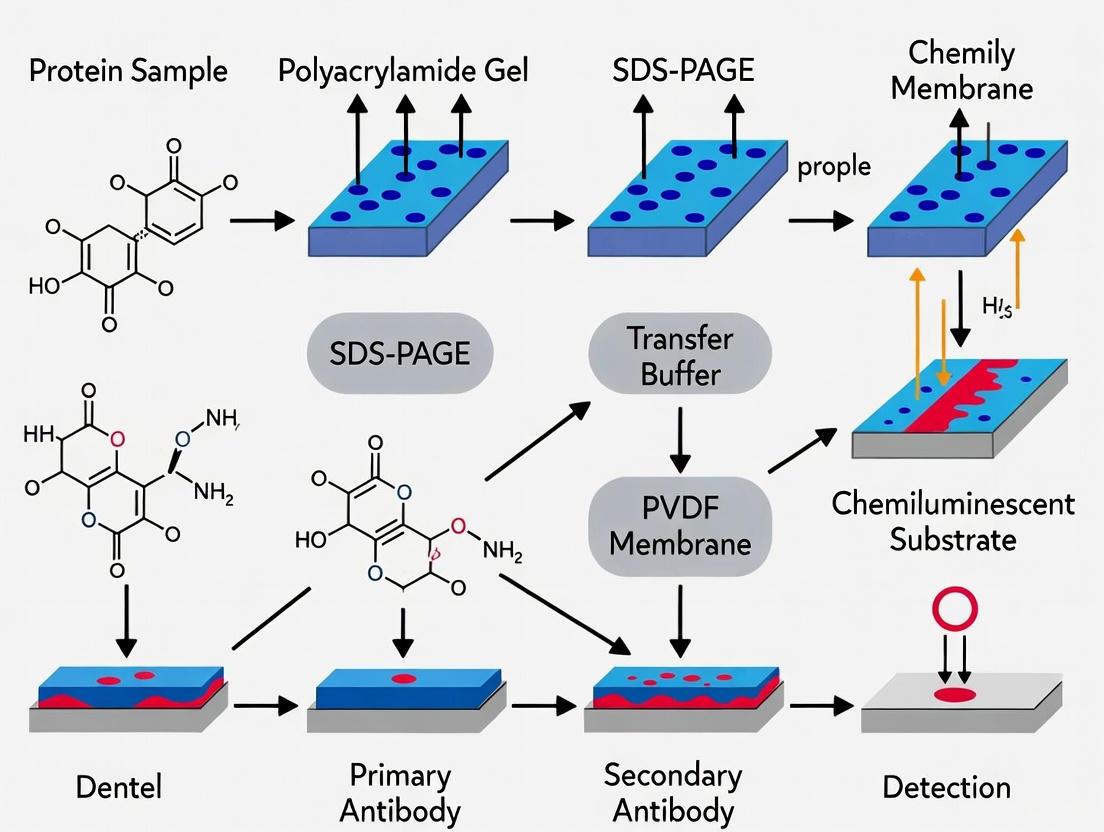
This article provides a complete guide to protein staining techniques after polyacrylamide gel electrophoresis (PAGE), tailored for researchers, scientists, and drug development professionals.
Protein Staining in Polyacrylamide Gels: A Comprehensive Guide from Basics to Advanced Applications
Abstract
This article provides a complete guide to protein staining techniques after polyacrylamide gel electrophoresis (PAGE), tailored for researchers, scientists, and drug development professionals. It covers fundamental principles of dye-binding chemistry, detailed protocols for Coomassie Brilliant Blue, silver, fluorescent, and reversible staining methods, systematic troubleshooting for common artifacts, and strategies for method validation and quantitative analysis. The content integrates traditional techniques with emerging technologies like real-time intrinsic fluorescence imaging and stain-free detection to enable sensitive, reproducible, and accurate protein visualization for diverse research and clinical applications.
Understanding Protein-Stain Chemistry: Principles and Selection Criteria
Core Principles of Dye-Based Protein Detection in Gel Matrices
Following the separation of proteins via polyacrylamide gel electrophoresis (PAGE), dye-based staining is a fundamental technique for their visualization and analysis. These methods enable researchers to detect, quantify, and subsequently analyze protein content within a gel matrix, forming a critical step in various biochemical and proteomic workflows [1]. The core principle involves the use of chemical stains that bind to proteins through specific interactions, producing a detectable signal—either colorimetric or fluorescent—against the gel background [2]. The choice of staining method is governed by key factors including sensitivity, compatibility with downstream applications, and protocol complexity [1]. This application note details the principles, protocols, and practical considerations for the primary dye-based protein detection methods.
Staining Method Comparison and Selection
Selecting an appropriate staining method requires a clear understanding of the performance characteristics of each option. The table below provides a comparative overview of the most common techniques to guide this decision.
Table 1: Comparison of Common Protein Gel Staining Methods
| Staining Method | Mechanism of Action | Sensitivity (per band) | Typical Protocol Time | Key Advantages | Key Limitations | Compatibility with Downstream Analysis |
|---|---|---|---|---|---|---|
| Coomassie Staining [1] [3] | Dye binding to basic & hydrophobic residues via non-covalent interactions. | 8–25 ng [1] [2] | 10 min - 2 hours [1] [4] | Simple, inexpensive, reversible staining [1]. | Lower sensitivity than other methods [1]. | Mass spectrometry (MS), sequencing, Western blotting (non-fixative methods) [1]. |
| Silver Staining [1] [2] | Deposition of metallic silver onto proteins at gel surface. | 0.25 - 0.5 ng [1] | 30 - 120 min [1] | Extreme sensitivity, does not require specialized equipment [1]. | Complex, multi-step protocol; potential protein cross-linking [1] [2]. | Limited; certain formulations are MS-compatible [1]. |
| Fluorescent Staining [1] | Fluorescent dye binding to proteins via non-covalent interactions. | 0.25 - 0.5 ng [1] | ~60 min [1] | High sensitivity, broad linear dynamic range, minimal background [1]. | Requires fluorescence imaging equipment [2]. | Mass spectrometry, Western blotting [1]. |
| Zinc Staining [1] | Reverse staining: zinc-imidazole complex precipitates in background, proteins remain clear. | 0.25 - 0.5 ng [1] | ~15 min [1] | Very fast, no chemical modification of proteins [1]. | Less common; protein bands appear clear against opaque background [1]. | Mass spectrometry, Western blotting [1]. |
| Ponceau S Staining [5] [6] | Reversible, non-covalent binding to basic amino acids and hydrophobic regions. | ~200 ng [5] [6] [4] | 5 - 10 min [5] [4] | Rapid, reversible, cost-effective; used on membranes post-transfer [5]. | Low sensitivity; stain fades over time [5]. | Excellent for Western blotting; stain is washed away before immunodetection [5] [4]. |
Detailed Experimental Protocols
Coomassie Blue Staining Protocol
Coomassie Brilliant Blue staining is the most widely used method for routine in-gel protein detection due to its robustness and simplicity [3]. The protocol can be adapted for speed or sensitivity.
Key Materials:
- Coomassie Blue staining solution (e.g., 0.1% Coomassie Brilliant Blue R-250 or G-250, 40% methanol, 10% acetic acid) [3].
- Destaining solution (e.g., 20-40% methanol, 10% acetic acid) or water for colloidal Coomassie stains [1] [3].
- Gel washing solution (e.g., 50% methanol, 10% acetic acid) [3].
- Orbital shaker, staining trays, and appropriate personal protective equipment (PPE) [3].
Step-by-Step Procedure:
- Post-Electrophoresis Wash: After SDS-PAGE, carefully remove the gel from the plates and wash it with distilled water to remove residual SDS and electrophoresis buffer, which can interfere with dye binding [1] [2].
- Fixing (Optional for some rapid stains): Immerse the gel in a fixing solution (e.g., 50% ethanol, 10% acetic acid) to precipitate proteins and prevent diffusion. Incubate with gentle agitation for 15-60 minutes [2] [3]. Note: Some ready-to-use Coomassie stains allow skipping this step [3].
- Staining: Submerge the gel in Coomassie Blue staining solution. Agitate gently on an orbital shaker for 1 hour to overnight, depending on the desired sensitivity and formulation. Heating briefly in a microwave can accelerate the process [1] [3].
- Destaining: Remove the gel from the stain and transfer it to a destaining solution. Agitate with changes of solution until the background is clear and protein bands are sharply visible. Using a paper towel or activated charcoal in the destaining solution can absorb excess dye and speed up the process [1] [3].
- Documentation & Storage: Image the gel using a standard white-light gel documentation system. For storage, keep the gel in a sealed container with a preserving solution like 1% acetic acid or water.
Diagram: Coomassie Staining Workflow
Silver Staining Protocol
Silver staining is a highly sensitive colorimetric method ideal for detecting low-abundance proteins [1] [2]. Commercial kits are recommended for optimal consistency.
Key Materials:
- Silver staining kit (typically containing sensitizer, silver nitrate, and developer) or individual reagents.
- High-purity water (e.g., Milli-Q) is crucial to prevent background staining.
Step-by-Step Procedure:
- Fixing: Fix the gel immediately after electrophoresis to immobilize proteins. Use a solution like 50% ethanol and 5% acetic acid for at least 30 minutes to remove SDS and interferents [1] [2].
- Sensitization (Optional but recommended): Treat the gel with a sensitizer such as dithiothreitol (DTT) or sodium thiosulfate. This step enhances the subsequent staining sensitivity [2].
- Staining: Impregnate the gel with a silver nitrate solution (e.g., 0.1%) for 20-30 minutes. Silver ions bind to functional groups on proteins (e.g., carboxyl groups from Asp/Glu, sulfhydryls from Cys, amines from Lys) [1] [2].
- Washing: Briefly rinse the gel with high-purity water to remove unbound silver nitrate.
- Development: Incubate the gel with a developing solution (e.g., containing formaldehyde and sodium carbonate). This reduces the bound silver ions to metallic silver, forming brown-black deposits at protein bands. Monitor this step closely until desired intensity is achieved [1] [2].
- Stopping: Stop the development reaction by immersing the gel in a stopping solution (e.g., 1% acetic acid) [2].
- Documentation & Storage: Image the gel immediately. For storage, keep gels in a preserving solution at 4°C.
Diagram: Silver Staining Workflow
Ponceau S Staining Protocol for Membranes
Ponceau S is primarily used for the rapid, reversible staining of proteins already transferred to membranes during Western blotting, serving as a key quality control step [5] [4].
Key Materials:
- Ponceau S staining solution (e.g., 0.1% - 0.5% Ponceau S in 1% - 5% acetic acid) [5] [6].
- TBST (Tris-Buffered Saline with Tween) or deionized water for destaining.
Step-by-Step Procedure:
- Post-Transfer Rinse: Following protein transfer from the gel to a nitrocellulose or PVDF membrane, briefly rinse the membrane with distilled water to remove transfer buffer residues [5].
- Staining: Submerge the membrane in Ponceau S staining solution. Incubate for 5-10 minutes at room temperature with gentle agitation [5] [4].
- Washing and Visualization: Pour off the stain and briefly wash the membrane with water until protein bands are clearly visible against a pink background [5].
- Documentation: Immediately capture an image of the stained membrane for total protein normalization or transfer quality assessment, as the stain will fade [5].
- Destaining: Completely remove the stain by washing the membrane several times with TBST or deionized water (e.g., 3 x 10-minute washes) until the red color disappears. The membrane is now ready for blocking and antibody incubation [5].
The Scientist's Toolkit: Essential Research Reagents
Successful protein detection relies on a set of core reagents and equipment. The following table lists essential items for a standard staining workflow.
Table 2: Essential Research Reagents and Equipment for Protein Staining
| Item Category | Specific Examples | Function and Application Notes |
|---|---|---|
| Staining Dyes | Coomassie Brilliant Blue (R-250, G-250) [3], SYPRO Ruby [1], Ponceau S [5] | Direct agents for protein visualization. G-250 is often used in colloidal formulations for lower background [1]. |
| Chemical Reagents | Methanol, Ethanol, Acetic Acid, Glacial Acetic Acid [3], Trichloroacetic Acid (TCA) [6], Silver Nitrate [2] | Used in fixing, destaining, and staining solutions. Caution: Acetic acid and methanol require careful handling with appropriate PPE [5] [3]. |
| Buffers and Solutions | SDS-PAGE Running Buffer, Transfer Buffer, TBST, TBS [5] [7] | For electrophoresis, protein transfer, and washing steps post-staining. |
| Consumables | Polyacrylamide Gels (pre-cast or hand-cast) [7], Nitrocellulose/PVDF Membranes [5], Staining Trays [3] | Matrices for separation and detection. Staining trays must be chemically compatible and large enough to hold the gel/membrane. |
| Equipment | Gel Electrophoresis Apparatus [7] [3], Power Supply [7], Orbital Shaker [3], Gel Imaging System (for colorimetric and fluorescence) [7] | Essential for separation, consistent staining agitation, and documentation. Fluorescent stains require imagers with appropriate excitation/emission filters [2]. |
Within the realm of proteomics research, the visualization of proteins post-electrophoresis is a critical step for analysis. The choice of stain impacts everything from the sensitivity of detection to compatibility with downstream applications like mass spectrometry. This application note provides a detailed comparative overview of the three major categories of protein stains used in polyacrylamide gels—colorimetric, fluorescent, and reversible—framed within the context of a broader thesis on optimizing protein detection in research. We summarize key quantitative data, provide detailed protocols, and outline essential reagents to aid researchers, scientists, and drug development professionals in selecting the most appropriate staining method for their experimental needs.
Stain Category Comparison and Quantitative Data
The performance of a protein stain is typically evaluated by its sensitivity, dynamic range, protocol complexity, and compatibility with downstream analysis. The table below provides a consolidated comparison of the major stain types based on these criteria.
Table 1: Comprehensive Comparison of Major Protein Stain Categories
| Stain Category | Specific Examples | Sensitivity (per band) | Linear Dynamic Range | Typical Protocol Time | Detection Method | Key Advantages | Key Limitations |
|---|---|---|---|---|---|---|---|
| Colorimetric | Coomassie Brilliant Blue (R-250, G-250) [8] | 5–25 ng [8] | ~10 ng to 20 µg [9] | 10 min to overnight [8] | Visual inspection, white light imaging [10] | Inexpensive, simple protocols, MS compatible [8] | Lower sensitivity compared to other methods [8] |
| Silver Stain [11] [8] | 0.1–0.5 ng [11] [8] | N/A | 30 min to 2+ hours [8] | Visual inspection, colorimetric imager [10] | Highest sensitivity of colorimetric methods [8] | Complex protocol, not always MS compatible [8] | |
| Fluorescent | SYPRO Ruby [11] [8] | 0.25–1 ng [8] | >3 orders of magnitude [8] | 90 min to 18 hours [8] | UV or laser scanner with appropriate filters [11] [8] | High sensitivity, broad linear range, MS compatible [8] | Requires specialized imaging equipment [8] |
| EZFluor [11] | 1–10 ng [11] | N/A | 5–30 min [11] | UV transilluminator [11] | Very fast staining, no fixation required, MS compatible [11] | Requires UV imaging equipment [11] | |
| Reversible | Pierce Reversible Stain (Membrane) [8] | 25–50 ng [8] | N/A | ~15 min [8] | Visual, colorimetric (blue) [8] | Quick check of transfer efficiency, can be removed [8] | Lower sensitivity, requires destaining [8] |
| Ponceau S (Membrane) [8] [12] | ~250 ng [8] | N/A | ~5-15 min [8] [12] | Visual, colorimetric (red) [8] | Rapid, inexpensive, completely reversible [12] | Low sensitivity, can fade quickly [8] |
Detailed Experimental Protocols
Colorimetric Staining Protocols
Coomassie Blue Staining Protocol
Coomassie dyes bind non-covalently to basic and hydrophobic residues of proteins, changing color from reddish-brown to intense blue upon binding [8]. The following protocol is typical for Coomassie R-250, though G-250 colloidal stains offer faster, destain-free options [8].
- Fixation: Following electrophoresis, immerse the gel in a fixative solution containing 40% distilled water, 10% acetic acid, and 50% methanol for at least 30 minutes to precipitate proteins and prevent diffusion [13].
- Staining: Transfer the gel to a staining solution of 0.1%-0.25% (w/v) Coomassie Brilliant Blue R-250 dissolved in the fixative solution (e.g., 50% methanol, 10% acetic acid). Incubate with gentle agitation for 4 hours to overnight at room temperature [8] [13].
- Destaining: Remove the gel and place it in a destaining solution of 7.5% acetic acid and 25% methanol (v/v). Agitate, replacing the solution periodically until the background is clear and protein bands are sharply defined. This can take from 30 minutes to several hours [11] [13].
- Storage and Imaging: Store the destained gel in 1-5% acetic acid. Image the gel using a white light transilluminator or a standard camera on a light box [10].
Silver Staining Protocol
Silver staining involves the binding of silver ions to protein functional groups, which are then reduced to metallic silver, resulting in a brown-black color [8]. Kits are recommended for optimal reproducibility.
- Fixation: Fix the gel in a solution of 30-40% ethanol and 10% acetic acid for at least 30 minutes to remove SDS and fix proteins.
- Sensitization (Optional): Treat the gel with a sensitizer like dithiothreitol (DTT) to enhance sensitivity.
- Impregnation: Incubate the gel in a silver nitrate solution (e.g., 0.1-0.2%) for 15-30 minutes. Silver ions bind to carboxylic acid, imidazole, sulfhydryl, and amine groups on the proteins [8].
- Development: Rinse the gel briefly with deionized water and then add a developer solution containing formaldehyde and sodium carbonate. Agitate until the desired band intensity is achieved, typically 2-10 minutes.
- Stopping: When development is complete, stop the reaction by replacing the developer with a solution of 1-5% acetic acid.
- Imaging: Image the gel promptly using a colorimetric gel documentation system [10]. For MS compatibility, use formulations that omit glutaraldehyde or formaldehyde crosslinkers [8].
Fluorescent Staining Protocol
Fluorescent stains like SYPRO Ruby bind non-covalently to proteins, often through interaction with the SDS coat, offering sensitivity comparable to silver staining [8] [9].
- Fixation: Fix the gel in a solution of 10% methanol and 7% acetic acid for 30 minutes. Note: Some fluorescent stains, like EZFluor, require no fixation [11].
- Staining: Incubate the gel in the fluorescent stain (e.g., SYPRO Ruby) in the dark with gentle agitation. Standard staining times range from 90 minutes to overnight, though microwave-assisted staining can reduce this to 90 minutes [8].
- Destaining: Rinse the gel briefly with deionized water or a mild destaining solution (e.g., 10% methanol, 7% acetic acid) for 20-60 minutes to reduce background. Some stains require no destaining [8].
- Imaging: Image the gel using a UV or blue/green-light transilluminator or an imaging system equipped with the appropriate excitation and emission filters. For SYPRO Ruby, use excitation at 280/450 nm and emission at 610 nm [8] [9].
Reversible Staining Protocol for Membranes
Reversible stains are primarily used on nitrocellulose or PVDF membranes to quickly assess protein transfer efficiency before proceeding with immunoblotting [8] [12].
Ponceau S Staining
Ponceau S is a red dye that binds to basic amino acids via electrostatic and non-polar interactions and is easily washed away [12].
- Staining: After transfer, rinse the membrane briefly in water or TBST. Incubate the membrane in Ponceau S staining solution (e.g., 0.1% Ponceau S in 5% acetic acid) for 5-10 minutes with gentle shaking [12].
- Destaining and Documentation: Rinse the membrane with distilled water or PBS until protein bands are clear against a faint pink background. Photograph the membrane immediately [12].
- Complete Destaining: Wash the membrane thoroughly with TBST or water until the red stain is completely removed. The membrane is then ready for blocking [13] [12].
Pierce Reversible Stain
This kit-based stain provides higher sensitivity than Ponceau S and is available for both nitrocellulose and PVDF membranes [8].
- Staining: Immerse the membrane in the stain reagent for approximately 15 minutes.
- Destaining and Documentation: Briefly destain with the provided destain solution to clarify the background and image the membrane.
- Complete Destaining: Completely remove the stain with the destain solution. The membrane can then be processed for western blotting.
Workflow and Signaling Pathways
The following diagram illustrates the generalized decision-making workflow for selecting an appropriate protein stain based on key experimental parameters.
The Scientist's Toolkit: Key Research Reagent Solutions
Successful staining requires not just the dye but a suite of reagents and materials. The following table details essential components for a protein staining workflow.
Table 2: Essential Reagents and Materials for Protein Staining
| Item Name | Function/Description | Example Products / Formulations |
|---|---|---|
| Coomassie Dyes | Anionic dyes for colorimetric detection; bind proteins non-covalently [8]. | Coomassie R-250, Coomassie G-250 (Colloidal), GelCode Blue, SimplyBlue SafeStain [11] [8] |
| Fluorescent Stains | Ultra-sensitive dyes that bind proteins and emit light under specific wavelengths [8]. | SYPRO Ruby, SYPRO Orange, EZFluor, Krypton Stain [11] [8] |
| Silver Staining Kits | Optimized reagent kits for the multi-step, high-sensitivity silver staining process [8]. | ProteoSilver, Pierce Silver Stain for Mass Spec, SilverQuest Kit [11] [8] |
| Reversible Stains | Dyes for membranes that can be completely removed after imaging [8] [12]. | Ponceau S, Pierce Reversible Protein Stain Kit [8] [12] |
| Fixation Solution | Precipitates proteins in-gel to prevent diffusion; often acid-alcohol based [11] [13]. | 40% Water, 10% Acetic Acid, 50% Methanol [13] |
| Destaining Solutions | Removes non-specifically bound dye to reduce background and improve contrast [11]. | 7% Acetic Acid, Methanol/Water/Acetic Acid mixtures [11] [13] |
| Polyacrylamide Gels | Matrix for separating proteins by size via electrophoresis. | Pre-cast Mini-PROTEAN TGX Gels, hand-cast Tris-Glycine Gels |
| Membranes for Blotting | Substrate for transferring proteins for reversible staining or western blotting [13]. | Nitrocellulose (0.45 µm or 0.22 µm), PVDF [14] [13] |
| Gel Imaging System | Instrument for documenting and quantifying stained gels and blots. | Azure Imaging Systems, Odyssey Imagers, ChemiDoc Systems [9] [10] |
In the context of protein analysis following polyacrylamide gel electrophoresis (PAGE), the selection of an appropriate staining method is a critical decision that directly impacts experimental outcomes. This choice governs the detectability of proteins, the accuracy of quantification, and the compatibility with subsequent analytical techniques. Within a broader thesis on protein staining post-electrophoresis, this application note details the core selection factors—sensitivity, dynamic range, and downstream compatibility—to guide researchers and drug development professionals in optimizing their workflow for rigorous and reproducible results.
Understanding the Electrophoresis Foundation
Protein separation by SDS-PAGE is the foundational step preceding any staining procedure. This technique denatures proteins using sodium dodecyl sulfate (SDS), imparting a uniform negative charge that allows separation by molecular weight as molecules migrate through a polyacrylamide gel matrix under an electric field [14] [15]. The composition of the gel, specifically the acrylamide percentage, must be tailored to the size of the target proteins to achieve optimal resolution [16].
Table 1: Recommended Gel Percentages for Protein Separation
| Protein Size Range | Recommended Gel Percentage |
|---|---|
| 4 - 40 kDa | Up to 20% |
| 12 - 45 kDa | 15% |
| 10 - 70 kDa | 12.5% |
| 15 - 100 kDa | 10% |
| 50 - 200 kDa | 8% |
| > 200 kDa | 4 - 6% |
The electrophoresis process itself requires careful optimization of electrical settings. Excessive heat generated during a run can cause band distortion, often called "smiling" bands, while insufficient voltage or time can lead to poor separation [17]. A common strategy involves an initial low-voltage step to line up proteins in the stacking gel, followed by a higher voltage in the resolving gel to achieve full separation [17].
The following workflow outlines the core process from protein separation to the critical decision point for staining:
Critical Factors in Staining Method Selection
Sensitivity
Sensitivity defines the lowest amount of protein that can be reliably detected. This parameter is paramount when working with scarce samples, low-abundance proteins, or when limited sample volume can be loaded onto a gel. High-sensitivity stains are essential for applications like detecting protein expression in single cells or analyzing minute tissue biopsies. The chemical composition of the stain and its binding affinity and capacity for proteins are the primary determinants of sensitivity. Methods like silver staining and certain fluorescent dyes offer detection down to the low nanogram or even picogram range, far surpassing the sensitivity of traditional Coomassie Brilliant Blue staining.
Dynamic Range
Dynamic range refers to the range of protein abundances over which a staining method exhibits a linear relationship between signal intensity and protein quantity. A wide dynamic range is crucial for accurate quantification, as it allows for the simultaneous measurement of both high- and low-abundance proteins within the same gel without signal saturation or loss of detectability. This is especially important for comparative proteomics, where quantifying fold-changes between samples is the goal. Stains with a narrow dynamic range may saturate quickly for abundant proteins, masking quantitative differences and preventing accurate normalization.
Downstream Compatibility
Downstream compatibility assesses whether the staining method interferes with subsequent analytical techniques. A common and powerful workflow involves using gel staining not as a final step, but as a precursor to Western blotting for immunodetection or mass spectrometry for protein identification. Some stains, like Coomassie, can be compatible with mass spectrometry after destaining, while others may cross-link proteins or modify amino acids, rendering them unsuitable. For Western blotting, reversible stains like Ponceau S are often used to verify transfer efficiency and total protein loading before immunodetection, as they do not permanently alter the proteins or interfere with antibody binding [14] [18].
Table 2: Key Selection Factors for Common Protein Stains
| Staining Method | Approximate Sensitivity | Dynamic Range | Compatibility with Western Blotting | Compatibility with Mass Spectrometry |
|---|---|---|---|---|
| Coomassie Blue | ~50-100 ng | Narrow | No (proteins are stained) | Yes (after destaining) |
| Silver Stain | ~0.1-1 ng | Very Narrow | No | Possible (with MS-compatible protocols) |
| Fluorescent Dyes | ~1-10 ng | Wide | No (proteins are stained) | Yes |
| Ponceau S | ~200-500 ng | Narrow | Yes (reversible) | No |
| Zinc/Reverse Staining | ~10-50 ng | Moderate | Yes (negative image) | Yes |
The Scientist's Toolkit: Essential Reagents and Materials
Table 3: Research Reagent Solutions for Protein Staining
| Item | Function/Description |
|---|---|
| Polyacrylamide Gels | Matrix for separating proteins by molecular weight; concentration dictates resolution [19]. |
| Protein Molecular Weight Marker | A set of pre-stained or unstained proteins of known sizes to estimate molecular weight and monitor electrophoresis/transfer efficiency [19]. |
| Coomassie Brilliant Blue R-250 | A triphenylmethane dye that binds non-specifically to proteins, offering robust but low-sensitivity detection. |
| Silver Nitrate | The key reagent in silver staining, which deposits metallic silver onto protein bands for ultra-high sensitivity. |
| SYPRO Ruby | A fluorescent stain that binds non-covalently to proteins, offering high sensitivity and a wide dynamic range. |
| Ponceau S Stain | A reversible, anionic dye used for rapid visualization of proteins on membranes after Western transfer [14] [18]. |
| Destaining Solution | Typically a mixture of methanol and acetic acid, used to remove background stain from gels for clearer visualization. |
Experimental Protocol: A Generalized Workflow for Post-Electrophoresis Staining
This protocol provides a general framework for staining proteins in a polyacrylamide gel after SDS-PAGE, which can be adapted for specific stains.
Materials and Reagents
- Separated protein gel after SDS-PAGE
- Appropriate staining solution (e.g., Coomassie, silver stain kit, fluorescent dye)
- Destaining solution (if required, e.g., 40% methanol, 10% acetic acid in dH₂O)
- Fixing solution (if required, e.g., 50% methanol, 10% acetic acid)
- Plastic or glass container with lid
- Orbital shaker
Step-by-Step Procedure
- Fixing: Following electrophoresis, carefully remove the gel from its cassette. Place the gel in a clean container with a sufficient volume of fixing solution to cover it. Agitate gently on an orbital shaker for 30 minutes to 1 hour. This step precipitates proteins within the gel matrix and removes SDS and other interfering substances.
- Staining: Discard the fixing solution. Add the chosen staining solution to cover the gel. The incubation time and temperature are stain-dependent:
- Coomassie Blue: Agitate for 1-2 hours at room temperature.
- Silver Stain: Follow the specific protocol of the kit, which involves multiple steps including sensitization, silver impregnation, and development.
- Fluorescent Dyes: Agitate for 1-3 hours, often protected from light.
- Destaining (if applicable): For Coomassie staining, discard the stain and add destaining solution. Agitate until the background is clear and protein bands are sharply visible. Change the destaining solution as needed. This step is not required for most fluorescent or silver stains.
- Imaging and Documentation: Rinse the gel in deionized water. Image the gel using an appropriate system:
- Coomassie-stained gels: Use a standard white-light scanner or gel documentation system.
- Fluorescently-stained gels: Use a scanner or imager with the appropriate excitation/emission wavelengths.
- Silver-stained gels: Use a high-resolution scanner.
Analysis and Data Interpretation
Accurate analysis of stained gels is the final, critical step. For quantitative comparisons, ensure the signal for the protein bands of interest falls within the linear dynamic range of the stain and detection system. Saturated bands will not provide accurate quantitative data. Use software to measure the intensity of each band, subtract the local background, and normalize the data. Normalization can be against a loaded internal control or a housekeeping protein run on a duplicate gel, or by using total protein stain normalization, where the signal of each band is expressed as a fraction of the total protein in the lane [20]. This helps account for minor differences in sample loading and protein preparation.
The relationship between the key selection factors and their impact on the final analytical outcome can be visualized as follows:
Selecting the optimal protein staining method is a strategic decision that balances the competing demands of sensitivity, dynamic range, and downstream compatibility. There is no universal solution; the choice must be aligned with the specific experimental goals. For routine qualitative analysis, Coomassie staining may suffice. For detecting low-abundance proteins, silver or fluorescent staining is necessary. When accurate quantification across a wide concentration range is required, fluorescent dyes are superior. Finally, if the gel is a stepping stone to Western blotting or mass spectrometry, compatibility must be the overriding factor. By systematically considering these key factors, researchers can ensure their protein staining strategy yields the highest quality, most reproducible, and most biologically relevant data.
Protein staining following polyacrylamide gel electrophoresis (PAGE) is a fundamental technique in molecular biology and proteomics, enabling the visualization and analysis of separated proteins. The staining workflow encompasses several critical stages—fixation, staining, and destaining—each playing a vital role in determining the final clarity, sensitivity, and background of the gel image. This protocol outlines universal steps and optimized methodologies for protein staining within the broader context of post-electrophoretic protein analysis research. Mastery of this workflow is essential for researchers, scientists, and drug development professionals seeking reliable protein characterization, quantification, and comparison.
The foundational principle of protein staining relies on the specific interaction between dyes and protein molecules, rendering them visible against the gel matrix. Traditional methods like Coomassie Brilliant Blue staining offer a balance of ease and sensitivity, while advanced fluorescent techniques provide superior quantification capabilities and compatibility with downstream analyses. This document provides a comparative analysis of these methods, detailed experimental protocols, and visual workflows to guide researchers in selecting and implementing the optimal staining approach for their specific applications.
Core Staining Methodologies and Comparisons
Several staining methodologies have been developed, each with distinct mechanisms, advantages, and limitations. The table below summarizes the key characteristics of four common protein staining techniques.
Table 1: Comparison of Common Protein Staining Methods for Polyacrylamide Gels
| Staining Method | Typical Sensitivity | Detection Principle | Compatibility with Downstream Analysis | Approximate Hands-on Time | Key Advantages |
|---|---|---|---|---|---|
| Coomassie Brilliant Blue [21] | ~100 ng [22] | Binding to proteins via van der Waals and ionic interactions | Good (e.g., mass spectrometry) | 2-4 hours staining, 4 hours destaining | Cost-effective, simple, compatible with long-term storage [21] |
| Silver Staining [21] | ~1 ng (nanogram level) [22] | Ionic reduction of silver nitrate on protein sites | Variable, can be poor due to protein cross-linking | ~2 hours | Very high sensitivity [22] [21] |
| Fluorescent Staining [23] | Varies (can be high) | Binding of fluorescent dyes to proteins | Excellent | ~1.5 hours (including imaging) | Fast, enables online quantitative detection, no destaining required [23] |
| Single Blue A Staining [22] | ~100s ng [22] | Binding to proteins (similar to CBB) | Good | ~15 minutes [22] | Rapid staining process, light background [22] |
Detailed Experimental Protocols
Standard Coomassie Blue Staining and Destaining Protocol
This is a widely used, robust method for routine protein visualization [21].
Reagents and Solutions:
- Fixation Solution: 50% Methanol, 10% Acetic Acid, 40% Water [21].
- Coomassie Staining Solution: 0.1% Coomassie Brilliant Blue R-250, 40% Methanol, 10% Acetic Acid [21].
- Destaining Solution: 50 mL Methanol, 35 mL Acetic Acid, topped up with water [21].
- Gel Storage Solution: 5% Acetic Acid in water [21].
Procedure:
- Fixation: Following electrophoresis, carefully place the gel in a plastic tray containing ample fixation solution. Incubate on a shaker for 2 hours to precipitate and immobilize the proteins within the gel matrix [21].
- Staining: Discard the fixation solution. Add sufficient Coomassie staining solution to cover the gel. Incubate on a shaker for 2 to 4 hours to allow the dye to bind to proteins [21].
- Rinsing: After staining, pour off the staining solution. Rinse the gel several times with distilled water to remove excess, unbound dye from the gel surface [21].
- Destaining: Add the destaining solution to the gel. Incubate on a shaker. Change the destaining solution periodically until the gel background is clear and protein bands are sharply visible against a light background. This process typically takes several hours [21].
- Storage: For long-term preservation, store the destained gel in gel storage solution [21].
Rapid Water-Based Destaining Method
This innovative method eliminates traditional chemical destaining solutions, reducing cost and environmental impact [24].
Reagents:
- Deionized water, distilled water, or ultra-pure water [24].
- A dedicated destaining cup or a laboratory beaker [24].
Procedure:
- Gel Rinsing: After staining with Coomassie blue, rinse the gel 2-3 times with deionized water [24].
- Pre-Destaining: Place the gel in a destaining cup and add a small amount of water, just enough to cover the gel. Heat until the water reaches 80°C, then drain completely. Repeat this process twice. This step prevents SDS from precipitating and damaging the gel at high temperatures [24].
- Destaining: Add a larger volume of water to the cup (2-3 times the pre-destaining volume). Heat until the temperature reaches 80°C. Begin a continuous cycle of draining hot water and adding cool water, maintaining the temperature at approximately 80°C. Continue until the gel background is clean and bands are clear. The entire destaining process typically completes within 30-40 minutes [24].
Fluorescent Staining for Online Quantitative Detection
This modern approach uses fluorescently tagged antibodies for specific, quantitative analysis without the need for destaining [23].
Reagents:
- Target antigen (e.g., Transferrin, TRF) [23].
- Fluorescently labeled primary antibody (e.g., FITC-conjugated anti-TRF IgG) [23].
- Formaldehyde solution (37-40%) for cross-linking [23].
- Phosphate Buffered Saline (PBS) [23].
- Standard SDS-PAGE reagents and equipment [23].
Procedure:
- Immunocomplex Formation: Incubate your sample containing the target protein with the fluorescently labeled antibody in PBS for 30 minutes at room temperature to form antigen-antibody complexes [23].
- Cross-linking: Add formaldehyde to the mixture to a final concentration of 1%. This step covalently cross-links the immunocomplex, preventing its dissociation during subsequent electrophoresis steps [23].
- Quenching and Sample Preparation: Add Tris buffer to a final concentration of 20 mM to quench any remaining formaldehyde. Mix the immunocomplex sample with standard SDS-PAGE loading buffer and heat at 95°C for 5 minutes [23].
- Electrophoresis and Imaging: Load and run the samples on a PAGE gel. Use an online fluorescence imaging system to capture the fluorescence signal in real-time during or immediately after electrophoresis. No destaining step is required [23].
- Quantification: The concentration of the target protein is inversely proportional to the fluorescence intensity of the free antibody band. A standard curve can be established for precise quantification [23].
The Scientist's Toolkit: Essential Research Reagents
Table 2: Key Reagents for Protein Staining and Their Functions
| Reagent / Material | Function in the Staining Workflow |
|---|---|
| Methanol [21] | Serves as a fixative and solvent in Coomassie staining; precipitates proteins to immobilize them in the gel. |
| Acetic Acid [21] | Acts as a fixative and provides an acidic environment that enhances the binding of Coomassie dye to proteins. |
| Coomassie Brilliant Blue R-250 [21] | A dye that binds non-specifically to proteins, allowing visualization of separated bands. |
| Formaldehyde [23] | Used as a cross-linking agent to stabilize antigen-antibody complexes in fluorescent immunostaining protocols. |
| Single Blue A [22] | A dye used as an alternative to CBB for pre-staining proteins, offering faster staining and a light background. |
| Tris & Glycine [21] | Core components of SDS-PAGE running buffers, enabling the electrophoretic separation of proteins. |
| Nitrate Cellulose or PVDF Membrane [25] | Membranes used for Western blotting, to which separated proteins are transferred after electrophoresis for immunodetection. |
| Primary and Secondary Antibodies [25] | Enable specific detection of target proteins (antigens) in Western blotting and some in-gel assays. |
Workflow Visualization
The following diagram illustrates the universal decision-making process and key steps for selecting and executing a protein staining workflow after electrophoresis.
Universal Protein Staining Workflow Decision Tree
Technical Notes and Troubleshooting
- Fixation is Critical: Inadequate fixation can lead to protein diffusion and loss of resolution, especially for low molecular weight proteins. Ensure sufficient fixation time [21].
- Destaining Efficiency: For traditional Coomassie destaining, the use of an activated charcoal bag or including a clean filter paper in the destaining solution can adsorb excess dye and significantly accelerate the process.
- Background Issues: High background in Coomassie staining is often due to insufficient destaining or over-staining. Ensure fresh destaining solution is used and consider the rapid hot water method for a cleaner background [24]. In fluorescent staining, optimize antibody concentrations and cross-linking time to minimize non-specific signal [23].
- Method Selection: The choice of staining method should be guided by the required sensitivity, available equipment, need for quantification, and compatibility with planned downstream applications (e.g., mass spectrometry). Fluorescent methods are superior for quantitative applications, while Coomassie remains a robust, cost-effective choice for general purposes [23].
In protein research, the visualization of proteins after polyacrylamide gel electrophoresis (SDS-PAGE) is a fundamental step. The choice of staining method directly impacts the sensitivity, dynamic range, and compatibility with downstream analyses. This application note provides a detailed guide for researchers on selecting the appropriate protein stain by comparing three principal techniques—Coomassie Brilliant Blue, silver staining, and fluorescent staining—framed within the context of routine analysis versus the detection of trace proteins. We include structured quantitative data, detailed protocols, and workflow visualizations to guide experimental design.
Quantitative Comparison of Protein Staining Methods
The optimal stain choice is a balance between sensitivity, ease of use, and downstream application requirements. The following table summarizes the key characteristics of the most common protein staining methods.
Table 1: Comparison of Common Protein Staining Methods [26] [27]
| Staining Method | Sensitivity (Approx. Limit of Detection) | Linear Dynamic Range | Complexity | Compatibility with Mass Spectrometry |
|---|---|---|---|---|
| Coomassie Brilliant Blue (Classical) | ~100 ng [27] | Moderate [27] | Simple, rapid [26] | Yes [27] |
| Coomassie Brilliant Blue (Colloidal) | ~10 ng [27] | Good [28] | Simple, no destaining needed [27] | Yes [27] |
| Silver Staining | ~1 ng [27] | Narrow [27] | Complex, multi-step, time-consuming [26] [27] | Variable (often requires specific protocols) [27] |
| Fluorescent Staining | High (similar to silver stain) [28] | Wide [28] | Simple and robust [28] | Yes [28] |
Detailed Experimental Protocols
Protocol: Colloidal Coomassie Brilliant Blue G-250 Staining
Colloidal Coomassie offers a strong balance of sensitivity and ease, making it suitable for routine analysis and cases where downstream mass spectrometry is required [27] [28].
- Principle: The Coomassie G-250 dye forms a colloidal suspension in acid. It binds to proteins primarily through Van der Waals forces and ionic interactions between the dye's sulfonate groups and positive amine groups on the protein, staining them blue without penetrating the gel matrix, thus eliminating the need for destaining [28].
- Reagents:
- Procedure:
- Fixation (Optional): After electrophoresis, immerse the gel in a fixative solution (e.g., 40% ethanol, 10% acetic acid) for 15-30 minutes to precipitate proteins. This step can be omitted for some colloidal formulations [27].
- Staining: Submerge the gel in sufficient colloidal Coomassie staining solution. Gently agitate for at least 1-2 hours at room temperature. For maximum sensitivity, staining can be continued overnight.
- Destaining (Optional): If a clearer background is needed, transfer the gel to a 1% acetic acid solution and agitate until the desired contrast is achieved.
- Visualization & Storage: Rinse the gel with distilled water and image. For storage, keep the gel in a sealed container with a small amount of water or staining solution.
Protocol: Silver Staining
Silver staining is a highly sensitive method reserved for detecting very low-abundance proteins where maximum sensitivity is critical and mass spectrometry compatibility is not a primary concern [27].
- Principle: Proteins in the gel bind silver cations (Ag⁺) from the staining solution. A developing solution then reduces the bound ions to metallic silver, depositing a dark brown or black color on the protein bands [26] [27].
- Reagents:
- Fixative solution (e.g., 40% ethanol, 10% acetic acid)
- Sensitizing solution (e.g., 0.2% sodium thiosulfate)
- Silver nitrate solution (e.g., 0.1% AgNO₃)
- Developing solution (e.g., 2% sodium carbonate, 0.04% formaldehyde)
- Stop solution (e.g., 5% acetic acid)
- Procedure:
- Fixation: Place the gel in fixative for at least 30 minutes to remove SDS and precipitate proteins. This step is crucial for preventing background staining.
- Sensitization: Rinse the gel with water and then treat with a sensitizing solution (e.g., sodium thiosulfate) for 1-2 minutes. This step increases staining sensitivity and uniformity.
- Washing: Wash the gel thoroughly with distilled water (e.g., 3 x 5 minutes).
- Silver Impregnation: Incubate the gel with 0.1% silver nitrate solution for 20-30 minutes with agitation.
- Washing: Quickly rinse the gel with distilled water (e.g., 2 x 1 minute) to remove excess silver.
- Development: Transfer the gel to a developing solution. Agitate and monitor closely until protein bands reach the desired intensity. This typically takes 2-10 minutes.
- Stopping: Once development is complete, immediately stop the reaction by incubating the gel with 5% acetic acid for 10-15 minutes.
- Washing and Storage: Finally, wash the gel with water and store in a sealed container [26] [27].
Experimental Workflow Visualization
The following diagram illustrates the logical decision-making process for selecting an appropriate protein staining method based on key experimental parameters.
Research Reagent Solutions
Table 2: Essential Materials for Protein Staining Experiments [29] [28]
| Item | Function & Description |
|---|---|
| Molecular Weight Marker (Ladder) | A set of pre-stained or unstained proteins of known molecular weights run alongside samples to estimate the size of unknown proteins [30] [29]. |
| Coomassie Brilliant Blue R-250 | The classic variant for standard staining protocols. Requires a destaining step with acetic acid/methanol to visualize bands [28]. |
| Coomassie Brilliant Blue G-250 | The variant used in colloidal staining and Bradford assays. Often does not require a destaining step [28]. |
| Silver Nitrate (AgNO₃) | The key reagent in silver staining that provides cations which bind to proteins and are reduced to metallic silver for visualization [27]. |
| Polyacrylamide Gel | The matrix that separates proteins based on molecular weight during electrophoresis. The percentage of acrylamide determines the resolution range [30]. |
| Nitrocellulose or PVDF Membrane | For Western blotting following gel electrophoresis. Proteins are transferred from the gel to the membrane for antibody-based detection [30]. |
| InstantBlue Type Stains | Ready-to-use, single-step Coomassie-based stains that provide rapid results (within 10-15 minutes) for quick checks of protein presence or purity [27]. |
Step-by-Step Staining Protocols: From Coomassie to Fluorescence
Coomassie Brilliant Blue (CBB) staining is a cornerstone technique in molecular biology for the detection of proteins separated by polyacrylamide gel electrophoresis (PAGE) [3]. As a reliable, cost-effective, and straightforward method, it provides a critical tool for researchers, scientists, and drug development professionals to visualize protein patterns, assess purity, and estimate yield [3]. The technique hinges on the differential binding of Coomassie dye to proteins, resulting in distinct blue bands against a clear background [31] [3]. This application note details robust protocols for routine protein detection, framed within the broader context of post-electrophoretic protein analysis, and is designed to ensure reproducible and high-quality results in a variety of research settings.
Core Principles of Coomassie Staining
Dye Chemistry and Protein Binding Mechanism
Coomassie Brilliant Blue is an anionic triphenylmethane dye that exists in two primary forms for protein detection: Coomassie Brilliant Blue R-250 and Coomassie Brilliant Blue G-250 [31] [3]. The "R" denotes a reddish hue, while "G" signifies a greenish hue; the "250" originally indicated dye purity [31].
The mechanism of staining is a non-covalent binding process that involves two primary interactions [3] [32]:
- Ionic interactions between the dye's negatively charged sulfonic acid groups and positively charged amino acid side chains, primarily on arginine, lysine, and histidine residues [3].
- Van der Waals forces and hydrophobic interactions with non-polar regions of the protein [3] [32].
Upon binding to protein, the dye's absorbance maximum shifts, and it stabilizes in its blue anionic form, even under the acidic conditions typically used in staining protocols [31] [3]. For Coomassie G-250, this results in a shift from 465 nm (red-brown) to 595 nm (blue), which is the basis for both gel staining and the Bradford protein assay [31] [33].
Comparison of Coomassie Dye Forms
Table 1: Characteristics of Coomassie Brilliant Blue Dye Forms
| Feature | Coomassie Brilliant Blue R-250 | Coomassie Brilliant Blue G-250 |
|---|---|---|
| Primary Use | Standard gel staining [3] | Colloidal staining & Bradford protein assay [33] [3] |
| Solubility | Requires organic solvents (e.g., methanol/acetic acid) [34] | Forms colloids in aqueous solutions; less background staining [3] |
| Staining Process | Typically requires destaining [34] | Often "no-destain" protocols [3] |
| Visual Hue | Reddish-blue [31] | Greenish-blue [31] |
Detailed Staining Protocols
The choice of protocol depends on the required sensitivity, time constraints, and available equipment. The following section provides detailed methodologies for the most common and effective approaches.
Standard Coomassie R-250 Staining and Destaining Protocol
This traditional method offers a robust balance between sensitivity and ease of use.
- Staining Solution: 0.1% (w/v) Coomassie Brilliant Blue R-250, 40% ethanol (or methanol), 10% acetic acid.
- Destaining Solution: 10% ethanol (or methanol), 7.5% acetic acid in deionized water.
- Orbital shaker
- Staining container (glass, plastic, or stainless steel)
- Deionized water
- Microwave oven (optional) [34]
Procedure [34]:
- Post-Electrophoresis: Carefully remove the polyacrylamide gel from the electrophoresis apparatus.
- Staining:
- Immerse the gel in a sufficient volume of staining solution to cover it completely (e.g., 100 mL for a mini-gel).
- For accelerated staining, loosely cover the container and heat in a microwave at full power for 1 minute without boiling. Then, shake gently at room temperature for 15 minutes on an orbital shaker.
- Alternatively, stain at room temperature with gentle shaking for 1 to 3 hours.
- Destaining:
- Decant the staining solution. Rinse the gel briefly with deionized water.
- Add destaining solution to cover the gel.
- For accelerated destaining, heat in a microwave at full power for 1 minute and then shake gently until the background is clear.
- Replace with fresh destaining solution as needed. To absorb released dye, a paper towel or activated charcoal can be added to the destaining solution [34] [3].
- Storage: Store the destained gel in deionized water or 7% acetic acid.
Colloidal Coomassie G-250 Staining Protocol
Colloidal staining protocols minimize dye penetration into the gel matrix, resulting in lower background and often eliminating the need for a separate destaining step [3].
Materials Needed [34]:
- Colloidal Blue Staining Kit (e.g., from Invitrogen) or homemade colloidal formulation.
- Orbital shaker
- Staining container
- Deionized water
Procedure (using a commercial kit) [34]:
- Prepare Staining Solution: Mix components as directed. For a single Tris-Glycine gel, a typical preparation is 55 mL deionized water, 20 mL methanol, 5 mL "Stainer B," and 20 mL "Stainer A."
- Staining: Incubate the gel in the staining solution at room temperature with gentle shaking for a minimum of 3 hours and a maximum of 12 hours.
- Washing: Decant the stain. Add a minimum of 200 mL deionized water per gel and shake gently for at least 7 hours. The background will become clear.
- Storage: Gels can be left in deionized water for up to 3 days. For long-term storage (over 3 days), keep the gel in a 20% ammonium sulfate solution at 4°C [34].
Rapid Staining Protocol
For situations requiring fast results, a microwave-assisted protocol can significantly reduce the total processing time.
Procedure [3]:
- After electrophoresis, immerse the gel in a ready-to-use Coomassie stain (e.g., InstantBlue).
- Heat the gel in a microwave oven briefly to accelerate dye penetration, followed by gentle agitation for several minutes.
- Protein bands can often be visualized within 20 minutes, though longer incubation may improve sensitivity.
Workflow and Data Interpretation
Standard Operating Procedure Workflow
The following diagram illustrates the logical sequence of steps for a standard Coomassie staining procedure.
Performance Specifications and Troubleshooting
Table 2: Performance Characteristics and Troubleshooting Guide
| Parameter | Specification | Solution / Note |
|---|---|---|
| Sensitivity | ~0.1 - 0.5 μg protein per band [3]; some formulations <1 ng with infrared fluorescence [35] | Use colloidal G-250 or fluorescent detection for higher sensitivity. |
| Weak Bands | Insufficient protein, over-destaining, short staining time [3] | Increase protein load; optimize staining/destaining duration. |
| High Background | Incomplete destaining, interference from SDS or salts [3] | Increase washing steps pre-staining; use fresh destain solution; ensure adequate agitation. |
| Uneven Staining | Inadequate stain coverage or inconsistent agitation [3] | Ensure gel is fully immersed and constantly agitated during all steps. |
| MS Compatibility | Yes, but must use MS-compatible formulations (e.g., without glutaraldehyde) [3] [35] | Use protocols specifically designated as MS-compatible. |
Advanced Applications and Techniques
Infrared Fluorescence Detection
Traditional Coomassie staining relies on colorimetric detection. However, detecting the near-infrared fluorescence of protein-bound CBB can dramatically increase sensitivity, rivaling expensive fluorescent stains like Sypro Ruby [35]. When excited at ~650 nm, CBB emits light at 700-800 nm. This method can detect <1 ng of protein in-gel and offers a significantly improved linear dynamic range for quantification compared to traditional visible light detection [35].
Blue Native PAGE (BN-PAGE)
Coomassie G-250 is integral to Blue Native PAGE, a technique for separating intact protein complexes under non-denaturing conditions [31]. The dye binds to the surface of proteins, conferring a negative charge and allowing separation based on native molecular weight. The mobility of the complex depends on both its size and the amount of dye bound [31].
Mass Spectrometry Compatibility
Coomassie-stained proteins can be identified using mass spectrometry (MS) [3] [35]. The staining is sufficiently mild that proteins can be digested in-gel and the resulting peptides extracted for analysis. This makes CBB staining a valuable tool in proteomic workflows, bridging the gap between protein separation and identification.
The Scientist's Toolkit: Essential Research Reagent Solutions
Table 3: Key Reagents and Materials for Coomassie Staining
| Reagent / Material | Function / Purpose | Examples / Notes |
|---|---|---|
| Coomassie Brilliant Blue R-250 | Standard protein stain for gel visualization [34] [3] | Dissolved in methanol/acetic acid/water [34]. |
| Colloidal Coomassie G-250 | High-sensitivity stain with low background; used in Bradford assay [34] [33] [3] | Often contains phosphoric acid, ammonium sulfate [3]. |
| SimplyBlue SafeStain | Ready-to-use, pre-mixed Coomassie stain [34] | Convenient; often does not require destaining [34]. |
| Destaining Solution | Removes non-specifically bound dye from the gel matrix [34] | Typically 10% ethanol, 7.5% acetic acid [34]. |
| Methanol / Ethanol | Organic solvent in staining/destaining solutions; helps fix proteins in gel [34] [3] | Methanol is common; ethanol can be substituted. |
| Acetic Acid | Acidifying agent; helps fix proteins and enhances dye binding [34] [3] | Provides the acidic environment for the assay. |
| Orbital Shaker | Provides gentle, consistent agitation for even staining/destaining [34] [3] | Critical for achieving uniform results. |
| Gel Documentation System | For imaging and quantifying stained protein bands [3] | Can be used with visible light or infrared fluorescence [35]. |
Coomassie Brilliant Blue staining remains a fundamental, robust, and indispensable technique for the detection of proteins in polyacrylamide gels. Its simplicity, cost-effectiveness, and compatibility with downstream applications like mass spectrometry ensure its continued relevance in modern biochemistry, cell biology, and drug development pipelines. By following the detailed protocols and guidelines outlined in this application note, researchers can achieve reliable, sensitive, and reproducible protein visualization for their routine analytical needs.
Silver staining is a powerful and highly sensitive technique for detecting proteins after electrophoretic separation on polyacrylamide gels, offering detection sensitivity in the low nanogram range (0.1-1 ng/band) that surpasses Coomassie blue staining by 20-200 times [36] [37]. First established for protein visualization on agarose gels by Kerényi and Gallyas in 1972, this method has gained widespread popularity in proteomics research due to its exceptional sensitivity, use of simple laboratory reagents, and minimal equipment requirements [38] [36]. The technique enables researchers to detect low-abundance proteins that play critical roles in understanding proteomes, developing biopharmaceuticals, and studying subtle changes in protein expression, particularly valuable for protein biomarkers present at picogram to nanogram concentrations in biological samples [36].
The fundamental principle underlying silver staining involves the selective reduction of silver ions (Ag+) to insoluble metallic silver (Ag) at nucleation sites adjacent to protein molecules, creating dark brown or black bands on the gel with color variations resulting from diffractive scattering by silver grains of different sizes [39] [36]. This binding occurs preferentially at specific protein functional groups including carboxylic acid groups (aspartate and glutamine), imidazoles (histamine), sulfhydryls (cysteine), and amines (lysine) [36]. The resulting stained protein patterns provide researchers with a sensitive detection method that produces images with reduced background and minimal mass spectrometry interference when optimized protocols are followed [39].
Principles and Chemistry of Silver Staining
Biochemical Basis of Silver-Protein Interactions
The silver staining process relies on the differential binding capacity of silver ions to various functional groups within protein molecules. The strongest interactions occur with specific amino acid side chains: carboxylic acid groups from aspartate and glutamate residues, imidazole rings from histidine, sulfhydryl groups from cysteine, and amine groups from lysine [36]. This selective binding forms the foundation for the technique's sensitivity and specificity. After binding to these protein sites, silver ions undergo reduction to metallic silver through a carefully controlled development process, building up visible images composed of finely divided silver metal at protein locations [38].
The reduction process is extremely self-catalytic, meaning that initial silver reduction promotes further reduction at the same sites, amplifying the detection signal [38]. The nucleation sites within proteins, characterized by tiny crevices where the free gas-liquid surface is maintained, promote formaldehyde reduction of silver ions into microscopic silver crystals that facilitate protein detection [39]. The resulting color variations in stained protein bands—ranging from dark brown or black to yellowish or red—depend on both the chemical composition of the proteins and the physical characteristics of the deposited silver grains, with glycoproteins typically appearing yellowish-brown or red, and lipoproteins staining blue [37].
Comparison of Major Staining Approaches
Silver staining methods are primarily categorized into two families based on the reagent used for silver impregnation, each with distinct characteristics and applications.
Table 1: Comparison of Silver Staining Methods
| Parameter | Silver Nitrate Staining (Acidic) | Silver-Ammonia Staining (Alkaline) |
|---|---|---|
| Silver Impregnation | Silver nitrate in water | Silver diamine complex in alkaline solution |
| Development Environment | Alkaline formaldehyde solution | Acidic formaldehyde solution |
| Complexity | Simpler, more straightforward | Less straightforward, more flexibility |
| Temperature Sensitivity | Poor performance >30°C | Poor performance <19-20°C |
| Protein Staining Efficiency | Basic proteins less efficiently stained | Basic proteins more efficiently stained |
| Gel Compatibility | Compatible with various commercial gel systems | Requires home-made gels with specific polymerization |
| Typical Use Cases | Good for consistent staining of large gel series | Optimal for maximal sensitivity and MS compatibility |
The acidic silver nitrate method uses weakly acidic silver nitrate as the silvering agent, with development occurring in an alkaline formaldehyde solution [39] [36]. This approach is simpler and more straightforward, offering good performance consistency when staining multiple gels, though it produces more background staining at higher room temperatures (>30°C) and stains basic proteins less efficiently than acidic ones [38]. In contrast, the alkaline or silver-ammonia method employs a silver diamine complex or ammoniacal silver in an alkaline environment, followed by development in acidic formaldehyde solution [38] [39] [36]. This method offers greater staining flexibility and controls but requires specific gel formulations and proper temperature maintenance (>19-20°C) [38].
Quantitative Performance Data
Sensitivity and Dynamic Range
Silver staining provides exceptional sensitivity for protein detection, though with a relatively limited dynamic range compared to some modern fluorescent techniques.
Table 2: Performance Comparison of Protein Staining Methods
| Staining Method | Detection Sensitivity | Dynamic Range | Compatibility with Mass Spectrometry |
|---|---|---|---|
| Silver Staining | 0.1-1 ng/band [36] | 8-10 fold [37] | Variable (requires aldehyde-free protocols) |
| Coomassie Blue | 10-100 ng/band [36] | 40-50 fold | Excellent |
| Fluorescent Staining | 0.25-8 ng/band [40] | >1000 fold | Good to Excellent |
| Stain-Free Technology | 0.25-5 ng/band [40] | >1000 fold | Excellent |
Silver staining enhances detection sensitivity by a factor of 20-200 compared to Coomassie Blue, allowing identification of proteins at concentrations as low as 0.1 ng/band [36]. However, this high sensitivity comes with a restricted linear dynamic range of approximately 8-10 fold, which complicates quantitative analyses across the entire protein profile of a gel [37]. This limited dynamic range means researchers can only accurately quantify protein spots that fall within this narrow intensity range, making comprehensive quantitative studies of silver-stained 2-D gels challenging to implement [37].
Factors Influencing Staining Performance
Multiple factors significantly impact silver staining results, requiring careful optimization for consistent performance:
- Temperature Dependence: Silver staining is highly temperature-sensitive, with silver nitrate methods performing poorly above 30°C and silver-ammonia methods failing below 19-20°C [38]
- Reagent Purity: The technique exhibits high sensitivity to trace impurities in reagents and water, necessitating high-purity water (>15 MΩ/cm resistance) and chemicals to minimize background staining [38] [36] [41]
- Gel Thickness: Thinner gels (0.5-1 mm) generally provide better resolution and sensitivity, with 0.1% silver nitrate concentration recommended for 0.5-3 mm thick gels [36]
- Development Time: Precise timing of development steps is crucial, as variations of 20% in spot intensity have been documented due to inconsistent development [37]
- Fixation Method: Aldehyde-based fixatives (formaldehyde, glutaraldehyde) dramatically improve fixation, sensitivity, and staining uniformity but preclude downstream mass spectrometry analysis [38]
Detailed Experimental Protocols
Standard Silver Nitrate Staining Protocol
The following protocol provides a reliable silver nitrate staining method suitable for most research applications requiring high sensitivity protein detection:
Reagents Required:
- Fixation solution: 40% ethanol, 10% acetic acid, 50% water [39]
- Sensitizing solution: 0.02% sodium thiosulfate [36]
- Staining solution: 0.1% silver nitrate [39] [36]
- Developing solution: 0.04% formaldehyde, 2% sodium carbonate [36]
- Stop solution: 5% acetic acid [36]
Procedure:
- Post-Electrophoresis Processing: After electrophoresis, carefully transfer gel to a clean container and rinse with deionized water for 5 minutes with continuous gentle agitation [36]
- Fixation: Incubate gel in fixation solution (40% ethanol, 10% acetic acid) for 30 minutes to immobilize proteins and remove interfering compounds [39] [36]
- Sensitization: Treat gel with 0.02% sodium thiosulfate sensitizing solution for 1 minute to increase staining efficiency and contrast [36]
- Silver Impregnation: Immerse gel in 0.1% silver nitrate solution for 20 minutes [36]
- Development: Develop gel in developing solution (0.04% formaldehyde, 2% sodium carbonate) until bands appear (typically 2-5 minutes) [36]
- Reaction Termination: Stop development by immersing gel in 5% acetic acid for 5 minutes [36]
- Storage: Store gel in distilled water or dry between cellophane sheets for preservation [36]
Silver Staining Workflow
Mass Spectrometry-Compatible Protocol
For researchers requiring downstream mass spectrometry analysis, the following aldehyde-free protocol preserves protein integrity for subsequent peptide identification:
Reagents Required:
- Fixation solution: 50% methanol, 10% acetic acid [36]
- Sensitizing solution: 0.02% sodium thiosulfate with tetrathionate [38] [36]
- Staining solution: 0.1% silver nitrate [36]
- Developing solution: 2% sodium carbonate without formaldehyde [36]
- Stop solution: 5% acetic acid [36]
Procedure:
- Fixation: Fix gels in 50% methanol, 10% acetic acid for 30 minutes, followed by thorough washing with distilled water [36]
- Sensitization: Sensitize with tetrathionate and thiosulfate-based sensitizing solution (omit glutaraldehyde) [38] [36]
- Silver Impregnation: Impregnate with 0.1% silver nitrate for 20 minutes [36]
- Development: Develop with formaldehyde-free developing solution until bands appear [36]
- Destaining: Destain protein spots or bands of interest prior to standard digestion protocols [36]
- Processing: Excise protein spots and proceed with standard in-gel digestion protocols [36]
This modified approach excludes glutaraldehyde and formaldehyde during fixation and sensitization steps, preventing protein cross-linking that would hamper trypsin digestion and subsequent peptide mass fingerprint analysis [36]. Studies have demonstrated that tryptic digests of proteins visualized by this modified stain afford excellent mass spectra by both matrix-assisted laser desorption/ionization and tandem electrospray ionization [36].
The Scientist's Toolkit: Essential Reagents and Materials
Table 3: Essential Research Reagents for Silver Staining
| Reagent/Material | Specification/Purity | Function in Protocol |
|---|---|---|
| Silver Nitrate | High purity, store as 20% w/v stock in dark | Source of silver ions for protein binding |
| Formaldehyde | 37-40% stock solution (formalin) | Reducing agent in developing solution |
| Sodium Carbonate | Analytical grade | Creates alkaline environment for development |
| Sodium Thiosulfate | Pentahydrate salt, prepare fresh 10% solution | Sensitizing agent to enhance staining efficiency |
| Ethanol/Acetic Acid | High purity, prepare 40% ethanol, 10% acetic acid | Protein fixation and removal of interferents |
| Water | High purity (>15 MΩ/cm resistance) | Preparation of all solutions to minimize background |
| Gel Electrophoresis System | Compatible with polyacrylamide gels | Protein separation prior to staining |
| Staining Containers | Clean, dedicated containers | Hold gels during staining process |
Successful silver staining requires meticulous attention to reagent quality and laboratory practices. Always wear clean, powder-free nitrile gloves rinsed with deionized water to prevent contamination from skin proteins or glove powder [38] [41]. Use dedicated staining containers that permit free gel movement without touching the gel with bare hands or metal objects [41]. Prepare fresh sodium thiosulfate solutions weekly, as aged solutions increase yellowish background staining [38]. For consistent results, maintain precise temperature control throughout the staining process and carefully time each incubation step according to the specific protocol being followed [38] [36].
Applications in Proteomics and Biomedical Research
Silver staining serves multiple critical functions in proteomics and biomedical research, particularly in scenarios requiring high sensitivity detection of low-abundance proteins:
- Detection of Low-Abundance Proteins: Enables visualization of proteins present at concentrations spanning several orders of magnitude in complex biological fluids like blood, which contains over 10,000 distinct proteins [36]
- Biomarker Discovery: Facilitates identification of protein biomarkers with clinical significance present in human plasma or serum at concentrations ranging from picograms per milliliter to low nanograms per milliliter [36]
- Structural Protein Analysis: Allows identification of structural differences between proteins based on variations in staining color and intensity [39]
- Diagnostic Applications: Serves as a diagnostic tool for bacterial and fungal infections by detecting organisms including Pseudomonas species, Treponema palladium, Helicobacter pylori, and various fungal pathogens [39]
- Biopharmaceutical Development: Aids development of purification strategies for biopharmaceuticals such as purified vaccines and recombinant monoclonal antibodies [36]
The technique is particularly valuable for studying subtle, spontaneous, or induced changes in protein expression that would be undetectable with less sensitive staining methods [36]. In 2D gel electrophoresis applications, silver staining enables researchers to visualize thousands of protein spots from complex biological samples, providing comprehensive proteome overviews that inform subsequent targeted analyses [38] [37].
Troubleshooting and Optimization Strategies
Common Challenges and Solutions
Excessive Background Staining:
- Cause: Impure reagents, unclean glassware, contaminated water, high room temperature (>30°C) [38] [36]
- Solution: Use high-purity water and reagents, maintain dedicated staining containers, work at controlled temperatures (20-25°C ideal) [38] [36] [41]
Hollow or Doughnut Bands:
- Cause: Proteins binding silver ions and decreasing their reactivity, leading to preferential reduction at band peripheries [38]
- Solution: Optimize sensitization step, ensure adequate agitation during development, consider switching to silver-ammonia complex for problematic proteins [38]
Poor Sensitivity:
- Cause: Incomplete fixation, aged sensitizing solution, insufficient development time, gel thickness issues [38] [36]
- Solution: Prepare fresh sodium thiosulfate solution, extend fixation time for 2D gels to remove ampholytes thoroughly, optimize development time [38]
Inconsistent Staining Between Gels:
- Cause: Variations in temperature, development time, reagent concentrations, or gel thickness [36]
- Solution: Standardize incubation times precisely, control temperature environment, use consistent gel thickness [36]
Method Selection Guidelines
Choosing the appropriate silver staining protocol depends on specific research requirements and experimental constraints:
Silver Staining Protocol Selection
Safety Considerations and Waste Disposal
Silver staining involves several hazardous chemicals requiring proper safety precautions:
- Silver Nitrate: Corrosive and can irritate skin, causes black staining on skin and surfaces when exposed to light; handle with clean rubber gloves [36]
- Formaldehyde: Potential irritant and corrosive, strong sensitizer, may be carcinogenic; handle in chemical fume hood [36]
- Glutaraldehyde: Causes irritation; always wear gloves and work in fume hood [36]
- Acetic Acid (Glacial): Flammable and corrosive liquid producing noxious vapor; wear chemical splash goggles and work in well-ventilated areas or fume hoods [36]
Proper waste disposal is essential for environmental protection and regulatory compliance. Silver-containing waste must be collected separately and managed according to local regulations for heavy metal disposal [36]. Consult institutional environmental health and safety departments for specific waste handling procedures appropriate for your facility.
Silver staining remains an indispensable technique in proteomics research, offering unparalleled sensitivity for detecting low-abundance proteins separated by polyacrylamide gel electrophoresis. While the method presents challenges including complex multi-step procedures, limited dynamic range, and potential incompatibility with mass spectrometry, proper protocol selection and optimization can yield exceptional results for protein visualization. By understanding the fundamental principles, carefully selecting appropriate protocols based on research goals, and implementing rigorous quality control measures, researchers can leverage this powerful technique to advance our understanding of proteomes, discover novel biomarkers, and drive innovation in biopharmaceutical development. As proteomics continues to evolve, silver staining maintains its relevance as a highly sensitive, accessible, and cost-effective method for protein detection that complements emerging technologies in comprehensive proteome analysis.
In the context of a broader thesis on protein detection in polyacrylamide gels, the selection of an appropriate staining method is a critical strategic decision that directly impacts the quality and reliability of proteomic data. While colorimetric methods like Coomassie Blue and silver staining have been widely used, fluorescent staining technologies represent a significant advancement for quantitative proteomics [42]. Among these, SYPRO Ruby dye has established itself as a premier tool for researchers requiring exceptional sensitivity coupled with a wide dynamic range, enabling accurate protein quantitation across diverse concentrations [43]. This application note examines the technical specifications and experimental protocols for SYPRO Ruby protein gel stain, with additional context on Nile Red staining, providing researchers and drug development professionals with the practical knowledge needed to implement these sensitive detection methods effectively in their experimental workflows.
Technical Comparison of Protein Staining Methods
The evolution of protein staining methodologies has been driven by the need for improved sensitivity, quantification accuracy, and compatibility with downstream protein characterization techniques. Table 1 provides a comparative analysis of major staining methods, highlighting their performance characteristics and practical considerations.
Table 1: Comparison of Major Protein Gel Staining Methods
| Staining Method | Sensitivity (Limit of Detection) | Linear Dynamic Range | Typical Protocol Time | Detection Method | Compatibility with Downstream Applications |
|---|---|---|---|---|---|
| SYPRO Ruby | 0.25 - 1 ng [43] | Over 3 orders of magnitude [43] | ~90 minutes to several hours [44] | Fluorescence (UV or blue-light transilluminator) [43] | Excellent for MS and Edman sequencing [43] |
| Coomassie Blue | 5-25 ng [1] | ~1 order of magnitude [42] | 10-135 minutes [1] | Visual | Compatible with MS and western blotting (non-fixative methods) [1] |
| Silver Staining | 0.25-0.5 ng [1] | Limited [42] | 30-120 minutes [1] | Visual | Certain formulations are MS compatible [1] |
| Zinc Staining | 0.25-0.5 ng [1] | Not specified | 15 minutes [1] | Visual | Excellent for MS and western blotting [1] |
Fluorescent stains like SYPRO Ruby offer a unique combination of attributes that make them particularly valuable for modern proteomics research. Unlike colorimetric methods that often show limited linear dynamic range, SYPRO Ruby provides a linear response across three orders of magnitude, enabling accurate quantification of both abundant and scarce proteins in the same gel [43]. This broad dynamic range is especially crucial for differential expression studies in drug development, where accurate quantitation of protein changes in response to therapeutic compounds is essential. Additionally, the minimal protein-to-protein variation in staining intensity ensures more reliable comparisons across different protein types [43].
SYPRO Ruby Staining Protocol
Materials and Reagents
The following research reagent solutions are essential for implementing the SYPRO Ruby staining protocol:
- SYPRO Ruby Protein Gel Stain: Ready-to-use formulation providing sensitivity to 0.25-1 ng protein per band [43]. The stain has a shelf life of approximately 9 months when stored at room temperature and protected from light [43].
- Fixation Solution (for non-fixed gels): Typically 7% acetic acid and 10% methanol in water, though specific formulations may vary [44].
- Destain/Wash Solution: 10% methanol with 7% acetic acid is commonly used for destaining [44].
- Ultrapure Water: Greater than 18 megohm-cm resistance is recommended to minimize background speckles [44].
- Clean Staining Container: Plastic or glass dishes dedicated to fluorescent staining, thoroughly rinsed with ethanol between uses to prevent dye buildup [44].
Step-by-Step Procedure
The workflow for SYPRO Ruby staining involves a series of controlled incubation and washing steps, as illustrated in the following diagram:
Figure 1: SYPRO Ruby Staining Workflow. This diagram outlines the key procedural steps for effective protein detection using SYPRO Ruby fluorescent stain.
Fixation: After electrophoresis, place the polyacrylamide gel in a clean container with fixation solution (e.g., 7% acetic acid, 10% methanol). Incubate with gentle agitation for at least 30 minutes. This step precipitates proteins within the gel matrix and removes interfering substances like SDS [44] [45].
Staining: Pour off the fixation solution and add sufficient SYPRO Ruby stain to completely cover the gel. Incubate with continuous gentle agitation for a minimum of 90 minutes, or overnight for maximum sensitivity. For 1D gels, shorter incubation times are often sufficient, while 2D gels may benefit from longer staining periods [44] [43].
Destaining and Washing: Transfer the gel to a clean container and destain in 10% methanol with 7% acetic acid for approximately 30 minutes. This critical step reduces background fluorescence by removing unbound dye from the gel matrix. Additional destaining time may be required if background remains high [44].
Final Rinse: Rinse the gel briefly (5-10 minutes) with ultrapure water to remove residual destain solution. This step helps prevent crystallization of acetic acid on the gel surface [44].
Imaging: Visualize stained proteins using standard UV or blue-light transilluminators, or imaging equipment with appropriate filters. SYPRO Ruby has excitation maxima at 280 nm and 450 nm, with an emission maximum at 610 nm [43]. For optimal sensitivity, ensure the imaging surface is clean and free from fluorescent contaminants.
Troubleshooting and Optimization
Even with robust staining protocols, researchers may encounter technical challenges that affect result quality. Table 2 addresses common issues and provides evidence-based solutions.
Table 2: Troubleshooting Guide for SYPRO Ruby Staining
| Problem | Possible Cause | Solution |
|---|---|---|
| Speckles on gel [44] | Dye aggregation due to aged stain, contaminants from staining container, or airborne particles | Use fresh stain, practice clean technique, rinse gloves to remove powder, wipe staining container with ethanol between uses |
| Dark bands with pre-stained markers [44] | Signal quenching by blue-colored dyes that absorb red fluorescence | Use non-colored molecular weight markers or interpret dark bands as protein-positive regions |
| High background fluorescence [44] | Incomplete removal of SDS or insufficient destaining | Extend fixation time (minimum 30 minutes), increase destaining time by 30 minutes, ensure proper methanol and acetic acid concentrations |
| Broad 50-68 kDa background band [44] | Keratin contamination from skin, hair, or dust | Wear lab coat and gloves, rinse gel wells with ultrapure water before loading, use microfuge tubes from sealed bags |
| Decreased staining intensity with old stain [44] | Dye precipitation and self-aggregation over time | Use fresh stain; SYPRO Ruby is not stable beyond about one year and cannot be effectively filtered |
| Shadowing around bands [44] | High background staining of SDS in gel | Destain in 10% methanol/7% acetic acid longer (approx. 30 min), then wash thoroughly with water |
Advanced Applications and Multiplexing
SYPRO Ruby's compatibility with downstream analysis makes it particularly valuable for comprehensive proteomic studies. A key advantage is its effectiveness in multiplex staining workflows, where researchers can detect multiple protein attributes sequentially in the same gel. For studies investigating post-translational modifications alongside total protein profiles, the recommended staining order is: (1) InVision His-Tag In-Gel Stain, (2) Pro-Q Diamond Phosphoprotein Gel Stain, (3) Pro-Q Emerald Glycoprotein Gel Stain, followed by (4) SYPRO Ruby Protein Gel Stain for total protein detection [44]. After each staining step, the gel must be imaged before proceeding to the next stain, allowing for the creation of composite protein profiles that differentiate modified proteins from the total proteome.
This multiplexing capability is particularly valuable in drug development, where researchers can monitor changes in specific protein modifications in response to candidate compounds while normalizing to total protein expression. The exceptional linear dynamic range of SYPRO Ruby ensures that quantification remains accurate across widely varying protein abundance levels, making it possible to detect subtle but biologically significant changes in protein expression that might be missed with less quantitative staining methods [43] [42].
SYPRO Ruby protein gel stain represents a cornerstone technology for sensitive, quantitative protein detection in polyacrylamide gel electrophoresis. Its combination of low nanogram sensitivity, broad linear dynamic range over three orders of magnitude, and excellent compatibility with downstream mass spectrometric analysis makes it an indispensable tool for modern proteomics research and drug development [43] [42]. The straightforward protocol requiring no destaining steps, coupled with minimal protein-to-protein variation, provides researchers with a robust method for obtaining reliable quantitative data. When implemented with appropriate attention to technical details such as fixation times and cleanliness protocols, SYPRO Ruby staining delivers exceptional performance for both 1D and 2D gel applications, enabling precise protein quantification essential for advancing our understanding of cellular processes and facilitating therapeutic development.
In protein research, the detection of proteins fractionated by polyacrylamide gel electrophoresis (PAGE) or Western blotting represents a fundamental step in analytical workflows. While numerous staining techniques exist, many conventional methods permanently alter or fix proteins within the gel matrix, rendering them inaccessible for downstream analyses. Reversible staining techniques, particularly those utilizing zinc and copper ions, have emerged as powerful non-destructive alternatives that preserve protein functionality and compatibility with subsequent analytical methods.
These techniques are characterized by their ability to provide sensitive protein detection without permanently modifying protein structure, thus allowing for protein recovery for applications including immunoblotting, mass spectrometry, protein sequencing, and enzymatic assays. The non-destructive nature of these stains stems from their mechanism of action, which relies on reversible metal-protein interactions rather than covalent binding or permanent chemical fixation.
This application note details the methodologies, applications, and practical considerations for implementing zinc- and copper-based reversible staining within protein research workflows, with particular emphasis on their utility in a broader thesis on protein analysis after electrophoretic separation.
Fundamental Principles of Reversible Metal Stains
Zinc-Based Staining
Zinc reversible staining operates on a negative image principle fundamentally different from most protein stains. The technique is based on the interaction of zinc ions (Zn²⁺) with the polyacrylamide gel matrix. When a gel containing separated proteins is treated with imidazole and zinc salts, a white, opaque precipitate of zinc-imidazolate (ZnIm₂) forms throughout the gel. Critically, the sodium dodecyl sulfate (SDS) coating on the proteins prevents precipitate formation in protein-containing regions. The result is a clear, unobstructed view of protein bands against a semi-opaque white background [46] [47].
This mechanism requires the presence of SDS and is therefore ideally suited for SDS-denatured gels. The entire staining process can be completed in 15-20 minutes, significantly faster than many conventional staining methods. Most importantly, the stain is easily reversed using mild chelating agents such as citric acid, leaving proteins in their native, unmodified state and fully compatible with downstream applications [46] [47].
Copper-Based Staining
The copper-based reversible stain, commercially known as MemCode, utilizes a different approach. This method employs an organic copper complex that interacts non-covalently with proteins immobilized on nitrocellulose or polyvinylidene fluoride (PVDF) membranes after Western blot transfer. The result is turquoise-blue protein bands visible against the membrane background [48].
Unlike zinc staining, copper staining is applied post-transfer to membranes and is exceptionally rapid, requiring only 30 seconds to 1 minute for completion. The stain is easily removed with a specialized "stain eraser" solution within 2-10 minutes, depending on the membrane type, without interfering with subsequent immunodetection or protein sequencing [48].
Comparative Analysis of Reversible Staining Methods
The table below provides a detailed comparison of key performance metrics for zinc- and copper-based reversible stains against traditional staining methods.
Table 1: Comprehensive Comparison of Protein Staining Methods
| Staining Method | Sensitivity | Typical Protocol Time | Detection Principle | Compatibility with Downstream Applications | Key Advantages |
|---|---|---|---|---|---|
| Zinc Stain | 0.1–0.5 ng [46] | 15–20 min [46] [49] | Negative image; clear bands on white background [46] | Excellent for mass spectrometry, sequencing, electroelution, blotting [46] [49] | Rapid, reversible, detects glycoproteins/phosphoproteins missed by silver stain [46] |
| Copper Stain (MemCode) | Not specified (more sensitive than Ponceau S) [48] | 30 sec stain + 2–10 min destain [48] | Positive turquoise-blue bands on membrane [48] | Compatible with immunoblotting, N-terminal sequencing [48] | Extremely fast, reversible, works on nitrocellulose/PVDF, no interference with chemiluminescent detection [48] |
| Coomassie Staining | 5–25 ng [49] | 10–135 min [49] | Direct dye binding; blue bands [49] | Mass spectrometry, sequencing, Western blotting (non-fixative methods) [49] | Simple protocol, reversible staining, no permanent chemical modification [49] |
| Silver Staining | 0.25–0.5 ng [49] | 30–120 min [49] | Metallic silver deposition; dark bands [49] | Certain MS-compatible formulations available [49] | Highest sensitivity colorimetric method [49] |
Detailed Experimental Protocols
Zinc Reverse Staining Protocol for Polyacrylamide Gels
This protocol is adapted from established methodologies for detecting proteins in SDS-polyacrylamide gels [47].
Staining Procedure
- Post-electrophoresis rinse: Following electrophoresis, carefully remove the gel from the cassette and briefly rinse it with double-distilled water to remove residual electrophoresis buffer [47].
- Imidazole incubation: Transfer the gel to a plastic container containing 10 gel volumes of 0.2 M imidazole solution. Agitate gently on a orbital shaker for 5–10 minutes [47].
- Zinc chloride development: Pour off the imidazole solution. Add 10 gel volumes of 0.3 M ZnCl₂ solution and agitate for exactly 30 seconds. The gel background will begin to turn opaque white during this step [47].
- Final wash and visualization: Discard the zinc solution and wash the gel briefly with double-distilled water. Visualize the gel by placing it on a dark surface. Protein bands will appear transparent against the white, opaque background [47].
Destaining/Reversal Procedure
- Citric acid treatment: To reverse the stain, incubate the gel in 10 gel volumes of 2% citric acid solution. Agitate with gentle shaking for 5–10 minutes, replacing the solution 2–3 times until the white precipitate fully dissolves [47].
- Post-destaining wash: Rinse the gel thoroughly with distilled water. The gel can now be used for downstream applications such as immunoblotting or protein elution [47].
Diagram 1: Zinc staining and destaining workflow.
Copper Staining Protocol for Western Blot Membranes
This protocol describes the use of the MemCode reversible stain for proteins on nitrocellulose or PVDF membranes following Western transfer [48].
- Staining application: Following protein transfer, immerse the membrane in the MemCode stain reagent (an organic copper complex). Agitate gently for 30 seconds to 1 minute. Turquoise-blue protein bands will become visible [48].
- Documentation: Photograph the stained membrane for a permanent record of total protein profile. The stained bands do not fade with time [48].
- Stain reversal: Remove the membrane from the stain and incubate in MemCode stain eraser solution. Destain for 2 minutes for nitrocellulose membranes or 10 minutes for PVDF membranes [48].
- Post-reversal wash: Rinse the membrane with an appropriate buffer (e.g., PBS or TBS). The membrane is now ready for standard Western blotting procedures such as blocking and antibody incubation [48].
Research Reagent Solutions
The following table outlines the essential reagents required for implementing reversible staining protocols in a research setting.
Table 2: Essential Reagents for Reversible Staining Techniques
| Reagent / Solution | Function / Purpose | Application / Notes | |
|---|---|---|---|
| Imidazole Solution (0.2 M) | Precipitating agent that complexes with zinc ions to form an opaque background [47]. | Zinc Staining | Prepare in double-distilled water. |
| Zinc Chloride (0.3 M) | Source of Zn²⁺ ions that form the white zinc-imidazolate precipitate in the gel background [47]. | Zinc Staining | Development time is critical; do not exceed 30-45 seconds. |
| Citric Acid (2%) | Chelating agent that dissolves the zinc-imidazolate complex, reversing the stain [47]. | Zinc Destaining | Allows protein recovery for downstream applications. |
| MemCode Stain | Organic copper complex that binds non-covalently to proteins on membranes [48]. | Copper Staining | For nitrocellulose and PVDF membranes; stain is visible in 30-60 seconds. |
| MemCode Stain Eraser | Solution that removes the copper complex from the membrane [48]. | Copper Destaining | Destaining time varies by membrane type (2 min for nitrocellulose, 10 min for PVDF). |
Applications in Protein Research Workflows
The non-destructive nature of zinc and copper reversible stains makes them uniquely suited for several advanced research applications.
Proteomics and Mass Spectrometry
Zinc reverse staining has been widely applied in proteomic analysis due to the efficient recovery of proteins and peptides for mass spectrometry. The stain does not chemically modify proteins, unlike some silver stain formulations that use glutaraldehyde and can cross-link proteins, thereby preventing effective tryptic digestion and peptide recovery. Proteins detected and excised from zinc-stained gels can be successfully digested, and the resulting peptides yield high-quality mass spectrometric data for protein identification [47].
Glycoprotein and Phosphoprotein Detection
A unique advantage of zinc staining over silver staining is its ability to detect certain classes of proteins that are poorly visualized by silver stains. Specifically, zinc staining can detect glycoproteins and phosphoproteins that may be missed by silver staining. In a cited example, the phosphoglycoprotein phosvitin was detected using zinc stain but was not visible with a standard silver stain protocol, making zinc staining superior for certain experimental contexts [46].
Immunoblotting and Protein Sequencing
Both zinc and copper stains facilitate subsequent immunoblotting analyses. For zinc stains, the gel can be destained and then processed for standard Western blot transfer. The MemCode copper stain is applied directly to the blotting membrane after transfer, providing a total protein profile that can be compared with the immunodetection signal, all from the same membrane. This is particularly useful for normalizing the signal of a specific antibody to the total protein load [48] [47]. Furthermore, because these stains do not covalently modify proteins, they are compatible with N-terminal protein sequencing [48].
Diagram 2: Key research applications for reversible staining methods.
Critical Practical Considerations
Limitations and Troubleshooting
- Gel Thickness: For optimal contrast with zinc staining, use gels that are approximately 1.5 mm thick. Thicker gels may not develop or destain uniformly [47].
- Incubation Time: Extended incubation in the zinc chloride developer beyond 30-45 seconds can cause indiscriminate staining of the gel surface, reducing contrast and obscuring protein bands. Adhere strictly to the recommended development time [47].
- SDS Dependency: The zinc stain mechanism relies on the presence of SDS coating the proteins. It is therefore not suitable for native gels unless they are first soaked in 0.1% SDS for 30 minutes to coat the proteins [46] [47].
- Membrane Type: The MemCode copper stain is explicitly designed for use on nitrocellulose and PVDF membranes and is not intended for staining proteins within polyacrylamide gels [48].
Health and Safety
Standard laboratory safety practices should be followed. Wear appropriate personal protective equipment (PPE), including gloves and lab coats, when handling all staining reagents, particularly concentrated acids and metal salts [47].
Reversible zinc and copper staining techniques represent robust, efficient, and versatile tools for the detection of proteins in electrophoretic gels and on blotting membranes. Their key advantage lies in their non-destructive nature, which bridges the critical gap between protein separation and a wide array of downstream biochemical analyses. By enabling protein detection without permanent modification, these methods empower researchers to maximize the informational yield from precious samples, thereby accelerating discovery in proteomics, drug development, and basic biological research.
Within the framework of broader research on protein analysis in polyacrylamide gels, the detection of post-translational modifications (PTMs) such as glycosylation and phosphorylation is a critical step. These modifications are fundamental to understanding protein function, cell signaling, and the mechanisms of disease and drug action [50]. While total protein stains like Coomassie Blue or SYPRO Ruby provide a general protein profile, they do not distinguish the modified subpopulations of proteins [1] [50]. Specialized staining methods have therefore been developed to selectively visualize glycoproteins and phosphoproteins directly within gels, enabling researchers to rapidly assess modification states during purification and characterization protocols [50].
Detection of Glycoproteins
Principle of the Periodic Acid-Schiff (PAS) Method
The classical method for detecting glycoproteins in gels is the Periodic Acid-Schiff (PAS) technique [51]. This method specifically targets the carbohydrate moieties of glycoproteins. The principle involves several key chemical reactions [51]:
- Fixation and Oxidation: After electrophoresis, the gel is treated with periodic acid (a powerful oxidizing agent). This reagent reacts with and cleaves the carbon-carbon bonds between adjacent hydroxyl groups (vicinal diols) in the sugar rings of the carbohydrate chains. This oxidation reaction generates aldehyde groups at the newly formed tips of each broken monosaccharide ring.
- Staining (Schiff's Base Formation): The gel is then incubated with the Schiff reagent, which typically contains pararosaniline and sodium metabisulfite. The aldehyde groups generated in the oxidation step react with the Schiff reagent to form a strong purple-magenta colored complex.
- Enhancement (Optional): A counterstain, such as an enhanced Coomassie stain, can be used after glycoprotein staining to visualize non-glycosylated proteins in blue, providing a contrasting total protein profile on the same gel [51].
It is important to note that standard protein stains like Coomassie blue or silver can be ineffective for highly glycosylated proteoglycans and glycoproteins due to steric interference from the carbohydrates, which blocks dye binding or reduces silver ion interaction, leading to weak detection [51].
Detailed Protocol: PAS-Based Glycoprotein Staining
The following protocol is adapted from a commercial glycoprotein staining kit and is sufficient for processing 10 mini-gels (8 x 8 cm) [51].
Reagents Required:
- Washing Solution I (30ml glacial acetic acid in 970ml deionized water)
- Washing Solution II (250ml methanol in 250ml deionized water)
- Periodate-based Oxidation Reagent
- Glyco-Stain Solution (Schiff reagent)
- Glyco-Reduction Reagent
- RAPIDstain (for optional total protein counterstaining)
Procedure:
- Rinse: Wash the gel in Washing Solution II for 30 minutes. Discard the solution.
- Wash: Wash the gel with Washing Solution I for 10 minutes. Discard the wash.
- Oxidize: Treat the gel with the Oxidation Reagent. Agitate gently for 15 minutes.
- Wash: Discard the oxidation reagent and wash the gel with 100 ml of Washing Solution I for 5 minutes. Discard the wash and repeat this step two more times.
- Stain: Add the Glyco-Stain Solution and agitate gently for 15 minutes.
- Reduce: Discard the stain and add the Glyco-Reduction Reagent. Agitate gently for 5 minutes.
- Final Wash: Wash the gel three times with 100ml Washing Solution I for 10 minutes each. Perform a final rinse with deionized water.
- Visualization: Glycoproteins will appear as distinct magenta bands. The gel can be stored in Washing Solution I or a drying solution.
- Optional Counterstaining: To visualize non-glycosylated proteins and enhance the contrast of glycoprotein bands, the gel can be subsequently stained with RAPIDstain after the final wash. Non-glycosylated proteins will stain blue, while the magenta color of the glycoproteins will be further enhanced [51].
The diagram below illustrates the workflow for this protocol.
Detection of Phosphoproteins
Principle of Fluorescent Phosphoprotein Staining
Unlike the colorimetric PAS method for glycoproteins, modern phosphoprotein detection primarily relies on proprietary fluorescent stains [50]. These stains are designed for high sensitivity and selectivity.
The general principle involves a metal chelation or affinity binding mechanism. The fluorescent dyes contain moieties that selectively bind to the phosphorylated amino acids (phosphoserine, phosphothreonine, and phosphotyrosine) on proteins [50]. Upon binding, the fluorophore emits light at a specific wavelength when excited by the appropriate light source (e.g., a UV or laser transilluminator). It is critical to include appropriate controls, such as proteins known to be phosphorylated and non-phosphorylated, and potentially a phosphatase-treated sample to confirm the specificity of the staining [50].
General Protocol for Fluorescent Phosphoprotein Staining
While commercial kits have specific formulations, the general workflow for fluorescent phosphoprotein staining is as follows [2] [50]:
Reagents Required:
- Fixing Solution (e.g., Methanol/Acetic Acid)
- Proprietary Phosphoprotein Stain (e.g., Pro-Q Diamond)
- Destaining Solution (typically a low-percentage alcohol solution)
- Wash Buffers
Procedure:
- Fix: After electrophoresis, immerse the gel in a fixing solution (e.g., 50% methanol, 10% acetic acid) to precipitate proteins and remove interfering substances like SDS. This typically takes 30-60 minutes.
- Wash: Wash the gel with ultrapure water or a specified wash buffer to remove residual fixative.
- Stain: Incubate the gel in the phosphoprotein staining solution. The incubation time can vary from 90 minutes to several hours, depending on the kit and gel thickness, with gentle agitation and protection from light.
- Destain: Remove excess, unbound dye by destaining the gel with multiple changes of a destaining solution. This step is crucial for reducing background fluorescence.
- Wash: Perform a final wash with water or buffer.
- Imaging: Visualize and document the results using a fluorescence imaging system (e.g., UV transilluminator, laser scanner, or CCD camera system) with the appropriate excitation and emission filters for the dye used.
The following workflow summarizes the key stages of phosphoprotein detection.
Comparative Analysis of Staining Methods
The table below summarizes the key characteristics of the specialized staining methods discussed, alongside common total protein stains for context.
Table 1: Comparison of Protein Gel Staining Methods for Proteomic Analysis
| Staining Method | Target | Sensitivity (per band) | Typical Protocol Time | Key Advantages | Key Limitations / Compatibility |
|---|---|---|---|---|---|
| Coomassie Staining [1] [2] | Total Protein | 8-25 ng | 10-135 min | Simple, inexpensive, reversible (MS compatible) | Low sensitivity, bias towards basic/hydrophobic proteins |
| Silver Staining [1] [2] | Total Protein | 0.25-0.5 ng | 30-120 min | Very high sensitivity | Multi-step, formaldehyde/glutaraldehyde can crosslink proteins (problematic for MS) |
| Fluorescent Staining [1] [2] | Total Protein | 0.25-0.5 ng | ~60 min | High sensitivity, broad dynamic range, MS compatible | Requires specialized imaging equipment |
| Glycoprotein Staining (PAS) [51] | Glycoproteins | Few nanograms | ~90 min | Specific for carbohydrate moieties | Multi-step protocol; steric interference can block standard stains |
| Phosphoprotein Staining [50] | Phosphoproteins | ~1-10 ng (kit-dependent) | Several hours | Specific for phosphorylated residues; high sensitivity | Requires fluorescence imaging; specificity must be verified with controls |
The Scientist's Toolkit: Essential Research Reagents
Successful detection of PTMs relies on a set of key reagents. The following table lists essential materials and their functions for the described experiments.
Table 2: Key Research Reagent Solutions for Glyco- and Phosphoprotein Detection
| Reagent / Material | Function / Application | Examples / Notes |
|---|---|---|
| Periodic Acid [51] | Oxidation reagent that cleaves vicinal diols in sugars to generate aldehydes for glycoprotein staining. | Core component of the PAS method. |
| Schiff Reagent [51] | Contains pararosaniline & metabisulfite; reacts with aldehydes to form a magenta complex in glycoprotein staining. | Core component of the PAS method. |
| Proprietary Phosphoprotein Dye [50] | Fluorescent dye containing a moiety that selectively binds phosphorylated amino acids (Ser, Thr, Tyr). | e.g., Pro-Q Diamond; specific excitation/emission maxima. |
| Fixation Solution [2] [51] | Precipitates and immobilizes proteins in the gel matrix; removes SDS and other interferents. | Typically methanol/ethanol and acetic acid. |
| Destaining Solution [1] [2] | Removes unbound or non-specifically bound dye from the gel background to enhance contrast. | Often a low-percentage methanol/acetic acid solution or water. |
| Fluorescence Imaging System [1] [50] | Essential for detecting and documenting fluorescent signals from phosphoprotein and some total protein stains. | UV or blue light transilluminator, laser scanner, or CCD camera. |
The ability to specifically detect glycoproteins and phosphoproteins using specialized in-gel staining methods is a powerful asset in protein biochemistry and proteomics. The Periodic Acid-Schiff method provides a robust colorimetric approach for glycosylation, while metal-affinity-based fluorescent stains offer high sensitivity for phosphorylation. The choice of method must be guided by the required sensitivity, available equipment, and downstream analytical needs. When integrated into a research workflow that includes total protein profiling, these techniques provide critical insights into the complex landscape of post-translational modifications, advancing our understanding of protein function in health and disease.
Within the broader thesis on methodologies for staining proteins in polyacrylamide gels after electrophoresis, this application note focuses on emerging, stain-free detection technologies. Traditional protein visualization methods, including Coomassie Blue, fluorescent dyes, and silver staining, require post-electrophoresis processing steps such as fixation, staining, and destaining. These processes are often time-consuming, can chemically modify proteins, and risk band broadening due to diffusion during handling [1] [52]. Intrinsic Protein Fluorescence (IPF) and commercial Stain-Free technologies represent a paradigm shift by enabling direct, label-free detection of proteins immediately following separation [53] [52]. These techniques leverage the natural fluorescent properties of proteins, eliminating the need for extrinsic dyes and streamlining the workflow from electrophoresis to analysis. This note provides detailed protocols and quantitative data for researchers and drug development professionals to implement these advanced detection methods.
Technical Background and Principles of Operation
Source of Intrinsic Protein Fluorescence
The fundamental principle underlying intrinsic fluorescence detection is the native fluorescent property of aromatic amino acids. Specifically, tryptophan (Trp) and tyrosine (Tyr) residues within protein sequences act as endogenous fluorophores [54] [52]. When excited by deep-UV light (typically around 280 nm), these residues emit light in the range of 300–400 nm in their native state [52]. The quantum yield of tryptophan is particularly strong, making it the primary contributor to this signal. It is crucial to note that not all proteins fluoresce equally; poly-L-lysine, for instance, which lacks Trp, Tyr, and phenylalanine, does not exhibit intrinsic fluorescence under these conditions [54].
Stain-Free Technology
Commercial Stain-Free technology builds upon this principle by incorporating a trihalo compound directly into the polyacrylamide gel matrix during casting [53]. Upon completion of electrophoresis, the gel is exposed to UV light. This photoactivation step accelerates the reaction between the trihalo compound and tryptophan residues in the proteins, creating a fluorescent adduct that can be imaged in under one minute. This integration makes Stain-Free a seamless addition to standard workflows without requiring custom equipment for activation and imaging [53] [55].
The Problem of Interference
A critical consideration, often revealed during glycoprotein-specific staining attempts, is that intrinsic fluorescence can interfere with the detection of proteins stained with extrinsic fluorescent dyes like Pro-Q Emerald 300 [54]. This interference occurs because the emission of intrinsic fluorescence can experience a red shift within the SDS-polyacrylamide/protein/gel matrix, causing it to be detected in the same emission range as some extrinsic dyes. This pitfall underscores the importance of using appropriate filters and validates the need for purpose-built, stain-free methods [54].
Quantitative Comparison of Protein Detection Methods
The table below summarizes the performance characteristics of emerging stain-free methods against traditional staining techniques, highlighting key metrics relevant for experimental design.
Table 1: Performance Comparison of Protein Detection Methods
| Detection Method | Detection Limit | Dynamic Range | Protocol Time | Key Advantages |
|---|---|---|---|---|
| Real-Time IFI [52] | 20 ng (BSA) | 0.03 - 10 μg | Real-time during run | Label-free, real-time monitoring, avoids band broadening, quantitative |
| Stain-Free Technology [53] | Comparable to Coomassie | Not Specified | ~5 minutes post-run | No staining steps, built-in quality control, enables total protein normalization |
| Coomassie Staining [1] | 8 - 25 ng | Not Specified | 10 - 135 minutes | Simple protocol, reversible staining, MS-compatible |
| Silver Staining [1] | 0.25 - 0.5 ng | Not Specified | 30 - 120 minutes | Highest sensitivity of colorimetric methods |
| Fluorescent Dye Staining [1] | 0.25 - 0.5 ng | Broad linear dynamic range | ~60 minutes | High sensitivity, MS-compatible, broad dynamic range |
Detailed Experimental Protocols
Protocol 1: Online Real-Time Intrinsic Fluorescence Imaging (IFI)
This protocol enables real-time, label-free monitoring of protein migration during PAGE, achieving a detection limit of 20 ng for BSA [52].
Research Reagent Solutions
Table 2: Key Reagents and Equipment for Real-Time IFI
| Item | Function/Description |
|---|---|
| Deep-UV LED Array | Light source for exciting intrinsic fluorescence; must be arranged to evenly irradiate a standard slab gel (e.g., 7 cm x 7 cm) [52]. |
| Semi-Open Gel Electrophoresis Apparatus (GEA) | A redesigned GEA that scaffolds the gel for direct UV irradiation and imaging with low background noise [52]. |
| Standard SDS-PAGE Reagents | Includes Tris-glycine or MES SDS running buffers, 30% acrylamide/bis-acrylamide stock, and protein samples [52]. |
| CCD Imaging System | Equipped with appropriate emission filters (e.g., to capture 330-380 nm emission) for high-sensitivity fluorescence detection [52]. |
Step-by-Step Procedure
- Gel Preparation & Loading: Cast or use a standard polyacrylamide slab gel. Load protein samples (recommended volume 10–20 μL) into the wells [52].
- Assembly: Place the gel into the custom semi-open GEA and assemble the apparatus with the running buffer [52].
- Real-Time Monitoring: Begin electrophoresis. Activate the deep-UV LED array to illuminate the entire gel. Use the CCD system to continuously capture images of the gel during the run to monitor protein migration in real time [52].
- Endpoint Determination & Final Imaging: Determine the optimal endpoint of the run based on the real-time migration data. Once separation is complete, immediately capture a final, high-resolution image using a 1-second exposure time to maximize sensitivity while maintaining low background [52].
Protocol 2: Stain-Free Gel Workflow for Western Blotting
This protocol outlines the use of commercial Stain-Free gels for rapid visualization and total protein normalization, integrating seamlessly into a standard western blot workflow [53] [55].
Research Reagent Solutions
Table 3: Key Reagents and Equipment for Stain-Free Workflow
| Item | Function/Description |
|---|---|
| Stain-Free Gels | Pre-cast polyacrylamide gels containing a proprietary trihalo compound embedded in the matrix [53]. |
| UV Transilluminator/Imager | A compatible imaging system (e.g., ChemiDoc, Azure 400/600, GelDoc Go) with a UV activation source and appropriate filters [53] [55]. |
| Standard Electrophoresis & Transfer Systems | Standard Tris-glycine running buffers and western blot transfer apparatus. |
Step-by-Step Procedure
- Electrophoresis: Perform SDS-PAGE using a pre-cast Stain-Free gel according to standard protocols [53].
- Activation and Imaging: Upon completion of the run, place the entire gel directly on a UV transilluminator or into a compatible imager. Activate with UV light for approximately 1 minute. A high-resolution image of the separated proteins will be generated without any staining steps [53] [55].
- Downstream Processing: Proceed directly to western blot transfer. The trihalo compound label transfers to the membrane along with the protein. After transfer, the membrane can be briefly imaged again under UV light to confirm efficient transfer [53].
- Total Protein Normalization (TPN): After developing the western blot with antibodies, use analysis software (e.g., AzureSpot) to normalize the chemiluminescent signal of the target band to the total protein signal in the corresponding lane from the post-transfer image. This provides a more accurate quantitation than traditional housekeeping proteins [53] [55].
Workflow and Data Analysis
Workflow Comparison: Traditional vs. Emerging Techniques
The following diagram illustrates the significant efficiency gains offered by Stain-Free and IFI methods by eliminating multiple post-electrophoresis steps.
Data Analysis and Normalization
A major advantage of Stain-Free technology is its application in Total Protein Normalization (TPN) for western blotting. TPN uses the total protein signal in each lane as a loading control, which is more reliable and consistent than using a single housekeeping protein, whose expression can vary under experimental conditions [53]. The process involves:
- Image Acquisition: Capture the Stain-Free image of the gel or membrane after transfer.
- Band Detection: Use dedicated software to identify and quantify the total protein signal in each lane.
- Normalization: Normalize the chemiluminescent signal intensity of the target protein band from the western blot to the total protein signal in its lane. This corrects for any minor variations in sample loading and transfer efficiency, leading to more accurate and reproducible quantitative data [53] [55].
Real-Time Intrinsic Fluorescence Imaging and Stain-Free Technology represent significant advancements in protein detection after polyacrylamide gel electrophoresis. By leveraging the innate photochemical properties of proteins, these methods circumvent the lengthy, multi-step processes associated with conventional staining. The provided protocols and quantitative data demonstrate that these techniques are not only faster but also provide superior resolution, sensitivity, and more robust pathways for protein quantitation. Their integration into the research laboratory, particularly in high-throughput drug development environments, promises to accelerate workflows, improve data quality, and enhance the reliability of experimental results.
Solving Common Staining Problems: Artifacts, Background, and Sensitivity Issues
Diagnosing and Fixing High Background and Uneven Staining
In protein research, the visualization step following polyacrylamide gel electrophoresis (SDS-PAGE) is critical for accurate analysis. High background staining and uneven dye distribution are pervasive challenges that can compromise data interpretation, obscuring protein bands and leading to inaccurate conclusions about protein presence, size, and quantity. These issues are frequently rooted in the complex chemistry of dye-protein interactions, the presence of interfering substances like SDS, and the physical structure of the gel itself. This application note synthesizes current methodologies to provide researchers with a systematic framework for diagnosing and remedying staining artifacts, thereby enhancing the reliability and clarity of protein visualization within the broader context of proteomic analysis.
Troubleshooting High Background Staining
A high background occurs when the staining dye binds non-specifically to the gel matrix or to chemical contaminants, reducing the contrast between protein bands and their surroundings. The table below summarizes the primary causes and their respective solutions.
Table 1: Common Causes and Solutions for High Background Staining
| Cause of Background | Recommended Solution | Underlying Principle |
|---|---|---|
| Incomplete SDS Removal [56] | Increase number and volume of pre-stain washes with water or a fixative solution. | SDS can act as an anti-colloidal agent, promoting background dye retention [56]. |
| Low Acrylamide Gel Percentage [56] | Remove excess background by incubating the gel in 25% methanol; avoid prolonged incubation. | Large gel pores trap colloidal dye particles; methanol helps elute them [56]. |
| Insufficient Destaining [56] | Destain for an additional 5 minutes with 30% acetonitrile/20% ethanol solution or a 25% isopropanol/10% acetic acid solution [56]. | Allows selective removal of unbound dye from the gel matrix. |
| Protein Diffusion [57] | Incorporate a fixation step (40% methanol, 10% acetic acid) for 30 minutes before staining. | Fixation precipitates and immobilizes proteins in the gel, preventing diffusion that can cause a "hazy" background [57]. |
| Aggregated Stain Colloids [56] | Shake the staining solution well before use to evenly distribute colloidal particles or "blue chunks." | Aggregates that settle can create uneven staining and spotty background [56]. |
The following workflow provides a logical sequence for diagnosing and resolving high background issues:
Addressing Uneven Staining
Uneven staining manifests as streaks, spots, or regions of varying color intensity across the gel. This is often related to procedural inconsistencies or chemical contaminants.
Table 2: Common Causes and Solutions for Uneven Staining
| Cause of Uneven Staining | Recommended Solution | Notes |
|---|---|---|
| Improper Sample Preparation [58] | Ensure adequate homogenization (e.g., sonication) and add reducing agents (DTT) or urea to lysis buffer to prevent protein aggregation. | Clumped proteins migrate unevenly [58]. |
| Air Bubbles in Wells [58] | Rinse wells with running buffer prior to sample loading to displace air bubbles. | Prevents sample spillover and ensures even loading [58]. |
| Overloaded Wells [58] | Do not load a well beyond 3/4 capacity; use equal volumes across wells. | Prevents sample leakage and cross-contamination between lanes [58]. |
| Settled Stain Aggregates [56] | Mix staining reagent thoroughly before pouring or dispensing to ensure a homogeneous solution. | Colloidal Coomassie stains naturally form aggregates that must be dispersed [56]. |
| Contaminated Equipment [56] | Use clean equipment rinsed with ultrapure water (>18 MΩ/cm resistance). | Contaminants from previous runs or impure water cause speckling [56]. |
Experimental Protocols for Enhanced Staining
Standard Colloidal Coomassie Blue Staining Protocol
This protocol is adapted from the widely used Dyballa and Metzger method [57].
- Materials: CBB G-250 dye, Aluminium sulfate, Ethanol (100%), Orthophosphoric acid, Ultrapure water.
- Staining Solution Preparation: Prepare a solution of 0.02% (w/v) CBB G-250, 5% (w/v) aluminium sulfate, 10% (v/v) ethanol, and 2% (v/v) orthophosphoric acid in ultrapure water [57].
- Procedure:
- Following electrophoresis, rinse the gel three times with ultrapure water on a platform shaker (80 rpm) for 10 minutes each.
- Decant the water and incubate the gel in the CBB-G staining solution for 2 hours (or overnight for maximum sensitivity) with shaking.
- If the staining solution turns a bright blue, replace it with a fresh solution.
- For destaining, rinse the gel twice with ultrapure water.
- Destain in CBB-G destain solution (10% ethanol, 2% orthophosphoric acid) for 10–60 minutes with shaking.
- Perform two final rinses with ultrapure water before imaging or storage [57].
Improved Colloidal CBB-G Protocol with Fixation Step
This modified protocol incorporates a fixation step that significantly improves band resolution and sharpness by preventing protein diffusion during washing [57]. The workflow below contrasts the standard and improved methods:
- Materials: In addition to the standard protocol materials: Methanol, Acetic acid (glacial).
- Fixation Solution Preparation: Prepare a solution of 40% methanol and 10% acetic acid in ultrapure water [57].
- Procedure:
- After the SDS-PAGE run, transfer the gel to a clean container and immerse in fixation solution. Shake at 80 rpm for 30 minutes. This step can be extended overnight for convenience [57].
- After fixation, briefly rinse the gel with ultrapure water.
- Proceed with the standard staining protocol steps 2-6 as described above. Note that the destaining time in the improved protocol is typically shorter (roughly 3-5 minutes) [57].
- After destaining, wash the gel with ultrapure water on a shaker for 10 minutes to remove any remaining colloidal particles that could interfere with imaging [57].
The Scientist's Toolkit: Research Reagent Solutions
The following table details key reagents essential for successful protein staining and their specific functions.
Table 3: Essential Reagents for Protein Gel Staining
| Reagent | Function/Application |
|---|---|
| Coomassie Brilliant Blue G-250 [57] | Triphenylmethane dye that binds to basic amino acids (arginine, lysine) and hydrophobic regions of proteins. The colloidal form reduces background. |
| Aluminium Sulfate [57] | Used in colloidal CBB staining to promote the formation of dye colloids, which are less permeable to the gel matrix, lowering background. |
| Methanol and Ethanol [56] [57] | Alcohols used in fixation and staining solutions. They dehydrate and precipitate proteins (fixation) and influence dye colloidal properties. |
| Acetic Acid and Orthophosphoric Acid [56] [57] | Acids used to create an acidic environment essential for CBB dye binding. They are also components of destaining and fixation solutions. |
| Dithiothreitol (DTT) [59] [58] | Reducing agent added to lysis and loading buffers to break disulfide bonds, denature proteins, and prevent aggregation for sharper bands. |
| Ultrapure Water [56] | Essential for preparing all solutions and performing washing steps. Poor water quality is a common source of contamination and high background. |
Addressing Band Distortion, Smiling, and Smearing Artifacts
In protein polyacrylamide gel electrophoresis (PAGE), the quality of separation and clarity of results are paramount for accurate analysis. However, researchers frequently encounter visualization artifacts that can compromise data interpretation and experimental progress. Among the most common challenges are band distortion (including "smiling" and "frowning" effects), smearing, and poor resolution. These issues are particularly critical within the context of protein staining research, where the accurate detection and quantification of protein bands directly impacts downstream analyses in drug development and basic research. This application note provides a systematic framework for identifying, troubleshooting, and resolving these persistent artifacts, ensuring reproducible and high-quality results in protein gel electrophoresis.
Understanding Band Distortion Artifacts
"Smiling" and "Frowning" Band Patterns
Band distortion manifests as non-linear migration patterns across the gel. "Smiling" bands curve upward, with bands in the center lanes migrating faster than those at the edges, while "frowning" shows the opposite pattern. These artifacts primarily result from uneven heat distribution across the gel during electrophoresis [60].
Root Causes and Corrective Actions:
- Joule Heating: Resistance within the gel matrix generates heat, typically concentrating in the center, causing samples to migrate faster in middle lanes [60].
- Buffer Issues: Incorrect concentration or depleted buffer alters system resistance, exacerbating uneven heating [60].
- Sample Composition: High salt concentrations in samples create localized regions of high conductivity, distorting the electric field and band migration [60] [61].
- Loading Errors: Overloaded wells can overwhelm local buffer capacity, creating similar high-conductivity effects [60].
Quantitative Parameters for Band Distortion Resolution
Table 1: Troubleshooting Parameters for Band Distortion Artifacts
| Parameter | Problematic Condition | Corrective Action | Expected Outcome |
|---|---|---|---|
| Voltage/Current | High voltage (>200V for mini-gels) | Reduce voltage; use constant current mode | Reduced joule heating; uniform temperature |
| Buffer Concentration | Incorrect dilution; depleted buffer | Prepare fresh buffer at correct concentration | Stable pH and conductivity |
| Sample Salt Content | >100 mM salt in sample | Desalt via dialysis or precipitation; dilute sample | Eliminated localized heating |
| Sample Volume | >30% of well volume | Concentrate protein; load smaller volume | Prevented well overflow |
| Gel Thickness | >1.5 mm for standard analytical gels | Use thinner gels (0.75-1.0 mm) | Improved heat dissipation |
| Run Time | Extended run times | Optimize run time for protein size | Reduced band diffusion |
Addressing Band Smearing and Fuzziness
Origins of Smearing Artifacts
Band smearing appears as a continuous, diffuse spread of protein signal rather than sharp, distinct bands. This artifact indicates heterogeneity in protein size or charge, often resulting from sample degradation or suboptimal electrophoresis conditions [60] [61].
Primary Causes and Solutions:
- Sample Degradation: Protease activity can partially digest proteins, creating a population of variously sized fragments [60] [62]. Keep samples on ice and use fresh protease inhibitors.
- Excessive Voltage: High voltages cause localized heating, potentially denaturing proteins and leading to smearing [60]. Lower voltage and extend run time.
- Incorrect Gel Concentration: Gel pore size must match target protein size range [60]. Use higher percentage gels for small proteins and lower percentage for large proteins.
- Incomplete Denaturation: Proteins not fully denatured may migrate in folded states, causing smearing [60]. Ensure proper SDS and reducing agent concentrations.
Protein-Specific Considerations for Smearing Prevention
Table 2: Optimization Guide to Prevent Band Smearing
| Cause of Smearing | Preventive Measure | Protocol Specifics |
|---|---|---|
| Protein Degradation | Maintain cold chain; use protease inhibitors | Add inhibitors fresh to lysis buffer; keep samples at 4°C |
| Overloading | Optimize protein load | 0.5-4 μg for pure proteins; 20-50 μg for complex mixtures [62] |
| High Salt Content | Desalt samples | Use centrifugal filters; dialysis; or precipitation |
| Incomplete Denaturation | Ensure proper SDS binding | Maintain 3:1 SDS:protein ratio; heat at 95°C for 5 min [62] |
| Incorrect Gel Percentage | Match gel type to protein size | 8-10% for 50-100 kDa; 12-15% for 10-50 kDa |
| Presence of Nucleic Acids | Treat with nuclease | Add Benzonase nuclease to viscous samples [62] |
Comprehensive Experimental Protocols
Standardized Protein Separation Protocol
Materials:
- Precast or homemade polyacrylamide gels
- Protein samples (concentration determined by assay)
- Electrophoresis buffer (e.g., Tris-Glycine-SDS)
- Protein ladder/molecular weight standard
- Power supply
- Gel electrophoresis apparatus
Procedure:
- Sample Preparation: Dilute protein samples in Laemmli buffer to achieve final 1× concentration. Heat at 95°C for 3-5 minutes to denature. Critical: Avoid extended heating (>10 minutes) to prevent Asp-Pro bond cleavage [62].
- Gel Setup: Assemble electrophoresis apparatus according to manufacturer instructions. Fill inner and outer chambers with running buffer.
- Sample Loading: Load predetermined optimal protein amounts (refer to Table 2). Include molecular weight standards in at least one lane.
- Electrophoresis: Run at constant voltage (100-150V for mini-gels) until dye front reaches bottom. Monitor temperature if possible.
- Post-Run Processing: Proceed immediately to staining or transfer protocols.
Staining Protocol Selection Guide
Protein visualization post-electrophoresis requires appropriate staining method selection based on sensitivity requirements and downstream applications:
Coomassie Staining Protocol [1] [63]:
- Fixation: Immerse gel in fixing solution (40% ethanol, 10% acetic acid) for 30 minutes with gentle agitation.
- Staining: Transfer to Coomassie Brilliant Blue solution (0.1% CBB R-250 in 30% methanol, 10% acetic acid) for 1-2 hours.
- Destaining: Replace with destaining solution (30% methanol, 10% acetic acid) with multiple changes until background is clear.
- Storage: Preserve in 5% acetic acid at 4°C.
Silver Staining Protocol [1] [38]:
- Fixation: Incubate gel in 40% ethanol, 10% acetic acid for 30 minutes.
- Sensitization: Treat with sensitizer solution (0.2% sodium thiosulfate) for 1-2 minutes.
- Silver Impregnation: Soak in 0.1% silver nitrate solution for 20-30 minutes.
- Development: Transfer to developer (2% sodium carbonate, 0.04% formaldehyde) until bands appear.
- Termination: Stop reaction with 5% acetic acid.
Essential Research Reagent Solutions
Table 3: Key Reagents for Protein Electrophoresis and Staining
| Reagent/Category | Function/Purpose | Specific Examples & Notes |
|---|---|---|
| Denaturing Agents | Unfold proteins; confer uniform charge | SDS (sodium dodecyl sulfate); Urea (deionized) |
| Reducing Agents | Break disulfide bonds | DTT (dithiothreitol); β-mercaptoethanol (fresh) |
| Protease Inhibitors | Prevent protein degradation | PMSF; Complete Mini tablets (Roche) |
| Staining Dyes | Visualize separated proteins | Coomassie R-250/G-250; SYPRO Ruby; Silver nitrate |
| Buffers | Maintain stable pH | Tris-glycine; Bis-Tris; MOPS; MES |
| Gel Matrix | Molecular sieving for separation | Polyacrylamide (29:1 or 37:1 acrylamide:bis) |
| Tracking Dyes | Monitor electrophoresis progress | Bromophenol blue; xylose cyanol |
Advanced Technical Considerations
Specialized Electrophoresis Conditions
For proteins with unique characteristics, standard protocols may require modification:
Membrane Proteins:
- Add urea (6-8 M) to sample buffer to improve solubility [62]
- Include nonionic detergents (Triton X-100) alongside SDS
- Consider mild heating (75°C) to prevent aggregation
Low Abundance Proteins:
- Optimize staining sensitivity using fluorescent dyes (SYPRO Ruby) or silver staining
- Pre-concentrate samples using TCA precipitation or centrifugal filtration
- Minimize keratin contamination by wearing gloves and using filtered solutions [62]
Method Integration with Downstream Applications
Consider downstream applications when selecting electrophoresis conditions:
Mass Spectrometry Compatibility:
- Use MS-compatible silver staining formulations [38]
- Avoid aldehyde-based fixatives for Coomassie staining
- Ensure complete destaining before in-gel digestion
Western Blotting Compatibility:
- Optimize gel thickness (0.75-1.0 mm) for efficient transfer
- Consider reversible staining (copper, zinc) for transfer verification [1] [63]
- Avoid over-fixing proteins in gel matrix
Systematic troubleshooting of electrophoresis artifacts requires methodical investigation of both sample preparation and separation conditions. Band distortion, smearing, and resolution problems typically stem from identifiable physical, chemical, or procedural errors rather than random occurrences. By implementing the standardized protocols and troubleshooting frameworks presented herein, researchers can transform artifact resolution from a source of experimental delay into a routine analytical process. The integration of these practices ensures reliable, reproducible protein separation and staining—a fundamental requirement for rigorous scientific research and drug development workflows.
Optimizing Signal-to-Noise Ratio for Faint or Absent Bands
In protein gel electrophoresis, the signal-to-noise ratio (SNR) is a critical performance metric that determines the clarity and detectability of protein bands. A high SNR, characterized by intense, specific band signals against a low, uniform background, is essential for accurate analysis, particularly for low-abundance proteins. The persistent challenge of faint or absent bands often stems from suboptimal staining techniques, inefficient protein fixation, or incompatible downstream processing. The selection of an appropriate staining method, from classical colorimetric to advanced fluorescent and tag-based techniques, directly influences sensitivity, dynamic range, and background interference. This application note provides a structured framework of methodologies and protocols to systematically optimize the SNR, enabling researchers to achieve reliable detection of challenging protein samples.
Understanding Protein Gel Staining Methods
Protein gel staining relies on specific chemical interactions to visualize proteins after electrophoretic separation. The fundamental process typically involves fixing proteins within the gel matrix to prevent diffusion, staining to enable detection, and destaining to remove unbound dye and reduce background [1] [2]. The effectiveness of these steps directly governs the final signal-to-noise ratio. Proteins can be detected through non-covalent dye binding (e.g., Coomassie, fluorescent dyes), chemical deposition of metal (e.g., silver staining), or specific enzymatic reactions targeting tagged proteins [1] [64]. Each mechanism offers distinct advantages in sensitivity, dynamic range, and compatibility with downstream applications such as mass spectrometry (MS) or Western blotting. Understanding these core principles is the first step in rationally selecting and optimizing a staining protocol for specific experimental needs.
Table 1: Key Characteristics of Major Protein Gel Staining Methods
| Staining Method | Mechanism of Action | Detection Limit | Dynamic Range | Compatibility with MS | Major Advantages | Major Limitations |
|---|---|---|---|---|---|---|
| Coomassie Staining | Dye binds basic/hydrophobic residues [1] | 5–25 ng [1] | ~2 orders of magnitude [9] | Fully compatible [1] | Simple, cost-effective, reversible [1] [2] | Lower sensitivity, protein composition bias [2] |
| Silver Staining | Silver ions reduced to metallic silver on proteins [1] [36] | 0.1–0.5 ng [1] [36] | Narrow [36] | Incompatible (standard protocol); requires modified kits [1] [36] | Extreme sensitivity [36] | Complex protocol, high background risk, poor quantification [36] |
| Fluorescent Staining | Fluorescent dye binds proteins non-covalently [1] | 0.25–0.5 ng [1] | Broad linear range [1] [9] | Most stains are compatible [1] | High sensitivity, broad dynamic range, low background [1] [9] | Requires specialized imaging equipment [9] [2] |
| Zinc Staining | Zinc-imidazole precipitate stains background; proteins remain clear [1] | 0.25–0.5 ng [1] | N/A | Fully compatible [1] | Very fast, no protein modification, reversible [1] | "Negative" stain (clear bands) [1] |
| In-Gel Fluorescence (CnTag) | Connectase ligates fluorophore to specific protein tag [64] | <0.1 fmol (~3 pg for 30 kDa protein) [64] | Broad linear range [64] | Compatible (no protein modification) [64] | Extreme sensitivity and specificity, quantitative, antibody-free [64] | Requires genetic fusion of CnTag [64] |
Optimizing Signal-to-Noise Ratio in Standard Staining Protocols
Coomassie Staining Protocol and Optimization
Detailed Protocol:
- Post-Electrophoresis Wash: Immediately after electrophoresis, immerse the gel in ultrapure water for 15–20 minutes with gentle agitation. This critical step removes residual SDS and electrophoresis buffers that interfere with dye binding [1] [2].
- Fixing: Transfer the gel to a fixing solution (e.g., 50% methanol, 10% acetic acid) for 30–60 minutes. This precipitates and immobilizes proteins within the gel matrix, preventing diffusion and band smearing [2].
- Staining: Incubate the gel in a Coomassie stain solution (e.g., 0.1% Coomassie Brilliant Blue R-250 or G-250 in 25% methanol, 10% acetic acid) for 1–2 hours with agitation. Colloidal Coomassie variants can fix and stain simultaneously [1].
- Destaining: Remove excess stain by washing the gel in a destaining solution (e.g., 10% methanol, 7.5% acetic acid) or water (for colloidal stains). Multiple changes of destain solution over several hours are required for optimal background clearance [1] [2].
SNR Optimization Strategies:
- Enhance Signal: Use microwave-assisted staining to accelerate dye penetration and binding. Increase staining time (e.g., overnight) for very low-abundance proteins, but monitor for increased background.
- Reduce Noise: Ensure thorough and frequent destaining. For persistent background, include a destaining aid, such as a Kimwipe or sponge in the container, to absorb eluted dye. Using high-purity water and reagents prevents particulate background [2] [36].
Silver Staining Protocol and Optimization
Detailed Protocol: Silver staining is a multi-step, sensitive process where consistency is paramount [36].
- Fixing: Fix the gel in 50% methanol, 10% acetic acid for 30 minutes. This can be extended to remove all SDS and interferents.
- Sensitization: Treat the gel with a sensitizer like 0.02% sodium thiosulfate for 1–2 minutes. This step enhances subsequent silver deposition [36].
- Washing: Rinse the gel briefly (e.g., 20 seconds) with high-purity deionized water.
- Silver Impregnation: Immerse the gel in 0.1% silver nitrate solution for 20–30 minutes [36].
- Brief Wash: Another quick water rinse removes unbound silver nitrate.
- Development: Develop the image by immersing the gel in a chilled developer (e.g., 2% sodium carbonate, 0.04% formaldehyde) until bands reach desired intensity. Development should be performed with close observation, as over-development rapidly increases background [36].
- Stop Reaction: Once developed, immediately transfer the gel to a stopping solution (e.g., 5% acetic acid) for 10–15 minutes to halt the reduction reaction [36].
SNR Optimization Strategies:
- Enhance Signal: For MS-compatible protocols, substitute formaldehyde/glutaraldehyde with sodium thiosulfate and tetrathionate for sensitization, which avoids protein cross-linking [36].
- Reduce Noise: Temperature control is critical. Perform all steps, especially development, at a consistent, cool temperature (e.g., 20°C) to minimize high background. Use only high-purity water and reagents and ensure all glassware is impeccably clean to avoid contamination and "silver mirror" artifacts [36].
Advanced and Emerging Techniques for SNR Enhancement
Fluorescent Staining
Fluorescent stains like SYPRO Ruby, Nile Red, and others offer an excellent balance of sensitivity and ease of use [1] [9]. Their broad dynamic range is superior for quantification compared to silver staining [1].
SNR Optimization Strategies:
- Reduce Noise: Fluorescent stains inherently provide low background. However, ensure thorough washing after staining to remove unbound dye. Imaging the gel on a system with the appropriate excitation/emission filters is crucial for maximizing signal capture and minimizing optical noise [9].
In-Gel Fluorescence with Connectase
A breakthrough method for detecting recombinant proteins uses the highly specific protein ligase Connectase [64]. It recognizes a 12-amino-acid CnTag and ligates a fluorophore directly to the target protein within the gel.
Detailed Protocol:
- Conjugate Formation: Pre-incubate Connectase with a fluorophore-peptide substrate (e.g., Cy5.5-RELASKDPGAFDADPLVVEI) for 1 minute to form a fluorophore-Connectase conjugate (N-Cnt) [64].
- Sample Labeling: Mix the N-Cnt conjugate (final concentration ~1.67 nM) with the protein sample in RIPA or physiological buffer and incubate for 5–30 minutes at room temperature. The labeling reaction is efficient even in denaturing buffers [64].
- Electrophoresis and Imaging: Run the labeled sample on a polyacrylamide gel and image using a fluorescence scanner. The signal is stable for days [64].
SNR Optimization Strategies:
- Enhance Signal: This method provides an intrinsic SNR advantage due to its high specificity, virtually eliminating off-target binding and background. For quantitative work, ensure a 30-minute incubation for complete labeling [64].
- Reduce Noise: The protocol is robust against complex sample matrices like cell lysates, which cause minimal interference [64].
Dual Imaging for Specific Identification
For specific detection of proteins with unique properties, a dual imaging approach can dramatically enhance effective SNR by providing confirmatory signals. A 2025 study on glycomacropeptide (GMP) detection successfully combined intrinsic fluorescence imaging (IFI) with silver staining [65]. Since GMP lacks aromatic amino acids, it is invisible under IFI but appears after silver staining. This complementary signal profile allows for unambiguous identification against a background of co-migrating proteins, effectively increasing the functional SNR for specific targets [65].
The Scientist's Toolkit: Research Reagent Solutions
Table 2: Essential Reagents for Optimized Protein Staining
| Reagent / Kit | Function / Principle | Key Considerations for SNR |
|---|---|---|
| Coomassie Brilliant Blue (R-250/G-250) | Anionic dye binding basic/hydrophobic protein residues [1] [2] | Colloidal Coomassie G-250 typically offers lower background than R-250 [1]. |
| Silver Nitrate | Source of silver ions for deposition on proteins in silver staining [1] [36] | High-purity grade is essential to minimize speckled background and non-specific staining [36]. |
| SYPRO Ruby / Nile Red | Fluorescent dyes that bind proteins non-covalently [1] [66] [9] | SYPRO Ruby is a ruthenium-based dye with high sensitivity; Nile Red is used for lipids/lipoproteins [1] [66]. |
| Connectase & CnTag System | Enzyme that ligates a fluorophore to a specific 12-aa tag on the target protein [64] | Eliminates antibody need, offering superior specificity and sensitivity for recombinant proteins [64]. |
| Sodium Thiosulfate | Sensitizing agent in silver staining that increases sensitivity and contrast [36] | Critical for MS-compatible protocols that avoid aldehydes [36]. |
| Formaldehyde / Glutaraldehyde | Enhancers in traditional silver staining that cross-link and sensitize proteins [1] [36] | Cause protein modification, rendering them incompatible with downstream MS analysis [36]. |
| Imidazole / Zinc Salts | Used in zinc staining to create an opaque background precipitate, leaving proteins as clear zones [1] | Provides a rapid, reversible stain that does not chemically modify proteins, ideal for MS and Western blotting [1]. |
| High-Purity Water (e.g., 18 MΩ·cm) | Solvent for all staining and washing solutions | The single most important factor for preventing high, speckled background in sensitive stains like silver [36]. |
Concluding Remarks
Optimizing the signal-to-noise ratio for detecting faint protein bands is a multifaceted endeavor that extends beyond mere protocol execution. Success hinges on a rational method selection guided by the required sensitivity, available equipment, and planned downstream analyses. Meticulous technique, particularly in the preparation of high-purity reagents and careful control of incubation times and temperatures, is non-negotiable for minimizing background. As demonstrated by advanced techniques like Connectase-mediated labeling and dual imaging, the next frontier in SNR optimization lies in leveraging chemical and computational specificity to transcend the limitations of traditional non-specific stains. By systematically applying the principles and protocols outlined in this document, researchers can confidently overcome the challenge of faint or absent bands, ensuring the reliability and robustness of their protein analysis data.
Resolving Poor Band Resolution and Incomplete Destaining
Within the broader context of protein staining research after gel electrophoresis, achieving clear, well-resolved protein bands is fundamental for accurate analysis. Poor band resolution and incomplete destaining are two frequently encountered challenges that can compromise data integrity. These issues are often interlinked, stemming from suboptimal procedures in gel preparation, electrophoresis, or the staining process itself. This application note provides a systematic troubleshooting guide and detailed protocols to help researchers identify and correct the root causes of these problems, ensuring reliable and high-quality protein visualization in polyacrylamide gels.
Troubleshooting Guide: Poor Band Resolution
Poor band resolution manifests as smeared, distorted, or poorly separated bands, making it difficult to distinguish individual proteins. The causes and solutions are summarized in the table below.
Table 1: Troubleshooting Poor Band Resolution
| Problem Observed | Potential Cause | Recommended Solution |
|---|---|---|
| Smeared or Distorted Bands | Sample overload [67] | Reduce the amount of total protein loaded per well [67] [68]. |
| Incomplete protein denaturation [67] [68] | Ensure samples are heated at 95-100°C for 3-5 minutes and immediately placed on ice post-heating to prevent renaturation [68]. | |
| High salt concentration in sample [67] | Desalt samples or dilute in appropriate buffer [67]. | |
| Voltage too high, causing overheating [67] [69] | Run gel at a lower voltage (e.g., 10-15 V/cm) or use a cooling system [67] [68] [69]. | |
| Poor Separation (Bands too close) | Incorrect acrylamide concentration [67] [68] | Use a gel percentage appropriate for the target protein's molecular weight (see Section 3.1) [70] [71]. |
| Insufficient electrophoresis time [69] | Run the gel until the dye front is near the bottom; optimize time for high molecular weight proteins [69]. | |
| Improperly prepared or overused running buffer [68] [69] | Prepare fresh running buffer with correct ion concentrations [68] [69]. | |
| Vertical Streaking | Protein precipitation in wells [67] | Ensure sufficient SDS in sample buffer; consider adding solubilizing agents like urea [67]. |
| Inadequate sample heating [67] | Verify heating time and temperature [67]. | |
| Presence of nucleic acids or lipids [67] | Perform additional sample purification steps [67]. | |
| 'Smiling' or 'Frowning' Bands | Uneven gel polymerization [67] | Mix gel solutions thoroughly and pour consistently [67]. |
| Temperature gradients during electrophoresis [67] [69] | Run the gel in a cold room or use an ice pack in the apparatus to ensure even temperature [68] [69]. | |
| Electrical field distortion [67] | Check apparatus for leaks; ensure buffer levels are even [67]. |
The following diagram illustrates the interconnected nature of these factors and a logical workflow for diagnosing resolution issues.
Diagram 1: Troubleshooting poor band resolution.
Troubleshooting Guide: Incomplete Destaining
Incomplete destaining results in a high background, making protein bands difficult to visualize. The table below outlines common causes and their fixes.
Table 2: Troubleshooting Incomplete Destaining
| Problem Observed | Potential Cause | Recommended Solution |
|---|---|---|
| High Background | Inadequate washing of gel before staining [56] | Wash gel extensively with water or a fixative solution (e.g., 25% isopropanol/10% acetic acid) before adding stain to remove SDS [56]. |
| Insufficient destaining time [67] [72] | Increase destaining time with frequent changes of destain solution [67]. | |
| Gel acrylamide percentage too low [56] | For low-percentage gels (<10%), background can be higher; remove by incubating in 25% methanol until clear [56]. | |
| Stain solution depleted or improperly prepared [67] | Use fresh staining solutions and ensure correct preparation [67] [56]. | |
| No Bands Visible After Staining | Insufficient protein loaded [67] [56] [72] | Increase the amount of protein loaded; run a known positive control [56]. |
| Over-destaining [67] [72] | Monitor the destaining process carefully and stop once the background is clear [67]. | |
| Protein degradation [67] [72] | Use protease inhibitors during sample preparation and maintain samples on ice [67] [72]. | |
| Staining Appears Faint | Staining time too short [67] [72] | Optimize and extend staining time [67]. |
| SDS interference with dye binding [56] | Include an additional pre-staining wash step with 25% isopropanol/10% acetic acid or 12% trichloroacetic acid to remove SDS [56]. |
The relationship between these factors is shown in the diagnostic workflow below.
Diagram 2: Troubleshooting incomplete destaining.
Optimized Staining and Destaining Protocol
This detailed protocol for Coomassie Blue staining and destaining is designed to prevent the common issues outlined above.
Materials (The Scientist's Toolkit)
Table 3: Essential Reagents for Staining and Destaining
| Item | Function | Example & Notes |
|---|---|---|
| Coomassie Staining Solution | Binds to proteins, making them visible. | Coomassie Brilliant Blue R-250 or G-250 [67] [70]. |
| Destaining Solution | Removes unbound dye from the gel background. | Methanol/Acetic Acid/Water (e.g., 40:10:50) or commercial destain [67] [70]. |
| Fixing Solution (Optional) | Precipitates and fixes proteins in the gel, removes SDS. | 25% Isopropanol/10% Acetic Acid [56]. Use before staining for lower background. |
| Orbital Shaker | Provides gentle, consistent agitation. | Ensures even staining and destaining. |
| Protease Inhibitor Cocktail | Prevents protein degradation. | Add to sample buffer during preparation [67] [72]. |
Step-by-Step Procedure
- Post-Electrophoresis Gel Handling: Carefully remove the gel from the electrophoresis apparatus and place it in a clean container.
- Pre-Staining Wash (Critical for Low Background): Wash the gel with ultrapure water for 15-30 minutes with gentle agitation. For best results, especially with low-percentage gels, a fixation step is recommended: incubate the gel in a fixative solution (e.g., 25% isopropanol and 10% acetic acid) for 30-60 minutes [56]. This step removes SDS and salts that interfere with dye binding.
- Staining: Submerge the gel in a sufficient volume of Coomassie staining solution. Agitate gently on an orbital shaker for a minimum of 1 hour. For maximum sensitivity, staining can be continued overnight.
- Destaining: Pour off the staining solution. Add destaining solution to cover the gel. Agitate gently, changing the destaining solution every 20-30 minutes until the gel background is clear and protein bands are sharply defined. To accelerate the process, a small piece of paper towel or sponge can be added to the destaining solution to absorb excess dye.
- Storage & Documentation: Once destained, store the gel in 1-5% acetic acid or in water to prevent dehydration [56]. Image the gel using a standard gel documentation system.
Supporting Protocols for Optimal Results
SDS-PAGE Gel Preparation and Electrophoresis
Proper initial setup is crucial for preventing resolution issues.
- Gel Percentage Selection: Choose the acrylamide concentration based on your target protein's molecular weight for optimal separation [68] [70] [71].
- >100 kDa: 8% gel
- 30-100 kDa: 10% gel
- 10-70 kDa: 12.5% gel
- <15 kDa: 15% gel or specialized Tricine gel [70]
- Sample Preparation:
- Gel Electrophoresis:
- Load an appropriate amount of protein (typically 10-50 μg for whole cell lysate) [71].
- Fill the tank with fresh running buffer (25 mM Tris, 192 mM glycine, 0.1% SDS, pH 8.3) [70] [71].
- Run the gel at a constant voltage. If overheating or "smiling" occurs, reduce the voltage (e.g., from 150V to 100-130V) or run in a cold room [68] [69].
Protein Staining Alternatives
While Coomassie staining is common, other methods offer different advantages.
- Colloidal Coomassie Stains: More sensitive than traditional Coomassie and often do not require destaining, thus eliminating destaining-related issues [56].
- Silver Staining: Offers the highest sensitivity but is more complex and prone to high background if protocols are not meticulously followed [70] [56]. Using ultrapure water and clean equipment is mandatory to avoid contamination [56].
Preventing Protein Degradation and Modifications During Staining
In protein gel electrophoresis, the steps following separation are critical for preserving the integrity of your samples. Protein degradation and unintended modifications during staining can compromise experimental results, leading to inaccurate data, loss of low-abundance proteins, and failed downstream applications. For researchers in drug development and proteomics, where reproducibility and sample integrity are paramount, understanding and implementing protective staining practices is essential. This application note provides detailed methodologies to safeguard your protein samples throughout the staining process, ensuring reliable and meaningful results for your research.
Key Mechanisms of Protein Damage During Staining
The staining environment introduces multiple potential hazards to protein integrity. Chemical modifications occur when reactive fixatives like glutaraldehyde and formaldehyde cross-link proteins, permanently altering their structure and impeding enzymatic digestion for mass spectrometry (MS) analysis [1] [36]. Proteolytic degradation can proceed if protease inhibitors are omitted during initial sample preparation, as endogenous proteases remain active [19]. Chemical degradation is another risk, where extremes of pH or oxidizing agents can alter side chains and cleave peptide backbones [38]. Finally, unwanted adduct formation can arise from impurities in reagents or water, which can modify amino acid residues and create artifactual bands [36].
Quantitative Comparison of Common Staining Methods
The choice of staining method directly impacts the risk of protein modification and compatibility with subsequent analysis. The table below summarizes the key characteristics of major staining techniques.
Table 1: Comparison of Protein Gel Staining Methods
| Staining Method | Typical Sensitivity | Risk of Protein Modification | Compatibility with Downstream Analysis | Key Advantages | Major Risks to Protein Integrity |
|---|---|---|---|---|---|
| Coomassie Staining | 5-25 ng per band [1] | Low | High (MS, sequencing, Western blotting) [1] | Simple protocol; reversible staining; no permanent chemical modification [1] | Low, but potential acid-induced modifications in destaining solutions [63] |
| Silver Staining | 0.25-0.5 ng per band [1] | High (with aldehydes) to Moderate (aldehyde-free) | Low (traditional) to Moderate (MS-compatible kits) [1] [36] | Highest sensitivity of colorimetric methods [1] | Aldehyde cross-linking; developer over-exposure can modify residues [38] [36] |
| Fluorescent Staining | 0.25-0.5 ng per band [1] | Low | High (MS and Western blotting) [1] | Broad linear dynamic range; simple, non-covalent dye binding [1] | Low; primarily dye-binding mechanism avoids harsh chemistry [1] |
| Zinc Staining | 0.25-0.5 ng per band [1] | Very Low | High (MS and Western blotting) [1] | No chemical modification; rapid and easily reversed [1] | Very low; stains the background gel rather than the protein itself [1] |
Detailed Protocols for Protective Staining
Protocol 1: Mass Spectrometry-Compatible Silver Staining
Traditional silver staining protocols that use glutaraldehyde or formaldehyde are incompatible with MS due to protein cross-linking. This modified protocol maximizes sensitivity while preserving protein identifiability.
Workflow Overview:
Step-by-Step Procedure:
- Fixation: After electrophoresis, transfer the gel to a clean container. Incubate in fixation solution (50% ethanol, 10% acetic acid) for 30 minutes with gentle agitation. This step removes SDS and precipitates proteins in the gel matrix. Critical Note: This protocol avoids glutaraldehyde entirely to prevent cross-linking [36].
- Sensitization: Pour off the fixative and add a 0.02% sodium thiosulfate solution. Agitate for exactly 1 minute. This step increases staining sensitivity and contrast without using aldehydes [36].
- Wash: Quickly rinse the gel with distilled water for 20 seconds to remove excess sensitizer.
- Silver Impregnation: Immerse the gel in 0.1% silver nitrate solution. Agitate for 20 minutes in the dark to allow silver ions to bind to protein functional groups.
- Wash: Perform a quick 20-second wash with distilled water to remove unbound silver ions and prevent high background.
- Development: Add developer solution (0.04% formaldehyde in 2% sodium carbonate). Agitate until bands reach desired intensity (typically 2-5 minutes). Monitor closely to avoid over-development.
- Stop Reaction: Once bands are visible, immediately pour off the developer and add 5% acetic acid. Agitate for 5 minutes to terminate the reaction.
- Storage: For MS analysis, excise bands of interest immediately and proceed with destaining and tryptic digestion. For documentation, store the gel in distilled water or dry between cellophane sheets.
Protocol 2: Non-Denaturing PAGE with In-Gel Activity Staining
For studying native protein complexes and enzymatic activity, Blue-Native PAGE (BN-PAGE) and Clear-Native PAGE (CN-PAGE) are essential techniques. This protocol maintains protein function post-electrophoresis.
Workflow Overview:
Step-by-Step Procedure:
- Sample Preparation: Harvest cells or tissue and isolate mitochondria. Use a mild, non-ionic detergent like n-dodecyl-β-D-maltoside (DDM) for individual complexes or digitonin for respiratory supercomplexes. The extraction buffer must contain 6-aminocaproic acid to provide a non-denaturing ionic environment and protect against protease activity [73].
- Electrophoresis: Load the solubilized sample onto a native gradient gel (e.g., 3-12% or 4-16% acrylamide). For BN-PAGE, the cathode buffer includes Coomassie G-250 dye, which confers a negative charge shift on proteins. For CN-PAGE, which is better suited for subsequent in-gel activity staining, the cathode buffer uses mixtures of anionic and neutral detergents instead of Coomassie, avoiding potential interference with enzyme function [73].
- In-Gel Activity Staining:
- Complex I (NADH Dehydrogenase): Incubate the gel in a solution containing NADH and nitrotetrazolium blue. Active Complex I appears as a dark purple band.
- Complex IV (Cytochrome c Oxidase): Incubate the gel in a solution containing 3,3'-Diaminobenzidine (DAB) and cytochrome c. Active Complex IV appears as a brown band.
- Complex V (ATP Synthase): A simple enhancement step involves pre-incubating the gel in an ATP-containing buffer before the standard lead phosphate precipitation assay, markedly improving sensitivity [73].
- Documentation: Capture images of the active bands immediately, as the staining products may fade over time.
The Scientist's Toolkit: Essential Reagents for Protein Protection
Table 2: Key Research Reagent Solutions for Preventing Protein Damage
| Reagent/Category | Function in Preventing Degradation/Modification | Protocol Specifics |
|---|---|---|
| Protease Inhibitor Cocktails | Broad-spectrum inhibition of serine, cysteine, metallo, and aspartic proteases during sample prep. | Add fresh to lysis/extraction buffers immediately before use [19]. |
| * phosphatase Inhibitors* | Prevents unintended dephosphorylation during native PAGE and staining procedures. | Include in all pre-staining buffers when studying phosphoproteins [19]. |
| MS-Compatible Sensitizers | Replaces aldehyde-based sensitizers to avoid protein cross-linking. | Use sodium thiosulfate or tetrathionate in silver staining [36]. |
| High-Purity Water (≥15 MΩ·cm) | Minimizes background staining and prevents metal-catalyzed oxidation. | Use for all solution preparation, especially in silver staining [38]. |
| Mild Non-Ionic Detergents | Solubilizes membrane proteins while preserving native complex structure. | Use DDM for individual complexes; digitonin for supercomplexes in BN-PAGE [73]. |
| Thiol Protecting Agents | Prevents disulfide bond formation and oxidation of cysteine residues. | Use fresh reducing agents (e.g., DTT, β-mercaptoethanol) in sample buffer for SDS-PAGE [19]. |
Preventing protein degradation and modifications during staining is not a single step but an integrated approach spanning from experimental design to final documentation. The core principle is to match the staining method to the final analytical goal. For MS compatibility, prioritize aldehyde-free silver or fluorescent stains. For functional studies, BN-PAGE/CN-PAGE with in-gel activity assays is paramount. Meticulous attention to reagent quality, solution purity, and protocol timing is the ultimate safeguard, ensuring that the data you obtain truly reflects the biological state of your samples rather than artifacts of the staining process.
Ensuring Reproducibility: Validation, Normalization, and Method Comparison
In protein research, the analysis of proteins separated by polyacrylamide gel electrophoresis (PAGE) relies heavily on specific and well-validated antibodies for detection techniques such as western blotting. However, an antibody that effectively recognizes a denatured protein on a western blot may fail to bind the same antigen in its native conformation for other applications, and vice versa [74]. This application note outlines three core validation strategies—genetic, orthogonal, and independent antibody methods—to ensure antibody specificity and reproducibility within the context of protein staining workflows. Proper validation is fundamental to generating reliable and interpretable data in research and drug development.
Genetic Validation Strategies
Genetic validation strategies provide direct evidence of antibody specificity by using cell or tissue models where the expression of the target protein has been genetically altered.
Core Principles and Techniques
The fundamental principle is to demonstrate a significant reduction or absence of signal in cells or tissues where the target gene has been inactivated, confirming that the antibody signal is dependent on the presence of the target protein [74] [75]. Key techniques include:
- CRISPR-Cas9 Knockout: Complete disruption of the gene encoding the target protein [74] [76].
- RNAi/siRNA Knockdown: Partial silencing of the gene to reduce target protein expression [74] [75].
- Knockout Models: Use of tissues or cells from genetically engineered knockout organisms [76].
Detailed Experimental Protocol: CRISPR-Cas9 Knockout for Western Blot Validation
This protocol validates an antibody for western blot analysis using a CRISPR-generated knockout cell line.
- Step 1: Generate Knockout Cell Line. Use CRISPR-Cas9 to disrupt the gene of interest in a relevant cell line. A wild-type (WT) version of the same cell line serves as the positive control.
- Step 2: Prepare Lysates. Lyse the knockout (KO) and WT cells in a suitable RIPA buffer supplemented with protease and phosphatase inhibitors. Quantify the total protein concentration for each lysate.
- Step 3: Perform Western Blot. Load equal amounts (e.g., 20-30 µg) of KO and WT lysates onto an SDS-PAGE gel. After electrophoresis, transfer to a membrane and probe with the antibody being validated.
- Step 4: Analyze Results. A specific antibody will show a strong band in the WT lane and a absent or dramatically reduced band in the KO lane [76]. The membrane should be re-probed with a loading control antibody (e.g., β-Actin or GAPDH) to confirm equal protein loading.
Critical Note: The knockout must be confirmed using an orthogonal, antibody-independent method, such as genetic sequencing or transcriptomic analysis of mRNA, to verify the absence of the target [77] [76].
Orthogonal Validation Strategies
Orthogonal validation cross-references antibody-based results with data obtained from non-antibody-based methods, providing a powerful independent verification of antibody performance [77].
Core Principles and Techniques
This strategy mines or generates data from non-antibody methods to create a predicted expression profile, which is then compared to the staining pattern observed with the antibody [77] [78].
- Transcriptomics: Using RNA-sequencing (RNA-seq) data to determine mRNA expression levels across a panel of cell lines or tissues [77] [78].
- Mass Spectrometry-Based Proteomics: Using quantitative proteomic data (e.g., TMT or PRM methods) to determine actual protein abundance across samples [78].
- In Situ Hybridization: Using RNAscope or similar techniques to localize specific mRNA transcripts within tissue sections [77].
Detailed Experimental Protocol: Transcriptomics-Assisted Orthogonal Validation
This protocol uses publicly available RNA-seq data to validate an antibody for immunohistochemistry (IHC) on a tissue microarray.
- Step 1: Select Sample Panel. Choose a set of cell lines or tissues for analysis. The panel should exhibit a wide range of expression levels for the target gene [78].
- Step 2: Acquire Transcriptomics Data. Mine RNA-seq data for your sample panel from public databases (e.g., BioGPS, Human Protein Atlas, DepMap Portal) or generate your own data. Calculate the normalized expression values (e.g., Transcripts Per Million, TPM) for your target gene.
- Step 3: Perform Immunostaining. Process your sample panel using the antibody and application (e.g., IHC) you wish to validate. Quantify the resulting signal intensity (e.g., by H-score or simple ranking).
- Step 4: Correlate Datasets. Compare the protein detection pattern from immunostaining with the mRNA expression profile. A strong positive correlation between the two datasets increases confidence in the antibody's specificity [77] [78].
The table below summarizes the quantitative correlation data from a systematic study using orthogonal strategies [78].
Table 1: Success Rates of Orthogonal Validation Methods for 53 Antibodies
| Validation Method | Number of Antibodies Validated (Pearson r > 0.5) | Success Rate | Key Requirement |
|---|---|---|---|
| Proteomics (PRM/TMT) | 46 of 53 | 86.8% | Quantitative protein abundance data |
| Transcriptomics (RNA-seq) | 39 of 53 | 73.6% | >5-fold expression difference in panel |
Independent Antibody Validation
The independent antibody approach employs two or more antibodies that recognize different, non-overlapping epitopes on the same target protein. Comparable results from these independent reagents provide strong evidence for specificity [79] [75].
Core Principles and Techniques
This method is based on the premise that multiple antibodies binding to distinct regions of the same protein should yield similar detection patterns across various samples [74] [79].
- Non-overlapping Epitopes: The ideal scenario uses antibodies raised against different epitopes (e.g., the N-terminus vs. C-terminus) [79].
- Polyclonal-Monoclonal Comparison: Using a polyclonal antibody (a pool of antibodies against multiple epitopes) alongside a monoclonal antibody (against a single epitope) can also serve as an effective independent check [79].
- Application Flexibility: This strategy can be applied to western blot, immunofluorescence (IF), IHC, and other antibody-based applications [79].
Detailed Experimental Protocol: Independent Antibody Validation for Immunofluorescence
This protocol validates an antibody for immunofluorescence analysis in cultured cells.
- Step 1: Select Independent Antibodies. Source at least two antibodies confirmed to bind distinct epitopes on your target protein. Vendor specifications or epitope binning data can provide this information [74] [79].
- Step 2: Cell Culture and Fixation. Plate relevant cells on glass coverslips and grow to 70-80% confluency. Fix cells with 4% paraformaldehyde for 10 minutes and permeabilize with 0.1% Triton X-100 for 15 minutes. Block with 1-5% BSA for 1 hour at room temperature.
- Step 3: Immunostaining. Incubate coverslips with the independent primary antibodies (at their optimized dilutions) overnight at 4°C. The following day, incubate with appropriate fluorescently-labeled secondary antibodies for 45-60 minutes at room temperature. Mount coverslips with a DAPI-containing mounting medium.
- Step 4: Imaging and Analysis. Image the stained cells using a fluorescence microscope. The antibody under validation is considered specific if it produces a subcellular localization pattern that is consistent with all other independent antibodies tested [79].
Table 2: Essential Research Reagent Solutions for Antibody Validation
| Reagent / Solution | Function in Validation | Example Use-Case |
|---|---|---|
| CRISPR-Cas9 System | Genetic disruption of target gene to create negative control cells. | Generating isogenic knockout cell lines for binary validation [76]. |
| siRNA/shRNA | Transient or stable knockdown of target mRNA. | Creating a partial reduction model to test antibody sensitivity [75] [76]. |
| RIPA Lysis Buffer | Extraction of total protein from cells/tissues for western blot. | Preparing lysates from positive/negative cell lines for SDS-PAGE [80]. |
| Proteomics Kits (TMT, PRM) | Antibody-independent quantification of protein abundance. | Orthogonal validation across a panel of cell lines [78]. |
| Epitope Binning Assays | Mapping antibody binding sites to confirm epitope independence. | Selecting non-competing antibodies for independent validation strategies [74]. |
| Formalin-Fixed Paraffin-Embedded (FFPE) Tissue | Preserves tissue architecture for IHC validation. | Testing antibody performance on clinically relevant samples [75] [80]. |
Robust antibody validation is not a single step but a multi-faceted process essential for ensuring the integrity of protein research. Genetic, orthogonal, and independent antibody strategies form a complementary toolkit for confirming antibody specificity. No single strategy is sufficient in isolation; combining these methods provides the highest level of confidence [77] [75]. As the scientific community moves toward higher standards, adopting these rigorous validation practices is paramount for research reproducibility and reliability in basic science and drug development.
Western blotting is a cornerstone technique for protein detection and quantification, yet its semi-quantitative nature presents significant challenges for accurate data interpretation. The fundamental requirement for reliable quantification lies in effective normalization—the process of correcting for technical variations in sample loading and transfer efficiency. For decades, normalization has relied heavily on the use of housekeeping proteins (HKPs). However, a paradigm shift is underway towards total protein normalization (TPN), a method demonstrated to offer superior accuracy and reliability [81] [82] [83]. This application note provides a detailed comparative analysis of these two methods, underpinned by quantitative data and robust experimental protocols, to guide researchers in selecting the optimal normalization strategy for their protein analysis workflow.
Comparative Analysis: Total Protein Normalization vs. Housekeeping Proteins
The Problem with Housekeeping Protein Normalization
The traditional HKP method uses constitutively expressed proteins like GAPDH, β-actin, or tubulin as internal loading controls. The target protein signal is expressed as a ratio to the HKP signal, operating under the assumption that HKP expression remains constant across all experimental conditions [81] [84]. A growing body of evidence reveals this assumption is frequently invalid.
- Variable Expression: HKP expression is dynamic, changing with cell type, developmental stage, tissue pathology, and experimental conditions [81] [82]. For instance, in traumatic brain injury (TBI) models, mitochondrial HKPs like VDAC, Complex-IV, and Cytochrome C show altered expressions, making them unreliable normalization standards [85].
- Signal Saturation: HKPs are typically highly abundant. Detecting low-abundance target proteins often requires high sample loads that saturate the HKP signal, leading to erroneous quantification [82] [83]. Saturation for common HKPs like GAPDH can begin at loads as low as 30 µg [82].
- Technical Burden: HKP normalization adds laborious steps, including validation of HKP stability under experimental conditions, optimization of linear dynamic range, and often membrane stripping and re-probing, which increases variability and time [83].
The Superiority of Total Protein Normalization
Total Protein Normalization (TPN) uses the total amount of protein in each sample lane for normalization instead of a single protein. This approach accounts for the entire sample content, mitigating the specific biases associated with HKPs.
- Lower Variability: Studies consistently show TPN exhibits lower variance than HKPs. In primary human adipocytes, TPN demonstrated the lowest variance among technical replicates and the closest alignment with expected values in protein gradients compared to all investigated HKPs [86]. It also showed lower intra- and inter-individual variability across metabolically similar individuals [86].
- Broader Dynamic Range: TPN provides a larger useful dynamic range for detection, avoiding the early saturation common with HKPs [82] [84].
- Resistance to Experimental Manipulation: TPN is not dependent on the stable expression of a single protein, making it robust across diverse biological and experimental conditions, including heterogeneous tissue samples [87] and disease models [85].
Table 1: Quantitative Comparison of Normalization Methods in Peer-Reviewed Studies
| Study Model | Finding | Citation |
|---|---|---|
| Primary Human Adipocytes | TP showed the lowest variance among technical replicates and superior alignment with expected protein gradient values. | [86] |
| Traumatic Brain Injury (TBI) Model | Mitochondrial HKPs (VDAC, COXIV) showed altered expression post-TBI, while REVERT Total Protein stain provided a reliable loading control. | [85] |
| Rabbit Posterior Capsular Tissues | Total protein staining effectively normalized natural biological variation, whereas signals from various HKPs (GAPDH, TUBB) differed significantly. | [87] |
| General Western Blotting | TPN provides a larger dynamic range and is not affected by the variable expression of single HKPs, which can saturate at low loads. | [82] [84] |
Journal and Reporting Standards
Major scientific journals and funding agencies are increasingly advocating for TPN. The Journal of Biological Chemistry has identified inadequate western blot quantitation as a major gap in data reporting and specifically recommends TPN over HKP normalization [82]. Adopting TPN not only improves data accuracy but also aligns with evolving publication standards.
Experimental Protocols for Total Protein Normalization
Protocol 1: TPN Using Stain-Free Technology
Stain-free technology utilizes a trihalo compound incorporated into the gel during polymerization. Upon UV activation, the compound covalently binds to tryptophan residues in proteins, producing fluorescence proportional to protein mass [88]. This method is rapid, sensitive, and does not require additional staining or destaining steps.
Detailed Methodology:
Sample Preparation:
- Extract proteins using a suitable lysis buffer (e.g., RIPA buffer supplemented with protease and phosphatase inhibitors) [86].
- Quantify protein concentration using a colorimetric assay (e.g., Pierce BCA Assay) [86].
- Dilute samples in Laemmli sample buffer containing β-mercaptoethanol and heat at 95°C for 5 minutes [88].
Gel Electrophoresis:
- Load equal protein masses (e.g., 20-40 µg) onto a stain-free precast gel (e.g., Bio-Rad Criterion TGX Stain-Free Gel) [88].
- Include a pre-stained protein molecular weight standard.
- Run electrophoresis using standard SDS-PAGE conditions.
Stain-Free Total Protein Detection:
- Following electrophoresis, place the gel on a UV-transparent tray.
- Activate the stain-free gel by exposing it to UV light for 2-5 minutes using a compatible imaging system (e.g., Bio-Rad ChemiDoc MP) [88].
- Image the gel to capture the total protein profile for later normalization.
Protein Transfer:
- Transfer proteins from the gel to a nitrocellulose or PVDF membrane using standard wet or semi-dry transfer protocols.
Post-Transfer Verification (Optional):
- Image the activated gel post-transfer to confirm efficient protein transfer.
- Alternatively, the membrane can be imaged after transfer to visualize the total protein pattern, which can also be used for normalization [88].
Immunodetection:
- Block the membrane with 3-5% non-fat milk or BSA in TBST for 1 hour at room temperature.
- Incubate with primary antibody diluted in blocking solution or antibody diluent, rocking overnight at 4°C.
- Wash membrane 3-4 times with TBST for 5 minutes each.
- Incubate with HRP-conjugated or fluorescently-labeled secondary antibody for 1 hour at room temperature.
- Wash membrane as before.
Detection and Analysis:
- Detect the target protein signal using enhanced chemiluminescence (ECL) or fluorescence imaging.
- Use software (e.g., Image Lab) to quantify the band intensity of the target protein.
- Normalize the target protein signal to the total protein signal in the corresponding lane from the stain-free gel or membrane image.
Protocol 2: TPN Using Fluorescent Total Protein Stains
This method involves staining the membrane with a reversible fluorescent dye after protein transfer.
Detailed Methodology:
Steps 1-4: Follow the sample preparation, electrophoresis, and transfer steps as described in Protocol 1.
Membrane Staining:
- After transfer, rinse the membrane briefly in PBS or water.
- Completely submerge the membrane in a sufficient volume of fluorescent total protein stain (e.g., AzureRed, TotalStain Q, No-Stain Protein Labeling Reagent) and incubate with shaking for 5-30 minutes according to the manufacturer's instructions [82] [84].
- For some stains, a brief destaining step in water may be required to reduce background.
- Image the membrane using the appropriate laser/wavelength channel (e.g., 532 nm for AzureRed) [84].
Immunodetection:
- Proceed with standard membrane blocking and immunodetection steps as outlined in Steps 6 and 7 of Protocol 1. The fluorescent stain is typically compatible with downstream chemiluminescent or fluorescent detection.
Analysis:
- Quantify the target protein band intensity and the total protein signal from the stained membrane image.
- Normalize the target protein signal to the total protein signal in its lane.
Table 2: Research Reagent Solutions for Total Protein Normalization
| Reagent / Kit | Function / Description | Key Features | Example Vendor(s) |
|---|---|---|---|
| Stain-Free Gels | Precast gels with trihalo compound for in-gel TP detection. | Fast (≤5 min), no stains or destaining, can image pre- and post-transfer. | Bio-Rad |
| REVERT Total Protein Stain | Fluorescent solution for staining membranes pre-immunoblotting. | Compatible with downstream immuno-detection, sensitive, reversible. | LI-COR |
| AzureRed Total Protein Stain | Fluorescent stain for membranes. | Image with 520nm laser, compatible with multiplex fluorescent detection. | Azure Biosystems |
| TotalStain Q | Fluorescent total protein stain for membranes. | Compatible with chemiluminescent or NIR detection, no destaining needed. | Azure Biosystems |
| No-Stain Protein Labeling Reagent | Rapid fluorescent label for total protein in gels or membranes. | Fast, sensitive, no destaining. | Thermo Fisher Scientific |
| Ponceau S | Reversible colorimetric stain for membranes. | Inexpensive, water-soluble, but lower sensitivity and higher background. | Various |
Workflow Visualization
The following diagram illustrates the key decision points and steps involved in the two primary TPN protocols, highlighting their integration into the standard western blot workflow.
The Scientist's Toolkit: Essential Materials for TPN
A successful TPN experiment requires specific reagents and equipment. The following table lists key solutions and their functions.
Table 3: Essential Research Reagents and Equipment for TPN
| Category | Item | Function / Application |
|---|---|---|
| Sample Prep | Lysis Buffer (e.g., RIPA) | Protein extraction from cells or tissues. |
| Protease/Phosphatase Inhibitors | Preserves protein integrity during extraction. | |
| Protein Quantitation Assay (e.g., BCA) | Determines protein concentration for equal loading. | |
| Gel Electrophoresis | Stain-Free Precast Gels | Enables stain-free total protein detection. |
| Standard Precast Gels | Used with membrane staining methods. | |
| Protein Molecular Weight Standard | Confirms separation and estimates protein size. | |
| Staining Reagents | Fluorescent Total Protein Stains (e.g., REVERT, AzureRed) | Labels total protein on membranes for quantification. |
| Ponceau S Stain | Reversible colorimetric stain for total protein. | |
| Detection & Imaging | Imaging System with UV & Fluorescence | Essential for capturing stain-free and fluorescent TP signals (e.g., ChemiDoc MP, iBright, Azure Sapphire). |
| Image Analysis Software (e.g., Image Lab) | Performs densitometry and calculates normalized values. | |
| Antibodies & Detection | Primary & Secondary Antibodies | Specific detection of the target protein. |
| ECL or Fluorescent Substrates | Generates signal for the target protein. |
The evidence from recent scientific literature is clear: Total Protein Normalization offers a more reliable, robust, and accurate method for quantitative western blot analysis compared to traditional housekeeping protein normalization. TPN's advantages—including lower technical variability, a wider dynamic range, and resistance to biological fluctuations—make it the preferred choice for researchers seeking to generate publication-quality data. By adopting the detailed protocols for stain-free or fluorescent staining methods outlined in this application note, scientists can significantly enhance the rigor and reproducibility of their protein expression studies.
Within the framework of a broader thesis on protein detection in polyacrylamide gels, the selection of an appropriate staining method is a critical strategic decision that directly impacts data quality, experimental workflow, and resource allocation. This application note provides a detailed comparative analysis of three principal staining classes—Coomassie-based, silver, and fluorescent stains—evaluating their performance against the key metrics of sensitivity, quantitative linearity, protocol complexity, and cost. The data and protocols herein are designed to equip researchers and drug development professionals with the evidence necessary to select the optimal staining technique for their specific application, whether it be routine analysis, detection of low-abundance proteins, or preparative work for downstream protein identification.
Performance Metrics and Quantitative Comparison
The performance characteristics of common protein stains are summarized in the table below, providing a clear basis for comparison.
Table 1: Comparative Analysis of Major Protein Staining Methods
| Staining Method | Sensitivity (ng/band) | Dynamic Range | Protocol Time | MS Compatibility | Key Advantages | Key Limitations |
|---|---|---|---|---|---|---|
| Coomassie Blue [8] [89] | 5 - 25 ng | ~2 orders of magnitude [89] | 10 min - 10 hr [8] [89] | Yes [8] [89] [90] | Simple, inexpensive, cost-effective | Moderate sensitivity |
| Silver Stain [8] | 0.1 - 0.5 ng | Limited (non-linear) [91] | 1 - 4 hr [8] | Formulation-dependent [8] | Highest sensitivity of colorimetric methods | Complex protocol, high protein-to-protein variability |
| Fluorescent Stains (e.g., SYPRO Ruby, AdvanStain Scarlet) [8] [91] [92] | 0.25 - 2 ng | >3 orders of magnitude [91] [92] | 1 - 3 hr [8] [92] | Yes [8] [91] | Excellent sensitivity and wide linear dynamic range | Requires fluorescence imaging equipment |
| One-Step Stains (e.g., One-Step Blue, One-Step Lumitein) [93] [94] | 1 - 20 ng | >2 orders of magnitude [94] | 5 - 60 min [94] | Yes [93] [94] | Rapid, non-toxic, no destaining required | Varying sensitivity based on product |
Analysis of Key Metrics
- Sensitivity: Silver staining remains the most sensitive colorimetric method, capable of detecting protein levels as low as 0.1 ng per band with some kits [8]. Fluorescent stains like SYPRO Ruby and AdvanStain Scarlet provide comparable sensitivity (≤ 1 ng) [8] [92], while Coomassie stains are significantly less sensitive, typically detecting 8-25 ng of protein [8] [89].
- Linearity and Quantitation: Fluorescent stains excel in quantitative analysis, offering a broad linear dynamic range exceeding three orders of magnitude [91]. This is superior to Coomassie stains, which show a more limited linear range [89], and silver stains, which are known for poor linearity and high protein-to-protein variation, making them suboptimal for comparative expression studies [91].
- Cost and Workflow Considerations: While Coomassie stains are the most economical in terms of reagent cost [91], advanced one-step formulations now challenge this by significantly reducing hands-on time and disposal costs associated with toxic solvents [93] [94]. Silver staining is the most labor-intensive and requires precise execution [8].
Detailed Staining Protocols
Coomassie Blue Staining Protocol
Coomassie staining is a robust, cost-effective method for routine protein visualization where high sensitivity is not required [8] [89].
Table 2: Reagents for Coomassie Blue Staining
| Reagent | Function |
|---|---|
| Fixing Solution (e.g., 40% Methanol/7% Acetic Acid) | Precipitates and immobilizes proteins in the gel matrix. |
| Coomassie Staining Solution | Binds to proteins via non-covalent interactions. |
| Destaining Solution (e.g., 10% Methanol/7% Acetic Acid or Water) | Removes unbound dye from the gel background. |
Procedure:
- Fixing: Following electrophoresis, immerse the gel in a fixative solution (e.g., 40% methanol, 7% acetic acid) for 15-30 minutes with gentle agitation. This step precipitates proteins within the gel. For some ready-to-use Coomassie stains, this step can be omitted [94].
- Staining: Remove the fixative and add sufficient Coomassie staining solution (e.g., SimplyBlue SafeStain, PageBlue) to cover the gel. Incubate with agitation for 1 hour at room temperature. For faster results, microwave-assisted staining can reduce this time to 10-15 minutes [89].
- Destaining: For gels requiring background clarification, transfer the gel to a destaining solution (e.g., 10% methanol/7% acetic acid) or simply deionized water. Incubate with agitation until the background is clear and protein bands are sharply defined. This can take from 1 hour to overnight, depending on the gel thickness and destaining method [89].
- Imaging: Capture the image of the stained gel on a white light transilluminator or scanner [89].
Silver Staining Protocol
Silver staining offers the highest sensitivity among colorimetric methods but involves a multi-step, time-sensitive protocol [8].
Procedure:
- Fixing: Fix the gel in a solution of 40% ethanol and 10% acetic acid for 30 minutes to precipitate proteins.
- Sensitization: Incubate the gel in a sensitizing solution, which often contains glutaraldehyde or formaldehyde along with other reagents like sodium thiosulfate. This step enhances subsequent silver binding.
- Washing: Rinse the gel thoroughly with deionized water (e.g., 3 x 5 minutes) to remove all traces of the sensitizer.
- Impregnation (Staining): Soak the gel in an aqueous silver nitrate solution (typically 0.1-0.2%) for 20-30 minutes. Silver ions bind to functional groups on the proteins.
- Washing: Briefly rinse the gel with deionized water to remove unbound silver.
- Development: Add the developing solution, which contains a reducer like formaldehyde and sodium carbonate. Metallic silver is deposited on the protein bands, which appear as brown-black spots against a light background. Monitor this step closely and stop the reaction by replacing the developer with 5% acetic acid once bands are sufficiently intense.
- Washing: Wash the gel with deionized water to stop the development process [8].
Fluorescent Staining Protocol
Fluorescent stains provide an excellent balance of high sensitivity, wide linear dynamic range, and straightforward protocols [8] [91] [92].
Procedure (e.g., for SYPRO Ruby or AdvanStain Scarlet):
- Fixing: Fix the gel in a solution of 10% methanol and 7% acetic acid for 30 minutes. This step is recommended for optimal sensitivity but can be omitted with some one-step fluorescent stains [94].
- Staining: Incubate the gel in the fluorescent stain (e.g., SYPRO Ruby, AdvanStain Scarlet) for 60 minutes to 3 hours with gentle agitation, protected from light. For one-step stains like One-Step Lumitein, simply add the stain to the gel without fixing [94].
- Destaining (Optional): Some protocols include a brief rinse or wash in a destaining solution (e.g., 10% methanol, 7% acetic acid) for 20-30 minutes to reduce background. Many modern fluorescent stains require no destaining [8] [92].
- Imaging: Visualize and capture the image using a fluorescence scanner, transilluminator, or imaging system with the appropriate excitation/emission filters. For SYPRO Ruby, excitation at 280 or 450 nm and emission at 618 nm is used [8] [91].
Diagram 1: Generalized workflow for protein gel staining.
The Scientist's Toolkit: Essential Research Reagents
Table 3: Key Reagent Solutions for Protein Staining
| Reagent / Kit | Primary Function | Key Characteristics |
|---|---|---|
| SimplyBlue SafeStain [89] | Coomassie-based in-gel protein stain. | Ready-to-use, non-hazardous disposal, 1-component, 8 ng sensitivity. |
| SYPRO Ruby Protein Gel Stain [8] [91] | Fluorescent total protein stain. | Ruthenium-based, 0.25-1 ng sensitivity, MS compatible, >3 order dynamic range. |
| Pierce Silver Stain Kit [8] | Ultrasensitive colorimetric protein detection. | 0.25 ng sensitivity, optimized for consistency, multiple formulations available. |
| AdvanStain Scarlet [92] | Fluorescent stain for gels and blots. | <1 ng sensitivity, 3-hour protocol, reversible, low background. |
| One-Step Blue Stain [93] [94] | Visible and fluorescent Coomassie alternative. | 100% water-based, non-toxic, no fixation, 10-20 ng sensitivity, drain disposal. |
| Pierce Reversible Protein Stain [8] | Membrane stain for monitoring transfer efficiency. | Colorimetric (blue), reversible, ~25-50 ng sensitivity, 15 min protocol. |
The choice of an optimal protein stain is a trade-off between sensitivity, quantitative accuracy, procedural simplicity, and cost. Coomassie stains are the undisputed choice for routine confirmation and situations where cost is the primary driver. Silver staining, despite its complexity and quantitative limitations, is recommended when the utmost sensitivity is needed and fluorescent imaging equipment is unavailable. For most modern applications, particularly those involving quantitative analysis of proteins across a wide concentration range and subsequent mass spectrometry, fluorescent stains represent the superior choice, balancing high sensitivity with excellent linearity and relatively simple protocols. Researchers should align their selection with the core objectives of their experiment, leveraging this comparative data to ensure efficient and reliable protein detection.
The visualization of proteins following separation by polyacrylamide gel electrophoresis (PAGE) is a fundamental step in biochemical analysis. However, the choice of staining method is critical, as it must not only provide sensitive detection but also maintain compatibility with subsequent analytical techniques, primarily mass spectrometry (MS) and western blotting. While traditional stains like Coomassie Brilliant Blue and silver staining are well-established, newer technologies, such as stain-free imaging, offer significant advantages for workflows involving downstream applications. This application note details the properties, protocols, and optimal use cases for major protein staining methods within the context of a broader research project on protein analysis, providing researchers and drug development professionals with clear guidelines for method selection.
Comparison of Major Protein Staining Techniques
The selection of a staining method involves balancing sensitivity, time, cost, and most importantly, compatibility with downstream applications. The table below summarizes the key characteristics of the most common techniques.
Table 1: Comparative analysis of protein staining methods for downstream applications.
| Staining Method | Sensitivity (per band) | Typical Protocol Time | Compatibility with Mass Spectrometry | Compatibility with Western Blotting | Key Advantages | Major Limitations |
|---|---|---|---|---|---|---|
| Coomassie Brilliant Blue [1] [3] | 5–25 ng [1] | 10 min to overnight [1] [3] | High; no permanent chemical modification [1] [3] | Yes (only non-fixative methods) [1] | Simple, cost-effective, reversible, and environmentally friendly protocols available [3] [95] | Lower sensitivity compared to other methods; can be time-consuming with traditional protocols [3] |
| Silver Staining [1] [63] | 0.25–0.5 ng [1] | 30–120 min [1] | Variable; certain formulations are compatible, but crosslinking can occur [1] | Not typically used | Unmatched sensitivity among colorimetric methods [1] [95] | Complex, multi-step protocol; potential protein modification hinders downstream MS [1] [95] |
| Fluorescent Dye Stains [1] | 0.25–0.5 ng [1] | ~60 min [1] | High; most stains are compatible [1] | Yes [1] | Broad linear dynamic range, fast procedure [1] | Requires a fluorescence imaging system [1] |
| Zinc/Reverse Staining [1] [96] | <1 ng [1] | ~15 min [1] | High; easily reversed [1] | Yes [1] | Extremely fast, no protein chemical modification [1] | Proteins appear as clear bands on an opaque background [1] |
| Stain-Free Technology [97] [95] | 0.2–5 ng [97] | ~5 min [95] | High [97] | High; ideal for normalization [97] | Rapidly visualizes proteins on gels and blots, enables total protein normalization [97] [95] | Requires specific gels, imager, and proprietary compounds [97] |
Detailed Staining Protocols
Coomassie Brilliant Blue Staining
Coomassie Blue staining is a robust and widely used method that offers an excellent balance of sensitivity, ease of use, and compatibility with protein identification by mass spectrometry.
Principles: The anionic Coomassie dye binds to proteins primarily through hydrophobic interactions and ionic bonding with basic amino acid residues (arginine, lysine, and histidine). This binding causes a shift in the dye's absorbance, resulting in intense blue bands against a clear background [3].
Reagents Required:
- Fixing Solution: 50% ethanol, 10% acetic acid [3] [63].
- Coomassie Blue Staining Solution: 0.1% Coomassie Brilliant Blue (R-250 or G-250), 40% methanol, 10% acetic acid [3] [63].
- Destaining Solution: 20-40% methanol, 10% acetic acid [3] [63].
Step-by-Step Protocol:
- Fixing: Following electrophoresis, place the gel in a clean tray with enough fixing solution to cover it. Agitate gently on an orbital shaker for 15 minutes to several hours to precipitate proteins and remove SDS [63].
- Staining: Decant the fixing solution. Submerge the gel in Coomassie Blue staining solution. Agitate for 1 hour at room temperature. For faster results, the gel can be heated briefly in a microwave (for ~30 seconds) and then agitated for 15-20 minutes [3].
- Destaining: Remove the staining solution (which can often be reused). Add destaining solution to cover the gel. Agitate, changing the destaining solution periodically until the background is clear and distinct blue protein bands are visible. A piece of paper towel or activated charcoal can be added to the destaining solution to absorb excess dye and accelerate the process [3] [63].
- Storage & Imaging: For long-term storage, preserve the gel in a 5% acetic acid solution. Image the gel using a standard gel documentation system [63].
Silver Staining
Silver staining provides the highest sensitivity among colorimetric methods and is ideal for detecting low-abundance proteins, though its compatibility with mass spectrometry requires careful optimization.
Principles: Proteins are fixed within the gel and then sensitized. Silver ions (from silver nitrate) bind to protein functional groups (e.g., carboxylic acids from Asp/Glu, sulfhydryls from Cys). These ions are then reduced to metallic silver in a developer solution, forming dark brown-black deposits at the site of the protein [1] [63].
Reagents Required: Commercial kits are highly recommended for consistency. Generally, the protocol requires:
- Fixing Solution: 50% ethanol, 10% acetic acid [63].
- Sensitizing Solution: Typically contains glutaraldehyde or formaldehyde [1].
- Silver Nitrate Solution: 0.1-0.2% silver nitrate [63].
- Developing Solution: Contains a reducing agent like formaldehyde in an alkaline environment [63].
- Stop Solution: 1% acetic acid [63].
Step-by-Step Protocol:
- Fixing: Immerse the gel in fixing solution for at least 40 minutes (or overnight) to precipitate proteins and remove interferents [63].
- Sensitization: Wash the gel with 30% ethanol, then with water. Incubate in a sensitizing solution for 10-15 minutes to enhance subsequent silver binding [63].
- Silver Impregnation: Wash the gel with water, then immerse in silver nitrate solution for 10-15 minutes with agitation [63].
- Development: Briefly rinse the gel with water to remove unbound silver. Add the developer solution and agitate until the desired band intensity is achieved (typically 3-7 minutes). Monitor closely to avoid high background [63].
- Stopping: Once bands are clear, decant the developer and add the stop solution for 5-10 minutes to terminate the reaction [63].
- Washing & Storage: Perform a final wash with water for 15 minutes before imaging or storage [63].
Stain-Free Technology
Stain-free technology is a rapid and efficient method that is highly compatible with both western blotting and mass spectrometry, and it enables novel normalization strategies.
Principles: Stain-free gels contain a proprietary trihalo compound. Upon activation with brief UV irradiation, this compound covalently binds to tryptophan and tyrosine residues in proteins. The resulting adduct fluoresces upon excitation, allowing for visualization and quantitation without traditional staining steps [97] [95].
Protocol Workflow:
- Electrophoresis: Perform SDS-PAGE using commercial stain-free gels according to standard protocols [97].
- Activation & Imaging: Place the gel in a stain-free enabled imager. Expose the gel to UV light for a few minutes to activate the trihalo compound. The fluorescent protein bands can then be immediately visualized and quantified [97].
- Downstream Processing: The same gel can be directly used for western blotting. After transfer, the proteins on the blot can also be imaged using the stain-free imager to verify efficient transfer, all within 2-5 minutes [97].
The Scientist's Toolkit: Essential Research Reagents
Table 2: Key reagents and equipment for protein staining and downstream analysis.
| Item | Function/Application | Examples / Key Characteristics |
|---|---|---|
| Coomassie Brilliant Blue | Routine protein visualization and quantification [3] | R-250 (for gels), G-250 (for Bradford assay); ready-to-use formulations available [3] |
| SYPRO Ruby | Fluorescent protein stain for high sensitivity and MS compatibility [1] | Detects 0.25-0.5 ng of protein; simple, one-step staining protocol [1] |
| Trihalo Compound Gels | Enables stain-free technology for rapid, in-gel detection [97] | Proprietary reagent in stain-free gels; activated by UV light [97] |
| Protease Inhibitor Cocktail | Prevents protein degradation during sample preparation [59] | Often includes AEBSF, Aprotinin, Bestatin, among others; added to lysis buffer [59] |
| PVDF or Nitrocellulose Membrane | Solid support for protein immobilization during western blotting [59] | PVDF offers higher binding capacity for proteins >20 kDa [59] |
| Streptavidin Magnetic Beads | Enrichment of biotin-labeled proteins for mass spectrometry analysis [98] | Used in proximity labeling techniques like Biotinylation by Antibody Recognition (BAR) [98] |
Workflow and Decision Pathway
The following diagram illustrates the strategic decision-making process for selecting an appropriate protein staining method based on the primary requirements of your experiment.
Figure 1: A decision pathway for selecting a protein staining method based on experimental priorities.
Advanced Application: Total Protein Normalization in Western Blotting
A major challenge in quantitative western blotting is the use of variable housekeeping proteins (e.g., actin, GAPDH) as loading controls. Stain-free technology provides a superior alternative through total protein normalization (TPN) [97].
Principle: Following transfer, the total protein loaded in each lane is visualized and quantified directly on the blot using the stain-free imager. The signal from the specific immunodetected target protein is then normalized to the total protein signal in its respective lane, rather than to a single housekeeping protein [97].
Advantages:
- Accuracy: Eliminates errors arising from variable expression of traditional housekeeping proteins, which can change under different experimental, disease, or developmental conditions [97].
- Efficiency: No need for stripping and reprobing blots for a loading control, saving time and antibodies [97].
- Linear Dynamic Range: TPN provides a broad linear dynamic range for quantification (e.g., 10–80 µg of total protein), avoiding the signal saturation common with abundant housekeeping proteins [97].
The workflow for this application integrates seamlessly with the stain-free protocol: separate proteins on a stain-free gel, image the gel to confirm separation, transfer to a membrane, image the membrane to verify transfer and quantify total protein, then proceed with immunodetection and normalize the chemiluminescent signal to the total protein signal [97].
Quality Control and Data Reproducibility in Research and Diagnostic Settings
Protein separation by polyacrylamide gel electrophoresis (PAGE) is a foundational technique in molecular biology, yet the subsequent step of staining and detection is critical for obtaining reliable, quantitative data. The choice of staining method directly influences the sensitivity, linear dynamic range, and reproducibility of experimental results in both research and diagnostic applications. Within the broader context of a thesis on protein staining methodologies, this application note details standardized protocols and quality control measures to ensure data integrity. As journal guidelines increasingly mandate rigorous normalization and transparent data presentation [82], implementing controlled staining practices becomes essential for producing publication-quality results that withstand scientific scrutiny.
Staining Method Selection: A Quantitative Comparison
Selecting an appropriate protein stain requires balancing sensitivity, quantitative accuracy, compatibility with downstream analyses, and workflow efficiency. The table below summarizes the key characteristics of major staining methodologies to inform this decision.
Table 1: Comparison of Common Protein Gel Staining Methods
| Staining Method | Sensitivity (Limit of Detection) | Typical Protocol Time | Dynamic Range for Quantitation | Compatibility with Downstream Applications | Key Advantages |
|---|---|---|---|---|---|
| Coomassie Brilliant Blue | 5–25 ng per band [1] | 10 min – 2+ hours [99] [1] | Moderate [91] | Mass spectrometry, protein sequencing [1] | Simple protocol, inexpensive, reversible staining [1] |
| Silver Staining | 0.25–0.5 ng per band [1] | 30–120 min [99] [1] | Narrow, non-linear [91] | Variable; some formulations crosslink proteins, hindering MS analysis [1] | Highest sensitivity of colorimetric methods [1] |
| Fluorescent Stains (e.g., SYPRO Ruby) | 0.25–0.5 ng per band [91] [1] | ~60 min [91] [1] | Broad, linear over 3 orders of magnitude [91] | Mass spectrometry, western blotting [91] [1] | Excellent quantitation, low protein-to-protein variation [91] |
| Zinc Staining | <1 ng per band [1] | ~15 min [1] | Information missing | Mass spectrometry, western blotting [1] | Fastest protocol, reversible, stains background [1] |
| Microwave-Assisted Staining | e.g., 50 ng for silver stain [99] | 30 min – 1.5 hours [99] [100] | Similar to standard methods [99] | MALDI Mass Spectrometry (PMF) [99] [100] | Dramatically reduced staining time [99] |
For specialized applications, note that glycoproteins present a particular challenge, as their carbohydrate moieties can inhibit dye binding, slowing staining and reducing sensitivity [99]. Microwave-assisted staining has been shown to significantly accelerate protocols for these difficult targets without compromising downstream peptide mass fingerprinting (PMF) analysis [99] [100].
Detailed Staining Protocols
Standard Coomassie Blue Staining Protocol
Coomassie staining offers a robust balance of ease, cost, and compatibility, making it ideal for routine protein detection.
- Objective: To visualize total protein profiles with moderate sensitivity for general analysis and documentation.
- Principle: In acidic conditions, Coomassie dye binds to basic and hydrophobic amino acid residues, shifting color from reddish-brown to intense blue [1].
- Reagents:
- SimplyBlue SafeStain or equivalent Coomassie G-250/R-250 solution.
- Deionized water.
- Optional: Destaining solution (e.g., methanol:acetic acid:water) if required by the specific stain.
- Procedure:
- Wash: Following electrophoresis, gently place the gel in a container with deionized water. Wash for 5–15 minutes to remove residual electrophoresis buffer and SDS, which can interfere with dye binding [1].
- Stain: Submerge the gel in sufficient volume of Coomassie staining reagent. Incubate with gentle agitation for 1–2 hours. For colloidal Coomassie stains, staining can be extended overnight for maximum sensitivity [1].
- Destain: Transfer the gel to deionized water or a mild methanol/acetic acid solution. Incubate with agitation until the background is clear and protein bands are sharply defined.
- Image: Capture the image over a standard white light source.
Advanced: SYPRO Ruby Fluorescent Staining Protocol
For high-sensitivity quantification, SYPRO Ruby is the preferred method due to its wide linear dynamic range and excellent MS compatibility.
- Objective: To achieve ultrasensitive, quantitative detection of proteins for 1D, 2D, and IEF gels, particularly when combined with densitometry.
- Principle: A ruthenium-based organometallic complex binds non-covalently to proteins via ruthenium chelation [91]. It exhibits bright, photostable red-orange luminescence when excited by UV or blue light.
- Reagents:
- SYPRO Ruby Protein Gel Stain.
- Fixing solution (e.g., 40% ethanol, 10% acetic acid).
- Deionized water.
- Procedure:
- Fix: Post-electrophoresis, immerse the gel in fixing solution for 30 minutes to precipitate proteins and remove interfering substances.
- Stain: Discard the fixative and add SYPRO Ruby stain. Protect from light and incubate with agitation for 90 minutes to overnight, depending on the desired sensitivity.
- Destain: Rinse the gel briefly with deionized water or a dilute destaining solution to reduce background.
- Image: Visualize using a UV or blue-light transilluminator, a laser scanner, or a dedicated imaging system with appropriate filters (e.g., ~470/618 nm for excitation/emission) [91].
Accelerated: Microwave-Assisted Staining Protocol
Microwave irradiation can drastically reduce staining times for multiple methods while improving peptide recovery for mass spectrometry [99].
- Objective: To significantly shorten traditional staining protocol durations without loss of sensitivity.
- Principle: Microwave irradiation generates localized heat, increasing diffusion rates of solvents and dyes into the gel matrix and accelerating the staining process [99].
- Reagents:
- Standard staining reagents (e.g., Silver nitrate, CBB, or SYPRO Ruby).
- Laboratory microwave oven.
- Procedure (Generic Workflow):
- Prepare: Place the gel in a microwave-safe container with the appropriate staining solution.
- Irradiate: Heat in the microwave using short, low-power pulses (e.g., 10-30 seconds at 500W) with gentle agitation between pulses. Caution: Avoid overheating, which can damage the gel.
- Rinse: Following the accelerated staining step, perform standard rinse or destain steps as required by the method.
- Image: Proceed with standard imaging. Studies have shown microwave-assisted staining for silver nitrate can be completed in ~30 minutes and CBB in ~1.5 hours, yielding comparable band intensities and improved sequence coverage in PMF [99].
Quality Control, Normalization, and Troubleshooting
Implementing Controls for Reproducibility
Including the correct controls is non-negotiable for validating staining results and ensuring data integrity, especially in quantitative workflows.
- Positive Control Lysate: A lysate from a cell line or tissue known to express the target protein verifies that the entire procedure—from staining to detection—is functioning correctly. It validates any negative results obtained from test samples [101].
- Negative Control Lysate: A lysate from a validated knockout cell line or tissue confirmed not to express the protein checks for non-specific antibody binding (in western blotting) and false-positive results [101].
- Loading Controls: For western blotting, proteins like actin, GAPDH, or tubulin are used to normalize for minor variations in protein loading and transfer efficiency. However, their expression can vary; therefore, Total Protein Normalization (TPN) is now considered the gold standard by major journals [82]. TPN uses a total protein stain (e.g., Coomassie, SYPRO Ruby, or No-Stain Labeling Reagent) or label to normalize the target protein signal to the total protein in each lane, providing a larger dynamic range and greater accuracy [82].
- No-Primary-Antibody Control: In western blotting, this control identifies non-specific binding of the secondary antibody [101].
Troubleshooting Common Staining Artifacts
Even with optimized protocols, issues can arise. The table below outlines common problems and their solutions.
Table 2: Troubleshooting Common SDS-PAGE and Staining Issues
| Problem | Possible Cause | Recommended Solution |
|---|---|---|
| Weak or missing bands | Protein quantity below stain's detection limit. | Concentrate the sample or use a more sensitive stain (e.g., switch from Coomassie to fluorescent) [102]. |
| Smeared bands | Voltage too high during electrophoresis. | Reduce voltage by 25-50% and run the gel for a longer duration [102] [103]. |
| "Smiling" bands (curved upwards) | Excessive heat generation during the run. | Run the gel in a cold room, use a cooled apparatus, or lower the voltage [103]. |
| Poor band resolution | Gel concentration inappropriate for protein size. | Use a gradient gel (e.g., 4-20%) or adjust acrylamide percentage for target protein MW [102] [103]. |
| High background | Incomplete destaining or residual SDS. | Extend destaining time or ensure adequate initial water wash [1]. |
| Vertical streaking | Sample precipitation or overloading. | Centrifuge samples before loading; reduce the amount of protein loaded per lane [102]. |
The Scientist's Toolkit: Essential Research Reagents
A successful staining experiment relies on a suite of reliable reagents and controls.
Table 3: Key Research Reagent Solutions for Protein Staining
| Reagent / Material | Function / Application | Example Products / Notes |
|---|---|---|
| Coomassie Stain | General-purpose total protein stain. | SimplyBlue SafeStain [1]. |
| SYPRO Ruby Stain | High-sensitivity fluorescent total protein stain. | Excellent for quantification and MS compatibility [91]. |
| Silver Stain Kit | Ultra-sensitive colorimetric detection. | SilverXpress Kit; check MS compatibility [1]. |
| Positive Control Lysate | Validates staining and detection protocol. | Lysate from cell line known to express your protein [101]. |
| Knockout Lysate | Negative control for specificity. | Lysate from a CRISPR-engineered knockout cell line [101]. |
| Total Protein Normalization Reagent | Gold standard for quantitative western blot normalization. | No-Stain Protein Labeling Reagent [82]. |
| Precast Gels | Ensure consistency and minimize gel-to-gel variation. | Available in various percentages and formats [91] [1]. |
| Standardized Protein Ladder | Confirms accurate protein separation and MW estimation. | Mark12 Unstained Standard [1]. |
Workflow and Decision-Making Visualizations
Protein Staining Method Selection
This diagram outlines a logical decision-making process for selecting the most appropriate protein staining method based on key experimental requirements.
Standard Coomassie Staining Workflow
This diagram illustrates the sequential steps involved in a standard Coomassie blue staining protocol.
Conclusion
Mastering polyacrylamide gel staining requires understanding the complementary strengths of various techniques, from the robustness of Coomassie for routine analysis to the exceptional sensitivity of silver and fluorescent stains for proteomics. Effective troubleshooting and rigorous validation are paramount for generating reproducible, quantitative data. Future directions point toward increased adoption of real-time detection methods like intrinsic fluorescence imaging and stain-free technologies that minimize processing time and artifacts while improving quantitative accuracy. These advancements will further solidify the role of protein staining as a critical tool in basic research, biomarker discovery, and clinical diagnostics, enabling more reliable protein analysis across biomedical applications.
References
- 1. Protein Gel Staining Methods [https://www.thermofisher.com/us/en/home/life-science/protein-biology/protein-biology-learning-center/protein-biology-resource-library/pierce-protein-methods/protein-gel-stains.html]
- 2. Protein Gel Staining: Coomassie, Silver, Fluorescent & More [https://www.creative-proteomics.com/resource/protein-gel-staining-methods.htm]
- 3. Coomassie blue staining - Proteins and protein analysis [https://www.abcam.com/en-us/knowledge-center/proteins-and-protein-analysis/coomassie-blue-staining]
- 4. A Tale of Two Stains: Ponceau S vs Coomassie Blue - CST Blog [https://blog.cellsignal.com/a-tale-of-two-stains-ponceau-s-vs-coomassie-blue]
- 5. Ponceau S staining: Purpose, protocol, and tips [https://www.abcam.com/en-us/knowledge-center/western-blot/ponceau-s-staining-western-blot]
- 6. Ponceau S staining (preparation and protocol) [https://sharebiology.com/ponceau-s-staining-preparation-and-protocol/]
- 7. Gel Electrophoresis Steps [https://azurebiosystems.com/blog/gel-electrophoresis-steps/]
- 8. Protein Gel and Membrane Stains [https://www.thermofisher.com/us/en/home/life-science/protein-biology/protein-gel-electrophoresis/protein-gel-staining-imaging.html]
- 9. Colorimetric and Fluorescent Gel Staining [https://www.licorbio.com/applications/colorimetric-and-fluorescent-gel-staining]
- 10. Visible Gel Imaging [https://azurebiosystems.com/western-blotting-applications/visible-gel-imaging/]
- 11. Protein Electrophoresis Gel Stains [https://www.sigmaaldrich.com/US/en/products/protein-biology/protein-electrophoresis-and-western-blotting/protein-electrophoresis-gel-stains?srsltid=AfmBOopEXC8d8ve8nlgcLH6Iki1WT8mly4j-YTGmI0nXYP_gMy4HPqQi]
- 12. Western Blot(WB)染色选择:丽春红与考马斯亮蓝的应用对比 [https://blog.csdn.net/good_rrrrr/article/details/149351475]
- 13. Protein transfer and visualization in western blot [https://www.abcam.com/en-us/technical-resources/guides/western-blot-guide/protein-transfer-and-visualization-in-western-blot]
- 14. Western Blotting: Products, Protocols, & Applications [https://www.thermofisher.com/us/en/home/life-science/protein-biology/protein-biology-learning-center/protein-biology-resource-library/pierce-protein-methods/overview-western-blotting.html]
- 15. Deciphering food proteins: The applications of SDS-PAGE ... [https://www.sciencedirect.com/science/article/abs/pii/S2212429225003025]
- 16. Western Blot SDS-PAGE [https://www.novusbio.com/support/support-by-application/western-blot-sds-page?srsltid=AfmBOoqmAdzG1VNyDALjDYb8HYKFJVf7h0k4V9DWppSAE_jEGa-Tn9rW]
- 17. How current, voltage, and power settings affect SDS-PAGE [https://www.biossusa.com/blogs/news/how-current-voltage-and-power-settings-affect-sds-page?srsltid=AfmBOoq4wtknpFA9tlOgfxrECSN06VdRob9Vf-LGk_mhk5mhwJs72CQW]
- 18. An overview of technical considerations for Western ... [https://pmc.ncbi.nlm.nih.gov/articles/PMC5138151/]
- 19. Western blotting guide: Part 2, Protein separation by SDS- ... [https://www.jacksonimmuno.com/secondary-antibody-resource/technical-tips/western-blotting-guide-part-2/]
- 20. A systematic approach to quantitative Western blot analysis [https://www.sciencedirect.com/science/article/pii/S000326971930750X]
- 21. PAGE简介— 基于分子大小的蛋白质分离 [https://www.sigmaaldrich.com/HK/zh/technical-documents/protocol/protein-biology/gel-electrophoresis/sds-page?srsltid=AfmBOopM24xmQxhRJMGpDFAR2pT-gzRPpl5LmjmyD-1SeqhNeojDgUxk]
- 22. CN103308370A - 单蓝a作为蛋白质预染色剂的用途 [https://patents.google.com/patent/CN103308370A/zh]
- 23. 基于聚丙烯酰胺凝胶电泳结合在线荧光成像的蛋白质特异性 ... [https://pmc.ncbi.nlm.nih.gov/articles/PMC12412021/]
- 24. CN101871858A - 一种sds-page快速脱色方法及其专用脱色杯 [https://patents.google.com/patent/CN101871858A/zh]
- 25. 蛋白免疫印迹实验概述| Thermo Fisher Scientific - CN - 赛默飞 [https://www.thermofisher.cn/cn/zh/home/life-science/protein-biology/protein-biology-learning-center/protein-biology-resource-library/pierce-protein-methods/overview-western-blotting.html]
- 26. What are the differences between Coomassie staining and ... [https://www.aatbio.com/resources/faq-frequently-asked-questions/what-are-the-differences-between-coomassie-staining-and-silver-staining]
- 27. Protein Staining Methods: An Overview of 3 of the Best [https://bitesizebio.com/9386/protein-staining-methods/]
- 28. How to Choose between G250 or R250 Coomassie Dyes [https://info.gbiosciences.com/blog/how-to-choose-between-g250-or-r250-coomassie-dyes]
- 29. Choosing the Right Molecular Weight Marker for SDS-PAGE [https://bitesizebio.com/8419/choosing-the-right-molecular-weight-marker-for-sds-page/]
- 30. Western Blot - StatPearls - NCBI Bookshelf - NIH [https://www.ncbi.nlm.nih.gov/books/NBK542290/]
- 31. Coomassie brilliant blue [https://en.wikipedia.org/wiki/Coomassie_brilliant_blue]
- 32. a hydrophobic assay for nanogram quantities of proteins [https://pubmed.ncbi.nlm.nih.gov/18327568/]
- 33. Bradford assay(考马斯亮蓝法)蛋白定量 - 赛默飞 [https://www.thermofisher.cn/cn/zh/home/life-science/protein-biology/protein-assays-analysis/protein-assays/bradford-assays.html]
- 34. Coomassi Blue Staining [https://www.thermofisher.com/us/en/home/references/protocols/proteins-expression-isolation-and-analysis/staining-protein-gels/coomassie-staining.html]
- 35. Coomassie Blue as a Near-infrared Fluorescent Stain [https://pmc.ncbi.nlm.nih.gov/articles/PMC3861728/]
- 36. Mastering Silver Staining for Protein Gel Analysis [https://www.abcam.com/en-us/knowledge-center/western-blot/silver-staining-protein-gel-detection-guide]
- 37. Silver Staining - an overview [https://www.sciencedirect.com/topics/biochemistry-genetics-and-molecular-biology/silver-staining]
- 38. Silver staining of proteins in polyacrylamide gels - PMC [https://pmc.ncbi.nlm.nih.gov/articles/PMC1971133/]
- 39. Silver Staining- Principle, Procedure, Applications [https://microbenotes.com/silver-staining/]
- 40. High Sensitivity Protein Gel Electrophoresis Label ... [https://www.mdpi.com/2079-6374/10/11/160]
- 41. Silver Staining | Thermo Fisher Scientific - US [https://www.thermofisher.com/us/en/home/references/protocols/proteins-expression-isolation-and-analysis/staining-protein-gels/silver-staining.html]
- 42. Quantitative proteomics: assessing the spectrum of in-gel ... [https://pmc.ncbi.nlm.nih.gov/articles/PMC3022124/]
- 43. SYPRO™ Protein Gel Stains Ruby | Buy Online | Invitrogen™ [https://www.thermofisher.com/order/catalog/product/S12000]
- 44. SYPRO™ Ruby Protein Gel Stain, 1 L - FAQs [https://www.thermofisher.com/store/v3/products/faqs/S12000]
- 45. Protein Stains Support—Getting Started [https://www.thermofisher.com/us/en/home/technical-resources/technical-reference-library/protein-electrophoresis-western-blotting-support-center/protein-stains-support/protein-stains-support-getting-started.html]
- 46. Reversible Zinc Stain™ [https://www.gbiosciences.com/Protein-Research/Reversible-Zinc-Stain?srsltid=AfmBOopO3lN1E2zK6WeB1xkQbCvheXu8hUBTqQlyUhptmovxC_cZAMKz]
- 47. Zinc Staining Protocol [https://conductscience.com/zinc-staining-protocol/?srsltid=AfmBOoqA-TpZgppN3JTFm8fnRlcmyv_zpNCEoZPQB8UqwV0SON_P8Cv0]
- 48. A high-affinity reversible protein stain for Western blots [https://pubmed.ncbi.nlm.nih.gov/15158487/]
- 49. Protein Gel Staining Methods | Thermo Fisher Scientific - RU [https://www.thermofisher.com/ru/ru/home/life-science/protein-biology/protein-biology-learning-center/protein-biology-resource-library/pierce-protein-methods/protein-gel-stains.html]
- 50. Chapter 31 Protein Gel Staining Methods: An Introduction ... [https://www.sciencedirect.com/science/article/abs/pii/S0076687909630317]
- 51. How to Stain Glycoproteins in Polyacrylamide (PAGE) Gels [https://info.gbiosciences.com/blog/how-to-stain-glycoproteins-in-polyacrylamide-page-gels]
- 52. Real-time and quantitative protein detection via polyacrylamide gel electrophoresis and online intrinsic fluorescence imaging - ScienceDirect [https://www.sciencedirect.com/science/article/abs/pii/S0003267024000205]
- 53. Stain-Free Technology: Get Better Data in Less Time [https://www.bioradiations.com/stain-free-technology-get-better-data-in-less-time1125/]
- 54. Intrinsic Protein Fluorescence Interferes with Detection of ... [https://pmc.ncbi.nlm.nih.gov/articles/PMC2392995/]
- 55. Stain-Free™ Gels as Part of the Western Blotting Workflow [https://www.selectscience.net/resource/stain-free-tm-gels-as-part-of-the-western-blotting-workflow-imaging-and-total-protein-normalization]
- 56. Protein Stains Support—Troubleshooting [https://www.thermofisher.com/us/en/home/technical-resources/technical-reference-library/protein-electrophoresis-western-blotting-support-center/protein-stains-support/protein-stains-support-troubleshooting.html]
- 57. Higher resolution protein band visualisation via improvement ... [https://chembioagro.springeropen.com/articles/10.1186/s40538-022-00297-0]
- 58. Troubleshooting SDS-PAGE Sample Preparation Issues [https://www.goldbio.com/blogs/articles/troubleshooting-sds-page-sample-preparation-issues?srsltid=AfmBOoqTs-WpDmHPFK5lIKxZdSF_bPicNN-IVy-O0N6-KhsPN4Qd5JwK]
- 59. Western blot protocol [https://www.abcam.com/en-us/technical-resources/protocols/western-blot]
- 60. Troubleshooting Common Electrophoresis Problems and ... [https://www.labx.com/resources/troubleshooting-common-electrophoresis-problems-and-artifacts/5539]
- 61. Nucleic Acid Gel Electrophoresis Troubleshooting [https://www.thermofisher.com/us/en/home/life-science/cloning/cloning-learning-center/invitrogen-school-of-molecular-biology/na-electrophoresis-education/na-electrophoresis-troubleshooting.html]
- 62. Common artifacts and mistakes made in electrophoresis [https://pmc.ncbi.nlm.nih.gov/articles/PMC7295095/]
- 63. Comprehensive Guide to Polyacrylamide Gel Staining ... [https://www.alfa-chemistry.com/resources/comprehensive-guide-to-polyacrylamide-gel-staining-techniques.html]
- 64. Specific, sensitive and quantitative protein detection by in- ... [https://www.nature.com/articles/s41467-023-38147-8]
- 65. Specific glycomacropeptide detection via polyacrylamide ... [https://www.sciencedirect.com/science/article/abs/pii/S0308814625005448]
- 66. A Fluorescence-Based Histidine-Imidazole Polyacrylamide ... [https://pmc.ncbi.nlm.nih.gov/articles/PMC12562126/]
- 67. SDS-PAGE Protocol & Troubleshooting - Creative Biolabs [https://www.creativebiolabs.net/sds-page.htm]
- 68. 6 Best Tips for Troubleshooting Poor Band Separation on ... [https://azurebiosystems.com/blog/6-tips-for-troubleshooting-poor-band-separation-on-sds-page-gels/]
- 69. Troubleshooting SDS-PAGE Gel Running Issues [https://www.goldbio.com/blogs/articles/troubleshooting-sds-page-gel-running-issues?srsltid=AfmBOorgew9grMGQ37XRg1rqP3Ut4xhF3qPKVbZDkCLGBpNeEkFdvUYT]
- 70. Western Blot Protocol: Step-by-Step Guide [https://www.bosterbio.com/protocol-and-troubleshooting/western-blot-protocol?srsltid=AfmBOoqpga-GgNu2q8vkPl-FNQVltvpqohm8XIki579NfGCWMUK5K0z5]
- 71. General Western Blot Protocol Overview [https://www.novusbio.com/support/support-by-application/western-blot/protocol.html?srsltid=AfmBOooPQc_A3CJVoVRNDaxu03x0PG5Uoe9yaFt2yP2Y269izsguCgUK]
- 72. Why Are Protein Bands Not Visible After Destaining in SDS ... [https://www.mtoz-biolabs.com/why-are-protein-bands-not-visible-after-destaining-in-sds-page.html]
- 73. Validation of blue- and clear-native polyacrylamide gel ... [https://pmc.ncbi.nlm.nih.gov/articles/PMC12445495/]
- 74. Antibody Validation [https://www.genscript.com/antibody-validation.html]
- 75. Guide to Antibody Validation Techniques [https://www.neobiotechnologies.com/resources/antibody-validation-methods/?srsltid=AfmBOooJFny_tHZXNaBeGKRHjcstSDKSzJ705K6n191iuMppkmaIVCWT]
- 76. Hallmarks of Antibody Validation: Binary Strategy | CST Blog [https://blog.cellsignal.com/hallmarks-of-antibody-validation-binary-strategy]
- 77. Hallmarks of Antibody Validation: Orthogonal Strategy [https://www.cellsignal.com/about-us/approach-validation-principles/orthogonal-data?srsltid=AfmBOorGRwos--Su4N5YETFBz6TcIzOJqaN-gi2W8uupTYrFfs6cGS27]
- 78. Enhanced validation of antibodies for research applications [https://pmc.ncbi.nlm.nih.gov/articles/PMC6175901/]
- 79. Independent Antibody Validation [https://www.thermofisher.com/us/en/home/life-science/antibodies/invitrogen-antibody-validation/independent-antibody-validation.html]
- 80. Antibody validation - PMC [https://pmc.ncbi.nlm.nih.gov/articles/PMC3891910/]
- 81. Resolving the Current Controversy of Use and Reuse ... [https://pmc.ncbi.nlm.nih.gov/articles/PMC11384260/]
- 82. 2024 Guide to Quantitative Western Blot Publication [https://www.thermofisher.com/blog/life-in-the-lab/2023-guide-to-quantitative-western-blot-publication/]
- 83. Western Blot Normalization: Safer Alternative to ... [https://www.biotechniques.com/proteomics/western-blot-normalization-a-faster-more-reliable-alternative-to-using-housekeeping-proteins/]
- 84. Total Protein Normalization [https://azurebiosystems.com/western-blotting-applications/total-protein-normalization/]
- 85. Revert total protein normalization method offers a reliable ... [https://www.sciencedirect.com/science/article/pii/S000326972300266X]
- 86. Superior normalization using total protein for western blot ... [https://journals.plos.org/plosone/article?id=10.1371/journal.pone.0328136]
- 87. Total Protein Staining is Superior to Classical or Tissue ... [https://pmc.ncbi.nlm.nih.gov/articles/PMC7202473/]
- 88. Western Blotting Using In-Gel Protein Labeling as a ... [https://pmc.ncbi.nlm.nih.gov/articles/PMC12288770/]
- 89. Coomassie Blue Gel and Membrane Stains [https://www.thermofisher.com/us/en/home/life-science/protein-biology/protein-gel-electrophoresis/protein-gel-staining-imaging/coomassie-dye-protein-gel-stains.html]
- 90. Coomassie Blue [https://lifesciences.danaher.com/us/en/products/sample-preparation-detection/coomassie-blue.html]
- 91. Protein Detection on Gels, Blots and Arrays—Section 9.3 [https://www.thermofisher.com/us/en/home/references/molecular-probes-the-handbook/protein-detection-and-proteomics-technology/detection-of-the-total-protein-profile-in-gels-on-blots-on-microarrays-and-in-capillary-electrophoresis.html]
- 92. AdvanStain Scarlet : Fluorescent total protein stain for gels and... [https://products.advansta.com/sds-page-gel-stain-AdvanStain-Scarlet/]
- 93. Protein Detection, Quantitation, & Analysis [https://biotium.com/technology/protein-detection-analysis/]
- 94. One-Step Protein Gel Stains [https://biotium.com/technology/one-step-blue-one-step-lumitein-protein-gel-stains/]
- 95. Best Methods to Stain Proteins After Protein Electrophoresis [https://info.gbiosciences.com/blog/best-methods-to-stain-proteins-after-protein-electrophoresis]
- 96. Staining proteins in gels [https://pubmed.ncbi.nlm.nih.gov/18228378/]
- 97. Stain-Free Technology for Protein Separation and... | Bio-Radiations [https://www.bioradiations.com/trends-in-protein-separation-and-analysis-the-advance-of-stain-free-technology/]
- 98. Protocol to identify endogenous proximal proteins using ... [https://pmc.ncbi.nlm.nih.gov/articles/PMC11969400/]
- 99. Comparing standard and microwave assisted staining ... [https://www.sciencedirect.com/science/article/abs/pii/S1874391908002078]
- 100. Comparing standard and microwave assisted staining ... [https://pubmed.ncbi.nlm.nih.gov/19154801/]
- 101. Recommended controls for western blot [https://www.abcam.com/en-us/technical-resources/guides/western-blot-guide/recommended-controls-for-western-blot]
- 102. Troubleshooting Sodium Dodecyl Sulfate- Polyacrylamide ... [https://www.hycultbiotech.com/sds-page/troubleshooting/]
- 103. Troubleshooting SDS-PAGE Gel Running Issues [https://www.goldbio.com/blogs/articles/troubleshooting-sds-page-gel-running-issues?srsltid=AfmBOopT74Y-s6d8ZHyuzM5iulpOA4eQeMyNToC_pnn5lA-gpkbB7g_T]