PCR Troubleshooting Guide: Solving No Amplification and Weak Bands
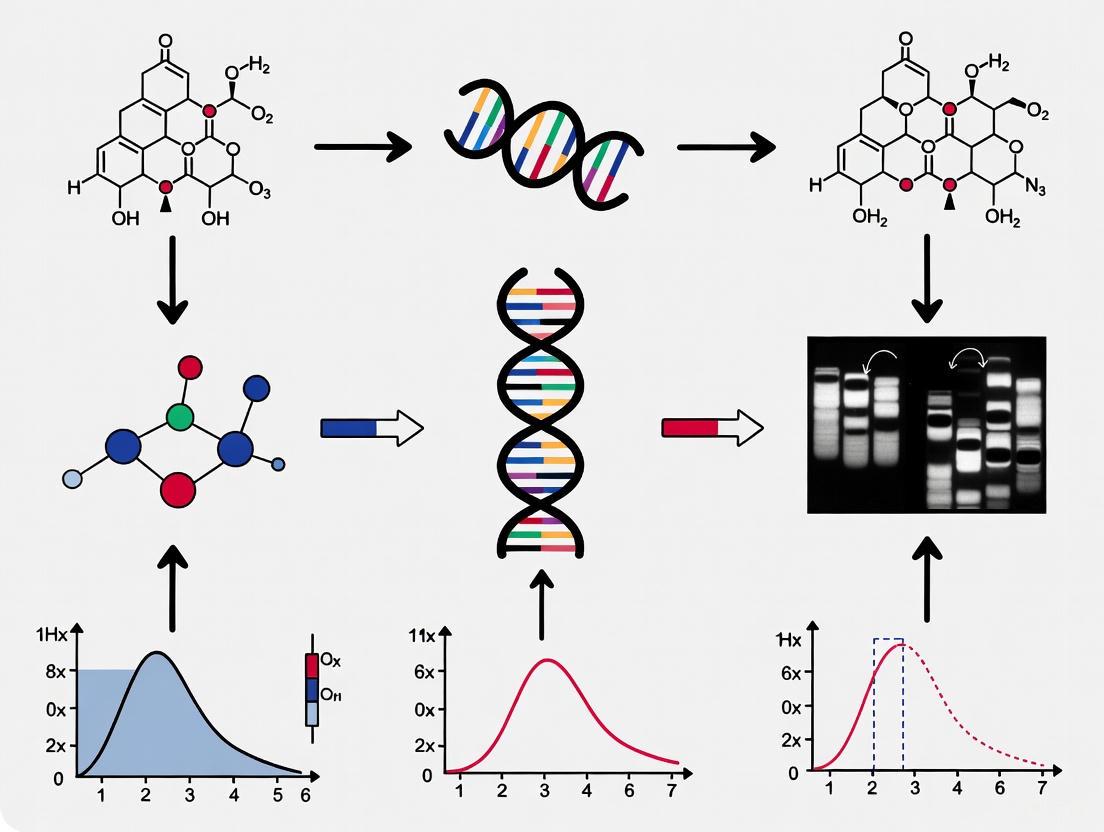
This comprehensive guide provides researchers, scientists, and drug development professionals with a systematic approach to diagnosing and resolving common PCR failures.
PCR Troubleshooting Guide: Solving No Amplification and Weak Bands
Abstract
This comprehensive guide provides researchers, scientists, and drug development professionals with a systematic approach to diagnosing and resolving common PCR failures. Covering foundational principles to advanced optimization strategies, it details methodical troubleshooting for template, primer, and reagent issues; explains optimization of thermal cycling and reaction conditions; and outlines validation techniques to confirm specificity and efficiency for reliable results in biomedical research and clinical applications.
Understanding PCR Fundamentals: Why Amplification Fails
The Polymerase Chain Reaction (PCR) is a foundational technique in molecular biology, enabling the amplification of specific DNA sequences from minimal starting material. This process relies on three core temperature-dependent steps: denaturation, annealing, and extension. Despite its conceptual simplicity, PCR is susceptible to various issues that can lead to experimental failure, particularly the absence of amplification or the production of weak bands. This technical support center article addresses these common challenges within the context of ongoing research into PCR troubleshooting, providing targeted solutions for researchers, scientists, and drug development professionals.
The Three Core Steps of PCR
The PCR process amplifies a specific region of DNA through repeated thermal cycling. Each cycle consists of three critical steps, which are illustrated in the workflow below.
Denaturation
During denaturation, the reaction mixture is heated to 94–98°C for 1–3 minutes in the initial cycle, and for 15–60 seconds in subsequent cycles [1]. This high temperature disrupts the hydrogen bonds between complementary base pairs, converting double-stranded DNA into single-stranded templates for primer binding. Complete denaturation is crucial for amplification efficiency, particularly for templates with high GC content, which may require higher temperatures or longer incubation due to their stronger secondary structures [2] [1].
Annealing
The reaction temperature is lowered to 50–65°C for 30 seconds to 2 minutes to allow the forward and reverse primers to hybridize to their complementary sequences on the single-stranded DNA templates [1]. The optimal annealing temperature is typically 3–5°C below the melting temperature (Tm) of the primers [1]. Precise temperature control during this step is critical for specific amplification, as temperatures that are too low can promote non-specific primer binding, while temperatures that are too high may prevent primer binding altogether [3] [1].
Extension
DNA synthesis occurs during the extension step at 68–72°C for 1–2 minutes per kilobase of the target amplicon [4]. Thermostable DNA polymerases, such as Taq polymerase, add nucleotides to the 3' ends of the annealed primers, synthesizing new DNA strands complementary to the template [2]. The duration of this step depends on the length of the target DNA and the synthesis rate of the DNA polymerase used [1]. A final extension of 5–15 minutes is often included to ensure all amplicons are fully synthesized [1].
Troubleshooting Guide: No Amplification or Weak Bands
The following table summarizes the common causes and solutions for the lack of PCR product or faint bands on an agarose gel.
| Problem Area | Possible Cause | Recommended Solution |
|---|---|---|
| DNA Template | Poor quality/degraded DNA [5] | Assess integrity by gel electrophoresis; re-purify if necessary [5]. |
| Insufficient quantity [5] [6] | Increase amount of template DNA (e.g., 1 pg–1 µg per 50 µL reaction) or cycle number [5] [6] [7]. | |
| High complexity (e.g., GC-rich) [5] | Use a PCR additive (e.g., DMSO, betaine) or a specialized DNA polymerase [5] [3]. | |
| Primers | Problematic design [5] [3] | Verify specificity and redesign if necessary; ensure Tm of 52–65°C and similar Tm for both primers [5] [3]. |
| Insufficient concentration [5] [6] | Optimize primer concentration, typically between 0.1–1 µM in the reaction [5] [7]. | |
| Reaction Components | Inappropriate DNA polymerase [5] | Use hot-start polymerases to prevent non-specific amplification at lower temperatures [5] [8]. |
| Insufficient Mg²⁺ concentration [5] [7] | Optimize Mg²⁺ concentration (e.g., 0.5–5.0 mM) in 0.2–1 mM increments [5] [3] [7]. | |
| Unbalanced dNTPs [5] | Use equimolar concentrations of all four dNTPs; prepare fresh dNTP mixes [5] [7]. | |
| Thermal Cycling | Incorrect annealing temperature [5] [7] | Optimize annealing temperature; use a gradient thermal cycler for empirical determination [5] [7] [1]. |
| Insufficient denaturation [5] | Increase denaturation temperature or time, especially for GC-rich templates [5] [1]. | |
| Insufficient extension time [5] | Increase extension time (1–2 min/kb) based on amplicon length and polymerase speed [5] [1] [4]. | |
| Too few cycles [5] | Increase cycle number to 30–40 cycles, particularly for low-copy-number templates [5] [1]. |
Detailed Experimental Protocols for Troubleshooting
Protocol 1: Systematic Optimization of Annealing Temperature
A suboptimal annealing temperature is a primary cause of PCR failure [5] [7]. This protocol uses a gradient thermal cycler for empirical optimization.
- Calculate Theoretical Tm: Determine the melting temperature of both primers using a reliable calculation method, such as the Nearest Neighbor method [1].
- Set Up Reactions: Prepare a standard PCR master mix and aliquot it into multiple tubes.
- Program Gradient Cyclers: Set the thermal cycler to run an annealing temperature gradient across the block. A typical range is 5°C below to 5°C above the calculated lower Tm [7] [1].
- Analyze Results: Run the PCR products on an agarose gel. The correct temperature yields a single, sharp band of the expected size. Lower temperatures may produce non-specific bands, while higher temperatures may result in weak or no product [1].
- Refine Temperature: Select the highest annealing temperature that produces a strong, specific band for future experiments.
Protocol 2: Master Mix Setup to Minimize Error and Contamination
Using a master mix improves reproducibility and reduces the risk of contamination, a common source of PCR failure [9] [4].
- Calculate Volumes: Multiply the volume of each common reagent (water, buffer, dNTPs, DNA polymerase, and template DNA if applicable) by the number of reactions plus 10% to account for pipetting error [4].
- Combine Reagents: In a single 1.5 mL tube on ice, combine all calculated reagents except the primers. Mix the contents thoroughly by pipetting up and down gently [4].
- Add Primers and Master Mix: First, add unique forward and reverse primers to individual PCR tubes. Then, aliquot the appropriate volume of master mix into each tube [4].
- Initiate PCR: Securely cap the tubes, briefly centrifuge to collect the contents at the bottom, and place them in the pre-heated thermal cycler [4].
The Scientist's Toolkit: Essential Research Reagents
The following table details key reagents and materials critical for successful PCR setup and troubleshooting.
| Reagent/Material | Function | Key Considerations |
|---|---|---|
| DNA Polymerase | Enzyme that synthesizes new DNA strands. | Choice is critical. Taq polymerase is common but lacks proofreading. High-fidelity (e.g., Q5, Phusion) or hot-start enzymes improve accuracy and specificity [2] [5] [7]. |
| Primers | Single-stranded DNA oligonucleotides that define the start and end of the target sequence. | Should be 15–30 bases long with 40–60% GC content and similar Tm. Avoid self-complementarity [3] [7]. |
| dNTPs | Deoxynucleoside triphosphates (dATP, dCTP, dGTP, dTTP); the building blocks for new DNA. | Use equimolar concentrations of all four dNTPs at ~200 µM each in the final reaction. Unbalanced concentrations increase error rates [5] [3] [4]. |
| Mg²⁺ | A divalent cation that acts as a cofactor for DNA polymerase. | Concentration is crucial. Optimize between 0.5–5.0 mM. Excess can cause non-specific products, while too little can prevent amplification [5] [3] [7]. |
| Buffer | Provides the optimal chemical environment (pH, salts) for the polymerase. | Often supplied with the enzyme. May contain MgCl₂ or MgSO₄. Specialized buffers can enable universal annealing temperatures [1] [4]. |
| PCR Additives | Co-solvents like DMSO, betaine, or BSA that assist with difficult templates. | Help denature GC-rich DNA or secondary structures. Use at recommended concentrations (e.g., 1–10% DMSO) [5] [3] [8]. |
Frequently Asked Questions (FAQs)
Q1: My negative control shows a band. What does this mean and how can I fix it? A band in the negative control indicates contamination of your reagents with template DNA or the formation of primer-dimers. If the band is the same size as your target, it is contamination. If it is a smeary band or a low molecular weight band near the gel bottom, it is likely primer-dimers [9]. To fix contamination:
- Decontaminate: Discard all reagents and clean workspaces and equipment with a 10% bleach solution or DNA decontaminant [9].
- Use Physical Separation: Strictly separate pre-PCR (reaction setup) and post-PCR (product analysis) areas with dedicated equipment, pipettes, and filter tips [9].
- Prepare Fresh Aliquots: Use fresh aliquots of all reagents, especially water and primers [9]. To fix primer-dimers, increase the annealing temperature, use a hot-start polymerase, or redesign primers with less 3' complementarity [9] [8].
Q2: I get smeared bands instead of a sharp product. What are the causes? Smearing can result from several factors:
- Too much template DNA: Reduce the amount of input DNA [6].
- Degraded DNA template: Check DNA integrity on a gel and re-isolate if necessary [5] [6].
- Non-specific amplification: Increase the annealing temperature, reduce extension time, or use a hot-start DNA polymerase [6] [8].
- Excessive cycle numbers: Reduce the number of PCR cycles to between 20–35 [6] [1].
Q3: How can I improve the amplification of a GC-rich template? GC-rich sequences are difficult to denature. Several strategies can help:
- Use specialized enzymes: Choose DNA polymerases with high processivity designed for complex templates [5] [7].
- Add enhancers: Include additives like betaine (0.5 M to 2.5 M), DMSO (1-10%), or formamide (1.25-10%) in the reaction [5] [3].
- Adjust cycling parameters: Increase the denaturation temperature and/or time to ensure complete strand separation [5] [1].
Frequently Asked Questions (FAQs)
1. My PCR reaction shows no amplification product on the gel. What are the most common causes?
The complete absence of a PCR product is often due to fundamental issues in reaction setup or component integrity. The most common culprits include:
- Incorrect Annealing Temperature: If the temperature is too high, primers cannot bind to the template [10].
- Poor Template Quality: The template DNA may be degraded or contaminated with nucleases [10] [5].
- Inactive or Insufficient Reagents: DNA polymerase can lose activity from multiple freeze-thaw cycles [10]. Similarly, one or more essential reaction components (like Mg²⁺ or dNTPs) might have been omitted or be insufficient [11] [12].
- Poor Primer Design or Degraded Primers: Primers that are not specific to the target or have degraded due to improper storage will not work [10] [11].
- PCR Inhibitors: Residual chemicals from DNA extraction, such as EDTA or ethanol, can inhibit the polymerase [10] [8].
2. I get a weak or faint band of the correct size. How can I improve the yield?
A weak band indicates that amplification is occurring but is inefficient. To enhance the signal, consider the following adjustments:
- Increase Template Quantity or Quality: Check the concentration of your DNA template and increase the amount if it's too low [13]. Re-isolate the template if you suspect degradation [13].
- Optimize Cycling Parameters: Increasing the number of PCR cycles can boost the yield of a low-concentration template [5] [13].
- Use Fresh Reagents: Contamination or degraded reagents (especially primers and polymerase) can reduce efficiency. Use fresh aliquots [13] [12].
- Increase Primer Concentration: Ensure you are using a sufficient amount of primer, typically in the range of 0.1–1 µM [5] [12].
3. My gel shows multiple bands or a smeared product instead of a single, sharp one. What does this mean and how can I fix it?
Non-specific bands or smearing occur when primers bind to unintended sites on the template or when the reaction conditions are too permissive.
- Increase Annealing Temperature: This is the most common fix. A low annealing temperature allows primers to bind non-specifically. Increase the temperature in 1-2°C increments [5] [14].
- Reduce Template or Primer Amount: Too much template or primer can promote non-specific binding and primer-dimer formation [13] [11].
- Use a Hot-Start DNA Polymerase: These enzymes remain inactive until the high-temperature denaturation step, preventing mispriming during reaction setup [5] [8].
- Check Mg²⁺ Concentration: Excess Mg²⁺ can reduce specificity. Optimize the Mg²⁺ concentration in 0.2–1 mM increments [11] [14].
- Shorten Extension Times: Overlong extension times can contribute to the generation of secondary, non-specific products [13].
Troubleshooting Tables for Common PCR Problems
Table 1: Troubleshooting No or Weak Amplification
| Possible Cause | Recommended Solution | Additional Experimental Notes |
|---|---|---|
| Incorrect Annealing Temperature | Perform a gradient PCR to determine the optimal temperature; typically 3–5°C below the primer Tm [5] [11]. | Use a thermal cycler with a gradient function. The optimal temperature produces the brightest, specific band. |
| Poor Template DNA Quality/Degradation | Re-purify the template; assess integrity by agarose gel electrophoresis (look for a sharp, high-molecular-weight band) [5] [11]. | A 260/280 nm ratio of ~1.8 indicates pure DNA. Degraded DNA appears as a smear on a gel. |
| Insufficient Template Quantity | Increase the amount of input template DNA [5] [13]. | For genomic DNA, use 1 ng–1 µg per 50 µL reaction; for plasmid, use 1 pg–10 ng [11]. |
| Inactive DNA Polymerase | Use a fresh aliquot of polymerase; avoid multiple freeze-thaw cycles [10] [12]. | Aliquot enzymes upon receipt and store at -20°C. |
| PCR Inhibitors in Sample | Further purify the template DNA via alcohol precipitation or a cleanup kit; or dilute the template to dilute out inhibitors [10] [11]. | Inhibitors include phenol, EDTA, heparin, and heme. Adding BSA (0.1-0.5 µg/µL) can help [14]. |
| Insufficient Number of Cycles | Increase the number of PCR cycles, typically to 35–40 for low-copy-number targets [5] [11]. | Standard cycles are 25-35. Too many cycles can increase background. |
| Suboptimal Mg²⁺ Concentration | Perform a titration of Mg²⁺ concentration, testing in 0.2–1.0 mM increments [11] [14]. | Ensure the Mg²⁺ stock solution is thoroughly mixed before use. |
Table 2: Troubleshooting Non-Specific Bands & Smearing
| Possible Cause | Recommended Solution | Additional Experimental Notes |
|---|---|---|
| Annealing Temperature Too Low | Increase the annealing temperature stepwise by 1–2°C increments [5] [14]. | A higher temperature increases stringency, favoring only perfect primer-template matches. |
| Excess Template, Primer, or Enzyme | Titrate down the concentration of template, primer, or DNA polymerase [13] [11]. | High primer concentrations promote primer-dimer formation; high enzyme levels can cause spurious amplification. |
| Too Many PCR Cycles | Reduce the number of amplification cycles [13] [11]. | Stay within 20-35 cycles if possible. Excessive cycles amplify low-level non-specific products. |
| Long Annealing/Extension Times | Shorten the annealing and extension times [5] [13]. | The extension time should be sufficient for the polymerase to synthesize the target amplicon (e.g., 1 min/kb). |
| Primer Dimer Formation | Redesign primers to avoid 3'-end complementarity; optimize primer concentrations [8] [14]. | Use software to check for self-complementarity and hairpin structures in primers. |
| Mg²⁺ Concentration Too High | Reduce the concentration of Mg²⁺ in the reaction mixture [11] [14]. | High Mg²⁺ increases enzyme processivity but decreases specificity. |
PCR Troubleshooting Workflow
The following diagram outlines a logical, step-by-step approach to diagnosing and resolving the most common PCR failures.
Detailed Experimental Protocols for Key Troubleshooting Steps
Protocol 1: Performing a Gradient PCR for Annealing Temperature Optimization
The annealing temperature (Ta) is a critical parameter for specific primer binding. This protocol helps determine the optimal Ta for a primer pair.
- Primer and Tm Calculation: Design your primers and calculate their theoretical melting temperature (Tm) using an appropriate calculator (e.g., NEB Tm Calculator). The Tm is a starting point for the gradient.
- Prepare Master Mix: Create a master mix containing all PCR components (water, buffer, dNTPs, primers, template, and polymerase) for all reactions plus ~10% extra to account for pipetting error. Keep the tube on ice.
- Set Up Reactions: Aliquot the master mix into individual PCR tubes or a multi-well plate.
- Program Thermal Cycler: In the cycler's program, set the annealing step to a gradient spanning a range of temperatures. A typical starting gradient is from 5°C below the lowest primer Tm to 5°C above it [11].
- Run PCR and Analyze: Place the reactions in the thermal cycler and run the program. Analyze the products using agarose gel electrophoresis. The temperature that produces the brightest, specific band with the least background is the optimal Ta [10].
Protocol 2: Assessing DNA Template Quality and Quantity
The quality of the DNA template is paramount for successful PCR.
- Spectrophotometric Analysis:
- Use a nanodrop spectrophotometer to measure the absorbance of the template DNA at 260 nm and 280 nm.
- The A260/A280 ratio should be ~1.8 for pure DNA. Significant deviation may indicate contamination with protein (lower ratio) or RNA (higher ratio) [12].
- The A260 reading is used to calculate the DNA concentration.
- Agarose Gel Electrophoresis:
- Prepare a 0.8% - 1.0% agarose gel in 1X TAE or TBE buffer with a fluorescent nucleic acid dye.
- Load ~100-200 ng of your DNA template alongside a DNA molecular weight marker (ladder).
- Run the gel at an appropriate voltage until bands are sufficiently resolved.
- Visualize under UV light. Intact genomic DNA should appear as a single, tight high-molecular-weight band. Degraded DNA will appear as a smeared downward streak. Plasmid DNA can show supercoiled, linear, and nicked circular forms [5] [12].
The Scientist's Toolkit: Key Research Reagent Solutions
The following table lists essential reagents and materials critical for successful PCR setup and troubleshooting.
| Item | Function & Importance in Troubleshooting |
|---|---|
| Hot-Start DNA Polymerase | Enzyme engineered to be inactive at room temperature, preventing non-specific amplification and primer-dimer formation during reaction setup. Crucial for improving specificity and yield [5] [8]. |
| dNTP Mix | The building blocks (dATP, dCTP, dGTP, dTTP) for DNA synthesis. Must be fresh and at equimolar concentrations to prevent polymerase errors and ensure efficient amplification [11] [12]. |
| MgCl₂ or MgSO₄ Solution | A essential cofactor for DNA polymerase activity. Its concentration is critical and must be optimized for each primer-template system, as it directly affects enzyme activity, specificity, and fidelity [5] [11]. |
| PCR Additives (e.g., BSA, Betaine, DMSO) | Used to amplify difficult templates like GC-rich sequences. They help denature secondary structures and stabilize the polymerase. Their use requires re-optimization of annealing temperatures [5] [14]. |
| PCR Purification Kit | For removing contaminants (salts, proteins, inhibitors) and/or degrading unincorporated primers and dNTPs from template DNA or PCR products before downstream applications [11]. |
| Nuclease-Free Water | The solvent for preparing reagent stocks and reaction mixes. Ensures the reaction is free of RNases and DNases that could degrade primers, template, or products [5]. |
For researchers in drug development and molecular biology, interpreting gel electrophoresis results is a critical step in analyzing Polymerase Chain Reaction (PCR) products. Band patterns on a gel provide immediate visual feedback on the success, specificity, and quality of your amplification reaction. Incorrect interpretation can lead to wasted resources and flawed experimental conclusions, particularly in downstream applications like sequencing or cloning. This guide provides a systematic approach to diagnosing common electrophoresis band patterns and offers targeted solutions to resolve underlying issues in your PCR workflow.
Troubleshooting Common Band Patterns
The table below summarizes the three most common band pattern anomalies, their likely causes, and recommended solutions.
| Band Pattern | Possible Causes | Recommended Solutions |
|---|---|---|
| Faint or No Bands [15] [5] [16] | • Low DNA template quantity or quality• Insufficient number of PCR cycles• Low primer concentration• Degraded reagents or nuclease contamination• Suboptimal staining or visualization | • Increase template DNA (0.1-0.2 µg DNA/mm well width) [15]• Increase cycle number (up to 40 cycles) [5] [16]• Optimize primer concentration (typically 0.1–1 µM) [5]• Use fresh reagent aliquots; wear gloves [15] [16]• Check stain sensitivity and use correct light source [15] |
| Smeared Bands [15] [16] [17] | • Too much template DNA• DNA degradation• Non-specific amplification• Gel running voltage too high or low• Incorrect gel type (e.g., non-denaturing gel for RNA) | • Reduce amount of template DNA [16] [17]• Re-isolate template DNA to ensure integrity [16]• Increase annealing temperature [16] [17]; use hot-start polymerase [5]• Apply recommended voltage for nucleic acid size [15]• Use denaturing gels for single-stranded nucleic acids [15] |
| Poorly Separated Bands [15] [18] | • Incorrect gel percentage• Poorly formed wells• Sample overloading• Insufficient run time | • Use higher percentage gel for smaller fragments [15]• Ensure gel comb is clean and properly positioned [15]• Load recommended amount of DNA (0.1-0.2 µg/mm well width) [15]• Increase electrophoresis run time [18] |
Systematic Troubleshooting Workflow
When your gel results are not as expected, follow this logical workflow to diagnose and correct the problem. The process begins with the most common and easily addressable issues.
Systematic Troubleshooting Workflow for Gel Electrophoresis
Essential Research Reagent Solutions
The quality and appropriateness of your reagents are fundamental to obtaining clear, interpretable gel results. The following table lists key reagents and their critical functions in PCR and electrophoresis.
| Reagent | Function | Troubleshooting Notes |
|---|---|---|
| Hot-Start DNA Polymerase [5] [19] | Amplifies target DNA; hot-start versions remain inactive until initial denaturation step to reduce non-specific amplification. | Prevents primer-dimer formation and non-specific bands by inhibiting enzyme activity during reaction setup [5] [19]. |
| DNA Gel Stain | Binds to DNA for visualization under specific light. | Sensitivity varies; single-stranded nucleic acids may require more stain or longer staining duration [15]. |
| Mg2+ Solution [5] [17] | Cofactor for DNA polymerase activity; concentration critical for fidelity and yield. | Excess Mg2+ promotes non-specific amplification and increases error rate; optimize concentration for each primer-template system [5]. |
| Nuclease-Free Water [19] | Solvent for preparing reaction mixes; free of contaminating nucleases. | Common source of contamination; always aliquot and use fresh, sterile bottles for PCR setup [19]. |
| PCR Additives (e.g., DMSO, GC Enhancers) [5] [17] | Assist in denaturing complex templates (e.g., GC-rich regions). | Use at lowest effective concentration; high concentrations can inhibit polymerase and require adjustment of annealing temperature [5]. |
Advanced Band Interpretation: Plasmid DNA and Artefacts
Beyond standard PCR products, correctly identifying the different forms of plasmid DNA is crucial for applications like cloning.
Plasmid DNA Forms and Migration Patterns
- Supercoiled (CCC) DNA: This is the natural, most compact form of intact plasmid DNA isolated from bacteria. It migrates fastest through the gel and will appear as the lowest major band for an uncut plasmid sample [20].
- Linear DNA: Generated when a restriction enzyme cuts both strands of the plasmid at specific sites. It migrates slower than supercoiled DNA but faster than the open circular form [20].
- Open Circular (OC) DNA: Results from a single-strand nick in the DNA backbone, causing the plasmid to relax into a larger, circular form. It migrates slower than both supercoiled and linear forms [20].
- Primer-Dimers: These are very small (~20-60 bp) artefacts from primers amplifying each other. They appear as a bright band at the very bottom of the gel [21] [19].
Frequently Asked Questions (FAQs)
Q1: Why is there a band in my negative control (no-template) lane? A band in your negative control indicates contamination or primer-dimer formation. If the band is the same size as your target product, your reagents or workspace are contaminated with template DNA. If it is a small band at the very bottom of the gel (~20-100 bp), it is likely a primer-dimer. To address contamination, decontaminate your workspace with 10% bleach or UV light, use dedicated pre- and post-PCR work areas, and prepare fresh reagent aliquots with filter tips [19].
Q2: What does a "ladder" or "smear" of bands from top to bottom mean? A continuous smear, often most prominent in the high molecular weight region, typically indicates genomic DNA contamination from your sample. A more random smear can result from highly degraded template DNA or excessive PCR cycling leading to non-specific amplification. To fix this, ensure your DNA extraction procedure is complete and use the recommended number of PCR cycles [18] [21].
Q3: My DNA ladder ran crookedly. What does this mean and how does it affect my results? A crooked ladder indicates an uneven electric field across the gel. This can be caused by an uneven gel thickness, using old or improperly prepared running buffer, or an insufficient buffer level that does not fully submerge the gel. This distorts the migration of your samples and makes size estimation inaccurate. Ensure the gel tray is level, use fresh buffer at the correct volume, and check that the electrodes in your tank are functioning properly [18].
Q4: How can I tell the difference between a primer-dimer and residual primers? Both appear at the bottom of the gel, but a primer-dimer is a discrete band (typically 30-60 bp) formed when primers anneal to each other and get extended. Residual primers appear as a fuzzy, diffuse haze or band at the very bottom (around 20-30 bp), representing the unincorporated primers themselves [21].
Critical Reaction Components and Their Roles in Amplification Efficiency
FAQs on Amplification Efficiency
What is PCR amplification efficiency and why is it critical? PCR amplification efficiency refers to the fraction of target DNA molecules that is successfully amplified in each PCR cycle. An ideal efficiency of 100% (or a fold increase of 2.0) means the number of DNA molecules doubles every cycle [22] [23]. This parameter is critical because it directly impacts the accuracy of quantitative results, especially in real-time PCR; lower efficiencies lead to underestimation of the initial target amount, while efficiencies exceeding 100% can indicate underlying problems with the reaction [24] [23].
What are the primary reaction components that influence amplification efficiency? The key components are the DNA template, primers, DNA polymerase, magnesium ions (Mg²⁺), and deoxynucleoside triphosphates (dNTPs) [25]. The quality, quantity, and integrity of each component must be optimized. For instance, degraded template DNA, poorly designed primers, insufficient Mg²⁺, or unbalanced dNTP concentrations can drastically reduce efficiency and yield [5] [25] [26].
How can I troubleshoot a PCR reaction that shows no amplification or very weak bands? This common issue often stems from problems with the DNA template, suboptimal reaction components, or incorrect thermal cycling conditions. Immediate steps include verifying template quality and concentration, checking primer design and concentration, ensuring the DNA polymerase is active and present in sufficient quantity, and optimizing the Mg²⁺ concentration [5] [27] [26]. Increasing the number of PCR cycles (up to 40) can also help with low-abundance templates [5] [28].
Troubleshooting Guide for No Amplification or Weak Bands
The table below summarizes common causes and solutions for the lack of amplification or faint bands in PCR.
| Observation | Possible Cause | Recommended Solution |
|---|---|---|
| No Amplification | Incorrect annealing temperature [26] [28] | Recalculate primer Tm and test a temperature gradient [26]. |
| Poor primer design or specificity [5] [26] | Verify primer sequence complementarity to the target; redesign if necessary to avoid secondary structures [5] [25]. | |
| Insufficient template quality/quantity [5] [8] | Check DNA concentration and purity (A260/280); re-purify if degraded or contaminated with inhibitors [5] [26]. | |
| Missing reaction component [26] | Systematically verify that all components (polymerase, dNTPs, Mg²⁺, primers) were added [26] [8]. | |
| PCR inhibitors present [29] [28] | Dilute the template, re-purify it via ethanol precipitation or a cleanup kit, or use a polymerase with higher inhibitor tolerance [5] [28]. | |
| Weak Bands | Too few PCR cycles [5] [27] | Increase the number of cycles, typically up to 35-40, especially for low-copy-number targets [5] [27]. |
| Insufficient primer concentration [5] [27] | Optimize primer concentration, usually within the range of 0.1–1 μM [5] [25]. | |
| Low DNA polymerase activity or amount [5] [25] | Increase the amount of DNA polymerase; ensure enzymes are stored and handled correctly [5] [25]. | |
| Suboptimal Mg²⁺ concentration [26] [8] | Optimize Mg²⁺ concentration in 0.2–1 mM increments, as it is a critical cofactor for polymerase activity [26] [8]. | |
| Complex template (e.g., high GC-content) [5] [26] | Use a polymerase designed for complex templates and/or include PCR additives like DMSO or GC enhancers [5] [26]. |
Workflow for Diagnosing PCR Failure
The following diagram outlines a systematic approach to troubleshoot a PCR reaction with no amplification or weak yield.
The Scientist's Toolkit: Key Research Reagent Solutions
This table details essential reagents and their specific functions in optimizing PCR amplification efficiency.
| Reagent | Critical Function | Optimization Tips |
|---|---|---|
| DNA Polymerase | Enzyme that synthesizes new DNA strands by incorporating dNTPs [25]. | Use hot-start versions to prevent nonspecific amplification at low temperatures [5] [8]. For complex (GC-rich, long) targets, select high-processivity enzymes [5] [26]. |
| Mg²⁺ Ions | Essential cofactor for DNA polymerase activity; stabilizes the interaction between primers, template, and enzyme [25]. | Optimize concentration (typically 1.5–2.5 mM) as it profoundly affects yield and specificity. Excess Mg²⁺ can cause nonspecific binding, while too little reduces yield [5] [26] [8]. |
| Primers | Short, single-stranded DNA sequences that define the start and end points of the amplification target [25]. | Design with Tm of 55–70°C, length of 15–30 nt, and GC content of 40–60%. Avoid 3'-end complementarity to prevent primer-dimer formation [5] [25]. |
| dNTPs | The building blocks (dATP, dCTP, dGTP, dTTP) for new DNA synthesis [25]. | Use balanced equimolar concentrations (typically 0.2 mM each). Unbalanced dNTPs increase misincorporation rates and can inhibit PCR [5] [25] [26]. |
| PCR Additives | Co-solvents that help denature difficult templates or reduce secondary structures [5]. | Use additives like DMSO, betaine, or GC enhancers for GC-rich templates. Use the lowest effective concentration to avoid inhibiting the polymerase [5] [8]. |
Systematic Diagnostic Approach: A Step-by-Step PCR Checklist
FAQ: Why is verifying DNA template the first critical step?
The quality and quantity of your DNA template are foundational to PCR success. A reaction can fail if the template is degraded, contaminated by inhibitors, or if its concentration is outside an optimal range, leading to no amplification or weak bands [30] [31]. Verifying the template before proceeding ensures you are starting with a viable foundation, saving time and reagents.
How to Assess DNA Template: Methods and Benchmarks
A systematic approach combining quantification and quality checks is essential for evaluating your DNA template.
Quantification and Quality Assessment
| Assessment Method | What It Measures | Optimal Values / What to Look For |
|---|---|---|
| Spectrophotometry (A260/A280) | DNA purity (protein/phenol contamination) [32]. | Pure DNA: 1.8–2.0 [32]. |
| Spectrophotometry (A260/A230) | DNA purity (salt, solvent, or EDTA contamination). | Pure DNA: ~2.0 (or higher). |
| Gel Electrophoresis | DNA integrity and degradation [30]. | A single, tight, high-molecular-weight band. A smeared band indicates degradation [30]. |
Troubleshooting Template Issues
If your DNA fails these checks, use the following workflow to diagnose and resolve the problem.
Research Reagent Solutions for DNA Verification
The following reagents and instruments are crucial for accurate DNA template assessment.
| Tool / Reagent | Primary Function | Key Considerations |
|---|---|---|
| Nanodrop Spectrophotometer | Rapid microvolume nucleic acid quantification and purity assessment (A260/A280). | Ideal for quick checks; may overestimate concentration with impurities. |
| Agarose Gel Electrophoresis | Visual assessment of DNA integrity and confirmation of high molecular weight. | Critical for detecting degradation (smearing) or RNA contamination [30]. |
| PCR Clean-up Kits (e.g., Spin Columns) | Purify DNA to remove salts, proteins, and other PCR inhibitors [33]. | Use if contaminants are suspected. |
| DNA Ladder (Molecular Weight Marker) | Size reference for DNA fragments during gel electrophoresis. | Essential for confirming the size of your genomic DNA and potential amplicons. |
- Quantify Accurately: Use a spectrophotometer to ensure DNA concentration is within the optimal range of ~0.5 ng to 0.5 µg per 25 µL reaction [31].
- Check Purity: Verify the A260/A280 ratio is 1.8–2.0 and inspect the A260/A230 ratio [32].
- Inspect Integrity: Run an agarose gel to confirm the DNA is intact and not degraded [30].
- Address Problems: Re-isolate or further purify the DNA if quality is poor [31], and adjust the volume added to the PCR based on your quantification.
Why is validating primers crucial for successful PCR?
Validating primer design, specificity, and concentration is a critical step in PCR optimization. Poor primer performance is a leading cause of PCR failure, resulting in no amplification, weak bands, or non-specific products [8] [12]. Proper validation ensures that primers efficiently and accurately amplify only the intended target, which is fundamental for reliable data in research and drug development.
Primer Design Guidelines and Validation
Adhering to established design rules is the first step toward ensuring primer efficacy.
Table 1: Standard Guidelines for PCR Primer Design
| Parameter | Recommended Specification | Rationale and Additional Notes |
|---|---|---|
| Length | 18–30 nucleotides [34] [35] [36] | Shorter primers bind more efficiently, but specificity often increases with length [36]. |
| Melting Temperature (Tm) | 60–75°C; forward and reverse primers should be within 5°C of each other [34] [35] [36]. | The optimal Tm for PCR primers is typically 60–64°C [34]. Calculate Tm using tools like OligoAnalyzer with your specific reaction conditions [34]. |
| GC Content | 40–60%; ideal is 50% [34] [35]. | Provides sequence complexity while maintaining appropriate Tm. |
| GC Clamp | The 3' end should end in G or C [36]. | G and C bases form stronger hydrogen bonds, improving the stability of primer binding [36]. |
| Secondary Structures | Avoid hairpins, self-dimers, and cross-dimers with a ΔG greater than -9.0 kcal/mol [34]. | These structures prevent primers from binding to the template. Use analysis tools like OligoAnalyzer to check [34]. |
| Repeats & Runs | Avoid runs of 4 or more of the same base or dinucleotide repeats (e.g., ACCCC or ATATAT) [36]. | These sequences can misprime or cause slippage, leading to non-specific binding [36]. |
Experimental Protocol for Checking Primer Specificity
Objective: To confirm that your primers are unique to the target sequence and will not produce off-target amplicons.
Method 1: In Silico Specificity Analysis with BLAST This method uses computational tools to check for complementary sequences elsewhere in the genome.
- Access Tool: Use the NCBI Primer-BLAST tool or run a BLAST analysis directly from the IDT OligoAnalyzer Tool [34].
- Input Sequences: Enter the forward and reverse primer sequences.
- Set Parameters: Specify the appropriate organism and database (e.g., "Genome (reference assemblies from refseq)").
- Analyze Output: The tool will list potential binding sites. A specific primer pair should have only one significant match—your intended target. Discard primers with strong off-target matches, especially at the 3' end [37].
Method 2: Experimental Validation by Gel Electrophoresis After running PCR, analyze the product on an agarose gel.
- Run Gel: Load the PCR product alongside a DNA ladder for size comparison [18].
- Interpret Results:
Optimizing Primer and Reaction Components
Even well-designed primers require optimal concentrations and reaction conditions for efficient amplification.
Table 2: Optimizing Primer and Reaction Components
| Component | Recommended Concentration or Amount | Optimization Guidelines |
|---|---|---|
| Primer Concentration | 0.1–0.5 µM of each primer (typical) [35]. | High concentrations promote primer-dimer formation and non-specific binding [8] [35]. If issues occur, titrate within a 0.05–1 µM range [12]. |
| Template DNA | Plasmid: 1 pg–10 ng; Genomic DNA: 1 ng–1 µg [35]. | Too much template can reduce specificity and cause smearing [38]. Too little results in weak or no product [8]. |
| MgCl₂ Concentration | 1.5–2.0 mM is optimal for most reactions [35]. | Mg²⁺ is a critical cofactor for polymerase activity. If amplification is poor, titrate in 0.5 mM increments up to 4 mM [35]. Excess Mg²⁺ can reduce fidelity and increase non-specific products [39]. |
| dNTPs | 200 µM of each dNTP [35]. | Ensure dNTPs are fresh and not degraded. Higher concentrations can increase yield but may reduce fidelity [35]. |
The Scientist's Toolkit: Research Reagent Solutions
Table 3: Essential Reagents for PCR Validation
| Reagent | Function | Key Considerations |
|---|---|---|
| Hot-Start DNA Polymerase | Reduces non-specific amplification and primer-dimer formation by remaining inactive until the first high-temperature denaturation step [8]. | Ideal for complex templates or when setting up reactions at room temperature. |
| PCR Additives (e.g., BSA, Betaine, DMSO) | Helps overcome inhibition and amplifies difficult templates (e.g., GC-rich) [8] [39]. BSA binds inhibitors, while betaine and DMSO help denature secondary structures [8] [39]. | Use judiciously; DMSO is typically recommended at 2.5–5% for GC-rich templates [39]. |
| Nuclease-Free Water | The solvent for preparing reagent stocks and reaction mixes. | Ensures the reaction is not degraded by environmental nucleases. |
| DNA Ladder | A molecular weight marker for sizing amplicons on an agarose gel [18]. | Essential for confirming the size of the PCR product and identifying non-specific bands or primer dimers. |
Troubleshooting Common Primer-Related Problems
Problem: No Amplification or Weak Bands
- Check Primer Design: Verify that Tm, GC content, and length meet guidelines and that primers are not self-complementary [34] [12].
- Confirm Specificity: Use BLAST to ensure primers are unique to your target [37].
- Check Concentration: Use a nanodrop spectrophotometer to confirm primer stock concentration is correct. Visually check for pellets after resuspension [12].
- Increase Annealing Temperature: If the temperature is too low, primers may not bind efficiently. Set the annealing temperature no more than 5°C below the primer Tm [8] [34].
- Use Fresh Reagents: Make new aliquots of dNTPs and polymerase to avoid degradation from multiple freeze-thaw cycles [38] [12].
Problem: Non-Specific Bands or Smearing
- Increase Annealing Temperature: This is the most common solution. A higher temperature increases stringency, preventing primers from binding to partially matched sequences [8] [21].
- Reduce Primer Concentration: High primer concentration can lead to off-target binding and primer-dimer formation [8] [35].
- Use Hot-Start Polymerase: Prevents enzymatic activity during reaction setup, which is a common cause of non-specific products [8] [21].
- Perform Touchdown PCR: Start with an annealing temperature higher than the calculated Tm and decrease it incrementally over subsequent cycles. This enriches for the specific target in early cycles [39].
Problem: Primer-Dimer Formation
- Redesign Primers: Ensure the 3' ends of the forward and reverse primers are not complementary [8] [36].
- Lower Primer Concentration: Reduces the chance of primers interacting with each other [8].
- Increase Annealing Temperature: Makes it less favorable for the short primer-dimer sequences to anneal [8].
The following workflow summarizes the key steps for systematic primer validation and troubleshooting:
Why is assessing reagent integrity and master mix composition critical for PCR success?
Inconsistent PCR results, such as no amplification or weak bands, are often traced back to the quality of reagents and the accuracy of the master mix preparation. Even minor inaccuracies in component concentration, or the use of degraded reagents, can drastically reduce amplification efficiency and specificity. A systematic approach to assessing these factors is essential for effective troubleshooting [5] [40].
Systematic Assessment of Reagent Integrity
A methodical check of each reagent is the first step in diagnosing a failed PCR.
Table 1: Troubleshooting Guide for Key PCR Reagents
| Reagent | Common Integrity Issues | Impact on PCR | Assessment Method & Solution |
|---|---|---|---|
| DNA Template | Degradation; contamination with inhibitors (e.g., phenol, EDTA, salts) [5]. | Poor or no amplification; smeared bands on a gel [5] [41]. | Assess: Run gel electrophoresis to check for smearing (degradation) or use spectrophotometry (A260/A280 ratio) for purity [5] [42].Solve: Re-purify template via ethanol precipitation or use a purification kit; dilute template to reduce inhibitors [5] [42] [21]. |
| Primers | Degradation over time; inaccurate concentration; problematic design [5]. | Weak band, no product, or multiple non-specific bands [5] [42]. | Assess: Check primer design (e.g., length 18-30 nt, GC content 40-60%, avoid self-complementarity) [3].Solve: Use fresh aliquots; optimize concentration (typically 0.1-1 µM); verify design with software tools [5] [41]. |
| DNA Polymerase | Loss of activity from improper storage or freeze-thaw cycles; inappropriate enzyme type [5] [42]. | No amplification or reduced yield; non-specific products [5]. | Assess: Perform a positive control reaction with a known, working template and primer set [43].Solve: Use fresh enzyme aliquots; select hot-start polymerases to prevent non-specific amplification; ensure correct enzyme for application (e.g., high-fidelity for cloning) [5] [42]. |
| dNTPs | Unbalanced or degraded concentrations; repeated freeze-thaw cycles [5] [42]. | Reduced yield; increased error rate (low fidelity) [5] [42]. | Assess: Prepare fresh dNTP mix from individual stocks to ensure equimolar concentrations [42].Solve: Use fresh aliquots; ensure final concentration is typically 200 µM of each dNTP [3] [40]. |
| Mg²⁺ Concentration | Too low or too high; not accounted for in buffer composition [5] [42]. | No product (low Mg²⁺); multiple non-specific bands (high Mg²⁺) [5] [42]. | Assess: Mg²⁺ is a co-factor for polymerase. Its optimal concentration is critical.Solve: Optimize Mg²⁺ concentration in 0.2-1 mM increments; note that dNTPs and EDTA chelate Mg²⁺ [5] [42] [3]. |
Master Mix Composition and Pipetting Best Practices
Inaccurate master mix preparation is a frequent source of failure. Consistency is key, and the use of a master mix for all common reagents minimizes pipetting errors and ensures reaction uniformity [40].
Table 2: Example Calculations for a 50 µl PCR Master Mix This table provides a template for calculating the volumes for a single reaction and scaling up for multiple samples.
| Reagent | Stock Concentration | Final Concentration (CF) | Dilution Factor (Stock / CF) | Volume for 1 Reaction (50 µl / Dilution Factor) |
|---|---|---|---|---|
| Buffer | 10X | 1X | 10 | 5.0 µl |
| MgCl₂ | 25 mM | 1.5 mM | 16.66 | 3.0 µl |
| dNTPs | 10 mM | 0.2 mM | 50 | 1.0 µl |
| Forward Primer | 10 µM | 0.25 µM | 40 | 1.25 µl |
| Reverse Primer | 10 µM | 0.25 µM | 40 | 1.25 µl |
| DNA Polymerase | 5 U/µl | 1.25 U | - | 0.25 µl |
| Template DNA | Varies | - | - | 0.5 µl (e.g., 1 µg/µl) |
| PCR-Grade Water | - | - | - | 37.75 µl |
| Total Volume | 50 µl |
Note: When preparing for multiple samples, multiply the "Volume for 1 Reaction" by the number of reactions plus at least 10% extra to account for pipetting error [40].
Essential Pipetting Protocols for Accuracy
- Work Cold and Use a Master Mix: Keep reagents on ice to prevent non-specific activity and prepare a master mix of all common components. This improves consistency and reduces the number of pipetting steps [3] [40].
- Pipette in Order of Cost: Add the least expensive reagents to the master mix first. If a mistake is made, less money is wasted [40].
- Use Appropriate Tips and Techniques: For viscous liquids like template DNA, use low-retention tips and dispense onto the tube wall. Ensure proper mixing after adding the polymerase, which is often stored in glycerol [3] [40].
- Prevent Contamination: Use sterile, certified DNase-/RNase-/inhibitor-free consumables and filter tips. Wear gloves and physically separate pre- and post-PCR work areas [29] [40].
The Scientist's Toolkit: Essential Research Reagent Solutions
Table 3: Key Reagents and Their Functions in a PCR Master Mix
| Reagent | Function | Key Considerations |
|---|---|---|
| Thermostable DNA Polymerase (e.g., Taq) | Enzyme that synthesizes new DNA strands. | Choice depends on application (e.g., standard amplification, high fidelity, hot-start for specificity) [5] [44]. |
| PCR Buffer | Provides optimal chemical environment (pH, ionic strength) for polymerase activity. | Often contains MgCl₂; specific to the polymerase used [3]. |
| MgCl₂ / MgSO₄ | Essential co-factor for DNA polymerase activity. | Concentration must be optimized; significantly impacts yield and specificity [5] [3]. |
| Deoxynucleotides (dNTPs) | The building blocks (dATP, dCTP, dGTP, dTTP) for new DNA strands. | Must be fresh and at equimolar concentrations to prevent errors [5] [42]. |
| Primers | Short, single-stranded DNA sequences that define the start and end of the target amplicon. | Design (specificity, Tm, length) and integrity are paramount for success [5] [3]. |
| PCR-Grade Water | Solvent for the reaction; must be nuclease-free and sterile. | Prevents introduction of contaminants or enzymes that could degrade reagents [40]. |
| Additives (e.g., DMSO, BSA, Betaine) | Enhancers that help amplify difficult templates (e.g., GC-rich, secondary structures). | Used at specific concentrations to help denature stable DNA structures [5] [3]. |
Experimental Protocol: Implementing a Diagnostic QC PCR
This protocol helps determine if your PCR reagents and master mix are functioning correctly.
Objective: To verify the integrity of PCR reagents and the accuracy of master mix composition by amplifying a control template with a known, validated primer set.
Materials:
- Test DNA template (e.g., your sample)
- Positive control template (a known, high-quality DNA that works with your control primers)
- Control primer set (validated to amplify a specific region from the positive control)
- All PCR master mix components (polymerase, buffer, dNTPs, Mg²⁺, water)
- Thermal cycler
- Gel electrophoresis equipment
Method:
- Prepare Master Mix: Calculate and prepare a master mix as shown in Table 2, but omit the template DNA. Include enough for all test samples plus controls.
- Aliquot and Add Template:
- Aliquot the master mix into separate PCR tubes.
- Test Reaction: Add your test DNA template to the respective tube.
- Positive Control Reaction: Add the known, positive control template to a tube.
- Negative Control Reaction: Add PCR-grade water instead of template to a tube.
- Run PCR: Place tubes in a thermal cycler and run the appropriate cycling program for your primer set.
- Analyze Results: Run the PCR products on an agarose gel to visualize the amplification.
Workflow for Troubleshooting PCR Reagents
The following diagram illustrates the logical decision-making process for diagnosing reagent-related PCR failure, based on the results of the diagnostic QC PCR described above.
Diagnostic Workflow for PCR Reagent Failure
Interpreting Diagnostic Results and Next Steps
The flowchart above leads to specific conclusions and actions.
Table 4: Interpreting Control Results and Taking Action
| Positive Control Result | Negative Control Result | Interpretation | Next Steps |
|---|---|---|---|
| Amplification | No Amplification | Ideal outcome. The PCR reagents and master mix are functioning correctly. The problem lies with the test template DNA. | Proceed to troubleshoot the template DNA: check concentration, purity, and integrity [43]. |
| Amplification | Amplification | Systemic contamination. The PCR itself works, but a contaminant (e.g., from reagents, amplicons) is being amplified. | Decontaminate workspace and equipment; use fresh, aliquoted reagents; employ UV treatment where possible [43] [40]. |
| No Amplification | No Amplification | PCR reagent/master mix failure. A core component of the PCR is inactive or incorrect. | Prepare a fresh master mix with new aliquots of all reagents, especially the polymerase and dNTPs [42] [43]. |
| No Amplification | Amplification | Illogical result. Suggests the controls may have been mixed up. | Verify the labeling and identity of controls and repeat the diagnostic assay [43]. |
The precise control of temperature within a thermal cycler is a fundamental determinant of the success or failure of a Polymerase Chain Reaction (PCR). Even with high-quality templates and well-designed primers, suboptimal cycling parameters can lead to a complete absence of amplification, weak product yield, or nonspecific products that compromise downstream applications. Within the broader context of troubleshooting PCR experiments exhibiting no amplification or weak bands, this guide provides a systematic approach to optimizing thermal cycler parameters. We will dissect each stage of the PCR cycle—denaturation, annealing, extension, and cycling—to equip researchers with the knowledge to diagnose and rectify common amplification issues, ensuring robust and reliable results for critical research and drug development projects.
The table below summarizes the key parameters for each step of a standard three-step PCR protocol, serving as a starting point for optimization. [1]
| PCR Step | Typical Temperature Range | Typical Duration | Primary Function | Consequence of Sub-Optimization |
|---|---|---|---|---|
| Initial Denaturation | 94–98°C | 1–3 minutes | Separates double-stranded DNA; activates hot-start polymerases. | Incomplete strand separation leads to poor or no amplification. |
| Denaturation | 94–98°C | 15–60 seconds | Denatures DNA before each cycle. | Inefficient amplification per cycle. |
| Annealing | 3–5°C below primer ( T_m ) | 15–60 seconds | Allows primers to bind to the target sequence. | Low temperature: nonspecific binding; High temperature: no primer binding. |
| Extension | 70–75°C (enzyme-dependent) | 1 min/kb (Taq); 2 min/kb (Pfu) | Synthesizes new DNA strand. | Short time: incomplete products; Long time: increases chances of error. |
| Final Extension | 72°C | 5–15 minutes | Ensures all PCR products are fully extended. | Incomplete products, especially for GC-rich templates or TA cloning. |
| Cycle Number | 25–40 cycles | - | Amplifies target to detectable levels. | Too few: low yield; Too many: plateau phase, nonspecific products. |
Troubleshooting FAQ: Addressing Weak or No Amplification
Q1: My PCR results show no bands or very weak bands on the gel. Which thermal cycler parameters should I investigate first?
A systematic approach to this common issue should target parameters that most directly impact yield.
- Increase the Number of Cycles: If the template is of low abundance or concentration, increasing the cycle number from a standard 25–35 to up to 40 cycles can significantly enhance product yield. [45] Avoid exceeding 45 cycles, as this leads to accumulation of nonspecific products and reaction plateau. [1]
- Optimize the Annealing Temperature ((Ta)): An excessively high (Ta) prevents primer binding. Start by using a calculated (Tm) (melting temperature) and set the (Ta) 3–5°C below the lowest (Tm) of the primer pair. [1] If amplification is weak, lower the (Ta) in increments of 2°C. [45] For a more efficient approach, use a gradient thermal cycler to test a range of temperatures simultaneously. [46]
- Check Denaturation Efficiency: Incomplete denaturation of the template DNA, especially for complex (e.g., genomic) or GC-rich DNA, can prevent primer access. Ensure the denaturation temperature is at least 94°C. For GC-rich templates (>65%), increase the denaturation time or temperature (e.g., to 98°C). [1] [5]
- Extend the Extension Time: If the extension time is too short for the length of your amplicon, the polymerase will not finish synthesizing the full product. As a general rule, use 1 minute per kilobase for Taq polymerase and 2 minutes per kilobase for Pfu polymerase, and adjust accordingly. [1] [45]
Q2: My PCR produces smeared bands or multiple nonspecific products. How can I adjust the thermal profile to improve specificity?
Smeared or multiple bands indicate that primers are binding to non-target sequences. The solution is to increase the stringency of the reaction conditions.
- Increase the Annealing Temperature: This is the most critical step. A higher (Ta) promotes more specific binding between the primer and its exact target sequence. Increase the temperature in increments of 2–3°C. [5] [45] Using a gradient thermal cycler is highly effective for identifying the optimal, most stringent (Ta) that yields a single, specific product. [46]
- Employ a Two-Step PCR Protocol: If the annealing temperature of your primers is within 3°C of the extension temperature, you can combine the two steps into a single incubation. This shortens the program and can reduce opportunities for nonspecific binding at lower temperatures. [1] [45]
- Reduce Cycle Numbers and Extension Times: Overcycling can lead to the accumulation of nonspecific products and smearing. [47] [5] Keep cycles within 20–35. Excessively long extension times can also contribute to smearing; ensure the time is appropriate for your amplicon length. [45]
- Utilize Specialized PCR Methods: Touchdown PCR is a highly effective strategy. It starts with an annealing temperature 10°C above the calculated (T_m) and progressively decreases it every cycle or every second cycle. This ensures that the first amplifications are highly specific, and these specific products are then preferentially amplified in later cycles. [48]
Q3: How can I use a gradient thermal cycler to optimize my PCR protocol efficiently?
A gradient thermal cycler applies a linear temperature gradient across the block during the annealing step, allowing you to test up to 12 different annealing temperatures in a single run. [46]
- Define the Gradient Range: Set a span of 8–10°C centered on the calculated (Tm) of your primers. For example, if the (Tm) is 60°C, set a gradient from 55°C to 65°C. [46]
- Run the PCR: Execute your standard PCR protocol, applying the gradient only during the annealing step. Denaturation and extension parameters remain uniform across all wells.
- Analyze the Results: Separate the PCR products by gel electrophoresis. Identify the well (temperature) that produces the brightest, single band of the expected size with minimal or no nonspecific bands or primer-dimer.
- Refine (Optional): If the optimal temperature is at the extreme end of your initial gradient, perform a second run with a narrower range to pinpoint the exact (T_a). [46]
This method drastically reduces the time and reagent consumption required for optimization compared to sequential single-temperature runs. [46]
Workflow for Systematic Optimization
The following diagram illustrates a logical workflow for diagnosing and correcting PCR amplification problems through thermal cycler parameter optimization.
The Scientist's Toolkit: Essential Reagents for Optimization
Successful optimization often involves more than adjusting temperatures and times. The following key reagents are essential for establishing a robust PCR protocol.
| Reagent / Tool | Function in Optimization | Key Considerations |
|---|---|---|
| Hot-Start DNA Polymerase | Prevents non-specific amplification and primer-dimer formation by inhibiting enzyme activity until the initial high-temperature denaturation step. [5] [8] | Critical for improving specificity. Choose based on fidelity, processivity, and target length. |
| Gradient Thermal Cycler | Allows empirical determination of optimal annealing temperature by testing a range of temperatures in a single run. [46] | Dramatically reduces optimization time and reagent consumption. |
| Magnesium (Mg²⁺) Solution | Cofactor for DNA polymerase; its concentration directly affects primer annealing, enzyme activity, and specificity. [5] [8] | Requires optimization (e.g., 1-5 mM). Excess Mg²⁺ reduces fidelity and can cause nonspecific bands. |
| PCR Additives (e.g., DMSO, Betaine) | Assist in amplifying difficult templates (e.g., GC-rich sequences) by lowering the melting temperature of DNA and preventing secondary structure formation. [1] [5] | Note: Additives generally lower the effective (T_a), requiring adjustment of the annealing temperature. |
| dNTP Mix | The building blocks for DNA synthesis. | Use balanced, equimolar concentrations. Unbalanced dNTPs increase error rate and can inhibit PCR. [5] [45] |
Advanced Troubleshooting Protocols: From Weak Bands to No Bands
How can I tell if my PCR failure is due to template DNA degradation or PCR inhibitors?
Differentiating between template DNA degradation and the presence of PCR inhibitors is a critical first step in troubleshooting failed amplification. Both issues can prevent amplification, but they present distinct clues.
To diagnose template degradation, analyze your DNA sample using agarose gel electrophoresis. Intact genomic DNA should appear as a single, tight high-molecular-weight band, possibly with a faint smear of RNA. Degraded DNA, in contrast, will appear as a continuous smear of low-molecular-weight fragments with no distinct high-molecular-weight band [49]. You can also check the DNA's purity using a spectrophotometer; a 260/280 ratio outside the range of 1.8-2.0 may indicate contamination with proteins or other impurities [50] [31].
To diagnose PCR inhibitors, perform a spike-in or inhibition test. Add a known, amplifiable DNA template and its specific primers to your PCR reaction alongside your test sample. If amplification of this control target fails or its Ct value is significantly higher in the presence of your sample DNA compared to a clean control, inhibitors are likely present in your sample [51]. Common inhibitors include humic acid (from soil), melanin, hematin, collagen, and salts [51] [52].
The table below summarizes the key diagnostic features and initial steps for each problem.
Table 1: Diagnostic Features for Template Degradation vs. PCR Inhibitors
| Aspect | Template Degradation | PCR Inhibitors |
|---|---|---|
| Gel Electrophoresis | Continuous smear of low-molecular-weight fragments; lack of a high-molecular-weight band [49]. | Sample DNA appears intact, but amplification fails [51]. |
| Spike-in Test | The control target amplifies normally [51]. | The control target fails to amplify or shows a significantly higher Ct value [51]. |
| Common Sources | Repeated freeze-thaw cycles, nucleases, improper storage (e.g., room temperature), UV damage [5] [49]. | Humic acid (soil), polyphenols (plants), hematin (blood), melanin, indigo, salts [5] [51] [52]. |
| Initial Corrective Action | Re-isolate DNA using nuclease-inhibiting methods; ensure proper storage conditions [49]. | Dilute the DNA template 10-fold; use a robust DNA cleanup method [5] [51]. |
The following workflow provides a systematic approach to diagnosing and resolving these issues.
What are the best practices to prevent genomic DNA degradation during storage and handling?
Preventing DNA degradation is paramount for successful PCR. Degradation is primarily caused by nucleases (DNases) that are released during cell lysis and can remain active if not properly inactivated, as well as by physical and chemical factors [49].
Key Prevention Strategies:
Correct Storage Conditions:
- Temperature: Store purified DNA at -20°C to -80°C. For long-term storage, -80°C is ideal. Always avoid repeated freeze-thaw cycles, as this shears DNA and promotes nuclease activity. Prepare small aliquots for single-use [49].
- Buffer: Resuspend or store purified DNA in molecular-grade water or TE buffer (pH 8.0). The EDTA in TE buffer chelates magnesium ions, which are essential cofactors for most DNases, thereby inactivating them [5] [49].
Handling During Extraction:
- Perform DNA extraction procedures at low temperatures, ideally on ice or in a 4°C cold room, to inhibit nuclease activity [49].
- Use chemical nuclease inhibitors during the extraction process, such as EDTA, SDS, or 2-mercaptoethanol [49].
- Ensure your DNA isolation protocol includes a robust protein precipitation step to effectively remove nucleases [49].
Avoid Physical and UV Damage:
- Handle DNA solutions gently to minimize pipetting-induced shearing.
- When analyzing DNA in gels, limit exposure to short-wavelength UV light (254-312 nm), as it can damage DNA. Use long-wavelength UV (360 nm) and keep visualization time as short as possible [5].
Table 2: Best Practices for Preventing Genomic DNA Degradation
| Practice | Procedure | Rationale |
|---|---|---|
| Low-Temperature Storage | Store DNA at -20°C or -80°C in single-use aliquots. | Inhibits nuclease activity and prevents shearing from freeze-thaw cycles [49]. |
| Correct Storage Buffer | Resuspend DNA in TE buffer (pH 8.0) or nuclease-free water. | EDTA in TE buffer chelates Mg²⁺, inactivating DNases [5] [49]. |
| Cold Extraction | Perform cell lysis and purification steps on ice or at 4°C. | Low temperatures slow down enzymatic degradation by nucleases [49]. |
| Chemical Inhibition | Include inhibitors like EDTA or SDS in lysis buffers. | Directly inactivates or inhibits nuclease enzymes [49]. |
| Limit UV Exposure | Use long-wave UV and minimize gel exposure time. | Prevents UV-induced DNA damage that can interfere with polymerase processing [5]. |
Which methods are most effective for removing PCR inhibitors from my DNA samples?
PCR inhibitors can be co-extracted with DNA from various sample types. Effective removal is crucial and can be achieved through several methods, ranging from simple dilution to specialized cleanup kits.
Effective Removal Methods:
Dilution: A simple 10-fold dilution of the DNA extract can often reduce inhibitor concentration below a critical threshold that blocks amplification. The trade-off is a potential reduction in sensitivity due to the simultaneous dilution of the template DNA [51].
Commercial DNA Cleanup Kits: These are among the most effective and reliable methods.
- Silica-Membrane Based Kits (e.g., PowerClean DNA Clean-Up Kit): These kits are specifically designed to remove a wide range of common inhibitors, including humic acid and melanin, from complex samples like soil and plants [51] [52].
- Magnetic Bead-Based Kits (e.g., DNA IQ System): These systems use paramagnetic particles to bind DNA, allowing for efficient washing to remove inhibitors. They are highly effective and can be automated [52].
Post-Extraction Cleanup with Paramagnetic Beads: Methods using AMPure XP beads or similar products can be used for a post-extraction cleanup to purify DNA from salts, proteins, and other contaminants [51].
Use of PCR Enhancers: In some cases, adding enhancers like Bovine Serum Albumin (BSA) or skim milk powder to the PCR master mix can bind to and neutralize certain inhibitors, thereby mitigating their effects [51].
The table below compares the effectiveness of different removal methods against common inhibitors, based on a comparative study.
Table 3: Comparison of PCR Inhibitor Removal Methods [52]
| Removal Method | Humic Acid | Melanin | Hematin | Calcium Ions | Indigo | Urea |
|---|---|---|---|---|---|---|
| PowerClean Kit | Effective | Effective | Effective | Effective | Effective | Effective |
| DNA IQ System | Effective | Effective | Effective | Effective | Effective | Effective |
| Phenol-Chloroform | Not Effective | Not Effective | Partially Effective | Partially Effective | Partially Effective | Partially Effective |
| Chelex-100 | Partially Effective | Partially Effective | Partially Effective | Partially Effective | Partially Effective | Partially Effective |
Can you provide a detailed protocol for removing PCR inhibitors using a DNA cleanup kit?
The following protocol is adapted for a typical silica spin-column based cleanup kit, which is highly effective for removing a broad spectrum of PCR inhibitors [52].
Objective: To purify DNA extracts from PCR inhibitors prior to amplification. Principle: DNA binds selectively to a silica membrane in the presence of a high-salt buffer. Impurities and inhibitors are washed away, and pure DNA is eluted in a low-salt buffer or water.
Materials:
- DNA sample contaminated with inhibitors.
- Commercial DNA Cleanup Kit (e.g., PowerClean DNA Clean-Up Kit, Monarch PCR & DNA Cleanup Kit).
- Microcentrifuge.
- Collection tubes.
- 100% ethanol (as required by the kit).
- Heated block or water bath (set to elution temperature, e.g., 50-65°C).
Procedure:
Binding:
- Combine your DNA sample with the appropriate volume of Binding Buffer (often containing a chaotropic salt like guanidine HCl). Mix thoroughly by vortexing.
- Optional: For some kits, adding ethanol at this step is necessary. Follow the manufacturer's instructions precisely.
- Transfer the entire mixture to a spin column seated in a collection tube.
Washing:
- Centrifuge the column at high speed (e.g., ≥10,000 g) for 30-60 seconds. Discard the flow-through liquid, which contains the inhibitors.
- Add Wash Buffer (usually containing ethanol) to the column. Centrifuge as before and discard the flow-through.
- Repeat the wash step a second time for maximum purity.
- Perform an additional "dry spin" with the empty column (no buffer added) for 1-2 minutes to ensure all residual ethanol is removed.
Elution:
- Transfer the spin column to a clean, sterile 1.5 mL microcentrifuge tube.
- Apply 20-50 µL of pre-warmed Elution Buffer (10 mM Tris-HCl, pH 8.5) or nuclease-free water directly onto the center of the silica membrane.
- Let it stand for 1-2 minutes to allow the buffer to fully hydrate the membrane.
- Centrifuge at high speed for 1-2 minutes. The liquid that collects in the bottom of the tube is your purified DNA, ready for use in PCR.
The Scientist's Toolkit: Essential Reagents for Overcoming PCR Failure
Table 4: Key Research Reagent Solutions
| Reagent / Kit | Function |
|---|---|
| TE Buffer (pH 8.0) | A storage buffer for purified DNA; the EDTA chelates Mg²⁺ to inactivate nucleases and prevent degradation [5] [49]. |
| PowerClean DNA Clean-Up Kit | A silica-based purification kit specifically designed for the effective removal of potent PCR inhibitors like humic acid from complex samples [52]. |
| DNA IQ System | A magnetic bead-based DNA purification system effective at removing a wide range of inhibitors, suitable for automation [52]. |
| Bovine Serum Albumin (BSA) | A PCR enhancer that binds to and neutralizes various inhibitors present in the reaction, such as polyphenols and humic acid [51]. |
| dNTPs | The building blocks (dATP, dCTP, dGTP, dTTP) for DNA synthesis; must be provided in equimolar concentrations for high-fidelity amplification [5] [25]. |
| Hot-Start DNA Polymerase | A modified polymerase that is inactive at room temperature, preventing nonspecific priming and primer-dimer formation during reaction setup, which enhances specificity and yield [5] [50]. |
| UNG (Uracil-DNA Glycosylase) | An enzyme used in a carry-over prevention system. When dUTP is used in place of dTTP, UNG degrades PCR products from previous reactions, preventing contamination [25] [53]. |
Why are my PCR bands faint or weak? Faint or weak bands in your PCR results typically indicate low yield of the specific DNA target you are trying to amplify. This is a common issue in molecular biology laboratories and can stem from several causes related to reaction components or cycling conditions. Insufficient template DNA, suboptimal primer concentration, inadequate Mg2+, low polymerase activity, or an insufficient number of PCR cycles can all lead to poor amplification and weak bands on a gel [5] [54]. This guide provides a systematic, evidence-based approach to resolving this issue, focusing on the two key areas mentioned in the title: optimizing cycle number and titrating critical reaction components.
Troubleshooting Guide & FAQs
FAQ 1: How should I adjust the PCR cycle number to enhance weak band intensity?
The number of thermal cycles is a primary factor influencing PCR product yield. An insufficient number of cycles will not accumulate enough product to form a visible band.
- Immediate Solution: Increase your cycle number. If you are using fewer than 35 cycles, progressively increase the number to 35-40 cycles. This is particularly effective when the starting template concentration is very low [5] [1] [55].
- Optimization Strategy: Avoid exceeding 45 cycles, as this can lead to the accumulation of nonspecific products and high molecular weight smears due to enzyme exhaustion and reagent depletion [5] [1]. The table below provides a guideline for cycle number adjustment based on template copy number.
Table 1: Guideline for PCR Cycle Number Adjustment
| Template Copy Number | Recommended Starting Cycle Number | Optimization Range |
|---|---|---|
| > 106 copies | 25 - 30 cycles | 25 - 35 cycles |
| 103 - 106 copies | 30 - 35 cycles | 30 - 38 cycles |
| < 103 copies | 35 - 40 cycles | 35 - 40 cycles [1] |
FAQ 2: Which reaction components should I titrate, and what are the optimal ranges?
Titrating, or fine-tuning the concentrations of key reaction components, is often necessary to achieve maximum amplification efficiency and strong band intensity. The following components are most critical.
DNA Template:
- Problem: Too little template will not provide enough starting material. Too much template can introduce PCR inhibitors and cause nonspecific binding, leading to smearing rather than a clean, strong band [54] [56].
- Titration Protocol: Test a range of template concentrations. For genomic DNA, a common starting range is 10 ng - 500 ng per 50 µL reaction. For plasmid DNA, use 1 pg - 10 ng [5] [57]. If you suspect inhibitors, try a 10-fold or 100-fold dilution of your template [55].
Primers:
- Problem: Primers that are too dilute will not anneal efficiently to the template. Old primers or primers that have undergone multiple freeze-thaw cycles may have degraded [5] [31].
- Titration Protocol: Optimize primer concentrations between 0.1 - 1 µM (typically 0.2 - 0.5 µM each) [5] [58]. Always prepare fresh aliquots from stock solutions to prevent degradation [54] [59].
Magnesium Ions (Mg2+):
- Problem: Mg2+ is an essential cofactor for DNA polymerase. Its concentration critically affects enzyme activity, specificity, and fidelity. Insufficient Mg2+ can drastically reduce yield [5] [57].
- Titration Protocol: Perform a Mg2+ titration experiment. If your buffer already contains MgCl2, test increments of 0.2 - 1.0 mM above and below the baseline concentration. The optimal final concentration is typically in the range of 1.0 - 4.0 mM [58] [57] [55]. Note that dNTPs chelate Mg2+, so a balanced dNTP concentration is also crucial.
DNA Polymerase:
- Problem: Using an insufficient amount of enzyme will result in inefficient extension, especially in longer amplicons or with suboptimal templates.
- Titration Protocol: Follow the manufacturer's recommendations as a starting point. If bands are weak, consider increasing the amount of polymerase by 10-25%. Using a "hot-start" polymerase is highly recommended to prevent nonspecific amplification and often improves specific product yield [5] [58].
Table 2: Component Titration Guide for Weak Band Intensity
| Component | Common Cause of Weak Bands | Titration Range | Experimental Protocol |
|---|---|---|---|
| DNA Template | Insufficient quantity; Degradation | 1 pg - 1 µg per 50 µL reaction [5] [57] | Test a 10-fold dilution series. Check integrity by gel electrophoresis. |
| Primers | Low concentration; Degradation | 0.1 - 1.0 µM each primer [5] [58] | Test in 0.1 µM increments. Use fresh aliquots from a concentrated stock. |
| Mg2+ Concentration | Concentration too low | 0.5 - 5.0 mM [5] [3] | Titrate in 0.2 - 1.0 mM increments. Ensure dNTPs are balanced. |
| DNA Polymerase | Insufficient enzyme activity | 0.5 - 2.5 Units per 50 µL reaction [5] [3] | Increase amount by 10-25%. Use hot-start enzymes for specificity. |
| dNTPs | Unbalanced or low concentration | 50 - 200 µM each dNTP [5] [3] | Use a balanced mixture of all four dNTPs. Prepare fresh aliquots. |
FAQ 3: What other factors should I check if titration doesn't work?
If adjusting cycle numbers and component concentrations does not resolve the issue, consider these often-overlooked factors:
- Thermal Cycler Calibration: An improperly calibrated thermal cycler may not be reaching the correct denaturation or annealing temperatures, leading to inefficient amplification. Verify the block temperature with an external thermometer [58].
- Primer Design: Poorly designed primers with low melting temperature (Tm), secondary structures, or 3'-end complementarity can be the root cause. Verify your primer design using software tools and ensure the Tm of both primers is similar and within 45-65°C [5] [3].
- PCR Additives for Complex Templates: For GC-rich templates or sequences with complex secondary structures, additives can be crucial. DMSO (1-10%), Betaine (0.5 M - 2.5 M), or BSA (10-100 µg/mL) can help denature stubborn structures and improve amplification efficiency [5] [57] [3].
- Final Extension Step: Ensure a final extension step of 5-15 minutes is included in your protocol. This allows for the completion of all polymerized fragments, which can enhance the yield of full-length products [5] [1].
The Scientist's Toolkit: Research Reagent Solutions
Table 3: Essential Reagents for Troubleshooting Weak PCR Amplification
| Reagent / Material | Function in Troubleshooting |
|---|---|
| Hot-Start DNA Polymerase | Reduces nonspecific amplification and primer-dimer formation at low temperatures, increasing the yield of the desired specific product [5] [58]. |
| MgCl2 or MgSO4 Solution | Allows for precise optimization of the Mg2+ cofactor concentration, which is critical for polymerase activity and fidelity [5] [57]. |
| PCR Additives (e.g., DMSO, BSA) | DMSO aids in denaturing GC-rich templates. BSA can bind inhibitors that may be present in the template preparation [57] [3] [55]. |
| Gradient Thermal Cycler | Enables empirical optimization of the annealing temperature across a range of temperatures in a single run, ensuring the highest specificity and yield [5] [1]. |
| Molecular Grade Water | Used as a negative control and for preparing reagent dilutions; ensures no nucleases or contaminants are introduced into sensitive reactions [5] [56]. |
Experimental Workflow for Systematic Troubleshooting
The following diagram outlines a logical, step-by-step workflow to diagnose and resolve the issue of weak band intensity in PCR.
Figure 1: A systematic workflow for troubleshooting weak PCR band intensity.
In the context of troubleshooting PCR with no amplification or weak bands, the appearance of non-specific products and smearing represents a critical failure in reaction stringency. These artifacts, often observed during agarose gel electrophoresis, indicate that your primers are binding to and amplifying unintended regions of the template DNA, or that primer-dimer formations are competing with your target amplicon [60] [8]. This problem invalidates experimental results, compromises downstream applications, and significantly delays research progress in drug development and molecular biology. Achieving optimal stringency—the conditions under which primers bind exclusively to their perfect complementary sequences—is therefore fundamental to obtaining clean, interpretable, and reproducible PCR data [61]. This guide provides a systematic approach to identifying the root causes of these issues and implementing proven solutions to eliminate them.
Troubleshooting Guide: Key Questions and Answers
Why does my PCR produce multiple bands or a smeared background instead of a single, sharp band?
Multiple bands or smearing indicate that your reaction conditions are not stringent enough, allowing primers to bind to non-target sequences with partial complementarity [8] [61]. The smear, in particular, can be a collection of many different-sized, non-target amplicons.
- Primary Causes and Solutions:
- Annealing Temperature Too Low: This is the most common cause. A low temperature facilitates imperfect binding between the primer and template [62] [5].
- Solution: Increase the annealing temperature in increments of 1-2°C. Use a gradient thermocycler to empirically determine the optimal temperature, which is typically 3-5°C below the calculated Tm of the primers [62] [5].
- Excessive Magnesium Ion (Mg²⁺) Concentration: Mg²⁺ is a cofactor for DNA polymerase, but high concentrations stabilize DNA duplexes, making it easier for primers to bind non-specifically [62] [8] [61].
- Solution: Optimize the Mg²⁺ concentration by testing increments of 0.2 mM to 1.0 mM. Thoroughly mix the Mg²⁺ solution and buffer before adding it to the reaction [62].
- Poor Primer Design: Primers with complementary regions to each other (leading to primer-dimer) or to multiple sites in the template will cause non-specific amplification [62] [8].
- Solution: Redesign primers using dedicated software. Ensure they are specific to the target, have minimal self-complementarity, and avoid GC-rich 3' ends. The 3' end should ideally be a G or C to increase binding stability and reduce mismatches [63] [62].
- Inactive or Suboptimal DNA Polymerase: Standard polymerases can be active at room temperature, leading to non-specific primer extension during reaction setup [8] [5].
- Solution: Use a Hot-Start DNA Polymerase. These enzymes are inactive until a high-temperature activation step, preventing activity during setup and dramatically improving specificity [62] [5].
My negative control has a band. What does this mean and how do I resolve it?
A band in your No-Template Control (NTC) is a serious issue that invalidates the experiment, as it indicates amplification in the absence of your target DNA. The corrective action depends on the band's size [64].
- If the band is the same size as your target product: This is a clear sign of contamination, likely from a previous PCR product, plasmid, or genomic DNA that has entered your reagents [64].
- Action Plan:
- Discard all results from the contaminated run.
- Decontaminate your workspace and equipment with a 10% bleach solution or a commercial DNA decontaminant [64].
- Implement physical separation: Maintain dedicated "Pre-PCR" and "Post-PCR" areas. The Pre-PCR area, ideally a UV-equipped hood, should be for preparing master mixes and storing clean reagents. No amplified DNA or template should ever enter this space [64].
- Use dedicated equipment and filter tips: Have a separate set of pipettes for Pre-PCR work and always use aerosol-resistant filter tips to prevent pipette contamination [64].
- Aliquot all reagents: Upon receipt, immediately aliquot enzymes, primers, dNTPs, and water into single-use volumes to minimize freeze-thaw cycles and prevent widespread contamination [64].
- Action Plan:
- If the band is small (~50-100 bp) and at the bottom of the gel: This is likely a primer-dimer, formed when primers anneal to each other [60] [64]. This is an optimization issue, not contamination.
- Action Plan:
- Increase the annealing temperature to make binding more specific [64].
- Optimize primer concentration (typically 0.1-1 µM); high concentrations promote primer-dimer formation [63] [62].
- Use a Hot-Start polymerase to prevent low-temperature extension during setup [62] [8].
- Redesign primers if they have high complementarity at their 3' ends [64].
- Action Plan:
How can I optimize my PCR conditions to prevent non-specific amplification from the start?
A proactive, systematic approach to optimization is more efficient than troubleshooting after failure. The table below summarizes the key parameters to adjust for maximizing stringency.
Table 1: Comprehensive PCR Optimization Parameters for Enhanced Stringency
| Parameter | Common Pitfall | Optimization Strategy | Final Recommended Concentration/Range |
|---|---|---|---|
| Annealing Temperature | Too low, leading to mispriming [62] [61] | Start 3-5°C below primer Tm, then use a temperature gradient to find the optimal value [62] [5]. | Typically 55-65°C for primers 18-25 bp [61]. |
| Mg²⁺ Concentration | Too high, reducing specificity [62] [8] | Titrate Mg²⁺ in 0.2 - 1.0 mM increments. Note: EDTA in the template can chelate Mg²⁺ [62] [5]. | Usually 1.5 - 2.5 mM, but must be empirically determined [61]. |
| Primer Concentration | Too high, causing primer-dimer and non-specific binding [63] [62] | Test concentrations between 0.1 - 1.0 µM. 0.4-0.5 µM is a reliable starting point [63] [62]. | 0.4 - 0.5 µM [63]. |
| Cycle Number | Too many cycles, accumulating non-specific products after the plateau phase [63] [5] | Use the minimum number of cycles that gives a robust yield of your specific product. | Generally 25-35 cycles [63] [5]. |
| Polymerase Type | Use of standard (non-Hot-Start) enzyme | Switch to a Hot-Start DNA polymerase to prevent pre-amplification activity [62] [5]. | N/A |
My template is complex (e.g., high GC content). How do I handle this?
GC-rich sequences (>60%) form stable secondary structures that are difficult for the polymerase to denature, leading to inefficient amplification and smearing [62] [5].
- Specialized Solutions:
- Use PCR Additives: Incorporate co-solvents like Betaine (5-1.5 M), DMSO (1-10%), or formamide into your reaction. These additives destabilize GC-rich duplexes, helping to keep the DNA single-stranded and accessible [62] [5].
- Choose a High-Performance Polymerase: Select enzymes specifically designed for high processivity and efficiency with difficult templates [63] [5].
- Increase Denaturation Temperature/Time: A slightly higher denaturation temperature (e.g., 98°C) or a longer denaturation time can help melt stubborn secondary structures [5].
Experimental Protocol: A Step-by-Step Optimization Workflow
The following diagram maps the logical workflow for diagnosing and resolving non-specific amplification and smearing.
Title: PCR Stringency Optimization Workflow
This workflow provides a logical, step-by-step path for diagnosing and resolving the most common causes of non-specific PCR products.
Detailed Methodology for Key Optimization Experiments
1. Annealing Temperature Gradient Protocol:
- Objective: To empirically determine the annealing temperature that provides the strongest specific product with the least background.
- Procedure:
- Calculate the theoretical Tm of your primers.
- Set up a single master mix containing all reaction components.
- Aliquot the master mix into multiple PCR tubes.
- Program your thermocycler with an annealing temperature gradient that spans a range, for example, from 5°C below to 5°C above the lower Tm of your primer pair [62].
- Run the PCR and analyze the products by agarose gel electrophoresis.
- Expected Outcome: You will observe a "sweet spot" temperature where the specific band is bright and non-specific bands/smearing are minimized.
2. Magnesium Titration Protocol:
- Objective: To find the Mg²⁺ concentration that maximizes polymerase activity and specificity for your specific primer-template system.
- Procedure:
- Prepare a master mix lacking Mg²⁺.
- Aliquot the master mix into a series of tubes.
- Add MgCl₂ or MgSO₄ to each tube to create a concentration series (e.g., 1.0, 1.5, 2.0, 2.5, 3.0, 3.5 mM). The starting concentration will depend on your polymerase's buffer [62] [61].
- Run the PCR using a consistent, moderately stringent annealing temperature.
- Analyze the results by gel electrophoresis.
- Expected Outcome: Identify the concentration that yields the highest amount of specific product. Note that both too little and too much Mg²⁺ can cause failure or non-specificity.
The Scientist's Toolkit: Essential Research Reagents
Table 2: Key Reagents for Resolving Non-Specific Amplification
| Reagent / Kit | Primary Function in Troubleshooting | Specific Example(s) |
|---|---|---|
| Hot-Start DNA Polymerase | Prevents enzymatic activity during reaction setup at low temperatures, drastically reducing primer-dimer and non-specific amplification [62] [8]. | OneTaq Hot Start DNA Polymerase (NEB) [62], Hieff Ultra-Rapid II HotStart PCR Master Mix (Yeasen) [63] |
| High-Fidelity DNA Polymerase | Offers superior accuracy for cloning and sequencing by possessing proofreading (3'→5' exonuclease) activity, reducing misincorporation errors [62] [5]. | Q5 High-Fidelity DNA Polymerase (NEB) [62], Phusion DNA Polymerase [62] |
| PCR Additives / Enhancers | Destabilize secondary structures in complex templates (e.g., GC-rich regions), improving amplification efficiency and specificity [62] [5]. | Betaine, DMSO, GC Enhancer (e.g., supplied with Invitrogen Platinum kits) [5] |
| DNA Cleanup Kits | Remove PCR inhibitors (e.g., salts, proteins, phenol) from template DNA preparations, as well as purify PCR products post-amplification [62]. | Monarch PCR & DNA Cleanup Kit (NEB) [62] |
| PreCR Repair Mix | Repairs damaged DNA templates (e.g., nicked, oxidized, or deaminated bases) that can cause polymerization errors or block amplification [62]. | PreCR Repair Mix (NEB) [62] |
Frequently Asked Questions (FAQs)
What is the single most effective change to improve PCR specificity?
Switching to a Hot-Start DNA Polymerase is often the most impactful single change. By remaining inactive until the initial denaturation step, it completely prevents the spurious extension of misprimed sequences that occurs during reaction setup at lower temperatures, thereby dramatically cleaning up the reaction [62] [8] [5].
My PCR used to work but now shows smearing with the same primers. What happened?
This is a classic sign of contamination buildup in your laboratory environment or reagents. Over time, amplified PCR products can aerosolize and contaminate pipettes, tube racks, and stock reagents. As one study notes, this leads to the accumulation of "amplifiable DNA contaminants" specific to your primers, causing previously reliable assays to fail with smeared results [8]. The most efficient long-term solution is to switch to a new set of primers with different sequences. For immediate action, implement a rigorous decontamination protocol and use fresh aliquots of all reagents [8] [64].
How does primer design influence non-specific products and smearing?
Primer design is the foundational element of PCR specificity. Poorly designed primers are a primary cause of non-specific binding and smearing [62] [61]. Critical design rules include:
- Specificity: Verify that the primer sequence is unique to your target using BLAST or similar tools [62].
- 3'-End Stability: The last 5 bases, especially the 3'-end, should be rich in Gs and Cs. This increases binding stability and reduces the chance of mispriming at the critical site where extension begins [63].
- Self-Complementarity: Ensure primers do not have complementary regions to themselves (hairpins) or to the other primer in the pair (primer-dimer) [62] [5].
- Length and Tm: Primers are typically 18-25 nucleotides long with a Tm between 55-65°C. Both primers in a pair should have closely matched Tms [61].
Addressing Primer-Dimers and Secondary Structures
FAQs: Understanding the Problems
What are primer-dimers and how do they form? A primer-dimer is a small, unintended DNA fragment that can form during a polymerase chain reaction (PCR). They form when primers anneal to each other due to complementary regions, instead of binding to their intended target in the template DNA. This can happen via self-dimerization (a single primer folding on itself) or cross-dimerization (two primers binding to each other). DNA polymerase can then extend these bound primers, creating an amplifiable short product [65].
What causes secondary structures in primers or templates, and why are they problematic? Secondary structures, such as hairpin loops, form due to intra-strand complementarity within a primer or the DNA template itself, especially in sequences with high GC content or direct repeats. These structures are problematic because they prevent the primers from binding efficiently to their target annealing sites. This can lead to failed amplification, reduced yield (weak bands), or nonspecific products as the primers may bind to incorrect, unintended sites [3].
How can I visually identify primer-dimers in my gel results? Primer-dimers have two telltale characteristics on an agarose gel:
- Short length: They are typically very short, appearing as bands below 100 bp, often near the bottom of the gel.
- Smeary appearance: They often look more like a fuzzy, diffuse smear than a sharp, well-defined band [65].
My PCR results show a smear instead of a clean band. Is this related to primer-dimers? A smear can have several causes, but it is often related to nonspecific amplification. While primer-dimers can contribute to a smeary appearance at the bottom of the gel, a longer smear can also be caused by degraded DNA template, an excessively low annealing temperature, too much template DNA, or contaminated reagents [66] [21].
Troubleshooting Guides
Guide 1: Minimizing Primer-Dimer Formation
Primer-dimers compete with your target for PCR reagents, reducing yield and efficiency. The following table summarizes the primary causes and solutions.
| Problem Cause | Recommended Solution | Experimental Protocol / Rationale |
|---|---|---|
| Primer Design | Redesign primers with low 3' complementarity. | Use primer design software (e.g., NCBI Primer-BLAST) to ensure primers, especially at their 3' ends, are not self-complementary or complementary to each other. The 3' end should not contain GC-rich stretches or repeats [3]. |
| Primer Concentration | Lower the primer concentration. | Titrate primer concentrations from 0.1–1 µM. High primer concentrations increase the chance of primers encountering and binding to each other instead of the template [5] [67]. |
| Annealing Temperature | Increase the annealing temperature. | Increase the temperature in 1-2°C increments. A higher temperature destabilizes the weak bonds formed between the two primers, preventing their extension [65] [5]. |
| Enzyme Choice | Use a hot-start DNA polymerase. | Hot-start polymerases are inactive until a high-temperature activation step. This prevents enzyme activity during reaction setup, when primers are most likely to anneal nonspecifically and form dimers [65] [5]. |
| Reaction Setup | Set up reactions on ice and use pre-heated cyclers. | Keep all reagents and the reaction tube on ice during setup to minimize nonspecific primer interactions. Some protocols recommend placing the tube directly into a thermal cycler pre-heated to the denaturation temperature [67]. |
The logical workflow for systematically addressing primer-dimer issues is outlined below.
Guide 2: Resolving Secondary Structures
Secondary structures can block primer access. The following table outlines strategies to overcome them.
| Problem Cause | Recommended Solution | Experimental Protocol / Rationale |
|---|---|---|
| High GC Content | Use PCR additives or co-solvents. | Additives like DMSO (1-10%), formamide (1.25-10%), or betaine (0.5 M to 2.5 M) can help denature stable secondary structures by interfering with hydrogen bonding, making the DNA more accessible [1] [3]. |
| Stringency | Increase denaturation temperature or time. | For GC-rich templates, increase the denaturation temperature (e.g., to 98°C) or extend the denaturation time (e.g., to 1-3 minutes) to ensure complete separation of DNA strands [1] [5]. |
| Primer Design | Design primers with optimal GC content. | Design primers with a GC content between 40-60%. Avoid long runs of a single nucleotide and di-nucleotide repeats, which promote secondary structure formation within the primer itself [3]. |
| Polymerase Choice | Use polymerases with high processivity. | Polymerases with high processivity have stronger affinity for the template and are better at melting through secondary structures during extension [5]. |
The following diagram illustrates the decision-making process for troubleshooting secondary structures.
The Scientist's Toolkit: Research Reagent Solutions
The following reagents are essential for preventing and resolving primer-dimer and secondary structure issues.
| Reagent | Function in Troubleshooting |
|---|---|
| Hot-Start DNA Polymerase | Essential for preventing primer-dimer formation. It remains inactive until the initial high-temperature denaturation step, eliminating nonspecific extension during reaction setup [65] [5]. |
| DMSO (Dimethyl Sulfoxide) | A common co-solvent that helps denature GC-rich secondary structures in the DNA template, improving specificity and yield of difficult targets [1] [3]. |
| Betaine | Used to amplify GC-rich templates. Betaine equalizes the contribution of GC and AT base pairs, reducing the melting temperature of DNA and preventing secondary structure formation [3]. |
| Mg²⁺ Solution (MgCl₂/MgSO₄) | A critical cofactor for DNA polymerase. Its concentration must be optimized; excess Mg²⁺ can promote nonspecific binding and primer-dimers, while too little can reduce yield [5] [67]. |
| dNTP Mix | Deoxynucleotide triphosphates (dATP, dCTP, dGTP, dTTP) are the building blocks for new DNA strands. Using fresh, high-quality dNTPs at balanced concentrations is crucial for efficient amplification and minimizing errors [67]. |
Experimental Protocols for Optimization
Protocol 1: Annealing Temperature Gradient
This is a critical experiment for simultaneously increasing specificity and reducing primer-dimers.
- Design: Use a thermal cycler with a gradient function across the PCR tubes.
- Calculation: Calculate the melting temperature (Tm) of your primers. A simple formula is: Tm = 4(G + C) + 2(A + T) [1].
- Set Range: Program the cycler with an annealing temperature gradient spanning from 3–5°C below the lowest Tm to 3–5°C above it.
- Analyze: Run the PCR and analyze the products on an agarose gel. The optimal temperature yields the strongest target band with the least nonspecific products and primer-dimers [1] [5].
Protocol 2: Using PCR Additives for GC-Rich Targets
This protocol is designed to disrupt template secondary structures.
- Prepare Master Mix: Create your standard PCR master mix.
- Add Additive: Include an additive such as DMSO, betaine, or a commercial GC enhancer. Typical starting concentrations are:
- DMSO: 1–10% (v/v)
- Betaine: 0.5 M to 2.5 M [3]
- Follow manufacturer instructions for commercial enhancers.
- Adjust Annealing: Note that additives can lower the effective annealing temperature of the primers. You may need to re-optimize the annealing temperature, typically by lowering it slightly, when first using a new additive [1].
- Extension: Proceed with the PCR cycling protocol. You may also need to increase extension times slightly for very long or structured amplicons.
Utilizing PCR Additives and Enhancers for Difficult Templates
Polymerase Chain Reaction (PCR) is a foundational technique in molecular biology, yet the amplification of "difficult templates" often presents significant challenges for researchers. These templates, characterized by high GC content, secondary structures, long amplicons, or repetitive sequences, can lead to PCR failure, manifested as no amplification, weak bands, or non-specific products [68] [69]. PCR additives and enhancers are specialized chemical agents that modify the reaction environment to overcome these obstacles. They work by lowering melting temperatures, disrupting secondary structures, or stabilizing the polymerase enzyme, thereby facilitating the successful amplification of otherwise recalcitrant DNA targets [5] [68]. This guide provides a systematic, evidence-based approach to selecting and using these reagents to resolve amplification issues within a comprehensive PCR troubleshooting framework.
FAQs and Troubleshooting Guide
Q1: What defines a "difficult template" in PCR, and what are the common types? A "difficult template" is any DNA sequence that cannot be reliably amplified using a standard PCR protocol [68]. These templates are typically categorized as follows:
- GC-Rich Sequences: Templates with a GC content exceeding 60-65% form stable secondary structures that prevent efficient denaturation and primer annealing [68].
- Sequences with Strong Secondary Structures: Regions with hairpin loops, inverted repeats, and other intramolecular base-pairing create physical barriers for the polymerase [68] [69].
- Long Amplicons: Targets longer than 10 kb push the limits of standard polymerases, requiring enzymes with high processivity and optimized conditions [5] [69].
- Templates with Homopolymer Stretches: Long stretches of a single nucleotide (e.g., poly-A/T tails) or dinucleotide repeats can cause polymerase slippage and misincorporation [68].
- AT-Rich Sequences: While less common, extremely AT-rich sequences can also pose challenges for amplification [69].
Q2: Which additives should I use for specific types of difficult templates? The choice of additive is highly dependent on the nature of the template. The following table summarizes the recommended additives for common template challenges, along with their mechanisms of action and standard working concentrations.
Table 1: PCR Additives for Different Types of Difficult Templates
| Template Challenge | Recommended Additives | Mechanism of Action | Final Concentration |
|---|---|---|---|
| GC-Rich Regions | DMSO [68] [69] | Disrupts base pairing, lowers DNA melting temperature | 1-10% [3] |
| Formamide [3] | Denaturant that destabilizes DNA secondary structures | 1.25-10% [3] | |
| Betaine [3] | Equalizes the contribution of GC and AT base pairs, homogenizing DNA melting | 0.5 M to 2.5 M [3] | |
| Secondary Structures (Hairpins) | DMSO [69] | Disrupts hydrogen bonding in stable hairpin loops | 1-10% [3] |
| Detergents (e.g., Tween 20, NP-40) [68] | Prevents aggregation of polymerase and template | 0.1-1% | |
| Long Amplicons (>10 kb) | Glycerol | Stabilizes polymerase enzymes during longer extension times | 5-10% |
| DMSO [3] | Aids in denaturation of long DNA strands | 1-10% [3] | |
| AT-Rich Sequences | BSA (Bovine Serum Albumin) [69] | Binds inhibitors, stabilizes polymerase | 10-100 μg/mL [3] |
| Additional MgCl₂ [69] | Compensates for low Mg²⁺ requirement of AT-rich DNA binding | Up to 10 mM [69] |
Q3: What is the standard protocol for testing additives in a PCR? A systematic approach is crucial for optimizing a PCR with additives. Follow this detailed protocol:
- Establish a Baseline: First, run your PCR with the suspected difficult template using your standard protocol and no additives. This serves as a negative control to confirm the problem [70].
- Prepare Master Mix with Additive: Create a master mix containing all standard PCR components (buffer, dNTPs, primers, template, polymerase). Aliquot this master mix into several tubes. Into each tube, add a different additive or a different concentration of a single additive. Do not combine multiple enhancers in the initial screen, as they can have antagonistic effects [69].
- Thermal Cycling: Run the PCR reactions using your standard cycling conditions. It is often beneficial to use a gradient thermal cycler to simultaneously test a range of annealing temperatures [5] [70].
- Analysis: Analyze the PCR products using agarose gel electrophoresis. Compare the results against the no-additive control.
- Optimization: For the additive that shows improvement, perform a follow-up experiment titrating its concentration to find the optimal level. Excessive amounts of any additive can inhibit the PCR [5].
Q4: My PCR still fails after using additives. What are the next steps? If additives alone do not resolve the issue, consider these advanced strategies integrated into a full troubleshooting workflow:
- Verify Template Quality and Quantity: Re-assess your DNA template. Check for degradation via gel electrophoresis and quantify it using a spectrophotometer (260/280 ratio ~1.8-2.0) [5] [71]. Too much template can cause smearing, while too little results in no product [72].
- Optimize Primer Design: Redesign primers to be longer (e.g., 25-30 bp) for greater specificity, ensure a GC content of 40-60%, and avoid 3'-end complementarity to prevent primer-dimer formation [5] [3]. Use primer design tools like NCBI Primer-BLAST.
- Switch DNA Polymerase: Use a hot-start polymerase to prevent non-specific amplification at room temperature [5]. For GC-rich or long templates, select polymerases with high processivity or those specifically engineered for "difficult" PCRs [5] [69].
- Fine-Tune Thermal Cycling Parameters:
- Use a gradient cycler to optimize the annealing temperature in 1-2°C increments [5] [70].
- Implement Touchdown PCR to enhance specificity by starting with a high annealing temperature and gradually lowering it [5] [69].
- Increase denaturation temperature or time for GC-rich templates [5].
- Increase the number of cycles from 30 to 40 for low-copy-number targets [5] [69].
The following decision diagram outlines the logical workflow for troubleshooting a difficult PCR experiment, incorporating the use of additives and other key optimization steps.
Diagram 1: A logical workflow for troubleshooting PCR failure with difficult templates. The process involves systematically checking and optimizing key reaction components and parameters.
The Scientist's Toolkit: Essential Research Reagents
This table catalogs the key reagents, including additives, enzymes, and other solutions, essential for troubleshooting PCR amplification of difficult templates.
Table 2: Key Research Reagent Solutions for Difficult PCRs
| Reagent | Function/Benefit | Example Use Case |
|---|---|---|
| DMSO | Polar solvent that destabilizes secondary structures by interfering with hydrogen bonding. | Amplification of GC-rich regions (>65%) and templates with strong hairpins [68] [69]. |
| Betaine | Osmoprotectant that homogenizes the melting temperature of DNA, preventing secondary structure formation. | PCR through regions of extreme GC content or long homopolymer stretches [3]. |
| BSA | Protein that binds to contaminants (e.g., phenols, salts) in the template prep, stabilizing the polymerase. | Amplification from "dirty" samples like plant extracts or blood, and AT-rich templates [3] [69]. |
| Hot-Start Polymerase | Engineered to be inactive at room temperature, preventing non-specific priming and primer-dimer formation. | Standard best practice for all PCRs; crucial for improving specificity and yield when using additives [5] [71]. |
| High-Processivity Polymerase | Enzyme capable of incorporating more nucleotides per binding event, enabling faster and more robust amplification. | Long-range PCR (>10 kb) and amplification of complex genomic regions [5] [69]. |
| Mg²⁺ Solution | Essential cofactor for DNA polymerase activity. Its concentration is critical and often requires optimization. | Correcting for unbalanced dNTP concentrations or enhancing efficiency in AT-rich amplifications [5] [69]. |
| Molecular-Grade Water | Nuclease-free, sterile water with no PCR inhibitors. The foundation of a clean reaction. | A necessary control to rule out contamination as a cause of failure [71]. |
Validation and Quality Control: Ensuring Reliable, Reproducible Results
Implementing Effective Positive and Negative Controls
Frequently Asked Questions (FAQs)
1. What is the purpose of a negative control in PCR, and what does a positive result indicate? A negative control consists of adding PCR-grade water instead of DNA template to a reaction. Its purpose is to test for contamination in your PCR workflow. A positive result (observation of an amplicon) in the negative control indicates systemic contamination from reagents, equipment, or your workspace, which invalidates your experimental results [43].
2. Why is a positive control necessary, especially when my sample PCRs fail? A positive control contains a known, working DNA template. If your sample PCRs fail but the positive control produces the expected amplicon, it confirms that the PCR process itself is working correctly. This indicates that the problem likely lies with your sample DNA extractions or quality, not the PCR reagents or thermal cycling conditions [43].
3. How can I create a reliable positive control? A reliable positive control can be a purified genomic DNA extract from a source known to amplify well with your primers. Choose an abundant DNA source that is easy to extract and is distinct from your study subjects to avoid confusion with contamination. For example, use commercial chicken meat for a positive control when sexing wild birds [43].
4. When should I use DNA extraction controls? Positive and negative DNA extraction controls are used to troubleshoot the DNA isolation process. A positive DNA extraction control uses a sample with known, good-quality DNA to test the extraction protocol. A negative extraction control (no sample added) tests for contamination in the extraction reagents. These are crucial when you have ruled out PCR failure as the cause of problems [43].
Troubleshooting Guide: Interpreting Control Results
The table below outlines how to interpret your results based on the outcomes of your sample PCRs, negative control, and positive control.
| Sample PCR Result | Negative Control Result | Positive Control Result | Interpretation & Recommended Action |
|---|---|---|---|
| Amplicons observed | Negative (no band) | Positive (band) | PCR successful and uncontaminated. Results are valid [43]. |
| Amplicons observed | Positive (band) | Positive (band) | PCR worked but is contaminated. Results are invalid. Decontaminate workflow and use fresh reagents [43]. |
| No amplicons observed | Negative (no band) | Positive (band) | PCR process is working, but sample PCRs failed. Troubleshoot your sample DNA extractions, quality, or concentration [43] [8]. |
| No amplicons observed | Negative (no band) | Negative (no band) | Complete PCR failure. Troubleshoot the PCR reaction itself (e.g., reagents, thermal cycler) [43]. |
| No amplicons observed | Positive (band) | Positive (band) | PCR process is working but contaminated, and sample PCRs failed. Troubleshoot DNA extraction and decontaminate PCR workflow [43]. |
Experimental Protocol: Implementing Controls in a PCR Run
Materials and Reagents
- Template DNA: Your experimental samples.
- Primers: Specific to your target and your positive control.
- Positive Control Template: Known working DNA (e.g., purified genomic DNA).
- PCR-grade Water: For the negative control.
- PCR Master Mix: Typically containing buffer, dNTPs, and a DNA polymerase (e.g., Taq).
- MgCl₂: If not included in the buffer.
- PCR Tubes and Pipette Tips
Procedure
- Prepare a Master Mix: Scale and combine all common reagents (water, buffer, dNTPs, MgCl₂, polymerase) in a single tube for the total number of reactions (samples + positive control + negative control + ~10% extra). Mix thoroughly by pipetting up and down [3] [73].
- Aliquot the Master Mix: Dispense equal volumes into individual PCR tubes.
- Add Templates and Controls:
- Add your experimental DNA templates to the sample tubes.
- Add the positive control DNA to one tube.
- Add PCR-grade water (no template) to the negative control tube.
- Run PCR: Place tubes in a thermal cycler and start the pre-optimized program.
- Analyze Results: Use agarose gel electrophoresis to visualize the PCR products. Interpret the results using the troubleshooting table above.
Workflow for Interpreting PCR Controls
The diagram below provides a logical pathway for diagnosing the cause of a failed PCR (no amplification in samples) based on your control results.
Research Reagent Solutions
The table below lists key reagents and materials essential for implementing effective controls and troubleshooting PCR.
| Item | Function & Importance in Controls |
|---|---|
| PCR-grade Water | Used in the negative control. Must be nuclease-free to prevent degradation and ensure no background DNA is present [43]. |
| Verified DNA Template | Serves as the template for the positive control. Should be a purified, high-quality DNA known to amplify with your primers [43] [3]. |
| Hot-Start DNA Polymerase | Reduces non-specific amplification and primer-dimer formation by remaining inactive until the high temperatures of the first denaturation step are reached [74] [8]. |
| dNTPs | Deoxynucleotides (dATP, dCTP, dGTP, dTTP) are the building blocks for new DNA strands. Use fresh, balanced solutions for efficient amplification [74] [3]. |
| MgCl₂ Solution | An essential cofactor for DNA polymerase. Its concentration can dramatically affect specificity and yield and is a key parameter for optimization [74] [3] [73]. |
Comparative Analysis of Polymerase Enzymes for Specific Applications
FAQs: Troubleshooting PCR Amplification
What are the first steps to take when I get no PCR amplification or very weak bands?
Your first step should be to verify the most common points of failure [31]. Confirm that all essential reaction components were added and that your DNA template is of good quality and concentration [8] [75]. A systematic approach is recommended:
- Check Your DNA Template: Assess the concentration and purity (e.g., 260/280 ratio) of your template DNA. Too much DNA can inhibit the reaction, while too little may not amplify detectably. For a standard reaction, aim for 10^4 to 10^7 molecules of template, typically 1 pg to 1 µg per 50 µL reaction, depending on complexity [76] [73]. Poor quality, degraded DNA will appear as a smear on a gel prior to PCR and can cause weak or no amplification [5] [77].
- Run Controls: Always include a positive control (with a known-working template and primers) and a negative control (no template) to determine if the problem is with your samples or the reaction setup itself [3] [75].
- Review Thermal Cycling Parameters: An annealing temperature that is too high can prevent primer binding, while one that is too low can cause non-specific binding. Use a gradient thermal cycler to find the optimal temperature, which is generally 3–5°C below the primer's Tm [5] [76]. Also, ensure the number of cycles is appropriate (usually 25–40 cycles) [5] [75].
How can I improve the specificity of my PCR and eliminate smeared or multiple bands?
Smeared bands or multiple products are often a sign of low reaction stringency, leading to non-specific amplification and primer-dimer formation [8] [21]. To resolve this:
- Increase Annealing Temperature: Raise the temperature in increments of 2°C to promote more specific primer-template binding [76] [75].
- Use a Hot-Start DNA Polymerase: These enzymes are inactive at room temperature, preventing spurious initiation of DNA synthesis and primer-dimer formation during reaction setup [5] [8] [73].
- Optimize Reagent Concentrations:
- Reduce Template Amount or Number of Cycles: Overabundant template or excessive cycling can lead to smearing and accumulation of non-specific products [77] [21] [75].
My PCR works with a simple template but fails with a complex one (e.g., GC-rich, long amplicons). Which polymerase should I use?
Complex templates require specialized polymerases with enhanced capabilities. Standard Taq polymerase is often insufficient. The table below summarizes polymerase properties and recommendations for challenging templates [73].
| Polymerase Feature | Standard Taq | High-Fidelity (e.g., Q5, Phusion) | High-Processivity / Long-Range | Specialized (e.g., for GC-rich) |
|---|---|---|---|---|
| Primary Application | Routine, simple amplicons | Cloning, sequencing, mutagenesis | Long targets (>5 kb) | GC-rich sequences, complex secondary structures |
| Fidelity (Error Rate) | Low to moderate | Very high (with proofreading) | Varies (often includes a proofreader) | Moderate to high |
| Processivity | Moderate | Moderate | High | High |
| Key Characteristic | Low cost, robust | 3'→5' exonuclease (proofreading) activity | Efficiently amplifies long targets in shorter time | Often supplied with specialized buffers or enhancers |
| Recommended for Complex Templates? | No | Yes, for high accuracy | Yes, for long amplicons | Yes, often with additives like DMSO or GC Enhancer |
For GC-rich templates or those with strong secondary structures, use a polymerase with high processivity and affinity for DNA templates, and supplement the reaction with additives like DMSO (1-10%), formamide (1.25-10%), or betaine to help denature the DNA [5] [3] [75]. For long amplicons, choose a polymerase blend specifically designed for long-range PCR and optimize extension times [5] [76] [73].
Troubleshooting Guide: No Amplification or Weak Bands
This guide provides a systematic approach to diagnosing and resolving the common issue of no amplification or weak bands in PCR.
A Systematic Diagnostic Workflow for PCR Failure
The following diagram outlines a logical pathway to identify the source of your PCR problem. This workflow is based on a methodical approach to troubleshooting [31].
Detailed Protocols for Troubleshooting Steps
1. Protocol for Assessing DNA Template Quality and Quantity
- Spectrophotometry: Measure the absorbance of your DNA template at 260 nm and 280 nm. A ratio of ~1.8 is generally accepted as pure for DNA. Ratios significantly lower may indicate protein contamination, while higher ratios may suggest RNA contamination [8] [31].
- Gel Electrophoresis: Run 100-500 ng of your DNA template on an agarose gel. Intact genomic DNA should appear as a single, high-molecular-weight band. A smear indicates degradation, and the template should be re-isolated [5] [76].
- Inhibitor Dilution Test: Perform a dilution series of your DNA template (e.g., 1:10, 1:100). If amplification appears in more diluted samples, it suggests the original sample contained PCR inhibitors. Further purification via ethanol precipitation or a commercial clean-up kit is recommended [76] [75].
2. Protocol for Optimizing Annealing Temperature Using a Gradient
- Calculate Tm: Use an online calculator or the formula provided with your polymerase to determine the melting temperature (Tm) for each primer.
- Set Gradient: On your thermal cycler, set the annealing step to a temperature gradient that spans at least 5°C below to 5°C above the calculated lower Tm [76]. For example, if your lowest primer Tm is 55°C, set a gradient from 50°C to 60°C.
- Analyze Results: Run the PCR and analyze the products on an agarose gel. The lane with the brightest specific band and the least non-specific product or primer-dimer indicates the optimal annealing temperature [5] [75].
Research Reagent Solutions for PCR Troubleshooting
This table details key reagents used to resolve common PCR issues, as featured in the troubleshooting protocols above.
| Reagent | Function in PCR | Application & Notes |
|---|---|---|
| Hot-Start DNA Polymerase | Remains inactive until a high-temperature activation step, preventing non-specific amplification during reaction setup [5] [8]. | Essential for improving specificity and yield; recommended for most applications. |
| DMSO (Dimethyl Sulfoxide) | Additive that disrupts base pairing, aiding in the denaturation of templates with strong secondary structures or high GC content [3] [73]. | Use at 1-10% final concentration. Can inhibit some polymerases, so optimization is required. |
| MgCl₂ / MgSO₄ | Essential cofactor for DNA polymerase activity. Concentration directly affects enzyme activity, fidelity, and primer annealing [5] [73]. | Critical optimization parameter. Typically tested in 0.2-1.0 mM increments from a starting point of 1.5 mM. |
| dNTP Mix | The building blocks (dATP, dCTP, dGTP, dTTP) for new DNA strand synthesis [73]. | Use balanced, equimolar concentrations (e.g., 200 µM of each). Unbalanced mixes increase error rate. |
| BSA (Bovine Serum Albumin) | Additive that can bind inhibitors often found in biological samples (e.g., from blood, plants, soil), stabilizing the polymerase [3] [73]. | Use at 10-100 µg/mL final concentration to overcome inhibition in difficult samples. |
| Proofreading Polymerases | Enzymes (e.g., Q5, Phusion) with 3'→5' exonuclease activity that correct base misincorporation, resulting in high-fidelity DNA synthesis [76] [73]. | Mandatory for downstream cloning, sequencing, or mutagenesis applications. |
Gradient PCR and Touchdown Methods for Annealing Temperature Optimization
FAQs on Annealing Temperature Optimization
1. Why is optimizing the annealing temperature critical for my PCR success? The annealing temperature is crucial because it determines how selectively your primers bind to the intended target sequence. If the temperature is too low, primers may bind to non-specific sites, leading to unwanted products and smeared bands. If the temperature is too high, primer binding may be too inefficient, resulting in no amplification or very weak bands. Optimization ensures a balance between high yield and high specificity [78] [79].
2. What is the fundamental difference between Gradient and Touchdown PCR?
- Gradient PCR is a technique where a physical temperature gradient is established across the thermal cycler block, allowing you to test a range of annealing temperatures in a single experiment. This is ideal for empirically determining the optimal temperature for a single primer pair [80].
- Touchdown PCR is a programming strategy where the annealing temperature starts high (above the primer's calculated Tm) and is gradually decreased in subsequent cycles. This method preferentially enriches the correct amplicon early in the process, making it superior for enhancing specificity, especially with complex templates or difficult primers [81] [78].
3. When should I choose Touchdown PCR over a standard gradient optimization? Touchdown PCR is particularly advantageous when:
- You are amplifying templates with high GC content or complex secondary structures [79].
- The primer sequence has a high potential for off-target binding [78].
- You are working with a primer pair where the exact Tm is uncertain or the primers are part of a multiplex reaction [81] [79].
- You need to amplify a specific target from a complex background, such as in metagenomic studies [79].
4. I've optimized my annealing temperature but still get weak bands. What else should I check? Annealing temperature is just one factor. If problems persist, investigate the following:
- DNA Template Quality and Quantity: Assess DNA integrity and concentration. Too much template can cause smearing, while too little or degraded DNA results in weak bands [5] [82].
- Mg²⁺ Concentration: This is a critical cofactor for DNA polymerase. The concentration often needs optimization alongside the annealing temperature [5] [83].
- PCR Additives: For difficult templates like GC-rich sequences, additives like DMSO, betaine, or formamide can help denature secondary structures and improve yield [81] [83].
Troubleshooting Guides
Table 1: Troubleshooting No Amplification or Weak Bands
| Problem Area | Possible Cause | Recommended Solution |
|---|---|---|
| DNA Template | Insufficient quantity or poor quality (degraded/integrity) [5] [31]. | Quantify DNA; re-isolate if degraded; use 0.5 ng–0.5 µg genomic DNA per 25 µL reaction [31]. |
| Low purity (residual inhibitors like phenol, EDTA) [5]. | Re-purify DNA, e.g., by ethanol precipitation [5]. | |
| Primers | Incorrect sequence, degradation, or miscalculated dilution [31]. | Verify sequence; make fresh dilutions from stock; re-order if degraded [31]. |
| Insufficient concentration [5] [82]. | Optimize concentration, typically 0.1–1 µM [5]. | |
| Reaction Components | Suboptimal Mg²⁺ concentration [5] [8]. | Perform a Mg²⁺ titration (e.g., 0.5-5.0 mM) to find the optimal concentration [5]. |
| Insufficient DNA polymerase or dNTPs [8]. | Ensure adequate enzyme units and balanced dNTP concentrations [5] [8]. | |
| Thermal Cycling | Annealing temperature too high [31]. | Use Gradient PCR to determine the optimal temperature [80]. |
| Too few cycles [31]. | Increase cycle number (e.g., up to 40 cycles for low-copy targets) [5]. | |
| Inefficient initial denaturation [5]. | Ensure complete denaturation at 94-98°C for 2-5 minutes [5]. |
Table 2: Troubleshooting Non-Specific Amplification and Smearing
| Problem Area | Possible Cause | Recommended Solution |
|---|---|---|
| DNA Template | Excess quantity [82]. | Reduce the amount of input template DNA [82]. |
| Primers | Problematic design (e.g., complementarity at 3' ends) [5]. | Redesign primers using software tools; avoid self-complementarity [5]. |
| High concentration leading to primer-dimer [5] [8]. | Lower primer concentration within the 0.1–1 µM range [5]. | |
| Reaction Components | Annealing temperature too low [8]. | Use Gradient or Touchdown PCR to increase specificity [78] [80]. |
| Excess Mg²⁺ concentration [5]. | Lower Mg²⁺ concentration to minimize non-specific product formation [5]. | |
| Non-hot-start DNA polymerase [5] [8]. | Use a hot-start polymerase to prevent activity during reaction setup [5] [81]. | |
| Thermal Cycling | Excessive cycle number [5] [78]. | Reduce total cycles (generally 25-35); avoid exceeding 35 cycles [5] [78]. |
| Annealing time too long [5]. | Shorten the annealing time to minimize mispriming [5]. |
Detailed Experimental Protocols
Protocol 1: Gradient PCR for Annealing Temperature Optimization
This protocol allows you to empirically determine the optimal annealing temperature for your primer pair in a single run.
Materials:
- Research Reagent Solutions:
- Template DNA: High-quality genomic or plasmid DNA.
- Primers: Forward and reverse primers, resuspended to a working concentration.
- PCR Master Mix: Contains DNA polymerase, buffer, dNTPs, and MgCl₂. A 2X concentrate is ideal.
- Sterile Water: Nuclease-free.
Method:
- Prepare Master Mix: Thaw all reagents on ice. Prepare a master mix for all reactions plus one extra to account for pipetting error. For a 50 µL reaction in a 96-well plate, combine:
- Sterile Water: Q.S. to 50 µL
- 2X Master Mix: 25 µL
- Forward Primer (20 µM): 1 µL
- Reverse Primer (20 µM): 1 µL
- Template DNA: 1-100 ng (volume variable)
- Aliquot: Dispense the master mix evenly into each well of the PCR plate.
- Set Gradient: Program your thermal cycler. The critical step is setting the annealing phase to a gradient that spans a reasonable range (e.g., 5°C above and below the calculated Tm of your primers) [80].
- Run PCR: Start the cycling program. A standard program may include:
- Initial Denaturation: 94-98°C for 2-5 min.
- 30-35 Cycles of:
- Denature: 94-98°C for 15-30 sec.
- Anneal: [Gradient Range, e.g., 55°C to 70°C] for 30 sec.
- Extend: 72°C for 1 min/kb.
- Final Extension: 72°C for 5-10 min.
- Analyze Results: Separate the PCR products by gel electrophoresis. The well with the strongest, specific band and no smearing indicates the optimal annealing temperature.
Protocol 2: Touchdown PCR for Enhanced Specificity
This protocol uses a progressively decreasing annealing temperature to favor the amplification of the specific target early in the reaction.
Materials: (Same as Protocol 1)
Method:
- Prepare Master Mix: Follow the same master mix preparation as in the Gradient PCR protocol.
- Program Thermal Cycler: The cycling parameters are the key differentiator for Touchdown PCR. The program has two main phases [78]:
- Initial Denaturation: 94-98°C for 2-5 min.
- Touchdown Phase (10-15 cycles): In each cycle, the annealing temperature is decreased by a small increment (e.g., 0.5-1.0°C per cycle). It starts at a temperature ~10°C above the primer's calculated Tm and "touches down" to the final calculated Tm [78].
- Denature: 94-98°C for 15-30 sec.
- Anneal: Start at Tm+10°C, decrease 1°C/cycle for 10 cycles
- Extend: 72°C for 1 min/kb.
- Standard Amplification Phase (20-25 cycles): Continue cycling at the final, lowered annealing temperature.
- Denature: 94-98°C for 15-30 sec.
- Anneal: Use final 'touchdown' temperature (e.g., Tm)
- Extend: 72°C for 1 min/kb.
- Final Extension: 72°C for 5-10 min.
- Run and Analyze: Execute the program and analyze the results via gel electrophoresis. Expect a specific product with reduced background.
Table 3: Example Touchdown PCR Protocol Based on a Primer Tm of 57°C [78]
| Stage | Cycles | Step | Temperature | Time |
|---|---|---|---|---|
| Initial Denaturation | 1 | Denature | 95°C | 3:00 |
| Touchdown Phase | 10 | Denature | 95°C | 0:30 |
| Anneal | 67°C → 58°C (-1°C/cycle) | 0:45 | ||
| Extend | 72°C | 0:45 | ||
| Standard Phase | 15-20 | Denature | 95°C | 0:30 |
| Anneal | 57°C | 0:45 | ||
| Extend | 72°C | 0:45 | ||
| Final Extension | 1 | Extend | 72°C | 5:00 |
Case Study: Optimizing a GC-Rich EGFR Promoter Amplification
A study aiming to amplify the GC-rich promoter region of the EGFR gene (75.45% GC content) from formalin-fixed paraffin-embedded (FFPE) tissue provides a clear example of integrated optimization [83].
Initial Problem: Standard PCR protocols failed to produce a specific 197 bp amplicon due to the template's high GC content and the suboptimal DNA quality from FFPE samples [83].
Optimization Strategy and Quantitative Results: The researchers systematically optimized several parameters. The summarized data is presented below.
Table 4: Optimization Results for GC-Rich PCR [83]
| Parameter Tested | Range Tested | Identified Optimal Value |
|---|---|---|
| DMSO Concentration | 1%, 3%, 5% | 5% |
| Annealing Temperature | 61°C, 63°C, 65°C, 67°C, 69°C | 63°C (7°C > calculated Tm) |
| MgCl₂ Concentration | 0.5 mM - 2.5 mM | 1.5 mM |
| DNA Template Concentration | 0.25 - 28.20 µg/mL | ≥ 1.86 µg/mL |
Conclusion: Successful amplification was only achieved after a multi-factorial optimization. The required conditions included the addition of 5% DMSO, an annealing temperature 7°C higher than the calculated Tm, a MgCl₂ concentration of 1.5 mM, and a sufficient amount of template DNA [83]. This case highlights that while annealing temperature is critical, other factors, especially additives for difficult templates, are often equally important.
Within the broader research on troubleshooting polymerase chain reaction (PCR) failures, this guide addresses the critical challenge of "no amplification or weak bands," a common impediment in molecular biology and drug development workflows. The following sections provide a structured, problem-based approach to identify causes and implement validated solutions for specific PCR failure scenarios, enabling researchers to restore experimental efficiency.
Frequently Asked Questions (FAQs)
What are the first steps to take when I see no PCR product at all?
When no amplification product is obtained, the initial troubleshooting should focus on verifying reaction components and fundamental cycling conditions [84].
- Check Reaction Components: First, confirm that all essential PCR components, including DNA polymerase, primers, dNTPs, and template, were included in the reaction. Running a positive control with known-good reagents and template is crucial to verify the functionality of each component [85] [84].
- Increase Cycle Number: If the setup is correct, increase the number of PCR cycles by 3–5 cycles at a time, up to 40 cycles. This can overcome issues with low-abundance templates or poor priming efficiency [5] [84].
- Reduce Stringency: If increasing cycles doesn't work, the conditions may be too stringent. Lower the annealing temperature in increments of 2°C, increase the extension time, or increase the amount of template DNA [84].
My PCR results show a weak or faint band. How can I improve the yield?
Weak band intensity typically points to issues with reaction efficiency, which can be addressed by optimizing key parameters [86].
- Check DNA Template: Assess the concentration and quality of your DNA template. The concentration may be too low, or the DNA could be degraded. Increasing the template concentration or re-isolating the DNA can improve results [5] [86].
- Optimize Primer and Mg²⁺ Concentration: Primer concentration might be insufficient; optimizing it within the 0.1–1 µM range can help. Similarly, the Mg²⁺ concentration may be suboptimal and should be adjusted in 0.2–1 mM increments [5] [85] [87].
- Use Fresh Reagents: Contamination or degraded reagents can reduce yield. Using fresh aliquots of PCR reagents, especially primers and dNTPs, is recommended [86].
I see multiple bands or nonspecific products. How do I increase specificity?
The presence of multiple or nonspecific bands indicates that primers are binding to unintended sites, often due to low reaction stringency [85] [8].
- Increase Annealing Temperature: Incrementally increase the annealing temperature to improve specificity. Using a thermal cycler with a gradient function is ideal for optimizing this [5] [85].
- Use a Hot-Start DNA Polymerase: Hot-start enzymes remain inactive until a high-temperature activation step, preventing nonspecific amplification and primer-dimer formation that can occur during reaction setup at lower temperatures [5] [8].
- Optimize Template and Primer Amounts: Using too much template or primer can promote nonspecific binding. Reduce the template amount by 2–5 fold and ensure primer concentrations are not excessive [5] [84].
What causes smeared bands on the gel, and how can I resolve this?
Smeared bands can result from various factors, including overcycling, contamination, or suboptimal conditions [84].
- Identify the Source with Controls: Run a negative control (no template). If the negative control is clear, the issue lies with the PCR conditions or primers. If the negative control is also smeared, there is contamination in your reagents [84].
- Optimize PCR Conditions: Reduce the amount of template, increase the annealing temperature, reduce the number of cycles, or shorten the extension time to minimize nonspecific amplification [86] [84].
- Address Contamination: If contamination is confirmed, replace reagents, decontaminate pipettes and workstations with 10% bleach or UV light, and ensure physical separation of pre- and post-PCR areas [84].
Why do primer-dimers form, and how can I prevent them?
Primer-dimer formation occurs when primers anneal to each other due to complementarity in their sequences, leading to short, unwanted products [8].
- Optimize Primer Design: Carefully design primers to avoid self-complementarity and complementarity between the two primers, especially at their 3' ends. Use software tools to check for secondary structures [3] [8].
- Adjust Reaction Conditions: Lowering primer concentration can reduce the likelihood of primer-dimer formation. Increasing the annealing temperature may also help, though this must be balanced with efficient target binding [5] [8].
- Employ Hot-Start PCR: Using a hot-start DNA polymerase is one of the most effective ways to prevent primer-dimer formation, as it inhibits enzyme activity during reaction setup when primer annealing can occur nonspecifically [8].
Comparative Troubleshooting Table for Common PCR Problems
The table below summarizes the primary causes and recommended solutions for the most frequent PCR failure scenarios.
| Observation | Possible Causes | Recommended Solutions |
|---|---|---|
| No Amplification [85] [87] | Incorrect annealing temperature, poor template quality, missing component, insufficient cycles, inhibitors. | Verify all components, include positive control. Increase cycle number (up to 40). Optimize annealing temperature. Re-purify template to remove inhibitors. |
| Weak or Faint Bands [86] [87] | Low template/primer concentration, degraded template, suboptimal cycling, insufficient enzyme. | Increase template/primer concentration. Check DNA integrity; re-isolate if degraded. Increase number of cycles. Use fresh reagent aliquots. |
| Multiple/Nonspecific Bands [5] [85] | Annealing temperature too low, excess template/primer/polymerase, high Mg²⁺, non-specific primers. | Increase annealing temperature incrementally. Use hot-start DNA polymerase. Reduce amount of template, primer, or polymerase. Lower Mg²⁺ concentration. |
| Smeared Bands [86] [84] | Too much template, overcycling, long extension time, contamination, degraded template. | Reduce template amount. Lower number of cycles. Shorten extension time. Run negative control; decontaminate area if needed. |
| Primer-Dimer Formation [8] [87] | Primer 3'-end complementarity, high primer concentration, low annealing temperature. | Redesign primers to avoid complementarity. Lower primer concentration. Increase annealing temperature. Use hot-start polymerase. |
Troubleshooting Flowcharts
The following flowcharts provide a visual guide for diagnosing and resolving two of the most common PCR problems: no amplification and nonspecific amplification.
Flowchart 1: Troubleshooting "No Amplification or Weak Bands"
This diagram outlines the logical steps to diagnose and resolve a complete lack of PCR product or the appearance of only faint bands.
Flowchart 2: Troubleshooting "Nonspecific Bands/Smearing"
This diagram illustrates the decision-making process for addressing experiments that result in multiple incorrect bands or a smeared appearance on the gel.
The Scientist's Toolkit: Key Research Reagent Solutions
Successful PCR troubleshooting often involves selecting the appropriate reagents for the specific challenge. The table below details key solutions and their functions.
| Reagent Solution | Function in Troubleshooting | Specific Application Examples |
|---|---|---|
| Hot-Start DNA Polymerase | Remains inactive at room temperature, preventing nonspecific priming and primer-dimer formation during reaction setup, thereby enhancing specificity [5] [8]. | Essential for reactions prone to nonspecific bands or primer-dimers. |
| PCR Additives/Co-solvents | Help denature complex DNA secondary structures and improve amplification efficiency of difficult templates [5] [3]. | DMSO (1-10%), Betaine (0.5-2.5 M), Formamide (1.25-10%) are used for GC-rich templates. BSA (10-100 μg/ml) can bind inhibitors. |
| High-Fidelity DNA Polymerase | Possesses proofreading (3'→5' exonuclease) activity, which reduces error rates by correcting misincorporated nucleotides during amplification [5] [85]. | Critical for downstream applications like cloning and sequencing where sequence accuracy is paramount. |
| GC Enhancer | A specialized additive that destabilizes the secondary structures of GC-rich sequences, facilitating primer binding and polymerase progression [5]. | Supplied with specific polymerases (e.g., Invitrogen Platinum kits) for reliable amplification of high-GC content targets. |
| dNTP Mix | The building blocks for new DNA synthesis. Using a balanced, high-quality mix is crucial for efficient amplification and low error rates [5] [3]. | Ensure equimolar concentrations of dATP, dCTP, dGTP, dTTP. Unbalanced mixes increase misincorporation. |
Conclusion
Successful PCR troubleshooting requires a systematic, evidence-based approach that moves from verifying basic reaction components to fine-tuning complex parameters. By understanding the foundational science, applying methodical diagnostics, implementing targeted optimizations, and rigorously validating results, researchers can overcome the challenges of no amplification and weak bands. Mastering these techniques is crucial for advancing drug discovery, diagnostic assay development, and genetic research, ensuring reliable, reproducible data that accelerates scientific progress and clinical innovation.
References
- 1. PCR Cycling Parameters—Six Key Considerations for ... [https://www.thermofisher.com/us/en/home/life-science/cloning/cloning-learning-center/invitrogen-school-of-molecular-biology/pcr-education/pcr-reagents-enzymes/pcr-cycling-considerations.html]
- 2. PCR Basics | Thermo Fisher Scientific - US [https://www.thermofisher.com/us/en/home/life-science/cloning/cloning-learning-center/invitrogen-school-of-molecular-biology/pcr-education/pcr-reagents-enzymes/pcr-basics.html]
- 3. Polymerase Chain Reaction: Basic Protocol Plus ... [https://pmc.ncbi.nlm.nih.gov/articles/PMC4846334/]
- 4. What is Polymerase Chain Reaction (PCR) [https://www.addgene.org/protocols/pcr/]
- 5. PCR Troubleshooting Guide | Thermo Fisher Scientific - US [https://www.thermofisher.com/us/en/home/life-science/cloning/cloning-learning-center/invitrogen-school-of-molecular-biology/pcr-education/pcr-reagents-enzymes/pcr-troubleshooting.html]
- 6. Weak PCR Band Results or Smearing - What To Do [https://www.goldbio.com/blogs/articles/troubleshooting-pcr-part-three-solutions-for-weak-bands-and-smearing?srsltid=AfmBOooflrPhySKTr4G9Ca0cJVRd1wxJVhh9CBZxu6wYxRrhPX-T9qKP]
- 7. PCR Troubleshooting Guide [https://www.neb.com/en-us/tools-and-resources/troubleshooting-guides/pcr-troubleshooting-guide?srsltid=AfmBOoq0G7idnzhxoeKZky4cqp0oAAnfDouscueIdVGi0XekUr-BVvOk]
- 8. PCR Troubleshooting: Common Problems and Solutions [https://www.mybiosource.com/learn/pcr-troubleshooting-common-problems-and-solutions/]
- 9. Why Your Negative Control Has a Band (And How to Fix It) [https://www.clyte.tech/post/troubleshooting-pcr-why-your-negative-control-has-a-band-and-how-to-fix-it?srsltid=AfmBOopGz50udVVcrPYRKjPj2OdgXxrY5cGyGsWqo7jHyZwiSjosiKQ5]
- 10. What do I do if my PCR isn't working? | AAT Bioquest [https://www.aatbio.com/resources/faq-frequently-asked-questions/what-do-i-do-if-my-pcr-isn-t-working]
- 11. PCR Troubleshooting Guide [https://www.neb.com/en-us/tools-and-resources/troubleshooting-guides/pcr-troubleshooting-guide?srsltid=AfmBOooKepCegBGVSIvtOMuhoQ6Ivf27EnpGTLmoU2dwa6Q3cljTUuty]
- 12. PCR Basic Troubleshooting Guide [https://www.creative-biogene.com/blog/pcr-basic-troubleshooting-guide]
- 13. Weak PCR Band Results or Smearing - What To Do [https://www.goldbio.com/blogs/articles/troubleshooting-pcr-part-three-solutions-for-weak-bands-and-smearing?srsltid=AfmBOorqdMBF7eSN77T-Azv-N51al23F0zruzATTBOmpr_3lkoth6MBG]
- 14. End-point PCR and PCR Primers... | Thermo Fisher Scientific - US [https://www.thermofisher.com/us/en/home/technical-resources/technical-reference-library/pcr-cdna-synthesis-support-center/end-point-pcr-primers-support/end-point-pcr-primers-support-troubleshooting.html]
- 15. Nucleic Acid Gel Electrophoresis Troubleshooting [https://www.thermofisher.com/us/en/home/life-science/cloning/cloning-learning-center/invitrogen-school-of-molecular-biology/na-electrophoresis-education/na-electrophoresis-troubleshooting.html]
- 16. Weak PCR Band Results or Smearing - What To Do [https://www.goldbio.com/blogs/articles/troubleshooting-pcr-part-three-solutions-for-weak-bands-and-smearing?srsltid=AfmBOoq-nEciJnMDl59d-r8B1fz7VOg_D73v5OtCpoAhB-uNjdVXmohk]
- 17. Troubleshooting your PCR [https://www.takarabio.com/learning-centers/pcr/faq/troubleshooting?srsltid=AfmBOop2BuOCR56q9kfCnLqXLvoavDjvooY-q7jSpDFBvt31dBHhc5fI]
- 18. Interpreting Electrophoresis Gels [https://bento.bio/resources/bento-lab-advice/interpreting-electrophoresis-gels-with-bento-lab/]
- 19. Why Your Negative Control Has a Band (And How to Fix It) [https://www.clyte.tech/post/troubleshooting-pcr-why-your-negative-control-has-a-band-and-how-to-fix-it?srsltid=AfmBOop9ckIFuwBcilt5E7-nMOmt4JP19mZSDIVAk0yRMn8E2gvHCcOn]
- 20. How to Interpret DNA Gel Electrophoresis Results [https://www.goldbio.com/blogs/articles/interpreting-gel-electrophoresis-results?srsltid=AfmBOoqgoWY3oBSQVP09KvLS0AvHU0cUzyNi8_tNI3ep3pfzt0jGZ1Y9]
- 21. Troubleshooting Non-Specific Amplification [https://bento.bio/resources/bento-lab-advice/troubleshooting-non-specific-amplification-with-bento-lab/]
- 22. Efficiency of Real-Time PCR [https://www.thermofisher.com/us/en/home/life-science/pcr/real-time-pcr/real-time-pcr-learning-center/real-time-pcr-basics/efficiency-real-time-pcr-qpcr.html]
- 23. PCR efficiency | Determining amplification efficiencies [https://www.qiagen.com/us/knowledge-and-support/knowledge-hub/bench-guide/pcr/pcr-quantification/determining-amplification-efficiencies]
- 24. Understanding qPCR Efficiency and Why It Exceeds 100% [https://biosistemika.com/blog/qpcr-efficiency-over-100/]
- 25. PCR Setup—Six Critical Components to Consider [https://www.thermofisher.com/us/en/home/life-science/cloning/cloning-learning-center/invitrogen-school-of-molecular-biology/pcr-education/pcr-reagents-enzymes/pcr-component-considerations.html]
- 26. PCR Troubleshooting Guide [https://www.neb.com/en-us/tools-and-resources/troubleshooting-guides/pcr-troubleshooting-guide?srsltid=AfmBOoqvoJSMxIy4ETVBjn4jLMi21d9L3CmTPxVRixYv7waSDC_ioXB5]
- 27. Weak PCR Band Results or Smearing - What To Do [https://www.goldbio.com/blogs/articles/troubleshooting-pcr-part-three-solutions-for-weak-bands-and-smearing?srsltid=AfmBOoqWrG_7JVIdl8cJFIB8mJbhUYj9Lzi5f914QT95i_Kto67QYqCz]
- 28. Troubleshooting your PCR [https://www.takarabio.com/learning-centers/pcr/faq/troubleshooting?srsltid=AfmBOooFkUhFb3OmEkBh5-p2pkJmHeewJqxh8ubKPR3dYkdUn-Fogjsw]
- 29. Polymerase Chain Reaction (PCR) - StatPearls - NCBI - NIH [https://www.ncbi.nlm.nih.gov/books/NBK589663/]
- 30. Weak PCR Band Results or Smearing - What To Do [https://www.goldbio.com/blogs/articles/troubleshooting-pcr-part-three-solutions-for-weak-bands-and-smearing?srsltid=AfmBOooNwnNJ2jLrwlNk_xJmjDlPGJ_D5jC_tA7f772EcV2SWcMKrXPx]
- 31. No Bands - Genotyping [https://www.jax.org/jax-mice-and-services/customer-support/technical-support/genotyping/troubleshooting/no-bands]
- 32. Universal SYBR Green qPCR Protocol [https://www.sigmaaldrich.com/US/en/technical-documents/protocol/genomics/qpcr/sybr-green-qpcr?srsltid=AfmBOopCq2cG0VtYl2Jrlyp63Rgre5RCZtdX9m8ph-FmXd-I4nEI9As5]
- 33. PCR Troubleshooting Guide [https://www.neb.com/en-us/tools-and-resources/troubleshooting-guides/pcr-troubleshooting-guide?srsltid=AfmBOor6IkDV8R4zuOvZCLk7tBhKlOWFBTYIt-VKnQnAbcuPNJyH5MQT]
- 34. Rules and Tips for PCR & qPCR Primer Design | IDT [https://www.idtdna.com/page/support-and-education/decoded-plus/how-to-design-primers-and-probes-for-pcr-and-qpcr/]
- 35. Guidelines for PCR Optimization with Taq DNA Polymerase [https://www.neb.com/en-us/tools-and-resources/usage-guidelines/guidelines-for-pcr-optimization-with-taq-dna-polymerase?srsltid=AfmBOoojiPct5K3EqScaCTq-E8WOS_242o04OSGQ7UOxAMt4LehoagUG]
- 36. PCR Primer Design Tips - Behind the Bench [https://www.thermofisher.com/blog/behindthebench/pcr-primer-design-tips/]
- 37. A Computational Tool for Large-Scale Primer Design and ... [https://pmc.ncbi.nlm.nih.gov/articles/PMC12469620/]
- 38. Weak PCR Band Results or Smearing - What To Do [https://www.goldbio.com/blogs/articles/troubleshooting-pcr-part-three-solutions-for-weak-bands-and-smearing?srsltid=AfmBOoplK3UBJNSoSIOyOS11gbw2cm5ffh0RTK2dwnpeTh6fo12-yiKH]
- 39. Optimizing your PCR [https://www.takarabio.com/learning-centers/pcr/faq/optimization?srsltid=AfmBOooXRjdEuflptVe2X_CvXEW1GN2v15xYd7ahpy8nRd1AhrAY5bGB]
- 40. PCR tips and tricks (incl. master mix calculations) | INTEGRA [https://www.integra-biosciences.com/united-states/en/blog/article/pcr-tips]
- 41. Weak PCR Band Results or Smearing - What To Do [https://www.goldbio.com/blogs/articles/troubleshooting-pcr-part-three-solutions-for-weak-bands-and-smearing?srsltid=AfmBOoqSu3FlIGWcI4RuzRn8UYS3UoVFtQL9cFFsXV9wLYYYKANs63-e]
- 42. PCR Troubleshooting Guide [https://www.neb.com/en-us/tools-and-resources/troubleshooting-guides/pcr-troubleshooting-guide?srsltid=AfmBOorqCu63STp2FOwdlwDeAkoRv-sRzVlZsIeJ55-zIDuRe3Q9lrJm]
- 43. Controls in PCR and PCR assays [https://bento.bio/resources/bento-lab-advice/controls-in-pcr-and-pcr-assays-with-bento-lab/]
- 44. 5 Steps to Efficient PCR [https://www.thermofisher.com/us/en/home/life-science/pcr/5-steps-pcr.html]
- 45. Troubleshooting your PCR [https://www.takarabio.com/learning-centers/pcr/faq/troubleshooting]
- 46. Gradient Thermal : When and How to Use Them Cyclers [https://www.labx.com/resources/gradient-thermal-cyclers-when-and-how-to-use-them/5580]
- 47. Weak PCR Band Results or Smearing - What To Do [https://www.goldbio.com/blogs/articles/troubleshooting-pcr-part-three-solutions-for-weak-bands-and-smearing?srsltid=AfmBOoqyKnYU80-fe8vro-k8dzS2K97_P6x8LoZpMLBdhVx8UbOBt0Bs]
- 48. | AAT Bioquest Thermal Cycling Optimization [https://www.aatbio.com/resources/application-notes/thermal-cycling-optimization]
- 49. 4 Simple Steps To Prevent Genomic DNA Samples from ... [https://info.gbiosciences.com/blog/bid/154884/4-simple-steps-to-prevent-genomic-dna-samples-from-degrading-quickly]
- 50. PCR Troubleshooting Guide [https://www.neb.com/en-us/tools-and-resources/troubleshooting-guides/pcr-troubleshooting-guide?srsltid=AfmBOoouGtmzutfiuk1-Hgg_ZgIeu8XQAocbhjXLUGP90NGcclhT5Xv_]
- 51. Tips for coping with PCR inhibitors [https://www.npdn.org/newsletter/2020/12/article/3]
- 52. A comparison of four methods for PCR inhibitor removal [https://pubmed.ncbi.nlm.nih.gov/25553520/]
- 53. Control of carry-over contamination for PCR-based DNA ... [https://pmc.ncbi.nlm.nih.gov/articles/PMC1747185/]
- 54. Weak PCR Band Results or Smearing - What To Do [https://www.goldbio.com/blogs/articles/troubleshooting-pcr-part-three-solutions-for-weak-bands-and-smearing?srsltid=AfmBOoqZfD6a7ODAf3BQZGooOSJfiG_Am0orm6oB173QzzfWUPGeydVq]
- 55. Getting No Bands in your PCR Result - Tips to Help [https://www.goldbio.com/blogs/articles/troubleshooting-pcr-part-two-what-to-do-when-you-are-not-getting-bands?srsltid=AfmBOorvm5m2NJ88eWYl0lLkxBPXX6CHvDCeSQNP8jg0xnJ1ZVQNTKJ7]
- 56. Troubleshooting your PCR [https://www.takarabio.com/learning-centers/pcr/faq/troubleshooting?srsltid=AfmBOooXT1je6tIHq4c4yElBZyf870D8nlmLCKZz0GkAwzLeux1kO-Vl]
- 57. Optimizing your PCR [https://www.takarabio.com/learning-centers/pcr/faq/optimization?srsltid=AfmBOopa7XZ_VP9oM-UElkKF_RusYyybiKBzTe4OtCO-Re86RmJVA9tZ]
- 58. PCR Troubleshooting Guide [https://www.neb.com/en-us/tools-and-resources/troubleshooting-guides/pcr-troubleshooting-guide?srsltid=AfmBOooFax2TB8TTdogb_6PhB3O0nad2VgVIEIozUC9RIyF9RtVNCWWx]
- 59. PCR Troubleshooting Tips [https://www.sigmaaldrich.com/US/en/technical-documents/technical-article/genomics/pcr/pcr-troubleshooting-tips?srsltid=AfmBOooyN72eDN9a_xkTHBLsBiK2yeHxxWuLUgn4z7Ju8NP2BhZ74dvZ]
- 60. Troubleshooting PCR and RT-PCR Amplification [https://www.sigmaaldrich.com/US/en/technical-documents/technical-article/genomics/pcr/troubleshooting-pcr-and-rt-pcr-amplification?srsltid=AfmBOoq5Fs-2G-1tWDSjXmRI-G0_UFkjgoEPTQ9fwDeh5ABrH87byDli]
- 61. PCR Optimization: Factors Affecting Reaction Specificity ... [https://www.mybiosource.com/learn/pcr-optimization-factors-affecting-reaction-specificity-and-efficien/]
- 62. PCR Troubleshooting Guide [https://www.neb.com/en-us/tools-and-resources/troubleshooting-guides/pcr-troubleshooting-guide?srsltid=AfmBOorMHHxhBKbGCiQoJdvBNoY_6cmwhje_il7drwe9aX8XHQTprV89]
- 63. Free Guide: Top 5 PCR Optimization Tips - Yeasen [https://www.yeasenbio.com/blogs/molecular-biology/free-guide-top-5-pcr-optimization-tips]
- 64. Why Your Negative Control Has a Band (And How to Fix It) [https://www.clyte.tech/post/troubleshooting-pcr-why-your-negative-control-has-a-band-and-how-to-fix-it?srsltid=AfmBOopNgxclooWEUSY8SLN4nJ5jMiI_L5jjkW8hBObqwucpkaBvqJuM]
- 65. Troubleshooting primer dimer in PCR [https://www.minipcr.com/primer-dimer-pcr/]
- 66. Weak PCR Band Results or Smearing - What To Do [https://www.goldbio.com/blogs/articles/troubleshooting-pcr-part-three-solutions-for-weak-bands-and-smearing?srsltid=AfmBOooDUtav-RUXKwKUnPOjWEEhrjCzoUeBU5PtMk497QSejV0MBqGW]
- 67. PCR Troubleshooting Guide [https://www.neb.com/en-us/tools-and-resources/troubleshooting-guides/pcr-troubleshooting-guide?srsltid=AfmBOoqHXamdAbJDvkLrHMk5CGG4AJCxuv_I14MKCulPC5BSyc6KqRIi]
- 68. Fundamentals of Sequencing of Difficult Templates—An ... [https://pmc.ncbi.nlm.nih.gov/articles/PMC2291785/]
- 69. How to Amplify Difficult PCR Substrates [https://bitesizebio.com/9331/tips-for-amplifying-difficult-pcr-substrates/]
- 70. The Essential PCR Troubleshooting Checklist [https://bitesizebio.com/343/the-essential-pcr-troubleshooting-checklist/]
- 71. Tips for successful PCR and Troubleshooting PCR-qPCR [https://info.abmgood.com/polymerase-chain-reaction-pcr-qpcr-troubleshooting]
- 72. Weak PCR Band Results or Smearing - What To Do [https://www.goldbio.com/blogs/articles/troubleshooting-pcr-part-three-solutions-for-weak-bands-and-smearing?srsltid=AfmBOornAzOpCs4KZsNN-sc52OzyAg2SDgYrBXAXkmrKpp0rSYzDwuCI]
- 73. Optimizing PCR: Proven Tips and Troubleshooting Tricks [https://www.the-scientist.com/optimizing-pcr-proven-tips-and-troubleshooting-tricks-71660]
- 74. neb.com/en/tools-and-resources/ troubleshooting - guides / pcr ... [https://www.neb.com/en/tools-and-resources/troubleshooting-guides/pcr-troubleshooting-guide]
- 75. Troubleshooting your PCR [https://www.takarabio.com/learning-centers/pcr/faq/troubleshooting?srsltid=AfmBOopZ8Ex3Lupc1I8_GWJs33IY6Bty0k0JobAZ2vDZpPANU6PfNpyJ]
- 76. PCR Troubleshooting Guide [https://www.neb.com/en-us/tools-and-resources/troubleshooting-guides/pcr-troubleshooting-guide?srsltid=AfmBOooOYCz3PTcq7zeftVp22mzaOevrid-P8KUufcI8x-0p7kqcqk7M]
- 77. Weak PCR Band Results or Smearing - What To Do [https://www.goldbio.com/blogs/articles/troubleshooting-pcr-part-three-solutions-for-weak-bands-and-smearing?srsltid=AfmBOopZjJ27VglQCTGnBjV2o8KrYNNS0Iegp4k6XnlqrplQHZ2qWXf3]
- 78. Touchdown PCR: Easy Intro Plus 5 Expert Tips [https://bitesizebio.com/2203/touchdown-pcr-a-primer-and-some-tips/]
- 79. Standard vs. Touchdown PCR [https://www.aatbio.com/resources/application-notes/standard-vs-touchdown-pcr]
- 80. 5 Essential Tips for Successful Gradient PCR [https://www.4esci.com/5-essential-tips-for-successful-gradient-pcr.html?srsltid=AfmBOopokwyCzCSq45bSFc58u4WBNBwGpDNOwDdNQ-rASFUE5pZJKzB3]
- 81. PCR Methods - Top Ten Strategies [https://www.thermofisher.com/us/en/home/life-science/cloning/cloning-learning-center/invitrogen-school-of-molecular-biology/pcr-education/pcr-reagents-enzymes/pcr-methods.html]
- 82. Weak PCR Band Results or Smearing - What To Do [https://www.goldbio.com/blogs/articles/troubleshooting-pcr-part-three-solutions-for-weak-bands-and-smearing?srsltid=AfmBOora8NyYRAyfZrOyl2PCF7VhXK14TRQYaYUoTcfHMhVmkUmpjZNP]
- 83. Optimization of PCR Conditions for Amplification of GC‐ ... [https://pmc.ncbi.nlm.nih.gov/articles/PMC6807403/]
- 84. Troubleshooting your PCR [https://www.takarabio.com/learning-centers/pcr/faq/troubleshooting?srsltid=AfmBOop3n4e3pYsFnqMEA_fieu7ECbdDkXXdWXieAeTR2voYfennQzzm]
- 85. PCR Troubleshooting Guide [https://www.neb.com/en-us/tools-and-resources/troubleshooting-guides/pcr-troubleshooting-guide?srsltid=AfmBOopzVGYAcPMBhfAjia3vFc0jDVlcqlZ1u0TkNl7uf_Ctg_iAARMH]
- 86. Weak PCR Band Results or Smearing - What To Do [https://www.goldbio.com/blogs/articles/troubleshooting-pcr-part-three-solutions-for-weak-bands-and-smearing?srsltid=AfmBOooNGhe4cN3C1aErUQ4u8ZufSXUVdvKQ7fD2RGWR9-JHSaKO-FNs]
- 87. PCR Troubleshooting Guide [https://www.genscript.com/pcr-troubleshooting-guide.html]