PCR in Pathogen Detection: From Foundational Principles to Advanced Diagnostic Applications
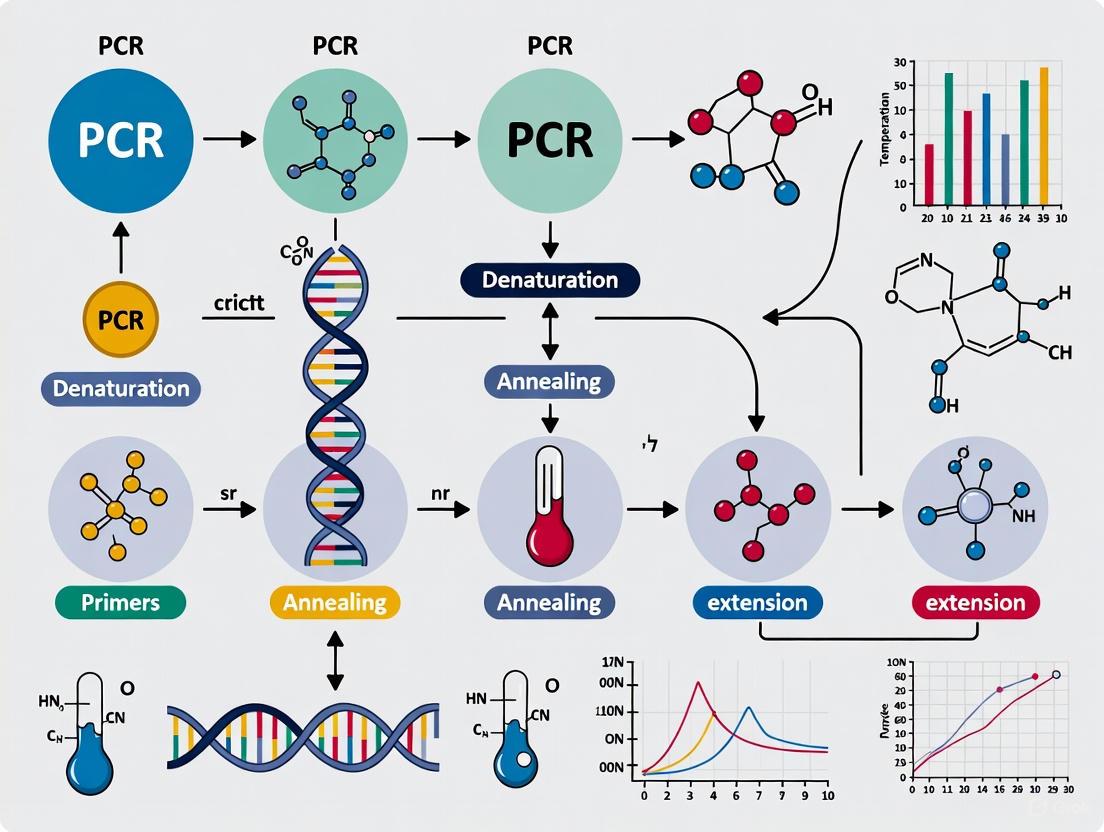
This article provides a comprehensive exploration of Polymerase Chain Reaction (PCR) technology and its pivotal role in modern pathogen diagnostics.
PCR in Pathogen Detection: From Foundational Principles to Advanced Diagnostic Applications
Abstract
This article provides a comprehensive exploration of Polymerase Chain Reaction (PCR) technology and its pivotal role in modern pathogen diagnostics. It covers the evolution from basic PCR to advanced techniques like digital PCR (dPCR) and quantitative PCR (qPCR), detailing their principles and applications in detecting bacterial, viral, and fungal pathogens. The content delves into methodological optimization, troubleshooting common challenges, and presents rigorous comparative analyses with traditional culture methods. Through recent clinical evidence and technical insights, this resource equips researchers and drug development professionals with the knowledge to implement and advance PCR-based diagnostics for improved patient outcomes and public health responses.
The Evolution of PCR: From Basic Discovery to Revolutionary Diagnostic Tool
The detection and analysis of specific DNA sequences is a cornerstone of modern molecular biology, with profound implications for pathogen detection, genetic disorder screening, and biomedical research. The journey from early DNA probe hybridization techniques to the development of sophisticated polymerase chain reaction (PCR) platforms represents a transformative evolution in diagnostic capabilities. This technological progression has fundamentally enhanced our ability to identify infectious agents with unprecedented sensitivity, specificity, and speed [1] [2].
DNA probes, short sequences of single-stranded DNA designed to bind complementary target sequences, initially provided the foundation for specific nucleic acid detection. While revolutionary for their time, these early methods faced significant limitations in sensitivity, often requiring abundant target material. The invention of PCR in 1983 by Kary Mullis addressed this fundamental constraint by introducing an enzymatic amplification process that could exponentially copy specific DNA sequences, thereby revolutionizing genetic analysis and creating entirely new diagnostic paradigms [1] [3].
Historical Timeline of Key Technological Developments
The evolution from basic probe technology to modern PCR platforms has been marked by successive innovations that have progressively enhanced performance, usability, and application scope. The table below summarizes the pivotal milestones in this journey.
Table 1: Historical Milestones in DNA Detection Technologies
| Year | Development | Key Innovators/Companies | Significance |
|---|---|---|---|
| 1977 | Sanger Sequencing | Sanger et al. | Enabled DNA sequence reading; foundation for genetic analysis [2] |
| 1983 | PCR Invention | Kary Mullis, Cetus Corporation | Exponential amplification of target DNA sequences [3] |
| 1985 | First PCR Application | Mullis et al. | Detection of HBB gene mutation for sickle cell anemia [1] |
| 1989 | Limiting Dilution PCR | Simmonds et al. | Precursor to dPCR; detected single HIV copies [4] |
| 1992 | Quantitative PCR (qPCR) | Higuchi et al. | Real-time monitoring of amplification with fluorescence [4] |
| 1999 | Digital PCR (dPCR) | Vogelstein & Kinzler | Coined "digital PCR"; absolute quantification without standards [4] |
| 2003 | BEAMing Technology | Vogelstein et al. | Droplet-based dPCR using emulsion, beads, amplification [4] |
| 2006 | First Commercial dPCR | Fluidigm | First commercial nanofluidic dPCR platform [4] |
| 2013 | ddPCR Commercialization | Bio-Rad Laboratories | Droplet Digital PCR widely available [4] |
| 2020s | PCR-free Detection Methods | Academic Researchers | Ultra-sensitive, rapid methods using optical forces [5] |
The Evolution of PCR Enzymes
The refinement of PCR technology has been intrinsically linked to the development of more sophisticated DNA polymerases. The initial isolation of Taq polymerase from Thermus aquaticus was revolutionary, as its thermostability eliminated the need to add fresh enzyme after each denaturation cycle, thus enabling automation [6] [3]. Subsequent innovations addressed Taq's limitations:
- Pfu Polymerase: Isolated from Pyrococcus furiosus in 1991, it introduced 3' to 5' exonuclease proofreading activity, significantly reducing error rates during amplification [6].
- Hot-Start PCR: Developed in the late 1980s, this technique used antibodies or chemical modifications to inhibit polymerase activity at room temperature, dramatically reducing nonspecific amplification and improving assay sensitivity [6].
- Engineered Polymerases (e.g., Phusion): Introduced in 2003, these next-generation enzymes combined high fidelity with superior performance on challenging templates (e.g., GC-rich regions) and faster reaction times [6].
Core Principles and Methodologies
From Basic DNA Probes to Quantitative Assays
Early DNA detection relied on nucleic acid probe hybridization, where labeled, single-stranded DNA probes would bind to complementary target sequences, with detection signaling a successful match [2]. While specific, this method lacked the inherent amplification of PCR, limiting its sensitivity for low-abundance targets. The development of PCR transformed this landscape by mimicking DNA replication in vitro through a cyclic three-step process:
- Denaturation: High heat (94–98°C) separates double-stranded DNA templates.
- Annealing: Temperature is lowered (50–65°C) to allow primers to bind to complementary sequences flanking the target.
- Extension/Elongation: DNA polymerase (at 72°C for Taq) synthesizes new DNA strands from the primers [7] [3].
This cycle is typically repeated 20-40 times, leading to an exponential amplification of the target sequence, which can then be detected via gel electrophoresis [7] [3].
The Real-Time Revolution (qPCR)
Quantitative PCR (qPCR), also known as real-time PCR, represented a major advancement by enabling researchers to monitor the amplification process as it occurs. This is achieved through fluorescent reporters, such as intercalating dyes (e.g., SYBR Green) or sequence-specific probes (e.g., TaqMan probes). The key quantitative metric is the quantification cycle (Cq), which is the cycle number at which the fluorescence crosses a predefined threshold. A lower Cq value indicates a higher starting concentration of the target [7] [4]. This technology became the gold standard for quantifying nucleic acids and was vital during the COVID-19 pandemic for diagnosing SARS-CoV-2 infections [1] [7].
Digital PCR (dPCR) for Absolute Quantification
Digital PCR (dPCR), the third generation of PCR, enables absolute quantification of nucleic acids without the need for a standard curve. The core principle involves partitioning a PCR reaction into thousands of individual nanoliter-volume reactions. Following end-point PCR amplification, each partition is analyzed as either positive (containing the target) or negative (lacking the target). The absolute concentration of the target is then calculated using Poisson statistics based on the ratio of positive to negative partitions [4]. This method offers superior sensitivity for detecting rare mutations and is particularly powerful for liquid biopsy applications in oncology [4] [8].
Table 2: Comparative Analysis of Major PCR Technologies
| Feature | Conventional PCR | Quantitative PCR (qPCR) | Digital PCR (dPCR) |
|---|---|---|---|
| Principle | End-point, exponential amplification | Real-time fluorescence monitoring | Partitioning & end-point detection |
| Detection Method | Gel electrophoresis | Fluorescence during cycling | Fluorescence in partitions |
| Quantification | Semi-quantitative | Relative, requires standard curve | Absolute, no standard curve |
| Sensitivity | Moderate | High (e.g., for viral load) | Very High (e.g., for rare mutations) |
| Key Application | Target detection, cloning | Gene expression, pathogen quantitation | Liquid biopsy, rare allele detection |
| Throughput | Low | High | Moderate to High |
| Cost | Low | Moderate | High |
Advanced Applications and Protocols in Pathogen Detection
Protocol: Reverse Transcription PCR (RT-PCR) for RNA Virus Detection
Principle: RT-PCR is the gold standard for detecting RNA viruses (e.g., SARS-CoV-2, Influenza). It first uses a reverse transcriptase enzyme to convert viral RNA into complementary DNA (cDNA), which is then amplified by standard PCR [1] [7] [9].
Workflow:
- RNA Extraction: Purify RNA from patient samples (e.g., nasopharyngeal swabs, blood) using commercial kits.
- Reverse Transcription: Incubate the RNA template with reverse transcriptase, primers (oligo-dT, gene-specific, or random hexamers), dNTPs, and buffer at 42–50°C for 30–60 minutes.
- PCR Amplification: Add PCR master mix (containing DNA polymerase, primers specific to the pathogen, dNTPs, MgCl₂) to the cDNA.
- Initial Denaturation: 94–95°C for 2–5 minutes.
- Amplification Cycles (35–40 cycles):
- Denature: 94–95°C for 15–30 seconds.
- Anneal: 55–65°C (primer-specific) for 30 seconds.
- Extend: 72°C for 1 minute/kb.
- Final Extension: 72°C for 5–10 minutes.
- Analysis: For conventional PCR, analyze products via agarose gel electrophoresis. For qPCR, monitor fluorescence in real-time to determine Cq values [7] [9].
Protocol: Methylation-Specific PCR (MSP) for Pathogen Epigenetics
Principle: MSP investigates locus-specific DNA methylation, which can be used for bacterial strain typing or host response studies. DNA is first treated with sodium bisulfite, which converts unmethylated cytosine to uracil, while methylated cytosine remains unchanged. Subsequent PCR with primers specific to either the methylated or unmethylated sequence reveals the methylation status [9].
Workflow:
- Bisulfite Conversion: Treat extracted DNA with sodium bisulfite (commercial kits recommended).
- Primer Design: Design two primer pairs:
- Methylation-specific primers: Complementary to the sequence where C was not converted (indicating methylation).
- Non-methylation-specific primers: Complementary to the sequence where C was converted to U (and subsequently amplified as T).
- PCR Amplification: Perform separate parallel PCR reactions with each primer set.
- Critical Note: Use a DNA polymerase capable of amplifying bisulfite-converted, uracil-containing templates. Most high-fidelity archaeal polymerases are unsuitable due to uracil-binding pockets.
- Analysis: Amplification with the methylation-specific primers indicates the presence of methylated DNA at the target locus. Real-time PCR can be used for quantification [9].
Advanced Application: CRISPR-Cas Systems for Point Mutation Detection
Principle: CRISPR-Cas systems, such as the DASH (Depletion of Abundant Sequences by Hybridization) method, use a Cas nuclease (e.g., Cas9) guided by a specific RNA (sgRNA) to cleave wild-type DNA sequences. Sequences with point mutations that disrupt the sgRNA binding site or the Protospacer Adjacent Motif (PAM) are not cleaved and can be subsequently enriched and detected by PCR, achieving sensitivities as low as 0.1% for mutant alleles [2].
Workflow:
- sgRNA Design: Design sgRNA complementary to the wild-type target sequence, considering PAM requirements.
- CRISPR-Cas Cleavage: Incubate the DNA sample with the Cas9 protein and sgRNA complex. The complex will bind and cleave wild-type sequences.
- Enrichment: The cleaved wild-type DNA is degraded, enriching the sample for any uncleaved mutant sequences.
- Detection: Use PCR (or qPCR) to amplify the target region. The presence of amplification product indicates the survival and presence of the mutation [2].
The Scientist's Toolkit: Essential Reagents and Materials
Table 3: Key Research Reagent Solutions for Modern PCR Applications
| Reagent/Material | Function | Examples & Notes |
|---|---|---|
| Thermostable DNA Polymerase | Enzymatically synthesizes new DNA strands during PCR. | Taq polymerase (standard), Pfu (high-fidelity), Hot-Start versions (reduced nonspecific amplification) [6] [3]. |
| Primers | Short oligonucleotides that define the start and end of the target sequence for amplification. | Must be specific to the target pathogen or gene; design is critical for specificity and efficiency [3]. |
| dNTPs | Deoxynucleoside triphosphates (dATP, dCTP, dGTP, dTTP); the building blocks for new DNA strands. | Quality and balance of all four dNTPs are essential for efficient amplification [3]. |
| Buffer Solution | Provides optimal chemical environment (pH, ionic strength) for polymerase activity. | Typically contains MgCl₂ (cofactor for polymerase) and potassium ions [7] [3]. |
| Fluorescent Probes/Dyes | Enable detection and quantification in qPCR and dPCR. | SYBR Green (binds dsDNA), TaqMan Probes (sequence-specific, FRET-based) [7] [4]. |
| Nucleic Acid Analogs (PNA) | Synthetic probes with higher affinity and specificity than DNA; improve single-base discrimination. | Peptide Nucleic Acids (PNA) used to block wild-type amplification in enrichment strategies [2]. |
| Microfluidic Chips/Cartridges | Enable partitioning of samples for dPCR and automation of workflows. | Used in platforms like QIAcuity (Qiagen) and Digital LightCycler (Roche) [4]. |
The evolution from simple DNA probes to modern PCR platforms illustrates a continuous drive toward greater sensitivity, precision, and accessibility in genetic analysis. Current research is pushing the boundaries further with several key trends:
- PCR-free Detection: Emerging technologies, such as light-induced methods using heterogeneous probe particles and optical forces, promise ultra-sensitive and rapid genetic analysis without the need for enzymatic amplification, potentially making testing faster and more affordable [5].
- Multiplexing and Syndromic Testing: The ability to test for multiple pathogens in a single reaction is becoming increasingly sophisticated. Syndromic PCR panels for respiratory, gastrointestinal, and other infections allow for comprehensive differential diagnosis, improving patient care and laboratory efficiency [8].
- Liquid Biopsies and Ultrasensitive Detection: dPCR is revolutionizing cancer diagnostics and monitoring through liquid biopsies, enabling the detection of rare circulating tumor DNA in blood samples. This non-invasive approach can guide treatment decisions and reduce unnecessary therapies [4] [8].
- Automation and AI Integration: The future points toward greater automation of PCR systems, lowering expertise barriers. Furthermore, artificial intelligence is being leveraged to develop new multiplex tests and analyze vast diagnostic datasets for global surveillance and outbreak prediction [10] [8].
In conclusion, the journey from DNA probes to modern PCR is a testament to the power of innovation in molecular biology. Each technological milestone has expanded the horizons of pathogen detection and diagnosis, solidifying PCR's role as an indispensable tool in research and clinical practice. As the technology continues to evolve toward greater sensitivity, multiplexity, and accessibility, its impact on personalized medicine, public health, and fundamental biological research is poised to grow even further.
Nucleic acid amplification is an indispensable molecular process that enables the production of countless genetic copies, serving as a fundamental tool across research, clinical diagnostics, forensic science, and agriculture [11]. The in vitro adaptation of this natural process began with the invention of the Polymerase Chain Reaction (PCR), a technique that relies on thermal cycling to amplify specific DNA sequences [12]. Over the last two decades, scientific advancement has yielded a suite of isothermal amplification methods that obviate the need for thermal cycling, expanding the applications and accessibility of molecular diagnostics [12] [11]. These techniques are particularly vital in the context of pathogen detection and diagnosis, where they provide the sensitivity and specificity required to identify infectious agents rapidly and accurately. This article details the core principles, provides standardized protocols, and frames the critical role of nucleic acid amplification as a cornerstone technology in the ongoing research and development of diagnostic solutions for infectious diseases.
Core Principles and Amplification Methodologies
Nucleic acid amplification techniques can be broadly categorized into thermal-cycling and isothermal methods. The fundamental principle underlying techniques like PCR is the enzymatic replication of a specific target DNA sequence in vitro. This process requires a DNA polymerase, primers, nucleotides, and a template, and involves repeated cycles of denaturation, annealing, and extension to achieve exponential amplification [13] [14]. In contrast, isothermal methods perform amplification at a single, constant temperature by leveraging sophisticated enzymatic mechanisms to displace and copy strands [12].
The following table summarizes the key characteristics of major amplification technologies, highlighting their operational differences:
Table 1: Comparison of Nucleic Acid Amplification Methodologies
| Method | Principle | Temperature | Key Enzymes | Primary Application | Key Advantages | Key Challenges |
|---|---|---|---|---|---|---|
| Polymerase Chain Reaction (PCR) | Thermal cycling for denaturation, annealing, extension | 95°C, 50-60°C, 68°C [14] | Thermostable DNA Polymerase (e.g., Taq) | DNA amplification, Gene expression | Simplicity, extensive validation, high sensitivity [12] | Requires thermal cycler, sensitive to inhibitors [12] |
| Loop-Mediated Isothermal Amplification (LAMP) | Auto-cycling strand displacement with 4-6 primers | 60-65°C [12] [11] | Bst DNA Polymerase | Rapid pathogen detection | High speed, specificity, and resistance to inhibitors [12] | Complex primer design, risk of contamination [11] |
| Nucleic Acid Sequence-Based Amplification (NASBA) | Isothermal transcription-based amplification | 41°C [12] | Reverse Transcriptase, RNase H, T7 RNA Polymerase | RNA amplification, viable pathogen detection | Designed for RNA, high analytical sensitivity [12] | Multiple enzymes, primarily for RNA targets [11] |
| Strand Displacement Amplification (SDA) | Nicking and strand displacement | ~37°C [11] | Restriction Endonuclease, exo-Klenow DNA Polymerase | DNA amplification | Isothermal, simple design [11] | Pre-heating step, lower efficiency vs. LAMP [11] |
| Rolling Circle Amplification (RCA) | Circular template replication with strand displacement | 37°C [11] | Φ29 DNA Polymerase | DNA detection, in situ assays | Excellent sequence specificity, resistant to contamination [12] | Requires highly purified circular templates [11] |
| Recombinase Polymerase Amplification (RPA) | Primer recombination into homologous sequences | 37-42°C [11] | Recombinase, Single-Stranded DNA-binding protein | Point-of-care diagnostics | Low temperature, rapid reaction (<20 min) [11] | Inhibition in whole blood, multiple steps in kit [11] |
The selection of an appropriate amplification method depends on the application's specific requirements, including the need for portability, the type of nucleic acid target (DNA or RNA), the required throughput, and the available infrastructure.
The Quantitative PCR (qPCR) Workflow
Quantitative PCR, also known as real-time PCR, builds upon the core principles of standard PCR by enabling the monitoring of amplification progress in real-time, which allows for target quantification. The global qPCR market, a key segment of the molecular diagnostics landscape, is experiencing robust growth driven by the increasing prevalence of infectious diseases and the rising demand for personalized medicine. The market is projected to grow at a healthy compound annual growth rate (CAGR) from 2025 to 2033 [15]. The workflow involves sample preparation, amplification with fluorescence-labeled probes or DNA-binding dyes, and real-time data analysis.
Application Notes: Protocols for Pathogen Detection
Standard PCR Protocol for a 500 bp Amplicon
This protocol is adapted from Sigma-Aldrich and New England Biolabs guidelines for using Taq DNA Polymerase and is suitable for routine amplification, such as for confirming the presence of a pathogen-specific gene [13] [14].
The Scientist's Toolkit: Table 2: Essential Reagents for Standard PCR
| Reagent | Final Concentration/Amount | Function |
|---|---|---|
| Taq DNA Polymerase | 0.5–2.0 units/50 µL reaction [14] | Enzyme that synthesizes new DNA strands. |
| 10X Reaction Buffer | 1X | Provides optimal pH and salt conditions for the enzyme. |
| MgCl₂ | 1.5–2.0 mM [14] | Essential cofactor for DNA polymerase activity. |
| dNTPs (each) | 200 µM [14] | Building blocks (A, T, C, G) for new DNA strands. |
| Forward & Reverse Primers | 0.1–0.5 µM each [14] | Short sequences that define the start and end of the target region. |
| DNA Template | 1 pg–10 ng (plasmid) or 1 ng–1 µg (genomic) [14] | Contains the target sequence to be amplified. |
| Nuclease-Free Water | To volume | To bring the reaction to the desired final volume. |
Methodology:
- Reaction Setup: Assemble all reaction components on ice in a sterile, nuclease-free microcentrifuge or PCR tube. It is recommended to prepare a master mix to minimize pipetting errors and ensure consistency between replicates. Add the DNA polymerase last.
- Thermal Cycling: Immediately transfer the tubes to a thermal cycler preheated to the initial denaturation temperature. Use the following cycling parameters [14]:
- Initial Denaturation: 95°C for 2 minutes.
- Amplification (25-35 cycles):
- Denaturation: 95°C for 15–30 seconds.
- Annealing: 50–60°C (5°C below the primer Tm) for 15–30 seconds.
- Extension: 68°C for 45 seconds (for a 500 bp product; use 1 min/kb as a general rule).
- Final Extension: 68°C for 5 minutes.
- Hold: 4–10°C indefinitely.
- Product Analysis: Analyze the PCR product by agarose gel electrophoresis followed by ethidium bromide or a safer alternative stain. A single, sharp band of the expected size (500 bp) should be visible under UV light when compared to a DNA ladder [13].
Real-Time Quantitative PCR (qPCR) and MIQE Guidelines
For quantitative pathogen detection, qPCR is the gold standard. Adherence to the MIQE guidelines (Minimum Information for Publication of Quantitative Real-Time PCR Experiments) is critical for ensuring the reproducibility, transparency, and credibility of results [16]. These guidelines cover all aspects of experimental design, from sample collection and nucleic acid extraction to assay validation and data analysis.
Key MIQE-Compliant Steps for Pathogen Detection:
- Sample Collection and Handling: Use validated methods for sample collection (e.g., swabs, blood) and stabilize RNA/DNA immediately if needed. Document any storage conditions.
- Nucleic Acid Extraction: Employ a high-quality, reproducible extraction method. Quantify the nucleic acid yield using a fluorometric method (e.g., Qubit) and assess purity (A260/A280 ratio). The quality of the starting material profoundly impacts qPCR efficiency [16].
- Assay Selection and Validation: Use predesigned, validated assays (e.g., TaqMan assays) when possible. For publication, provide the unique Assay ID and the amplicon context sequence to fully comply with MIQE guidelines on sequence disclosure [16].
- qPCR Setup and Run: Perform reactions in technical replicates (at least duplicates, preferably triplicates) to account for pipetting variability. Include a series of standards of known concentration for generating a standard curve, a no-template control (NTC) to check for contamination, and a negative control.
- Data Analysis: Determine the quantification cycle (Cq) values. The standard curve, created from the serial dilutions, is used to determine the reaction's efficiency and to interpolate the target quantity in unknown samples. Efficiency should be between 90–110% [16].
Essential Reagents and Materials
A successful amplification experiment relies on high-quality reagents. The following table expands on the core components:
Table 3: Key Research Reagent Solutions for Nucleic Acid Amplification
| Category | Specific Examples | Function & Importance |
|---|---|---|
| Polymerases | Taq DNA Polymerase, Bst Polymerase (LAMP), Φ29 DNA Polymerase (RCA) [12] [14] | Catalyzes DNA synthesis; different enzymes have properties tailored to specific methods (e.g., strand-displacement for isothermal). |
| Primers & Probes | Forward/Reverse Primers, LAMP Inner/Outer Primers, TaqMan Probes [12] | Provides sequence specificity; defines the target region to be amplified. Fluorescent probes enable real-time detection in qPCR. |
| Nucleotides | dNTPs (dATP, dTTP, dCTP, dGTP) [14] | The fundamental building blocks for synthesizing new DNA strands. |
| Buffers & Cofactors | Reaction Buffer, MgCl₂ [14] | Creates the optimal chemical environment (pH, ionic strength) and supplies essential magnesium ions for polymerase activity. |
| Sample Prep Kits | Nucleic Acid Extraction Kits, RNA/DNA Clean-up Kits | For purifying high-quality, inhibitor-free nucleic acids from complex biological samples, which is critical for robust amplification. |
| Detection Reagents | SYBR Green, Ethidium Bromide, Electrochemiluminescent (ECL) probes [12] | Allows for visualization and quantification of amplification products, either in real-time or at end-point. |
Troubleshooting and Optimization
Even with a standardized protocol, optimization is often required for challenging targets. Common issues and solutions include:
- No Product: Verify enzyme activity and storage conditions. Check primer design and ensure the annealing temperature is not too high. Titrate MgCl₂ concentration, as it is a critical factor (if too low, no product forms) [14].
- Non-Specific Bands/Peaks: Increase the annealing temperature in 2°C increments. Reduce the number of cycles or the amount of enzyme/template. Use a hot-start polymerase to prevent primer-dimer formation during reaction setup [14].
- Low Yield: Increase the number of cycles (within reason, typically not beyond 40) or check template quality and quantity. Ensure extension times are sufficient for the product length [14].
Nucleic acid amplification remains the cornerstone of modern pathogen detection and diagnostic research. From the foundational technique of PCR to the rapid, isothermal methods gaining traction in point-of-care settings, understanding the core principles and meticulous execution of protocols is paramount for researchers and drug development professionals. The future of this field lies in the continued innovation toward more portable, automated, and integrated systems, coupled with an unwavering commitment to quality standards like the MIQE guidelines, to ensure that the diagnostic solutions of tomorrow are both powerful and reliable.
Polymerase Chain Reaction (PCR) has revolutionized molecular biology since its invention in the 1980s, establishing itself as a cornerstone technique in diagnostic laboratories and pathogen detection research [17]. This technology enables the amplification of trace amounts of DNA or RNA, facilitating the identification of mutations and pathogens linked to a wide range of human diseases [17]. The evolution of PCR has progressed through three distinct generations: conventional PCR, real-time quantitative PCR (qPCR), and digital PCR (dPCR) [4] [18]. Each generation offers unique capabilities and improvements in sensitivity, quantification, and application in research and clinical diagnostics.
Within pathogen detection and diagnosis, precise and sensitive techniques are paramount for early disease identification and patient follow-up [4]. The COVID-19 pandemic has particularly emphasized the urgent need for highly sensitive and accurate molecular detection methods [4]. This article provides a detailed comparison of the three PCR generations, framed within the context of pathogen detection research. It includes structured quantitative data, detailed experimental protocols, workflow visualizations, and essential research reagent solutions to guide researchers, scientists, and drug development professionals in selecting and implementing the most appropriate PCR technology for their specific applications.
Principles and Historical Development
The fundamental principle of PCR involves the exponential amplification of specific DNA sequences using a mix of at least two target-specific oligonucleotides (primers), a thermostable DNA polymerase enzyme, and deoxyribonucleotide triphosphate monomers (dNTPs) [4]. The technique has evolved through three generations, each building upon the last to offer greater precision and broader applications.
Conventional PCR: Invented by Kary Mullis in 1986, this was the first generation of PCR technology [4]. It involves repeated cycles of heating and cooling to facilitate DNA denaturation, primer annealing, and DNA synthesis. The amplified products are typically analyzed by gel electrophoresis, which provides semi-quantitative information based on band intensity [4] [18]. While straightforward and cost-effective, it lacks quantitative capability and has relatively low sensitivity compared to later generations.
Real-Time Quantitative PCR (qPCR): Developed in 1992 by Russel Higuchi, this second-generation PCR allows for the monitoring of amplification in real-time using fluorescent DNA-intercalating dyes or specific fluorescent probes [4]. The cycle at which the fluorescence crosses a predetermined threshold is extracted and compared to standards of known concentration, enabling relative quantification of the initial target amount [18]. This method provides quantitative data and has become a gold standard in many diagnostic applications [19].
Digital PCR (dPCR): As the third generation, dPCR is based on partitioning a PCR mixture into a large number of parallel reactions so that each partition contains either zero, one, or a few nucleic acid targets [4]. Following PCR amplification, the fraction of positive partitions is counted via end-point measurement, allowing for the computation of the target concentration using Poisson statistics [4] [20]. This method provides absolute quantification without the need for standard curves and demonstrates high sensitivity and accuracy [19] [21]. The term was coined in 1999 by Bert Vogelstein and colleagues, with modern implementations utilizing either water-in-oil droplet emulsification or microchamber-based partitioning [4].
Comparative Analysis of PCR Technologies
The following tables summarize the core characteristics, performance parameters, and applications of the three PCR generations, with a focus on their utility in pathogen detection research.
Table 1: Core Characteristics of PCR Generations
| Parameter | Conventional PCR | Real-Time PCR (qPCR) | Digital PCR (dPCR) |
|---|---|---|---|
| Quantification | Semi-quantitative (end-point) | Relative quantification | Absolute quantification [19] |
| Detection Method | Gel electrophoresis | Fluorescence in real-time [18] | End-point fluorescence [4] |
| Standard Curve | Not required | Required [19] | Not required [19] |
| Throughput | Low to moderate | High | High [19] |
| Ease of Use | Simple | Requires specialized equipment [18] | Simple, no standard curve [19] |
| Primary Readout | Band intensity on gel | Cycle threshold (Ct) [19] | Copy number per reaction [20] |
Table 2: Performance Comparison in Pathogen Detection
| Performance Metric | Conventional PCR | Real-Time PCR (qPCR) | Digital PCR (dPCR) |
|---|---|---|---|
| Sensitivity | Low | High | Very High [22] |
| Specificity | Moderate | High | High [23] |
| Accuracy | Low | High | Superior, especially for high viral loads [19] |
| Precision | Low | Moderate | High [20] |
| Tolerance to Inhibitors | Low | Moderate | High [19] |
| Time to Result | Several hours | ~1-2 hours | ~3-6 hours [22] |
Table 3: Key Applications in Pathogen Research and Diagnostics
| Application | Conventional PCR | Real-Time PCR (qPCR) | Digital PCR (dPCR) |
|---|---|---|---|
| Pathogen Discovery | Primary screening | Validation & quantification | Rare variant detection [4] |
| Viral Load Monitoring | Not suitable | Gold standard [19] | Emerging alternative [19] |
| Antimicrobial Resistance | Limited | Detecting resistance genes | Detecting rare resistance mutations [4] |
| Bloodstream Infections | Not suitable | Established use | Higher sensitivity than culture [22] |
| Co-infections | Possible with multiplexing | Multiplex panels available | Precise quantification in co-infections [19] |
Experimental Protocols for Pathogen Detection
Protocol 1: Detection of Helicobacter pylori in Gastric Biopsies using Real-Time PCR
This protocol is adapted from a study comparing diagnostic methods for H. pylori in pediatric patients [24].
Sample Collection and Preparation:
- Collect gastric biopsy samples during endoscopy and preserve them immediately in a transport medium (e.g., BD BBL Port-A-Cul).
- Mechanically lyse the tissue for 1 minute using a manual homogenizer.
- Digest the samples with 200 µL of trypsin solution (5 mg/mL) for 30 minutes at 37°C to increase DNA isolation efficiency.
DNA Extraction:
- Extract genomic DNA using a commercial pathogen DNA isolation kit (e.g., GeneProof PathogenFree DNA Isolation Kit) according to the manufacturer's instructions.
- Store the isolated DNA at -20°C until further analysis.
Real-Time PCR Setup:
- Use an IVD-certified commercial kit for H. pylori detection.
- Prepare the reaction mix as per the kit's instructions, which typically includes master mix, primers/probes, and DNA template.
- Load the plates into a real-time PCR instrument (e.g., Bio-Rad CFX96).
- Run the thermocycling protocol as recommended by the kit manufacturer. A typical program involves:
- Initial denaturation: 95°C for 2 minutes
- 40 cycles of: Denaturation at 95°C for 15 seconds, Annealing/Extension at 60°C for 1 minute (with fluorescence acquisition).
- Analyze the results based on the cycle threshold (Cq) values. A sample is considered positive if the Cq value is below a validated cutoff (e.g., ≤ 40) [24].
Protocol 2: Absolute Quantification of Respiratory Viruses using Digital PCR
This protocol is based on a comparative study of dPCR and Real-Time RT-PCR for virus quantification during the 2023–2024 tripledemic [19].
Sample Collection and RNA Extraction:
- Collect nasopharyngeal swabs or other respiratory samples from symptomatic patients.
- Extract total RNA using an automated system (e.g., KingFisher Flex) with a viral/pathogen nucleic acid kit (e.g., MagMax Viral/Pathogen kit) according to the manufacturer's instructions.
Digital PCR Assay:
- Use a commercial multiplex dPCR kit for respiratory viruses (e.g., Influenza A, Influenza B, RSV, SARS-CoV-2) and a five-target primer-probe mix optimized for the platform.
- Prepare the dPCR reaction mix according to the kit's specifications, including the extracted RNA.
- Load the reaction mix into a dPCR nanoplate (e.g., QIAcuity nanoplate from Qiagen).
- Perform the partitioning and PCR amplification on the dPCR instrument (e.g., QIAcuity). A standard thermocycling program might be:
- Reverse transcription: 50°C for 20 minutes
- Polymerase activation: 95°C for 5 minutes
- 40 cycles of: Denaturation at 95°C for 30 seconds, Annealing/Extension at 60°C for 1 minute
- Final signal stabilization: 98°C for 10 minutes (for probe-based assays).
- After the run, analyze the partitions using the instrument's software (e.g., QIAcuity Suite Software) to obtain the absolute copy number of each target per microliter of reaction mix. Convert this to copies per mL of original sample.
Protocol 3: Detection of Bloodstream Pathogens using Digital PCR
This protocol outlines the use of dPCR for sensitive detection of pathogens in blood, demonstrating superior sensitivity compared to blood culture [22].
Sample Collection and Plasma Separation:
- Collect whole blood from patients with suspected infections into EDTA-containing tubes.
- Centrifuge the samples at 1,600 × g for 10 minutes to separate the plasma fraction.
- Carefully transfer the plasma to a new tube, avoiding the buffy coat and cell pellet.
Cell-Free DNA (cfDNA) Extraction:
- Extract plasma cfDNA using a commercial nucleic acid extraction or purification kit, ideally on an automated system (e.g., Auto-Pure10B Nucleic Acid Purification System).
- Elute the DNA in a suitable volume (e.g., 100 µL).
Multiplex Digital PCR:
- Use a multi-channel dPCR system (e.g., from Pilot Gene Technology) capable of detecting multiple pathogens simultaneously.
- Prepare the reaction mix by combining the extracted DNA with a dry powder or master mix containing fluorescent probes and primers for a pre-designed pathogen panel.
- Load the reaction solution into the dPCR cartridge or plate.
- Generate droplets or partitions using the manufacturer's protocol.
- Perform PCR amplification with an appropriate thermocycling profile.
- Read the cartridge/chip in the scanner and analyze the data using the accompanying software (e.g., Gene PMS software). Positive signals across different fluorescence channels (e.g., FAM, VIC, ROX, CY5) identify the specific microorganisms present.
Workflow Visualization
The following diagram illustrates the logical progression and key differentiators between the three generations of PCR technology, from sample to result.
PCR Generations Workflow
Research Reagent Solutions
The table below lists essential materials and reagents required for implementing the PCR technologies discussed, particularly in the context of pathogen detection protocols.
Table 4: Essential Research Reagents and Materials for PCR-Based Pathogen Detection
| Reagent/Material | Function | Example Kits/Products |
|---|---|---|
| Nucleic Acid Extraction Kit | Isulates DNA/RNA from clinical samples (e.g., biopsy, blood, swab). | MagMax Viral/Pathogen Kit [19], GeneProof PathogenFree DNA Isolation Kit [24] |
| Reverse Transcriptase | Converts RNA into complementary DNA (cDNA) for RNA virus detection. | Included in most RT-PCR or RT-dPCR master mixes [19] |
| PCR Master Mix | Contains core components for amplification: DNA polymerase, dNTPs, buffers. | IVD-certified real-time PCR kits [24], dPCR supermixes [19] |
| Sequence-Specific Primers | Binds flanking the target DNA region to initiate amplification. | Custom or commercially designed primers (e.g., for H. pylori ureA gene) [24] |
| Fluorescent Probes | Binds specifically to the target amplicon, emitting a fluorescent signal for detection in qPCR/dPCR. | Hydrolysis probes (TaqMan) used in multiplex dPCR [19] |
| dPCR Partitioning Plates/Cartridges | Creates thousands of individual reaction chambers for absolute quantification. | QIAcuity Nanoplates [19] [20], Droplet Generation Cartridges [22] |
| Internal Control | Monitors extraction efficiency and identifies PCR inhibition. | Included in commercial respiratory panels [19] and dPCR kits |
The evolution from conventional PCR to real-time qPCR and digital PCR represents a continuous strive for greater precision, sensitivity, and quantitative power in molecular diagnostics. While conventional PCR remains useful for basic amplification, qPCR has become the workhorse for quantitative pathogen detection. Digital PCR now offers a calibration-free method for absolute quantification, demonstrating superior accuracy for high viral loads and enhanced sensitivity for detecting low-abundance pathogens and rare mutations [19].
In clinical practice, the choice of technology depends on the specific application. For instance, dPCR has shown higher sensitivity than blood culture in detecting bloodstream infections and can provide results in a fraction of the time [22]. Furthermore, in complex scenarios like respiratory virus co-infections during a "tripledemic," dPCR provides precise quantification that can improve our understanding of infection dynamics [19]. As these technologies continue to advance and integrate with automation and novel bioinformatics tools, they promise to further transform diagnostic practices, enabling more accurate, faster, and accessible molecular testing for improved disease management and patient outcomes [17].
The Shift from Culture-First to PCR-First Approaches in Clinical Microbiology
The field of clinical microbiology is undergoing a fundamental transformation, moving away from the century-old culture-based methods toward molecular techniques, with Polymerase Chain Reaction (PCR) at the forefront. This shift is driven by the critical need for rapid, accurate pathogen identification to guide effective antimicrobial therapy and combat the growing threat of antimicrobial resistance. While conventional culture remains the historical gold standard, its limitations—particularly prolonged turnaround times of 24-72 hours—often hinder timely clinical decision-making [25] [22]. PCR technologies now offer precise pathogen detection and resistance gene identification within hours, enabling a paradigm shift from delayed, empirical treatment to rapid, targeted antimicrobial therapy [7] [26].
This transition is framed within a broader thesis on PCR's evolving role in pathogen detection research: technological advancements are transforming PCR from a supplemental tool into a primary diagnostic modality. The clinical imperative is clear—reducing time to optimal therapy directly improves patient outcomes in life-threatening infections where each hour of inappropriate antimicrobial treatment significantly increases mortality risk [22] [26].
Comparative Analysis: Quantitative Assessment of Diagnostic Approaches
Performance Metrics in Clinical Settings
Table 1: Comparative performance of PCR versus culture for pathogen detection
| Parameter | Conventional Culture | PCR-Based Methods | Clinical Implications |
|---|---|---|---|
| Time to Result | 24-72 hours [22] | 1-6 hours [22] [26] | Faster treatment decisions [26] |
| Analytical Sensitivity | Variable (10-100 CFU/mL) | High (attomolar detection) [27] | Improved detection in low-burden infections |
| Polymicrobial Detection | Challenging, often missed | Comprehensive (63 strains vs. 6 in study) [22] | Better management of complex infections |
| Antibiotic Impact | Greatly reduced yield after antibiotics [22] | Minimal effect from prior antibiotics [22] | Reliable results despite empiric therapy |
| Automation Potential | Low, labor-intensive | High, full workflow integration [26] | Reduced hands-on time, standardized results |
| Therapeutic Guidance | Indirect (requires AST) | Direct (resistance gene detection) [26] | Targeted antibiotic selection |
Impact on Patient Management and Outcomes
Table 2: Clinical utility metrics for PCR-guided patient management
| Clinical Outcome Metric | Culture-Guided Care | PCR-Guided Care | Study Findings |
|---|---|---|---|
| Time to Optimal Therapy | Baseline reference | 33.5 hours faster [26] | Reduced inappropriate empiric coverage |
| Targeted Treatment Rate | Baseline reference | 41% increase [26] | Improved antibiotic stewardship |
| Antibiotic Prescribing | Baseline reference | 11% less likely [26] | Reduced unnecessary antibiotic exposure |
| Clinical Resolution Rate | 71.42% [25] | 77.45% [25] | Trend toward improved outcomes |
| Microbiological Eradication | 50% [25] | 53.92% [25] | Enhanced pathogen clearance |
| Hospital Stay Duration | Baseline reference | 1.1 days reduction [26] | Economic benefits and reduced complications |
Application Notes: Implementing PCR-First Protocols
PCR-First for Bloodstream Infections
The severe morbidity and high mortality (up to 50%) associated with bloodstream infections make them a prime application for PCR-first approaches [22]. Digital PCR (dPCR) demonstrates remarkable advantages in this domain, detecting 63 pathogenic strains across 42 positive specimens compared to only 6 strains via blood culture in a recent 149-patient study [22]. The dPCR methodology enabled absolute quantification across a wide dynamic range (25.5 to 439,900 copies/mL) and identified polymicrobial infections in 14 cases, including double, triple, and even quintuple infections that cultures frequently miss [22].
The significantly shorter detection time (4.8±1.3 hours for dPCR versus 94.7±23.5 hours for culture) enables clinicians to make informed treatment decisions during the same clinical encounter [22]. This rapid turnaround is particularly valuable for critical patients with sepsis or immunocompromised states, where each hour of inappropriate therapy increases mortality risk by 7-10%. The implementation of multiplex PCR panels for bloodstream infections provides simultaneous detection of pathogens and antibiotic resistance markers (e.g., mecA, vanA, KPC), offering a comprehensive diagnostic solution that transcends culture's limitations [26].
PCR-First for Complicated Urinary Tract Infections (cUTIs)
Complicated UTIs represent another high-value application for PCR-first implementation. A 2025 comparative study demonstrated 95.32% positive percent agreement between PCR and culture at baseline, with PCR-positive/culture-negative cases showing better clinical outcomes (77.45% vs. 71.42%) and higher microbiological eradication rates (53.92% vs. 50%) [25]. This suggests PCR detects legitimate pathogens that culture misses, possibly due to prior antibiotic exposure or fastidious growth requirements.
PCR-guided management enabled more oral medication-based treatments compared to culture-guided approaches that more frequently required intramuscular or bladder irrigation routes [25]. This transition to oral therapy has significant implications for patient comfort, healthcare resource utilization, and potentially reduced hospital stays. The polymicrobial nature of many cUTIs is also better characterized by PCR, which identifies multiple pathogens without the overgrowth issues that plague culture-based methods.
Experimental Protocols
Standard PCR Protocol for Pathogen Detection
Reagent Setup (50μL Reaction) [28] [29]:
- Sterile Water: 38μL (reaction volume adjustment)
- Forward/Reverse Primers (10μM): 2μL each (target-specific binding)
- dNTPs (50μM): 1μL (nucleotide building blocks)
- Reaction Buffer with MgCl₂ (10X): 5μL (optimal enzymatic conditions)
- DNA Template (100ng/μL): 1μL (patient sample nucleic acids)
- DNA Polymerase (0.5U/μL): 1μL (thermostable enzyme for amplification)
Thermal Cycling Parameters [28]:
- Initial Denaturation: 94-98°C for 3-5 minutes (1 cycle)
- Amplification Phase: 25-35 cycles of:
- Denaturation: 94-98°C for 30 seconds
- Annealing: 55-65°C for 30 seconds (primer-specific Tm)
- Extension: 72°C for 1 minute per kilobase
- Final Extension: 72°C for 10 minutes (1 cycle)
- Hold: 4°C indefinitely
Post-Amplification Analysis:
- Agarose gel electrophoresis (1-2%) with ethidium bromide or safer alternatives (Midori, Red Safe)
- UV transillumination for product visualization
- Size verification using DNA molecular weight markers [28]
Multiplex PCR Panel for Syndromic Testing
Syndromic Panel Implementation:
- Respiratory Panels: Simultaneous detection of 20+ pathogens (viruses, bacteria, fungi) from nasopharyngeal swabs, BAL
- Blood Culture ID Panels: Identification of common bloodstream pathogens plus resistance markers (mecA, vanA/B, KPC) directly from positive blood cultures
- GI Panels: Comprehensive testing for bacterial, viral, and parasitic enteric pathogens from stool specimens
- Meningitis/Encephalitis Panels: Rapid detection of CNS pathogens from cerebrospinal fluid [26]
Quality Control Measures:
- Internal controls for extraction and amplification efficiency
- Negative controls to monitor contamination
- Standardized interpretation algorithms for multi-channel fluorescence data [7]
The Scientist's Toolkit: Essential Research Reagents
Table 3: Essential reagents and materials for PCR-based pathogen detection
| Reagent/Material | Function | Technical Specifications | Application Notes |
|---|---|---|---|
| Taq DNA Polymerase | Thermostable enzyme for DNA amplification | 5 U/μL, recombinant from T. aquaticus | Withstands repeated 95°C heating; 5'→3' polymerase activity [28] |
| Primer Pairs | Target-specific sequence recognition | 18-30 bp, Tm 55-65°C, ~50% GC content | Design using NCBI Primer-BLAST; avoid dimers and hairpins [29] |
| dNTP Mix | Nucleotide substrates for DNA synthesis | 10mM each dATP, dCTP, dGTP, dTTP | Balanced concentrations prevent incorporation errors [29] |
| MgCl₂ Solution | Cofactor for polymerase activity | 25mM stock concentration | Concentration optimization critical for specificity [28] |
| Reaction Buffer | Optimal enzymatic conditions | Typically 10X concentration with (NH₄)₂SO₄ | Provides pH stability and ionic strength [28] |
| Fluorescent Probes | Real-time detection and quantification | FAM, VIC, ROX, Cy5 channels | Sequence-specific binding for multiplex detection [22] |
| Nucleic Acid Extraction Kits | Sample preparation and purification | Silica-membrane technology | Critical for removing PCR inhibitors (hemoglobin, heparin) [7] |
Market and Technology Trends Driving Adoption
The global PCR molecular diagnostics market, valued at $8.34 billion in 2025 with a projected CAGR of 14.27% through 2033, reflects the accelerating adoption of these technologies [30]. Several key trends are driving this growth: rising infectious disease incidence, technological innovations in PCR chemistry and instrumentation, and the expanding adoption of syndromic multiplex panels [27].
Digital PCR represents the cutting edge of this evolution, enabling absolute quantification without standard curves and detecting rare variants with 0.01% sensitivity [27]. This technology partitions reactions into thousands of nanodroplets, providing unprecedented precision for monitoring minimal residual disease in oncology and detecting low-abundance pathogens in complex clinical samples [22] [27]. The integration of artificial intelligence for primer design and quality control, exemplified by Seegene's partnership with Microsoft, further enhances the reliability and accessibility of advanced PCR methodologies [27].
Point-of-care PCR systems are democratizing molecular diagnostics, with platforms like GeneXpert and BIOFIRE SPOTFIRE delivering laboratory-quality results in decentralized settings [27]. Australia's First Nations Molecular Point-of-Care Testing Program demonstrates the transformative potential of these technologies, bringing sophisticated diagnostics to 100 remote communities and fundamentally reshaping healthcare access in resource-limited environments [27].
The evidence for transitioning to PCR-first approaches in clinical microbiology is compelling and multifaceted. The dramatically reduced time to results (hours versus days), superior sensitivity particularly for fastidious or pre-treated pathogens, and comprehensive detection of polymicrobial infections position PCR technologies as the new cornerstone of infectious disease diagnostics [25] [22] [26].
The clinical impact extends beyond laboratory metrics to tangible improvements in patient outcomes—reduced time to optimal therapy, decreased unnecessary antibiotic exposure, shorter hospital stays, and improved stewardship of our antimicrobial armamentarium [25] [26]. As PCR technologies continue evolving toward greater automation, multiplexing capacity, and point-of-care implementation, their integration into frontline clinical practice will likely become the standard rather than the exception.
For researchers and drug development professionals, these advancements create new opportunities for rapid pathogen surveillance, clinical trial enrichment through precise microbiological stratification, and accelerated antimicrobial development through rapid endpoint determination. The PCR-first approach represents not merely a methodological shift but a fundamental transformation in how we detect, characterize, and combat infectious diseases in the 21st century.
Advanced PCR Methodologies: Techniques Transforming Pathogen Detection
Syndromic multiplex PCR panels represent a paradigm shift in clinical microbiology, enabling the simultaneous amplification and detection of multiple pathogen targets within a single test reaction [31]. Unlike traditional single-plex PCR assays that target individual pathogens, these comprehensive panels utilize multiple primer sets in a single reaction tube to identify numerous bacteria, viruses, and in some cases, fungi or parasites associated with specific clinical syndromes [32]. This technological advancement has revolutionized infectious disease diagnosis by significantly reducing time to diagnosis and facilitating more informed clinical decision-making across healthcare settings [31].
The global multiplex PCR market, valued at US$1.9 billion in 2024 and projected to reach US$4.8 billion by 2035, reflects the growing adoption of these technologies in diagnostic laboratories [32]. This expansion is driven by rising demand for high-throughput and efficient diagnostics, particularly in response to the increasing challenges of antimicrobial resistance and outbreak management [32]. The development of syndromic panels has been facilitated by advancements in primer design, enzyme formulations, and detection chemistries that minimize non-specific amplification and primer dimerization—historical challenges in multiplex reaction optimization [32].
Performance Evaluation of Syndromic Panels
Respiratory Infection Panels
Table 1: Performance Characteristics of Respiratory Syndromic Panels Across Studies
| Panel Type | Sample Type | Positive Percent Agreement (PPA) | Negative Percent Agreement (NPA) | Positive Predictive Value (PPV) | Negative Predictive Value (NPV) | Reference |
|---|---|---|---|---|---|---|
| BioFire FilmArray Pneumonia Panel | Sputum | 96.3% | 54.9% | 26.3% | 98.9% | [33] |
| BioFire FilmArray Pneumonia Panel | BAL | 84.6% | 96.5% | N/R | N/R | [34] |
| Respiratory Pathogens Multiplex Nucleic Acid Diagnostic Kit | BAL | 84.6% | 96.5% | N/R | N/R | [34] |
| BioFire FilmArray Pneumonia Panel | Mixed respiratory | Significantly higher than culture | 77.2% concordance | N/R | N/R | [35] |
N/R = Not Reported
Recent evaluations demonstrate that syndromic panels for respiratory infections consistently outperform traditional culture methods in pathogen detection rates. The BioFire FilmArray Pneumonia Panel (BFPP) showed an overall positive percent agreement (PPA) of 96.3% and negative percent agreement (NPA) of 54.9% compared to standard cultures in sputum specimens from non-ICU patients with suspected lower respiratory tract infections [33]. Notably, the negative predictive value (NPV) was exceptionally high at 98.9%, suggesting that a negative BFPP result effectively rules out bacterial pneumonia [33]. However, the positive predictive value (PPV) was considerably lower (26.3%), indicating challenges in interpreting positive results, particularly for organisms that commonly colonize the respiratory tract [33].
A multicenter evaluation of a Respiratory Pathogens Multiplex Nucleic Acid Diagnostic Kit analyzing 728 bronchoalveolar lavage (BAL) specimens demonstrated a PPA of 84.6% and NPA of 96.5% compared to conventional culture methods [34]. This study revealed that the multiplex PCR kit detected at least one pathogen in 628 specimens (positivity rate: 86.3%), significantly higher than the 103 positive cultures (14.15%) [34]. Importantly, the study found that using a Ct value threshold of ≤30 (rather than <40 as recommended by the manufacturer) improved concordance with culture results, suggesting that semi-quantitative reporting may enhance clinical utility [34].
A Japanese study comparing the BioFire FilmArray Pneumonia Panel with bacterial culture in 354 patients found the panel demonstrated a significantly higher positivity rate (60.3% versus 52.8% for culture) with substantial concordance (77.2%) between methods [35]. The study also noted that sputum specimens exhibited markedly higher positivity rates (64%) within the pneumonia panel compared to other sample types [35].
Bloodstream and Systemic Infection Panels
Table 2: Performance of Multiplex Panels for Systemic Infections
| Pathogen | Positive Percentage Agreement | Negative Percentage Agreement | Notes | Reference |
|---|---|---|---|---|
| Plasmodium spp. | 95.65% (78.05-99.89) | N/R | 22/23 detected | [36] |
| Plasmodium falciparum | 95% (75.13-99.89) | N/R | 19/20 detected | [36] |
| Dengue virus | 100% | N/R | 4/4 detected | [36] |
| Salmonella enterica serovar Typhi | 0% | N/R | 0/2 detected | [36] |
| Leptospira | 50% (1.26-98.74) | N/R | 1/2 detected | [36] |
| Overall (Bloodstream) | 85.71% (69.74-95.19) | 96.0% (86.29-99.51) | 30/35 detected | [36] |
N/R = Not Reported
The BioFire FilmArray Global Fever Panel demonstrated varying performance across pathogen targets when evaluated in febrile returning travelers [36]. The panel showed excellent detection for viruses including Dengue virus (4/4), Ebola virus (1/1), and Marburg virus (1/1), and for Plasmodium species (22/23, 95.65%) [36]. However, it failed to detect Salmonella enterica serovar Typhi (0/2) and showed limited sensitivity for Leptospira (1/2, 50%) [36]. The overall positive percentage agreement was 85.71% with a negative percentage agreement of 96.0% [36].
A comprehensive evaluation of four novel multiplex real-time PCR assays for direct detection of pathogens in whole blood, cerebrospinal fluid, respiratory specimens, and stool samples demonstrated strong overall performance [37]. The relative sensitivity and specificity were 82% and 94% for blood, 97.1% and 99.3% for blood culture, 96% and 97% for CSF, and 97% and 96% for respiratory specimens, respectively [37]. These panels allowed direct molecular analysis of 10 samples from four clinical syndromes in a single run within 3 hours, significantly improving turnaround time compared to traditional methods [37].
Experimental Protocols and Methodologies
Sample Processing and Nucleic Acid Extraction
For respiratory specimens including sputum, bronchoalveolar lavage (BAL), and nasopharyngeal aspirates, samples should be processed within 2-3 hours of collection [37]. Mucolytic agents may be required for viscous sputum specimens to ensure adequate nucleic acid recovery. For BAL specimens, centrifugation at 3000×g for 15 minutes is recommended to concentrate pathogens, followed by resuspension of the pellet in sterile phosphate-buffered saline [34].
The RINATM-M14 robotic nucleic acid isolation system or equivalent platforms provide standardized extraction protocols [37]. The extraction process involves:
- Loading samples directly into nucleic acid extraction cartridges
- Applying lysis buffer containing guanidinium thiocyanate and detergent to disrupt cellular membranes
- Incubating at 65°C for 15 minutes to ensure complete lysis
- Binding nucleic acids to silica-based membranes in the presence of chaotropic salts
- Performing two wash steps with ethanol-based wash buffers
- Eluting nucleic acids in 50-100 μL of elution buffer
- The entire extraction process is typically completed within 75 minutes [37]
For swab specimens (oropharyngeal, nasopharyngeal), transfer the swab into 500 μL molecular grade water and homogenize vigorously before loading onto the extraction system [37]. For stool specimens, suspend approximately 30 mg in 500 μL molecular grade water and homogenize thoroughly before extraction [37].
Multiplex PCR Amplification and Detection
The Bio-Speedy multiplex qPCR panels or equivalent syndromic testing systems utilize pre-loaded, ready-to-use 8-well qPCR strips containing target-specific primer and probe mixtures [37]. The amplification protocol includes:
- Reaction Setup: Combine 5 μL of extracted nucleic acid with 15 μL of target-specific multiplex qPCR mixture per well [37]
- Thermal Cycling Conditions:
- Initial denaturation: 95°C for 5 minutes
- 45 cycles of:
- Denaturation: 95°C for 15 seconds
- Annealing/Extension: 60°C for 60 seconds (with fluorescence acquisition)
- Detection: Monitor fluorescence in each channel (FAM, HEX, ROX, CY5) at the end of each annealing/extension step
- Analysis: Determine positive results based on cycle threshold (Ct) values, typically using a cutoff of Ct<40 for positivity, though studies suggest Ct≤30 may better correlate with culture-positive results [34]
Each well includes a human DNA-targeted oligonucleotide set as an internal control to assess both DNA extraction efficiency and PCR inhibition [37]. Deionized water should be included as a negative control in each run to monitor for contamination.
Quality Control and Validation
Implement comprehensive quality control measures including:
- Extraction controls: Monitor inhibitor presence through internal control amplification
- Positive controls: Include synthetic nucleic acid targets for each pathogen
- Negative controls: Use molecular grade water to detect contamination
- Quantitative standards: Establish limit of detection (LOD) for each target, typically ranging from 10-100 pathogens/mL depending on the target and sample type [37]
For result validation, establish Ct value cutoffs based on clinical correlation studies. For the Respiratory Pathogens Multiplex Nucleic Acid Diagnostic Kit, a Ct value ≤30 showed improved concordance with culture results for bacterial pathogens [34].
Research Reagent Solutions
Table 3: Essential Research Reagents for Syndromic Panel Development
| Reagent Category | Specific Products | Function | Application Notes |
|---|---|---|---|
| Nucleic Acid Extraction | RINATM-M14 cartridges | Automated nucleic acid purification | 75 min protocol for various sample types [37] |
| Multiplex Master Mix | Bio-Speedy qPCR panels | Amplification and detection | Pre-loaded with target-specific primers/probes [37] |
| PCR Platforms | LightCycler 96, Hongshi SLAN-96P | Thermal cycling and fluorescence detection | Compatible with various syndromic panels [37] [34] |
| Positive Controls | Synthetic nucleic acid targets | Assay validation | Should include all panel targets |
| Internal Controls | Human DNA-targeted oligonucleotides | Monitoring extraction efficiency and inhibition | Essential for result validation [37] |
| Quality Control Materials | Quantified pathogen stocks | Establishing LOD and precision | LOD typically 10-100 pathogens/mL [37] |
The development and implementation of syndromic multiplex panels require specialized reagents and platforms optimized for simultaneous detection of multiple targets. The RINATM-M14 robotic nucleic acid isolation system provides standardized extraction across sample types, with extraction completed within 75 minutes [37]. Ready-to-use qPCR panels such as the Bio-Speedy multiplex assays incorporate pre-optimized primer and probe mixtures for multiple targets in a single well, significantly reducing setup time and variability [37].
Thermal cyclers with multichannel detection capabilities such as the LightCycler 96 Instrument or Hongshi SLAN-96P system are essential for detecting multiple fluorophores simultaneously [37] [34]. These instruments must accommodate FAM, HEX, ROX, and CY5 fluorescence channels to detect the various targets within each multiplex reaction [37].
Quality control reagents including synthetic positive controls, internal amplification controls, and quantified reference materials are critical for validating results and establishing limits of detection, which typically range from 10-100 pathogens/mL depending on the target and sample type [37].
Workflow Visualization
Figure 1: Syndromic Panel Testing Workflow from Sample to Result
Figure 2: Diagnostic Stewardship Pathway for Result Interpretation
Syndromic multiplex PCR panels represent a significant advancement in pathogen detection, offering unprecedented speed and comprehensiveness compared to traditional culture-based methods. The technology demonstrates particularly strong performance for ruling out infections, with negative predictive values exceeding 98% in respiratory applications [33]. However, challenges remain in interpreting positive results, especially for organisms that may represent colonization rather than true infection [33] [31].
The effective implementation of these panels requires careful consideration of diagnostic stewardship, appropriate test utilization, and interpretation within clinical context [38]. As the field evolves, emerging technologies including point-of-care testing, genetic sequencing, and artificial intelligence integration promise to further enhance the utility and accessibility of syndromic testing platforms [39]. Future developments will likely focus on expanding test menus, improving quantitative capabilities, and enhancing integration with antimicrobial stewardship programs to optimize patient outcomes and combat antimicrobial resistance.
Digital PCR (dPCR) represents the third generation of polymerase chain reaction technology, succeeding conventional PCR and real-time quantitative PCR (qPCR). This method enables the absolute quantification of nucleic acids without the need for a standard curve, a significant advancement for precise molecular analysis [4] [40]. The core principle involves partitioning a PCR reaction mixture into thousands to millions of individual reactions, so that each compartment contains either zero, one, or a few target molecules [4]. Following end-point amplification, the fraction of positive partitions is counted, and the absolute concentration of the target nucleic acid is calculated using Poisson statistics [4] [40]. This process provides a calibration-free and highly sensitive approach to quantification, overcoming several limitations inherent to qPCR, particularly for applications requiring detection of rare genetic events or precise viral load measurements [19] [41].
The evolution of dPCR began with foundational work in "limiting dilution PCR," leading to the formal coining of the term "digital PCR" by Bert Vogelstein and colleagues in 1999 [4]. Modern dPCR platforms primarily utilize two partitioning strategies: water-in-oil droplet emulsification (droplet digital PCR or ddPCR) and microchamber-based systems (nanoplate-based dPCR) [4] [20]. The unprecedented sensitivity and robustness of dPCR make it an indispensable tool in advanced research and diagnostic contexts, especially in the field of pathogen detection and diagnosis [40] [19].
Key Advantages in Pathogen Detection and Diagnosis
Digital PCR offers several critical advantages over qPCR that are particularly beneficial for pathogen detection and diagnostic research.
- Absolute Quantification without Standard Curves: dPCR provides direct absolute quantification by counting target molecules, eliminating variability introduced by constructing and using standard curves in qPCR [19] [41]. This is crucial for applications like viral load monitoring where precise copy number data is needed [19].
- Enhanced Sensitivity for Rare Targets: The partitioning process allows for the detection of rare mutations or low-abundance pathogens within a background of wild-type sequences [4] [40]. This high sensitivity is invaluable for early detection of infections or monitoring residual disease [4].
- Superior Tolerance to PCR Inhibitors: Complex clinical and environmental samples often contain substances that inhibit PCR. dPCR naturally dilutes these inhibitors across thousands of partitions, making it more robust for analyzing challenging sample types like blood, sputum, or wastewater [42].
- High Precision and Reproducibility: dPCR demonstrates excellent reproducibility and precision, especially for quantifying low to intermediate target concentrations, due to its binary endpoint measurement and statistical analysis [19] [20].
Clinical Applications in Pathogen Detection
Respiratory Virus Detection and Co-infection Analysis
The high precision of dPCR is instrumental in diagnosing and managing respiratory infections. During the 2023-2024 "tripledemic" involving influenza A, influenza B, RSV, and SARS-CoV-2, dPCR demonstrated superior accuracy compared to real-time RT-PCR, particularly for samples with high viral loads of influenza A, influenza B, and SARS-CoV-2, and medium loads of RSV [19]. This precise quantification is vital for understanding infection dynamics, assessing transmissibility, and making informed clinical decisions [19]. Furthermore, dPCR's ability to accurately quantify multiple targets in a single reaction makes it an powerful tool for investigating viral co-infections, which present complex diagnostic and therapeutic challenges [19].
Sepsis Management and Antimicrobial Resistance
In sepsis, a life-threatening condition requiring rapid pathogen identification, dPCR offers a significant advantage through its high sensitivity and specificity for early detection of bloodstream pathogens [40]. Its robustness allows it to perform well with blood samples, which are complex and often contain PCR inhibitors. Moreover, dPCR can simultaneously identify pathogenic species and detect antibiotic-resistance genes, enabling timely targeted therapy and improving patient outcomes [40] [43].
Environmental and Waterborne Pathogen Surveillance
dPCR is a key technology for public health protection through environmental monitoring. It is extensively used for the absolute quantification of pathogens in water systems and for wastewater-based epidemiology [40] [42]. Its enhanced tolerance to inhibitors found in wastewater and other complex matrices allows for more reliable monitoring of waterborne pathogens like Cryptosporidium parvum and E. coli, supporting outbreak investigation and source tracking [42] [43].
Table 1: Summary of Key Clinical Applications of dPCR in Pathogen Detection
| Application Area | Key Pathogens/Targets | Advantage of dPCR |
|---|---|---|
| Respiratory Virus Detection | Influenza A/B, RSV, SARS-CoV-2 | Superior accuracy for viral load quantification; analysis of co-infection dynamics [19]. |
| Sepsis Diagnosis | Bacterial pathogens (e.g., Staphylococcus aureus), antifungal resistance genes | High sensitivity/specificity for early detection; identification of drug resistance [40]. |
| Liquid Biopsy for Infections | Rare viral sequences (e.g., latent HIV), tumor DNA in cancer-related infections | Exceptional sensitivity to detect minimal residual disease or latent viral reservoirs [41]. |
| Environmental Surveillance | Waterborne pathogens (e.g., E. coli, Legionella), enteric viruses | Robust quantification in inhibitor-rich samples like wastewater [40] [42]. |
| Antimicrobial Resistance (AMR) | Antibiotic-resistance genes (e.g., methicillin resistance, carbapenemases) | Multiplexed detection of AMR markers alongside pathogen identification [40] [43]. |
Comparative Performance Data
Recent studies have directly compared the performance of dPCR and qPCR, highlighting dPCR's technical strengths. A 2025 study on respiratory viruses found that dPCR showed greater consistency and precision than Real-Time RT-PCR, particularly in quantifying intermediate viral levels [19].
Table 2: Performance Comparison of dPCR vs. Real-Time RT-PCR for Respiratory Virus Quantification (Adapted from [19])
| Virus | Performance Advantage of dPCR | Context/ Viral Load Category |
|---|---|---|
| Influenza A | Superior accuracy | High viral loads (Ct ≤ 25) [19] |
| Influenza B | Superior accuracy | High viral loads (Ct ≤ 25) [19] |
| SARS-CoV-2 | Superior accuracy | High viral loads (Ct ≤ 25) [19] |
| RSV | Superior accuracy | Medium viral loads (Ct 25.1-30) [19] |
| Multiple | Greater consistency and precision | Quantification of intermediate viral levels [19] |
Platform-to-platform comparisons are also essential for methodological rigor. A 2025 study comparing the Bio-Rad QX200 ddPCR system and the QIAGEN QIAcuity One ndPCR system found both provided high precision and similar limits of detection for quantifying gene copy numbers in protists [20]. The QIAcuity system demonstrated a Limit of Detection (LOD) of approximately 0.39 copies/µL input, while the QX200 system's LOD was about 0.17 copies/µL input [20]. The precision of measurements could be optimized by factors such as the choice of restriction enzyme, underscoring the importance of assay optimization [20].
Experimental Protocols
Protocol 1: Multiplex Detection of Respiratory Viruses using Nanoplate dPCR
This protocol is designed for the simultaneous detection and absolute quantification of influenza A, influenza B, RSV, and SARS-CoV-2 from nasopharyngeal swabs, ideal for co-infection studies [19].
Workflow Overview:
Step-by-Step Procedure:
Sample Collection and Nucleic Acid Extraction:
- Collect nasopharyngeal swabs from patients and place in viral transport media [19].
- Extract total RNA using a validated automated extraction system (e.g., KingFisher Flex system) and a viral/pathogen nucleic acid kit [19]. Elute RNA in nuclease-free water or the provided elution buffer.
- Quantify RNA concentration and assess purity using a spectrophotometer. Store extracts at -80°C if not used immediately.
dPCR Reaction Setup:
- On ice, prepare the master mix for a five-plex assay. A single reaction (40 µL total volume) should contain [19]:
- 1X dPCR Probe Master Mix (includes DNA polymerase, dNTPs, buffer).
- Optimized concentrations of primer-probe sets for Influenza A, Influenza B, RSV, SARS-CoV-2, and an internal control (e.g., 900 nM primers, 250 nM probes).
- 5 µL of the extracted RNA template.
- Nuclease-free water to 40 µL.
- Mix thoroughly by pipetting. Do not vortex after adding the master mix.
- On ice, prepare the master mix for a five-plex assay. A single reaction (40 µL total volume) should contain [19]:
Partitioning and Amplification:
- Carefully load the 40 µL reaction mix into a designated well of a nanowell plate (e.g., QIAcuity Nanoplate) [19].
- Seal the plate with a optical foil seal.
- Place the plate into the thermocycler-integrated dPCR instrument (e.g., QIAcuity). The instrument will automatically perform the partitioning, creating ~26,000 individual reactions.
- Run the following thermal cycling protocol [19]:
- Reverse Transcription: 50°C for 10-20 minutes.
- Polymerase Activation: 95°C for 2-5 minutes.
- Amplification (40-45 cycles): Denature at 95°C for 15-30 seconds, then anneal/extend at 55-60°C for 30-60 seconds.
- Hold: 4°C or 10°C.
Data Acquisition and Analysis:
- After amplification, the instrument automatically performs endpoint fluorescence imaging of each partition in all optical channels [4] [19].
- Use the instrument's software suite (e.g., QIAcuity Suite Software) to analyze the data. The software will automatically apply thresholds to distinguish positive and negative partitions based on fluorescence amplitude.
- The absolute concentration of each target, in copies/µL of input RNA, is calculated by the software based on the fraction of positive partitions and the total partition volume, using Poisson statistics [4] [40].
Protocol 2: Absolute Quantification of a Target Microbe in Environmental Samples
This protocol uses dPCR for the absolute quantification of a specific microorganism (e.g., the ciliate Paramecium tetraurelia) from environmental DNA, applicable to water quality monitoring [20].
Workflow Overview:
Step-by-Step Procedure:
Environmental Sampling and DNA Extraction:
- Collect environmental samples (e.g., water, sediment). Filter a known volume of water or use a known weight of sediment.
- Extract genomic DNA using a soil or water DNA extraction kit. Include a bead-beating step for thorough cell lysis if necessary.
- Optional Digestion Step: To improve the accessibility of tandemly repeated gene targets and increase precision, digest 1 µg of extracted DNA with a restriction enzyme (e.g., HaeIII) for 1 hour at 37°C [20].
dPCR Reaction Setup and Partitioning (Droplet Generation):
- Prepare the reaction mix on ice. A single reaction (20-22 µL total volume) should contain [20]:
- 1X ddPCR Supermix for Probes (or EvaGreen for dye-based assays).
- Optimized primers and probe (e.g., 900 nM primers, 250 nM probe) targeting the gene of interest.
- 2-5 µL of the extracted (and potentially digested) DNA template.
- Nuclease-free water to 20 µL.
- Mix thoroughly by pipetting.
- For the QX200 system, transfer the 20 µL reaction to a DG8 cartridge. Add 70 µL of Droplet Generation Oil for Probes. Place the cartridge into the droplet generator to create ~20,000 nanoliter-sized droplets [20].
- Prepare the reaction mix on ice. A single reaction (20-22 µL total volume) should contain [20]:
Amplification and Data Acquisition:
- Carefully transfer the generated droplet emulsion (~40 µL) to a 96-well PCR plate. Seal the plate with a foil heat seal.
- Place the plate in a conventional thermal cycler and run the optimized PCR protocol (e.g., 95°C for 5 min, then 40 cycles of 95°C for 15 sec and 60°C for 60 sec, followed by a 4°C hold) [20].
- After amplification, transfer the plate to a droplet reader. The reader will flow droplets one-by-one past a laser, measuring the fluorescence of each droplet [4] [20].
Analysis:
- Use the accompanying software (e.g., QuantaSoft) to analyze the data. Set thresholds to distinguish positive from negative droplet populations.
- The software will apply Poisson correction to calculate the absolute concentration of the target gene in copies/µL of the original reaction. This can then be extrapolated to determine the abundance in the original environmental sample (e.g., copies/L of water) [20].
The Scientist's Toolkit: Essential Reagent Solutions
Table 3: Key Research Reagent Solutions for dPCR Experiments
| Reagent/Material | Function | Example Use Case |
|---|---|---|
| dPCR Master Mix | Provides optimized buffer, dNTPs, and hot-start DNA polymerase for robust amplification in partitioned reactions. | Essential for all dPCR assays; probe-based mixes are used with fluorescent probes, while EvaGreen mixes are for intercalating dyes [19] [20]. |
| Primer/Probe Sets | Target-specific oligonucleotides for amplification (primers) and sequence-specific detection with a fluorescent label (probes). | Multiplex detection of several pathogens in one well using probes labeled with different fluorophores (e.g., FAM, VIC/HEX) [19] [42]. |
| Restriction Enzymes | Enzymes that cleave DNA at specific recognition sites, fragmenting the genomic DNA. | Digestion of gDNA before dPCR to improve access to tandemly repeated gene targets, enhancing precision and accuracy [20]. |
| Nanoplate or Cartridge | Microfluidic device used to partition the sample into thousands of individual reactions. | QIAcuity Nanoplate (for chamber-based dPCR) or DG8 Cartridge (for droplet-based dPCR) are integral to the partitioning step [19] [20]. |
| Droplet Generation Oil | An immiscible oil used to generate a water-in-oil emulsion for droplet-based dPCR systems. | Critical for creating stable, monodisperse droplets in systems like the Bio-Rad QX200 [4] [20]. |
Real-time PCR, also known as quantitative PCR (qPCR), represents a fundamental advancement in molecular diagnostics by enabling both the amplification and simultaneous quantification of targeted DNA sequences. When combined with reverse transcription (RT-qPCR), this platform extends its capability to RNA targets, making it indispensable for viral detection and gene expression analysis [44] [45]. The core principle involves monitoring PCR amplification in real-time through fluorescent signaling mechanisms, allowing researchers to determine initial template concentrations with remarkable precision [45]. This quantitative capability, coupled with the technology's high sensitivity and specificity, has established real-time PCR as a cornerstone technique in diverse fields including clinical diagnostics, biodiversity research, and food authenticity testing [46] [47].
High-Resolution Melting (HRM) analysis has emerged as a powerful post-PCR application that extends the utility of real-time PCR platforms. HRM differentiates DNA sequences based on their dissociation behavior as they are heated from double-stranded to single-stranded conformations [48]. The melting temperature and curve profile of an amplicon are determined by its nucleotide composition, length, and sequence, enabling the detection of single-nucleotide polymorphisms (SNPs) and species-specific variations without the need for sequencing [46] [47]. This closed-tube approach significantly reduces processing time and contamination risk while providing a cost-effective solution for genotyping, pathogen identification, and species differentiation [48] [46]. The integration of HRM with real-time PCR platforms represents a sophisticated analytical toolset that continues to expand the boundaries of molecular diagnostics.
HRM Analysis Applications and Methodologies
Pathogen Identification and Differentiation
HRM analysis has demonstrated exceptional utility in clinical diagnostics for precise pathogen identification. In malaria-endemic regions, HRM has been successfully employed to differentiate Plasmodium species with sensitivity comparable to sequencing-based methods [48]. One comprehensive study targeting the 18S SSU rRNA region achieved a significant temperature difference of 2.73°C, enabling clear distinction between Plasmodium falciparum and Plasmodium vivax [48]. The clinical implementation of this HRM protocol allowed for accurate identification of malaria species in 300 suspected patient samples, detecting 15 cases (5%) of P. falciparum and 14 cases (4.66%) of P. vivax, with complete agreement with sequencing results in the tested samples [48]. This precision is particularly valuable in mixed infections and for detecting genetic polymorphisms associated with drug resistance [48].
The application of HRM analysis extends to bacterial and viral identification, where it facilitates rapid screening of infectious agents. In respiratory infection diagnostics, HRM has been integrated into season-specific PCR panels that demonstrate significantly reduced turnaround times compared to traditional culture methods [49]. One study reported slashing the time to pathogen identification from 48-50 hours to 12-14 hours, a near-four-fold improvement that directly impacts clinical decision-making and antibiotic stewardship [49]. The technology's ability to discriminate between genetically similar pathogens makes it particularly valuable for syndromic testing approaches, where multiple pathogens with overlapping clinical presentations can be detected in a single assay [8].
Species Identification in Food Authenticity and Biodiversity Research
HRM analysis has become an invaluable tool for species identification in food authenticity testing and biodiversity research. The technique's capacity to detect single-nucleotide polymorphisms enables differentiation of closely related species, even in processed samples where protein-based methods fail [47]. In seafood authentication, an HRM assay targeting the 16S rRNA gene successfully identified five commercially significant Penaeidae shrimp species: Litopenaeus vannamei, Penaeus duorarum, Penaeus monodon, Litopenaeus setiferus, and Pleoticus muelleri [47]. The assay demonstrated 100% sensitivity and specificity, with results in complete agreement with 16S rRNA gene sequencing, establishing it as a reliable method for combating seafood fraud [47].
In wildlife forensics, a three-gene HRM approach targeting COI, cytochrome b, and 16S rRNA markers has been developed to identify 10 domestic and 24 wildlife species commonly involved in the East African illegal wildlife trade [46]. This methodology enabled the detection of giraffe meat in covertly sampled products from Kenyan butcheries and revealed unexpected forest elephant mitochondrial sequences among savannah elephant references, highlighting the sensitivity of HRM for conservation and forensic applications [46]. The combined analysis of multiple genetic markers ensured that all tested species could be distinguished, with each marker contributing unique discriminatory power for specific species pairs [46].
Table 1: Performance Characteristics of HRM Analysis Across Applications
| Application Domain | Target Genes | Discrimination Power | Key Advantages |
|---|---|---|---|
| Malaria Diagnostics [48] | 18S SSU rRNA | 2.73°C difference between P. falciparum and P. vivax | 100% agreement with sequencing; detects low parasitemia |
| Shrimp Species Authentication [47] | 16S rRNA | 100% differentiation of 5 penaeid species | Effective on raw and cooked samples; 100% sensitivity and specificity |
| Wildlife Forensics [46] | COI, cyt b, 16S rRNA | 561 pairwise species comparisons successful | Identifies bushmeat; detects mitochondrial hybrids |
| BRAF Mutation Detection [50] | BRAF oncogene | 88.7% effectiveness in archival tissues | Detects V600E mutation; identifies non-V600E mutations |
Detailed Protocol: HRM for Malaria Species Identification
Principle: This protocol utilizes HRM analysis of the 18S SSU rRNA gene to differentiate Plasmodium species based on their distinct melting profiles [48].
Sample Preparation:
- Collect peripheral blood samples in EDTA tubes from patients with suspected malaria symptoms.
- Prepare thin and thick blood smears for microscopic examination and parasitemia quantification.
- Extract genomic DNA using the Qiagen DNA Mini Kit or Gent Bio PrimePrep kit according to manufacturer's instructions.
- Quantify DNA concentration using a NanoDrop spectrophotometer and adjust to approximately 10 ng/μL for PCR reactions [48].
PCR-HRM Reaction Setup:
- Prepare 20 μL reaction mixtures containing:
- 1× reaction buffer
- 2.5 mM MgCl₂
- 200 μM dNTPs
- 200 nM each of forward (MEH: 5'-GAACGGCTCATTAAAAACAGT-3') and reverse (UNR: 5'-GACGGTATCTGATCGTCTTC-3') primers
- 1 U Taq DNA polymerase
- Approximately 10 ng DNA template
- Appropriate intercalating fluorescent dye (e.g., EvaGreen) [48]
Thermal Cycling Conditions:
- Initial denaturation: 95°C for 5 minutes
- 40 cycles of:
- Denaturation: 94°C for 45 seconds
- Annealing: 60°C for 45 seconds
- Extension: 72°C for 70 seconds
- Final elongation: 72°C for 10 minutes [48]
HRM Analysis:
- Perform high-resolution melting immediately after amplification on an HRM-capable real-time PCR system (e.g., Light Cycler 96 Instrument, Roche)
- Use the following melting program:
- 95°C for 1 minute
- 60°C for 1 minute
- Continuous heating from 60°C to 95°C with 25 acquisitions per °C
- Analyze melting curves using instrument software, normalizing and shifting curves for optimal discrimination [48]
Interpretation:
- Identify species based on characteristic melting temperatures and curve shapes
- Plasmodium falciparum and Plasmodium vivax demonstrate a 2.73°C difference in melting temperatures
- Include appropriate controls (known species standards) in each run [48]
Quantitative Applications in Pathogen Detection
Digital PCR for Enhanced Sensitivity
Digital PCR (dPCR) represents a transformative advancement in quantitative nucleic acid detection, offering absolute quantification without reliance on standard curves [22]. This third-generation PCR technology partitions samples into thousands of individual reactions, allowing for precise counting of target molecules through endpoint detection. In clinical diagnostics, dPCR has demonstrated remarkable sensitivity for bloodstream infections, detecting pathogen concentrations as low as 25.5 copies/mL in a recent comparative study [22]. The technology identified 63 pathogenic strains across 42 positive specimens, significantly outperforming traditional blood culture which detected only six positive specimens with six pathogenic strains [22]. This enhanced sensitivity is particularly valuable for detecting fastidious or slow-growing organisms that frequently yield false-negative results with culture-based methods.
The quantitative precision of dPCR extends to monitoring treatment response and detecting antimicrobial resistance markers. dPCR assays can simultaneously quantify multiple pathogens and resistance genes, providing comprehensive diagnostic information within 3-6 hours compared to the 94.7 ± 23.5 hours required for conventional blood culture [22]. This dramatic reduction in turnaround time has profound implications for clinical management, enabling earlier targeted therapy and improved antibiotic stewardship. The ability to detect polymicrobial infections represents another significant advantage, with dPCR identifying 14 cases of mixed infections including double, triple, quadruple, and even quintuple infections in a single analysis [22].
Multiplex PCR for Syndromic Testing
Multiplex PCR panels have revolutionized diagnostic approaches to infectious diseases by enabling simultaneous detection of multiple pathogens in a single assay. Syndromic testing panels target common groups of pathogens that produce similar clinical presentations, such as respiratory, gastrointestinal, or central nervous system infections [8]. A recent study evaluating the BioFire FilmArray Pneumonia Panel demonstrated a significantly higher positivity rate (60.3%) compared to conventional bacterial culture (52.8%), with substantial concordance (77.2%) between methods [35]. These comprehensive panels facilitate rapid differential diagnosis, allowing clinicians to distinguish between viral and bacterial etiologies and accordingly optimize antimicrobial therapy.
The implementation of season-tailored multiplex PCR panels represents an innovative approach to diagnostic stewardship and resource optimization. One prospective study designed distinct spring and autumn-winter panels based on local surveillance data of pathogen circulation patterns [49]. The spring panel targeted Influenza A/B, Parainfluenza, Rhinovirus/Enterovirus, Adenovirus, and typical bacterial pathogens including Streptococcus pneumoniae and Haemophilus influenzae, while the winter panel expanded to include Respiratory Syncytial Virus, Human Metapneumovirus, and seasonal Coronaviruses [49]. This season-specific approach increased diagnostic yield from 61.6% to 80.6% in spring and from 56.8% to 80.0% in winter, while significantly improving guideline-concordant empiric therapy (78.7% vs. 64.9%) in the winter cohort [49].
Table 2: Quantitative Performance of PCR Platforms in Pathogen Detection
| Platform | Detection Limit | Turnaround Time | Multiplexing Capacity | Key Applications |
|---|---|---|---|---|
| Digital PCR [22] | 25.5 copies/mL | 4.8 ± 1.3 hours | Moderate (6 fluorescence channels) | Bacteremia, fungemia, viremia |
| Real-time PCR with HRM [48] | 0.02 parasites/μL (malaria) | 3-4 hours (post-extraction) | Low to moderate | Species differentiation, SNP detection |
| Multiplex PCR Panels [49] [35] | Varies by target | 1-2 hours (post-extraction) | High (20+ targets) | Syndromic respiratory, GI, CNS testing |
| RT-qPCR [44] [45] | 100-1000 copies/mL | 6-8 hours total | Low to moderate | Viral detection (COVID-19, Ebola, Zika) |
Detailed Protocol: RT-qPCR for SARS-CoV-2 Detection
Principle: This protocol utilizes reverse transcription quantitative PCR to detect SARS-CoV-2 RNA in clinical specimens, leveraging fluorescent probes for real-time detection of amplified targets [44] [45].
Sample Collection and RNA Extraction:
- Collect nasopharyngeal or oropharyngeal swabs and place in viral transport media.
- Extract RNA using commercial nucleic acid extraction kits (e.g., QIAamp DNA Mini Kit) according to manufacturer's instructions.
- Elute RNA in 50-100 μL of elution buffer and store at -80°C if not used immediately [44] [45].
RT-qPCR Reaction Setup:
- Prepare 20-25 μL reaction mixtures containing:
- 1× reaction buffer
- Reverse transcriptase enzyme
- DNA polymerase
- 200-500 μM dNTPs
- 3-5 mM MgCl₂
- 200-500 nM each of forward and reverse primers
- 100-200 nM of fluorescently labeled probes (FAM, VIC, etc.)
- 5-10 μL of extracted RNA template
- Common SARS-CoV-2 targets include N, E, S, and RdRp genes [44] [45]
Thermal Cycling Conditions:
- Reverse transcription: 50°C for 15-30 minutes
- Initial denaturation: 95°C for 2-5 minutes
- 40-45 cycles of:
- Denaturation: 95°C for 15 seconds
- Annealing/Extension: 55-60°C for 30-60 seconds
- Perform amplification on a real-time PCR instrument with appropriate filter sets [44] [45]
Data Analysis:
- Set fluorescence threshold in exponential phase of amplification
- Determine cycle threshold (Ct) values for each sample
- Interpret results based on predetermined Ct cutoffs (typically Ct<37-40 indicates positive)
- Include appropriate controls (positive, negative, extraction) in each run [44] [45]
Visualization of Methodologies
HRM Analysis Workflow
Quantitative PCR Principle
Research Reagent Solutions
Table 3: Essential Reagents for Real-Time PCR and HRM Applications
| Reagent Category | Specific Examples | Function in Protocol | Application Notes |
|---|---|---|---|
| Nucleic Acid Extraction Kits | Qiagen DNA Mini Kit, Gent Bio PrimePrep, Pilot Gene Nucleic Acid Kits [48] [22] | Isolation of high-quality DNA/RNA from clinical samples | DNeasy Blood & Tissue Kit recommended for HRM to maintain profile integrity [47] |
| PCR Master Mixes | Apex qPCR 2× GREEN Master Mix, MeltDoctor HRM Master Mix, TaqMan GTXpress Master Mix [50] [47] | Provides enzymes, buffers, dNTPs for amplification | HRM-optimized mixes contain saturating dyes like EvaGreen [46] |
| Fluorescent Probes & Dyes | TaqMan Probes, EvaGreen, SYTO dyes [50] [46] | Signal generation for detection and melting analysis | Intercalating dyes must be saturating for HRM; hydrolysis probes for qPCR [46] |
| Primers | Species-specific primers (MEH/UNR for malaria) [48] | Target sequence amplification | Careful design critical for HRM differentiation capability [48] |
| Positive Controls | Cell lines with known mutations, characterized clinical isolates [50] | Assay validation and quality assurance | Essential for establishing reference melting profiles [46] |
Real-time PCR platforms with HRM analysis and quantitative applications represent sophisticated tools that continue to expand the capabilities of molecular diagnostics. The integration of HRM with conventional real-time PCR adds a powerful dimension for sequence differentiation, enabling precise pathogen identification, species authentication, and genotyping without the need for costly sequencing [48] [46] [47]. Meanwhile, advances in digital PCR and multiplex syndromic panels have transformed diagnostic approaches through unprecedented sensitivity and comprehensive pathogen coverage [22] [49] [35]. These technologies collectively support more accurate diagnosis, enhanced antimicrobial stewardship, and improved patient outcomes across clinical, research, and public health settings.
The future evolution of PCR platforms points toward increased automation, expanded multiplexing capabilities, and integration with artificial intelligence for enhanced data analysis [8]. As these technologies become more accessible and cost-effective, their implementation will likely expand beyond traditional laboratory settings to point-of-care and even home testing environments. The demonstrated utility of these platforms during the COVID-19 pandemic underscores their essential role in global health security and emerging infectious disease response [44] [45] [8]. Through continued refinement and innovation, real-time PCR platforms with HRM and quantitative applications will remain cornerstone methodologies in the molecular diagnostics landscape.
In the field of pathogen detection and diagnosis research, polymerase chain reaction (PCR) remains a cornerstone technology due to its sensitivity, specificity, and versatility. The efficacy of PCR-based diagnostics is fundamentally dependent on the strategic selection of amplification targets and the careful optimization of primer sequences. This application note details advanced methodologies for primer design, focusing on two powerful approaches: universal primer systems for broad-pathogen detection and targeted next-generation sequencing (tNGS) panels for comprehensive surveillance. These protocols are designed to address critical challenges in clinical diagnostics, including the need for rapid identification of polymicrobial infections and detection of pathogens present at ultra-low concentrations.
Table of Target Pathogen Selection Based on WHO Priority Lists
The following table summarizes key bacterial and fungal pathogens identified by the World Health Organization (WHO) as critical or high priority, representing prime targets for diagnostic assay development.
Table 1: WHO Priority Pathogens for Diagnostic Assay Development
| Pathogen | Kingdom | WHO Priority Level | Clinical Significance |
|---|---|---|---|
| Acinetobacter baumannii | Bacterial | Critical | Hospital-acquired infections, antibiotic resistance |
| Pseudomonas aeruginosa | Bacterial | Critical | Opportunistic infections in immunocompromised |
| Klebsiella pneumoniae | Bacterial | Critical | Multidrug-resistant infections |
| Escherichia coli | Bacterial | High | Diverse pathogenic strains |
| Candida albicans | Fungal | Critical | Invasive candidiasis |
| Aspergillus fumigatus | Fungal | Critical | Invasive aspergillosis |
| Cryptococcus neoformans | Fungal | High | Meningitis in immunocompromised |
Research Reagent Solutions
The following reagents are essential for implementing the primer design and validation strategies discussed in this application note.
Table 2: Essential Research Reagents for Primer Design and Validation
| Reagent / Solution | Function | Application Context |
|---|---|---|
| Universal Primer Sets | Target conserved genomic regions across pathogen kingdoms | Broad-range PCR detection [51] |
| UMPlex Primer Pool | Designed for tNGS; targets 125 respiratory pathogens | Targeted next-generation sequencing [52] |
| CRISPR-CasΦ System | Provides enzymatic collateral cleavage for signal amplification | Ultra-sensitive, amplification-free detection [53] |
| Microfluidic Digital Platform | Enables digitization of PCR reactions for single-molecule resolution | Digital PCR-HRM for quantitative, multiplexed detection [51] |
| Total Nucleic Acid Extraction Kits | Isolate DNA/RNA from diverse clinical samples | Preparation of template for all downstream assays [52] |
Experimental Protocols
Protocol 1: Duplex Universal PCR and High-Resolution Melt (HRM) for Cross-Kingdom Pathogen Detection
This protocol enables the simultaneous detection of both bacterial and fungal pathogens in a single reaction, ideal for identifying polymicrobial infections [51].
Materials
- Primer Sets: Two universal primer sets, one targeting conserved bacterial genomic regions (e.g., 16S rRNA gene) and another targeting conserved fungal regions (e.g., ITS or 18S rRNA gene).
- Template DNA: Extracted nucleic acids from clinical samples (e.g., bronchoalveolar lavage fluid, serum).
- Master Mix: Commercial HRM-capable PCR master mix, including saturating DNA intercalating dye.
- Equipment: Real-time PCR instrument with high-resolution melt capability.
Methodology
Primer Design and Preparation:
- Design universal primers by aligning genomes from target pathogen panels to identify highly conserved regions flanking variable sequences.
- Synthesize and resuspend primers in nuclease-free water to a standardized concentration (e.g., 100 µM).
Reaction Setup:
- Prepare a duplex PCR-HRM reaction by combining both universal primer sets in a single tube.
- Sample Reaction Mix:
- 10 µL of 2X HRM Master Mix
- 1 µL of Bacterial Universal Primer Mix (10 µM final)
- 1 µL of Fungal Universal Primer Mix (10 µM final)
- 5 µL of Template DNA (or nuclease-free water for no-template control)
- 3 µL of Nuclease-free water
- Total Volume: 20 µL
Thermocycling and HRM:
- Perform amplification on a real-time PCR instrument using parameters optimized for the primer sets.
- Typical Amplification Conditions:
- Initial Denaturation: 95°C for 10 minutes
- 40 Cycles of:
- Denaturation: 95°C for 15 seconds
- Annealing: 60°C for 30 seconds
- Extension: 72°C for 30 seconds
- Immediately following amplification, perform the HRM step:
- Denature at 95°C for 1 minute.
- Renature at 60°C for 1 minute.
- Gradually increase temperature from 60°C to 95°C with continuous fluorescence acquisition (0.1°C increments per second).
Data Analysis:
- Analyze melt curves using the instrument's software. Species-specific identification is achieved by comparing the melting temperature (Tm) and curve shape of unknown samples to a library of known pathogen standards.
Protocol 2: Targeted Next-Generation Sequencing (tNGS) Primer Design and Validation (UMPlex Workflow)
This protocol outlines a systematic primer design strategy for tNGS panels, ensuring high specificity and coverage for a broad range of respiratory pathogens [52].
Materials
- Bioinformatics Software: Primer3 for initial design, BLAST for in silico analysis.
- Genomic Databases: NCBI Genome, PATRIC, NCBI nr/nt database.
- Validation Templates: Plasmid constructs representing each primer target or genomic DNA from reference strains (e.g., from ATCC).
Methodology
Target Selection and Primer Design:
- Select a comprehensive panel of clinically relevant pathogens, viruses, bacteria, fungi, and antibiotic resistance genes.
- Download reference genomes from NCBI and identify conserved regions suitable for broad-range amplification.
- Use Primer3 software to generate a large pool of candidate primers meeting optimal length (18-22 bp), Tm (55-65°C), and amplicon size criteria.
In Silico Validation:
- Specificity Check: Perform BLAST analysis against the NCBI nr/nt database to ensure primers bind exclusively to intended targets. Discard primers with significant off-target binding.
- Inclusivity Analysis: Validate primer candidates against a diverse set of genome sequences from the target pathogen, allowing for a maximum of two mismatches and excluding primers with mismatches in the last 5 bases at the 3' end.
- Efficiency Prediction: Use resources like the Pathosystems Resource Integration Center (PATRIC) to predict primer efficiency. Rank primers based on a composite score of inclusivity, specificity, and predicted efficiency.
Empirical Validation of Amplification Uniformity:
- Clone the target genomic regions for each pathogen into plasmid vectors.
- Create an equimolar pool of all plasmid constructs.
- Subject the plasmid pool to tNGS library preparation and limited-cycle PCR (e.g., 12 cycles).
- Sequence the output and analyze the read counts per target. The uniformity of read distribution indicates balanced amplification efficiency across the primer set.
- Iteratively refine the primer pool by replacing underperforming primers and re-testing until uniform amplification is achieved.
Workflow Diagrams
Diagram 1: Primer Design Strategy Selection Workflow
Diagram 2: Targeted NGS Primer Design and Validation Process
The strategic selection of amplification targets and meticulous optimization of primers are paramount for developing robust PCR-based diagnostic assays. The duplex universal PCR-HRM and tNGS UMPlex methodologies outlined herein provide researchers with powerful, scalable frameworks for detecting a wide spectrum of pathogens, from broad cross-kingdom surveys to highly multiplexed targeted panels. Adherence to these detailed protocols for design, in silico analysis, and empirical validation will significantly enhance the sensitivity, specificity, and reliability of pathogen detection assays, thereby accelerating diagnostic outcomes and advancing public health responses to infectious disease threats.
Polymerase chain reaction (PCR) technologies have revolutionized clinical microbiology, enabling the rapid, sensitive, and specific detection of pathogens. This application note details experimental protocols and data for detecting respiratory, bloodstream, and enteric pathogens, providing structured methodologies and comparative performance metrics to guide researchers and clinical scientists in diagnostic development.
Respiratory Pathogen Detection
Rapid Multiplex qPCR for Acute Respiratory Infections
Acute respiratory infections (ARIs) present a significant global health challenge due to the diversity of etiological agents and their similar initial symptoms. We evaluated a novel rapid qPCR system (FQ-8B) that utilizes three independent temperature modules and a time-based algorithm to accelerate thermal cycling [54] [55].
Experimental Protocol: The following procedure was implemented for the rapid detection of respiratory pathogens.
- Sample Collection and Processing: Collect nasopharyngeal swabs, oropharyngeal swabs, bronchoalveolar lavage fluid, or sputum. Add 200 µL of sample to a 96-well plate preloaded with DNA/RNA extraction reagent [55].
- Nucleic Acid Extraction: Extract nucleic acids using a magnetic bead-based method on an automated nucleic acid extraction instrument. Elute in 100 µL of elution buffer [55].
- Primer/Probe Design: Design assays targeting specific pathogens. The FQ-8B system features six fluorescence channels, allowing for multiplexed detection [54].
- Rapid qPCR Amplification: Load the reaction mixture into the FQ-8B instrument. The instrument moves reaction tubes cyclically among three independent temperature modules (high, medium, and low) to achieve rapid heating and cooling rates. Amplification is completed in as little as 15 minutes [54] [55].
- Data Analysis: Use the integrated software to analyze real-time fluorescence data and generate reports. The system includes a barcode scanner and printer for sample tracking and result documentation [55].
Performance Data: The FQ-8B system was validated against conventional instruments and using clinical samples. Key performance metrics are summarized in the table below [54].
Table 1: Performance Metrics of the FQ-8B Rapid qPCR System for Respiratory Pathogen Detection
| Parameter | Result | Details |
|---|---|---|
| Amplification Efficiency | 95-105% | Consistent across all six fluorescence channels. |
| Analytical Sensitivity | 75-100 copies/mL | Achieved across diverse viruses. |
| Clinical Concordance | 95.37 - 99.04% | Compared to standard instruments (SARS-CoV-2: 99.04%, kappa=0.852; Influenza A: 95.37%, kappa=0.881). |
| Throughput | 15 pathogens/specimen in 30 min | Demonstrated with 1227 respiratory specimens. |
| Pathogens Detected | SARS-CoV-2, Influenza A/B, Mycoplasma pneumoniae, RSV, Adenovirus, and others. | On-site screening revealed local epidemics of four key pathogens [54]. |
Multiplex Fluorescent PCR for Fastidious Bacteria
Fastidious bacteria like Streptococcus pneumoniae, Haemophilus influenzae, and Moraxella catarrhalis are challenging to culture. We established a TaqMan probe-based multiplex fluorescent PCR assay for their simultaneous detection [56].
Experimental Protocol:
- Sample Preparation: Inoculate standard or clinical strains on blood plate medium and culture overnight at 37°C with 5% CO2. Suspend colonies in saline. For sputum or alveolar lavage fluid, add an equal amount of sputum liquefaction solution and mix thoroughly [56].
- DNA Extraction: Extract bacterial genomic DNA using a commercial centrifugal column-type DNA extraction kit, following the manufacturer's instructions [56].
- Primer and Probe Design: Target specific genes for high specificity: the copB gene for M. catarrhalis, the fucK gene for H. influenzae, and the lytA gene for S. pneumoniae. Dilute synthesized primers and probes to 10 µmol/L [56].
- Multiplex PCR Setup: Prepare the PCR reaction mixture containing primers, probes, and DNA template. Perform amplification and real-time fluorescence detection on a standard qPCR instrument [56].
Performance Data: The assay demonstrated high specificity with no cross-reactivity with other common respiratory bacteria like E. coli, P. aeruginosa, and S. aureus. It provides a rapid and sensitive alternative to culture, which can take 24-48 hours [56].
Workflow: Respiratory Pathogen Detection by Rapid qPCR
The following diagram illustrates the integrated workflow for the rapid detection of respiratory pathogens using the FQ-8B system, from sample collection to final result.
Bloodstream Infection Diagnostics
Filtration and Targeted NGS for Bloodstream Infections
Bloodstream infections (BSIs) are critical conditions where rapid diagnosis is paramount. We developed a novel approach combining a human cell-specific filtration membrane with targeted next-generation sequencing (tNGS) to overcome the limitations of blood culture [57].
Experimental Protocol:
- Sample Filtration: Process blood samples through a specialized filtration membrane. The membrane is designed with surface charge properties that are electrostatically attractive to leukocytes, enabling the selective capture and removal of host nucleated cells. This step reduces host DNA background by over 98% [57].
- Pathogen Concentration: The filtration step concurrently concentrates microbes present in the blood sample, enriching the pathogen-to-host DNA ratio [57].
- DNA Extraction: Extract nucleic acids from the filtered sample using standard methods.
- Targeted NGS Library Preparation: Apply a multiplex tNGS panel targeting over 330 clinically relevant pathogens, including bacteria like Staphylococcus aureus and Klebsiella pneumoniae, fungi like Candida albicans, and viruses. This panel covers over 95% of known infection types [57].
- Sequencing and Bioinformatic Analysis: Perform sequencing on an NGS platform. Analyze the data using a bioinformatics pipeline to identify pathogenic species [57].
Performance Data: The integrated method synergistically enhanced diagnostic capability, boosting pathogen-derived sequencing reads by 6- to 8-fold, which enabled reliable identification of low-abundance pathogens [57].
Digital PCR versus Blood Culture
Digital PCR (dPCR) offers high sensitivity for absolute quantification without standard curves. We conducted a retrospective study comparing dPCR with blood culture for pathogen detection in 149 patients with suspected infections [58].
Experimental Protocol:
- Sample Collection: Collect whole blood samples in EDTA tubes for dPCR and simultaneously in aerobic and anaerobic bottles for blood culture using standard aseptic procedure [58].
- Plasma Separation and DNA Extraction: Centrifuge blood samples at 1,600 × g for 10 min to separate plasma. Extract plasma DNA using a commercial nucleic acid extraction kit and an automated purification system [58].
- dPCR Assay: Add 15 µL of extracted DNA to a pre-made dry powder mix containing fluorescent probes and primers for a multi-pathogen panel. Generate droplets using a droplet digital PCR system. Perform PCR amplification and analyze droplets using a six-fluorescence channel scanner [58].
- Blood Culture: Incubate blood culture bottles in an automated continuous monitoring system (e.g., BacT/ALERT 3D). Perform gram staining and subculture on positive samples, followed by identification using a system like Vitek 2 Compact [58].
Performance Data: The results demonstrated the superior sensitivity and speed of dPCR, making it a valuable tool for supporting early anti-infective therapy. A comparative analysis is shown in the table below [58].
Table 2: Comparative Analysis of Digital PCR and Blood Culture for Pathogen Detection
| Parameter | Digital PCR (dPCR) | Blood Culture (BC) |
|---|---|---|
| Positive Detection Rate | 28.2% (42/149 specimens) | 4.0% (6/149 specimens) |
| Number of Pathogen Strains Detected | 63 | 6 |
| Typical Turnaround Time | 4.8 ± 1.3 hours | 94.7 ± 23.5 hours |
| Quantification Capability | Yes (25.5 to 439,900 copies/mL) | No |
| Key Advantage | High sensitivity, rapid results, quantification | Gold standard, provides live isolates for antibiotic susceptibility testing |
Workflow: Enhanced BSI Diagnosis via Filtration-tNGS
The integrated workflow for the filtration and tNGS method highlights the key sample preparation step that significantly enhances pathogen detection sensitivity.
Enteric Pathogen Detection
High-Throughput qPCR Panel for Viral Gastroenteritis
Acute gastroenteritis caused by enteric viruses is a major global health issue. We adapted and validated a lab-developed syndromic qPCR assay for the fully automated, high-throughput Roche cobas 5800/6800/8800 systems to detect the most common enteric viruses [59].
Experimental Protocol:
- Sample Preparation: Use diluted clinical stool samples. The assay was optimized and quantified using digital droplet PCR (ddPCR) [59].
- Assay Targets: The panel simultaneously detects seven major enteric viruses: Norovirus GI and GII, Rotavirus, Adenovirus, Sapovirus, Astrovirus, and Enterovirus [59].
- Automated qPCR: The process is fully automated on the cobas system, from sample loading to result analysis, requiring minimal hands-on time [59].
- Validation: Determine the limit of detection (LOD), linear range, precision, specificity, and sensitivity using clinical stool samples from patients with diarrhea. Compare results with commercial CE-IVD qPCR assays [59].
Performance Data: The assay demonstrated high performance, making it suitable for routine gastrointestinal virus testing and outbreak screening. Key validation data is summarized below [59].
Table 3: Validation Metrics of the High-Throughput Gastrointestinal qPCR Panel
| Parameter | Performance | Notes |
|---|---|---|
| Limit of Detection (LOD) | < 100 copies/mL for most targets | Except Norovirus GI (3,180 copies/mL), GII (299 copies/mL), Rotavirus (851 copies/mL). |
| Linearity | Excellent over 5-6 log steps | (r²: 0.992 - 0.998) |
| Specificity | 98.2 - 100.0% | Determined using 243 patient samples. |
| Sensitivity | 85.7 - 100.0% | Determined using 243 patient samples. |
| Inclusivity/Exclusivity | 100% correct identification | No false positives in panels containing 26 bacterial isolates and 12 clinical virus samples. |
The Scientist's Toolkit: Research Reagent Solutions
The following table catalogs key reagents and materials essential for implementing the PCR-based diagnostic methods described in this application note.
Table 4: Essential Research Reagents and Materials for Pathogen Detection
| Item | Function/Application | Specific Example / Note |
|---|---|---|
| Nucleic Acid Extraction Kits | Isolation of DNA and/or RNA from diverse clinical samples. | Magnetic bead-based kits for automation [57] [55]. |
| Human Cell Depletion Filter | Selective removal of host cells from blood samples to reduce background host DNA. | Filtration membrane with electrostatic attraction to leukocytes [57]. |
| Multiplex PCR Primer/Probe Panels | Simultaneous detection of multiple pathogen targets in a single reaction. | Targeted NGS panel for 330+ pathogens [57]; TaqMan probes for fastidious bacteria [56]. |
| Rapid qPCR Master Mix | Fluorescent probe-based amplification optimized for fast cycling. | Compatible with rapid cyclers like the FQ-8B [54]. |
| Digital PCR Reagents | Partitioned PCR for absolute quantification of nucleic acids with high sensitivity. | Dry powder dPCR kits with pre-loaded primers/probes [58]. |
| Automated Extraction & PCR Systems | Integrated, hands-off workflow from sample to answer. | Roche cobas 5800/6800/8800 systems [59]; Auto-Pure10B Purification System [58]. |
| Positive Control Templates | Quantification and validation of assay performance. | Clinical samples quantified by ddPCR [59]; pseudoviruses [55]. |
This application note provides detailed protocols and performance data for advanced PCR-based diagnostics across key clinical syndromes. The case studies demonstrate that innovations in speed (rapid qPCR), sensitivity (dPCR, filtration-tNGS), and automation (high-throughput panels) are consistently enhancing the precision and timeliness of pathogen detection. These methodologies provide a powerful toolkit for researchers and clinicians, ultimately contributing to improved patient outcomes and strengthened public health responses.
Optimizing PCR Performance: Critical Parameters and Technical Solutions
Application Note
This application note provides a comparative analysis of nucleic acid extraction methodologies, evaluating their efficiency and purity across diverse biological samples. With the critical role of Polymerase Chain Reaction (PCR) in pathogen detection and diagnostic research, selecting an optimal nucleic acid extraction protocol is paramount for assay sensitivity, specificity, and reliability. The data and protocols herein are framed within a broader thesis on enhancing PCR-based pathogen diagnostics, offering researchers and drug development professionals evidence-based guidance for method selection.
Nucleic acid extraction is a foundational step in molecular diagnostics and genomics research, directly impacting the success of downstream applications like PCR and next-generation sequencing [60]. The ideal extraction method must efficiently lyse the source material, purify the nucleic acids from potent PCR inhibitors—such as heme in blood, polyphenols in plants, or complex microbiota in stool—and yield a high-quality template in a cost-effective and scalable manner [60] [61]. This review systematically assesses the performance of various extraction techniques against these criteria for several common sample types.
Comparative Performance Data
The efficiency and purity of nucleic acid extraction methods vary significantly based on the sample matrix and the technique employed. The following tables summarize key quantitative findings from recent studies.
Table 1: Performance Comparison of DNA Extraction Methods for Clinical and Microbial Samples
| Sample Type | Extraction Method | Key Performance Metrics | Findings & Recommendations |
|---|---|---|---|
| Cervical Swabs (HPV Detection) | Boiling (CheLex) | Positive Detection Rate: 10.02% [62] | Significantly lower detection rate; susceptible to hemoglobin inhibition (>30 g/L) [62]. |
| Magnetic Bead-based | Positive Detection Rate: 20.66% [62] | >2x higher detection rate than boiling; resistant to hemoglobin interference (up to 60 g/L); highly cost-effective despite 13% higher cost [62]. | |
| Dried Blood Spots (Human DNA) | Chelex Boiling | DNA Yield (ACTB qPCR): Significantly higher than column methods [63] | Most efficient and cost-effective for qPCR applications from DBS; ideal for low-resource settings and neonatal screening [63]. |
| Column-based (Roche) | DNA Yield (ACTB qPCR): Lower than Chelex, but best among column kits [63] | Standardized protocol; suitable when purity is a priority. | |
| Spiked Broiler Feces (C. perfringens) | Spin-Column (SC) | LAMP/ PCR Sensitivity: Highest [64] | Superior performance in LAMP/PCR sensitivity; highest purity and quality [64]. |
| Magnetic Beads (MB) | LAMP/ PCR Sensitivity: High [64] | Yields high purity and quality DNA. | |
| Hotshot (HS) | LAMP/ PCR Sensitivity: Lower [64] | Most practical for resource-limited settings; feasible for on-site LAMP assays despite lower sensitivity [64]. |
Table 2: Performance Comparison of DNA Extraction Methods for Complex Sample Types
| Sample Type | Extraction Method | Key Performance Metrics | Findings & Recommendations |
|---|---|---|---|
| Sunflower Plant Tissues | MagnoPrime FITO Kit (Automated) | DNA Concentration: 59.67–209.01 ng/μL; Purity (A260/A280): 1.81–2.13 [65] | Optimal for axial organs and true leaves; no protein/phenol contamination; best for speed, cost, and purity [65]. |
| MagnoPrime GMO Kit (Automated) | DNA Concentration: 95.92–140.38 ng/μL; Purity (A260/A280): 1.96–2.05 [65] | High concentration and purity from axial organs. | |
| Human Stool (Microbiome) | Automated Systems (KingFisher, Maxwell, GenePure Pro) with Bead-Beating | 16S rRNA Amplicon Results: Greater representation of Gram-positive bacteria [61] | Bead-beating is critical for effective lysis of diverse gut microbiota; reduces inter-sample variability; essential for robust microbiome data [61]. |
| General (Optimized Protocol) | SHIFT-SP (Magnetic Silica Beads) | Time: 6-7 min; Yield: Extracts nearly all nucleic acid in sample [66] | Ultra-fast and highly efficient; automation-compatible; performance unaffected by DNA size [66]. |
Detailed Experimental Protocols
Protocol: High-Efficiency DNA Extraction from Plant Tissues using Automated Systems
This protocol is adapted from a study evaluating sunflower tissues and is optimized for challenging plant materials containing polysaccharides and polyphenols [65].
I. Research Reagent Solutions
| Item | Function / Application |
|---|---|
| MagnoPrime FITO or GMO Kit | Reagent kits for automated nucleic acid extraction, optimized for specific sample types. |
| Auto-Pure 96 Automatic Station | Automated system for high-throughput, reproducible nucleic acid extraction and purification. |
| Spectrophotometer | For quantifying DNA concentration and assessing purity via A260/A280 ratios. |
II. Workflow
III. Procedure
- Sample Preparation: Harvest 1.2–5.1 mg of plant tissue (e.g., axial organs of the achene’s embryo, true green leaf). For fibrous tissues, use a homogenizer or bead beater for complete disruption.
- Automated Extraction: Load samples and the chosen MagnoPrime reagent kit onto the Auto-Pure 96 automatic station. The automated run includes lysis, binding, washing, and elution steps.
- Quality Control: Determine the quantity and quality of the isolated DNA spectrophotometrically. The A260/A280 ratio should be between 1.8 and 2.1, indicating minimal protein or phenolic contamination [65].
Protocol: Boiling vs. Magnetic Bead DNA Extraction for Clinical Swabs
This protocol compares two common methods for extracting DNA from cervical swabs for HPV genotyping, highlighting differences in inhibitor resistance [62].
I. Research Reagent Solutions
| Item | Function / Application |
|---|---|
| CheLex 100 Resin | Chelating agent used in rapid boiling method to bind inhibitors. |
| Magnetic Bead-based Kit (e.g., qEx-DNA/RNA virus T183) | For automated, high-purity nucleic acid extraction resistant to inhibitors like hemoglobin. |
| Automated Nucleic Acid Extractor (e.g., PANA 9600 s) | Instrument for automated magnetic bead-based extraction. |
II. Workflow
III. Procedure: Boiling Method
- Sample Prep: Mix 300 µL of sample thoroughly and centrifuge at 14,000 rpm for 3 min. Discard the supernatant.
- Lysis: Resuspend the pellet in 200 µL of nucleic-acid extraction reagent (containing CheLex 100). Mix thoroughly.
- Incubation: Incubate in a 100 °C metal bath for 15 min.
- Collection: Centrifuge at 14,000 rpm for 5 min. The supernatant contains the DNA and is ready for PCR [62].
IV. Procedure: Magnetic Bead Method
- Loading: Transfer 300 µL of sample into a dedicated extraction plate.
- Automated Run: Load the plate onto an automated system (e.g., PANA 9600 s). The instrument executes lysis, magnetic attraction, washing, and elution steps automatically.
- Collection: The system elutes the purified DNA in a defined volume, ready for PCR [62].
The comparative data unequivocally demonstrates that magnetic bead-based nucleic acid extraction offers significant advantages for PCR-based pathogen detection. These methods consistently provide higher yield, superior purity, and greater resistance to common PCR inhibitors found in clinical samples compared to simple boiling protocols [62]. This directly translates to enhanced clinical sensitivity, as evidenced by the more than double HPV detection rate [62].
For specific applications, methodological adjustments are critical. The efficient profiling of complex microbiomes requires rigorous mechanical lysis (bead-beating) to ensure the DNA of hard-to-lyse organisms, such as Gram-positive bacteria, is adequately represented [61]. Conversely, in resource-limited or high-throughput screening scenarios, rapid, low-cost methods like Chelex boiling for dried blood spots [63] or the Hotshot method for bacterial detection [64] provide a pragmatic balance between cost, speed, and adequate sensitivity.
In conclusion, the selection of a nucleic acid extraction method is a pivotal decision in the PCR diagnostic pipeline. Researchers must align their choice with the sample type, the prevalence of inhibitors, the required throughput, and the sensitivity demands of the downstream assay. The ongoing innovation and automation in extraction technologies, particularly magnetic bead-based systems, continue to push the boundaries of speed, yield, and reproducibility, thereby strengthening the foundation of modern molecular pathogen detection and diagnosis.
Within the field of molecular diagnostics and pathogen detection research, the polymerase chain reaction (PCR) remains a foundational technology. The reliability of PCR-based diagnostics, especially for identifying co-infections or low-abundance pathogens, is critically dependent on the meticulous optimization of reaction components [35] [48]. While primer design often receives significant focus, the precise optimization of MgCl₂, dNTPs, and primer concentrations is equally vital for achieving maximal sensitivity and specificity [67]. Suboptimal concentrations of these components are a common source of assay failure, leading to issues such as nonspecific amplification, primer-dimer formation, and reduced yield [68] [69]. This application note provides a detailed, data-driven framework for the optimization of these critical reaction parameters, contextualized within a modern research setting focused on pathogen diagnosis.
Critical Reaction Components and Their Functions
The success of a PCR assay is governed by the complex interplay of its core components. Understanding the specific role of each is a prerequisite for effective optimization.
- Magnesium Ions (Mg²⁺): Acting as an essential cofactor for DNA polymerase, Mg²⁺ facilitates enzyme activity and catalyzes phosphodiester bond formation during polymerization [68]. Furthermore, it stabilizes the DNA duplex by neutralizing the negative charges on the phosphate backbones of DNA, thereby influencing the melting temperature (Tm) of primer-template hybrids [67]. Its concentration is therefore a key determinant of both enzyme efficiency and reaction specificity [70].
- Deoxynucleoside Triphosphates (dNTPs): These are the fundamental building blocks (dATP, dCTP, dGTP, dTTP) for new DNA strand synthesis [68]. The concentration of dNTPs must be balanced and optimized, as they chelate Mg²⁺, effectively reducing the free concentration of this crucial cofactor available for the polymerase [70].
- Primers: These short, single-stranded DNA sequences are designed to be complementary to the boundaries of the target DNA region. Their concentration directly influences the specificity and efficiency of amplification. Excessive primer concentrations promote mispriming and primer-dimer artifacts, while insufficient concentrations result in low product yield or failed amplification [68] [69].
Quantitative Optimization Guidelines and Data
The following section synthesizes recent research findings and established protocols to provide quantitative recommendations for component optimization.
MgCl₂ Optimization
Mg²⁺ concentration is arguably the most variable parameter in PCR optimization. A 2025 study on predictive modeling for PCR conditions underscores its critical role, demonstrating that interaction effects with dNTPs are among the most important factors for successful amplification [71]. The table below summarizes key optimization data.
Table 1: MgCl₂ Optimization Guidelines and Research Findings
| Aspect | Recommended Starting Point / Value | Experimental Findings & Rationale |
|---|---|---|
| General Starting Concentration | 1.5 mM [70] | A typical starting point for standard Taq DNA Polymerase. |
| Optimization Range | 0.5 mM to 5.0 mM [67] [69] | Must be titrated for each primer-template system. |
| Effect of Low [Mg²⁺] | No PCR product [70] | Insufficient cofactor for polymerase activity. |
| Effect of High [Mg²⁺] | Nonspecific amplification, spurious bands [70] | Reduced reaction stringency and stabilization of non-specific primer binding. |
| Interaction with dNTPs | Titrate Mg²⁺ after setting dNTP concentration [70] | dNTPs chelate Mg²⁺; the free [Mg²⁺] must be sufficient for the polymerase. A 2025 model identified the dNTP-primer interaction as the most critical variable (28.5% relative importance) for predicting optimal MgCl₂ concentration [71]. |
| Mitigation Strategy | Supplement with 0.5-2.0 mM extra MgCl₂ [69] | Used to overcome inhibition in direct PCR from sample transport media containing EDTA [72]. |
dNTP and Primer Optimization
The concentrations of dNTPs and primers are interdependent and must be balanced. The following table consolidates optimal ranges and key considerations.
Table 2: dNTP and Primer Optimization Guidelines
| Component | Recommended Concentration | Key Considerations & Experimental Evidence |
|---|---|---|
| dNTPs (each) | 200 µM (standard) [70] [73] | Higher concentrations can increase yield but may reduce fidelity. |
| 50-100 µM (for higher fidelity) [70] | Lower dNTP concentrations can enhance fidelity by promoting more selective base incorporation. | |
| Primers (each) | 0.1 - 1.0 µM [68] [70] | A range of 0.2 - 1.0 µM is often associated with increased PCR efficiency [67]. |
| Typical: 0.1 - 0.5 µM [70] | Higher concentrations promote mispriming and nonspecific products. A 2025 protocol uses 250 nM (0.25 µM) for standard reactions [73]. |
Experimental Protocols for Optimization
This section provides detailed, step-by-step methodologies for establishing optimal reaction conditions.
Magnesium Titration Protocol
Objective: To empirically determine the optimal MgCl₂ concentration for a specific primer-template pair.
Materials:
- 10X PCR Buffer (without MgCl₂)
- 25 mM MgCl₂ stock solution
- dNTP Mix (10 mM total)
- Forward and Reverse Primers (10 µM each)
- DNA Polymerase (e.g., Taq)
- Template DNA
- Nuclease-free Water
Method:
- Prepare a Master Mix lacking MgCl₂. For a 50 µL reaction, combine:
- 5.0 µL of 10X PCR Buffer (no Mg²⁺)
- 1.0 µL of dNTP Mix (10 mM)
- 1.25 µL of Forward Primer (10 µM)
- 1.25 µL of Reverse Primer (10 µM)
- 0.25 µL of DNA Polymerase (e.g., 5 U/µL)
- X µL of Template DNA (e.g., 10-100 ng genomic DNA)
- Y µL of Nuclease-free Water (to bring the final volume to 50 µL after MgCl₂ addition) [69] [73]
- Aliquot the master mix into 6-8 PCR tubes.
- Add MgCl₂ to each tube to create a concentration gradient (e.g., 0.5, 1.0, 1.5, 2.0, 2.5, 3.0, 4.0, 5.0 mM). Calculate volumes based on your stock concentration.
- Perform PCR Amplification using standardized cycling conditions.
- Analyze Results via agarose gel electrophoresis. The optimal condition is the lowest Mg²⁺ concentration that produces a strong, specific amplicon with minimal background.
dNTP and Primer Titration Protocol
Objective: To refine dNTP and primer concentrations for maximum specificity and yield.
Method:
- Establish a fixed, optimal Mg²⁺ concentration (e.g., from Protocol 4.1).
- Titrate dNTPs:
- Prepare a series of reactions where the concentration of each dNTP varies (e.g., 50 µM, 100 µM, 200 µM, 400 µM) while keeping primer concentration constant.
- Analyze results by gel electrophoresis. Higher dNTP concentrations may increase yield but can also reduce fidelity [70].
- Titrate Primers:
- Using the optimal Mg²⁺ and dNTP concentrations, prepare a series of reactions where the concentration of each primer varies (e.g., 0.1 µM, 0.3 µM, 0.5 µM, 1.0 µM).
- Analyze results. The optimal concentration provides a strong specific band without primer-dimers or nonspecific products [68].
Workflow Visualization
The following diagram illustrates the logical sequence and decision points in the PCR optimization process.
The Scientist's Toolkit: Research Reagent Solutions
The following table lists essential reagents and their specific functions in optimizing PCR for pathogen detection.
Table 3: Essential Reagents for PCR Optimization in Pathogen Detection
| Reagent / Material | Function & Role in Optimization |
|---|---|
| Taq DNA Polymerase | The core enzyme for DNA synthesis. Its activity is directly dependent on Mg²⁺ concentration. Hot-start versions are recommended to minimize nonspecific amplification during reaction setup [73]. |
| MgCl₂ Stock Solution | The source of Mg²⁺ cofactor. Its concentration is titrated to find the optimal balance between polymerase activity and reaction stringency [70]. |
| dNTP Mix | Provides the nucleotides (dATP, dCTP, dGTP, dTTP) for DNA synthesis. Concentration affects yield, fidelity, and free Mg²⁺ availability [68] [70]. |
| Oligonucleotide Primers | Specifically designed to flank the target pathogen DNA sequence. Their concentration and quality are paramount for assay specificity and sensitivity [69]. |
| Nuclease-free Water | The solvent for the reaction. Must be free of nucleases and contaminants to prevent degradation of reagents or inhibition of the PCR [73]. |
| Inactivating Transport Medium (e.g., DRDP) | For safe pathogen detection. Inactivates viruses upon contact and stabilizes nucleic acids for direct PCR, though may require Mg²⁺ supplementation to counteract chelators [72]. |
The robust detection and differentiation of pathogens, as demonstrated in comparative studies of multiplex PCR panels and HRM analysis, are fundamentally reliant on precisely optimized PCR conditions [35] [48]. The quantitative frameworks and detailed protocols provided here for MgCl₂, dNTP, and primer concentrations offer researchers a systematic path to enhance the sensitivity, specificity, and reliability of their diagnostic assays. Integrating this component-level optimization with robust experimental design and standardized workflows is essential for generating reproducible and clinically actionable data in the ongoing effort to combat infectious diseases.
The selection of an appropriate statistical model is a critical determinant of rigor and reproducibility in quantitative PCR (qPCR) data analysis. While the 2−ΔΔCT method remains prevalent in pathogen detection research, its underlying assumptions often compromise data integrity. This application note provides a structured comparison between multivariable linear models, including Analysis of Covariance (ANCOVA), and mixed models for analyzing qPCR data. We present experimental protocols and quantitative comparisons demonstrating that linear regression approaches outperform conventional 2−ΔΔCT by properly accounting for variability in amplification efficiency and reference gene stability. Within the context of pathogen detection and diagnosis, these methods enhance statistical power and provide more reliable significance estimates for differential expression of microbial targets, ultimately supporting more accurate diagnostic conclusions.
Quantitative PCR has become an indispensable tool in pathogen detection research due to its sensitivity, specificity, and capacity for absolute quantification of nucleic acid targets. Despite technological advancements in instrumentation and assay design [74] [75], data analysis methodologies have not evolved at a comparable pace. Current literature indicates that approximately 75% of published qPCR results rely on the 2−ΔΔCT method, despite its well-documented technical limitations [76].
The 2−ΔΔCT approach imposes a critical constraint on experimental data by assuming perfect and identical amplification efficiencies for both target and reference genes [76]. This assumption is frequently violated in practice, particularly in complex pathogen detection scenarios involving difficult sample matrices or multiplexed assays. In contrast, multivariable linear models, including ANCOVA and mixed models, do not require direct measurement of amplification efficiency yet provide correct significance estimates even when amplification is less than two or differs between target and reference genes [77] [76].
This application note details the theoretical foundation, practical implementation, and comparative performance of linear regression and mixed models for qPCR data analysis within pathogen detection research. The protocols and analyses presented align with FAIR (Findable, Accessible, Interoperable, Reproducible) data principles and MIQE (Minimum Information for Publication of Quantitative Real-Time PCR Experiments) guidelines to enhance methodological rigor [77].
Theoretical Foundation
Limitations of 2−ΔΔCT in Pathogen Detection
The 2−ΔΔCT method employs a difference-in-differences approach that incorporates two levels of control: a treatment control (e.g., infected vs. non-infected) and a sample quality control (reference gene). The mathematical basis of this method presupposes that sample quality affects target and reference genes identically [76]. In practice, factors including sample quality, primer design, and cycling conditions may affect reference and target genes differentially. The 2−ΔΔCT method assumes a proportionality factor (k) of 1, meaning that if sample quality impacts the reference gene by amount x, it impacts the target gene by the same amount. When k ≠ 1, which frequently occurs in pathogen detection due to differential amplification efficiencies, the 2−ΔΔCT method introduces systematic errors [76].
Furthermore, the 2−ΔΔCT approach operates on the premise that amplification efficiency equals 2 for both target and reference genes, an condition rarely achieved in practice. Evidence suggests that failure to account for efficiency deviations can substantially compromise quantitative accuracy [76].
Multivariable Linear Models Framework
Multivariable linear models, particularly ANCOVA, address these limitations by incorporating reference gene values as covariates rather than applying simple subtraction. This approach uses regression to establish the appropriate level of correction rather than presuming a fixed relationship between target and reference genes [76].
The general form of the linear model for qPCR data analysis can be represented as:
Target CT = β₀ + β₁(Treatment) + β₂(Reference CT) + ε
Where:
- β₀ represents the intercept
- β₁ captures the treatment effect (primary parameter of interest)
- β₂ accounts for the relationship between target and reference genes
- ε denotes the random error component
This model specification allows the coefficient β₂ to deviate from 1, thereby accommodating scenarios where the reference gene does not perfectly correlate with sample quality or where amplification efficiencies differ [76]. When β₂ = 0, the model indicates the reference gene provides no information about sample quality, while statistically significant negative values may suggest biological implausibility or methodological error.
Mixed Models for Complex Experimental Designs
Mixed models extend this framework by incorporating both fixed effects (treatment, reference gene) and random effects (plate, operator, donor variability). This flexibility is particularly valuable in pathogen detection research involving repeated measurements, nested experimental designs, or hierarchical data structures [76].
For longitudinal pathogen load monitoring or multi-center diagnostic studies, mixed models provide appropriate handling of correlated measurements and heterogeneous variance components that would violate assumptions of traditional linear models.
Quantitative Comparison of Methodologies
Performance Metrics Across Methods
Table 1: Comparative analysis of qPCR data analysis methods
| Method Characteristic | 2−ΔΔCT | ANCOVA/Linear Models | Mixed Models |
|---|---|---|---|
| Amplification Efficiency Assumption | Assumes efficiency = 2 for all genes | Does not require direct efficiency measurement | Does not require direct efficiency measurement |
| Reference Gene Relationship | Assumes k = 1 (perfect correlation) | Estimates relationship from data | Estimates relationship from data |
| Handling of Technical Replicates | Averaging before analysis | Can incorporate as fixed effects | Can incorporate as random effects |
| Statistical Power | Reduced when k ≠ 1 | Maintained across conditions | Maintained, potentially enhanced |
| Implementation Complexity | Low | Moderate | High |
| Applicability to Multiplex Experiments | Limited | Excellent | Excellent |
| Error Propagation | Opaque | Transparent | Transparent |
| MIQE/FAIR Compliance | Limited without raw data | Enhanced with sharing of analysis code | Enhanced with sharing of analysis code |
Empirical Performance Comparison
Table 2: Simulation results comparing Type I error rates and statistical power across methods [76]
| Experimental Condition | 2−ΔΔCT | ANCOVA | Mixed Models |
|---|---|---|---|
| Efficiency = 2, k = 1 | 0.05 | 0.05 | 0.05 |
| Efficiency = 1.9, k = 1 | 0.11 | 0.05 | 0.05 |
| Efficiency = 2, k = 0.8 | 0.08 | 0.05 | 0.05 |
| Efficiency = 1.9, k = 0.8 | 0.15 | 0.05 | 0.05 |
| Power: Large Effect (δ = 2) | 0.85 | 0.88 | 0.89 |
| Power: Medium Effect (δ = 1) | 0.45 | 0.52 | 0.53 |
| Power: Small Effect (δ = 0.5) | 0.15 | 0.21 | 0.22 |
Simulation studies demonstrate that ANCOVA and mixed models maintain appropriate Type I error rates (α = 0.05) across varying amplification efficiencies and reference gene relationships, while 2−ΔΔCT shows inflated false positive rates when assumptions are violated [76]. All methods perform comparably under ideal conditions, but linear regression and mixed models show superior robustness to assumption violations typical of complex pathogen detection experiments.
Experimental Protocols
Protocol 1: ANCOVA Implementation for Pathogen Load Quantification
Principle: This protocol uses ANCOVA to detect differential expression of pathogen targets while controlling for reference gene variation and accounting for potential efficiency differences [77] [76].
Materials:
- Raw fluorescence data from qPCR experiment
- Experimental metadata (treatment groups, sample identifiers)
- Statistical software with linear modeling capabilities (R recommended)
Procedure:
- Data Preparation: Compile raw CT values for target and reference genes in a tabular format with columns for Sample ID, Treatment Group, Target CT, and Reference CT.
- Model Specification: Implement the following model in statistical software:
Target_CT ~ Treatment + Reference_CT - Model Fitting: Estimate parameters using ordinary least squares regression.
- Assumption Checking:
- Examine residual plots for homoscedasticity
- Verify normality of residuals using Q-Q plots
- Check for influential observations using Cook's distance
- Interpretation: The coefficient for Treatment represents the differential expression effect, adjusted for reference gene variation.
Troubleshooting:
- If residual plots show heteroscedasticity, consider log-transforming CT values
- For outliers, verify experimental notes and consider robust regression approaches
- For multiple reference genes, extend the model to include additional covariates
Protocol 2: Mixed Model for Multi-Experiment Pathogen Detection Studies
Principle: This protocol implements a mixed model to account for hierarchical structure in complex experimental designs, such as multi-center studies or experiments with repeated measurements [76].
Materials:
- Consolidated CT values from multiple experiments or plates
- Identification of appropriate random effects structure
- Statistical software with mixed model capabilities (lme4 package in R recommended)
Procedure:
- Data Structure: Organize data with columns for Sample ID, Treatment, Target CT, Reference CT, Experiment ID, and other relevant grouping variables.
- Model Specification: Implement a mixed model with appropriate random effects. For example:
Target_CT ~ Treatment + Reference_CT + (1|Experiment) + (1|Operator) - Parameter Estimation: Use restricted maximum likelihood (REML) for parameter estimation.
- Model Validation:
- Check random effects distribution
- Validate homogeneity of variance across groups
- Assess model fit using diagnostic plots
- Inference: Calculate p-values for fixed effects using Satterthwaite approximation for degrees of freedom.
Troubleshooting:
- For convergence issues, simplify random effects structure
- When encountering singular fits, reduce model complexity
- For small sample sizes, consider Bayesian approaches with informative priors
Protocol 3: Reference Gene Validation for Infectious Disease Assays
Principle: This protocol validates reference gene stability in pathogen detection contexts, as even carefully selected reference genes may exhibit variable expression under different infection conditions [78] [79].
Materials:
- CT values for candidate reference genes across experimental conditions
- Stability analysis algorithms (GeNorm, NormFinder, or RefFinder)
- Sample metadata including infection status, tissue type, and sampling time
Procedure:
- Data Collection: Measure CT values for multiple candidate reference genes in all experimental conditions.
- Stability Analysis:
- Compute expression stability using GeNorm, NormFinder, or BestKeeper algorithms
- Rank genes by stability measures (M-value for GeNorm, stability value for NormFinder)
- Select the most stable reference genes for normalization
- Validation: Confirm minimal variation in selected reference genes across experimental conditions.
- Implementation: Use validated reference genes in linear models as covariates.
Troubleshooting:
- If no stable reference genes are identified, consider global mean normalization [79]
- For tissue-specific studies, validate references in each tissue type [78]
- In pathogen challenge experiments, confirm reference stability across infection time courses
Visual Workflows
Analytical Decision Pathway
qPCR Linear Model Framework
The Scientist's Toolkit
Research Reagent Solutions
Table 3: Essential reagents and materials for robust qPCR data analysis
| Item | Function | Implementation Example |
|---|---|---|
| Statistical Software (R) | Open-source environment for linear modeling | Implementation of ANCOVA: lm(Target_CT ~ Treatment + Reference_CT, data = qpcr_data) |
| Reference Genes | Internal controls for normalization | Validation of stability using GeNorm or NormFinder algorithms [78] |
| Positive Controls | Amplification efficiency assessment | Standard curves with known template quantities |
| Data Repository | FAIR compliance and reproducibility | Figshare or GitHub for raw fluorescence data and analysis code [77] |
| Stability Analysis Algorithms | Reference gene validation | RefFinder integration of multiple stability measures [78] |
| Quality Control Metrics | Data integrity assessment | Amplification efficiency, linear dynamic range, precision values |
Linear regression approaches, particularly ANCOVA and mixed models, offer significant advantages over traditional 2−ΔΔCT methods for analyzing qPCR data in pathogen detection research. These methods enhance statistical robustness by accommodating realistic experimental conditions where amplification efficiencies deviate from theoretical ideals and reference genes exhibit imperfect stability. The protocols and analyses presented herein provide researchers with practical frameworks for implementing these advanced statistical techniques, ultimately supporting more rigorous and reproducible molecular diagnostics. As qPCR continues to evolve as a cornerstone technology in infectious disease research [74] [75], adoption of sophisticated analytical approaches will be increasingly critical for extracting maximal biological insight from experimental data.
In the field of pathogen detection and diagnosis, the polymerase chain reaction (PCR) serves as a fundamental tool due to its exceptional sensitivity and specificity. However, this very sensitivity makes it vulnerable to two significant challenges: PCR inhibition and amplicon contamination. Inhibition occurs when substances within a sample interfere with the PCR reaction, leading to reduced efficiency or false-negative results. Contamination, often from previously amplified products, can cause false positives that compromise diagnostic accuracy. Within clinical and environmental microbiology, where samples range from blood and wastewater to soil and complex tissue, these challenges are particularly prevalent. Understanding and mitigating these factors is therefore essential for generating reliable, reproducible data in pathogen research and drug development.
The complex matrices of clinical and environmental samples introduce various substances that can inhibit PCR amplification. These inhibitors interfere through multiple mechanisms, including lowering DNA polymerase activity, interacting with nucleic acids, or quenching fluorescence signals essential for detection in quantitative methods [80]. Simultaneously, the exquisite sensitivity of PCR means that even minute quantities of contaminating amplicons from previous reactions can generate false-positive results, potentially leading to incorrect diagnostic conclusions [81]. This application note provides a structured overview of these challenges and presents validated strategies to overcome them, framed within the context of modern pathogen detection research.
Understanding PCR Inhibition Mechanisms
PCR inhibitors originate from a wide variety of sources, each with distinct mechanisms of action. Understanding these mechanisms is the first step in developing effective countermeasures.
- Sample-Related Inhibitors: The sample matrix itself is a primary source of interferents. In forensic and clinical contexts, hemoglobin from blood, immunoglobulin G, lactoferrin, and anticoagulants like EDTA and heparin are common inhibitors [80]. Environmental samples, such as soil and wastewater, often contain humic substances, fulvic acids, and complex polysaccharides that co-extract with nucleic acids [80] [82]. Humic acid, a degradation product of lignin, is a particularly potent inhibitor in these contexts [80].
- Mechanisms of Interference: These substances disrupt amplification through several pathways:
- Interaction with DNA Polymerase: Many inhibitors, including humic acids and polyphenolics, bind directly to the DNA polymerase enzyme, reducing its activity and processivity [80] [82].
- Interaction with Nucleic Acids: Some compounds bind to single or double-stranded DNA, preventing denaturation or primer annealing [80].
- Fluorescence Quenching: An often-overlooked mechanism is the quenching of fluorescent signals used in qPCR, dPCR, and sequencing-by-synthesis MPS. This quenching can occur via collisional or static mechanisms, impairing accurate detection and quantification [80].
- Cofactor Chelation: Inhibitors like EDTA function by chelating magnesium ions, which are essential cofactors for DNA polymerase activity [7].
The impact of inhibition varies by PCR format. Quantitative PCR (qPCR) is particularly susceptible because inhibitors skew the amplification efficiency, leading to inaccurate quantification cycle (Cq) values and an underestimation of target concentration [80] [82]. Digital PCR (dPCR) demonstrates greater resilience, as its reliance on end-point measurement and Poisson statistics makes quantification less dependent on amplification kinetics [80] [83]. However, complete inhibition can still occur in all formats if inhibitor concentrations are sufficiently high [80].
Strategies for Overcoming PCR Inhibition
A multi-faceted approach is required to mitigate the effects of PCR inhibitors. The strategy can involve sample purification, the use of specialized reagents, and the selection of an appropriate amplification technology.
Sample Purification and Dilution
The most traditional approach involves purifying or diluting the nucleic acid extract to reduce the concentration of inhibitory substances.
- Purification Methods: Techniques such as silica-based filters and cationic magnetic beads provide efficient purification of nucleic acids and are easily automated [80]. Commercial inhibitor removal kits are also available, which contain column matrices designed to remove polyphenolic compounds, humic acids, and tannins [82].
- Dilution: A simple and widely used tactic is the dilution of the extracted nucleic acid. This dilutes the inhibitors but also reduces the concentration of the target template, which can compromise sensitivity, particularly in samples with low pathogen load [82].
- Direct PCR: For samples with high DNA amounts, a "direct PCR" approach that minimizes or omits purification can be advantageous by avoiding DNA loss. This method relies on adding a controlled sub-sample directly to an inhibitor-tolerant PCR mix [80].
Inhibitor-Tolerant Reagents and Enhancers
The choice of biochemical components in the PCR master mix is a critical factor in overcoming inhibition.
- Inhibitor-Tolerant DNA Polymerases: Selecting DNA polymerases, either single enzymes or proprietary blends, that are engineered or naturally resistant to common inhibitors provides a powerful and straightforward solution [80].
- PCR Enhancers: Adding specific compounds to the reaction mix can neutralize inhibitors. The table below summarizes effective enhancers and their mechanisms.
Table 1: PCR Enhancers for Inhibition Relief
| Enhancer | Final Concentration | Mechanism of Action | Application Notes |
|---|---|---|---|
| Bovine Serum Albumin (BSA) | Varies (e.g., 0.1-0.5 μg/μL) | Binds to inhibitors like humic acids and polyphenolics, preventing their interaction with polymerase [82]. | A versatile enhancer for a range of inhibitors; commonly used in wastewater and soil analysis [82]. |
| T4 Gene 32 Protein (gp32) | 0.2 μg/μL | Binds to single-stranded DNA, stabilizing it and preventing the action of inhibitors [82]. | Found to be one of the most effective strategies for removing inhibition in wastewater samples [82]. |
| Tween-20 | 0.1-1% | A non-ionic detergent that counteracts inhibitory effects on Taq DNA polymerase [82]. | Particularly useful for samples containing feces [82]. |
| Dimethyl Sulfoxide (DMSO) | 1-10% | Lowers the melting temperature (Tm) of DNA and destabilizes secondary structures, facilitating primer annealing [82]. | Can improve efficiency and specificity in samples with complex templates. |
| Glycerol | 1-10% | Protects enzymes from denaturation and degradation, stabilizing the reaction [82]. | Helps maintain polymerase activity in suboptimal conditions. |
A study evaluating enhancers for SARS-CoV-2 detection in wastewater found that false negatives were eliminated by a 10-fold dilution, the addition of BSA, the addition of gp32, or the use of an inhibitor removal kit. Among these, the addition of gp32 provided the most significant improvement [82].
Methodological Selection: dPCR vs. qPCR
Choosing the right amplification technology is a crucial strategic decision.
- Digital PCR (dPCR): dPCR partitions a sample into thousands of individual reactions, which effectively dilutes inhibitors and reduces their local concentration. As quantification is based on end-point fluorescence and Poisson statistics, it is less affected by inhibitors that impair amplification kinetics [80] [83]. This makes dPCR particularly suitable for analyzing challenging environmental samples or for absolute quantification without a standard curve [82] [83].
- Quantitative PCR (qPCR): While more susceptible to inhibition, qPCR remains a workhorse due to its speed, throughput, and lower cost. Its reliability in complex matrices is highly dependent on the combination of effective sample cleanup and the use of inhibitor-tolerant reagents [82].
Table 2: Comparison of qPCR and dPCR in the Context of Inhibition
| Feature | Quantitative PCR (qPCR) | Digital PCR (dPCR) |
|---|---|---|
| Quantification Basis | Relies on amplification efficiency (Cq value) relative to a standard curve [80] [84]. | Based on binary counting of positive/negative partitions at the end-point; uses Poisson statistics [83]. |
| Impact of Inhibitors | High; inhibitors skew amplification efficiency, leading to inaccurate Cq values and underestimation [80] [82]. | More tolerant; inhibitors may reduce fluorescence intensity but have less impact on absolute count [80] [83]. |
| Best for | High-throughput applications where samples are of high quality or easily purified. | Absolute quantification of targets in complex, inhibitor-rich matrices (e.g., wastewater, soil, blood) [82]. |
Preventing Amplicon Contamination
Preventing contamination is logistically simpler and more cost-effective than dealing with its consequences. A rigorous, multi-barrier approach is required in any diagnostic or research setting.
Physical and Workflow Barriers
- Spatial Separation: The laboratory workflow should be physically separated into dedicated areas: pre-PCR (clean area), PCR amplification, and post-PCR (contaminated area). Traffic must be unidirectional, moving from clean to contaminated areas without backtracking [81].
- Dedicated Equipment and Supplies: Each area must have its own set of pipettes, consumables, laboratory coats, gloves, and other equipment. Reagents and disposables for the pre-PCR area should be delivered directly and never enter a post-PCR space [81].
Chemical Decontamination
- Sodium Hypochlorite (Bleach): Surfaces and equipment should be routinely decontaminated with a 10% bleach solution, which causes oxidative damage to nucleic acids, rendering them unamplifiable. This must be followed by ethanol wiping to remove the bleach residue [81].
Enzymatic and Pre-Amplification Sterilization
- Uracil-N-Glycosylase (UNG): This is the most widely used contamination control method. In this system, dUTP is substituted for dTTP in the PCR master mix, causing all newly synthesized amplicons to contain uracil. Before each new PCR run, the reaction mix is treated with UNG, which hydrolyzes any uracil-containing contaminating amplicons. The UNG is then inactivated during the initial high-temperature denaturation step, allowing the new amplification to proceed with natural dTTP or the included dUTP [81]. This method is incorporated into many commercial PCR kits.
The following workflow diagram integrates these strategies into a coherent protocol for managing contamination and inhibition.
Integrated Workflow for Reliable PCR
Experimental Protocols
Protocol: Optimizing RT-qPCR for Inhibitor-Rich Wastewater Samples
This protocol is adapted from studies on SARS-CoV-2 detection in wastewater and is applicable to other viral pathogens in complex matrices [82].
Application: Detection and quantification of viral RNA (e.g., SARS-CoV-2, Norovirus) in wastewater. Principle: Use of a combination of sample dilution and PCR enhancers to neutralize inhibitors and improve detection sensitivity.
Materials & Reagents:
- Nucleic acids extracted from wastewater samples.
- One-Step or Two-Step RT-qPCR master mix (e.g., TaqMan Fast Virus 1-Step Master Mix).
- Primer and probe set for the target pathogen.
- PCR enhancers: T4 gp32 protein, BSA (molecular biology grade).
- Nuclease-free water.
- Optical reaction plates and seals.
- Real-time PCR instrument.
Procedure:
- Sample Preparation:
- Prepare a 1:10 dilution of the extracted RNA in nuclease-free water.
- Optional: Test other dilution factors (e.g., 1:5, 1:20) to optimize for your specific sample matrix.
- Reaction Setup:
- For a 20 μL reaction volume, prepare a master mix containing:
- 1X One-Step RT-qPCR master mix
- Forward and Reverse Primers (final concentration as optimized, e.g., 400 nM each)
- Probe (final concentration as optimized, e.g., 200 nM)
- T4 gp32 protein (final concentration: 0.2 μg/μL) OR BSA (final concentration: 0.5 μg/μL)
- Nuclease-free water to volume
- Aliquot 18 μL of master mix into each reaction well.
- Add 2 μL of the diluted (or undiluted) RNA sample to each well. Include negative (nuclease-free water) and positive controls.
- For a 20 μL reaction volume, prepare a master mix containing:
- RT-qPCR Run:
- Use the following cycling conditions (adjust based on master mix and target):
- Reverse Transcription: 50°C for 5–15 minutes.
- Initial Denaturation: 95°C for 20 seconds.
- Amplification (45 cycles): 95°C for 3 seconds (denaturation) → 60°C for 30 seconds (annealing/extension; acquire fluorescence).
- Use the following cycling conditions (adjust based on master mix and target):
- Data Analysis:
- Analyze the Cq values. A significant decrease in Cq (or a change from undetected to detected) in samples with enhancers compared to the basic protocol indicates successful inhibition relief [82].
- For quantification, use a standard curve if using qPCR. Compare results with a dPCR method for validation if possible [82].
Protocol: Establishing a UNG Decontamination System
This protocol outlines the integration of UNG into a standard qPCR assay to prevent amplicon carryover contamination [81].
Application: All PCR-based assays, especially those used routinely for pathogen diagnosis. Principle: Incorporation of dUTP into amplicons and pre-amplification cleavage by UNG to destroy contaminants.
Materials & Reagents:
- PCR master mix containing UNG (e.g., many commercially available kits).
- dNTP mix including dUTP.
- Primers, template DNA.
- Thermal cycler.
Procedure:
- Reaction Assembly:
- Prepare the PCR master mix according to the manufacturer's instructions. Ensure it contains dUTP instead of dTTP and an active UNG enzyme.
- UNG Incubation:
- After assembling the reaction tubes with all components (including template), incubate the plates or tubes at 25°C for 10 minutes. During this step, UNG will hydrolyze any uracil-containing DNA (i.e., contaminating amplicons from previous runs) [81].
- UNG Inactivation and PCR:
- Transfer the reaction to the thermal cycler and run the program.
- Include a hold step at 50°C for 2 minutes if not included in the kit's standard protocol.
- The initial denaturation step at 95°C for 2–10 minutes will permanently inactivate the UNG enzyme, preventing it from degrading the newly synthesized PCR products during later cycles [81].
- Post-Amplification:
- Amplification products now contain uracil and can be identified and destroyed by UNG in future runs. Note that these products may not be suitable for certain downstream applications like some restriction enzyme digests [81].
The Scientist's Toolkit: Essential Reagents for Reliable PCR
Table 3: Key Research Reagent Solutions
| Reagent / Material | Function | Application Context |
|---|---|---|
| Inhibitor-Tolerant DNA Polymerase Blends | Engineered enzymes resistant to common inhibitors in blood, soil, and feces [80]. | Essential for direct PCR from complex samples or when purification is minimal. |
| UNG Enzyme & dUTP | A pre-amplification decontamination system that destroys carryover amplicons from previous PCRs [81]. | Critical for high-throughput diagnostic labs and any assay run repeatedly to prevent false positives. |
| T4 Gene 32 Protein (gp32) | A single-stranded DNA binding protein that stabilizes DNA and mitigates inhibition [82]. | Highly effective for environmental samples like wastewater; improves detection rates. |
| Bovine Serum Albumin (BSA) | A non-specific protein that binds to inhibitors, preventing them from interfering with the polymerase [82]. | A versatile and cost-effective enhancer for a wide range of inhibitory substances. |
| Silica-Based/Magnetic Bead Purification Kits | Purify nucleic acids by selectively binding them in the presence of inhibitors, which are washed away [80]. | The first line of defense against inhibition; used in most DNA/RNA extraction protocols. |
| Commercial Inhibitor Removal Columns | Specific column matrices designed to remove humic acids, polyphenolics, and other organics [82]. | Used as an additional clean-up step after initial nucleic acid extraction for particularly challenging samples. |
Robust pathogen detection in research and diagnostics is contingent upon overcoming the twin challenges of PCR inhibition and contamination. A systematic approach that combines rigorous laboratory practices, informed reagent selection, and strategic methodological choices is fundamental to success. Employing physical barriers and enzymatic systems like UNG effectively controls contamination. Meanwhile, a toolkit of purification methods, inhibitor-tolerant polymerases, and chemical enhancers such as BSA and gp32 can neutralize the detrimental effects of inhibitors, even in the most complex sample matrices. By integrating these protocols and solutions into their workflow, researchers and drug development professionals can significantly enhance the reliability, accuracy, and reproducibility of their PCR-based assays, thereby strengthening the conclusions drawn from their critical work in pathogen detection.
Within the broader thesis on the role of PCR in pathogen detection and diagnosis, a significant challenge persists: the reliable analysis of low-biomass samples. These samples, characterized by minimal microbial loads (e.g., as low as 10^3 bacteria per swab in the upper respiratory tract), are notoriously prone to false-negative results from insufficient analyte and false-positive results from contamination [85] [86]. This application note details advanced methodologies designed to overcome these hurdles, enhancing the sensitivity and specificity of molecular diagnostics for challenging clinical and environmental samples. We focus on two powerful, complementary approaches: a novel amplification-free CRISPR-based assay for ultimate sensitivity and streamlined workflows for robust metagenomic analysis.
Advanced Techniques for Sensitivity Enhancement
The following table summarizes and compares the key performance metrics of modern techniques discussed in this note for detecting pathogens in low-biomass contexts.
Table 1: Quantitative Comparison of Pathogen Detection Techniques for Low-Biomass Samples
| Technique | Principle | Detection Limit | Time to Result | Key Advantage for Low Biomass |
|---|---|---|---|---|
| TCC (CRISPR-CasΦ) [53] | Amplification-free CRISPR collateral cleavage with a dual-stem-loop DNA amplifier | 0.11 copies/μL (0.18 aM); 1.2 CFU/mL in serum | 40 minutes | Ultra-sensitive, amplification-free, minimizes contamination risk |
| Droplet Digital PCR (ddPCR) [87] | End-point absolute quantification via sample partitioning into droplets | Superior to qPCR for low-abundance targets in complex samples | Several hours (varies) | Absolute quantification without standard curves; resistant to PCR inhibitors |
| Multiplex PCR (Pneumonia Panel) [35] | Multiplexed PCR for numerous pathogens in a single reaction | Higher positivity rate (60.3%) vs. culture (52.8%) | ~1 hour | Comprehensive pathogen screening from a single sample |
| iconPCR with AutoNorm [88] | Real-time monitoring and adaptive termination of PCR cycles | Successful amplification from 500 femtograms of input DNA | Integrated into library prep | Eliminates over-amplification bias; maximizes data from precious samples |
| qPCR [87] | Real-time fluorescence monitoring during PCR cycles | Less sensitive than ddPCR for low-abundance targets | ~1-2 hours | Widely available; well-established protocols |
Application Note: Ultra-Sensitive, Amplification-Free Pathogen Detection with CRISPR-CasΦ
Principle of the TCC Method
The Target-amplification-free Collateral-cleavage-enhancing CRISPR-CasΦ (TCC) method represents a paradigm shift by achieving unparalleled sensitivity without target pre-amplification, thereby reducing complexity and contamination risk [53]. The core principle involves a cascading signal amplification mechanism powered by the CasΦ protein.
TCC Method Workflow Diagram
The TCC method employs two ribonucleoprotein complexes (RNP1 and RNP2). RNP1 is programmed with gRNA1 to recognize the target pathogen DNA. Upon binding, its collateral cleavage activity is activated, cleaving a custom DNA amplifier with two stem-loop structures. This cleavage event generates a toehold-bearing double-stranded DNA product. This product then activates RNP2 via toehold-mediated strand displacement, triggering a cascade where activated RNP2 cleaves thousands of reporter molecules (an oligonucleotide linker between a fluorophore and a quencher), releasing a fluorescent signal for detection. This cycle creates exponential signal amplification from a single target recognition event [53].
Detailed Experimental Protocol
Reagents and Equipment:
- Purified CasΦ (Cas12j) protein [53]
- In vitro transcribed gRNA1 and gRNA2
- Synthesized and annealed dual stem-loop DNA amplifier
- Fluorescent reporter (e.g., ssDNA with 5'-FAM and 3'-BHQ)
- Thermal lysis buffer for pathogens
- Nuclease-free water
- Real-time PCR instrument or fluorescent plate reader
Procedure:
- Sample Preparation:
- Lyse clinical samples (e.g., 100 μL of serum) using a thermal or chemical lysis protocol to release pathogen DNA.
- Centrifuge the lysate to remove debris and transfer the supernatant containing the DNA to a fresh tube.
Reaction Setup:
- Prepare a master mix on ice containing the following components for a final 25 μL reaction:
- 200 nM CasΦ protein
- 240 nM of each gRNA (gRNA1 and gRNA2)
- 100 nM dual stem-loop DNA amplifier
- 500 nM fluorescent reporter
- 1x reaction buffer
- Aliquot 23 μL of the master mix into each reaction well/tube.
- Add 2 μL of the prepared sample lysate (or nuclease-free water for negative control) to the master mix.
- Prepare a master mix on ice containing the following components for a final 25 μL reaction:
Detection:
- Incubate the reaction at 37°C for 40 minutes in a real-time PCR instrument or fluorescent plate reader.
- Monitor the FAM fluorescence signal every 30-60 seconds.
Data Analysis:
- A positive signal is defined as a fluorescence curve that exceeds a threshold set as 3 standard deviations above the mean of the negative control reactions.
- The time to positive (Tp) can be used for semi-quantification against a standard curve if available.
Essential Protocols for Low-Biomass Microbiome Studies
Comprehensive Contamination Control Strategy
Effective contamination control is not a single step but an integrated strategy spanning the entire experimental workflow, from sample collection to data analysis [86] [89]. The following workflow outlines the critical control points.
Low-Biomass Contamination Control
Key Protocols:
- Sample Collection: Use single-use, DNA-free swabs and collection vessels. Decontaminate reusable equipment with 80% ethanol followed by a DNA-degrading solution (e.g., 0.5-1% sodium hypochlorite) or UV-C irradiation. Personnel should wear appropriate personal protective equipment (PPE) including gloves, masks, and clean lab coats to limit human-derived contamination [86].
- Inclusion of Controls: It is critical to include multiple types of negative controls processed alongside your samples [89]. These should include:
- Extraction Blanks: Reagents processed through the DNA extraction without any sample.
- No-Template Controls (NTCs): Water added to the PCR or library preparation step.
- Sampling Controls: Swabs of the air in the sampling environment or an empty collection vessel.
- Batch Design: Actively design processing batches to ensure phenotypes of interest (e.g., case vs. control) are not confounded with processing batches (e.g., all cases processed on one day and all controls on another). Randomize or strategically balance samples across batches to prevent artifactual signals [89].
Optimized 16S rRNA Gene Sequencing Protocol for Low Biomass
This protocol is adapted for upper respiratory tract samples but is applicable to other low-biomass niches [85].
Reagents and Equipment:
- Copan eSwab in liquid Amies medium or ORACOL saliva collection system
- Zirconium beads (0.1 mm)
- Phenol-Tris (pH 8.0)
- Phusion Hot Start II high-fidelity DNA polymerase kit
- iconPCR thermocycler or equivalent
- Illumina MiSeq platform
Procedure:
- Sample Collection and Storage:
- Collect samples (e.g., nasopharynx swabs) as described in Table 1. Submerge swabs in liquid Amies medium.
- Store samples immediately at -80°C. Aliquot upon first thaw to avoid freeze-thaw cycles.
DNA Extraction:
- Use a bead-beating protocol with zirconium beads and phenol-Tris for mechanical and chemical lysis to maximize DNA yield from diverse cell types.
- Purify DNA using a column-based method optimized for low elution volumes (e.g., 20-30 μL).
- Include extraction blank controls.
16S rRNA Gene Library Preparation:
- Amplify the V4 region of the 16S rRNA gene using primers 515F and 806R with Phusion Hot Start II DNA polymerase.
- Employ iconPCR with AutoNorm technology: Instead of a fixed cycle number, use real-time monitoring to automatically terminate PCR at the optimal cycle for each sample. This prevents over-amplification artifacts (chimeras, bias) and rescues under-amplified samples, maximizing diversity and yield from low-input DNA [88].
- Clean amplified libraries using magnetic beads.
Sequencing and Analysis:
- Pool normalized libraries and sequence on an Illumina MiSeq platform with v3 reagents (2x300 bp).
- Process sequences using a standard bioinformatics pipeline (e.g., DADA2, QIIME2).
- Apply computational decontamination tools (e.g., Decontam, SourceTracker) using the data from your negative controls to identify and subtract contaminant sequences [89].
The Scientist's Toolkit: Key Reagents and Technologies
Table 2: Essential Research Reagent Solutions for Low-Biomass Studies
| Item | Function & Application | Example & Notes |
|---|---|---|
| CRISPR-CasΦ System [53] | Core component for ultra-sensitive, amplification-free detection of specific pathogen DNA. | Requires purified CasΦ protein and specifically designed gRNAs and DNA amplifier. |
| ZymoBIOMICS Microbial Standards [85] | Whole-cell and DNA positive controls to validate extraction and sequencing efficiency. | Critical for benchmarking performance in low-biomass workflows. |
| iconPCR with AutoNorm [88] | Thermocycler that optimizes PCR cycle number per sample in real-time to minimize bias and maximize data from low-input DNA. | Ideal for 16S rRNA and metagenomic library prep. Integrates with PacBio and Illumina workflows. |
| Bead-Based DNA Extraction Kits | Maximize lysis efficiency for tough-to-lyse organisms in complex samples. | Kits including zirconium beads are recommended. |
| Full-Length 16S rRNA Primers | Provide superior taxonomic resolution compared to short-read hypervariable region sequencing. | When combined with long-read sequencing (PacBio) and iconPCR, enables species-level identification [88]. |
| DNA Decontamination Solution | Removes trace environmental DNA from surfaces and equipment prior to sampling. | Sodium hypochlorite (bleach) or commercial DNA-away solutions are effective [86]. |
The challenges of low-biomass pathogen detection are being met with innovative solutions that enhance sensitivity at every stage. The TCC CRISPR-CasΦ method demonstrates that bypassing amplification can yield unprecedented sensitivity and speed for specific pathogen identification. Simultaneously, integrated workflows combining meticulous contamination control, optimized DNA extraction, and smart technologies like iconPCR for bias-free amplification are revolutionizing broader microbiome profiling studies. By adopting these detailed protocols and reagents, researchers can generate more robust, reliable, and impactful data from the most challenging samples, thereby advancing diagnostics and our understanding of low-biomass ecosystems.
PCR Versus Traditional Methods: Analytical Validation and Clinical Performance
Sepsis remains a leading cause of mortality worldwide, with rapid pathogen identification being crucial for effective treatment and improved patient outcomes [90]. While blood culture has traditionally been the gold standard for detecting bloodstream infections, molecular diagnostics—particularly polymerase chain reaction (PCR)—have emerged as powerful complementary technologies [91]. This application note provides a detailed comparative analysis of PCR-based methods versus conventional blood culture for sepsis detection, presenting structured experimental data, standardized protocols, and implementation guidelines for clinical researchers and laboratory professionals. The content is framed within the broader thesis that PCR technologies represent a transformative advancement in molecular diagnostics for pathogen detection, offering significant improvements in speed, sensitivity, and applicability to antimicrobial stewardship programs.
Comparative Performance Data
Detection Sensitivity and Pathogen Identification
Table 1: Comparative Detection Performance of PCR vs. Blood Culture in Clinical Studies
| Study & Population | Sample Size | Blood Culture Positivity | PCR Method Positivity | Key Findings |
|---|---|---|---|---|
| Sepsis Patients (Sepsis@Quick) [90] | 144 patients | 34.0% (49/144) | 57.6% (83/144) | PCR detected 3.6% polymicrobial infections; E. coli and K. pneumoniae most common |
| Suspected Bloodstream Infections (dPCR) [22] [58] | 149 patients | 4.0% (6/149) | 28.2% (42/149) | dPCR identified 63 pathogen strains vs. 6 via culture; concentration range: 25.5-439,900 copies/mL |
| Presumed Acute Endophthalmitis [92] | 41 specimens | 26.8% (11/41) | 26.8% (11/41) | Blood culture system showed higher detection of E. faecalis than conventional culture |
Operational Characteristics and Clinical Impact
Table 2: Operational and Clinical Workflow Comparison
| Parameter | Blood Culture | Digital/Multiplex PCR | Impact on Clinical Decision-Making |
|---|---|---|---|
| Time to Result | 94.7 ± 23.5 hours [22] | 4.8 ± 1.3 hours (dPCR) [22] | PCR enables same-day therapy adjustment |
| Effect of Prior Antibiotics | Significant reduction (42.9% to 27.2%) [90] | No significant difference [90] | PCR maintains sensitivity despite empiric therapy |
| Antibiotic Revision Support | 26 cases [90] | 45 cases [90] | PCR facilitates more targeted de-escalation |
| Polymicrobial Detection | Limited capability | Enhanced capacity (14 cases in dPCR study) [22] | Identifies complex infections missed by culture |
| Mortality Association | Not reported | Significant reduction in BC(-)/PCR(+) patients [90] | Positive PCR results correlated with better outcomes |
Experimental Protocols
Digital PCR Protocol for Blood Pathogen Detection
Protocol Title: Digital PCR Detection of Bloodstream Pathogens from Plasma Samples Based on: Zhao et al. [22]
Sample Collection and Pre-processing
- Collect whole blood into EDTA-containing tubes to prevent coagulation.
- Centrifuge samples at 1,600 × g for 10 minutes at room temperature to separate plasma.
- Transfer supernatant plasma to a clean tube, avoiding the buffy coat and erythrocyte layers.
Nucleic Acid Extraction
- Extract plasma DNA using validated nucleic acid extraction or purification kits.
- Use an automated purification system (e.g., Auto-Pure10B Nucleic Acid Purification System).
- Elute DNA in 100 μL of elution buffer and process on the same day to prevent degradation.
Digital PCR Setup and Amplification
- Utilize a droplet digital PCR system with a pre-designed pathogen panel.
- Prepare reaction mix: 15 μL of extracted DNA added to master mix containing fluorescent probes and primers.
- Generate droplets using manufacturer's equipment and transfer to PCR-compatible cartridges.
- Perform PCR amplification with the following cycling conditions:
- Initial denaturation: 95°C for 10 minutes
- 40 cycles of:
- Denaturation: 94°C for 30 seconds
- Annealing/Extension: 60°C for 60 seconds
- Final extension: 98°C for 10 minutes
- Hold at 4°C
Data Analysis
- Scan cartridge using a chip scanner and analyze droplets across six fluorescence channels.
- Use analytical software (e.g., Gene PMS) for absolute quantification.
- Determine pathogen concentration in copies/mL based on positive/negative droplet distribution.
Blood Culture Protocol
Protocol Title: Standard Blood Culture for Sepsis Pathogen Detection Based on: Zhao et al. [22] and CAP Guidelines [91]
Sample Collection and Inoculation
- Aseptically collect two sets of blood culture samples (aerobic and anaerobic).
- Collect 10 mL of venous blood per culture set (20 mL total minimum).
- Inoculate blood into culture bottles containing enriched media.
Incubation and Monitoring
- Load bottles into automated continuous-monitoring blood culture system.
- Incubate at 37°C with constant agitation for up to 5 days.
- Monitor for microbial growth using automated detection of gas production/consumption.
Subculture and Identification
- Perform Gram staining on positive samples.
- Subculture positive samples on appropriate agar plates:
- Columbia blood agar plate (5% CO₂, 37°C, 18-24 hours)
- Selective media as needed based on Gram stain results
- Identify organisms using automated identification systems.
The Scientist's Toolkit
Table 3: Essential Research Reagents and Solutions
| Reagent/Solution | Function/Application | Example Products/Formats |
|---|---|---|
| EDTA Blood Collection Tubes | Anticoagulant for molecular testing; prevents coagulation and preserves nucleic acids | K₂EDTA or K₃EDTA tubes (e.g., BD Vacutainer) |
| Nucleic Acid Extraction Kits | Isolation and purification of pathogen DNA from plasma | Pilot Gene Technology kits [22], Auto-Pure10B System |
| Digital PCR Master Mix | Amplification of target sequences with probe-based detection | Pilot Gene dPCR kits with pre-designed pathogen panels [22] |
| Blood Culture Bottles | Enriched media for aerobic/anaerobic growth of microorganisms | BacT/ALERT 3D system bottles, VersaTREK Redox 1 [92] |
| Selective Culture Media | Isolation and preliminary identification of microbial pathogens | Blood agar, Chocolate agar, MacConkey agar, Thioglycollate broth [92] |
| Pathogen Identification Systems | Automated identification of cultured organisms | Vitek 2 Compact system, MALDI-TOF MS [22] [91] |
| Universal Transport Medium | Transport medium for swab specimens; preserves viability | UTM for traditional PCR [72] |
| Viral Inactivating Buffer | Inactivates pathogens, stabilizes nucleic acids for direct PCR | DNA/RNA Defend Pro (DRDP) buffer [72] |
Commercial PCR Panel Implementation
FDA-Approved Multiplex Panels
Table 4: Commercial Rapid Blood Culture Identification Panels
| Parameter | FilmArray Blood Culture ID (BCID) Panel | Verigene Gram-Positive & Gram-Negative Panels |
|---|---|---|
| Technology | Nested PCR with microarray detection | Multiplex PCR with microarray detection |
| Targets | 27 targets: 8 Gram+, 11 Gram-, 5 yeast, 3 resistance genes | Gram+ Panel: 4 genera, 9 species, 3 resistance genes; Gram- Panel: 9 organisms, 6 resistance markers |
| Turnaround Time | ~1 hour | ~2.5 hours |
| Sample Input | Positive blood culture bottle with organisms on Gram stain | Positive blood culture bottle |
| Sensitivity | Gram+: 97.3%; Gram-: 98.1%; Yeast: 99.2% | Gram+ PPA: 95.6%; Gram- PPA: 90-99% |
| Resistance Genes | mecA, vanA/B, blaKPC | Gram+: mecA, vanA/B; Gram-: CTX-M, KPC, NDM, etc. |
Implementation Considerations
Clinical studies demonstrate that implementation of rapid PCR panels requires complementary stewardship interventions. One study showed that while the FilmArray system correctly identified 100% of isolates, its maximum impact on antibiotic de-escalation and length of stay reduction was realized when paired with active antimicrobial stewardship programs [91]. Similarly, the Verigene system significantly decreased time to both effective and optimal antibiotic therapy when combined with stewardship intervention [91].
Methodological Limitations and Advancements
Current Limitations
Both blood culture and PCR methodologies present specific limitations that researchers must consider:
Blood Culture Limitations:
- Substantially longer time-to-result (typically >48 hours)
- Greatly reduced sensitivity in patients with prior antibiotic exposure
- Inability to culture fastidious or non-viable organisms
- Limited ability to detect polymicrobial infections
PCR Limitations:
- Limited pathogen panels may miss uncommon pathogens
- Inability to provide full antibiotic susceptibility profiles
- Potential for false positives from contaminating DNA
- Higher reagent and instrumentation costs compared to culture
Emerging Solutions
Recent technological advancements address several limitations:
Digital PCR: Provides absolute quantification without standard curves and demonstrates enhanced sensitivity for low pathogen load infections [22].
Direct PCR Methodologies: Utilize viral-inactivating transport media (e.g., DNA/RNA Defend Pro buffer) that enable extraction-free PCR, reducing processing time and biosafety concerns [72].
Immuno-PCR: Combines immunoassay specificity with PCR amplification sensitivity, potentially detecting antigens at femtogram levels, though clinical translation remains limited by assay complexity [93].
The comparative data presented in this application note substantiates the thesis that PCR-based methodologies represent a significant advancement in sepsis pathogen detection. Digital and multiplex PCR platforms demonstrate clear advantages over blood culture in detection sensitivity, turnaround time, and operational robustness—particularly in the critical context of antimicrobial pretreatment. These technologies provide clinically actionable information hours to days earlier than conventional culture, enabling rapid implementation of targeted antimicrobial therapy.
While blood culture remains essential for antimicrobial susceptibility testing, the integration of rapid molecular panels with stewardship programs creates a powerful paradigm for improving sepsis outcomes. Future directions should focus on expanding pathogen panels, integrating resistance marker detection, and developing cost-effective implementations for diverse healthcare settings. The experimental protocols and comparative data provided herein offer researchers a foundation for evaluating and implementing these transformative technologies in diagnostic and therapeutic development pipelines.
The rapid and accurate identification of respiratory pathogens is crucial for effective clinical management, infection control, and antimicrobial stewardship. For decades, conventional culture has served as the cornerstone of microbiological diagnosis, providing viable isolates for further characterization. However, the emergence of multiplex PCR (mPCR) panels represents a paradigm shift in diagnostic approaches, offering unprecedented speed and comprehensiveness. Within the broader context of PCR's role in pathogen detection research, these syndromic panels exemplify the translation of molecular biotechnology into practical diagnostic tools that are reshaping clinical microbiology [17]. This application note provides a detailed comparison of these methodologies, presents structured experimental protocols, and analyzes performance characteristics for research and diagnostic applications.
Comparative Performance Analysis
Detection Yield and Operational Characteristics
Recent multicenter studies demonstrate significant differences in pathogen detection capabilities between mPCR and conventional culture methods. The following table synthesizes performance metrics from comparative studies across different respiratory specimen types.
Table 1: Comparative performance of multiplex PCR panels versus conventional culture methods for respiratory pathogen detection
| Study Characteristic | Pneumonia Panel (mPCR) | Bacterial Culture | Respiratory Panel (mPCR) | Study Details |
|---|---|---|---|---|
| Overall Positivity Rate | 60.3% [35] | 52.8% [35] | 86.3% (BAL specimens) [94] | 354 patients, 403 specimens [35] |
| Sputum Positivity Rate | 64% [35] | Information missing | Information missing | Information missing |
| Detection Time | ~1 hour [95] | 48-72 hours [94] | ~1 hour [96] | Varies by platform and specimen type |
| Multiple Pathogen Detection | 19.8% of samples [94] | 0.5% of samples [94] | Information missing | 728 BAL specimens [94] |
| Concordance with Culture | 77.2% [35] | Reference | 79.3% (semi-quantitative) [94] | Information missing |
| Analytical Sensitivity | 10-100 CFU/mL [97] | 100-1000 CFU/mL [98] | Information missing | PCR-dipstick method [97] |
Pathogen-Specific Detection Patterns
The diagnostic yield varies significantly by pathogen type, with mPCR demonstrating particular advantages for fastidious and atypical organisms.
Table 2: Pathogen-specific detection patterns across study populations
| Pathogen Category | Common Targets | mPCR Detection Frequency | Culture Detection Frequency | Noteworthy Observations |
|---|---|---|---|---|
| Gram-positive Bacteria | Streptococcus pneumoniae, Staphylococcus aureus | 30.08% (S. pneumoniae) [94] | 0.96% (S. pneumoniae) [94] | mPCR detected S. aureus with resistance genes [35] |
| Gram-negative Bacteria | Klebsiella pneumoniae, Pseudomonas aeruginosa, Haemophilus influenzae | 15.11% (K. pneumoniae), 13.19% (P. aeruginosa) [94] | 5.36% (K. pneumoniae), 5.63% (P. aeruginosa) [94] | Enterobacter cloacae complex without resistance genes grew better in culture [35] |
| Atypical Bacteria | Mycoplasma pneumoniae, Chlamydia pneumoniae | Included in panel [95] [97] | Not routinely detected | Requires specialized culture conditions |
| Respiratory Viruses | Influenza A/B, RSV, Rhinovirus/Enterovirus | Comparable detection between pneumonia and respiratory panels [35] | Not detected | Different specimen types yielded similar results [35] |
Experimental Protocols
Multiplex PCR Panel Testing Workflow
The following diagram illustrates the generalized workflow for respiratory pathogen detection using multiplex PCR panels:
Detailed Procedural Steps
Specimen Collection and Handling
- Nasopharyngeal Swab: Insert flexible-shaft swab into nostril, reach posterior nasopharynx, leave in place for several seconds, rotate, and withdraw [95].
- Bronchoalveolar Lavage (BAL): Collect via bronchoscopy using sterile saline instillation and aspiration into sterile container [94].
- Transport: Place specimens in approved transport media (M4, M4-RT, Universal Viral Transport Media) [95]. Maintain refrigerated conditions (2-8°C) if processing within 72 hours; otherwise freeze at -70°C [95].
Nucleic Acid Extraction
- Employ automated extraction systems (KingFisher Flex, Auto-Pure10B) following manufacturer protocols [22] [98].
- Use commercial extraction kits with silica-based membranes or magnetic particle technology [22].
- Elute nucleic acids in 50-100 μL elution buffer [98].
Multiplex PCR Amplification and Detection
- Utilize pre-configured reagent pellets or master mixes containing primers and probes for target pathogens [94].
- Program thermal cycling conditions: initial enzyme activation at 95°C for 10 minutes, followed by 40-45 cycles of denaturation (95°C for 15 seconds) and annealing/extension (60°C for 60 seconds) [98] [96].
- Detect amplification products via fluorescence detection in multiple channels or melting curve analysis [96].
PCR-Dipstick DNA Chromatography Assay
An emerging methodology combines multiplex PCR with lateral flow detection for rapid, equipment-light detection:
Protocol Specifics
Primer Design and Optimization
- Design species-specific primers targeting conserved genomic regions of eight respiratory bacteria: Acinetobacter baumannii, Pseudomonas aeruginosa, Klebsiella pneumoniae, Streptococcus pneumoniae, Haemophilus influenzae, Staphylococcus aureus, Mycoplasma pneumoniae, and Chlamydia pneumoniae [97].
- Modify forward primers with oligonucleotide tags (Tag) at 5' end with C3 spacer.
- Modify reverse primers with biotin conjugation at 5' end [97].
Dipstick Assembly and Detection
- Immobilize complementary oligonucleotides (cTag) for each pathogen as distinct test lines on nitrocellulose membrane.
- Prepare blue latex microspheres coated with streptavidin for biotin binding.
- Apply PCR products to dipstick; during chromatography, tagged amplicons bind streptavidin-microspheres and hybridize with cTag lines.
- Visualize positive results as blue bands at corresponding test lines within 40 minutes total processing time [97].
The Scientist's Toolkit
Essential Research Reagent Solutions
Table 3: Key reagents and materials for respiratory pathogen detection research
| Category/Item | Specific Examples | Research Application | Technical Notes |
|---|---|---|---|
| Nucleic Acid Extraction | Magen HiPure Bacterial DNA kits, PrimeStore MTM, Pilot Gene extraction kits [22] [97] | DNA/RNA purification from clinical samples | Automated systems enhance reproducibility; appropriate storage conditions preserve nucleic acid integrity |
| PCR Amplification | BioFire FilmArray Pneumonia Panel, Respiratory 2.1 Panel, HealthTrackRx UTI Panel [35] [98] | Multiplex target amplification | Pre-configured panels standardize testing; custom panels enable target flexibility |
| Detection Chemistry | TaqMan probes, Melting curve analysis, Gold nanoparticle hybridization [96] [97] | Amplicon detection and verification | Fluorophore selection must match detector capabilities; dipstick methods enable visual detection |
| Culture Media | Blood agar, Chocolate agar, HE agar, MacConkey agar [94] [97] | Microorganism cultivation and isolation | Media selection guided by target pathogens; incubation conditions (5% CO₂) support fastidious organisms |
| Specimen Transport | Remel M4, M4-RT, BD Universal VTM, Copan UTM [95] | Sample preservation during transport | Media composition affects pathogen viability and nucleic acid stability |
| Confirmation Systems | MALDI-TOF MS, Vitek 2 Compact, DNA sequencing [94] [97] | Pathogen identification and result verification | Reference methods essential for assay validation; sequencing provides definitive identification |
Discussion and Future Perspectives
While multiplex PCR panels demonstrate clear advantages in detection yield and turnaround time, their clinical implementation requires careful consideration of result interpretation. The exceptional sensitivity of mPCR enables detection of pathogens at concentrations as low as 10-100 CFU/mL [97], far below the traditional culture threshold of ≥10⁵ CFU/mL typically considered clinically significant [98]. This heightened sensitivity presents challenges in distinguishing active infection from colonization or environmental contamination, particularly when multiple pathogens are detected [99].
The integration of semi-quantitative measurements in some mPCR systems provides additional context for clinical interpretation. Studies indicate that lower Ct values (≤30) correlate strongly with culture positivity, suggesting higher bacterial loads and likely clinical significance [94]. Furthermore, the detection of antimicrobial resistance genes directly in clinical specimens offers potential for guiding targeted therapy before culture results are available [35] [95].
Future developments in respiratory pathogen detection will likely focus on refining quantitative thresholds, expanding resistance gene detection capabilities, and integrating artificial intelligence for result interpretation. The ongoing advancement of point-of-care platforms, including dipstick chromatography methods [97], promises to make sophisticated molecular testing accessible in resource-limited settings. However, as noted by Li and Liu (2025), the transition from analytical accuracy to clinical utility remains a crucial challenge, emphasizing the need for continued research on the impact of these technologies on patient outcomes [99].
Within the broader context of advancing PCR for pathogen detection and diagnosis, establishing the analytical sensitivity of a method is a fundamental step in assay validation. This process, which involves determining the Limit of Detection (LOD) and Limit of Quantification (LOQ), defines the smallest amount of a target analyte that can be reliably detected and measured, respectively. For researchers and drug development professionals, these parameters are not mere technicalities; they are critical for evaluating a diagnostic assay's ability to detect low-level infections, monitor treatment efficacy, and conduct accurate surveillance, particularly for emerging pathogens. The rigorous determination of LOD and LOQ ensures that data generated during clinical research is reliable, reproducible, and fit-for-purpose, bridging the gap between a research-use-only assay and a validated in vitro diagnostic tool [100].
This document outlines the core principles and detailed protocols for establishing the analytical sensitivity of PCR assays, with a specific focus on applications in clinical pathogen detection.
Theoretical Foundations of LOD and LOQ
The Limit of Detection (LOD) is defined as the lowest concentration of an analyte that can be consistently distinguished from a blank sample. It is a qualitative threshold, answering the question: "Is the target present?" In practical terms, for a PCR assay, this is the minimal number of pathogen copies per reaction that yield a positive signal with a defined degree of confidence [101]. In contrast, the Limit of Quantification (LOQ) is the lowest concentration at which the analyte can not only be detected but also measured with acceptable accuracy and precision. It answers the question: "How much of the target is present?" [102].
The relationship between LOD and LOQ and their position on a concentration curve are illustrated below.
A key framework for calculating these limits is provided by the International Council for Harmonisation (ICH) guideline Q2(R1), which offers a statistically robust method based on the calibration curve. The formulas are:
- LOD = 3.3σ / S
- LOQ = 10σ / S
Where:
- σ is the standard deviation of the response (y-intercept)
- S is the slope of the calibration curve [102]
This approach is considered more scientifically satisfying than visual evaluation or signal-to-noise ratio methods, as it leverages the core performance data of the assay itself [102].
Experimental Protocol for Determining LOD and LOQ
This protocol provides a step-by-step guide for determining the LOD and LOQ of a PCR assay for pathogen detection, incorporating best practices from clinical research validation [100] [101].
Stage 1: Preparation of Calibration Standards
- Generate Target Material: Obtain a known quantity of the target pathogen nucleic acid. This can be from a clinical isolate quantified by alternative methods (e.g., digital PCR), synthetic genes, or in vitro transcribed RNA [103] [104].
- Accurate Quantification: Precisely determine the concentration of the stock material (e.g., using a spectrophotometer). Convert the mass concentration to copy number/μL using standard formulas based on the molecular weight.
- Create Serial Dilutions: Perform a log-based serial dilution (e.g., 10-fold) in a matrix that mimics the clinical sample (e.g., viral transport medium, negative nasopharyngeal swab extract, or human tRNA) [101]. This controls for potential inhibitors.
- Define Range: The dilution series should encompass concentrations expected to be above, within, and below the assay's dynamic range to adequately model the curve.
Stage 2: Data Acquisition and Analysis
- Run PCR Assay: Amplify each dilution level in a sufficient number of replicates (a minimum of 3-5, though 20 is recommended for a robust LOD determination) across different runs and by different operators to account for variability [103] [104].
- Construct Calibration Curve: Plot the quantified results (Ct value for qPCR, or copy number for digital PCR) against the log(_{10}) of the known input concentration.
- Perform Linear Regression: Use statistical software to perform a linear regression analysis on the data. The output will provide the slope (S) and the standard error (σ or Sy.x) of the calibration curve [102].
- Calculate LOD and LOQ: Input the values for S and σ into the ICH formulas:
- LOD = 3.3 × σ / S
- LOQ = 10 × σ / S
Stage 3: Experimental Validation
The calculated LOD and LOQ are estimates and must be confirmed experimentally [102].
- Prepare Validation Samples: Prepare a minimum of 6 independent replicates at the calculated LOD and LOQ concentrations.
- Run the Assay: Process these samples through the entire PCR workflow.
- Assess Performance:
- For the LOD concentration, the assay must detect the target in at least 95% of the replicates (e.g., ≥19/20) [104].
- For the LOQ concentration, the assay must not only detect the target but also quantify it with acceptable precision, typically a coefficient of variation (CV) of ±15% or less in the measured concentration [102].
Table 1: Exemplary LOD Data from Published Clinical PCR Assays
| Assay Target | LOD (Copies/Reaction) | LOD (CCID₅₀/Reaction) | Clinical Validation | Citation |
|---|---|---|---|---|
| Enterovirus D68 (CDC2022) | 361 | 0.28 | 100% Sensitivity (281/281) | [103] |
| Multiplex Respiratory Panel | 4.94 - 14.03 copies/μL | Not Reported | 98.81% Agreement (n=1005) | [104] |
Table 2: Key Performance Criteria for Experimental Validation of LOD/LOQ
| Parameter | Validation Requirement | Acceptance Criterion |
|---|---|---|
| LOD (Detection) | ≥95% Hit Rate | Target is detected in 19 out of 20 replicates. |
| LOQ (Quantification) | Precision | Coefficient of Variation (CV) ≤ ±15%. |
| LOQ (Quantification) | Accuracy | Mean measured concentration within ±15% of the theoretical value. |
The following workflow synthesizes these stages into a single, coherent process.
The Scientist's Toolkit: Research Reagent Solutions
The following table details essential reagents and materials required for establishing analytical sensitivity in PCR assays, with explanations of their critical functions in the validation process.
Table 3: Essential Reagents and Materials for LOD/LOQ Studies
| Reagent / Material | Function in LOD/LOQ Studies |
|---|---|
| Characterized Target Nucleic Acid | Serves as the primary standard for generating the calibration curve. Requires precise initial quantification (e.g., by dPCR) to assign a ground-truth copy number [104]. |
| Clinical Sample Matrix | The diluent for standards (e.g., viral transport medium, negative swab extract). Critical for controlling the impact of PCR inhibitors and accurately modeling assay behavior in a clinical context [101]. |
| DNA Polymerase (Taq) | The enzyme that catalyzes amplification. Its fidelity and processivity impact amplification efficiency, which directly influences the slope (S) of the calibration curve and the ultimate sensitivity [69]. |
| Primers & Probes | Designed to target conserved genomic regions for specificity and robustness against variant strains. Their design and concentration are paramount for efficient amplification and minimizing background noise (σ) [103] [69]. |
| Nucleic Acid Extraction Kit | For workflows requiring extraction, this kit determines the yield and purity of the input template. Inefficient extraction reduces effective template concentration, adversely affecting the observed LOD [105]. |
| dNTPs | The building blocks for new DNA strands. Their quality and concentration must be optimized to ensure high-fidelity amplification across the entire range of concentrations tested [69]. |
Application in Pathogen Detection and Troubleshooting
The principles of LOD and LOQ are vividly illustrated in the development of modern diagnostic assays. For instance, the CDC2022 EV-D68 rRT-PCR assay was designed to detect all extant strains by targeting conserved amino acid regions, achieving an LOD of 361 copies/reaction and 100% clinical sensitivity [103]. Similarly, a novel multiplex PCR for respiratory pathogens demonstrated LODs between 4.94 and 14.03 copies/μL, a performance that was subsequently confirmed in a large clinical study of 1005 samples [104]. These examples underscore how a rigorously determined analytical sensitivity translates directly into clinical diagnostic utility.
Even with a well-designed assay, several factors can negatively impact LOD and LOQ:
- Poor Primer/Probe Design: Primers with a tendency to form hairpins or dimerize, or those that have a significant mismatch with circulating pathogen strains, can drastically reduce amplification efficiency and sensitivity [103] [69].
- Suboptimal Reaction Conditions: Inefficient nucleic acid extraction, the presence of PCR inhibitors in the sample, or suboptimal concentrations of magnesium or other additives can prevent the assay from achieving its theoretical sensitivity [101] [105].
- Inadequate Template Quality: Degraded nucleic acid templates will not amplify efficiently, leading to an artificially high LOD and failure to detect low-level infections.
When faced with a poor LOD, researchers should first verify the integrity and concentration of their template, re-optimize the primer annealing temperature, and check for the presence of inhibitors. The use of PCR enhancers such as BSA, DMSO, or Betaine can also help overcome inhibition and improve amplification efficiency from difficult samples [69].
Molecular diagnostics, particularly Polymerase Chain Reaction (PCR), have revolutionized the clinical management of infectious diseases by providing rapid and accurate pathogen detection. In acute care settings, where timely intervention is critical for patient outcomes, PCR-based methods have emerged as indispensable tools. [43] These technologies directly address the limitations of conventional culture-based methods, which can require prolonged incubation times—from days to weeks—delaying critical therapeutic decisions. [43] This application note examines the clinical impact of PCR technologies through the lens of detection time, antibiotic stewardship, and ultimate patient outcomes, providing researchers and clinicians with structured data, validated protocols, and analytical frameworks for implementation.
Quantitative Impact of PCR Implementation
The integration of PCR into clinical pathways produces measurable improvements in key healthcare metrics. The tables below summarize quantitative evidence from recent studies across different clinical settings.
Table 1: Impact of Point-of-Care PCR on Antibiotic Prescribing in Pediatric Outpatients with Acute Respiratory Infections [106]
| Study Metric | Control Group (Routine Care) | Intervention Group (POC PCR) | Relative Risk (RR) | Statistical Significance |
|---|---|---|---|---|
| Antibiotic Prescription Rate | Baseline proportion | 11% reduction | 0.83 (95% CI: 0.75–0.92) | Significant |
| Watch Group Antibiotics | Baseline proportion | 10.8% reduction | Not specified | Significant |
| Clinical Outcomes | ||||
| Time to fever resolution | No significant difference | No significant difference | Not Applicable | Not Significant |
| Hospitalization rate | No significant difference | No significant difference | Not Applicable | Not Significant |
Table 2: Clinical Outcomes from an Antimicrobial Stewardship Program (ASP) Incorporating Prospective Audit and Feedback [107]
| Outcome Measure | Pre-ASP Period | Post-ASP Period | P-value |
|---|---|---|---|
| Antimicrobial Use (DDD/100 beds) | 87.3 | 66.1 | < 0.001 |
| Duration of Therapy (Days, Median [IQR]) | 8 (5-12) | 5 (3-9) | 0.01 |
| Length of Stay (Days, Median [IQR]) | 11 (3-21) | 7 (4-19) | < 0.01 |
| All-Cause 30-Day Mortality | 26.9% | 23.9% | 0.1 |
| Intervention Acceptance Rate | Not Applicable | 78.4% | Not Applicable |
Table 3: Comparative Performance of Digital PCR vs. Real-Time RT-PCR for Respiratory Virus Detection [19]
| Performance Characteristic | Digital PCR (dPCR) | Real-Time RT-PCR (qPCR) |
|---|---|---|
| Quantification Method | Absolute quantification without standard curves | Relative quantification dependent on standard curves |
| Key Advantage | Superior accuracy for high viral loads; greater consistency and precision | Established gold standard; widely available and automated |
| Limitation | Higher cost; reduced automation | Variability in precision, especially with inhibitors or co-infections |
| Best Performance | High viral loads (Ct ≤ 25) for Influenza A/B & SARS-CoV-2; Medium loads for RSV | Reliable for definitive positive/negative results |
| Limit of Detection | Technically superior for low viral loads | Sensitivity usually 0.1 x 10⁴ – 10⁵ copies/mL [53] |
Experimental Protocols
Protocol: Standard PCR Reaction Setup
This protocol outlines the fundamental steps for setting up a standard PCR reaction, a cornerstone of molecular pathogen detection. [108]
3.1.1 Materials and Reagents
- Template DNA
- Taq DNA Polymerase (e.g., 5 units/µL)
- Forward and Reverse Primers (optimized concentration)
- Deoxynucleotide Triphosphates (dNTPs)
- MgCl₂ (if not included in the buffer)
- 10X PCR Reaction Buffer
- Nuclease-free Water
3.1.2 Procedure
- Prepare Reaction Mix: In a PCR tube, assemble the following components on ice in the order listed. For multiple reactions, prepare a master mix to ensure consistency.
Thermal Cycling: Place the tubes in a thermal cycler and run the following standard program. Parameters may require optimization based on primer characteristics and the thermal cycler model.
Table 5: Typical PCR Thermal Cycling Parameters [108]
Step Temperature Duration Cycles Initial Denaturation 94–95 °C 2–5 minutes 1 Denaturation 94–95 °C 30–60 seconds 25–35 Annealing 50–65 °C 30–60 seconds 25–35 Extension 72 °C 1 minute per kb 25–35 Final Extension 72 °C 5–10 minutes 1 Hold 4–10 °C ∞ 1 Post-Amplification Analysis: Analyze the PCR amplicon using agarose gel electrophoresis (e.g., 1-2% gel) and ethidium bromide staining to confirm the presence and size of the expected product. [108]
Protocol: Development and Validation of a Triplex RT-qPCR Assay for SARS-CoV-2
This protocol details the development of a triplex assay that consolidates the CDC's SARS-CoV-2 N1, N2, and RP (RNase P) targets into a single reaction, saving time and reagents. [109]
3.2.1 Materials and Reagents
- Primers and Probes for SARS-CoV-2 N1, N2, and RP targets from the CDC protocol.
- Reverse Transcriptase and DNA Polymerase enzymes (e.g., from a commercial 1-step RT-qPCR kit).
- dNTPs.
- Optimized Reaction Buffer.
- RNA templates from clinical samples.
3.2.2 Assay Design
- Probe Labeling: Label the probes for the three targets with distinct, non-overlapping fluorophores to enable multiplex detection in a single well.
- N1 probe: FAM
- N2 probe: HEX
- RP probe: Cy5
3.2.3 Procedure
- Reaction Setup: In a single qPCR tube, combine extracted RNA with a master mix containing all necessary reagents and the three sets of primers and differentially labeled probes. [109]
- Thermal Cycling: Perform one-step RT-qPCR on a real-time thermocycler capable of detecting all three fluorophores. The cycling conditions should follow the standard CDC protocol or the manufacturer's recommendation for the RT-qPCR kit.
- Data Analysis: Determine sample positivity based on the pre-established cycle threshold (Ct) values for the N1 and N2 targets, with RP serving as an internal control for RNA extraction quality.
3.2.4 Validation
- Sensitivity and Specificity: In a study of 172 samples, the triplex assay demonstrated 97.7% sensitivity and 100% specificity compared to the standard singleplex CDC assay. [109]
- Limit of Detection (LoD): The LoD for the described triplex assay was determined to be 1000 copies/mL. [109]
Workflow and Pathway Diagrams
Impact of POC PCR on Clinical Decision-Making
Comparative Workflow: dPCR vs. RT-qPCR
The Scientist's Toolkit: Key Research Reagent Solutions
Successful implementation of PCR-based diagnostics relies on a suite of carefully selected reagents and instruments. The following table details essential components for establishing these assays in a research or clinical development setting.
Table 6: Essential Research Reagents and Materials for PCR-Based Pathogen Detection
| Item | Function/Description | Example Application/Note |
|---|---|---|
| Taq DNA Polymerase | Thermostable enzyme that synthesizes new DNA strands during PCR. A recombinant form from Thermus aquaticus is commonly used. [108] | Effective for amplifying long targets from genomic DNA. Supplied with optimized 10X reaction buffer. [108] |
| Primers & Probes | Short, single-stranded DNA oligonucleotides that define the target sequence for amplification. Probes are labeled for detection in qPCR. [43] [109] | For multiplex assays, probes (e.g., TaqMan) must be labeled with distinct fluorophores (FAM, HEX, Cy5). [43] [109] |
| dNTPs | Deoxynucleotide triphosphates (dATP, dCTP, dGTP, dTTP); the building blocks for DNA synthesis. [108] | Final concentration of 200 µM of each dNTP is typical in a standard PCR reaction. [108] |
| PCR Buffer (with MgCl₂) | Provides the optimal chemical environment (pH, salts) for Taq polymerase activity. MgCl₂ is a essential cofactor. [108] | MgCl2 concentration may require titration for optimal assay performance. [108] |
| Nucleic Acid Extraction Kits | Reagents for isolating high-quality DNA/RNA from clinical samples (e.g., swabs, serum). Automated platforms are often used. [19] | Kits like the MagMax Viral/Pathogen are used with KingFisher or STARlet automated systems. [19] |
| Real-Time PCR Instruments | Thermocyclers equipped with optical systems to detect fluorescent signals during amplification for real-time quantification. [43] [19] | Platforms like the Bio-Rad CFX96 are standard. Newer dPCR systems (e.g., QIAcuity) offer absolute quantification. [19] |
| CRISPR-CasΦ System | A novel diagnostic system utilizing the collateral cleavage activity of the CasΦ protein for ultrasensitive, amplification-free detection. [53] | Components include CasΦ protein, guide RNAs (gRNAs), and a custom DNA amplifier (TCC amplifier). Enables detection down to 0.11 copies/µL. [53] |
In the field of pathogen detection, polymerase chain reaction (PCR) has become an indispensable tool for its sensitivity, specificity, and rapid turnaround time. However, its results sometimes disagree with those from traditional culture-based methods, creating diagnostic and therapeutic dilemmas [110]. These discordant results stem from a complex interplay of technical and biological factors that can lead to PCR-positive/culture-negative or culture-positive/PCR-negative outcomes. Understanding these factors is critical for researchers and clinicians relying on molecular diagnostics for drug development and clinical decision-making. This application note systematically analyzes the roots of PCR-culture discordance and provides detailed protocols to address them, ensuring data reliability in pathogen detection research.
Discordant results between PCR and culture can be broadly categorized into biological factors, which relate to the state of the microorganism and its interaction with the host, and technical factors, which arise from the laboratory procedures and assay design.
Biological Factors
Biological factors often explain why a pathogen's genetic material is detected without corresponding culture growth.
- Prior Antibiotic Administration: This is a predominant cause of PCR-positive/culture-negative results. Antibiotics can inhibit bacterial replication and viability, preventing growth in culture, while non-viable bacterial DNA fragments remain detectable by PCR for some time afterward [110]. Studies on lower respiratory tract infections have shown that discrepancies were frequently linked to patients receiving antibiotics effective against the PCR-detected organism before sample collection [110].
- Non-Cultivable or Fastidious Organisms: Some bacteria, such as Mycoplasma pneumoniae, have complex nutritional requirements or require specific culture conditions not provided by standard media. These organisms may fail to grow in culture yet are readily detected by targeted PCR panels [110]. 16S ribosomal RNA PCR and sequencing have proven particularly valuable for identifying such fastidious pathogens in culture-negative samples from sterile sites [111].
- Low Bacterial Load: When the number of viable organisms in a sample is very low, it may fall below the detection limit of culture methods. PCR, with its superior sensitivity, can still detect these low levels of DNA. In such cases, high cycle threshold (Ct) values (e.g., >25) often indicate a low template concentration [110].
- Colonization versus Infection: PCR detects DNA without distinguishing between viable, infectious agents and non-viable colonizing organisms. This can lead to positive PCR results in patients who are colonized but not actively infected, while culture may remain negative if the colonizing bacteria are not invading the host tissue [110].
Technical Factors
Technical factors are inherent to the laboratory methods and can cause discrepancies in either direction.
- Sample Collection and Handling: The method of collection (e.g., clean-catch vs. catheterized urine) and the time delay between collection and processing can significantly impact results. Longer processing times lead to a gradual loss of bacterial viability, reducing culture counts while PCR signals remain stable. One study quantified this effect, showing a loss of approximately 0.048 log10 CFU per hour of delay [112].
- PCR Inhibition: Various substances commonly found in clinical samples (e.g., hemoglobin, urea, salts, or complex polysaccharides) can inhibit DNA polymerases, leading to false-negative PCR results [113] [114]. The presence of inhibitors can be monitored by including an internal control in the PCR reaction.
- Assay Design Limitations: No PCR panel can detect all possible pathogens. A culture may grow an organism whose DNA is not targeted by the specific primers and probes in the multiplex PCR panel, resulting in a culture-positive/PCR-negative discrepancy [110]. For example, a panel targeting 18 common bacterial pathogens would not detect Candida spp. or Stenotrophomonas maltophilia [110].
- Primer-Dimer Formation and Non-Specific Amplification: Suboptimal PCR conditions, such as low annealing temperatures or high primer concentrations, can lead to primer-dimer formation or amplification of non-target sequences. This can cause false-positive signals or reduce the yield of the desired product, complicating data interpretation [113] [114].
Table 1: Common Causes of PCR-Culture Discordance and Their Direct Effects
| Category | Cause of Discordance | Typical Outcome | Key Evidence/Parameter |
|---|---|---|---|
| Biological | Prior antibiotic use | PCR+ / Culture- | Documented antibiotic therapy prior to sample collection [110] |
| Biological | Low bacterial load | PCR+ / Culture- | High Ct value (>25) in PCR [110] |
| Biological | Fastidious organisms | PCR+ / Culture- | Identification via 16S rRNA PCR/sequencing or specialized PCR [111] |
| Technical | PCR inhibition | PCR- / Culture+ | Inhibition of internal control amplification; failed positive control [113] |
| Technical | Organism not in PCR panel | PCR- / Culture+ | Culture growth of species not targeted by the PCR assay (e.g., Candida spp.) [110] |
| Technical | Sample processing delays | PCR+ / Culture- | Time-to-processing >2 hours; ΔCt interaction with time [112] |
| Technical | Non-specific amplification | PCR+ / Culture- | Smeared bands on gel; multiple peaks in melt curve analysis [113] |
Quantitative Insights and Analytical Frameworks
Translating raw PCR data into clinically and scientifically meaningful results requires robust analytical frameworks. The semi-quantitative relationship between PCR cycle threshold (Ct) values and bacterial burden offers a powerful tool for interpreting discordance.
The ΔCt as a Semi-Quantitative Biomarker
The difference between the target pathogen's Ct and the internal control's Ct (ΔCt = Cttarget − ICCt) serves as a normalized, semi-quantitative indicator of bacterial load. This parameter helps contextualize a positive PCR result.
- Correlation with Culture Burden: Strong inverse correlations have been demonstrated between ΔCt and log10 CFU/mL for common uropathogens (Spearman ρ = -0.64 to -0.75), indicating that a lower ΔCt corresponds to a higher viable bacterial count [112].
- Predictive Value for Culture Positivity: Statistical models show that each single-unit increase in ΔCt corresponds to a 5.6–8.4-fold decrease in CFU/mL [112]. Receiver Operating Characteristic (ROC) analysis has shown that ΔCt can discriminate between culture-positive and culture-negative samples with good accuracy (AUC 0.78–0.84) [112]. This allows researchers to set evidence-based ΔCt thresholds to predict the likelihood of a positive culture.
Table 2: Analytical Validation Parameters for qPCR in Pathogen Detection
| Performance Characteristic | Optimal Value/Range | Description & Importance in Discordance |
|---|---|---|
| PCR Efficiency | 90–110% [115] | Measures the rate of amplicon doubling per cycle. Inefficient reactions (<90%) underestimate target quantity, potentially causing false negatives relative to culture. |
| Limit of Detection (LOD) | ≥95% detection probability [115] | The lowest pathogen concentration reliably detected. A PCR LOD lower than culture's explains PCR+ / Culture- results at low burdens. |
| Dynamic Range | 5–6 orders of magnitude [115] | The range of concentrations over which quantification is linear. A wide range ensures accurate quantification across diverse sample burdens. |
| ΔCt (vs. NTC) | ≥3 cycles [115] | The difference in Cq between the lowest standard and the no-template control (NTC). A small ΔCt indicates poor assay sensitivity or specificity. |
| Precision (Reproducibility) | Replicate Cq variation ≤1.0 [115] | The consistency of repeated measurements. High variability complicates the establishment of reliable ΔCt thresholds for culture concordance. |
Essential Protocols for Investigating Discordance
Protocol: A Systematic Workflow for Resolving Discordant Results
Adopting a standardized investigative workflow is crucial for consistently resolving discordant findings. The following diagram outlines a step-by-step logical pathway.
Protocol: Detailed Experimental Methods for Validation
Nucleic Acid Extraction and 16S rRNA PCR for Culture-Negative Samples
This protocol is critical for confirming the presence of fastidious or non-cultivable bacteria in samples where PCR is positive but culture is negative [111].
Materials & Reagents:
- Sample: Culture-negative clinical specimen (e.g., tissue, sterile fluid)
- Lysis Buffer from NucleoSpin Blood Kit (or equivalent)
- Lysozyme (e.g., Sigma-Aldrich, 10837059001)
- Proteinase K
- HOT FIREPOL BLEND Master Mix supplemented with 7.5 mM MgCl₂ (Solis BioDyne)
- Primers: 27F (5'-AGAGTTTGATCMTGGCTCAG-3') and 519R (5'-GWATTACCGCGGCKGCTG-3') targeting the 16S rRNA gene [111]
- Nuclease-free water
- Positive control: Escherichia coli chromosomal DNA
- Thermocycler
Procedure:
- DNA Extraction: a. Incubate the specimen with lysozyme for 20 minutes at 37°C. b. Add Proteinase K and incubate for 30 minutes at 70°C. c. Bind DNA to a silica membrane using the NucleoSpin Blood Kit protocol. d. Perform two wash steps according to the manufacturer's instructions. e. Elute DNA in the provided buffer or nuclease-free water. f. Store extracted DNA at -80°C if not used immediately.
PCR Amplification: a. Prepare a 20 µL reaction mix containing: 1x HOT FIREPOL BLEND Master Mix 7.5 mM MgCl₂ (final concentration) 200 nM of each primer (27F and 519R) 5 µL of DNA template Nuclease-free water to 20 µL b. Include a positive control (E. coli DNA) and a no-template control (NTC, water). c. Run PCR with the following cycling conditions: Initial Denaturation: 95°C for 5 min 40 Cycles: - Denaturation: 94°C for 45 s - Annealing: 60°C for 45 s - Extension: 72°C for 70 s Final Extension: 72°C for 10 min Hold: 4°C
Analysis: a. Analyze PCR products by 1% agarose gel electrophoresis. b. A band of approximately 500 bp indicates the presence of bacterial DNA. c. For species identification, purify the PCR product and submit it for Sanger sequencing. Compare the resulting sequence to databases like NCBI BLAST.
Establishing ΔCt Thresholds for Predicting Culture Positivity
This protocol describes how to generate laboratory-specific ΔCt thresholds to semi-quantitatively link PCR results to viable bacterial load [112].
Materials & Reagents:
- A set of clinical samples with paired PCR and quantitative culture data (n > 100 recommended)
- PCR platform with internal control (IC)
- Statistical software (e.g., R, Python, GraphPad Prism)
Procedure:
- Data Collection: a. For each sample, record the target pathogen's Ct value and the internal control's Ct value (ICCt). b. Calculate ΔCt for each sample: ΔCt = Cttarget − IC_Ct. c. From the paired quantitative culture, record the result as log10 CFU/mL.
Correlation Analysis: a. Using statistical software, perform a Spearman rank correlation analysis between ΔCt values and log10 CFU/mL for each target pathogen. b. Expect a strong negative correlation (e.g., ρ = -0.64 to -0.75) [112].
Model Calibration: a. Fit a linear mixed-effects model:
log10CFU ~ ΔCt + (1|site)to account for variability between different testing sites or runs. b. The model will yield a slope indicating the change in log10 CFU per unit change in ΔCt.Threshold Determination via ROC Analysis: a. Define a clinically relevant culture positivity cutoff (e.g., ≥ 10^4 CFU/mL). b. Perform ROC analysis with ΔCt as the test variable and the culture cutoff as the classifier. c. The ΔCt value at the Youden's index (maximizing sensitivity + specificity) or at a pre-defined sensitivity (e.g., 95%) can be selected as the reporting threshold.
The Scientist's Toolkit: Essential Research Reagent Solutions
Table 3: Key Reagents and Kits for PCR-Based Pathogen Detection Studies
| Reagent / Kit | Primary Function | Critical Parameters for Discordance |
|---|---|---|
| Nucleic Acid Extraction Kit (e.g., NucleoSpin Blood Kit [111]) | Purifies DNA/RNA from complex clinical samples; removes PCR inhibitors. | Yield & Purity: Low yield can cause false negatives. A260/A280 ratio ~1.8 indicates pure DNA. Inhibitor Removal: Failure to remove inhibitors is a major cause of false-negative PCR. |
| Hot-Start DNA Polymerase (e.g., Taq DNA Polymerase [116]) | Catalyzes DNA amplification; "hot-start" reduces primer-dimer formation. | Specificity: Hot-start enzymes minimize non-specific amplification at room temperature. Processivity: Efficient polymerases improve sensitivity for low-load samples [113]. |
| Multiplex PCR Master Mix | Pre-mixed buffer, dNTPs, and enzyme optimized for multiplexing. | Buffer Optimization: Contains salts and additives to maximize efficiency for multiple targets simultaneously. MgCl₂ Concentration: Critical cofactor; requires titration for optimal results [116]. |
| Internal Control Template | Non-competitive or competitive synthetic DNA/RNA sequence. | Inhibition Detection: Failure of the internal control to amplify indicates PCR inhibition, explaining false negatives [112]. |
| Primers & Probes | Target-specific oligonucleotides for amplification and detection. | Specificity: Designed against conserved genomic regions; BLAST analysis is essential. Absence from Panel: A key cause of false negatives is organisms not targeted by the primer/probe set [110] [104]. |
| Positive Control DNA | Genomic DNA from known target pathogen(s). | Assay Validation: Verifies the entire PCR process is functioning correctly. A failure here indicates a systemic protocol issue. |
Discordant results between PCR and culture are not merely discrepancies but opportunities for a deeper understanding of the underlying biology and technical limitations of our diagnostic tools. By systematically addressing pre-analytical variables, leveraging semi-quantitative ΔCt values, and implementing confirmatory protocols like 16S rRNA sequencing, researchers and drug developers can significantly enhance the reliability and interpretability of pathogen detection data. A rigorous, evidence-based approach to resolving discordance is fundamental to advancing infectious disease diagnostics, optimizing antimicrobial stewardship, and ultimately informing successful drug development programs.
Conclusion
PCR technology has fundamentally transformed pathogen detection, offering unparalleled sensitivity, speed, and specificity compared to traditional culture methods. The evolution from basic PCR to advanced platforms like dPCR and multiplex syndromic testing enables comprehensive diagnostic approaches that significantly impact clinical decision-making and patient outcomes. Future directions point toward increased automation, sophisticated multiplexing capabilities, and integration with artificial intelligence for enhanced data analysis. The growing application of PCR in liquid biopsies for cancer and surveillance of emerging pathogens underscores its expanding role beyond infectious diseases. For researchers and drug development professionals, ongoing optimization of PCR methodologies and rigorous validation against clinical outcomes remain crucial for advancing diagnostic precision and therapeutic development in an era of evolving global health challenges.
References
- 1. PCR past, present and future - PMC - PubMed Central [https://pmc.ncbi.nlm.nih.gov/articles/PMC7439763/]
- 2. Advances in nucleic acid probe-based detection of gene point ... [https://pmc.ncbi.nlm.nih.gov/articles/PMC12507828/]
- 3. Polymerase chain reaction [https://en.wikipedia.org/wiki/Polymerase_chain_reaction]
- 4. Digital PCR: from early developments to its future application ... [https://pubs.rsc.org/en/content/articlehtml/2025/lc/d5lc00055f]
- 5. Shining a light on DNA: a rapid, ultra-sensitive, PCR-free ... [https://www.eurekalert.org/news-releases/1081114]
- 6. The History of PCR [https://www.thermofisher.com/us/en/home/brands/thermo-scientific/molecular-biology/molecular-biology-learning-center/molecular-biology-resource-library/spotlight-articles/history-pcr.html]
- 7. Polymerase Chain Reaction (PCR) - StatPearls - NCBI - NIH [https://www.ncbi.nlm.nih.gov/books/NBK589663/]
- 8. A brighter future with advances in PCR [https://www.nature.com/articles/d42473-024-00261-6]
- 9. PCR Applications—Top Seven Categories [https://www.thermofisher.com/us/en/home/life-science/cloning/cloning-learning-center/invitrogen-school-of-molecular-biology/pcr-education/pcr-reagents-enzymes/pcr-applications.html]
- 10. Residual DNA Testing Research Report 2025-2035 [https://www.globenewswire.com/news-release/2025/10/16/3167797/0/en/Residual-DNA-Testing-Research-Report-2025-2035-Adoption-of-NGS-and-Real-Time-PCR-Technologies-and-Growing-Demand-for-Personalized-Medicine-Bolster-Market-Growth.html]
- 11. Nucleic Acid Amplification - an overview [https://www.sciencedirect.com/topics/biochemistry-genetics-and-molecular-biology/nucleic-acid-amplification]
- 12. Nucleic acid amplification: Alternative methods of ... [https://pmc.ncbi.nlm.nih.gov/articles/PMC3831736/]
- 13. Standard PCR Protocol [https://www.sigmaaldrich.com/US/en/technical-documents/protocol/genomics/pcr/standard-pcr?srsltid=AfmBOor_MEYijQqI52T7FFHLlKnIchtYdiE8d0AJzlLt2jBGSPIb0ZiK]
- 14. Guidelines for PCR Optimization with Taq DNA Polymerase [https://www.neb.com/en-us/tools-and-resources/usage-guidelines/guidelines-for-pcr-optimization-with-taq-dna-polymerase?srsltid=AfmBOopkJ9eV8SCdnulOd0k8b0uu6kCNJd3BkUOZFOi5Be3eUZMQTuT4]
- 15. Quantitative PCR 2025-2033 Trends and Competitor ... [https://www.datainsightsmarket.com/reports/quantitative-pcr-1170480]
- 16. MIQE Guidelines | Thermo Fisher Scientific - US [https://www.thermofisher.com/us/en/home/life-science/pcr/real-time-pcr/real-time-pcr-assays/why-choose-taqman-assays/publish-real-time-pcr-results.html]
- 17. Integrating biotechnology into diagnostic labs: Innovations ... [https://www.sciencedirect.com/science/article/pii/S2590262825000565]
- 18. Conventional vs. Real-Time vs. Digital PCR [https://synapse.patsnap.com/article/pcr-machines-explained-conventional-vs-real-time-vs-digital-pcr]
- 19. Comparative Performance of Digital PCR and Real-Time RT ... [https://pmc.ncbi.nlm.nih.gov/articles/PMC12474457/]
- 20. Comparing the precision of two digital PCR applications for ... [https://www.nature.com/articles/s41598-025-13143-8]
- 21. Comparison of real-time quantitative PCR and two digital ... [https://www.sciencedirect.com/science/article/pii/S0022175924000139]
- 22. Comparative analysis between digital PCR and blood ... [https://www.frontiersin.org/journals/medicine/articles/10.3389/fmed.2025.1615409/full]
- 23. CRISPR‐driven diagnostics: Molecular mechanisms, clinical ... [https://pmc.ncbi.nlm.nih.gov/articles/PMC12464570/]
- 24. Comparison of Next-Generation Sequencing, Real-Time ... [https://www.mdpi.com/2076-2607/13/10/2344]
- 25. Clinical utility of PCR compared to conventional culture ... [https://pubmed.ncbi.nlm.nih.gov/39671979/]
- 26. 7 Benefits of PCR Testing for Infectious Diseases [https://www.biofiredx.com/blog/benefits-pcr-testing-infectious-diseases/]
- 27. PCR Molecular Diagnostics Market Size & Share Analysis [https://www.mordorintelligence.com/industry-reports/pcr-molecular-diagnostics]
- 28. Standard PCR Protocol [https://www.sigmaaldrich.com/US/en/technical-documents/protocol/genomics/pcr/standard-pcr?srsltid=AfmBOoq42VM-vF-rLsDAbqn9xYX7MMsG-7aIhwsEzUYVPgfuqrVVReru]
- 29. PCR Protocols & Primer Design Guide | Boster Bio [https://www.bosterbio.com/protocol-and-troubleshooting/pcr-protocol?srsltid=AfmBOor2Ag_hbE82zkJpnN9RTvKVqK0rwMdJw000-U3-CLOLFOOk-wlS]
- 30. Clinical Diagnostics Pcr Market Size 2025 Report [https://www.linkedin.com/pulse/clinical-diagnostics-pcr-market-size-2025-report-cagr-industry-d5cqe/]
- 31. Revisiting diagnostics: Multiplex infectious disease panels [https://www.sciencedirect.com/science/article/abs/pii/S1198743X25005488]
- 32. Multiplex PCR Market Size, Share & Forecast 2035 [https://www.transparencymarketresearch.com/multiplex-pcr-market.html]
- 33. Performance evaluation of a commercial multiplex ... [https://pubmed.ncbi.nlm.nih.gov/40952331/]
- 34. Multicenter evaluation of fast multiplex PCR for detection ... [https://www.frontiersin.org/journals/cellular-and-infection-microbiology/articles/10.3389/fcimb.2025.1643991/full]
- 35. Pathogen detection by multiplex PCR: A comparative study ... [https://www.sciencedirect.com/science/article/pii/S2212534525001212]
- 36. Comparative Evaluation of a multiplex PCR panel for high ... [https://www.sciencedirect.com/science/article/pii/S1201971225003698]
- 37. Syndromic Testing—The Evaluation of Four Novel Multiplex ... [https://pmc.ncbi.nlm.nih.gov/articles/PMC12109757/]
- 38. Practical considerations for implementation of syndromic ... [https://pubmed.ncbi.nlm.nih.gov/40523610/]
- 39. Insights from ESCMID 2025: trends and future in diagnostic ... [https://www.cambridge-design.com/blog/insights-from-escmid-2025-trends-and-future-in-diagnostic-testing/]
- 40. The Role of Digital PCR in Enhancing Diagnostic Power ... [https://pmc.ncbi.nlm.nih.gov/articles/PMC11311727/]
- 41. Digital PCR (dPCR) vs Real-Time PCR (qPCR) [https://firalismolecularprecision.com/2025/04/09/dpcr-qpcr-differences/]
- 42. Digital PCR Applications: Environmental Pathogen ... [https://www.thermofisher.com/us/en/home/life-science/pcr/digital-pcr/education/basic-research/environmental-pathogen-quantification.html]
- 43. PCR-based diagnostics for infectious diseases [https://pmc.ncbi.nlm.nih.gov/articles/PMC7106425/]
- 44. COVID-19 Diagnosis: A Comprehensive Review of the RT ... [https://pmc.ncbi.nlm.nih.gov/articles/PMC9221722/]
- 45. How is the COVID-19 virus detected using real time RT– ... [http://www.iaea.org/bulletin/how-is-the-covid-19-virus-detected-using-real-time-rt-pcr]
- 46. Three-gene PCR and high-resolution melting analysis for ... [https://www.nature.com/articles/s41598-020-61600-3]
- 47. High resolution real-time PCR melting curve assay for ... [https://www.sciencedirect.com/science/article/abs/pii/S0023643820309725]
- 48. Optimization of the real-time PCR platform method using ... [https://www.nature.com/articles/s41598-025-16972-9]
- 49. Rapid, season-specific PCR testing versus traditional ... [https://pmc.ncbi.nlm.nih.gov/articles/PMC12318422/]
- 50. Comparison of Allelic Discrimination by dHPLC, HRM, and ... [https://pmc.ncbi.nlm.nih.gov/articles/PMC3157612/]
- 51. Cross-kingdom pathogen detection via duplex universal ... [https://www.sciencedirect.com/science/article/abs/pii/S0956566324009291]
- 52. UMPlex™: a targeted next-generation sequencing primer ... [https://pmc.ncbi.nlm.nih.gov/articles/PMC12228999/]
- 53. Ultrasensitive detection of clinical pathogens through a ... [https://www.nature.com/articles/s41467-025-59219-x]
- 54. Development and clinical application of a rapid qPCR ... [https://pubmed.ncbi.nlm.nih.gov/41272612/]
- 55. Development and clinical application of a rapid qPCR ... [https://virologyj.biomedcentral.com/articles/10.1186/s12985-025-03003-2]
- 56. Methodological establishment and diagnostic value of... | PLOS One [https://journals.plos.org/plosone/article?id=10.1371/journal.pone.0328651]
- 57. a novel filtration and targeted next-generation sequencing ... [https://www.frontiersin.org/journals/microbiology/articles/10.3389/fmicb.2025.1538265/full]
- 58. Comparative analysis between digital PCR and blood ... [https://pmc.ncbi.nlm.nih.gov/articles/PMC12515817/]
- 59. Adaptation and validation of a gastrointestinal panel to ... [https://pubmed.ncbi.nlm.nih.gov/40459771/]
- 60. DNA Extraction Guide: Mastering 7 Essential Sample Types [https://www.thermofisher.com/blog/life-in-the-lab/dna-extraction-guide-mastering-7-essential-sample-types/]
- 61. A Comparison of Three Automated Nucleic Acid Extraction ... [https://www.mdpi.com/2076-2607/12/12/2417]
- 62. Comparison of boiling versus magnetic bead techniques in ... [https://pmc.ncbi.nlm.nih.gov/articles/PMC12613369/]
- 63. Comparison and Optimization of DNA Extraction Methods ... [https://pmc.ncbi.nlm.nih.gov/articles/PMC11932244/]
- 64. Evaluation of different DNA extraction methods for the ... [https://www.sciencedirect.com/science/article/pii/S1056617125000844]
- 65. Comparative Evaluation of the Efficiency of DNA Extraction ... [https://link.springer.com/article/10.3103/S1068367425700934]
- 66. A rapid and high-yield method for nucleic acid extraction [https://www.nature.com/articles/s41598-025-95226-0]
- 67. PCR Optimization: Factors Affecting Reaction Specificity ... [https://www.mybiosource.com/learn/pcr-optimization-factors-affecting-reaction-specificity-and-efficien/]
- 68. PCR Setup—Six Critical Components to Consider [https://www.thermofisher.com/us/en/home/life-science/cloning/cloning-learning-center/invitrogen-school-of-molecular-biology/pcr-education/pcr-reagents-enzymes/pcr-component-considerations.html]
- 69. Polymerase Chain Reaction: Basic Protocol Plus ... [https://pmc.ncbi.nlm.nih.gov/articles/PMC4846334/]
- 70. Guidelines for PCR Optimization with Taq DNA Polymerase [https://www.neb.com/en-us/tools-and-resources/usage-guidelines/guidelines-for-pcr-optimization-with-taq-dna-polymerase?srsltid=AfmBOoowsQc_cmFDLo2mscHnM9DR12-7DgWXW-xXAVnNMM5g_cIXpnOv]
- 71. Mathematical Modeling and Thermodynamic Integration for ... [https://pmc.ncbi.nlm.nih.gov/articles/PMC12620865/]
- 72. Direct PCR for Rapid and Safe Pathogen Detection [https://www.mdpi.com/2813-9038/2/3/12]
- 73. PCR tips and tricks (incl. master mix calculations) | INTEGRA [https://www.integra-biosciences.com/united-states/en/blog/article/pcr-tips]
- 74. Development and clinical application of a rapid qPCR ... [https://pmc.ncbi.nlm.nih.gov/articles/PMC12639651/]
- 75. Innovations in qPCR Technology: What Researchers Need ... [https://www.thermofisher.com/blog/behindthebench/innovations-in-qpcr-technology/]
- 76. Multivariable Linear Models Outperform 2−ΔΔCT for qPCR ... [https://pmc.ncbi.nlm.nih.gov/articles/PMC11844642/]
- 77. Analyzing qPCR data: Better practices to facilitate rigor and ... [https://www.sciencedirect.com/science/article/pii/S2405580825004431]
- 78. Evaluation and validation of reference genes for RT-qPCR ... [https://www.nature.com/articles/s41598-025-22650-7]
- 79. Evaluation of normalisation strategies for qPCR data ... [https://www.nature.com/articles/s41598-025-06657-8]
- 80. PCR inhibition in qPCR, dPCR and MPS—mechanisms and ... [https://pmc.ncbi.nlm.nih.gov/articles/PMC7072044/]
- 81. Preventing PCR Amplification Carryover Contamination in ... [https://www.annclinlabsci.org/content/34/4/389.long]
- 82. Evaluation of PCR-enhancing approaches to reduce ... [https://www.sciencedirect.com/science/article/abs/pii/S0048969724069250]
- 83. Digital PCR: from early developments to its future application in clinics - PMC [https://pmc.ncbi.nlm.nih.gov/articles/PMC12278255/]
- 84. Introduction to Quantitative PCR (qPCR) Gene Expression ... [https://www.thermofisher.com/us/en/home/life-science/pcr/real-time-pcr/real-time-pcr-learning-center/gene-expression-analysis-real-time-pcr-information/introduction-gene-expression.html]
- 85. Protocol for microbial profiling of low-biomass upper ... [https://pmc.ncbi.nlm.nih.gov/articles/PMC12008583/]
- 86. Guidelines for preventing and reporting contamination in ... [https://www.nature.com/articles/s41564-025-02035-2]
- 87. Comparative Study Between Droplet Digital PCR and Real ... [https://pubmed.ncbi.nlm.nih.gov/41304111/]
- 88. iconPCR™: Powering the next wave of metagenomics and ... [https://www.news-medical.net/news/20250823/iconPCRe284a2-Powering-the-next-wave-of-metagenomics-and-microbiome-discovery.aspx]
- 89. Planning and analyzing a low-biomass microbiome study [https://pmc.ncbi.nlm.nih.gov/articles/PMC12445924/]
- 90. PCR-based Sepsis@Quick test is superior in comparison ... [https://www.nature.com/articles/s41598-019-50150-y]
- 91. Rapid Molecular Panels for the Identification ... [https://www.cap.org/member-resources/articles/rapid-molecular-panels-for-the-identification-of-bloodstream-pathogens]
- 92. Comparison of methods for identifying causative bacterial ... [https://bmcinfectdis.biomedcentral.com/articles/10.1186/s12879-017-2264-5]
- 93. Review Immuno-PCR: Advancements, and applications for ... [https://www.sciencedirect.com/science/article/abs/pii/S0009898125002888]
- 94. Multicenter evaluation of fast multiplex PCR for detection of ... [https://pmc.ncbi.nlm.nih.gov/articles/PMC12528164/]
- 95. RP - Overview: Respiratory Panel, PCR, Nasopharyngeal [https://www.mayocliniclabs.com/test-catalog/overview/609409]
- 96. Multiplex PCR system for the rapid diagnosis of respiratory ... [https://pmc.ncbi.nlm.nih.gov/articles/PMC7128951/]
- 97. Methodology and application of multiplex PCR-dipstick ... [https://www.frontiersin.org/journals/cellular-and-infection-microbiology/articles/10.3389/fcimb.2025.1558612/full]
- 98. Clinical Relevance of PCR Versus Culture in Urinary Tract ... [https://pmc.ncbi.nlm.nih.gov/articles/PMC12345694/]
- 99. Molecular diagnostic technology: beyond analytical accuracy [https://ccforum.biomedcentral.com/articles/10.1186/s13054-025-05620-3]
- 100. Consensus guidelines for the validation of qRT-PCR ... [https://pmc.ncbi.nlm.nih.gov/articles/PMC8792405/]
- 101. Validating Real-Time Polymerase Chain Reaction (PCR) Assays [https://pmc.ncbi.nlm.nih.gov/articles/PMC7834634/]
- 102. Determining LOD and LOQ Based on the Calibration Curve [https://www.sepscience.com/hplc-solutions-126-chromatographic-measurements-part-5-determining-lod-and-loq-based-on-the-calibration-curve-6959]
- 103. Type-specific EV-D68 real-time RT-PCR assay for the ... [https://pubmed.ncbi.nlm.nih.gov/40833090/]
- 104. Development and clinical validation of a novel multiplex ... [https://www.nature.com/articles/s41598-025-16434-2]
- 105. Evaluation of direct-to-PCR (D2P) method for molecular ... [https://www.sciencedirect.com/science/article/pii/S001448002500022X]
- 106. Impact of point-of-care PCR testing on antibiotic ... [https://www.sciencedirect.com/science/article/pii/S1876034125001960]
- 107. Impact of antimicrobial stewardship programme on ... - PMC [https://pmc.ncbi.nlm.nih.gov/articles/PMC5867097/]
- 108. Standard PCR Protocol [https://www.sigmaaldrich.com/US/en/technical-documents/protocol/genomics/pcr/standard-pcr?srsltid=AfmBOooPAAG2tRS0xh5bQ68x9w2LKHP8XYMFAeNina9RCBpHLpwE9g0H]
- 109. Analytical sensitivity and clinical performance of a triplex ... [https://www.sciencedirect.com/science/article/pii/S1201971220322505]
- 110. A Novel PCR Panel for Bacterial Detection in Lower ... [https://pmc.ncbi.nlm.nih.gov/articles/PMC12567504/]
- 111. The clinical impact of 16S ribosomal RNA PCR and ... [https://www.frontiersin.org/journals/cellular-and-infection-microbiology/articles/10.3389/fcimb.2025.1619640/full]
- 112. Semi-Quantitative ΔCt Thresholds for Bacteriuria and Pre- ... [https://www.mdpi.com/2075-4418/15/23/2959]
- 113. PCR Troubleshooting: Common Problems and Solutions [https://www.mybiosource.com/learn/pcr-troubleshooting-common-problems-and-solutions/]
- 114. PCR Troubleshooting Guide & Solutions [https://www.bosterbio.com/protocol-and-troubleshooting/pcr-troubleshooting?srsltid=AfmBOoqwx_77YTWLfsOMtNU8Lpb7FkauWzMQPXekaWsTc_0YWNCzWkKj]
- 115. High-Throughput Data Analysis for qPCR [https://www.neb.com/en-us/tools-and-resources/feature-articles/development-of-a-high-throughput-data-analysis-method-for-quantitative-real-time-pcr?srsltid=AfmBOorHitJk039H3LJ2p63B1UWR4Upnw-zLOXEmPOflUMCygB2pXmPP]
- 116. Standard PCR Protocol [https://www.sigmaaldrich.com/US/en/technical-documents/protocol/genomics/pcr/standard-pcr?srsltid=AfmBOop66U5vPSSXdLq0xiYA8LsPEcbHkyqubTE0K1h-prOdw9v6FOEX]