Optimizing Immunization Intervals: A Strategic Framework for Enhancing B Cell Affinity Maturation
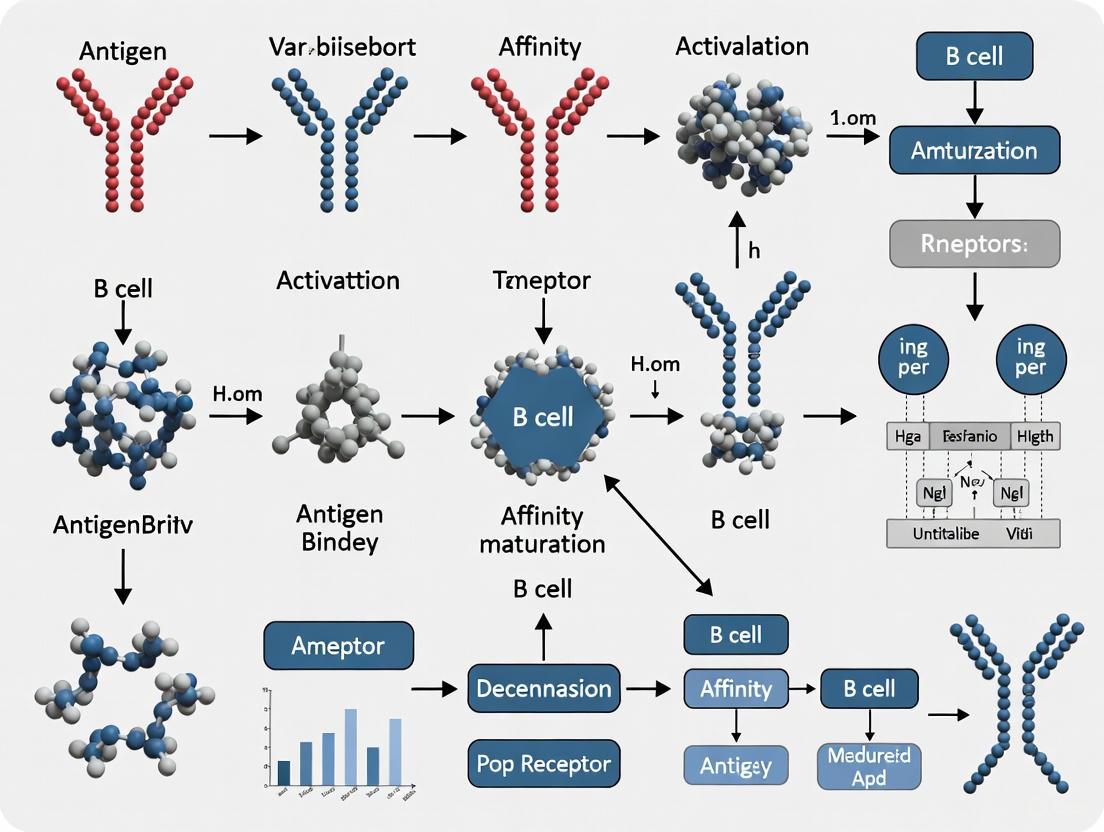
This article provides a comprehensive guide for researchers and drug development professionals on optimizing immunization intervals to maximize B cell affinity maturation.
Optimizing Immunization Intervals: A Strategic Framework for Enhancing B Cell Affinity Maturation
Abstract
This article provides a comprehensive guide for researchers and drug development professionals on optimizing immunization intervals to maximize B cell affinity maturation. It synthesizes foundational germinal center dynamics with advanced methodological approaches, including quantitative modeling and clinical trial designs. The content explores troubleshooting for complex pathogens like HIV, highlights validation strategies through immunophenotyping and repertoire analysis, and discusses the integration of these insights into modern regulatory and drug development frameworks such as Project Optimus and Model-Informed Drug Development (MIDD).
The Biology of Timing: Unraveling Germinal Center Dynamics and B Cell Selection
Fundamental Concepts: The Germinal Center Reaction
The germinal center (GC) is a transient microstructure that forms in secondary lymphoid organs (such as lymph nodes, the spleen, and Peyer's patches) following exposure to a T-cell-dependent antigen [1] [2]. It is the primary site where mature B cells undergo clonal expansion, somatic hypermutation (SHM) of their antibody genes, and affinity maturation—a process that selects for B cells producing antibodies with increasingly higher affinity for the target antigen [1] [2]. The GC is polarized into two distinct anatomical and functional compartments: the dark zone (DZ) and the light zone (LZ) [1] [3] [2]. B cells continuously cycle between these two zones in a process critical for generating high-affinity antibodies, long-lived plasma cells, and memory B cells [1] [4].
Dark Zone (DZ): The Site of Proliferation and Mutation
In the classical model, the dark zone is characterized by rapidly proliferating B cells called centroblasts [1] [2].
- Primary Function: The DZ is the main site for clonal expansion and somatic hypermutation (SHM) [1] [3].
- Somatic Hypermutation: This process is mediated by the enzyme activation-induced cytidine deaminase (AID), which introduces point mutations at a high rate into the variable regions of immunoglobulin genes [1] [4]. This pseudo-random mutation diversifies the antibody repertoire, creating a pool of B cells with a wide range of antigen-binding affinities [1].
- Cell Phenotype: DZ B cells are typically identified by high surface expression of CXCR4 and low expression of CD83 [4].
Light Zone (LZ): The Site of Selection and Differentiation
After undergoing SHM, B cells migrate to the light zone, where they are known as centrocytes [1] [2].
- Primary Function: The LZ is the site of cellular selection and fate determination [1].
- Selection Process: LZ B cells compete to bind antigen displayed as immune complexes on the surfaces of follicular dendritic cells (FDCs) [1] [2]. They then internalize, process, and present this antigen to T follicular helper (Tfh) cells [1]. Only B cells that successfully receive survival signals from Tfh cells (via CD40/CD40L interaction and cytokines like IL-21) are positively selected [1].
- Cell Fate: Positively selected LZ B cells have three potential fates [1] [2]:
- Return to the DZ for further rounds of proliferation and mutation.
- Differentiate into antibody-secreting plasma cells.
- Become memory B cells for long-term immunity.
- Cell Phenotype: LZ B cells are characterized by low surface expression of CXCR4 and high expression of CD83 [4].
Diagram: The Germinal Center Cycle and Somatic Hypermutation Regulation
Troubleshooting Guide: FAQs for GC Research
FAQ 1: Why are my germinal center B cell cultures failing to produce high-affinity antibodies in vitro?
- Potential Cause: Suboptimal T cell help and CD40 signaling. The CD40-CD40L interaction between B cells and Tfh cells is critical for GC B cell survival and proliferation [1] [5].
- Solution: Ensure your culture system includes a robust source of CD40 signaling. A common method is to use feeder cells, such as a 3T3-hCD40L cell line, and supplement the culture with the key cytokine IL-21 [5]. The combination of CD40L and IL-21 has been shown to be essential for achieving high B cell expansion, survival, and differentiation into GC-like cells and antibody-secreting cells [5].
FAQ 2: How can I accurately distinguish between light zone and dark zone B cells for flow cytometry analysis?
- Solution: Use the surface marker combination of CXCR4 and CD83 to identify these populations by flow cytometry [4].
- Dark Zone (DZ) Phenotype: CXCR4hi CD83lo
- Light Zone (LZ) Phenotype: CXCR4lo CD83hi This combination has been validated in both human and mouse systems and corresponds to anatomically defined zones [4].
FAQ 3: Our vaccine regimen is not eliciting broadly neutralizing antibodies. Could the immunization schedule be a factor?
- Potential Cause: Standard, short intervals between prime and boost vaccinations may not allow sufficient time for a robust GC reaction to develop and mature [6] [7].
- Solution: Consider implementing an extended prime-boost interval. Research on both model antigens and mRNA vaccines has demonstrated that longer intervals (e.g., 8-12 weeks in mice) lead to:
Data Presentation: Quantitative Insights
Table 1: Impact of Extended Prime-Boost Intervals on Germinal Center and Antibody Responses (Mouse Model Data)
| Prime-Boost Interval | GC B Cells in dLN | Tfh Cells in dLN | Serum Anti-HA IgG | HAI Titers | LLPC in Bone Marrow |
|---|---|---|---|---|---|
| 14 days | Baseline | Baseline | Baseline | Baseline | Baseline |
| 21 days | |||||
| 35 days | ↑↑ | ↑↑ | ↑↑ | ↑↑ | ↑↑ |
| 42 days | ↑↑ | ↑↑ | ↑↑ | ↑↑ | ↑↑ |
| 56 days | ↑↑↑ | ↑↑↑ | ↑↑↑ | ↑↑↑ | ↑↑↑ |
Data adapted from [6]. Arrows represent relative increases compared to the 14-day interval baseline. dLN: draining Lymph Node; HAI: Hemagglutination Inhibition; LLPC: Long-Lived Plasma Cells.
Table 2: Key Reagent Solutions for Germinal Center and B Cell Research
| Research Reagent | Function / Application | Example Use in Context |
|---|---|---|
| 3T3-hCD40L Feeder Cells | Provides essential CD40 ligand signaling for B cell survival and proliferation in vitro. | Critical for in vitro cultures of human B cells to achieve expansion and generate GC-like B cells and antibody-secreting cells [5]. |
| Recombinant IL-21 | Key cytokine for B cell differentiation; promotes the GC reaction and plasmablast formation. | Used in combination with CD40L to drive B cell differentiation in culture [5]. IL-4 supplementation can also be tested to modulate outcomes [5]. |
| CXCR4 & CD83 Antibodies | Flow cytometry markers for identifying and isolating Dark Zone and Light Zone B cell populations. | Enables phenotypic analysis of GC polarization and isolation of specific subpopulations for downstream analysis (e.g., RNA sequencing) in both mice and humans [4]. |
| NP-OVA (4-Hydroxy-3-Nitrophenylacetyl conjugated to Ovalbumin) | A well-characterized model T-cell-dependent antigen for immunization studies in mice. | Used to experimentally induce and study GC responses, track antigen-specific B cells, and analyze affinity maturation [3]. |
Experimental Protocols
Protocol: Analyzing Germinal Center B Cell Zones by Flow Cytometry
This protocol is adapted from methods used to identify human and mouse LZ and DZ B cells [4].
- Sample Preparation:
- Tissue Source: Isolate mononuclear cells from secondary lymphoid tissues (e.g., mouse draining lymph nodes or human tonsils) by mechanical disruption followed by Ficoll density gradient centrifugation.
- Cell Staining:
- Resuspend cells in FACS buffer (PBS + 0.5% BSA + 1mM EDTA).
- For mouse cells, pre-incubate with an anti-CD16/32 (Fc block) antibody for 5 minutes to reduce non-specific binding.
- Stain the cell suspension with fluorescently conjugated antibodies for 30 minutes at 4°C. The essential panel includes:
- B cell lineage marker: e.g., CD19 or B220.
- GC B cell marker: e.g., GL7 or PNA in mice; CD10 or other markers in humans can be considered.
- Zone markers: Anti-CXCR4 and Anti-CD83.
- Wash cells and resuspend in FACS buffer for analysis.
- Flow Cytometry Analysis:
- First, gate on live, single B cells (B220+/CD19+).
- Within the B cell gate, identify the GC B cell population (e.g., GL7+B220+ in mice).
- On the GC B cell population, plot CXCR4 vs. CD83.
- DZ B cells are CXCR4hi CD83lo.
- LZ B cells are CXCR4lo CD83hi.
Protocol: Evaluating the Effect of Immunization Intervals on GC Responses
This protocol is based on studies investigating prime-boost intervals for mRNA and protein vaccines [6].
- Animal Immunization:
- Groups: Divide mice into groups (e.g., n=8-16 per group).
- Prime Immunization (Day 0): Administer the antigen (e.g., 0.4 μg mRNA-LNP encoding influenza Hemagglutinin (HA) or 1.0 μg recombinant HA protein with adjuvant) intramuscularly.
- Boost Immunization: Administer the same dose to different groups at varying timepoints (e.g., Day 14, 21, 35, 42, and 56). For injection site studies, administer the boost either ipsilaterally (same leg) or contralaterally (opposite leg).
- Sample Collection (Terminal):
- Collect blood via cardiac puncture for serum antibody analysis.
- Harvest the spleen and draining lymph nodes (dLNs). Process tissues by mechanical disruption to create single-cell suspensions for flow cytometry.
- Isolve bone marrow from femurs to analyze long-lived plasma cells.
- Downstream Analysis:
- Serology: Measure antigen-specific IgG levels by ELISA and functional antibody responses using a Hemagglutination Inhibition (HAI) assay [6].
- Flow Cytometry: Analyze dLN cells for GC B cells (B220+GL7+Fas+) and Tfh cells (CD4+CXCR5+PD-1+).
- Bone Marrow ELISpot: Quantify antigen-specific antibody-secreting long-lived plasma cells.
Diagram: Key Signaling in Germinal Center B Cell Selection
Frequently Asked Questions (FAQs)
Q1: What is the fundamental difference between permissive and stringent selection in affinity maturation?
The fundamental difference lies in the range of B cell affinities that are allowed to survive and mature within the Germinal Center (GC).
- Stringent Selection is a classical model that posits a highly competitive process where only the B cells with the very highest affinity for their target antigen receive survival signals and are selected to undergo further rounds of mutation and proliferation. This model emphasizes affinity as the single most critical determinant.
- Permissive Selection is an emerging model suggesting that GCs are more tolerant, allowing B cells with a broader range of affinities to persist. This model integrates additional factors like stochastic B cell decisions, antigen extraction efficiency, and avidity, which promotes greater clonal diversity and is crucial for the rare emergence of broadly neutralizing antibodies (bnAbs) that target highly variable pathogens [8].
The diagram below contrasts the two selection models within the germinal center reaction cycle.
Q2: How does a permissive selection model explain the development of broadly neutralizing antibodies (bnAbs)?
Permissive selection is critical for bnAb development because these antibodies often have unusual traits, such as long heavy chain third complementarity-determining regions (HCDR3s) and extensive somatic hypermutations (SHMs), which can initially result in lower affinity or autoreactive potential [9]. A strictly stringent model would likely eliminate these nascent bnAb precursors early in the immune response.
A permissive GC environment allows these "disfavored" B cell clones to survive, undergo further mutations, and gradually evolve the breadth and potency required to neutralize diverse viral variants [8]. This model explains why bnAbs are typically observed in only a small fraction of individuals and often appear after years of chronic infection, as their development requires a GC reaction that tolerates intermediate, lower-affinity states [9].
Q3: My vaccine candidate shows strong serologic antibody titers but poor neutralizing breadth. Could this be related to the selection model? What experimental variable should I check first?
Yes, this is a classic symptom of a response that may be overly stringent or lacking the conditions for permissive selection to guide B cell lineages toward breadth. The most critical experimental variable to investigate is your vaccination dosing interval.
Evidence from Clinical and Pre-Clinical Studies:
| Vaccine Platform / Target | Short Interval Findings | Long Interval Findings |
|---|---|---|
| SARS-CoV-2 RBD (ZF2001 protein subunit) [10] | Lower serologic titers; fewer and less evolved neutralizing mAbs; fewer expanded B cell clonotypes (25.6%). | Higher/broader serologic responses; more neutralizing mAbs; higher proportion of expanded clonotypes (32.6%) and increased SHM. |
| Influenza HA (mRNA-LNP) [6] | Lower Hemagglutination Inhibition (HAI) titers and IgG levels. | Higher HAI titers and IgG; increased Germinal Center (GC) B cells and T follicular helper (Tfh) cells. |
| HIV Env (General Observation) [9] | - | Sequential immunization with long intervals is a key strategy to guide B cell maturation toward bnAbs. |
Extended intervals between prime and boost vaccinations provide a longer time for the GC reaction to proceed, allowing for more rounds of SHM and selection. This promotes the expansion of rare, high-affinity clones and the evolution of B cell receptors toward breadth, as evidenced by the increased SHM and clonal expansion in the long-interval groups [10] [6].
Troubleshooting Guides
Problem: Failure to Elicit Antibodies with Broad Neutralizing Activity
Potential Cause: Overly stringent GC selection and insufficient B cell lineage evolution, potentially due to a suboptimal vaccination regimen.
Solution: Optimize Immunization Intervals and Administration
Protocol: Investigating Dosing Interval and Route
- Objective: To determine the optimal prime-boost interval and administration route for inducing broad B cell responses.
- Materials:
- Model antigen (e.g., Influenza HA, SARS-CoV-2 RBD)
- Vaccine platform (e.g., mRNA-LNP, adjuvanted recombinant protein)
- Animal model (e.g., BALB/c mice)
- Methodology [6]:
- Prime Immunization (Day 0): Administer the vaccine intramuscularly.
- Boost Immunization: Divide animals into experimental groups:
- Short-Interval Groups: Administer boost at 14, 21, or 28 days.
- Long-Interval Groups: Administer boost at 35, 42, or 56 days.
- Administration Route: For the boost, administer either in the same limb (ipsilateral) or the opposite limb (contralateral) to the prime.
- Sample Collection: Collect serum and tissues (spleen, draining lymph nodes, bone marrow) at defined time points post-boost.
- Analysis:
- Serology: Measure antigen-specific IgG titers and functional neutralization assays against a panel of variants [10] [6].
- B Cell Repertoire:
- Sort antigen-binding B cells from peripheral blood mononuclear cells (PBMCs) or lymph nodes.
- Use next-generation sequencing (NGS) to analyze the B cell receptor (BCR) repertoire.
- Key Metrics: Calculate the percentage of expanded clonotypes and the level of SHM in the variable regions [10].
- Expected Outcome: Groups with extended dosing intervals and contralateral boosting should show significantly higher titers, greater neutralization breadth, and BCR signatures of advanced evolution (higher clonal expansion and SHM) [10] [6].
Problem: Inefficient In Vitro Affinity Maturation of Monoclonal Antibodies
Potential Cause: The library construction or selection protocol is not generating or capturing sufficient diversity.
Solution: Implement a Robust In Vitro Affinity Maturation Pipeline
Protocol: Cell-Based Panning of a Randomly Mutagenized Library
- Objective: To generate and select high-affinity, internalizing antibody variants from a diverse library.
- Materials:
- Parental antibody clone (e.g., in a phage display vector like pComb3X)
- E. coli mutator strain (e.g., JS200)
- Target cells expressing the antigen of interest
- Methodology [11]:
- Library Construction:
- Transform the parental antibody plasmid into the JS200 mutator strain.
- Culture the bacteria for several rounds under restrictive conditions to allow for in vivo random mutagenesis to occur.
- Harvest the plasmid library; the theoretical diversity can exceed 10^8 transformants.
- Library Characterization: Use NGS on the library pool to assess sequence diversity and the frequency of stop codons, ensuring library quality [11].
- Cell-Based Selection:
- Pan the phage-displayed antibody library against live target cells expressing the antigen in its native conformation.
- Include a step to recover internalized phages to specifically select for antibodies that are internalized by the target cells, a key feature for antibody-drug conjugates [11].
- Perform multiple rounds of panning with increasing stringency.
- Library Construction:
- Analysis: Isolve individual clones and characterize their binding affinity, internalization efficiency, and neutralizing activity compared to the parental antibody.
The Scientist's Toolkit: Research Reagent Solutions
| Item | Function / Application | Example Context |
|---|---|---|
| mRNA-LNP Platform [6] | Delivers mRNA encoding the target antigen, acting as its own adjuvant to stimulate strong GC formation and Tfh responses. | Used in model systems to test the impact of different prime-boost intervals on immunogenicity. |
| Adjuvanted Recombinant Protein [6] | Provides the antigen in a pure form with an adjuvant (e.g., AF03) to enhance the immune response. Serves as a comparator to nucleic acid-based platforms. | Commonly used in protein-subunit vaccine studies (e.g., ZF2001, Hepatitis B vaccines). |
| Mutator Bacterial Strains [11] | Facilitates in vivo random mutagenesis of antibody genes in plasmids, simplifying the creation of diverse antibody libraries for affinity maturation. | E. coli strains like JS200 or XL1-Red are used for library construction without the need for error-prone PCR. |
| Next-Generation Sequencing (NGS) [11] [10] | Enables deep characterization of BCR repertoires or antibody library diversity, allowing quantification of SHM, clonality, and sequence diversity. | Critical for profiling vaccine-induced B cell responses and for quality control of synthetic antibody libraries. |
| Cryo-Electron Microscopy (Cryo-EM) [10] | Determines the high-resolution structure of antibody-antigen complexes, defining the precise epitope targeted by neutralizing antibodies. | Used to identify "sites of vulnerability" on pathogens and to guide immunogen design. |
The following workflow summarizes the key experimental and analytical steps for optimizing immunization protocols and analyzing the resulting B cell response.
How Antigen Availability and Kinetics Govern the Strength of Selection Pressure
Frequently Asked Questions (FAQs)
1. How does antigen dosage directly affect the strength of selection in the Germinal Center? Antigen dosage controls the stringency of Darwinian selection during affinity maturation. Low antigen doses create strong selection pressure, favoring only the highest-affinity B cells. Conversely, high antigen doses are more permissive, allowing a wider range of lower-affinity B cells to survive and be selected, which increases the diversity of the B cell repertoire [12].
2. My experiments show a non-monotonic relationship between antigen dose and average antibody affinity. Is this expected? Yes, this is a documented phenomenon. Both experimental data and quantitative models show that the average affinity of a B cell population can peak at an intermediate antigen dosage. Very low doses may not sustain a robust response, while very high doses reduce selection stringency, both leading to lower average affinity [12].
3. Beyond simple affinity, what kinetic properties of B cell receptors are selected for during affinity maturation? Emerging evidence suggests that selection is based not only on tight binding (low dissociation rate, koff) but also on rapid binding (high association rate, kon). Computational models indicate that in a mechanism where the rupture of B-cell bonds with follicular dendritic cells is possible during antigen extraction, clones with very low dissociation rates can outcompete clones with high association rates [13].
4. Can the mode of antigen binding itself influence B cell selection? Yes, for certain repetitive antigens, the selection mechanism can be unusual. For example, in antibodies against the malaria parasite Plasmodium falciparum, affinity maturation strongly selects for somatic mutations that facilitate direct homotypic (antibody-antibody) interactions. These interactions, stabilized by the repetitive antigen structure, indirectly increase antigen binding and B cell activation, representing a different mode of affinity maturation [14].
5. Why might a new antigenic variant of a virus not emerge dominantly within a host, despite strong population-level selection? There can be a temporal asynchrony between virus growth and the antibody response. In previously immune hosts, mucosal antibodies can provide a strong filter at the point of virus inoculation. However, if infection is established, the recall antibody response takes days to mount. Virus titers often peak before new antibodies are produced, leaving a narrow window for within-host selection of new variants, even though they have a clear advantage at the population level [15].
Troubleshooting Guides
Problem: Suboptimal Antibody Affinity Following Immunization
Potential Cause and Solution:
| Potential Cause | Recommended Action | Underlying Principle |
|---|---|---|
| Antigen dose is too high. | Titrate the antigen dose downward in a new experimental group. | High antigen availability reduces selection stringency, allowing lower-affinity B cells to survive and diluting the overall affinity of the population [12]. |
| Antigen is depleted too quickly. | Use an adjuvant that forms a depot for sustained antigen release. | Prolonged antigen availability allows for more rounds of mutation and selection, driving affinity maturation to higher levels [12]. |
| Immunization interval is too short. | Increase the time between prime and boost immunizations. | Longer intervals allow the germinal center reaction to proceed further and for memory B cells to develop, leading to a more mature and high-affinity response upon boosting [12]. |
Problem: Failure to Elicit Broadly Neutralizing Antibodies (bnAbs) Against a Highly Variable Pathogen
Potential Cause and Solution:
| Potential Cause | Recommended Action | Underlying Principle |
|---|---|---|
| Excessively stringent selection for affinity. | Use immunization regimens that promote more permissive germinal centers. | Permissive GCs allow for greater clonal diversity and the persistence of B cell lineages that, while perhaps not the highest affinity for a single variant, have the potential to develop breadth against many variants [8]. |
| Failure to engage rare bnAb-precursor B cells. | Employ germline-targeting immunogens designed to specifically bind and activate known bnAb precursors. | Naive B cells capable of evolving into bnAbs are often rare in the repertoire and have B cell receptors that are not activated by conventional immunogens [9]. |
| Lack of guiding sequential immunizations. | Design a sequence of immunogens that stepwise guide B cell lineages toward bnAb characteristics. | Eliciting bnAbs often requires leading B cells through a complex maturation pathway, which can be achieved by using a series of distinct immunogens that select for desired mutations at each stage [9]. |
Key Data and Experimental Protocols
The following table summarizes key experimental and modeling findings on how antigen dosage influences B cell selection outcomes, synthesized from research on Tetanus Toxoid immunization in mice and computational models [12].
| Antigen Dosage | Effect on Selection Strength | Impact on Average Affinity | Impact on Population Diversity |
|---|---|---|---|
| Low Dose | Strong (Stringent) | High (at optimum) | Low |
| Intermediate Dose | Moderate | Highest (non-monotonic peak) | Moderate |
| High Dose | Weak (Permissive) | Lower | High |
Detailed Experimental Protocol: Analyzing B Cell Affinity Distributions
This protocol is adapted from methodologies used to quantify the affinity maturation response to Tetanus Toxoid in mice, which allows for the generation of data similar to that summarized in the table above [12].
Objective: To determine the full distribution of antigen affinities within a population of antibody-secreting cells (Ab-SCs) from immunized mice and investigate the effect of antigen dosage.
Materials:
- Mice (e.g., C57BL/6)
- Antigen of interest (e.g., Tetanus Toxoid)
- Appropriate adjuvant (e.g., Alum)
- Homogenization buffer for spleen processing
- Flow cytometry equipment and reagents for cell sorting
- Microwell arrays or a similar platform for single-cell analysis
- Fluorescently labeled antigen for affinity probing
Method:
- Immunization: Divide mice into experimental groups and immunize them with varying dosages of the antigen mixed with adjuvant.
- Spleen Cell Isolation: At a predetermined time point post-immunization (e.g., 7-14 days), euthanize the mice and harvest spleens. Process the spleens into a single-cell suspension.
- Enrichment and Staining: Enrich for Ab-SCs and stain the cells with a titration of fluorescently labeled antigen. The fluorescence intensity of a cell is proportional to the affinity of its surface immunoglobulin.
- Single-Cell Measurement: Load the stained cell suspension into a microwell array. Use automated microscopy or a flow cytometer to measure the fluorescent intensity of the labeled antigen bound to each individual cell.
- Data Analysis: Plot the distribution of fluorescence intensities across thousands of cells. This distribution directly represents the affinity distribution of the Ab-SC population. Compare distributions between different antigen dosage groups to observe changes in average affinity and diversity.
Signaling Pathways and Experimental Workflows
Germinal Center B Cell Selection and Antigen Dynamics
The following diagram illustrates the core workflow of B cell selection in the Germinal Center and how antigen availability governs this process, integrating concepts from multiple sources [13] [8] [12].
Antigen Kinetics and Dosage in Experimental Immunization
This diagram outlines the key factors and decision points involved in designing an immunization protocol to study the effects of antigen kinetics and dosage on B cell selection [15] [12].
The Scientist's Toolkit: Research Reagent Solutions
| Reagent / Material | Function in Experiment | Specific Example / Note |
|---|---|---|
| Engineered Immunogens | To specifically prime rare B cell precursors with the potential to develop into broadly neutralizing antibodies (bnAbs). | eOD-GT8 60-mer (for VRC01-class anti-HIV bnAbs) [9]. |
| Adjuvants | To modulate the kinetics of antigen availability, creating a depot for sustained release and stimulating the innate immune system. | Aluminum hydroxide (Alum), 3M-052-AF [9]. |
| Fluorescently Labeled Antigen | To probe and quantify the affinity of B cell receptors or secreted antibodies at the single-cell level. | Used in flow cytometry or microwell-based assays to measure binding strength [12]. |
| Microwell Arrays / Single-Cell Platforms | To isolate individual antibody-secreting cells (Ab-SCs) and measure the affinity of their secreted antibodies in a high-throughput manner. | Enables the generation of full affinity distribution data, as opposed to just an average [12]. |
| Model Antigens | To study fundamental principles of affinity maturation using well-characterized systems. | Tetanus Toxoid, haptens, or recombinant proteins like the malaria PfCSP repeats [14] [12]. |
Frequently Asked Questions
Q1: My ELISPOT assay shows a high background or confluent spots. What could be the cause and how can I fix it? This is typically caused by an overabundance of cells or an overly long incubation period. To resolve this, decrease the cell concentration in the ELISPOT well; the optimal range is 50-250 distinct spots per well. Additionally, shorten the pre-incubation time of the cells or their incubation time on the ELISPOT plate. Ensure the plate remains stationary during incubation, as even minor vibrations can disrupt spot formation [16].
Q2: According to newer models, germinal centers are more permissive than previously thought. How does this impact the design of immunization protocols? Traditional vaccination strategies aimed to elicit high-affinity antibodies by enforcing stringent selection. The modern paradigm suggests that promoting GC permissiveness, which allows B cells with a broader range of affinities to persist, can foster greater clonal diversity. This diversity is a prerequisite for the rare emergence of broadly neutralizing antibodies (bnAbs). Therefore, optimizing immunization intervals might involve strategies that sustain GC reactions for longer durations without imposing extreme affinity-based selection pressures, thereby creating an environment where stochastically emerging, breadth-prioritizing clones can survive [8].
Q3: What could lead to faint spots or no spots in my positive control ELISPOT assay? This indicates a potential failure in the assay procedure. First, check cell viability, especially if using cryopreserved cells. Ensure all reagents, including coating/detection antibodies and the streptavidin-HRP conjugate, have not degraded and are used at correct dilutions. Avoid using PBS tablets to prepare the coating antibody solution, as the filler can interfere. Always use freshly prepared AEC substrate, protect it from light, and ensure it does not contact polystyrene plastics. Verify that the PVDF membrane was properly pre-wet with ethanol and never allowed to dry during the assay [16].
Q4: How can "maturation" be a threat to the internal validity of my B cell research? Maturation, in the context of experimental validity, refers to changes within the subjects or biological systems over time that are unrelated to the experimental intervention. In B cell research, this could mean natural changes in the immune repertoire or B cell responses due to age, environmental exposures, or underlying health status of donors. If not controlled, these intrinsic changes can provide an alternative explanation for your results, making it unclear if observed effects are due to your immunization protocol or simply the passage of time. This threat is mitigated by using appropriate control groups and repeated measures [17] [18].
Q5: How do stochastic processes influence clonal dominance in a germinal center reaction? Stochastic (random) decisions at the cellular level are a key intrinsic factor shaping maturation. In GCs, probabilistic B cell interactions with antigen and T follicular helper cells can create slight advantages for certain clones. Computational models demonstrate that these stochastic advantages, even if small, can be amplified through division bursts upon re-entering the dark zone, leading to clonal dominance over time. This means that clonal outcomes are not purely deterministic but are significantly influenced by random single-cell events [8].
Troubleshooting Guides
Guide 1: Addressing Common ELISPOT Assay Problems
Table: ELISPOT Troubleshooting Quick Reference
| Problem | Potential Causes | Recommended Solutions |
|---|---|---|
| High Background/Confluent Spots | Too many cells; Long incubation; Plate movement; Nonspecific serum binding [16]. | Optimize cell concentration (aim for 50-250 spots/well); Shorten incubation time; Keep plate stationary; Use serum-free media or tested FBS [16]. |
| Faint/No Spots | Low cell viability; Degraded reagents; Improper PBS; Dry membrane; Poor color development [16]. | Check cell viability; Use fresh/liquid PBS; Ensure proper reagent storage/dilution; Keep membrane wet; Extend color development time [16]. |
| Low Spot Frequency | Cell clumping; Low cell concentration; Insufficient activated B cells; Inadequate incubation [16]. | Resuspend cells thoroughly; Increase cell concentration; Pre-incubate cells with stimuli (e.g., IL-2, R848); Optimize incubation time [16]. |
| Poor Replicate Consistency | Inaccurate pipetting; Cell clumping; Evaporation; Uneven washing [16]. | Calibrate pipettes; Create homogeneous cell suspension; Ensure incubator humidity; Seal plate; Follow washing protocols carefully [16]. |
Guide 2: Interpreting Aberrant Clonal Dynamics in Affinity Maturation
Table: Troubleshooting Clonal Selection in GCs
| Observation | Underlying Intrinsic Factor | Experimental Considerations |
|---|---|---|
| Low Clonal Diversity | Overly stringent selection; Limited initial B cell repertoire; Insufficient Tfh help [8]. | Analyze GC permissiveness; Assess antigen dose/valency; Evaluate T cell help conditions. |
| Failure to Generate bnAbs | Selection biased only for highest affinity; Short GC reaction duration; Lack of permissive selection for breadth [8]. | Extend immunization intervals; Use sequential immunogens; Investigate GC dynamics over time. |
| Stochastic Clonal Dominance | Random B-cell-Tfh interactions amplified by birth-limited selection; Molecular noise in cell fate decisions [8] [19]. | Use computational models to simulate stochastic dynamics; Employ clonal tracking (e.g., barcoding); Perform single-cell analysis. |
Experimental Protocols & Methodologies
Protocol 1: In Vitro Memory B Cell Activation for ELISPOT
This protocol details the activation of memory B cells to differentiate into antibody-secreting cells (ASCs) for detection in an ELISPOT assay [16].
- Cell Preparation: Isolate peripheral blood mononuclear cells (PBMCs) or spleen cells. The time between blood draw and PBMC isolation should be preferably less than 8 hours to maintain viability.
- Stimulation Culture: Resuspend cells at a density of 2x10⁶ cells/mL in complete culture medium. Add stimuli to activate memory B cells, such as a combination of recombinant IL-2 and the TLR7/8 agonist R848.
- Incubation: Culture the cells for a pre-determined activation period (e.g., several days) in a humidified incubator at 37°C with 5% CO₂.
- Cell Transfer: After activation, wash the cells effectively to remove any secreted antibodies that could cause background. Transfer a range of cell densities (e.g., 1x10⁵ to 3x10⁵ cells per well) to the pre-coated ELISPOT plate.
- ELISPOT Incubation: Incubate the plate for a defined period, typically 24 hours, to allow for antibody secretion and spot formation.
Protocol 2: Clonal Tracking via Vector Integration Site Analysis
This methodology, derived from long-term hematopoietic stem cell gene therapy studies, is a powerful tool for monitoring the fate and output of individual clones over time, and can be adapted for B cell research [20].
- Labeling: Introduce a unique, heritable marker into progenitor cells. In gene therapy, this is a semi-random lentiviral vector integration site (IS). For other studies, synthetic barcodes can be used.
- Sample Collection: Collect longitudinal samples from the target tissue (e.g., bone marrow) and from peripheral lineages (e.g., myeloid cells, B cells, T cells).
- DNA Extraction & Amplification: Isolate genomic DNA from purified cell populations. Use PCR-based methods (e.g., linear amplification-mediated PCR - LAM-PCR) to amplify the regions flanking the integration site or barcode.
- High-Throughput Sequencing: Sequence the amplified products using platforms like Illumina to identify unique ISs or barcodes.
- Bioinformatic Analysis: Map sequences to the reference genome to identify ISs. Use specialized software (e.g., ISAnalytics) to analyze clonal abundance, diversity, and lineage distribution. This allows for tracking the persistence, expansion, and lineage commitment of individual clones.
The Scientist's Toolkit
Table: Essential Research Reagent Solutions
| Item | Function/Description | Application in B Cell Research |
|---|---|---|
| Recombinant IL-2 & R848 | Potent in vitro stimulators of memory B cell differentiation into antibody-secreting cells [16]. | Activating memory B cells prior to ELISPOT or other functional assays to measure antigen-specific responses. |
| Lentiviral Barcoding Vectors | Tools for introducing semi-random, heritable genetic marks into progenitor cells for clonal tracking [20]. | Tracing the lineage output and fate of individual B cell clones during affinity maturation and immune responses. |
| PVDF ELISPOT Plates | Plates with a polyvinylidene fluoride membrane that captures secreted antibodies at their point of release [16]. | Detecting and quantifying the frequency of antigen-specific antibody-secreting B cells or plasma cells. |
| AEC Substrate | (3-Amino-9-ethylcarbazole) A chromogenic substrate that produces a red spot upon reaction with HRP enzyme [16]. | Visualizing and quantifying spots in an HRP-based ELISPOT assay. |
Conceptual Diagrams
Diagram 1: Germinal Center Dynamics and B Cell Fate
Diagram Title: B Cell Selection and Fate in the Germinal Center
Diagram 2: Single-Cell vs. Population Analysis Perspectives
Diagram Title: Analyzing Gene Expression from Two Perspectives
From Model to Clinic: Quantitative Frameworks and Sequential Immunization Strategies
Frequently Asked Questions (FAQs)
Q1: How can PBPK modeling support the development of novel biologics, especially for special populations like pediatrics?
A1: Physiologically Based Pharmacokinetic (PBPK) modeling is a mechanistic framework that integrates drug properties with physiological parameters to predict a drug's absorption, distribution, metabolism, and excretion (ADME). For novel biologics, such as the recombinant Factor VIII fusion protein ALTUVIIIO, a minimal PBPK model can be developed to describe distribution and clearance mechanisms, including the FcRn recycling pathway that extends a drug's half-life. This approach is particularly valuable for predicting pharmacokinetics (PK) in pediatric populations, where clinical data is sparse. The model, once validated with adult data and existing pediatric data from similar products (e.g., ELOCTATE), can accurately predict key exposure metrics like Cmax and AUC in children, enabling dose optimization and supporting regulatory submissions for these populations [21].
Q2: What is the primary goal of Exposure-Response (E-R) analysis in clinical drug development, and what are its key considerations?
A2: The primary goal of E-R analysis is to ensure adequate and justified dose selection at each phase of clinical development by utilizing all available evidence [22]. Unlike time-course PK/PD modeling, E-R analysis often uses summary exposure metrics (e.g., AUC) and clinical endpoint data. Key considerations include [22] [23]:
- Planning: E-R analysis should be planned early. A modeling analysis plan should be defined beforehand, and the study design must be powered to detect an E-R signal.
- Data Integration: It is often necessary to integrate data from multiple trials (e.g., Phase II and III) to fully characterize the E-R relationship. However, differences in study design and populations must be accounted for.
- Placebo Effect: The model must adequately account for response and variability in the placebo group.
- Key Questions: The analysis should be tailored to answer specific development questions, such as confirming a treatment effect, identifying the therapeutic window, and supporting dose selection for subsequent studies.
Q3: How can Quantitative Systems Pharmacology (QSP) guide the selection of immunization intervals in B cell affinity maturation research?
A3: QSP uses computational models to simulate the dynamic interactions between drugs and biological systems. In affinity maturation research, QSP can model the germinal center (GC) reaction, where B cells undergo cycles of somatic hypermutation (SHM) and selection [8]. These models can integrate key biological mechanisms, such as:
- B Cell - T Follicular Helper (Tfh) Cell Interactions: The strength and timing of Tfh cell help refuel B cells for further proliferation [8].
- Intracellular Molecular Networks: Regulation of cell-cycle regulators like c-Myc, which is influenced by BCR signaling and Tfh cell help [8].
- Stochastic B Cell Decisions: Allowing for a permissive GC environment that supports clonal diversity [8]. By simulating different immunization intervals, a QSP model can predict how the timing of antigen re-exposure impacts the number of GC cycles, the selection of high-affinity B cell clones, and the ultimate emergence of broadly neutralizing antibodies. This provides a "mathematical sandbox" to test and optimize vaccination schedules before conducting costly and time-consuming in vivo experiments [24].
Q4: What are common reasons for E-R analysis failure and how can they be troubleshooted?
A4:
| Common Issue | Potential Root Cause | Troubleshooting Strategy |
|---|---|---|
| No Apparent E-R Relationship | Insufficient exposure range High variability in response data Incorrect exposure metric (e.g., used Cmin instead of AUC) | Explore alternative exposure metrics. Use model-based analysis (non-linear mixed effects) to account for variability. Ensure study design includes a wide enough dose range. |
| High Uncertainty in E-R Parameter Estimates (e.g., EC50) | Limited number of subjects Sparse data at the effect plateau or near baseline | Perform pre-study simulations to optimize sample size and sampling design. Integrate data from multiple studies to increase information. |
| Failure to Distinguish from Placebo | High placebo response Inadequate trial duration | Incorporate a model for the placebo response. Ensure the trial duration is sufficient for the drug effect to manifest. |
| Model Predictions Not Matching New Data | Over-fitted model Differences in population between learning and confirmation datasets | Use covariate modeling to account for population differences. Validate the model using external datasets. |
Q5: How can QSP models help in reducing animal testing during drug development?
A5: QSP aligns with the FDA's push for New Approach Methodologies (NAMs) to reduce, refine, and replace (3Rs) animal testing [21] [25]. PBPK and QSP models are recognized as NAMs because they can [21]:
- Mechanistically Predict PK/PD: Leverage existing in vitro and in silico data to predict drug distribution, safety, and immunogenicity, reducing the need for new animal experiments.
- Generate Virtual Populations: Simulate virtual patient populations to explore dosing strategies and predict clinical outcomes, particularly for rare diseases and pediatric populations where clinical trials are challenging [25].
- Perform "What-if" Experiments: Test hypotheses and optimize trial designs in silico, minimizing the number of animals required for in vivo studies.
Experimental Protocols & Methodologies
Protocol 1: Developing a Minimal PBPK Model for an Fc-Fusion Protein
This protocol outlines the steps for developing a PBPK model to support pediatric dose selection, as demonstrated for ALTUVIIIO [21].
1. Model Structure Selection:
- Use a minimal PBPK model structure established for monoclonal antibodies.
- Key compartments and pathways must include vascular space, interstitial space, and the FcRn-mediated recycling pathway, which is critical for the half-life of Fc-fusion proteins.
2. System Parameters:
- Use physiological parameters for the target population (e.g., organ volumes, blood flow rates, FcRn abundance).
- For pediatric extrapolation, parameters must be scaled appropriately based on age, weight, or body surface area. The effects of age on FcRn abundance and vascular reflection coefficient can be optimized using clinical PK data from a reference drug.
3. Parameter Estimation and Model Verification:
- Estimate drug-specific parameters (e.g., clearance, volume of distribution) using in vitro data and/or in vivo PK data from adults.
- Verify the model by comparing its predictions against observed clinical data from a reference product (e.g., ELOCTATE) in both adults and children. A prediction error within ±25% for AUC and Cmax is considered reasonable [21].
4. Model Application:
- Apply the verified model to simulate PK and target engagement (e.g., maintaining FVIII activity >20-40 IU/dL) in the target pediatric population.
- Use simulations to compare different dosing regimens and support the selection of an optimal, evidence-based pediatric dose.
Protocol 2: Implementing an Exposure-Response Analysis for a Phase III Program
This protocol describes good practices for conducting an E-R analysis at the submission stage [22] [23].
1. Analysis Planning:
- Define Key Questions: Collaboratively with stakeholders, define the specific questions the analysis must answer (e.g., "Does the E-R relationship support the proposed dose?").
- Create a Modeling Analysis Plan: Pre-define the analysis dataset, exposure and response variables, statistical methods, and model diagnostics.
2. Data Assembly:
- Population: Define the E-R population as the subset of patients from the full analysis set with available exposure data.
- Data Integration: If possible, pool data from Phase II and Phase III trials to achieve a wider range of exposures. Account for differences in trial design and populations.
- Handling Missing Data: Use appropriate imputation methods for missing response data at the primary endpoint (e.g., mixed-effect model repeated measures - MMRM).
3. Analysis Execution:
- Exposure Metric: Select a relevant summary exposure metric, typically AUC at steady state.
- Model Structure: Begin with a simple regression-type model to relate the exposure metric to the change from baseline in the clinical endpoint.
- Placebo Model: Include a model component for the placebo effect.
- Covariate Analysis: Identify patient factors (e.g., weight, renal function) that may influence the E-R relationship.
4. Visualization and Interpretation:
- Create plots to visualize the E-R relationship, such as exposure vs. response or simulated response over time for different doses.
- Interpret the results in the context of the pre-specified key questions to support dosing recommendations.
Protocol 3: Building a QSP Model of the Germinal Center for Immunization Optimization
This protocol provides a framework for building a QSP model to simulate B cell affinity maturation [8].
1. Establish Project Objectives and Scope:
- Goal: To simulate how different immunization intervals affect the output of high-affinity B cells and antibodies from the germinal center (GC).
- Key Questions: "What interval between immunizations allows for the optimal number of GC cycles to select for high-affinity clones while maintaining clonal diversity?"
2. Describe Biological Mechanisms and Define Model Structure:
- Compartments: Model the key GC compartments: Dark Zone (DZ - for B cell proliferation and SHM) and Light Zone (LZ - for selection).
- Cell Populations: Include B cells, T follicular helper (Tfh) cells, and Follicular Dendritic Cells (FDCs).
- Key Processes:
- Somatic Hypermutation (SHM): Introduce random mutations to B cell receptors (BCRs) in the DZ. Emerging evidence suggests high-affinity B cells may dynamically lower their mutation rate to preserve fitness [26].
- Selection: In the LZ, B cells compete for antigen presented by FDCs and survival signals from Tfh cells. The probability of a B cell receiving Tfh help and re-entering the DZ should be linked to its BCR affinity. The "birth-limited" selection model, where Tfh signals determine proliferation capacity upon re-entry, can be more permissive of diversity than a strict "death-limited" model [8].
- Cell Fate: B cells can re-enter the DZ for more cycles, or differentiate into Plasma Cells (PCs) or Memory B Cells (MBCs).
3. Translate Biology into Mathematical Equations:
- Use a system of ordinary differential equations (ODEs) or an agent-based modeling approach to track the dynamics of different cell populations over time.
- Represent the affinity of B cells as a variable that can change with each mutation cycle.
- The model should be "refueled" with antigen at intervals representing immunizations, which re-initiates competition in the LZ.
4. Model Calibration and Validation:
- Calibrate model parameters (e.g., mutation rates, division rates, selection stringency) using published experimental data from in vivo GC studies.
- Validate the model by testing its ability to reproduce known GC behaviors, such as the increase in average affinity over time and the emergence of diverse B cell clonal lineages.
5. Simulation and Prediction:
- Run virtual experiments (in silico trials) simulating different prime-boost intervals.
- Analyze model outputs to identify the immunization schedule that maximizes the output of high-affinity B cells or broadly neutralizing antibodies.
Research Reagent Solutions
The table below lists key reagents and computational tools used in the featured modeling fields.
| Item Name | Function / Application |
|---|---|
| PBPK Software (e.g., GastroPlus, Simcyp) | Platforms that provide built-in physiological and demographic databases to facilitate the development and simulation of PBPK models for various populations [21]. |
| Non-Linear Mixed Effects Modeling Software (e.g., NONMEM, Monolix) | The industry standard for performing population PK, PK/PD, and exposure-response analyses, capable of handling sparse and unbalanced data from clinical trials [22]. |
| QSP Modeling Platforms (Custom ODE solvers) | Environments (e.g., MATLAB, R, Julia) for coding and solving systems of ordinary differential equations that represent the mechanistic interactions in a QSP model [27]. |
| In Vitro Display Technologies (Phage, Yeast) | Used for experimental affinity maturation; they allow for high-throughput screening of antibody libraries to identify variants with enhanced binding affinity [28]. |
| Agent-Based Modeling Software (e.g., NetLogo) | A computational approach well-suited for simulating individual B cell behaviors (division, mutation, death) and their collective emergence into GC dynamics in QSP models [8]. |
Pathway and Workflow Visualizations
Germinal Center Affinity Maturation
PBPK Model Development Workflow
Exposure-Response Analysis Process
For decades, the algorithm-based 3+3 dose escalation design has been the prevailing method for phase I cancer clinical trials, used in more than 95% of published studies [29]. This design proceeds with cohorts of three patients at pre-specified dose levels. Escalation continues if zero patients in a cohort experience a dose-limiting toxicity (DLT). If one patient experiences a DLT, three additional patients are enrolled at that dose. Escalation stops when at least two patients in a cohort experience DLTs [30].
While its simplicity is appealing, the statistical and clinical community now largely agrees on its critical limitations, especially for evaluating modern targeted agents and immunotherapies [29]. The primary goal of a phase I trial—to establish a recommended phase II dose (RP2D) that is both safe and effective—is often poorly served by this method. This FAQ guide explores the limitations of the traditional design and presents modern, efficient alternatives, framed within the context of research on B cell affinity maturation.
► Frequently Asked Questions (FAQs)
FAQ 1: What are the main statistical limitations of the 3+3 design?
The 3+3 design has several key operational weaknesses, confirmed by statistical simulations and reviews of clinical data [29]:
- Poor Target Accuracy: The chance of correctly identifying the true maximum tolerated dose (MTD) is typically below 60%, which is about 20% lower than modern model-based methods.
- Conservative Performance: The design tends to be overly conservative, frequently recommending a dose lower than the actual MTD.
- Inefficient Patient Exposure: It treats too many patients at low, likely ineffective doses and too few at or near the therapeutic dose range.
- Risk of Overdosing: Despite its conservative nature, comparisons show that the mean number of patients exposed to doses exceeding the MTD can be twice as high as in trials using model-based methods [29].
FAQ 2: How do modern targeted therapies challenge the 3+3 paradigm?
The 3+3 design was developed for cytotoxic chemotherapies, where it is assumed that both efficacy and toxicity monotonically increase with dose. This foundation is challenged by molecularly targeted agents and immunotherapies [30].
For these agents, the maximum tolerated dose (MTD) may not be the optimal biological dose (OBD). The desired effect may be a specific biological outcome, such as target inhibition or immune activation, which can occur at doses below the MTD [30]. For instance, in B cell affinity maturation research, the goal is to promote the evolution of broadly neutralizing antibodies (bNAbs). This process relies on controlled somatic hypermutation (SHM) in germinal centers, where emerging evidence suggests B cells producing high-affinity antibodies may actually reduce their mutation rates to safeguard successful lineages [31]. A trial design focused solely on toxicity would miss the nuanced biological activity essential for such therapies.
FAQ 3: What is the Continual Reassessment Method (CRM)?
The Continual Reassessment Method (CRM) is a prominent model-based design that represents a fundamental shift from the 3+3 approach [29].
- Principle: The CRM treats dose escalation as a statistical estimation problem. It uses a prespecified model of the dose-toxicity relationship and updates this model with the outcome data from every patient treated in the trial.
- Process: After each patient or cohort, the model is re-fitted. The next patient is then assigned to the dose level that is currently estimated to be closest to the target toxicity level (usually 20-30%). This allows for a continuous reassessment of the MTD based on all accumulated data, not just the last cohort [29].
- Advantage: This dynamic process makes more efficient use of patient data, treats more patients near the therapeutic dose, and generally provides a more accurate and precise estimate of the MTD.
FAQ 4: What are Hybrid or Bayesian Model-Based Designs?
To address safety concerns and increase practicality, many modern implementations use a "hybrid" approach. These designs combine the mathematical foundation of the CRM with rule-based safety constraints [30]. For example, a trial might use a Bayesian logistic regression model to guide escalation but require that dose increments do not exceed 100% and that at least one patient is treated at a lower dose without DLT before escalating. This balances statistical efficiency with practical safety oversight.
Table 1: Comparison of Phase I Dose Escalation Designs
| Feature | Traditional 3+3 Design | Model-Based Designs (e.g., CRM) |
|---|---|---|
| Underlying Principle | Algorithm-based rules | Statistical model of dose-toxicity curve |
| Dose Assignment | Based only on the previous cohort's outcomes | Based on all accumulated data from all patients |
| Primary Endpoint | Toxicity (DLT) | Toxicity (DLT), but can be adapted for efficacy/biological endpoints |
| Accuracy in Finding MTD | Lower (~20% less than CRM) [29] | Higher |
| Patients at Subtherapeutic Doses | More | Fewer |
| Risk of Overdosing | Can be higher in practice [29] | Controlled through model and safety rules |
| Flexibility for Novel Endpoints | Low | High (e.g., can incorporate biological efficacy) [30] |
► The Scientist's Toolkit: Research Reagent Solutions
Table 2: Key Reagents for Investigating B Cell Affinity Maturation
| Research Reagent / Tool | Function in Experimental Protocols |
|---|---|
| Germline-Targeting Immunogens (e.g., eOD-GT8 60-mer, 426 c.Mod.Core) [32] | Engineered antigens designed to specifically activate rare naive B cells that are precursors to broadly neutralizing antibodies (bNAbs). |
| Native-like HIV Env Trimers (e.g., BG505 SOSIP) [32] | Stabilized envelope glycoprotein trimers used as immunogens to focus the B cell response on neutralization-sensitive epitopes. |
| Adjuvants (e.g., 3M-052-AF) [32] | Immune potentiators administered with immunogens to enhance the magnitude and quality of the germinal center response. |
| Memory Phenotyping Assays [33] | Flow cytometry-based methods using antibodies against CCR7 and CD45RA to characterize T cell memory subsets (naive, central memory, effector memory) in cellular therapy products. |
| B Cell ImmunoSpot/FluoroSpot [34] | Multiplexed immunoassays to enumerate and characterize antigen-specific memory B cells and antibody-secreting cells from immunized subjects. |
| Digital Droplet PCR (ddPCR) [33] | A highly precise method to quantify vector copy number in genetically modified cell products like CAR T-cells. |
► Experimental Protocols for Advanced Trial Design
Protocol 1: Implementing a Bayesian Optimal Interval (BOIN) Design
The BOIN design is a modern, user-friendly model-assisted design that is easier to implement than the CRM but offers superior performance to the 3+3.
- Pre-Trial Setup: Define the target DLT rate (e.g., 30%) and a set of pre-specified dose levels.
- Calculate Escalation/De-escalation Boundaries: Use publicly available software or tables to determine the optimal dose escalation/de-escalation boundaries based on the target DLT rate and current sample size.
- Dose Assignment:
- Treat the first cohort of patients at the starting dose.
- For each subsequent cohort, calculate the observed DLT rate at the current dose.
- If the observed DLT rate is below the lower boundary, escalate the dose.
- If the observed DLT rate is above the upper boundary, de-escalate the dose.
- Otherwise, stay at the same dose level.
- RP2D Selection: The MTD is selected as the dose for which the estimated DLT rate is closest to the target DLT rate after the trial is complete.
Protocol 2: Incorporating Pharmacodynamic (PD) Biomarkers for OBD Selection
For trials where the OBD may differ from the MTD, a parallel assessment of PD biomarkers is crucial.
- Biomarker Identification: Pre-identify a candidate biomarker reflecting target engagement or biological effect (e.g., measurement of antigen-specific B cell lineages with features of bNAbs [32]).
- Sample Collection: Systematically collect biospecimens (e.g., blood, tumor tissue, serum) at baseline and serial timepoints post-treatment across all dose levels.
- Assay Execution: Perform validated assays to quantify biomarker modulation (e.g., B cell repertoire sequencing to track somatic hypermutation and clonal lineages [31] [32]).
- Data Integration: Plot dose levels against both the probability of DLT and the degree of biomarker modulation. The OBD is the dose that achieves a pre-specified, desirable biological effect with an acceptable safety profile.
► Visualizing Workflows and Signaling Pathways
CRM Workflow
B Cell Fate in GC
Frequently Asked Questions & Troubleshooting Guides
This section addresses common challenges researchers face when developing sequential immunization regimens, offering evidence-based solutions and troubleshooting advice.
FAQ 1: Why is the priming immunogen so critical for initiating broadly neutralizing antibody (bnAb) lineages?
Answer: The priming immunogen is critical because it must bind and activate rare B cell precursors that possess the inherent genetic potential to develop into bnAbs. These precursors are often exceptionally uncommon in the naive B cell repertoire.
- Underlying Challenge: Many HIV bnAbs have unusual characteristics, such as exceptionally long heavy chain complementarity determining region 3 (HCDR3) or a high number of somatic hypermutations (SHMs), which make their precursor B cells a very small fraction of the total B cell pool [35] [32].
- Solution - Germline-Targeting: Immunogens like eOD-GT8 and ApexGT6 are engineered through structure-based design to have high affinity for the inferred germline precursors of known bnAbs. This design ensures the initial recruitment of the correct B cell lineages [35] [32].
- Troubleshooting Tip: If priming fails to elicit the desired precursor responses, verify that your immunogen has been properly characterized for binding to the germline B cell receptor (BCR) using techniques like surface plasmon resonance (SPR). Also, consider using adjuvant formulations known to enhance B cell responses, such as 3M-052-AF combined with aluminum hydroxide [32].
FAQ 2: What factors should guide the selection and order of boost immunogens in a sequential regimen?
Answer: Boost immunogens should be selected to guide the affinity maturation pathway of the primed B cell lineage toward broader neutralization.
- Underlying Challenge: B cells need to acquire specific, and sometimes "improbable," mutations to achieve breadth. The immune system may otherwise guide them toward strain-specific responses or dead ends [32].
- Solution - Heterologous Boosting: Use a series of boost immunogens that are heterologous (different in sequence/structure) to the prime. These boosts should have increasing native-like characteristics to selectively expand B cell clones that are acquiring the desired bnAb-type mutations [32].
- Troubleshooting Tip: If boosting fails to increase neutralization breadth, analyze the antibody sequences from isolated B cells. This can reveal if the lineage is maturing along the desired path or if a different boost immunogen is required to select for key mutations.
FAQ 3: How can low-dose priming or extended prime-boost intervals improve vaccine efficacy?
Answer: These strategies can enhance the quality of the antibody response by increasing the stringency of B cell selection within germinal centers (GCs).
- Underlying Challenge: The goal is to select for B cells with the highest affinity for the target antigen, not just the largest number of B cells.
- Mechanism: A lower antigen dose or a longer interval (which allows antigen to decay) increases competition among GC B cells for limited antigen. This creates a more stringent selection environment, favoring the survival and proliferation of only the highest-affinity B cell clones [36].
- Experimental Evidence: Stochastic simulation models of the GC reaction predict that a low-dose prime can lead to the selection of GC B cells with higher affinities. A subsequent standard-dose boost then allows for the expansion of these high-affinity cells [36].
- Troubleshooting Tip: If immune responses are weak, consider optimizing the antigen dose and prime-boost interval in animal models. Monitor GC B cell affinity and SHM levels to fine-tune these parameters.
FAQ 4: How do you manage off-target B cell responses that compete with the desired bnAb lineage?
Answer: Immunogen engineering and regimen design can help focus the immune response on the desired epitope.
- Underlying Challenge: Native HIV Env proteins contain immunodominant, non-neutralizing epitopes that can distract the immune system from the conserved, neutralizing "sites of vulnerability" [35] [32].
- Solution - Epitope Focusing:
- Glycan Shielding: Engineer additional glycans onto the immunogen to mask off-target epitopes, a strategy used in the ApexGT6 "congly" version [35].
- Mutagenesis: Introduce point mutations to disrupt binding to immunodominant, non-neutralizing epitopes while preserving the structure of the target epitope.
- Troubleshooting Tip: Use epitope-specific probes (e.g., engineered bnabs or their precursors) in binding assays to track whether your immunization regimen is successfully enriching for B cells targeting the desired epitope and not off-target ones.
The following tables summarize quantitative data and methodologies from key studies that inform sequential immunization strategies.
Table 1: Preclinical Evaluation of Apex-Targeting Immunogens
| Immunogen | Model System | Key Findings | Priming Efficacy |
|---|---|---|---|
| ApexGT6 (soluble protein or mRNA-LNP) | Rhesus macaques (outbred primates) | Induced bnAb-related precursors with long HCDR3s bearing critical motifs (e.g., DDY). Cryo-EM showed elicited antibodies combined structural elements of several prototype Apex bnAbs [35]. | Consistent induction of rare, desired precursors in a pre-clinical model relevant to humans. |
| ApexGT5 | Mouse model | Demonstrated priming of PCT64-like bnAb precursors, establishing proof-of-concept for germline-targeting to the Apex [35]. | Effective in priming specific bnAb lineages in a model system. |
Table 2: Clinical Trial Results of CD4bs-Targeting Priming Immunogens
| Trial / Immunogen | Vaccine Platform | Key Findings | Response Rate |
|---|---|---|---|
| IAVI G001 (eOD-GT8) | Recombinant protein (60-mer nanoparticle) | The germline-targeting immunogen induced precursors for the VRC01 class of CD4-binding site (CD4bs) bnAbs [32]. | 97% of participants (35/36) [32]. |
| IAVI G002 (eOD-GT8) | mRNA-LNP | Priming of VRC01-class B cell precursors was at least as effective as with protein immunization. Induced antibodies had a greater number of mutations [32]. | High response rate, supporting the use of the mRNA platform for priming. |
| HVTN 301 (426 c.Mod.Core) | Recombinant protein (nanoparticle) with adjuvant 3M-052-AF/Alum | Isolated monoclonal antibodies showed similarities to VRC01-class bnAbs in reactivity [32]. | Trial ongoing; initial data shows specific B cell activation. |
Table 3: The Impact of Antigen Availability on Germinal Center Selection Stringency
| Scenario | Antigen Availability in GC | Selection Stringency | Predicted Outcome on Antibody Affinity |
|---|---|---|---|
| High-dose prime | High | Lower | Favors expansion of a larger number of B cells, including those with lower affinity. |
| Low-dose prime | Low | Higher | Favors survival of only the highest-affinity B cells, potentially improving overall antibody quality [36]. |
| Short prime-boost interval | Antigen levels still relatively high from prime at time of boost. | Lower | May allow lower-affinity clones to persist and compete. |
| Long prime-boost interval | Antigen from prime has significantly decayed before boost. | Higher | Further amplifies the selection for high-affinity clones before the boost expands them [36]. |
Detailed Experimental Protocols
Protocol 1: Evaluating a Sequential Immunization Regimen in Non-Human Primates
This protocol is adapted from studies investigating the germline-targeting immunogen ApexGT6 in rhesus macaques [35].
Immunogen Preparation:
- Priming Immunogen: Prepare the germline-targeting immunogen, such as ApexGT6. It can be formulated as:
- Soluble Protein: Use a glycan-hole filled version (e.g., ApexGT6 congly) to minimize off-target responses. Mix with an appropriate adjuvant.
- mRNA-LNP: Use a membrane-bound, cleavage-independent version (e.g., ApexGT6 L14) encapsulated in lipid nanoparticles.
- Boosting Immunogens: Prepare a series of heterologous Env trimers with increasing native-like characteristics.
- Priming Immunogen: Prepare the germline-targeting immunogen, such as ApexGT6. It can be formulated as:
Immunization Schedule:
- Prime: Administer the ApexGT6 immunogen (e.g., 100 µg protein + adjuvant or 50-100 µg mRNA-LNP) intramuscularly to rhesus macaques.
- Boost: Administer the first heterologous boost immunogen 8-16 weeks after priming. Subsequent boosts can be given at similar intervals.
Sample Collection and Monitoring:
- Collect peripheral blood mononuclear cells (PBMCs), lymph node fine needle aspirates, and serum at baseline and 2 weeks after each immunization.
- B Cell Analysis:
- Use fluorophore-labeled Env trimer probes (e.g., ApexGT6 and heterologous trimers) to identify antigen-specific memory B cells via flow cytometry.
- Sort single antigen-specific B cells for monoclonal antibody (mAb) production and next-generation sequencing (NGS) of B cell receptors (BCRs).
- Serum Analysis: Evaluate serum antibody binding titers (ELISA) and neutralization breadth/capacity (TZM-bl neutralization assay) against a panel of heterologous HIV strains.
Downstream Characterization:
- Antibody Isolation and Characterization: Express recombinant mAbs from sorted B cells. Characterize their affinity (SPR), epitope specificity (cryo-EM, competition assays), and neutralization potency.
- BCR Repertoire Analysis: Use NGS data to track the evolution of B cell lineages, including HCDR3 length, key motif acquisition (e.g., DDY), and SHM accumulation over time.
Protocol 2: In Vivo Model to Study B Cell Activation in Non-Lymphoid Tissues
This protocol is adapted from research exploring B cell activation in lung infiltrates, independent of traditional germinal centers [37].
Animal Model:
- Use a transgenic mouse model that allows for the tracking of antigen-specific T and B cells.
Induction of Lung Inflammation:
- Intranasally administer a low dose of LPS to induce sterile lung inflammation and promote B cell recruitment. Alternatively, this step can be omitted to study baseline conditions [37].
Adoptive B Cell Transfer and Immunization:
- Isolate naive antigen-specific B cells from donor mice (e.g., B1-8i mice).
- Intravenously transfer these B cells into recipient mice.
- Immunize the recipient mice with the specific antigen, often via intranasal or systemic administration.
Analysis of B Cell Activation:
- Tissue Collection: At various time points post-immunization, harvest lungs, airways, and lung-draining lymph nodes.
- Flow Cytometry: Analyze cells for activation markers (CD69, CD38), GC markers (GL7, Bcl-6), and plasmablast markers (CD138).
- Inhibition of Lymphocyte Egress: To confirm local activation, treat a group of mice with Fingolimod (FTY720) to block lymphocyte exit from lymph nodes, and compare B cell frequencies and activation in the lungs.
- Single-Cell RNA Sequencing (scRNA-seq): Sort antigen-specific B cells from lungs and lymph nodes for scRNA-seq to compare their transcriptional profiles and functional states [37].
The Scientist's Toolkit: Research Reagent Solutions
Table 4: Essential Reagents for Sequential Immunization Studies
| Reagent / Material | Function / Application | Example from Literature |
|---|---|---|
| Germline-Targeting Immunogens | Engineered proteins or mRNA-coded antigens designed to activate rare bnAb-precursor B cells. | eOD-GT8 60-mer (for VRC01-class) [32]; ApexGT6 trimer (for Apex bnAbs) [35]. |
| Heterologous Boost Immunogens | A series of native-like Env trimers with sequence variation to guide B cell maturation toward breadth. | Stabilized HIV-1 CH505 Env trimer [38]; BG505 SOSIP GT1.1 trimer [32]. |
| Adjuvants | Compounds that enhance the magnitude and quality of the immune response to the co-administered antigen. | 3M-052-AF combined with aluminum hydroxide [32]; PICKCa complex (for mucosal immunity) [39]. |
| Epitope-Specific Probes | Fluorescently labeled proteins (e.g., engineered Env trimers or bnabs) used to identify and sort antigen-specific B cells by flow cytometry. | Labeled ApexGT6 and heterologous trimers to track Apex-specific B cells [35]. |
| F(ab')₂ Fragment Secondary Antibodies | Used in flow cytometry and IHC to avoid nonspecific binding to Fc receptors on immune cells, reducing background signal [40]. | Anti-mouse F(ab')₂ fragments for detecting primary antibodies in mouse tissue. |
| IgG-Free BSA | A blocking agent and antibody diluent for immunoassays that avoids interference from contaminating bovine IgG [40]. | Jackson ImmunoResearch IgG-Free, Protease-Free BSA. |
| ChromPure Proteins | Purified non-immune immunoglobulins used as isotype-matched negative controls in flow cytometry, ELISA, and IHC to confirm specific antibody binding [40]. | ChromPure Mouse IgG, whole molecule. |
Conceptual Diagrams
Sequential Immunization Logic Flow
Antigen Availability Drives GC Selection
Frequently Asked Questions (FAQs)
General Concepts
Q1: What is ctDNA and what makes it a useful biomarker in oncology trials? Circulating tumor DNA (ctDNA) consists of short DNA fragments shed from tumor cells into the bloodstream. It is a subset of cell-free DNA (cfDNA) and carries tumor-specific genetic features like mutations and methylation patterns. Its utility stems from being a minimally invasive source of real-time genomic information that can capture tumor heterogeneity, often providing a more comprehensive snapshot than a traditional tissue biopsy [41] [42].
Q2: How do expansion cohorts in first-in-human (FIH) trials expedite drug development? Expansion cohorts are multiple, concurrently accruing patient groups within a single FIH trial protocol. Each cohort can assess different aspects of the drug, such as safety, pharmacokinetics, and antitumor activity across various tumor types or dose levels. This design allows for the efficient generation of early efficacy data, potentially accelerating the identification of sensitive patient populations and supporting faster transition to later-stage development [43] [44].
Q3: Why are ctDNA and expansion cohorts discussed in the context of B cell affinity maturation research? While ctDNA is an oncology tool, the principles of immune monitoring and high-sensitivity biomarker detection are highly relevant. Research into B cell affinity maturation—the process by which antibodies gain increased affinity against pathogens—relies on tracking clonal lineages and somatic hypermutation over time. The sophisticated sequencing and analytical frameworks developed for ctDNA (e.g., tracking low-frequency variants) can be adapted to monitor evolving B cell repertoires in immunotherapy or vaccine studies [45] [41].
Technical and Methodological Challenges
Q4: What are the primary technical limitations of ctDNA analysis, and how can they be mitigated? The main challenge is the extremely low abundance of ctDNA, which often constitutes less than 0.1-10% of total cfDNA, especially in early-stage disease [41] [42] [46]. Key limitations and solutions are summarized below.
Table 1: Key Technical Limitations in ctDNA Analysis and Proposed Mitigations
| Limitation | Impact on Assay | Potential Mitigation Strategies |
|---|---|---|
| Low Variant Allele Frequency (VAF) | High sequencing depth required; risk of false negatives [41]. | Ultra-deep sequencing (>15,000x coverage); unique molecular identifiers (UMIs) for error correction [41] [47]. |
| Short Half-Life of ctDNA (30 mins-2 hrs) | Requires rapid sample processing; potential for pre-analytical errors [46]. | Standardized plasma processing protocols within 2 hours of blood draw [46]. |
| Low Input DNA/Genome Equivalents | Limits statistical confidence in variant calling [41]. | Increase input plasma volume; use library prep kits with high conversion efficiency [41] [47]. |
| Lack of Standardization | Inconsistent results across labs [46]. | Adoption of validated, automation-friendly cfDNA extraction kits and standardized workflows [46]. |
Q5: How is sequencing coverage depth related to reliable ctDNA variant detection? The probability of detecting a low-frequency variant is a direct function of sequencing depth. Achieving a 99% detection probability for a variant at a 0.1% allele frequency requires an effective coverage depth of approximately 10,000x after bioinformatic processing (like deduplication). This is because fewer duplicate reads and higher input DNA increase the confidence that a detected mutation is a true positive and not a technical artifact [41].
Implementation in Clinical Trials
Q6: What critical safety considerations apply when using expansion cohort trials? This design exposes more patients to a novel drug early in development. Key safety considerations include:
- Real-time Safety Monitoring: Establishing a plan to disseminate new safety information to all investigators and institutional review boards as quickly as possible [43] [44].
- Dose Optimization: Avoiding exposing excessive patients to potentially suboptimal or toxic doses. Incorporating principles from initiatives like the FDA's Project Optimus to understand dose-response relationships is critical [44].
- Predefined Stopping Rules: Implementing well-defined statistical plans with stopping rules for each cohort to minimize patient exposure to an ineffective or unsafe drug [43] [44].
Q7: When should data from an expansion cohort be considered for primary support in a marketing application? This is acceptable only in exceptional cases. The trial protocol must include provisions for ensuring high data quality, independent review of tumor-based endpoints, a strong justification for the selected dose, and a prespecified statistical analysis plan. Typically, a subsequent Phase 2 study is recommended to fully confirm antitumor activity [44].
Troubleshooting Guides
Issue 1: High False Positive/Negative Rates in ctDNA Sequencing
Problem: Variant calls do not validate upon orthogonal testing, leading to a loss of data reliability.
Solution: Implement a multi-faceted approach to enhance specificity and sensitivity.
- Step 1: Utilize Unique Molecular Identifiers (UMIs). Incorporate UMIs during library preparation to bioinformatically tag and track unique DNA molecules. This allows for the differentiation of true mutations from PCR or sequencing errors during data analysis [41] [47].
- Step 2: Employ Duplex Sequencing. For the highest accuracy, use a library preparation method that supports duplex sequencing. This technique sequences both strands of the original DNA molecule and only calls a variant if it is found on both complementary strands, dramatically reducing false positives from DNA damage or polymerase errors [47].
- Step 3: Optimize Library Preparation. Use a library prep kit specifically optimized for cfDNA to maximize the conversion rate of input DNA into a sequenceable library. A low conversion rate can lead to the loss of rare ctDNA fragments and increase false negatives [47].
- Step 4: Adjust Bioinformatic Thresholds. For ctDNA, the minimum number of supporting reads for a variant call can be carefully lowered to
n=3(from a typicaln=5used for tissue DNA) to improve sensitivity, provided UMIs are used to control for errors [41].
Issue 2: Inconsistent ctDNA Recovery and Yield
Problem: The amount of DNA recovered from plasma samples is low and variable between samples.
Solution: Standardize the pre-analytical and extraction phases.
- Step 1: Control Pre-analytical Variables. Process plasma from blood draws within 2 hours due to the short half-life of ctDNA. Use consistent blood collection tubes and centrifugation protocols [46].
- Step 2: Use Specialized cfDNA Kits. Employ commercial cfDNA extraction kits designed to efficiently recover short DNA fragments (100-500 bp), which is the typical size range of ctDNA. These kits often use paramagnetic bead-based technology and are automation-friendly for higher throughput and consistency [46].
- Step 3: Quantify Input. Ensure sufficient input plasma (e.g., 3-10 mL) is used for extraction to obtain enough genome equivalents for analysis. Remember that a 10 mL blood draw from a lung cancer patient may yield only ~8000 haploid genome equivalents, making detection of very low-frequency variants statistically challenging [41].
Issue 3: Designing a Robust Expansion Cohort for a Novel Immuno-Oncology Agent
Problem: How to structure an expansion cohort trial to efficiently evaluate a drug that modulates B cell or T cell activity, using endpoints like ctDNA.
Solution: Follow a structured framework that integrates biomarker strategy with clinical endpoints.
- Step 1: Define Cohort Objectives. Pre-specify the goals of each cohort. Examples include:
- Cohort A: Safety and PK at the recommended Phase 2 dose.
- Cohort B: Efficacy in a specific tumor type with a biomarker (e.g., high tumor mutational burden).
- Cohort C: Novel Endpoint Cohort: Evaluate pharmacodynamic effects, such as changes in ctDNA levels and their correlation with clinical response. This can serve as an early indicator of drug activity [43] [44].
- Step 2: Integrate Biomarker Analysis. Incorporate longitudinal ctDNA collection at baseline, during treatment (e.g., cycle 2-3), and at progression. This allows for monitoring of molecular response, which can often precede radiographic changes [41] [42].
- Step 3: Implement a Statistical Framework. Develop a prespecified analysis plan for each cohort, including:
- Step 4: Plan for Pediatric Development (if applicable). For targeted agents, consider including pediatric expansion cohorts early, as required by FDARA 2017, based on the molecular target rather than the adult indication [44].
The Scientist's Toolkit: Essential Research Reagents & Materials
Table 2: Key Reagents and Kits for ctDNA and Expansion Cohort Research
| Item | Function/Application | Key Characteristics |
|---|---|---|
| cfDNA Extraction Kit (e.g., cfPure) | Purifies cell-free DNA from plasma/serum samples [46]. | Optimized for short-fragment recovery (100-500 bp); automation-friendly; paramagnetic bead-based. |
| cfDNA Library Prep Kit (e.g., Twist cfDNA Kit) | Prepares purified cfDNA for next-generation sequencing [47]. | High library conversion efficiency; supports UMI ligation and duplex sequencing; uses high-fidelity polymerase. |
| Hybridization Capture Panels | Enriches libraries for genes of interest (e.g., cancer-related genes) prior to sequencing [47]. | Comprehensive gene coverage; high on-target rates; designed for high sensitivity on ctDNA. |
| Unique Molecular Identifiers (UMIs) | Short nucleotide tags added to each DNA molecule during library prep [41]. | Enables bioinformatic correction of PCR/sequencing errors and accurate quantification. |
| Validated Reference Materials | Act as positive controls for assay development and validation. | Synthetic cfDNA with known mutations at defined VAFs; helps establish limit of detection. |
Experimental Workflow and Relationship Diagrams
ctDNA Analysis Core Workflow
Expansion Cohort Trial Structure
ctDNA Clinical Utility Context
Navigating Challenges in Eliciting Broadly Neutralizing Antibodies and Durable Responses
Frequently Asked Questions & Troubleshooting Guides
This technical support resource addresses common challenges in B cell affinity maturation research, specifically for scientists developing HIV vaccines aimed at eliciting broadly neutralizing antibodies (bNAbs).
FAQ 1: What makes broadly neutralizing antibodies (bNAbs) so rare and difficult to elicit through vaccination?
bnAbs exhibit several unusual characteristics that make them disfavored by the immune system [9]:
- Extensive Somatic Hypermutation (SHM): bnAbs accrue many somatic hypermutations to achieve their broad neutralization capability and potency [9]. Some classes of bNAbs, such as those targeting the trimer V2 apex, also have an unusually long heavy chain third complementarity-determining regions (HCDR3s) [9].
- Rare Precursor B Cells: Naïve B cell lineages with the potential to develop into bNAbs are relatively rare within the human B cell repertoire [9].
- Complex Evolutionary Paths: B cell lineage diversification through SHMs generates phylogenetic trees where only some branches may carry the specific mutations required for bNAb epitope binding [9].
These factors explain why bNAbs are observed in only a small fraction of people living with HIV (PLWH) and usually only appear after several years of infection [9].
FAQ 2: What are the primary strategic approaches to engage rare bNAb precursors?
Researchers are exploring several key strategies [9]:
- Germline Targeting: This involves using structure-based designs to reverse engineer an immunogen that can bind to and prime naïve B cells carrying B cell receptors (BCRs) with genetic properties that have the potential to develop into bNAbs [9].
- Mutation-Guided B Cell Lineage Approach: This strategy computationally reconstructs the maturation history of specific bNAbs isolated from PLWH to identify key improbable mutations required for neutralization breadth. Immunogens are then developed to promote these mutations early in the B cell response [9].
- Germline/Lineage Agnostic Strategy: This approach focuses on engaging any naive B cell that recognizes bNAb target epitopes induced by native-like HIV Env trimers, which are then affinity matured through stepwise boosting using heterologous Env trimers to focus the response on conserved targets [9].
All three strategies require a series of immunizations with intervals that allow sufficient time for the affinity maturation of B cell lineages [9].
FAQ 3: A key immunization in our sequential regimen failed to expand the targeted B cell lineage. What could have gone wrong?
Several factors in your immunogen design or protocol could cause this:
- Insufficient Priming: The initial germline-targeting immunogen may not have effectively activated a sufficient number of the rare precursor B cells. Validate the binding affinity of your priming immunogen to the intended germline BCRs.
- Immunogen Design Flaw: The boosting immunogen might not adequately engage the primed B cell lineage. It must share the conserved residues but present diverse surrounding variable regions to guide antibodies toward breadth [48].
- Excessive Frustration: If the conflict between the selection forces of sequential immunogens is too great, it can lead to significant B cell death or even germinal center extinction [48]. Ensure that the sequential immunogens are separated enough in sequence space to provide a guidable evolutionary path, but not so different that they cause the collapse of the ongoing immune response.
- Suboptimal Immunization Interval: The time between immunizations might be too short, not allowing for adequate clonal expansion and mutation within germinal centers, or too long, allowing the response to wane.
FAQ 4: How can we monitor the success of a germline-targeting vaccination protocol in preclinical or clinical trials?
Success is monitored through detailed analysis of the vaccine-induced B cell repertoires [9]:
- Next-Generation Sequencing (NGS): Using NGS to track the expansion and somatic hypermutation of B cell lineages of interest over time.
- Monoclonal Antibody Isolation: Isolating and characterizing monoclonal antibodies from vaccine recipients using techniques like biolayer interferometry (BLI) and in vitro neutralization assays to assess their similarity to known bNAbs [9].
- Strain Coverage Assessment: Testing serum antibodies or isolated monoclonal antibodies for neutralization breadth against a diverse panel of viral strains.
Experimental Protocols & Data Presentation
Table 1: Clinical Trial Examples of Germline-Targeting Immunogens
This table summarizes key clinical trials testing different germline-targeting immunogens, based on data from a 2025 workshop report [9].
| Trial / Immunogen Name | Immunogen Type & Target | Platform / Adjuvant | Key Findings |
|---|---|---|---|
| HVTN 301426 c.Mod.Core | Nanoprime targeting VRC01-class (CD4bs) precursors [9] | Protein with 3M-052-AF + aluminum hydroxide [9] | Isolated 38 mAbs; characterization revealed similarities to VRC01-class bNAbs [9]. |
| IAVI G001eOD-GT8 60-mer | Germline-targeting for VRC01-class precursors [9] | Protein | 97% response rate (35/36 participants); high rate of precursor B cell activation [9]. |
| IAVI G002/G003eOD-GT8 60-mer | Germline-targeting for VRC01-class precursors [9] | mRNA | Priming of precursors was at least as effective as protein platform; induced antibodies had greater numbers of SHMs [9]. |
Table 2: Troubleshooting Common Experimental Issues
| Problem | Potential Causes | Suggested Solutions |
|---|---|---|
| Low precursor B cell response after prime | Immunogen has low affinity for germline BCRs; suboptimal adjuvant or dosing. | Validate immunogen binding in vitro; optimize adjuvant formulation (e.g., use of 3M-052-AF [9]); consider mRNA delivery platform [9]. |
| Failure to develop neutralization breadth after boost | Boosting immunogens are too similar to the prime (no evolutionary pressure) or too different (causing frustration). | Design a sequence of heterologous immunogens that progressively focus the immune response on conserved epitopes [48]. |
| High attrition of B cell lineages in GCs | Overly conflicting selection forces from immunization; insufficient T cell help. | Optimize the mutational distance and dose between sequential immunogens to minimize B cell death [48]. |
Visualization of Concepts and Workflows
Germline Targeting Strategy
Affinity Maturation in Germinal Center
The Scientist's Toolkit: Research Reagent Solutions
| Research Reagent / Material | Function in Experiment |
|---|---|
| Engineered Germline-Targeting Immunogens(e.g., eOD-GT8 60-mer, 426c.Mod.Core) | Primers designed with high affinity for BCRs of rare bNAb precursor B cells to initiate the immune response [9]. |
| Native-like Env Trimers(e.g., BG505 SOSIP) | Boosting immunogens that present the target epitopes in a near-native conformation to guide antibody maturation toward neutralization breadth [9]. |
| Adjuvants(e.g., 3M-052-AF with aluminum hydroxide) | Substances used to enhance the body's immune response to an immunogen, critical for activating strong Germinal Center reactions [9]. |
| mRNA Delivery Platform | A technology for delivering immunogen-encoding mRNA, which can be as effective as protein-based immunization and may influence the mutation profile [9]. |
| Next-Generation Sequencing (NGS) | A method for deeply characterizing the B cell repertoire, tracking lineage development, and quantifying somatic hypermutation over the course of immunization [9]. |
The Non-Monotonic Effect of Antigen Dosage on Population Affinity
Frequently Asked Questions
Q1: What does a "non-monotonic effect" of antigen dosage mean in practical terms? A non-monotonic effect means that increasing the antigen dose does not always lead to a proportional increase in antibody affinity. Instead, intermediate doses often yield the highest affinity antibodies, while both lower and higher doses can result in lower average affinity. This occurs because antigen availability directly controls the stringency of selection in germinal centers. Too little antigen creates overly stringent selection that eliminates many useful B cell clones, while too much antigen reduces selection pressure, allowing lower-affinity cells to survive [12].
Q2: Why does repeat vaccination sometimes reduce antibody affinity, and how can this be mitigated? Studies on influenza vaccination in humans have shown that repeat vaccination can reduce antibody affinity maturation across different vaccine platforms. This may occur due to the rapid engagement of pre-existing memory B cells, which can outcompete naive B cells and potentially limit the diversity and further refinement of the antibody response. Mitigation strategies include optimizing the time interval between boosts and considering antigenic variation in sequential immunizations to refocus the immune response on desired epitopes [49].
Q3: For a novel vaccine candidate, how do I determine the optimal antigen dose? Determining the optimal dose requires empirical testing across a range of concentrations. As demonstrated in MERS-CoV RBD-based vaccine research, the minimal dose able to elicit strong neutralizing antibodies and T cell responses (e.g., 1 µg in the mouse model) should be identified. The key is to find a dose that induces saturating levels of functional, neutralizing antibodies without simply maximizing total IgG, which may not correlate with protection [50].
Q4: How does the affinity of the booster immunogen affect the recall of memory B cells? The affinity of the booster immunogen significantly influences which memory B cells are recruited back into germinal centers. Research using knock-in mouse models shows that a high-affinity boost recruits a larger number of memory B cells into the secondary response. In contrast, a lower-affinity boost recruits fewer but more highly mutated B cells, suggesting the existence of an affinity threshold for memory B cell entry into germinal centers [51].
Troubleshooting Guides
Problem: Suboptimal Average Affinity Despite High-Dose Immunization
Potential Causes and Solutions:
- Cause 1: Excess antigen reducing selection pressure.
- Solution: Titrate down the antigen dose. The model from the Tetanus Toxoid immunization study suggests that high antigen availability makes GC selection more permissive, allowing lower-affinity clones to persist. Testing lower, intermediate doses may increase the average affinity of the population [12] [52].
- Cause 2: The booster dose is given too soon, before the primary GC reaction has fully matured.
- Solution: Extend the interval between prime and boost. A study comparing short (4-week) and long (18-week) intervals in mice found that the longer interval led to a higher number of germinal center B cells and antigen-specific antibody-secreting cells, which can support a more robust affinity maturation response upon boosting [53].
Problem: Failure to Elicit Cross-Reactive Antibodies Against Variable Pathogens
Potential Causes and Solutions:
- Cause: Conflicting selection forces from different antigen variants presented simultaneously.
- Solution: Switch from a cocktail-based immunization to a sequential immunization strategy. In silico modeling and mouse studies with HIV envelope gp120 variants have demonstrated that sequential immunization, as opposed to a mixture, favors the induction of cross-reactive antibodies focused on conserved epitopes by avoiding frustrated evolutionary pathways [54].
- Cause: Immunogen does not engage the appropriate naive B cell precursors.
- Solution: Employ structure-based immunogen design to create antigens that precisely engage B cell receptors with genetic characteristics favorable for developing breadth (e.g., use of specific VH genes like VH1-69 for influenza). The initial priming event is critical for setting the antibody lineage on a productive path [45].
The following table summarizes key quantitative findings from recent research on antigen dosage and affinity maturation.
| Study System / Model | Key Finding on Dosage & Affinity | Immunization Schedule Insight | Citation |
|---|---|---|---|
| Mouse Model (Tetanus Toxoid) | Average B-cell population affinity depends non-monotonically on antigen dosage. | The model is capable of reproducing affinity distributions under varying delays between injections. | [12] [52] |
| Human Seasonal Influenza Vaccination | Repeat vaccination is associated with reduced antibody affinity maturation across vaccine platforms. | The negative impact of prior year vaccination was observed irrespective of the vaccine platform used. | [49] |
| Mouse Model (MERS-CoV RBD protein) | A dose as low as 1 µg elicited neutralizing antibody titers statistically equivalent to those from 5 µg and 20 µg doses. | Two doses with MF59 adjuvant were sufficient to induce strong, high-quality antibody responses. | [50] |
| HIV bnAb Knock-in Mouse Model | A lower-affinity boost recruited memory B cells with higher average levels of somatic mutations to secondary GCs. | The site of immunization and antigen affinity dictate the composition and quality of the B cell recall response. | [51] |
| Mouse Model (Chimeric H56 antigen) | A long interval (18 weeks) between priming and boosting elicited a higher number of germinal center B cells compared to a short (4-week) interval. | The booster interval modulated the effector function of reactivated CD4+ T cells. | [53] |
Detailed Experimental Protocols
Protocol 1: Quantifying the Non-Monotonic Effect of Antigen Dosage
This protocol is based on the methodology used to investigate affinity maturation in response to Tetanus Toxoid in mice [12] [52].
1. Objective: To empirically determine the relationship between antigen dosage and the resulting affinity distribution of the B-cell population.
2. Key Materials:
- Antigen: Tetanus Toxoid (or antigen of interest).
- Adjuvant: To form an antigen reservoir (e.g., Alum).
- Mouse Model: Inbred BALB/c mice.
- Analysis Technique: Method to measure full affinity distributions of antigen-specific IgG-Secreting Cells (e.g., as developed in Eyer et al., 2017).
3. Procedure:
- Grouping: Immunize groups of mice with varying doses of the antigen (e.g., low, intermediate, and high doses) formulated with the chosen adjuvant.
- Prime-Boost: Administer a booster injection after a predetermined delay (e.g., 2-4 weeks). The delay can also be a variable in the experimental design.
- Sample Collection: At a defined time point post-boost (e.g., 7-10 days), harvest spleens to isolate antibody-secreting cells (ASCs) or plasma cells.
- Affinity Measurement: Measure the binding affinity (as binding energy, ϵ) of the secreted antibodies from individual ASCs towards the antigen. This generates a full distribution of affinities for each experimental group.
- Data Analysis: Calculate the average affinity and the variance of the affinity distribution for each dosage group. Plot the average affinity against the antigen dosage to identify the non-monotonic relationship and the optimal intermediate dose.
Protocol 2: Evaluating the Impact of Booster Immunogen Affinity
This protocol is derived from studies using HIV antibody knock-in mice to dissect memory B cell recall responses [51].
1. Objective: To test how the affinity of the booster immunogen influences the recruitment and further maturation of memory B cells.
2. Key Materials:
- Knock-in Mouse Model: Mice engineered to express a defined B-cell receptor lineage.
- Variant Immunogens: A series of antigen variants with known, differing binding affinities for the knock-in BCR.
- Flow Cytometry Reagents: Antibodies for identifying GC B cells (e.g., B220, GL-7, CD95), memory B cells, and for tracking cell divisions.
3. Procedure:
- Priming: Prime the knock-in mice with the wild-type antigen to initiate a GC response and generate memory B cells.
- Boosting: After memory is established (e.g., 4-8 weeks), boost groups of mice with either a high-affinity or a lower-affinity variant of the antigen.
- Analysis:
- Quantity: Several days post-boost, analyze secondary germinal centers in draining lymph nodes/spleens by flow cytometry to quantify the number of memory-derived B cells recruited.
- Quality: Isert single B cells from the GCs and sequence their BCRs to determine the average level of somatic hypermutation in each group.
- Expected Outcome: The group boosted with the lower-affinity immunogen should show fewer memory-derived GC B cells but with a higher average number of mutations, indicating a more stringent selection.
Conceptual Diagrams
Antigen Availability Modulates GC Selection Stringency
Sequential vs. Cocktail Immunization for Cross-Reactivity
The Scientist's Toolkit: Key Research Reagents & Models
| Item | Function in Research | Example Application in Context |
|---|---|---|
| Knock-in Mouse Models | Enables tracking of a specific B-cell lineage during affinity maturation. | Used to study how antigen affinity affects memory B cell recruitment into secondary GCs [51]. |
| Recombinant Antigen Variants | Provides a panel of immunogens with defined affinities for a target BCR. | Essential for testing sequential immunization strategies to guide breadth [54]. |
| Surface Plasmon Resonance (SPR) | Measures real-time binding kinetics and affinity of polyclonal serum antibodies. | Used to quantify antibody affinity maturation to specific HA domains after influenza vaccination [49]. |
| Alum Adjuvant | A widely used adjuvant that forms an antigen reservoir, modulating antigen availability. | Served as the adjuvant in the H56 antigen study investigating prime-boost intervals [53]. |
| Flow Cytometry Panels (GC B cells) | Identifies and characterizes germinal center B cells, memory B cells, and Tfh cells. | Critical for quantifying the cellular response in lymphoid organs following different immunization schedules [53]. |
Troubleshooting Guides
Guide 1: Troubleshooting Suboptimal Clonal Breadth in GC Reactions
Problem: Immunization regimen yields high-affinity antibodies but lacks desired broad-neutralizing clones.
| Possible Cause | Diagnostic Check | Corrective Action |
|---|---|---|
| Overly Stringent GC Selection [8] [55] | Analyze GC B cell affinity distribution; low diversity indicates excessive stringency. | Increase GC permissiveness by modulating Tfh cell help or using cytokines to support lower-affinity B cell survival [8] [55]. |
| Insufficient SHM for bnAb Development [9] | Sequence BCRs from GC B cells; low SHM levels observed. | Extend intervals between immunizations (e.g., 8-16 weeks) to allow for adequate rounds of mutation and selection [9]. |
| Inappropriate Immunogen Sequence [9] | Check if later-boost immunogens fail to bind intermediate B cell lineages. | Employ sequential immunization with computationally designed immunogen series to guide lineage development [9]. |
| Lack of Germline-Targeting Prime [9] | Low frequency of desired bnAb-precursor B cells after priming. | Initiate regimen with germline-targeting immunogens (e.g., eOD-GT8) to engage rare naive B cells [9]. |
Guide 2: Troubleshooting Affinity Maturation Experimental Timelines
Problem: Delays in achieving high-affinity antibody candidates during in vitro or in vivo maturation.
| Possible Cause | Diagnostic Check | Corrective Action |
|---|---|---|
| Suboptimal Library Diversity [28] | Low diversity in initial antibody library for in vitro maturation. | Use complementary methods: in vitro display (phage/yeast) for speed, in vivo systems for biological relevance [28]. |
| Inadequate Selection Pressure [8] [28] | Antigen concentration too high in panning steps, retaining low-affinity binders. | Gradually decrease antigen concentration over selection rounds to increase stringency [28]. |
| Extended In Vivo Timelines [9] [28] | Standard immunization schedules do not permit full maturation. | Implement prolonged immunization schedules; some DMCTs use intervals of 12-16 weeks between boosts [9]. |
Frequently Asked Questions (FAQs)
Q1: What is the recommended interval between prime and boost immunizations to promote bnAb development?
Current clinical trials for HIV bnAb elicitation are testing extended intervals. The data suggests that intervals of 8 to 16 weeks or longer between immunizations are necessary to allow for the multiple rounds of somatic hypermutation and selection required for bnAb development [9].
The table below summarizes prime-boost intervals from recent clinical trials:
| Trial Identifier | Immunogen(s) | Prime-Boost Interval (Weeks) | Objective |
|---|---|---|---|
| HVTN 301 [9] | 426c.Mod.Core | Not Specified | Prime with germline-targeting immunogen, boost to guide maturation. |
| IAVI G001 [9] | eOD-GT8 60-mer | Not Specified | Two priming immunizations to expand VRC01-class B cell precursors. |
| Typical Affinity Maturation Service [28] | N/A | 12-24 (Project Duration) | Full optimization of antibody candidates. |
Q2: The B cell lineages in our experiment are not acquiring critical mutations. How can we guide the process?
You may need to employ a mutation-guided B cell lineage approach. This strategy involves [9]:
- Reconstructing Maturation History: Using computational tools to reconstruct the natural maturation history of a target bnAb from infected individuals.
- Identifying Key Mutations: Pinpointing the critical, "improbable" mutations that are essential for achieving broad neutralization.
- Designing Guided Immunogens: Engineering booster immunogens specifically designed to select for B cell clones that have acquired these key mutations, thereby actively steering the lineage toward the desired bnAb outcome.
Q3: How can we experimentally determine if our immunization strategy is balancing affinity and breadth?
You need to perform deep B cell repertoire analysis. This involves [9]:
- Sequencing: Using next-generation sequencing to analyze the B cell receptor (BCR) repertoires from germinal center B cells or antigen-specific B cells post-immunization.
- Analyzing Diversity: Assessing the clonal diversity within the response. A broad, diverse repertoire is a positive indicator for potential breadth.
- Tracking Lineages: Tracking the phylogenetic trees of emerging B cell lineages to see if they are on a known path toward bnAbs, which is characterized by accumulating specific somatic hypermutations over time.
Q4: What are the main computational tools used to model and simulate affinity maturation?
Computational models of germinal center reactions are key for testing hypotheses. Modern simulations have moved beyond affinity-only models to include [8] [55]:
- Stochastic B Cell Decisions: Modeling random interactions and cell fate decisions.
- Birth-Limited Selection: A model where a B cell's proliferation capacity in the dark zone, not just its survival in the light zone, is determined by Tfh signals.
- Intracellular Molecular Networks: Integrating the role of transcription factors like c-Myc, which is upregulated upon positive selection and marks B cells for proliferation.
Experimental Protocols & Workflows
Protocol 1: Evaluating B-Cell Vaccine Immunogens in Preclinical Models
This protocol is adapted from strategies used to test HIV vaccine candidates like the eOD-GT8 60-mer and 426c.Mod.Core nanoparticles [9].
Methodology:
- Priming Immunization:
- Route: Intramuscular injection.
- Immunogen: Germline-targeting immunogen (e.g., eOD-GT8 60-mer, 426c.Mod.Core).
- Adjuvant: Formulated with an appropriate adjuvant (e.g., 3M-052-AF + aluminum hydroxide).
- Boosting Immunization:
- Schedule: Administer booster shots at extended intervals (e.g., 8-16 weeks post-prime).
- Immunogen: Use a series of engineered immunogens (e.g., native-like Env trimers like BG505 SOSIP) designed to guide further maturation.
- Sample Collection: Collect lymph nodes, spleen, and serum at various time points after boosts.
- Immune Monitoring:
- Serology: Use ELISA and surface plasmon resonance (SPR) or biolayer interferometry (BLI) to assess serum antibody binding and affinity.
- Cell Sorting: Isolate antigen-specific B cells from tissues using fluorophore-labeled antigen probes.
- BCR Analysis: Perform single-cell BCR sequencing or next-generation sequencing of sorted B cells to analyze clonal diversity, lineage development, and somatic hypermutation.
Sequential Immunization Workflow for bnAb Elicitation
Protocol 2: In Vitro Affinity Maturation Using Yeast Surface Display
This protocol outlines a standard pipeline for improving antibody affinity in the lab, a process critical for therapeutic development [28].
Methodology:
- Library Construction:
- Introduce random mutations into the gene encoding the antibody fragment (e.g., scFv, Fab) targeting the complementarity-determining regions (CDRs).
- Clone the mutated gene library into a yeast display vector.
- Selection (Panning):
- Induce expression of the antibody library on the yeast surface.
- Label the yeast population with a fluorescently tagged antigen.
- Use fluorescence-activated cell sorting (FACS) to isolate yeast cells displaying high-affinity antibodies. Perform multiple rounds of sorting with progressively lower antigen concentrations to increase stringency.
- Characterization:
- Isolate plasmids from sorted yeast populations and sequence to identify beneficial mutations.
- Express and purify soluble antibody variants.
- Determine binding affinity (KD) using SPR or BLI.
- Test functionality using relevant bioassays.
Key Signaling Pathways and Cellular Interactions
Permissive Germinal Center Reaction Dynamics
The Scientist's Toolkit: Research Reagent Solutions
| Item | Function & Application |
|---|---|
| Germline-Targeting Immunogens (e.g., eOD-GT8, 426c.Mod.Core) [9] | Engineered antigens designed to specifically activate rare naive B cells that are precursors to broadly neutralizing antibodies. |
| Sequential Boost Immunogens (e.g., Native-like Env Trimers) [9] | A series of booster shots designed with increasing similarity to the native pathogen antigen to guide B cell maturation toward breadth. |
| T follicular helper (Tfh) Cell Modulators | Cytokines or signaling molecules used to manipulate the level of Tfh help in the GC, thereby adjusting the stringency of B cell selection [8] [55]. |
| B Cell Receptor Sequencing Kits | Reagents for next-generation sequencing of BCR repertoires to track clonal diversity, lineage development, and somatic hypermutation [9]. |
| Antigen-Specific B Cell Probes | Fluorophore-labeled recombinant antigens used to identify and sort pathogen-specific B cells from complex cell populations via flow cytometry [9]. |
| Computational Simulation Platforms [8] [55] | Software tools that model GC dynamics to test hypotheses about immunization strategies and predict outcomes on affinity and breadth. |
Adapting Strategies for Immunocompromised Populations and Altered B-Cell Compositions
Frequently Asked Questions (FAQs)
FAQ 1: What are the key indicators of an altered B-cell composition in immunocompromised patients? Key indicators include a reduced frequency and absolute count of transitional B cells and plasmablasts, an increase in double-negative B cells (antigen-experienced B cells lacking CD27), and alterations in memory B cell subsets. These changes are often accompanied by downregulation of activation markers like CD86 and CD5 on B cells [56].
FAQ 2: How can B-cell immunophenotyping help predict vaccination outcomes? Pre-vaccination analysis of circulating B-cell subsets can predict efficacy. Three key predictive parameters are:
- Distribution of B-cell subsets, particularly a reduction in memory B cells.
- The presence of exhausted or activated B cells, or cells with an aberrant phenotype.
- The status of pre-existing immunological memory [57].
FAQ 3: Why is B-cell affinity maturation particularly challenging in immunocompromised populations? Affinity maturation in germinal centers requires a delicate balance between somatic hypermutation and clonal selection. In immunocompromised individuals, this process can be disrupted due to altered B-cell composition, impaired T-cell help, or immunosuppressive drugs, leading to poor antibody quality and reduced vaccine efficacy [45] [58] [56].
FAQ 4: What is a common issue with B-cell ELISPOT assays and how can it be resolved? A common issue is high background or poorly defined spots. This is often caused by an overly long cell pre-incubation time or too many cells being added to the well. The solution is to decrease the cell concentration and optimize the incubation time to achieve distinct spots (optimally 50-250 per well) [16].
Troubleshooting Guides
Guide 1: Troubleshooting Altered B-Cell Responses to Vaccination
| Problem | Possible Cause | Recommended Solution |
|---|---|---|
| Poor seroconversion after vaccination | Reduced transitional B cells [56] | Quantify TrBCs (CD19+CD24hiCD38hi) pre-vaccination; consider adjuvanted vaccines. |
| Lack of broad neutralization | Insufficient somatic hypermutation (SHM) [9] [45] | Consider extended immunization intervals to allow for affinity maturation. |
| Rapid waning of immunity | Impaired formation of long-lived plasma cells [57] | Monitor CD27+ CD38+ plasmablasts; consider booster schedule adjustments. |
| High inter-individual variability | Underlying genetic diversity & immunosuppression [56] [57] | Pre-screen for permissive IGHV alleles (e.g., IGHV1-2 for VRC01-class antibodies) [9]. |
Guide 2: Troubleshooting B-Cell ELISPOT Assays
Based on a systematic approach to common technical problems [16].
| Problem | Potential Reasons & Corrective Actions |
|---|---|
| High Background | Causes: Inadequate washing, nonspecific binding from serum antibodies, overdeveloped plate, too many cells.Solutions: Follow washing protocols meticulously; use serum-free media or select low-background serum; reduce color development time; decrease cell concentration. |
| Faint or No Spots | Causes: Reduced cell viability, degradation of detection antibodies or enzyme conjugate, improper substrate handling, incorrect incubation times/temperature.Solutions: Check cell viability, especially after thawing; ensure reagents are stored correctly and are not expired; always use fresh substrate; verify incubator conditions (37°C, 5% CO2). |
| Poor Spot Definition/Confluence | Causes: Cell concentration too high, incubation period too long, plate movement during incubation.Solutions: Titrate cell dilution to optimal range (50-250 spots/well); shorten cell incubation time; avoid moving the plate during incubation. |
| High Frequency in Negative Controls | Causes: Spontaneous antibody secretion from recently in vivo activated B cells, serum in culture media causing false positives.Solutions: Do not use human or rodent serum as a growth supplement; ensure the donor's immune system is not highly active. |
Experimental Protocols
Protocol 1: Flow Cytometric Analysis of Human Peripheral B-Cell Subsets
This protocol is essential for establishing a baseline immunophenotype in immunocompromised populations [56] [57].
Key Materials:
- Fresh heparinized whole blood or Peripheral Blood Mononuclear Cells (PBMCs).
- Staining antibodies against: CD19, CD20, CD24, CD38, CD27, IgD, IgM.
- Flow cytometer.
Methodology:
- Sample Preparation: Isolate PBMCs from fresh heparinized whole blood using density gradient centrifugation (e.g., with Ficoll-Paque).
- Cell Staining: Resuspend 1x10^6 cells in FACS buffer. Incubate with antibody cocktails for surface markers for 20-30 minutes in the dark.
- Washing and Fixation: Wash cells to remove unbound antibody. Fix cells if required.
- Data Acquisition: Acquire data on a flow cytometer. Collect a sufficient number of events for robust analysis of small subsets.
- Gating Strategy:
- Identify lymphocytes based on FSC and SSC.
- Gate on CD19+ or CD20+ B cells.
- Subset identification:
- Transitional B cells: CD24++ CD38++
- Naive B cells: CD27- IgD+
- Memory B cells: CD27+
- Unswitched: IgD+ IgM+
- Class-switched: IgD- IgM-
- Plasmablasts: CD19+ CD38++ CD27++
Protocol 2: B-Cell ELISPOT for Detecting Antigen-Specific Antibody Secreting Cells
This protocol is used to quantify functional, antibody-producing B cells [16].
Key Materials:
- ELISPOT plates (e.g., PVDF membrane).
- Coating antibody (antigen-specific capture antibody) or antigen of interest.
- Cell culture medium (without serum supplements that contain antibodies).
- Detection antibody (biotinylated antigen-specific antibody).
- Enzyme conjugate (e.g., Streptavidin-HRP).
- Substrate (e.g., AEC).
Methodology:
- Plate Preparation:
- Prewet PVDF membrane with 15μl of 35% ethanol for 1 minute.
- Wash plate 3x with sterile PBS.
- Coat wells with capture antibody or antigen in PBS overnight at 4°C.
- Block plate with cell culture medium for at least 1 hour at 37°C.
- Cell Preparation and Plating:
- Isolate PBMCs or B cells. If using frozen cells, check viability.
- For memory B cell analysis, pre-incubate cells with stimuli like IL-2 and R848 for several days to induce differentiation into antibody-secreting cells.
- Wash cells after pre-incubation.
- Add cell dilutions (e.g., 5x10^4 to 2x10^5 cells/well) to the pre-coated ELISPOT plate in triplicate. Include positive and negative controls.
- Incubate plate for 24 hours at 37°C, 5% CO2 without moving.
- Detection:
- Discard cells and wash plate thoroughly.
- Add biotinylated detection antibody and incubate for 2 hours.
- Wash plate.
- Add Streptavidin-HRP conjugate and incubate for 1 hour.
- Wash plate.
- Prepare AEC substrate solution fresh and add to wells. Develop until spots appear (5-30 minutes).
- Stop reaction by rinsing with tap water. Let plate dry completely in the dark.
- Analysis: Count spots using an automated ELISPOT reader or microscope.
Research Reagent Solutions
| Reagent / Material | Primary Function | Application Notes |
|---|---|---|
| Recombinant IL-2 & R848 | In vitro activation of memory B cells to differentiate into antibody-secreting cells [16]. | Critical for ELISPOT assays to detect antigen-specific memory B cells. |
| Anti-CD3/CD28 Antibodies | Polyclonal activation of T cells [59]. | Used in T-cell assay optimization to provide cognate help for B cells. |
| MHC-II Multimers / Peptide Libraries | Identification of antigen-specific CD4+ T cell help [60]. | Essential for studying T-B cell collaboration; platforms like EliteMHCII enable high-throughput epitope discovery. |
| Native-like HIV Env Trimers | Germline-targeting immunogens to engage naive B cell precursors of bNAbs [9]. | Key for vaccine strategies aiming to induce broadly neutralizing antibodies. |
| Fingolimod (FTY720) | Sphingosine-1-phosphate receptor antagonist that blocks lymphocyte egress from lymph nodes [37]. | Tool for studying tissue-resident B cell activation independent of secondary lymphoid organs. |
B-Cell Analysis Workflow
The diagram below outlines a core experimental workflow for analyzing B-cell responses, integrating the protocols and reagents described.
B-Cell Subsets & Affinity Maturation
This diagram illustrates the major human B-cell subsets in peripheral blood and their relationship to the affinity maturation process, which is central to optimizing immunization strategies.
Measuring Success: Correlates of Protection and Advanced Analytical Techniques
B-Cell Immunophenotyping as a Predictive Tool for Vaccination Efficacy
B-cell immunophenotyping has emerged as a powerful predictive tool for assessing vaccination outcomes, particularly in immunocompromised populations. This technique involves the comprehensive analysis of B-cell subsets in peripheral blood to identify specific cellular signatures that correlate with successful immune responses. By examining the distribution and characteristics of circulating B cells prior to vaccination, researchers can predict the likelihood of robust vaccine-induced immunity, allowing for optimized vaccination strategies tailored to individual immune status [61].
The foundation of this approach lies in understanding that the quality of the humoral immune response is intrinsically linked to the composition and functional capacity of the B-cell compartment. Antigen-specific serum immunoglobulin levels, which are established correlates of protection for most vaccines, are ultimately the products of terminally differentiated B cells—plasma cells. The journey from naïve B cell to antibody-secreting plasma cell involves precisely regulated differentiation steps that can be tracked through specific surface markers [62]. Research across diverse populations—including extremities of life, immunodeficiency, and immunosuppression—has identified three key parameters measured at baseline that demonstrate predictive value for vaccine efficacy: distribution of B-cell subsets (particularly memory B cells), presence of exhausted/activated B cells or cells with aberrant phenotypes, and pre-existing immunological memory [61].
Key B-Cell Subsets and Their Predictive Significance
Major B-Cell Populations in Peripheral Blood
Table 1: Key Human B-Cell Subsets and Their Characteristics
| B-Cell Subset | Surface Marker Profile | Functional Significance | Predictive Value for Vaccination |
|---|---|---|---|
| Transitional B cells | CD24+++ CD38+++ CD21+/++ CD27- | Recent bone marrow emigrants; early differentiation stage | Limited predictive value; presence indicates bone marrow output |
| Mature Naïve B cells | CD24++ CD21++ CD27- IgD+ IgM+ | Antigen-inexperienced B cells awaiting activation | Foundation for new immune responses; necessary but not sufficient |
| Memory B cells | CD24+++ CD21++ CD27+ IgD-/IgG+/IgA+ | Antigen-experienced; rapid recall capability | Strong positive predictor; higher pre-vaccination levels correlate with better responses |
| Switched Memory B cells | CD27+ IgD- IgG+ or IgA+ | Have undergone class-switch recombination | Particularly important for recall responses to protein antigens |
| Atypical Memory B cells | CD21- CD27- IgD- | Often associated with chronic inflammation or immune dysfunction | Negative predictor; higher proportions correlate with poor vaccine outcomes |
| Plasmablasts | CD24- CD38+++ CD21- CD27+++ | Short-lived antibody-producing cells | Transient increase post-vaccination indicates active response |
| Activated Memory B cells | CD21- CD27+ | Recently activated memory cells | May indicate ongoing immune activation before vaccination |
The identification of these populations relies on comprehensive flow cytometry panels that typically include markers such as CD19, CD20, CD24, CD27, CD38, CD21, IgM, IgD, and IgG [62] [63]. Through strategic combination of these markers, researchers can delineate the complex landscape of human B-cell differentiation and identify aberrancies that may compromise vaccine responsiveness.
Technical Standards for B-Cell Immunophenotyping
A standardized 10-color human B-cell panel enables robust phenotyping of peripheral blood B cells. The essential markers include:
- Lineage/identification markers: CD19, CD20, CD45
- Differentiation/maturation markers: CD24, CD27, CD38, CD10, CD21
- Isotype determination: IgM, IgD, IgG
The gating strategy typically begins with identification of single cells, then live lymphocytes, followed by CD19+ CD20+ B cells. Subsequent separation involves identifying transitional B cells (CD10+), then plasmablasts (CD38hi CD24-), with remaining populations separated into class-switched (IgD- IgM-) and unswitched (IgD+ IgM+) populations, which can be further subdivided based on CD21 and CD27 expression [63].
Diagram 1: Comprehensive B-Cell Gating Strategy for Immunophenotyping
Troubleshooting Guides: Common Experimental Challenges
FAQ: Addressing Technical Issues in B-Cell Immunophenotyping
Q1: Why do my flow cytometry results show inconsistent identification of memory B-cell populations?
A: Inconsistent memory B-cell identification typically stems from suboptimal antibody panel design or sample processing issues. Ensure your panel includes CD27, CD21, and immunoglobulin isotypes (IgD, IgM, IgG) for precise memory subset discrimination. CD27 is essential for distinguishing naïve (CD27-) from memory (CD27+) B cells, while CD21 helps identify atypical memory populations (CD21-) associated with poor vaccine responses [62]. Always include isotype controls to account for non-specific binding, and consider using pre-optimized panels such as the 10-color human B-cell panel that has been experimentally verified [63]. Sample processing time is critical—process PBMCs within 8 hours of blood draw to preserve surface marker integrity.
Q2: How can we account for high donor variability in B-cell subset baselines when interpreting vaccine responses?
A: High donor variability is a recognized challenge in immunophenotyping studies. Implement these strategies:
- Establish laboratory-specific reference ranges for B-cell subsets using healthy control donors
- Express results as fold-change from individual baseline rather than absolute values
- Include internal controls in each experiment to normalize batch effects
- Use multivariate analysis that accounts for age, sex, and comorbidities known to affect B-cell compartments
- Focus on specific phenotypic signatures rather than individual subset frequencies—for example, the ratio of memory to naïve B cells often provides more consistent predictive value than absolute counts of either population alone [61]
Q3: What could cause poor detection of antigen-specific B cells after vaccination?
A: Poor detection of antigen-specific B cells may result from technical and biological factors:
- Technical issues: Suboptimal antigen probe design, low probe concentration, or inappropriate detection method. For protein antigens, ensure proper folding and labeling. Use multimeric probes rather than monomers to increase avidity.
- Biological timing: Antigen-specific B cells peak at specific timepoints post-vaccination. For plasmablasts, sample 7 days post-vaccination; for memory B cells, sample at 14-28 days [64].
- Compromised GC function: In immunocompromised individuals, impaired germinal center formation limits antigen-specific B-cell generation. In such cases, focus on polyclonal B-cell activation markers like CD71 and CD27 to track responses [65].
Q4: How do we optimize staining panels for detecting rare B-cell populations of interest in vaccine studies?
A: Detecting rare populations requires specialized panel design:
- Include "dump channels" to exclude irrelevant cells and focus on target populations
- Use high-resolution cytometers with enhanced sensitivity for low-abundance markers
- Implement pre-enrichment strategies when targeting very rare populations (<0.1%)
- For vaccine studies focusing on HIV bnAb precursors, incorporate markers of B-cell activation and exhaustion alongside specificity detection [9]
- Validate panel sensitivity using known positive controls spiked into normal PBMCs
- Increase event acquisition to ≥10 million cells when targeting populations <0.01%
B-Cell Parameters as Predictors of Vaccine Efficacy
Established Correlates of Protection
Table 2: B-Cell Parameters Predicting Vaccination Outcomes Across Populations
| Predictive Parameter | Associated Vaccine Response | Clinical Evidence | Cut-off Values |
|---|---|---|---|
| Memory B-cell frequency | Positive correlation | Systematic review: reduced memory B cells predict poor response to pneumococcal and influenza vaccines [61] | >90% responders with normal memory B cells vs <40% with deficiency |
| Atypical memory B cells (CD21-CD27-) | Negative correlation | SLE studies: expansion correlates with poor mRNA vaccine response; HIV: associated with disease progression [62] [66] | >20% of total B cells associated with impaired responses |
| Plasmablast response | Positive correlation (timing dependent) | Ebola vaccine: robust day 7-10 plasmablasts predict long-lived immunity [64] | >0.5% of total B cells at day 7 post-vaccination |
| B-cell reconstitution post-rituximab | Critical for response | COVID-19 vaccines: 91% seroconversion with detectable B cells vs 0% without B cells [67] | CD19+ >1% predicts response; optimal at >6 months post-treatment |
| Activated B cells (CD71+) | Early response indicator | COVID-19 vaccination: CD71+ B cells correlate with neutralizing antibodies [65] | Peak at day 7; persistence suggests ongoing response |
| IgG+ memory B cells | Long-term protection | Ebola vaccine: persistence at 6 months post-boost correlates with durability [64] | Maintained ≥50% of peak frequency |
The predictive power of these parameters extends across vaccine types and patient populations. For instance, in the context of Ebola vaccination using the Ad26.ZEBOV, MVA-BN-Filo regimen, the magnitude of B-cell memory responses following the first dose strongly predicted long-term immunity, with longer intervals between prime and boost (85 days vs. 29 days) resulting in significantly enhanced B-cell memory formation [64]. Similarly, in immunocompromised individuals such as those treated with rituximab, the simple presence of detectable B cells at the time of vaccination showed remarkable predictive value, with 91% of patients with detectable B cells seroconverting versus 0% of those without detectable B cells [67].
Signaling Pathways in B-Cell Activation and Differentiation
Diagram 2: Key Signaling Pathways in Vaccine-Induced B-Cell Responses
Experimental Protocols for B-Cell Immunophenotyping in Vaccine Studies
Standard Operating Procedure: Comprehensive B-Cell Immunophenotyping
Protocol Title: Multidimensional B-Cell Immunophenotyping for Vaccine Response Prediction
Sample Requirements:
- Peripheral blood collected in EDTA tubes (5-10 mL)
- Process within 8 hours of collection
- Minimum of 1×10^6 PBMCs required for full panel
Staining Procedure:
- PBMC Isolation: Isolate PBMCs using density gradient centrifugation (Ficoll-Paque)
- Cell Counting: Determine cell concentration and viability using trypan blue exclusion
- Antibody Cocktail Preparation: Prepare master mix of antibodies in PBS + 1% BSA: Table 3: Research Reagent Solutions for B-Cell Immunophenotyping
| Reagent | Specificity | Function | Recommended Clone |
|---|---|---|---|
| CD19 | Pan-B cell | Identifies total B-cell population | SJ25C1 |
| CD20 | Mature B cells | Confirms B-cell lineage | 2H7 |
| CD27 | Memory B cells | Distinguishes memory subsets | L128 |
| CD38 | Activation/plasmablasts | Identifies activated and antibody-secreting cells | HIT2 |
| CD21 | Complement receptor | Subsets memory B cells; identifies atypical B cells | B-ly4 |
| CD24 | Immature/activated B cells | Identifies transitional B cells | ML5 |
| IgD | Naïve/unswitched B cells | Marks unswitched B cells | IA6-2 |
| IgM | Naïve/unswitched B cells | Identifies IgM-expressing B cells | G20-127 |
| IgG | Switched memory B cells | Detects class-switched B cells | G18-145 |
| Viability Dye | Dead cells | Excludes non-viable cells | Zombie UV |
- Staining: Incubate 1×10^6 PBMCs with antibody cocktail for 30 minutes at 4°C in the dark
- Washing: Wash cells twice with PBS + 1% BSA
- Fixation: Fix cells with 2% paraformaldehyde for 15 minutes at room temperature
- Acquisition: Acquire data on flow cytometer within 24 hours
Data Analysis:
- Gating Strategy: Follow hierarchical gating as shown in Diagram 1
- Population Identification: Reference Table 1 for subset definitions
- Quality Control: Include fluorescence minus one (FMO) controls for proper gating
- Reporting: Express results as percentage of parent population and absolute counts
Protocol: Antigen-Specific B-Cell Detection
For detecting vaccine-specific B cells:
- Probe Design: Generate fluorescently labeled antigen probes using recombinantly expressed vaccine antigens
- Staining Optimization: Titrate antigen probes to determine optimal concentration
- Multiplex Staining: Include antigen probes in the immunophenotyping panel
- Specificity Controls: Include irrelevant antigen probes to establish background
- Enrichment Strategies: For rare antigen-specific cells, consider pre-enrichment using antigen-conjugated magnetic beads
Application in Immunization Interval Optimization
The precise timing between vaccine doses critically influences the quality of B-cell responses through effects on germinal center reactions and affinity maturation. Research on the heterologous Ebola vaccine regimen (Ad26.ZEBOV followed by MVA-BN-Filo) demonstrated that extending the interval between prime and boost vaccinations from 29 to 85 days significantly enhanced the magnitude of B-cell memory responses [64]. This optimization allows for more extensive germinal center reactions where B cells undergo somatic hypermutation and selection, ultimately generating higher-affinity antibodies and more durable memory.
Recent mechanistic insights reveal that high-affinity B cells employ a strategic "banking" mechanism where they temporarily pause mutation processes and instead undergo clonal expansion, thereby preserving advantageous mutations [58]. This discovery has profound implications for immunization interval optimization—longer intervals may allow for more complete cycles of mutation and banking, potentially yielding superior antibody responses. For pathogens requiring extensive antibody maturation like HIV, extended intervals between sequential immunizations may be necessary to guide B cells along the complex evolutionary pathways needed for broad neutralization [9].
In clinical practice, B-cell immunophenotyping can guide personalized vaccination schedules. For patients recovering from B-cell depleting therapies like rituximab, monitoring CD19+ B-cell repopulation to >1% provides a biological marker for optimal vaccination timing, significantly improving seroconversion rates from 0% to >90% [67]. Similarly, in elderly populations or those with inherent immunodeficiencies, pre-vaccination assessment of memory B-cell compartments can identify individuals who would benefit from adjusted schedules or additional booster doses.
### FAQs: Experimental Design & Data Generation
1. How can I determine the correct sequencing depth for my B-cell repertoire study? For standard RNA sequencing, a minimum of 30 million reads per sample is often targeted. For more detailed analyses, such as investigating allele-specific expression or low-abundant transcripts, a greater read count is recommended [68]. The required depth also depends on the complexity of your repertoire; highly diverse samples or studies focused on rare clones require greater sequencing depth to ensure adequate coverage [69].
2. What are the primary causes of low library yield, and how can I fix them? Low library yield can critically delay projects. The table below outlines common causes and their solutions [70].
| Cause Category | Specific Causes | Corrective Actions |
|---|---|---|
| Sample Input & Quality | Degraded DNA/RNA; contaminants (phenol, salts); inaccurate quantification | Re-purify input; use fluorometric quantification (Qubit) over UV; check purity ratios (260/230 >1.8) |
| Fragmentation & Ligation | Over- or under-fragmentation; inefficient ligation; suboptimal adapter ratio | Optimize fragmentation parameters; titrate adapter:insert molar ratio; ensure fresh ligase |
| Amplification (PCR) | Too many PCR cycles; polymerase inhibitors; primer exhaustion | Avoid overcycling; use fewer cycles and re-amplify if needed; use master mixes to reduce pipetting errors |
| Purification & Cleanup | Incorrect bead-to-sample ratio; over-dried beads; carryover contaminants | Precisely follow cleanup protocol ratios; ensure beads remain shiny, not cracked; adequate washing |
3. Should I use single-end or paired-end sequencing for B-cell receptor (BCR) repertoire analysis? Paired-end sequencing is strongly recommended. During single-end reading, the library is sequenced in only one direction. In contrast, paired-end reading sequences the library from both ends, providing twice the data. This approach is crucial for BCR analysis as it significantly improves the accuracy of V(D)J alignment and, importantly, enables the detection of insertions, deletions, or inversions [68].
4. What is the purpose of adding PhiX to Illumina sequencing runs? A standard 1% PhiX is required on all Illumina runs for calibration. If you suspect your sample library has low complexity (e.g., low diversity of sequences), adding a higher percentage of PhiX may be necessary for the run to complete successfully [68].
### FAQs: Bioinformatics & Data Analysis
5. What are the essential steps in a BCR repertoire sequencing bioinformatic pipeline? The analysis can be divided into three major stages [69]:
- Pre-processing: Transforming raw sequencing reads into error-corrected BCR sequences. Key steps include quality control, read annotation, primer masking, and the use of Unique Molecular Identifiers (UMIs) for error correction.
- Determination of Population Structure: This involves V(D)J gene segment assignment, clonal grouping of related sequences, and inference of germline precursors.
- Repertoire Analysis: This final stage includes constructing lineage trees, modeling somatic hypermutation (SHM), and performing selection analysis to understand evolutionary pressures.
6. How can I differentiate between true selection and motif-driven mutation in my BCR sequences? This is a classic challenge in repertoire analysis. A powerful method involves using out-of-frame rearrangements as an internal control for the neutral mutation process. Since these out-of-frame sequences are not expressed as functional antibodies, they are not under selective pressure. By comparing the mutation patterns of productive (in-frame) rearrangements to these neutral counterparts using empirical Bayes estimators, you can derive a per-residue map of selection that corrects for local mutation biases [71].
7. My analysis reveals a high rate of adapter dimers. What went wrong? A sharp peak at ~70-90 bp in your electropherogram is a clear sign of adapter dimers. This is typically caused by [70]:
- An imbalance in the adapter-to-insert molar ratio, with excess adapters promoting dimer formation.
- Overly aggressive fragmentation, producing inserts that are too short.
- Inefficient purification and size selection, failing to remove these small artifacts. Solution: Titrate your adapter concentration, optimize fragmentation, and ensure your cleanup protocol effectively removes fragments under 100 bp.
### The Scientist's Toolkit: Research Reagent Solutions
| Item | Function | Key Considerations |
|---|---|---|
| Unique Molecular Identifiers (UMIs) | Short random nucleotides added to each molecule before PCR to correct for sequencing errors and PCR biases [69]. | Allows for accurate counting of original mRNA molecules and improves mutation analysis. |
| V(D)J Primers / 5' RACE | To amplify the highly variable BCR region for sequencing. 5' RACE (Rapid Amplification of cDNA Ends) avoids the need for a large set of V-gene primers [69]. | Primer design impacts bias. 5' RACE can provide a more unbiased representation of the repertoire. |
| pRESTO/Change-O Toolkit | A suite of computational tools designed for processing and analyzing high-throughput sequencing data from lymphocyte receptors [69]. | Provides independent modules for tasks from pre-processing to repertoire analysis, helping to standardize pipelines. |
| Novel Allele Detection Software | Bioinformatics tools to identify polymorphisms in V(D)J germline genes that are not in reference databases [69]. | Critical for accurate assignment of mutations and avoiding false-positive SHM calls, especially in diverse populations. |
| General Time-Reversible (GTR) Model | A statistical nucleotide substitution model used to model the process of somatic hypermutation [71]. | Using separate GTR models for V, D, and J segments can significantly improve model fit to the data. |
### Troubleshooting Guide: From Raw Data to Biological Insight
The following diagram maps common issues (red), their diagnostic paths (blue), and potential solutions (green) across the typical workflow of a B-cell repertoire sequencing project.
### Experimental Protocols for Key Analyses
Protocol: Selection Analysis Using Out-of-Frame Rearrangements
This protocol leverages non-functional BCR sequences to control for mutation biases [71].
- Sequence Segregation: Separate your productive (in-frame) BCR sequences from non-productive (out-of-frame) sequences bioinformatically.
- Germline Reconstruction: For both sequence sets, infer the unmutated germline ancestor for each clonal lineage.
- Mutation Identification: Align each sequence to its germline and identify all nucleotide substitutions.
- Neutral Rate Calculation: Use the mutation patterns from the out-of-frame sequences to model the neutral mutation process, accounting for context-dependent motifs (e.g., AID hot spots).
- Selection Inference: Statistically compare the observed mutations in the productive sequences to the expected neutral model. Methods like stochastic mapping and empirical Bayes estimators can then calculate a per-site selection strength (dN/dS ratio), identifying residues under positive or negative selection.
Protocol: Optimizing Library Preparation for Diverse V Genes
The inherent mutability of different V genes can bias repertoire responses [72]. This protocol helps mitigate that.
- Primer Design: Use a well-validated, comprehensive set of V-gene primers or switch to a 5' RACE-based protocol to minimize amplification bias against certain gene segments [69].
- UMI Incorporation: Incorporate UMIs during the reverse transcription step to accurately track original mRNA molecules and correct for PCR amplification biases and sequencing errors [69].
- Quality Control: Rigorously QC the library post-amplification using a BioAnalyzer or TapeStation. Look for a clean, single peak at your expected fragment size and the absence of a primer-dimer peak at ~70-90 bp [68] [70].
- Validation: For critical applications, validate your library prep by spiking in a known control B-cell population and verifying its proportional recovery in the final sequenced dataset.
Understanding the distinct mechanisms by which different vaccine platforms engage the immune system is crucial for designing effective immunization strategies, particularly for research focused on B cell affinity maturation. This section delineates the fundamental operational principles of mRNA and protein subunit vaccines.
Table 1: Core Mechanism Comparison
| Feature | mRNA Vaccine Platform | Protein Subunit Vaccine Platform |
|---|---|---|
| Active Component | Nucleic acid (mRNA) encoding antigen [73] | Purified viral protein antigen (e.g., spike protein) and adjuvant [74] [75] |
| Antigen Production | In vivo, by host cell ribosomes [75] [73] | In vitro, by heterologous expression systems (e.g., yeast, insect cells) [76] |
| Antigen Presentation | Endogenous pathway (MHC I) and cross-presentation (MHC II),potentially robust CD8+ T cell engagement [77] | Exogenous pathway (MHC II),primarily CD4+ T cell help; weaker CD8+ T cell response [77] |
| Typical Adjuvant | Lipid Nanoparticles (LNPs) often have self-adjuvanting properties [78] [77] | Requires separate, potent adjuvant (e.g., AS01, MF59, aluminum salts) [76] [79] |
| Key Technological Edge | Rapid development, flexibility, potent T cell responses [73] [77] | Established safety profile, stability, no risk of genetic integration [76] [77] |
The mRNA vaccine platform uses a nucleotide sequence to instruct host cells to produce the target antigen. After intramuscular administration, lipid nanoparticles (LNPs) protect the mRNA and facilitate its uptake by host cells, including immune cells at the injection site and in draining lymph nodes [78]. Once inside the cytoplasm, the mRNA is translated into the protein antigen by the host's ribosomes. This intracellularly synthesized protein can be processed and presented on Major Histocompatibility Complex (MHC) class I molecules, initiating a robust cytotoxic T-cell (CD8+) response. The secreted or cell-surface displayed antigen can also be taken up by antigen-presenting cells (APCs) and presented via MHC class II, driving a helper T-cell (CD4+) and humoral (antibody) response [73] [77].
In contrast, protein subunit vaccines administer a pre-made, purified antigen directly, alongside an adjuvant. The Novavax COVID-19 vaccine, for instance, uses the SARS-CoV-2 spike protein produced in a recombinant insect cell line [74] [75]. The adjuvant is critical for stimulating the innate immune system and enhancing the antigen's immunogenicity. APCs engulf these exogenous proteins, process them, and present peptides primarily on MHC class II molecules. This pathway predominantly stimulates helper T-cells (CD4+), which are essential for supporting B cell activation and antibody class switching. However, this pathway is generally less efficient at inducing a strong cytotoxic T-cell (CD8+) response [77]. The following diagram illustrates these divergent pathways.
Experimental Protocols for B Cell Response Analysis
This section provides detailed methodologies for key experiments characterizing the magnitude and quality of the B cell response, which is critical for evaluating affinity maturation.
Tracking Germinal Center B Cell Evolution
Objective: To longitudinally track the phylogenetic development and somatic hypermutation (SHM) accumulation of antigen-specific B cell clones in germinal centers (GCs) following immunization.
Background: The persistence of the GC reaction is a key differentiator between vaccine platforms. mRNA vaccines, such as BNT162b2, have been shown to induce a persistent GC response that can last for at least six months in humans, driving the continuous maturation of the B cell response [80].
Protocol Summary:
- Immunization: Administer vaccine to model organisms (e.g., mice, non-human primates) or collect samples from human trials.
- Sample Collection: At multiple time points post-vaccination (e.g., weeks 2, 4, 8, 12, 24), collect draining lymph nodes (LNs), spleen, bone marrow, and peripheral blood.
- Cell Isolation and Sorting:
- Generate single-cell suspensions from tissues.
- Enrich for B cells using magnetic-activated cell sorting (MACS).
- Use fluorescence-activated cell sorting (FACS) to isolate specific B cell populations based on surface markers:
- GC B cells: CD19+, CD38lo/-, CD95+, GL7+
- Memory B cells (MBCs): CD19+, CD38+, CD27+
- Plasma Cells/Plasmablasts: CD19+, CD38hi, CD138+
- Use antigen-specific probes (e.g., biotinylated spike protein tetramers for SARS-CoV-2) to isolate antigen-reactive B cells.
- B Cell Receptor (BCR) Sequencing:
- Perform single-cell RNA sequencing (scRNA-seq) with concurrent BCR sequencing (VDJ sequencing) on sorted populations.
- Alternatively, amplify and sequence the variable regions of BCR heavy and light chains from bulk sorted cells.
- Bioinformatic Analysis:
- Clonal Lineage Reconstruction: Cluster BCR sequences into clonal families based on shared V and J genes and identical CDR3 nucleotide sequences.
- Somatic Hypermutation (SHM) Analysis: Align sequences to germline V, D, and J segments to calculate mutation frequencies.
- Phylogenetic Tree Construction: Build lineage trees for expanded clones to visualize the evolutionary history and identify key mutations.
- Key Outcome Measures:
- Frequency and persistence of antigen-specific GC B cells.
- Temporal increase in SHM frequency within GC B cells and MBCs.
- Clonal overlap between GC B cells, MBCs, and long-lived bone marrow plasma cells (BMPCs).
Evaluating Antibody Avidity and Function
Objective: To assess the functional quality of antibodies elicited by vaccination, including their binding strength (avidity) and neutralization capacity.
Protocol Summary:
- Sample Collection: Collect serum or plasma at defined intervals post-immunization.
- Antigen-Specific ELISA:
- Coat plates with the target antigen (e.g., SARS-CoV-2 spike protein).
- Incubate with serial dilutions of serum to determine total antigen-specific IgG titers.
- Avidity ELISA:
- Perform standard ELISA as above.
- After serum incubation, add a chaotropic agent (e.g., urea, ammonium thiocyanate) to disrupt low-affinity antibody-antigen bonds.
- The percentage of antibody remaining bound after treatment indicates the relative avidity of the serum antibody pool. An increase in avidity over time is a hallmark of effective affinity maturation [80].
- Monoclonal Antibody (mAb) Generation and Characterization:
- Isolate single antigen-specific B cells or memory B cells from convalescent or vaccinated subjects.
- Express recombinant mAbs from the paired heavy- and light-chain sequences.
- Characterize mAbs using:
- Surface Plasmon Resonance (SPR) or Biolayer Interferometry (BLI): To determine binding affinity (KD) and kinetics (kon, koff).
- In Vitro Microneutralization Assays: To measure the potency and breadth of neutralization against live virus or pseudoviruses.
The Scientist's Toolkit: Research Reagent Solutions
Table 2: Essential Reagents for Vaccine Immunology Research
| Reagent / Tool | Function / Application | Key Considerations |
|---|---|---|
| Antigen-Specific B Cell Probes (e.g., spike protein tetramers/octamers) | Identification and isolation of antigen-reactive B cells via FACS. | Critical for studying rare, pathogen-specific B cell populations. Require proper fluorochrome conjugation and validation. |
| Single-Cell BCR Sequencing Kits | Profiling the paired-chain BCR repertoire from single cells. | Enables clonal tracking and lineage analysis. Platforms from 10x Genomics, BD Rhapsody are widely used. |
| Recombinant Antigens | Serological assays (ELISA), B cell probes, in vitro stimulation. | Ensure native-like conformation (e.g., prefusion-stabilized spikes). Sources: commercial vendors, academic repositories. |
| Adjuvant Systems (e.g., Alum, AS01, MF59) | Formulated with protein subunit vaccines to enhance immunogenicity. | Choice of adjuvant can skew Th1/Th2 response. Critical for optimizing subunit vaccine efficacy [76]. |
| Lipid Nanoparticles (LNPs) | Delivery vehicle for mRNA; also exhibits self-adjuvanting effects [78]. | Formulation (ionizable lipid, PEG-lipid ratios) impacts mRNA delivery efficiency, biodistribution, and reactogenicity. |
| C-type Lectin Targeting Ligands (e.g., anti-DEC205, anti-DCIR2 antibodies) | Directing vaccine cargo to specific dendritic cell subsets for enhanced immune priming [78]. | Conjugation to antigen or LNP surface is technically challenging but can dramatically improve potency and reduce dose. |
Troubleshooting Guides and FAQs
Q1: Our protein subunit vaccine shows strong initial antibody titers, but the response lacks durability and breadth. What strategies can we explore?
- Problem: The immunization regimen may not be optimally driving affinity maturation in germinal centers.
- Solution 1: Adjuvant Optimization. Switch from a plain alum adjuvant to a more potent platform like AS01 or MF59, which better engage innate immunity and promote strong T follicular helper (Tfh) cell responses, a critical component for GC maintenance [76] [79].
- Solution 2: Sequential Immunization with Heterologous Antigens. Employ a "mutation-guided" or "germline-targeting" approach. Prime with an immunogen designed to engage specific naïve B cells, then boost with a series of slightly different immunogens to guide B cell lineages toward breadth, a strategy being actively pursued in HIV vaccine development [9].
- Solution 3: Evaluate Immunization Interval. Extend the interval between prime and boost vaccinations. Data from mRNA vaccines show that a longer interval (e.g., 6-8 weeks) allows for a more robust GC response and higher levels of somatic hypermutation compared to a short interval [80].
Q2: We are observing high inter-subject variability in T cell responses with our mRNA-LNP formulation. How can we improve consistency?
- Problem: Inefficient or variable delivery of mRNA to antigen-presenting cells (APCs).
- Solution 1: Characterize LNP Biodistribution. Use fluorescently or radio-labeled LNPs to track their distribution post-injection. A higher proportion of LNPs reaching the draining lymph nodes, rather than the liver, correlates with stronger adaptive immune responses [78].
- Solution 2: Implement Targeted mRNA Delivery. Functionalize LNPs with targeting ligands (e.g., antibodies or nanobodies against APC surface receptors like DEC-205 or CD11c). This strategy actively directs the vaccine to professional APCs, potentially enhancing the magnitude and reducing the variability of T cell priming [78].
Q3: How can we accurately model the permissive selection in Germinal Centers to predict the emergence of broadly neutralizing antibodies (bnAbs)?
- Problem: Traditional affinity-based selection models do not fully explain the GC permissiveness that allows development of bnAbs, which often have unusual traits.
- Solution: Employ Advanced Computational Simulations. Utilize in silico models of GC reactions that move beyond pure affinity thresholds. These models incorporate factors like:
- Stochastic B Cell Fate Decisions: Simulating random events in cell division and death.
- Antigen Extraction Efficiency: Modeling how B cells extract antigen from follicular dendritic cells based on probabilistic bond rupture.
- Avidity Effects: Accounting for the multivalent presentation of antigens on virions or nanoparticles. These simulations can help design immunization regimens that selectively promote the expansion of B cell clones with bnAb potential [8].
Q4: Our mRNA vaccine construct shows lower-than-expected protein expression in vitro. What are the key sequence elements to optimize?
- Problem: Suboptimal mRNA design leads to poor translational efficiency or mRNA instability.
- Solution: Systematic mRNA Engineering.
- 5' Cap Structure: Ensure a high-efficiency Cap 1 structure (e.g., via CleanCap technology), which is superior to older Cap 0 analogues for translation and immune evasion [73].
- Untranslated Regions (UTRs): Use well-characterized UTRs from highly expressed human genes (e.g., alpha- or beta-globin) that enhance mRNA stability and translation [73].
- Codon Optimization: Optimize the coding sequence using host-preferred codons to enhance translational efficiency.
- Nucleotide Modification: Incorporate modified nucleotides (e.g., pseudouridine, N1-methylpseudouridine) to reduce innate immune sensing and increase protein yield [73].
For researchers optimizing immunization intervals in B cell affinity maturation studies, determining the correct dosage and schedule is a critical yet complex challenge. Regulatory validation of these decisions increasingly relies on model-integrated evidence (MIE), a framework that uses computational and experimental data to justify dosing strategies to agencies like the FDA. This approach is particularly vital for next-generation vaccines aimed at eliciting broadly neutralizing antibodies (bNAbs), where traditional, empirical dose-finding methods are often insufficient. This technical support center provides foundational knowledge, troubleshooting guides, and detailed protocols to help you navigate the integration of MIE into your affinity maturation research.
Frequently Asked Questions (FAQs)
1. What is model-integrated evidence, and why is it important for dosage selection? Model-integrated evidence (MIE) uses quantitative, computer-based models to support regulatory decisions about a drug's or vaccine's dosage and schedule. For B cell affinity maturation research, MIE is crucial because it helps predict how different dosing intervals will impact the complex germinal center reactions that produce high-affinity antibodies. This approach provides a more scientifically rigorous justification for dosage selection than traditional methods, potentially accelerating the path to regulatory approval [28] [81].
2. How do regulatory guidelines, like those from the FDA, apply to computational models used in research? Regulatory bodies expect software and computational models used in the production or quality system of a medical product to be validated. Computer System Validation (CSV) is a documented process ensuring that a computer-based system meets its intended purpose and complies with regulations like FDA 21 CFR Part 11. For a model predicting immunization intervals, this means you must provide objective evidence that your model's specifications conform to user needs and intended uses, and that its requirements can be consistently fulfilled [82] [83]. The core steps are outlined in the table below.
Table: Key Steps in the Computer System Validation (CSV) Process
| Step | Description | Key Output |
|---|---|---|
| 1. Validation Planning | Document the system's environment, limitations, and testing criteria. | Validation Plan |
| 2. Specification | Outline functional requirements and conduct a risk analysis. | System Requirements Specification (SRS) |
| 3. Protocol Development | Create test specifications to uncover errors and verify key features. | Validation Protocol |
| 4. Testing & Execution | Run tests and document all results, including successes and failures. | Test Results |
| 5. Reporting & Release | Write a final report and establish procedures for support and maintenance. | Validation Summary Report |
3. What are common failure points when using affinity maturation models to support dosage decisions? Common failure points often relate to data integrity and model robustness:
- Poor Data Quality: Inaccurate or incomplete experimental data used to parameterize the model leads to unreliable predictions.
- Inadequate Risk Assessment: Failure to identify and test the model's most critical functions, those with the highest impact on patient safety and product quality.
- Weak Change Control: Modifying the model or its parameters without proper documentation and re-validation, undermining the evidence trail for regulators.
- Ignoring Stochasticity: Overlooking the inherent randomness in germinal center dynamics, which can lead to models that are not representative of biological reality [8] [83].
4. Our model suggests a specific immunization interval, but our in vivo data is inconsistent. How should we troubleshoot this? This discrepancy often arises from an oversimplified model. Focus on the following:
- Re-evaluate Model Assumptions: Traditional models assume germinal center selection is purely affinity-driven and deterministic. Emerging science shows GCs are more permissive, allowing lower-affinity B cells to persist and contribute to diversity. Ensure your model accounts for this stochasticity and clonal diversity [8] [55].
- Incorporate Additional Biological Factors: Check if your model integrates key factors like T-follicular helper (Tfh) cell signaling dynamics, B cell receptor (BCR) signaling strength, and the efficiency of antigen extraction from follicular dendritic cells, all of which influence selection beyond simple affinity [55].
- Calibrate with High-Quality Data: Use deep B cell repertoire sequencing data from your experiments to iteratively calibrate and improve the model's predictive accuracy [9].
Troubleshooting Guides
Guide 1: Resolving Disconnects Between Model Predictions and Experimental Outcomes
Problem: Your computational model of affinity maturation suggests one optimal immunization interval, but animal or clinical trial data shows a different immune response pattern.
Solution: Systematically check the alignment between your model and biological reality.
Table: Troubleshooting Model-Experimental Discrepancies
| Symptoms | Potential Causes | Corrective Actions |
|---|---|---|
| Model predicts uniform high-affinity antibodies, but experiments show a diverse, low-affinity pool. | Model overlooks the permissive nature of germinal centers. | Integrate a "birth-limited" selection model that allows B cells with a range of affinities to proliferate, rather than a purely "death-limited" model that only eliminates low-affinity clones [8] [55]. |
| Model is highly sensitive to small parameter changes, producing unpredictable outcomes. | Underlying algorithms are too deterministic and lack stochastic elements. | Implement probabilistic models of B cell decisions and clonal expansion to reflect the natural randomness in GC dynamics [55]. |
| The predicted timing for peak GC responses does not match lab data. | Model does not accurately capture the spatial dynamics and cyclic re-entry of B cells between dark and light zones. | Refine the model to include delays for somatic hypermutation in the dark zone and competitive selection in the light zone. |
Guide 2: Validating a Computational Model for Regulatory Submission
Problem: You need to ensure your affinity maturation model meets regulatory standards for submission as part of a dosage justification package.
Solution: Follow a risk-based Computer System Validation (CSA) approach.
- Define Intended Use: Clearly document the model's purpose: "To predict the optimal 6-month immunization interval for boosting VRC01-class B cell precursors in a sequential HIV vaccine regimen."
- Conduct a Risk Assessment: Identify critical model parameters and functions. For example, the algorithm that simulates Tfh-cell help would be high-risk because it directly influences the selection of B cell clones.
- Establish Testing Protocols: Develop tests with predefined acceptance criteria for these high-risk functions. For instance, verify that the model outputs a logical increase in somatic hypermutation counts with each simulated immunization boost.
- Document Everything: Maintain exhaustive records of the validation plan, testing procedures, results, and any deviations. This creates the "objective evidence" required by regulators [82] [83].
Essential Experimental Protocols
Protocol 1:In VitroB Cell Immunogenicity Assay for Mitigating Drug Immunogenicity Liabilities
This ex vivo assay is a key tool for capturing B-cell responses to drug candidates, providing critical data to parameterize and validate immunogenicity models.
Methodology:
- PBMC Isolation: Isolate Peripheral Blood Mononuclear Cells (PBMCs) from healthy donor blood using SepMate tubes with Ficoll density gradient centrifugation.
- Cell Culture and Stimulation: Resuspend PBMCs in culture medium (eDRF) supplemented with:
- Cytokines: IL-2 and IL-4 (20 ng/mL each).
- Stimulants: Class A CpG (5 μM).
- Antigen: The drug candidate or a control (100 μg/mL).
- Re-stimulation: At Day 4, re-stimulate cultures with Class B CpG and fresh cytokines.
- Detection of Antigen-Specific B Cells: At Day 6, add a fluorescently labeled version of the stimulating antigen to the culture.
- Analysis: Harvest cells at Day 7 and use flow cytometry to identify and quantify the population of antigen-specific B cells (CD19+, antigen-label+) [84].
Visualization of Workflow:
Protocol 2: Analyzing Vaccine-Induced B Cell Repertoires for Sequential Immunization
This methodology is critical for evaluating whether a vaccine candidate is successfully initiating the desired B cell maturation pathway.
Methodology:
- Vaccination: Administer the prime immunogen (e.g., germline-targeting immunogen like eOD-GT8 60-mer) to trial participants.
- Sample Collection: Isolate PBMCs from vaccinated subjects at specified time points post-immunization.
- B Cell Sorting and Sequencing: Sort antigen-specific memory B cells or plasmablasts. Perform next-generation sequencing (NGS) of the B cell receptor (BCR) heavy and light chain genes.
- Bioinformatic Analysis:
- Clonal Lineage Tracing: Cluster BCR sequences into clonal lineages to track the evolution of B cell families.
- Somatic Hypermutation (SHM) Analysis: Quantify the level and pattern of mutations in the variable regions of the BCRs.
- Convergence Analysis: Check if antibodies from different donors or lineages are converging toward known bNAb signatures (e.g., VRC01-class for HIV) [9].
Visualization of Key B Cell Fate Decisions in the Germinal Center:
The Scientist's Toolkit: Key Research Reagent Solutions
Table: Essential Materials for B Cell Affinity Maturation and Immunogenicity Research
| Research Reagent | Function / Application |
|---|---|
| Recombinant Immunogens (e.g., eOD-GT8, 426c.Mod.Core) | Engineered antigens designed using germline-targeting strategies to prime rare B cell precursors with potential to develop into bNAbs [9]. |
| Cytokine Cocktails (IL-2, IL-4) | Critical components in ex vivo B cell assays to promote the survival, activation, and differentiation of human B cells into plasmablasts [84]. |
| Toll-like Receptor Agonists (CpG ODN) | Used as stimulants (e.g., Class A and B CpG) in B cell immunogenicity assays to mimic pathogen-associated molecular patterns and enhance B cell activation and antibody secretion [84]. |
| Fluorescent Antibody Labeling Kits (e.g., Alexa Fluor) | Used to label protein antigens, enabling the detection and sorting of antigen-specific B cells via flow cytometry [84]. |
| Native-like Env Trimers | Recombinant HIV envelope glycoprotein trimers that structurally mimic the native viral spike. Used as immunogens or probes to assess antibody responses to conformationally correct epitopes [9]. |
Conclusion
Optimizing immunization intervals is a multifaceted challenge that requires a deep integration of immunology, quantitative modeling, and clinical insight. The key takeaway is that a one-size-fits-all approach is obsolete; successful strategies must be fit-for-purpose, leveraging advanced models to tailor antigen dosage and timing to the specific pathogen and patient population. Future directions will involve the broader application of AI and ML in trial design, a greater focus on combination therapies, and the continued use of deep repertoire analysis to iteratively refine sequential vaccination regimens, ultimately accelerating the development of next-generation vaccines against the most challenging pathogens.
References
- 1. Germinal center [https://en.wikipedia.org/wiki/Germinal_center]
- 2. Germinal Center Organization and Cellular Dynamics - PMC [https://pmc.ncbi.nlm.nih.gov/articles/PMC2242846/]
- 3. Regulated somatic hypermutation enhances antibody ... [https://www.nature.com/articles/s41586-025-08728-2]
- 4. Identification of human germinal center light and dark zone ... [https://pmc.ncbi.nlm.nih.gov/articles/PMC3447782/]
- 5. Optimization of human B cell culture conditions for expansion ... [https://vestnik.rsmu.press/archive/2025/5/12?lang=en]
- 6. Impact of Extended Dosing Intervals and Ipsilateral Versus ... [https://pmc.ncbi.nlm.nih.gov/articles/PMC11946721/]
- 7. Improved antibody breadth with an extended primary dose ... [https://www.frontiersin.org/journals/immunology/articles/10.3389/fimmu.2025.1529134/full]
- 8. A paradigm shift in simulating affinity maturation to elicit ... [https://www.frontiersin.org/journals/immunology/articles/10.3389/fimmu.2025.1627674/full]
- 9. Optimizing human B cell repertoire analyses to interpret ... [https://www.nature.com/articles/s41541-025-01168-z]
- 10. Dosing interval regimen shapes potency and breadth of ... [https://www.nature.com/articles/s41421-023-00585-5]
- 11. Development of a new affinity maturation protocol for the ... [https://www.nature.com/articles/s41598-024-61230-z]
- 12. Quantitative modeling of the effect of antigen dosage on B- ... [https://elifesciences.org/articles/55678]
- 13. From affinity selection to kinetic selection in Germinal ... [https://pmc.ncbi.nlm.nih.gov/articles/PMC9200358/]
- 14. Antihomotypic affinity maturation improves human B cell ... [https://pmc.ncbi.nlm.nih.gov/articles/PMC6420115/]
- 15. Asynchrony between virus diversity and antibody selection ... [https://elifesciences.org/articles/62105]
- 16. Troubleshooting B cell ELISPOT assay [https://www.ucytech.com/troubleshooting-b-cell-elispot-assay]
- 17. Science Corner: Maturation as a threat to internal validity [https://asatonline.org/for-parents/becoming-a-savvy-consumer/science-corner-maturation/]
- 18. Maturation effects and internal validity - Lærd Dissertation [https://dissertation.laerd.com/internal-validity-p3.php]
- 19. Stochastic gene expression in proliferating cells [https://pmc.ncbi.nlm.nih.gov/articles/PMC12151482/]
- 20. Long-term lineage commitment in haematopoietic stem cell ... [https://www.nature.com/articles/s41586-024-08250-x]
- 21. Physiologically Based Pharmacokinetic Modeling and ... [https://pmc.ncbi.nlm.nih.gov/articles/PMC12541349/]
- 22. Establishing Good Practices for Exposure–Response Analysis ... [https://pmc.ncbi.nlm.nih.gov/articles/PMC4625861/]
- 23. 文献:为药物开发中基于临床终点的暴露_反应分析建立的良好 ... [https://s0521.github.io/cn/2023/05/%E6%96%87%E7%8C%AE%E4%B8%BA%E8%8D%AF%E7%89%A9%E5%BC%80%E5%8F%91%E4%B8%AD%E5%9F%BA%E4%BA%8E%E4%B8%B4%E5%BA%8A%E7%BB%88%E7%82%B9%E7%9A%84%E6%9A%B4%E9%9C%B2_%E5%8F%8D%E5%BA%94%E5%88%86%E6%9E%90%E5%BB%BA%E7%AB%8B%E7%9A%84%E8%89%AF%E5%A5%BD%E5%AE%9E%E8%B7%B5/]
- 24. How Quantitative Systems Pharmacology Steers Safer ... [https://www.pfizer.com/news/articles/mathematical_sandbox_how_quantitative_systems_pharmacology_steers_safer_faster_drug_development]
- 25. QSP Summit 2025: A New Standard in the Future of Drug ... [https://www.certara.com/blog/qsp-summit-2025-a-new-standard-in-the-future-of-drug-development/]
- 26. 《Nature》抗体亲和力成熟调控机制新发现:体细胞超突变率的 ... [https://www.ebiotrade.com/newsf/2025-3/20250320062040225.htm]
- 27. Applying quantitative and systems pharmacology to drug ... [https://pmc.ncbi.nlm.nih.gov/articles/PMC11483046/]
- 28. Why Biopharma Companies are Prioritizing Affinity ... [https://precisionantibody.com/why-biopharma-companies-are-prioritizing-affinity-maturation-2025/]
- 29. Statistical controversies in clinical research: requiem for the ... [https://pmc.ncbi.nlm.nih.gov/articles/PMC4551156/]
- 30. Dose Escalation Methods in Phase I Cancer Clinical Trials [https://pmc.ncbi.nlm.nih.gov/articles/PMC2684552/]
- 31. Regulated somatic hypermutation enhances antibody affinity ... [https://pubmed.ncbi.nlm.nih.gov/40108475/]
- 32. Optimizing human B cell repertoire analyses to interpret ... [https://pmc.ncbi.nlm.nih.gov/articles/PMC12271457/]
- 33. Phase 1 clinical trial of B-Cell Maturation Antigen (BCMA ... [https://www.nature.com/articles/s41375-025-02518-5]
- 34. Theoretical and practical considerations for validating ... [https://www.sciencedirect.com/science/article/pii/S0022175925000171]
- 35. HIV broadly neutralizing antibody precursors to the Apex ... [https://pmc.ncbi.nlm.nih.gov/articles/PMC12453070/]
- 36. Increased B Cell Selection Stringency In Germinal Centers ... [https://www.frontiersin.org/journals/immunology/articles/10.3389/fimmu.2021.776933/full]
- 37. Activation and maturation of antigen-specific B cells in ... [https://www.nature.com/articles/s41423-025-01285-8]
- 38. Kevin J Wiehe | Scholars@Duke profile: Publications [https://scholars.duke.edu/person/kevin.wiehe/publications]
- 39. Heterologous sequential immunization using chimeric ... [https://www.nature.com/articles/s41598-025-22414-3]
- 40. A guide to selecting control and blocking reagents. [https://www.jacksonimmuno.com/secondary-antibody-resource/technical-tips/controls-diluents-blocking/]
- 41. Real-World Technical Hurdles of ctDNA NGS Analysis [https://pmc.ncbi.nlm.nih.gov/articles/PMC12564474/]
- 42. Revolution of Circulating Tumor DNA [https://pmc.ncbi.nlm.nih.gov/articles/PMC12192262/]
- 43. Expansion Cohorts: Use in First-In-Human Clinical Trials to ... [https://www.fda.gov/regulatory-information/search-fda-guidance-documents/expansion-cohorts-use-first-human-clinical-trials-expedite-development-oncology-drugs-and-biologics]
- 44. Expansion Cohorts in FIH Oncology Clinical Trials [https://www.precisionformedicine.com/blog/fda-procedural-guidance-expansion-cohorts-in-fih-oncology-clinical-trials/]
- 45. Strategies to guide the antibody affinity maturation process [https://pmc.ncbi.nlm.nih.gov/articles/PMC4456294/]
- 46. Challenges in ctDNA Testing [https://www.biochain.com/blog/challenges-in-ctdna-testing/]
- 47. What's The Key To ctDNA Detection? Good Preparation [https://www.twistbioscience.com/blog/science/cfDNA-library-preparation-kit]
- 48. Optimizing immunization protocols to elicit broadly ... [https://pmc.ncbi.nlm.nih.gov/articles/PMC7443869/]
- 49. Repeat vaccination reduces antibody affinity maturation ... [https://www.nature.com/articles/s41467-019-11296-5]
- 50. Optimization of antigen dose for a receptor-binding domain ... [https://pmc.ncbi.nlm.nih.gov/articles/PMC4514392/]
- 51. Antigen affinity and site of immunization dictate B cell recall ... [https://www.sciencedirect.com/science/article/pii/S2211124724015729]
- 52. Quantitative modeling of the effect of antigen dosage on b- ... [https://pure.au.dk/portal/en/publications/quantitative-modeling-of-the-effect-of-antigen-dosage-on-b-cell-a/]
- 53. Short or Long Interval between Priming and Boosting [https://pmc.ncbi.nlm.nih.gov/articles/PMC8003773/]
- 54. Manipulating the Selection Forces during Affinity ... [https://www.sciencedirect.com/science/article/pii/S0092867415000707]
- 55. A paradigm shift in simulating affinity maturation to elicit ... [https://pmc.ncbi.nlm.nih.gov/articles/PMC12259674/]
- 56. B Cell Composition Is Altered After Kidney Transplantation ... [https://www.frontiersin.org/journals/medicine/articles/10.3389/fmed.2022.818882/full]
- 57. B-Cell Immunophenotyping to Predict Vaccination ... [https://www.frontiersin.org/journals/immunology/articles/10.3389/fimmu.2021.690328/full]
- 58. B cell discovery could supercharge future vaccine ... [https://www.drugtargetreview.com/news/158213/new-b-cell-mechanism-could-improve-vaccine-design-and-effectivenesswrit/]
- 59. Optimize T- and B-Cell Assays Using PBMC [https://sanguinebio.com/researchers/t-and-b-cell-assays-using-pbmc/?srsltid=AfmBOooY0Feryhwu_WXAJvHCJt_B_wj0WFUYYmFix_-KkAilctmzU3WK]
- 60. A high-throughput immunopeptidome platform for MHC II ... [https://www.sciencedirect.com/science/article/pii/S2949723X25000443]
- 61. B-Cell Immunophenotyping to Predict Vaccination ... [https://pubmed.ncbi.nlm.nih.gov/34557188/]
- 62. Comprehensive phenotyping of human peripheral blood B ... [https://pmc.ncbi.nlm.nih.gov/articles/PMC9299869/]
- 63. Human B Cell Panel 10–color [https://www.thermofisher.com/us/en/home/life-science/cell-analysis/flow-cytometry/flow-cytometry-learning-center/flow-cytometry-resource-library/flow-cytometry-multiplex-panels/human-b-cell-panel-10.html]
- 64. Prediction and characterisation of the human B cell ... [https://www.nature.com/articles/s41467-025-61571-x]
- 65. Article Phenotypic heterogeneity defines B cell responses ... [https://www.sciencedirect.com/science/article/pii/S2211124725003286]
- 66. Disease-associated B cells and immune endotypes shape ... [https://www.nature.com/articles/s41590-024-02010-9]
- 67. B Cell Reconstitution is Associated With COVID-19 Booster ... [https://www.jrheum.org/content/50/3/420]
- 68. FAQs | High-Throughput Sequencing Facility (HTSF) [https://www.med.unc.edu/genomics/about/faqs/]
- 69. Practical guidelines for B-cell receptor repertoire sequencing ... [https://genomemedicine.biomedcentral.com/articles/10.1186/s13073-015-0243-2]
- 70. How to Troubleshoot Sequencing Preparation Errors (NGS ... [https://www.cd-genomics.com/resource-sequencing-preparation-troubleshooting.html]
- 71. Quantifying evolutionary constraints on B-cell affinity ... [https://pmc.ncbi.nlm.nih.gov/articles/PMC4528421/]
- 72. What Are the Primary Limitations in B-Cell Affinity Maturation ... [https://pmc.ncbi.nlm.nih.gov/articles/PMC5899041/]
- 73. a comprehensive review of mRNA vaccine technology and ... [https://virologyj.biomedcentral.com/articles/10.1186/s12985-025-02645-6]
- 74. Comparing the COVID-19 Vaccines: How Are They Different? [https://www.yalemedicine.org/news/covid-19-vaccine-comparison]
- 75. Different types of COVID-19 vaccines: How they work [https://www.mayoclinic.org/diseases-conditions/coronavirus/in-depth/different-types-of-covid-19-vaccines/art-20506465]
- 76. Recent advances in the production of recombinant subunit ... [https://pmc.ncbi.nlm.nih.gov/articles/PMC4927204/]
- 77. A comprehensive comparison of DNA and RNA vaccines [https://www.sciencedirect.com/science/article/abs/pii/S0169409X24001625]
- 78. Straight to the point: targeted mRNA-delivery to immune cells ... [https://pmc.ncbi.nlm.nih.gov/articles/PMC10711611/]
- 79. Challenges and Opportunities in the Process Development ... [https://www.mdpi.com/2076-393X/11/12/1828]
- 80. Germinal centre-driven maturation of B cell response to ... [https://www.nature.com/articles/s41586-022-04527-1]
- 81. Review Dose optimization in cancer drug development [https://www.sciencedirect.com/science/article/pii/S0959804925003752]
- 82. FDA Software Validation: A Helpfull Guide to 2025 [https://www.compliancequest.com/blog/understanding-fda-software-validation/]
- 83. Frequently Asked Questions (FAQs) about Computer ... [https://blog.cloudbyz.com/faq/frequently-asked-questions-faqs-about-computer-system-validation-csv-in-life-sciences]
- 84. Elucidation of B-cell specific drug immunogenicity liabilities ... [https://pmc.ncbi.nlm.nih.gov/articles/PMC12174074/]