Molecular Biology of Stem Cells: Mechanisms, Applications, and Clinical Translation in Regenerative Medicine
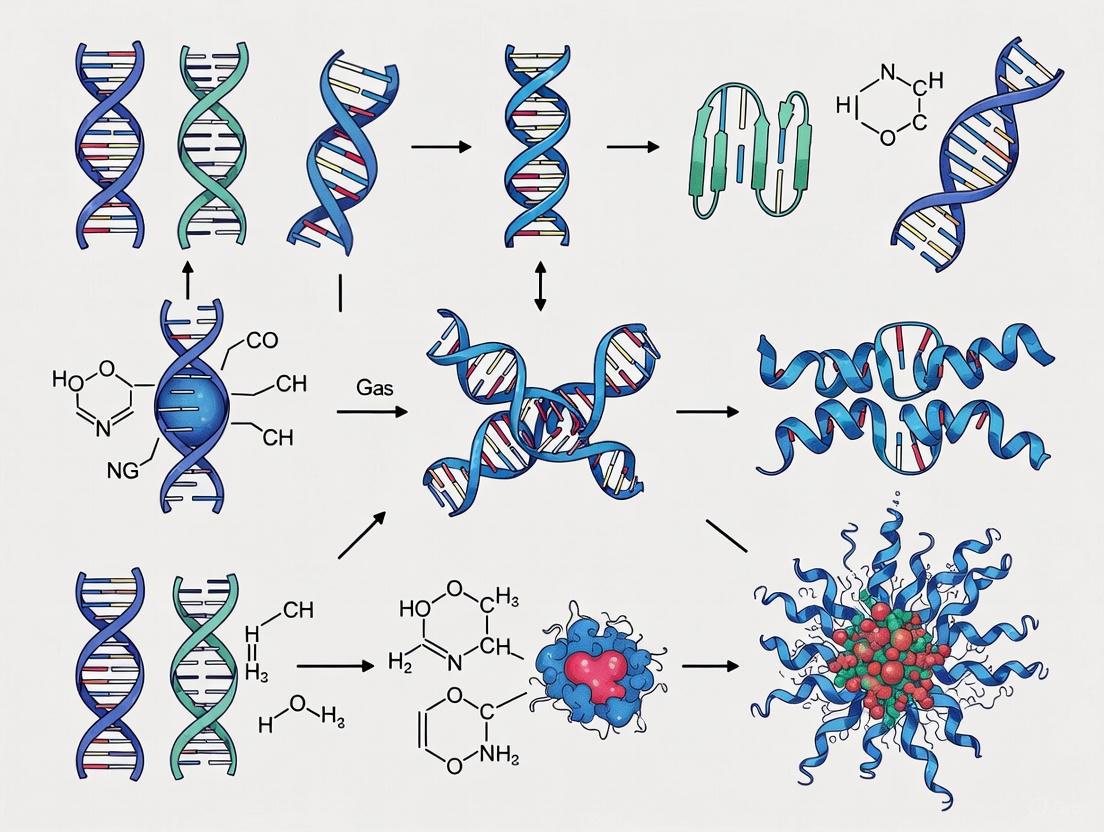
This article provides a comprehensive analysis of the molecular biology underpinning stem cell function in regenerative medicine, tailored for researchers, scientists, and drug development professionals.
Molecular Biology of Stem Cells: Mechanisms, Applications, and Clinical Translation in Regenerative Medicine
Abstract
This article provides a comprehensive analysis of the molecular biology underpinning stem cell function in regenerative medicine, tailored for researchers, scientists, and drug development professionals. It explores the foundational mechanisms of stemness, differentiation, and paracrine signaling, then details methodological advances in cell engineering and therapeutic applications for conditions from graft-versus-host disease to Parkinson's. The content addresses critical troubleshooting aspects, including tumorigenicity, standardization, and manufacturing hurdles, and concludes with a rigorous validation framework covering regulatory pathways, preclinical models, and comparative efficacy against conventional drugs. The synthesis of these four intents offers a strategic roadmap for translating stem cell biology into safe and effective clinical therapies.
Decoding Stemness: Molecular Mechanisms of Self-Renewal, Differentiation, and Cellular Plasticity
Stem cells are defined by two fundamental properties: self-renewal, the ability to go through numerous cell division cycles while maintaining an undifferentiated state, and multipotency, the capacity to differentiate into multiple specialized cell types [1]. These characteristics are paramount to the field of regenerative medicine, as they underpin the potential of stem cells to repair and regenerate damaged tissues and organs [2]. The precise orchestration of self-renewal and differentiation is governed by an intricate network of intrinsic transcription factors, epigenetic modifiers, and extrinsic signaling pathways [3]. This whitepaper provides a technical guide to the core molecular regulators and mechanisms that define stem cell fate, framed within the context of their application in therapeutic development. It details experimental protocols for assessing these characteristics, visualizes key signaling networks, and catalogues essential research reagents, offering a resource for scientists and drug development professionals advancing regenerative medicine.
The therapeutic promise of stem cells in regenerative medicine is built upon the precise control of their defining characteristics. Self-renewal is the process by which a stem cell divides to produce at least one daughter cell that retains its undifferentiated, multipotent state [4]. This process can occur through symmetric division, yielding two identical stem cells, or asymmetric division, yielding one stem cell and one differentiated progenitor cell [1]. The second property, potency, defines the developmental potential or the spectrum of specialized cell types a stem cell can generate [1]. The hierarchy of potency ranges from totipotent cells, capable of forming an entire organism, to unipotent cells, which produce only a single cell type [1]. Multipotent stem cells, which can differentiate into multiple cell types within a specific lineage, are a primary focus in therapeutic contexts, including the treatment of hematological disorders, neurodegenerative diseases, and musculoskeletal injuries [5] [6]. Disruptions in the molecular programs governing these properties are implicated in tumorigenesis, highlighting the critical need for a robust understanding of their underlying biology [4].
Core Molecular Mechanisms
The maintenance of stem cell identity and fate is regulated by a interconnected network of signaling pathways, transcription factors, and epigenetic mechanisms.
Key Signaling Pathways
Stem cell behavior is finely tuned by signals from the microenvironment, or niche [4]. Key pathways include:
- Wnt/β-catenin Signaling: This pathway is a crucial regulator of self-renewal in various stem cells, including those in the intestine and hematopoietic system [1]. In the absence of Wnt, a destruction complex—composed of proteins like Axin, APC, CK1, and GSK3β—phosphorylates β-catenin, targeting it for ubiquitination and proteasomal degradation by the E3 ubiquitin ligase SCF^β-TrCP [1]. Wnt ligand binding to Frizzled and LRP5/6 receptors inhibits the destruction complex, allowing β-catenin to accumulate, translocate to the nucleus, and associate with Tcf/Lef transcription factors to activate genes that promote self-renewal and survival [1]. The pathway is tightly controlled by membrane-associated E3 ligases like RNF43 and ZNRF3, which ubiquitinate and degrade Wnt receptors, and deubiquitylases like USP6 that stabilize them [1].
- TGF-β/BMP/Smad Signaling: The TGF-β superfamily plays diverse roles. In murine Embryonic Stem Cells (mESCs), BMP4 supports self-renewal in concert with LIF by suppressing differentiation signals and inducing Id genes [3]. In human ESCs (hESCs), the TGF-β/Activin A/Nodal branch activates Smad2/3, which sustains pluripotency by promoting the expression of core transcription factors like Nanog [3]. Conversely, BMP signaling can also induce differentiation, highlighting its context-dependent function [7].
- Transcription Factor Networks: A core set of transcription factors, including Oct4, Sox2, and Nanog, form a central regulatory network that promotes pluripotency and self-renewal by activating genes required for the undifferentiated state and repressing those involved in differentiation [3]. For example, Nanog expression can maintain self-renewal even in the absence of LIF signaling [3]. The tumor suppressor p53 acts as a counterbalance to this network, promoting differentiation and eliminating stem cells with DNA damage by repressing Nanog expression [3].
Table 1: Key Signaling Pathways Regulating Stem Cell Fate
| Pathway | Key Components | Role in Self-Renewal | Role in Differentiation | Context |
|---|---|---|---|---|
| Wnt/β-catenin | Wnt, Frizzled, LRP5/6, β-catenin, Tcf/Lef | Promotes self-renewal & survival [1] | Can direct lineage commitment [7] | Intestinal stem cells, HSCs [1] |
| TGF-β/Activin/Nodal | TGF-β, Activin, Nodal, Smad2/3 | Maintains pluripotency in hESCs [3] | Induces mesoderm/endoderm [7] | hESCs ("primed" state) [3] |
| BMP | BMP, Smad1/5/8 | Supports LIF in mESC self-renewal [3] | Induces differentiation (e.g., mesoderm) [3] | mESCs ("naïve" state) [3] |
| LIF/STAT3 | LIF, STAT3 | Promotes self-renewal in mESCs [3] | Inhibition leads to differentiation | mESCs [3] |
| Notch | Notch, Delta, Jagged | Maintains stem cell pool [7] | Influences lineage choice [7] | Neural stem cells, HSCs [7] |
| Hedgehog | Shh, Ptch, Smo, Gli | Regulates proliferation [7] | Limb/bone patterning [7] | Embryonic development [7] |
Epigenetic Regulation
Epigenetic mechanisms, including histone modifications and DNA methylation, create a chromatin landscape that is permissive for the expression of pluripotency genes while silencing those associated with differentiation. The core pluripotency factors Oct4, Sox2, and Nanog actively recruit chromatin-modifying complexes to their target genes, thereby reinforcing the pluripotent state [3].
Experimental Analysis of Stem Cell Characteristics
Rigorous experimental validation is required to confirm the functional properties of stem cells.
Assessing Self-Renewal
In Vitro Clonogenic Assays are a fundamental method for quantifying self-renewal potential.
- Objective: To determine the capacity of a single stem cell to proliferate and form a colony of undifferentiated cells.
- Protocol:
- Cell Seeding: Dissociate stem cells into a single-cell suspension. Seed cells at a very low density (e.g., 100-1,000 cells per well of a 6-well plate) to ensure that resulting colonies are clonal (derive from a single cell).
- Culture: Maintain cells in optimized stem cell culture medium containing necessary growth factors (e.g., LIF for mESCs, FGF2 and TGF-β/Activin A for hESCs) for 7-14 days.
- Fixation and Staining: After the incubation period, remove the culture medium. Fix cells with 4% paraformaldehyde (PFA) and stain with crystal violet or other dyes to visualize colonies.
- Quantification: Count the number of colonies. A colony is typically defined as a cluster of >50 cells. The efficiency is calculated as (number of colonies formed / number of cells seeded) * 100% [8].
- Key Reagents:
- Stem cell-specific culture medium.
- Growth factors (e.g., recombinant LIF, FGF2, Activin A).
- Crystal violet staining solution.
Evaluating Multipotency
In Vitro Differentiation and Lineage Analysis tests the capacity to generate multiple cell types.
- Objective: To induce and confirm differentiation of stem cells into derivatives of the three germ layers (ectoderm, mesoderm, endoderm).
- Protocol:
- Embryoid Body (EB) Formation: Harvest stem cells and transfer to non-adherent culture dishes to allow for aggregate formation in medium lacking self-renewal factors. EBs mimic early embryonic development and spontaneously differentiate.
- Directed Differentiation: Alternatively, to guide differentiation toward a specific lineage, culture cells in adherent conditions with specific inductive cues. For example:
- Analysis: After 1-3 weeks, analyze the resulting cells.
- Immunocytochemistry: Fix cells and stain with antibodies against lineage-specific markers (e.g., β-III-Tubulin for neurons (ectoderm), α-SMA for smooth muscle (mesoderm), AFP for hepatocytes (endoderm)) [8].
- Flow Cytometry: Quantify the percentage of cells expressing specific markers.
- Key Reagents:
- Non-adherent culture dishes.
- Differentiation-inducing factors (BMP4, Activin A, FGF2, Retinoic Acid).
- SMAD pathway inhibitors (Noggin, SB431542).
- Lineage-specific antibodies for immunostaining or flow cytometry.
Visualization of Molecular Pathways
The following diagrams illustrate the core signaling networks that govern stem cell self-renewal.
Wnt/β-catenin Signaling Pathway
Core Pluripotency Transcription Factor Network
The Scientist's Toolkit: Essential Research Reagents
The following table details key reagents used in the experimental protocols for studying stem cell self-renewal and multipotency.
Table 2: Essential Reagents for Stem Cell Research
| Reagent / Material | Function / Application | Example in Protocol |
|---|---|---|
| LIF (Leukemia Inhibitory Factor) | Cytokine that maintains self-renewal in mESCs via JAK-STAT signaling [3]. | Added to culture medium for mESC self-renewal assays [3]. |
| BMP4 (Bone Morphogenetic Protein 4) | TGF-β superfamily member; supports mESC self-renewal with LIF, but can also induce differentiation [3]. | Used in mESC self-renewal medium or in directed mesoderm differentiation [3]. |
| Activin A / TGF-β | Growth factors that activate Smad2/3 to maintain pluripotency in hESCs [3]. | Added to hESC culture medium; used for definitive endoderm directed differentiation [7]. |
| FGF2 (Basic Fibroblast Growth Factor) | Mitogen that supports stem cell proliferation and survival; critical for hESC culture [7]. | Base component of hESC culture medium; used in ectodermal differentiation protocols [8]. |
| CHIR99021 | Small molecule inhibitor of GSK3β; activates Wnt/β-catenin signaling. | Used to mimic Wnt signaling and promote self-renewal or direct differentiation [1]. |
| Noggin / Dorsomorphin | Inhibitors of BMP signaling. | Used to suppress spontaneous differentiation, particularly in neural induction protocols [8]. |
| SB431542 | Small molecule inhibitor of TGF-β/Activin A/Nodal signaling (ALK4/5/7). | Used in neural ectoderm differentiation to inhibit mesendodermal fates [8]. |
| Collagenase IV / Accutase | Enzymes for dissociating stem cell colonies into single cells for passaging or assays. | Used to create single-cell suspension for clonogenic assays [8]. |
| Matrigel / Laminin-521 | Extracellular matrix proteins that provide a scaffold for adherent stem cell culture. | Coated on culture vessels to support attachment and growth of hESCs/iPSCs. |
| Antibody Panels | For immunophenotyping and lineage validation via flow cytometry/immunocytochemistry. | Antibodies against Oct4, Sox2, Nanog (pluripotency); β-III-Tubulin, α-SMA, AFP (differentiation) [8]. |
The molecular biology of self-renewal and multipotency represents the cornerstone of stem cell research and its translation into regenerative medicine. The complex interplay between conserved signaling pathways, core transcriptional networks, and epigenetic mechanisms creates a stable, yet malleable, state that allows for both the maintenance of a stem cell pool and the generation of differentiated tissues. As research progresses, particularly with the integration of technologies like artificial intelligence for data analysis and the discovery of novel stem cell populations such as peripheral neural stem cells, our understanding of these defining characteristics will deepen [5] [8]. This will undoubtedly accelerate the development of safer and more effective stem cell-based therapies, drug screening platforms, and disease models, ultimately fulfilling the transformative potential of regenerative medicine.
Stem cells represent a cornerstone of regenerative medicine and developmental biology research due to their unique capacities for self-renewal and differentiation. Understanding the molecular signatures that govern stem cell identity, pluripotency, and lineage commitment is fundamental to harnessing their therapeutic potential. This technical guide provides an in-depth analysis of three principal stem cell types—embryonic stem cells (ESCs), adult mesenchymal stem cells (MSCs), and induced pluripotent stem cells (iPSCs)—within the broader context of molecular biology and regenerative medicine. We examine their defining molecular signatures, regulatory networks, and the experimental methodologies that underpin their study and application. For researchers and drug development professionals, this resource synthesizes current knowledge on stem cell biology with a focus on the molecular mechanisms that can be targeted for therapeutic development.
Embryonic Stem Cells (ESCs)
Biological Origin and Characteristics
Embryonic stem cells (ESCs) are pluripotent cells derived from the inner cell mass (ICM) of the pre-implantation blastocyst [9] [10]. Under appropriate in vitro culture conditions, ESCs can proliferate indefinitely without differentiation, a property known as "self-renewal," while simultaneously retaining the developmental potential to generate cells of all three primary germ layers, a property termed "pluripotency" [9]. The blastocyst stage occurs approximately 4-5 days after fertilization in humans and contains 50-150 cells [10]. ESCs are characterized by their capacity for unlimited self-renewal and maintenance of an undifferentiated state through numerous cell divisions, providing a consistent supply of stem cells for long-term research and therapeutic applications [10].
Key Molecular Signatures
The molecular foundation of ESC pluripotency is governed by a core set of transcription factors that constitute an integrated regulatory network. The key transcription factors include:
Oct4 (POU5F1): A POU-family transcription factor expressed throughout the pre-implantation period and in germ cell precursors [9]. Oct4 binds to the octamer motif (5'-ATGCAAAT-3') of DNA to control expression of pluripotency genes, often in partnership with Sox2 [9]. Precise regulation of Oct4 expression levels is critical, as either overexpression or underexpression causes ESC differentiation [9].
Sox2: A member of the SOX family of transcription factors containing a highly conserved HMG (high-mobility group) DNA-binding domain [9]. Sox2 is essential for ESC self-renewal and pluripotency, as knockdown or conditional deletion results in trophoblast differentiation [9]. Sox2 frequently acts as a heterodimer with Oct4 to regulate transcription of important genes including Fgf4, Nanog, Lefty1, and itself [9].
Nanog: A homeodomain-containing protein that functions in coordination with Oct4 and Sox2 to establish ESC identity [9]. Nanog expression levels fluctuate considerably in ESCs, contributing to population heterogeneity [9]. Overexpression of Nanog stabilizes an undifferentiated state by constitutively conferring self-renewal independent of growth factors, though it is not strictly required for pluripotency maintenance [9].
Table 1: Core Pluripotency Transcription Factors in ESCs
| Transcription Factor | Gene Family | Molecular Function | Phenotype of Depletion |
|---|---|---|---|
| Oct4 (POU5F1) | POU | Binds octamer motif, regulates pluripotency genes with Sox2 | Failure to form ICM; differentiation |
| Sox2 | HMG box | DNA-binding protein, partners with Oct4 | Trophoblast differentiation |
| Nanog | Homeodomain | Stabilizes undifferentiated state | Differentiation to extra-embryonic endoderm |
Additional components of the ESC molecular signature include Rex-1, TRA-1-60, TRA-1-81, SSEA-3, SSEA-4, and alkaline phosphatase activity [10]. ESCs also exhibit hypertranscription with open chromatin conformation, enabling rapid transcriptional changes during differentiation, and demonstrate telomerase activity to maintain replicative capacity [10].
Signaling Pathways Governing Self-Renewal
Mouse, rat, and human ESCs require distinct culture conditions for maintaining their pluripotent state, reflecting differences in their reliance on specific signaling pathways [9]. The LIF/Stat3 signaling pathway is crucial for mouse ESC self-renewal, while human ESCs and mouse epiblast-derived stem cells (EpiSCs) depend on Activin/TGF-β and FGF2 signaling [9]. The Wnt/β-catenin signaling pathway also contributes to self-renewal maintenance across species [9]. These pathways integrate into ESC-specific transcriptional circuitries to sustain pluripotency while suppressing differentiation programs.
Adult Mesenchymal Stem Cells (MSCs)
Adult mesenchymal stem cells (MSCs) are multipotent stromal cells that can differentiate into adipocytes, osteoblasts, and chondrocytes [11] [12] [13]. MSCs reside in nearly all adult tissues, including bone marrow (BM-MSCs), adipose tissue (AD-MSCs), periosteum, synovial membrane, muscle, dermis, pericytes, peripheral blood, dental pulp, and Wharton's jelly [11] [12]. Bone marrow aspirate is considered the most accessible and enriched source, though trabecular bone may also serve as an alternative source [11]. Unlike ESCs, MSCs have a finite lifespan in vitro and undergo cellular senescence during expansion, leading to gradual loss of differentiation potential [12].
Molecular Signature and Regulatory Networks
MSC stemness—encompassing proliferation capacity and multilineage differentiation potential—is finely regulated by transcriptional factors, cell cycle regulators, epigenetic modifiers, and mitochondrial function [12]. Key transcriptional regulators include:
Twist Family (Twist1 and Twist2): Basic helix-loop-helix (bHLH) transcription factors highly expressed in MSCs that decrease during in vitro expansion [12]. Overexpression increases STRO-1 expression (a stemness marker), promotes proliferation and adipogenesis, but inhibits osteogenesis and chondrogenesis [12]. Twist1 increases EZH2, which silences senescence genes p14 and p16 via H3K27me3 modification [12].
HOX Family: Highly conserved transcription factors that act as master regulators of cell fate, patterning, and differentiation [12]. The "HOX code" in MSCs is stable throughout life and reflects tissue origin, helping distinguish MSCs from different sources [12]. Specific members like HOXB7 enhance MSC proliferation, reduce aging markers, and improve bone and cartilage differentiation [12].
OCT4: Better known for its role in ESC pluripotency, OCT4 also plays a role in MSC stemness [12]. OCT4 expression in MSCs is influenced by serum composition, hypoxia culture, and passage number [12]. Overexpression promotes proliferation, colony-forming unit fibroblasts (CFU-F), and chondrogenesis [12].
SOX2: Reduced upon in vitro expansion but can be rescued by low cell density culture [12]. Senescent MSCs exhibit reduced SOX2 expression alongside increased senescence markers p16 and p21 [12].
Table 2: Key Transcriptional Regulators of MSC Stemness
| Regulator | Gene Family | Function in MSCs | Associated Markers/Pathways |
|---|---|---|---|
| Twist1/2 | bHLH | Promotes proliferation, adipogenesis; inhibits osteogenesis | STRO-1, EZH2, p14/p16 silencing |
| HOX Genes | Homeobox | Maintains tissue-specific "HOX code," regulates differentiation | HOXB7, HOXA5, HOXC10 |
| OCT4 | POU | Enhances proliferation, CFU-F, chondrogenesis | DNMT1, p21 suppression |
| SOX2 | HMG box | Maintains stemness, suppresses senescence | p16, p21 regulation |
Surface Marker Profile
MSCs display a characteristic but heterogeneous surface marker profile. There is consensus that MSCs do not express CD11b, glycophorin-A, or CD45 [13]. CD34 is rarely expressed in human MSCs, though it is positive in mice, while CD31 and CD117 are almost always absent from human and mouse MSCs [13]. Positive markers include:
- Stro-1: The population negative for Stro-1 lacks colony-forming capability [13]. Stro-1-positive cells can become HSC-supporting fibroblasts, smooth muscle cells, adipocytes, osteoblasts, and chondrocytes [13].
- CD106 (VCAM-1): Expressed on blood vessel endothelial and adjacent cells, consistent with a perivascular location of MSCs [13].
- CD73: A 5'-nucleotidase persistent throughout culture, making it a reliable MSC marker [13].
Other commonly expressed surface antigens include CD105, CD90/Thy-1, CD44, CD29, CD13, Flk-1/CD309, Sca-1, and CD10 [13].
Induced Pluripotent Stem Cells (iPSCs)
Historical Development and Reprogramming Factors
Induced pluripotent stem cells (iPSCs) are a type of pluripotent stem cell generated directly from somatic cells through reprogramming [14] [15] [16]. The iPSC technology was pioneered by Shinya Yamanaka and Kazutoshi Takahashi in 2006, who showed that introducing four specific genes (Myc, Oct3/4, Sox2, and Klf4), collectively known as Yamanaka factors, could convert somatic cells into pluripotent stem cells [14] [16]. This discovery earned Yamanaka the 2012 Nobel Prize, shared with John Gurdon "for the discovery that mature cells can be reprogrammed to become pluripotent" [16]. In 2007, Yamanaka and James Thomson independently reported reprogramming of human fibroblasts into iPSCs; Yamanaka used the original OSKM factors, while Thomson used OCT4, SOX2, NANOG, and LIN28 [14] [16].
Molecular Mechanisms of Reprogramming
Reprogramming somatic cells to pluripotency involves profound remodeling of chromatin structure and the epigenome, essentially reversing the developmental process [14]. The process occurs in two broad phases:
- Early Phase: Somatic genes are silenced while early pluripotency-associated genes are activated [14]. These early events are largely stochastic, presumably due to inefficient access of closed chromatin by OSKM and other transcription factors [14].
- Late Phase: Late pluripotency-associated genes are activated in a more deterministic manner [14].
Reprogramming entails changes to almost every aspect of cell biology, including metabolism, cell signaling, intracellular transport, and proteostasis [14]. When derived from fibroblasts, mesenchymal-to-epithelial transition (MET) is another critical event during reprogramming [14]. The original iPSC derivation method was slow and inefficient (0.01-0.1% efficiency), though considerable advances have improved both efficiency and timing [16].
Diagram 1: iPSC reprogramming involves sequential molecular phases
Genes Used in iPSC Generation
The original Yamanaka factors have been extensively characterized for their roles in reprogramming:
- Oct-3/4: Crucial for maintaining pluripotency; absence leads to spontaneous trophoblast differentiation [16].
- Sox2: Essential reprogramming factor; other Sox family members (Sox1, Sox3, Sox15, Sox18) can substitute with varying efficiencies [16].
- Klf4: Originally identified by Yamanaka as a reprogramming factor, though Thomson reported it was unnecessary for human iPSC generation [16].
- c-Myc: Proto-oncogene that improves reprogramming efficiency but raises safety concerns due to tumorigenic potential [16].
Additional genes that increase induction efficiency include Nanog and LIN28 [16]. Considerable effort has been devoted to developing non-integrating delivery methods and small molecule approaches to improve the safety and efficiency of iPSC generation [14].
Comparative Analysis of Molecular Signatures
Transcriptional Networks Across Stem Cell Types
While ESCs, MSCs, and iPSCs represent distinct stem cell categories, they share common regulatory elements while exhibiting unique molecular features. The core pluripotency factors Oct4, Sox2, and Nanog establish and maintain the pluripotent state in ESCs and iPSCs [9] [10]. MSCs, though multipotent rather than pluripotent, also express some of these factors (particularly Oct4 and Sox2) at variable levels, where they contribute to maintaining "stemness" and self-renewal capacity [12] [13].
Table 3: Comparative Molecular Signatures of Stem Cell Types
| Feature | ESCs | MSCs | iPSCs |
|---|---|---|---|
| Pluripotency/Multipotency | Pluripotent | Multipotent | Pluripotent |
| Core Transcription Factors | Oct4, Sox2, Nanog | Twist, HOX, OCT4, SOX2 | Oct4, Sox2, Klf4, c-Myc |
| Key Surface Markers | SSEA-3, SSEA-4, TRA-1-60, TRA-1-81 | Stro-1, CD106, CD73, CD90, CD105 | Similar to ESCs |
| Signaling Pathways | LIF/Stat3 (mouse), FGF2, TGF-β/Activin (human) | FGF2, LIF, Wnt | Similar to ESCs |
| Epigenetic Features | Open chromatin, bivalent domains | Variable during differentiation | Reset during reprogramming |
| Telomerase Activity | High | Limited | Reactivated |
| Typical Source | Blastocyst ICM | Bone marrow, adipose, other tissues | Reprogrammed somatic cells |
Epigenetic Landscapes
The epigenetic status significantly differs among stem cell types. ESCs exhibit remarkable epigenetic plasticity with open chromatin conformation, enabling rapid transcriptional changes during differentiation [10]. In ESCs, DNA methylation patterns are dynamically regulated, with promoters of pluripotency-associated genes (Oct4, Nanog) typically hypomethylated to allow active transcription [10]. Histone modifications also influence gene expression; H3K4me3 marks actively transcribed genes maintaining pluripotency, while H3K27me3 marks genes involved in differentiation pathways, keeping them repressed [10].
iPSCs undergo profound epigenetic remodeling during reprogramming, with erasure of somatic cell signatures and reestablishment of pluripotency-associated epigenetic marks [14]. The resulting epigenetic landscape closely resembles that of ESCs, though some residual epigenetic memory of the somatic cell origin may persist [14].
MSCs display epigenetic features consistent with their tissue origin and multipotent state. The Polycomb and Trithorax groups of chromatin-associated proteins may maintain repression or activation of differentiation genes in MSCs [13]. As MSCs expand in culture or differentiate, their epigenetic profiles shift accordingly to facilitate lineage commitment.
Experimental Protocols and Methodologies
Isolation and Culture Techniques
ESC Isolation from Blastocyst ICM ESCs are extracted from the ICM of blastocysts using several established methods [10]:
- Mechanical Dissection: Removing the homogeneous ICM from the trophoblast layer with a needle; fast and cost-effective without xeno-components [10].
- Laser-Assisted Biopsy: Separating specific cell groups using targeted laser pulses while preserving other cell structures [10].
- Immunosurgery: Using antibodies that bind specifically to outer cells followed by complement-mediated lysis, leaving the intact ICM for culture [10].
After isolation, the ICM is cultured on feeder layers (e.g., mouse embryonic fibroblasts) or synthetic matrices with defined media to generate ESC lines [10].
MSC Isolation from Tissues MSCs can be isolated from various tissues using different methodologies [11]:
- Bone Marrow Aspiration and Density-Gradient Centrifugation: Most common approach for BM-MSCs [11].
- Direct Plating Methods: Simple adherence-based separation exploiting MSC plastic-adherence properties [11].
- Enzymatic Digestion: Used for adipose tissue and other connective tissues [11].
- Size Sieving: Physical separation based on cell size [11].
MSCs are typically cultured in basal media supplemented with fetal bovine serum and growth factors like FGF2 to maintain stemness during expansion [11] [13].
iPSC Generation Protocol The standard protocol for iPSC generation involves [14] [16]:
- Selection of Somatic Cell Source: Typically dermal fibroblasts, but keratinocytes, peripheral blood cells, and renal epithelial cells have been successfully used [16].
- Delivery of Reprogramming Factors: Originally via retroviral or lentiviral vectors expressing OSKM factors; newer methods use non-integrating vectors, episomal plasmids, Sendai virus, or mRNA [14] [16].
- Culture Conditions: Cells are maintained in ESC culture conditions with appropriate media and matrices [14].
- Colony Selection: Emerging iPSC colonies are selected based on morphology, conditions selecting for their growth, or expression of surface markers/reporter genes [16].
- Characterization: Confirmation of pluripotency through marker expression, differentiation potential, and epigenetic status [14].
Characterization Methods
Stem cell characterization involves multiple complementary approaches:
- Surface Marker Analysis: Flow cytometry or immunocytochemistry for cell-type-specific markers [10] [13].
- Gene Expression Profiling: RT-PCR, RNA-seq, or microarrays for transcription factor expression [17].
- Differentiation Potential: In vitro differentiation into lineages of interest (e.g., three germ layers for pluripotent cells; adipogenic, osteogenic, chondrogenic for MSCs) [11] [10].
- Epigenetic Analysis: ChIP-seq for histone modifications, DNA methylation profiling [10].
- Functional Assays: Teratoma formation for pluripotent cells, CFU-F for MSCs, in vivo repair models [9] [11].
The Scientist's Toolkit: Essential Research Reagents
Table 4: Essential Research Reagents for Stem Cell Research
| Reagent Category | Specific Examples | Application/Function |
|---|---|---|
| Reprogramming Factors | Oct4, Sox2, Klf4, c-Myc (OSKM); Oct4, Sox2, Nanog, Lin28 | iPSC generation from somatic cells |
| Culture Matrices | Matrigel, recombinant laminin, vitronectin, fibronectin | Extracellular matrix support for cell growth |
| Cytokines/Growth Factors | LIF (for mouse ESCs), FGF2 (for human ESCs/iPSCs), FGF2, LIF, Wnts (for MSCs) | Maintenance of stemness and self-renewal |
| Cell Separation | Stro-1 antibody, CD106 antibody, CD73 antibody | MSC isolation and purification |
| Pluripotency Markers | Anti-Oct4, Anti-Nanog, Anti-SSEA-4, Anti-TRA-1-60 | Characterization of pluripotent stem cells |
| Differentiation Inducers | BMP4, TGF-β, ascorbic acid, dexamethasone, IBMX | Directed differentiation into specific lineages |
| Small Molecules | CHIR99021 (GSK3 inhibitor), SB431542 (TGF-β inhibitor), valproic acid | Enhance reprogramming efficiency, direct differentiation |
Diagram 2: Signaling pathways regulating stem cell self-renewal
The molecular signatures of ESCs, MSCs, and iPSCs provide critical insights into the fundamental mechanisms governing stem cell identity and behavior. ESCs represent the gold standard for pluripotency with their well-defined transcriptional network centered on Oct4, Sox2, and Nanog. MSCs, while more restricted in developmental potential, possess unique molecular signatures that maintain their multipotency and tissue-regenerative capacities. iPSCs, generated through reprogramming of somatic cells, closely mirror ESCs in their molecular features while offering unprecedented opportunities for patient-specific therapies. For regenerative medicine, understanding these molecular signatures enables better control over stem cell fate decisions, enhancing their therapeutic potential while mitigating risks such as tumorigenicity or inconsistent differentiation. As research advances, increasingly sophisticated manipulation of these molecular networks will continue to drive the development of novel stem cell-based therapies for a wide range of diseases and injuries.
Stem cells have emerged as a cornerstone of regenerative medicine, introducing a paradigm shift from conventional pharmacological treatments towards therapeutic strategies aimed at repairing and restoring damaged tissues. Unlike traditional drugs, stem cells function as dynamic, living biological drugs that can sense, adapt,, and respond to their microenvironment [18]. Their therapeutic potential is primarily mediated through three core mechanisms: differentiation into specialized cell types to replace lost or damaged cells; paracrine signaling via the secretion of bioactive factors that orchestrate repair; and immunomodulation to control inflammatory and immune responses [18] [19]. Understanding these interconnected mechanisms is critical for researchers and drug development professionals aiming to harness the full potential of stem cell-based therapies for a range of incurable diseases, from neurodegenerative disorders to chronic organ failure. This whitepaper provides an in-depth technical analysis of these mechanisms, framed within the molecular biology of stem cells, and details the experimental methodologies driving progress in the field.
Stem Cell Types and Their Therapeutic Relevance
Stem cells are classified based on their origin and differentiation potential, which directly influences their therapeutic application. The following table summarizes the key classes of stem cells relevant to regenerative medicine.
Table 1: Classification of Stem Cells and Their Therapeutic Relevance
| Classification | Differentiation Capacity | Key Examples | Therapeutic Relevance & Considerations |
|---|---|---|---|
| Totipotent Stem Cells | Can differentiate into all cell types, including extra-embryonic tissues, enabling the development of a complete organism [20]. | Fertilized zygote; two-cell stage embryo [20]. | Primarily a subject of fundamental developmental biology research; serious ethical concerns limit clinical application [20]. |
| Pluripotent Stem Cells (PSCs) | Can differentiate into cells of all three germ layers (ectoderm, mesoderm, endoderm) [18] [20]. | Embryonic Stem Cells (ESCs); Induced Pluripotent Stem Cells (iPSCs) [18] [20] [14]. | ESCs: Gold standard for pluripotency but face ethical and allogeneic immune rejection issues [18].iPSCs: Offer a patient-specific, autologous source without ethical concerns; potential tumorigenicity remains a challenge [18] [14]. |
| Multipotent Stem Cells (Adult Stem Cells) | Differentiation potential is restricted to cell types of a specific lineage or related lineages [18] [20]. | Mesenchymal Stem Cells (MSCs); Hematopoietic Stem Cells (HSCs); Neural Stem Cells (NSCs) [18] [20]. | Most commonly used in clinical trials. MSCs are widely utilized for their tri-lineage potential (osteogenic, chondrogenic, adipogenic), immunomodulatory properties, and tropism to injury sites [21] [22]. |
| Unipotent Stem Cells | Can differentiate into only one specific cell type [20]. | Skin basal cells; skeletal muscle satellite cells [20]. | Role is primarily in the maintenance and repair of their tissue of origin [20]. |
Core Therapeutic Mechanism 1: Differentiation
Differentiation is the process by which a less specialized stem cell matures into a distinct, specialized cell type with a specific function [23]. This process involves coordinated alterations in cell morphology, membrane potential, metabolic activity, and responsiveness to external signals, driven by the differential activation and repression of specific genes [23]. The ability of stem cells to replace lost or damaged cells makes this mechanism fundamental for regenerating tissues in conditions like Parkinson's disease, spinal cord injury, and osteoarthritis [18].
Molecular Biology and Signaling Pathways
Directed differentiation, whether in vivo or in vitro, relies on recapitulating developmental cues. This involves activating specific signaling pathways through growth factors, cytokines, and small molecules.
Experimental Protocols for Evaluating Differentiation
Protocol 1: In Vitro Directed Differentiation and Characterization of Dopaminergic Neurons from iPSCs for Parkinson's Disease Research
- Objective: To generate functional dopaminergic neurons from human induced Pluripotent Stem Cells (iPSCs) for in vitro modeling and therapeutic screening.
- Materials:
- Human iPSCs: Patient-specific or wild-type lines [14].
- Basal Media: DMEM/F-12, Neurobasal media.
- Growth Factors & Small Molecules:
- Dual-SMAD Inhibition: SB431542 (TGF-β inhibitor), LDN193189 (BMP inhibitor) to induce neural induction [14].
- Sonic Hedgehog (SHH) Agonist: e.g., Purmorphamine, to pattern cells to a ventral midbrain fate.
- FGF8b: Further reinforces midbrain patterning.
- BDNF & GDNF: Trophic factors that support survival and maturation of post-mitotic neurons [19].
- Extracellular Matrix: Matrigel or Laminin for coating culture vessels.
- Characterization Reagents: Antibodies for Flow Cytometry/Immunocytochemistry (e.g., against OCT4 [pluripotency], PAX6 [neural precursor], Tyrosine Hydroxylase [TH, dopaminergic neuron marker]), RT-PCR kits for gene expression analysis (e.g., NURR1, LMX1A, TH).
- Methodology:
- Neural Induction: Dissociate iPSCs to single cells and plate them on Matrigel-coated plates in media containing dual-SMAD inhibitors. Culture for 10-12 days, changing media every other day. This yields neural epithelial cells characterized by PAX6 expression.
- Midbrain Patterning: Passage the neural progenitor cells (NPCs) and culture them in media supplemented with SHH agonist and FGF8b for another 10-14 days to specify the dopaminergic progenitor fate.
- Neuronal Maturation: Withdraw patterning factors and transition cells to a maturation media containing BDNF, GDNF, and ascorbic acid. Allow cells to mature for 3-5 weeks, with media changes twice weekly.
- Functional Assessment: Analyze electrophysiological properties using patch-clamp recording to confirm neuronal functionality. Assess dopamine release via HPLC or ELISA.
- Data Analysis: Successful differentiation is quantified by the percentage of Tyrosine Hydroxylase (TH)-positive cells via flow cytometry (targeting >70% purity for therapeutic applications) and confirmation of dopaminergic gene expression profiles via qRT-PCR.
Core Therapeutic Mechanism 2: Paracrine Signaling
A paradigm shift in stem cell biology has established that the primary therapeutic benefits of stem cells are often mediated through paracrine actions rather than direct differentiation and engraftment [24] [19]. Stem cells secrete a potent cocktail of bioactive molecules—including growth factors, cytokines, chemokines, and extracellular vesicles (exosomes)—that modulate the host microenvironment [24]. This secretome can mediate myocardial protection, promote neovascularization, reduce apoptosis, and modulate immune responses, leading to functional recovery even in the absence of long-term stem cell engraftment [24] [22].
Key Paracrine Factors and Functions
The stem cell secretome is complex and mediates a wide array of effects. The table below summarizes key factors and their primary functions.
Table 2: Key Paracrine Factors Secreted by Stem Cells and Their Functions
| Secreted Factor | Primary Functions | Example Applications/Diseases |
|---|---|---|
| VEGF (Vascular Endothelial Growth Factor) | Promotes angiogenesis (formation of new blood vessels), cardioprotection [24] [19]. | Heart failure, myocardial infarction, wound healing [18] [24]. |
| HGF (Hepatocyte Growth Factor) | Angiogenesis, inhibits apoptosis and fibrosis, modulates immune responses (inhibits T-cell proliferation) [24] [19]. | Heart failure, liver disease, immune modulation [18]. |
| FGF (Fibroblast Growth Factor) | Promotes cell proliferation, tissue repair, and angiogenesis [19]. | Wound healing, bone formation, neuroprotection [19]. |
| IGF-1 (Insulin-like Growth Factor 1) | Cardioprotection, promotes cell survival, angiogenesis [19]. | Myocardial infarction, nervous system protection [19]. |
| BDNF (Brain-Derived Neurotrophic Factor) | Supports survival and function of existing neurons, encourages growth of new neurons and synapses [19]. | Neurodegenerative diseases (e.g., Parkinson's, Alzheimer's) [19]. |
| TGF-β (Transforming Growth Factor Beta) | Immunomodulation (inhibits T-cell and NK cell proliferation), involved in bone formation and ECM homeostasis [25] [19]. | Autoimmune diseases, rheumatoid arthritis, bone repair [18]. |
| Extracellular Vesicles (Exosomes) | Carry proteins, lipids, and nucleic acids (miRNAs) that can reprogram recipient cells; mediate immunomodulation and tissue repair [25]. | Emerging as a cell-free therapeutic for multiple diseases including MI and stroke [25]. |
Experimental Protocols for Analyzing Paracrine Effects
Protocol 2: Investigating Paracrine-Mediated Cardiomyocyte Protection Using MSC-Conditioned Media
- Objective: To determine the cytoprotective effects of the MSC secretome on cardiomyocytes under ischemic conditions in vitro.
- Materials:
- Source of Secretome: Human Bone Marrow-derived MSCs (BM-MSCs) [24] [21].
- Target Cells: Primary adult rat ventricular cardiomyocytes or human iPSC-derived cardiomyocytes.
- Conditioned Media (CM) Collection: Serum-free basal media (e.g., DMEM), centrifuge, 0.22 µm filter.
- Hypoxia Chamber: To simulate ischemic conditions.
- Viability/Apoptosis Assays: MTT assay kit, TUNEL assay kit, Caspase-3 activity assay kit.
- Protein Analysis: ELISA kits for specific factors (e.g., VEGF, HGF, IGF-1).
- Methodology:
- Conditioned Media Production: Culture MSCs (~80% confluency) in serum-free media for 48 hours. Collect the media, centrifuge to remove cells and debris, and filter-sterilize to produce MSC-Conditioned Media (MSC-CM). Store at -80°C [24].
- In Vitro Ischemia Model: Plate cardiomyocytes and subject them to hypoxia (1% O2) in a controlled chamber for 24 hours. The test group is cultured in MSC-CM, while control groups are in fresh serum-free media or CM from a non-therapeutic cell line (e.g., fibroblasts).
- Assessment of Cytoprotection:
- Cell Viability: Quantify using MTT assay after hypoxia exposure.
- Apoptosis: Measure the percentage of TUNEL-positive cells and Caspase-3 activity.
- Secretome Profiling: Use ELISA to quantify the concentration of key trophic factors (VEGF, HGF, IGF-1) in the MSC-CM.
- Mechanistic Validation (Optional): Perform neutralization experiments by adding antibodies against specific factors (e.g., anti-VEGF) to the MSC-CM to confirm their role in the observed cytoprotection [24].
- Data Analysis: Compare viability and apoptosis rates between MSC-CM and control groups using statistical tests (e.g., Student's t-test). Correlate the level of protection with the concentration of specific factors in the CM.
Core Therapeutic Mechanism 3: Immunomodulation
Stem cells, particularly MSCs, possess remarkable immunomodulatory properties, enabling them to interact with and suppress the activity of a broad range of immune cells in both the innate and adaptive immune systems [25] [21]. This occurs through direct cell-to-cell contact and via the release of soluble factors. This mechanism is being leveraged to treat autoimmune diseases (e.g., multiple sclerosis, Crohn's disease), graft-versus-host disease (GVHD), and to modulate the inflammatory microenvironment of damaged tissues [18] [25].
Molecular Biology and Signaling Pathways
The immunomodulatory effects of MSCs are context-dependent and involve a complex network of interactions with immune cells, mediated by both contact-dependent molecules and secreted factors.
Experimental Protocols for Evaluating Immunomodulation
Protocol 3: T-cell Proliferation Suppression Assay via MSC Co-culture
- Objective: To quantify the ability of MSCs to suppress the proliferation of activated T-cells in vitro.
- Materials:
- Immunomodulatory Cells: MSCs (from bone marrow, adipose tissue, or umbilical cord) [25] [21].
- Target Immune Cells: Peripheral Blood Mononuclear Cells (PBMCs) isolated from human blood.
- T-cell Activator: Anti-CD3/CD28 beads or Phytohemagglutinin (PHA).
- Proliferation Dye: Carboxyfluorescein succinimidyl ester (CFSE).
- Culture System: Transwell inserts (for paracrine-only studies) and direct co-culture plates.
- Flow Cytometry: Antibodies for T-cell markers (CD3, CD4, CD8).
- Methodology:
- Cell Preparation:
- Irradiate MSCs (to prevent their proliferation) and seed them in a well plate.
- Isolate PBMCs and label T-cells within the population with CFSE, which dilutes with each cell division.
- Co-culture Setup:
- Experimental Group: Add CFSE-labeled PBMCs and T-cell activator to the MSC monolayer.
- Control Groups: (1) PBMCs + activator alone (max proliferation control); (2) PBMCs without activator (background proliferation control).
- Transwell Control: PBMCs + activator cultured in the presence of MSCs in a transwell insert (to isolate paracrine effects).
- Culture and Analysis: Co-culture for 3-5 days. Harvest PBMCs and analyze CFSE dilution in the CD3+ T-cell population using flow cytometry.
- Cell Preparation:
- Data Analysis: The suppression of T-cell proliferation is calculated by comparing the percentage of divided T-cells in the experimental group to the maximum proliferation control. This quantifies the immunomodulatory potency of the MSCs and helps distinguish contact-dependent from paracrine effects.
The Scientist's Toolkit: Key Research Reagents
The following table lists essential reagents and tools for investigating the core therapeutic mechanisms of stem cells.
Table 3: Research Reagent Solutions for Stem Cell Mechanism Investigation
| Reagent / Tool Category | Specific Examples | Function in Research |
|---|---|---|
| Stem Cell Sources | Human iPSCs; Bone Marrow-derived MSCs (BM-MSCs); Umbilical Cord-derived MSCs (UC-MSCs); Adipose-derived MSCs (AD-MSCs) [21] [22]. | Provide the foundational cellular material for in vitro and in vivo studies. Source impacts paracrine profile and differentiation potential. |
| Differentiation Inducers | Growth Factors (BMP-4, FGF, VEGF); Small Molecule Agonists/Antagonists (LDN193189, SB431542, CHIR99021) [23] [14]. | Direct stem cell fate towards specific lineages by activating or inhibiting key developmental signaling pathways. |
| Characterization Antibodies | Flow Cytometry: CD73, CD90, CD105 (MSC+); CD34, CD45, HLA-DR (MSC-); OCT4 (Pluripotency); PAX6 (Neural); Tyrosine Hydroxylase (Dopaminergic) [21] [22]. | Essential for validating cell identity, purity, and successful differentiation before and after experiments. |
| Secretome Analysis Tools | ELISA Kits (for VEGF, HGF, TGF-β); Multiplex Immunoassays (Luminex); Exosome Isolation Kits; Mass Spectrometry [24] [19]. | Identify and quantify the bioactive molecules (proteins, lipids, miRNAs) responsible for paracrine effects. |
| Immunomodulation Assay Kits | CFSE Cell Proliferation Kit; TUNEL Apoptosis Assay Kit; Cytokine ELISA Kits (IFN-γ, TNF-α, IL-10); Anti-CD3/CD28 T-cell Activation Beads [25]. | Enable functional assessment of stem cell-mediated effects on immune cell proliferation, survival, and cytokine secretion. |
| Genetic Engineering Tools | CRISPR/Cas9 System (for gene knockout, e.g., B2M for immune evasion, or knock-in, e.g., IL-10 for enhanced immunomodulation) [26]. | Allows for precise genetic modification of stem cells to enhance their therapeutic properties or study the function of specific genes. |
Advanced Engineering and Enhancement Strategies
To overcome challenges such as poor in vivo survival, limited engraftment, and heterogeneous therapeutic effects, researchers are developing advanced strategies to enhance stem cell potency.
Genetic Engineering with CRISPR/Cas9: The CRISPR/Cas9 system is used to precisely edit the genome of stem cells to create enhanced therapeutic products [26]. Key strategies include:
- Knockout of β2-microglobulin (B2M): Disrupts the MHC-I complex, creating "immune stealth" allogeneic MSCs that evade host T-cell recognition, paving the way for "off-the-shelf" therapies [26].
- Augmentation of Anti-inflammatory Mediators: Genes for factors like IL-10 or TSG-6 can be knocked in to overexpress and enhance the immunomodulatory capacity of MSCs [26].
- Disruption of Pro-inflammatory Pathways: Knocking out genes in the TLR4/NF-κB pathway can make MSCs more resilient in hostile inflammatory microenvironments [26].
Preconditioning and Priming: Exposing stem cells to sub-lethal stress before transplantation can enhance their performance.
- Hypoxic Preconditioning: Mimicking the ischemic target environment in culture can upregulate pro-survival and angiogenic genes (e.g., VEGF, HIF-1α), improving the cells' tolerance to injury and their paracrine output [24] [19].
- Cytokine Priming: Incubating MSCs with inflammatory cytokines like IFN-γ can upregulate critical immunomodulatory enzymes like Indoleamine 2,3-dioxygenase (IDO), boosting their immunosuppressive capacity upon administration [25].
The emerging "living drug" paradigm conceptualizes stem cells not merely as therapeutic agents but as dynamic systems that perceive, process, and respond to microenvironmental signals in a biologically sophisticated manner. This in-depth technical guide examines the complex mechanisms through which stem cells integrate biophysical and biochemical cues from their niche to direct fate decisions, with profound implications for regenerative medicine. We synthesize current understanding of mechanotransduction pathways, signaling networks, and biophysical regulation of stem cell behavior, providing detailed methodologies for investigating these interactions and highlighting cutting-edge applications in tissue engineering. By framing stem cells as integrative living processors within a molecular biology context, this review aims to equip researchers and drug development professionals with the foundational knowledge and technical frameworks needed to advance the next generation of stem cell-based therapeutics.
Stem cells function as sophisticated biological processors that continuously integrate multidimensional inputs from their microenvironment to govern fate decisions including self-renewal, differentiation, migration, and apoptosis. This "living drug" paradigm positions stem cells not as passive therapeutic entities but as active participants that dynamically interact with their host environment to exert therapeutic effects [7]. The stem cell microenvironment, or "niche," represents a complex signaling landscape composed of soluble biochemical factors, neighboring cells, and physical and mechanical cues from the extracellular matrix (ECM) [27] [28]. These elements form an integrated signaling network that collectively regulates stem cell behavior through precise spatiotemporal control of intracellular signaling pathways.
The extracellular matrix serves as a fundamental component of this niche, providing both a structural scaffold and a rich source of regulatory information [27]. Beyond its traditional role as a physical support structure, the ECM functions as a critical signaling reservoir that directly influences stem cell fate through its biochemical composition, topographical features, and mechanical properties [29] [30]. ECM signaling operates through multiple complementary mechanisms: as a source of specific chemical motifs recognized by cellular receptors, as a scaffold for immobilizing and presenting soluble signaling factors, and as a mechanical cue through its structural and elastic properties [29]. Understanding how stem cells integrate these diverse signals is essential for advancing their therapeutic application in regenerative medicine.
Fundamental Mechanisms of Microenvironmental Cue Integration
Mechanical Cue Sensing and Transduction
Stem cells possess sophisticated mechanosensory machinery that enables them to detect and respond to physical properties of their microenvironment, particularly substrate stiffness and topographical features [28] [30]. This process, known as mechanotransduction, begins with integrin-mediated adhesion to the ECM, which connects the external mechanical environment to the internal cytoskeleton [31] [29]. When stem cells adhere to substrates of varying stiffness, they generate intracellular traction forces through actomyosin contraction, and the resultant deformation provides feedback about the mechanical properties of their surroundings [30]. The substrate rigidity that matches native tissue mechanics often promotes corresponding lineage specification—soft matrices that mimic brain tissue encourage neural differentiation, while stiffer matrices that resemble bone promote osteogenic differentiation [28] [29].
Table 1: Mechanical Cues and Their Impact on Stem Cell Fate
| Mechanical Cue | Physiological Range | Cellular Sensors | Stem Cell Response | Differentiation Outcome |
|---|---|---|---|---|
| Substrate Stiffness | Brain: ~0.1-1 kPaMuscle: ~8-17 kPaBone: ~25-40 kPa | Integrins, Focal Adhesions, Cytoskeleton | Cytoskeletal reorganization, Altered traction forces | Soft: NeurogenicIntermediate: MyogenicStiff: Osteogenic |
| Topography | Nanoscale pits/grooves (50-500 nm)Fiber alignment | Focal Adhesions, Cytoskeleton | Contact guidance, Altered cell shape | Aligned fibers: TenogenicNanopits: OsteogenicRandom fibers: Multipotent |
| Shear Stress | 0.1-20 dyn/cm² | Primary Cilia, Ion Channels, Integrins | Cytoskeletal alignment, Calcium signaling | Endothelial differentiation, Hematopoietic commitment |
| Mechanical Strain | 5-15% elongation0.5-2 Hz frequency | Integrins, Cytoskeleton, Focal Adhesions | Focal adhesion reinforcement, Cytoskeletal realignment | Smooth muscle differentiation, Ligament formation |
The mechanical information gathered from the ECM is transmitted to the nucleus through multiple interconnected pathways. A key mechanism involves the linkage of the cytoskeleton to the nuclear envelope via the LINC complex, allowing direct mechanical coupling between extracellular cues and nuclear organization [31]. This physical connection influences chromatin organization, gene accessibility, and ultimately transcriptional programs that dictate stem cell fate [31]. Additionally, mechanical forces can activate various signaling pathways including YAP/TAZ signaling through cytoskeletal tension, Rho GTPase signaling through force-dependent conformational changes in regulatory proteins, and calcium signaling through mechanosensitive ion channels [28]. These pathways collectively translate physical cues into biochemical signals that direct stem cell behavior.
Biochemical Signaling Networks
Stem cell fate decisions are coordinately regulated by an intricate network of evolutionarily conserved signaling pathways that respond to soluble factors, cell-cell contacts, and ECM-derived signals. The Wnt/β-catenin pathway plays a pivotal role in maintaining stemness and self-renewal across multiple stem cell types [7]. In the absence of Wnt signaling, cytoplasmic β-catenin is continuously degraded by a destruction complex. Wnt ligand binding to Frizzled receptors disrupts this complex, allowing β-catenin to accumulate and translocate to the nucleus where it activates transcription of target genes including those involved in cell cycle progression and inhibition of differentiation [7].
The TGF-β/BMP signaling pathway exemplifies the context-dependent nature of stem cell regulation. TGF-β signaling generally maintains pluripotency in embryonic stem cells through SMAD2/3 activation, whereas BMP signaling (a TGF-β superfamily member) often promotes differentiation through SMAD1/5/8 activation [7]. This pathway demonstrates how closely related signals can produce divergent outcomes depending on cellular context and the specific ligands involved. Additional critical pathways include Notch signaling mediated through direct cell-cell contact and proteolytic cleavage events, Hedgehog signaling important for patterning and tissue morphogenesis, and FGF signaling which regulates proliferation and survival [7]. These pathways do not operate in isolation but exhibit extensive crosstalk, creating a signaling network that integrates multiple environmental inputs to determine stem cell fate.
Table 2: Key Signaling Pathways in Stem Cell Regulation
| Signaling Pathway | Key Receptors & Components | Endogenous Activators | Pharmacological Modulators | Stem Cell Functions |
|---|---|---|---|---|
| Wnt/β-catenin | Frizzled, LRP5/6, β-catenin, GSK-3β | Wnt proteins, R-spondins | CHIR99021 (activator)IWP-2 (inhibitor) | Self-renewal, pluripotency maintenance, fate specification |
| TGF-β/BMP | TGF-βR, BMPR, SMADs 1/5/8, SMADs 2/3 | TGF-β, BMPs, GDFs, Nodal | SB431542 (TGF-β inhibitor)Dorsomorphin (BMP inhibitor) | Pluripotency (TGF-β), differentiation (BMP), EMT |
| Notch | Notch 1-4, DLL, Jagged, γ-secretase | DLL1, DLL4, Jagged1 | DAPT (inhibitor)Jagged1-Fc (activator) | Cell fate decisions, progenitor maintenance, lateral inhibition |
| Hedgehog | Patched, Smoothened, Gli1/2/3 | Sonic Hedgehog, Desert Hedgehog | Purmorphamine (activator)Cyclopamine (inhibitor) | Patterning, osteogenic differentiation, tissue morphogenesis |
| Hippo | MST1/2, LATS1/2, YAP/TAZ | Cell density, mechanical cues | Verteporfin (YAP inhibitor) | Mechanotransduction, proliferation, organ size control |
Piezoelectric Biomaterials: Bridging Mechanical and Electrical Signaling
A groundbreaking advancement in stem cell microenvironment engineering involves the use of piezoelectric biomaterials that convert mechanical forces into endogenous electrical signals [32]. These materials, including polyvinylidene fluoride (PVDF) and poly(L-lactic acid) (PLLA), recapitulate the bioelectrical cues naturally present during development and wound healing without requiring external power sources [32]. When subjected to mechanical deformation—whether from physiological movements, external ultrasound, or cell traction forces—these materials generate localized electrical potentials that significantly influence stem cell behavior.
The mechanisms through piezoelectric stimulation affects stem cells include enhancing integrin-mediated adhesion, promoting focal adhesion maturation, and directing migratory responses through activation of voltage-gated calcium channels and subsequent calcium signaling [32]. The generated electrical fields influence the adsorption and conformation of adhesion proteins like fibronectin on material surfaces, leading to improved cell-material interactions [32]. Representative applications demonstrate the versatility of this approach across tissue types: piezoelectric scaffolds enhance bone regeneration by responding to mechanical loading, promote neural differentiation through electrical stimulation mimicking native bioelectric patterns, and support cartilage and muscle repair by providing dynamic electromechanical cues [32].
Experimental Methodologies for Investigating Stem Cell-Microenvironment Interactions
Engineering Controlled Microenvironments
Advanced material science approaches have enabled the creation of precisely engineered platforms to systematically investigate how specific microenvironmental parameters influence stem cell behavior. Substrate stiffness modulation is typically achieved using tunable hydrogels based on materials like polyacrylamide or polyethylene glycol, where cross-linking density can be controlled to produce substrates with defined elastic moduli matching various tissue types [29]. For example, to study mesenchymal stem cell differentiation, researchers commonly employ substrates ranging from soft (0.1-1 kPa for neural differentiation) to stiff (25-40 kPa for osteogenic differentiation) [28] [29].
Surface topographical patterning utilizes nanofabrication techniques including electron-beam lithography, capillary force lithography, and colloidal self-assembly to create features with controlled dimensions and spatial organization [29] [30]. These platforms have revealed that nanoscale pits, grooves, and pillars with specific geometries can direct stem cell fate independent of biochemical factors. For instance, disordered nanoscale pits with approximately 120nm diameter and 100nm depth promote osteogenic differentiation of mesenchymal stem cells, while aligned nanofibers with 800nm diameter direct tenogenic differentiation [29]. A standard protocol involves creating polydimethylsiloxane (PDMS) stamps with defined topographic features through soft lithography, then using these stamps to pattern UV-curable polyurethane acrylate (PUA) resins to create large-area substrates with nanoscale features for cell culture [30].
Piezoelectric material characterization requires specialized approaches to correlate electrical output with biological responses. Standard protocols involve fabricating electrospun PVDF or PLLA nanofibers, then polarizing them under high electric fields to enhance piezoelectric properties [32]. The piezoelectric output is quantified using atomic force microscopy in piezoelectric force mode or custom-built compression systems while monitoring electrical potential. For biological testing, stem cells are seeded on these materials and subjected to controlled mechanical stimulation (e.g., cyclic strain, ultrasound) while monitoring calcium flux, focal adhesion development, and differentiation markers [32].
Signaling Pathway Manipulation and Analysis
Targeted manipulation of key signaling pathways enables researchers to dissect the molecular mechanisms underlying stem cell responses to microenvironmental cues. Small molecule inhibitors and activators provide temporal control over pathway activity. For example, to investigate Wnt/β-catenin signaling in mechanotransduction, researchers use GSK-3β inhibitors like CHIR99021 to activate the pathway or small molecules like IWP-2 that inhibit Wnt secretion [7]. Standard protocols involve treating stem cells cultured on stiffness-tunable hydrogels with pathway-specific modulators at optimized concentrations (typically 1-10 μM) followed by analysis of pathway activity and differentiation markers.
Gene editing approaches, particularly CRISPR/Cas9-based systems, allow precise manipulation of mechanosensitive components. Knockout of YAP/TAZ transcription factors or integrin subunits reveals their necessity in mechanotransduction pathways [31]. A typical workflow involves designing guide RNAs targeting genes of interest, transducing stem cells with lentiviral Cas9 and gRNA constructs, selecting stable knockout populations, and assessing their response to mechanical cues compared to wild-type cells. Rescue experiments with wild-type or mutant constructs further elucidate structure-function relationships.
Advanced imaging techniques are essential for visualizing the dynamic reorganization of mechanosensitive components. For live-cell imaging of focal adhesion dynamics, stem cells expressing fluorescently-tagged paxillin or zyxin are cultured on engineered substrates and imaged using TIRF microscopy [29]. Fluorescence resonance energy transfer (FRET)-based biosensors enable visualization of molecular tension across specific proteins, revealing how forces are distributed within cells responding to mechanical cues [31]. For nuclear mechanotransduction studies, stem cells expressing fluorescently-labeled LINC complex components or emerin are combined with strain devices on microscope stages to visualize real-time nuclear deformations under mechanical stress.
The Scientist's Toolkit: Essential Research Reagents and Platforms
Table 3: Research Reagent Solutions for Studying Stem Cell-Microenvironment Interactions
| Research Tool Category | Specific Products/Platforms | Key Applications | Technical Considerations |
|---|---|---|---|
| Tunable Hydrogel Systems | Polyacrylamide gels, PEG-based hydrogels, HA-based matrices, Alginate gels | Substrate stiffness studies, 3D microenvironment modeling, Mechanotransduction assays | Stiffness range: 0.1 kPa - 100 kPa, Ligand density control, Degradation tunability |
| Topographical Substrates | Nanofabricated PUA surfaces, Electrospun nanofibers, Micropatterned PDMS, Commercial Nanotopography Plates (e.g., NanoTopoChip) | Contact guidance studies, Nuclear mechanotransduction, Differentiation screening | Feature size: 50 nm - 5 μm, Pattern regularity, Scalability, Optical compatibility |
| Piezoelectric Biomaterials | Electrospun PVDF nanofibers, PLLA scaffolds, Barium Titanate (BaTiO3) composites, PVDF-TrFE coatings | Bioelectrical cue studies, Mechanoelectrical transduction, Dynamic stimulation | Polarization requirements, Piezoelectric coefficient (d33), Biocompatibility, Degradation profile |
| Mechanosensing Reagents | FRET-based tension sensors, YAP/TAZ activity reporters, Calcium indicator dyes (Fluo-4, Fura-2), Integrin activation antibodies | Real-time force visualization, Pathway activation monitoring, Ion flux measurements | Signal-to-noise ratio, Photostability, Compatibility with live-cell imaging, Multiplexing capacity |
| Signaling Modulators | CHIR99021 (Wnt activator), SB431542 (TGF-β inhibitor), Verteporfin (YAP inhibitor), Blebbistatin (Myosin II inhibitor) | Pathway necessity studies, Fate manipulation, Mechanism dissection | Specificity at working concentration, Temporal control, Reversibility, Toxicity thresholds |
Current Challenges and Future Perspectives
Despite significant advances in understanding stem cell-microenvironment interactions, several challenges remain for therapeutic translation. A primary limitation is the balance between piezoelectric output and biocompatibility in smart biomaterials [32]. While inorganic piezoelectric materials like barium titanate offer high piezoelectric coefficients, their brittleness and limited biodegradability present challenges for physiological integration [32]. Organic polymers like PVDF and PLLA provide better biocompatibility and processability but exhibit lower piezoelectric performance. Future directions include developing hybrid composite materials that optimize both electromechanical properties and biological compatibility [32].
The complex feedback between mechanical and biochemical signaling presents another fundamental challenge. Stem cells not only respond to mechanical cues but also actively remodel their ECM, thereby altering the mechanical signals they receive [31] [30]. This dynamic reciprocity creates an evolving feedback loop that is difficult to capture in standard in vitro systems. Advanced engineered platforms that allow real-time monitoring and adjustment of both mechanical and biochemical parameters will be essential for deciphering these complex interactions [29]. Similarly, the precise sensing mechanisms for various mechanical cues remain incompletely elucidated, requiring continued research to identify novel mechanosensors and their roles in stem cell biology [32] [31].
For clinical translation, major hurdles include controlling stimulation parameters in vivo and ensuring consistent responses across patient-specific stem cell populations [32]. The development of non-invasive activation methods, such as ultrasound-responsive piezoelectric scaffolds, offers promising approaches for spatial and temporal control of therapeutic stimulation [32]. Additionally, the integration of patient-specific iPSCs with engineered microenvironments enables personalized approaches that account for genetic variability in mechanosensitivity [7].
Future research directions will likely focus on multi-cue integrative platforms that simultaneously present mechanical, topographical, and biochemical signals in a spatially and temporally controlled manner [29] [30]. The emerging field of organ-on-a-chip technologies provides sophisticated platforms for studying these complex interactions in physiologically relevant contexts. Additionally, the integration of artificial intelligence with microenvironment engineering promises to accelerate the optimization of niche parameters for specific therapeutic applications [33]. As these technologies mature, the "living drug" paradigm will increasingly incorporate dynamic, responsive microenvironments that guide stem cell behavior with unprecedented precision, ultimately enabling more effective and predictable regenerative therapies.
The "living drug" paradigm represents a fundamental shift in how we conceptualize stem cell therapeutics—from passive agents to dynamic integrators of microenvironmental information. Through sophisticated mechanosensory apparatus and signaling networks, stem cells continuously process biophysical and biochemical cues to determine fate decisions with remarkable precision. The experimental methodologies and engineering platforms discussed herein provide researchers with powerful tools to decipher these complex interactions and harness them for therapeutic purposes. As we advance our understanding of how stem cells integrate multidimensional niche signals, we move closer to realizing the full potential of regenerative medicine, where stem cells can be precisely guided to repair and regenerate damaged tissues with unprecedented efficiency and specificity.
Diagram: Stem Cell Mechanotransduction Signaling Pathway
Diagram: Experimental Workflow for Piezoelectric Scaffold Testing
From Bench to Bedside: Engineering Stem Cells and Their Clinical Applications
The convergence of induced pluripotent stem cell (iPSC) technology and precision gene editing tools represents a paradigm shift in regenerative medicine. This synergy enables the creation of patient-specific cellular therapeutics that can be tailored to correct genetic defects, model complex diseases, and deliver targeted interventions. The foundational discovery by Takahashi and Yamanaka that somatic cells could be reprogrammed into pluripotent stem cells using defined factors (OSKM: OCT4, SOX2, KLF4, c-MYC) established a new platform for cellular reprogramming [34] [35]. Subsequent integration of CRISPR-Cas systems has further revolutionized this field by providing unprecedented capability to precisely modify the genome of these pluripotent cells, creating corrected cellular products for therapeutic applications [36] [37]. This technical guide examines current methodologies, applications, and challenges in combining these powerful technologies to develop next-generation cellular therapeutics.
Technical Foundations
iPSC Reprogramming Methodologies
The generation of iPSCs from somatic cells requires delivery and expression of specific transcription factors that initiate epigenetic remodeling and restore pluripotency.
Core Reprogramming Factors: The original Yamanaka factors (OSKM) remain the foundation, though optimized combinations have emerged:
- OCT4 and SOX2: Master regulators of pluripotency; considered essential core factors
- KLF4: Facilitates chromatin remodeling; can be substituted with KLF2 or KLF5
- c-MYC: Enhances proliferation but poses tumorigenic risks; often replaced with L-MYC or omitted
- Alternative Combinations: OCT4, SOX2, NANOG, and LIN28 (OSNL) provide an effective alternative without c-MYC [34] [35]
Table 1: iPSC Reprogramming Factor Combinations and Characteristics
| Factor Combination | Key Components | Efficiency | Safety Considerations | Primary Applications |
|---|---|---|---|---|
| OSKM | OCT4, SOX2, KLF4, c-MYC | High | Tumorigenicity concerns with c-MYC | General research use |
| OSK | OCT4, SOX2, KLF4 | Moderate | Improved safety profile | Therapeutic applications |
| OSNL | OCT4, SOX2, NANOG, LIN28 | Moderate | Reduced oncogenic risk | Disease modeling |
| Minimal (NSCs) | OCT4 alone | Low | Highest safety profile | Neural lineage applications |
Reprogramming Delivery Systems: Multiple vector systems have been developed with varying integration profiles and efficiency:
- Integrating Viral Vectors: Retroviruses and lentiviruses provide high efficiency but pose insertional mutagenesis risks
- Non-integrating Methods: Sendai virus, episomal plasmids, and mRNA transfection offer improved safety profiles
- Chemical Reprogramming: Small molecule combinations that eliminate genetic manipulation entirely [34] [37]
Recent advances have significantly improved reprogramming efficiency through supplementation with small molecules such as valproic acid (VPA), sodium butyrate, and 8-Br-cAMP, which enhance chromatin accessibility and epigenetic remodeling [34].
CRISPR-Cas Systems for Gene Editing
Precise genetic manipulation in iPSCs utilizes CRISPR-Cas systems optimized for efficiency and specificity.
Guide RNA Design Considerations: Advanced algorithms now inform gRNA selection:
- On-target Efficiency: Dictated by sequence composition, chromatin context, and epigenetic features
- Off-target Minimization: Mismatch tolerance, genomic position, and chromatin environment
- AI-Enhanced Prediction: Deep learning models (CRISPRon, CRISPR-Net) integrate sequence features with epigenomic data to predict gRNA performance [36]
Table 2: AI Models for CRISPR Guide RNA Design
| Model | Key Features | Applications | Year |
|---|---|---|---|
| CRISPRon | Integrates sequence + epigenetic features; deep learning architecture | Cas9 on-target efficiency prediction | 2021 |
| CRISPR-Net | CNN + bi-directional GRU architecture; analyzes guides with mismatches/indels | Off-target effect quantification | 2020 |
| Kim et al. model | Machine learning prediction of SpCas9 variant activity | Guide selection for non-NGG PAM targets | 2020 |
| MultiCRISPR-EGA | Elitist Genetic Algorithm for multiplexed gRNA arrays | Optimizing gRNA arrays for synthetic biology | 2025 |
Editing Efficiency Optimization: Recent benchmarking demonstrates that dual-targeting gRNA strategies (targeting the same gene with two guides) can enhance knockout efficiency, though may trigger heightened DNA damage response [38]. Minimal library designs using principled gRNA selection (e.g., Vienna library with top VBC-scored guides) achieve equivalent or superior performance to larger libraries while reducing costs and screening complexity [38].
Integrated Workflow for Tailored Cellular Therapeutics
The production of gene-edited iPSC-derived therapeutics follows a sequential pipeline with multiple quality control checkpoints.
Experimental Protocols
Protocol 1: Integration-free iPSC Generation Using mRNA Reprogramming
- Somatic Cell Preparation: Culture patient-derived fibroblasts or peripheral blood mononuclear cells in appropriate medium
- mRNA Transfection: Complex modified mRNA encoding OCT4, SOX2, KLF4, c-MYC (OSKM) with lipofectamine or similar reagent
- Daily Transfection: Repeat transfection for 14-18 days with daily medium changes
- Colony Picking: Manually pick emerging iPSC colonies based on embryonic stem cell-like morphology
- Expansion and Banking: Expand validated clones and cryopreserve multiple vials [34] [35]
Critical Considerations: Include IFN-γ inhibitor in medium to reduce immune activation response to exogenous mRNA. Use defined, xen-free culture conditions for therapeutic applications.
Protocol 2: CRISPR-Cas9 Mediated Gene Correction in iPSCs
- gRNA Design: Select high-efficiency, low off-target risk guides using AI prediction tools (e.g., VBC scores, Rule Set 3)
- Ribonucleoprotein (RNP) Complex Formation: Incubate purified Cas9 protein with synthetic gRNA for 15-20 minutes at room temperature
- Electroporation: Deliver RNP complexes with donor DNA template using iPSC-optimized electroporation parameters
- Enrichment: Use transient antibiotic selection or FACS sorting if applicable
- Clonal Isolation: Single-cell sort into 96-well plates with ROCK inhibitor to enhance survival
- Genotyping: Screen clones using PCR, restriction fragment length analysis, and Sanger sequencing [36] [38]
Critical Considerations: Include off-target prediction and assessment for top candidate clones. Verify karyotypic integrity after editing.
Clinical Applications and Current Trials
Gene-edited iPSCs are advancing toward clinical application across multiple disease areas, with several programs in active trials.
Neurodegenerative Diseases: iPSC-derived dopaminergic neurons for Parkinson's disease and motor neurons for amyotrophic lateral sclerosis (ALS) represent promising applications. Patient-specific iPSCs can be genetically corrected then differentiated into specific neuronal subtypes for transplantation [34] [39]. Disease modeling using edited iPSCs enables drug screening and mechanistic studies of conditions like Alzheimer's disease, schizophrenia, and bipolar disorder [39].
Hematological Disorders: The first FDA-approved CRISPR-based therapy, Casgevy, for sickle cell disease and transfusion-dependent beta thalassemia demonstrates the clinical viability of gene editing approaches [40]. While Casgevy edits adult hematopoietic stem cells, similar strategies are being applied to iPSC-derived hematopoietic progenitors to create renewable sources of corrected blood cells [37].
Clinical Trial Landscape: Recent trials show promising results:
- hATTR Amyloidosis: Intellia Therapeutics' Phase I trial using LNP-delivered CRISPR-Cas9 achieved ~90% reduction in disease-related TTR protein with effects sustained beyond two years [40]
- Hereditary Angioedema: Same platform demonstrated 86% reduction in kallikrein and significant reduction in attacks [40]
- Personalized Therapies: First bespoke in vivo CRISPR treatment developed for infant with CPS1 deficiency in just six months, demonstrating feasibility of rapid personalized approaches [40]
The Scientist's Toolkit: Essential Research Reagents
Table 3: Key Reagents for Gene-Edited iPSC Workflows
| Reagent Category | Specific Examples | Function | Considerations |
|---|---|---|---|
| Reprogramming Factors | OCT4, SOX2, KLF4, c-MYC mRNA | Induction of pluripotency | Integration-free methods preferred for therapeutics |
| Gene Editing Enzymes | SpCas9, AsCas12a, base editors | Targeted genome modification | High-purity, nuclease-free grades reduce toxicity |
| Cell Culture Media | mTeSR, Essential 8, Astrocyte Medium | Maintenance and differentiation | Defined, xeno-free formulations for clinical applications |
| Differentiation Factors | BDNF, GDNF, CHIR99021, Retinoic Acid | Lineage specification | Stage-specific application critical for efficiency |
| Analysis Antibodies | Anti-OCT4, SOX2, NANOG, TRA-1-60 | Pluripotency verification | Validation for flow cytometry and immunocytochemistry |
| Selection Markers | Puromycin, G418, Fluorescent reporters | Enrichment of edited cells | Transient selection minimizes persistent expression |
Signaling Pathways in Lineage Specification
Directed differentiation of gene-edited iPSCs requires precise activation and inhibition of key developmental signaling pathways to achieve target cell phenotypes.
Research has elucidated specific signaling requirements for joint lineage specification, with TGF-β signaling identified as necessary and sufficient for induction of Gdf5 (a joint formation marker), while inhibition of either Wnt or MAPK signaling significantly enhances this induction [41]. Similar precise pathway manipulations guide neural specification, with TGF-β, BMP, WNT, and FGF pathways directing differentiation toward GABAergic, glutamatergic, and dopaminergic neuronal subtypes as well as astrocytes [39].
The integration of precision gene editing with iPSC reprogramming has created unprecedented opportunities for developing tailored cellular therapeutics. As AI-guided gRNA design enhances editing efficiency [36] and optimized differentiation protocols improve functional maturation [39], the field moves closer to realizing the potential of patient-specific regenerative treatments. Current clinical successes in monogenic disorders [40] provide a roadmap for expanding applications to more complex conditions. Remaining challenges include optimizing delivery systems, ensuring genomic integrity, and scaling manufacturing processes. The continuing evolution of both gene editing and stem cell technologies promises to accelerate the development of effective cellular therapeutics for a broad spectrum of human diseases.
The field of regenerative medicine is increasingly focused on identifying and targeting specific molecular pathways to combat complex diseases. Within the context of stem cell biology, understanding these molecular mechanisms is crucial for developing targeted therapies that can halt or reverse disease progression. This whitepaper provides a comprehensive technical analysis of key clinical targets across three major disease categories—musculoskeletal, neurodegenerative, and cardiovascular—with particular emphasis on their relevance to stem cell research and therapeutic development. The integration of advanced molecular biology techniques with stem cell technology represents a paradigm shift in how researchers approach these challenging conditions, moving from symptomatic management to potentially curative interventions that address underlying pathological mechanisms.
Molecular Targets in Musculoskeletal Diseases
Key Pathological Mechanisms and Therapeutic Targets
Musculoskeletal diseases (MSDs) encompass a broad spectrum of conditions including osteoarthritis (OA), rheumatoid arthritis (RA), psoriatic arthritis (PsA), osteoporosis, and Duchenne muscular dystrophy (DMD). These conditions place a significant burden on healthcare systems worldwide and substantially reduce patients' quality of life [42]. Recent advances in molecular biology have reshaped both research and clinical strategies for these conditions, with progress in genomics, transcriptomics, and proteomics enabling more precise mapping of signaling pathways involved in disease pathogenesis [42].
Table 1: Key Molecular Targets in Musculoskeletal Diseases
| Disease | Molecular Target | Biological Function | Therapeutic Approach | Research Status |
|---|---|---|---|---|
| Osteoarthritis | Aggrecan gene VNTR locus, DVWA gene | Cartilage integrity, extracellular matrix composition | Genetic risk assessment, regenerative therapy | Preclinical validation [42] |
| Osteoarthritis | Integrin αvβ3 | Chondrocyte inflammation, cartilage repair | Targeted anti-inflammatory therapy | In vitro studies [42] |
| Rheumatoid Arthritis | IL-17A, Dkk1, TGF-β1 | Synovial inflammation, joint destruction | Early biomarker for biologic therapy | Clinical correlation established [42] |
| Duchenne Muscular Dystrophy | DMD gene (exon 45) | Dystrophin production, muscle membrane stability | Antisense oligonucleotide (Casimersen) | FDA-approved [42] |
| Duchenne Muscular Dystrophy | Ang/Tie2 signaling pathway | Vascular maturation, muscle perfusion | Promotes mature vascular formation | Preclinical (mouse models) [42] |
| Osteoporosis | RANK/RANKL/OPG pathway | Bone remodeling, osteoclast activation | Denosumab (RANKL inhibitor) | Clinically approved [42] |
The identification of key molecular players such as cytokines, integrins, matrix metalloproteinases, and microRNAs has expanded our knowledge and opened new avenues for biomarker discovery and therapeutic target identification [42]. For instance, specific genetic markers including the Variable Number Tandem Repeat (VNTR) locus of the aggrecan gene and the rs7639618 locus of the Double Von Willebrand factor A (DVWA) domain-containing protein gene have been identified as potential risk factors for knee OA in women from specific populations [42]. These discoveries highlight the importance of genetic predisposition in MSDs and present opportunities for personalized medicine approaches.
Stem Cell Applications and Regenerative Strategies
Stem cell therapy approaches for musculoskeletal diseases increasingly focus on modulating specific molecular pathways. Cell-based therapies using mesenchymal stem cells (MSCs), both directly and via secreted exosomes, are being actively explored for tissue regeneration [42]. MSC-derived exosomes demonstrate significant potential for modulating the joint microenvironment, reducing inflammation, and promoting cartilage repair, with several advantages over traditional cell-based treatments including lower immunogenicity and better targeted delivery [42].
Engineered biomaterials such as hydrogels are under investigation for localized drug delivery and structural support, offering innovative approaches for OA treatment [42]. These biomaterials can be designed to respond to specific molecular cues in the diseased joint environment, creating feedback loops that enhance therapeutic efficacy while minimizing off-target effects. The integration of stem cell biology with advanced biomaterials represents a promising frontier in musculoskeletal regenerative medicine.
Molecular Targets in Neurodegenerative Diseases
Key Pathological Mechanisms and Therapeutic Targets
Neurodegenerative diseases are a heterogeneous group of disorders characterized by progressive loss of neurological function due to neuronal damage in the central nervous system (CNS). These include Alzheimer's disease (AD), Parkinson's disease (PD), amyotrophic lateral sclerosis (ALS), multiple sclerosis (MS), Alexander disease (AxD), Huntington's disease (HD), and spinal muscular atrophy (SMA) [43]. The incidence of these conditions is increasing worldwide, a trend associated with increasing human life expectancy [43].
Table 2: Key Molecular Targets in Neurodegenerative Diseases
| Disease | Molecular Target | Biological Function | Therapeutic Approach | Research Status |
|---|---|---|---|---|
| Amyotrophic Lateral Sclerosis | SOD1 gene | Oxidative stress management, free radical elimination | Antioxidant therapy, gene correction | Familial ALS cases [43] |
| Amyotrophic Lateral Sclerosis | C9orf72 gene | Nucleocytoplasmic transport, gene regulation | Antisense oligonucleotides | 30-50% of familial ALS [43] |
| Amyotrophic Lateral Sclerosis | TDP-43 protein | RNA metabolism, protein aggregation | Protein clearance, aggregation inhibition | Sporadic and familial ALS [43] |
| Multiple Sclerosis | Myelin sheath proteins | Nerve insulation, signal conduction | Immunomodulation, remyelination | Disease-modifying therapies available [44] |
| Alzheimer's Disease | Amyloid-β, Tau proteins | Protein homeostasis, neuronal structure | Immunotherapy, aggregation inhibitors | Clinical trials ongoing [44] [45] |
| Huntington's Disease | Huntingtin (HTT) protein | Neuronal function, gene regulation | DNA/RNA-targeting therapies | Clinical trials underway [45] |
The molecular mechanisms controlling replication, transcription, translation, protein synthesis, and gene regulation form the basis for understanding numerous processes in the organism and developing new diagnostic and therapeutic approaches [43]. In the context of neurodegenerative diseases, molecular basis refers to changes at the molecular level that cause damage to or degeneration of nerve cells, including protein aggregates leading to pathological structures in brain cells, impaired protein transport in nerve cells, mitochondrial dysfunction, inflammatory processes, or genetic mutations that impair nerve cell function [43].
For ALS, four main categories of pathophysiological processes can be identified: impaired RNA metabolism, altered proteostasis/autophagy, cytoskeletal/transport defects, and mitochondrial dysfunction [43]. The formation of mutant RNA-binding proteins (RBPs; e.g., fused in sarcoma [FUS] and transactive response DNA binding protein 43 kDa [TDP-43]) interferes with RNA metabolism, resulting in extensive changes in transcription and splicing [43]. Additionally, the aggregation of cytoplasmic proteins (TDP-43 and superoxide dismutase [SOD1]) alters proteostasis and autophagy, preventing the removal of harmful proteins [43].
Stem Cell Applications and Regenerative Strategies
New medical therapies for neurodegenerative diseases based on molecular mechanisms include gene therapies, reduction in inflammation and oxidative stress, and the use of miRNAs and regenerative medicine [43]. The traditional management of neurological disorders only alleviates the severity of symptoms without eliminating the cause of the diseases, and the search for new treatments is hindered by the permeability of the blood-brain barrier (BBB) [43], making stem cell-based approaches particularly attractive for their potential to overcome these limitations.
Stem cells play a crucial role in regenerative medicine and exhibit the extraordinary ability to differentiate into various cell types and to renew themselves [46]. Their intrinsic capacity to repair and regenerate tissues holds immense promise for revolutionizing therapeutic interventions for neurodegenerative conditions [46]. The combination of stem cells with cutting-edge technologies like 3D bioprinting and 3D culture systems can revolutionize tissue engineering and organ regeneration, potentially creating functional neural tissues for transplantation [47].
Diagram 1: Stem cell counteracts neurodegenerative pathways.
Molecular Targets in Cardiovascular Diseases
Key Pathological Mechanisms and Therapeutic Targets
Cardiovascular diseases remain a leading cause of morbidity and mortality worldwide, with aneurysmal diseases standing out as particularly insidious threats [48]. Aneurysms—characterized by the localized dilation and weakening of blood vessel walls—pose a significant health risk due to their potential for rupture and ensuing life-threatening hemorrhage [48]. The molecular pathology of aneurysms is crucial to understand, as it can reveal fundamental mechanisms driving vessel wall degeneration and identify points of intervention to halt disease progression [48].
Table 3: Key Molecular Targets in Cardiovascular Diseases
| Disease | Molecular Target | Biological Function | Therapeutic Approach | Research Status |
|---|---|---|---|---|
| Abdominal Aortic Aneurysm | Matrix Metalloproteinases (MMPs) | Extracellular matrix degradation | MMP inhibitors, anti-inflammatory therapy | Preclinical and clinical studies [48] |
| Abdominal Aortic Aneurysm | NF-κB signaling | Pro-inflammatory gene expression | ATM kinase inhibitors, antioxidants | Macrophage in vitro models [48] |
| Abdominal Aortic Aneurysm | Microbial enzymes (peptidylprolyl isomerase) | Vascular wall integrity, inflammation | Microbiome modulation | Human tissue analysis [48] |
| Thoracic Aortic Aneurysm | FBN1, COL3A1, MYH11 genes | Connective tissue integrity | Genetic screening, personalized monitoring | Variants of uncertain significance identified [48] |
| Atherosclerosis | Macrophage phenotypes | Plaque formation, inflammation | macrophage polarization control | Single-cell resolution [49] |
| Myocardial Fibrosis | TGF-β, PDGF, TIMPs | Fibroblast activation, ECM regulation | Anti-fibrotic mediators | Multiple cardiac disease contexts [49] |
Growing research efforts have focused on unraveling the complex molecular underpinnings of aneurysm formation and progression in the broader context of cardiovascular disease [48]. Key topics of interest include vascular remodeling, extracellular matrix (ECM) degradation, the role of inflammatory signaling pathways, and the identification of novel molecular targets for therapy [48]. Recent studies have explored the role of microbial factors in AAA pathology, comparing the microbiome of aneurysmal aortic walls to gut, blood, and healthy vessel controls in AAA patients [48]. Certain bacterial genera—including Acinetobacter, Burkholderia, Escherichia, and Sphingobium—are significantly more abundant in aneurysm tissue than in normal vessel walls [48].
Genetic factors also play a critical role in predisposing to or modulating vascular remodeling and aneurysm risk. Massive parallel sequencing of 53 genes known to be associated with hereditary aortic disease has sought variants that might explain aneurysm susceptibility, identifying variants of uncertain significance (VUS) in a subset of individuals [48]. Some of these VUS were located in genes with known roles in aortic disease, such as FBN1, COL3A1, and MYH11—genes definitively linked to connective tissue integrity and aneurysm syndromes [48].
Stem Cell Applications and Regenerative Strategies
The immune response holds a pivotal role in cardiovascular disease development [49]. As multifunctional cells of the innate immune system, macrophages play an essential role in initial inflammatory response that occurs following cardiovascular injury, thereby inducing subsequent damage while also facilitating recovery [49]. The diverse phenotypes and phenotypic alterations of macrophages strongly associate with distinct types and severity of cardiovascular diseases, including coronary heart disease, valvular disease, myocarditis, cardiomyopathy, heart failure, atherosclerosis and aneurysm [49].
Stem cell therapy represents a groundbreaking frontier in modern medicine for cardiovascular conditions, offering unprecedented potential to address a wide range of debilitating diseases [46]. Stem cells possess unique properties, including self-renewal and differentiation into specialized cell types, making them indispensable for regenerative medicine applications [46]. The historical journey of stem cell research, from foundational contributions in the late 19th and early 20th centuries to recent breakthroughs like the isolation of embryonic stem cells and induced pluripotent stem cells, highlights the monumental progress in medical science [46].
Diagram 2: Stem cell sources and applications.
Experimental Approaches and Research Methodologies
Advanced Molecular Techniques for Target Identification
The identification and validation of molecular targets across musculoskeletal, neurodegenerative, and cardiovascular diseases rely on sophisticated experimental approaches. Progress in genomics, transcriptomics, and proteomics has enabled more precise mapping of signaling pathways involved in disease pathogenesis [42]. These technologies allow researchers to identify key molecular players such as cytokines, integrins, matrix metalloproteinases, and microRNAs, expanding our knowledge and opening new avenues for biomarker discovery and therapeutic target identification [42].
Single-cell RNA sequencing (scRNA-seq) has emerged as a particularly powerful tool for elucidating cellular heterogeneity, microenvironmental signaling, and intracellular regulation during disease processes [49]. This technology has revealed macrophage heterogeneity, cell-cell interactions, and downstream mechanisms of therapeutic targets at unprecedented resolution, bringing new perspectives into macrophage-mediated mechanisms and potential therapeutic targets in cardiovascular diseases [49]. Similarly, in neurodegenerative research, scRNA-seq enables the characterization of diverse neural cell types and their states in healthy and diseased conditions.
Massive parallel sequencing of gene panels associated with specific diseases represents another crucial methodology. In cardiovascular research, sequencing of 53 genes known to be associated with hereditary aortic disease has been used to investigate the genetic underpinnings of thoracic aortic aneurysm in patient cohorts [48]. This approach helps identify variants that might explain disease susceptibility, even in apparently sporadic cases without clear family history.
Stem Cell-Specific Methodologies and Workflows
Stem cell research employs specialized methodologies that enable both basic investigation and therapeutic development. The integration of stem cells with gene editing techniques, particularly CRISPR-Cas9 systems, presents unprecedented opportunities for precise genetic modification, correcting disease-causing mutations and opening avenues for personalized therapies [46] [47]. These techniques allow researchers to create precise disease models and develop genetically corrected cell populations for therapeutic applications.
Diagram 3: Stem cell experimental workflow.
Three-dimensional culture systems and bioprinting technologies have revolutionized stem cell research by providing more physiologically relevant environments. Recent breakthroughs have shown that combining stem cells with cutting-edge technologies like 3D bioprinting and 3D culture systems can revolutionize tissue engineering and organ regeneration [47]. 3D bioprinting allows precise construction of complex tissue structures, bringing us closer to recreating functional organs for transplantation. These advanced culture systems enable better modeling of human diseases and more accurate assessment of therapeutic responses.
The Scientist's Toolkit: Essential Research Reagents
Table 4: Essential Research Reagents for Molecular Target Validation
| Reagent Category | Specific Examples | Research Applications | Key Functions |
|---|---|---|---|
| Stem Cell Culture Media | mTeSR, StemFlex, ReproTF | Pluripotent stem cell maintenance | Provides essential nutrients and signaling molecules for stem cell self-renewal |
| Differentiation Kits | Cardiomyocyte, neuron, chondrocyte differentiation kits | Directed differentiation of stem cells | Induces lineage-specific differentiation through defined factors |
| Gene Editing Tools | CRISPR-Cas9 systems, nucleases, gRNA libraries | Genetic modification, gene function studies | Enables precise genome editing and genetic correction |
| scRNA-seq Kits | 10X Genomics Chromium, Smart-seq | Single-cell transcriptomic profiling | Enables high-resolution analysis of cellular heterogeneity |
| Cytokines & Growth Factors | TGF-β, BMP, FGF, VEGF families | Cell signaling studies, differentiation protocols | Modulates specific signaling pathways in disease processes |
| Molecular Probes & Inhibitors | ATM inhibitors (AZD0156), MMP inhibitors | Target validation, pathway modulation | Specifically inhibits or activates molecular targets |
| Antibodies for Characterization | OCT4, NANOG, SSEA-4, lineage-specific markers | Stem cell characterization, differentiation validation | Identifies and validates cell types and states |
The identification and targeting of molecular pathways in musculoskeletal, neurodegenerative, and cardiovascular diseases represents a transformative approach in regenerative medicine. The integration of stem cell biology with advanced molecular techniques has created unprecedented opportunities for understanding disease mechanisms and developing targeted therapies. As research progresses, the focus is shifting toward personalized approaches that account for individual genetic variations, disease subtypes, and specific molecular profiles.
Future directions in the field include precision medicine integration, immune modulation strategies, advancements in gene editing technologies, and synergies with bioengineering [46]. These developments will likely lead to continued evolution of personalized regenerative therapies that can be tailored to individual patient needs and specific disease characteristics. The convergence of stem cell science with other advanced technologies like artificial intelligence and multi-omics approaches will further accelerate the discovery of novel molecular targets and therapeutic strategies.
Despite significant progress, challenges remain in the clinical translation of these approaches, including the need for standardized protocols, deeper mechanistic insights, and rigorous safety evaluations [42]. Addressing these challenges will require continued collaboration between basic scientists, clinical researchers, and industry partners to ensure that promising molecular targets can be effectively developed into safe and efficacious therapies for patients suffering from these debilitating conditions.
The field of regenerative medicine is undergoing a profound transformation, moving from theoretical promise to clinical reality. This shift is anchored in the molecular biology of stem cells—the pluripotent and multipotent progenitors capable of self-renewal and differentiation. The recent U.S. Food and Drug Administration (FDA) approvals of Ryoncil, Lyfgenia, and Omisirge represent paradigm shifts in therapeutic strategy, each leveraging distinct stem cell properties and molecular mechanisms. These therapies span the spectrum from unmodified allogeneic cellular therapies to genetically modified autologous products and ex vivo expanded donor cells, illustrating three divergent paths to clinical application. This whitepaper provides a technical analysis of these landmark therapies, detailing their molecular mechanisms, clinical trial outcomes, manufacturing processes, and experimental protocols to inform future research and development in stem cell-based regenerative medicine.
Ryoncil (remestemcel-L-rknd): First MSC Therapy for SR-aGVHD
Molecular Mechanism of Action: Ryoncil is an allogeneic, bone marrow-derived mesenchymal stromal cell (MSC) product approved for treating steroid-refractory acute graft-versus-host disease (SR-aGVHD) in pediatric patients [50]. The molecular mechanism of MSCs in mitigating GVHD involves complex immunomodulatory signaling. When exposed to the inflammatory microenvironment of SR-aGVHD, MSCs respond through paracrine signaling and direct cell-cell contact [51]. Key mechanistic pathways include:
- Soluble Factor Secretion: In response to inflammatory cytokines (IFN-γ, TNF-α, IL-1), MSCs release anti-inflammatory mediators including prostaglandin E2 (PGE2), transforming growth factor-β (TGF-β), indoleamine-2,3-dioxygenase (IDO), hepatocyte growth factor (HGF), and vascular endothelial growth factor (VEGF) [51].
- T-cell Modulation: MSC-secreted factors suppress effector T-cell proliferation and promote expansion of regulatory T-cells (Tregs) through multiple pathways including IL-2 receptor alpha (IL-2Rα) suppression [51].
- Tissue Repair Enhancement: Trophic factors secreted by MSCs accelerate epithelial repair in damaged tissues, particularly in the gastrointestinal tract, a primary target in SR-aGVHD [51].
Clinical Trial Design and Outcomes: The approval was based on a prospective, single-arm Phase III trial in 54 pediatric patients with grade II-IV SR-aGVHD [52] [51]. Patients received Ryoncil infusions without additional systemic second-line agents, following a protocol of twice-weekly infusions for four weeks, with additional infusions permitted for poor response or disease flare [51].
Table 1: Clinical Outcomes for Ryoncil in Pediatric SR-aGVHD
| * Efficacy Parameter* | Result | Trial Details |
|---|---|---|
| Day 28 Overall Response | 70% | Combination of complete and partial response [51] |
| 6-Month Survival | 69% | Nearly three-quarters of patients had Minnesota high-risk aGVHD [51] |
| Immunosuppression Discontinuation | >50% | Within six months post-treatment [51] |
| Chronic GVHD Incidence | 2 patients | Only two developed moderate-to-severe chronic GVHD [51] |
Lyfgenia (lovotibeglogene autotemcel): Lentiviral Gene Therapy for Sickle Cell Disease
Molecular Mechanism of Action: Lyfgenia is an autologous cell-based gene therapy that utilizes a lentiviral vector (LVV) for genetic modification of hematopoietic stem cells (HSCs) to treat sickle cell disease (SCD) in patients 12 years and older with a history of vaso-occlusive events (VOEs) [53] [54]. The therapeutic mechanism involves:
- Genetic Modification: Patient-derived CD34+ HSCs are transduced ex vivo with a lentiviral vector encoding βA-T87Q globin gene, which produces a hemoglobin variant (HbAT87Q) that functions similarly to normal adult hemoglobin (hemoglobin A) but contains a single amino acid substitution (threonine instead of glutamine at position 87) that inhibits polymerization [53] [54].
- Anti-Sickling Effect: HbAT87Q has reduced sickling propensity, decreasing vaso-occlusion and hemolysis that characterize SCD pathophysiology [54].
- Autologous Transplantation: After myeloablative conditioning with busulfan, genetically modified cells are reinfused, enabling long-term production of red blood cells containing the therapeutic hemoglobin [53].
Clinical Trial Design and Outcomes: The safety and effectiveness of Lyfgenia were evaluated in a single-arm, 24-month multicenter study in patients with SCD and history of VOEs between ages 12-50 [53]. Effectiveness was based on complete resolution of VOEs (VOE-CR) between 6 and 18 months after infusion [53].
Table 2: Clinical Outcomes for Lyfgenia in Sickle Cell Disease
| Efficacy Parameter | Result | Patient Population |
|---|---|---|
| VOE Complete Resolution | 88% (28/32 patients) | Between 6-18 months post-infusion [53] |
| Globin Response Rate | 86% (31/36 patients) | Meeting HbAT87Q ≥30% and hemoglobin increase criteria [54] |
| Median Total Hemoglobin | 11.8 g/dL | Post-treatment [54] |
| Median Time to Neutrophil Engraftment | 20 days | Range: 12-35 days [54] |
| Median Time to Platelet Engraftment | 35 days | Range: 19-136 days [54] |
Omisirge (omidubicel-onlv): Nicotinamide-Modified Allogeneic Transplant
Molecular Mechanism of Action: Omisirge is an allogeneic nicotinamide (NAM)-modified cellular therapy derived from umbilical cord blood and approved for adults and pediatric patients (12 years and older) with hematologic malignancies who are planned for umbilical cord blood transplantation following myeloablative conditioning [55] [56]. Its mechanism centers on:
- Nicotinamide Modulation: Ex vivo treatment of cord blood-derived hematopoietic progenitor cells with nicotinamide, a form of vitamin B3, which modulates molecular pathways that enhance engraftment potential [56].
- Stem Cell Expansion: NAM modification promotes the expansion of hematopoietic stem and progenitor cells while inhibiting differentiation, resulting in a graft with enhanced regenerative capacity [57].
- Hematopoietic Reconstitution: After myeloablative conditioning, the modified cells are transplanted to accelerate neutrophil recovery and reduce infection incidence [55].
Clinical Trial Design and Outcomes: Omisirge was studied in randomized trials comparing it to standard umbilical cord blood transplantation in patients with hematologic malignancies [56]. The primary endpoints focused on engraftment kinetics and infection reduction.
Table 3: Clinical Outcomes for Omisirge in Hematologic Malignancies
| Efficacy Parameter | Omisirge Result | Comparative Benefit |
|---|---|---|
| Time to Neutrophil Recovery | Significantly accelerated | Reduced compared to standard UCB transplantation [57] |
| Infection Incidence | Significantly reduced | Compared to standard UCB transplantation [55] |
| Transplant Delivery | Expanded donor options | Addresses limitations of HLA-matched donor availability [56] |
Experimental Protocols and Methodologies
Ryoncil Manufacturing and Potency Assay Protocol
Manufacturing Process:
- Donor Selection: Bone marrow aspiration from healthy adult donors after rigorous screening [51]
- Cell Expansion: MSCs are isolated and expanded in culture under controlled conditions [51]
- Quality Control: Comprehensive testing for viability, purity, sterility, and potency [52]
- Cryopreservation: Final product cryopreserved as off-the-shelf therapy [51]
Critical Potency Assay Methodology: The refined potency assay implemented for Ryoncil addresses previous batch variability issues [51]:
- IL-2Rα Suppression Assay: MSCs are co-cultured with activated T-cells
- Flow Cytometry Analysis: IL-2 receptor alpha (IL-2Rα) expression on T-cells is quantified
- Potency Criteria: Lots must demonstrate significant suppression of IL-2Rα expression compared to controls
- Correlation Validation: The in vitro suppression correlates with reduced numbers of activated T-cells in vivo [51]
All lots of Ryoncil met this potency standard, unlike the earlier Prochymal product where fewer than 70% of lots met potency criteria [51].
Lyfgenia Vector Transduction Protocol
Manufacturing Workflow:
- HSC Mobilization and Collection: Patient HSCs mobilized with plerixafor and collected via apheresis [54]
- LVV Transduction: CD34+ cells are transduced ex vivo with lentiviral vector encoding βA-T87Q globin gene
- Quality Assessment: Vector copy number (VCN) analysis confirms successful transduction [54]
- Myeloablative Conditioning: Patients receive busulfan conditioning [53]
- Reinfusion: Modified cells are administered via intravenous infusion [53]
Vector Copy Number (VCN) Analysis:
- Method: Digital droplet PCR on transduced CD34+ cells
- Acceptance Criteria: Median VCN of 4.0 copies/diploid genome (range: 2.3-6.6) [54]
- Safety Monitoring: Integration site analysis to assess potential insertional mutagenesis risk
Omisirge Nicotinamide Modification Protocol
Manufacturing Process:
- Cord Blood Selection: Umbilical cord blood units obtained from screened donations [57]
- NAM Treatment: Cells cultured with nicotinamide under defined conditions
- Ex Vivo Expansion: Hematopoietic progenitor populations expanded in culture [56]
- Final Product Formulation: Cells harvested, quantified, and prepared for transplantation [55]
Quality Control Testing:
- Cell Viability and Count: Determination of total nucleated cell count and CD34+ cell count
- Sterility Testing: Comprehensive microbial testing including endotoxin
- Potency Assays: Functional assessment of engraftment potential [57]
Signaling Pathways and Molecular Mechanisms
Ryoncil MSC Immunomodulatory Pathway
Diagram 1: Ryoncil MSC immunomodulation pathway in SR-aGVHD (82 characters)
Lyfgenia Genetic Modification Pathway
Diagram 2: Lyfgenia genetic modification and mechanism (75 characters)
Omisirge Hematopoietic Reconstitution Pathway
Diagram 3: Omisirge mechanism for hematopoietic recovery (78 characters)
The Scientist's Toolkit: Essential Research Reagents
Table 4: Essential Research Reagents for Stem Cell Therapy Development
| Reagent/Category | Specific Examples | Research Function | Therapeutic Application |
|---|---|---|---|
| Potency Assay Components | IL-2Rα suppression assay; Flow cytometry antibodies | Standardized assessment of MSC immunomodulatory function [51] | Ryoncil batch quality control |
| Lentiviral Vector Systems | LVV encoding βA-T87Q; Transduction enhancers | Genetic modification of hematopoietic stem cells [54] | Lyfgenia manufacturing |
| Gene Editing Tools | CRISPR/Cas9 components; Guide RNAs | Genome editing for genetic diseases [53] | Casgevy (alternative SCD therapy) |
| Cell Culture Supplements | Nicotinamide (NAM); Cytokine cocktails | Ex vivo expansion of hematopoietic stem cells [56] | Omisirge manufacturing |
| Cell Separation Media | CD34+ selection systems; Ficoll density gradient | Isolation of specific cell populations [54] | All three therapies |
| Cryopreservation Solutions | DMSO-based cryoprotectants; Controlled-rate freezing media | Long-term storage of cellular products [51] | All three therapies |
Regulatory Pathways and Clinical Development Considerations
The regulatory journeys of these therapies illustrate the evolving landscape for stem cell-based product approval:
Ryoncil faced initial regulatory challenges, receiving a Complete Response Letter in September 2020 before ultimately gaining approval in December 2024 after addressing Chemistry, Manufacturing, and Controls (CMC) concerns and providing additional efficacy data [52]. This highlights the critical importance of potency assay standardization and manufacturing consistency for living cell products.
Lyfgenia and the CRISPR-based therapy Casgevy were approved concurrently in December 2023, both receiving Priority Review, Orphan Drug, Fast Track, and Regenerative Medicine Advanced Therapy (RMAT) designations [53] [54]. Lyfgenia's label includes a black box warning for hematologic malignancy risk, reflecting the need for lifelong monitoring of patients receiving lentiviral-based therapies [53].
Omisirge approved in April 2023, addresses significant limitations in donor availability for allogeneic hematopoietic cell transplantation, particularly for racially and ethnically diverse patients who are underrepresented in donor registries [56].
The approvals of Ryoncil, Lyfgenia, and Omisirge represent transformative milestones in stem cell-based regenerative medicine, each leveraging distinct molecular mechanisms and technological platforms. These therapies demonstrate the progression from basic stem cell biology to clinically applicable treatments for life-threatening conditions. Future developments will likely focus on manufacturing optimization, potency assay refinement, and personalized treatment approaches that match specific patient profiles to optimal therapeutic platforms. The continued evolution of iPSC-derived therapies and gene editing technologies promises to further expand this therapeutic landscape, offering new hope for patients with conditions that currently lack effective treatments. As the field advances, the integration of deep molecular characterization with clinical development will be essential for realizing the full potential of stem cell biology in regenerative medicine.
The molecular biology of stem cells has fundamentally reshaped regenerative medicine research, creating a new paradigm where these cells are not just therapeutic agents but foundational tools for understanding disease and evaluating drug safety. The traditional drug development pipeline, often reliant on animal models and immortalized cell lines, faces significant challenges in predicting human-specific toxicity and efficacy. Stem cells, particularly human induced pluripotent stem cells (hiPSCs), offer a revolutionary alternative by providing a limitless source of human-specific cells for constructing physiologically relevant models of human tissues and organs. This whitepaper details the current methodologies, applications, and quantitative frameworks for deploying stem cell-based models in drug discovery and toxicity screening, underscoring their critical role in de-risking pharmaceutical development and creating more predictive non-clinical models.
The hiPSC Foundation: Engineering Reporters for Toxicity Screening
The capacity to engineer hiPSCs to report on specific cellular stress pathways represents a significant advancement in predictive toxicology. The following protocol details the generation of renal organoids engineered to report on oxidative stress, a common mediator of nephrotoxicity.
Experimental Protocol: Engineering Oxidative Stress-Reportable Renal Organoids
Aim: To generate human renal organoids from hiPSCs engineered with a luminescent or fluorescent reporter for oxidative stress (e.g., under the control of an Nrf2-responsive element) for high-throughput nephrotoxicity screening [58].
Materials:
- REPROCELL StemRNA Clinical iPSC Seed Clones: GMP-compliant, clinically relevant starting material with comprehensive regulatory documentation [57].
- Culture Vessels: 6-well plates, ultra-low attachment 96-well U-bottom plates for 3D aggregation.
- Key Small Molecules & Growth Factors: CHIR99021 (GSK3β inhibitor), FGF9, Activin A, Retinoic Acid for directed differentiation towards nephron lineages.
- Reporter Construct: Lentiviral vector containing a constitutive promoter driving a selectable marker (e.g., puromycin resistance) and an antioxidant response element (ARE) promoter driving luciferase/GFP.
- Lentiviral Packaging System: psPAX2, pMD2.G, and transfection reagent (e.g., polyethylenimine).
- Toxicity Compound Panel: Positive controls (e.g., Cisplatin, Gentamicin) and novel compounds for screening.
Methodology:
- hiPSC Culture and Expansion: Maintain REPROCELL StemRNA hiPSCs in feeder-free conditions using defined mTeSR1 medium. Passage cells enzymatically with ReLeSR when 70-80% confluent.
- Engineering Reporter hiPSCs: a. Produce third-generation lentivirus by co-transfecting HEK-293T cells with the reporter construct, psPAX2, and pMD2.G. b. Concentrate viral supernatant via ultracentrifugation. c. Transduce hiPSCs at ~70% confluence in the presence of 8 µg/mL polybrene. d. 48 hours post-transduction, select successfully transduced cells with 1 µg/mL puromycin for 5-7 days.
- Renal Organoid Differentiation: a. Dissociate engineered hiPSCs to single cells and aggregate 10,000 cells per well in U-bottom plates in differentiation medium. b. Day 0-4: Induce mesoderm with 8 µM CHIR99021. c. Day 4-7: Specify intermediate mesoderm by switching to medium with 200 ng/mL FGF9 and 1 µg/mL Heparin. d. Day 7-18: Promote nephron formation with 3 ng/mL Activin A and 1 µM Retinoic Acid. Change medium every 2-3 days.
- Toxicity Screening Assay: a. Day 18: Transfer mature organoids to 384-well assay plates. b. Treat with a panel of test compounds across a 10-point, half-log serial dilution (e.g., 1 nM to 100 µM) in triplicate. Include vehicle and positive control wells. c. Endpoint (24-72h): Measure reporter signal (luminescence/fluorescence) and a cell viability marker (e.g., ATP content via CellTiter-Glo 3D). d. Data Analysis: Calculate IC50 values for viability and EC50 values for reporter induction. The ratio of reporter activation to cell death provides a quantitative index of oxidative stress-mediated toxicity.
Research Reagent Solutions for hiPSC-Based Toxicity Models
Table 1: Essential Research Reagents for Advanced Stem Cell Models.
| Research Reagent | Function & Application in Toxicity Screening |
|---|---|
| StemRNA Clinical iPSC Seed Clones | Provides a standardized, GMP-compliant, and regulatoily documented starting cell source for generating reproducible organoids [57]. |
| ReproTracker Assay | A specialized hiPSC-based in vitro assay used to investigate compound interference with early embryonic development and predict teratogenic potential as a non-animal alternative [59]. |
| Engineered Reporter hiPSCs | Parental hiPSC lines genetically modified with stress-responsive reporters (e.g., oxidative stress, DNA damage, unfolded protein response) for mechanism-specific toxicity profiling [58]. |
| Directed Differentiation Kits | Commercially available, optimized reagent kits for the robust and consistent differentiation of hiPSCs into specific target cell types (e.g., hepatocytes, cardiomyocytes, neurons). |
| 3D Culture Matrices | Synthetic or natural hydrogels (e.g., Basement Membrane Matrix) that provide a physiologically relevant 3D scaffold for supporting complex organoid growth and maturation [2]. |
Quantitative Landscape of Stem Cell Models in Drug Development
The adoption of stem cell models is supported by a growing body of clinical-scale data and an expanding pipeline of regulated products, providing a quantitative foundation for their predictive value.
Clinical Trial Safety and Scale
As of December 2024, a major review of the global clinical trial landscape for pluripotent stem cell (PSC)-derived products revealed 115 clinical trials involving 83 distinct PSC-derived products. A significant milestone for safety was reached, with over 1,200 patients dosed with more than 10¹¹ cells collectively, and no significant class-wide safety concerns reported [57]. This safety profile is particularly encouraging for the field's use in predictive modeling.
Regulatory Progress and Approved Modalities
The regulatory environment has evolved to accommodate advanced stem cell therapies, which in turn validates the models used in development. Key recent FDA approvals include:
Table 2: Recently FDA-Approved Stem Cell-Based Therapies (2023-2025).
| Therapy Name | Approval Date | Cell Type / Platform | Indication | Key Outcome |
|---|---|---|---|---|
| Omisirge (omidubicel) | April 17, 2023 | Cord Blood-Derived Hematopoietic Progenitor Cells | Hematologic malignancies (cord blood transplant) | Accelerates neutrophil recovery, reduces infection risk [57]. |
| Lyfgenia (lovo-cel) | December 8, 2023 | Autologous Cell-Based Gene Therapy (HSCs) | Sickle Cell Disease | 88% of patients achieved complete resolution of vaso-occlusive events [57]. |
| Ryoncil (remestemcel-L) | December 18, 2024 | Allogeneic Mesenchymal Stem Cells (MSCs) | Pediatric Steroid-Refractory Acute Graft vs. Host Disease | First FDA-approved MSC therapy, provides an option for a life-threatening condition [57]. |
Visualizing Workflows and Biological Pathways
hiPSC Toxicity Screening Workflow
The following diagram illustrates the integrated experimental pipeline for generating and utilizing engineered hiPSC-derived models for toxicity screening.
Oxidative Stress Signaling in a Nephrotoxicity Assay
This diagram details the molecular mechanism of the oxidative stress reporter system within a renal organoid model.
Stem cell technology has decisively transcended its initial regenerative promise to become an indispensable component of the modern drug development toolkit. The methodologies outlined herein—from engineered reporter organoids to scalable differentiation protocols—provide researchers with a robust, human-relevant framework for predictive toxicology and efficacy testing. The quantitative data from clinical trials and the growing list of FDA-approved stem cell therapies underscore the physiological relevance and maturity of these platforms. As the field continues to advance with standardized reagents like clinical-grade iPSC seeds and validated assays like ReproTracker, the integration of stem cell-based models will be crucial for accelerating the development of safer, more effective therapeutics.
Navigating Clinical Hurdles: Tumorigenicity, Standardization, and Manufacturing Challenges
The field of stem cell-based regenerative medicine holds unprecedented potential to transform the treatment landscape for a wide range of debilitating diseases and injuries. Stem cells possess unique properties, including self-renewal and differentiation into specialized cell types, making them indispensable for regenerative applications [46]. However, the transition from laboratory research to clinical therapy faces two significant safety hurdles: tumorigenicity and immune rejection. These challenges are intrinsically linked to the fundamental biology of stem cells and represent critical barriers that must be overcome for safe clinical translation [60] [61].
The intimate relationship between pluripotency and tumorigenicity has been recognized since the earliest days of stem cell research. Interestingly, many of the initial stem cell studies were conducted on embryonic carcinoma cells (EC), a type of stem cell derived from teratocarcinoma, which laid the foundation for subsequent work on embryonic stem cells (ESC) [60]. This historical connection highlights the inherent challenge: the very properties that make stem cells therapeutically valuable also pose significant safety risks. Simultaneously, the immunogenic profile of stem cell products determines their engraftment success and long-term viability in recipients, creating a complex interplay between therapeutic efficacy and safety considerations [62] [61].
This technical guide examines the molecular underpinnings of these safety concerns, outlines current methodologies for risk assessment, and presents emerging strategies to mitigate these challenges within the framework of regenerative medicine development.
Tumorigenicity Risk in Stem Cell Therapies
Molecular Basis of Stem Cell Tumorigenicity
The tumorigenic potential of stem cells arises from shared molecular programming between pluripotency and oncogenic pathways. Many core transcription factors that maintain pluripotency in stem cells are functionally linked to tumorigenic processes [60]. This mechanistic overlap creates a fundamental challenge for therapeutic development.
Key Molecular Links Between Pluripotency and Tumorigenicity:
Core Pluripotency Factors with Dual Roles: Molecules such as c-Myc, KLF4, Sox2, Nanog, and Oct3/4 serve as master regulators of stem cell identity while also being established oncogenes or tumor-associated antigens [60] [63]. For example, c-Myc is essential for normal STAT signaling in mouse ESC required for self-renewal and pluripotency, yet its overexpression is linked to an array of human tumors [60].
Epigenetic Convergence: Emerging discoveries demonstrate that epigenetic regulatory machinery plays important roles in both normal stem cell functions and cancer development [63]. These shared epigenetic mechanisms create a molecular framework where pluripotency and tumorigenicity manifest through parallel regulatory pathways.
Developmental Pathway Reactivation: Signaling pathways crucial for embryonic development, such as Wnt and Notch, are often reactivated in both stem cells and cancer cells, creating permissive environments for uncontrolled growth [60].
The fundamental principle that emerges from these molecular studies is that the greater the pluripotency and self-renewal capacity a stem cell possesses, the higher its probability of causing tumors [60]. This creates a catch-22 situation for therapeutic development: reducing tumorigenicity may inevitably reduce the "stemness" essential for regenerative potential.
Tumorigenicity Risk Factors and Assessment Methods
Tumorigenicity risk varies significantly among different stem cell types, influenced by multiple factors including origin, differentiation status, and culture history. The table below summarizes the primary risk considerations and current assessment methodologies.
Table 1: Tumorigenicity Risk Profile and Assessment by Stem Cell Type
| Stem Cell Type | Primary Tumorigenicity Risks | Common Assessment Methods | Key Risk Factors |
|---|---|---|---|
| Embryonic Stem Cells (ESCs) | Teratoma formation, malignant transformation [60] | Teratoma assay in immunodeficient mice [60] | Residual undifferentiated cells, culture conditions [64] |
| Induced Pluripotent Stem Cells (iPSCs) | Teratoma, genetic abnormalities from reprogramming [60] | Teratoma assay, genomic stability screening [64] | Reprogramming method, oncogene integration [60] |
| Mesenchymal Stem Cells (MSCs) | Lower but non-zero risk, spontaneous transformation [65] | Soft agar colony formation, in vivo tumor formation [64] | Donor age, culture duration, tissue source [65] |
| Tissue-Specific Adult Stem Cells | Minimal with proper differentiation [46] | In vivo tumorigenicity studies [64] | Purity of differentiated population [46] |
Comprehensive tumorigenicity evaluation must consider the complexity of design and multifactorial influences, including source, phenotype, differentiation status, proliferative capacity, ex vivo culture conditions, processing methods, and route of administration [64]. Currently, there is no unified global regulatory consensus on technical implementation guides, and standardized quantitative measures for tumorigenicity assessment have not been established [64].
Experimental Protocols for Tumorigenicity Assessment
Teratoma Assay Protocol: The teratoma assay serves as the gold standard for assessing the pluripotency and tumorigenic potential of stem cells [60].
- Cell Preparation: Harvest stem cells during logarithmic growth phase. Prepare cell suspension at appropriate concentration (typically 1×10^6 to 1×10^7 cells in Matrigel or PBS).
- Animal Model: Use immunodeficient mice (e.g., NOD/SCID, nude mice) to prevent immune rejection of human cells.
- Injection Sites: Common injection routes include intramuscular (hind limb), subcutaneous (dorsal flank), or under the testis capsule.
- Monitoring: Palpate weekly for tumor formation. Study duration typically ranges from 8-20 weeks.
- Endpoint Analysis: Excise and weigh tumors. Process for histopathological examination (H&E staining) to identify tissues from all three germ layers.
- Controls: Include positive (known teratoma-forming cells) and negative (fully differentiated cells) controls.
It is crucial to recognize that the teratoma assay represents both a pluripotency assay and a tumor assay, highlighting the intrinsic link between stemness and tumorigenicity [60].
In Vitro Transformation Assays:
- Soft Agar Colony Formation: Assess anchorage-independent growth, a hallmark of transformation. Seed single-cell suspension in soft agar and culture for 3-4 weeks. Count colonies >50μm diameter.
- Proliferation Kinetics: Monitor population doubling time, contact inhibition, and serum dependence.
- Karyotyping and Genomic Stability: Perform G-banding karyotyping regularly to detect chromosomal abnormalities.
Immune Rejection of Stem Cell-Based Therapies
Immunogenicity of Stem Cell Types
The immune response to transplanted stem cells represents a critical barrier to successful engraftment and long-term therapeutic efficacy. Different stem cell classes exhibit distinct immunogenic profiles, which dictate both rejection risk and appropriate mitigation strategies.
Table 2: Immunogenicity Profile by Stem Cell Type and Rejection Mechanisms
| Stem Cell Type | Immunogenicity | Primary Rejection Mechanisms | Immune Privilege Characteristics |
|---|---|---|---|
| Embryonic Stem Cells (ESCs) | High in allogeneic settings [61] | T-cell mediated rejection, antibody production [61] | Low MHC class I/II expression [61] |
| Induced Pluripotent Stem Cells (iPSCs) | Autologous: Low; Allogeneic: High [66] | T-cell response to alloantigens [61] | Patient-specific possible [66] |
| Mesenchymal Stem Cells (MSCs) | Moderately immunoprivileged [65] | Humoral response (antibodies), cellular immunity [65] | Immunosuppressive factor secretion [61] |
| Hematopoietic Stem Cells | High in mismatched transplants [62] | Graft-versus-host disease (GVHD), host rejection [62] | Requires HLA matching [62] |
The immunogenicity of stem cell products depends largely on their expression of major histocompatibility complex (MHC) molecules, with Class I and II presenting antigens to host T-cells [61]. Additional factors include expression of co-stimulatory molecules, minor histocompatibility antigens, and ABO blood group antigens.
Experimental Assessment of Immune Responses
In Vivo Immune Rejection Models:
Recent research utilizing xenogeneic models (human cells transplanted into mice) provides valuable insights into immune rejection mechanisms [65]. The following diagram illustrates key immune rejection pathways for stem cell therapies:
Protocol: Assessment of Xenogeneic Immune Response to MSCs and EVs:
- Cell Preparation: Isolate human adipose-derived MSCs from healthy donors through enzymatic digestion and culture through three passages. Isolate EVs from MSC supernatants via ultracentrifugation [65].
- Animal Model and Surgery: Use 129-S1 mice (11-week-old). Induce renal artery stenosis (RAS) in experimental groups using plastic cuffs around renal artery; sham surgery for controls.
- Treatment Groups: Divide animals into six groups: sham, sham+MSC, RAS, RAS+MSC, sham+EV, RAS+EV. Two weeks post-surgery, inject MSCs (5×10^5 cells) or EVs (20μg protein) via intra-aortic delivery [65].
- Immune Parameter Assessment (2 weeks post-injection):
- Humoral Response: Quantify circulating anti-human antibody levels using MSC reaction assay.
- Cellular Infiltration: Assess intrarenal T-cell (CD3+) and macrophage (F4/80+) accumulation via immunofluorescence.
- Splenic B-cell Analysis: Measure memory IgM+ B-cells and CD19+ B-cells using immunofluorescence.
- Cytokine Profiling: Assess systemic cytokine levels and perform T-cell recall assays measuring IFN-γ release upon restimulation [65].
This experimental approach demonstrated that xenogeneic MSCs induced greater humoral response (antibody production), while EVs triggered splenic cellular response, with neither causing discernible kidney rejection [65].
Mitigation Strategies and Emerging Solutions
Approaches to Reduce Tumorigenicity
Several innovative strategies are being developed to minimize tumorigenicity risks while preserving therapeutic potential:
- Cell Purification Strategies: Implementation of stringent differentiation protocols combined with cell sorting technologies (e.g., FACS, MACS) to remove residual undifferentiated cells from final therapeutic products [64].
- Suicide Gene Systems: Incorporation of inducible suicide genes (e.g., herpes simplex virus thymidine kinase/ganciclovir system) that allow selective elimination of proliferating cells if tumor formation occurs [46].
- Precision Gene Editing: Utilization of CRISPR/Cas9 technology to eliminate oncogenic drivers or enhance tumor suppressor pathways in therapeutic stem cell lines [46].
- Alternative Cellular Products: Development of extracellular vesicle (EV)-based therapies that transfer therapeutic molecules without the risks associated with whole cell transplantation [65].
Strategies to Overcome Immune Rejection
Multiple approaches are being investigated to modulate immune responses to stem cell therapies:
- Immunosuppressive Regimens: Adaptation of established transplant immunosuppression protocols using drugs such as tacrolimus, methotrexate, and post-transplant cyclophosphamide [62].
- Stem Cell Banking: Establishment of HLA-haplotyped stem cell banks to provide better matching for potential recipients, increasing the probability of identifying immunologically compatible cells [61].
- Genetic Modification for Immune Evasion: Downregulation of MHC molecules using RNA interference or CRISPR/Cas9 to create "universal" donor cells that evade immune detection [61].
- Tolerogenic Protocols: Utilization of regulatory T-cells (Tregs) or tolerogenic dendritic cells to induce antigen-specific immune tolerance to transplanted stem cells [61].
The Scientist's Toolkit: Essential Research Reagents
Table 3: Key Research Reagents for Tumorigenicity and Immune Rejection Studies
| Reagent/Category | Specific Examples | Research Application | Function in Experimental Design |
|---|---|---|---|
| Immunodeficient Mouse Models | NOD/SCID mice, nude mice [60] | In vivo tumorigenicity studies | Provide permissive environment for human cell engraftment |
| Cell Separation Technologies | FACS, MACS sorting systems [64] | Purification of differentiated cells | Remove residual undifferentiated stem cells |
| MSC Characterization Antibodies | CD73, CD90, CD105 [65] | Cell population validation | Confirm MSC phenotype via flow cytometry |
| EV Isolation Kits | Ultracentrifugation systems [65] | Extracellular vesicle research | Isolate EVs from MSC supernatants |
| Immunofluorescence Antibodies | CD3, F4/80, CD19 [65] | Immune cell infiltration analysis | Identify T-cells, macrophages, B-cells in tissue |
| Pluripotency Markers | SSEA-3, SSEA-4, TRA-1-60 [61] | Teratoma analysis | Characterize undifferentiated stem cells |
| CRISPR/Cas9 Systems | Gene editing kits [46] | Genetic modification | Knock out MHC or oncogenic factors |
Regulatory and Clinical Translation Considerations
The regulatory landscape for stem cell therapies continues to evolve as the field advances. Regulatory agencies emphasize comprehensive tumorigenicity assessment as a crucial aspect of safety evaluation for cell-based therapies [64]. Currently, requirements and practices for tumorigenicity evaluation vary globally, with no unified technical implementation guide [64].
The clinical translation pipeline has seen significant milestones recently, with the first MSC therapy (Ryoncil) receiving FDA approval in December 2024 for pediatric steroid-refractory acute graft-versus-host disease [57]. Furthermore, the pluripotent stem cell clinical trial landscape has expanded substantially, with over 115 global clinical trials involving 83 distinct PSC-derived products targeting indications in ophthalmology, neurology, and oncology as of December 2024 [57]. Encouragingly, more than 1,200 patients have been dosed with significant cell quantities with no class-wide safety concerns reported, though long-term surveillance remains essential [57].
The future of stem cell therapy safety lies in precision medicine integration, advanced immune modulation strategies, continued advancement in gene-editing technologies, and synergies with bioengineering [46]. These approaches will enable the development of increasingly safe and effective stem cell-based therapies that can fulfill their transformative potential in regenerative medicine.
In the field of regenerative medicine, the transition of stem cell therapies from research to clinical application faces two interconnected standardization challenges: donor variability and the development of mechanistically relevant potency assays. Donor variability introduces substantial heterogeneity in the biological starting material, affecting the critical quality attributes (CQAs) of cell therapy products and complicating manufacturing consistency [67]. Simultaneously, regulatory authorities increasingly require potency assays that demonstrate a direct relationship to the therapeutic mechanism of action (MoA) rather than merely confirming the presence of marker molecules [67] [68]. This technical guide examines these challenges within the broader context of stem cell molecular biology and provides frameworks for developing robust solutions that satisfy both scientific and regulatory requirements.
Donor-related variability in stem cell products manifests across multiple biological dimensions, each presenting distinct challenges for manufacturing consistency:
- Genetic Background Differences: Natural genetic variations between donors affect stem cell characteristics, including proliferation capacity, differentiation potential, and expression of surface markers. For microglial-like cells derived from umbilical cords, for instance, variations in APOE expression levels between donors significantly impact product characteristics and therapeutic potential [67].
- Epigenetic State Variations: The epigenetic landscape of donor cells, shaped by environmental exposures, age, and physiological history, creates pre-existing differences in differentiation potential and functional capacity that persist through manufacturing.
- Biological Age Effects: Donor age influences cellular replicative capacity, senescence markers, and paracrine signaling profiles, directly impacting product consistency, particularly for allogeneic therapies requiring large-scale expansion [67].
Manufacturing Consequences of Variability
The biological variability in starting materials creates tangible technical challenges throughout the manufacturing process:
- Process Consistency: Donor-dependent differences in expansion kinetics, with some umbilical cord-derived cell products requiring weeks of culture to obtain sufficient cell numbers, directly impacting production scheduling and resource allocation [67].
- Product Characterization: Variability in final product attributes necessitates extensive characterization of each batch, increasing costs and complicating lot release procedures.
- Predictive Modeling Limitations: The predictive power of genetic screening for donor selection remains limited, creating uncertainty in forward planning for manufacturing campaigns [67].
Table 1: Impact of Donor Variability on Stem Cell Product Manufacturing
| Aspect of Variability | Manufacturing Impact | Downstream Consequences |
|---|---|---|
| Proliferation Kinetics | Variable culture times to achieve target cell numbers | Inconsistent production schedules, resource planning challenges |
| Differentiation Efficiency | Heterogeneity in final product composition | Reduced batch-to-batch consistency, potential efficacy variations |
| Surface Marker Expression | Inconsistent quality control metrics | Challenges in establishing universal release criteria |
| Secretory Profile | Variable bioactive molecule production | Unpredictable therapeutic potency across batches |
Quantitative Assessment of Donor Variability
Modern analytical approaches enable systematic quantification of donor-derived heterogeneity, providing data-driven foundations for process control strategies:
High-Dimensional Single-Cell Analysis
Advanced flow cytometry platforms, particularly those utilizing mass cytometry and spectral analyzers, permit high-parameter characterization at single-cell resolution, enabling detailed assessment of population heterogeneity arising from donor differences [69]. These technologies utilize heavy metal ion-tagged antibodies (mass cytometry) or full spectral fingerprinting (spectral analyzers) to resolve complex cell populations without the spectral overlap challenges of conventional fluorescence detection, providing unprecedented resolution of donor-dependent variations [69].
Molecular Profiling Approaches
- Transcriptomic Analysis: Single-cell RNA sequencing (scRNA-seq) reveals donor-specific expression patterns that correlate with functional properties, identifying subpopulations with distinct therapeutic potential.
- Epigenetic Mapping: Assay for Transposase-Accessible Chromatin with high-throughput sequencing (ATAC-seq) at single-cell resolution identifies accessibility variations that predict differentiation bias between donors.
Functional Assessment Methods
Functional differences between donor-derived cells can be quantified using standardized in vitro assays measuring:
- Migration Capacity: Using transwell or microfluidic platforms
- Secretory Profile: Multiplexed cytokine/protein arrays
- Differentiation Efficiency: Flow cytometric analysis of lineage-specific markers after directed differentiation
Strategic Approaches to Managing Donor Variability
Donor Screening and Selection Strategies
Implementing rigorous donor screening protocols represents the first line of defense against excessive variability:
- Genetic Screening Expansion: Beyond standard infectious disease testing, targeted genetic screening for variants known to impact stem cell function provides a rational basis for donor selection, though the predictive power of such approaches continues to evolve [67].
- Machine Learning-Driven Prediction: Emerging artificial intelligence (AI) approaches leverage large datasets to identify complex correlations between donor characteristics and final product quality, enabling improved donor selection, though these require substantial datasets for regulatory acceptance [67].
Manufacturing Process Adjustments
Process parameters can be modified to accommodate or reduce the impact of donor variability:
- Process Parameter Optimization: Adjusting media composition, feeding schedules, and passage protocols can help normalize output characteristics across different donor sources.
- Acceptance of "Imperfect" Starting Materials: Strategically accepting some degree of starting material variability while implementing additional process controls and characterization may provide practical advantages over stringent donor exclusion, though this requires robust analytical methods to ensure final product quality [67].
Table 2: Comparative Analysis of Donor Variability Management Strategies
| Strategy | Technical Implementation | Regulatory Considerations | Limitations |
|---|---|---|---|
| Rigorous Donor Screening | Genetic testing, machine learning prediction | Requires validation of screening-prediction correlation | Limited predictive power for complex traits |
| Process Parameter Adjustment | Donor-specific media optimization, culture duration adjustments | May require process comparability studies | Increased process complexity, validation burden |
| Cell Banking Approaches | Master Cell Banks (MCBs), Working Cell Banks (WCBs) | Extensive characterization required on both MCB and WCB | Does not address inherent donor biology |
| Pooling Strategies | Limited pooling of donor materials during initial processing | Requires early regulatory consultation; final product pooling typically not permitted | Significant regulatory concerns, potential for masked variability |
Analytical and Process Control Solutions
Implementing robust process analytics helps monitor and control variability throughout manufacturing:
- In-line Monitoring: Non-invasive sensors tracking metabolic parameters (glucose, lactate, oxygen consumption) provide real-time assessment of culture status across different donor sources.
- Intermediate Quality Attributes: Establishing well-correlated intermediate metrics (e.g., specific metabolite production rates, early marker expression) enables earlier decision points regarding batch continuation.
Diagram 1: Donor Variability Management Framework
Potency Assays: Bridging Molecular Biology and Therapeutic Mechanism
Regulatory and Scientific Foundations
Potency assays represent a critical quality attribute that quantitatively measures the biological activity specific to the product's claimed mechanism of action (MoA). According to regulatory guidelines, potency assays must directly relate to the disease curative function and demonstrated MoA of the therapy in the final product [67]. This represents a significant evolution from earlier approaches that often relied on correlation with marker expression without established mechanistic links.
For stem cell therapies, potency measurements present unique challenges due to:
- Multi-mechanistic Action: Many cell therapies operate through multiple simultaneous biological processes (immunomodulation, trophic support, differentiation)
- Complex Dose-Response Relationships: Biological activity may not follow simple linear concentration-effect relationships
- Functional Integration: Therapeutic effect may depend on successful engraftment and functional integration with host tissues
Mechanism-Based Assay Development
Developing mechanistically relevant potency assays requires systematic deconstruction of the therapeutic hypothesis:
- MoA Deconstruction: Identify specific biological processes responsible for therapeutic effect (e.g., specific pathway modulation, secretory activity, differentiation capacity)
- Assay-Response Relationship: Establish quantitative relationship between measured response and relevant biological activity
- Validation Against Clinical Response: Correlate in vitro potency measures with in vivo efficacy in relevant models
For Master Cell Banks (MCBs) and Working Cell Banks (WCBs), potency testing should be performed on both, with full characterization to ensure consistent biological activity throughout the manufacturing process [67].
Integrated Solutions: Standardized Reagents and Controls
The development of standardized reagents specifically addresses both donor variability and potency assay challenges:
Synthetic Reference Materials
Engineered cellular reference materials provide consistent benchmarks for assay standardization:
- Synthetic Cell Mimics: Precision-engineered particles that replicate key biological characteristics (e.g., surface marker expression) without donor-related variability, enabling standardization of critical readouts like CD34+ enumeration in flow cytometry [68].
- Mechanism-of-Action Controls: Synthetic controls designed specifically for potency assays, such as TruCytes Potency CD20 controls, which provide consistent mechanism-of-action readouts for functional assays without the variability of biological materials [68].
Standardized Assay Platforms
Implementing standardized analytical platforms reduces technical variability:
- Flow Cytometry Standardization: Using synthetic gating controls establishes consistent instrument performance and analysis protocols across operators and sites [68].
- High-Content Methodologies: Automated imaging platforms combined with standardized reference materials enable robust quantification of complex cellular responses.
Table 3: Research Reagent Solutions for Standardization
| Reagent Type | Specific Examples | Function | Implementation Considerations |
|---|---|---|---|
| Synthetic Cell Mimics | TruCytes CD34 Stem Cell Gating Controls | Standardizes flow cytometry enumeration, replaces donor-derived materials | Lot-to-lot consistency, stability, eliminates need for bridging studies |
| Potency Assay Controls | TruCytes Potency CD20, CD19, BCMA controls | Provides consistent MoA-aligned potency readouts | Enables cross-site, cross-operator standardization without cell line maintenance |
| Engineered Reference Cells | Custom-engineered cell lines with defined characteristics | Controls for differentiation, functional assays | Requires careful characterization to ensure biological relevance |
| Multiplex Bead Arrays | Luminex-based cytokine profiling, phospho-protein signaling | High-content signaling pathway analysis | Enables comprehensive profiling with minimal sample volume |
Experimental Protocols for Addressing Standardization Challenges
Comprehensive Donor Characterization Protocol
This standardized protocol enables systematic assessment of donor-derived starting materials:
Materials Required:
- Fresh or properly preserved donor tissue/cells
- Standardized culture media and supplements
- Flow cytometry platform with minimum 8-color capability
- Multiplex cytokine/chemokine analysis platform
- RNA/DNA extraction and analysis tools
Procedure:
- Initial Donor Material Assessment
- Quantify viable cell number and viability using standardized methods (e.g., flow cytometry with viability dyes)
- Perform baseline immunophenotyping using a standardized antibody panel targeting relevant surface markers
- Archive samples for genetic/epigenetic analysis
Functional Capacity Evaluation
- Seed cells at standardized density in controlled culture conditions
- Monitor proliferation kinetics through daily cell counting and metabolic activity assessment
- At 80% confluence, analyze differentiation capacity using directed differentiation protocols
- Quantify secretory profile through multiplex analysis of conditioned media
Data Integration and Donor Stratification
- Compile multi-parameter dataset including genetic, phenotypic, and functional metrics
- Apply multivariate analysis to identify correlation patterns between donor characteristics and functional outputs
- Stratify donors according to predicted manufacturing performance
Expected Outcomes: This protocol generates a comprehensive donor characterization profile that enables data-driven donor selection and identifies potential manufacturing adjustments required for specific donor characteristics.
Mechanism-Based Potency Assay Development Protocol
This protocol establishes a systematic approach to potency assay development aligned with therapeutic mechanism:
Materials Required:
- Well-characterized cell therapy product samples with known in vivo efficacy
- Relevant in vitro assay systems (co-culture, differentiation, migration, etc.)
- Molecular biology tools for pathway analysis (Western blot, qPCR, ELISA)
- Flow cytometry platform
- Statistical analysis software
Procedure:
- Mechanism of Action Deconstruction
- Identify specific biological processes responsible for therapeutic effect based on preclinical studies
- Map key molecular pathways and cellular responses involved in each mechanism
- Prioritize measurable endpoints that directly reflect these mechanisms
Assay Platform Selection and Optimization
- Select in vitro systems that best recapitulate key aspects of the therapeutic mechanism
- Establish quantitative readouts with appropriate dynamic range and precision
- Optimize assay conditions to maximize signal-to-noise ratio
Correlation with In Vivo Activity
- Test cell product samples with known in vivo efficacy in the optimized assay
- Establish quantitative relationship between assay results and therapeutic response
- Define acceptance ranges based on efficacy thresholds
Assay Validation
- Demonstrate specificity, accuracy, precision, and linearity according to regulatory guidelines
- Establish robustness through inter-operator, inter-instrument, and inter-day testing
- Document all validation parameters in comprehensive reports
Expected Outcomes: A validated potency assay that quantitatively measures biological activity specific to the product's mechanism of action, suitable for lot release and stability studies.
Diagram 2: Potency Assay Development Workflow
Regulatory and Development Considerations
Regulatory Framework Alignment
Successfully addressing standardization challenges requires understanding of evolving regulatory expectations:
- Early Regulatory Engagement: Consultation with regulators during pre-IND meetings is particularly critical when proposing novel approaches to managing donor variability, such as limited pooling of donor materials [67].
- Comparability Protocols: Changes to manufacturing processes to accommodate donor variability require extensive comparability testing to demonstrate product consistency [67].
- Accelerated Pathway Strategies: For therapies targeting multiple indications with varying risk profiles, developers should focus initially on one indication before broadening, leveraging clinical data from the first indication for subsequent applications [67].
Strategic Development Recommendations
- Platform Technology Approaches: Where possible, implement platform technologies with established regulatory precedent to streamline development of multiple products.
- Risk Mitigation Planning: Develop comprehensive risk mitigation plans addressing potential impacts of donor variability, process changes, and expanded indications [67].
- Investment in Advanced Analytics: Implement state-of-the-art analytical technologies (spectral flow cytometry, high-content imaging) early in development to comprehensively characterize product attributes.
The interconnected challenges of donor variability and potency assay development represent significant but surmountable hurdles in stem cell therapy development. By implementing systematic approaches to donor characterization, employing engineered standardization tools, and developing mechanistically grounded potency assays, developers can establish robust manufacturing processes that consistently produce therapeutically active products. The continued advancement of analytical technologies and computational approaches will further enhance our ability to control and standardize these complex biological products, accelerating the delivery of transformative stem cell therapies to patients.
The field of regenerative medicine is poised to revolutionize therapeutic strategies for a range of debilitating conditions, with stem cells serving as a foundational pillar. The molecular biology of stem cells—governing their self-renewal, differentiation, and functional integration—is profoundly influenced by their physical microenvironment. Traditional two-dimensional (2D) cell culture methods fail to recapitulate the complex three-dimensional (3D) architecture and signaling networks found in native tissues, often leading to altered cell behavior and reduced clinical relevance [70]. The transition to three-dimensional culture systems represents a critical advancement, better simulating the in vivo microenvironment, promoting cell-ECM communication, and retaining essential biological characteristics of stem cells [70].
However, translating promising laboratory findings into clinically applicable therapies requires scaling these sophisticated 3D models under stringent Good Manufacturing Practice (GMP) conditions. GMP provides the essential framework of quality controls that assure the identity, strength, quality, and purity of drug products, including cell-based therapies [71]. This creates a significant intersection where the biological complexity of 3D stem cell culture collides with the rigorous demands of industrial-scale, GMP-compliant manufacturing. This technical guide explores the core challenges at this junction, focusing on the scalability and quality control of 3D bioreactor cultures, and provides a pathway for navigating this complex landscape to advance stem cell research into viable clinical therapies.
The Paradigm Shift from 2D to 3D Stem Cell Culture Systems
The limitations of 2D culture are increasingly apparent. In vivo, most cells interact with neighboring cells and the extracellular matrix (ECM) to form a complex communication network of biochemical and mechanical signals [70]. When confined to a flat, rigid surface, cells experience contact inhibition, altered proliferation, and changes in morphology and function. For instance, stem cells in 2D culture are prone to spontaneous differentiation, senescence, and loss of tissue-specific function over time [70]. In contrast, 3D culture systems foster an environment that promotes the self-renewal of stem cells, inhibits aberrant differentiation, and facilitates more balanced nutrient uptake, gas exchange, and waste discharge [70].
3D culture systems are broadly categorized into scaffold-free and scaffold-based approaches, each with distinct advantages for specific applications in stem cell research.
Table 1: Comparison of Common 3D Stem Cell Culture Methods
| Method | Category | Key Principle | Advantages | Disadvantages for Scaling/GMP |
|---|---|---|---|---|
| Hanging Drop [70] | Scaffold-free | Uses gravity to aggregate cells into spheroids within suspended droplets. | Simple, low-cost, uniform spheroid size. | Low throughput, difficult media exchange, not easily scalable. |
| Liquid Overlay [70] | Scaffold-free | Uses non-adhesive surfaces to force cell aggregation into spheroids. | Simple, economical, uses standard plates. | Limited control over final spheroid size and consistency. |
| Rotating Bioreactor [70] | Scaffold-free | Keeps cells in suspension via agitation to promote aggregation. | Good mass transfer, can produce large quantities. | Shear stress may damage cells, spheroid size variability, requires special equipment. |
| Magnetic Levitation [70] | Scaffold-free | Uses nanoparticles and magnetic fields to assemble cells into 3D structures. | Rapid assembly, controllable environment. | Potential unknown effects of nanoparticles, requiring extensive validation for GMP. |
| 3D-Printed Bioreactor [72] | Scaffold-based | Provides a structured 3D scaffold with perfusion for cell growth. | Large surface-to-volume ratio, automated, prevents spontaneous differentiation. | Single-use, requires design and manufacturing expertise, new technology. |
| Hydrogels/Scaffolds [70] [73] | Scaffold-based | Cells are embedded within a 3D matrix of natural or synthetic polymers. | Highly tunable biochemical and mechanical properties. | Batch-to-batch variability of natural hydrogels (e.g., Matrigel), complexity. |
Detailed Experimental Protocol: Generating Stem Cell Spheroids via Hanging Drop Culture
The hanging drop method is a fundamental technique for creating uniform, scaffold-free 3D stem cell models, ideal for initial proof-of-concept studies.
Materials:
- Cell Type: Human Mesenchymal Stem Cells (e.g., WJ-MSCs, ADSCs) [70]
- Culture Vessel: Sterile petri dish with lid, or specialized hanging drop plate
- Cell Suspension: Serum-free or standard growth medium, prepared as a single-cell suspension
Methodology:
- Preparation: Create a single-cell suspension of the stem cells at a density optimized for the desired spheroid size. A common range is 5.0 x 10^3 to 1.0 x 10^5 cells/mL [70]. The final spheroid diameter can be controlled by adjusting this density.
- Dispensing: Pipette 20-30 µL droplets of the cell suspension onto the inner surface of the inverted petri dish lid. Do not exceed 30 µL to prevent droplet falling [70].
- Incubation: Carefully invert the lid and place it over the bottom of the dish, which is filled with sterile phosphate-buffered saline (PBS) to maintain humidity and prevent evaporation.
- Culture: Place the entire assembly in a 37°C, 5% CO2 incubator for 24-72 hours. During this time, gravity will sediment the cells to the bottom of the droplet, where they will aggregate into a single spheroid.
- Harvesting: After spheroid formation, carefully remove the lid, pipette a larger volume of medium over the droplet to wash it off, and collect the spheroid for downstream analysis or further culture.
Scaling Up: Integrating 3D Bioreactors into GMP Manufacturing
Moving from laboratory-scale 3D culture to industrial-scale production for clinical trials and commercial therapy presents monumental challenges. Bioreactors are central to this scaling effort, but their implementation must be fully GMP-compliant.
Core GMP Principles for Biologics Manufacturing
GMP, or "Current Good Manufacturing Practice," is a quality system enforced by the FDA and other global regulatory agencies. It requires that manufacturers adequately control manufacturing operations through robust quality management systems, qualified raw materials, established operating procedures, and reliable testing laboratories [71]. The "C" in CGMP stands for "current," mandating the use of up-to-date technologies and systems [71]. For cell therapies, this means every aspect of production—from donor screening and raw materials to the final product—must be meticulously controlled, documented, and traceable.
Key Challenges in Scaling 3D Bioreactor Processes
- Process Control and Monitoring: GMP requires in-process controls and tests to ensure batch uniformity and integrity [74]. In complex 3D systems, monitoring critical quality attributes (CQAs) like cell viability, differentiation status, and nutrient concentration within the core of a spheroid or tissue construct is non-trivial. Advanced manufacturing technologies, such as process analytical technology (PAT) and in-line sensors, are being promoted by the FDA for real-time quality monitoring [74].
- Achieving Batch Uniformity and Homogeneity: Unlike 2D culture, 3D systems inherently generate gradients of oxygen, nutrients, and signaling molecules. In a large-scale bioreactor, ensuring every stem cell spheroid or construct experiences a similar environment is challenging. The FDA emphasizes that sampling plans must be scientifically justified, as testing a small sample of a batch must be representative of the whole [71]. Techniques like rotating bioreactors can cause shear stress, damaging cells and creating spheroids of variable size [70].
- Addressing the Skills Gap: The specialized nature of CGT manufacturing demands a highly skilled workforce proficient in aseptic processing, viral vector production, and rigorous quality control. A significant skills gap exists, and GMP facilities report difficulties in recruiting and retaining experienced personnel [75].
- Navigating an Evolving Regulatory Landscape: The regulatory landscape for CGT products is dynamic, with new guidance frequently issued. Keeping pace requires continuous investment in training, equipment, and infrastructure [75]. Furthermore, the Investigational New Drug (IND) submission process demands comprehensive data, and facilities often encounter delays due to stringent FDA reviews of chemistry, manufacturing, and controls (CMC) sections [75].
Table 2: Critical Quality Attributes (CQAs) in 3D Stem Cell Culture for GMP
| Attribute Category | Specific Parameter | Common Assessment Methods | GMP Consideration |
|---|---|---|---|
| Safety | Sterility (bacteria, fungi) | Mycoplasma testing, sterility tests | Mandatory lot-release criteria. |
| Purity (endotoxin) | Limulus Amebocyte Lysate (LAL) test | Mandatory lot-release criteria. | |
| Karyotypic Stability | Karyotype analysis, FISH | Essential for product characterization. | |
| Identity & Potency | Cell Viability | Trypan blue exclusion, flow cytometry | In-process and release testing. |
| Cell Count and Total Yield | Automated counters, DNA quantification | Defines the final product dose. | |
| Phenotype (Surface Markers) | Flow cytometry, immunocytochemistry | Confirms cell identity (Identity test). | |
| Differentiation Potential | Directed differentiation assays, gene expression (qPCR) | Key measure of biological function (Potency assay). | |
| Spheroid/Construct Morphology | Microscopy (brightfield, SEM), size distribution analysis | Critical for process consistency. | |
| Product Characterization | Secretome Analysis | ELISA, multiplex arrays | May be part of potency or mechanism of action. |
| Genetic Modification (if applicable) | Copy number analysis, transduction efficiency | Required for gene-modified products. |
Diagram 1: Integrated GMP and 3D Bioreactor Workflow. This diagram illustrates the critical steps in scaling up a 3D stem cell product, highlighting how GMP controls (yellow) and quality systems (green/red) are integrated at every stage. QA/QC functions are distinct, with QC performing tests and QA providing final batch release approval.
Case Study & Advanced Technologies
Case Study: A 3D-Printed Single-Use Bioreactor for iPSC Expansion
A recent innovation demonstrating the path forward is the Southwest Research Institute (SwRI) single-use 3D-printed bioreactor for harvesting induced Pluripotent Stem Cells (iPSCs) [72]. This technology addresses several scaling challenges:
- Scalability and Yield: The bioreactor's matrix boasts a larger surface-to-volume ratio than traditional 2D flasks, enabling the cultivation of more cells using an automated perfusion system [72].
- Quality Control: The defined geometry of the bioreactor allows cells to grow as a monolayer without forming clusters. This minimizes the risk of spontaneous differentiation, a key variable that must be controlled in GMP manufacturing to ensure a consistent and pure product [72].
- GMP Alignment: The single-use nature of the bioreactor eliminates the risk of cross-contamination between batches, a significant advantage in GMP. It also simplifies the validation of the production process, as the critical component (the bioreactor scaffold) is consistent and disposable.
Managing Deviations and CAPA in a GMP Environment
In GMP production, any unexpected event that deviates from established procedures must be formally documented, investigated, and addressed. A robust deviation management system is fundamental to ensuring product quality [76]. The process typically involves:
- Incident Discovery and Immediate Action: The deviation is reported, and immediate containment actions are taken to segregate affected products [76].
- Impact Assessment and Investigation: A cross-functional team investigates the deviation to identify its root cause using tools like the "5-whys" technique or Ishikawa diagrams [76].
- CAPA Implementation: Corrective and Preventive Actions (CAPA) are developed. Corrective actions fix the immediate problem, while preventive actions aim to stop recurrence [76].
- Effectiveness Check: For critical deviations, a check is performed to verify that the implemented CAPA has been successful and that the deviation does not recur [76].
Diagram 2: GMP Deviation and CAPA Management Process. This flowchart outlines the standard procedure for handling a manufacturing deviation under GMP. The process is closed-loop, ensuring issues are resolved and prevented from recurring, with continuous oversight from the Quality Assurance (QA) unit.
The Scientist's Toolkit: Essential Research Reagent Solutions
Table 3: Key Materials and Reagents for 3D Stem Cell Culture & GMP Compliance
| Item Category | Specific Examples | Function in 3D Culture & Scaling | GMP-Grade Sourcing Consideration |
|---|---|---|---|
| Cell Sources | Induced Pluripotent Stem Cells (iPSCs), Mesenchymal Stem Cells (MSCs) | The raw material for therapy; iPSCs offer pluripotency without ethical concerns [72]. | Must be sourced from qualified donors and tested for adventitious agents. |
| Scaffolding Materials | Alginate, PEG gels, Collagen, Fibrin, Synthetic polymers [70] | Provides the 3D structural support mimicking the extracellular matrix (ECM). | Requires strict control over source, purity, and consistency (e.g., animal-free, defined composition). |
| Culture Media | Defined media formulations, specific differentiation kits | Supplies nutrients, growth factors, and signals to guide stem cell fate. | Must be xeno-free and composed of GMP-grade raw materials to ensure safety and consistency. |
| Quality Control Assays | Flow cytometry kits, PCR assays, Sterility test kits | Used to characterize the final product (identity, purity, potency, safety) and monitor the process. | Assays must be validated for their intended use (e.g., identity testing, detection of contaminants). |
| Bioprocessing Equipment | Single-use 3D-printed bioreactors [72], Stirred-tank bioreactors | Provides the controlled environment for scaling up 3D cell culture. | Equipment must be qualified (IQ/OQ/PQ) and maintained under a calibrated program. |
Scaling up 3D bioreactor cultures under GMP constraints is a multifaceted challenge that integrates advanced biology with precision engineering and rigorous quality systems. The success of stem cell-based regenerative medicine hinges on the ability to transition from research-grade 3D models to robust, well-controlled, and scalable manufacturing processes. Key to this transition is the early adoption of GMP principles, investment in advanced manufacturing technologies like single-use bioreactors and real-time monitoring, and the development of a skilled workforce. By systematically addressing the challenges of process control, batch uniformity, and regulatory compliance, researchers and manufacturers can bridge the gap between pioneering stem cell science and the delivery of safe and effective transformative therapies to patients.
In the field of regenerative medicine, the therapeutic potential of stem cells is profoundly influenced by two critical, interconnected factors: the route by which cells are delivered to the target site and their subsequent survival in the hostile transplantation microenvironment. The molecular biology of stem cells—governing their fate, paracrine signaling, and integration—is directly shaped by these delivery and post-transplantation realities. Despite the proliferation of clinical trials, particularly for conditions like heart disease, the absence of standardized protocols for administration remains a significant hurdle, with ongoing questions regarding optimal dosing, administration routes, and frequency to achieve both safety and efficacy [77]. A major biological barrier is the drastic cell death and extensive redistribution of transplanted cells throughout the body, which can reduce the number of cells at the target site to a small fraction within hours, drastically impacting therapeutic outcome [78]. This guide synthesizes current data and experimental strategies to optimize these parameters, providing a molecular and technical framework for researchers and drug development professionals.
Quantitative Analysis of Administration Routes and Outcomes
The choice of administration route is a primary determinant of initial cell retention, distribution, and engraftment. The following table summarizes the key characteristics, quantitative findings, and molecular considerations associated with major delivery methods.
Table 1: Comparative Analysis of Stem Cell Administration Routes
| Administration Route | Reported Cell Retention & Survival | Key Advantages | Key Limitations & Biological Challenges |
|---|---|---|---|
| Intramyocardial Injection | • 34-80% initially [78]• Drops to 0.3-3.5% at 6 weeks [78] | • Direct, localized delivery to target tissue• Bypasses initial pulmonary filter | • Highly invasive• Risk of arrhythmia• Cell washout via mechanical tension and blood flow |
| Intracoronary Infusion | • ~5% in myocardium after 2 hours [78]• ~1% after 18 hours [78] | • Minimally invasive• Uses existing vascular network | • Risk of micro-embolization• First-pass clearance in lungs• Exposure to pro-inflammatory blood components |
| Intravenous Infusion | • Extensive entrapment in lungs, liver, and spleen [78] | • Least invasive• Suitable for systemic effects | • Significant cell entrapment in filter organs (lungs, liver, spleen)• Lowest target organ retention |
The variability in these routes contributes to the inconsistent efficacy observed in clinical trials. A comprehensive overview of cardiac disease trials revealed a landscape of diverse transplantation methods and varying cell quantities, underscoring the absence of a universal guideline [77].
Molecular and Technical Strategies to Enhance Cell Survival
Post-transplantation, cells face a hostile milieu including ischemia, inflammatory cytokines, and mechanical stress, leading to apoptotic death. The first week post-transplantation is a crucial window that determines final therapeutic efficacy [78]. The following table outlines key strategies to precondition cells and the transplantation site to enhance survival, along with detailed methodologies.
Table 2: Experimental Strategies to Enhance Post-Transplantation Cell Survival
| Strategy Category | Specific Intervention | Proposed Molecular Mechanism | Detailed Experimental Protocol |
|---|---|---|---|
| Genetic Modification | Overexpression of specific survival genes (e.g., as demonstrated in Neural Stem Cells) [79] | • Inhibition of mitochondrial apoptosis pathways• Enhanced resistance to stress signals | 1. Isolate and culture target stem cells.2. Transduce cells with lentiviral vectors carrying the gene of interest (e.g., anti-apoptotic genes Bcl-2 or Pim-1).3. Select successfully transduced cells using antibiotic resistance (e.g., Puromycin) over 7-10 days.4. Validate transgene expression via qPCR and Western Blot before transplantation. |
| Physiological Preconditioning | • Hypoxia• Heat Shock• Low-Level Laser Irradiation (LLLI) [78] | • Upregulation of endogenous pro-survival pathways (e.g., HIF-1α, Heat Shock Proteins)• Increased cytokine release | 1. Culture cells to 70-80% confluency.2. For Hypoxia: Place cells in a modular incubator chamber flushed with 1% O2, 5% CO2, and balance N2 for 24-48 hours.3. For Heat Shock: Incubate cells at 41-42°C for 1-2 hours in a precision water bath, then return to 37°C.4. For LLLI: Irradiate cell culture with a 810nm Ga-Al-As diode laser at 5 J/cm². |
| Biomaterial & Tissue Engineering | • Cell Microencapsulation (150-250 μm) [78]• Biodegradable Scaffolds [78] | • Physical retention at injection site, preventing washout.• Provides 3D structural support and mimics native ECM. | 1. Microencapsulation: Mix cells with sodium alginate. Use an electrostatic bead generator to drip the mixture into a CaCl2 solution to form gel microbeads.2. Scaffold Seeding: Seed 1x10^6 cells/cm² onto a porous PLGA or collagen scaffold. Culture in a bioreactor with dynamic perfusion for 3-7 days to promote cell infiltration before implantation. |
| Small Molecule & Signaling Manipulation | • Lysophosphatidic Acid [78]• microRNA-210 mimics [78]• Tannic Acid (local injection) [78] | • Activates GPCRs, inhibiting caspase-mediated apoptosis.• Promotes cell survival under hypoxia.• Cross-links collagen, stabilizes ECM, reduces mechanical stress. | 1. In Vitro Pre-treatment: Incubate cells with 10 μM Lysophosphatidic acid for 2 hours prior to harvest.2. miR-210 Transfection: Transfect cells with miR-210 mimic using a lipid-based transfection reagent 48 hours before transplantation.3. Co-injection: Resuspend cell pellet in a solution containing 1% (w/v) Tannic Acid in PBS immediately before intramyocardial injection. |
The impact of genetic modification can be substantial. Research on neural stem cells (NSCs) demonstrates that engineering cells to overexpress specific survival genes can significantly enhance their neuroregenerative properties and persistence after transplantation [79]. Furthermore, serum deprivation, rather than hypoxia alone, has been identified as a primary inducer of apoptotic death in mesenchymal stem cells (MSCs), with mitochondrial dysfunction leading to increased caspase-3 activation being a major contributor [78].
Visualizing the Post-Transplantation Cell Survival Strategy
The following diagram synthesizes the multi-faceted approach required to enhance cell survival, integrating strategies that precondition the cells themselves and the hostile target tissue microenvironment.
The Scientist's Toolkit: Essential Research Reagents
Successfully implementing the strategies above requires a specific toolkit of reagents and materials. The following table details essential items for optimizing delivery and enhancing cell survival in a research setting.
Table 3: Key Research Reagent Solutions for Cell Transplantation Studies
| Reagent / Material | Function & Application |
|---|---|
| Lentiviral Vectors | Engineered for safe and efficient delivery of genetic material into stem cells for overexpression of anti-apoptotic genes (e.g., Bcl-2) or reporters (e.g., GFP) [79]. |
| Low-Level Laser (LLLI) System | A Ga-Al-As diode laser system (e.g., 810nm) used for in vitro preconditioning of cells, upregulating endogenous pro-survival and anti-oxidant pathways before transplantation [78]. |
| Alginate Microencapsulation Kit | A system for generating 150-250 μm gel microbeads to encapsulate cells, physically retaining them at the injection site and providing a protective 3D microenvironment [78]. |
| Lysophosphatidic Acid (LPA) | A small molecule lipid mediator used to pre-treat cells before transplantation. It activates survival signaling pathways (e.g., via GPCRs), preventing apoptotic death and potentially doubling short-term survival [78]. |
| miR-210 Mimics | Synthetic microRNA mimics used to transiently transfect cells, modulating signaling pathways to promote survival under the hypoxic conditions typical of a transplantation site [78]. |
| Porous PLGA Scaffolds | Biodegradable, biocompatible polymer scaffolds that provide a 3D structure for cell attachment, growth, and formation of neo-tissue, improving retention and organization upon implantation [78]. |
Optimizing stem cell delivery and post-transplantation survival is not a single-threaded challenge but a multi-faceted problem requiring an integrated strategy. The route of administration sets the initial conditions for cell retention, while the molecular and cellular response to the transplantation microenvironment determines long-term engraftment and functional efficacy. As the field progresses, the combination of optimized delivery routes, advanced genetic and preconditioning strategies, and smart biomaterials will be crucial for translating the promise of stem cell molecular biology into reliable and effective regenerative therapies. Future work must focus on closing the gap between preclinical models and clinical application, standardizing protocols, and further elucidating the intricate molecular dialogues between transplanted cells and the host environment.
Proving Efficacy: Regulatory Pathways, Preclinical Models, and Comparative Analysis
The field of stem cell research has transitioned from basic molecular biology to clinical application, making understanding the U.S. Food and Drug Administration (FDA) regulatory framework essential for researchers and drug development professionals. For regenerative medicine products, particularly those derived from stem cells, the pathway from laboratory discovery to clinical application involves navigating specific regulatory processes designed to ensure safety and efficacy while accelerating promising therapies for serious conditions. The core regulatory journey typically progresses from Investigational New Drug (IND) application to Biologics License Application (BLA), with special expedited programs like the Regenerative Medicine Advanced Therapy (RMAT) designation available for qualifying products [80] [81]. This guide provides an in-depth technical examination of these pathways within the context of modern stem cell research, focusing on the critical molecular and cellular characterization data required at each stage.
Core Regulatory Pathways
Investigational New Drug (IND) Application
The IND is the formal mechanism through which a sponsor requests authorization to administer an investigational biological product to humans [82]. It serves as an exemption from the federal statute that prohibits the interstate shipment of unapproved drugs.
- Legal Basis: The IND technically provides an exemption from the requirement that drugs must have an approved marketing application before being transported across state lines [82].
- Submission Timing: Required before initiating clinical studies in human subjects.
- Review Period: Sponsors must wait 30 calendar days after submission before initiating any clinical trials. During this time, the FDA reviews the IND for safety to ensure research subjects will not be subjected to unreasonable risk [82].
The IND application contains three broad areas of information, particularly critical for stem cell-based products:
- Animal Pharmacology and Toxicology Studies: Preclinical data demonstrating the product is reasonably safe for initial testing in humans, including evidence elucidating the molecular mechanism of action and biodistribution profiles of stem cell-derived products [82].
- Manufacturing Information: Details pertaining to composition, manufacturer, stability, and controls used for manufacturing the drug substance and product, ensuring the sponsor can produce consistent batches of the stem cell therapy [82].
- Clinical Protocols and Investigator Information: Detailed protocols for proposed clinical studies and information on the qualifications of clinical investigators [82].
Biologics License Application (BLA)
The BLA is a comprehensive submission to the FDA requesting approval to introduce, or deliver for introduction, a biologic product into interstate commerce [83] [84]. For stem cell therapies, this represents the final regulatory step before commercial marketing.
- Legal Basis: Regulated under 21 CFR 600 – 680, with specific requirements outlined in Form FDA 356h [83] [84].
- Submission Timing: After completion of extensive research and clinical studies under an IND [84].
- Review Timeline: The FDA has an initial 60-day review period to determine if the application is complete enough for substantive review, followed by a multidisciplinary review process targeting a Prescription Drug User Fee Act (PDUFA) date for completion [84].
The BLA is organized into modules following the Common Technical Document (CTD) structure, with specific considerations for stem cell products [84]:
- Module 1: Administrative Information and Prescribing Information
- Module 2: Summaries (Quality Overall Summary, Nonclinical Overview, Clinical Overview)
- Module 3: Quality (Chemistry, Manufacturing, and Controls - CMC information)
- Module 4: Nonclinical Study Reports
- Module 5: Clinical Study Reports
For stem cell products, the CMC section is particularly critical due to the complex nature of these living therapies. The manufacturing process is integral to the product itself, embodying the concept that "the product is the process" for biologics [84]. This section must provide detailed accounts of process validation, stability testing, and analytical method validation, along with descriptions of facilities, equipment, and quality control procedures.
Comparative Analysis: IND vs. BLA
Table 1: Key Differences Between IND and BLA Applications
| Feature | IND (Investigational New Drug) | BLA (Biologics License Application) |
|---|---|---|
| Purpose | Authorization to begin human clinical trials [82] | Permission to market and distribute commercially [83] |
| Legal Basis | Exemption from interstate shipping prohibitions [82] | Compliance with biolog licensing requirements under PHS Act [83] |
| Data Requirements | Preclinical safety, manufacturing information, clinical protocols [82] | Comprehensive evidence of safety, purity, and potency from all phases of development [84] |
| Stage of Development | Pre-clinical or early clinical development | Completion of Phase 3 clinical trials |
| Review Timeline | 30-day safety review before clinical trials can begin [82] | Standard 10-12 month review clock with PDUFA date [84] |
| Manufacturing Standards | Proof of consistent manufacturing for clinical trials [82] | Full compliance with cGMP and comprehensive process validation [84] |
Expedited Development Pathways
Regenerative Medicine Advanced Therapy (RMAT) Designation
The 21st Century Cures Act established the RMAT designation to expedite the development and review of regenerative medicine therapies, including stem cell-based products [81].
Eligibility Criteria: A drug is eligible for RMAT designation if it meets all of the following criteria [81]:
- It is a regenerative medicine therapy (defined as a cell therapy, therapeutic tissue engineering product, human cell and tissue product, or combination product)
- It is intended to treat, modify, reverse, or cure a serious or life-threatening disease or condition
- Preliminary clinical evidence indicates the drug has the potential to address unmet medical needs
Submission Process: The request for RMAT designation must be made either concurrently with submission of an IND or as an amendment to an existing IND [81]. The submission should clearly identify that it contains a "REQUEST FOR REGENERATIVE MEDICINE ADVANCED THERAPY DESIGNATION" in bold, uppercase letters [81].
Review Timeline: No later than 60 calendar days after receipt of the designation request, the Office of Tissues and Advanced Therapies (OTAT) will notify the sponsor whether RMAT designation has been granted [81].
The "Plausible Mechanism Pathway" for Bespoke Therapies
FDA leaders have recently proposed a new "plausible mechanism pathway" (PM pathway) to support the development of bespoke therapies when traditional clinical trials are not feasible [85] [86] [87]. This approach is particularly relevant for personalized stem cell-based therapies targeting rare genetic disorders.
Eligibility Criteria: The PM pathway is defined by five core elements [85] [86]:
- Specific Molecular Abnormality: Identification of a specific molecular or cellular abnormality, rather than a broad set of consensus diagnostic criteria
- Targeted Intervention: The medical product targets the underlying or proximate biological alterations
- Characterized Natural History: Well-characterized natural history data for the disease in the untreated population
- Confirmed Target Engagement: Confirmatory evidence that the target was successfully drugged or edited
- Clinical Improvement: Evidence of consistent clinical improvement that cannot be explained by regression to the mean
Operational Model: The pathway begins with treating consecutive patients with bespoke therapies, often through single-patient expanded-access INDs [85] [86]. After a manufacturer has demonstrated success with several consecutive patients, the FDA may move toward granting marketing authorization, allowing sponsors to leverage platform data to support similar products for additional mutations or conditions [85].
Additional Expedited Programs
Table 2: FDA Expedited Programs for Regenerative Medicine Therapies
| Program | Purpose | Eligibility Criteria | Key Benefits |
|---|---|---|---|
| RMAT [80] [81] | Expedite development and review of regenerative medicine therapies | - Regenerative medicine therapy- Serious condition- Preliminary clinical evidence of potential | Intensive FDA guidance, rolling review, potential for accelerated approval |
| Plausible Mechanism Pathway [85] [86] | Support bespoke therapies when traditional trials are not feasible | - Specific molecular abnormality- Targets underlying biology- Characterized natural history | Phased approach from single-patient data to marketing authorization |
| Fast Track [57] | Facilitate development and expedite review | - Therapy for serious condition- Demonstrates potential to address unmet need | Rolling BLA submission, more frequent FDA interactions |
| Accelerated Approval [88] | Earlier approval based on surrogate endpoints | - Serious condition- Meaningful advantage over available therapy- Demonstrated effect on surrogate endpoint | Approval based on surrogate endpoint with post-market confirmation |
Regulatory Strategy for Stem Cell-Based Therapies
Integration with Molecular Biology Research
The regulatory framework intersects significantly with molecular biology research, particularly in establishing product characterization and mechanism of action. Key considerations for stem cell researchers include:
- Characterization of Pluripotency and Differentiation: Documentation of specific molecular markers (e.g., OCT4, NANOG, SOX2 for pluripotency; tissue-specific markers for differentiated cells) is essential for both IND and BLA submissions [57].
- Genetic Stability Assessment: For induced Pluripotent Stem Cell (iPSC)-derived products, comprehensive genomic analysis including karyotyping, whole genome sequencing, and assessment of oncogenic potential is critical [57].
- Tumorigenicity Risk Mitigation: Development of sensitive assays to detect residual undifferentiated cells and in vivo studies assessing tumor formation potential are required safety components [57].
Experimental Protocols for Regulatory Submissions
In Vitro Pluripotency and Differentiation Assessment
Purpose: To demonstrate stem cell identity, purity, and functional differentiation capacity.
Methodology:
- Flow Cytometry: Quantify expression of pluripotency markers (OCT3/4, NANOG, SSEA-4, TRA-1-60) with minimum thresholds (>95% expression for master cell banks) [57].
- Trilineage Differentiation Assessment: Directed differentiation toward ectodermal (e.g., neural precursors), mesodermal (e.g., cardiomyocytes), and endodermal (e.g., hepatocyte-like cells) lineages with immunocytochemical validation of lineage-specific markers.
- qPCR Analysis: Quantify mRNA expression of pluripotency and lineage-specific genes during differentiation time courses.
Genomic Stability Monitoring
Purpose: To assess genetic integrity of stem cell lines and derived products.
Methodology:
- Karyotyping: G-band karyotyping at minimum resolution of 400-550 bands to detect chromosomal abnormalities.
- Whole Genome Sequencing: Comprehensive sequencing to identify single nucleotide variants, small insertions/deletions, and structural variations compared to reference genomes.
- Copy Number Variation Analysis: Using microarray or sequencing approaches to detect submicroscopic chromosomal alterations.
Strategic Regulatory Planning
Successful navigation of the FDA regulatory framework requires strategic planning from the earliest research stages:
- Pre-IND Meetings: FDA offers pre-IND consultation programs to foster early communications between sponsors and review divisions, providing guidance on data necessary to warrant IND submission [82].
- Platform Technology Validation: For iPSC-based approaches, establishing well-characterized master cell banks with comprehensive DMF (Drug Master File) submissions can streamline regulatory review for multiple derivative products [57].
- Natural History Studies: For diseases targeted with regenerative medicine therapies, early initiation of natural history studies provides critical external control data, especially for ultra-rare conditions [87].
Visualization of Regulatory Pathways
Stem Cell Therapy Development Workflow
Expedited Pathway Decision Algorithm
The Scientist's Toolkit: Essential Research Reagents
Table 3: Key Research Reagents for Stem Cell Therapy Development
| Reagent Category | Specific Examples | Research Application | Regulatory Significance |
|---|---|---|---|
| Pluripotency Markers | Antibodies to OCT4, SOX2, NANOG, SSEA-4, TRA-1-60 | Characterization of stem cell identity and purity | Critical for demonstrating cell product consistency and stability [57] |
| Differentiation Markers | Tissue-specific antibodies (e.g., TUJ1 for neuronal, CTNT for cardiac) | Validation of functional differentiation capacity | Evidence of intended biological function for efficacy claims |
| Genomic Analysis Tools | Karyotyping kits, Whole Genome Sequencing, SNP microarrays | Assessment of genetic stability | Required safety data for IND/BLA submissions [57] |
| Cell Sorting Reagents | Fluorescent-conjugated antibodies, viability dyes, magnetic beads | Purification of target cell populations | Documentation of product purity and impurity profiling |
| Cell Culture Media | Defined, xeno-free culture systems, GMP-grade growth factors | Manufacturing and expansion of cell products | CMC documentation for consistent manufacturing [57] |
The FDA regulatory framework for regenerative medicine therapies has evolved significantly to accommodate the unique challenges and opportunities presented by stem cell-based products. Understanding the interconnected pathways of IND, BLA, RMAT, and emerging mechanisms like the Plausible Mechanism Pathway is essential for researchers translating basic stem cell biology into clinical applications. Success in this landscape requires integration of regulatory strategy with robust molecular characterization from the earliest research stages, emphasizing comprehensive product understanding, manufacturing control, and alignment with unmet medical needs. As demonstrated by recently approved therapies and those in advanced development, the regulatory ecosystem increasingly accommodates innovative trial designs and evidence generation approaches while maintaining rigorous standards for safety and effectiveness [57].
The field of stem cell research has evolved from foundational discoveries to a robust regenerative medicine enterprise with transformative potential for treating a wide range of debilitating conditions. Within the molecular biology of stem cells, their unique capacities for self-renewal, multilineage differentiation, and paracrine signaling form the biological basis for therapeutic applications [46]. However, this therapeutic potential can only be realized through methodologically rigorous validation across the entire development pathway. The transition from promising preclinical results to demonstrated clinical efficacy requires carefully designed studies that account for the unique biological complexities of stem cell-based products.
This technical guide provides a comprehensive framework for designing rigorous preclinical and clinical trials for stem cell therapies, with particular emphasis on molecular mechanisms, standardized assessment methodologies, and regulatory considerations. The burgeoning clinical trial landscape demonstrates the field's momentum: analysis of global registries reveals 115 pluripotent stem cell (PSC) clinical trials involving 83 distinct products as of December 2024, with over 1,200 patients dosed and more than 10¹¹ cells administered [57]. Similarly, a systematic review of advanced heart failure trials identified 27 clinical investigations conducted between 2014 and 2024 [89], while autoimmune disease research encompassed 244 global trials between 2006 and 2025 [90]. This expanding clinical footprint underscores the critical need for standardized, evidence-based validation approaches that can ensure both safety and efficacy while accelerating the translation of promising discoveries to patients in need.
Current Clinical Trial Landscape: Quantitative Analysis of Stem Cell Applications
The therapeutic application of stem cells spans a diverse spectrum of medical conditions, with varying levels of clinical validation. Analysis of recent clinical trials provides crucial insights into current research priorities, methodological approaches, and evidence gaps requiring further investigation. The table below summarizes the clinical trial landscape across major therapeutic areas based on comprehensive systematic reviews.
Table 1: Global Clinical Trial Landscape for Stem Cell Therapies (2024-2025)
| Therapeutic Area | Number of Trials | Predominant Cell Types | Trial Phase Distribution | Notable Efficacy Findings |
|---|---|---|---|---|
| Advanced Heart Failure [89] | 27 trials (2014-2024) | MSCs (most widely used), CSCs, CDCs, BMMNCs | Phases I-III | Consistent safety demonstrated; efficacy variable but promising for MSC-based approaches |
| Autoimmune Diseases [90] | 244 global trials (2006-2025) | MSCs (primary), HSCs, iPSCs | 83.6% in Phase I-II | Disease-specific variations; ~80% success reported for immune modulation in some indications |
| Ophthalmology (Dry Eye) [91] | 375 trials | MSCs, various progenitor cells | Concentrated in Phases IV and II | Primary endpoints focus on ocular surface staining metrics |
| Pluripotent Stem Cell Applications [57] | 115 trials, 83 products | iPSCs, ESCs | Phases I-III across ophthalmology, neurology, oncology | Encouraging safety profile with no class-wide concerns |
This distribution reflects both the therapeutic potential and current developmental status of stem cell therapies across different medical specialties. The concentration of trials in early phases for many applications highlights the ongoing need for robust Phase III validation studies, while established efficacy in specific areas like hematopoietic reconstitution demonstrates the field's maturation for particular indications.
Stem Cell Biology: Molecular Mechanisms Underpinning Therapeutic Efficacy
The therapeutic effects of stem cells in regenerative medicine are mediated through multiple interconnected biological mechanisms at the molecular and cellular levels. Understanding these mechanisms is essential for designing appropriate preclinical studies and clinical trial endpoints that accurately capture therapeutic activity.
Key Molecular Mechanisms of Action
Stem cells exert their therapeutic effects through several distinct but complementary biological processes:
Multi-lineage Differentiation Capacity: Pluripotent stem cells (PSCs), including embryonic stem cells (ESCs) and induced pluripotent stem cells (iPSCs), can differentiate into any cell type in the body, offering potential for tissue replacement [46]. Mesenchymal stem cells (MSCs) exhibit multipotent differentiation capacity, preferentially generating mesodermal lineages including osteoblasts, chondrocytes, and adipocytes [21].
Paracrine Signaling and Immunomodulation: Rather than solely through direct differentiation, stem cells frequently mediate therapeutic effects via secreted bioactive molecules. MSCs release growth factors, cytokines, and extracellular vesicles that modulate the local cellular environment, promote tissue repair, angiogenesis, and cell survival, while exerting anti-inflammatory effects [21]. These immunomodulatory functions involve interactions with various immune cells (T cells, B cells, dendritic cells, macrophages) through both direct cell-cell contact and secretion of regulatory molecules like TGF-β, PGE2, and IDO [90].
Trophic Support and Microenvironment Modification: Stem cells contribute to tissue repair by secreting factors that support endogenous cell survival and function while modifying the pathological microenvironment. MSCs have been shown to migrate to inflamed tissues in a CXCR4/SDF-1 axis-dependent manner [90], where they can directly repair damaged tissues and create conditions favorable to regeneration.
The following diagram illustrates the primary molecular mechanisms through which mesenchymal stem cells exert their therapeutic effects:
Diagram: Molecular mechanisms of mesenchymal stem cell therapeutic effects. MSCs mediate repair through multiple parallel pathways including paracrine signaling, immunomodulation, differentiation, and trophic support.
Essential Research Reagents for Stem Cell Molecular Biology
Research into stem cell mechanisms requires specialized reagents and materials designed to maintain, characterize, and manipulate these unique cell populations. The following table outlines essential research tools for investigating stem cell biology and therapeutic applications.
Table 2: Essential Research Reagent Solutions for Stem Cell Investigations
| Reagent Category | Specific Examples | Research Function | Key Applications |
|---|---|---|---|
| Cell Surface Markers [21] | CD73, CD90, CD105 (positive); CD34, CD45, HLA-DR (negative) | MSC identification and purification | Flow cytometry, cell sorting, quality control |
| Differentiation Media [21] | Osteogenic: dexamethasone, β-glycerophosphate; Chondrogenic: TGF-β, ascorbate; Adipogenic: insulin, IBMX | Directed lineage specification | Multipotency validation, tissue-specific differentiation studies |
| Cytokines & Growth Factors [90] [21] | TGF-β, PGE2, IDO, CSF-1, GM-CSF, IL-6 | Modulate immunoregulatory functions | Paracrine effect studies, microenvironment conditioning |
| iPSC Reprogramming Factors [46] [57] | OCT4, SOX2, KLF4, c-MYC (Yamanaka factors) | somatic cell reprogramming | Personalized stem cell generation, disease modeling |
| Extracellular Vesicle Isolation Kits [21] | Ultracentrifugation, precipitation, size-exclusion chromatography | Paracrine component analysis | Mechanism studies, cell-free therapeutic development |
These research tools enable the precise manipulation and characterization of stem cell populations essential for both basic research and translational development. Standardization of these reagents across laboratories facilitates comparison of results and enhances reproducibility in the field.
Preclinical Validation: Establishing Proof-of-Concept and Safety
Rigorous preclinical testing forms the foundation for successful clinical translation of stem cell therapies. This stage must establish robust proof-of-concept, determine appropriate dosing parameters, and demonstrate preliminary safety in biologically relevant models.
In Vitro Characterization Protocols
Comprehensive in vitro characterization represents the first critical step in preclinical validation, ensuring that cellular products meet defined quality standards and possess appropriate biological activity:
Phenotypic Characterization: Standard protocols require assessment of cell surface markers via flow cytometry. For MSCs, expression of CD73, CD90, and CD105 must be ≥95%, while hematopoietic markers (CD34, CD45, CD14/CD11b, CD79α/CD19, HLA-DR) must be ≤2% positive [21]. Pluripotent stem cells require demonstration of key markers including OCT4, SOX2, NANOG, and TRA-1-60.
Functional Potency Assays: Multilineage differentiation capacity must be experimentally verified. For MSCs, this involves culture in specific induction media: osteogenic (dexamethasone, β-glycerophosphate, ascorbic acid), chondrogenic (TGF-β, ascorbate, proline), and adipogenic (insulin, IBMX, dexamethasone) [21]. Differentiation outcomes are quantified through histochemical staining (Alizarin Red for calcium, Oil Red O for lipids, Alcian Blue for proteoglycans) and gene expression analysis of lineage-specific markers.
Paracrine Activity Assessment: Evaluation of secretory function includes measurement of immunomodulatory factors (PGE2, IDO, TGF-β), angiogenic factors (VEGF, FGF), and extracellular vesicle production [21]. Functional assays such as T-cell suppression tests or macrophage polarization assays provide quantitative measures of immunomodulatory potency.
In Vivo Disease Modeling and Safety Assessment
Animal models of human disease provide essential platforms for evaluating therapeutic potential and identifying potential risks prior to human trials:
Disease-Specific Efficacy Models: Selection of appropriate animal models should reflect key aspects of human disease pathophysiology. Examples include myocardial infarction models (coronary artery ligation) for cardiovascular applications, collagen-induced arthritis for autoimmune conditions, and dextran sulfate sodium-induced colitis for inflammatory bowel disease [90]. Study designs must include appropriate control groups (vehicle, sham treatment, standard of care) and blinded outcome assessment.
Tumorigenicity Testing: A critical safety concern for pluripotent stem cell-based products is the potential for teratoma formation or uncontrolled proliferation [46]. Testing should include evaluation in immunocompromised models (e.g., NOD-scid mice) with extended observation periods (minimum 12-16 weeks) and detailed histopathological analysis of injection sites and major organs.
Biodistribution and Engraftment Studies: Tracking of administered cells through labeling methods (e.g., luciferase imaging, quantum dots, genetic barcoding) provides crucial data on migration patterns, persistence, and tissue distribution. These studies inform potential toxicity risks and help establish correlations between engraftment and functional outcomes.
The following workflow diagram outlines a comprehensive preclinical development pathway for stem cell therapies:
Diagram: Comprehensive preclinical development pathway for stem cell therapies, encompassing in vitro characterization, in vivo assessment, and safety evaluation.
Clinical Trial Design: Methodologies for Efficacy Demonstration
Well-designed clinical trials are essential for translating promising preclinical results into validated therapies. The unique characteristics of stem cell-based products necessitate careful consideration of trial design elements to ensure scientifically valid and interpretable outcomes.
Phase I-II Trial Considerations
Early-phase clinical trials for stem cell therapies must balance safety assessment with preliminary efficacy signals while addressing product-specific challenges:
Safety-Focused Phase I Design: Initial human trials should employ dose-escalation designs with careful monitoring of acute adverse events (e.g., infusion reactions, embolism) and potential delayed effects (immunogenicity, ectopic tissue formation) [89]. For allogeneic products, monitoring should include assessment of host immune responses against donor cells. Recommended safety evaluation includes comprehensive hematological, biochemical, and immunological parameters, with extended follow-up periods (minimum 12 months) to capture potential delayed effects.
Phase II Efficacy Exploration: Adaptive trial designs that allow modification based on interim analyses are particularly valuable for stem cell therapies, where multiple administration regimens (dosing, timing, route) may need evaluation [90]. Biomarker-rich studies that incorporate mechanistic endpoints (imaging, serum biomarkers, functional assessments) provide valuable insights into therapeutic mechanisms alongside clinical outcomes.
Endpoint Selection: Composite endpoints that capture multidimensional improvement are often appropriate for regenerative therapies. For example, heart failure trials may combine functional capacity (6-minute walk test), patient-reported outcomes (KCCQ score), and structural improvements (LVEF, ventricular volumes) [89]. Selection of clinically meaningful endpoints that reflect the mechanism of action is essential for Phase II success.
Pivotal Phase III Trial Methodologies
Adequately powered randomized controlled trials (RCTs) represent the gold standard for demonstrating therapeutic efficacy and supporting regulatory approval:
Randomization and Blinding: While sham procedures for invasive administration routes present ethical and practical challenges, efforts to maintain blinding through evaluation by independent blinded assessors are methodologically important [89]. When sham procedures are ethically permissible, they provide the most rigorous control for placebo effects, which can be substantial in regenerative medicine trials.
Patient Population Definition: Precise inclusion criteria should identify patients most likely to respond based on the proposed mechanism of action while excluding those with potential safety risks. For example, MSC trials for inflammatory conditions may enrich for patients with active inflammation based on biomarker profiles [90]. Stratification factors should include disease severity and relevant biomarkers that may predict treatment response.
Comparator Selection: The appropriate comparator arm (placebo/sham, standard care, or active control) depends on the clinical context, ethical considerations, and regulatory requirements. For conditions with established effective treatments, non-inferiority designs may be appropriate, while superiority designs are typically needed when investigating novel mechanisms of action.
The following diagram illustrates the progressive phases of clinical development for stem cell therapies:
Diagram: Progressive phases of clinical development for stem cell therapies, highlighting primary focus and key activities at each stage.
Clinical Trial Endpoints and Assessment Methods
Selection of appropriate, validated endpoints is critical for demonstrating clinically meaningful treatment effects. The table below summarizes endpoint categories and assessment methodologies applicable to stem cell therapy trials across different therapeutic areas.
Table 3: Clinical Endpoint Categories and Assessment Methodologies for Stem Cell Trials
| Endpoint Category | Specific Examples | Assessment Methods | Regulatory Considerations |
|---|---|---|---|
| Functional Capacity | 6-minute walk test (heart failure), range of motion (orthopedics) | Standardized performance tests, instrumental measurements | Often required as primary endpoint for symptomatic conditions |
| Patient-Reported Outcomes (PROs) | KCCQ (heart failure), WOMAC (osteoarthritis), VAS pain scales | Validated questionnaires, daily diaries | FDA PRO guidance requires demonstration of measurement validity |
| Biomarker Endpoints | LVEF (cardiac function), inflammatory markers (CRP, ESR), imaging biomarkers (MRI, PET) | Laboratory assays, medical imaging, molecular diagnostics | May serve as secondary endpoints; surrogates require validation |
| Structural/Histological | Tissue biopsy analysis, scar size reduction, cartilage thickness | Histopathology, specialized imaging (echocardiography, MRI) | Often key mechanistic evidence; may require central blinded review |
| Clinical Events | Mortality, hospitalization, disease exacerbation | Time-to-event analysis, composite endpoints | Most clinically meaningful but may require large sample sizes |
Endpoint selection should reflect the anticipated mechanism of action and align with regulatory expectations for the specific disease context. Increasingly, composite endpoints that capture both clinical outcomes and patient-reported experiences provide comprehensive assessment of treatment benefits.
Regulatory and Ethical Considerations in Stem Cell Trial Design
The development pathway for stem cell therapies operates within a complex regulatory framework designed to ensure patient safety while facilitating efficient evaluation of promising therapies. Understanding this framework is essential for successful clinical translation.
Regulatory Pathways and Requirements
Stem cell-based products are regulated as biological products subject to rigorous review processes:
Preclinical Requirements: The transition to clinical testing requires submission of an Investigational New Drug (IND) application containing comprehensive manufacturing information, preclinical proof-of-concept and safety data, and a detailed clinical protocol [57]. The FDA's Center for Biologics Evaluation and Research (CBER) oversees regulation of cellular therapies, with specific guidance documents addressing unique considerations for stem cell-based products.
Expedited Programs: Several regulatory mechanisms can accelerate development of promising therapies. The Regenerative Medicine Advanced Therapy (RMAT) designation, established under the 21st Century Cures Act, provides intensive FDA guidance and potential streamlined approval for regenerative medicine products addressing unmet medical needs [57]. Fast Track and Breakthrough Therapy designations may also be available for qualifying stem cell products.
Approval Standards: Marketing authorization requires demonstration of safety, purity, and potency through a Biologics License Application (BLA) supported by adequate and well-controlled clinical investigations [57]. Post-marketing requirements often include additional studies to confirm long-term safety and effectiveness in larger populations.
Ethical Framework and Oversight
Stem cell research and clinical translation occur within an ethical framework designed to maintain scientific integrity while protecting patient welfare:
International Guidelines: The International Society for Stem Cell Research (ISSCR) provides comprehensive guidelines addressing the full spectrum of stem cell research and clinical translation [92]. These guidelines emphasize fundamental principles including integrity of the research enterprise, primacy of patient welfare, respect for research subjects, transparency, and social justice.
Informed Consent Considerations: Stem cell trial participants must receive comprehensive information about the investigational nature of the therapy, potential risks (including theoretical long-term risks such as tumorigenicity), and uncertainty regarding potential benefits [92]. The consent process should clearly distinguish between research and clinical care, particularly important given the "therapeutic misconception" common in early-phase trials.
Vulnerable Populations: Special ethical considerations apply to trials involving populations with serious conditions lacking effective treatments, who may be particularly vulnerable to unrealistic expectations [92]. Ethical review should ensure that the risk-benefit profile is appropriate and that enrollment decisions are free of undue influence.
The continued evolution of stem cell therapies from promising biological concepts to validated clinical interventions depends on methodologically rigorous approaches to efficacy validation across the entire development pathway. The molecular biology of stem cells—encompassing their differentiation capacity, paracrine signaling functions, and immunomodulatory properties—provides the mechanistic foundation for therapeutic applications, but also introduces unique complexities for preclinical modeling and clinical trial design.
The current clinical trial landscape demonstrates substantial progress, with stem cell therapies now being investigated across a broad spectrum of conditions including cardiovascular diseases, autoimmune disorders, neurological conditions, and orthopedic injuries. The recent approval of several stem cell-based products, including Ryoncil (remestemcel-L) for pediatric steroid-refractory acute graft-versus-host disease [57], marks an important maturation of the field. However, the concentration of many applications in early development phases underscores the continued need for well-designed pivotal trials that can provide definitive evidence of efficacy.
Future directions in stem cell therapy validation will likely include greater incorporation of biomarker strategies to identify responsive patient populations, increased use of adaptive trial designs that increase efficiency, and continued refinement of potency assays that better predict clinical effectiveness. By adhering to rigorous scientific standards throughout the development pathway—from mechanistic preclinical studies to adequately powered clinical trials—researchers can fulfill the transformative potential of stem cell biology to address unmet medical needs through safe and effective regenerative therapies.
Within the molecular biology of regenerative medicine, a fundamental paradigm distinguishes stem cell-based therapies from conventional pharmacological drugs. This distinction rests on their core mechanisms: conventional drugs primarily modulate biochemical pathways to manage symptoms and slow disease progression, whereas stem cells function as dynamic, integrative "living drugs" designed to repair and regenerate damaged tissues at a cellular level [93] [18]. This whitepaper provides a comparative analysis for researchers and drug development professionals, dissecting the mechanistic bases, therapeutic durability, and associated experimental frameworks of these two approaches. The shift from symptom management to curative intervention underscores the transformative potential of stem cells in treating the root causes of degenerative diseases, organ failure, and other conditions currently deemed incurable [93].
Fundamental Mechanisms of Action: A Molecular Perspective
The therapeutic action of stem cells is a multifactorial process involving several synergistic mechanisms, starkly contrasting the single-target approach of most conventional drugs.
2.1 Stem Cells as "Living Drugs" with Multimodal Function Stem cells, particularly mesenchymal stem cells (MSCs), exert their effects not merely through direct cell replacement but via a sophisticated repertoire of biological activities [93] [18]. The key mechanisms, summarized in Table 1, include:
- Differentiation and Tissue Integration: Stem cells can differentiate into specific cell types, such as cardiomyocytes, neurons, or chondrocytes, to replace lost or damaged cells [93] [94]. Successful therapy depends on the engraftment and functional integration of these cells into the host tissue.
- Paracrine Signaling: A primary mechanism of action involves the secretion of a vast array of bioactive molecules, including growth factors, cytokines, and chemokines. These factors promote endogenous repair by modulating local cellular responses, enhancing angiogenesis, reducing apoptosis, and stimulating the activity of resident progenitor cells [93].
- Immunomodulation: Stem cells can powerfully suppress deleterious immune responses and modulate inflammation, which is beneficial in autoimmune diseases like multiple sclerosis and graft-versus-host disease (GVHD) [93] [18]. This occurs through interactions with various immune cells, such as T-cells and dendritic cells.
- Extracellular Vesicle-Mediated Communication: A cutting-edge area of research involves exosomes and other extracellular vesicles derived from stem cells. These nano-sized vesicles act as critical messengers, transferring proteins, lipids, and genetic material (e.g., miRNAs) to recipient cells, thereby mediating many rejuvenating and reparative effects observed in stem cell therapies [95].
2.2 Conventional Drugs: Single-Target Pharmacological Modulation Conventional drugs are typically small molecules or biologics designed to interact with specific molecular targets, such as enzymes, receptors, or ion channels. Their action follows a traditional pharmacokinetic (PK) and pharmacodynamic (PD) profile: they are absorbed, distributed to their site of action, metabolized, and excreted from the body [93] [18]. For instance, in heart failure, beta-blockers reduce the heart's workload by blocking adrenergic receptors, and ACE inhibitors mitigate detrimental remodeling by inhibiting the renin-angiotensin-aldosterone system [96]. While effective for symptom control, these drugs do not regenerate lost tissue or fundamentally reverse the underlying pathology.
Table 1: Comparative Mechanisms of Stem Cell Therapies and Conventional Drugs
| Feature | Stem Cell Therapies | Conventional Drugs |
|---|---|---|
| Therapeutic Nature | "Living drugs"; viable, functional cells [93] [18] | Chemical compounds or biologics (e.g., proteins, antibodies) |
| Primary Mechanism | Multimodal: Differentiation, paracrine signaling, immunomodulation, vesicle-mediated communication [93] [18] | Single or limited target modulation (e.g., receptor inhibition, enzyme blockade) [96] |
| Target Engagement | Dynamic, responsive to microenvironmental cues | Static, predetermined by compound design |
| Theoretical Durability | Long-lasting or permanent due to tissue integration and sustained paracrine effects [93] | Transient, requires repeated administration to maintain effect [93] |
| Biological Fate | Engraft, migrate, integrate, or undergo apoptosis; not excreted [93] | Metabolized and excreted from the body (PK/PD profile) [93] |
The following diagram illustrates the core mechanistic differences in how these two therapeutic modalities exert their effects.
Quantitative Comparison of Therapeutic Outcomes
Recent clinical studies provide emerging data directly comparing the efficacy and durability of these two approaches, particularly in cardiology.
A 2024 prospective cohort study compared stem cell therapy with conventional therapy in 95 patients with heart disease. The outcomes, measured over six months, demonstrated significant advantages for the stem cell group across multiple functional and quality-of-life metrics [96]. These quantitative results are consolidated in Table 2 below.
Table 2: Clinical Outcomes: Stem Cell vs. Conventional Therapy for Heart Disease [96]
| Outcome Measure | Stem Cell Therapy Group (n=47) | Conventional Therapy Group (n=48) | P-Value |
|---|---|---|---|
| Left Ventricular Ejection Fraction (LVEF) | Baseline: 30.2% ± 8.4%6 Months: 43.6% ± 9.7% | Baseline: 32.5% ± 7.9%6 Months: 36.8% ± 8.1% | < 0.01 |
| Improvement in LVEF | +13.4% | +4.3% | - |
| Exercise Capacity (6-min walk test) | Improvement of 80 meters | Improvement of 30 meters | < 0.001 |
| Quality of Life (MLHFQ Score) | Baseline: 56.2 ± 15.36 Months: 38.5 ± 12.1 | Baseline: 54.7 ± 14.56 Months: 48.6 ± 13.2 | < 0.001 |
| Hospitalization Rate | 10.6% | 27.1% | 0.03 |
The data indicates that stem cell therapy not only led to a significantly greater improvement in cardiac function (LVEF) and functional capacity but also resulted in a superior enhancement of patient-reported quality of life and a reduced need for hospitalization, suggesting a more durable therapeutic effect [96].
Experimental Models and Methodologies for Efficacy Evaluation
The preclinical development of stem cell therapies relies on advanced human-relevant models that surpass traditional 2D cultures and animal models in predictive power.
4.1 Human Pluripotent Stem Cell (hPSC) and Organoid Models hPSCs, including induced pluripotent stem cells (iPSCs), can be differentiated into virtually any human cell type, providing a limitless source for disease modeling and drug screening [94]. Patient-derived iPSCs retain the individual's genetic background, enabling personalized therapeutic testing [94]. Organoids—3D, self-organizing mini-organs—represent a transformative technology. They replicate the complex architecture, cellular heterogeneity, and functionality of native tissues, making them superior for evaluating drug efficacy, toxicity, and mechanisms of action [94].
4.2 Key Experimental Workflow: From Cell Sourcing to Functional Assay A typical experimental protocol for evaluating a stem cell therapy, for example, for Parkinson's disease, would involve the steps visualized below.
Detailed Methodological Steps:
- Cell Sourcing: Obtain starting cell material. This could be:
- Directed Differentiation: Differentiate stem cells into the desired lineage using specific cytokine and small molecule cocktails. For dopaminergic neurons, this involves sequential activation of SMAD and WNT pathways, followed by exposure to patterning factors like SHH and FGF8 [93] [94].
- Quality Control (QC): Rigorously characterize the differentiated cells before use. This includes:
- Flow Cytometry: To quantify the percentage of cells expressing specific markers (e.g., Tyrosine Hydroxylase (TH) for dopaminergic neurons).
- PCR/qRT-PCR: To assess the expression of lineage-specific genes.
- Immunocytochemistry: To confirm protein expression and cellular morphology.
- In Vitro Model Setup: Employ physiologically relevant models:
- 2D Co-culture: Differentiated cells are cultured with other relevant cell types (e.g., astrocytes).
- 3D Brain Organoids: Incorporate the therapeutic cells into patient-derived brain organoids to study integration and function within a complex microenvironment [94].
- Therapeutic Intervention: Introduce the candidate stem cell therapy. This may involve transplanting differentiated cells or, increasingly, administering MSC-derived exosomes to test paracrine effects [95].
- Functional & Molecular Analysis:
- Functional Assays: Electrophysiology (patch-clamp) to confirm neuronal activity; measurement of dopamine secretion via HPLC or ELISA.
- Molecular Analysis: Single-cell RNA sequencing (scRNA-seq) to assess transcriptional changes and cellular heterogeneity; bulk RNA-seq to evaluate pathway activation [94] [97].
The Scientist's Toolkit: Essential Research Reagents and Materials
The successful execution of stem cell research and therapy development depends on a suite of specialized reagents and platforms. The following table details key solutions and their functions.
Table 3: Essential Research Reagent Solutions for Stem Cell Research
| Reagent / Material | Function & Application in Research | Example / Note |
|---|---|---|
| StemRNA Clinical Seed iPSCs | Standardized, GMP-compliant induced pluripotent stem cell clones serving as a consistent starting material for differentiation and therapy development [57]. | A Type II Drug Master File (DMF) submission to the FDA supports regulatory acceptance [57]. |
| Reprogramming Factors | Defined transcription factors or mRNA cocktails used to reprogram somatic cells into iPSCs, enabling patient-specific model creation [94]. | Typically include OCT4, SOX2, KLF4, c-MYC. |
| Directed Differentiation Kits | Commercially available, optimized media and factor kits for robust and reproducible differentiation into specific lineages (e.g., cardiomyocytes, neurons) [94]. | Reduces protocol variability and enhances reproducibility in manufacturing. |
| CRISPR/Cas9 Systems | Genome-editing tools for creating disease models (knock-ins/knock-outs), introducing reporter genes, or correcting genetic mutations in patient-derived cells [94] [97]. | Essential for functional genomics and gene correction therapies. |
| Organoid Culture Matrices | 3D extracellular matrix (ECM) hydrogels (e.g., Matrigel, synthetic PEG-based hydrogels) that provide a scaffold for organoid self-organization and growth [94]. | Mimics the in vivo niche and supports complex tissue architecture. |
| UMSC-Exosomes (UMSC-EVs) | Isolated extracellular vesicles from umbilical cord MSCs, used as a cell-free therapeutic agent to study paracrine effects and as a potential therapeutic product [95]. | Can cross the blood-brain barrier, offering potential for treating neurological disorders [95]. |
The comparative analysis underscores a fundamental divergence: conventional drugs offer potent, yet typically transient, symptomatic relief by modulating specific pathways, while stem cell therapies represent a paradigm shift towards durable tissue regeneration and functional restoration through multimodal mechanisms. For researchers and drug developers, this necessitates a concomitant shift in experimental models—from simplistic 2D systems to complex human iPSC-derived organoids—and in success metrics, from symptom scores to objective evidence of structural and functional repair. Despite persistent challenges in standardization, manufacturing, and regulatory approval, the trajectory of stem cell research, bolstered by advances in bioreactors, omics technologies, and precision gene editing, firmly positions "living drugs" as a cornerstone of next-generation, curative molecular medicine.
The Role of Organoids and AI in Refining Disease Modeling and Predictive Toxicology
The field of regenerative medicine is undergoing a transformative shift with the integration of organoid technology and artificial intelligence (AI). Organoids, which are three-dimensional (3D), physiologically relevant models grown from stem cells, mimic the architecture and functionality of human organs [98]. These miniature organ-like systems uniquely bridge the critical divide between conventional two-dimensional cell cultures and animal models, addressing significant limitations in traditional preclinical research [98]. Concurrently, AI technologies are revolutionizing how we analyze complex biological systems, enabling the extraction of meaningful patterns from large, multimodal datasets generated by organoid research. The synergy between these fields is creating unprecedented opportunities for advancing disease modeling, predictive toxicology, and the broader molecular biology of stem cells in regenerative medicine.
Within the context of stem cell biology, organoids represent a revolutionary advancement. Generated from tissue or stem cells—including embryonic stem cells and induced pluripotent stem cells (iPSCs)—organoids recapitulate organogenesis, disease progression, and therapeutic responses [98] [99]. Patient-derived organoids (PDOs) preserve primary tumor characteristics, enabling personalized drug evaluation [98]. Furthermore, by mimicking developmental processes, stem cell-derived organoids such as cardiac, hepatic, and renal organoids offer crucial insights into tissue development mechanisms and serve as bioactive components for tissue repair [98]. The integration of AI with these stem cell-based models accelerates the analysis of complex data, enhances predictive accuracy, and ultimately supports the translation of basic stem cell biology into clinical applications.
Technological Foundations of Organoids and AI Integration
Advances in Stem Cell-Derived Organoid Generation
Organoid generation leverages fundamental principles of developmental biology. The process begins with pluripotent stem cells (PSCs), including iPSCs, which are reprogrammed from adult somatic cells, or adult stem cells (ASCs) isolated from specific tissues [98] [100]. These cells are directed toward specific lineages through the sequential addition of growth factors and small molecules that mimic developmental signaling pathways, ultimately self-organizing into 3D structures that resemble native organs [99].
Recent breakthroughs have addressed one of the major limitations of earlier organoid systems: the lack of functional vasculature. A landmark study demonstrated the co-creation of blood vessels within heart and liver organoids using human pluripotent stem cells [101]. The researchers developed a novel triple reporter stem cell line, genetically engineered to express three different fluorescent proteins identifying heart cells and two types of blood vessel cells [101]. This innovation enabled real-time visualization of blood vessel formation intermixed with developing organ-specific cells, closely modeling the early stages of human heart development [101]. Such vascularization is critical for nutrient exchange in larger organoids and represents a significant step toward their potential use in transplantation therapies.
Core facilities at leading institutions like Cedars-Sinai and Mayo Clinic now provide researchers with standardized access to high-quality human iPSC production, expansion, and organoid generation services [102] [100]. These shared resources offer specialized matrices and media supplements that support the development of organoids with optimal morphology and function, including features like cell junction formation (ZO-1 staining), transferrin staining within hepatocytes, and canalicular structure visualization [103] [100].
AI and Machine Learning Methodologies
AI technologies, particularly machine learning (ML) and deep learning (DL), are becoming indispensable tools for analyzing the complex data generated by organoid research. In predictive toxicology, classical machine learning algorithms currently dominate the market with a 56.1% share, due to their versatility and proven effectiveness [104]. These methods include:
Classical Machine Learning: Algorithms such as support vector machines (SVM), random forests, and decision trees excel at identifying patterns and correlations within large volumes of historical toxicological data [104]. Their relative interpretability is highly valued by regulatory bodies and pharmaceutical companies who require transparent methodologies to understand prediction rationales.
Deep Learning: More complex architectures like convolutional neural networks (CNNs) and generative adversarial networks (GANs) are used for sophisticated image analysis of organoids and for generating novel molecular structures with desired properties [105].
Physics-based & Molecular Modelling: Tools like AlphaFold 3 represent significant advancements in biomolecular structure prediction, accurately modeling complex biomolecular assemblies involving proteins, DNA, RNA, ligands, and ions [106]. This enables detailed insights into biomolecular interactions critical for toxicology assessment.
The global AI in predictive toxicology market, estimated at $635.8 million in 2025 and projected to reach $3,925.5 million by 2032 (a CAGR of 29.7%), reflects the rapid adoption of these technologies [107] [104]. This growth is largely driven by the need for faster, more cost-effective drug development and a regulatory shift toward non-animal testing methodologies [107] [104] [106].
Table 1: AI Technology Market Share in Predictive Toxicology (2025)
| Technology Type | Market Share (%) | Key Applications | Leading Companies/Platforms |
|---|---|---|---|
| Classical Machine Learning | 56.1% | Pattern recognition in toxicology data, QSAR modeling | Simulations Plus, Lhasa Limited, MultiCASE |
| Deep Learning | 22.4%* | Molecular interaction prediction, organoid image analysis | Atomwise, Exscientia, Insilico Medicine |
| Physics-based & Molecular Modelling | 15.2%* | Protein structure prediction, binding affinity assessment | Schrödinger (AlphaFold, ZDOCK) |
| Other Technologies | 6.3%* | Specialized applications and emerging methods | Various startups and academic tools |
Note: Estimated values based on market analysis; precise breakdown for non-classical ML not provided in search results [104].
Integrated Experimental Workflows and Protocols
Generating Vascularized Organoids for Toxicological Assessment
The protocol below synthesizes recent advancements in vascularized organoid generation, particularly for heart and liver models relevant to predictive toxicology [101]:
Step 1: Stem Cell Preparation and Differentiation
- Source human pluripotent stem cells (iPSCs) from repositories or clinical samples (e.g., skin punch biopsies reprogrammed into iPSCs) [100].
- Maintain iPSCs in essential media containing growth factors to sustain pluripotency.
- Initiate differentiation using specific growth factors and small molecules to direct cells toward mesodermal (for heart organoids) or endodermal (for liver organoids) lineages.
Step 2: Vascular Induction and Triple Reporter Cell Line Utilization
- At the appropriate differentiation stage, activate vascular endothelial growth factor (VEGF) signaling and other pro-angiogenic pathways (e.g., FGF, BMP) to promote endothelial cell differentiation and vascular network formation.
- Employ the novel triple reporter stem cell line (identifying heart cells and two blood vessel cell types) to monitor co-development of parenchymal and vascular cells in real time [101].
- Use a specialized combination of growth factors optimized for scalable and reproducible generation of vascular networks within the organoids [101].
Step 3: 3D Structure Formation and Maturation
- Harvest developing progenitor cells and suspend in a specialized extracellular matrix (e.g., Matrigel or synthetic hydrogels) to support 3D organization.
- Culture the embedded cells in advanced media formulations supplemented with tissue-specific morphogens and maturation factors.
- Maintain cultures under defined physiological conditions (e.g., controlled oxygen tension, mechanical stimulation) for 14-28 days to allow functional maturation.
Step 4: Validation and Quality Control
- Confirm organoid morphology and architecture using bright-field and high-resolution confocal microscopy.
- Validate specific cellular composition and tissue organization using immunofluorescence staining for key markers:
- Heart Organoids: Cardiac troponin T (cTnT) for cardiomyocytes, CD31 (PECAM-1) for endothelial cells, and smooth muscle actin (SMA) for pericytes [101].
- Liver Organoids: Albumin for hepatocytes, transferrin for functional hepatocytes, ZO-1 for tight junctions, and MRP2 for canalicular structures [103].
- Assess functional maturity through measurements of:
- Cardiac: Beat rate analysis, calcium transient imaging, and electrophysiological profiling.
- Hepatic: CYP450 activity assays, albumin/secretion, bile transport, and accumulation (e.g., using DCFDA staining for hepatotoxicity) [103].
AI-Driven Analysis of Organoid Data
The following workflow details the integration of AI for toxicological assessment using organoid models:
Data Acquisition Phase
- High-Content Imaging: Automate image acquisition of organoids treated with compound libraries using confocal or high-content screening systems.
- Molecular Profiling: Perform single-cell RNA sequencing (scRNA-seq) on dissociated organoids to generate transcriptomic profiles.
- Functional Metrics: Record functional parameters specific to organoid type (e.g., beat kinetics for cardiac, albumin secretion for hepatic) and combine with metabolomic and proteomic data where available.
AI Model Training and Validation
- Data Preprocessing: Normalize and curate datasets, addressing inconsistencies and biases inherent in biological data [107].
- Feature Extraction: Use unsupervised learning algorithms to identify meaningful patterns and features from complex, high-dimensional data.
- Model Training: Train supervised ML models (e.g., random forests, support vector machines) on historical toxicology data to predict hepatotoxicity, cardiotoxicity, and other adverse outcomes.
- Validation: Rigorously validate model performance against internal and external datasets. For example, Predictive Oncology's PEDAL platform demonstrated 92% accuracy in predicting tumor response to specific drug compounds [103].
Prediction and Interpretation
- Toxicity Prediction: Apply trained models to predict toxicity of novel compounds using organoid-derived data as input.
- Mechanistic Insight: Use explainable AI (XAI) techniques to interpret model predictions and identify potential mechanisms of toxicity.
- Iterative Refinement: Continuously update models with new experimental data to improve predictive accuracy and adaptability.
Organoid-AI Integrated Workflow for Predictive Toxicology
The successful implementation of organoid and AI technologies requires specialized reagents, tools, and computational resources. The table below details key components of the research toolkit for integrated organoid-AI studies in predictive toxicology.
Table 2: Essential Research Reagent Solutions for Organoid-AI Integration
| Category | Specific Reagents/Resources | Function and Application | Examples/Suppliers |
|---|---|---|---|
| Stem Cell Sources | Human induced Pluripotent Stem Cells (iPSCs); Adult Tissue-Derived Stem Cells | Foundation for generating patient-specific organoids; provides unlimited cell source for disease modeling | Cedars-Sinai Biobank [102]; Mayo Clinic Stem Cell Core [100]; Predictive Oncology's biobank (150,000+ tumor samples) [103] |
| Specialized Media & Supplements | Tissue-specific differentiation kits; Growth factor cocktails (VEGF, FGF, BMP); Maturation factors | Directs stem cell differentiation toward target lineages; supports vascularization and functional maturation | Commercially available organoid media kits; Custom formulations from academic cores [101] [100] |
| 3D Culture Matrices | Matrigel; Synthetic hydrogels; Custom extracellular matrices | Provides structural support for 3D organization; mimics native tissue microenvironment with tunable stiffness | Corning Matrigel; PEG-based hydrogels; Collagen-I scaffolds [98] [103] |
| Characterization Tools | Immunofluorescence antibodies (ZO-1, Transferrin, cTnT, CD31); scRNA-seq kits; Functional assay kits | Validates organoid morphology, cellular composition, and functional maturity; generates data for AI analysis | Commercial antibodies (e.g., Anti-ZO-1); 10X Genomics Chromium; Calcium-sensitive dyes [101] [103] |
| AI/ML Platforms | ADMET Predictor; Derek/Sarah Nexus; AtomNet; Custom Python/R scripts | Predicts toxicity, analyzes high-content screening data, identifies patterns in multi-omics datasets | Simulations Plus [104]; Lhasa Limited [104]; Atomwise [107]; Insilico Medicine [105] |
Applications in Disease Modeling and Predictive Toxicology
Enhanced Disease Modeling with Patient-Specific Organoids
Organoids have demonstrated remarkable utility in creating physiologically relevant models of human diseases. Patient-derived organoids (PDOs) preserve the genetic, molecular, and phenotypic features of primary tumors, enabling personalized drug evaluation and precision oncology applications [98]. For instance, researchers at Cedars-Sinai are investigating pediatric glioma using organoid models of the disease, with a treatment protocol discovered through this approach soon entering clinical trials [102]. As one researcher noted, "We're hoping these organoids will be predictive and save kids' lives" [102].
The integration of microfluidic technologies with organoids creates organ-on-a-chip (OoC) platforms that introduce dynamic mechanical forces and fluid flow, better replicating physiological conditions for studying therapeutic delivery [98]. For example, a lung-on-a-chip model replicated alveolar-capillary dynamics, revealing that breathing-induced shear stress exacerbated nanoparticle toxicity, with rod-shaped silica nanoparticles causing greater damage under high strain [98]. These advanced systems provide more human-relevant data for training and validation, significantly improving the predictive power of toxicity screening models [107].
AI-Enhanced Predictive Toxicology Applications
The combination of organoids and AI is particularly powerful in predictive toxicology, where it addresses several critical challenges in traditional drug development:
Accelerated Toxicity Screening: AI models trained on organoid response data can predict compound toxicity with high accuracy, enabling earlier identification of potential toxic effects and reducing late-stage failure risk [107] [103]. For example, Predictive Oncology developed functional 3D liver organoid models that provide highly relevant, species-specific data for predicting drug clearance, transport, and hepatotoxicity [103].
Reduced Animal Testing: These integrated approaches align with global regulatory shifts toward non-animal testing methodologies. The U.S. FDA Modernization Act 2.0 and similar initiatives encourage replacing animal models with New Approach Methodologies (NAMs), including AI-based toxicity models and organoid testing [107] [106]. As noted by Labcorp, "These models show great promise to enable more rapid evaluation of new potential medicines and help accelerate their availability to patients" [103].
Mechanistic Insights: AI algorithms can identify subtle patterns in organoid response data that reveal underlying mechanisms of toxicity. For instance, the analysis of single-cell RNA sequencing data from liver organoids treated with compounds can identify specific pathways affected by toxic insults, providing insights beyond simple viability measurements [98] [105].
Table 3: Quantitative Impact of Organoid-AI Integration in Drug Development
| Parameter | Traditional Approach | Organoid-AI Integrated Approach | Improvement/Impact |
|---|---|---|---|
| Development Timeline | >10 years [105] | Significantly reduced (e.g., 18 months for Insilico Medicine's IPF drug candidate) [105] | Reduction of several years in early discovery phase |
| Development Cost | ~$4 billion [105] | Substantial reduction in early-phase costs | Earlier identification of failures saves hundreds of millions per compound |
| Toxicity Prediction Accuracy | Limited translational value of animal models [106] | 92% accuracy demonstrated by Predictive Oncology's PEDAL platform [103] | Significant reduction in clinical trial failures due to toxicity |
| Animal Testing Reduction | Heavy reliance | Growing replacement with human-relevant organoid models | Aligns with FDA Modernization Act 2.0 and 3Rs principles [107] |
Challenges and Future Perspectives
Despite significant progress, several challenges persist in fully realizing the potential of organoid-AI integration. Technical limitations include the need for improved vascularization, immune system integration, and standardization of organoid protocols [98]. Even with recent advances in vascularization [101], achieving the complexity of native organ vasculature remains challenging. Similarly, incorporating immune cells is crucial for modeling inflammatory diseases and immunotherapy responses but is not yet routinely available in organoid systems.
On the AI side, key challenges include data quality and availability, model interpretability, and regulatory acceptance [107] [105]. Much current toxicology data is "inconsistent, incomplete, or not reported in a standard way," making it difficult for AI to provide trustworthy results [107]. Furthermore, while AI models show strong internal validation, "regulators are still cautious in accepting AI-only predictions" [104], with the U.S. FDA and EMA continuing to request supplemental in-vitro/in-vivo data alongside AI-based predictions.
Future developments will likely focus on creating more complex multi-organ systems connected through microfluidic circuits, enabling the study of organ-organ interactions and systemic toxicity [98]. The emerging concept of "digital immune twins" and other AI-powered virtual human models represents another exciting direction [106]. Additionally, regulatory frameworks are gradually evolving to accommodate these new approach methodologies. The FDA recently announced plans to reduce or replace animal testing using New Approach Methodologies (NAMs), including AI-based toxicity models and organoid testing [107].
The convergence of organoid technology with AI represents a paradigm shift in stem cell research and regenerative medicine. As these fields continue to advance and integrate, they promise to accelerate the development of safer, more effective therapeutics while reducing reliance on traditional animal testing. By bridging the gap between in vitro models and in vivo complexity, these technologies are refining disease modeling and predictive toxicology, ultimately supporting the broader goals of precision medicine and regenerative therapies.
Conclusion
The molecular biology of stem cells has firmly established them as a transformative class of 'living drugs' with the unique ability to repair, replace, and regenerate damaged tissues. From understanding foundational mechanisms to navigating complex regulatory pathways, the field is moving decisively from theoretical promise to clinical reality, as evidenced by recent FDA approvals. However, the full potential of regenerative medicine hinges on systematically overcoming persistent challenges in safety, manufacturing scalability, and functional standardization. Future progress will be driven by advances in gene editing, such as CRISPR, the refinement of allogeneic iPSC-derived products for off-the-shelf use, and the integration of AI and sophisticated biomaterials to guide tissue integration. For researchers and drug developers, the coming decade presents an unparalleled opportunity to solidify the clinical and commercial success of stem cell-based therapies, ultimately reshaping the treatment paradigm for a wide range of incurable diseases.
References
- 1. Stem Cell Self-Renewal - an overview [https://www.sciencedirect.com/topics/biochemistry-genetics-and-molecular-biology/stem-cell-self-renewal]
- 2. Application of stem cells in regeneration medicine - PMC [https://pmc.ncbi.nlm.nih.gov/articles/PMC10276889/]
- 3. Molecular Mechanisms Underlying Pluripotency and Self- ... [https://www.mdpi.com/1422-0067/24/9/8386]
- 4. Mechanisms of stem cell self-renewal [https://pubmed.ncbi.nlm.nih.gov/19575646/]
- 5. Applications of artificial intelligence in stem cell therapy [https://pmc.ncbi.nlm.nih.gov/articles/PMC12427078/]
- 6. Stem cell-based therapy for human diseases [https://www.nature.com/articles/s41392-022-01134-4]
- 7. Pharmacological modulation of stem cells signaling pathway ... [https://stemcellres.biomedcentral.com/articles/10.1186/s13287-025-04438-8]
- 8. Multipotent neural stem cells originating from ... [https://www.nature.com/articles/s41556-025-01641-w]
- 9. Molecular basis of embryonic stem cell self-renewal [https://pmc.ncbi.nlm.nih.gov/articles/PMC4809369/]
- 10. The role of embryonic stem cells in modern science [https://www.abcam.com/en-us/knowledge-center/stem-cells/embryonic-stem-cells]
- 11. Adult mesenchymal stem cells and cell-based tissue ... [https://pmc.ncbi.nlm.nih.gov/articles/PMC154434/]
- 12. Understanding the molecular basis of mesenchymal stem ... [https://www.nature.com/articles/s41419-025-08094-x]
- 13. Biology of adult mesenchymal stem cells: regulation of niche ... [https://arthritis-research.biomedcentral.com/articles/10.1186/ar2116]
- 14. Induced pluripotent stem cells (iPSCs) [https://www.nature.com/articles/s41392-024-01809-0]
- 15. Induced pluripotent stem cells (iPSCs) - PubMed - NIH [https://pubmed.ncbi.nlm.nih.gov/38670977/]
- 16. Induced pluripotent stem cell [https://en.wikipedia.org/wiki/Induced_pluripotent_stem_cell]
- 17. MINT: a multivariate integrative method to identify reproducible... [https://bmcbioinformatics.biomedcentral.com/articles/10.1186/s12859-017-1553-8]
- 18. Stem cells as biological drugs for incurable diseases - PMC [https://pmc.ncbi.nlm.nih.gov/articles/PMC12505543/]
- 19. Stem cell paracrine actions and tissue regeneration - PMC [https://pmc.ncbi.nlm.nih.gov/articles/PMC2833273/]
- 20. Enhancing regenerative medicine: the crucial role of stem cell ... [https://pmc.ncbi.nlm.nih.gov/articles/PMC10881826/]
- 21. Mesenchymal stem cells in treating human diseases [https://www.nature.com/articles/s41392-025-02313-9]
- 22. Mesenchymal Stem Cell-Based Therapies: Challenges ... [https://link.springer.com/article/10.1007/s12013-025-01895-z]
- 23. Stem Cell Differentiation: Explained (2025) [https://www.dvcstem.com/post/stem-cell-differentiation]
- 24. Paracrine mechanisms of stem cell reparative and ... [https://pmc.ncbi.nlm.nih.gov/articles/PMC3021634/]
- 25. Mesenchymal Stem Cell Immunomodulation: Mechanisms ... [https://pmc.ncbi.nlm.nih.gov/articles/PMC7751844/]
- 26. CRISPR-mediated engineering of mesenchymal stromal/stem ... [https://stemcellres.biomedcentral.com/articles/10.1186/s13287-025-04723-6]
- 27. Extracellular matrix: A dynamic microenvironment for stem ... [https://www.sciencedirect.com/science/article/pii/S0304416514000129]
- 28. How the mechanical microenvironment of stem cell growth ... [https://stemcellres.biomedcentral.com/articles/10.1186/s13287-022-03070-0]
- 29. Control of stem cell fate and function by engineering ... [https://pmc.ncbi.nlm.nih.gov/articles/PMC3476065/]
- 30. Mechanics of Microenvironment as Instructive Cues ... [https://link.springer.com/article/10.1007/s40778-016-0033-9]
- 31. Intrinsic Mechanical Cues and Their Impact on Stem Cells and ... [https://pmc.ncbi.nlm.nih.gov/articles/PMC8606660/]
- 32. Bioelectric cues from piezoelectric materials in stem-cell ... [https://pmc.ncbi.nlm.nih.gov/articles/PMC12631758/]
- 33. Integrating Biophysics into Stem Cell Biology [https://www.isscr.org/upcoming-programs/biophysics-webinar]
- 34. Advances in Induced Pluripotent Stem Cell Reprogramming ... [https://pmc.ncbi.nlm.nih.gov/articles/PMC12577567/]
- 35. A comprehensive analysis of induced pluripotent stem cell ... [https://www.frontiersin.org/journals/cell-and-developmental-biology/articles/10.3389/fcell.2025.1593207/full]
- 36. Artificial Intelligence for CRISPR Guide RNA Design [https://arxiv.org/html/2508.20130v1]
- 37. Stem cell therapy: a revolutionary cure or a pandora's box - PMC [https://pmc.ncbi.nlm.nih.gov/articles/PMC12096755/]
- 38. A benchmark comparison of CRISPRn guide-RNA design ... [https://bmcgenomics.biomedcentral.com/articles/10.1186/s12864-025-11386-3]
- 39. Lineage specification into GABAergic, glutamatergic ... [https://www.nature.com/articles/s41380-025-03251-2]
- 40. CRISPR Clinical Trials: A 2025 Update [https://innovativegenomics.org/news/crispr-clinical-trials-2025/]
- 41. The roles of TGF-β, Wnt, and MAPK signaling pathways in ... [https://pubmed.ncbi.nlm.nih.gov/41135529/]
- 42. Musculoskeletal Diseases: From Molecular Basis to ... [https://pmc.ncbi.nlm.nih.gov/articles/PMC12293032/]
- 43. in the Design of Novel Molecular Therapies for... Mechanisms Targeted [https://pmc.ncbi.nlm.nih.gov/articles/PMC11202845/]
- 44. Solving neurodegeneration: common mechanisms and strategies for... [https://molecularneurodegeneration.biomedcentral.com/articles/10.1186/s13024-022-00524-0]
- 45. Antiageing strategy for neurodegenerative : from... diseases [https://www.nature.com/articles/s41392-025-02145-7?error=cookies_not_supported&code=09f2e887-534a-447d-a0c0-05215185cc8e]
- 46. recent developments and future prospects in stem-cell therapy [https://pmc.ncbi.nlm.nih.gov/articles/PMC11634165/]
- 47. Stem cells in regenerative medicine: Unlocking therapeutic ... [https://www.sciencedirect.com/science/article/pii/S2667099225000283]
- 48. Molecular Insights into Cardiovascular Disease [https://pmc.ncbi.nlm.nih.gov/articles/PMC11900358/]
- 49. Macrophages in cardiovascular diseases [https://www.nature.com/articles/s41392-024-01840-1]
- 50. Ryoncil [https://www.fda.gov/vaccines-blood-biologics/cellular-gene-therapy-products/ryoncil]
- 51. Ryoncil (remestemcel-L-rknd): the first approved cellular ... [https://pmc.ncbi.nlm.nih.gov/articles/PMC12543205/]
- 52. February 2025 - FDA's Approval of Ryoncil [https://www.isctglobal.org/telegrafthub/blogs/ken-ip1/2025/02/12/na-lra-watchdog-update-february-2025]
- 53. FDA Approves First Gene Therapies to Treat Patients with ... [https://www.fda.gov/news-events/press-announcements/fda-approves-first-gene-therapies-treat-patients-sickle-cell-disease]
- 54. FDA approvals for gene therapy in sickle cell disease - PMC [https://pmc.ncbi.nlm.nih.gov/articles/PMC10862012/]
- 55. OMISIRGE [https://www.fda.gov/vaccines-blood-biologics/omisirge]
- 56. OMISIRGE® (omidubicel-onlv) | Allogeneic Hematopoietic ... [https://omisirge.com/]
- 57. Current Landscape of FDA Stem Cell Approvals and Trials ... [https://www.reprocell.com/blog/current-landscape-of-fda-stem-cell-approvals-and-trials-2023-2025]
- 58. Toxicity Testing Using Organoids Made from Human- ... [https://pubmed.ncbi.nlm.nih.gov/40307640/]
- 59. Charles River and Toxys Announce Collaboration to Validate ... [https://ir.criver.com/news-releases/news-release-details/charles-river-and-toxys-announce-collaboration-validate-use-nams]
- 60. Deconstructing Stem Cell Tumorigenicity: A Roadmap to ... [https://pmc.ncbi.nlm.nih.gov/articles/PMC2733374/]
- 61. The immune boundaries for stem cell based therapies [https://pmc.ncbi.nlm.nih.gov/articles/PMC3828859/]
- 62. Is There a Risk of Immune Rejection From Stem Cell ... [https://blog.dana-farber.org/insight/2023/04/is-there-a-risk-of-immune-rejection-from-stem-cell-transplants/]
- 63. Epigenetic mechanisms of tumorigenicity manifesting in stem ... [https://pubmed.ncbi.nlm.nih.gov/24931168/]
- 64. Global regulatory considerations and practices for ... [https://www.sciencedirect.com/science/article/pii/S0273230024002101]
- 65. of human mesenchymal Immune compared to... rejection stem cells [https://pmc.ncbi.nlm.nih.gov/articles/PMC12079651/]
- 66. Stem cells: What they are and what they do [https://www.mayoclinic.org/tests-procedures/bone-marrow-transplant/in-depth/stem-cells/art-20048117]
- 67. ISCT 2025 Global Regulatory Perspectives (GRP) ... [https://www.isctglobal.org/telegrafthub/blogs/isct-head-office1/2025/09/10/isct-2025-grp-roundtable-takeaways]
- 68. Slingshot Biosciences Launches TruCytes™ Potency ... [https://slingshotbio.com/news/slingshot-biosciences-launches-trucytes-potency-cd20-cd34-stem-cell-gating-controls-standardizing-critical-readouts-while-slashing-variability-time-and-cost/]
- 69. Flow Cytometry: An Overview - PMC [https://pmc.ncbi.nlm.nih.gov/articles/PMC5939936/]
- 70. Recent Advances in Three-Dimensional Stem Cell Culture ... [https://pmc.ncbi.nlm.nih.gov/articles/PMC8523294/]
- 71. Facts About the Current Good Manufacturing Practice ... [https://www.fda.gov/drugs/pharmaceutical-quality-resources/facts-about-current-good-manufacturing-practice-cgmp]
- 72. SwRI-developed single-use 3D-printed bioreactor harvests ... [https://www.news-medical.net/news/20251112/SwRI-developed-single-use-3D-printed-bioreactor-harvests-induced-Pluripotent-Stem-Cells.aspx]
- 73. 3D cell culture: market and industrial needs [https://elveflow.com/microfluidic-reviews/3d-cell-culture-market-industrial-needs/]
- 74. FDA Issues New Guidance on Current Good Manufacturing ... [https://www.arnoldporter.com/en/perspectives/advisories/2025/01/fda-guidance-good-manufacturing-practices-for-drugs]
- 75. GMP manufacturing of cell and gene therapy products [https://www.sciencedirect.com/science/article/abs/pii/S152500162500111X]
- 76. Managing Good Manufacturing Practice Deviations [https://www.bioprocessintl.com/qa-qc/biopharmaceutical-quality-managing-good-manufacturing-practice-deviations]
- 77. Navigating mesenchymal stem cells doses and delivery ... [https://pubmed.ncbi.nlm.nih.gov/40162019/]
- 78. Cell survival and redistribution after transplantation into ... [https://pmc.ncbi.nlm.nih.gov/articles/PMC3822744/]
- 79. Genetic modification increases the survival and ... [https://insight.jci.org/articles/view/126268]
- 80. Expedited Programs for Regenerative Medicine Therapies ... [https://www.fda.gov/regulatory-information/search-fda-guidance-documents/expedited-programs-regenerative-medicine-therapies-serious-conditions-0]
- 81. Regenerative Medicine Advanced Therapy Designation [https://www.fda.gov/vaccines-blood-biologics/cellular-gene-therapy-products/regenerative-medicine-advanced-therapy-designation]
- 82. Investigational New Drug (IND) Application [https://www.fda.gov/drugs/types-applications/investigational-new-drug-ind-application]
- 83. Biologics License Applications (BLA) Process (CBER) [https://www.fda.gov/vaccines-blood-biologics/development-approval-process-cber/biologics-license-applications-bla-process-cber]
- 84. The Biologics License Application (BLA) Process Explained [https://www.thefdagroup.com/blog/2014/07/test-the-biologics-license-application-bla-process/]
- 85. FDA Leaders Propose New Regulatory Pathway for ... [https://www.aabb.org/news-resources/news/article/2025/11/19/fda-leaders-propose-new-regulatory-pathway-for-bespoke-therapies]
- 86. FDA Outlines “Plausible Mechanism” Approval Pathway for ... [https://www.ropesgray.com/en/insights/alerts/2025/11/fda-outlines-plausible-mechanism-approval-pathway-for-personalized-therapies-but-significant]
- 87. FDA's New “Plausible Mechanism Pathway” and Other ... [https://www.arnoldporter.com/en/perspectives/advisories/2025/11/fda-plausible-mechanism-pathway-and-other-initiatives-drugs-for-ultra-rare-conditions]
- 88. Regulatory Pathways Supporting Expedited Drug ... [https://pmc.ncbi.nlm.nih.gov/articles/PMC9734413/]
- 89. A comprehensive review of clinical trials and progress in ... [https://www.sciencedirect.com/science/article/pii/S2352320425001944]
- 90. Global clinical trials on stem cell therapy for autoimmune ... [https://pmc.ncbi.nlm.nih.gov/articles/PMC12328461/]
- 91. Clinical trial landscape of stem cell therapy for the ... [https://pmc.ncbi.nlm.nih.gov/articles/PMC12626494/]
- 92. Guidelines — International Society for Stem Cell Research [https://www.isscr.org/guidelines]
- 93. Stem cells as biological drugs for incurable diseases [https://stemcellres.biomedcentral.com/articles/10.1186/s13287-025-04632-8]
- 94. Stem Cells and Organoids: A Paradigm Shift in Preclinical ... [https://pmc.ncbi.nlm.nih.gov/articles/PMC12299584/]
- 95. How Stem Cell Therapy is Revolutionizing Longevity in 2025 [https://omnistem.com/biohacking-aging-how-stem-cell-therapy-is-revolutionizing-longevity-in-2025/]
- 96. Comparison of Conventional Therapies With Stem Cell ... [https://pmc.ncbi.nlm.nih.gov/articles/PMC12464503/]
- 97. Cancer stem cells: landscape, challenges and emerging ... [https://www.nature.com/articles/s41392-025-02360-2]
- 98. Organoids as predictive platforms: advancing disease ... [https://www.sciencedirect.com/science/article/abs/pii/S016836592500834X]
- 99. Stem Cells to Organoids: Pioneering the Future of ... [https://pubmed.ncbi.nlm.nih.gov/41062876/]
- 100. Stem Cell and Organoid Core Core Facilities - Overview [https://www.mayo.edu/research/core-resources/stem-cell-organoid-core/overview]
- 101. Advancements in Stem Cell Research: Creating Vascularized ... [https://med.stanford.edu/cvi/mission/news_center/articles_announcements/2025/advancements-in-stem-cell-research-creating-vascularized-organoids.html]
- 102. The Rise of the Organoids [https://www.cedars-sinai.org/discoveries/the-rise-of-the-organoids.html]
- 103. Predictive Oncology Develops Functional 3D Organoid ... [https://investors.predictive-oncology.com/news-releases/news-release-details/predictive-oncology-develops-functional-3d-organoid-models]
- 104. AI in Predictive Toxicology Market Forecast, 2025-2032 [https://www.coherentmarketinsights.com/industry-reports/ai-in-predictive-toxicology-market]
- 105. Transformative Role of Artificial Intelligence in Drug ... [https://pmc.ncbi.nlm.nih.gov/articles/PMC12406033/]
- 106. Artificial intelligence-, organoid-, and organ-on-chip-powered ... [https://pmc.ncbi.nlm.nih.gov/articles/PMC12615408/]
- 107. AI in Predictive Toxicology Market Outlook 2025–2032 [https://finance.yahoo.com/news/ai-predictive-toxicology-market-outlook-150800478.html]