Ethanol Precipitation for Sequencing Templates: A Cost-Effective Cleanup Protocol for Reliable Sanger Data
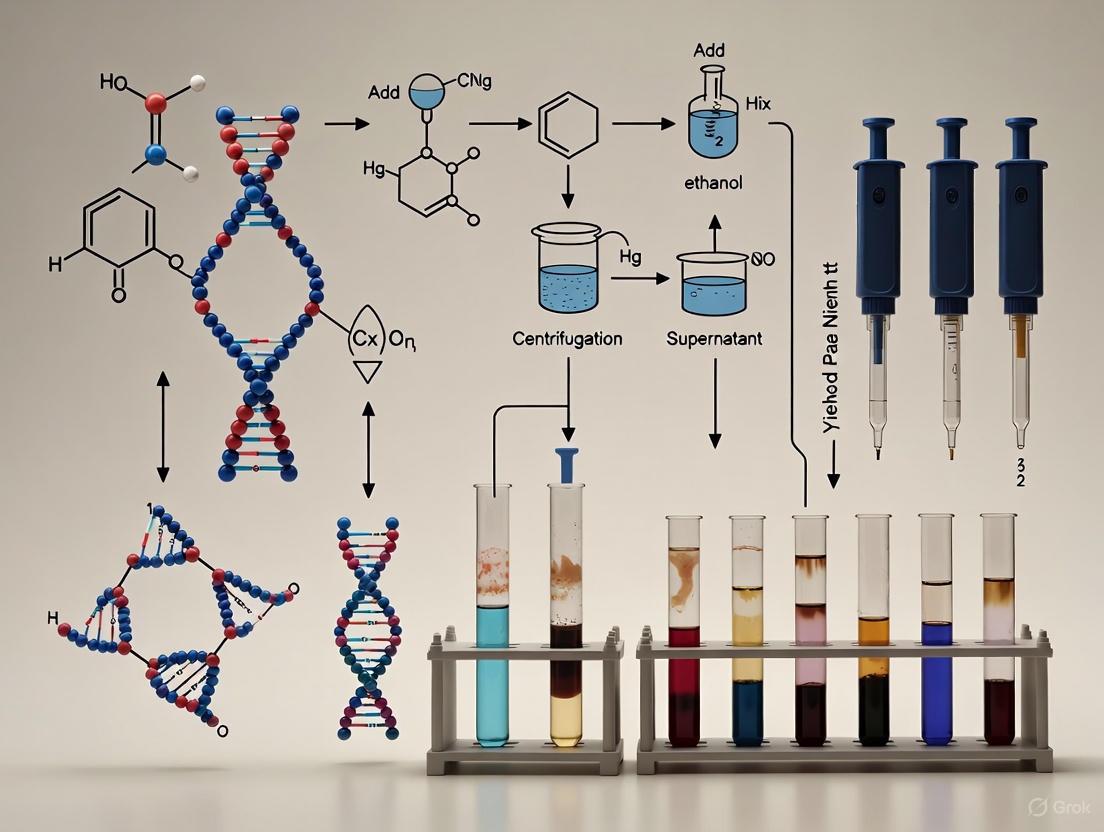
This article provides a comprehensive guide to ethanol precipitation for purifying DNA sequencing templates.
Ethanol Precipitation for Sequencing Templates: A Cost-Effective Cleanup Protocol for Reliable Sanger Data
Abstract
This article provides a comprehensive guide to ethanol precipitation for purifying DNA sequencing templates. Tailored for researchers and drug development professionals, it covers the foundational science, detailed protocols, and advanced troubleshooting to overcome common challenges like dye blobs and low yield. We validate the method's effectiveness against commercial kits and explore its critical role in ensuring high-quality data for clinical diagnostics, pathogen identification, and genetic research.
The Science of Clean Sequences: Why Purification is Non-Negotiable
The Critical Role of Cleanup in Sanger Sequencing Workflows
FAQs: PCR Cleanup in Sanger Sequencing
Why is a PCR cleanup step critical before Sanger sequencing?
The cleanup step is essential to remove unwanted components from your PCR reaction, such as excess primers, dNTPs, and enzymes. If not removed, these can interfere with the Sanger sequencing reaction by disrupting the specific ratio of nucleotides, leading to poor-quality data, failed reactions, or unreadable sequences [1] [2].
What are the common methods for PCR cleanup?
Several methods are available, each with its own advantages and drawbacks [1] [3]:
- Ethanol Precipitation: A cost-effective method that uses ethanol and salt to precipitate DNA. It can be labor-intensive and time-consuming [1] [3].
- Spin Column Purification: A quick and effective method that uses a silica membrane to bind DNA. It can be more expensive and may lead to sample loss if not handled carefully [1] [3].
- Magnetic Bead Purification: A method easily adapted for high throughput using magnetic stands or automated systems. It allows for work with low elution volumes [3].
- Enzymatic Cleanup: A simple and efficient workflow often involving a single pipetting step. Enzymes digest excess primers and dephosphorylate unused dNTPs, which are then heat-inactivated. This method minimizes template loss [1] [3].
How do I choose the right cleanup method?
The choice depends on your priorities for cost, time, sample recovery, and throughput. The following table compares the key characteristics of each method for easy reference:
| Method | Cost | Throughput | Speed | Sample Recovery | Key Considerations |
|---|---|---|---|---|---|
| Ethanol Precipitation [1] [3] | Low | Low | Slow (Time-consuming) | Good yield, but risk of loss during manual steps | Highly variable; low reproducibility; requires centrifuge |
| Spin Column Purification [1] [3] | Medium | Medium (adaptable to 96-well plates) | Fast | Risk of loss if column membrane is clogged or mishandled | Simple protocol; requires a centrifuge; minimum elution volume of 30-50 µL |
| Magnetic Bead Purification [3] | Medium to High | High (adaptable to 384-well plates) | Fast | High, but care must be taken not to aspirate beads | Easily scalable and automatable; equipment needs vary by budget |
| Enzymatic Cleanup [1] | Affordable (compared to columns) | High | Very Fast (simple workflow) | High (minimal sample loss) | Single-step pipetting; no specialized equipment needed; enzymes are heat-inactivated |
What are the consequences of incomplete cleanup?
Incomplete removal of reaction components can cause several issues in your sequencing data [4]:
- Dye Blobs: Broad, unidentified peaks (often C, G, or T) within the first 100 bases that can impact basecalling.
- Noisy Baseline: A high level of background noise that can obscure genuine peaks, often due to leftover primers or multiple priming sites.
- Weak Signal: Low signal intensity from the sample, making the data difficult to interpret.
My sequencing results show dye blobs even after cleanup. What should I do?
Dye blobs are often caused by excess fluorescent dye terminators (ddNTPs) remaining in the sample. To address this [4]:
- Ensure proper technique: If using spin columns, make sure the sample is dispensed directly onto the purification material without touching the sides.
- Check ethanol concentration: If using ethanol precipitation, ensure the ethanol or salt concentration is not too high, which can cause dye terminators to co-precipitate.
- Verify mixing: If using a kit like BigDye XTerminator, ensure thorough vortexing with a qualified vortexer, as insufficient mixing is a common cause.
Troubleshooting Guide: Common Data Issues and Solutions
This guide helps you diagnose and resolve common problems in Sanger sequencing data resulting from template or cleanup issues.
| Symptom | Possible Cause | Solution |
|---|---|---|
| Failed reaction (mostly N's) [5] | 1. Low template concentration2. Poor DNA quality (contaminants)3. Too much template DNA4. Bad primer | 1. Precisely measure concentration (e.g., with NanoDrop)2. Check 260/280 ratio (~1.8); clean up DNA3. Reduce template amount to recommended range4. Check primer quality and sequence |
| Noisy baseline [4] [5] | 1. Multiple priming sites2. PCR primers not removed3. Weak signal intensity | 1. Redesign primer for a unique site2. Ensure complete PCR cleanup3. Increase template concentration |
| Dye blobs (first 100 bp) [4] | 1. Unincorporated dye terminators2. Incomplete cleanup | 1. Optimize cleanup protocol (see FAQ above)2. For column cleanup, ensure sample is centered on membrane |
| Double peaks (mixed sequence) [5] | 1. Colony contamination (multiple clones)2. More than one priming site3. Unpurified PCR product | 1. Re-streak to pick a single colony2. Ensure primer specificity3. Gel purify PCR product to ensure a single band |
| Sequence stops abruptly [5] | 1. Secondary structure (e.g., hairpins) in template2. High GC content | 1. Use a "difficult template" sequencing protocol2. Sequence from the opposite strand3. Design a primer closer to or within the problematic region |
| Poor data after a homopolymer run [4] [5] | Polymerase slippage on repeats of a single base | Design a primer that binds just after the repeat region to sequence past it |
Experimental Protocol: Ethanol Precipitation for PCR Cleanup
This detailed protocol is designed for the purification of PCR products prior to Sanger sequencing.
Materials and Reagents
- PCR reaction mixture
- Ice-cold 96-100% Ethanol
- Sodium Acetate (3 M, pH 5.2)
- Ice-cold 70% Ethanol
- Nuclease-free Water or TE Buffer
- Microcentrifuge tubes
- Microcentrifuge
- Vortex mixer
- Vacuum centrifuge or laminar flow hood (for drying DNA pellet)
Workflow Diagram
Step-by-Step Methodology
- Transfer and Add Reagents: Transfer your completed PCR reaction to a clean microcentrifuge tube. Add two volumes of ice-cold 96-100% ethanol and 0.1 volumes of 3 M sodium acetate (pH 5.2) [3]. Vortex briefly to mix thoroughly.
- Precipitate DNA: Incubate the mixture on ice for 15-30 minutes to precipitate the DNA [3].
- Pellet DNA: Centrifuge the tube at ≥12,000 × g for 15-20 minutes at 4°C. Carefully remove the tube from the centrifuge. The DNA will form a pellet at the bottom of the tube [3].
- Wash Pellet: Carefully decant or pipette off the supernatant without disturbing the pellet. Add 500 μL to 1 mL of ice-cold 70% ethanol to the pellet. Vortex briefly or invert the tube several times to wash the pellet [3].
- Re-pellet and Dry: Centrifuge again at ≥12,000 × g for 5-10 minutes at 4°C. Carefully remove all of the supernatant. Air-dry the pellet completely, either in a vacuum centrifuge or by placing the open tube in a laminar flow hood for several minutes. Ensure no residual ethanol remains, as it can inhibit downstream sequencing reactions [3].
- Resuspend DNA: Resuspend the dried DNA pellet in nuclease-free water or TE buffer. The volume depends on your desired concentration and the requirements of your sequencing facility. Do not use EDTA-containing buffers, as EDTA can inhibit the DNA polymerase in the sequencing reaction [6] [7].
Research Reagent Solutions
This table lists key reagents and materials used in the ethanol precipitation cleanup protocol, along with their critical functions.
| Item | Function in Experiment |
|---|---|
| Ice-cold Ethanol (96-100%) | Reduces the dielectric constant of the solution, allowing Na+ ions to neutralize DNA's charge, making it less hydrophilic and causing it to precipitate [3]. |
| Sodium Acetate (3M, pH 5.2) | Provides Na+ cations to neutralize the negative charge on the DNA sugar-phosphate backbone, facilitating precipitation [3]. |
| Ice-cold Ethanol (70%) | Used to wash the DNA pellet, effectively removing residual salt while keeping the DNA precipitated [3]. |
| Nuclease-free Water | The recommended resuspension buffer for the final DNA pellet. Avoids inhibitors like EDTA that are present in TE buffer [6] [7]. |
| Microcentrifuge | Essential equipment for pelleting DNA during the precipitation and wash steps [3]. |
In DNA sequencing, the path from a prepared sample to an accurate chromatogram is paved with potential pitfalls. Contaminants introduced during sample preparation or inadequate cleanup can compromise data quality, leading to failed experiments, costly repeats, and incorrect conclusions. This guide details how common contaminants interfere with the sequencing process and provides proven methods to detect, troubleshoot, and prevent these issues, with a specific focus on the ethanol precipitation cleanup method.
Frequently Asked Questions (FAQs)
1. What are the most common contaminants that affect sequencing reactions? The most frequent contaminants originate from the template preparation and reaction cleanup processes. These include:
- Salt (NaCl): Inhibits polymerase activity, reducing signal strength and read length.
- EDTA: Chelates magnesium ions, which are critical co-factors for DNA polymerase, leading to severe reaction inhibition.
- Ethanol: Disrupts polymerase activity, which can completely terminate the sequencing reaction at high concentrations.
- Unincorporated Dye Terminators: Cause "dye blobs"—large, early-onset fluorescent artifacts that obscure the sequence data at the beginning of the read.
- Cellular Constituents & Nucleases: Can inhibit the polymerase or degrade the DNA template, resulting in poor or no data [8].
2. My sequencing data starts out strong but then gets weak very quickly. What could be causing this? This "top-heavy" data is often a classic sign of an overabundance of template DNA relative to the amount of BigDye Terminator mix. An excess of template can drive the reaction to incorporate the labeled ddNTPs predominantly near the primer, depleting reagents and causing the signal to drop off prematurely. To balance the signal, you can either increase the amount of BigDye Terminator mix or decrease the concentration of the template DNA [9].
3. I see large, messy peaks at the very beginning of my sequence read. What are these? These artifacts are commonly known as "dye blobs." They are typically caused by unincorporated dye-labeled terminators that were not sufficiently removed during the post-sequencing reaction cleanup. These fluorescent molecules co-inject with your DNA fragments and are detected early in the run, obscuring the actual sequence data. Ensuring a thorough cleanup, such as the recommended Ethanol/EDTA precipitation method, is crucial to minimize these blobs [10].
4. Why is my sequencing result weak or absent entirely? A weak or absent signal can stem from several issues related to contaminants and template quality:
- Insufficient or degraded DNA template.
- Contaminated template with salts, ethanol, or other inhibitors [8].
- Problems with primer design or concentration, such as a primer that does not bind efficiently [11].
- Carryover of contaminants from the PCR reaction, like primers and dNTPs, which compete with the sequencing reaction [9].
5. Can contaminants cause more than one sequence to appear in my data? Yes. The appearance of a second sequence underlying your primary sequence can be caused by:
- Sample Contamination: The presence of more than one DNA species (e.g., multiple PCR products).
- Primer Issues: The primer may be annealing to multiple locations on the template, or there may be primer dimer formation.
- Carryover from PCR: Failure to purify the PCR product before sequencing can result in leftover PCR primers acting as unintended sequencing primers [9] [11].
Troubleshooting Guide
Symptom 1: Weak or No Signal
- Potential Cause: Low DNA concentration, contaminated template, or inefficient primer.
- Solutions:
- Accurately quantify DNA via spectrophotometry or gel electrophoresis [12] [11].
- Ensure the template is eluted or resuspended in distilled water or 1 mM Tris, not TE buffer, to avoid EDTA [12] [11].
- Re-design the sequencing primer to ensure it binds efficiently and has minimal secondary structure [11].
- Repurify the template DNA using a reliable kit, incorporating a 70% ethanol wash step to remove salts [12] [8].
Symptom 2: Short Read Lengths ("Top-Heavy" Data)
- Potential Cause: Overabundance of template DNA, poor cleanup, or GC-rich regions.
- Solutions:
- Re-balance the template-to-BigDye ratio. Use 300-2000 ng of plasmid DNA per reaction as a guideline [9] [12].
- For GC-rich regions, add 5% DMSO or betaine to the reaction, or perform a hot start at 98–99°C for 5 minutes [9].
- Ensure a rigorous post-sequencing cleanup. Follow ethanol precipitation protocols exactly, using freshly made 70% ethanol [10].
Symptom 3: Dye Blobs and High Background Noise
- Potential Cause: Incomplete removal of unincorporated dye terminators.
- Solutions:
Symptom 4: Multiple Sequences/Peaks
- Potential Cause: Contamination with multiple DNA templates or primer annealing issues.
- Solutions:
- Re-purify the template to ensure a single DNA species is present. For PCR products, use columns or enzymatic cleanup to remove original PCR primers and dNTPs [9] [11].
- Verify the primer's specificity by checking its binding site on a restriction map [11].
- Always use a pure bacterial colony for plasmid propagation to avoid a mixed population of molecules [12].
Quantitative Impact of Common Contaminants
The table below summarizes the experimental impact of specific contaminants on sequencing data, based on controlled studies.
Table 1: Quantitative Impact of Common Contaminants on Sequencing Data
| Contaminant | Concentration | Observed Effect on Sequencing | Reference |
|---|---|---|---|
| NaCl (Salt) | 20 mM | Reduced signal strength; 98.5% accuracy only to 695 bases (vs. 861 in control). | [8] |
| 40 mM | Dramatic signal reduction & incorrect base calls; 98.5% accuracy only to 640 bases. | [8] | |
| EDTA | >1 mM (final in reaction) | Potent inhibition of polymerase activity; severely compromised or no data. | [8] |
| Ethanol | 2.5% (final) | Signal can be tolerated but may be weakened. | [8] |
| 5% (final) | Noticeable inhibition of polymerase. | [8] | |
| 10% (final) | Polymerase is almost entirely inhibited. | [8] | |
| Unincorporated Dye Terminators | N/A | "Dye blob" artifacts at the start of the sequence read, obscuring data. | [10] |
Experimental Protocols
Detailed Ethanol/EDTA Precipitation Cleanup Protocol
This protocol is recommended for its consistency in producing a strong signal while effectively removing unincorporated dye terminators [10].
Principle: After the cycle sequencing reaction is complete, EDTA chelates cations to stop enzymatic activity. Ethanol, in the presence of a salt, precipitates the extended DNA fragments while leaving the smaller, unincorporated dye terminators in solution. The DNA pellet is then washed and resuspended for injection.
Workflow Diagram: The following diagram illustrates the key steps in the ethanol precipitation cleanup workflow.
Materials:
- Freshly prepared 70% and 100% ethanol
- 125 mM EDTA solution, pH 8.0
- 1.5 mL microcentrifuge tubes or a 96-well plate
- SpeedVac concentrator
- Hi-Di Formamide or recommended loading solution
Method (for 20µL reactions in microfuge tubes):
- Transfer the 20µL sequencing reaction products to a 1.5 mL microfuge tube.
- Add 5µL of 125 mM EDTA to each tube. Ensure it mixes with the solution.
- Add 60µL of 100% ethanol to each tube.
- Vortex the tube and then spin it briefly.
- Incubate at room temperature for 15 minutes.
- Centrifuge at maximum speed (12,000-13,000 rpm) for 20 minutes at room temperature to pellet the DNA.
- Carefully aspirate and discard the supernatant, which contains the unincorporated dyes and salts.
- Add 250µL of freshly prepared 70% ethanol to the tube.
- Centrifuge at maximum speed for 5 minutes.
- Carefully aspirate the supernatant.
- Dry the pellet in a SpeedVac for approximately 15 minutes. Critical: Protect the samples from light during drying, as the dyes are light-sensitive.
- Store the dried pellet at -20°C until ready to run on the sequencer. Resuspend in an appropriate volume of Hi-Di Formamide or the instrument's specified loading solution [10].
The Scientist's Toolkit: Research Reagent Solutions
Table 2: Essential Reagents for Sequencing and Cleanup
| Reagent / Kit | Function / Application | Key Considerations |
|---|---|---|
| BigDye Terminator v3.1 Kit | Core chemistry for cycle sequencing. | Can be diluted with provided 5X buffer, but this may compromise data integrity for difficult templates [9]. |
| dRhodamine Terminator Kit | Alternative chemistry for difficult sequences. | Uses ddTTP instead of ddUTP; less prone to "stuttering" in poly-T homopolymer regions [9]. |
| dGTP BigDye Terminator Kit | Alternative chemistry for GC-rich regions. | More successful for long GC stretches, though G peaks may appear compressed [9]. |
| Qiagen Plasmid Kits | High-quality template DNA preparation. | Most reliable for isolating sequencing-grade DNA. Avoid overloading the resin and always include the 70% ethanol wash [12]. |
| Ethanol (100% and 70%) | Primary reagent for DNA precipitation. | Must be freshly prepared for the wash step. Incorrect concentration can lead to loss of DNA or incomplete dye removal [10]. |
| 125 mM EDTA | Stops enzymatic activity and aids precipitation. | A critical component of the ethanol precipitation cleanup protocol [10]. |
| Hi-Di Formamide | Denaturant for resuspending samples before injection. | Old or broken-down formamide can cause dye breakdown and artifacts in the data [9]. |
| DMSO / Betaine | Additive for sequencing difficult templates. | Use 5% (w/v) in the reaction to help sequence through GC-rich regions [9]. |
Ethanol precipitation is a fundamental technique for purifying and concentrating nucleic acids (DNA and RNA) from aqueous solutions. This process is crucial in molecular biology, particularly in preparing high-quality sequencing templates, where it effectively removes salts, enzymes, and other soluble contaminants. The method relies on the basic principle of reducing nucleic acid solubility by adding salt and ethanol, forcing the DNA or RNA to precipitate out of solution. The precipitate is then collected by centrifugation, washed, dried, and resuspended in an appropriate buffer [13] [14]. Understanding the core mechanisms of this technique—specifically the roles of solubility, salts, and the dielectric constant—is essential for optimizing its use in sensitive downstream applications like Sanger sequencing [15].
The Core Principles: How Ethanol Precipitation Works
The Role of Solubility and Charge Neutralization
Nucleic acids are highly soluble in water due to their negatively charged phosphate groups along the sugar-phosphate backbone. These charges form favorable electrostatic interactions (ion-dipole interactions) with polar water molecules, creating a hydration shell that keeps the DNA in solution [13] [16].
The precipitation process begins with the addition of a salt, such as sodium acetate. The salt dissociates in water, releasing positively charged ions (e.g., Na⁺). These cations neutralize the negative charges on the phosphate groups of the DNA, effectively shielding the DNA's charge and making the molecule less hydrophilic [13] [14].
The Dielectric Constant and Coulomb's Law
The decisive step is the addition of ethanol. The effectiveness of the charge shielding is governed by Coulomb's Law, which describes the force of attraction between two opposite charges. This force is inversely proportional to the dielectric constant of the solvent [14] [16].
- Water has a high dielectric constant (approximately 80.1 at 20°C), meaning it is very effective at screening the electrostatic attraction between the Na⁺ ions and the DNA's phosphate groups. This keeps the DNA soluble [14].
- Ethanol has a much lower dielectric constant (approximately 24.3 at 25°C). Adding a sufficient volume of ethanol to the aqueous solution lowers the overall dielectric constant of the mixture. This reduction weakens the screening effect, allowing the attractive forces between the positively charged salt ions and the negatively charged DNA backbone to dominate. This leads to the formation of stable aggregates that precipitate out of solution [13] [14].
Recent quantitative studies have determined that DNA precipitation begins at a solution dielectric constant of about 44.5 and reaches optimal, maximum yield at a dielectric constant of 40.07, which typically corresponds to an ethanol concentration of approximately 64-72% [17].
The following diagram illustrates this workflow and the underlying mechanism:
Experimental Protocol: Standard Ethanol Precipitation
This is a detailed, generalized protocol for precipitating DNA. Always consult specific application notes for variations.
Materials Checklist
| Research Reagent / Material | Function / Explanation |
|---|---|
| Sodium Acetate (3M, pH 5.2) | Provides positive ions (Na⁺) to neutralize the DNA backbone's negative charge, facilitating aggregation [13] [18]. |
| Ethanol (100%, ice-cold) | Acts as an antisolvent. Lowers the solution's dielectric constant, enabling electrostatic attraction and precipitation. Pre-chilling increases yield [13] [18]. |
| Ethanol (70%, ice-cold) | Used for washing the pellet. Removes co-precipitated salts while keeping the DNA precipitated [13] [14] [18]. |
| Linear Acrylamide or Glycogen | A carrier molecule. Improves the precipitation efficiency and visibility of the pellet when working with low concentrations of nucleic acids (e.g., < 100 ng/µL) [17] [18]. |
| Microcentrifuge Tubes | Tubes designed to withstand high centrifugal forces (e.g., 12,000×g) for pelleting nucleic acids [18]. |
| High-Speed Refrigerated Centrifuge | Essential for pelleting the precipitated DNA. A temperature of 4°C is often recommended [14] [18]. |
Step-by-Step Procedure
- Measure Sample Volume: Transfer your DNA sample to a 1.5 mL or 2.0 mL microcentrifuge tube.
- Add Salt: Add 0.1 volumes of 3M sodium acetate (pH 5.2) to the sample. Mix thoroughly by vortexing or pipetting. For example, add 10 µL of salt to 100 µL of sample [18].
- Add Carrier (Optional): If your DNA concentration is low, add 1-2 µL of glycogen or linear acrylamide to aid in forming a visible pellet and improving recovery [18].
- Add Ethanol: Add 2 to 2.5 volumes of ice-cold 100% ethanol. Mix the solution immediately by inverting the tube several times. For instance, add 200-250 µL of ethanol to a 100 µL sample [13] [18].
- Incubate: Incubate the mixture at -20°C for at least 30 minutes. For very low concentrations or short DNA fragments (< 100 nucleotides), incubation for 1 hour or overnight may improve yield [13] [14].
- Centrifuge: Centrifuge the tube at >12,000×g for 15 minutes at 4°C. The DNA will form a pellet at the bottom of the tube [14] [18].
- Wash Pellet: Carefully aspirate and discard the supernatant without disturbing the pellet. Add 200 µL of ice-cold 70% ethanol to the pellet and gently dislodge it by flicking or pipetting. Centrifuge again at >12,000×g for 5 minutes at 4°C [13] [18].
- Remove Supernatant and Dry: Carefully remove the 70% ethanol supernatant. Air-dry the pellet for 5-10 minutes at room temperature or in a 37°C heat block until all visible ethanol has evaporated. Do not over-dry, as this can make the DNA difficult to resuspend [14] [18].
- Resuspend DNA: Resuspend the purified DNA pellet in nuclease-free water or your desired buffer (e.g., TE buffer) [18].
Troubleshooting Guide and FAQs
Frequently Asked Questions
Q1: Why is my DNA yield low after ethanol precipitation? A1: Low yields can result from several factors:
- Insufficient Incubation: Short fragments or low concentration DNA require longer incubation times (1 hour to overnight) at low temperature [13] [14].
- Inadequate Centrifugation: Small DNA fragments require high centrifugal forces and longer spin times to form a tight pellet. Ensure your centrifuge reaches at least 12,000×g [14].
- No Carrier Molecule: When working with nucleic acids below 20 ng/µL, always use a carrier like glycogen to visualize the pellet and improve recovery [17] [18].
- Improper Pellet Handling: The pellet may be loose and easily lost during the wash step. Be cautious when aspirating the supernatant.
Q2: My precipitated DNA is difficult to resuspend. What went wrong? A2: This is commonly caused by over-drying the DNA pellet. The pellet should be dry but not desiccated and cracked. Resuspend the pellet when it still appears slightly translucent and glossy. Over-dried DNA can be denatured and may require extensive pipetting or gentle heating at 37°C to fully resuspend [14].
Q3: How do I choose the right salt for my experiment? A3: The choice of salt depends on your sample and downstream application. See the table below for guidance [13].
Q4: Are there modern alternatives to ethanol precipitation for sequencing template cleanup? A4: Yes. While effective, ethanol precipitation can be time-consuming and cause sample loss. Many labs now use:
- Magnetic Beads: Bind DNA, allowing impurities to be washed away. Offer high recovery (60-90%) and are easily automated [19] [20].
- Spin Columns (Silica Gel Membrane): DNA binds to a silica membrane in high salt, is washed, and eluted in a low-salt buffer. Fast and efficient [15] [20].
- Enzymatic Cleanup (e.g., Exo-SAP): Uses exonuclease to degrade leftover primers and phosphatase to dephosphorylate unused dNTPs, quickly cleaning up PCR products for sequencing [19].
Troubleshooting Table
| Problem | Possible Cause | Solution |
|---|---|---|
| Low DNA Yield | DNA concentration too low; fragments too small. | Increase incubation time on ice; use a carrier molecule (glycogen) [13] [18]. |
| Salt Contamination | Incomplete washing of the pellet. | Perform two washes with 70% ethanol; ensure supernatant is fully removed after each wash [13] [14]. |
| No Visible Pellet | DNA lost during aspiration; concentration too low. | Use a carrier molecule; be careful when decanting supernatant; consider using a positive control to validate the protocol [17] [14]. |
| High Impurity (Inhibitors) | Co-precipitation of contaminants like polysaccharides. | Use an alternative salt (e.g., NaCl for samples containing SDS); reduce the amount of starting material [13]. |
Optimizing for Sequencing: Key Considerations
In the context of preparing sequencing templates, the primary goal of ethanol precipitation is to remove interfering substances such as unincorporated dye terminators, salts, primers, and dNTPs that can compete with the template during capillary electrophoresis, leading to poor data quality [15] [19]. While ethanol precipitation is a viable method, its sensitivity to variations in template quality and concentration has led many core facilities to adopt more robust, kit-based purification methods like the BigDye XTerminator kit or magnetic beads to ensure consistent, high-quality sequencing results with strong signal-to-noise ratios and long read lengths [15].
Salt Selection Guide for Sequencing Applications
| Salt | Recommended Use | Key Considerations for Sequencing |
|---|---|---|
| Sodium Acetate (0.3 M) | Routine DNA precipitation. | Standard, effective choice. Ensure complete removal via 70% ethanol wash to avoid interference [13] [18]. |
| Ammonium Acetate (2 M) | To remove dNTPs effectively. | Do not use if the DNA will be used in T4 polynucleotide kinase reactions, as ammonium ions inhibit the enzyme [13]. |
| Sodium Chloride (0.2 M) | For DNA samples containing SDS. | Keeps SDS soluble in ethanol, preventing it from co-precipitating with DNA [13]. |
| Lithium Chloride (0.8 M) | For RNA precipitation. | Not recommended for RNA preps intended for reverse transcription, as chloride ions inhibit polymerase activity [13]. |
Quantitative Data for Protocol Optimization
The following table summarizes key experimental parameters and their effects, based on recent research.
| Parameter | Optimal / Threshold Value | Effect on Precipitation |
|---|---|---|
| Final Ethanol Concentration | 64% - 72% (v/v) | Precipitation begins at ~64% and reaches a maximum yield of ~95% at 72% [17]. |
| Dielectric Constant (ε) | ε = 40.07 | The dielectric threshold for optimal DNA precipitation yield [17]. |
| Incubation Temperature | 0°C to -20°C | Incubation on ice (0-4°C) for 15-30 min is often sufficient, though colder temperatures are commonly used [13] [14]. |
| Incubation Time | 30 min to Overnight | Longer incubation (≥1 hour) improves recovery of low-concentration DNA and small fragments [13] [14]. |
Purifying DNA templates is a critical step in molecular biology workflows, especially for sequencing applications. The presence of contaminants like salts, enzymes, primers, and nucleotides can severely impact the success and accuracy of downstream processes, including Sanger sequencing. This guide provides a detailed comparison of three common cleanup methods—Ethanol Precipitation, Enzymatic Cleanup, and Silica Column-Based Kits—framed within sequencing template research. It offers troubleshooting guides and FAQs to help researchers and drug development professionals select and optimize the most appropriate method for their experimental needs.
Methodologies and Protocols
Ethanol Precipitation Protocol
This traditional method uses solubility changes to precipitate DNA.
- Add Salt and Alcohol: To your DNA sample, add sodium acetate (to a final concentration of 0.1-0.5 M) and twice the sample volume of ice-cold 96% ethanol [3] [21]. For isopropanol precipitation, add an equal volume of room-temperature isopropanol [3].
- Precipitate DNA: Incubate the mixture on ice for at least 15-30 minutes (ethanol) or proceed directly to centrifugation (isopropanol) to aggregate the DNA [3].
- Pellet DNA: Centrifuge the sample at high speed (e.g., >12,000 g) for 10-15 minutes to form a DNA pellet.
- Wash Pellet: Carefully remove the supernatant and wash the pellet with 500 µL of cold 70% ethanol to remove residual salts. Centrifuge again for 5 minutes and discard the supernatant [3].
- Dry and Resuspend: Air-dry the pellet completely (in a laminar flow hood or using a vacuum centrifuge) to evaporate residual ethanol. Resuspend the purified DNA in a low-salt buffer like TE or nuclease-free water [3] [22].
Enzymatic Cleanup Protocol
This method uses enzymes to degrade common PCR contaminants in a single tube.
- Combine Enzymes and Sample: For a typical PCR reaction, add a mixture of enzymes to the sample. A common combination is 5 units of Shrimp Alkaline Phosphatase (SAP) to dephosphorylate unused dNTPs and 5 units of Exonuclease I (Exo I) to degrade leftover primers [22].
- Incubate: Incubate the reaction at 37°C for 30-60 minutes to allow the enzymes to act.
- Heat Inactivate: Heat the reaction to 80-85°C for 15 minutes to denature and inactivate the enzymes. The cleaned-up DNA is now ready for use in sequencing.
Silica Column-Based Kit Protocol
This method relies on the selective binding of DNA to a silica membrane under specific buffer conditions.
- Bind DNA: Add 3-5 volumes of a binding buffer (containing chaotropic salts) to your DNA sample and mix. Transfer the mixture to a silica spin column and centrifuge. The DNA binds to the membrane, while contaminants pass through [3] [23] [21].
- Wash Membrane: Add a wash buffer (typically containing ethanol) to the column and centrifuge. This step removes salts and other impurities. Repeat if necessary, and perform an additional spin with an empty column to remove residual ethanol [22].
- Elute DNA: Place the column in a clean collection tube. Apply a low-salt elution buffer or nuclease-free water (30-50 µL) to the center of the membrane, let it stand for 1-2 minutes, and centrifuge to recover the purified DNA [3].
Comparative Analysis of Cleanup Methods
The table below summarizes the key characteristics of the three DNA cleanup methods for direct comparison.
| Feature | Ethanol Precipitation | Enzymatic Cleanup | Silica Column-Based Kits |
|---|---|---|---|
| Principle | Alters DNA solubility for precipitation [3] [21] | Enzymatic degradation of primers & dNTPs [22] | Selective DNA binding to silica membrane [3] [23] |
| Hands-on Time | High (time-consuming) [3] | Very Low [22] | Low to Moderate [21] |
| Cost | Low (affordable reagents) [3] [21] | Moderate | High (costly kits) [23] [21] |
| Typical Yield | High [3] | High (minimal DNA loss) [22] | Variable (can be as low as 25%) [23] [21] |
| Effectiveness on Salts | Excellent (desalting) [23] [21] | Poor | Excellent [23] |
| Effectiveness on Primers/dNTPs | Good | Excellent [22] | Excellent [3] [23] |
| Risk of Contaminant Carry-Over | Ethanol, if pellet not fully dried [23] [21] | None | Chaotropic salts, if washed improperly [23] [21] |
| Best for Sequencing When... | DNA needs concentration and desalting | The PCR product is a single, specific band | A fast, convenient workflow is a priority |
DNA Cleanup Method Selection Guide
Troubleshooting Guides
Troubleshooting Ethanol Precipitation for Sequencing
A failed ethanol precipitation can lead to poor sequencing results.
| Problem | Possible Cause | Solution |
|---|---|---|
| Low or No DNA Recovery | DNA fragment size too small; Incubation time too short | For fragments <200 bp, increase salt concentration and extend ice incubation to >60 min [3]. |
| Incomplete pellet drying or dislodging | Ensure pellet is completely dry before resuspension. Be careful when handling tubes. | |
| Poor Sequencing Quality (Inhibitors) | Residual ethanol in pellet | Extend drying time or use a vacuum centrifuge. Perform an additional 70% ethanol wash [7]. |
| Residual salt co-precipitated | Ensure the wash buffer is freshly prepared with 70% ethanol. Do not skip the wash step [21]. | |
| DNA Does Not Resuspend | Over-drying the pellet | Do not let the pellet become brittle and transparent. Resuspend immediately when it becomes opaque. |
General Cleanup Troubleshooting for Downstream Applications
These issues can affect subsequent experiments like restriction digestion or sequencing.
| Problem | Possible Cause | Solution |
|---|---|---|
| Incomplete Restriction Digestion | Salt inhibition from cleanup | Clean up the DNA again with a silica column to remove salts; ensure DNA solution is ≤25% of total reaction volume [24] [25]. |
| Organic solvent carryover (Phenol/Ethanol) | Ensure complete removal of solvents by air-drying (ethanol) or careful phase separation (phenol) [21] [25]. | |
| No Sequencing Signal | Primer carryover (Enzymatic cleanup not used) | If not using enzymatic cleanup, ensure columns or precipitation effectively remove primers. Re-clean with a dedicated kit [22]. |
| EDTA or other inhibitors in eluate | Elute or resuspend DNA in nuclease-free water or Tris-HCl, not TE buffer [7]. Check 260/230 ratio for contaminant detection [7]. |
Frequently Asked Questions (FAQs)
Q1: Why is DNA cleanup so critical specifically for Sanger sequencing?
Cleanup is essential because leftover primers from PCR will act as unwanted priming sites during the sequencing reaction, generating noisy or unreadable data. Unincorporated dNTPs can also distort the terminator nucleotide ratios, leading to poor peak heights and failed sequences [23] [22]. Contaminants like salts, enzymes, or ethanol can inhibit the sequencing polymerase [25] [7].
Q2: I'm working with a very low-concentration DNA sample. Which method is best for maximizing recovery?
Ethanol precipitation is generally effective for concentrating dilute samples [23] [21]. For the highest recovery from minimal samples, magnetic bead-based purification is often superior, as it allows for elution in a very small volume (sometimes as low as 10-15 µL), thereby increasing the final concentration significantly [3].
Q3: Can I use enzymatic cleanup if my PCR product has multiple bands?
No, enzymatic cleanup is not recommended for reactions with multiple bands or non-specific amplification. This method only degrades primers and dNTPs; it does not separate DNA fragments by size. If your PCR product is not a single, specific band, you must use a size-selection method like gel extraction or magnetic beads with size-selective buffers [22].
Q4: My sequencing results show a poor 260/230 ratio after ethanol precipitation. What does this mean?
A low 260/230 ratio indicates carryover of organic compounds, which in the context of ethanol precipitation, typically means residual ethanol or the salt used (e.g., sodium acetate). To fix this, ensure you perform a thorough 70% ethanol wash and allow the pellet to dry completely before resuspension [7]. Incomplete drying is a common cause.
The Scientist's Toolkit: Essential Research Reagents
This table lists key materials and their functions for the DNA cleanup methods discussed.
| Reagent/Equipment | Function | Key Considerations |
|---|---|---|
| Sodium Acetate | Provides monovalent cations (Na+) that neutralize DNA's charge, enabling precipitation [3] [21]. | Use at 0.1-0.5 M final concentration. |
| Absolute Ethanol | Reduces solution dielectric constant, making DNA less soluble and causing aggregation [3]. | Use ice-cold for higher efficiency with ethanol precipitation. |
| Silica Spin Columns | Selective binding of DNA under high-salt conditions for impurity separation [3] [23]. | Minimum elution volume is 30-50 µL, which may limit final concentration. |
| Magnetic Beads | Bind DNA at specific pH or salt concentration, enabling separation via a magnet [3] [21]. | Ideal for automation and low elution volumes; initial equipment cost can be high. |
| Exonuclease I / SAP | Enzymatically degrades leftover primers and dephosphorylates unused dNTPs [22]. | Only effective for enzymatic cleanup of single, specific PCR products. |
| Microcentrifuge | Pellet formation during precipitation and force liquids through spin columns. | Essential for ethanol precipitation and silica column protocols. |
A Step-by-Step Protocol: From Reaction Tube to Clean Template
Salt Selection Guide
The choice of salt is critical for neutralizing the negative charges on the DNA backbone, making it less hydrophilic and enabling precipitation. The optimal salt depends on your specific sample type and downstream application [13].
Table 1: Guide to Salt Selection for Ethanol Precipitation
| Salt | Typical Final Concentration | Best For | Considerations and Limitations |
|---|---|---|---|
| Sodium Acetate (pH 5.2) | 0.3 M [13] | Routine DNA precipitation [13]. | Standard, high-efficiency choice for most molecular biology applications. |
| Sodium Chloride | 0.2 M [13] | Samples containing SDS [13]. | Keeps SDS soluble in 70% ethanol, preventing it from co-precipitating with DNA [13]. |
| Lithium Chloride | 0.8 M [13] | RNA precipitation [13]. | Highly soluble in ethanol, but chloride ions inhibit protein synthesis and DNA polymerase; not suitable for RNA preps for in vitro translation or reverse transcription [13]. |
| Ammonium Acetate | 2.0 M [13] | Removing dNTPs [13]. | Ammonium ions inhibit T4 polynucleotide kinase; avoid if DNA is for kinasing reactions [13]. |
Ethanol Purity and Volume Specifications
Ethanol acts as a dehydrating agent and reduces the dielectric constant of the solution, shielding the negative phosphate charges and making DNA less soluble [13] [17].
Table 2: Ethanol Concentration and Purity Guidelines
| Parameter | Specification | Protocol Notes |
|---|---|---|
| Purity | 95-100% (Absolute Ethanol) | Standard laboratory-grade absolute ethanol (100%) or 95% ethanol is commonly used for precipitations [26] [27]. |
| Final Concentration in Solution | 70-80% (v/v) [28] | A final concentration of 70-80% is typically optimal for DNA precipitation [28]. |
| Minimum Effective Concentration | ~58-60% (v/v) [17] | Precipitation begins at this threshold. Yields increase with concentration [17]. |
| Optimal Yield Concentration | ~72% (v/v) [17] | Yields plateau around this concentration, recovering up to 95% of DNA [17]. |
| Standard Volumetric Ratio | 2 to 2.5 volumes of ethanol to 1 volume of aqueous sample [13] | A common and convenient rule-of-thumb for achieving the required final ethanol concentration. |
Experimental Protocol: Standard Ethanol Precipitation for DNA
This protocol is adapted from common laboratory practices for the purification and concentration of DNA, such as sequencing templates [13] [28].
Materials:
- DNA sample in aqueous solution (e.g., TE buffer or nuclease-free water)
- Appropriate salt solution (See Table 1; 3 M sodium acetate, pH 5.2, is standard)
- Absolute ethanol (95-100%)
- 70% (v/v) ethanol in nuclease-free water
- Microcentrifuge tubes
- High-speed microcentrifuge
- Micropipettes and tips
Procedure:
- Measure Sample: Transfer your DNA solution to a microcentrifuge tube. For very dilute samples (< 100 ng/µL), consider adding a carrier like MgCl₂ to a final concentration of 0.01 M or increasing incubation times to improve recovery [13].
- Add Salt: Add 0.1 volumes of the appropriate salt solution (e.g., for 100 µL sample, add 10 µL of 3 M sodium acetate, pH 5.2) and mix thoroughly by vortexing. This neutralizes the charge on the DNA phosphate backbone [13].
- Add Ethanol: Add 2 to 2.5 volumes of room-temperature absolute ethanol (e.g., for a 100 µL sample, add 200-250 µL ethanol). Mix immediately by inverting the tube several times. The solution may become cloudy, indicating precipitation.
- Precipitate: Incubate the mixture. While some protocols recommend freezing (e.g., -20°C), incubation for 15-30 minutes on ice (0-4°C) is sufficient for most concentrations [13].
- Pellet DNA: Centrifuge the tube at >12,000 × g for 15-30 minutes at 4°C. Carefully decant or pipette the supernatant without disturbing the pellet (which may not always be visible).
- Wash Pellet: Add 500 µL to 1 mL of ice-cold 70% ethanol to the pellet. Vortex briefly or invert the tube to dislodge and wash the pellet. Centrifuge at >12,000 × g for 5-10 minutes at 4°C. This step removes residual salt from the pellet [13].
- Dry Pellet: Carefully aspirate the 70% ethanol wash. Air-dry the pellet for 5-15 minutes at room temperature with the tube lid open to evaporate all ethanol. Do not over-dry, as this can make DNA difficult to resuspend.
- Resuspend DNA: Resuspend the dried DNA pellet in the desired volume of an appropriate buffer (e.g., TE buffer or nuclease-free water) by pipetting up and down or gently vortexing.
Frequently Asked Questions (FAQs)
Q1: I am precipitating a DNA sample that contains SDS. Sodium acetate doesn't seem to work well. What should I use? A1: Use sodium chloride (NaCl) at a final concentration of 0.2 M. Unlike sodium acetate, NaCl keeps SDS soluble in 70% ethanol, preventing it from co-precipitating with your DNA and contaminating the final sample [13].
Q2: I need to precipitate RNA for a reverse transcription reaction. Is lithium chloride a good choice? A2: No. While lithium chloride (0.8 M final concentration) is sometimes used for RNA precipitation because it is highly soluble in ethanol, the chloride ions are potent inhibitors of enzymatic reactions. They inhibit both DNA polymerase and protein synthesis, making your RNA prep unsuitable for downstream applications like reverse transcription or in vitro translation. For these applications, use sodium acetate instead [13].
Q3: My protocol says to add "2 volumes" of ethanol. What is the minimum ethanol concentration required for precipitation to even begin? A3: Recent quantitative studies show that DNA precipitation begins at a final ethanol concentration of approximately 58-60% (v/v). The yield increases with higher ethanol concentrations, plateauing at around 72% ethanol, where you can achieve up to 95% recovery. The "2 volumes" rule is a convenient and reliable way to ensure you are well above this threshold [17].
Q4: After I wash my DNA pellet with 70% ethanol, why is it important to dry it before resuspension? A4: The wash step removes co-precipitated salt. Drying the pellet after washing ensures that all residual ethanol is evaporated. If ethanol is carried over into your resuspension buffer, it can interfere with downstream enzymatic reactions (e.g., restriction digests, PCR, and sequencing) and accurate spectrophotometric quantification of your DNA [13].
Q5: I am trying to remove dNTPs from a PCR product. Which salt should I use for the ethanol precipitation? A5: Use ammonium acetate (2 M final concentration). This salt is excellent for efficiently removing dNTPs. However, a major caveat is that you must not use ammonium acetate if the next step for your DNA involves a T4 polynucleotide kinase reaction, as ammonium ions are a potent inhibitor of this enzyme [13].
Frequently Asked Questions (FAQs)
Q1: What is the purpose of each step in the ethanol precipitation protocol?
The sequential steps are designed to purify and concentrate nucleic acids effectively.
- Sequential Addition: Adding salt neutralizes the negative charge on the phosphate backbone of DNA/RNA, making the molecules less hydrophilic. The subsequent addition of ethanol lowers the solution's dielectric constant, which promotes the association of Na+ ions with PO4– groups, further reducing solubility and forcing nucleic acids out of solution [13].
- Incubation: This allows for the complete precipitation of nucleic acids. While incubation at low temperatures (-20°C or -70°C) is common, precipitation can be effective with a 15-30 minute incubation on ice for DNA concentrations as low as 20 ng/mL [13].
- Centrifugation: This step pellets the precipitated nucleic acids, separating them from the supernatant containing solvents, salts, and other impurities.
- Resuspension: The final pellet is dried and resuspended in an appropriate buffer, such as TE buffer or nuclease-free water, preparing the DNA for downstream applications like sequencing [12] [29].
Q2: Why is my DNA yield low after ethanol precipitation?
Low yield can be attributed to several factors related to the protocol execution.
- Incomplete Precipitation: For very low concentration samples or small nucleic acid fragments (less than 100 nucleotides), increasing the incubation time on ice to 1 hour or adding MgCl₂ to a final concentration of 0.01 M can improve yield [13].
- Inadequate Centrifugation: Ensure centrifugation is performed at the correct speed and duration (e.g., 12,000 x g for 15 minutes at 4°C) to form a tight pellet [29].
- Loss of Pellet: The DNA pellet may be loose and easily dislodged. Exercise care when decanting the supernatant. A subsequent wash with 70% ethanol helps remove salt and can firm up the pellet [13].
Q3: My sequencing reaction failed due to salt contamination. How can I prevent this?
Residual salt from the precipitation process can inhibit enzymes like Taq polymerase.
- Thorough Washing: After the initial centrifugation and supernatant removal, always wash the pellet with 70% ethanol. This step is critical for removing excess salt [12] [13].
- Complete Drying: Ensure the DNA pellet is completely dry after the ethanol wash to evaporate all residual ethanol, which is also detrimental to enzymatic reactions. This can be done by air-drying the pellet (e.g., 15 minutes at 65°C with the tube open) or using a SpeedVac for 5-10 minutes [12].
Q4: How do I adjust the protocol for different types of nucleic acids?
The choice of salt and ethanol volume can be optimized for specific nucleic acids.
- DNA: Use sodium acetate (0.3 M final concentration, pH 5.2) for routine precipitation [13].
- RNA: Use sodium acetate (0.1 M final concentration, pH 4.5) or lithium chloride (0.8 M final concentration). Lithium chloride is more soluble in ethanol but should be avoided if the RNA will be used in downstream reactions like reverse transcription [13].
- Oligonucleotides: Use sodium acetate (0.3 M final concentration, pH 6.5) and three volumes of cold 95% ethanol [29].
Troubleshooting Guide
The following table outlines common problems, their causes, and solutions.
| Problem | Possible Cause | Recommended Solution |
|---|---|---|
| Low DNA Yield [13] | Low starting concentration; Small fragment size; Inefficient pelleting. | Increase incubation time on ice to 1 hr; Add MgCl₂ (0.01 M); Confirm centrifugation speed/time. |
| Salt Contamination [12] | Inadequate washing. | Wash pellet thoroughly with 70% ethanol; Ensure complete drying of pellet before resuspension. |
| Poor Sequencing Results (Low signal, premature termination) [12] | Residual salt or ethanol; Incorrect DNA quantification; Too much template DNA. | Implement strict 70% ethanol wash and drying steps; Quantify DNA via spectrophotometry; Use 300-2000 ng per reaction. |
| Incomplete Resuspension | Over-drying the DNA pellet. | Do not over-dry pellet; Resuspend in appropriate buffer with gentle pipetting or incubation at 37°C for 15 mins. |
| PCR Primer Depletion Failure [30] | Standard protocol precipitates small fragments. | Use a sub-optimized EtOH-EDTA protocol; For high A/T content templates (>70%), use a milder sub-optimization. |
Research Reagent Solutions
This table details key reagents used in the ethanol precipitation protocol and their functions.
| Reagent | Function | Key Considerations |
|---|---|---|
| Sodium Acetate | Neutralizes the charge on the nucleic acid backbone, reducing solubility [13]. | Standard salt for most DNA precipitations (0.3 M, pH 5.2). |
| Ethanol | Reduces the dielectric constant of the solution, shielding charge and forcing nucleic acids to precipitate [13]. | Use 2-2.5 volumes for DNA; 2.5-3 volumes for RNA. Must be ice-cold for higher efficiency. |
| 70% Ethanol | Washes the pellet to remove co-precipitated salts and other impurities without dissolving the nucleic acids [12] [13]. | A critical step for removing residual salt that inhibits downstream enzymes. |
| Glycogen | Carrier to visualize the pellet and improve precipitation efficiency of low-concentration samples. | Inert carrier; useful for nanogram quantities of DNA/RNA. |
| TE Buffer | Resuspension buffer (10 mM Tris-HCl, 0.1 mM EDTA). Protects nucleic acids from degradation [29]. | EDTA chelates Mg²⁺, inhibiting nucleases. For sequencing, resuspension in water may be preferred. |
Standard Experimental Workflow
The following diagram illustrates the logical workflow and decision points in a standard ethanol precipitation protocol.
Protocol Selection for Sequencing Templates
For sequencing preparation, the goal is often to remove contaminants like salts, solvents, and primers. The diagram below guides the selection of the appropriate ethanol precipitation protocol variant.
This technical support guide addresses common challenges and solutions in using ethanol precipitation to purify and concentrate DNA samples for sequencing.
Frequently Asked Questions
What is the smallest DNA fragment that can be effectively removed by standard ethanol precipitation? The precise size cutoff has not been definitively established, but standard ethanol precipitation is not reliable for removing very small fragments like 12 bp oligos. For such small fragments, alternative methods like size exclusion chromatography (e.g., using Sephadex G-100, which can trap fragments smaller than 25 bases) are recommended [31].
Does the choice of salt in the precipitation affect subsequent enzymatic reactions? No. Ammonium acetate is often the preferred salt because it is highly soluble in ethanol, leading to cleaner pellets and better compatibility with downstream enzymatic reactions like restriction digests. Sodium chloride (NaCl) is a better choice if your sample contains SDS, as it prevents the SDS from co-precipitating with the DNA [31].
How can I prevent DNA shearing when handling high molecular weight DNA? To preserve high molecular weight DNA (e.g., for genomic libraries), avoid vigorous shaking or vortexing. Invert tubes with slow, easy motions to mix. After precipitation, use wide-bore pipette tips for handling to prevent mechanical shearing. You can prepare these by snipping 1-2 mm off the end of a standard pipette tip [31].
My sequencing reaction failed; could contaminants from ethanol precipitation be the cause? Yes. Common culprits include:
- EDTA: Ensure your resuspension buffer does not contain EDTA (e.g., TE buffer), as it can chelate magnesium and inhibit sequencing enzymes [7].
- Ethanol Carryover: Perform thorough washes with 70% ethanol and allow the pellet to air-dry completely to evaporate all residual ethanol, which can also hinder the sequencing reaction [7].
- Salts: Ensure the supernatant is fully removed after pelleting the DNA [32].
Troubleshooting Guide
The table below outlines common problems, their causes, and solutions for your ethanol precipitation experiments.
| Problem | Possible Cause | Recommended Solution |
|---|---|---|
| Low DNA Yield | DNA concentration too low for efficient precipitation | Add a carrier like linear acrylamide (e.g., 10 µg) to aid precipitation [18]. |
| Incomplete precipitation | Extend precipitation time to several hours or overnight at -20°C [33]. | |
| DNA lost during washing | When discarding supernatant, take care not to dislodge the often-invisible pellet [34]. | |
| Low DNA Quality | Salt contamination (inhibits enzymes) | Perform a thorough 70% ethanol wash on the pellet [33] [18]. Ensure complete removal of the final supernatant [32]. |
| Ethanol carryover (inhibits enzymes) | Air-dry the pellet thoroughly (5-10 minutes at room temperature) after the final ethanol wash to evaporate all residual ethanol [34] [7]. | |
| Poor Sequencing Results | EDTA contamination | Resuspend the final DNA pellet in nuclease-free water instead of TE buffer [7]. |
| Organic contaminants | Check the sample's 260/230 ratio; a low ratio (<1.6) suggests contaminants. Re-precipitate the DNA [7]. | |
| Small Fragments Not Removed | Standard precipitation ineffective for short oligos | Use a size-based purification method like magnetic beads or Sephadex spin columns to remove short fragments [31]. |
Experimental Protocol: Standard Ethanol Precipitation
This is a detailed protocol for concentrating and purifying DNA using ethanol precipitation [33] [18].
Research Reagent Solutions
| Reagent | Function |
|---|---|
| 3M Sodium Acetate, pH 5.2 | Provides high salt concentration and optimal pH to neutralize DNA charge, enabling precipitation. |
| Ice-cold 100% Ethanol | Reduces DNA solubility, causing it to fall out of solution. |
| Ice-cold 70% Ethanol | Washes pellet to remove co-precipitated salts without dissolving the DNA. |
| Linear Acrylamide (Carrier) | Increases precipitation efficiency for very dilute DNA samples; binds DNA to create a visible pellet [18]. |
| Nuclease-free Water | For resuspending the purified DNA pellet, avoiding enzymatic inhibition. |
Procedure
- Precipitate: Transfer your DNA sample to a microfuge tube. Add 1/10 volume of 3M Sodium Acetate (pH 5.2) and 2 to 2.5 volumes of ice-cold 100% ethanol. For low-concentration samples (<10 ng/µL), add 2 µL of linear acrylamide (10 µg) [18]. Mix and incubate at -20°C for at least 30 minutes (overnight is recommended for maximum recovery) [33].
- Pellet: Centrifuge at full speed (>12,000 × g) in a pre-cooled (4°C) microcentrifuge for 15-20 minutes to pellet the DNA [33] [18].
- Wash: Carefully aspirate and discard the supernatant without disturbing the pellet. Add 200 µL of ice-cold 70% ethanol to the pellet, dislodging it if necessary. Centrifuge again at 4°C for 10 minutes [18].
- Dry: Carefully discard the supernatant. Air-dry the pellet at room temperature or in a 37°C heat block for 5-10 minutes until all visible ethanol has evaporated [34] [33].
- Resuspend: Resuspend the dried DNA pellet in a suitable volume of nuclease-free water or your desired buffer. Store at -20°C [33].
Workflow for Sample Optimization
The diagram below outlines the decision-making process for optimizing ethanol precipitation based on your sample type.
FAQs: Core Concepts and Benefits
Q1: What is a "no-wash" protocol in the context of sequencing template preparation? A "no-wash" protocol refers to a sample preparation method that eliminates the multiple centrifugation and washing steps traditionally used to remove salts, enzymes, and other reaction components. In the context of a broader thesis on ethanol precipitation cleanup, this approach is a significant advancement. Traditional ethanol precipitation requires precise ethanol concentrations and multiple wash steps to remove interfering salts; deviation by just 2.5% in ethanol concentration can lead to complete reaction failure or problematic dye blobs in sequencing traces [35]. No-wash methods circumvent these issues by reducing procedural complexity, thereby minimizing sample loss and the introduction of artifacts.
Q2: How can eliminating washes improve read length and efficiency in sequencing? The primary improvements are twofold:
- Reduced Sample Loss: Each wash and centrifugation step in traditional protocols inevitably leads to the loss of valuable nucleic acid material, especially with low-concentration samples. By eliminating these steps, you retain more template, which supports more robust sequencing reactions and can lead to longer, higher-quality reads.
- Minimized Introduction of Contaminants: Wash steps, if not performed perfectly, can carry over salts or ethanol that inhibit downstream enzymes like DNA polymerases used in sequencing reactions [35] [36]. No-wash protocols avoid this risk, leading to more efficient sequencing and reducing a common source of failure.
Q3: What are the main challenges when adopting a no-wash approach? The principal challenge is managing the residual reaction components that would normally be removed by washing. These can include:
- Enzyme Inhibitors: Residual salts, EDTA, or organic solvents from previous steps can inhibit the enzymes in subsequent reactions [37] [36].
- Chemical Interference: Excess nucleotides, primers, or other reagents can cause off-target reactions or increase error rates [37]. Successful no-wash protocols are designed to either use optimized reagent concentrations that do not require removal or incorporate a simple, high-efficiency clean-up step at a critical point to avoid cumulative interference.
Troubleshooting Guide
This guide addresses common issues encountered when implementing no-wash protocols for sequencing template preparation.
| Problem | Possible Cause | Recommended Solution |
|---|---|---|
| Low Sequencing Yield | Carryover of polymerase inhibitors (e.g., salts, phenol) [37] [36]. | Re-purify the template using a single, high-efficiency clean-up step like silica column purification [38] or a optimized ethanol precipitation [13]. |
| Short Read Lengths | Residual salts or ethanol affecting polymerase processivity [35]. | Ensure that any final clean-up step thoroughly removes wash buffers. For ethanol precipitation, confirm ethanol is fully evaporated before resuspending the DNA [13]. |
| High Background or Adapter Dimers | Incomplete removal of short fragments and excess primers from earlier reactions [37]. | Incorporate a bead-based clean-up step with a optimized bead-to-sample ratio to selectively remove short fragments without multiple washes [37]. |
| Inconsistent Results Between Preps | Uncontrolled evaporation or variable residual volumes leading to concentration errors. | Use master mixes to reduce pipetting error and ensure consistent reaction volumes. Implement precise pipetting and mixing protocols [37]. |
Experimental Protocol: No-Wash Enzymatic DNA Synthesis for Data Storage
The following detailed methodology is adapted from a published enzymatic DNA synthesis strategy that controls polymerization without extensive washing between nucleotide addition cycles [39]. This serves as a advanced model for a no-wash approach.
Methodology for TdT-Mediated DNA Synthesis
- Principle: This kinetically controlled system uses Terminal Deoxynucleotidyl Transferase (TdT) to add nucleotides and apyrase to degrade excess nucleotides, enabling cycle-based DNA synthesis without intermediary wash steps [39].
- Key Reagents:
- Terminal deoxynucleotidyl transferase (TdT)
- Apyrase
- Oligonucleotide initiators (e.g., bead-conjugated)
- Nucleoside triphosphates (dNTPs: dATP, dCTP, dGTP, dTTP)
- Reaction Buffer (optimized with divalent cations like Mg²⁺)
Procedure:
- Reaction Setup: Prepare a master mixture containing TdT, apyrase, and short oligonucleotide initiators in the optimized reaction buffer [39].
- Iterative Nucleotide Addition:
- Add the first nucleoside triphosphate substrate (e.g., dATP) to the master mixture.
- Incubate to allow TdT to extend the initiators. Apyrase will simultaneously degrade the free nucleotides, self-terminating the reaction.
- Proceed to the next nucleotide (e.g., dCTP) without any washing steps. The degraded nucleotides from the previous cycle do not significantly interfere with the subsequent addition [39].
- Cycle Completion: Repeat the nucleotide addition process for the number of cycles required to synthesize the desired sequence length.
- Final Processing: After the final synthesis cycle, the synthesized strands can be purified in a single clean-up step (e.g., ethanol precipitation) to remove enzymes and other high-molecular-weight components before sequencing [39].
Workflow Visualization: Traditional vs. No-Wash Protocol
The diagram below contrasts the steps of a traditional multi-wash preparation with an advanced no-wash protocol.
The Scientist's Toolkit: Key Research Reagent Solutions
The table below lists essential reagents and their optimized functions in advanced, minimal-wash protocols.
| Item | Function in No-Wash Protocols |
|---|---|
| Silica Columns / Beads | For a single, high-efficiency final purification step to bind DNA, removing enzymes, salts, and other contaminants without multiple wash cycles [38]. |
| Template-Independent Polymerase (TdT) | An enzyme that adds nucleotides without a template, used in kinetically controlled synthesis where reaction termination is managed enzymatically, not by washing [39]. |
| Apyrase | A nucleotide-degrading enzyme used in conjunction with TdT to remove excess nucleoside triphosphates in situ, eliminating the need for a wash step between synthesis cycles [39]. |
| Hot-Start DNA Polymerases | Enzymes for PCR and sequencing that remain inactive until heated, reducing non-specific amplification and the need for pre-reaction clean-ups, enhancing specificity in complex mixtures [36]. |
| Bead-Based Cleanup Kits | Utilize magnetic beads for rapid buffer exchange and size selection. The bead-to-sample ratio is critical for removing unwanted fragments like adapter dimers in a single step [37]. |
Solving Common Pitfalls: From Dye Blobs to Invisible Pellets
Sanger sequencing remains a gold standard for high-accuracy DNA analysis, but obtaining clean data requires precise execution of both the sequencing reaction and post-reaction cleanup steps. When problems emerge in the chromatogram, they typically manifest as three common issues: low signal intensity, noisy baselines, and dye blobs. These artifacts can obscure your data and compromise base-calling accuracy. This guide addresses these specific challenges within the context of research utilizing ethanol precipitation for template cleanup, providing targeted troubleshooting approaches to restore data quality. Understanding the root causes of these problems is essential for researchers aiming to generate publication-quality sequence data reliably.
Troubleshooting FAQs
Q: What causes low signal intensity in my sequencing chromatogram, and how can I fix it?
Low signal intensity, where peak heights are consistently low throughout the chromatogram, significantly reduces data quality and read length. This problem frequently stems from issues with template quantity, reaction efficiency, or cleanup recovery.
- Insufficient Template DNA: Using too little template is a primary cause. Adhere to recommended amounts: 150-300 ng for double-stranded DNA, 25-50 ng for single-stranded DNA, and 0.5-1.0 μg for cosmids/BACs [4]. For PCR products, use 1-3 ng for 100-200 bp fragments, scaling up to 20-50 ng for fragments >2000 bp [4].
- Inefficient Sequencing Reaction: Thermal cycler malfunction or suboptimal cycling parameters can reduce yield. Verify your thermal cycler is calibrated correctly and use validated cycling protocols [40].
- Poor Template Quality: Contaminants like salts, ethanol, or organics carried over from preparation steps can inhibit the sequencing polymerase. Use high-quality, pure DNA templates [40].
- Ethanol Precipitation Issues: Inefficient precipitation or accidental discarding of the DNA pellet during cleanup leads to massive sample loss. For low-concentration DNA, extend the incubation on ice to 1 hour and ensure the pellet is fully resuspended after drying [13].
Q: My sequencing baseline is noisy. What are the common culprits?
A noisy baseline appears as multiple small, erratic peaks underlying the true sequence data, complicating automated base-calling. This is often related to template impurities or the presence of multiple sequencing products.
- Multiple Priming Sites: If your primer binds to multiple locations on the template, it will generate a mixture of sequencing products. Redesign your primer to ensure a single, unique annealing site [4].
- Unremoved PCR Components: Leftover PCR primers or dNTPs in your template can act as primers or substrates in the sequencing reaction. Always purify your PCR product before sequencing, using methods like spin columns or magnetic beads [4].
- Salt Contamination: Incomplete washing during ethanol precipitation can leave salts behind. When performing an ethanol precipitation cleanup, thoroughly wash the pellet with cold 70% ethanol to remove residual salts [13] [41].
- Poor Spectral Calibration: An uncalibrated capillary electrophoresis instrument can cause spectral pull-up, which mimics a noisy baseline. Run a new spectral calibration on your instrument [4].
Q: What are 'dye blobs' and how can I prevent them?
"Dye blobs" are broad, multi-colored peaks, often seen around positions 80-120 in the chromatogram. They represent aggregates of unincorporated dye terminators that were not effectively removed during the post-reaction cleanup [42] [41].
- Inefficient Cleanup: The core issue is the failure to remove unincorporated dye terminators after the cycling reaction. This is directly tied to the cleanup protocol.
- Ethanol Precipitation Technique: When using ethanol precipitation, several factors can lead to dye blob carryover:
- Insufficient Washing: The 70% ethanol wash step is critical for removing salts and dyes. Ensure you do not skip this step or disrupt the pellet [43] [13].
- Aspiration vs. Decanting: For microcentrifuge tubes, carefully aspirate the supernatant instead of decanting to avoid losing the pellet, which can be invisible [41].
- Reagent Quality: Always use fresh, high-quality ethanol that is not denatured. Old or denatured ethanol can reduce precipitation efficiency [41].
- Optimized Cleanup Kits: Consider switching to a dedicated cleanup kit like the BigDye XTerminator Purification Kit, which is specifically designed to sequester unincorporated dye terminators. If using this kit, ensure vigorous vortexing with a qualified vortexer to achieve complete mixing [4].
Troubleshooting Reference Tables
Table 1: Troubleshooting Low Signal Intensity
| Cause | Specific Issue | Solution |
|---|---|---|
| Template | Insufficient DNA amount | Use recommended amounts: 150-300 ng dsDNA, 25-50 ng ssDNA [4]. |
| Low-copy plasmid | Increase the amount of cells processed and scale buffers accordingly [43]. | |
| Reaction | Thermal cycler failure | Verify instrument calibration and use validated cycling protocols [40]. |
| Cleanup | Inefficient precipitation | For low-yield samples, add MgCl₂ (0.01 M final) and extend ice incubation to 1 hr [13]. |
| Pellet loss | Carefully aspirate supernatant; do not disturb the pellet during ethanol washing [41]. |
Table 2: Resolving Noisy Baselines and Dye Blobs
| Symptom | Primary Cause | Corrective Action |
|---|---|---|
| Noisy Baseline | Multiple priming sites | Redesign primer for a single, unique annealing site [4]. |
| Unremoved PCR primers | Gel purify PCR product or use a cleanup kit prior to sequencing [4]. | |
| Salt carryover | Wash pellet thoroughly with cold 70% ethanol during cleanup [43] [13]. | |
| Dye Blobs | Poor dye-terminator removal | Optimize ethanol precipitation or use a dedicated cleanup kit (e.g., BigDye XTerminator) [4]. |
| Inefficient vortexing (with kits) | Use a qualified vortexer capable of 2,000 RPM with a 4 mm orbital diameter [4]. | |
| Low template in reaction | Ensure adequate template concentration to improve reaction efficiency [41]. |
Experimental Protocols
Ethanol Precipitation Cleanup for Sequencing Reactions
This protocol is optimized to effectively remove unincorporated dye terminators and salts, minimizing dye blobs and background noise while maximizing recovery of the sequenced product [13].
Materials Needed:
- Sample: Completed Sanger sequencing reaction mixture.
- Salt Solution: 3 M Sodium Acetate, pH 5.2.
- Precipitant: 100% Ethanol (molecular biology grade, non-denatured).
- Wash Buffer: 70% Ethanol (prepared with nuclease-free water).
- Equipment: Microcentrifuge, vacuum centrifuge or laminar flow hood.
Step-by-Step Procedure:
- Transfer: Move the entire sequencing reaction (typically 20 µL) to a 1.5 mL microcentrifuge tube.
- Precipitation:
- Add 1/10 volume of 3 M Sodium Acetate, pH 5.2 (e.g., 2 µL for a 20 µL reaction) [13].
- Add 2 volumes of ice-cold 100% ethanol (e.g., 40 µL for a 20 µL reaction) [13].
- Mix thoroughly by vortexing and incubate on ice for 15-30 minutes. Note: While incubation at -20°C is common, it is not strictly necessary for precipitation [13].
- Pellet:
- Centrifuge at >13,000 × g for 15 minutes at 4°C to pellet the DNA.
- Carefully aspirate and discard the supernatant without disturbing the pellet (which may not be visible).
- Wash:
- Add 500 µL of cold 70% ethanol to the pellet.
- Centrifuge at >13,000 × g for 5 minutes at 4°C.
- Carefully aspirate and discard all of the 70% ethanol.
- Dry:
- Air-dry the pellet with the tube open for 10-15 minutes in a laminar flow hood, or use a vacuum centrifuge for 5 minutes. Caution: Do not over-dry the pellet, as this can make it difficult to resuspend [41].
- Resuspend:
- Resuspend the dried pellet in 10-15 µL of 0.1 mM EDTA, pH 8.0, or Hi-Di Formamide, as required for your sequencer.
- Store purified samples at -20°C until ready for capillary electrophoresis.
Sequencing Reaction Protocol for Difficult Templates
For templates with inherent challenges like high GC content or secondary structures, standard protocols may fail. This protocol uses additives to improve results [44] [40].
Materials Needed:
- Template DNA: 150 ng (adjust based on type).
- Primer: 3.2 pmol (1 µL of 5 µM stock).
- BigDye Terminator Mix: A 4x diluted mixture of BDT 3.1 and dGTP 3.0 at a 3:1 (v/v) ratio.
- Additive: 5 M Betaine (1 M final concentration).
- Nuclease-free Water (TEsl buffer).
Step-by-Step Procedure:
- Setup: In a PCR tube, combine:
- 150 ng template DNA.
- 1 µL primer (5 µM).
- 1 M Betaine (final concentration).
- Nuclease-free water to a final volume of 7 µL.
- Denature: Heat the mixture to 98°C for 5 minutes, then immediately place on ice.
- Add Mix: Add 3 µL of the 4x diluted BDT/dGTP terminator mix.
- Cycle: Place the tube in a thermal cycler and run the following program:
- 25 cycles of:
- 96°C for 10 seconds (denaturation)
- 50°C for 5 seconds (annealing)
- 60°C for 4 minutes (extension) [40].
- 25 cycles of:
- Cleanup: Purify the sequencing product immediately using the ethanol precipitation protocol above or a dedicated cleanup kit.
Workflow Diagrams
Sequencing Data Troubleshooting Workflow
Ethanol Precipitation Cleanup Process
Research Reagent Solutions
Table 3: Essential Reagents for Sequencing and Troubleshooting
| Reagent/Category | Specific Examples | Function & Application |
|---|---|---|
| Core Sequencing Kits | BrightDye Terminator Cycle Sequencing Kit (v3.1) | Standard kits for robust sequencing performance and long reads [40]. |
| dGTP BrightDye Terminator Cycle Sequencing Kit | Recommended for templates with high GC content or strong secondary structures [40]. | |
| Specialized Additives | Betaine (1 M final) | Zwitterionic salt used to sequence through difficult regions and GC-rich areas [44]. |
| BDX64 (BigDye Enhancing Buffer) | Enhances signal intensity and improves results on challenging templates [40]. | |
| Cleanup Reagents | Sodium Acetate (0.3 M, pH 5.2) | Salt used in ethanol precipitation to neutralize DNA charge and facilitate precipitation [13]. |
| Ethanol (100% and 70%) | Precipitating agent (100%) and wash solution (70%) for desalting and concentrating DNA [13]. | |
| BigDye XTerminator Purification Kit | Efficiently removes unincorporated dye terminators to ensure clean baselines [4]. | |
| Resuspension Buffers | Super-DI Formamide / Hi-Di Formamide | Ultra-pure formamide used to denature and resuspend DNA prior to capillary electrophoresis [40]. |
| 0.1 mM EDTA, pH 8.0 | An alternative resuspension buffer for storing purified sequencing products [4]. |
Ethanol precipitation is a fundamental technique for concentrating and purifying DNA, yet researchers often face challenges with low recovery rates, especially when working with small fragments or highly dilute samples. Efficient recovery is particularly critical for preparing high-quality sequencing templates, as impurities or insufficient DNA concentration can lead to sequencing failures. This guide provides targeted strategies and troubleshooting advice to help you maximize DNA yield and ensure the success of your downstream applications.
Frequently Asked Questions (FAQs)
1. Why is my DNA recovery low when precipitating small fragments or from dilute solutions?
Low recovery is often due to inefficient precipitation. Smaller DNA fragments and lower concentrations require longer incubation times to achieve similar recovery as larger fragments or concentrated samples. For highly diluted DNA or fragments less than 100 nucleotides, extending the incubation time to overnight can significantly improve yield [45]. The speed and duration of centrifugation also have the biggest impact on DNA recovery rates; smaller fragments require longer centrifugation at higher speed [45].
2. What can I add to the precipitation to improve DNA yield?
Adding a carrier molecule can greatly improve recovery without affecting subsequent reactions. Glycogen is a common inert carrier, used at about 10 μg, which co-precipitates with the DNA to form a visible pellet and minimize losses [45]. For small fragments (less than 100 nucleotides), adding MgCl₂ to a final concentration of 0.01 M can also increase yield [13].
3. Should I incubate my precipitation reaction on ice or at room temperature?
While incubation on ice is common, effective precipitation can occur at room temperature. According to "Molecular Cloning, A Laboratory Manual," nucleic acids at concentrations as low as 20 ng/mL will precipitate effectively at 0–4°C, and a 15–30 minute incubation on ice is sufficient [13]. For small fragments or high dilutions, however, overnight incubation (at room temperature or on ice) is recommended for better results [45].
4. I cannot see a DNA pellet after centrifugation. What should I do?
Do not be alarmed; the DNA pellet may not be visible, especially with low amounts of DNA. Always carefully discard the supernatant while assuming the pellet is present. Using a carrier like glycogen will make the pellet more visible [45]. Take care when discarding the supernatant, as the pellet may be loose. After the final wash step, air-dry the pellet for about 10 minutes until the pellet borders lose their milky-white color, but avoid over-drying as this can make resuspension harder [45].
5. How can residual ethanol from the precipitation affect my Sanger sequencing results?
Residual ethanol in your DNA sample can interfere with the sequencing reaction and cause it to fail [7]. It is crucial to perform thorough washes with 70% ethanol and ensure all remaining ethanol is removed after the final centrifugation step. Air-drying the pellet for an appropriate time (leave tubes open for ~10 minutes) helps evaporate residual ethanol. Do not use a SpeedVac, as this can over-dry the pellet [45].
Troubleshooting Guide: Common Problems and Solutions
| Problem | Possible Cause | Solution |
|---|---|---|
| Low or No DNA Recovery | Incubation time too short for small fragments/dilute samples [45]. | Extend incubation time to overnight on ice or at room temperature [45]. |
| Centrifugation insufficient [45]. | Centrifuge at >12,000 × g for at least 30 minutes; longer for small fragments [45]. | |
| No carrier used for nanogram DNA amounts [45]. | Add 10 μg glycogen as a carrier to aid precipitation and pellet visualization [45]. | |
| DNA Difficult to Resuspend | Pellet is over-dried [45]. | Air-dry for ~10 minutes only, until pellet borders lose milky color. Do not use a SpeedVac [45]. |
| Buffer did not contact entire tube surface [45]. | Ensure resuspension buffer (e.g., TE0.1) contacts the whole tube surface during resuspension [45]. | |
| Poor Sanger Sequencing Results | Residual ethanol or salt contaminants [7]. | Perform thorough 70% ethanol washes and ensure complete drying of pellet post-wash [45] [7]. |
| Co-precipitated salts inhibiting enzyme activity [45] [7]. | Use the correct salt type and concentration. Rinse pellet thoroughly with 70% ethanol [45] [13]. |
Optimized Experimental Protocol for Maximum Recovery
This protocol is optimized for recovering small DNA fragments and DNA from dilute solutions.
Materials Needed:
- DNA sample
- 3 M sodium acetate (NaOAc), pH 5.2
- Absolute ethanol (at least 95%)
- 70% ethanol (prepared with nuclease-free water)
- Glycogen (e.g., 10 mg/mL stock)
- TE0.1 buffer (10 mM Tris-HCl pH 8.0 + 0.1 mM EDTA) or nuclease-free water
- Microcentrifuge tubes
- Refrigerated microcentrifuge
Step-by-Step Procedure:
Add Components: To your DNA sample in a microcentrifuge tube, add the following in order:
Precipitate DNA: Mix thoroughly by vortexing. Incubate the mixture for at least 15 minutes or overnight for small fragments or high dilutions at room temperature or on ice [45].
Pellet DNA: Centrifuge the tubes at >12,000 × g for 30 minutes at 4°C to room temperature. Note that the pellet (if visible) should be at the bottom of the tube.
Wash Pellet: Carefully decant the supernatant without disturbing the pellet. Add 500 μL of 70% ethanol to the tube and centrifuge again at >12,000 × g for 15 minutes. This step removes co-precipitated salt [45].
Dry Pellet: Carefully discard the supernatant. Centrifuge the tube briefly again and remove any residual ethanol with a fine pipette tip. Air-dry the pellet with the tube open for about 10 minutes. Do not over-dry the pellet [45].
Resuspend DNA: Dissolve the DNA pellet in an appropriate volume of TE0.1 buffer or nuclease-free water. Ensure the buffer contacts the entire tube surface where DNA may be deposited [45].
Essential Research Reagent Solutions
| Item | Function | Key Considerations |
|---|---|---|
| Sodium Acetate (3M, pH5.2) | Neutralizes DNA's negative charge, facilitating precipitation [13]. | Standard choice for routine DNA precipitation. Maintains optimal positive ion concentration [45]. |
| Glycogen | Inert carrier; improves DNA pellet visibility and recovery [45]. | Ideal for microgram or nanogram DNA quantities; inert in enzymatic reactions [45]. |
| 70% Ethanol | Wash solution to remove residual salts from pellet [45] [13]. | Critical for removing salts without re-dissolving the precipitated DNA [13]. |
| TE0.1 Buffer | Low-EDTA resuspension buffer [45]. | EDTA can inhibit sequencing reactions; TE0.1 provides stability without interference [45] [7]. |
| Alternative Salts | Address specific contamination concerns [13]. | Use NaCl if SDS is present; LiCl for RNA (inhibits polymerases); Ammonium acetate to remove dNTPs [13]. |
Experimental Workflow for DNA Recovery
The diagram below outlines the critical steps and decision points in the ethanol precipitation workflow designed to maximize DNA recovery.
FAQs: Understanding Contaminants in Sequencing Templates
1. What are the most common contaminants in nucleic acid samples prepared by ethanol precipitation? Common contaminants include residual salts (like sodium acetate), solvents (ethanol and isopropanol), and other chemicals (such as EDTA, phenol, and guanidinium salts) used during the extraction and precipitation process [13] [46]. These can be inadvertently carried over if washing steps are incomplete or inefficient.
2. What are the consequences of contaminant carryover in sequencing? Contaminants can have several detrimental effects on sequencing workflows [2] [46]:
- Inhibition of Enzymatic Reactions: Salts, EDTA, and alcohols can inhibit the DNA polymerases used in cycle sequencing, leading to failed or poor-quality reactions [2].
- Inaccurate Quantification: Residual ethanol and phenol can lead to overestimation of DNA concentration when measured with a spectrophotometer [46].
- Perturbed Spectrophotometry Readings: Contaminants like EDTA, guanidinium salts, and phenol cause atypical A260/280 and A260/230 ratios, making it difficult to assess sample purity [46].
- Reduced Sequencing Performance: The tolerance levels for contaminants in downstream kits are limited. For example, some ligation sequencing kits can tolerate up to 20% ethanol, but performance declines beyond this point [46].
3. Why is 70% ethanol used for washing nucleic acid pellets? A 70-80% ethanol solution is used because it effectively solubilizes and removes co-precipitated salts while keeping the nucleic acid pellet insoluble [47] [13]. The water in the solution helps dissolve the salts, while the high alcohol concentration prevents the DNA or RNA from redissolving and being lost [13].
4. How can I improve the recovery of low-concentration or small nucleic acid fragments during ethanol precipitation? To increase the yield of low-concentration DNA or small fragments (less than 100 nucleotides) [13]:
- Extend Incubation Time: Increase the time of incubation on ice before centrifugation to at least 1 hour.
- Add a Carrier: Use glycogen (e.g., 10 μg) to act as a carrier that co-precipitates with the nucleic acids, improving pellet formation and recovery [45].
- Increase Centrifugation Speed and Time: For small fragments, centrifugation at >12,000 × g for at least 30 minutes is recommended [45].
Troubleshooting Guide: Contaminant Carryover
Problem: Poor Sequencing Results After Ethanol Precipitation
Contaminant carryover is a likely cause if your sequencing results show failure, weak signals, or high background noise. The table below outlines common symptoms, likely causes, and corrective actions.
| Symptom | Likely Contaminant | Consequences | Corrective Action |
|---|---|---|---|
| Failed or weak sequencing reaction [2] | EDTA, Salts, Alcohols | Inhibition of DNA polymerase enzyme [2] | Optimize ethanol wash step; ensure complete drying of pellet; resuspend in TE0.1 or water instead of EDTA-containing buffers [2] [45]. |
| Poor Nanodrop ratios (A260/280 & A260/230) [6] [46] | Phenol, Guanidinium Salts, Ethanol | Perturbed spectra and misquantification of DNA [46] | Repeat precipitation with thorough 70% ethanol washing; use recommended salts (e.g., NaOAc for DNA) [13]. |
| Low nucleic acid yield | Inefficient precipitation | DNA/RNA lost in supernatant | For dilute samples, incubate longer (overnight at low temps) and use a carrier [45] [13]. |
| High salt concentration in final sample | Inadequate washing | Salt co-precipitated with nucleic acids | Wash pellet multiple times with 70% ethanol; vortex the pellet during wash to fully break it up and solubilize salts [47] [45]. |
Detailed Protocol: Effective Ethanol Precipitation and Wash
This protocol is designed to maximize nucleic acid recovery while minimizing contaminant carryover for sequencing templates [45] [13].
Materials Needed:
- Sodium acetate (3 M, pH 5.2) or other appropriate salt [45] [13]
- Ethanol (100% and 70%)
- TE0.1 buffer (10 mM Tris-HCl pH 8.0 + 0.1 mM EDTA) or nuclease-free water [45]
- Microcentrifuge tubes
- Centrifuge capable of >12,000 × g
- (Optional) Glycogen as a carrier [45]
Procedure:
- Precipitate: Add 1/10 volume of sodium acetate (3 M, pH 5.2) to your DNA solution. Then add 2.5 volumes of ice-cold 100% ethanol. Mix thoroughly [45].
- Incubate: Incubate at room temperature or on ice for at least 15 minutes. For low-concentration DNA or small fragments (<100 bp), overnight incubation at -20°C gives better yields [45] [13].
- Pellet: Centrifuge at >12,000 × g for 30 minutes at 4°C to room temperature. The pellet may not be visible [45].
- First Supernatant Removal: Carefully discard the supernatant without disturbing the pellet.
- Wash: Add 500 μL to 1 mL of ice-cold 70% ethanol. Vortex the tube for one minute to break up and wash the pellet thoroughly [47] [45].
- Re-pellet: Centrifuge at >12,000 × g for 15 minutes [45].
- Second Supernatant Removal: Carefully aspirate off all the 70% ethanol.
- Air-Dry: Leave the tube open at room temperature for about 10 minutes until the pellet borders lose their milky-white color. Do not over-dry, as this will make resuspension very difficult. Do not use a SpeedVac [45].
- Resuspend: Dissolve the purified pellet in an appropriate volume of TE0.1 buffer or nuclease-free water. Ensure the buffer contacts the entire inner surface of the tube [45].
The following workflow diagram summarizes the key steps and critical control points for a successful precipitation.
The Scientist's Toolkit: Essential Reagents for Clean Precipitation
The table below lists key reagents used in ethanol precipitation protocols and their specific functions.
| Reagent | Function | Notes for Sequencing Applications |
|---|---|---|
| Sodium Acetate (NaOAc) | Neutralizes the negative charge on the DNA backbone, allowing it to aggregate and precipitate out of solution [13]. | Use 0.3 M final concentration, pH 5.2, for routine DNA precipitation [13]. |
| Ethanol (100%) | Lowers the dielectric constant of the solution, enhancing Na+ and PO4– interaction and driving DNA out of solution [13]. | Use 2.5 volumes relative to the sample + salt volume [45]. |
| Ethanol (70%) | Washes the pellet by solubilizing and removing residual salts, while keeping DNA insoluble [47] [13]. | Vortexing the pellet during this step is critical for effective salt removal [47]. |
| Glycogen | Acts as an inert carrier to improve the visibility and recovery of nucleic acid pellets, especially from dilute solutions [45]. | Add ~10 μg before the precipitation step. Does not interfere with most downstream reactions [45]. |
| TE0.1 Buffer | A mild, buffered solution for resuspending the purified DNA pellet [45]. | Preferred over water for long-term storage. The low EDTA concentration avoids polymerase inhibition in sequencing [45] [6]. |
Quantitative Data: Contaminant Tolerance in Sequencing
The following table summarizes experimental data on the tolerance levels of common sequencing kits for various contaminants. Exceeding these levels can significantly impact performance [46].
| Contaminant | Effect on Quantification | Tolerance (Ligation Kit) | Tolerance (Rapid Kit) |
|---|---|---|---|
| Ethanol | Overestimation of DNA, reduced A260/280 & A260/230 | Up to 20% | Up to ~7.5% |
| Isopropanol | Overestimation of DNA, reduced A260/280 & A260/230 | Any amount may affect performance | Up to ~7.5% |
| EDTA | Overestimation, large perturbation of spectra | Up to 10 mM | Up to 5 mM |
| NaCl | Little to no perturbation | Up to 100 mM | Up to 100 mM |
| Phenol | Overestimation, atypical A260/280 & A260/230 | Up to 1% | Up to 1% |
Ethanol precipitation is a fundamental technique for purifying and concentrating DNA sequencing templates. Its effectiveness is highly dependent on several critical parameters, the optimization of which is essential for successful Sanger sequencing outcomes. This guide addresses common challenges encountered during the ethanol precipitation cleanup process, focusing specifically on the impact of incubation conditions and the use of molecular carriers. The following questions and answers, framed within the context of a broader thesis on sequencing template preparation, provide targeted troubleshooting advice and refined protocols for researchers and drug development professionals.
Core Concepts: Temperature, Time, and Carriers
Q1: How do incubation temperature and time influence the recovery of DNA fragments during ethanol precipitation, particularly for smaller templates?
The efficiency of DNA recovery via ethanol precipitation is directly influenced by both incubation temperature and duration. These parameters become critically important when working with small DNA fragments or low concentration samples, which are common in sequencing workflows.
- Incubation Temperature: While precipitation can occur at room temperature, lower temperatures (e.g., -80°C) are often used to increase yield. The choice of temperature involves a trade-off. Cold incubation can improve precipitation efficiency but also increases the viscosity of the solution, which may require longer centrifugation times to pellet the DNA effectively [14].
- Incubation Time: The optimal incubation time is inversely related to the size and concentration of the DNA. For standard fragments, 15-30 minutes may suffice. However, for small fragments (under 200 bp) or highly diluted samples, extended incubation times of 2-3 hours or even overnight are critical for acceptable recovery rates [45] [48] [14].
Table 1: Optimized Incubation and Centrifugation Parameters for DNA Recovery
| DNA Fragment Size | Recommended Incubation | Recommended Centrifugation | Carrier Recommended |
|---|---|---|---|
| Large (>1 kb) | 15-30 min (room temp or -80°C) | 30 min at >12,000 × g | Optional |
| Small (<200 bp) | 2 hrs to overnight (at -80°C) | 30 min at >12,000 × g (0°C) | Yes, critical |
| Low Concentration | Overnight (at -80°C) | 30 min at >12,000 × g (0°C) | Yes, critical |
Q2: What are molecular carriers, and in which scenarios are they essential for a successful ethanol precipitation cleanup?
Molecular carriers are inert substances that co-precipitate with DNA, facilitating the formation of a visible pellet and significantly improving the recovery yield of nucleic acids, especially when dealing with minimal quantities [14].
- When to Use: Carriers are essential when precipitating small amounts of DNA (nanograms or less) or very short fragments [48]. They are highly recommended for cleaning up sequencing reactions to prevent the loss of reaction products, a common cause of failed sequencing [49] [50].
- Common Carriers:
- Glycogen: A popular choice as it is highly soluble and does not interfere with subsequent enzymatic reactions like sequencing. A typical protocol involves adding 1 µL of a 20 mg/mL solution to the sequencing reaction before adding ethanol [49] [50].
- Pellet Paint NF Co-Precipitant: A commercial carrier that not only aids precipitation but also adds a visible pink color to the pellet, making it easier to identify and handle [48].
- Linear Polyacrylamide or tRNA: These are also effective carriers that help DNA precipitate out of solution [14].
Troubleshooting Common Sequencing Failures
Q3: After ethanol precipitation, my sequencing results show little to no signal. What are the potential causes related to the cleanup step?
A failed sequencing reaction with no signal can often be traced back to the loss of the DNA template during cleanup.
- Cause: The most common cause is the incomplete pelleting or accidental discarding of the DNA pellet, which is often invisible to the naked eye without a carrier [49] [50].
- Solution:
- Use a Carrier: Incorporate glycogen or Pellet Paint into your precipitation protocol to visualize the pellet [49] [48].
- Ensure Proper Centrifugation: Use a microcentrifuge capable of reaching speeds greater than 12,000 × g and maintain the recommended centrifugation time of at least 30 minutes to ensure all DNA is pelleted, especially for small fragments [45] [14].
- Avoid Pellet Loss: When discarding the supernatant, be careful not to disturb the pellet. A final wash with 70% ethanol helps remove salt but must be done carefully [45].
Q4: My sequencing chromatograms have a high background noise or "dye blobs." How can ethanol precipitation be optimized to prevent this?
A noisy baseline or dye blobs in the chromatogram indicate the presence of contaminants or unincorporated dye terminators in the sequencing sample.
- Cause: Ineffective removal of salts and unincorporated dyes during the ethanol precipitation cleanup [15]. Residual salts can compete with DNA during capillary injection, leading to poor signal-to-noise ratios [15].
- Solution:
- Thorough Washing: After the initial centrifugation and supernatant removal, rinse the pellet with a generous volume (750-1000 µL) of cold 70% ethanol. Invert the tube several times to wash the entire pellet and tube wall, then centrifuge again for 15-30 minutes [48].
- Complete Drying: After the ethanol wash, air-dry the pellet for about 10 minutes until it loses its milky-white appearance. Ensure all ethanol has evaporated, as any residue can inhibit the sequencing reaction [45] [12]. Avoid over-drying, which can make the pellet difficult to resuspend.
- Consider Alternative Cleanup Methods: If problems persist, switch to a more robust purification method like the BigDye XTerminator kit or Sephadex column filtration, which are designed to consistently and effectively remove unincorporated dyes and salts [50] [15].
Experimental Protocol & Workflow
The following workflow integrates the critical refinements of incubation time, temperature, and carrier use for optimal recovery of sequencing templates.
Diagram 1: Optimized ethanol precipitation workflow for DNA sequencing templates.
Refined Ethanol Precipitation Protocol for Sequencing Templates
- Combine Samples: Transfer your DNA sample (e.g., a sequencing reaction) to a 1.5 mL microcentrifuge tube.
- Add Precipitation Reagents:
- Add Ethanol and Incubate:
- Pellet DNA: Centrifuge at >12,000 × g for 30 minutes. For incubations at -80°C, perform centrifugation at 0-4°C [48].
- Wash Pellet:
- Dry and Resuspend:
The Scientist's Toolkit: Key Reagent Solutions
Table 2: Essential Reagents for Ethanol Precipitation of Sequencing Templates
| Reagent | Function / Role in Precipitation | Example & Notes |
|---|---|---|
| Sodium Acetate | Provides positive ions (Na⁺) to neutralize the negative charge of the phosphate backbone, allowing DNA to precipitate. | Use 3 M, pH 5.2. Ammonium acetate is an alternative for reducing co-precipitation of dNTPs [45] [14]. |
| Absolute Ethanol | Reduces the solution's dielectric constant, enabling the neutralized DNA strands to aggregate and fall out of solution [14]. | Use ice-cold for increased efficiency with small fragments. Must comprise >64% of the solution [48] [14]. |
| Molecular Carriers | Co-precipitate with DNA to provide a visible matrix, significantly improving the yield and recovery of small or dilute samples. | Glycogen (Sigma G-1508) [49] [50] or Pellet Paint NF (Merck 70748-3) [48]. |
| 70% Ethanol Wash | Removes residual salt from the pellet without redissolving the DNA, leading to a cleaner sample and better sequencing data. | Critical for removing salts that inhibit polymerase activity [45] [12]. Must be performed thoroughly. |
| Resuspension Buffer | A slightly alkaline, chelating buffer to stabilize the purified DNA and prevent degradation. | TE0.1 (10 mM Tris, 0.1 mM EDTA) is ideal. Avoid buffers with high EDTA concentrations for sequencing [45] [30] [7]. |
Weighing the Evidence: Performance, Cost, and Application Fit
Frequently Asked Questions (FAQs)
Q1: What does a Q20 score mean, and why is it important for data quality? A Q20 score indicates a base call accuracy of 99%, meaning there is a 1 in 100 probability that a given base is incorrect [51]. This score is a key benchmark for sequencing data quality. In the context of ethanol precipitation, factors like inadequate template purification or the presence of contaminants can lower Q scores, increasing the error rate in your sequence data [11] [49].
Q2: How can ethanol precipitation cleanup negatively affect my read length? The ethanol precipitation cleanup process can lead to precipitate loss, potentially resulting in an insufficient amount of sequencing reaction products for capillary electrophoresis [49]. This often manifests as a "short read" where the signal intensity drops off abruptly or gradually after a certain number of bases [11]. To prevent this, ensure the DNA pellet is visible and not lost during washing; adding 1 µL of a 20 mg/mL glycogen solution can help make the pellet easier to see and handle [49].
Q3: My sequencing result has a weak or no signal. Could this be related to my ethanol precipitation? Yes. A weak or absent signal is one of the most common failures and can be directly linked to ethanol precipitation in several ways [11] [49]:
- Loss of DNA pellet: The sequencing reaction products can be accidentally discarded with the supernatant.
- Ethanol carryover: Incomplete removal of ethanol during the final wash steps can inhibit the sequencing reaction [7].
- Insufficient template: The initial DNA template quantified before the sequencing reaction might have been inaccurate, often due to contaminants like genomic DNA or RNA that inflate spectrophotometer readings [11]. Always verify template concentration and purity on an agarose gel [49].
Troubleshooting Guide
This guide helps diagnose and resolve common data quality issues linked to ethanol precipitation cleanup.
Problem: Low QV20 Scores / Poor Base Call Accuracy
Potential Causes and Solutions:
Cause: Carryover of Organic Contaminants
- Symptoms: Low signal-to-noise ratio, uneven peak heights, and overall low quality scores (Q-scores) [11] [49].
- Solution: Check the sample's 260/230 ratio via spectrophotometry; a value below 1.6 suggests organic contaminant carryover [7]. Perform thorough and complete washes with 70% ethanol during the precipitation step, and ensure the pellet is adequately dried (but not overly desiccated) before resuspension.
Cause: Template DNA Contaminated with Enzyme or Salts
- Symptoms: Failed sequencing reactions with little to no signal, or noisy, unreadable traces [49].
- Solution: If sequencing a PCR product, ensure it is properly purified from original primers and enzymes before being used as a template [11]. For plasmid preps, a final ethanol precipitation step can sometimes improve quality by removing detergents like SDS [49].
Cause: Use of EDTA-containing Buffers
Problem: Short Read Length
Potential Causes and Solutions:
Cause: Physical Loss of DNA Pellet
Cause: Overloading with Template DNA
- Symptoms: Can cause a loss of resolution and sharp signal drop-off [11].
- Solution: Verify the template DNA concentration by comparison to known standards on an agarose gel rather than relying solely on spectrophotometry, which can be skewed by contaminants [11] [49]. Use the recommended amount of template for your sample type (see Table 1).
Cause: Difficult Template (e.g., GC-rich regions)
- Symptoms: Signal abruptly drops off in areas with high GC content or secondary structures [11].
- Solution: If you know your template is GC-rich, use specialized sequencing kits and conditions. The dGTP BrightDye Terminator Cycle Sequencing Kit is explicitly recommended for such challenging templates [40].
Data Quality Metrics Table
The following table summarizes the quantitative relationship between quality scores and accuracy, and the recommended DNA amounts for different template types to achieve optimal results.
Table 1: Key Metrics for Sequencing Data Quality and Template Guidance
| Quality Score (Q Score) | Error Rate | Base Call Accuracy | DNA Template Type | Recommended Amount for Sequencing |
|---|---|---|---|---|
| Q20 | 1 in 100 | 99% | PCR Product (per KB) | 60 ng [11] |
| Q30 | 1 in 1,000 | 99.9% | Double-stranded Plasmid | 200 - 300 ng [11] |
| - | - | - | BAC / Large Clone | 2000 - 4000 ng [11] |
Experimental Protocol: Optimized Ethanol Precipitation Cleanup for Sequencing Templates
This protocol is designed to maximize recovery and minimize contaminants for high-quality Sanger sequencing results.
Materials Needed:
- Sequencing reaction mixture
- 100% Ethanol
- 70% Ethanol (prepared with nuclease-free water)
- Glycogen (20 mg/mL)
- 3M Sodium Acetate (pH 5.2)
- Nuclease-free water
- Microcentrifuge
- Vacuum concentrator (optional)
Procedure:
- Precipitate the DNA: Transfer the completed sequencing reaction to a 1.5 mL microcentrifuge tube. Add 1 µL of glycogen, 1/10 volume of 3M Sodium Acetate, and 2.5 volumes of 100% ethanol. Mix thoroughly by vortexing.
- Incubate: Place the tube at -20°C for 30 minutes to overnight to ensure complete precipitation.
- Pellet the DNA: Centrifuge at >13,000 × g for 25 minutes at 4°C. Carefully decant or pipette off the supernatant without disturbing the pellet (which may be visible due to the glycogen).
- Wash the Pellet: Add 500 µL of cold 70% ethanol to the tube. Centrifuge at 13,000 × g for 5 minutes. Carefully remove the supernatant completely. Repeat this wash step a second time for a more thorough cleanup [7].
- Dry the Pellet: Air-dry the pellet for 5-10 minutes with the tube lid open, or use a vacuum concentrator for 1-2 minutes. Caution: Do not over-dry the pellet, as this can make it difficult to resuspend.
- Resuspend for Electrophoresis: Resuspend the purified DNA pellet in an appropriate volume of nuclease-free water or deionized formamide (e.g., Super-DI Formamide [40]) prior to loading on the sequencer. Do not use TE Buffer [11] [7].
Workflow Diagram: Ethanol Precipitation and Quality Control
The diagram below outlines the key steps in the ethanol precipitation cleanup protocol and links critical decision points to potential data quality outcomes.
Research Reagent Solutions
The following table lists key reagents and materials essential for successful sequencing, particularly when using ethanol precipitation cleanup.
Table 2: Essential Reagents for Sequencing and Cleanup
| Reagent / Material | Function / Purpose | Application Notes |
|---|---|---|
| Glycogen | A co-precipitant that creates a visible pellet and improves DNA recovery during ethanol precipitation. | Critical for visualizing small amounts of DNA to prevent accidental loss [49]. |
| BrightDye / BigDye Terminator Kits | Core chemistry for Sanger sequencing cycle sequencing. | Standard for robust sequencing. The dGTP version is recommended for GC-rich templates [40]. |
| Super-DI / Hi-Di Formamide | Ultra-pure formamide for resuspending cleaned sequencing products before capillary electrophoresis. | Denatures DNA for accurate sizing and detection. Essential for clean baselines [40]. |
| BigDye Sequencing Clean Up Kit | Kit-based alternative to manual ethanol precipitation for removing unincorporated dye terminators. | Can provide more consistent and reliable results than manual ethanol precipitation methods [40]. |
| Nuclease-Free Water | Solvent for resuspending DNA templates and primers. | Prevents the introduction of RNases, DNases, or other inhibitors. Avoids Mg²⁺ chelation from EDTA [11] [49]. |
For researchers preparing sequencing templates, the cleanup step is a critical gateway to high-quality data. This process removes contaminants like excess primers, dNTPs, and enzymes that can interfere with downstream sequencing reactions [1]. The choice between traditional methods like ethanol precipitation and modern commercial kits represents a classic trade-off between cost, time, and reliability. This technical support center provides a structured framework to help laboratories navigate this decision and troubleshoot common issues encountered during nucleic acid cleanup, with a specific focus on the context of ethanol precipitation for sequencing templates.
Quantitative Cost-Benefit Analysis
The following tables summarize the key performance and cost metrics of common cleanup methods, providing a data-driven basis for comparison.
Table 1: Performance Benchmarking of Cleanup Methods for Sequencing Templates
| Method | Typical Contiguous Read Length (CRL) | Processing Time | Key Advantages | Key Limitations |
|---|---|---|---|---|
| Ethanol Precipitation | ~730-749 bases [52] | >45 minutes [52] | Very low cost; uses common lab reagents [52] | Labor-intensive; long centrifugation; highly variable data quality [52] |
| SPRI Magnetic Beads (Commercial Kit) | Comparable to BDX [52] | ~10 minutes [52] | High quality data; rapid processing | High cost per sample [52] |
| SPRI Magnetic Beads (Home-made "MagNA") | ~794 bases (comparable to commercial kits) [52] | ~10 minutes [52] | High quality data; very low cost [52] | Requires in-house preparation |
| Enzymatic Cleanup (Exo-SAP) | N/A | ~20 minutes (incubation) [1] | Simple workflow; no sample loss; affordable [1] | Not suitable for all types of contaminants |
| BigDye XTerminator Kit | ~785 bases [52] | 30 minutes (vigorous mixing) [52] | High sequencing quality | High cost [52] |
Table 2: Cost and Throughput Comparison
| Method | Approximate Cost per Sample | Throughput Suitability | Hands-On Time |
|---|---|---|---|
| Ethanol Precipitation | A few cents (reagent cost) | Low to medium | High |
| Home-made MagNA Beads | ~0.8 cents [52] | Highly scalable | Medium |
| Commercial SPRI Beads | ~$0.70 [52] | High (especially with 96-well magnets) | Low |
| Enzymatic Cleanup | Affordable [1] | Low to medium | Low |
| BigDye XTerminator Kit | $0.30 - $1.40 [52] | Medium to High | Low |
Troubleshooting Guide: Ethanol Precipitation Cleanup
Ethanol precipitation, while cost-effective, is prone to specific issues that can compromise sequencing success. Below are common problems, their causes, and solutions.
Problem 1: Low or No DNA Recovery After Precipitation
- Symptoms: No visible pellet; insufficient DNA for sequencing; failed sequencing reactions with mostly N's in the data [53].
- Potential Causes and Solutions:
- Cause: DNA concentration is too low for efficient pelleting. Fragments shorter than 100 nucleotides precipitate less efficiently [13] [45].
- Solution: Increase the incubation time on ice to at least 1 hour or perform an overnight incubation at -20°C. Add a carrier (e.g., 10 μg glycogen) to improve the recovery of dilute DNA samples [45].
- Cause: Inadequate centrifugation.
- Solution: Centrifuge at >12,000 × g for at least 30 minutes. For small fragments or dilute samples, longer centrifugation at higher speeds is required [45].
- Cause: Salt concentration is incorrect. Too few positive ions prevent precipitation, while too many cause salt co-precipitation [45].
- Cause: DNA concentration is too low for efficient pelleting. Fragments shorter than 100 nucleotides precipitate less efficiently [13] [45].
Problem 2: Poor Sequencing Data Quality Due to Salt Carryover
- Symptoms: High background noise in the sequencing chromatogram; poor peak resolution; sequence data that suddenly terminates [53].
- Potential Causes and Solutions:
- Cause: Incomplete washing of the pellet.
- Cause: Over-drying the pellet, making it difficult to resuspend and potentially locking in salts.
- Solution: Air-dry the pellet for ~10 minutes at room temperature until the edges lose their milky-white color. Do not over-dry or use a SpeedVac [45].
Problem 3: Inconsistent Sequencing Results
- Symptoms: Samples with borderline low concentration work intermittently; high variance in Contiguous Read Lengths (CRL) [52] [53].
- Potential Causes and Solutions:
- Cause: Inconsistent technique leading to variable recovery and purity.
Frequently Asked Questions (FAQs)
Q1: What is the typical DNA recovery rate for ethanol precipitation, and how can I improve it for small fragments? A1: Recovery rates are typically between 70-90%, but efficiency drops significantly for fragments below 100 nucleotides [13]. To improve recovery of small or dilute DNA, add MgCl₂ to a final concentration of 0.01 M, extend the ice incubation to 1 hour, and use a carrier like glycogen [13] [45].
Q2: Are there alternatives to sodium acetate for ethanol precipitation? A2: Yes. Sodium chloride (0.2 M final) is better for samples containing SDS. Lithium chloride (0.8 M final) is effective for RNA but inhibits DNA polymerase. Ammonium acetate (2 M final) is excellent for removing dNTPs but should not be used if the DNA will be used in T4 polynucleotide kinase reactions [13].
Q3: When should I consider moving away from ethanol precipitation to a different method? A3: Consider alternatives when your workflow requires:
- Higher throughput and faster processing [52].
- Greater consistency and reduced variance in sequencing quality [52].
- Processing many low-concentration samples where sample loss is a concern (enzymatic cleanup is favorable here) [1].
Q4: How does a homemade magnetic beads method compare? A4: The home-made "MagNA" method offers a compelling compromise, providing sequencing quality comparable to high-end commercial kits at a fraction of the cost (~1/100th). Although it requires in-house preparation of a beads suspension and a magnetic separator (which can also be homemade), it combines low cost with high performance and speed [52].
Essential Experimental Protocols
Detailed Protocol: Ethanol Precipitation for Sequencing Templates
Principle: DNA is insoluble in ethanol in the presence of salt. Positive ions from the salt neutralize the DNA's negative phosphate backbone, and ethanol's low dielectric constant enhances this interaction, forcing DNA to precipitate out of solution [13].
Materials (The Scientist's Toolkit):
- Sodium Acetate (3 M, pH 5.2): Provides positive ions (Na⁺) to neutralize DNA charge [13].
- Absolute Ethanol (95-100%): Reduces solubility and causes nucleic acids to precipitate [13].
- 70% Ethanol (v/v): Washes the pellet to remove co-precipitated salts without dissolving the DNA [13] [45].
- TE₀.₁ Buffer (10 mM Tris-HCl, 0.1 mM EDTA, pH 8.0): A slightly alkaline buffer for resuspending the DNA pellet and preventing degradation [45].
- Glycogen (10 mg/mL): An inert carrier that improves the visibility and recovery of nanogram-scale DNA pellets [45].
Workflow:
Step-by-Step Procedure:
- Add Salt: To your DNA sample (e.g., a sequencing reaction mix), add 1/10 volume of 3 M sodium acetate, pH 5.2. Mix thoroughly by pipetting [45].
- Add Ethanol: Add 2.5 volumes of ice-cold 95-100% ethanol. Mix well by vortexing [45].
- Precipitate: Incubate the mixture for at least 15 minutes at room temperature or on ice. For low DNA concentrations or small fragments (<100 bp), incubation at -20°C for 1 hour or overnight is recommended for maximum yield [13] [45].
- Pellet DNA: Centrifuge at >12,000 × g for 30 minutes at 4-25°C. The DNA pellet may not be visible [45].
- Wash Pellet: Carefully discard the supernatant without disturbing the pellet. Add 500 μL of ice-cold 70% ethanol and centrifuge again at >12,000 × g for 15 minutes [45].
- Dry Pellet: Carefully remove the ethanol and air-dry the pellet for about 10 minutes at room temperature. Do not over-dry, as this will make resuspension difficult. The pellet should no longer look milky [45].
- Resuspend DNA: Redissolve the purified DNA in an appropriate volume of TE₀.₁ buffer or nuclease-free water. Ensure the buffer contacts the entire tube surface to resuspend all DNA [45].
Decision-Making Aid: Choosing Your Cleanup Method
Troubleshooting Guides
Common Issues and Solutions for Sequencing Challenging Templates
| Problem Category | Specific Issue | Root Cause | Recommended Solution |
|---|---|---|---|
| GC-Rich Regions | Short reads; signal drop-off; poor data in high-GC areas [11] | Formation of stable secondary structures that impede polymerase [55] | Use additives like DMSO; apply a heat-denaturation step (98°C for 5 min in low-salt buffer) before cycle sequencing [55]. |
| General Weak/No Signal | Low signal strength (<200); ill-defined, noisy peaks [11] | Insufficient DNA concentration; template contaminants (e.g., phenol, salts, EDTA); inefficient primer binding [11] | Re-quantify DNA using fluorometry; re-purify template with ethanol precipitation; verify primer design and concentration (10 µM recommended) [11]. |
| Sequencing Complex Constructs | Failure to sequence through strong hairpins or inverted repeats [55] | Intricate secondary structures (common in shRNA vectors or viral ITRs) are not denatured in standard protocols [55] | Implement a controlled heat-denaturation step (up to 20 min for severe structures) in 10 mM Tris buffer, pH 8.0, before adding the sequencing mix [55]. |
| Adapter Contamination | High adapter-dimer peaks (~70-90 bp) in final library [37] | Suboptimal adapter-to-insert molar ratio during ligation; inefficient cleanup post-ligation [37] | Titrate adapter:insert ratio; use bead-based cleanup with optimized bead-to-sample ratios to remove short fragments [37]. |
Frequently Asked Questions (FAQs)
How does ethanol precipitation cleanup integrate with preparing challenging templates for sequencing?
Ethanol precipitation is a critical post-amplification cleanup step to remove enzymes, salts, and unused primers that can inhibit sequencing reactions [11]. For challenging templates, its precise execution is paramount. Over-drying the DNA pellet can make resuspension difficult and lead to sample loss, while using the wrong ethanol concentration can result in incomplete precipitation of smaller fragments or carryover of contaminants [56] [37]. Following optimized, individualized protocols for ethanol concentration is essential for obtaining a pure, high-quality template suitable for difficult sequencing reactions [56].
What are the specific recommendations for primer design when targeting GC-rich regions?
Primers for GC-rich regions must be designed with extra care to avoid secondary structures. They should have minimal self-complementarity (to prevent hairpin formation or primer-dimer artifacts) and a balanced G/C to A/T ratio [11]. It is also crucial to design primers based on high-quality, accurately called sequence information to ensure they bind efficiently to the intended site [11].
Besides GC-rich regions, what other types of "difficult templates" exist?
Several categories of templates are notoriously difficult for sequencing [55]:
- Templates with various repeats: Di-nucleotide (e.g., AG, CA), tri-nucleotide, and direct repeats.
- Templates with strong hairpin structures: Common in siRNA/shRNA constructs and specific viral vectors.
- Templates with long homopolymer stretches: Long poly-A/T tails or poly-G/C tracts.
- Templates with band compression motifs: Specific sequence motifs like 5′-YGN₁–₂AR.
Experimental Protocols & Data
Detailed Methodology: Heat Denaturation for Difficult Templates
This protocol is modified from Applied Biosystems' standard cycle sequencing and is designed to denature complex secondary structures [55].
- Combine: In a PCR tube, mix:
- DNA template (as quantified by fluorometer)
- Sequencing primer (10 µM final concentration recommended [11])
- 10 mM Tris-Cl buffer (pH 8.0)
- Additives (e.g., DMSO, if required for specific templates)
- Denature: Heat the mixture to 98°C for 5 minutes. Note: For plasmids larger than 3.2 kbp or templates with extreme structures (e.g., long poly-A/T, CTT repeats), extend this denaturation time up to 20 minutes [55].
- Cool: Snap-cool the samples on ice for 2-5 minutes.
- Add Mix: Briefly centrifuge the tubes and add the pre-prepared dye-terminator sequencing mix.
- Cycle Sequence: Perform cycle sequencing as per standard instrument parameters.
Quantitative Data on Ethanol Precipitation Efficiency
The following table summarizes data from a study on how ethanol concentration and molecular size affect the precipitation yield of polysaccharides, which provides a model for understanding the precipitation of nucleic acids [56].
Table: Impact of Ethanol Concentration and Molecular Size on Precipitation Yield
| Molecular Size (kDa) | Ethanol Concentration for ~50% Yield | Ethanol Concentration for ~100% Yield | Key Structural Finding |
|---|---|---|---|
| ~1 kDa | ~70% | >90% | For a specific glucan, the lower the molecular size, the higher the ethanol concentration required for complete precipitation [56]. |
| ~10 kDa | ~50% | ~80% | |
| ~70 kDa | ~30% | ~60% | |
| ~270 kDa | ~20% | ~40% | |
| Structural Feature | Impact on Precipitation | Polysaccharides with different structural features (e.g., branched vs. unbranched) exhibit significantly different precipitation behaviors, even with similar molecular weights [56]. |
Workflow Visualization
Diagram: From Challenging Template to Sequence Data
Research Reagent Solutions
Essential Materials for Sequencing Difficult Templates
| Reagent / Material | Function | Application Note |
|---|---|---|
| Phi29 DNA Polymerase | Whole genome amplification (WGA) via isothermal strand displacement; high fidelity due to proofreading activity [57]. | Enables genomic analysis from limited sources (e.g., fine-needle biopsies); amplified DNA requires GC-bias normalization for CGH [57]. |
| DMSO (Dimethyl Sulfoxide) | Additive that disrupts secondary structures in GC-rich DNA, improving polymerase processivity [55]. | Used in sequencing reactions to help read through stable hairpins and high-GC regions [55]. |
| High-Performance Polymerase | Thermostable polymerase optimized for sequencing through complex structures and homopolymers. | Specifically formulated kits often include buffers with proprietary additives for difficult templates. |
| Ethanol (Laboratory Grade) | Precipitation of nucleic acids to purify and concentrate samples post-amplification or enzymatic steps [56] [11]. | Concentration must be individually optimized; avoids carryover of salts/inhibitors [56]. Critical for clean template prep [11]. |
| Silica Beads/Membranes | Solid-phase reversible immobilization (SPRI) for post-reaction cleanup and size selection [37]. | Prevents adapter-dimer carryover; incorrect bead-to-sample ratio is a common source of failure [37]. |
Ethanol precipitation is a fundamental technique for purifying and concentrating DNA, serving as a critical step in preparing high-quality sequencing templates. Its proper integration into laboratory workflows is essential for ensuring the success of downstream applications like Sanger sequencing. This guide provides comprehensive troubleshooting and best practices to establish robust internal quality control standards for ethanol precipitation procedures.
Troubleshooting Guide: Common Ethanol Precipitation Issues
The table below outlines frequent challenges encountered during ethanol precipitation, their potential causes, and recommended solutions to ensure optimal DNA quality for sequencing.
| Problem | Possible Causes | Corrective Actions |
|---|---|---|
| Low DNA Yield [58] | - Incomplete precipitation due to insufficient salt or ethanol.- DNA concentration too low.- Incomplete pellet resuspension. | - Ensure correct salt concentration and 2.5-3 volumes of ethanol [13] [29].- Increase incubation time on ice or at -20°C to 1+ hours for low-concentration DNA [13].- Ensure pellet is fully dried and resuspend thoroughly. |
| Poor DNA Quality (Inhibited Sequencing) [59] [49] [7] | - Ethanol carryover: Inhibits enzymatic reactions [58] [59].- Salt carryover: Interferes with sequencing [58] [59].- Organic contaminants (low 260/230 ratio) [59] [7]. | - Centrifuge final wash for 1 extra minute; air-dry pellet completely before resuspension [58].- Ensure complete removal of supernatant after 70% ethanol wash [13].- Re-precipitate DNA with an 80% ethanol wash to improve purity [59]. |
| No DNA Pellet Visible | - Extremely low DNA amount or small fragment size (<100 bp).- Pellet lost during washing. | - Use a carrier like glycogen (1 µL of 20 mg/mL) to aid precipitation and visualization [49].- Be cautious when decanting supernatant; leave a small amount to avoid disturbing the pellet. |
| DNA Fails to Resuspend | - Pellet overdried.- Presence of insoluble contaminants. | - Avoid over-drying in a Speed-Vac; 5-10 minutes is usually sufficient [29].- Resuspend in an appropriate buffer (e.g., TE buffer or nuclease-free water). |
Frequently Asked Questions (FAQs)
Q1: What is the typical DNA recovery rate for ethanol precipitation, and how can I improve it for small fragments?
Ethanol precipitation typically recovers 70-90% of DNA. For low concentrations or small nucleic acid pieces (less than 100 nucleotides), you can significantly improve yield by:
- Adding MgCl₂ to a final concentration of 0.01 M [13].
- Increasing the incubation time on ice before centrifugation to at least 1 hour [13].
Q2: Which salt should I use for my ethanol precipitation?
The choice of salt depends on your downstream application:
- Sodium Acetate (0.3 M final, pH 5.2): Standard choice for routine DNA precipitation [13].
- Sodium Chloride (0.2 M final): Recommended for DNA samples containing SDS, as it keeps SDS soluble in ethanol [13].
- Ammonium Acetate (2 M final): Ideal for removing dNTPs. Do not use if the DNA is for T4 polynucleotide kinase reactions, as ammonium ions inhibit the enzyme [13].
Q3: Why is my sequenced DNA template giving poor-quality results, and how can ethanol precipitation be the cause?
Poor sequencing quality often stems from template contaminants. If you use ethanol precipitation for cleanup, the culprits can be:
- Residual Ethanol: Even trace amounts can inhibit the sequencing reaction. Ensure thorough drying of the DNA pellet after the final wash [7].
- Salt Carryover: Excess salt can interfere with the sequencing process. A thorough 70% ethanol wash is critical to remove salts [59].
- Incorrect Resuspension Buffer: Avoid resuspending your final DNA pellet in TE buffer with high EDTA concentrations (e.g., 10 mM Tris, 1.0 mM EDTA), as EDTA chelates Mg²⁺ ions essential for the sequencing enzyme. Use nuclease-free water or a diluted TE buffer (e.g., 2 mM Tris + 0.1 mM EDTA) [59].
Q4: Is incubation at -20°C or -80°C always necessary for efficient precipitation?
According to laboratory manuals like Molecular Cloning, incubation at low temperatures is not always mandatory. Nucleic acids at concentrations as low as 20 ng/mL will precipitate effectively with an incubation of 15-30 minutes on ice (0-4°C) [13]. While overnight incubation at -20°C is common and can maximize recovery, it is not a strict requirement for all protocols.
Experimental Workflow: Standard Ethanol Precipitation Protocol
The following diagram illustrates the logical flow and key decision points in a standard ethanol precipitation protocol.
The Scientist's Toolkit: Essential Reagents for Ethanol Precipitation
The table below details key reagents used in ethanol precipitation protocols and their specific functions.
| Reagent | Function | Key Considerations |
|---|---|---|
| Sodium Acetate | Neutralizes the negative charge on the DNA backbone, reducing solubility. | Standard concentration is 0.3 M final, pH 5.2. Alternative salts (NaCl, LiCl) exist for specific applications [13]. |
| 95-100% Ethanol | Lowers the dielectric constant of the solution, enabling Na⁺ to interact with PO₄⁻, forcing DNA precipitation [13]. | Must be ice-cold for maximum efficiency. 2.5-3 volumes are typically used relative to the sample volume [29]. |
| 70% Ethanol | Washes the pellet to remove residual co-precipitated salt without re-dissolving the DNA [13]. | A critical step for removing sequencing inhibitors. Ensure complete removal before drying [59]. |
| Glycogen | Acts as a visible carrier to precipitate microscopic amounts of nucleic acids and reduce pellet loss [49]. | Typically used at 1 µL of a 20 mg/mL solution. It does not interfere with most downstream applications. |
| TE Buffer / Water | Resuspends the purified DNA pellet for storage or downstream use. | For sequencing templates, nuclease-free water or diluted TE (e.g., 2 mM Tris, 0.1 mM EDTA) is preferred to avoid enzyme inhibition [59]. |
Conclusion
Ethanol precipitation remains a fundamentally sound, cost-effective, and highly adaptable method for purifying sequencing templates. When executed with precision and understanding, it delivers data quality comparable to more expensive commercial kits, making it an indispensable technique for high-throughput screening, clinical diagnostics, and foundational research. Future directions point towards further protocol streamlining and its continued integration with emerging sequencing applications in personalized medicine and rapid pathogen identification, ensuring its relevance in the evolving biomedical landscape.
References
- 1. Proper PCR Cleanup before Sanger Sequencing - Seq It ... [https://www.thermofisher.com/blog/behindthebench/proper-pcr-cleanup-before-sanger-sequencing-seq-it-out-12/]
- 2. Sanger sequencing FAQs [https://www.genewiz.com/public/resources/faqs/faqs-dna-sequencing]
- 3. DNA purification: comparing different methods and techniques [https://www.integra-biosciences.com/united-states/en/blog/article/dna-purification-comparing-different-methods-and-techniques]
- 4. Sanger Sequencing Support—Troubleshooting [https://www.thermofisher.com/us/en/home/technical-resources/technical-reference-library/capillary-electrophoresis-applications-support-center/sanger-sequencing-support/sanger-sequencing-support-troubleshooting.html]
- 5. Sanger sequencing troubleshooting guide - Research at Yale [https://research.yale.edu/sanger-sequencing-troubleshooting-guide]
- 6. FAQs Sanger Sequencing [https://eurofinsgenomics.eu/en/eurofins-genomics/product-faqs/sanger-sequencing/]
- 7. Troubleshooting DNA Templates with Sanger Sequencing [https://blog.genewiz.com/troubleshooting-dna-templates-with-sanger-sequencing]
- 8. Sanger Sequencing Services | Troubleshooting Guide [https://mugenomicscore.missouri.edu/commoncontaminants.html]
- 9. BigDye™ Terminator v3.1 Cycle Sequencing Kit, 24 ... [https://www.thermofisher.com/store/v3/products/faqs/4337454]
- 10. Sanger sequencing - user prep samples [https://jcsmr.anu.edu.au/sanger-sequencing-user-prep-samples]
- 11. retrogen sequencing troubleshooting guide and suggestions [https://retrogen.net/resources/genomic/]
- 12. Plasmid DNA template preparation - Yale Research [https://research.yale.edu/plasmid-dna-template-preparation]
- 13. Ethanol Precipitation of DNA and RNA: How it Works [https://bitesizebio.com/253/the-basics-how-ethanol-precipitation-of-dna-and-rna-works/]
- 14. Ethanol precipitation [https://en.wikipedia.org/wiki/Ethanol_precipitation]
- 15. Sanger Sequencing Reaction Purification [https://www.thermofisher.com/us/en/home/life-science/sequencing/sanger-sequencing/sanger-dna-sequencing/sanger-sequencing-reaction-purification.html]
- 16. Why does a lowered dielectric constant cause RNA/DNA ... [https://chemistry.stackexchange.com/questions/107436/why-does-a-lowered-dielectric-constant-cause-rna-dna-precipitation-in-ethanol-pr]
- 17. A Quantitative Determination of Dielectric Thresholds for ... [https://www.protocols.io/view/a-quantitative-determination-of-dielectric-thresho-hfuib3nuf.html]
- 18. Ethanol Precipitation [https://barricklab.org/twiki/bin/view/Lab/ProtocolsEthanolPrecipitation]
- 19. Prepare Purified PCR Templates for High-quality Sanger ... [https://advancedseq.com/prepare-purified-pcr-templates-for-high-quality-sanger-sequencing]
- 20. Advances in DNA Extraction: Methods, Improvement and ... [https://www.cd-genomics.com/blog/dna-extraction-methods-optimization-troubleshooting/]
- 21. 5 Ways to Clean Up A DNA Sample [https://bitesizebio.com/142/5-ways-to-clean-up-a-dna-sample/]
- 22. How to Sequence a Gene: Step-by-Step Experimental ... [https://www.cd-genomics.com/resource-how-to-sequence-a-gene.html]
- 23. A Quick Guide to PCR Cleanup: Comparing Traditional ... - IMCS [https://imcstips.com/pcr-clean-up/]
- 24. Restriction Enzyme Troubleshooting Guide [https://www.neb.com/en-us/tools-and-resources/troubleshooting-guides/restriction-enzyme-troubleshooting-guide?srsltid=AfmBOopFE7q55A7614mhxkpwdUkQE2AybMHUoNtiBgKqmzWS5VmdFPKP]
- 25. Troubleshooting Common Issues with Restriction Digestion ... [https://www.thermofisher.com/us/en/home/brands/thermo-scientific/molecular-biology/molecular-biology-learning-center/molecular-biology-resource-library/spotlight-articles/7-common-issues-with-restriction-digestion-reactions-and-how-to-avoid-them.html]
- 26. Effects of Ethanol Concentrations on Primary Structural and ... [https://www.mdpi.com/2072-6643/16/6/897]
- 27. Alkaline Extraction and Ethanol Precipitation of High ... [https://pmc.ncbi.nlm.nih.gov/articles/PMC12196941/]
- 28. Unlocking the Power of Ethanol Precipitation of DNA [https://dev.housing.arizona.edu/ethanol-precipitation-of-dna]
- 29. Preparation, Purification, and Quantitation of DNA & RNA [https://molecular-biology.coe.hawaii.edu/lessons/preparation-purification-and-quantitation-of-dna-rna/]
- 30. Ethanol-EDTA DNA Purification [https://genomics.lsu.edu/genomics-services-ethanol-edta.php]
- 31. Tech Clinic #3: DNA digestion, precipitation and clean-up [https://bitesizebio.com/13511/tech-clinic-3-dna-digestion-precipitation-and-clean-up/]
- 32. Troubleshooting Guide for DNA Cleanup and Plasmid ... [https://www.neb.com/en-us/tools-and-resources/troubleshooting-guides/troubleshooting-guide-for-dna-cleanup-and-plasmid-purification?srsltid=AfmBOorcTnwRrqESa8ffxZMdfK5WncqXQUvUmxTXXeBttXwr3hYFLqyw]
- 33. DNA Ethanol Precipitation (SOP009.v1.1) V.2 [https://www.protocols.io/view/dna-ethanol-precipitation-sop009-v1-1-byxupxnw.html]
- 34. Low template concentration – What can you do? [https://www.seqme.eu/en/blog/article/low-template-concentration]
- 35. DNA Sequencing Protocols Tips [https://www.nucleics.com/DNA_sequencing_support/dna-sequencing-protocol-tips.html]
- 36. PCR Troubleshooting Guide | Thermo Fisher Scientific - US [https://www.thermofisher.com/us/en/home/life-science/cloning/cloning-learning-center/invitrogen-school-of-molecular-biology/pcr-education/pcr-reagents-enzymes/pcr-troubleshooting.html]
- 37. How to Troubleshoot Sequencing Preparation Errors (NGS ... [https://www.cd-genomics.com/resource-sequencing-preparation-troubleshooting.html]
- 38. PCR & Reaction Cleanup [https://www.neb.com/en-us/applications/dna-amplification-pcr-and-qpcr/pcr-and-reaction-cleanup?srsltid=AfmBOoozk6CsoQRpW8SC5-cB8x-T_ypVmoWTuz1jR3UYvzLC9s_J9iOe]
- 39. Terminator-free template-independent enzymatic DNA ... [https://pmc.ncbi.nlm.nih.gov/articles/PMC6546792/]
- 40. A Practical Guide to Sanger Sequencing for Microbial ... [https://mclab.com/a-practical-guide-to-sanger-sequencing-reagents-protocols-and-troubleshooting-tips/]
- 41. Dye Blobs Troubleshooting - Genetic Analysis Services [https://gas.otago.ac.nz/troubleshooting/dye-blobs.html]
- 42. Analyzing Sanger Sequencing Data [https://blog.genewiz.com/analyzing-sanger-sequencing-data]
- 43. Troubleshooting Guide for DNA Cleanup and Plasmid ... [https://www.neb.com/en-us/tools-and-resources/troubleshooting-guides/troubleshooting-guide-for-dna-cleanup-and-plasmid-purification?srsltid=AfmBOopbu2lkR2XS04MIieDa34f8lsDJWiFpA68A4kRfzQnUOsxZ8NZj]
- 44. Optimization of Protocol for Sequencing of Difficult Templates [https://pmc.ncbi.nlm.nih.gov/articles/PMC2884315/]
- 45. Ethanol precipitation protocol - Help Centre / MLPA & ... [https://support.mrcholland.com/kb/articles/ethanol-precipitation-protocol]
- 46. Knowledge - Contaminants [https://community.nanoporetech.com/contaminants]
- 47. Tips on ethanol precipitation of nucleic acids and wash [http://www.protocol-online.org/biology-forums/posts/5564.html]
- 48. Ethanol precipitation of small DNA fragments [https://www.protocols.io/view/ethanol-precipitation-of-small-dna-fragments-qdxds7n.html]
- 49. Failed DNA Sequencing Reactions [https://www.nucleics.com/DNA_sequencing_support/DNA-sequencing-failed-reaction.html]
- 50. Failed Sequencing Reaction Troubleshooting - Genetic Analysis... [https://gas.otago.ac.nz/troubleshooting/failed-sequencing-reaction.html]
- 51. Sequencing Quality Scores [https://www.illumina.com/science/technology/next-generation-sequencing/plan-experiments/quality-scores.html]
- 52. Rapid, effective and low-cost purification of dideoxy ... [https://pmc.ncbi.nlm.nih.gov/articles/PMC9778496/]
- 53. Sanger DNA Sequencing: Troubleshooting [https://dnacore.mgh.harvard.edu/new-cgi-bin/site/pages/sequencing_pages/seq_troubleshooting.jsp]
- 54. Troubleshooting Guide for DNA Cleanup and Plasmid ... [https://www.neb.com/en-us/tools-and-resources/troubleshooting-guides/troubleshooting-guide-for-dna-cleanup-and-plasmid-purification?srsltid=AfmBOorMrhSvd6-3ofXS1GYicm35PyCbApgCNBTDxxZ92pcswwSajxjT]
- 55. Fundamentals of Sequencing of Difficult Templates—An ... [https://pmc.ncbi.nlm.nih.gov/articles/PMC2291785/]
- 56. Structural diversity requires individual optimization of ... [https://www.sciencedirect.com/science/article/abs/pii/S0141813014001895]
- 57. Amplification of Whole Tumor Genomes and Gene-by- ... [https://pmc.ncbi.nlm.nih.gov/articles/PMC1867518/]
- 58. Troubleshooting Guide for DNA Cleanup and Plasmid ... [https://www.neb.com/en-us/tools-and-resources/troubleshooting-guides/troubleshooting-guide-for-dna-cleanup-and-plasmid-purification?srsltid=AfmBOop0xXPvBlb8te7rrvd_oVYEmZM_ZKixeHjY1WLZwW2ts6iljqHy]
- 59. Sanger Troubleshooting [https://bookstack.cores.utah.edu/books/sanger-troubleshooting/page/sanger-troubleshooting]