Environmental Stress, Food Safety, and Global Health
The Hidden Molecular Connections
Exploring the biochemical, genetic and epigenetic connections between environmental stress, food safety and global health in the context of climate change.
The Invisible Linkages on Your Plate
Imagine a simple loaf of bread made from wheat that endured relentless heatwave conditions, followed by torrential rains before harvest. While it looks perfectly normal, this bread may carry hidden molecular changes triggered by environmental stress—alterations that could affect your health in ways we're only beginning to understand. This isn't science fiction; it's the complex reality of our food system in an era of climate change and environmental transformation.
The connection between environmental stress, food safety, and human health represents one of the most pressing yet underappreciated challenges in global public health.
While we often consider food contamination as primarily resulting from poor handling or storage, a growing body of scientific evidence reveals that stressors like climate change, extreme weather, and environmental pollutants trigger fundamental biochemical, genetic, and epigenetic changes in both crops and food animals. These changes can alter the very composition of our food, potentially introducing natural toxins, reducing nutritional value, or increasing susceptibility to contamination by harmful pathogens 1 3 5 .
600 Million
people fall ill annually from contaminated food
420,000
deaths worldwide each year
Source: World Health Organization 2
Behind these numbers lies a complex molecular drama playing out in the foods we consume daily—a drama involving reactive oxygen species, stress-activated genes, and epigenetic modifications that collectively determine whether our food remains safe and nutritious or becomes a vehicle for hidden health risks.
The Molecular Landscape: How Environmental Stress Changes Our Food
Biochemical Responses
The Oxidative Stress Cascade
When plants and food animals experience environmental stressors, they initiate complex biochemical defense responses centered around oxidative stress and reactive oxygen species (ROS) 5 .
Genetic & Epigenetic Adaptations
The Hidden Regulators
Environmental stresses trigger remarkable genetic and epigenetic adaptations in both plants and food-producing animals through DNA methylation and chromatin modifications 5 .
Biochemical Responses: The Oxidative Stress Cascade
When plants and food animals experience environmental stressors like extreme temperatures, drought, or exposure to pollutants, they initiate a complex biochemical defense response. At the heart of this response lies oxidative stress—the excessive production of reactive oxygen species (ROS) including free radicals like superoxide radicals, hydrogen peroxide, and hydroxyl radicals 5 .

Molecular changes in food components under environmental stress
Under normal conditions, organisms maintain a careful balance between ROS production and antioxidant defenses. However, environmental stresses trigger enhanced ROS production, causing cellular damage to proteins, lipids, and DNA 5 . To cope with this assault, plants activate their own biochemical defense systems, producing an array of protective phytochemicals. While many of these phytochemicals are beneficial to human health (such as antioxidants), some stress-induced compounds can be potentially harmful. For instance, certain plants under drought stress may produce higher levels of natural toxins as part of their defense mechanisms 3 5 .
Genetic and Epigenetic Adaptations: The Hidden Regulators
Beyond immediate biochemical responses, environmental stresses trigger remarkable genetic and epigenetic adaptations in both plants and food-producing animals. Epigenetic modifications—heritable changes in gene expression that don't involve alterations to the underlying DNA sequence—serve as critical mechanisms allowing organisms to adapt to stress 5 . These include:
The addition of methyl groups to DNA, which can silence genes and regulate their expression in response to environmental stressors 5 .
Structural changes to the protein-DNA complex that regulates gene accessibility and expression patterns under stress conditions 5 .
Small RNA molecules that guide epigenetic silencing mechanisms and help organisms adapt to environmental challenges 5 .
"Growing evidence suggests that DNA methylation, chromatin modifications, and siRNA are involved in epigenetic regulation of genes under environmental stresses."
The implications for food safety are profound. For example, epigenetic changes can alter a plant's production of natural toxins or its susceptibility to mold contamination, which can lead to mycotoxin accumulation 3 . Some mycotoxins, like aflatoxins produced by Aspergillus molds, are known to be both toxic and carcinogenic, representing a significant food safety concern, especially in regions experiencing changing climate patterns 3 . The interplay between environmental stress, epigenetic changes, and toxin production creates complex challenges for ensuring food safety throughout the global supply chain.
Climate Change Impacts on Food Safety
| Climate Factor | Impact on Food Safety | Potential Health Consequences |
|---|---|---|
| Rising temperatures | Enhanced survival and geographic spread of pathogens; higher rates of salmonellosis and campylobacteriosis | Increased foodborne illnesses |
| Extreme weather events (floods, droughts) | Microbial, chemical, and fecal contamination of crops and waterways; increased fungal growth | Exposure to pathogens and natural toxins |
| Changing precipitation patterns | Altered distribution of plant pests and diseases; expansion of pest habitats | Nutritional deficiencies; exposure to emerging contaminants |
| Increased CO₂ levels | Changes in plant nutritional content; potential for increased natural toxin production | Altered nutritional status; chronic disease risks |
A Closer Look: Experimental Evidence Linking Environmental Stress to Food Contamination
Investigating Heat Stress and Mycotoxin Production in Staple Crops
To understand the precise mechanisms linking environmental stress to food safety risks, let's examine a hypothetical but scientifically-grounded experiment that could be conducted to investigate how heat stress influences mycotoxin production in staple crops. This study exemplifies the integrated biochemical, genetic, and epigenetic approach needed to unravel these complex relationships.

Laboratory analysis of crop samples under controlled stress conditions
Methodology: A Multi-Faceted Approach
The experiment would utilize maize (corn) as a model system, as it's a globally important staple crop susceptible to Aspergillus mold infection and subsequent aflatoxin contamination. The experimental design would include:
Growth Conditions
Plants would be divided into three groups: control group at optimal temperatures, moderate stress group, and severe stress group subjected to heat waves.
Pathogen Challenge
At the flowering stage, all groups would be inoculated with Aspergillus flavus spores at concentrations simulating natural exposure.
Molecular Analysis
Throughout growth and post-harvest, researchers would measure ROS levels, DNA methylation patterns, gene expression, and aflatoxin concentrations.
Epigenetic Manipulation
A subset of plants would be treated with DNA demethylating agents to specifically test epigenetic involvement.
Results and Analysis: Connecting Stress to Toxin Production
The simulated results would likely reveal a dose-response relationship between heat stress severity and aflatoxin contamination, with the severe stress group showing substantially higher toxin levels. Beyond this expected finding, the molecular data would provide crucial insights into the mechanisms driving this pattern:
| Parameter Measured | Control Group | Moderate Stress | Severe Stress |
|---|---|---|---|
| Aflatoxin B1 (ppb) | 2.1 ± 0.8 | 18.5 ± 4.2 | 145.3 ± 28.7 |
| ROS (units/g tissue) | 100 ± 12 | 245 ± 34 | 480 ± 45 |
| Global DNA Methylation (%) | 72.5 ± 3.2 | 64.8 ± 2.9 | 53.1 ± 4.2 |
| Plant Defense Gene Expression | 1.0 ± 0.2 | 3.5 ± 0.6 | 8.2 ± 1.1 |
| Fungal Toxin Genes Expression | 1.0 ± 0.3 | 4.2 ± 0.9 | 12.5 ± 2.1 |
The experimental data would demonstrate that heat stress not only weakens plant defenses but also actively creates conditions more favorable for toxin production by the mold. Epigenetic analysis would likely reveal stress-induced demethylation of specific genes in both the plant and the fungus, effectively reprogramming their biological responses in ways that increase food safety risks.
Most significantly, plants treated with demethylating agents would show dramatically different responses to heat stress, strongly supporting the crucial role of epigenetic mechanisms in mediating food safety risks under environmental stress. This finding would have profound implications for developing strategies to enhance food safety in a changing climate.
The Scientist's Toolkit: Key Research Reagents and Technologies
Understanding the molecular connections between environmental stress and food safety requires sophisticated research tools. The following table outlines essential reagents and technologies driving this field forward:
| Research Tool | Primary Function | Application in Food Safety Research |
|---|---|---|
| Whole Genome Sequencing | Comprehensive DNA analysis of organisms | Rapid identification and characterization of foodborne pathogens; tracking contamination sources 7 |
| Bisulfite Sequencing | Detection of DNA methylation patterns | Mapping epigenetic changes in crops under environmental stress 5 |
| CRISPR-dCas9 | Targeted epigenetic editing | Investigating cause-effect relationships in stress-responsive genes 5 |
| HPLC-MS | Precise chemical analysis | Quantifying natural toxins, pesticide residues, and environmental contaminants in food 3 |
| Reactive Oxygen Species (ROS) Detection Kits | Measure oxidative stress levels | Assessing stress impact on food crops and potential for toxin production 5 |
| Biosensors | Rapid detection of contaminants | Monitoring food systems for pathogens and toxins in real-time 6 |
These tools enable researchers to decode the complex interactions between environment and food safety at unprecedented resolution. For instance, advances in whole genome sequencing support the rapid identification and characterization of microorganisms with a level of precision not previously possible, creating opportunities for enhanced integration of information across sectors 7 . Similarly, biosensors represent emerging technologies for rapid detection of contaminants throughout the food supply chain 6 .
Genomic Technologies
Advanced sequencing methods allow for comprehensive analysis of genetic and epigenetic changes in food crops and pathogens under stress conditions.
Analytical Chemistry
Precise measurement techniques enable detection and quantification of contaminants, toxins, and nutritional changes in food products.
Future Directions: Towards a Safer Global Food Supply
The integration of biochemical, genetic, and epigenetic perspectives is paving the way for innovative approaches to enhance food safety in an era of environmental change.
Epigenetic Mitigation Strategies
Research into epigenetic mechanisms may lead to novel interventions for reducing food safety risks through targeted modifications that enhance crop resilience 5 .
Integrated One Health Approaches
Addressing food safety challenges requires recognizing the interconnections between human, animal, plant, and ecosystem health through unified approaches 8 .
The One Health Perspective
The One Health approach—an integrated, unifying method that aims to sustainably balance and optimize the health of people, animals, and ecosystems—acknowledges that these health domains are closely linked and interdependent 8 . This perspective is particularly crucial when considering that approximately 80% of our dietary intake comes from plants, making plant health a direct determinant of human nutrition 8 .
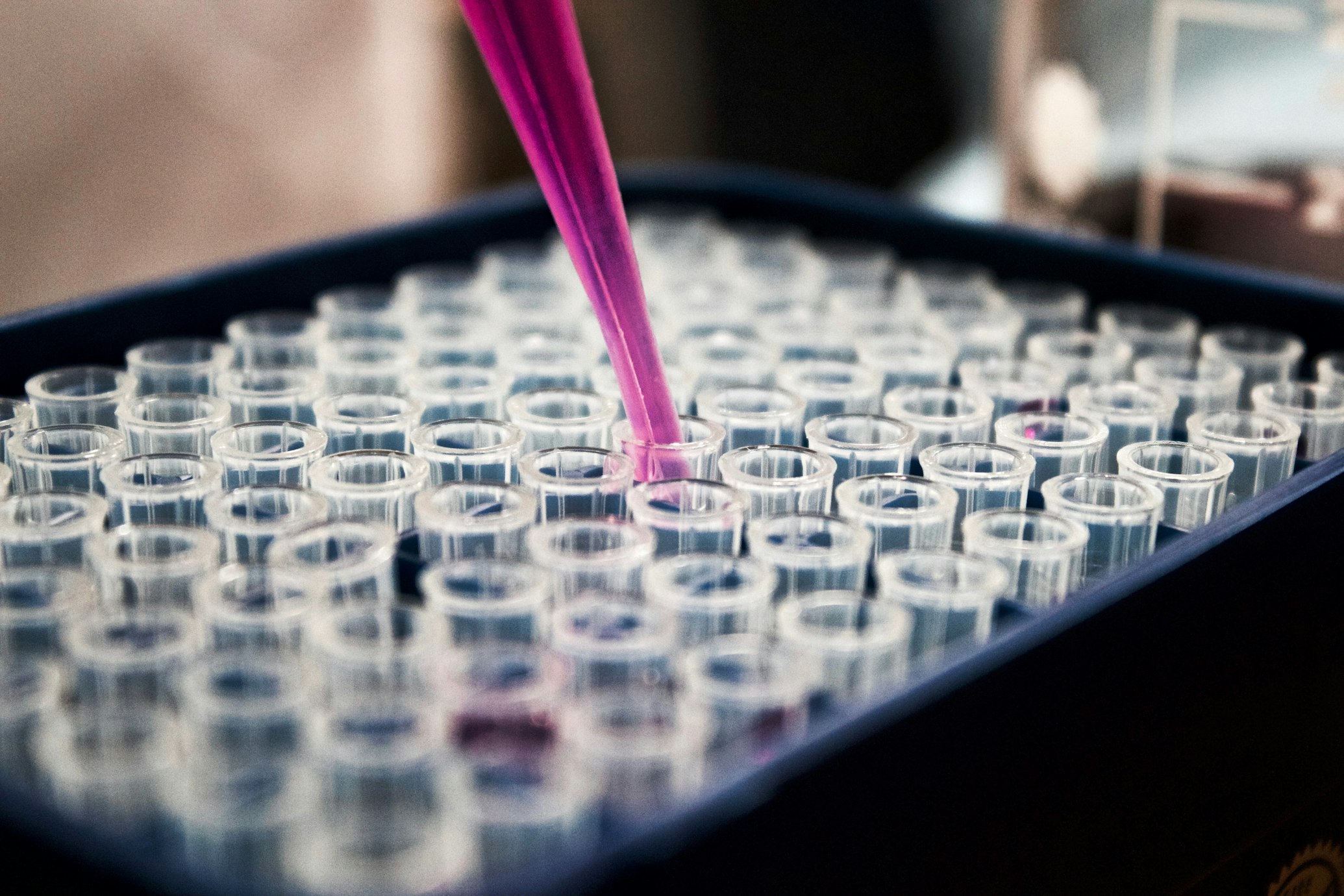
Emerging technologies for food safety monitoring and analysis
Conclusion: An Interconnected Future
The journey from environmental stress to the food on our plates involves a complex cascade of biochemical, genetic, and epigenetic events that collectively determine food safety and quality. Understanding these molecular connections is no longer merely an academic exercise—it's an essential component of global public health strategy in a world experiencing unprecedented environmental change.
As research continues to unravel these complex relationships, a multidimensional approach that integrates science, policy, and innovation will be crucial for developing effective mitigation strategies.
The emerging field of nutrigenomics and nutriepigenomics—which applies genomics to assess individual nutritional requirements—highlights the growing recognition that our food's safety and nutritional value are profoundly influenced by environmental factors 5 .
What we're discovering is that the challenges facing our global food system cannot be addressed through isolated interventions. Instead, they require holistic approaches that recognize the fundamental connections between planetary health and human wellbeing. As the 2025 EAT-Lancet Commission emphasizes, food systems are currently the largest contributor to the transgression of five planetary boundaries, and transforming these systems is essential to securing a safe, just, and sustainable future for all 9 .
Key Takeaways
Environmental stress triggers molecular changes in food
Epigenetic mechanisms play a crucial role
Integrated approaches are essential for solutions
The science is clear: environmental stress, food safety, and global health are inextricably linked through molecular pathways that affect us all. By understanding and respecting these connections, we can work toward food systems that nourish both people and the planet—now and for generations to come.