Decoding the Biochemical Drivers of Inflammation in Autoimmunity: From Molecular Pathways to Precision Therapeutics
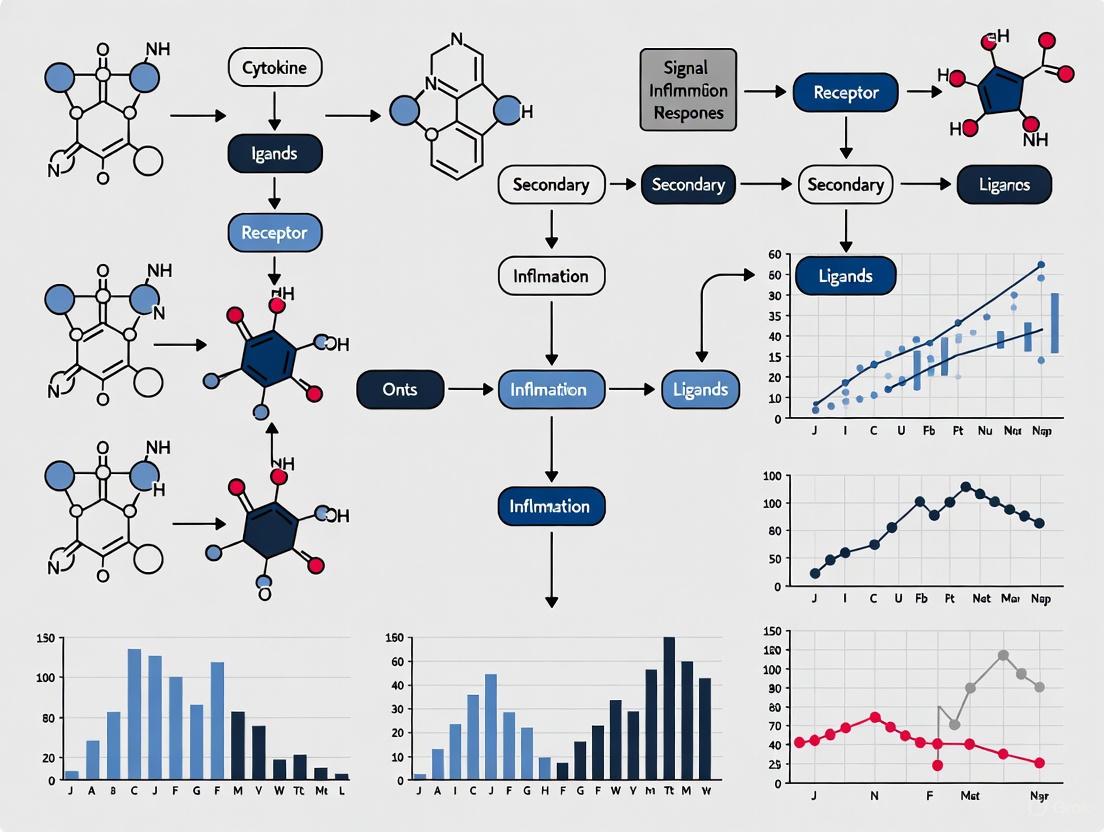
This article provides a comprehensive analysis of the biochemical mechanisms underpinning inflammation in autoimmune diseases, tailored for researchers and drug development professionals.
Decoding the Biochemical Drivers of Inflammation in Autoimmunity: From Molecular Pathways to Precision Therapeutics
Abstract
This article provides a comprehensive analysis of the biochemical mechanisms underpinning inflammation in autoimmune diseases, tailored for researchers and drug development professionals. It explores foundational concepts in immune cell signaling and metabolic reprogramming, examines cutting-edge methodological approaches like multi-omics and AI for biomarker discovery, analyzes challenges and optimization strategies in current and emerging therapies, and evaluates validation frameworks for novel targets. The synthesis offers a roadmap for translating mechanistic insights into precise, effective clinical interventions.
The Molecular Engine of Autoimmunity: Core Signaling Pathways and Metabolic Reprogramming
Autoimmune diseases are a group of disorders characterized by the immune system's aberrant attack on the body's own tissues, leading to chronic inflammation, tissue damage, and organ dysfunction. These conditions collectively affect approximately 10% of the global population, posing substantial health and economic burdens worldwide [1] [2]. The pathogenesis of autoimmune diseases involves complex interactions between genetic predisposition, environmental triggers, and dysregulated immune responses [2]. Central to this dysregulation are malfunctions in the core signaling networks of the adaptive immune system: T-cell receptors (TCRs), B-cell receptors (BCRs), and cytokine cascades. These signaling pathways normally orchestrate precise immune responses, but in autoimmunity, they become dysregulated, leading to loss of self-tolerance and sustained inflammatory attacks on host tissues [1].
This technical guide examines the biochemical basis of inflammation in autoimmune diseases through the lens of these dysregulated signaling pathways. We explore the molecular mechanisms underlying faulty immune activation, discuss advanced methodologies for investigating these processes, and present quantitative data on signaling abnormalities. Understanding these mechanisms at a biochemical level provides the foundation for developing targeted therapeutic strategies that can restore immune homeostasis without causing broad immunosuppression.
TCR Signaling Dysregulation in Autoimmunity
Structural and Functional Basis of TCR Signaling
T-cell receptors are heterodimeric proteins composed of either α and β chains (in most T cells) or γ and δ chains (in a minority subset). The remarkable diversity of TCRs, essential for recognizing a vast array of foreign antigens, is predominantly concentrated in the complementarity-determining region 3 (CDR3), which is generated through somatic recombination of TRBV, TRBD, and TRBJ gene segments along with N-nucleotide insertions [3]. This structural arrangement allows TCRs to specifically recognize peptide antigens presented by major histocompatibility complex (MHC) molecules on antigen-presenting cells [3].
In autoimmune conditions, TCR signaling becomes dysregulated through multiple mechanisms. Molecular mimicry occurs when exogenous antigens resembling self-antigens activate autoreactive T cells [2]. Additionally, models of dual TCRs and chimeric TCRs suggest alternative pathways for breaking self-tolerance [2]. The resulting autoreactive T cells infiltrate target tissues, where CD8+ cytotoxic T cells directly contact and kill targeted cells, while CD4+ T cells release proinflammatory factors and provide activation signals to B cells, perpetuating the autoimmune response [2].
Key Molecular Pathways in TCR Dysregulation
The CD28-CTLA4 pathway represents a critical regulatory axis in T-cell activation and is frequently disrupted in autoimmunity. CD28 provides essential costimulatory signals that promote T-cell activation, proliferation, and survival through PI3K-dependent mechanisms [2]. Upon activation, the YMNM sequence at the CD28 tail recruits the p85 subunit of PI3K, leading to activation of downstream targets including mTOR, IκB, GSK3β, and Bad, which collectively regulate transcription factors driving T-cell responses [2].
CTLA4, which shares ligands with CD28 (CD80 and CD86), acts as a crucial inhibitory regulator of T-cell activation [2]. Genetic variations in these pathways have been associated with multiple autoimmune conditions. In autoimmune disease models, CD28 deficiency delays disease progression and reduces severity in experimental autoimmune encephalomyelitis (EAE), MRL/lpr models of systemic lupus erythematosus (SLE), and collagen-induced arthritis models of rheumatoid arthritis (RA) [2].
Other costimulatory pathways also contribute to autoimmune pathogenesis. ICOS expression upregulated after CD4+ T-cell activation mediates PI3K-AKT signaling and is closely associated with T follicular helper (Tfh) cells through IL-21 and IL-4 secretion [2]. Conversely, inhibitory receptors such as PD1 and BTLA help maintain immune tolerance, and PD1 agonists have shown efficacy in reducing disease severity in collagen-induced arthritis and colitis models [2].
Table 1: Quantitative Features of TCR and BCR Repertoires in Autoimmunity
| Feature | TCR Repertoire | BCR Repertoire |
|---|---|---|
| Structural Composition | Heterodimer (α/β or γ/δ chains) | Two heavy chains, two light chains |
| Diversity Generation | V(D)J recombination, N-nucleotide addition | V(D)J recombination, somatic hypermutation, class-switch recombination |
| Antigen Recognition | Processed peptides presented by MHC molecules | Native, unprocessed antigens directly |
| Primary Function | Cellular immunity, T-cell activation, cytokine production | Humoral immunity, antibody production, pathogen neutralization |
| Dysregulation in Autoimmunity | Loss of self-tolerance, molecular mimicry, autoreactive clonal expansion | Autoantibody production, immune complex formation, tissue deposition |
BCR Signaling and Autoantibody Production
BCR Structure and Signaling Mechanisms
B-cell receptors share the same basic structure as antibodies, comprising two heavy chains and two light chains [3]. Unlike TCRs, BCRs can recognize native, unprocessed antigens directly, including proteins, carbohydrates, and lipids [3]. The diversity of the BCR repertoire arises from V(D)J recombination, similar to TCRs, but is further enhanced through somatic hypermutation and class-switch recombination during B-cell maturation in germinal centers [3]. This additional diversification allows for antibody affinity maturation and isotype switching, optimizing humoral immune responses but also increasing potential for autoreactivity.
In autoimmune diseases, dysregulated BCR signaling leads to the production of autoantibodies that target self-tissues [2]. These autoantibodies can activate the complement system, mediate antibody-dependent cellular cytotoxicity, and form antigen-antibody complexes that deposit in tissues such as the kidney, stimulating local inflammatory responses and causing tissue damage [2]. In systemic lupus erythematosus, for example, these immune complexes are central to the pathogenesis of lupus nephritis [2].
CD40-CD40L Costimulation in B-Cell Activation
The CD40-CD40L interaction provides critical costimulatory signals for B-cell activation and is frequently dysregulated in autoimmunity. When CD40 on B cells engages with CD40L on T cells, it recruits TNFR-associated factors (TRAFs) inside the B cell, activating downstream molecules including NIK, inhibitor of NF-κB kinase, and TPL2, ultimately leading to activation of transcription factors NF-κB and AP1 [2].
This pathway is essential for T cell-dependent antibody production, germinal center formation, and memory B-cell differentiation [2]. Beyond antibody induction, CD40 signaling can promote the production of inflammatory factors including TNF and matrix metalloproteinases (MMPs) that contribute to joint destruction in rheumatoid arthritis [2]. In Sjögren's syndrome, CD40 is continuously expressed on salivary gland ductal epithelial cells and endothelial cells, upregulating adhesion molecules and driving inflammatory progression [2]. Therapeutic blockade of the CD40 pathway has been shown to decrease disease activity in various autoimmune models [2].
Cytokine Cascades in Inflammatory Networks
The Immune Dictionary: Mapping Cytokine Responses
Recent systematic profiling of cytokine responses has revealed the extraordinary complexity of cytokine signaling networks in immunity. The "Immune Dictionary" project comprehensively mapped single-cell transcriptomic responses to 86 cytokines across more than 17 immune cell types in mouse lymph nodes in vivo, creating a compendium of over 1,400 cytokine-cell type combinations [4]. This large-scale perturbational scRNA-seq dataset revealed that most cytokines induce highly cell-type-specific responses, with an average of 51 differentially expressed genes (span of 0-1,510) per cytokine-cell type combination [4].
Cytokine-centric analysis demonstrated that certain cytokines, such as IFNα1, IFNβ, IL-1α, IL-1β, IL-18, IL-36α, IL-15, and TNF, induce strong changes in gene expression across nearly all cell types [4]. Other cytokines preferentially target specific lineages; for example, IL-21 predominantly affects lymphoid cells, while IL-3 primarily impacts myeloid cells [4]. Most upregulated genes in response to a particular cytokine were specific to one cell type, revealing previously unappreciated cellular specificity in cytokine signaling [4].
Table 2: Cytokine Response Patterns in Immune Cell Types
| Cytokine Category | Representative Members | Primary Target Cells | Key Induced Genes/Pathways |
|---|---|---|---|
| Type I Interferons | IFNα1, IFNβ | Nearly all immune cell types | ISG15, Tnfaip3, antiviral gene programs |
| IL-1 Family | IL-1α, IL-1β, IL-36α | Myeloid cells, lymphocytes, stromal cells | Chemokines, migration programs, Hif1a, Ctla4 |
| Common γ-chain | IL-2, IL-15 | NK cells, CD8+ T cells | Cytotoxic genes, Ifng induction |
| IL-6/IL-12 Family | IL-6, IL-12 | Lymphocytes, myeloid cells | Proinflammatory programs, Tfh differentiation |
| Pleiotropic Inflammatory | TNF, IL-18 | Broad cellular targets | NF-κB pathway, inflammatory mediators |
Cytokine-Driven Immune Cell Polarization
Cytokines are major drivers of immune cell polarization, with the capacity to push immune cells toward distinct functional states. Analysis of the Immune Dictionary identified more than 66 cytokine-driven cellular polarization states across immune cell types, including previously uncharacterized states such as an interleukin-18-induced polyfunctional natural killer cell state [4]. These polarization states represent specialized cellular configurations optimized for specific immune functions.
Gene program analysis revealed that related cytokines such as IFNα1 and IFNβ induce highly similar responses, as do IL-1α and IL-1β [4]. However, despite these similarities, each cytokine induces unique cell-type-specific gene programs. Type I interferons typically induce common antiviral programs across most cell types, while IL-1α and IL-1β trigger coordinated multicellular responses composed of highly cell-type-specific functions [4]. For example, in response to IL-1β, neutrophils upregulate chemokine and inflammatory genes like Cd14, MigDCs and Langerhans cells upregulate migration programs including Ccr7, and Treg cells induce Hif1a and Ctla4 that can mediate immune suppression [4].
Complex Cytokine Networks in Autoimmunity
In autoimmune conditions, these carefully orchestrated cytokine networks become dysregulated, creating self-perpetuating inflammatory cycles. Some cytokine responses in autoimmunity can be attributed to secondary effects rather than direct signaling. For instance, IL-2, IL-12, IL-15, and IL-18 induce Ifng (encoding IFNγ) in NK cells, which in turn stimulates B cells, DCs, and macrophages to express IFNγ signatures [4]. This cascade effect highlights the importance of considering rapidly induced secondary responses in non-target cell types when interpreting the complex in vivo effects of cytokines in autoimmune pathogenesis.
The pleiotropic effects of cytokines present both challenges and opportunities for therapeutic intervention. Different autoimmune diseases exhibit characteristic cytokine profiles: rheumatoid arthritis is associated with TNFα, IL-1, and IL-6 dysregulation; systemic lupus erythematosus involves type I interferons and B-cell activating factor (BAFF); and multiple sclerosis shows Th1 and Th17 polarization [2]. Understanding these patterns enables the development of targeted cytokine therapies that can disrupt pathogenic signaling without completely abrogating protective immune functions.
Methodologies for Investigating Immune Signaling
Immune Repertoire Analysis
Advanced RNA sequencing technologies have expanded beyond transcriptomics to enable comprehensive analysis of TCR and BCR repertoires. This approach leverages the high-throughput nature of RNA-seq to capture and sequence the variable regions of TCRs and BCRs, facilitating detailed examination of the immune landscape across various physiological and pathological contexts [3]. The process typically involves identification of receptor-specific transcripts, alignment and assembly of sequencing reads, and subsequent annotation and quantification of clonotypes [3].
Critical methodological considerations in immune repertoire analysis include template selection and sequencing strategy. Genomic DNA (gDNA) templates capture both productive and nonproductive TCR or BCR rearrangements, making them suitable for estimating total immune repertoire diversity [3]. In contrast, RNA templates represent the actively expressed repertoire, focusing on functional clonotypes, while complementary DNA (cDNA) retains this functional relevance with improved stability for experimental workflows [3]. Researchers must also choose between CDR3-only sequencing, which efficiently profiles clonotypes with reduced sequencing costs, and full-length sequencing, which provides comprehensive information on variable (V), joining (J), and constant (C) regions, enabling pairing analyses of TCR α- and β-chains or BCR heavy and light chains [3].
Table 3: Comparison of Methodological Approaches in Immune Repertoire Analysis
| Methodological Aspect | Options | Advantages | Limitations |
|---|---|---|---|
| Template Selection | Genomic DNA (gDNA) | Captures total diversity, ideal for clone quantification | No transcriptional activity information |
| RNA | Represents actively expressed repertoire | Less stable, prone to extraction biases | |
| Complementary DNA (cDNA) | Functional relevance with improved stability | Subject to transcriptional biases | |
| Sequencing Strategy | CDR3-only | Cost-effective, simpler bioinformatics | Limited functional interpretation |
| Full-length | Comprehensive functional data | Higher complexity, increased cost | |
| Cell Analysis Approach | Bulk sequencing | Scalable, cost-effective, less computationally intensive | Loses chain pairing and cellular context |
| Single-cell sequencing | Preserves cellular context and chain pairing | More complex, higher cost |
Advanced Imaging of Immune Signaling
The investigation of immune signaling processes requires sophisticated imaging methodologies capable of capturing events across broad spatial and temporal scales. Immune signaling events range from large micron-sized patterns, termed supramolecular activation clusters (SMACs), to signaling micro-clusters and nanoclusters below the resolution limit of conventional light microscopy, with temporal events spanning from microsecond exploratory interactions to stable cell-cell contacts lasting minutes [5].
Total internal reflection fluorescence microscopy (TIRFM) creates an evanescent wave penetrating 100-200 nm into the cell, enabling high-contrast imaging of the glass-cell interface [5]. This technique has been used to visualize formation of SMACs, nanoscale reorganization of T-cell membrane proteins, and formation of microclusters in B cells and T cells [5]. Variable-angle (VA)-TIRFM allows control over the penetration depth of the evanescent beam to gain 3D information, revealing that TCR microclusters are enriched closer to activating interfaces compared to bulk TCR [5].
For dynamic 3D imaging, lattice light-sheet microscopy (LLSM) has emerged as a powerful technique offering high resolution (230 nm xy and 370 nm z) and high-speed imaging while minimizing phototoxicity and photobleaching effects [5]. This imaging modality has revealed topological changes during T cell immunological synapse formation, how finger-like cellular structures search for antigens, and how the actin cytoskeleton facilitates immune activation [5]. Commercial spinning disk confocal microscopes achieve diffraction-limited resolution (lateral: 200 nm, axial: 500 nm) with video rate 2D imaging (20 Hz) or slightly slower 3D imaging (∼1 Hz), but suffer from limited speed and photobleaching propensity [5].
Multiplexed Biosensor Barcoding
Massively multiplexed biosensor barcoding represents a cutting-edge approach for deciphering cell signaling networks. This technology enables concurrent tracking of large numbers of fluorescent biosensors in barcoded cells, overcoming the traditional limitation of multiplexing capacity imposed by available spectral space [6]. By developing a set of barcoding proteins that can generate over 100 barcodes spectrally separable from commonly used biosensors, researchers can simultaneously image and analyze mixtures of barcoded cells expressing different biosensors using deep learning models [6].
This approach reveals highly coordinated activities among different biosensors in cell mixtures, facilitating delineation of their temporal relationships [6]. Simultaneous tracking of multiple biosensors in the receptor tyrosine kinase signaling network has revealed distinct mechanisms of effector adaptation, cell autonomous and non-autonomous effects of KRAS mutations, and complex network interactions [6]. Biosensor barcoding presents a scalable method to expand multiplexing capabilities for deciphering the complexity of signaling networks and their interactions between cells.
Fluorescent Probes for Immune Monitoring
Fluorescent probes have emerged as highly sensitive and specific biological imaging tools with substantial potential in autoimmune disease research. These probes offer advantages over traditional imaging modalities, including high sensitivity, real-time imaging capabilities, and multiplexing potential [7]. They can be utilized non-invasively with high precision for diagnosing various diseases and measuring concentrations of biological substances, while also depicting dynamic intracellular processes and visualizing biological activities in response to specific parameters [7].
Recent developments include boron-based fluorescent dyes such as difluoroboron β-diketonates, which serve as bio-imaging reagents with UV excitation, offering high quantum yields and wide excitation peaks [8]. When incorporated into polymer nanoparticles (e.g., using poly(L-lactic acid) or poly(ε-caprolactone)), these dyes enable effective cell tracking across multiple short wavelength excitation sources [8]. Such labelling reagents do not alter the biological state of cells and are bright enough to be visualized above background autofluorescence, a particular concern when imaging in tissue [8].
Visualizing Signaling Pathways and Experimental Workflows
TCR and BCR Signaling Network
Diagram 1: TCR and BCR Signaling Network. This diagram illustrates key molecular pathways in T-cell and B-cell receptor signaling, highlighting critical activation and regulatory nodes that become dysregulated in autoimmune diseases.
Cytokine Signaling and Cellular Responses
Diagram 2: Cytokine Signaling and Cellular Responses. This diagram shows cytokine signaling pathways and their cell-type-specific effects, illustrating how the same cytokine can induce different responses across immune cell types.
Experimental Workflow for Immune Repertoire Analysis
Diagram 3: Experimental Workflow for Immune Repertoire Analysis. This diagram outlines the key steps in TCR/BCR repertoire analysis, from sample collection through data analysis and visualization.
The Scientist's Toolkit: Key Research Reagents
Table 4: Essential Research Reagents for Investigating Immune Signaling
| Reagent Category | Specific Examples | Key Applications | Technical Considerations |
|---|---|---|---|
| Sequencing Platforms | 10x Genomics Single Cell Immune Profiling | High-throughput TCR/BCR repertoire analysis | Enables paired-chain analysis, requires specialized equipment |
| Bulk RNA-seq for repertoire analysis | Large-scale clonotype profiling | Cost-effective for diversity assessment, loses cellular context | |
| Imaging Reagents | Boron-based fluorescent dyes (BF2dbm conjugates) | Cell tracking with UV excitation | High quantum yield, compatible with blue filter sets |
| Polymeric nanoparticles (PLLA, PCL) | Delivery vehicles for imaging agents | Tunable uptake by immune cells, biodegradability | |
| Cytokine Profiling Tools | Cytokine injection models (in vivo) | Single-cell response mapping (Immune Dictionary) | Identifies cell-type-specific responses, complex data analysis |
| Multiplexed cytokine arrays | High-throughput cytokine measurement | Simultaneous detection of multiple analytes, limited dynamic range | |
| Biosensors | Genetically encoded fluorescent biosensors | Live cell signaling dynamics | Real-time monitoring, limited multiplexing capacity |
| Biosensor barcoding systems | Massively multiplexed signaling tracking | Over 100 barcodes, requires deep learning analysis |
The dysregulation of TCR, BCR, and cytokine signaling networks represents a fundamental biochemical mechanism driving the inflammatory processes in autoimmune diseases. Advances in our understanding of these pathways have revealed unprecedented complexity in immune signaling, including the highly cell-type-specific nature of cytokine responses and the diverse mechanisms of receptor signaling dysregulation. The integration of cutting-edge methodologies—from single-cell transcriptomics to massively multiplexed biosensor barcoding and advanced imaging techniques—has provided powerful tools to decipher this complexity.
These technological advances are paving the way for more targeted therapeutic approaches that aim to restore immune tolerance without causing broad immunosuppression. Emerging strategies include the use of nanomaterials and mRNA vaccine techniques to induce antigen-specific immune tolerance, representing a paradigm shift from general immunosuppression toward precision immunomodulation [2]. As our understanding of the biochemical basis of inflammatory signaling in autoimmunity continues to evolve, so too will our ability to develop increasingly specific and effective treatments for these complex disorders.
Metabolic reprogramming, once considered a passive consequence of immune cell activation, is now recognized as a fundamental and active driver of inflammation, particularly in autoimmune diseases. This whitepaper synthesizes current evidence demonstrating how dynamic shifts in cellular metabolism—including glycolysis, oxidative phosphorylation, lipid metabolism, and amino acid metabolism—dictate immune cell fate, function, and inflammatory potential. Beyond merely supplying energy, metabolic reprogramming regulates epigenetic modifications, controls signal transduction, and shapes the inflammatory microenvironment. Focusing on rheumatoid arthritis, systemic lupus erythematosus, and other autoimmune conditions, we delineate the specific metabolic alterations in T cells, B cells, macrophages, and synoviocytes that perpetuate disease pathogenesis. This document provides researchers and drug development professionals with a comprehensive overview of core mechanisms, experimental methodologies, and emerging therapeutic strategies that target immunometabolism to restore immune balance.
The traditional view of metabolism as a mere housekeeping function has been fundamentally overturned. In immunology, cellular metabolism is now understood to be an active instructor of immune cell fate and function [9]. Metabolic reprogramming—the dynamic alteration of cellular metabolic pathways in response to stimuli—is a critical mechanism that drives and sustains pathological inflammation in autoimmune diseases [10].
This process extends far beyond energy production to encompass biosynthetic precursor generation, redox balance maintenance, and regulation of epigenetic and signaling networks [11] [12]. In autoimmune contexts such as rheumatoid arthritis (RA) and systemic lupus erythematosus (SLE), immune cells and resident tissue cells (e.g., fibroblast-like synoviocytes) undergo specific metabolic shifts that unlock pro-inflammatory effector functions, promote survival, and facilitate tissue invasion [10] [13]. This whitepaper dissects the biochemical basis of these relationships, providing a technical foundation for research and therapeutic development.
Core Metabolic Pathways and Their Inflammatory Roles
Immune cells exhibit remarkable metabolic plasticity, shifting their utilization of core pathways to meet functional demands. The table below summarizes the major metabolic pathways involved in inflammatory reprogramming.
Table 1: Core Metabolic Pathways in Immune Cell Reprogramming
| Metabolic Pathway | Primary Role in Inflammation | Key Immune Cells/Conditions | Key Molecular Regulators |
|---|---|---|---|
| Aerobic Glycolysis (Warburg Effect) | Rapid ATP generation; provides biosynthetic precursors for proliferation; lactate production acidifies microenvironment [14] [15]. | Pro-inflammatory M1 macrophages; Effector T cells (Th1, Th17); RA synoviocytes [14] [13]. | HIF-1α, mTOR, PKM2 [14] [12]. |
| Oxidative Phosphorylation (OXPHOS) | Efficient ATP yield; supports long-lived, memory, and regulatory cell functions [9] [14]. | Anti-inflammatory M2 macrophages; Regulatory T cells (Tregs); Memory T cells [14] [11]. | AMPK, PGC-1α, TFEB [16]. |
| Fatty Acid Oxidation (FAO) | Energy production via β-oxidation; supports oxidative metabolism and regulatory phenotypes [9] [14]. | M2 macrophages; Tregs; Memory T cells [9] [11]. | PPARs, AMPK [9] [14]. |
| De Novo Lipogenesis | Generates lipids for membrane biosynthesis and lipid raft signaling platforms [9] [15]. | Activated B cells; Plasma cells; Effector T cells; Cancer cells [9] [12]. | SREBPs (SREBP-1c, SREBP-2) [9] [12]. |
| Amino Acid Metabolism | Supports nucleotide synthesis, redox balance (glutathione), and mTOR signaling [14] [12]. | M2 macrophages (glutamine); Proliferating T and B cells [14]. | mTOR, GLS [14] [15]. |
Lipid Metabolism: Beyond Structure and Energy
Lipids play sophisticated signaling and regulatory roles that are crucial in inflammation.
- Cholesterol and Lipid Rafts: Membrane cholesterol content is critical for forming lipid rafts, which act as signaling platforms that enrich the T-cell receptor (TCR) and co-stimulatory molecules. Increased cholesterol lowers the activation threshold of T cells, a key mechanism of hyperactivation in SLE [9].
- Sphingolipids: Metabolites like ceramide and sphingosine-1-phosphate (S1P) are potent second messengers regulating apoptosis, proliferation, and immune cell migration [9].
- Transcription Factor Networks: Master regulators like SREBPs control cholesterol and fatty acid synthesis genes, directly driving the effector functions of B cells and other immune cells. Peroxisome proliferator-activated receptors (PPARs) act as lipid sensors, integrating metabolism with inflammatory responses [9].
Cell-Type-Specific Metabolic Reprogramming in Autoimmunity
The link between metabolic reprogramming and inflammatory function is evident in specific immune cell populations.
Table 2: Metabolic Reprogramming in Autoimmune Pathology
| Cell Type | Autoimmune Disease | Observed Metabolic Shift | Functional Consequence |
|---|---|---|---|
| Macrophage (M1) | Rheumatoid Arthritis [10] [13] | ↑ Glycolysis, ↓ OXPHOS, Broken TCA cycle (succinate, citrate accumulation) [14] [13]. | Pro-inflammatory cytokine production (TNF-α, IL-1β, IL-6); HIF-1α stabilization [14] [13]. |
| T Effector Cells (Th1/Th17) | RA, Multiple Sclerosis [10] | ↑ Glycolysis, ↑ Glutaminolysis [11] [10]. | Proliferation; IFN-γ & IL-17 production; Tissue infiltration [11] [10]. |
| Regulatory T Cells (Tregs) | Multiple Autoimmune Diseases | ↑ OXPHOS, ↑ FAO [9] [16]. | Immunosuppressive function; Requires mitochondrial fitness & lysosomal coordination [16]. |
| B Cells | Systemic Lupus Erythematosus [9] | ↑ Glycolysis, ↑ Lipogenesis [9]. | Autoantibody production; Germinal center formation [9]. |
| Fibroblast-like Synoviocytes (FLS) | Rheumatoid Arthritis [10] [13] | ↑ Glycolysis, ↑ Glutaminolysis, Mitochondrial dysfunction [10] [13]. | Invasive pannus formation; Cartilage destruction; Secretion of MMPs & VEGF [13]. |
Organizational Crosstalk in Regulatory T Cells
The activation and function of immunosuppressive Regulatory T cells (Tregs) are controlled by intricate organelle communication. Recent research has delineated a metabolic roadmap of Treg activation, revealing four distinct states from quiescence to highly activated and back to baseline [16]. The transition between these states is governed by mitochondrial-lysosomal crosstalk.
Diagram 1: Treg metabolic-immune crosstalk. This diagram illustrates how deletion of the mitochondrial gene Opa1 impairs cristae formation, leading to mitochondrial dysfunction. This activates AMPK signaling and the energy stress-response pathway, triggering TFEB-mediated lysosomal biogenesis as a compensatory mechanism. However, this compensation is insufficient, ultimately resulting in failed Treg immunosuppressive function [16].
Experimental Protocols: Assessing Metabolic Reprogramming
To investigate metabolic reprogramming, researchers employ a suite of functional and molecular assays. Below is a detailed methodology for key experiments.
Protocol: Single-Cell RNA Sequencing (scRNA-seq) for Metabolic State Analysis
This protocol is adapted from studies identifying metabolic states in regulatory T cells during inflammation [16].
I. Objectives
- To identify distinct metabolic and activation states of immune cells within a heterogeneous population.
- To correlate metabolic gene expression signatures (e.g., glycolysis, OXPHOS, lysosomal genes) with cellular function.
II. Materials and Reagents
- Single-cell suspension from tissue of interest (e.g., synovium, lymph nodes, blood).
- Viability dye (e.g., Propidium Iodide).
- Single-cell partitioning and barcoding kit (e.g., 10x Genomics Chromium Next GEM Single Cell 3' or 5' Kit).
- Reverse transcription and library preparation reagents.
- High-throughput sequencer (e.g., Illumina NovaSeq).
III. Procedure
- Cell Preparation and Viability: Generate a single-cell suspension using mechanical dissociation and/or enzymatic digestion (e.g., collagenase/DNase). Pass the suspension through a 40-μm cell strainer. Assess viability using a viability dye; ensure viability is >90% for optimal results.
- Single-Cell Partitioning and Barcoding: Load the cells onto a single-cell partitioning system (e.g., 10x Genomics Chromium Controller) to encapsulate individual cells into droplets with barcoded gel beads. This step labels all mRNA from a single cell with a unique cellular barcode.
- cDNA Synthesis and Library Construction: Perform reverse transcription within the droplets to generate barcoded cDNA. Break the droplets and amplify the cDNA. Follow with enzymatic fragmentation, end-repair, A-tailing, and adapter ligation to construct a sequencing library.
- Sequencing and Data Analysis: Sequence the library on a high-throughput platform. Subsequently, align sequencing reads to a reference genome (e.g., GRCh38) and assign reads to individual cells based on their barcodes using computational pipelines (e.g., Cell Ranger).
- Bioinformatic Analysis: Perform downstream analysis using R packages (e.g., Seurat, SingleCellExperiment). Steps include:
- Quality control (filtering cells by unique gene counts and mitochondrial read percentage).
- Normalization and scaling.
- Dimensionality reduction (PCA, UMAP, t-SNE).
- Clustering to identify cell populations.
- Differential expression analysis to define metabolic gene signatures (e.g., Hk2, Ldha for glycolysis; Cox5b, Atp5f1 for OXPHOS; Tfeb, Ctsb for lysosomes) across clusters.
Protocol: Extracellular Flux Analysis for Real-Time Glycolysis and OXPHOS
This assay directly measures the functional metabolic phenotype of cells in real-time.
I. Objectives
- To quantitatively measure the rates of glycolysis and mitochondrial respiration in live cells.
- To assess metabolic flexibility in response to inflammatory stimuli.
II. Materials and Reagents
- Extracellular Flux Analyzer (e.g., Seahorse XF Analyzer, Agilent).
- XF Assay Kit (e.g., XF Glycolysis Stress Test Kit, XF Cell Mito Stress Test Kit).
- XF Base Medium (carbon-free and bicarbonate-free).
- Substrates: Glucose, Oligomycin, 2-Deoxy-D-glucose (2-DG), or FCCP, Rotenone & Antimycin A.
- Cell culture miniplates (XFp or XF96).
III. Procedure
- Cell Seeding: Seed cells (50,000 - 200,000 per well, depending on type) into the assay plate and culture until an adherent monolayer is formed.
- Media Exchange and Equilibration: Prior to the assay, replace growth media with XF Base Medium supplemented with 2 mM Glutamine (for Mito Stress Test) or with 2 mM Glutamine only (for Glycolysis Stress Test). Incubate the cell plate in a non-CO₂ incubator for 45-60 minutes to equilibrate temperature and pH.
- Compound Loading: Load the injector ports of the sensor cartridge with modulators:
- Glycolysis Stress Test: Port A: Glucose; Port B: Oligomycin; Port C: 2-DG.
- Mitochondrial Stress Test: Port A: Oligomycin; Port B: FCCP; Port C: Rotenone & Antimycin A.
- Assay Execution: Calibrate the cartridge and run the assay program. The instrument automatically measures the Oxygen Consumption Rate (OCR, for OXPHOS) and Extracellular Acidification Rate (ECAR, a proxy for glycolysis) in real-time following the sequential injections of modulators.
- Data Analysis: Calculate key parameters using the Wave software:
- From the Mito Stress Test: Basal OCR, ATP-linked OCR, Maximal Respiratory Capacity, and Proton Leak.
- From the Glycolysis Stress Test: Glycolysis, Glycolytic Capacity, and Glycolytic Reserve.
The Scientist's Toolkit: Key Research Reagent Solutions
Table 3: Essential Reagents for Immunometabolism Research
| Reagent / Tool | Function / Target | Key Application in Research |
|---|---|---|
| 2-Deoxy-D-Glucose (2-DG) | Competitive inhibitor of hexokinase, the first enzyme in glycolysis [10]. | To inhibit glycolysis and assess its functional necessity in pro-inflammatory immune cell activation and cytokine production [10]. |
| Metformin | Activator of AMPK; inhibits mitochondrial complex I and mTORC1 signaling [17]. | To investigate the shift from glycolysis to OXPHOS and its impact on immune cell function; used in pre-clinical models of autoimmune disease and cancer [17]. |
| Rotenone & Antimycin A | Inhibitors of mitochondrial Electron Transport Chain (Complex I and III) [11]. | To directly suppress OXPHOS and probe its role in supporting Treg and M2 macrophage function. |
| Etomoxir | Inhibitor of CPT1A, the rate-limiting enzyme for mitochondrial Fatty Acid Oxidation (FAO) [14]. | To study the role of FAO in regulatory immune cells (Tregs, M2 macrophages). Note: Effects can be off-target at high concentrations. |
| TFEB & TFE3 Reporter Cell Lines | Genetically engineered cells with a fluorescent reporter (e.g., GFP) under the control of a TFEB/TFE3-responsive promoter [16]. | To monitor and quantify the activity of the lysosomal-master regulator TFEB in response to metabolic stressors (e.g., mitochondrial dysfunction) in live cells. |
| SREBP Inhibitors (e.g., Fatostatin) | Inhibitor of SREBP cleavage-activation, blocking lipogenesis [9]. | To investigate the role of de novo lipid synthesis in plasma cell differentiation, antibody production, and lipid raft-mediated signaling. |
| Near-Infrared (NIR) Responsive Nanosystem (APPC/pHO-1) | Gold nanorod-based gene delivery system for heat-responsive expression of Heme Oxygenase-1 (HO-1) [13]. | To spatially and temporally control the expression of a metabolic modulator (HO-1) in specific tissues (e.g., arthritic joints) to suppress glycolysis and ameliorate inflammation in vivo. |
Targeting Metabolic Reprogramming: Therapeutic Implications
The recognition of metabolic reprogramming as a active driver of inflammation opens a new frontier for therapeutic intervention. Strategies aim to normalize the hyperactive metabolic nodes of pathogenic cells while preserving the function of protective immune cells—a concept termed "immune-metabolic normalization" [9].
Signaling and Therapeutic Intervention in Rheumatoid Arthritis
In Rheumatoid Arthritis, a vicious cycle of metabolic dysregulation in synoviocytes and immune cells perpetuates inflammation. The diagram below integrates the key pathways and highlights points for therapeutic intervention, such as the innovative NIR-driven HO-1 gene therapy [13].
Diagram 2: Metabolic targeting in RA. This diagram shows the pathogenic loop in RA where hypoxia and ROS stabilize HIF-1α, driving hyperactive glycolysis and inflammation. The green, dashed pathway represents a novel therapeutic strategy using NIR-light to activate HO-1 gene expression via targeted nanoparticles, which inhibits glycolysis and promotes an anti-inflammatory state [13].
Other promising therapeutic strategies include:
- Repurposed Drugs: Metformin, an AMPK activator, can inhibit mTORC1 and shift metabolism away from glycolysis, showing potential in preclinical models [17].
- SGLT2 Inhibitors: Drugs like dapagliflozin, used for diabetes, can inhibit BC cell proliferation by inducing nutrient deficiency and cell cycle arrest, and may ameliorate hyperinsulinemia, a factor in disease comorbidity [17].
- Lysosomal Regulators: Targeting genes like Flcn, which restrains lysosomes, can alter Treg function and has been shown to improve anti-tumor immune responses, suggesting potential application in autoimmunity [16].
Metabolic reprogramming is an indispensable, active driver of inflammation that redefines our understanding of autoimmune disease pathogenesis. The shifts in glycolysis, OXPHOS, and lipid metabolism are not passive responses but are integral to directing immune cell differentiation, effector functions, and survival. The intricate crosstalk between organelles, such as mitochondria and lysosomes, adds a further layer of regulation. This refined understanding provides a new biochemical basis for inflammation, moving the field beyond a cytokine-centric view. For researchers and drug developers, targeting these metabolic pathways offers a promising strategy for developing more precise and effective therapies that normalize pathological immune responses while preserving host defense—ushering in a new era of metabolic immunology.
Lipid metabolism has emerged as a central regulatory node governing immune cell fate, function, and differentiation. Moving beyond its traditional roles in membrane structure and energy storage, lipid reprogramming is now recognized as a decisive driver of immune activation, tolerance, and inflammation. In autoimmune diseases, this metabolic rewiring creates pharmacologically actionable dependencies that enable more precise therapeutic interventions compared to blanket immunosuppression. This whitepaper synthesizes current understanding of how fatty acids, cholesterol, and sphingolipids orchestrate immune signaling through structural, metabolic, and signaling mechanisms. We detail experimental approaches for investigating immunolipidomics and highlight the translational potential of targeting lipid metabolic pathways in autoimmune therapeutics, framing these advances within the broader context of inflammation biochemistry.
The immunometabolism field has revolutionized our understanding of immune-mediated diseases by revealing that cellular metabolism actively dictates immune cell fate and function rather than merely supplying energy post-activation [18]. Immune cells undergo precise metabolic reprogramming during different stages—quiescence, activation, differentiation, and memory formation—to meet specific bioenergetic and biosynthetic demands [18]. This tight coupling between metabolic signatures and cellular functions implies that metabolic pathways themselves can be targeted to modulate immune responses with precision.
Lipid metabolism has moved from the background to the forefront of immunometabolism [18]. Traditionally viewed primarily as structural membrane components and energy stores, lipids are now recognized for their complex regulatory functions: as diverse signaling molecules (e.g., sphingosine-1-phosphate, specialized pro-resolving mediators), as organizers of signaling platforms (lipid rafts), and as substrates for post-translational modifications that reshape immune cell gene expression profiles [18]. In autoimmune diseases, lipid metabolic dysregulation represents a central pathological feature that drives disease progression through a vicious cycle where metabolically derived harmful products activate immune cells, and inflammatory cytokines further exacerbate metabolic imbalance [18].
Multifaceted Roles of Lipids in Immune Regulation
Lipids constitute a chemically and functionally diverse group of molecules—including fatty acids, triglycerides, cholesterol, and sphingolipids—that collectively determine cellular structural integrity, signaling efficiency, and metabolic status [9]. Their functions extend far beyond historical understanding, encompassing three fundamental roles in immune systems.
Structural Roles: Membrane Integrity and Signaling Platforms
The lipid bilayer forms the fundamental architecture of cellular and organellar membranes, with specific lipid compositions determining membrane fluidity, curvature, and compartmentalization. Cholesterol and sphingolipids form specialized plasma membrane microdomains known as lipid rafts that serve as signaling platforms enriching immune receptors like the T-cell receptor and B-cell receptor and their downstream signaling proteins [18]. Upon antigen stimulation, lipid rafts facilitate molecular aggregation, effectively initiating and amplifying immune signaling [18]. Increased membrane cholesterol content can lower the activation threshold of T cells, representing a key mechanism underlying T cell hyperactivation in autoimmune conditions like systemic lupus erythematosus [18].
Signaling Roles: Lipid Mediators and Molecular Switches
Lipids function as potent signaling molecules through several distinct mechanisms:
- Eicosanoids (prostaglandins, leukotrienes) derived from polyunsaturated fatty acids regulate histamine release, pain transmission, and immune activation [19].
- Sphingolipid metabolites (ceramide, sphingosine-1-phosphate) act as important second messengers regulating apoptosis, proliferation, and migration [9].
- Specialized pro-resolving mediators (resolvins, protectins) derived from fatty acids actively resolve inflammation [19].
- Lipid-activated nuclear receptors (PPARs, LXRs) sense intracellular lipid levels and reshape immune cell gene expression profiles at the transcriptional level [18].
Metabolic Roles: Energy Source and Biosynthetic Precursors
Lipids serve as crucial energy reservoirs and metabolic substrates:
- Fatty acid β-oxidation provides energy for long-lived cells such as memory T cells and regulatory T cells [18].
- De novo lipogenesis supplies membrane constituents and signaling lipids in rapidly proliferating activated immune cells [18].
- Lipid droplets store neutral lipids to buffer lipotoxicity while also functioning as docking sites for signaling proteins and platforms for inflammatory lipid mediator synthesis [9].
Table 1: Major Lipid Classes and Their Immune Functions
| Lipid Class | Key Components | Primary Immune Functions | Associated Autoimmune Conditions |
|---|---|---|---|
| Fatty Acids | Palmitic, oleic, linoleic acids | Energy source, membrane fluidity, signaling precursor | RA, SLE, MS [19] |
| Cholesterol | Free cholesterol, cholesterol esters | Membrane integrity, lipid raft formation, signaling | SLE, RA [18] |
| Sphingolipids | Ceramide, S1P, sphingomyelin | Apoptosis, migration, proliferation, cell fate decisions | MS, RA, SLE [20] |
| Phospholipids | Phosphatidylcholine, phosphatidylserine | Membrane structure, signaling platforms, apoptosis marking | IBD, psoriasis [21] |
| Eicosanoids | Prostaglandins, leukotrienes | Inflammation, pain, fever, vascular permeability | RA, IBD, psoriasis [19] |
Organellar Coordination in Lipid Metabolism
Lipid metabolism depends on a highly coordinated network of organelles, each contributing specialized functions to immune cell metabolic reprogramming.
Endoplasmic Reticulum: Biosynthetic Hub
The endoplasmic reticulum serves as the primary site for de novo lipogenesis and cholesterol synthesis [9]. Under pathological conditions such as autoimmune disease, when immune cells encounter high protein synthesis demands or experience lipid imbalance, endoplasmic reticulum stress is triggered, activating the unfolded protein response [9]. Although this response attempts to mitigate stress by upregulating lipid synthesis genes to expand ER membrane capacity, persistent ER stress disrupts lipid metabolism and can trigger inflammatory or apoptotic signaling [9].
Mitochondria: Oxidative Powerhouse
Mitochondria are the primary site for fatty acid β-oxidation, generating ATP, reactive oxygen species, and metabolic intermediates [18]. Mitochondrial fitness—encompassing membrane potential, respiratory capacity, and dynamics (fusion and fission)—is critical for immune cell function [18]. Mitochondria establish close contact with the ER via mitochondria-associated membranes that mediate lipid transport, regulate calcium signaling, and help maintain cellular homeostasis [18].
Lipid Droplets: Dynamic Storage Organelles
Lipid droplets store neutral lipids to buffer lipotoxicity and supply energy via lipolysis [18]. In activated immune cells such as macrophages and neutrophils, the number and size of LDs increase significantly, representing a hallmark feature of immunometabolic reprogramming [9]. Beyond storage, LDs function as docking sites for signaling proteins and serve as platforms for the synthesis of inflammatory lipid mediators such as eicosanoids, thereby directly linking lipid storage to inflammatory responses [18].
Lipid-Mediated Regulation of Immune Cell Populations
T Lymphocytes: Metabolic Specilization Determines Fate
T cell subsets exhibit distinct lipid metabolic programs that support their specialized functions:
CD8+ cytotoxic T cells require linoleic acid for their activation and memory formation, either through uptake or de novo synthesis [19]. Memory T cells use lipids as their main fuel source, with subtle differences between subsets: tissue-resident memory T-cells rely on exogenous FA uptake, whereas central memory T-cells use lipolysis of triglycerides to fulfill their energy needs, minimizing oxidative damage during their long lifetimes [19].
CD4+ helper T cells show subset-specific dependencies: T helper 17 cells synthesize all their required lipids de novo, whereas T regulatory cells rely largely on the uptake of lipids [19]. Palmitic acid primes effector T-cells for inflammatory responses via TLR signaling, while regulatory T-cells are resistant to the toxic effects of palmitic acid that vulnerable CD4+ effector T-cells experience [19].
Regulatory T cells preferentially utilize fatty acid oxidation for their maintenance and function, supported by fully functional mitochondria [18]. This metabolic preference allows Tregs to thrive in lipid-rich environments while supporting their immunosuppressive functions.
Table 2: Lipid Metabolic Programs in T Cell Subsets
| T Cell Subset | Preferred Metabolic Pathway | Key Lipid Mediators | Functional Outcome |
|---|---|---|---|
| Naive T cells | FAO (low activity) | Low S1P, balanced ceramide | Maintenance of quiescence |
| Effector T cells | Glycolysis with increased DNL | Prostaglandins, leukotrienes | Rapid proliferation, inflammatory functions |
| Regulatory T cells | FAO with lipid uptake | S1P, anti-inflammatory lipids | Immunosuppression, tissue repair |
| Memory T cells | FAO with lipolysis | Stored triglycerides | Long-term persistence, rapid recall |
| Th17 cells | De novo lipogenesis | Pro-inflammatory lipids | Inflammatory pathology, autoimmunity |
B Lymphocytes: Lipid Dependency in Humoral Immunity
B cell activation and antibody production require substantial membrane biogenesis and energy, creating critical dependencies on lipid metabolism. The SREBP signaling pathway in B cells is essential for antibody responses, as well as for the formation of germinal centers, memory B cells, and bone marrow plasma cells [9]. Cholesterol homeostasis is particularly important for B cell receptor signaling and lipid raft function, with increased membrane cholesterol content potentially lowering activation thresholds in autoimmune settings.
Macrophages: Metabolic Reprogramming Dictates Polarization
Macrophages exhibit remarkable metabolic plasticity during polarization, with lipid metabolism playing a decisive role:
M1 macrophages (pro-inflammatory) rely primarily on glycolysis with disrupted TCA cycle function, leading to accumulation of citrate and succinate that support inflammatory mediator production [14]. These cells demonstrate increased fatty acid synthesis that supports membrane biogenesis and production of inflammatory lipid mediators.
M2 macrophages (anti-inflammatory) preferentially utilize fatty acid oxidation and oxidative phosphorylation [14]. Peroxisome proliferator-activated receptors promote FAO and drive M2 polarization, while lipid synthesis inhibitors can enhance this anti-inflammatory phenotype [14].
Dendritic Cells: Lipid Regulation of Antigen Presentation
In dendritic cells, lipid metabolism regulates antigen presentation and maturation processes [9]. Lipid accumulation in DCs can influence their ability to activate T cells and shape subsequent immune responses, with specific lipid species modulating immunogenic versus tolerogenic phenotypes.
Experimental Approaches: Deciphering Immunolipidomics
Tracking Lipid Uptake and Metabolism
Advanced chemical tools enable precise investigation of lipid dynamics in immune cells:
Fluorescence-based lipids enable single-cell analysis of lipid uptake and metabolism, overcoming limitations of traditional bulk methods [19]. These probes allow researchers to visualize lipid distribution and trafficking in living immune cells with spatial and temporal resolution.
Click chemistry approaches offer precise methods to track lipid dynamics using bio-orthogonal reactions [19]. Alkyne-tagged fatty acids can be metabolically incorporated into immune cells and subsequently conjugated to azide-bearing fluorophores or affinity tags for detection or purification.
Metabolomics and proteomics advances provide comprehensive insights into lipid-mediated immune regulation [19]. Mass spectrometry-based lipidomics can quantify hundreds of lipid species simultaneously, revealing global lipid remodeling during immune responses.
Methodological Framework for Lipid-Immune Studies
Diagram 1: Experimental workflow for investigating lipid-immune interactions
Essential Research Reagent Solutions
Table 3: Key Reagents for Immunolipidomics Research
| Reagent Category | Specific Examples | Research Application | Technical Considerations |
|---|---|---|---|
| Fluorescent lipids | BODIPY-FA, NBD-labeled lipids | Tracking lipid uptake, localization | May alter lipid properties; concentration-dependent effects |
| Bio-orthogonal tags | Alkyne-tagged FAs, azide dyes | Metabolic labeling, pulse-chase | Requires minimal handling to preserve cell viability |
| Metabolic inhibitors | Etomoxir (CPT1A), C75 (FASN) | Pathway manipulation | Off-target effects; dose optimization critical |
| Lipid agonists/antagonists | S1P receptor modulators, PPAR ligands | Receptor signaling studies | Context-dependent effects; cell-specific responses |
| Mass spectrometry standards | Deuterated lipids, odd-chain FAs | Lipidomics quantification | Internal standardization, extraction efficiency |
| Genetically encoded sensors | GFP-LD tags, cholesterol biosensors | Live-cell imaging | May perturb native localization, expression level concerns |
Lipid-Centric Signaling Networks in Autoimmunity
Integrated Immunometabolic Signaling
Diagram 2: Integrated lipid signaling network in immune cell regulation
Crossroads with Cell Death Pathways: Ferroptosis
Ferroptosis, an iron-dependent programmed cell death driven by lipid peroxidation, represents a critical intersection between lipid metabolism and immune cell fate [21]. This process is characterized by:
- Glutathione depletion and GPX4 inactivation, reducing antioxidant defense
- Iron accumulation catalyzing lipid peroxidation via Fenton chemistry
- Phospholipid peroxidation specifically targeting membranes rich in polyunsaturated fatty acids
In autoimmune diseases, ferroptosis plays context-dependent roles: it can suppress inflammation in rheumatoid arthritis by eliminating pro-inflammatory synoviocytes but exacerbate tissue damage in systemic lupus erythematosus through neutrophil ferroptosis [21]. The balance between ferroptosis susceptibility and resistance in different immune cell populations significantly influences autoimmune pathogenesis.
Therapeutic Targeting of Lipid Metabolism in Autoimmune Diseases
Current Therapeutic Strategies
Targeting lipid immunometabolism offers novel approaches for autoimmune treatment:
Sphingosine-1-phosphate receptor modulators (e.g., fingolimod) trap lymphocytes in lymph nodes, reducing autoinflammatory cell trafficking to tissues, and are approved for multiple sclerosis [20].
PPARγ agonists (e.g., thiazolidinediones) promote fatty acid oxidation and exert anti-inflammatory effects, showing benefit in preclinical models of RA, MS, and IBD [18] [9].
Statins (HMG-CoA reductase inhibitors) reduce cholesterol synthesis and exhibit pleiotropic immunomodulatory effects independent of lipid-lowering, including reduced T cell activation and immunomodulation [18].
Ferroptosis inhibitors (e.g., ferrostatin-1, liproxstatin-1) block lipid peroxidation cascades and show promise in preclinical autoimmune models [21] [22].
Emerging Therapeutic Concepts
Rather than blanket immunosuppression, the field is moving toward "immune-metabolic normalization" – titrating hyperactive metabolic nodes to physiological set-points while preserving host defense [18]. This approach acknowledges the importance of lipid metabolism in both pathogenic and protective immunity, seeking to rebalance rather than broadly suppress.
Drug repurposing strategies identify existing metabolic modulators used for other conditions that may have applications in autoimmune diseases, potentially accelerating translational timelines [18].
Nanoparticle-based delivery systems enable targeted delivery of lipid-modulating agents to specific immune cell subsets or tissues, enhancing efficacy while reducing off-target effects [21].
Lipid metabolism serves as a fundamental regulator of immune cell fate and function, integrating structural, signaling, and metabolic roles within a unified framework. The sophisticated reprogramming of lipid pathways during immune responses creates vulnerabilities that can be therapeutically exploited in autoimmune diseases. As our understanding of immunolipidomics deepens, targeted interventions aiming to normalize rather than broadly suppress metabolic pathways offer promising avenues for precision medicine in autoimmunity. Future research integrating multi-omics approaches, single-cell technologies, and temporal metabolic mapping will further illuminate the complex relationship between lipid metabolism and immune function, revealing new therapeutic opportunities for autoimmune diseases.
Autoimmune diseases are a diverse group of chronic disorders characterized by a loss of immune tolerance, leading to inappropriate immune responses against self-antigens and persistent inflammation that results in tissue destruction [23]. These conditions, including systemic lupus erythematosus (SLE), rheumatoid arthritis (RA), type 1 diabetes (T1D), and multiple sclerosis (MS), collectively affect an estimated 7-10% of the global population [23] [24]. Despite their clinical heterogeneity, autoimmune diseases share a common etiologic framework involving the convergence of genetic susceptibility, environmental exposures, and immune dysregulation [23]. This inflammatory cascade begins when genetically susceptible individuals encounter environmental triggers that overwhelm compensatory mechanisms such as peripheral immune tolerance, ultimately leading to sustained inflammation and autoimmune pathology. At the core of this dysregulation lies the failure of multiple checkpoints, particularly impaired function of regulatory T cells (Tregs) and aberrant activation of innate immune pathways [23] [25] [26].
Genetic Architecture of Autoimmune Susceptibility
Major Histocompatibility Complex Associations
Genetic predisposition forms the foundational layer of autoimmune risk, with genome-wide association studies (GWAS) having identified hundreds of susceptibility loci shared across multiple autoimmune conditions [23]. The most pronounced genetic associations reside within the major histocompatibility complex (MHC), particularly HLA class II alleles that influence antigen presentation to CD4+ T cells and shape the T cell repertoire during thymic selection [23]. These associations are not based on major structural mutations but rather subtle variations in the peptide-binding grooves of MHC molecules that affect the presentation of self-antigens and promote autoreactivity [23].
Table 1: Key Genetic Loci in Autoimmune Susceptibility
| Gene/Locus | Molecular Function | Associated Diseases | Risk Effect Size (OR Range) |
|---|---|---|---|
| HLA-DRB1 | Antigen presentation, MHC class II | Rheumatoid Arthritis, T1D | 3-5 [23] |
| HLA-DR3/DR4 | Antigen presentation, MHC class II | Type 1 Diabetes | 3-7 [23] |
| PTPN22 | Tyrosine phosphatase, TCR signaling regulation | Multiple autoimmune diseases | 1.5-2 [23] |
| STAT4 | Transcription factor, IL-12-mediated Th1 differentiation | SLE, Rheumatoid Arthritis | 1.5-2.5 [23] |
| CTLA4 | Immune checkpoint, T cell inhibition | Multiple autoimmune diseases | 1.5-2 [23] |
| FOXP3 | Master regulator of Treg development | IPEX syndrome, Autoimmunity | Severe [26] |
| NLRP3 | Inflammasome formation, IL-1β/IL-18 processing | CAPS, Inflammatory diseases | Varies [25] |
Non-MHC Genetic Risk Factors
Beyond the MHC region, numerous non-HLA genes contribute to autoimmune risk, with most disease-associated variants located in non-coding regulatory elements, suggesting that transcriptional dysregulation plays a central role in disease susceptibility [23]. The polygenic nature of autoimmunity reveals extensive overlap in risk loci across diseases, highlighting shared pathomechanisms such as impaired antigen presentation and checkpoint dysregulation [23]. Notably, the FOXP3 gene serves as a master regulator of regulatory T cell development, with mutations causing the severe IPEX syndrome (immune dysregulation, polyendocrinopathy, enteropathy, X-linked), underscoring the critical role of Tregs in maintaining immune homeostasis [26].
Environmental Triggers of Autoimmunity
Environmental factors interact with genetic susceptibility to shape immune responses and may trigger disease onset in predisposed individuals. These exposures can induce epigenetic modifications that create lasting changes in gene expression and immune cell function, effectively bridging genetic predisposition with clinical manifestation [23].
Table 2: Environmental Triggers in Autoimmune Pathogenesis
| Trigger Category | Specific Exposures | Proposed Mechanisms | Associated Diseases |
|---|---|---|---|
| Infectious Agents | Epstein-Barr virus (EBV), SARS-CoV-2 | Molecular mimicry, Bystander activation, Viral persistence | SLE, RA, Sjögren's, Guillain-Barré [23] |
| Dietary Factors | Gluten, Processed foods, Industrial additives | Increased intestinal permeability, Microbiome alteration, Epitope spreading | Crohn's disease, Celiac disease, Multiple autoimmune diseases [23] [27] |
| Lifestyle Factors | Obesity, Smoking, Stress | Adipokine release (leptin, IL-6), Th17 differentiation, Treg impairment | Multiple autoimmune diseases [23] |
| Environmental Toxins | Pollutants, Chemicals | Altered self-antigens, Direct tissue damage, Immune activation | Increasing risk across diseases [27] |
| Sex Hormones | Estrogens, Androgens | Enhanced humoral immunity (estrogen), Immune suppression (androgens) | SLE, RA, MS [23] |
Infectious Triggers and Molecular Mimicry
Infectious agents represent well-established contributors to autoimmune risk, with Epstein-Barr virus (EBV strongly implicated in SLE, rheumatoid arthritis, and Sjögren's syndrome [23]. While EBV infection is nearly ubiquitous and often asymptomatic, its interaction with host genetic background alongside dysregulated immune homeostasis may precipitate disease in susceptible individuals [23]. Similarly, post-infectious autoimmune manifestations have been increasingly reported following SARS-CoV-2 infection, including Guillain-Barré syndrome, antiphospholipid syndrome, and systemic autoimmunity [23]. The relatively low incidence of post-infectious autoimmunity and incomplete concordance among monozygotic twins underscores the importance of environmental triggering events interacting with genetic susceptibility [23].
Neutrophil-Mediated Initiation Pathways
Emerging research highlights the role of neutrophil enzyme pathways in initiating autoimmune responses through at least nine distinct mechanisms [28]. One pathway involves abnormally high releases of proteases from neutrophils and other immune cells in response to certain pathogen infections, which can expose auto-antigens to initiate auto-reactive T cells or antibodies [28]. Eight additional pathways involve different subtypes of NETosis (neutrophil extracellular trap formation), where immune cells including neutrophils respond to pathogens by releasing enzymes that cause posttranslational modification of nuclear histones through citrullination [28]. The enzyme peptidyl arginine deaminase 4 (PAD4) serves as a major catalytic enzyme in this process, whose catalytic reaction produces ammonium ions and neutral citrulline amino acid residues in histones and other proteins [28]. These citrullinated host proteins can then act as auto-antigens to the immune system, driving auto-reactive T cells or antibodies [28].
Integrated Signaling Pathways in Autoimmune Pathogenesis
Inflammasome Activation and Accelerated Immune Aging
Aberrant inflammasome activation, particularly of the NLRP3 inflammasome, serves as an upstream driver of premature immune aging in autoimmunity [25]. Young individuals with autoimmune diseases exhibit molecular and cellular features typically associated with an aged immune system, including telomere shortening, mitochondrial dysfunction, and epigenetic alterations [25]. The NLRP3 inflammasome activates in response to mitochondrial dysfunction, extracellular ATP, crystalline substances, and various environmental stressors, facilitating the cleavage of pro-caspase-1 into its active form, caspase-1 [25]. Active caspase-1 subsequently processes pro-interleukin-1β (pro-IL-1β) and pro-interleukin-18 (pro-IL-18) into their mature, secreted forms, creating chronic inflammatory signaling that promotes reactive oxygen species (ROS) generation, loss of mitochondrial membrane potential, and accumulation of nuclear DNA damage [25].
Diagram 1: NLRP3 Inflammasome Signaling in Autoimmunity
Regulatory T Cell Dysfunction
At the core of autoimmune pathogenesis lies immune dysregulation, particularly the failure of peripheral tolerance maintained by regulatory T cells (Tregs) [23]. While Treg frequencies may appear normal in patients, emerging data indicate intrinsic signaling defects—especially impaired IL-2 receptor (IL-2R) signal durability—compromise Treg suppressive function [23]. This dysfunction is linked to aberrant degradation of key IL-2R second messengers, including phosphorylated JAK1 and DEPTOR, due to diminished expression of GRAIL, an E3 ligase that inhibits cullin RING ligase activation [23]. The critical role of Tregs in immune homeostasis was recognized by the 2025 Nobel Prize in Physiology or Medicine, awarded for discoveries concerning peripheral immune tolerance [29] [26]. The laureates identified regulatory T cells as the immune system's security guards, which prevent immune cells from attacking our own body through mechanisms governed by the FOXP3 gene [26].
Diagram 2: Treg Dysfunction in Autoimmune Pathogenesis
Experimental Models and Methodologies
Key Experimental Protocols
T Cell Activation and QRICH1 Functional Analysis
A recent investigation identified a novel role for the QRICH1 protein in controlling T cell activation levels in response to immune threats [30]. The experimental methodology involved:
- Genetic Engineering: Mice were genetically engineered to lack the QRICH1 protein through knockout techniques.
- T Cell Isolation: CD8+ T cells were extracted from both QRICH1-deficient and wild-type control mice.
- In Vitro Stimulation: Isolated T cells were cultured with signals mimicking cancer cells or virally infected cells.
- Activation Assessment: T cell activity was measured through proliferation assays, cytokine production (IFN-γ, IL-2), and surface activation markers (CD69, CD25).
- In Vivo Validation: QRICH1-deficient and control mice were infected with Listeria monocytogenes to assess immune responses in a natural infection model.
- Signaling Pathway Analysis: Downstream signaling events were evaluated through immunoblotting for phosphorylation events in TCR signaling pathways.
Results demonstrated that T cells lacking QRICH1 exhibited significantly enhanced activation compared to controls, both in vitro and in vivo, identifying QRICH1 as a partial brake on T cell responsiveness [30].
NETosis Induction and Citrullination Assessment
To investigate neutrophil extracellular traps in autoimmune initiation, researchers employ:
- Neutrophil Isolation: Purification of human neutrophils from peripheral blood using density gradient centrifugation.
- NETosis Induction: Stimulation with various inducters (PMA, calcium ionophores, immune complexes, pathogens).
- NET Visualization: Microscopic analysis using Sytox Green or Sytox Orange for NET quantification.
- Citrullination Detection: Immunofluorescence staining for citrullinated histones using specific antibodies.
- PAD4 Activity Assessment: Measurement of enzymatic activity through colorimetric or fluorometric assays.
- Autoantigen Characterization: Mass spectrometry analysis of citrullinated proteins and their antigenic potential.
This methodology has revealed that multiple NETosis subtypes can generate citrullinated autoantigens that drive autoimmune responses in conditions like rheumatoid arthritis and lupus [28].
The Scientist's Toolkit: Essential Research Reagents
Table 3: Key Research Reagent Solutions for Autoimmunity Research
| Reagent/Category | Specific Examples | Research Application | Experimental Function |
|---|---|---|---|
| Cytokine Detection | ELISA kits, Luminex arrays, ELISpot | Quantifying inflammatory mediators | Measure IL-1β, IL-18, IL-6, TNF-α in patient samples or supernatants [25] |
| Cell Isolation Kits | Magnetic bead separation, FACS | Immune cell purification | Isulate T cell subsets (CD4+, CD8+, Tregs), B cells, neutrophils [30] |
| NETosis Assays | Sytox Green/Orange, PAD4 inhibitors | Neutrophil activation studies | Quantify NET formation, assess citrullination [28] |
| T Cell Functional Assays CFSE proliferation, TCR signaling antibodies | T cell responsiveness | Evaluate T cell activation, proliferation, signaling [30] | |
| Animal Models | Scurfy mice (FOXP3 mutant), transgenic strains | In vivo disease modeling | Study autoimmune pathogenesis, test therapeutic interventions [26] |
| Gene Editing Tools | CRISPR/Cas9, siRNA/shRNA | Molecular pathway dissection | Knockout/in genes of interest (QRICH1, NLRP3, FOXP3) [30] |
| Flow Cytometry Panels | Multicolor antibody panels | Immune phenotyping | Comprehensive immunophenotyping, intracellular cytokine staining [23] |
Emerging Therapeutic Strategies and Clinical Translation
Current therapeutic strategies for autoimmune diseases face several limitations: limited efficacy, compartmentalized organ-specific approaches, lack of specificity with increased infection risk, and long-term toxicity from chronic immunosuppression [23]. Emerging approaches aim to address these challenges through targeted interventions that restore immune balance rather than causing broad immunosuppression.
Treg-Targeted Therapies
Novel strategies focusing on regulatory T cells include approaches to selectively restore Treg function and immune tolerance [23]. One promising approach targets IL-2R signaling using Neddylation Activating Enzyme inhibitors (NAEis) conjugated to IL-2 or anti-CD25 antibodies, which selectively restores Treg function without inducing systemic immunosuppression [23]. Additionally, CAR-T cell therapy adapted from oncology has shown remarkable success in autoimmune diseases, with deep B-cell depletion leading to drug-free remission in patients with lupus, myositis, and scleroderma [31]. This approach theoretically reboots the immune system so that when new B cells eventually form, they're healthy [31].
Targeted Biologics and Small Molecules
Recent clinical advances include targeted therapies such as rosnilimab, an experimental therapy that removes overactive T cells and has demonstrated meaningful improvement in joint pain and swelling in rheumatoid arthritis with a strong safety profile [32]. The oral medication deucravacitinib blocks the TYK2 signaling pathway that drives inflammation in multiple autoimmune conditions and has shown benefit through a full year of treatment in psoriatic arthritis [32]. For Sjögren's disease, the B-cell-targeting drug ianalumab significantly reduced disease activity in two large phase III trials, addressing the overactive B cells that contribute to dryness, fatigue, and organ involvement [32].
The inflammatory cascade in autoimmune diseases represents a complex interplay between genetic susceptibility and environmental triggers, leading to dysregulated innate and adaptive immune responses. Genetic predisposition, particularly through MHC polymorphisms and regulatory T cell dysfunction, creates a permissive background upon which environmental factors such as infections, dietary components, and toxins act to initiate and perpetuate autoimmunity. Key mechanistic insights include the role of NLRP3 inflammasome activation in driving premature immune aging, neutrophil extracellular traps in generating citrullinated autoantigens, and impaired Treg function in allowing breakdown of peripheral tolerance.
Future research directions should focus on precision immunogerontology approaches that incorporate biomarkers of immune aging into clinical assessment, particularly in pediatric populations where biological and chronological age may be dissociated [25]. Additionally, integrating multi-omics data with functional immune assays will enable better patient stratification and personalized therapeutic approaches. The promising clinical results from CAR-T therapy, Treg-targeted approaches, and specific pathway inhibitors herald a new era in autoimmune treatment focused on immune restoration rather than non-specific suppression, potentially offering long-term remission and possibly cures for these devastating chronic conditions [31]. As our understanding of the genetic and environmental interactions in autoimmune pathogenesis deepens, so too will our ability to intervene more precisely and effectively in the inflammatory cascade.
Harnessing Multi-Omics and AI for Biomarker Discovery and Target Identification
Integrating Genomics, Epigenomics, and Transcriptomics to Deconstruct Disease Heterogeneity
The pursuit of a comprehensive understanding of the biochemical basis of inflammation in autoimmune diseases necessitates a move beyond single-layer molecular analysis. Autoimmune diseases, characterized by the immune system's attack on self-tissues, arise from a complex interplay of genetic susceptibility, epigenetic influences, and dysregulated transcriptional programs that drive inflammation and tissue damage [33] [34]. The integration of genomics, epigenomics, and transcriptomics provides a powerful, holistic framework to deconstruct the profound heterogeneity observed in these conditions, moving from descriptive phenomenology to a mechanistic understanding of disease pathogenesis.
This integrated approach is particularly vital because, as research reveals, the majority of genetic risk variants for complex diseases identified through genome-wide association studies (GWAS) reside in non-coding regions of the genome, suggesting they exert their effects by regulating gene expression rather than altering protein structure [35] [36]. By simultaneously mapping the regulatory landscape (epigenomics) onto genetic risk profiles and measuring the functional output (transcriptomics), researchers can begin to unravel the causal pathways from genetic variant to molecular dysfunction to clinical phenotype. This is crucial for elucidating the biochemical drivers of inflammation, enabling the field to progress toward personalized prognostic stratification and targeted therapeutic interventions.
Analytical Frameworks for Multi-Omics Integration
The integration of multi-omics data presents significant computational challenges due to the high dimensionality, heterogeneity, and technical noise inherent in each dataset. Several analytical frameworks have been developed to address these challenges and extract biologically meaningful insights. The choice of method often depends on the specific biological question, whether it is identifying candidate genes at risk loci or building predictive models of disease progression.
Table 1: Computational Methods for Multi-Omics Integration
| Method Type | Key Principle | Application Example | Reference |
|---|---|---|---|
| Correlated Meta-Analysis | Identifies genes whose expression is jointly associated with a genetic variant and a disease trait. | Prioritizing genes like SNAPC3 and YPEL3 at BMI risk loci by integrating SNP and transcript-BMI associations. |
[36] |
| Network-Based Approaches | Constructs holistic networks of relationships among biological components across omics layers. | Providing a systems-level view of molecular interactions in health and complex diseases like autoimmunity. | [37] |
| Single-Cell Multi-Omics Integration | Maps chromatin accessibility (scATAC-seq) and gene expression (scRNA-seq) in parallel within individual cells. | Building trajectories of dynamic gene expression and transcription factor activity in immune cell subsets from human tonsils. | [35] |
| Transfer Learning / GPS | Leverages large-scale genetic data (GWAS) to refine risk prediction models from smaller biobank datasets. | Predicting progression from preclinical symptoms to rheumatoid arthritis or lupus using the Genetic Progression Score (GPS). | [38] |
A prominent example of a statistical integration method is the correlated meta-analysis model used to identify genes underlying obesity risk loci. This approach involves performing two separate association analyses: one between a genetic variant (SNP) and a transcript, and another between the same transcript and a disease phenotype like Body Mass Index (BMI). A correlated meta-analysis then identifies transcripts where both associations are significant and contribute jointly, effectively prioritizing genes that act as a mechanistic bridge between genetic risk and disease [36]. This method successfully identified genes such as SNAPC3 and YPEL3 as being functionally implicated at known BMI loci.
For a more systems-level view, network-based approaches model the complex interactions between molecules across different omics layers. These methods can reveal key molecular interactions, identify central regulatory nodes, and uncover novel biomarkers by providing a holistic view of the biological system in health and disease states [37].
Multi-Omics Applications in Autoimmune and Inflammatory Diseases
The application of integrated multi-omics is revolutionizing our understanding of autoimmune diseases by moving beyond coarse-grained classifications to reveal the precise molecular circuitry of inflammation and patient-specific disease drivers.
Mapping the Genetic and Epigenetic Architecture of Inflammation
A critical application is the functional interpretation of non-coding genetic variants associated with autoimmune disease risk. In a landmark study, researchers performed single-cell transcriptomics and epigenomics on immune cells from human tonsils, a model secondary lymphoid organ. This created a high-resolution atlas of gene regulation in key immune populations, including T follicular helper (Tfh) cells and germinal center B cells, which are central to adaptive immunity and peripheral tolerance [35].
By overlaying genetic variants linked to autoimmunity onto these cell-type-specific maps of chromatin accessibility, the study revealed that many autoimmune risk variants exhibit their greatest regulatory potential in these precise GC-associated cellular populations. For instance, loci containing critical immune genes like IL21, IL21R, and BCL6 showed enriched accessibility in Tfh and GC B cells, directly linking genetic risk to dysregulated gene expression programs within the inflammatory pathways that drive autoimmunity [35]. This provides a mechanistic hypothesis for how these variants contribute to a loss of tolerance.
Elucidating the Biochemical Basis of Inflammation
Integrated omics also directly illuminate biochemical pathways involved in inflammation. For example, monogenic autoinflammatory diseases caused by enzymatic deficiencies, such as TRNT1 or LPIN2 deficiency, offer a window into the biochemical triggers of inflammation. TRNT1 is essential for tRNA processing and protein synthesis. Hypomorphic mutations lead to an accumulation of misfolded proteins, triggering cellular stress responses like the unfolded protein response (UPR) and reactive oxygen species (ROS) accumulation, which in turn activate pro-inflammatory pathways such as the NLRP3 inflammasome and type I interferon response [39]. Similarly, LPIN2, a phosphatidate phosphatase involved in lipid biosynthesis, functions as a negative regulator of the NLRP3 inflammasome and TLR4 signaling. Its deficiency leads to overproduction of key inflammatory cytokines like IL-1β and IL-18 [39]. Multi-omics studies can capture the downstream transcriptional consequences of these biochemical disruptions, linking primary enzymatic defects to the inflammatory transcriptome.
Predicting Disease Progression and Stratifying Patients
A major clinical challenge in autoimmunity is predicting which individuals with early or preclinical symptoms will progress to overt disease. A novel AI-driven method, the Genetic Progression Score (GPS), leverages transfer learning to integrate data from large case-control GWAS with rich electronic health record-based biobanks. This approach was used to predict the progression to rheumatoid arthritis and lupus, outperforming existing models by 25% to 1,000% in accuracy [38]. By identifying individuals at the highest risk for disease progression, such integrative models enable earlier intervention and more personalized therapeutic strategies, directly addressing the heterogeneity in disease trajectories.
Experimental Protocols for Multi-Omics Analysis
This section provides detailed methodologies for key experiments cited in this guide, focusing on the single-cell multi-omics workflow and the genetic-transcriptomic integration.
Protocol: Single-Cell Multi-Omics Atlas of Human Lymphoid Tissue
This protocol is adapted from the study generating a single-cell transcriptomic and epigenomic atlas of the human tonsil [35].
- 1. Sample Collection and Preparation: Obtain fresh human tonsillar tissue from patients (e.g., undergoing tonsillectomy). Mechanically dissociate and enzymatically digest the tissue to create a single-cell suspension. Isulate live mononuclear cells using density gradient centrifugation.
- 2. Single-Cell Sequencing Library Preparation:
- Single-Cell RNA-seq (scRNA-seq): Partition the single-cell suspension into nanoliter-scale droplets using a platform such as the 10x Genomics Chromium Controller. Within each droplet, barcode individual cells' transcripts and reverse-transcribe them to create sequencing libraries. Sequence the libraries on an Illumina platform to a depth of ~50,000 reads per cell.
- Cellular Indexing of Transcriptomes and Epitopes by Sequencing (CITE-seq): In parallel, stain the single-cell suspension with antibody-derived tags (ADTs) against key surface protein markers (e.g., CD3, CD19, CD4, CD8). These ADTs are barcoded with DNA oligonucleotides, allowing for their quantification alongside transcriptomes in the same scRNA-seq run.
- Single-Cell ATAC-seq (scATAC-seq): For a separate aliquot of cells, use the 10x Genomics Chromium Single Cell ATAC solution. The process involves tagmenting accessible chromatin in isolated nuclei with a Tn5 transposase, which inserts adapters into open genomic regions. The tagmented DNA is then amplified and sequenced to identify regions of accessible chromatin.
- 3. Data Processing and Integration:
- Quality Control: Filter cells based on metrics like number of genes detected, total counts, and mitochondrial read percentage for RNA; and fragment count and transcription start site enrichment for ATAC.
- Clustering and Annotation: Perform dimensionality reduction (PCA, UMAP) and graph-based clustering on the scRNA-seq data. Annotate cell clusters using known marker genes and the concurrently measured ADT data.
- Multi-Omic Integration: Transfer cell-type labels from the annotated scRNA-seq dataset to the scATAC-seq dataset using label transfer methods. This allows for the joint analysis of gene expression and chromatin accessibility across the same cell types.
- 4. Downstream Analysis:
- Differential Expression/Accessibility: Identify genes and chromatin regions that are specifically active in one cell type compared to all others.
- Motif and TF Activity Analysis: Scan accessible chromatin regions for transcription factor binding motifs. Correlate TF expression with motif accessibility to infer key regulators of cell state.
- Trait-variant Association: Overlay GWAS summary statistics for autoimmune traits onto the cell-type-specific accessibility maps to interpret the potential regulatory impact of non-coding risk variants.
Single-cell multi-omics workflow for deconstructing disease heterogeneity.
Protocol: Integrative Genetic and Transcriptomic Data Analysis
This protocol details the correlated meta-analysis used to identify genes underlying obesity risk loci, a method directly applicable to autoimmune disease research [36].
- 1. Data Curation:
- Genotype Data: Obtain genotype data from a cohort study (e.g., Framingham Heart Study). Perform quality control and imputation using a reference panel (e.g., HRC r1.1). Extract all SNPs in linkage disequilibrium (r² > 0.8) with previously reported GWAS risk loci for the trait of interest.
- Transcriptomic Data: Isolate RNA from whole blood or relevant tissue. Perform RNA sequencing. Process the data, including normalization and correction for technical covariates (e.g., sequencing batch, blood cell counts).
- Phenotype Data: Collect the relevant clinical trait data (e.g., BMI, disease activity score).
- 2. Association Analyses:
- SNP-Transcript Association: For every SNP-transcript pair within a 1 Mb window, perform a linear mixed-effects model with transcript expression as the outcome and SNP genotype as the predictor, adjusting for age, sex, and relatedness. Record the p-value (
P_SNP). - Transcript-Trait Association: For each transcript, perform a linear mixed-effects model with transcript expression as the outcome and the clinical trait as the predictor, adjusting for the same covariates. Record the p-value (
P_BMIorP_Trait).
- SNP-Transcript Association: For every SNP-transcript pair within a 1 Mb window, perform a linear mixed-effects model with transcript expression as the outcome and SNP genotype as the predictor, adjusting for age, sex, and relatedness. Record the p-value (
- 3. Correlated Meta-Analysis:
- Convert the two p-values for each SNP-transcript pair into Z-scores (
Z_SNP,Z_Trait). - Estimate the covariance matrix between
Z_SNPandZ_Traitusing tetrachoric correlation to account for the non-independence of the two tests. - Calculate a meta-analysis Z-score:
Z_meta = (Z_SNP + Z_Trait) / sqrt(sum(Σ))and derive the corresponding p-value (P_meta).
- Convert the two p-values for each SNP-transcript pair into Z-scores (
- 4. Prioritization of Candidate Genes:
- Apply stringent criteria to identify high-confidence genes:
P_meta<P_SNPandP_meta<P_Trait(meta-analysis is more significant than either alone).P_SNPandP_Traitsurvive Bonferroni correction for multiple testing.- The SNP is nominally associated with the trait in the cohort.
- Apply stringent criteria to identify high-confidence genes:
The Scientist's Toolkit: Essential Research Reagents and Materials
Table 2: Key Research Reagent Solutions for Multi-Omics Studies
| Item / Reagent | Function in Multi-Omics Workflow | Specific Example / Application |
|---|---|---|
| Fresh Human Lymphoid Tissue | Provides a physiologically relevant source of diverse immune cell populations, including rare and transient states like germinal center B and T cells. | Human tonsils, lymph nodes, or spleen; critical for studying adaptive immune responses and peripheral tolerance [35]. |
| Single-Cell Partitioning System | To isolate individual cells and barcode their molecular contents (RNA, chromatin, surface proteins) for parallel sequencing. | 10x Genomics Chromium Controller for scRNA-seq, CITE-seq, and scATAC-seq libraries [35]. |
| Antibody-Derived Tags (ADTs) | Enables high-throughput quantification of surface protein abundance alongside transcriptome in single cells (CITE-seq), improving cell type annotation. | Antibodies against CD3, CD19, CD4, CD8, etc., conjugated to DNA barcodes [35]. |
| Tn5 Transposase | The core enzyme in ATAC-seq that simultaneously fragments and tags accessible chromatin regions with sequencing adapters. | Used in scATAC-seq to profile the epigenomic landscape of thousands of single cells [35]. |
| GWAS Summary Statistics | Curated datasets of genetic associations with disease traits, used for overlaying genetic risk onto functional omics maps. | Summary data from large consortia (e.g., GIANT for BMI, PGC for autoimmune diseases) for trait-variant association [36] [38]. |
| Electronic Health Record (EHR) Biobanks | Large-scale resources linking genetic data to longitudinal clinical phenotypes, enabling studies of disease progression and prediction. | Resources like the Vanderbilt University Biobank and the All of Us Research Program for training AI models like GPS [38]. |
The integration of genomics, epigenomics, and transcriptomics is no longer a futuristic aspiration but a present-day necessity for deconstructing the inherent heterogeneity of autoimmune diseases. By systematically mapping the layers of genetic risk, epigenetic regulation, and transcriptional output, researchers can move from associative genetic findings to causative molecular mechanisms that underpin the biochemical basis of inflammation. As experimental and computational methodologies continue to advance, this integrated approach promises to redefine disease classifications, uncover novel therapeutic targets, and ultimately pave the way for truly personalized medicine in autoimmunity.
The pursuit of precision medicine in autoimmune diseases is increasingly focused on deciphering the complex biochemical basis of inflammation. Traditional diagnostic markers often provide a limited view of this heterogeneity. The integration of proteomic and metabolomic profiling represents a paradigm shift, enabling the systematic identification of functional inflammatory signatures that underlie distinct disease subtypes and progression pathways. This multi-omic approach moves beyond single-layer analysis to reveal the coordinated immune and metabolic processes that drive pathology, offering unprecedented opportunities for refining disease stratification, identifying novel therapeutic targets, and developing more precise diagnostic tools for researchers and drug development professionals [40] [41].
Key Inflammatory Signatures in Autoimmune Disease
Recent applications of multi-omic profiling have successfully delineated distinct functional inflammatory signatures. A 2025 study of rheumatoid arthritis (RA) provides a seminal example, revealing profound differences between anti-citrullinated protein antibody (ACPA)-positive and ACPA-negative disease subtypes through plasma proteomic and metabolomic analysis [40] [41].
Proteomic Signatures
The research identified several proteins with divergent expression patterns that highlight different inflammatory pathways active in each RA subgroup. The findings are summarized in the table below:
Table 1: Key Proteomic Signatures in RA Subgroups
| Protein | Function | Expression in ACPA-Negative RA | Biological Significance |
|---|---|---|---|
| Complement Factor B (CFB) | Complement system activation | Exclusively Elevated | Points to alternative complement pathway activation as a key driver in ACPA-negative disease [40] |
| Complement Factor H-Related 5 (CFHR5) | Complement regulation | Exclusively Elevated | Suggests distinct complement regulatory mechanisms in this subgroup [40] |
| Coagulation Factor IX (F9) | Coagulation and inflammation | Exclusively Elevated | Indicates a potential interplay between coagulation cascades and inflammation [40] |
| Interleukin-1 Receptor Antagonist (IL1RN) | Anti-inflammatory cytokine | Exclusively Elevated | May represent a compensatory anti-inflammatory response unique to ACPA-negative pathology [40] |
Metabolomic Signatures
Metabolomic analysis revealed significant disruptions in specific biochemical pathways, providing a functional readout of cellular activity in different RA subtypes.
Table 2: Key Metabolomic Signatures in RA Subgroups
| Metabolic Pathway | Key Findings | Biological Interpretation |
|---|---|---|
| Lipid Metabolism | Subgroup-specific alterations | Indicates differential membrane remodeling, energy metabolism, and signaling lipid production between subgroups [40] |
| Pyrimidine Metabolism | Subgroup-specific alterations | Suggests variations in nucleotide synthesis and immune cell proliferation demands [40] |
| Bilirubin Metabolism | Contrasting patterns of bilirubin-derived metabolites | Points to differences in heme catabolism and oxidative stress responses, which have immunomodulatory effects [40] |
These findings demonstrate that ACPA status, while diagnostically useful, does not fully capture the biological heterogeneity of RA. The identified signatures suggest that ACPA-negative RA may be driven by distinct mechanisms, including complement system activation and specific metabolic reprogramming, underscoring the potential for subtype-specific therapeutic strategies [40].
Experimental Protocols for Multi-Omic Profiling
The elucidation of these functional signatures relies on robust, high-throughput experimental workflows. The following protocols detail the key methodologies for integrative proteomic and metabolomic profiling.
Study Population and Sample Collection
Protocol: A well-characterized cohort is fundamental. The referenced study enrolled 40 patients with ACPA-negative RA, 40 with ACPA-positive RA, and 40 healthy controls. All patients met the 2010 ACR/EULAR classification criteria for RA. ACPA status was determined using a commercial enzyme-linked immunosorbent assay (ELISA) with a standardized cut-off [41].
Methodology:
- Subject Enrollment: Participants were recruited from rheumatology outpatient practices. Exclusion criteria included inability to provide informed consent or membership in a vulnerable population [41].
- Plasma Collection: Plasma samples were collected and stored in a biobank at -80°C. Healthy control plasma was obtained from a separate biobank repository [41].
- Data Collection: Clinical and demographic data, including tender/swollen joint counts, global assessments, C-reactive protein (CRP) levels, BMI, smoking history, and rheumatoid factor, were obtained from medical records [41].
Proteomic Profiling Using SomaScan Technology
Protocol: High-throughput proteomic analysis was performed using the SomaScan Assay v4 (SomaLogic), an aptamer-based platform that measures relative abundances of over 7,000 human proteins [40] [41].
Methodology:
- Protein Capture: Protein-capture SOMAmer (Slow Offrate Modified Aptamer) reagents are incubated with the plasma sample. These modified nucleic acid aptamers bind with high affinity and specificity to their target proteins [41].
- Quantification: Relative protein abundance is quantified in Relative Fluorescence Units (RFUs) after protein concentrations are converted to corresponding DNA aptamer concentrations and measured on a DNA microarray [41].
- Data Standardization: Raw data undergoes intensive preprocessing, including normalization, plate scaling, and calibration, to remove systematic technical biases and control for inter-assay variation. Non-human analytes and control reagents are filtered out [41].
Metabolomic Profiling Using UPLC-MS/MS
Protocol: Untargeted metabolomic profiling was conducted using ultra-high-performance liquid chromatography-tandem mass spectrometry (UPLC-MS/MS) on the Metabolon Discovery HD4 platform [40] [41].
Methodology:
- Chromatographic Separation: Metabolites in the plasma samples are separated by UPLC.
- Mass Spectrometry Analysis: Metabolites are identified and quantified using tandem mass spectrometry (MS/MS).
- Data Processing: Raw data is normalized to correct for inter-day instrument variation. The peak intensities are rescaled to set the median for each metabolite to 1. Missing values are imputed with the minimum observed value for that metabolite. Metabolites with >20% missing values are removed, typically resulting in over 1,000 metabolites for statistical analysis [41].
Data Integration and Statistical Analysis
Protocol: Identification of phenotype-associated molecular features and integrative modeling.
Methodology:
- Feature Identification: Omic features (proteins and metabolites) associated with disease subgroups are identified using linear regression models adjusted for covariates (e.g., sex, age, BMI, smoking history, medication use). Effect sizes (e.g., Cohen's d) are calculated for significant features [41].
- Pathway and Network Analysis: Enrichment analysis identifies biological pathways over-represented by significant features. Network inference methods reveal correlations and interactions between molecular features [40].
- Machine Learning Classification: An integrative network-based machine learning framework is used to distinguish disease subgroups from controls based on combined proteomic and metabolomic features. Model performance is evaluated using metrics like Area Under the Curve (AUC) in cross-validation [40].
Diagram 1: Multi-Omic Profiling Workflow
The Scientist's Toolkit: Research Reagent Solutions
Successful multi-omic profiling requires a suite of specialized reagents and platforms. The following table details essential solutions used in the featured experiments.
Table 3: Essential Research Reagents and Platforms for Multi-Omic Profiling
| Tool / Reagent | Function / Application | Specifics from Featured Study |
|---|---|---|
| SomaScan Assay | High-throughput proteomic profiling | Version 4; uses ~7,000 SOMAmer reagents to quantify proteins in plasma [41] |
| SOMAmer Reagents | Protein capture and quantification | Chemically modified nucleic acid aptamers with high affinity/specificity for target proteins [41] |
| UPLC-MS/MS System | Untargeted metabolomic profiling | Metabolon's Discovery HD4 platform for identifying and quantifying plasma metabolites [41] |
| Anti-CCP ELISA Kit | Patient stratification by ACPA status | Quanta Lite CCP3 IgG ELISA (INOVA Diagnostics) for subgroup classification [41] |
| CellChat R Package | Cell-cell communication analysis | Infers intercellular signaling networks from single-cell RNA sequencing data [42] |
| Seurat R Package | Single-cell RNA-seq data analysis | Used for data preprocessing, normalization, integration, and clustering of immune cells [42] |
Discussion and Future Directions
The integration of proteomics and metabolomics provides a powerful, multi-dimensional view of inflammatory processes, moving the field beyond static biomarker discovery toward dynamic, functional understanding. The identification of complement activation and specific metabolic reprogramming in ACPA-negative RA exemplifies how this approach can deconstruct disease heterogeneity and suggest novel biological mechanisms [40]. The application of integrative machine learning models that combine these multi-omic features demonstrates high diagnostic and classificatory performance (AUC ≥ 0.90), paving the way for next-generation digital blood tests [40].
Future research directions should include:
- Longitudinal profiling to track signature evolution and identify predictive biomarkers of disease flare or treatment response.
- Spatial multi-omics to correlate circulating signatures with inflammatory processes in affected tissues.
- Expanded multi-omic integration, incorporating genomic, transcriptomic, and microbiome data for a more holistic view of autoimmune pathophysiology.
As these technologies become more accessible and analytical frameworks more sophisticated, proteomic and metabolomic profiling will undoubtedly play a central role in translating the biochemical basis of inflammation into targeted therapies and personalized management strategies for autoimmune diseases.
The biochemical basis of inflammation in autoimmune diseases has traditionally been studied using bulk tissue analysis methods, which average signals across heterogeneous cell populations and obscure critical cell-specific pathogenic events. Single-cell RNA sequencing (scRNA-seq) resolves this limitation by providing high-resolution insights into transcriptional diversity at the individual cell level, enabling the identification of rare pathogenic subsets and the intricate cellular communication networks that drive disease pathology [43] [44]. This transformative technology has significantly advanced our understanding of the cellular heterogeneity and molecular mechanisms underlying autoimmune disease pathogenesis, revealing novel diagnostic biomarkers, therapeutic targets, and prognostic indicators [43].
In autoimmune conditions—which affect approximately 3–5% of the global population—dysregulated immune responses lead to inflammatory damage to the body's own tissues [44]. The pathogenesis of these diseases involves complex interactions between genetic susceptibility, environmental triggers, and multiple immune cell types, creating a heterogeneous inflammatory milieu that has been difficult to decipher using conventional methods [45] [44]. scRNA-seq now enables researchers to dissect this complexity by identifying novel cellular subpopulations, characterizing their transcriptional profiles, mapping their developmental trajectories, and elucidating their specific contributions to the inflammatory cascade [43] [44]. This technical guide explores how scRNA-seq is revolutionizing our understanding of autoimmune inflammation through its application across various diseases, with detailed methodologies, key findings, and practical implementation guidelines for researchers and drug development professionals.
Key Applications in Autoimmune Disease Research
ScRNA-seq has been instrumental in identifying novel pathogenic immune cell subsets and elucidating their roles in disease-specific inflammation across multiple autoimmune conditions. The following table summarizes key discoveries enabled by this technology:
Table 1: Key Pathogenic Immune Cell Subsets Identified by scRNA-Seq in Autoimmune Diseases
| Disease | Cell Subset Identified | Key Marker Genes | Functional Role in Inflammation | Reference |
|---|---|---|---|---|
| Rheumatoid Arthritis | STAT1+ macrophages | STAT1, Tgfbr3 | Modulates autophagy and ferroptosis pathways; promotes joint inflammation | [45] |
| Systemic Sclerosis | EGR1+ CD14+ monocytes | EGR1 | Activates NF-κB signaling; differentiates into tissue-damaging macrophages in scleroderma renal crisis | [46] |
| Psoriatic Arthritis | Monocytes with inhibited TNFAIP3/NFKBIA translation | NFKBIA, TNFAIP3 | Disrupted NF-κB regulation in CD8+ T cells promotes inflammation | [47] |
| Juvenile Idiopathic Arthritis | CCR7+/RELB+/IRF1+ T cells | CCR7, RELB, IRF1 | Produces IL-17, promoting osteoclast differentiation and cartilage damage | [48] |
| Diabetic Periodontitis | IL-17A+ γδ+ T cells | IL-17A | Expanded in diabetic periodontal tissue; drives destructive inflammation | [49] |
| Primary Open-Angle Glaucoma | Remodeled CD4+ T lymphocytes | IFNG, JUNB, TNF, CCL3 | Exhibit dysregulated balance between inflammatory and neuroprotective signaling | [50] |
The value of scRNA-seq extends beyond mere cell identification to functional characterization of these subsets within inflammatory environments. In rheumatoid arthritis (RA), research has revealed that STAT1+ macrophages demonstrate upregulated expression of LC3 and ACSL4 while downregulating p62 and GPX4, suggesting their involvement in modulating autophagy and ferroptosis pathways that contribute to synovial inflammation [45]. Similarly, in systemic sclerosis (SSc), EGR1+ CD14+ monocytes show strong association with scleroderma renal crisis (SRC) and demonstrate potential for differentiating into tissue-damaging macrophages that accumulate at sites of renal injury [46]. These findings highlight how scRNA-seq can connect specific cell subsets to functional pathways and clinical manifestations.
Cell-cell communication networks represent another crucial application of scRNA-seq in delineating the biochemical basis of inflammation. Research has demonstrated that in the RA synovium, complex interactions occur between macrophages and other immune cells: macrophages drive CD4+ T cell differentiation into pro-inflammatory Th17 cells through cytokines like IL-6 and IL-1β, while Th17 and Th1 cells in turn promote macrophage polarization toward pro-inflammatory M1 phenotypes through secretion of IFN-γ, RANKL, and IL-22 [45]. These reciprocal interactions create self-sustaining inflammatory loops that scRNA-seq can precisely delineate, offering potential targets for therapeutic intervention.
Technical Foundations and Workflows
Core scRNA-Seq Methodology
The standard scRNA-seq workflow involves multiple critical steps from sample preparation to data analysis, each requiring specific considerations for autoimmune disease research:
Table 2: Key Steps in Single-Cell RNA Sequencing Workflow
| Step | Key Considerations | Common Tools/Platforms |
|---|---|---|
| Sample Preparation | Tissue dissociation method crucial for preserving cell viability and transcriptome; use of fresh vs. frozen PBMCs | Enzymatic digestion, mechanical dissociation |
| Single-Cell Isolation | Choice between plate-based (e.g., SMART-seq) vs. droplet-based (e.g., 10x Genomics) methods | 10x Genomics Chromium, Fluidigm C1 |
| Library Construction | mRNA capture, reverse transcription, cDNA amplification with cellular barcodes and UMIs | 10x Genomics kits, Smart-seq2 |
| Sequencing | Read depth and coverage requirements depend on research questions | Illumina platforms (HiSeq, NovaSeq) |
| Data Processing | Quality control, alignment, quantification, normalization | Cell Ranger, Seurat, Scanpy |
| Downstream Analysis | Clustering, trajectory inference, differential expression | Seurat, Monocle, SCANPY |
A critical advancement in scRNA-seq protocols is the incorporation of cellular barcodes and unique molecular identifiers (UMIs). Cellular barcodes enable mRNA from individual cells to be tagged and distinguished during analysis, while UMIs allow precise quantification of mRNA molecules by distinguishing amplified copies from original transcripts [51]. This technical refinement is particularly valuable for accurately measuring expression levels of inflammatory mediators in autoimmune research.
Quality Control and Data Preprocessing
Rigorous quality control (QC) is essential for generating reliable scRNA-seq data. The standard QC approach involves three key metrics assessed for each cellular barcode: (1) the number of counts per barcode (count depth), (2) the number of genes detected per barcode, and (3) the fraction of counts from mitochondrial genes [51]. Barcodes with low count depth, few detected genes, and high mitochondrial content often represent dying cells or broken cells where cytoplasmic mRNA has leaked out, leaving only mitochondrial mRNA [51]. Conversely, barcodes with unexpectedly high counts and gene numbers may represent multiplets (droplets containing more than one cell) that should be excluded from analysis.
QC metric distributions should be examined jointly rather than in isolation, as some cell types may naturally exhibit distinct QC profiles. For example, cells with high mitochondrial content might represent metabolically active populations rather than low-quality cells in certain contexts [51]. Similarly, quiescent cell populations may naturally exhibit lower counts and detected genes. The 10x Genomics platform provides automated QC through its Cell Ranger pipeline, which generates quality summary reports including information on cells recovered, sequencing saturation, and median genes per cell [52]. However, additional manual inspection and filtering using tools like Loupe Browser or Seurat is recommended to address dataset-specific issues [52].
After quality control, data preprocessing involves normalization to account for technical variability, feature selection to identify highly variable genes, and dimensionality reduction to visualize and explore the high-dimensional data. Batch effect correction using tools like Harmony may be necessary when integrating datasets from multiple samples or experimental batches [45]. The preprocessed data then undergoes clustering to identify distinct cell populations, which can be annotated based on canonical marker genes prior to downstream biological analysis.
Experimental Design and Protocols
Sample Preparation and Processing
For autoimmune disease research, peripheral blood mononuclear cells (PBMCs) represent a commonly profiled sample type due to their accessibility and relevance to systemic immunity. The standard protocol for PBMC processing involves:
Blood Collection and PBMC Isolation: Collect peripheral blood in anticoagulant tubes (e.g., EDTA or heparin). Isolate PBMCs within 24 hours using density gradient centrifugation with Ficoll-Paque [47]. Layer blood diluted with PBS (1:1 ratio) over Ficoll and centrifuge at 400-500 × g for 30-40 minutes at room temperature with minimal braking. Collect the PBMC interface and wash twice with PBS.
Cell Counting and Viability Assessment: Resuspend PBMCs in PBS containing 0.04% BSA. Count cells using a hemocytometer or automated cell counter and assess viability via trypan blue exclusion. Target viability >90% for optimal results.
Cell Staining (Optional): For CITE-seq (Cellular Indexing of Transcriptomes and Epitopes by Sequencing), stain cells with antibody-derived tags (ADTs) against surface proteins prior to loading [46]. Use titrated antibody cocktails to avoid overstaining.
Single-Cell Suspension Preparation: Adjust cell concentration to the optimal density recommended by the scRNA-seq platform (e.g., 700-1,200 cells/μL for 10x Genomics). Filter cells through a 40μm flow cytometry strainer to remove aggregates that could clog microfluidic channels.
For tissue samples from affected organs (e.g., synovium in RA, skin in scleroderma), more extensive processing is required. Tissues must be dissociated using enzymatic methods (e.g., collagenase, dispase) tailored to the tissue type, with careful attention to preserving RNA quality and minimizing stress responses that could alter transcriptional profiles.
scRNA-Seq Library Preparation and Sequencing
The following diagram illustrates the complete workflow from sample to data analysis:
Diagram 1: scRNA-Seq Workflow
For 10x Genomics platforms (commonly used in autoimmune studies [45] [46] [47]), the library preparation protocol includes:
Single-Cell Partitioning: Load the single-cell suspension onto a 10x Genomics Chromium chip to partition individual cells into nanoliter-scale droplets with barcoded gel beads. Each bead contains oligonucleotides with poly(dT) sequences for mRNA capture, unique molecular identifiers (UMIs), and cell barcodes.
Reverse Transcription: Within each droplet, cells are lysed and mRNA is captured by the poly(dT) sequences. Reverse transcription occurs inside the droplets to produce cDNA tagged with cell barcodes and UMIs.
Library Construction: Break droplets and pool cDNA. Amplify cDNA via PCR. Fragment and size-select cDNA, then add sequencing adapters and sample indices. Quality control libraries using bioanalyzer or tapestation.
Sequencing: Pool libraries and sequence on Illumina platforms (e.g., NovaSeq 6000). For 10x 3' gene expression libraries, target 50,000 reads per cell as a standard depth, though this may be increased for detecting low-abundance transcripts of inflammatory mediators.
Data Analysis Pipeline
The computational analysis of scRNA-seq data involves multiple steps implemented primarily in R or Python environments:
Raw Data Processing: Process raw FASTQ files using Cell Ranger (10x Genomics) or similar pipelines to perform sample demultiplexing, read alignment, and generate feature-barcode matrices [52].
Quality Control and Filtering: Filter out low-quality cells using established criteria. Typical thresholds include: cells with <500 detected genes, >10% mitochondrial reads, and outliers in library size [45] [48]. Remove doublets using tools like DoubletFinder [45] [48].
Normalization and Scaling: Normalize data to account for sequencing depth differences using methods like SCTransform in Seurat or scran [47]. Scale data to give equal weight to all genes in downstream analyses.
Dimensionality Reduction and Clustering: Perform principal component analysis (PCA) on highly variable genes. Use the top significant principal components for graph-based clustering (e.g., Louvain algorithm) and non-linear dimensionality reduction (UMAP or t-SNE) for visualization [45].
Cell Type Annotation: Annotate cell clusters using canonical marker genes (e.g., CD3D for T cells, CD19 for B cells, CD14 for monocytes) [45] [50]. Reference databases like PanglaoDB can assist in annotation [47].
Differential Expression Analysis: Identify differentially expressed genes (DEGs) between conditions using methods like Seurat's FindMarkers function with thresholds of |log2FC| > 0.25-0.5 and adjusted p-value < 0.05 [45] [48].
Advanced Analyses: Perform trajectory inference (pseudotime analysis) using Monocle2 or Monocle3 [45], cell-cell communication analysis with tools like CellChat, and gene set enrichment analysis to identify dysregulated pathways.
Signaling Pathways in Pathogenic Subsets
ScRNA-seq studies have elucidated key inflammatory pathways activated in pathogenic immune subsets across autoimmune diseases. The following diagram illustrates a representative signaling network identified through scRNA-seq in multiple autoimmune conditions:
Diagram 2: Pathogenic Signaling Networks
In rheumatoid arthritis, scRNA-seq has revealed that STAT1+ macrophages exhibit upregulation of inflammatory pathways and modulation of autophagy and ferroptosis mechanisms [45]. Functional experiments showed that STAT1 activation increases expression of LC3 (an autophagy marker) and ACSL4 (a ferroptosis-related protein) while decreasing p62 and GPX4, suggesting coordinated regulation of these pathways in synovial inflammation [45]. Treatment with fludarabine, a STAT1 inhibitor, reversed these changes, confirming STAT1's central role in modulating these processes.
In systemic sclerosis, EGR1+ CD14+ monocytes demonstrate activation of NF-κB signaling, a master regulator of inflammation [46]. These monocytes differentiate into tissue-damaging macrophages that accumulate at sites of renal injury in scleroderma renal crisis, directly linking this specific subset to end-organ damage [46]. Similarly, in psoriatic arthritis, scRNA-seq identified distinct dysregulation of NF-κB pathway genes (NFKBIA and TNFAIP3) in CD8+ T cells, suggesting cell-type-specific disruption of this inflammatory pathway [47].
In juvenile idiopathic arthritis, particularly the HLA-B27-positive subtype, scRNA-seq identified a unique CCR7+/RELB+/IRF1+ T cell subset that produces IL-17, a key cytokine driving osteoclast differentiation and cartilage destruction [48]. The IL-17 signaling pathway represents a common inflammatory mechanism across multiple autoimmune conditions, with scRNA-seq revealing its cellular sources and regulation in disease-specific contexts.
The Scientist's Toolkit: Essential Research Reagents
Table 3: Essential Research Reagents for scRNA-Seq in Autoimmune Research
| Category | Specific Product/Kit | Application in scRNA-Seq |
|---|---|---|
| Cell Isolation | Ficoll-Paque | PBMC isolation from peripheral blood via density gradient centrifugation |
| Viability Assessment | Trypan Blue Solution | Cell viability assessment before loading |
| Single-Cell Platform | 10x Genomics Chromium Single Cell 3' or 5' Kits | Partitioning cells into droplets with barcoded beads for library preparation |
| Sequencing Kit | Illumina Sequencing Kits (NovaSeq 6000) | High-throughput sequencing of scRNA-seq libraries |
| Antibody Panels | CITE-seq Antibodies (TotalSeq) | Simultaneous protein surface marker detection with transcriptome profiling |
| cDNA Synthesis | SuperScript Reverse Transcriptase | Reverse transcription of captured mRNA to cDNA |
| Amplification | KAPA HiFi HotStart ReadyMix | PCR amplification of cDNA libraries |
| Bioinformatics | Cell Ranger Suite | Processing raw sequencing data to gene expression matrices |
| Bioinformatics | Seurat R Package | Comprehensive scRNA-seq data analysis and visualization |
| Bioinformatics | DoubletFinder R Package | Detection and removal of multiplets from single-cell data |
The selection of appropriate reagents and platforms is critical for success in scRNA-seq studies of autoimmune diseases. The 10x Genomics Chromium platform has emerged as a widely adopted solution due to its ability to profile thousands of cells simultaneously, with studies in rheumatoid arthritis [45], systemic sclerosis [46], and psoriatic arthritis [47] utilizing this technology. The platform's compatibility with CITE-seq (Cellular Indexing of Transcriptomes and Epitopes by Sequencing) enables simultaneous measurement of surface protein expression alongside transcriptome profiling, providing multidimensional characterization of immune cells [46].
For computational analysis, the Seurat package in R has become a standard tool for scRNA-seq data analysis, offering integrated functions for quality control, normalization, clustering, differential expression, and visualization [45] [47] [48]. Specialized packages like DoubletFinder for doublet detection [45] [48] and Monocle for trajectory inference [45] [48] extend the analytical capabilities for addressing specific biological questions in autoimmune inflammation.
Single-cell RNA sequencing has fundamentally transformed our understanding of the biochemical basis of inflammation in autoimmune diseases by resolving cellular heterogeneity at unprecedented resolution. This technology has enabled the identification of previously obscure pathogenic subsets—such as STAT1+ macrophages in RA, EGR1+ monocytes in SSc, and CCR7+/RELB+/IRF1+ T cells in JIA—and elucidated their specific contributions to inflammatory processes. The detailed characterization of these subsets, including their transcriptional profiles, signaling pathways, and developmental trajectories, provides a foundation for developing more targeted therapeutic strategies that address the specific cellular drivers of autoimmunity rather than broadly suppressing immune function.
As scRNA-seq technologies continue to evolve, several emerging applications promise to further advance autoimmune disease research. Multimodal approaches that simultaneously measure transcriptome, surface protein expression, and chromatin accessibility in the same cells will provide more comprehensive views of immune cell states and regulatory mechanisms [44]. Spatial transcriptomics methods that preserve tissue architecture will enable researchers to situate pathogenic subsets within their structural context, revealing how cellular positioning influences inflammatory processes [44]. Additionally, computational methods for integrating scRNA-seq data with genetic risk variants are illuminating how autoimmune disease-associated polymorphisms affect gene regulation in specific cell types [50], potentially bridging the gap between genetic susceptibility and functional immunopathology.
Despite these advances, challenges remain in the widespread application of scRNA-seq in autoimmune research, including the high cost of experiments, computational demands of data analysis, and need for standardized analytical frameworks [44]. Nevertheless, as the technology becomes more accessible and analytical methods more refined, scRNA-seq will continue to drive fundamental discoveries about autoimmune pathogenesis and accelerate the development of precision therapies that target specific inflammatory pathways in well-defined patient subsets.
Leveraging Machine Learning and Network Analysis for Predictive Biomarker Development
The pursuit of predictive biomarkers in autoimmune diseases is being transformed by the integration of machine learning (ML) and network analysis. These computational approaches are decoding the complex biochemical basis of inflammation, enabling the identification of molecular signatures that can forecast disease onset, progression, and therapeutic response. This whitepaper provides an in-depth technical guide on the core methodologies, experimental protocols, and analytical frameworks that are advancing biomarker discovery from reactive diagnosis to proactive, personalized medicine. By synthesizing data from genomics, transcriptomics, proteomics, and clinical phenotypes, these tools offer researchers and drug developers a powerful toolkit for stratifying patients and optimizing therapeutic outcomes.
Autoimmune diseases are characterized by a dysregulated immune response against self-tissues, driven by complex inflammatory pathways. The biochemical basis of this inflammation involves multifaceted interactions between genetic predisposition, environmental triggers, and aberrant immune cell activation. Key inflammatory mediators include cytokines (e.g., TNF-α, IL-6), autoantibodies (e.g., ACPA in RA, anti-dsDNA in lupus), and cellular players such as T-cells, B-cells, and monocytes. Research has revealed that the autoimmune process begins long before clinical symptoms emerge. For instance, in rheumatoid arthritis (RA), dramatic immune changes, including systemic inflammation, T and B cell dysregulation, and epigenetic reprogramming of naive T-cells, occur years before joint pain appears [53]. This protracted preclinical phase presents a critical window for intervention, underscoring the need for predictive biomarkers that can identify at-risk individuals and guide preemptive therapies.
Machine Learning Approaches for Biomarker Discovery
Machine learning algorithms excel at identifying complex, multivariate patterns within high-dimensional biological data, moving beyond the limitations of single-marker analyses.
Data Types and Preprocessing
ML models for biomarker discovery typically integrate multi-omics and clinical data. The table below summarizes key data types and preprocessing considerations.
Table 1: Data Types for Predictive Biomarker Development
| Data Type | Description | Key Features/Biomarkers | Preprocessing Considerations |
|---|---|---|---|
| Genomics | Genetic variation and predisposition | HLA alleles (e.g., HLA-DRB1*1501 in MS [54]), single nucleotide polymorphisms (SNPs) | Genotype imputation, quality control, population stratification adjustment |
| Transcriptomics | Gene expression profiles | Whole-blood or tissue-specific RNA sequencing (e.g., MZB1 in RA [55]) | Normalization (e.g., TPM, FPKM), batch effect correction, removal of low-count genes |
| T-cell Receptor (TCR) Repertoire | Sequencing of TCR CDR3 regions | TCR sequences and clonal expansion [54] | CDR3 extraction, V(D)J alignment, clonotype quantification |
| Proteomics & Metabolomics | Protein and metabolite abundances | Cytokines (e.g., suPAR [56]), autoantibodies (e.g., ACPA [53]) | Peak alignment (for MS data), normalization, missing value imputation |
| Clinical Data | Electronic health records, lab results | Symptom count, CRP levels, ESR, patient demographics [57] | Handling of missing values, normalization of continuous variables, encoding of categorical variables |
Model Architectures and Performance
Different ML architectures are suited to specific data types and predictive tasks. Deep learning models, in particular, have demonstrated high accuracy in classifying autoimmune disorders and predicting their progression.
Table 2: Machine Learning Models for Autoimmune Disease Biomarkers
| Model Name | Architecture | Application Context | Reported Performance |
|---|---|---|---|
| AutoY | Convolutional Neural Network (CNN) | Predicting T-cell mediated autoimmune diseases from TCR sequences [54] | Average AUC >0.93; up to 0.99 for T1D and MS [54] |
| LSTMY | Bidirectional LSTM with Attention Mechanism | Predicting T-cell mediated autoimmune diseases from TCR sequences [54] | High performance, slightly lower than AutoY [54] |
| ImmunoNet | CNN & Multi-Layer Perceptron (MLP) | Integrating multi-omics and clinical data for disease classification [57] | 98% accuracy in predicting autoimmune disorders [57] |
| Random Forest | Ensemble Learning (Decision Trees) | Identifying predictive transcriptomic biomarkers for RA treatment response [55] | AUC up to 0.86 for predicting adalimumab response [55] |
| Genetic Progression Score (GPS) | Transfer Learning | Predicting progression from preclinical to clinical RA and lupus [38] | 25% to 1000% more accurate than existing models [38] |
| PRoBeNet | Network-Based ML | Prioritizing biomarkers by integrating protein interactions and disease signatures [58] | Significantly outperformed models using all genes when data were limited [58] |
Experimental Protocol: Transcriptomic Biomarker Discovery for Treatment Response
The following detailed methodology outlines the process for identifying predictive biomarkers from whole-blood transcriptomics data, as demonstrated in a study for adalimumab response in RA [55].
Cohort Selection and Sample Collection:
- Recruit a cohort of patients (e.g., n=100) diagnosed with the autoimmune disease and initiating the therapy of interest.
- Collect whole-blood samples in PAXgene or Tempus tubes at baseline (pre-treatment) and at a defined follow-up point (e.g., 3 months).
- Define treatment response using standardized clinical criteria (e.g., DAS28 remission for RA) assessed at a later endpoint (e.g., 6 months).
RNA Sequencing and Data Generation:
- Extract total RNA from blood samples following manufacturer protocols.
- Perform quality control on RNA samples (e.g., RIN > 7).
- Prepare RNA sequencing libraries using a standardized kit (e.g., Illumina TruSeq) and sequence on a high-throughput platform (e.g., Illumina NovaSeq).
Bioinformatic Preprocessing:
- Quality Control & Trimming: Use tools like FastQC to assess read quality and Trimmomatic to remove adapter sequences and low-quality bases.
- Alignment: Align cleaned reads to a reference genome (e.g., GRCh38) using a splice-aware aligner like STAR.
- Quantification: Generate gene-level counts using featureCounts or HTSeq.
- Normalization: Normalize raw counts to account for library size and composition biases using methods like TMM (for differential expression) or transform them into log2-CPM/TPM values.
Machine Learning Analysis:
- Differential Expression: Identify genes associated with treatment response using packages like DESeq2 or limma, comparing baseline samples of responders vs. non-responders.
- Feature Selection: Select top differentially expressed genes (e.g., p-value < 0.05, |log2FC| > 1) for model training.
- Model Training and Validation:
- Split the data into training (e.g., 70%) and hold-out test sets (e.g., 30%).
- Train a classifier, such as a Random Forest, on the training set using the selected gene features.
- Tune hyperparameters via cross-validation.
- Assess the final model's performance on the hold-out test set by evaluating the Area Under the Receiver Operating Characteristic Curve (AUC-ROC), accuracy, and precision-recall.
Network Analysis and Biomarker Validation:
- Perform network analysis on the predictive genes using protein-protein interaction databases (e.g., STRING) to identify hub genes and elucidate biological pathways.
- Statistically validate the top biomarker(s), for example, by examining their association with time-to-treatment failure using survival analysis (e.g., Kaplan-Meier curves, Cox proportional-hazards model) [55].
Biomarker Discovery Workflow
Network Analysis in Biomarker Discovery
Network medicine provides a powerful framework for understanding the complex interactions within biological systems and for prioritizing robust biomarkers beyond what is possible with standard ML alone.
Conceptual Framework: From Single Molecules to Interactomes
The core hypothesis of network-based biomarker discovery is that disease arises from perturbations in interconnected cellular networks rather than from isolated gene defects. Therapeutic effects are believed to propagate through the protein-protein interaction (PPI) network (the "interactome") to reverse disease-associated molecular signatures [58]. This approach is exemplified by the PRoBeNet framework, which prioritizes biomarkers by integrating three key elements [58]:
- Therapy-targeted proteins (e.g., TNF for infliximab).
- Disease-specific molecular signatures from omics data.
- The underlying human interactome.
Technical Protocol: Implementing a Network Analysis
Data Input and Network Construction:
- Disease Genes: Input a seed list of genes derived from differential expression analysis or genome-wide association studies (GWAS).
- Interactome: Download a comprehensive PPI network from databases like STRING, BioGRID, or HuRI.
- Therapeutic Targets: Define the known protein targets of the drug in question.
Network Propagation and Biomarker Prioritization:
- Use algorithms (e.g., random walk with restart) to simulate the propagation of the therapeutic signal from the drug targets through the interactome.
- Prioritize genes (potential biomarkers) that are both:
- Topologically close to the drug targets in the network.
- Located within network neighborhoods significantly enriched for the disease signature genes.
Validation and Model Integration:
- Use the prioritized gene list as features in a machine learning classifier (e.g., logistic regression, random forest).
- Train the model on gene expression data from pre-treatment samples, with treatment response as the outcome.
- Validate the model's predictive power on an independent cohort and compare its performance to models using all genes or randomly selected genes.
Network-Based Biomarker Framework
The Scientist's Toolkit: Research Reagent Solutions
The following table details essential reagents and tools required for executing the biomarker discovery workflows described in this guide.
Table 3: Essential Research Reagents and Tools for Predictive Biomarker Development
| Category | Reagent / Tool | Specific Example / Product | Function in Workflow |
|---|---|---|---|
| Sample Collection & Biobanking | Blood Collection Tubes | PAXgene Blood RNA Tube, Tempus Blood RNA Tube | Stabilizes intracellular RNA for transcriptomic studies [55] |
| RNA Sequencing | RNA Library Prep Kit | Illumina TruSeq Stranded Total RNA Kit | Prepares sequencing libraries from total RNA [55] |
| Protein-Protein Interaction Data | PPI Database | STRING, BioGRID, HuRI | Provides the underlying network (interactome) for network analysis [58] |
| Machine Learning | ML Software Framework | Scikit-learn, TensorFlow, PyTorch | Provides algorithms for model building, training, and validation [54] [57] |
| Data Integration & Analysis | Multi-Omics Analysis Platform | R/Bioconductor, Python (Pandas, NumPy) | Integrates and preprocesses diverse omics and clinical data types [59] [57] |
| Validation | Immunoassay Kits | ELISA for suPAR, hs-CRP, Cytokines (TNF-α, IL-6) | Independently validates protein biomarkers identified via omics screens [56] |
Overcoming Therapeutic Hurdles: From Broad Immunosuppression to Targeted Modulation
Addressing Treatment Resistance, Relapse, and Side Effects of Current Therapies
Autoimmune diseases, which occur when the immune system mistakenly attacks the body's own tissues, represent a significant challenge in modern medicine due to their chronic and debilitating nature. These conditions affect millions of individuals worldwide and pose considerable treatment difficulties in terms of efficacy, safety, and long-term disease control [60]. Conventional therapies have primarily focused on broad immunosuppression, which can alleviate symptoms but often produces significant side effects and fails to address the underlying immune dysregulation [60]. Treatment resistance, disease relapse, and medication side effects remain persistent obstacles in clinical management, driving the need for more precise therapeutic approaches that can reset immune tolerance without compromising protective immunity.
The biochemical basis of inflammation in autoimmune diseases involves complex interactions between innate and adaptive immune cells, culminating in the production of pro-inflammatory cytokines, autoantibodies, and tissue-damaging immune effectors. Current research is focused on understanding the precise molecular pathways that drive these processes to develop targeted interventions. This whitepaper examines the mechanisms underlying treatment resistance and relapse in autoimmune diseases, explores emerging technologies to overcome these challenges, and provides detailed experimental methodologies for investigating novel therapeutic approaches.
Limitations of Conventional Therapies: Mechanisms of Resistance and Relapse
Pharmacological Limitations and Side Effects
Conventional autoimmune disease treatments, including corticosteroids and broad-spectrum immunosuppressants, are limited by their non-specific mechanisms of action and significant side effect profiles. These approaches globally suppress immune function, leading to increased susceptibility to infections, metabolic disturbances, and potential long-term oncogenic risk [61]. The high cost of advanced biologic therapies further creates barriers to patient access, particularly in healthcare systems with limited reimbursement policies [62]. Many autoimmune disease treatments focus on managing symptoms rather than addressing root causes, necessitating lifelong therapy with agents that merely suppress rather than resolve the underlying autoimmune process [62].
Molecular Mechanisms of Treatment Resistance
Treatment resistance in autoimmune diseases emerges through several biochemical pathways. The persistence of autoreactive B and T cells despite immunosuppressive therapy represents a fundamental challenge. These cells employ various survival mechanisms, including:
- Immunological memory formation: Long-lived plasma cells migrate to survival niches in the bone marrow where they become resistant to conventional immunosuppressants [63].
- Alternative signaling pathway activation: When primary inflammatory pathways are inhibited, compensatory signaling cascades often maintain the autoimmune response [32].
- Target antigen heterogeneity: Variations in autoantigen expression patterns across different immune cell populations enable escape from targeted therapies [61].
- Cytokine redundancy: Multiple cytokines with overlapping functions can compensate for individually blocked pathways [60].
Table 1: Mechanisms of Resistance to Conventional Autoimmune Therapies
| Therapy Class | Primary Mechanism | Resistance Pathways | Clinical Consequences |
|---|---|---|---|
| Corticosteroids | Broad anti-inflammatory | Upregulation of NF-κB alternative pathways | Disease flares at lower doses |
| Biologics (Anti-TNF) | Target specific cytokines | Development of anti-drug antibodies | Reduced efficacy over time |
| B-cell Depletion | Target CD20+ B cells | Persistence of CD20- plasmablasts | Incomplete autoantibody reduction |
| T-cell Inhibition | Block co-stimulation | Upregulation of alternative co-stimulators | Partial clinical response |
Emerging Solutions: Targeted Immunotherapeutic Approaches
CAR-T Cell Therapy: Resetting Immune Tolerance
Chimeric antigen receptor (CAR)-T cell therapy, originally developed for hematologic malignancies, is being repurposed to selectively deplete pathogenic immune subsets in autoimmunity [63]. This approach involves genetically engineering a patient's T cells to express synthetic receptors that target specific antigens on autoreactive immune cells, enabling precise elimination of pathogenic populations while theoretically sparing normal immunity [60].
CD19-directed CAR-T cells have demonstrated remarkable efficacy in refractory systemic lupus erythematosus (SLE), with studies showing durable drug-free remission, normalized complement levels, decreased anti-dsDNA titers, and no disease flares during follow-up periods [60]. The therapy rapidly eliminates autoantibody-producing plasmablasts, and even after B-cell recovery, patients maintain remission with naïve, non-class-switched B cells [60]. Similar approaches have shown promise in idiopathic inflammatory myopathies, systemic sclerosis, myasthenia gravis, and other autoimmune conditions [60].
Table 2: CAR-T Cell Targets in Autoimmune Disease Clinical Trials
| Molecular Target | Target Cell Population | Autoimmune Diseases | Clinical Trial Phase |
|---|---|---|---|
| CD19 | Pan-B cells, plasmablasts | SLE, systemic sclerosis, myositis | Phase I-III [61] |
| BCMA | Plasma cells, plasmablasts | MG, SLE, inflammatory myopathies | Phase I/II [60] |
| CD20 | Mature B cells | MS, NMOSD, SLE | Phase I [60] |
| CD19/BCMA bispecific | Broad B-cell lineage | CIDP, refractory autoimmune diseases | Phase I/II [60] |
Precision Targeting and Pathway-Specific Interventions
Next-generation approaches focus on increasingly precise targeting of autoimmune pathways. These include:
- B-cell targeting biologics: Drugs like ianalumab (targeting B-cell activating factor) have demonstrated significant reduction in disease activity in phase III trials for Sjögren's disease [32].
- T-cell directed therapies: Rosnilimab, an experimental therapy that selectively depletes pathogenic T cells, has shown efficacy in rheumatoid arthritis with a favorable safety profile [32].
- Signaling pathway inhibition: The oral medication deucravacitinib blocks the TYK2 signaling pathway that drives inflammation in psoriatic arthritis, inflammatory bowel disease, and lupus [32].
- FcRn antagonists: VYVGART (efgartigimod) reduces pathogenic IgG autoantibodies by blocking the neonatal Fc receptor, demonstrating clinically meaningful benefit across myasthenia gravis subtypes [64].
Microbial and Environmental Trigger Elucidation
Recent research has identified specific environmental triggers that may initiate autoimmune processes. Stanford Medicine scientists have established that Epstein-Barr virus (EBV) directly reprograms infected B cells to become powerful antigen-presenting cells that activate helper T cells with specificity for nuclear antigens, initiating the cascade of autoimmunity in lupus [65]. This discovery reveals a previously missing link in autoimmune pathogenesis and suggests new therapeutic avenues targeting EBV-infected B cells or preventing EBV infection through vaccination.
Experimental Design and Methodological Approaches
CAR-T Cell Therapy Workflow and Validation
The development and testing of CAR-T cells for autoimmune diseases follows a rigorous multi-stage process:
Step 1: CAR Vector Design and Construction
- Isolate RNA from hybridoma cells producing antibodies against target antigen (e.g., CD19)
- Synthesize single-chain variable fragment (scFv) using RT-PCR and clone into CAR backbone containing CD3ζ and co-stimulatory domains (CD28 or 4-1BB)
- Validate CAR expression via flow cytometry and Western blot after transduction into Jurkat T-cell line
Step 2: T-cell Isolation and Transduction
- Collect peripheral blood mononuclear cells (PBMCs) via leukapheresis from patients or healthy donors
- Isulate T cells using negative selection magnetic bead kits (e.g., Miltenyi Pan T Cell Isolation Kit)
- Activate T cells with anti-CD3/CD28 beads and culture in RPMI-1640 with 10% FBS and 100 IU/mL IL-2
- Transduce activated T cells with lentiviral or retroviral CAR vectors at MOI of 5-10 in the presence of 8 μg/mL polybrene
- Expand CAR-T cells for 10-14 days, maintaining cell density at 0.5-2×10^6 cells/mL
Step 3: In Vitro Functional Validation
- Co-culture CAR-T cells with target cells (CD19+ B-cell lines) at various effector:target ratios (1:1 to 10:1)
- Measure specific lysis via 4-hour calcein-AM release assay or real-time impedance sensing (xCELLigence)
- Quantify cytokine production (IFN-γ, IL-2, IL-6) via ELISA or Luminex array after 24-hour co-culture
- Assess proliferation via CFSE dilution or Ki67 staining over 5 days
Step 4: In Vivo Efficacy Testing
- Utilize humanized mouse models (NSG mice engrafted with human PBMCs) or autoimmune disease models (MRL/lpr for lupus)
- Administer 1-10×10^6 CAR-T cells intravenously following lymphodepleting chemotherapy (cyclophosphamide 100-200 mg/kg)
- Monitor disease parameters: autoantibody titers (ELISA), proteinuria, survival, and tissue histopathology
- Track CAR-T cell persistence via bioluminescent imaging or flow cytometry of peripheral blood
Pathogenic B-cell Identification Protocol
The identification and characterization of pathogenic B-cell subsets, particularly those infected with Epstein-Barr virus, requires sophisticated single-cell approaches:
Step 1: High-Dimensional Immune Cell Profiling
- Isolate PBMCs from patient blood samples using Ficoll-Paque density gradient centrifugation
- Stain cells with antibody panels for B-cell subsets (CD19, CD20, CD27, CD38, IgD) and activation markers (CD80, CD86, HLA-DR)
- Include EBV-specific probes for latent (EBNA2, LMP1) and lytic cycle transcripts
- Sort single B cells into 96-well plates containing lysis buffer using fluorescence-activated cell sorting (FACS)
Step 2: Single-Cell RNA Sequencing and BCR Repertoire Analysis
- Perform scRNA-seq using 10X Genomics platform with feature BCR mapping
- Prepare libraries using Chromium Next GEM Single Cell 5' Kit v2 with feature BCR mapping
- Sequence on Illumina NovaSeq 6000 with target depth of 50,000 reads per cell
- Analyze data using Cell Ranger VDJ pipeline and Seurat R package
Step 3: Functional Characterization of EBV-Infected B Cells
- Isolate EBV-infected B cells (CD19+EBNA2+) via FACS and co-culture with autologous T cells
- Measure T-cell proliferation via CFSE dilution and activation markers (CD69, CD25)
- Assess antigen-presenting capacity by pulsing B cells with nuclear antigens (histones, dsDNA) and measuring T-cell responses
- Profile cytokine production using 32-plex Luminex assay
Step 4: Validation in Animal Models
- Adoptively transfer EBV-infected human B cells into NSG mice
- Monitor development of autoantibodies and end-organ damage over 8-12 weeks
- Assess therapeutic efficacy of B-cell depletion strategies
Research Reagent Solutions and Technical Tools
Table 3: Essential Research Reagents for Autoimmunity Investigations
| Reagent/Category | Specific Examples | Research Application | Technical Considerations |
|---|---|---|---|
| CAR-T Engineering | Lentiviral CD19-CAR vectors, Anti-CD3/CD28 beads, Recombinant IL-2 | Generation of therapeutic CAR-T cells | Optimize MOI 5-10; validate with flow cytometry for CAR expression |
| Cell Isolation | Pan T Cell Isolation Kit (human), CD19 MicroBeads | Immune cell separation | Use negative selection for untouched cells; purity >90% required |
| Animal Models | MRL/lpr mice (lupus), NSG mice (humanized) | In vivo therapeutic testing | Monitor autoantibodies (ELISA) and proteinuria weekly |
| Cytokine Detection | Luminex 32-plex human cytokine panel, ELISA kits (IFN-γ, IL-6) | Immune response profiling | Use U-bottom plates; establish standard curve for quantification |
| Single-Cell Analysis | 10X Genomics Chromium, Feature BCR mapping | Pathogenic B-cell identification | Target 10,000 cells/sample; sequence depth 50,000 reads/cell |
| Flow Cytometry | Anti-human CD19, CD3, CD4, CD8, CD45RA, CD45RO, CCR7 | Immunophenotyping | Include viability dye; use compensation beads for multicolor panels |
| Viral Detection | EBV EBNA2 PCR primers, Latent membrane protein antibodies | EBV-infected cell identification | Include positive (Raji cells) and negative controls |
The landscape of autoimmune disease treatment is undergoing a paradigm shift from broad immunosuppression toward precision immune reprogramming. Approaches such as CAR-T cell therapy offer the potential for durable, drug-free remission by directly targeting the pathogenic immune cells responsible for disease perpetuation [63]. The identification of specific environmental triggers like Epstein-Barr virus provides new insights into disease initiation and suggests additional therapeutic avenues [65].
Future research directions should focus on several key areas:
- Development of safer CAR-T platforms with regulatable activity and reduced toxicity profiles
- Creation of more sophisticated disease models that recapitulate human autoimmune pathophysiology
- Identification of novel target antigens with optimal specificity for pathogenic immune cells
- Exploration of combination therapies that address multiple aspects of immune dysregulation
- Investigation of strategies to prevent autoimmune disease development in high-risk individuals
As these innovative approaches progress through clinical development, researchers and clinicians are positioned to fundamentally transform outcomes for patients with autoimmune diseases, potentially moving from chronic management to curative interventions. The integration of deep immune profiling with targeted therapeutic interventions represents the future of autoimmune disease treatment.
The Janus kinase-signal transducer and activator of transcription (JAK-STAT) pathway serves as a central signaling node for over 50 cytokines, playing pivotal roles in hematopoiesis, immune balance, and tissue homeostasis [66] [67]. For over a decade, therapeutic strategies have predominantly focused on extracellular cytokine blockade or broad JAK inhibition. While agents such as JAK inhibitors and interleukin-4/interleukin-13 pathway blockers have demonstrated significant efficacy, unmet needs persist regarding stable disease control, nonresponders, and long-term safety profiles [68]. This whitepaper explores emerging intracellular targets beyond conventional cytokine blockade, examining novel molecular mechanisms that offer potential for enhanced precision and efficacy in modulating autoimmune and inflammatory diseases. The evolving landscape now encompasses targeted protein degradation, engineered cytokine systems, and novel regulatory proteins that fine-tune signaling dynamics, representing a fundamental shift from broad suppression to precise pathway reprogramming.
JAK-STAT Pathway Fundamentals and Limitations of Current Therapeutics
Structural and Functional Basis of JAK-STAT Signaling
The JAK-STAT pathway exemplifies a direct signaling cascade from membrane receptors to nuclear transcription events. Structurally, the pathway comprises cytokines, transmembrane receptors, JAK tyrosine kinases (JAK1, JAK2, JAK3, TYK2), and STAT transcription factors (STAT1-6) [66]. Signaling initiation occurs through specific cytokine-receptor interactions that induce receptor dimerization or multimerization, subsequently activating associated JAKs through trans-phosphorylation. The activated JAKs then phosphorylate receptor cytoplasmic domains, creating docking sites for STAT proteins via their Src homology 2 (SH2) domains. Following recruitment and phosphorylation, STATs dimerize and translocate to the nucleus where they regulate target gene expression governing cell proliferation, differentiation, and immune function [66].
The pathway's critical role in immune regulation is evidenced by the severe consequences of its dysregulation. Mutations in JAK3 and TYK2 are associated with primary immunodeficiencies, including severe combined immune deficiency (SCID), while gain-of-function mutations in JAK2 are drivers of myeloproliferative neoplasms [66]. Polymorphisms in STAT genes have been linked to various autoimmune conditions, with STAT6 variants specifically associated with atopic dermatitis [66]. This delicate balance underscores the therapeutic challenge: achieving sufficient immune modulation without inducing immunodeficiency or other adverse effects.
Limitations of Current Targeted Therapies
Current targeted therapies for autoimmune and inflammatory conditions, particularly JAK inhibitors and biologic agents, face several significant limitations that highlight the need for more precise therapeutic approaches:
- Broad Immunosuppression: First-generation JAK inhibitors (tofacitinib, baricitinib) simultaneously block signaling of multiple cytokines, increasing infection risk, particularly herpes zoster reactivation [68].
- Cardiovascular and Malignancy Concerns: Class-wide "black box" warnings exist for increased risks of major adverse cardiovascular events, venous thromboembolism, and malignancy, especially in patients with pre-existing risk factors [68].
- Incomplete Pathway Inhibition: Cytokine-specific biologics (e.g., dupilumab, tralokinumab) leave other inflammatory pathways intact, potentially leading to non-response or partial efficacy [68].
- Onset Speed Limitations: Anti-IL-4Rα therapies typically demonstrate slower onset of action compared to JAK inhibitors, delaying symptom relief [68].
- Tissue Penetration Challenges: Large biologic molecules may have limited access to certain tissue compartments where inflammation persists [68].
Emerging Intracellular Targets Beyond Conventional Inhibition
QRICH1: A Regulatory Brake in T Cell Activation
Recent research has identified QRICH1 as a novel regulatory protein acting as a partial brake on CD8+ T cell activation. This newly discovered component of the T cell signaling pathway represents a promising target for fine-tuning immune responses [30]. In experimental models, T cells genetically engineered to lack QRICH1 demonstrated significantly enhanced activation when exposed to signals mimicking cancer cells or bacterial infection. Mice infected with Listeria monocytogenes showed a stronger immune response when lacking QRICH1, confirming its role as a natural modulator of T cell reactivity [30].
The therapeutic potential of QRICH1 modulation is substantial. For autoimmune applications, enhancing QRICH1 function could dampen pathological T cell activation, while in oncology, inhibiting QRICH1 could potentiate anti-tumor immunity. This approach differs fundamentally from broad JAK inhibition by targeting specific regulatory nodes within the signaling network rather than blocking entire cytokine pathways.
Engineered Cytokine Systems: IL-9 as a Naturally Orthogonal Platform
Cytokine engineering represents a frontier in precision immunomodulation, with interleukin-9 (IL-9) emerging as a promising naturally orthogonal cytokine-receptor pair. The IL-9 receptor (IL-9R) exhibits restricted expression across immune and non-immune tissues, with minimal presence in peripheral blood mononuclear cells (0.26% of CD4+ T cells) and only four of 37 human tissues showing significant expression (lung, small intestine, spleen, urinary bladder) [69]. This naturally limited expression pattern creates opportunities for targeted therapeutic applications without widespread immune effects.
Engineering T cells with wild-type IL-9R produces superior engraftment, tumor infiltration, stemness, and anti-tumor activity compared to synthetic orthogonal receptors [69]. The unique signaling profile of IL-9R includes robust activation of STAT1, STAT3, and STAT5, plus recruitment of STAT4—not typically associated with common γ-chain cytokine signaling [69]. This distinctive STAT activation pattern modulates T cell states, balancing stem-like and effector characteristics through what appears to be a STAT1-mediated rheostat function.
STAT Stoichiometry and Signal Reprogramming
Emerging research indicates that signaling outcomes depend not merely on pathway activation but on the precise stoichiometry of STAT activation. Structure-guided attenuation, amplification, and rebalancing of JAK/STAT signals can profoundly influence cellular responses [69]. Mutant IL-9 receptors engineered to bias STAT activation patterns demonstrate that anti-tumor efficacy is exquisitely sensitive to both signal strength and STAT balance, revealing a T cell-intrinsic STAT1 rheostat that skews T cells from proliferative stem- and memory-like states toward terminally differentiated effectors [69].
This approach of signal reprogramming rather than pathway blockade represents a fundamental shift in therapeutic strategy. By carefully tuning the quantitative aspects of signaling output rather than simply inhibiting activation, it may be possible to achieve more refined immune modulation with reduced collateral damage to protective immunity.
The table below summarizes key emerging targets and their therapeutic potential:
Table 1: Emerging Intracellular Targets in JAK-STAT Signaling
| Target | Mechanism of Action | Therapeutic Potential | Development Stage |
|---|---|---|---|
| QRICH1 | Regulates CD8+ T cell activation as a partial brake | Autoimmune diseases (enhance function); Cancer (inhibit function) | Preclinical validation |
| Engineered IL-9/IL-9R | Naturally orthogonal cytokine system with unique STAT activation profile | Enhanced adoptive T cell therapy for solid tumors | Preclinical development |
| STAT Stoichiometry | Biasing STAT activation ratios to control cell differentiation | Programming therapeutic T cell persistence and function | Concept validation |
| JAK Degraders | Targeted protein degradation versus catalytic inhibition | Potentially improved specificity and safety profile | Early discovery |
Quantitative Analysis of Emerging Therapeutic Approaches
Efficacy Metrics and Comparative Outcomes
Rigorous quantitative assessment is essential for evaluating emerging therapeutic approaches. The table below compares efficacy metrics across conventional and emerging strategies based on preclinical and clinical data:
Table 2: Quantitative Efficacy Metrics of JAK-STAT Targeted Therapies
| Therapeutic Approach | Efficacy Metric | Result | Reference Population |
|---|---|---|---|
| Abrocitinib (JAK1 inhibitor) | EASI-75 response at week 12 | 70.3% | JADE DARE trial [68] |
| Dupilumab (IL-4Rα blocker) | EASI-75 response at week 12 | 58.1% | JADE DARE trial [68] |
| Dupilumab + TCS | IGA 0/1 at week 52 | 39% | LIBERTY AD CHRONOS trial [68] |
| Tralokinumab (IL-13 inhibitor) | EASI-75 response at week 16 | 21.4% | ECZTRA 6 adolescent trial [68] |
| IL-9R engineered T cells | Tumor control and survival | Superior to orthogonal receptors | B16-F10 melanoma model [69] |
| QRICH1-deficient T cells | Immune response activation | Significantly enhanced | Listeria infection model [30] |
Safety and Tolerability Profiles
Safety considerations remain paramount in developing novel therapeutic strategies. The comparative safety profiles of emerging approaches are summarized below:
Table 3: Safety and Tolerability Profiles of JAK-STAT Targeted Therapies
| Therapeutic Approach | Common Adverse Events | Serious Risks | Risk Mitigation Factors |
|---|---|---|---|
| JAK Inhibitors | Nausea, headache, acne, elevated CPK | Serious infections, malignancy, major adverse cardiovascular events, venous thromboembolism | Risk predominantly in older patients with cardiovascular history [68] |
| IL-4/IL-13 Pathway Inhibitors | Injection site reactions, conjunctivitis (up to 20% with dupilumab) | Generally favorable safety profile; conjunctivitis requires monitoring | Conjunctivitis may be less frequent with IL-13 specific inhibitors [68] |
| Engineered IL-9 System | Well-tolerated even at high doses (100μg every other day for 3 weeks) | No significant toxicity observed in preclinical models | Limited IL-9R expression creates natural therapeutic window [69] |
| QRICH1 Modulation | Specific immune effects without broad immunosuppression | Theoretical risk of immune overactivation/autoimmunity | Requires precise dosing to maintain immune balance [30] |
Experimental Methodologies for Target Validation
Protocol for QRICH1 Functional Characterization
The discovery and validation of QRICH1 as a T cell regulator employed a comprehensive methodological approach:
Genetic Engineering: Mice were genetically modified to lack the QRICH1 protein using CRISPR-Cas9 or traditional gene knockout techniques [30].
Primary Cell Isolation: CD8+ T cells were extracted from spleens and lymph nodes of QRICH1-deficient mice and wild-type controls using magnetic-activated cell sorting (MACS) or fluorescence-activated cell sorting (FACS) with CD8a-specific antibodies [30].
In Vitro Activation Assays: Isolated T cells were cultured in RPMI-1640 medium supplemented with 10% fetal bovine serum, 2-mercaptoethanol, and antibiotics. T cell activation was induced using:
- Anti-CD3/anti-CD28 antibodies (1μg/mL each) to mimic T cell receptor engagement
- Phorbol myristate acetate (PMA, 50 ng/mL) plus ionomycin (1μM) as a direct activation stimulus
- Antigen-presenting cells pulsed with specific antigens [30]
Activation Readouts:
- Flow cytometry for activation markers (CD69, CD25) at 24 hours
- Cytokine production (IFN-γ, IL-2) measurement by ELISA after 48-72 hours
- Proliferation assessment via CFSE dilution or Ki67 staining at 96 hours [30]
In Vivo Infection Model: QRICH1-deficient and control mice were infected with 2×10^5 colony-forming units of Listeria monocytogenes via intravenous injection. Bacterial clearance and T cell responses were assessed in spleen and liver at day 7 post-infection [30].
Protocol for IL-9R Engineering and Evaluation
The methodology for evaluating IL-9R as a therapeutic platform involves:
Receptor Engineering:
- Wild-type human IL-9R was cloned into lentiviral vectors with fluorescent reporters (e.g., YFP via P2A sequence)
- Mutant receptors with altered STAT signaling bias were created through site-directed mutagenesis of cytoplasmic domains [69]
T Cell Transduction:
- Human or mouse T cells were activated with anti-CD3/anti-CD28 beads
- Activated T cells were transduced with lentiviral vectors at MOI 10-20 via spinoculation
- Transduction efficiency was assessed by flow cytometry for fluorescent reporters [69]
Signaling Characterization:
- Transduced T cells were stimulated with serial dilutions of MSA-IL-9 (0.1-1000 ng/mL)
- Phospho-STAT levels (pSTAT1, pSTAT3, pSTAT5, pSTAT4) were quantified by phospho-flow cytometry at 15-30 minutes post-stimulation
- Dose-response curves were generated and EC50/Emax values calculated [69]
Anti-tumor Efficacy Assessment:
- B16-F10 melanoma or KP-gp100 sarcoma cells (5×10^5) were implanted subcutaneously in C57BL/6 mice
- After tumor establishment (day 7), 2×10^6 IL-9R-engineered pmel-1 T cells were adoptively transferred
- MSA-IL-9 (10-100μg) was administered every other day for 3 weeks
- Tumor measurements were performed 3 times weekly using digital calipers [69]
Signaling Pathway Visualization
Diagram 1: JAK-STAT signaling with emerging targets. The diagram illustrates canonical JAK-STAT activation initiated by cytokine-receptor engagement, leading to JAK-mediated STAT phosphorylation and nuclear translocation for gene regulation. Emerging intracellular targets like QRICH1 function as regulatory brakes fine-tuning activation strength, representing novel intervention points beyond receptor blockade.
Research Reagent Solutions
Table 4: Essential Research Reagents for JAK-STAT Intracellular Signaling Studies
| Reagent/Category | Specific Examples | Research Application | Key Function |
|---|---|---|---|
| Genetic Engineering Tools | CRISPR-Cas9 systems, lentiviral vectors (IL-9R constructs) | Target validation, receptor engineering | Enables precise genetic modifications in immune cells |
| Cell Culture Models | Primary mouse T cells, human PBMCs, Jurkat T cell line | In vitro signaling studies | Provides physiologically relevant systems for pathway analysis |
| Cytokines & Stimuli | Recombinant IL-9, anti-CD3/anti-CD28 antibodies, PMA/ionomycin | Pathway activation, functional assays | Activates JAK-STAT signaling under controlled conditions |
| Detection Antibodies | Phospho-STAT specific antibodies, flow cytometry reagents | Signaling measurement | Enables quantification of pathway activation dynamics |
| Animal Models | QRICH1 knockout mice, tumor-bearing models (B16-F10) | In vivo target validation | Provides whole-organism context for therapeutic efficacy |
| Signaling Modulators | JAK inhibitors (reference compounds), STAT-biased mutants | Pathway perturbation studies | Serves as controls and tools for mechanism dissection |
The evolving landscape of JAK-STAT pathway targeting is transitioning from broad cytokine blockade to precise intracellular modulation. Emerging targets like QRICH1 and engineered cytokine systems such as IL-9/IL-9R represent a new therapeutic paradigm focused on signal quality rather than mere pathway inhibition. These approaches leverage natural signaling architectures and regulatory mechanisms to achieve enhanced specificity, potentially addressing the limitations of current therapies regarding efficacy, safety, and treatment-resistant populations. As structural biology and protein engineering methodologies advance, the capacity to design increasingly sophisticated signaling interventions will expand, potentially enabling custom-tailored immunomodulation for complex autoimmune diseases and cancer immunotherapy. The integration of quantitative signaling analysis with structure-based design promises to unlock new dimensions of therapeutic precision in the coming decade, fundamentally advancing our ability to modulate immune responses while preserving protective immunity.
The pathogenesis of autoimmune diseases is fundamentally rooted in a complex interplay between metabolic dysregulation and immune system dysfunction. The emerging field of immunometabolism has revealed that immune cells in autoimmune conditions undergo metabolic reprogramming that drives their pro-inflammatory phenotypes and contributes to disease pathology [14]. This persistent activation creates hyperactive nodes within immune signaling networks—specific pathways and cellular processes that become dysregulated and perpetuate a cycle of inflammation and tissue damage. The concept of immune-metabolic normalization represents a paradigm shift in therapeutic strategy, moving from broad immunosuppression toward precise titration of these hyperactive nodes to restore homeostatic balance.
Understanding this process requires examining the biochemical underpinnings of inflammation. In healthy states, immune cells dynamically shift their metabolic pathways to support their functional needs. However, in autoimmune conditions such as rheumatoid arthritis (RA), systemic lupus erythematosus (SLE), and multiple sclerosis (MS), this metabolic flexibility is lost [14] [70] [71]. Pro-inflammatory immune cells become locked into specific metabolic states that continuously fuel their pathogenic activity. This review examines the principal hyperactive nodes in autoimmune diseases, presents quantitative biomarkers for tracking these disruptions, details experimental approaches for their investigation, and explores therapeutic strategies for their normalization.
Metabolic Dysregulation in Immune Cells: Core Hyperactive Nodes
Glycolytic Switching in Pro-Inflammatory Macrophages
Macrophages exemplify the connection between metabolism and immune function. In autoimmune conditions, macrophages predominantly polarize toward the pro-inflammatory M1 phenotype, which relies heavily on aerobic glycolysis rather than oxidative phosphorylation (OXPHOS) for energy production [14]. This metabolic reprogramming, known as the Warburg effect, was first observed in cancer cells but is now recognized as a characteristic of activated immune cells.
Key regulatory molecules control this glycolytic switch:
- HIF-1α (Hypoxia-inducible factor 1-alpha): A master regulator that induces glycolytic enzymes and promotes M1 polarization [14].
- mTORC1 (mechanistic target of rapamycin complex 1): Integrates nutrient-sensing with immune activation, though its role is complex—while typically promoting glycolysis, its knockdown can unexpectedly enhance M1 function despite impaired glycolysis [14].
- PKM2 (Pyruvate kinase M2): The glycolytic enzyme that shows enhanced activity in M1 macrophages and contributes to their pro-inflammatory state [14].
Simultaneously, anti-inflammatory M2 macrophages primarily utilize OXPHOS and fatty acid oxidation (FAO), creating a metabolic dichotomy that can be therapeutically targeted [14]. The metabolic characteristics of different macrophage phenotypes are summarized in Table 1.
Table 1: Metabolic Pathways in Macrophage Polarization
| Macrophage Phenotype | Primary Metabolic Pathway | Key Regulatory Molecules | Immune Function |
|---|---|---|---|
| M1 (Pro-inflammatory) | Aerobic Glycolysis | HIF-1α, mTORC1, PKM2 | Production of pro-inflammatory cytokines (TNF-α, IL-1β, IL-6) |
| M2 (Anti-inflammatory) | Oxidative Phosphorylation, Fatty Acid Oxidation | PPARγ, AMPK | Tissue repair, resolution of inflammation |
| M2 Subsets | Glutamine Catabolism | - | Varied immunoregulatory functions |
T Cell Metabolic Dysregulation in Autoimmunity
T cells demonstrate profound metabolic reprogramming in autoimmune conditions. Naive T cells primarily use mitochondrial OXPHOS, but upon activation, they rapidly shift to glycolysis to support their biosynthetic demands. In autoimmunity, this switch becomes persistent, maintaining T cells in an activated state.
Key aspects of T cell metabolic dysregulation include:
- Glycolytic dependency: Effector T cells (including Th1, Th17) rely on glycolysis, while memory T cells use FAO [14].
- Mitochondrial dysfunction: Accumulation of damaged mitochondria in aged or senescent T cells exacerbates oxidative stress through ROS production [72].
- Nutrient sensing dysregulation: The mTOR pathway, which consists of mTORC1 and mTORC2 complexes, shows aberrant activation in autoimmune T cells [72]. While mTORC1 integrates nutrient and growth factor signals to promote anabolic processes, mTORC2 regulates cytoskeletal organization and cell survival pathways. In aged CD4+ T cells, increased mTORC2 signaling associates with impaired TCR responsiveness [72].
Systemic Metabolic-Inflammatory Biomarkers
The systemic immune-inflammation index (SII) has emerged as a promising biomarker that reflects the integrated balance between inflammatory and immune responses in autoimmune diseases [71]. Calculated as (platelet count × neutrophil count)/lymphocyte count, the SII incorporates three circulating immune cell types central to autoimmune pathogenesis.
Table 2: Systemic Immune-Inflammation Index (SII) in Autoimmune Diseases
| Disease | Cut-off Value | Clinical Correlation | Therapeutic Implications |
|---|---|---|---|
| Rheumatoid Arthritis (RA) | 305.6-578.25 | Positively correlates with disease activity; predicts response to TNF-α inhibitors | Higher SII quartiles associate with progressively lower Klotho levels [71] |
| Systemic Lupus Erythematosus (SLE) | 545.9-1348.4 | Independent risk factor for lupus nephritis; correlates with SLEDAI score | Diagnostic performance AUC=0.930 for disease activity [71] |
| Ankylosing Spondylitis (AS) | 513.2 | Outperforms traditional markers for disease activity assessment | Useful for monitoring treatment response [71] |
| Psoriatic Arthritis (PsA) | 490-800 | Independent marker for disease severity and PsA risk | Correlates with treatment response [71] |
The pathophysiological basis of SII reflects direct involvement of its components in autoimmunity:
- Neutrophils: Drive inflammation through NETosis, cytokine release, and direct tissue damage [71].
- Lymphocytes: Show aberrant activation with Th1/Th17 bias in RA and impaired Treg function across autoimmune conditions [71].
- Platelets: Act as immune modulators through interactions with leukocytes and release of inflammatory mediators [71].
Signaling Pathways as Hyperactive Nodes in Autoimmunity
Several key signaling pathways function as hyperactive nodes in autoimmune diseases, perpetuating inflammation through complex interactions.
NF-κB Signaling Pathway
The NF-κB pathway serves as a central regulator of inflammation in autoimmunity. With increasing age and in chronic inflammatory conditions, NF-κB activity becomes persistently elevated due to accumulated DNA damage and oxidative stress [72]. This pathway drives the expression of numerous pro-inflammatory cytokines and contributes to inflammaging—the chronic low-grade inflammation associated with aging and autoimmune conditions.
Key aspects of NF-κB dysregulation include:
- Oxidative stress activation: ROS accumulation activates NF-κB via IκBα phosphorylation or IKK modulation [72].
- Autophagy suppression: NF-κB transcriptionally activates mTOR, a key inhibitor of autophagic flux [72].
- Apoptotic resistance: NF-κB upregulates anti-apoptotic proteins, preventing clearance of senescent or dysfunctional immune cells [72].
NF-κB Signaling in Autoimmunity: This diagram illustrates how multiple stimuli converge on NF-κB activation, driving pro-inflammatory cytokine production, impairing autophagy, and promoting survival of dysfunctional immune cells.
mTOR Signaling Network
The mTOR pathway functions as a critical hub integrating metabolic and immune signals. Its two complexes, mTORC1 and mTORC2, play distinct but complementary roles in immune dysregulation:
mTORC1:
- Integrates nutrient and growth factor signals to regulate anabolic processes
- Promotes glycolytic switching in effector T cells and M1 macrophages
- Inhibits autophagy through ULK1/2 phosphorylation [72]
mTORC2:
- Regulates cytoskeletal organization and cell survival pathways
- Shows increased signaling in aged CD4+ T cells, associated with impaired TCR responsiveness [72]
- Prevents ferroptosis in memory CD4+ T cells via AKT activation and GSK3β inhibition [72]
JAK-STAT Signaling Pathway
The JAK-STAT pathway transmits signals from cytokine receptors to the nucleus, regulating immune cell development, differentiation, and function. In autoimmunity, this pathway becomes dysregulated through:
- STAT3 hyperactivation: Enhances production of pro-inflammatory cytokines (IL-6, IL-23) and promotes Th17 cell expansion [72].
- JAK1/2 overactivation: Amplifies the senescence-associated secretory phenotype (SASP) and sustains inflammatory signaling [72].
- JAK3/STAT5B mutations: Impair Foxp3 expression, disrupting Treg-mediated immune tolerance [72].
Experimental Approaches for Investigating Immune-Metabolic Nodes
Methodologies for Metabolic Analysis
Seahorse Extracellular Flux Analysis:
- Purpose: Real-time measurement of cellular metabolic rates, including glycolysis and mitochondrial respiration
- Protocol:
- Plate immune cells (e.g., T cells, macrophages) at 1-2×10^5 cells/well in specialized microplates
- Treat with pathway modulators (e.g., 2-DG for glycolysis inhibition, oligomycin for ATP synthase inhibition)
- Measure oxygen consumption rate (OCR) for OXPHOS and extracellular acidification rate (ECAR) for glycolysis
- Perform compound injections in this sequence: glucose, oligomycin, FCCP, rotenone/antimycin A
- Applications: Assessment of metabolic flexibility, drug screening, immune cell activation status
Metabolomic Profiling:
- Purpose: Comprehensive identification and quantification of metabolites in immune cell populations
- Protocol:
- Isolate specific immune cell subsets using magnetic-activated cell sorting (MACS) or fluorescence-activated cell sorting (FACS)
- Perform rapid quenching of metabolism (liquid nitrogen) and metabolite extraction (80% methanol)
- Analyze using LC-MS/MS platforms with both reverse-phase and HILIC chromatography
- Integrate with transcriptomic data using GSVA (Gene Set Variation Analysis) [73]
- Applications: Identification of metabolic signatures in autoimmune conditions, discovery of novel biomarkers
Immune Cell Functional Assays
Metabolic Flow Cytometry:
- Purpose: Simultaneous assessment of metabolic state and immune phenotype at single-cell resolution
- Protocol:
- Stain immune cells with fluorescent metabolic probes (e.g., MitoTracker for mass, TMRE for membrane potential, 2-NBDG for glucose uptake)
- Surface stain with fluorochrome-conjugated antibodies for cell subset identification
- Acquire data on spectral flow cytometer capable of 20+ parameters
- Analyze using dimensionality reduction algorithms (t-SNE, UMAP) and clustering approaches
- Applications: Correlation of metabolic phenotype with functional capacity across immune subsets
Gene Set Variation Analysis (GSVA):
- Purpose: Evaluation of pathway enrichment in transcriptomic datasets from autoimmune patients
- Protocol:
- Obtain transcriptomic data from patient cohorts (e.g., from GEO database)
- Curate gene sets for metabolic and signaling pathways (KEGG, Reactome)
- Perform GSVA to calculate enrichment scores for each pathway in each sample
- Correlate pathway activity with clinical parameters and immune cell infiltration patterns [73]
- Applications: Uncovering differentially activated pathways in high-risk vs. low-risk patient subgroups
Table 3: Research Reagent Solutions for Immune-Metabolic Studies
| Reagent/Category | Specific Examples | Research Application | Functional Assessment |
|---|---|---|---|
| Metabolic Inhibitors | 2-Deoxy-D-glucose (2-DG), Metformin, Rapamycin | Targeting glycolytic pathways, mTOR signaling | Modulation of T cell differentiation, macrophage polarization |
| Cytokine Signaling Modulators | JAK inhibitors (Tofacitinib), STAT3 inhibitors | Attenuating pro-inflammatory signaling | Reduction of Th17 differentiation, restoration of Treg function |
| Oxidative Stress Probes | MitoSOX, CM-H2DCFDA, TMRE | Measuring mitochondrial ROS, membrane potential | Assessment of oxidative stress in senescent immune cells |
| Immune Phenotyping Panels | Fluorochrome-conjugated antibodies for T cell (CD3, CD4, CD8) and macrophage (CD14, CD16, CD163) markers | Identification of immune cell subsets | Correlation of surface markers with metabolic state |
| Pathway Reporters | NF-κB-GFP, HIF-1α-luciferase constructs | Real-time monitoring of pathway activation | Screening for pathway inhibitors in high-content systems |
Therapeutic Normalization Strategies: Titrating Hyperactive Nodes
The concept of immune-metabolic normalization involves precise modulation of dysregulated pathways rather than complete inhibition. This approach aims to restore homeostasis while preserving protective immunity.
Metabolic Pathway Modulation
Glycolytic Targeting:
- 2-Deoxy-D-glucose (2-DG): A glucose analog that inhibits hexokinase, the first enzyme in glycolysis. Studies show that downregulation of glycolysis in macrophages reduces secretion of inflammatory cytokines [14].
- PKM2 Modulators: Small molecules that alter the tetramer-dimer equilibrium of PKM2 can affect metabolic flux and inflammatory gene expression [14].
mTOR Inhibition:
- Rapamycin and analogs: Low-dose mTORC1 inhibition with RAD001 in elderly humans reduced infection rates over 12 months, indicating enhanced immune function [72].
- Dual mTORC1/mTORC2 inhibitors: Compounds like BEZ235 show promise in preclinical models for more comprehensive pathway modulation [72].
Signaling Pathway Titration
NF-κB Pathway Modulation:
- IKKβ inhibitors: Targeted inhibition of IKK complex subunits can reduce NF-κB activation without complete pathway blockade
- NEMO-binding domain peptides: Disrupt critical protein interactions in NF-κB signaling
JAK-STAT Inhibition:
- JAK inhibitors: Tofacitinib and other FDA-approved JAK inhibitors demonstrate efficacy in RA and other autoimmune conditions by modulating cytokine signaling
- STAT3-specific inhibitors: Developing isoform-selective compounds to minimize off-target effects
Integrated Biomarker-Driven Approaches
Machine learning algorithms applied to multi-omics data enable patient stratification and personalized therapeutic approaches. The random forest algorithm (AUC = 0.788) has been identified as optimal for developing diagnostic models in immune-metabolic diseases [73]. This approach allows for:
- Risk stratification: Identification of high-risk patients who may benefit from earlier, more aggressive intervention
- Treatment prediction: Forecasting individual responses to specific immune-metabolic therapies
- Disease monitoring: Tracking normalization of hyperactive nodes during treatment
Precision Immunometabolism Framework: This workflow illustrates the iterative process of patient stratification, multi-omics profiling, machine learning analysis, and therapeutic intervention guided by continuous biomarker monitoring.
The promise of immune-metabolic normalization lies in its potential to move beyond symptomatic treatment toward addressing the fundamental biochemical disruptions driving autoimmune pathology. By identifying and precisely titrating hyperactive nodes in immune metabolism—including glycolytic pathways, mTOR signaling, NF-κB activation, and JAK-STAT signaling—we can develop more effective, targeted therapies with reduced off-target effects.
Future directions in this field include:
- Advanced biomarker development: Integration of SII with tissue-specific metabolic imaging and circulating immunometabolic signatures
- Single-cell multi-omics: Simultaneous assessment of transcriptional, metabolic, and proteomic states in individual immune cells
- Dynamic pathway modeling: Computational approaches to predict network responses to intervention
- Nutritional immunology: Exploring how dietary interventions influence immune cell metabolism and function
As our understanding of the intricate connections between metabolism and immunity deepens, the therapeutic strategy of titrating hyperactive nodes offers a roadmap for restoring immune homeostasis in autoimmune diseases through biochemical precision. This approach represents the foundation for next-generation autoimmune therapies that normalize rather than broadly suppress immune function.
Autoimmune diseases are a heterogeneous group of disorders characterized by the immune system's erroneous attack on self-antigens, leading to chronic inflammation and tissue damage. These conditions collectively affect approximately 5-10% of the global population and represent a significant burden on healthcare systems worldwide [1] [2]. The pathogenesis of autoimmune diseases involves a complex interplay between genetic susceptibility, environmental triggers, and a fundamental breakdown in both central and peripheral immune tolerance mechanisms [74] [2].
Central tolerance occurs during lymphocyte development in the thymus and bone marrow, where autoreactive T and B cells are eliminated through negative selection. Peripheral tolerance acts as a backup system, employing regulatory T cells (Tregs), anergy, and immunosuppressive cytokines to control autoreactive cells that escape central tolerance [74]. In autoimmune diseases, these mechanisms fail, leading to the activation and expansion of autoreactive lymphocytes that drive inflammation through complex signaling pathways and cytokine networks [75] [2]. Conventional treatments primarily rely on broad-spectrum immunosuppressive agents, which often provide incomplete disease control and carry significant side effects, creating an urgent need for more targeted therapeutic approaches [76] [61].
This whitepaper examines three innovative treatment modalities—CAR-T cell therapy, regulatory T-cell therapy, and antigen-specific immunotherapies—that represent a paradigm shift from non-specific immunosuppression toward precision targeting of autoimmune pathophysiology.
The Biochemical Basis of Inflammation in Autoimmune Diseases
The inflammatory process in autoimmune diseases is driven by dysregulated signaling pathways and cytokine networks that perpetuate tissue damage. Understanding these molecular mechanisms is crucial for developing targeted therapies.
Key Inflammatory Pathways and Cytokine Networks
Table 1: Major Cytokine Pathways in Autoimmune Diseases
| Cytokine/Pathway | Primary Cell Sources | Key Functions in Autoimmunity | Associated Diseases |
|---|---|---|---|
| IL-23/IL-17 Axis | Dendritic cells, Macrophages, Th17 cells | Promotes Th17 differentiation, neutrophil recruitment, tissue inflammation | Psoriasis, RA, AS, MS |
| Type I Interferons | Plasmacytoid DCs | "Interferon signature," B-cell activation, autoantibody production | SLE, Sjögren's syndrome |
| TNF-α | Macrophages, T cells, Mast cells | Endothelial activation, matrix metalloproteinase induction, osteoclastogenesis | RA, Psoriasis, IBD |
| IL-6 | Macrophages, Fibroblasts | Th17 differentiation, acute phase response, B-cell maturation | RA, Castleman's disease |
| B-cell Activating Factor (BAFF) | Myeloid cells | B-cell survival, maturation, and differentiation | SLE, RA, Sjögren's syndrome |
The IL-23/IL-17 axis has emerged as a central driver of autoimmune inflammation. IL-23, produced by antigen-presenting cells, promotes the expansion and maintenance of Th17 cells, which secrete IL-17A, IL-17F, and other inflammatory mediators [75] [2]. These cytokines recruit neutrophils and other inflammatory cells to target tissues, leading to tissue damage. In rheumatoid arthritis, Th17 cells have been identified as the exclusive osteoclastogenic T-cell subset, directly linking this pathway to joint destruction [75].
Type I interferons play a crucial role in systemic lupus erythematosus, where they promote B-cell activation and autoantibody production. The "interferon signature"—increased expression of interferon-regulated genes—is a characteristic feature of SLE and contributes to disease pathogenesis [75]. TNF-α drives inflammation in multiple autoimmune conditions through its effects on endothelial activation, induction of matrix metalloproteinases, and promotion of osteoclastogenesis [75].
Signaling Pathways in T-cell and B-cell Activation
Table 2: Key Signaling Pathways in Autoimmune Pathogenesis
| Signaling Pathway | Key Components | Role in Autoimmunity | Therapeutic Targeting |
|---|---|---|---|
| CD28/CD80/86 Costimulation | CD28, CTLA-4, CD80, CD86 | T-cell activation and differentiation; CTLA-4 provides inhibitory signal | CTLA-4-Ig (abatacept), Agonistic anti-CTLA-4 |
| CD40-CD40L | CD40, CD40L, TRAFs, NF-κB | B-cell activation, class switching, germinal center formation | Anti-CD40L antibodies |
| JAK-STAT | JAKs, STATs, Cytokine receptors | Signal transduction for multiple cytokines (IFNs, IL-6, IL-23) | JAK inhibitors (tofacitinib) |
| PI3K/AKT/mTOR | PI3K, AKT, mTOR, PTEN | Metabolic programming, cell growth, proliferation | mTOR inhibitors (rapamycin) |
| NF-κB | IKK, IκB, NF-κB subunits | Regulation of inflammatory gene expression | IKK inhibitors |
T-cell activation requires two signals: (1) T-cell receptor recognition of antigen-MHC complexes and (2) costimulatory signals, primarily through the CD28-CD80/86 pathway. The CD28 pathway activates PI3K-dependent signaling cascades that promote T-cell proliferation, survival, and metabolic reprogramming [2]. CTLA-4, a homolog of CD28, competes for the same ligands but delivers an inhibitory signal that dampens T-cell responses. Genetic variations in CTLA-4 have been associated with multiple autoimmune diseases [2].
The CD40-CD40L pathway is essential for T-cell-dependent B-cell activation, antibody class switching, and germinal center formation. CD40 engagement activates NF-κB through TNFR-associated factors (TRAFs), leading to the expression of proinflammatory genes [2]. In rheumatoid arthritis, sustained CD40 signaling contributes to cytokine production and matrix metalloproteinase expression that drives joint destruction [2].
CAR-T Cell Therapy in Autoimmune Diseases
Fundamental Principles and Manufacturing
Chimeric antigen receptor (CAR) T-cell therapy involves genetic engineering of patient-derived T cells to express synthetic receptors that target specific surface antigens. The fundamental structure of a CAR consists of four components: (1) an extracellular antigen-binding domain, typically a single-chain variable fragment (scFv) derived from an antibody; (2) an extracellular spacer or hinge region; (3) a transmembrane domain; and (4) an intracellular T-cell activation component [74] [76]. Second-generation CARs include one costimulatory domain (CD28 or 4-1BB) in addition to the CD3ζ activation domain, which enhances persistence and efficacy [76] [61].
The manufacturing process for CAR-T cells follows a standardized protocol:
- Leukapheresis: Collection of peripheral blood mononuclear cells from the patient
- T-cell Isolation and Activation: Enrichment of T cells using CD3/CD28 beads or magnetic selection
- Genetic Modification: Transduction with lentiviral or retroviral vectors encoding the CAR construct
- Ex Vivo Expansion: Culture in bioreactors with cytokines (IL-2, IL-7, IL-15) for 7-10 days
- Quality Control: Testing for sterility, potency, and transduction efficiency
- Lymphodepletion: Patient preconditioning with cyclophosphamide and fludarabine
- Infusion: Administration of the final CAR-T cell product [74] [76]
Target Antigens and Clinical Applications
CD19 has emerged as the predominant target for CAR-T therapy in autoimmune diseases, with 97 registered clinical trials as of 2025 [61]. CD19-targeted CAR-T cells achieve deep B-cell depletion, eliminating not only circulating B cells but also tissue-resident and autoreactive B-cell populations. Clinical studies in systemic lupus erythematosus have demonstrated that a single infusion of CD19 CAR-T cells can induce drug-free remission in patients with refractory disease, with complete seroconversion and disappearance of autoantibodies [76] [61].
Alternative B-cell targets include:
- CD20: Expressed on a broader range of B-cell subsets but absent on plasma cells
- BCMA (B-cell maturation antigen): Specifically targets long-lived plasma cells responsible for autoantibody production
- BAFF-R: Blocks B-cell activating factor signaling, preventing B-cell survival and maturation [76] [61]
Table 3: CAR-T Cell Targets in Autoimmune Diseases
| Target Antigen | Cell Population Targeted | Development Stage | Key Advantages | Potential Limitations |
|---|---|---|---|---|
| CD19 | Pan-B cells (pro-B to mature B) | Phase I/II trials (97 studies) | Comprehensive B-cell depletion; proven efficacy in SLE | Prolonged B-cell aplasia; infection risk |
| BCMA | Plasma cells, plasmablasts | Phase I trials | Targets antibody-producing cells; spares immature B cells | Potential humoral immunity impairment |
| CD20 | Mature B cells (excluding plasma cells) | Preclinical/Phase I | Wider clinical experience from monoclonal antibodies | Does not target plasma cells |
| BAFF-R | B cells at multiple stages | Preclinical | Modulates B-cell survival without complete depletion | Potential compensatory pathways |
| CD38 | Plasma cells, activated T cells | Preclinical | Broad targeting of inflammatory cells | On-target off-tumor effects |
Clinical Trial Landscape and Efficacy Data
The clinical development of CAR-T therapy for autoimmune diseases remains in early stages, with 119 registered trials worldwide as of 2025. Analysis reveals that 70 trials are in Phase I, 30 in Phase I/II, and 15 in Phase II, while only one trial has progressed to Phase III and three to Phase IV [61]. Most studies focus on hematological targets, with CD19 being the most extensively investigated antigen.
Promising clinical results have been reported in multiple autoimmune conditions:
- Systemic Lupus Erythematosus: CD19 CAR-T therapy induced drug-free remission in patients with refractory SLE, with rapid normalization of clinical symptoms and serological markers [76] [61]
- Neurological Autoimmune Diseases: Case reports demonstrate efficacy in myasthenia gravis, neuromyelitis optica, and stiff-person syndrome [74]
- Rheumatoid Arthritis: Preclinical models show promising results with CD19-directed approaches [61]
The safety profile of CAR-T therapy in autoimmune diseases appears more favorable than in oncology applications, with lower incidence rates of severe cytokine release syndrome (CRS) and immune effector cell-associated neurotoxicity syndrome (ICANS) [74] [76].
Regulatory T-cell (Treg) Therapy
Treg Biology and Classification
Regulatory T cells are a specialized subset of CD4+ T cells characterized by expression of the transcription factor Foxp3, which serves as the master regulator of their development and function [77] [78]. Tregs are essential for maintaining immune homeostasis and preventing autoimmunity through multiple suppressive mechanisms, including:
- Cytokine Secretion: Production of IL-10, IL-35, and TGF-β
- Metabolic Disruption: IL-2 consumption via CD25 and adenosine production through CD39/CD73 pathway
- Cytolysis: Granzyme A/B and perforin-mediated killing of effector cells
- Dendritic Cell Modulation: LAG-3 binding to MHC class II and CTLA-4-mediated downregulation of CD80/CD86 [77]
Tregs exhibit substantial heterogeneity and can be classified based on their origin:
- tTregs (thymus-derived): Develop in the thymus, characterized by stable Foxp3 expression and full demethylation of the Treg-specific demethylated region (TSDR)
- pTregs (peripherally-derived): Differentiate from conventional T cells in peripheral tissues, show partial TSDR demethylation
- iTregs (in vitro-induced): Generated from naive T cells through TGF-β stimulation in vitro, retain fully methylated TSDR [77] [78]
Therapeutic Applications and Engineering Strategies
Adoptive Treg transfer has emerged as a promising approach for treating autoimmune diseases. Two main strategies have been developed:
Polyclonal Treg Therapy involves ex vivo expansion of autologous CD4+CD25+CD127lo Tregs isolated from peripheral blood. After activation with CD3/CD28 beads and expansion with high-dose IL-2 (300-1000 IU/mL) for 2-3 weeks, cells are reinfused into patients [77]. Clinical trials using polyclonal Tregs have demonstrated safety and potential efficacy in type 1 diabetes, where transferred Tregs persisted for over a year and delayed β-cell function decline [77] [78].
Antigen-Specific Treg Approaches enhance precision and potency:
- TCR-Tregs: Engineered to express T-cell receptors specific for disease-relevant autoantigens
- CAR-Tregs: Utilize chimeric antigen receptors to target tissue-specific or autoantigens [77]
CAR-Tregs targeting disease-specific antigens have shown superior efficacy compared to polyclonal Tregs in preclinical models. For instance, CAR-Tregs directed against desmoglein-3 demonstrated enhanced suppression of skin inflammation in pemphigus vulgaris models [77] [78].
Clinical Trial Outcomes and Challenges
Clinical experience with Treg therapy continues to expand. In type 1 diabetes, adoptive transfer of ex vivo expanded polyclonal Tregs proved safe and was associated with preserved C-peptide levels in some patients [78]. Similarly, Treg immunotherapy showed promise in graft-versus-host disease, with improvements in clinical symptoms and reduced requirement for immunosuppressive drugs [78].
Key challenges in Treg therapy include:
- Stability: Potential for Tregs to lose Foxp3 expression and convert to proinflammatory phenotypes
- Functional Heterogeneity: Variations in suppressive capacity among Treg subsets
- Trafficking: Limited migration to inflamed tissues without appropriate homing receptors
- Manufacturing: Need for standardized protocols for expansion and quality control [77]
Antigen-Specific Immunotherapies
Principles and Mechanisms
Antigen-specific immunotherapies aim to restore immune tolerance by selectively targeting autoreactive lymphocytes while preserving protective immunity. These approaches represent a fundamental shift from broad immunosuppression toward precision medicine in autoimmunity [79] [2]. The core mechanisms include:
- Tolerization: Induction of T-cell anergy or deletion through suboptimal antigen presentation
- Immune Deviation: Shift from proinflammatory (Th1/Th17) to regulatory (Th2/Treg) responses
- Bystander Suppression: Activation of regulatory cells that suppress multiple autoreactive specificities
- Clonal Deletion: Direct elimination of autoreactive lymphocyte clones [79]
Technology Platforms and Delivery Systems
Multiple technological platforms have been developed for antigen-specific tolerance induction:
Peptide-Based Therapies utilize defined autoantigen epitopes to induce tolerance. For example, liposomal formulations of myelin basic protein peptides have been tested in multiple sclerosis patients resistant to first-line therapies [79]. These peptides are typically administered subcutaneously or intradermally at doses ranging from 0.5-15 mg, with escalating regimens over several weeks.
Nanoparticle Systems enable precise delivery of autoantigens to specific immune compartments. Biodegradable PLGA nanoparticles (100-200 nm) loaded with autoantigens and coupled with tolerogenic ligands (e.g., rapamycin or anti-MHC antibodies) preferentially target antigen-presenting cells in the spleen and liver, promoting regulatory T-cell expansion [79] [2].
mRNA Vaccines represent a novel approach for tolerance induction. Non-inflammatory mRNA vaccines encoding autoantigens, formulated in lipid nanoparticles, have demonstrated efficacy in experimental autoimmune encephalomyelitis models. These vaccines promote antigen expression by lymph node-resident antigen-presenting cells without triggering innate immune activation [2].
Cell-Based Therapies utilize engineered antigen-presenting cells to promote tolerance. Tolerogenic dendritic cells generated with vitamin D3, dexamethasone, or rapamycin present autoantigens in a non-inflammatory context, inducing antigen-specific Tregs rather than effector T cells [79].
Clinical Applications and Outcomes
Antigen-specific therapies have advanced to clinical trials across multiple autoimmune diseases:
Multiple Sclerosis: Autologous myelin peptide-coupled peripheral blood cells administered intravenously induced antigen-specific tolerance in Phase I trials, with reduced myelin-specific T-cell responses [79]. Similarly, CD206-targeted liposomal myelin basic protein peptides demonstrated favorable safety profiles and immunomodulatory effects in treatment-resistant patients [79].
Type 1 Diabetes: Proinsulin peptide vaccines administered intradermally preserved residual β-cell function in new-onset patients, with increased antigen-specific Tregs and reduced proinflammatory responses [2].
Rheumatoid Arthritis: Citrullinated peptide dendritic cell immunotherapy in HLA risk genotype-positive patients modulated antigen-specific T-cell responses, supporting further clinical development [79].
Comparative Analysis and Future Directions
Integrated Assessment of Therapeutic Modalities
Table 4: Comparison of Novel Therapeutic Modalities for Autoimmune Diseases
| Parameter | CAR-T Cell Therapy | Treg Therapy | Antigen-Specific Immunotherapy |
|---|---|---|---|
| Mechanism of Action | Targeted elimination of pathogenic cells | Active immunosuppression and tolerance induction | Antigen-specific tolerance induction |
| Specificity | High (cellular targeting) | Moderate to High (polyclonal vs. antigen-specific) | Very High (antigen-specific) |
| Persistence | Long-term (months to years) | Variable (weeks to months) | Dependent on dosing regimen |
| Manufacturing Complexity | High (genetic engineering) | Moderate to High (cell expansion/engineering) | Low to Moderate (formulation dependent) |
| Clinical Stage | Early phase trials | Phase I/II trials | Phase I/II trials |
| Key Advantages | Deep depletion of target cells; potential for cure | Physiological regulation; tissue repair functions | Preserves protective immunity; excellent safety |
| Major Challenges | On-target off-tumor effects; prolonged immunosuppression | Cell stability in inflammation; functional heterogeneity | Antigen selection; disease heterogeneity |
Emerging Trends and Future Perspectives
The field of autoimmune disease therapy is rapidly evolving, with several emerging trends shaping future development:
Combination Approaches integrating multiple modalities show significant promise. For example, CAR-T cell therapy followed by antigen-specific immunotherapy may achieve initial depletion of autoreactive cells followed by establishment of durable tolerance [76] [61].
Next-Generation Engineering focuses on enhancing safety and efficacy. "Off-the-shelf" allogeneic CAR-T products utilizing gene editing to prevent graft-versus-host disease could improve accessibility and reduce costs [76]. Inducible safety switches (e.g., caspase-9 based suicide genes) enable controlled elimination of engineered cells if adverse events occur [61].
Tissue-Specific Targeting represents a key frontier. Engineering Tregs or CAR-T cells to express tissue-specific homing receptors (e.g., skin-associated CLA or gut-homing α4β7 integrin) could improve localization to affected organs [77] [78].
Biomarker-Driven Patient Selection will be crucial for optimizing outcomes. Identification of patients with specific autoimmune endotypes—defined by dominant inflammatory pathways, autoantibody profiles, or genetic markers—will enable matching with the most appropriate therapeutic modality [76] [2].
The Scientist's Toolkit: Essential Research Reagents and Methodologies
Table 5: Key Research Reagent Solutions for Novel Modality Development
| Reagent/Material | Function | Example Applications | Technical Considerations |
|---|---|---|---|
| Lentiviral Vectors | CAR gene delivery | Engineering CAR-T and CAR-Treg cells | Optimize MOI (5-20); pseudotyping with VSV-G enhances tropism |
| CD3/CD28 Activator Beads | T-cell activation and expansion | Polyclonal Treg expansion; CAR-T manufacturing | Use at 1:1 bead-to-cell ratio; remove after 3-5 days |
| Recombinant Human IL-2 | T-cell growth and survival | Treg expansion culture (300-1000 IU/mL) | Critical for Treg stability; high doses favor Treg over conventional T cells |
| Foxp3 Staining Kit | Treg identification and quantification | Flow cytometric analysis of Treg populations | Include fixation/permeabilization; use anti-Foxp3 clones (e.g., PCH101) |
| Cytokine Detection Assays | Functional immune monitoring | MSD, Luminex, or ELISA for cytokine profiling | Multiplex panels for Th1/Th2/Th17 cytokines (IFN-γ, IL-4, IL-17A) |
| Magnetic Cell Separation Kits | Immune cell isolation | CD4+CD25+ Treg isolation; CD19+ B-cell isolation | Sequential positive/negative selection enhances purity |
| scRNA-seq Reagents | High-resolution immune profiling | Characterization of engineered cell products | Include TCR sequencing to track clonality |
| Antigen Peptide Libraries | Antigen-specificity testing | Screening autoantigen responses | Pooled or individual peptides (15-20 amino acids) |
Essential Experimental Protocols
Protocol 1: Manufacturing of CD19-Targeted CAR-T Cells for Autoimmunity Research
- Isolate PBMCs from whole blood using Ficoll density gradient centrifugation
- Enrich T cells via negative selection (Human Pan-T Cell Isolation Kit)
- Activate T cells with CD3/CD28 activator beads (1:1 ratio) in X-VIVO 15 media supplemented with 5% human AB serum and 10 mM HEPES
- After 24 hours, transduce with lentiviral vector encoding CD19-CAR at MOI 5-10 in the presence of 8 μg/mL polybrene
- Expand cells for 10-14 days with recombinant IL-2 (100 IU/mL), refreshing media every 2-3 days
- Harvest cells when expansion plateau is reached (typically 10-20-fold expansion)
- Validate CAR expression by flow cytometry using protein L or antigen-specific staining
- Assess functionality through co-culture with CD19+ target cells measuring IFN-γ production and cytotoxicity
Protocol 2: Generation and Expansion of Human Tregs for Adoptive Transfer
- Isolate CD4+ T cells from leukapheresis product using clinical-grade magnetic separation
- Further purify CD4+CD25+CD127lo Tregs via fluorescence-activated cell sorting (>95% purity)
- Activate with CD3/CD28 beads (3:1 bead-to-cell ratio) in TexMACS medium with 500 IU/mL IL-2
- Expand for 14-21 days, maintaining cell density at 0.5-1×10^6 cells/mL
- Perform quality control assessments: Foxp3 expression (>80%), TSDR demethylation status, and suppressive function
- Cryopreserve in aliquots using controlled-rate freezing with 10% DMSO
Protocol 3: In Vivo Assessment of Therapeutic Efficacy in Autoimmunity Models
- Utilize appropriate disease models: MRL/lpr mice for SLE, EAE for MS, NOD mice for T1D, collagen-induced arthritis for RA
- Administer therapeutic cells via intravenous injection (5-10×10^6 cells/mouse for humanized models)
- Monitor disease progression using established clinical scoring systems
- Assess immune responses at endpoint: autoantibody titers (ELISA), T-cell cytokine production (flow cytometry), and histopathological analysis of target organs
- Track cell persistence using bioluminescent imaging (if luciferase-transduced) or flow cytometry for human antigens in xenogeneic models
The development of these novel modalities—CAR-T cells, Treg therapy, and antigen-specific approaches—represents a transformative advance in autoimmune disease treatment. As research progresses, these targeted strategies offer the potential to achieve durable remission and possibly cures for conditions that currently require lifelong immunosuppressive therapy.
Bench to Bedside: Validating Novel Targets and Evaluating Therapeutic Efficacy
The translation of preclinical discoveries into successful clinical therapies for autoimmune diseases remains a formidable challenge, with a significant majority of investigational drugs failing to gain regulatory approval [80]. A primary culprit behind these high attrition rates is the failure to adequately demonstrate and measure target engagement—the precise interaction of a drug with its intended biological target in a living system—and its subsequent biological impact on the disease-driving pathway [81]. In the context of autoimmune diseases, which are characterized by aberrant T cell and B cell reactivity to the body's own components, this challenge is compounded by complex and often poorly understood disease etiologies [2]. This whitepaper provides a technical guide for researchers and drug development professionals, framing the critical assessment of target engagement and biological impact within the broader thesis of inflammation's biochemical basis in autoimmunity. It details structured frameworks, advanced methodologies, and practical protocols designed to de-risk the translational pathway and enhance the probability of clinical success.
The PATH Framework: A Structured Approach to Translation
The "Preclinical Assessment for Translation to Humans" (PATH) framework offers a structured, mechanistic approach to evaluating the totality of evidence supporting an early-phase trial [82]. Grounded in principles of evidence-based medicine, PATH addresses the limitations of traditional, narrative-driven protocol justifications by parsing supporting evidence into a chain of nine distinct mechanistic steps.
The core premise is that asserting clinical promise requires connecting the dots from drug administration to clinical effect through two parallel tracks: the direct steps (the mechanistic processes that must occur in patients) and the model steps (the parallel processes demonstrated in model systems), linked by translational steps that validate the predictive relevance of the models [82]. The direct and model tracks are each decomposed into four critical steps:
- D0/M0: Administration - The treatment is delivered to the target system or organism.
- D1/M1: Target Engagement - The drug interacts with its intended molecular target.
- D2/M2: Pathway Modulation - The engagement alters the downstream pathophysiological pathway.
- D3/M3: Clinical Effect - The pathway modulation produces a relevant clinical response.
Table: The Nine Steps of the PATH Framework
| Step Type | Step Code | Description | Key Assessment Question |
|---|---|---|---|
| Direct Steps | D0 | Treatment administered to the patient | Is the drug delivered to the patient? |
| D1 | Drug engages its target in the patient | Does the drug bind to its intended human target? | |
| D2 | Pathophysiological pathway is altered in the patient | Does target engagement alter the disease mechanism in humans? | |
| D3 | Desired clinical effect is produced in the patient | Does pathway modulation lead to a clinically meaningful outcome? | |
| Model Steps | M0 | Treatment administered in a model system | Is the drug delivered in the model? |
| M1 | Drug engages its target in the model system | Does the drug bind to its intended target in the model? | |
| M2 | Pathophysiological pathway is altered in the model | Does target engagement alter the disease mechanism in the model? | |
| M3 | Desired effect is produced in the model | Does pathway modulation lead to a relevant outcome in the model? | |
| Translational Steps | T | Connects model findings to the human scenario | Does the model accurately predict the human response? |
The power of PATH lies in its systematic application. To assert potential efficacy, evidence must substantiate at least one complete chain from M0 to D3. The strength of the overall claim is a function of the strength of evidence for each individual step and the strength of the logical connections between them, thereby reducing opacity and bias in evaluating scientific rationale [82].
Diagram: The PATH Framework for Translational Research. This diagram illustrates the nine mechanistic steps connecting model systems (yellow) to human clinical scenarios (green) via translational validation steps (blue). A complete chain of evidence from M0 to D3 is required to robustly support clinical translation. Adapted from [82].
Assessing Target Engagement: From Theory to Practice
The Centrality of Target Engagement in Drug Failure
A lack of sufficient target engagement is a leading cause of failure in drug development, accounting for nearly half of efficacy-related failures in clinical trials [81]. This failure can stem from multiple factors:
- Inadequate Preclinical Validation: Many preclinical models, especially in complex fields like autoimmunity, fail to accurately predict human biology and clinical efficacy [81] [80].
- Insufficient Drug Concentration at Target Site: Poor pharmacokinetics or tissue penetration can prevent the drug from reaching effective concentrations at the site of action, such as inflamed joints or lymphoid organs [81].
- Low Binding Affinity/Selectivity: Weak or non-specific binding fails to sufficiently modulate the intended target.
- Complex Target Biology: The presence of multiple protein isoforms, dynamic protein-protein interactions, or post-translational modifications can make effective engagement challenging [81].
Advanced Methodologies for Measuring Engagement
Moving beyond traditional biochemical assays is crucial for accurate assessment. The Cellular Thermal Shift Assay (CETSA) and its quantitative applications have emerged as powerful tools for this purpose.
CETSA Protocol: This method measures target engagement in physiologically relevant conditions (intact cells, tissues) without requiring genetic modification or labeling [81].
- Sample Preparation: Treat live cells or tissue homogenates with the drug candidate or vehicle control.
- Heating: Divide the sample into aliquots and heat each to a different temperature (e.g., from 40°C to 65°C) for a fixed time (e.g., 3 minutes).
- Cell Lysis: Solubilize cells and precipitate denatured proteins.
- Centrifugation: Separate soluble (non-denatured) protein from insoluble (aggregated) protein.
- Quantification: Analyze the supernatant for the target protein of interest using Western blot, immunoassay, or mass spectrometry.
- Data Analysis: A leftward shift in the protein's thermal melting curve (i.e., stabilized protein remains soluble at higher temperatures in drug-treated samples) confirms direct target engagement.
CETSA-DD (Differential Scanning) Protocol: This variant provides a more comprehensive profile.
- Follow steps 1-4 of the standard CETSA protocol across a full temperature gradient.
- Use isothermal dose-response fingerprint (ITDRF) curves to quantify engagement at a fixed temperature across a range of drug concentrations.
- Generate melting curves and calculate the change in the protein's melting temperature (ΔTm), which is directly related to the drug's binding affinity and engagement.
Diagram: CETSA Experimental Workflow. The workflow for assessing target engagement in physiologically relevant conditions using the Cellular Thermal Shift Assay (CETSA). A positive thermal shift (ΔTm) in drug-treated samples indicates successful engagement [81].
The Biochemical Basis of Inflammation in Autoimmune Diseases
Understanding the inflammatory pathways is a prerequisite for designing meaningful target engagement and biological impact assays. Autoimmune diseases like rheumatoid arthritis (RA), systemic lupus erythematosus (SLE), and multiple sclerosis (MS) share common inflammatory mechanisms despite clinical heterogeneity [2].
Key Inflammatory Pathways and Molecular Targets
- T Cell Activation Pathways: The CD28-CD80/86 costimulatory pathway is critical for full T cell activation. Its negative regulator, CTLA-4, is a validated target (e.g., abatacept for RA). The ICOS-ICOSL pathway is vital for T follicular helper (Tfh) cell function and autoantibody production [2].
- B Cell Activation Pathways: The CD40-CD40L interaction provides a universal signal for B cell activation, germinal center formation, and antibody class switching, making it a prominent target in autoimmunity [2].
- Cytokine Signaling: Cytokines like TNF-α, IL-6, IL-17, and IL-23 are central mediators of inflammation and tissue damage. Therapies blocking these cytokines or their receptors are mainstays of treatment [2].
- Innate Immune Sensors: Toll-like receptor (TLR) signaling and inflammasome activation can initiate and amplify autoimmune inflammation.
Recent research underscores that inflammation begins long before clinical symptoms. A seminal 2025 study revealed that individuals at risk for RA exhibit systemic inflammation, dysfunctional B and T cells (including expanded Tfh17 populations), and epigenetic reprogramming in naive T cells years before diagnosis [53]. This highlights the need for sensitive assays that can detect biological impact during this pre-clinical phase.
Table: Key Inflammatory Pathways and Assessment Methods in Autoimmunity
| Pathway/Cell Type | Key Molecular Targets | Associated Autoimmune Diseases | Example Assessment Method |
|---|---|---|---|
| T Cell Costimulation | CD28, CTLA-4, ICOS, PD-1 | RA, SLE, Psoriasis | Phospho-flow cytometry to assess CD28 downstream signaling (PI3K/Akt) [2] |
| B Cell Activation & Help | CD40, BLyS (BAFF), APRIL | SLE, RA | ELISA to measure serum BLyS levels; FACS for CD40L expression on T cells [2] |
| Pro-inflammatory Cytokines | TNF-α, IL-6, IL-17, IL-23 | RA, AS, Psoriasis, IBD | Multiplex immunoassay (Luminex) to quantify cytokine levels in serum/synovial fluid [2] |
| Neutrophil / Innate Immunity | Neutrophil Extracellular Traps (NETs) | SLE, Vasculitis | Immunofluorescence microscopy for NETosis markers (citrullinated Histone H3, MPO) [83] |
| Systemic Inflammation | Systemic Immune-Inflammation Index (SII) | RA, SLE, SpA | Calculation of SII from complete blood count: (Platelets × Neutrophils)/Lymphocytes [83] |
Evaluating Biological Impact in Autoimmunity
Confirming that successful target engagement leads to a meaningful modulation of the disease-relevant pathway is the next critical step. This requires a multi-faceted approach.
Pharmacodynamic Biomarkers
Pharmacodynamic (PD) biomarkers provide evidence that a drug has perturbed a biological pathway. In autoimmunity, these can include:
- Reduction in Inflammatory Cytokines: Measuring decreases in TNF-α, IL-6, or IL-17 in serum or tissue post-treatment.
- Modulation of Immune Cell Populations: Using flow cytometry to track changes in the frequency or activation state of pathogenic (e.g., Th17, Tfh) or regulatory (Treg, Breg) cell subsets.
- Changes in Soluble Mediators: Monitoring levels of adhesion molecules (e.g., VCAM-1), acute phase reactants (e.g., CRP), or autoantibodies (e.g., ACPA in RA).
The Systemic Immune-Inflammation Index (SII), calculated as (Platelet count × Neutrophil count) / Lymphocyte count, has emerged as a versatile composite biomarker that reflects the systemic inflammatory burden and immune dysregulation in RA, SLE, and spondyloarthritis [83] [84]. It can serve as a practical, hematology-based PD biomarker.
Functional Assays in Preclinical Models
- In Vitro Functional Assays:
- T Cell Suppression Assay: To test immunomodulatory drugs, co-culture CD4+CD25+ regulatory T cells (Tregs) with CD4+CD25- responder T cells in the presence of antigen-presenting cells and stimulation. Measure responder T cell proliferation via 3H-thymidine incorporation or CFSE dilution by flow cytometry.
- B Cell Differentiation Assay: Isolate human B cells and culture them with CD40L/IL-21/BAFF to promote plasma cell differentiation in the presence or absence of the drug. Quantify Ig production by ELISA and plasma cell generation by flow cytometry (CD19lowCD38hiCD138+).
- In Vivo Disease Models: While acknowledging limitations in translatability, models like Collagen-Induced Arthritis (CIA) for RA or experimental autoimmune encephalomyelitis (EAE) for MS remain useful for evaluating overall biological impact. Key endpoints include clinical disease scoring, histopathological analysis of target tissues, and ex vivo immune cell analysis.
The Scientist's Toolkit: Essential Research Reagents and Materials
Table: Key Research Reagent Solutions for Assessing Target Engagement and Biological Impact
| Reagent / Material | Primary Function | Example Application in Autoimmunity Research |
|---|---|---|
| CETSA Kits | Label-free measurement of drug-target engagement in physiologically relevant conditions. | Confirm engagement of a small molecule inhibitor with its kinase target (e.g., BTK) in primary human B cells. |
| Phospho-Specific Flow Cytometry Antibodies | Detect phosphorylation states of intracellular signaling proteins in single cells. | Assess inhibition of proximal T cell receptor signaling (e.g., pZAP70) by an immunomodulatory drug. |
| Recombinant Cytokines & Growth Factors | Stimulate immune cells in functional assays to model inflammatory conditions. | Drive polarization of naive T cells to Th1/Th17 lineages or promote B cell activation and differentiation. |
| Luminex/xMAP Multiplex Assay Kits | Simultaneously quantify multiple soluble analytes (cytokines, chemokines) from small sample volumes. | Create a PD biomarker signature by measuring a panel of 10-15 inflammatory cytokines in patient serum pre- and post-treatment. |
| Immune Cell Isolation Kits (Magnetic Beads) | High-purity isolation of specific immune cell populations from peripheral blood or tissues. | Isolate CD4+ T cells or CD19+ B cells for use in in vitro functional assays or omics analyses. |
| ELISA Kits for Autoantibodies | Quantify disease-specific autoantibodies with high sensitivity and specificity. | Measure ACPA or RF levels in RA patient serum as a biomarker of disease activity and treatment response. |
Integrated Experimental Workflow: From Concept to Validation
The following workflow synthesizes the principles and methods discussed into a coherent, phased plan for a translational project in autoimmune disease drug development.
Diagram: Integrated Workflow for Translational Assessment. A phased approach integrating in vitro, ex vivo, and in vivo methods to build a robust chain of evidence for target engagement and biological impact, aligned with the PATH framework.
Phase 1: In Vitro Mechanistic Studies
- Begin with biochemical assays to confirm binding to the purified target protein.
- Progress to cellular models (immortalized lines, primary human cells) using CETSA to confirm engagement in a more physiologically relevant environment.
- Use phospho-specific flow cytometry to assess immediate downstream signaling events (e.g., phosphorylation of Akt, NF-κB, STAT proteins) to demonstrate pathway modulation.
- Conduct functional assays (e.g., T cell suppression, B cell activation) to link pathway modulation to a phenotypic effect (M1→M2→M3).
Phase 2: Ex Vivo Human Tissue Validation
- Apply CETSA and other engagement assays to primary immune cells isolated from the blood or target tissues (e.g., synovial fluid, biopsy specimens) of healthy donors and patients with the autoimmune condition.
- Perform deep immune phenotyping via multi-parameter flow cytometry on drug-treated patient cells to identify changes in activation markers and subset distribution.
- Employ multi-omics approaches (transcriptomics, proteomics) on treated samples to capture the global biological impact and identify potential novel PD biomarkers.
Phase 3: In Vivo & Clinical Correlation
- Evaluate the compound in relevant preclinical disease models, assessing both clinical/histological endpoints and performing ex vivo analysis of target tissues to connect engagement to disease modification.
- In early clinical trials, rigorously measure established and novel PD biomarkers (e.g., SII, cytokine panels, autoantibody titers) to confirm the mechanism of action in humans.
- Leverage cohorts of at-risk individuals (e.g., ACPA-positive for RA) to validate biomarkers and understand the earliest biological impacts of therapeutic intervention, as suggested by recent findings [53].
Autoimmune diseases occur when the immune system erroneously mounts an inflammatory response against the body's own tissues, leading to chronic inflammation, tissue destruction, and organ dysfunction. This pathological process is driven by a complex breakdown of immune tolerance mechanisms involving both innate and adaptive immunity. The biochemical basis of inflammation in autoimmunity centers on the aberrant activation of autoreactive T cells and B cells, which leads to the production of pro-inflammatory cytokines, autoantibodies, and subsequent recruitment of inflammatory cells to target tissues.
Central to this dysregulated inflammation are key signaling pathways including CD28/CTLA-4, CD40-CD40L, JAK-STAT, and NF-κB, which become inappropriately activated and drive the production of inflammatory mediators such as TNF-α, IL-6, IL-17, and type I interferons. These molecular pathways represent critical therapeutic targets for the three major classes of interventions discussed in this review: small molecules, biologics, and cellular therapies. Understanding these fundamental inflammatory mechanisms provides the essential biochemical context for evaluating how each therapeutic strategy aims to restore immune homeostasis.
Comparative Analysis of Therapeutic Modalities
The landscape of autoimmune disease treatment has evolved from broad immunosuppression toward targeted therapeutic strategies. Table 1 provides a comprehensive comparison of the three major modalities.
Table 1: Comparative Analysis of Therapeutic Modalities for Autoimmune Diseases
| Characteristic | Small Molecules | Biologics | Cellular Therapies |
|---|---|---|---|
| Molecular Size | <900 Daltons [85] [86] | Typically 200-1000 times larger than small molecules [86] | Living cells (largest scale) |
| Manufacturing Process | Chemical synthesis; faster, cheaper, reproducible [85] | Produced in living cells (e.g., CHO, E. coli); complex, requires stringent controls [85] [86] | Patient's own or donor cells engineered ex vivo; most complex [87] |
| Administration Route | Primarily oral [85] [86] | Injection or infusion (IV/SC) [85] [86] | Intravenous infusion [60] [87] |
| Target Specificity | Lower; can interact with multiple targets, potentially causing off-target effects [86] | High; like "precision-guided missiles" [86] | Highest; can be engineered for specific cell depletion or immune reset [60] [88] |
| Development Cost & Timeline | $1-2 billion over 8-10 years [86] | $2-4 billion over 10-12 years [86] | Not fully established, but likely very high due to complex personalized process |
| Key Advantages | Oral bioavailability, crosses cell membranes & blood-brain barrier, broad therapeutic range, lower cost, stable at room temperature [85] [86] | High specificity, access to "undruggable" targets (e.g., protein-protein interactions), often fewer off-target effects [85] [86] | Potential for durable, drug-free remission; targets precise pathogenic mechanisms; can "reset" immune tolerance [60] [88] [87] |
| Major Limitations | Rapid metabolism, potential for drug resistance, more off-target effects [85] | Risk of immunogenicity, cold chain storage, complex manufacturing, high cost [85] [86] | Complex and costly manufacturing, potential for serious adverse events (e.g., CRS), long-term safety data still emerging [60] [87] |
| Market Trends (Approx.) | ~58% of global pharma market in 2023 ($1344B total) [85] | ~42% of global pharma market in 2023; growing 3x faster than small molecules [85] | Emerging field with nearly 200 clinical trials recruiting for sAIDs (May 2025) [87] |
Small Molecule Therapeutics
Mechanism of Action and Clinical Applications
Small molecule drugs, typically under 900 Daltons, function by penetrating cell membranes and modulating intracellular targets, including enzymes, receptors, and signaling pathways involved in the inflammatory cascade [85] [86]. Their low molecular weight and chemical properties enable oral administration, making them highly accessible for chronic disease management. Key mechanisms include inhibition of kinase enzymes (e.g., JAK-STAT pathway), receptor antagonism, and modulation of metabolic pathways in immune cells.
Clinically, small molecules dominate treatment paradigms for conditions requiring central nervous system penetration (e.g., multiple sclerosis) and across cardiovascular, metabolic, and psychiatric disorders [86]. Recent innovations include novel JAK inhibitors like deucravacitinib for psoriatic arthritis, which blocks the TYK2 pathway driving inflammation [32], and emerging coumarin-based compounds that modulate immune cells and inflammatory cytokines in conditions like rheumatoid arthritis and lupus [88].
Key Signaling Pathways and Molecular Targets
Table 2: Key Inflammatory Signaling Pathways Targeted by Small Molecules
| Pathway | Key Components | Autoimmune Diseases Involved | Example Therapeutics |
|---|---|---|---|
| JAK-STAT | JAK1, JAK2, JAK3, TYK2; STAT transcription factors; cytokine receptors [88] [2] | Rheumatoid Arthritis, Psoriatic Arthritis, Inflammatory Bowel Disease [32] [2] | Deucravacitinib (TYK2i) [32], Abrocitinib (JAK1i) [88] |
| AHR Signaling | Aryl Hydrocarbon Receptor (AHR), ligands, xenobiotic response elements [88] | Type 1 Diabetes, Multiple Sclerosis [88] | AGT-5 (novel AHR ligand) [88] |
| Bruton's Tyrosine Kinase (BTK) | BTK, B-cell receptor signaling pathway [2] | Systemic Lupus Erythematosus, Multiple Sclerosis | Evobrutinib, Fenebrutinib |
Experimental Protocol: JAK-STAT Pathway Inhibition Assay
Objective: To evaluate the efficacy and specificity of a novel JAK-STAT inhibitor (e.g., TYK2 inhibitor) in human immune cell assays.
Materials and Methods:
- Cell Culture: Isolate human peripheral blood mononuclear cells (PBMCs) from healthy donors or patients. Culture in RPMI-1640 medium with 10% FBS.
- Stimulation: Stimulate PBMCs with specific cytokines (e.g., IL-23 for TYK2 pathway) in the presence of increasing concentrations of the inhibitor (e.g., 1 nM - 10 μM) or vehicle control (DMSO <0.1%).
- Phospho-Flow Cytometry: At 15, 30, and 60 minutes post-stimulation, fix cells and stain intracellularly with fluorescently labeled antibodies against phosphorylated STAT proteins (e.g., pSTAT3, pSTAT4). Analyze using flow cytometry.
- Gene Expression Analysis: After 6 hours, extract RNA and perform qRT-PCR for downstream inflammatory genes (e.g., SOCS3, IRF1).
- Functional Assay: After 72 hours, quantify cytokine production (e.g., IL-17, IFN-γ) in supernatants using ELISA or multiplex bead-based assays.
Data Analysis: Generate dose-response curves to calculate IC50 values for phosphorylation inhibition. Compare gene expression and cytokine production between treated and untreated cells using appropriate statistical tests (e.g., one-way ANOVA).
Biologic Therapeutics
Mechanism of Action and Clinical Applications
Biologics are large, complex molecules typically produced in living systems that target specific components of the immune cascade with high precision [85] [86]. Their high molecular weight (1-100 kDa) and structural complexity enable them to interact with targets inaccessible to small molecules, particularly protein-protein interactions and cell surface receptors [86]. Monoclonal antibodies represent the dominant class, constituting 56% of global biologics sales in 2024 [85].
Mechanistically, biologics employ several strategies: (1) cytokine neutralization (e.g., TNF-α inhibitors), (2) receptor blockade (e.g., IL-6 receptor antagonists), (3) cell depletion (e.g., CD20-targeting B-cell depleters), and (4) signal disruption (e.g., co-stimulation inhibitors). These mechanisms directly interrupt specific inflammatory pathways in autoimmune diseases.
Clinical applications have transformed management of rheumatoid arthritis, psoriatic arthritis, inflammatory bowel disease, and systemic lupus erythematosus. Recent advances include ianalumab (anti-BAFF receptor) showing significant efficacy in Sjögren's disease phase III trials [32], and bispecific antibodies that simultaneously engage multiple targets for enhanced therapeutic effects [85].
Key Signaling Pathways and Molecular Targets
Table 3: Key Inflammatory Signaling Pathways Targeted by Biologics
| Pathway | Key Components | Autoimmune Diseases Involved | Example Therapeutics |
|---|---|---|---|
| CD40-CD40L | CD40 (B cells, APCs), CD40L (T cells), TRAFs, NF-κB [2] | Rheumatoid Arthritis, Sjögren's Syndrome, Lupus [2] | Iscalimab (anti-CD40), Dazodalibep (CD40L-Fc fusion) |
| BAFF/APRIL | BAFF, APRIL, BAFF-R, TACI, BCMA; B-cell survival & differentiation [87] [2] | Systemic Lupus Erythematosus, Sjögren's Syndrome [87] [32] | Belimumab (BAFF inhibitor), Ianalumab (BAFF-R inhibitor) [32] |
| IL-6 Signaling | IL-6, IL-6R, gp130, JAK-STAT pathway [2] | Rheumatoid Arthritis, Juvenile Idiopathic Arthritis, Giant Cell Arteritis | Tocilizumab (IL-6R mAb), Sarilumab (IL-6R mAb) |
| CTLA-4-Ig | CTLA-4, CD80/CD86, CD28; T-cell co-stimulation blockade [2] | Rheumatoid Arthritis, Psoriatic Arthritis | Abatacept (CTLA-4-Ig fusion protein) |
Diagram: BAFF/APRIL Signaling Pathway and Biologic Inhibition
Cellular Therapies
Mechanism of Action and Clinical Applications
Cellular therapies represent the most advanced frontier in autoimmune disease treatment, employing engineered living cells to achieve precise immune modulation rather than simple immunosuppression [60] [88]. These approaches aim to "reset" immune tolerance by targeting the fundamental autoimmune pathology. Chimeric Antigen Receptor (CAR) T-cell therapy has demonstrated remarkable success in inducing drug-free remission in refractory autoimmune conditions [60] [87] [89].
The primary mechanisms include: (1) targeted depletion of pathogenic B-cell lineages (anti-CD19 CAR-T), (2) elimination of autoantibody-producing plasma cells (anti-BCMA CAR-T), and (3) engineering of regulatory T cells (Tregs) to restore immune homeostasis [60] [88]. CD19-directed CAR-T cells have produced durable remission in patients with severe, treatment-resistant systemic lupus erythematosus, idiopathic inflammatory myopathy, and systemic sclerosis [60] [87]. Recent clinical reports at ACR Convergence 2025 highlighted dual-targeted CAR-T (anti-CD19/BCMA) showing encouraging safety and efficacy in active SLE [89].
Key Cell Types and Molecular Targets
Table 4: Cellular Therapy Approaches in Autoimmune Diseases
| Cell Type | Molecular Target(s) | Mechanism of Action | Disease Applications |
|---|---|---|---|
| CAR-T Cells | CD19 [60] [87] [89], BCMA [60] [89] | Depletes autoreactive B cells and plasma cells; enables immune "reset" | SLE, IIM, SSc, Myasthenia Gravis [60] [87] |
| CAR-Treg Cells | Autoantigen-specific (e.g., MBP, insulin) [88] | Suppresses local inflammation; promotes immune tolerance without broad immunosuppression | Type 1 Diabetes, Multiple Sclerosis (preclinical) [88] |
| Hematopoietic Stem Cells | N/A (myeloablation) | Replaces autoreactive immune system with new repertoire from stem cells | Severe, refractory autoimmune diseases [88] |
| CAAR-T Cells | Autoantigens (e.g., DSG3 in pemphigus) [87] | Targets only disease-specific autoreactive B cells; preserves protective immunity | Pemphigus Vulgaris, Myasthenia Gravis [87] |
Experimental Protocol: CAR-T Cell Generation and Validation
Objective: To generate and validate CD19-targeting CAR-T cells for potential use in B-cell driven autoimmune diseases.
Materials and Methods:
- Leukapheresis: Collect peripheral blood mononuclear cells (PBMCs) from patient via leukapheresis.
- T-cell Activation: Isolate T cells using magnetic bead-based separation (e.g., Pan T Cell Isolation Kit). Activate with anti-CD3/CD28 antibodies in presence of IL-2 (100 U/mL).
- Genetic Modification: Transduce activated T cells with lentiviral vector encoding anti-CD19 CAR (CD19 scFv - CD28/CD3ζ signaling domains) using spinoculation (centrifugation at 2000 x g for 90 min at 32°C).
- Expansion: Culture transduced T cells in complete medium (RPMI-1640 + 10% FBS + IL-2) for 10-14 days, monitoring cell density and viability.
- Quality Control: (1) Flow cytometry for CAR expression (using recombinant CD19 protein or anti-idiotype antibody); (2) Cytotoxicity assay against CD19+ target cells (e.g., NALM-6 cell line) at various E:T ratios; (3) Cytokine release assay (IFN-γ, IL-2) upon CD19 stimulation.
Preclinical Validation:
- In Vivo Model: Use humanized mouse model (NSG mice engrafted with human immune system).
- Disease Model: Induce autoimmune phenotype or transfer human autoreactive B cells.
- Treatment: Administer CAR-T cells (dose escalation) versus control T cells.
- Assessment: Monitor disease parameters, B-cell depletion in peripheral blood (flow cytometry), tissue infiltration (histopathology), and serum autoantibody levels (ELISA).
The Scientist's Toolkit: Essential Research Reagents
Table 5: Key Research Reagent Solutions for Autoimmune Disease Therapeutic Development
| Reagent Category | Specific Examples | Research Application | Key Functions |
|---|---|---|---|
| Cell Separation Kits | Pan T Cell Isolation Kit; CD19+ B Cell Isolation Kit [87] | Immune cell isolation for functional studies or cellular therapy production | Negative selection to obtain highly pure cell populations without activation |
| Cytokines & Stimulators | Recombinant IL-2; anti-CD3/CD28 antibodies [87]; specific cytokines (IL-6, IL-23, IFN-α) [2] | T-cell expansion; immune cell activation; disease modeling | T-cell growth factor; TCR stimulation; recapitulating inflammatory environments |
| Flow Cytometry Antibodies | Anti-CD3, CD4, CD8, CD19, CD20, CD38; phospho-STAT antibodies [2] | Immunophenotyping; intracellular signaling analysis | Cell subset identification; monitoring signaling pathway activation |
| Assay Kits | ELISA kits for cytokines (IFN-γ, IL-17, TNF-α); cell cytotoxicity assays | Functional assessment of drug effects | Quantifying inflammatory mediators; measuring target cell killing |
| Gene Editing Tools | CRISPR-Cas9 systems; lentiviral/retroviral vectors [85] [87] | Cellular therapy engineering; target validation | Genetic modification of immune cells; knocking out genes of interest |
| Animal Models | NSG mice; collagen-induced arthritis; EAE; MLR/lpr mice [2] | Preclinical efficacy and safety testing | Human immune system reconstitution; disease-specific pathophysiology modeling |
The therapeutic landscape for autoimmune diseases is undergoing a profound transformation, moving from non-specific immunosuppression toward precisely targeted interventions that address the underlying biochemical basis of inflammation. Small molecules, biologics, and cellular therapies each offer distinct advantages and limitations, forming a complementary therapeutic arsenal rather than a competitive one.
Future directions will likely focus on several key areas: (1) personalized medicine approaches based on individual immune profiling and genetic susceptibility, (2) combination therapies that leverage synergistic mechanisms across modalities, (3) advanced engineering of cellular therapies for enhanced safety and efficacy, and (4) novel delivery systems such as nanomaterials and mRNA vaccines for antigen-specific tolerance induction [88] [2]. The growing understanding of inflammatory signaling pathways, combined with technological advances in bioengineering and artificial intelligence, promises to accelerate the development of increasingly sophisticated therapeutic strategies that may ultimately achieve durable remission or even cures for autoimmune diseases.
Molecular Imaging and Advanced Biomarkers for Patient Stratification and Treatment Monitoring
Autoimmune diseases occur when the immune system mistakenly targets the body’s own tissues, leading to chronic inflammation and multi-system involvement [90]. Understanding the biochemical basis of this aberrant inflammatory response requires technologies that can move beyond static tissue analysis to dynamic, real-time visualization of immune processes. Molecular imaging has emerged as a powerful tool for revealing the dynamic processes and metabolic activities of the immune system in living organisms [91] [92]. This technical guide explores how advanced molecular imaging technologies and biomarker assays are transforming patient stratification and treatment monitoring in autoimmune research and drug development. These approaches enable researchers and clinicians to move beyond symptomatic classification toward mechanism-based disease understanding, ultimately supporting more targeted therapeutic interventions and personalized treatment strategies.
Molecular Imaging Modalities for Immune System Visualization
Core Imaging Technologies
Molecular imaging encompasses various techniques that reveal and differentiate physiological and pathological processes at cellular or subcellular levels in living organisms [91] [92]. These technologies provide sensitive tools for detecting functional changes within tissues that often precede structural alterations, offering significant potential for early monitoring of immune dysfunction [91]. The table below summarizes the key molecular imaging modalities applicable to autoimmune disease research.
Table 1: Molecular Imaging Modalities for Autoimmune Disease Research
| Imaging Technique | Underlying Principle | Key Applications in Autoimmunity | Spatial Resolution | Key Advantages |
|---|---|---|---|---|
| Optical Molecular Imaging | Detection of light signals from fluorescent or bioluminescent probes | Real-time tracking of immune cell migration (e.g., T cells, dendritic cells) in animal models [91] | High (suitable for small animals) | Real-time imaging, high spatial resolution, relatively low cost |
| Nuclear Medicine Imaging (PET/SPECT) | Use of radiolabeled compounds to assess function and metabolism | Detection of metabolic activity in inflamed tissues, assessment of treatment response [91] | Moderate to High | High sensitivity, quantitative capabilities, whole-body imaging |
| Magnetic Resonance Imaging (MRI) | Magnetic fields and radio waves to generate anatomical and functional images | Tracking of immune cells labeled with contrast agents (e.g., iron oxide nanoparticles), monitoring tissue inflammation [91] | Very High | Excellent soft tissue contrast, no ionizing radiation, multi-parametric capabilities |
| Dynamic Nuclear Polarization-MRI (DNP-MRI) | Signal enhancement of metabolites via hyperpolarization | Monitoring metabolic processes in inflamed tissues, characterizing tumor microenvironment [91] | High | Enables real-time tracking of metabolic pathways |
Imaging Immune Cell Dynamics
Molecular imaging techniques have proven particularly valuable for visualizing the dynamic behavior of key immune cells involved in autoimmune pathogenesis. Dendritic cells, which coordinate immune reactions by capturing and presenting antigens, can be tracked in real-time using fluorescently or radioactively labeled probes [91]. Studies using optical molecular imaging with labeled dendritic cells in mouse models have revealed significant changes in dendritic cell migration patterns under different immune tolerance conditions [91]. Similarly, regulatory T cells (Tregs), which play a crucial role in maintaining immune tolerance, can be monitored using molecular imaging to understand their localization and proliferation during the development of immune tolerance, particularly in the context of disrupted immune regulation in autoimmunity [91].
Table 2: Target Immune Cells and Processes for Molecular Imaging in Autoimmunity
| Immune Cell/Process | Molecular Targets | Relevant Imaging Probes | Research Applications |
|---|---|---|---|
| Dendritic Cells | Surface markers, antigen presentation | Fluorescent tags, radioactive labels (e.g., ⁶⁴Cu) | Tracking antigen presentation, migration to lymph nodes [91] |
| Regulatory T Cells (Tregs) | FoxP3, CD25, CTLA-4 | Specific antibodies with radiolabels | Monitoring suppression of autoimmune responses [91] |
| Macrophages | CD68, folate receptor beta, translocator protein | Superparamagnetic iron oxide nanoparticles [91] | Assessing infiltration in inflamed tissues, polarization states |
| Cytokine Production | TNF-α, IL-1β, IL-6, IFN-γ | Cytokine-specific binding molecules with imaging tags | Visualizing cytokine storms, localized inflammation [93] |
| Metabolic Reprogramming | Glucose transporters, glycolytic enzymes | ¹⁸F-FDG, other metabolic tracers [91] | Imaging immunometabolic changes in activated immune cells |
Advanced Biomarker Platforms for Patient Stratification
Circulating Biomarker Panels
Biomarkers—measurable substances that reflect immune activity—provide crucial insight into the biological processes behind autoimmune conditions [90]. While not diagnostic alone, they offer valuable supporting evidence when interpreted alongside patient history, physical exams, and imaging. Advances in multiplexed detection technologies now enable comprehensive profiling of autoimmune activity through minimally invasive blood tests.
Table 3: Key Circulating Biomarkers in Autoimmune Diseases
| Biomarker Category | Specific Markers | Pathophysiological Role | Associated Autoimmune Conditions |
|---|---|---|---|
| Acute Phase Reactants | C-reactive protein (CRP), Serum amyloid P-component (SAP) | Systemic inflammation, tissue damage response | Lupus, rheumatoid arthritis, IBD [90] |
| Complement System | C3, C4 | Consumption indicates immune complex formation and clearance | Systemic lupus erythematosus (SLE) [90] |
| Cellular Adhesion & Trafficking | Intercellular adhesion molecule 1 (ICAM-1) | Mediates immune cell migration across vascular endothelium | Multiple sclerosis, Crohn's disease [90] |
| Macrophage Activity | CD5 antigen-like (CD5L) | Regulates macrophage function and lipid metabolism | Lupus [90] |
| Pro-inflammatory Mediators | Protein S100-A9, IL-8 | Released by activated immune cells, neutrophil chemotaxis | Rheumatoid arthritis, IBD, chronic airway inflammation [90] [94] |
Metabolomic and Machine Learning Approaches
Recent advances in metabolomic profiling combined with machine learning (ML) have demonstrated significant potential for enhancing patient diagnosis and stratification in systemic autoimmune diseases (SADs) [95]. Characterization of circulating metabolomic profiles using Nuclear Magnetic Resonance (NMR) spectroscopy has revealed disease-specific metabolic fingerprints. In one study of 716 individuals, several metabolites were differentially expressed in each disease compared to healthy donors, with the highest number of alterations observed in systemic sclerosis (99) and antiphospholipid syndrome (68), followed by SLE (30) and rheumatoid arthritis (17) [95]. The prominent reduction of antioxidant and anti-inflammatory metabolites (albumin and histidine), combined with the increase in the pro-inflammatory marker GlycA, emerged as key shared hallmarks of SADs [95]. Machine learning demonstrated strong diagnostic potential (AUC 0.79-0.87) by generating disease-specific signatures driven by alterations in lipids, fatty acids, energy metabolism, and amino acid pathways [95].
Biosensor Technologies for Biomarker Monitoring
Novel biosensing platforms are advancing inflammatory biomarker monitoring with unprecedented sensitivity. Electrochemical multiplex immunosensors using gold micro-electrodes modified with gold foam and antifouling polymeric layers can detect pro-inflammatory cytokines like IL-8 at very low concentrations (87.6 fg mL⁻¹) even in complex biological samples such as human serum and artificial saliva [94]. These sensors offer miniaturization and portability benefits that enable telemedicine applications for remote monitoring and personalized healthcare. Additionally, adaptive in vivo devices utilizing structure-switching aptamers can dynamically detect cytokines like IFN-γ at sensitivities as low as 1-10 pg mL⁻¹ and trigger on-demand release of anti-inflammatory drugs (e.g., aspirin) when cytokine levels reach pathological thresholds [93]. This theranostic approach represents a promising strategy for patient-specific personalized medicine in chronic inflammatory diseases.
Experimental Protocols and Methodologies
Protocol: In Vivo Tracking of Immune Cells Using Optical Imaging
Purpose: To monitor the migration and distribution of specific immune cells (e.g., T cells, dendritic cells) in live animal models of autoimmune disease.
Materials:
- Isolated immune cells of interest (e.g., from spleen or lymph nodes)
- Near-infrared fluorophores (e.g., ESNF13 [91])
- Animal model of autoimmune disease (e.g., lupus-prone mouse strain)
- Small animal optical imaging system
- Isoflurane anesthesia system
- Sterile phosphate-buffered saline (PBS)
Procedure:
- Isolate immune cells from donor animals or in vitro cultures using standard cell separation techniques.
- Label cells with near-infrared fluorophore according to manufacturer's protocol (typically incubation at 10-20 μM dye concentration for 30-60 minutes at 37°C).
- Wash cells three times with PBS to remove unincorporated dye.
- Resuspend cells in sterile PBS at appropriate concentration for injection (typically 1-5×10⁶ cells in 100-200 μL).
- Inject labeled cells intravenously into recipient animals via tail vein.
- Acquire optical images at predetermined time points (e.g., 24, 48, 72 hours post-injection) under anesthesia.
- Use region-of-interest analysis to quantify fluorescence intensity in target organs and tissues.
- Confirm cell localization histologically after the final imaging time point.
Protocol: Cytokine Detection Using Multiplex Electrochemical Immunosensor
Purpose: To simultaneously detect multiple inflammatory cytokines (e.g., IL-8, IFN-γ) in biological samples with high sensitivity.
Materials:
- Gold micro-electrode arrays
- Chitosan and graphene oxide for electrode modification
- Cytokine-specific antibodies (e.g., anti-H-IL8, anti-H-IgG)
- Reference cytokines for standard curve generation
- Differential pulse voltammetry (DPV) setup
- Phosphate-buffered saline (PBS) with bovine serum albumin (BSA) for blocking
Procedure:
- Modify gold electrodes by electrochemical deposition of gold foam to increase surface area.
- Apply antifouling polymeric layer (e.g., chitosan-graphene oxide composite) to minimize non-specific binding.
- Immobilize capture antibodies against target cytokines on different working electrodes.
- Block non-specific binding sites with BSA solution (1% in PBS) for 1 hour.
- Incubate sensors with standards or samples for 30-60 minutes.
- Perform DPV measurements in the presence of redox mediators.
- Quantify cytokine concentrations based on current changes relative to standard curves.
- Validate performance in complex matrices (serum, saliva) using spike-recovery experiments.
Data Analysis and Integration Frameworks
Radiomics and Texture Analysis
Imaging biomarker measurements increasingly utilize radiomics—the extraction of large volumes of quantitative features from medical images—to provide non-invasive characterization of disease processes. Texture analysis methods include:
- Gray-Level Co-occurrence Matrix (GLCM): Examines the spatial relationship of pixel intensities, providing descriptors such as contrast, correlation, energy, and homogeneity that can differentiate tissue patterns in autoimmune conditions [96].
- Gray-Level Run-Length Matrix (GLRLM): Quantifies runs of consecutive pixels with the same gray-level value, emphasizing short or long runs that characterize texture smoothness or coarseness [96].
- Filter-based methods: Including Gabor filters and wavelet transforms that extract texture information in specific frequency bands and orientations [96].
These radiomic features can reveal subtle tissue alterations not discernible by visual inspection alone, providing quantitative biomarkers for disease progression and treatment response.
Machine Learning for Patient Stratification
Machine learning approaches are increasingly applied to multidimensional biomarker data for improved patient stratification. Supervised and unsupervised analysis options are available [96]:
- Unsupervised analysis (e.g., clustering) groups patients based on similarity in their biomarker profiles without using outcome variables, identifying novel disease subtypes.
- Supervised analysis creates models that separate or predict clinical outcomes based on input features.
Feature selection techniques are critical for handling high-dimensional biomarker data, including:
- Filter methods: Evaluate feature utility independently of classifiers based on statistical properties [96].
- Wrapper methods: Search feature subsets using classifier performance as utility measure [96].
- Embedded methods: Exploit model structure to guide feature selection during training [96].
In autoimmune diseases, ML models have successfully stratified patients based on integrated molecular, clinical, and imaging data, revealing distinct clusters with different disease trajectories and treatment responses [95] [97].
The Scientist's Toolkit: Essential Research Reagents
Table 4: Essential Research Reagents for Molecular Imaging and Biomarker Studies
| Reagent Category | Specific Examples | Research Application | Key Considerations |
|---|---|---|---|
| Molecular Imaging Probes | ¹⁸F-FDG, ⁶⁴Cu-labeled antibodies, near-infrared fluorophores (ESNF13) [91] | Visualizing immune cell trafficking, metabolic activity | Stability, binding affinity, pharmacokinetics, clearance route |
| Cytokine Detection Reagents | Cytokine-specific aptamers [93], capture antibodies [94] | Quantifying inflammatory mediators in biological samples | Sensitivity, specificity, multiplexing capability |
| Cell Labeling Agents | Superparamagnetic iron oxide nanoparticles [91], membrane dyes (e.g., PKH26) | Tracking specific immune cell populations | Labeling efficiency, cytotoxicity, functional impact |
| Biosensor Materials | Gold microelectrodes, chitosan, graphene oxide, antifouling polymers [94] | Developing point-of-care biomarker detection platforms | Reproducibility, signal-to-noise ratio, matrix effects |
| Data Analysis Tools | Texture analysis software (e.g., MaZda), machine learning libraries (e.g., scikit-learn) | Extracting quantitative features from imaging and biomarker data | Algorithm selection, validation methods, interpretability |
Visualizing Experimental Workflows and Molecular Pathways
Molecular Imaging Workflow for Autoimmune Research
Diagram 1: Molecular imaging workflow for autoimmune research.
Inflammatory Signaling Pathways in Autoimmunity
Diagram 2: Key inflammatory pathways in autoimmune diseases.
The integration of advanced molecular imaging technologies with multidimensional biomarker profiling represents a transformative approach for patient stratification and treatment monitoring in autoimmune diseases. These techniques enable researchers and drug developers to visualize immune processes in real-time, identify distinct disease endotypes, and monitor therapy responses with unprecedented precision. As biosensor technologies advance toward greater sensitivity and portability, and artificial intelligence enhances our ability to integrate complex multimodal data, the vision of truly personalized medicine for autoimmune disorders becomes increasingly attainable. The continued refinement of these tools promises to accelerate therapeutic development and ultimately improve outcomes for patients with chronic inflammatory conditions.
The evaluation of new therapies for autoimmune diseases relies on a robust clinical trial framework that rigorously assesses three core pillars: efficacy, safety, and durability. These metrics are not standalone; they are deeply interconnected with the underlying biochemical mechanisms of inflammation and immune dysregulation. Autoimmune disorders occur when autoreactive T cells and B cells are overactivated, leading to tissue destruction and organ dysfunction [2]. This breakdown in immune tolerance—the failure of central and peripheral tolerance mechanisms that normally delete or anergize self-reactive lymphocytes—sets the stage for chronic inflammation [2]. Consequently, modern trial design must define success through metrics that capture the modulation of these specific pathological pathways, moving beyond symptomatic relief to demonstrate fundamental immune restoration.
The clinical trial landscape is evolving rapidly. Regulatory guidance, such as the final ICH E6(R3) Good Clinical Practice guideline issued by the FDA, now emphasizes flexible, risk-based approaches and the integration of modern trial designs and technologies [98]. Furthermore, there is a growing imperative to include Patient-Reported Outcomes (PROs) in early-phase trials to build comprehensive safety and tolerability profiles, particularly as targeted therapies become more complex [99]. This guide provides an in-depth technical examination of the success metrics and methodologies that are critical for developing transformative therapies for autoimmune diseases.
Core Efficacy Endpoints and Their Biochemical Basis
Efficacy endpoints must be selected based on their ability to quantitatively measure the interruption of specific inflammatory pathways and the restoration of immune homeostasis.
Classical and Novel Efficacy Endpoints
Table 1: Core Efficacy Endpoints in Autoimmune Disease Trials
| Endpoint Category | Specific Metric | Biochemical/Immunological Correlate | Therapeutic Area Example |
|---|---|---|---|
| Clinical Response | Objective Response Rate (ORR), ACR20/50/70 | Reduction in pro-inflammatory cytokines (e.g., TNF-α, IL-6, IL-17); decreased autoantibody titers. | Rheumatoid Arthritis [2] [100] |
| Patient-Reported Outcomes (PROs) | Pain scores, quality of life questionnaires | Direct capture of patient tolerability and symptomatic adverse events linked to neuroinflammation or tissue damage. | Early-phase Oncology, Lupus [99] |
| Survival & Progression | Progression-Free Survival (PFS) | Inhibition of cellular infiltration and tissue destruction pathways (e.g., metalloproteinases). | Multiple Sclerosis, Oncology [100] |
| Biomarker-Driven | Normalization of C-Reactive Protein (CRP) | Reduction in hepatic synthesis of pentraxins, indicating decreased innate immune system activation. | Rheumatoid Arthritis, IBD [101] |
| Functional & Cognitive | Computerized Cognitive Testing (e.g., CDR System) | Measurement of millisecond-accurate cognitive changes linked to neuroinflammation or poor sleep. | Neurodegenerative Diseases, Lupus CNS involvement [99] |
Assessing Efficacy in Early-Phase Trials
In early-phase trials, particularly in oncology and increasingly in autoimmunity, efficacy signals can drive go/no-go decisions. The challenges of small, heterogeneous populations require a liberal perspective on endpoints [100]. Beyond classical metrics, the incorporation of novel endpoints is critical:
- Early Efficacy Signals: In Phase I trials with therapeutic intent, researchers look for any sign of antitumor activity or, by analogy in autoimmunity, a measurable reduction in pathological immune activity [100].
- Endpoint-Driven Design: This approach focuses data collection and management on the critical endpoints that will ultimately demonstrate value to regulators and health technology assessment (HTA) bodies [102].
Safety and Tolerability Profiling
Safety profiling in autoimmune trials must extend beyond cataloging adverse events to understanding the immunological consequences of therapy.
Mechanisms and Monitoring of Immune-Related Adverse Events
The very mechanisms that can resolve autoimmunity also carry the risk of unintended immunosuppression or paradoxical inflammation. Key areas of focus include:
- Cytokine Release Syndromes: Therapies that involve broad immune activation or cell killing (e.g., CAR-T) can lead to systemic inflammatory responses [31] [103]. Monitoring cytokines like IL-6 is crucial.
- Infectious Risks: Non-specific immunomodulators increase susceptibility to opportunistic infections, necessitating vigilant monitoring [2].
- Target-Related Toxicity: Understanding the physiological role of a target is essential. For instance, targeting the STING pathway, which is crucial for antiviral defense, requires careful safety planning [103].
The Role of PROs in Safety Assessment
Patient-Reported Outcomes (PROs) are increasingly recognized as vital for capturing the patient's perspective on safety and tolerability, especially for symptomatic adverse events. Regulatory guidance is converging on the integration of PROs into early-phase trial designs to build comprehensive safety profiles [99]. This is particularly important for determining the optimal therapeutic dose that balances efficacy with tolerability.
Measuring Durability of Response
Durability assesses the long-term capacity of a treatment to maintain immune tolerance and prevent disease relapse.
Defining Durability in Autoimmune Therapies
Durability can be measured through several lenses:
- Sustained Clinical Remission: The maintenance of a clinical response (e.g., ACR50, lupus low disease activity) over an extended period without additional therapeutic intervention.
- Immunological Memory: The generation of durable immune tolerance involves the induction of antigen-specific regulatory T cells (T-regs) that can suppress autoreactive responses long-term [2].
- Pharmacodynamic Sustainability: For cell-based therapies like CAR-T, durability is evidenced by the prolonged persistence of the engineered cells in the host and a concomitant, deep depletion of pathogenic B cell lineages [31].
Long-Term Follow-Up and Post-Marketing Surveillance
Regulatory frameworks are evolving to mandate robust long-term follow-up for novel therapies. For cell and gene therapies, the FDA has issued draft guidance on methods to capture post-approval safety and efficacy data, given their long-lasting effects and the small size of pre-approval trial populations [98]. This is essential for confirming the durability of response and identifying delayed adverse events.
Emerging Therapeutic Strategies and Their Success Metrics
Revolutionary approaches for autoimmune diseases are challenging traditional trial designs and demanding new success metrics.
Antigen-Specific Immunotherapy and CAR-T
Current therapies often cause broad immunosuppression. Antigen-specific immunotherapies aim to induce tolerance to specific autoantigens without suppressing systemic immunity [2]. Success metrics for these approaches differ:
- Cellular Reprogramming Therapies (e.g., CAR-T): Metrics include deep B-cell depletion (e.g., CD19+ B-cell aplasia), achievement of drug-free remission, and the quality of immune reconstitution [31].
- T-reg Cell Therapies: Success is measured by the expansion and persistence of infused T-regs, their migration to inflamed tissues, and their ability to suppress inflammation in an antigen-specific manner.
mRNA Vaccines and Nanotechnology for Tolerance
Emerging strategies use nanomaterials and mRNA vaccine techniques to induce antigen-specific tolerance. These platforms deliver autoantigen-encoding mRNA or tolerizing peptides to antigen-presenting cells, aiming to "re-educate" the immune system [2]. Key metrics for these trials include:
- The induction of autoantigen-specific T-regs.
- A reduction in the frequency of autoreactive T-effector cells.
- A decrease in autoantibody titers.
Experimental Protocols and Methodologies
Protocol 1: Assessing Efficacy via Biochemical and Cellular Biomarkers
Objective: To quantify changes in inflammatory biomarkers and immune cell subsets following therapeutic intervention.
- Sample Collection: Collect patient serum, plasma, and PBMCs (Peripheral Blood Mononuclear Cells) at baseline and predefined intervals post-treatment.
- Serum Biomarker Analysis:
- Quantify CRP levels via high-sensitivity ELISA to assess systemic inflammation [101].
- Use multiplex cytokine assays (e.g., Luminex) to profile a panel of pro-inflammatory cytokines (TNF-α, IL-6, IL-17, IFN-γ).
- Flow Cytometric Immunophenotyping:
- Stain PBMCs with fluorescently labeled antibodies against CD3, CD4, CD8, CD19, CD25, and CD127.
- Use intracellular staining for FoxP3 to identify regulatory T cells (T-regs). Calculate the T-effector to T-reg ratio as a measure of immune balance.
- Data Interpretation: A successful response is indicated by a significant decrease in CRP, pro-inflammatory cytokines, and a normalization of the T-effector/T-reg ratio.
Protocol 2: Evaluating Durability of Response in Cell Therapies
Objective: To monitor the persistence and functional capacity of administered therapeutic cells (e.g., CAR-T, T-regs).
- Persistence Tracking:
- For CAR-T cells, use quantitative PCR (qPCR) or flow cytometry with specific CAR-detection reagents to track their frequency in peripheral blood over months to years [31].
- Functional Assays:
- In Vitro Suppression Assay: Co-culture patient-derived T-regs with autologous effector T cells. Measure suppression of T-cell proliferation (e.g., via CFSE dilution) and cytokine production.
- Assessment of Immunological Memory:
- Analyze memory T cell markers (e.g., CD45RO, CCR7) on the persistent therapeutic cell population.
- Data Interpretation: Durable efficacy is correlated with long-term persistence of functional therapeutic cells and the establishment of a stable memory population.
Visualization of Key Pathways and Workflows
Biochemical Signaling in Autoimmunity and Therapy
Diagram 1: T-Cell Activation and Regulatory Pathways. This diagram illustrates key signaling pathways that govern T-cell activation, which are frequently dysregulated in autoimmune diseases. Therapeutic strategies often target co-stimulatory (red) or inhibitory (green) pathways to restore immune balance [2].
Efficacy and Safety Assessment Workflow
Diagram 2: Trial Assessment Workflow. A simplified workflow for evaluating efficacy, safety, and durability in a clinical trial, integrating clinical, biomarker, and immunological data to inform development decisions [99] [102] [100].
The Scientist's Toolkit: Essential Research Reagents
Table 2: Key Reagents for Autoimmunity Clinical Trial Research
| Reagent/Material | Function/Application | Technical Notes |
|---|---|---|
| High-Sensitivity CRP ELISA | Quantifies low levels of systemic inflammation; a key biomarker for disease activity and response. | Monitors the acute phase response; useful in RA, lupus [101]. |
| Multiplex Cytokine Panels | Simultaneously measures multiple pro- and anti-inflammatory cytokines from small sample volumes. | Crucial for profiling immune status and detecting cytokine release syndrome [31]. |
| Flow Cytometry Antibodies | Enables immunophenotyping of T, B, and NK cell subsets, and activation/exhaustion markers. | Essential for tracking cell-based therapies (CAR-T) and immune reconstitution [31] [2]. |
| Phospho-Specific Antibodies | Detects activation of intracellular signaling pathways (e.g., pSTAT, pAKT) via flow cytometry. | Provides mechanistic insights into drug target engagement [2]. |
| SmartSignals CDR System | Computerized cognitive testing to detect subtle neurocognitive changes with millisecond accuracy. | Sensitive tool for CNS involvement in lupus, MS, and impact of poor sleep [99]. |
| qPCR/dPCR Assays | Tracks pharmacokinetics of cell/gene therapies (e.g., CAR-T vector copies). | Critical for assessing durability and persistence of advanced therapies [31]. |
The future of clinical trial design in autoimmune diseases is moving toward more precise, patient-centric, and mechanism-based evaluations. Success is no longer defined solely by symptom suppression but by the demonstration of durable immune tolerance and a favorable risk-benefit profile rooted in a deep understanding of biochemical pathways. The adoption of risk-based approaches, the integration of PROs, and the utilization of sensitive biomarker and cognitive tools are becoming standard for generating high-quality data. As revolutionary strategies like CAR-T therapy, antigen-specific immunotherapies, and mRNA-based tolerance vaccines mature, the definitions of efficacy, safety, and durability will continue to evolve, demanding continued innovation in our clinical trial frameworks and success metrics [99] [31] [2].
Conclusion
The future of treating autoimmune diseases lies in moving beyond non-specific immunosuppression towards a precision medicine paradigm. This requires a deep, integrated understanding of the biochemical foundations of inflammation, from signaling and metabolic pathways to their dysregulation. The convergence of multi-omics technologies, advanced computational analytics, and novel therapeutic modalities like immune-metabolic modulation and cellular therapies is creating unprecedented opportunities. Future research must focus on validating these emerging targets in clinically relevant models, developing robust biomarkers for patient stratification, and designing clinical trials that can capture the nuanced efficacy of these next-generation, mechanism-driven treatments to ultimately deliver durable remissions and improved quality of life for patients.
References
- 1. Autoimmune Diseases: Molecular Pathogenesis and ... [https://pmc.ncbi.nlm.nih.gov/articles/PMC12171081/]
- 2. Evolving understanding of autoimmune mechanisms and ... [https://www.nature.com/articles/s41392-024-01952-8]
- 3. Comprehensive Analysis of TCR and BCR Repertoires [https://pmc.ncbi.nlm.nih.gov/articles/PMC11853700/]
- 4. Dictionary of immune responses to cytokines at single-cell ... [https://www.nature.com/articles/s41586-023-06816-9]
- 5. Understanding immune signaling using advanced imaging ... [https://pmc.ncbi.nlm.nih.gov/articles/PMC9162467/]
- 6. Deciphering cell signaling networks with massively ... [https://www.sciencedirect.com/science/article/pii/S0092867421013209]
- 7. Fluorescent probes in autoimmune disease research [https://translational-medicine.biomedcentral.com/articles/10.1186/s12967-025-06430-5]
- 8. Labelling Primary Immune Cells Using Bright Blue ... [https://pmc.ncbi.nlm.nih.gov/articles/PMC7863618/]
- 9. Immunocyte lipid metabolic reprogramming: a novel pathway ... [https://pmc.ncbi.nlm.nih.gov/articles/PMC12631377/]
- 10. Immunometabolic shifts in autoimmune disease [https://www.sciencedirect.com/science/article/abs/pii/S1568997224002295]
- 11. Metabolic reprogramming in immune response and tissue ... [https://pmc.ncbi.nlm.nih.gov/articles/PMC7484156/]
- 12. Metabolic reprogramming and epigenetic modifications in ... [https://www.nature.com/articles/s12276-023-01020-1]
- 13. Near-infrared light-driven metabolic reprogramming of ... [https://www.nature.com/articles/s41467-025-61923-7]
- 14. Metabolic regulation of the immune system in health and ... [https://www.nature.com/articles/s41392-024-01954-6]
- 15. Targeting mitochondrial transporters and metabolic ... [https://translational-medicine.biomedcentral.com/articles/10.1186/s12967-025-06976-4]
- 16. Mitochondria and lysosomes reprogram immune cells that ... [https://www.stjude.org/media-resources/news-releases/2025-medicine-science-news/mitochondria-and-lysosomes-reprogram-immune-cells-that-dampen-inflammation.html]
- 17. Potential Therapies Targeting the Metabolic ... [https://pmc.ncbi.nlm.nih.gov/articles/PMC9861470/]
- 18. Frontiers | Immunocyte lipid reprogramming: a novel... metabolic [https://www.frontiersin.org/journals/immunology/articles/10.3389/fimmu.2025.1713148/full]
- 19. and Lipid : Chemical Tools for Insights... Metabolism Immune Function [https://pmc.ncbi.nlm.nih.gov/articles/PMC12135138/]
- 20. Ceramide signaling in immunity : a molecular perspective | Lipids in... [https://lipidworld.biomedcentral.com/articles/10.1186/s12944-025-02642-2]
- 21. Ferroptosis in Autoimmune Diseases: Research Advances ... [https://www.mdpi.com/1422-0067/26/21/10449]
- 22. Targeting ferroptosis in autoimmune diseases [https://www.sciencedirect.com/science/article/abs/pii/S1568997224001319]
- 23. Autoimmune disease: genetic susceptibility, environmental ... [https://pmc.ncbi.nlm.nih.gov/articles/PMC12367657/]
- 24. Autoimmune disease: genetic susceptibility, environmental ... [https://pubmed.ncbi.nlm.nih.gov/40852720/]
- 25. Inflammasome activation and accelerated immune aging in ... [https://pmc.ncbi.nlm.nih.gov/articles/PMC12517589/]
- 26. Press release: The Nobel Prize in Physiology or Medicine ... [https://www.nobelprize.org/prizes/medicine/2025/press-release/]
- 27. The Global Landscape of Autoimmune Disease [https://www.autoimmuneinstitute.org/articles/the-global-landscape-of-autoimmune-disease]
- 28. Nine neutrophil enzyme pathways can initiate ... [https://www.sciencedirect.com/science/article/abs/pii/S0198885925001119]
- 29. 2025 Nobel Prize in Physiology or Medicine Awarded for ... [https://www.scientificamerican.com/article/2025-nobel-prize-in-physiology-or-medicine-awarded-for-discoveries-key-to/]
- 30. Immune Cell Research Identifies Potential New Target for ... [https://www.hopkinsmedicine.org/news/newsroom/news-releases/2025/04/immune-cell-research-identifies-potential-new-target-for-treating-cancer-and-autoimmune-disease]
- 31. Scientists explore new frontier in autoimmune disease ... [https://www.pbs.org/newshour/health/scientists-explore-new-frontier-in-autoimmune-disease-treatment-by-resetting-rogue-cells]
- 32. Breakthrough Autoimmune Findings at ACR 2025 [https://www.autoimmuneinstitute.org/research_updates/breakthrough-autoimmune-findings-at-acr-2025/]
- 33. Biochemistry, Autoimmunity - StatPearls - NCBI Bookshelf - NIH [https://www.ncbi.nlm.nih.gov/books/NBK576418/]
- 34. Epigenetics in autoimmune diseases: Unraveling the ... [https://www.sciencedirect.com/science/article/pii/S1568997225000448]
- 35. Integrated single-cell transcriptomics and epigenomics ... [https://pmc.ncbi.nlm.nih.gov/articles/PMC8859880/]
- 36. Integrating genetic and transcriptomic data to identify ... [https://www.nature.com/articles/s41366-025-01898-z]
- 37. Integrating Multi-Omics Data: Methods and Applications in ... [https://www.sciencedirect.com/science/article/pii/S2215017X25000657]
- 38. Predicting the progression of autoimmune disease with AI [https://pennstatehealthnews.org/2025/01/predicting-the-progression-of-autoimmune-disease-with-ai/]
- 39. Biochemistry of Autoinflammatory Diseases: Catalyzing ... [https://www.frontiersin.org/journals/immunology/articles/10.3389/fimmu.2019.00101/full]
- 40. Integrative multi-omic profiling in blood reveals distinct ... [https://www.frontiersin.org/journals/immunology/articles/10.3389/fimmu.2025.1667662/full]
- 41. Integrative multi-omic profiling in blood reveals distinct ... [https://pmc.ncbi.nlm.nih.gov/articles/PMC12605004/]
- 42. Gene signature from cutaneous autoimmune diseases ... [https://www.nature.com/articles/s41598-023-42238-3]
- 43. Single-cell RNA sequencing in autoimmune diseases [https://pubmed.ncbi.nlm.nih.gov/39894174/]
- 44. Single-cell RNA sequencing in autoimmune diseases [https://www.sciencedirect.com/science/article/abs/pii/S0163725825000191]
- 45. Integrated analysis of single-cell RNA-seq and bulk RNA-seq ... [https://pmc.ncbi.nlm.nih.gov/articles/PMC12548165/]
- 46. Single-cell analysis reveals immune cell abnormalities ... [https://www.nature.com/articles/s41467-025-60034-7]
- 47. Single-cell RNA sequencing of circulating immune ... [https://www.frontiersin.org/journals/immunology/articles/10.3389/fimmu.2025.1483393/full]
- 48. Single cell RNA-sequencing identified CCR7+/RELB+ ... [https://www.frontiersin.org/journals/immunology/articles/10.3389/fimmu.2025.1528446/full]
- 49. Single-cell RNA profiling identifies immune cell population ... [https://www.sciencedirect.com/science/article/pii/S1933021925000686]
- 50. Single-cell RNA-seq reveals cell type-specific molecular ... [https://www.nature.com/articles/s41392-025-02438-x]
- 51. Current best practices in single‐cell RNA‐seq analysis [https://pmc.ncbi.nlm.nih.gov/articles/PMC6582955/]
- 52. Best Practices for Analysis of 10x Genomics Single Cell ... [https://www.10xgenomics.com/analysis-guides/best-practices-analysis-10x-single-cell-rnaseq-data]
- 53. New study shows rheumatoid arthritis begins long before ... [https://www.sciencedaily.com/releases/2025/11/251126095037.htm]
- 54. Deep learning-based prediction of autoimmune diseases [https://www.nature.com/articles/s41598-025-88477-4]
- 55. Identifying Predictive Biomarkers of Response in Patients ... [https://pubmed.ncbi.nlm.nih.gov/40415615/]
- 56. New Molecular Mechanisms and Markers in Inflammatory ... [https://pmc.ncbi.nlm.nih.gov/articles/PMC12249654/]
- 57. Advancing personalized diagnosis and treatment using ... [https://www.frontiersin.org/journals/medicine/articles/10.3389/fmed.2025.1545528/full]
- 58. A Network-Based Framework to Discover Treatment ... [https://www.sciencedirect.com/science/article/pii/S1525157824001612]
- 59. Multi-Omics-Driven Biomarker Discovery in Autoimmune ... [https://www.frontiersin.org/journals/immunology/articles/10.3389/fimmu.2025.1652211/full]
- 60. Innovations in immunotherapy for autoimmune diseases [https://pmc.ncbi.nlm.nih.gov/articles/PMC12485509/]
- 61. Advances and prospects of CAR-T cell therapy in autoimmune ... [https://pmc.ncbi.nlm.nih.gov/articles/PMC12643756/]
- 62. Autoimmune Diseases Treatment Market Report 2025 ... [https://www.cognitivemarketresearch.com/autoimmune-diseases-treatment-market-report]
- 63. Emerging therapeutic frontiers and clinical trial advances of ... [https://www.sciencedirect.com/science/article/pii/S2772613425000150]
- 64. argenx Presents New Data at AANEM and MGFA ... [https://argenx.com/news/2025/press-release-3176635]
- 65. Stanford Medicine scientists tie lupus to a virus nearly all of us ... [https://med.stanford.edu/news/all-news/2025/11/lupus-epstein-barr.html]
- 66. The JAK-STAT pathway: from structural biology to cytokine ... [https://www.nature.com/articles/s41392-024-01934-w]
- 67. Small molecule drug discovery targeting the JAK-STAT ... [https://www.sciencedirect.com/science/article/pii/S1043661824001610]
- 68. unmet needs in systemic targeted atopic dermatitis therapy [https://www.frontiersin.org/journals/immunology/articles/10.3389/fimmu.2025.1712757/full]
- 69. IL-9 as a naturally orthogonal cytokine with optimal JAK/STAT ... [https://pmc.ncbi.nlm.nih.gov/articles/PMC12643178/]
- 70. Targeting immune imbalance in multiple sclerosis [https://www.sciencedirect.com/science/article/pii/S1568163725002673]
- 71. Systemic immune-inflammation index as a versatile biomarker ... [https://pmc.ncbi.nlm.nih.gov/articles/PMC12367667/]
- 72. Immunosenescence: signaling pathways, diseases and ... [https://www.nature.com/articles/s41392-025-02371-z]
- 73. Integrative analysis of signaling and metabolic pathways ... [https://pubmed.ncbi.nlm.nih.gov/40253457/]
- 74. CAR T-cells meet autoimmune neurological diseases [https://pmc.ncbi.nlm.nih.gov/articles/PMC12313632/]
- 75. Cytokines and Cytokine Profiles in Human Autoimmune ... [https://pmc.ncbi.nlm.nih.gov/articles/PMC2768824/]
- 76. CAR T-cell therapy in autoimmune diseases [https://www.frontiersin.org/journals/immunology/articles/10.3389/fimmu.2025.1613878/full]
- 77. T-regulatory cells for the treatment of autoimmune diseases [https://www.frontiersin.org/journals/immunology/articles/10.3389/fimmu.2025.1511671/full]
- 78. Regulatory T cells in homeostasis and disease [https://www.nature.com/articles/s41392-025-02326-4]
- 79. - Antigen immunotherapies for specific autoimmune disease [https://www.nature.com/articles/s41584-024-01201-w?error=cookies_not_supported&code=502e9d17-4169-4cee-b032-7418ab961e75]
- 80. Lost in translation: the valley of death across preclinical and ... [https://transmedcomms.biomedcentral.com/articles/10.1186/s41231-019-0050-7]
- 81. Target Engagement: A Key Factor in Drug Development ... [https://www.pelagobio.com/cetsa-drug-discovery-resources/blog/target-engagement-drug-failure/]
- 82. Preclinical Assessment for Translation to Humans (PATH) [https://pmc.ncbi.nlm.nih.gov/articles/PMC11471378/]
- 83. Systemic immune-inflammation index as a versatile ... [https://www.frontiersin.org/journals/immunology/articles/10.3389/fimmu.2025.1621209/full]
- 84. insights from rheumatoid arthritis, lupus, and spondyloarthritis [https://pubmed.ncbi.nlm.nih.gov/40852721/]
- 85. From Small Molecules to Biologics, New Modalities in Drug ... [https://chemaxon.com/blog/small-molecules-vs-biologics]
- 86. Biologics vs Small Molecules: A New Era in Drug ... [https://synergbiopharma.com/biologics-vs-small-molecules/]
- 87. Cellular Therapy for Systemic Autoimmune Diseases [https://pmc.ncbi.nlm.nih.gov/articles/PMC12637278/]
- 88. Editorial: Next generation therapeutic modality to cure ... [https://pmc.ncbi.nlm.nih.gov/articles/PMC12208824/]
- 89. CAR-T Cell Therapies Show Promise for Autoimmune ... [https://rheumatology.org/press-releases/car-t-cell-therapies-show-promise-for-autoimmune-disease-at-acr-convergence-2025]
- 90. Autoimmune Biomarkers: Informing the Diagnosis of ... [https://www.molecularyou.com/post/autoimmune-biomarkers/]
- 91. Progress in the application of molecular imaging ... [https://www.frontiersin.org/journals/immunology/articles/10.3389/fimmu.2025.1583228/full]
- 92. Progress in the application of molecular imaging ... [https://pmc.ncbi.nlm.nih.gov/articles/PMC11996769/]
- 93. Adaptive in vivo device for theranostics of inflammation [https://pmc.ncbi.nlm.nih.gov/articles/PMC7370241/]
- 94. Multiplex On-Chip Immunosensor for Advancing ... [https://www.sciencedirect.com/science/article/pii/S0925400525013802]
- 95. Metabolomic and machine learning enhances patient ... [https://pubmed.ncbi.nlm.nih.gov/41289851/?utm_source=FeedFetcher&utm_medium=rss&utm_campaign=None&utm_content=02i9GA6P2bIZqSc9xSZsmTslld7_UH_F38AhGIo1Bn9&fc=None&ff=20251126053121&v=2.18.0.post22+67771e2]
- 96. Imaging Biomarker Measurements [https://radiologykey.com/imaging-biomarker-measurements/]
- 97. Artificial intelligence for autoimmune diseases | npj Digital ... [https://www.nature.com/articles/s41746-025-02015-0]
- 98. Regulatory Updates, September 2025 [https://www.caidya.com/resources/regulatory-updates-sept-2025/]
- 99. The Future of Clinical Trials: 2025 Outlook [https://signanthealth.com/resources/blog/the-future-of-clinical-trials-2025-trends]
- 100. Efficacy assessment in phase I clinical trials: endpoints and ... [https://pubmed.ncbi.nlm.nih.gov/40049448/]
- 101. From Homeostasis To Inflammation To Autoimmunity [https://pubmed.ncbi.nlm.nih.gov/40679780/]
- 102. 2025 Clinical Data Trend Report [https://www.veeva.com/2025-clinical-data-trend-report/]
- 103. Researchers find missing link in autoimmune disorder [https://medicine.washu.edu/news/researchers-find-missing-link-in-autoimmune-disorder/]