Chemical Processes in Living Organisms: From Prebiotic Origins to Modern Drug Development
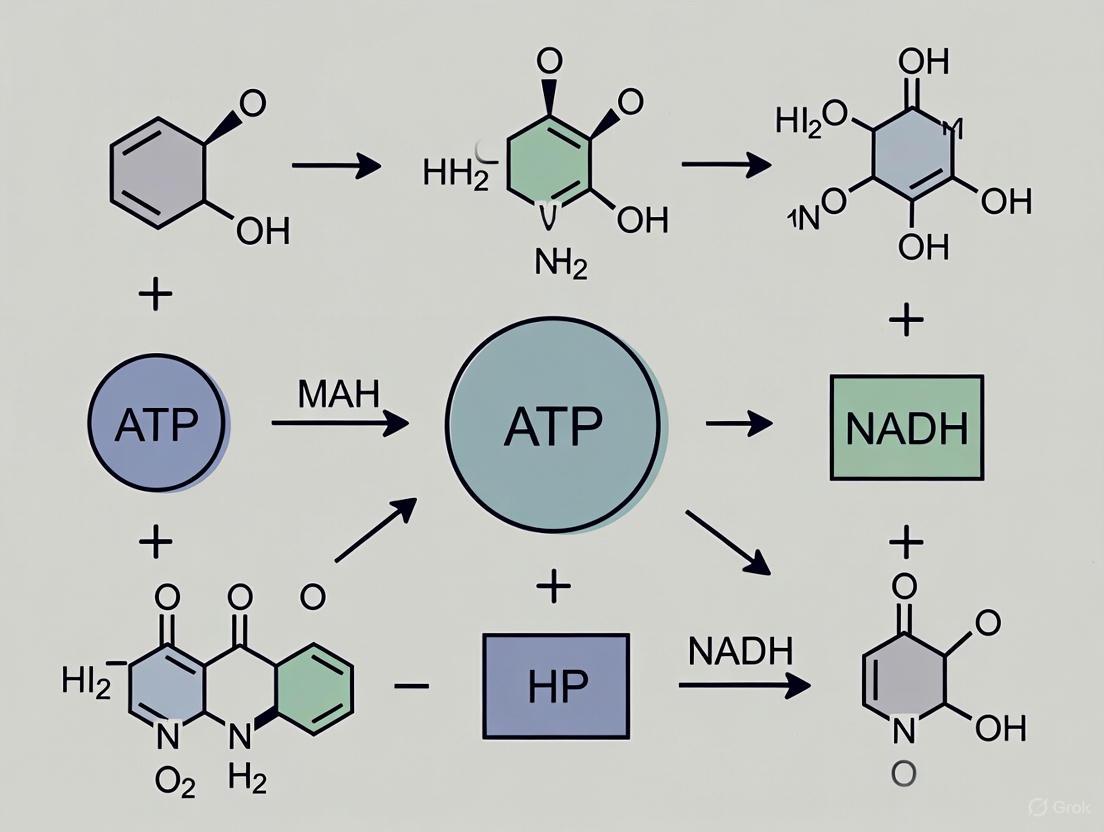
This article provides a comprehensive exploration of chemical processes in living systems, tailored for researchers, scientists, and drug development professionals.
Chemical Processes in Living Organisms: From Prebiotic Origins to Modern Drug Development
Abstract
This article provides a comprehensive exploration of chemical processes in living systems, tailored for researchers, scientists, and drug development professionals. It bridges foundational concepts of prebiotic chemical evolution with cutting-edge methodological applications in biomedicine. The scope spans from examining how Earth's early environmental cycles shaped primordial chemistry to the sophisticated platform of chemical biology in modern therapeutic discovery. It further delves into optimization techniques for controlling biological reactions, troubleshooting challenges like immunogenicity and product inhibition, and concludes with rigorous validation and comparative analyses of biological versus chemical synthesis methodologies. The synthesis of these intents offers a holistic view essential for innovating in synthetic biology, nanotechnology, and precision medicine.
The Origins and Fundamental Principles of Chemistry in Living Systems
The transition from prebiotic chemistry to biological complexity represents one of the most significant unsolved problems in science. This whitepaper examines the governing principles and experimental frameworks for understanding chemical evolution—the processes by which simple organic molecules spontaneously form increasingly complex and structured systems capable of exhibiting life-like properties. For researchers investigating chemical processes in living organisms, understanding these primordial pathways provides fundamental insights into the design principles of biological systems and offers novel approaches for therapeutic development. Recent advances demonstrate that chemical evolution is not a random process but follows structured, quantifiable patterns driven by environmental dynamics [1] [2].
The study of chemical evolution bridges the gap between abiotic chemistry and the emergence of biological entities, providing a conceptual framework for understanding how molecular systems can acquire properties such as self-organization, adaptive evolution, and collective multiplication. For drug development professionals, these principles offer inspiration for designing self-organizing molecular therapeutics and understanding the fundamental constraints that shape all biological systems.
Theoretical Framework of Chemical Evolution
Defining Life-Like Chemistry
Chemical evolution describes the gradual transformation of molecular systems under prebiotic conditions, representing a crucial process in understanding how life originated from non-living matter [2]. A "life-like" chemical system can be defined as a heterogeneous consortium of organic and inorganic chemicals that collectively can, in permissive environments, assimilate or synthesize more of the same kinds of chemicals in roughly the same proportions—a property known as collective multiplication [3].
These systems differ from modern biology in that they may lack digital genetic information systems, instead relying on compositional genomes where the stoichiometry of component chemical moieties serves as an analog information storage system [3]. Such mesobiotic entities exhibit homeostatic properties near attractor states and can evolve through natural selection when stochastic perturbations move the system to new quasistable states with higher fitness [3].
Environmental Selection Pressures
The emergence of life-like chemistry requires environmental conditions that foster continuous chemical change while preventing equilibrium states. On early Earth, natural environmental fluctuations—particularly wet-dry cycles—provided a guiding force that steered molecular interactions toward increasing complexity [1] [4]. These cycles mimic conditions that arise naturally from the day-night cycles of our planet, where landscapes experience repeated hydration and dehydration [1].
Theoretical models suggest that surfaces and surface metabolism played a critical role in the origin of life, as chemical mixtures adsorbed onto mineral surfaces could cooperate in autocatalytic systems to cause local enrichment of members of these autocatalytic sets [3]. Spatial heterogeneity in adsorbed chemicals creates conditions where areas occupied by more effective autocatalytic systems tend to predominate through a variant of natural selection called neighborhood selection [3].
Experimental Models and Methodologies
Wet-Dry Cycle Experimental Protocol
A groundbreaking experimental model developed by Frenkel-Pinter, Williams, and colleagues examines how entire chemical systems evolve when exposed to environmental changes [1] [2] [4]. The methodology can be broken down into the following detailed protocol:
Chemical Mixture Preparation: Create complex mixtures containing organic molecules with diverse functional groups, including carboxylic acids, amines, thiols, and hydroxyls [2] [4]. These mixtures should represent the molecular diversity likely present on early Earth rather than focusing on individual precursor molecules.
Cycling Conditions: Subject the chemical mixtures to repeated wet-dry cycles by alternating between hydrated (solution) and dehydrated (solid or thin film) states. The temperature range should vary between 25-85°C to simulate diurnal fluctuations on early Earth [1].
Cycle Duration: Each complete wet-dry cycle should last approximately 24 hours, with hydration periods of 12-16 hours and dehydration periods of 8-12 hours, though these parameters can be systematically varied to test different environmental conditions [1].
Sampling Protocol: Extract samples at regular intervals (every 5-10 cycles) for comprehensive analysis. Multiple analytical techniques should be employed in parallel to track different aspects of system evolution.
Control Experiments: Run parallel control experiments maintained at constant hydration levels to distinguish cycle-driven evolution from simple equilibrium processes.
Analytical Framework for Tracking Chemical Evolution
The experimental model employs multiple analytical techniques to quantify system evolution:
Population Dynamics Tracking: Monitor concentration changes of molecular species over time using techniques such as liquid chromatography-mass spectrometry (LC-MS) and nuclear magnetic resonance (NMR) spectroscopy to identify synchronized population dynamics [1].
Pathway Analysis: Employ tandem mass spectrometry and isotopic labeling to trace reaction pathways and identify selective chemical routes that prevent uncontrolled complexity [2].
Structural Characterization: Use infrared spectroscopy and X-ray diffraction to characterize structural organization and the formation of higher-order assemblies.
Non-equilibrium Behavior Assessment: Apply calorimetry and kinetic modeling to confirm the system maintains continuous evolution without reaching equilibrium [1].
Figure 1: Experimental workflow for studying chemical evolution through wet-dry cycling
Key Findings and Quantitative Assessment
Emergent Properties of Evolvable Chemical Systems
Research has identified three fundamental properties that characterize evolving chemical systems:
Continuous Evolution Without Equilibrium: Chemical systems maintained under fluctuating environmental conditions exhibit non-equilibrium behavior, continuously evolving without reaching steady state [1] [2]. This perpetual change enables exploration of new chemical spaces.
Combinatorial Compression and Selective Pathways: Instead of progressing toward maximum complexity through random reactions, these systems follow selective chemical pathways that prevent uncontrolled complexity [2]. This "combinatorial compression" results in structured molecular organization from diverse starting mixtures.
Synchronized Population Dynamics: Different molecular species exhibit coordinated concentration changes, demonstrating that chemical systems can evolve as coordinated networks rather than as collections of independent components [1] [2].
Quantitative Biosignature Detection in Ancient Rocks
Recent advances combining sophisticated analytical techniques with artificial intelligence have enabled the detection of chemical traces of ancient life in rocks older than 3.3 billion years, effectively doubling the time span for detecting ancient life [5] [6]. The methodology and results are summarized in the table below:
Table 1: Quantitative Assessment of Biosignature Detection Using Machine Learning
| Sample Category | Detection Accuracy | Key Findings | Temporal Extension |
|---|---|---|---|
| Biological vs Non-biological Materials | 90-98% accuracy [5] | Distinguishes materials of biological origin from non-living origin [5] | Evidence of life in 3.3-billion-year-old rocks [5] |
| Photosynthetic Signatures | 93% accuracy [5] | Molecular evidence of oxygen-producing photosynthesis [5] | Extends record by 800 million years (to 2.5 billion years ago) [5] |
| Plant vs Animal Differentiation | 95% accuracy [5] | Distinguishes between different biological kingdoms [5] | Limited application in ancient rocks due to scarce animal fossils [5] |
The machine learning model was trained on 406 samples spanning seven major groups, including modern organisms, fossils, meteorites, synthetic organic materials, and ancient sediments [5]. The approach uses pyrolysis-GC-MS to break down materials into molecular fragments, then applies random forest classification to identify patterns distinctive of biological origins [5].
Research Reagents and Experimental Tools
Table 2: Essential Research Reagents for Chemical Evolution Studies
| Reagent/Category | Function in Experimental System | Specific Examples |
|---|---|---|
| Organic Functional Groups | Provides diverse reactive moieties for forming complex networks [2] [4] | Carboxylic acids, amines, thiols, hydroxyls [2] [4] |
| Mineral Surfaces | Catalyzes reactions and promotes molecular cooperation through surface adsorption [3] | Clay minerals, metal sulfides, silica [3] |
| Energy Sources | Drives endergonic reactions and maintains system away from equilibrium | Photon flux, redox couples, phosphorylation agents |
| Solvent Systems | Mediates molecular interactions and participates in hydrolysis/condensation | Water, formamide, mixed aqueous-organic systems |
| Analytical Standards | Enables quantification and identification of reaction products | Isotopically-labeled precursors, authentic standards |
Implications for Pharmaceutical Research
Bridging Prebiotic Chemistry and Drug Development
The principles of chemical evolution have significant implications for pharmaceutical research and development:
Self-Organizing Molecular Systems: Understanding how chemical systems self-organize under environmental pressures can inform the design of self-assembling therapeutics and drug delivery systems [1] [2]. The synchronized population dynamics observed in evolving chemical mixtures suggests strategies for creating multi-component therapeutics with coordinated release profiles.
Evolutionary Approaches to Drug Discovery: The experimental framework of selecting for spontaneously forming self-propagating chemical assemblages [3] can be adapted to identify novel drug candidates through in vitro evolution of chemical libraries rather than purely target-based screening.
Origin of Biological Target Diversity: Research revealing that chemical evolution follows structured, non-random pathways [1] [2] provides insights into the fundamental constraints that shape all biological systems, potentially revealing why certain molecular motifs recur throughout biology and represent privileged scaffolds for drug development.
Technological Applications
Controlled chemical evolution offers a pathway to designing new molecular systems with specialized properties, potentially advancing fields such as materials science, drug development, and biotechnology [1] [2] [4]. Specifically:
Synthetic Biology: Principles of chemical evolution can guide the design of synthetic metabolic pathways that self-optimize under defined environmental conditions.
Nanotechnology: The spontaneous formation of complex, structured molecular assemblages under wet-dry cycling [2] suggests approaches for creating functional nanomaterials through environmentally-driven self-organization rather than precise engineering.
Biosignature Detection: Machine learning methods developed to detect chemical traces of ancient life [5] [6] can be adapted for pharmaceutical quality control, contaminant detection, and monitoring of complex reaction mixtures during drug synthesis.
Conceptual Framework and Future Directions
Figure 2: Conceptual framework of chemical evolution from simple molecules to biological complexity
The study of chemical evolution reveals a structured pathway from simple chemistry to biological complexity, governed by environmental dynamics and selection acting at the molecular level. For researchers investigating chemical processes in living organisms, these principles provide a foundational framework for understanding the constraints and opportunities that shape all biological systems. The experimental approaches outlined—from wet-dry cycling of complex mixtures to machine learning detection of biosignatures—offer powerful methodologies for exploring the fundamental principles of molecular organization.
Future research directions should focus on identifying specific chemical networks that emerge under these conditions, quantifying the information storage capacity of compositional genomes, and applying these principles to the design of evolvable molecular systems for pharmaceutical applications. As our understanding of chemical evolution deepens, it promises to reveal not only the origins of life on Earth but also fundamental principles for controlling molecular complexity in therapeutic contexts.
Spontaneous Reactions and the Energetic Landscape of Life's Origins
The emergence and persistence of life are fundamental problems at the intersection of chemistry, biology, and physics. Life requires numerous chemical processes to occur in a directed, coordinated fashion, yet it must operate within the constraints of thermodynamic laws. Spontaneous processes, those that occur without external energy input once initiated, are characterized by a net release of free energy and move the system toward a more stable state [7]. In living systems, process spontaneity is essential because enzymes can only catalyze reactions that are already thermodynamically favorable; they accelerate reactions but do not provide energy themselves [8]. The central thermodynamic quantity governing spontaneity is the Gibbs free energy (ΔG), described by the equation ΔG = ΔH - TΔS, where ΔH represents enthalpy change, T is absolute temperature, and ΔS is entropy change [7] [8]. This review examines how spontaneous reactions and energy transduction mechanisms define the energetic landscape of biological systems, from molecular interactions to the origin of cellular life, providing critical insights for biomedical research and therapeutic development.
Fundamental Thermodynamic Principles in Biological Systems
Determinants of Reaction Spontaneity
In thermodynamics, a spontaneous process occurs without ongoing external energy input, characterized by a decrease in the system's free energy [7]. For biological systems operating at constant temperature and pressure, the Gibbs free energy equation determines spontaneity:
ΔG = ΔH - TΔS
The sign of ΔG dictates reaction behavior:
- ΔG < 0: Process is spontaneous as written [7]
- ΔG > 0: Process is non-spontaneous as written but may proceed spontaneously in reverse [7]
- ΔG = 0: System is at equilibrium with no net change [7]
The relationship between enthalpy (ΔH), entropy (ΔS), and temperature creates four distinct scenarios for reaction spontaneity [7]:
Table 1: Thermodynamic Determinants of Spontaneity
| ΔH Sign | ΔS Sign | Spontaneity Condition | Biological Example |
|---|---|---|---|
| Negative | Positive | Always spontaneous | ATP hydrolysis |
| Positive | Negative | Never spontaneous | Protein synthesis without energy input |
| Positive | Positive | Spontaneous at high T | Protein denaturation |
| Negative | Negative | Spontaneous at low T | Protein folding |
Energy Transduction in Biological Systems
Living organisms maintain a steady state far from thermodynamic equilibrium, requiring continuous energy input [8]. Biological systems accomplish this through energy coupling, where highly spontaneous reactions drive non-spontaneous ones. The fundamental energy sources in biology are:
- Water synthesis (hydrogen oxidation): A highly spontaneous process exploited in mitochondrial respiration [8]
- Photosynthesis: Converts solar energy into chemical potential [8]
These primary energy sources are harnessed to produce ATP, the universal energy currency that drives non-spontaneous cellular processes through thermodynamic coupling [8]. The efficiency of biological energy conversion is remarkably low (approximately 10⁻⁷%) compared to stellar or nuclear processes, yet sufficient to sustain living systems [8].
Spontaneous Molecular Processes in Biological Systems
Protein Folding: A Directed Spontaneous Process
Protein folding represents a quintessential biological spontaneous process where a newly synthesized polypeptide chain transitions from an unstructured state to a defined three-dimensional conformation [9]. This process is governed by the principle that all information required for proper folding is contained within the amino acid sequence [10]. The folding process occurs through hierarchical stages:
- Primary structure: The linear amino acid sequence [9]
- Secondary structure: Formation of α-helices and β-sheets stabilized by hydrogen bonds [9]
- Tertiary structure: Three-dimensional folding driven by hydrophobic interactions [9]
- Quaternary structure: Assembly of multiple polypeptide subunits [9]
The hydrophobic effect is the primary driving force for protein folding [9]. In an aqueous environment, hydrophobic side chains collapse inward to minimize contact with water, increasing the entropy of the surrounding water molecules and resulting in a negative ΔG [9]. Despite being spontaneous, protein folding in vivo often requires assistance from molecular chaperones such as Hsp70 and Hsp60 families, which prevent misfolding and aggregation but do not provide folding information [10].
Table 2: Key Contributors to Protein Folding Stability
| Factor | Contribution to Stability | Experimental Measurement |
|---|---|---|
| Hydrophobic effect | Major driving force; ~0.1 kcal/mol per methylene group | Solvent transfer experiments |
| Hydrogen bonding | Stabilizes secondary structures; ~1-3 kcal/bond | NMR, calorimetry |
| van der Waals forces | Contributes to core packing; ~0.5-1 kcal/mol | X-ray crystallography |
| Configurational entropy | Opposes folding; unfavorable ~2-3 kcal/mol | Theoretical calculations |
Transition State Theory and Biochemical Reaction Rates
Transition state theory (TST) explains how spontaneous reactions proceed at molecular levels by positing that reactants must pass through a high-energy transition state [11]. For a reaction: [ \text{A + B} \rightleftharpoons \text{AB}^\ddagger \rightarrow \text{Products} ] TST assumes a quasi-equilibrium exists between reactants and the activated transition state complex [11]. The theory connects molecular properties with reaction rates through the Eyring equation: [ k = \frac{kB T}{h} e^{-\Delta G^\ddagger / RT} ] where (k) is the rate constant, (kB) is Boltzmann's constant, (h) is Planck's constant, and (\Delta G^\ddagger) is the activation energy [11].
For enzyme-catalyzed reactions, TST provides insight into how enzymes lower activation barriers by stabilizing the transition state, thereby increasing reaction rates without altering the reaction's spontaneity [12]. This understanding is crucial for drug development, as many pharmaceuticals function as transition state analogs that inhibit enzyme activity.
Experimental Approaches to Studying Prebiotic Chemistry
Investigating Prebiotic Reaction Networks
Research into life's origins focuses on how simple organic compounds could form increasingly complex networks capable of self-organization and evolution. The Whitesides Research Group has developed experimental models demonstrating how organic reactions can exhibit emergent behaviors such as bistability and oscillations – fundamental properties of living systems [13].
Experimental Protocol: Thiol-Based Oscillating Network
Objective: To create and characterize an organic reaction network capable of sustained oscillations under continuous flow conditions, serving as a model for protocell dynamics [13].
Materials and Reagents:
- Alanine thioester (1) - serves as thiol precursor
- Cystamine (2) - disulfide initiator
- Maleimide (3a) and acrylamide (3b) - inhibitory compounds
- Continuous Stirred Tank Reactor (CSTR) - maintains non-equilibrium conditions
- Buffer solutions at specific pH - control reaction environment
Methodology:
- System Setup: The CSTR is established with controlled temperature (typically 25-40°C) and continuous inflow of reagents dissolved in appropriate buffer [13].
- Network Operation: The reaction proceeds through three logical phases:
- Triggering: Production of ethanethiol activator, immediately inhibited by maleimide, creating a critical threshold and lag phase [13].
- Auto-amplification: Autocatalytic step where each ethanethiol molecule generates two new thiols via disulfide exchange and Kent ligation [13].
- Termination: Consumption and inhibition of produced thiols, followed by system recharge [13].
- Monitoring: Thiol concentrations are tracked over time using spectrophotometric methods or chromatography to detect oscillatory patterns [13].
- Parameter Variation: System behavior is characterized by adjusting space velocity (flow rate), pH, temperature, and initial concentrations to determine conditions supporting sustained oscillations [13].
Key Findings: This network demonstrates that simple organic molecules can exhibit complex dynamic behaviors without enzymatic catalysis, suggesting plausible pathways for the emergence of biochemical rhythms on early Earth [13].
Classic Prebiotic Chemistry Experiments
The Miller-Urey experiment (1952) demonstrated that amino acids could form spontaneously from inorganic precursors (methane, ammonia, hydrogen, and water) under conditions simulating early Earth [14]. This foundational work established that biological monomers could arise through abiotic processes, though current models suggest the primitive atmosphere was less reducing than originally proposed [14].
Contemporary research explores alternative environments for prebiotic synthesis, including:
- Hydrothermal vents: Providing mineral catalysts and thermal gradients [14]
- Interstellar ice analogs: UV irradiation of simple ice mixtures can generate complex organic molecules [15] [14]
- Mineral surfaces: Offering templates for molecular organization and concentration [14]
Research Reagents and Methodologies for Origins of Life Studies
Table 3: Essential Research Reagents for Prebiotic Chemistry Studies
| Reagent/Category | Function in Experimental Systems | Representative Examples |
|---|---|---|
| Thiol/Disulfide Systems | Model redox chemistry and energy transduction; form oscillating networks | Ethanethiol, cystamine, alanine thioester [13] |
| Activated Monomers | Simulate prebiotic polymerization; form proto-biopolymers | Amino acid thioesters, nucleotide phosphoimidazolides |
| Membrane Components | Self-assemble into compartments; create proto-cellular structures | Fatty acids, phospholipids, isoprenoids |
| Mineral Catalysts | Provide surface catalysis; concentrate reactants; template assembly | Clays, metal sulfides, metal oxides [14] |
| Chemical Inhibitors/Activators | Probe network dynamics; create switching behavior | Maleimide, acrylamide [13] |
Energetic Landscape of Life's Emergence
Overcoming Kinetic Barriers to Spontaneity
A crucial distinction in origins of life research is between thermodynamic spontaneity and kinetic accessibility. While the formation of biological polymers may be thermodynamically favorable under certain conditions, significant kinetic barriers often prevent these reactions from occurring at measurable rates without appropriate catalysts [11]. The transition state theory provides a framework for understanding how these barriers could be overcome in prebiotic environments through:
- Mineral catalysis: Surface binding reduces entropy loss in transition state formation [14]
- Concentration mechanisms: Evaporation, freezing, or surface binding increase reactant proximity [14]
- Environmental cycling: Wet-dry, thermal, or pH cycles drive reactions forward [13] [14]
The RNA World and Energy Transduction
The RNA world hypothesis posits that self-replicating RNA molecules preceded cellular life, serving both as genetic material and catalyst [14]. A critical challenge for this model is explaining how sufficient activation energy was provided for RNA polymerization without modern enzymatic machinery. Proposed solutions include:
- Prebiotic energy currencies: Simple activated compounds like thioesters that could drive condensation reactions [13]
- Photochemical activation: UV light providing activation energy for bond formation [15]
- Thermal gradients: Temperature variations in hydrothermal systems driving nucleotide activation [14]
Implications for Biomedical Research and Therapeutic Development
Understanding spontaneous reactions and energy landscapes in prebiotic systems provides valuable insights for modern medicine and pharmacology:
Drug Target Identification: Principles of transition state theory guide the design of enzyme inhibitors that mimic reaction transition states, resulting in highly specific pharmaceuticals [11] [12].
Protein Misfolding Diseases: Insights into protein folding energetics inform therapeutic strategies for conditions like Alzheimer's, Parkinson's, and prion diseases, where protein aggregation pathways represent alternative spontaneous processes [9].
Metabolic Engineering: Understanding energy coupling mechanisms enables reprogramming of cellular metabolism for bioproduction of therapeutic compounds [8].
Origin of Life Perspectives on Cancer: The reversion to simpler metabolic states in cancer cells mirrors early evolutionary strategies for energy harvesting, suggesting novel therapeutic approaches [8].
The fundamental thermodynamic constraints that shaped life's origins continue to operate in modern biological systems, providing a unified framework for understanding health, disease, and therapeutic intervention across multiple scales of biological organization.
Enzymes are protein molecules that serve as biological catalysts, facilitating and accelerating the vast majority of chemical reactions essential for life without being consumed in the process [16] [17]. They are pivotal to metabolic processes, significantly increasing reaction rates to physiologically relevant timescales. This whitepaper provides an in-depth examination of enzyme specificity, catalytic efficiency, and underlying mechanisms, framed within contemporary research on chemical processes in living organisms. Understanding these core principles is fundamental to advancements in drug development, synthetic biology, and metabolic engineering, where enzymes are increasingly employed as precision tools [18] [19].
The Structural Basis of Enzyme Specificity
Active Site and Binding Models
Enzyme specificity originates from the three-dimensional structure of the enzyme active site, a unique groove or crevice that selectively recognizes and binds substrates [20] [16]. The arrangement of amino acids within this site determines which substrates can effectively bind, thereby governing the enzyme's functional specificity. Two primary models describe the binding mechanism:
- Lock and Key Model: This model proposes that the geometry and chemical properties of the enzyme's active site are perfectly complementary to the substrate, requiring no structural adjustments for binding [16].
- Induced Fit Model: This more dynamic model hypothesizes that the enzyme and substrate do not initially possess perfect complementarity. Instead, substrate binding induces a conformational change in the enzyme's structure to form a optimal fit [16].
Molecular Interactions in Catalysis
The formation of the enzyme-substrate complex is stabilized by specific molecular interactions, which also lower the activation energy of the reaction [16]. The major catalytic mechanisms include:
- Covalent Catalysis: Transient covalent bonds form between the substrate and amino acid residues in the active site.
- General Acid-Base Catalysis: Molecules within the active site, other than water, act as proton donors or acceptors.
- Catalysis by Approximation: Two substrates are brought into close proximity and optimal orientation within the active site to facilitate the reaction.
- Metal Ion Catalysis: Metal ions bound to the enzyme stabilize charged intermediates or mediate redox reactions [16].
Quantitative Analysis of Enzyme Efficiency
Michaelis-Menten Kinetics
The efficiency of enzyme-catalyzed reactions is quantitatively described by enzyme kinetics. For single-substrate reactions, the Michaelis-Menten model is foundational. It describes how the initial reaction rate ((v_0)) depends on substrate concentration [S] [21] [17]. The central equation is:
[v0 = \frac{V{\max} [S]}{K_M + [S]}]
Where:
- (V_{\max}) is the maximum reaction rate achieved when all enzyme active sites are saturated with substrate.
- (KM), the Michaelis constant, is the substrate concentration at which the reaction rate is half of (V{\max}). It is an inverse measure of the enzyme's affinity for its substrate; a lower (K_M) indicates higher affinity [21] [17].
Table 1: Key Parameters in Michaelis-Menten Enzyme Kinetics
| Parameter | Symbol | Definition | Interpretation |
|---|---|---|---|
| Michaelis Constant | (K_M) | Substrate concentration at half (V_{\max}) | Inverse measure of substrate affinity |
| Maximum Velocity | (V_{\max}) | Maximum rate of reaction at saturating substrate | Measure of catalytic turnover |
| Turnover Number | (k_{cat}) | Number of substrate molecules converted to product per enzyme molecule per second | Intrinsic catalytic efficiency |
The following diagram illustrates the relationship between substrate concentration and reaction rate, highlighting the key kinetic parameters:
Experimental Determination of Kinetic Parameters
The measurement of enzyme kinetics is performed through enzyme assays, which track the formation of product or depletion of substrate over time [17]. Initial reaction rates are measured under various substrate concentrations while maintaining a constant enzyme concentration. The resulting data is fitted to the Michaelis-Menten equation to extract (KM) and (V{\max}) values. Modern approaches include spectrophotometric assays, radiometric assays, and even single-molecule techniques that observe the behavior of individual enzyme molecules [17].
Regulatory Mechanisms in Enzymes
Allosteric Regulation
Allosteric enzymes possess additional binding sites, known as allosteric sites, for regulatory molecules called effectors [22] [23]. Binding of an effector at this site induces a conformational change in the enzyme's structure that alters the catalytic activity at the active site, often located distantly.
- Allosteric Inhibitors: Effectors that decrease enzyme activity. For example, Cytidine triphosphate (CTP) inhibits Aspartate Transcarbamoylase (ATCase), a key enzyme in pyrimidine synthesis, in a classic feedback inhibition loop [22] [23].
- Allosteric Activators: Effectors that increase enzyme activity. For instance, ATP can activate ATCase, ensuring a balanced production of purine and pyrimidine nucleotides [23].
Models of Cooperativity
Allosteric enzymes often exhibit cooperativity, where the binding of a ligand to one subunit influences the binding affinity of subsequent subunits. Two principal models explain this phenomenon:
- Concerted Model (MWC Model): Proposes that the enzyme exists in an equilibrium between two conformational states: a tense (T) state with low substrate affinity and a relaxed (R) state with high affinity. Binding of a substrate or effector shifts this equilibrium [16] [22].
- Sequential Model (KNF Model): Suggests that substrate binding induces a conformational change in one subunit, which subsequently influences the conformation and affinity of adjacent subunits in a progressive manner [16] [22].
The diagram below visualizes the concerted allosteric model for an enzyme with two subunits and two states:
Table 2: Examples of Allosteric Enzymes and Their Regulators
| Enzyme | Pathway | Allosteric Inhibitor | Allosteric Activator | Regulatory Role |
|---|---|---|---|---|
| Aspartate Transcarbamoylase (ATCase) | Pyrimidine Synthesis | Cytidine Triphosphate (CTP) | Adenosine Triphosphate (ATP) | Feedback inhibition; balances nucleotide pools |
| Phosphofructokinase-1 (PFK-1) | Glycolysis | ATP | AMP, ADP | Regulates energy production |
| Acetyl-CoA Carboxylase | Fatty Acid Synthesis | Palmitoyl-CoA | Citrate | Feedback inhibition; links FA synthesis to TCA cycle |
Advanced Research and Experimental Protocols
Predicting and Engineering Enzyme Specificity
A major frontier in enzymology is the computational prediction and redesign of enzyme substrate specificity. Modern approaches leverage machine learning and comparative genomics:
- EZSpecificity: A state-of-the-art, cross-attention-empowered SE(3)-equivariant graph neural network that predicts enzyme-substrate interactions by analyzing enzyme structures and sequences. In experimental validation, it achieved 91.7% accuracy in identifying reactive substrates for halogenases, significantly outperforming previous models [20].
- Homology-Based Methods: Tools like EZSCAN (Enzyme Substrate-specificity and Conservation Analysis Navigator) identify amino acid residues critical for substrate specificity by comparing sequences of homologous enzymes with different specificities. This method has been successfully used to switch the substrate specificity of Lactate Dehydrogenase (LDH) to that of Malate Dehydrogenase (MDH) through targeted mutations [24].
The Scientist's Toolkit: Key Reagents and Methods
Table 3: Essential Research Tools for Modern Enzyme Studies
| Tool / Reagent | Function / Application | Example Use Case |
|---|---|---|
| Graph Neural Networks (GNNs) | Predict enzyme-substrate interactions and specificity from structural data. | EZSpecificity model for high-accuracy substrate prediction [20]. |
| Metagenomic Libraries | Source of novel enzyme sequences from uncultured environmental microbes. | Discovery of new biocatalysts with unique activities (e.g., BRAINBiocatalysts' MetXtra) [18]. |
| Halogenases | Enzymes that catalyze the incorporation of halogens into organic molecules. | Experimental validation of specificity prediction models; synthesis of halogenated drug precursors [20]. |
| Allosteric Effector Molecules | Small molecules used to probe or modulate enzyme activity via allosteric sites. | Study of feedback inhibition in ATCase by CTP; drug discovery [22] [23]. |
| Stable Isotope-Labeled Substrates | Track the fate of atoms through enzymatic reactions using MS or NMR. | Elucidating reaction mechanisms and measuring rates of product formation [17]. |
A Workflow for Specificity Determination
The following diagram outlines an integrated experimental and computational workflow for determining and validating enzyme substrate specificity, combining modern and classical techniques:
Step-by-Step Protocol:
- Data Acquisition: Obtain the enzyme's amino acid sequence and 3D structure from protein databases (e.g., UniProt). For novel enzymes, this may involve sequencing or metagenomic mining [20] [18] [24].
- In Silico Prediction: Input the structural and sequence data into a predictive model like EZSpecificity or perform a comparative analysis with EZSCAN to identify key specificity-determining residues and potential substrates [20] [24].
- In Vitro Assay: Express and purify the enzyme. Measure the initial reaction rates against the predicted substrates using a continuous (e.g., spectrophotometric) or discontinuous assay to confirm activity [17].
- Kinetic Analysis: For confirmed substrates, perform assays across a range of substrate concentrations. Fit the resulting data to the Michaelis-Menten equation to determine the kinetic parameters (KM) and (V{max}), which quantify the enzyme's affinity and catalytic efficiency for each substrate [21] [17].
- Engineering and Validation: Based on predictions, introduce site-directed mutations to alter specificity. Re-characterize the mutant enzyme using Steps 3 and 4 to validate the functional change, as demonstrated in the LDH/MDH study [24].
Enzymes exemplify nature's precision in catalyzing biological reactions with remarkable specificity and efficiency. Their activity, governed by the intricate structure of the active site and finely tuned by regulatory mechanisms like allosteric control, is fundamental to cellular metabolism. Quantitative kinetic analysis provides the framework for understanding catalytic power. Today, the field is being transformed by AI-driven models and computational tools that enable the accurate prediction and rational redesign of enzyme function [20] [18] [24]. This synergy of foundational biochemistry and advanced computation is pushing the boundaries of biocatalysis, opening new avenues for its application in sustainable pharmaceutical synthesis, biotechnology, and fundamental biological research.
Bioorthogonal chemistry represents a transformative class of chemical reactions engineered to proceed within living organisms without interfering with native biochemical processes [25] [26]. These reactions fulfill a critical need for tools that enable precise molecular-level investigation and manipulation in complex biological environments, bridging the gap between traditional organic chemistry and biological systems. The foundational principle of bioorthogonality requires that these reactions are highly selective, proceed rapidly under physiological conditions (aqueous environments, neutral pH, and mild temperatures), and are non-toxic [25] [26]. This unique capability allows researchers to chemically modify specific molecules in living systems with high precision and minimal side effects, making bioorthogonal chemistry indispensable for modern biomedical research, including targeted drug delivery, real-time diagnostics, and advanced materials science [25].
The field's significance was recognized with the 2022 Nobel Prize in Chemistry, awarded for the development of click chemistry and bioorthogonal chemistry [27]. A primary challenge, however, lies in translating these reactions from model systems into living organisms, particularly humans, for clinical applications [27]. This translation demands reagents with high reactivity to achieve sufficient yields at medically relevant concentrations, coupled with optimal pharmacokinetic properties such as stability and bioavailability [27].
Fundamental Concepts and Key Reactions
The development of bioorthogonal chemistry has been driven by the sequential addressing of limitations in prior reactions, focusing on kinetics, toxicity, and reactant size.
Evolution of Bioorthogonal Reactions
- The Staudinger Ligation: This was among the first dedicated bioorthogonal reactions, involving the selective coupling of an azide with a phosphine group to form an amide bond [25]. While pioneering, it faced limitations due to slow reaction kinetics and the formation of oxidative phosphine byproducts [25].
- Copper-Catalyzed Azide-Alkyne Cycloaddition (CuAAC): This reaction represented a major advancement, offering high efficiency and selectivity through a copper catalyst to form a triazole linkage [25] [26]. Despite its widespread utility, the toxicity of the copper catalyst limited its use in living organisms (in vivo) [25].
- Strain-Promoted Azide-Alkyne Cycloaddition (SPAAC): To circumvent copper toxicity, SPAAC was developed, utilizing ring-strained cyclooctynes that react with azides without a metal catalyst [25] [26]. The use of ring strain to enhance reactivity is a classic concept in organic chemistry that has proven particularly powerful in this context [26].
- Inverse Electron-Demand Diels-Alder (IEDDA) Reaction: Currently among the fastest bioorthogonal reactions available, the IEDDA occurs between a dienophile (e.g., trans-cyclooctene) and a diene (e.g., tetrazine) with the release of nitrogen gas [25]. Its fast kinetics are exceptionally advantageous for in vivo applications such as imaging and drug targeting [25].
Comparison of Key Bioorthogonal Reactions
The table below summarizes the critical parameters for the major bioorthogonal reactions.
Table 1: Key Bioorthogonal Reactions and Their Characteristics
| Reaction Name | Reaction Partners | Key Features | Primary Limitations | Typical Applications |
|---|---|---|---|---|
| Staudinger Ligation [25] | Azide + Phosphine | One of the first bioorthogonal reactions | Slow kinetics, sensitive phosphine byproducts | Early-stage bioconjugation |
| CuAAC [25] [26] | Azide + Alkyne (Cu(I) catalyst) | High efficiency and selectivity | Copper catalyst toxicity limits in vivo use | Polymer science, materials science, in vitro labeling |
| SPAAC [25] [26] | Azide + Strained Cyclooctyne | Metal-free, good biocompatibility | Larger reactant size (cyclooctyne) can be bulky | In vivo imaging, metabolic labeling |
| Tetrazine Ligation (IEDDA) [25] [26] | Tetrazine + Dienophile (e.g., TCO) | Extremely fast kinetics, metal-free | Potential side-reactions with certain dienophiles | Pretargeted imaging, drug activation, in vivo cell labeling |
| Native Chemical Ligation [26] | C-terminal thioester + N-terminal Cysteine | Forms a native peptide bond | Requires specific terminal amino acids (Cysteine) | Protein synthesis, semisynthesis of proteins |
Applications in Disease Therapy and Imaging
Bioorthogonal chemistry has enabled innovative strategies across a wide spectrum of biomedical applications by providing exceptional spatial and temporal control over molecular interactions.
Cancer Therapy and Diagnostics
In oncology, bioorthogonal reactions have significantly advanced pretargeted radioimmunotherapy and drug delivery systems [25]. Traditional radioimmunotherapy involves attaching a radioactive isotope directly to a tumor-targeting antibody, which can lead to high off-target radiation exposure. Pretargeting strategies decouple this process: first, a non-radioactive antibody conjugated with a bioorthogonal handle (e.g., tetrazine) is administered and allowed to accumulate at the tumor site. After unbound antibody clears from the bloodstream, a small, fast-clearing radioactive molecule carrying the complementary partner (e.g., trans-cyclooctene) is injected. The highly rapid bioorthogonal reaction occurs selectively at the tumor, maximizing radiation dose to cancer cells while minimizing damage to healthy tissues [25]. Furthermore, bioorthogonal chemistry facilitates selective drug activation, where an inactive prodrug is systemically administered and is only activated upon a bioorthogonal reaction with a catalyst or activator localized at the tumor site [25].
Neurodegenerative Diseases
For challenging conditions like Alzheimer's disease (AD), bioorthogonal chemistry offers novel tools for targeted degradation of pathological proteins and delivery of therapeutic agents across the blood-brain barrier [25]. Researchers are designing systems that use bioorthogonal reactions to selectively tag and degrade toxic amyloid-β (Aβ) proteins or hyperphosphorylated tau proteins, which are hallmarks of AD [25]. Another approach involves functionalizing nanoparticles with bioorthogonal handles that facilitate homing to damaged brain regions, enabling targeted delivery of neuroprotective drugs, genes, or imaging agents to promote neuroregeneration [25] [27].
Infectious Diseases
Bioorthogonal chemistry provides powerful strategies for combating infectious diseases by enabling precise labeling and tracking of pathogens and the development of novel antimicrobial therapeutics [25]. Metabolic labeling techniques incorporate bioorthogonal functional groups (e.g., azidosugars) into the cell walls of pathogens during their growth. These handles can then be conjugated with fluorescent dyes for imaging or with antimicrobial agents for targeted killing, enhancing understanding of disease dynamics and improving treatment specificity [25].
Diagnostic and Imaging Advancements
The high selectivity of bioorthogonal reactions makes them ideal for theranostic applications, which combine therapy and diagnostics [25]. They enable the biocompatible construction of sensitive probes for real-time monitoring of biological systems. A key application is understanding protein dynamics—including production, degradation, and localization—by incorporating bioorthogonal amino acids via genetic code expansion and subsequently tagging them with fluorescent probes [25]. This allows for precise spatiotemporal tracking of specific proteins within living cells.
Experimental Methodologies and Protocols
Success in bioorthogonal experiments relies on careful design and execution. Below are generalized protocols for common applications.
Metabolic Labeling and Imaging of Glycans
This protocol describes using azide-modified sugars to label cell-surface glycans for visualization [25].
- Cell Culture and Metabolic Incorporation: Grow target cells (e.g., HeLa) in standard medium. Replace the medium with one containing a peracetylated azide-modified sugar (e.g., Ac₄ManNAz for sialic acids) at a concentration of 20-100 µM. Incubate for 24-48 hours to allow for metabolic incorporation of the azide tag into newly synthesized glycans.
- Cell Fixation and Permeabilization: After incubation, wash the cells with PBS. Fix the cells with a 4% paraformaldehyde solution for 15 minutes at room temperature. Permeabilize the cells with 0.1% Triton X-100 in PBS for 10 minutes if intracellular labeling is required.
- Bioorthogonal Tagging (CuAAC): Wash the fixed cells with PBS. Prepare a reaction mixture containing: a fluorescent alkyne dye (e.g., Alexa Fluor 488 alkyne, 10-50 µM), a Cu(I) catalyst (e.g., CuSO₄ with a reducing agent like sodium ascorbate, 1 mM), and a stabilizing ligand (e.g., TBTA, 100 µM) in PBS. Incubate the cells with this mixture for 30-60 minutes at room temperature, protected from light.
- Imaging: Wash the cells thoroughly with PBS to remove unreacted dye and catalyst. Mount the cells and image using a fluorescence microscope.
Note: For live-cell imaging, use copper-free SPAAC with a cyclooctyne-fluorophore conjugate to avoid copper toxicity.
Pretargeted ImagingIn Vivo
This protocol outlines a two-step pretargeting approach for in vivo imaging using the IEDDA reaction [25].
- Administration of Targeting Vector: Conjugate a tumor-specific antibody (e.g., anti-GPA33 for colorectal cancer) or a small molecule ligand to a tetrazine derivative. Intravenously inject this tetrazine-conjugated vector into a mouse model bearing the target tumor.
- Clearance and Activation: Allow 24-72 hours for the vector to accumulate at the tumor site and for unbound vector to clear from the circulation and healthy tissues.
- Injection of Reporter Probe: Intravenously inject a radionuclide or fluorophore conjugated to a trans-cyclooctene (TCO) derivative. The small size of the probe allows for rapid circulation.
- In Vivo Ligation: The TCO-bearing probe rapidly undergoes an IEDDA reaction with the tetrazine group pre-localized on the tumor, covalently capturing the imaging agent at the target site.
- Image Acquisition: Perform non-invasive imaging (e.g., Positron Emission Tomography or Fluorescence Imaging) once sufficient contrast is achieved, typically within hours post-injection of the reporter probe.
Visualization of Research Workflows
The following diagrams, generated using DOT language and compliant with the specified color and contrast rules, illustrate core workflows in bioorthogonal chemistry.
Pretargeted Radioimmunotherapy Strategy
Metabolic Labeling & Imaging Workflow
Bioorthogonal Reaction Evolution
The Scientist's Toolkit: Essential Research Reagents
Successful execution of bioorthogonal experiments requires a suite of specialized reagents and materials. The following table details key components.
Table 2: Essential Reagents for Bioorthogonal Research
| Reagent / Material | Function / Role | Specific Examples |
|---|---|---|
| Azide-modified Metabolites [25] | Serves as a chemical handle incorporated into biomolecules (glycans, lipids, proteins) via the cell's own metabolic machinery for subsequent labeling. | Ac₄ManNAz (for sialic acids), Fucose alkyne, Azidohomoalanine (AHA, for proteins) |
| Strained Alkynes (for SPAAC) [25] [26] | Metal-free reaction partners for azides, driven by ring strain. Larger size can sometimes perturb native function of the biomolecule being tagged. | Dibenzocyclooctyne (DBCO), Bicyclononyne (BCN) |
| Tetrazine Derivatives [25] [26] | Highly reactive dienes for IEDDA reactions with dienophiles like TCO. Known for extremely fast kinetics, enabling rapid labeling in vivo. | Monomethyltetrazine, Phenyltetrazine |
| Trans-Cyclooctene (TCO) Derivatives [25] [26] | Highly reactive dienophiles for IEDDA reactions with tetrazines. The strained trans-configuration provides exceptional reactivity. | TCO-PEG, TCO-Amine |
| Cu(I) Catalysis System (for CuAAC) [25] | Catalyzes the [3+2] cycloaddition between azides and terminal alkynes. Requires optimization to minimize cytotoxicity in sensitive systems. | CuSO₄, Tris(benzyltriazolylmethyl)amine (TBTA) ligand, Sodium Ascorbate (reducing agent) |
| Fluorescent Reporters | Conjugated to bioorthogonal partners (alkyne, azide, TCO, Tz) for visualization and imaging of labeled biomolecules. | Cyanine dyes (Cy3, Cy5), Alexa Fluor dyes, ATTO dyes |
| Purification & Analysis | Standard laboratory equipment and materials for isolating and analyzing reaction products or labeled biomolecules. | HPLC systems, Mass Spectrometry, Fluorescence Gel Scanners, Size Exclusion Columns |
Harnessing Biological Chemistry: From Drug Discovery to Industrial Applications
The Chemical Biology Platform in Targeted Drug Discovery and Development
Chemical biology represents a powerful interdisciplinary approach that applies chemical techniques and tools to study and manipulate biological systems. In the context of targeted drug discovery and development, this platform serves as a critical bridge between basic scientific research and therapeutic application. By employing well-designed chemical tools and approaches, researchers can solve complex biological questions relevant to disease mechanisms and treatment strategies [28]. The field has been significantly advanced through the development of biocompatible reactions, including click chemistry and bioorthogonal chemistry, which enable the formation and cleavage of chemical bonds under physiological conditions [28]. This plug-and-play nature of biocompatible chemistry makes it a powerful toolbox for investigating complicated biological systems and producing drug leads for clinical use, facilitating specific labeling of cellular biomacromolecules, biomarker validation, signaling pathway identification, and ultimately, drug discovery [28].
The chemical biology platform is particularly valuable for its ability to explore the chemical processes in living organisms at a molecular level, providing unprecedented insights into disease pathways and therapeutic interventions. This approach has become increasingly important as drug discovery efforts expand beyond traditional protein targets to include challenging modalities such as RNA-targeted therapies and protein degraders [29] [30]. By integrating principles from chemistry, biology, and pharmacology, the chemical biology platform enables researchers to validate drug targets, understand compound mechanisms of action, and optimize therapeutic candidates for clinical development – all within the context of living systems where biological complexity is preserved.
Current Trends and Technological Advances
RNA-Targeted Small Molecule Therapeutics
The field of RNA-targeted small molecule therapeutics represents one of the most promising frontiers in drug discovery, offering opportunities to target disease-causing mechanisms that were previously considered "undruggable" at the protein level. With an increased understanding of RNA structure, function, and interactions, there is growing interest in finding small molecules to target RNA for therapeutic intervention, as they offer enhanced stability, oral bioavailability, and better drug-like properties compared to other modalities [29]. However, significant challenges remain in identifying the right disease-causing RNA, evaluating downstream physiological responses after small molecule binding, and optimizing the specificity, selectivity, and safety of these small molecules in vivo [29].
Innovative approaches are emerging to address these challenges. Structure-based design strategies are being employed to discover mRNA-targeted small molecules, allowing researchers to develop therapies that extend beyond currently druggable protein targets [29]. Similarly, mirror-image RNA-targeted DNA-encoded library (DEL) screening has emerged as a novel approach to discover small molecule ligands for RNA, eliminating false enrichment from DNA:RNA hybridization while enhancing genuine target engagers [29]. This method has enabled the discovery of novel, specific binders to expansion repeat, splice site, and riboswitch targets, unleashing the unparalleled throughput of DEL for RNA-targeted drug discovery [29].
Table 1: Emerging Approaches in RNA-Targeted Small Molecule Discovery
| Approach | Key Features | Applications | Representative Companies/Institutions |
|---|---|---|---|
| Structure-Based Design | Orally bioavailable small molecules modulating messenger RNA function | Extending beyond currently druggable protein targets | Arrakis Therapeutics [29] |
| Mirror-Image RNA-Targeted DEL Screening | Eliminates false enrichment from DNA:RNA hybridization; enhances genuine target engagers | Expansion repeat, splice site, and riboswitch targets | X-Chem, Inc. [29] |
| Visual Biology Drug Discovery | Uses cellular pathway imaging in healthy/diseased cells; identifies disease signatures | mRNA biology modulation; novel target discovery | Anima Biotech [29] |
| Integrative Platform | Uses LC/MS-based metabolomics and endogenous metabolite library | Discovering functional binding pockets on RNA for SERPINA1 (A1AT deficiency) | Atavistik Bio [29] |
| Splicing Modifier Development | Drives potency toward specific targets while maintaining selectivity | Genetic diseases through splice site modulation | PTC Therapeutics, Rgenta Therapeutics [29] |
AI-Driven Drug Discovery Platforms
Artificial intelligence has rapidly evolved from a theoretical promise to a tangible force in drug discovery, driving dozens of new drug candidates into clinical trials by mid-2025 [31]. This represents a remarkable paradigm shift, replacing labor-intensive, human-driven workflows with AI-powered discovery engines capable of compressing timelines, expanding chemical and biological search spaces, and redefining the speed and scale of modern pharmacology [31]. Multiple AI-derived small-molecule drug candidates have reached Phase I trials in a fraction of the typical ~5 years needed for discovery and preclinical work, with some advancing to clinical stages within the first two years [31].
Leading AI-driven drug discovery companies have demonstrated impressive capabilities in accelerating various stages of the drug development process. Exscientia, for example, has developed an end-to-end platform that combines algorithmic creativity with human domain expertise, iteratively designing, synthesizing, and testing novel compounds through what they term the "Centaur Chemist" approach [31]. The company reports that its AI-driven design cycles are approximately 70% faster and require 10x fewer synthesized compounds than industry norms [31]. Similarly, Insilico Medicine has demonstrated the power of generative AI by progressing an idiopathic pulmonary fibrosis (IPF) drug from target discovery to Phase I trials in just 18 months [31].
Table 2: Leading AI-Driven Drug Discovery Platforms and Their Applications
| Company/Platform | Key AI Technology | Therapeutic Applications | Reported Impact |
|---|---|---|---|
| Exscientia | Generative AI; "Centaur Chemist" approach; patient-derived biology | Immuno-oncology, oncology, inflammation | 70% faster design cycles; 10x fewer synthesized compounds; multiple clinical candidates [31] |
| Insilico Medicine | Generative AI for target discovery and compound design | Idiopathic pulmonary fibrosis (IPF), oncology | Target-to-Phase I in 18 months [31] |
| Recursion | Phenomics; biological data resources; combined with Exscientia's generative chemistry | Oncology, rare diseases | Integrated platform post-merger with Exscientia [31] |
| BenevolentAI | Knowledge-graph-driven target discovery | Multiple undisclosed areas | Target identification and validation [31] |
| Schrödinger | Physics-based simulations; computational platform | Diverse therapeutic areas | Physics-based modeling for drug discovery [31] |
Target Engagement and Validation Technologies
Mechanistic uncertainty remains a major contributor to clinical failure in drug development. As molecular modalities become more diverse – encompassing protein degraders, RNA-targeting agents, and covalent inhibitors – the need for physiologically relevant confirmation of target engagement has never been greater [30]. Advanced technologies that provide direct, in situ evidence of drug-target interaction are transitioning from optional tools to strategic assets in modern drug discovery pipelines [30].
The Cellular Thermal Shift Assay (CETSA) has emerged as a leading approach for validating direct binding in intact cells and tissues, offering quantitative, system-level validation that helps close the gap between biochemical potency and cellular efficacy [30]. Recent work has applied CETSA in combination with high-resolution mass spectrometry to quantify drug-target engagement of DPP9 in rat tissue, confirming dose- and temperature-dependent stabilization ex vivo and in vivo [30]. This functionally relevant assay platform provides critical insights into the mechanistic behavior of compounds within biologically complex systems, enabling more confident go/no-go decisions and reducing late-stage surprises [30].
Experimental Protocols and Methodologies
Assessment of Chemical Probes and Tools
The selection of appropriate chemical probes is fundamental to rigorous chemical biology research, yet this process remains largely subjective and prone to historical and commercial biases [32]. To address this challenge, the Probe Miner resource provides a quantitative, data-driven approach for evaluating chemical probes against objective criteria [32]. This systematic analysis assesses >1.8 million compounds for their suitability as chemical tools against 2,220 human targets, applying minimal criteria for potency (100 nM or better biochemical activity), selectivity (at least 10-fold selectivity against other tested targets), and cellular activity (10 μM or better as a proxy for permeability) [32].
The assessment process reveals significant gaps in the current chemical toolbox. While 11% (2,220 proteins) of the human proteome has been liganded, only 4% (795 proteins) can be probed with compounds satisfying minimal potency and selectivity criteria, and a mere 1.2% (250 proteins) have chemical probes meeting all three minimal requirements including cellular activity [32]. This analysis highlights the critical importance of objective assessment in chemical tool selection, particularly for probing disease mechanisms. For example, while 39% of cancer driver genes with activating genetic alterations have been liganded, only 13% have chemical tools fulfilling minimum requirements of potency, selectivity, and permeability [32].
Chemical Probe Assessment Workflow: This diagram illustrates the stepwise filtering process for identifying high-quality chemical probes from large compound collections, based on criteria of biochemical potency, selectivity, and cellular activity [32].
High-Content Screening and Visual Biology
The emergence of visual biology platforms represents a significant advancement in chemical biology, enabling researchers to transform target and drug discovery through direct imaging of cellular pathways. Technologies such as Anima Biotech's Lightning.AI platform generate deep, large-scale disease biology data by imaging cellular pathways in healthy and diseased cells [29]. This data trains neural networks to identify "disease signatures," uncover novel targets, and discover small molecules that modulate mRNA biology [29]. Such approaches have been validated through partnerships with major pharmaceutical companies including Lilly, Takeda, and AbbVie, powering over 20 drug discovery programs [29].
The experimental workflow for visual biology typically involves several key steps: (1) establishment of disease-relevant cellular models with appropriate reporters or markers; (2) high-content imaging of pathway responses under various conditions; (3) machine learning analysis to identify phenotypic signatures associated with disease states or therapeutic interventions; (4) screening of compound libraries against these signatures; and (5) validation of hits through secondary assays and mechanistic studies. This approach provides functionally relevant data that bridges the gap between target identification and compound efficacy, potentially reducing attrition in later stages of drug development.
Biocompatible Chemistry Applications
Biocompatible chemistry, including click chemistry and bioorthogonal reactions, has become an indispensable component of the modern chemical biology toolkit [28]. These reactions enable specific labeling and manipulation of biomolecules in living systems without interfering with native biological processes, facilitating applications such as target identification, mechanism of action studies, and biomarker validation [28].
A representative protocol for bioorthogonal labeling might include the following steps: (1) metabolic incorporation of a chemical reporter tag (e.g., an azide-containing sugar) into cellular biomacromolecules; (2) incubation with a probe containing a complementary bioorthogonal handle (e.g., a cyclooctyne conjugated to a fluorophore or affinity tag); (3) conjugation via strain-promoted azide-alkyne cycloaddition; (4) detection or purification of labeled biomolecules; and (5) downstream analysis such as microscopy, proteomics, or functional assays. The plug-and-play nature of these reactions allows for customization based on specific experimental needs, making them versatile tools for investigating diverse biological questions in drug discovery.
The Scientist's Toolkit: Essential Research Reagents and Materials
Table 3: Essential Research Reagent Solutions for Chemical Biology
| Reagent/Material | Function | Example Applications | Key Considerations |
|---|---|---|---|
| Chemical Probes | Selective modulation of specific protein targets | Target validation, mechanistic studies | Require objective assessment of potency, selectivity, and cellular activity [32] |
| Bioorthogonal Reagents | Selective labeling of biomolecules in living systems | Target identification, biomarker validation, imaging | Includes azide/alkyne handles, tetrazine/trans-cyclooctene pairs [28] |
| CETSA Reagents | Assessment of target engagement in intact cells | Confirmation of direct drug-target interactions | Cellular context preservation, physiological relevance [30] |
| DNA-Encoded Libraries (DELs) | High-throughput screening of compound collections | Hit identification against diverse target classes | Millions to billions of compounds screened in parallel [29] |
| RNA-Targeted Small Molecules | Modulation of RNA structure and function | Targeting previously "undruggable" pathways | Specificity optimization, cellular activity validation [29] |
| AI-Designed Compounds | Optimized chemical matter with defined properties | Accelerating hit-to-lead and lead optimization | Generated through generative models and multi-parameter optimization [31] |
Integrated Workflows and Decision-Making
The convergence of multidisciplinary expertise – spanning computational chemistry, structural biology, pharmacology, and data science – has enabled the development of predictive frameworks that combine molecular modeling, mechanistic assays, and translational insight [30]. This integration facilitates earlier, more confident go/no-go decisions while reducing late-stage surprises in the drug discovery pipeline [30]. Organizations leading the field are those that can effectively combine in silico foresight with robust in-cell validation, with platforms like CETSA playing a critical role in maintaining mechanistic fidelity throughout the process [30].
Integrated Drug Discovery Workflow: This diagram illustrates the convergence of computational, chemical, and biological approaches in modern drug discovery, highlighting key decision points and iterative optimization cycles [29] [30] [31].
The integration of AI-driven platforms with experimental validation creates a powerful closed-loop learning system that continuously improves both computational models and experimental designs. For example, Exscientia's implementation of an integrated AI-powered platform links generative-AI "DesignStudio" with "AutomationStudio" that uses robotics to synthesize and test candidate molecules, creating a continuous design-make-test-learn cycle powered by cloud computing infrastructure [31]. Similarly, the combination of Exscientia's generative chemistry capabilities with Recursion's extensive phenomics data following their merger demonstrates how integrated approaches can enhance decision-making throughout the drug discovery process [31].
Firms that align their pipelines with these integrated approaches are better positioned to mitigate risk early through predictive and empirical tools, compress timelines via data-rich workflows, and strengthen decision-making with functionally validated target engagement [30]. As complexity increases in drug discovery, the need for tools that cut through ambiguity becomes increasingly important, transforming validation methods from optional procedures to decision-making engines at the heart of translational success [30].
The chemical biology platform has evolved into an indispensable component of modern targeted drug discovery and development, providing the critical link between chemical intervention and biological response. Through innovative approaches such as RNA-targeted small molecules, AI-driven discovery platforms, and advanced target engagement technologies, this field continues to expand the druggable genome and improve the efficiency of therapeutic development. The integration of multidisciplinary expertise – spanning computational design, synthetic chemistry, and biological validation – enables researchers to navigate the complexity of living systems and make informed decisions throughout the drug discovery process.
As the field advances, the continued development of objective assessment criteria for chemical tools, coupled with functionally relevant experimental platforms, will be essential for translating chemical biology innovations into clinical successes. The application of these approaches within the context of chemical processes in living organisms research provides a powerful framework for understanding disease mechanisms and developing targeted interventions, ultimately contributing to the advancement of human health and the treatment of disease.
Enzyme Inhibitors and Activators as Therapeutic Agents
Enzymes are specialized proteins that act as catalysts for biochemical reactions, accelerating cellular processes essential for life, including metabolism, digestion, DNA replication, and signal transduction [33] [34]. The catalytic activity of enzymes is a fundamental chemical process in living organisms, maintaining cellular homeostasis. Dysregulation of enzyme activity is a core mechanism in the pathogenesis of many diseases, making enzymes prime targets for therapeutic intervention [33] [35].
This whitepaper examines the roles of enzyme inhibitors and activators as therapeutic agents. While the majority of clinical agents are inhibitors, designed to reduce pathological overactivity, a novel and emerging class of enzyme activators seeks to enhance enzymatic function where it is deficient [36] [37]. We explore the molecular mechanisms, kinetic principles, experimental characterization, and cutting-edge applications of these compounds in drug discovery and development, providing a technical guide for researchers and scientists in the field.
Therapeutic Significance and Molecular Mechanisms
Enzyme Inhibitors in Disease Treatment
Enzyme inhibitors constitute a significant portion of modern pharmaceuticals. They function by binding to enzymes and blocking their catalytic activity, thereby modulating key pathological pathways [33] [38]. Natural products and their derivatives are a major source of enzyme inhibitors, with over 60% of marketed drugs originating from natural lead compounds [33].
Key therapeutic examples include:
- Camptothecin, a plant-derived alkaloid that inhibits DNA topoisomerase I, used in cancer chemotherapy [33].
- Lovastatin, a microbial metabolite that inhibits HMG-CoA reductase, a key enzyme in cholesterol biosynthesis, thus reducing blood cholesterol levels and cardiovascular risk [33].
- Febuxostat, a non-purine inhibitor of xanthine oxidase used to treat gout by lowering uric acid production [33].
- Acarbose, a microbial α-glucosidase inhibitor used in diabetes management [33].
- Protease inhibitors such as ritonavir and saquinavir, which target viral protease in HIV treatment, preventing viral maturation [39].
Enzyme Activators: An Emerging Therapeutic Class
In contrast to inhibition, enzyme activation is a less common but emerging therapeutic strategy. Activators enhance catalytic activity, offering promise for diseases characterized by enzyme deficiency or downregulation [36] [37].
A pioneering example is the development of small-molecule activators of the Tip60 histone acetyltransferase (HAT) for Alzheimer's disease. In Alzheimer's postmortem brains, Tip60 levels are significantly reduced, leading to epigenetic repression of genes crucial for learning and memory [36]. Research demonstrates that Tip60 activators can restore histone acetylation, reactivate silenced cognition genes, and rescue learning and memory deficits in Drosophila models of Alzheimer's disease [36]. This approach represents a novel neuroepigenetic therapy that acts by restoring epigenetic homeostasis rather than broadly inhibiting enzymatic activity.
Other examples include benzofuran derivatives that activate AMP-activated protein kinase (AMPK) for potential anti-obesity and antidiabetic applications, and glucokinase activators for Type 2 diabetes management [37].
Table 1: Major Structural Classes of Natural Product Enzyme Inhibitors (2022-2024)
| Structural Class | Percentage among Reported Compounds | Example Therapeutic Target |
|---|---|---|
| Terpenoids | 31% (70/226) | α-Glucosidase, Acetylcholinesterase |
| Flavonoids | 18% (41/226) | α-Glucosidase, Lipase |
| Phenylpropanoids | 14% (31/226) | Diacylglycerol Acyltransferase (DGAT1) |
| Alkaloids | 13% (30/226) | α-Amylase |
| Others | 15% (34/226) | Various |
| Polyketides | 5% (11/226) | Tyrosinase |
| Peptides | 4% (9/226) | Elastase, SARS-CoV-2 3CLPro |
Fundamental Kinetic Principles and Modes of Action
Understanding the mechanism of action (MOA) is critical in early drug discovery for extensive Structure-Activity Relationship (SAR) studies [40]. Inhibitors are classified based on their binding behavior and kinetic effects on the Michaelis-Menten parameters Km (Michaelis constant) and Vmax (maximum reaction rate) [40] [38].
Reversible Inhibition
Reversible inhibitors bind to enzymes with non-covalent interactions and can dissociate spontaneously. They are categorized into four primary types [40] [38]:
- Competitive Inhibition: The inhibitor binds exclusively to the free enzyme's active site, competing directly with the substrate. This increases the apparent Km, while Vmax remains unchanged because sufficient substrate can outcompete the inhibitor [40] [38].
- Non-Competitive Inhibition: The inhibitor binds to an allosteric site with equal affinity for both the free enzyme and the enzyme-substrate complex. It does not affect substrate binding (Km unchanged) but impedes catalysis, thereby decreasing Vmax [40] [38].
- Uncompetitive Inhibition: The inhibitor binds only to the enzyme-substrate complex at a site distinct from the active site. This binding "locks" the substrate in, often increasing affinity (decreasing apparent Km) but rendering the complex non-productive, thereby decreasing Vmax. This type is rare but has significant physiological consequences as inhibitor potency increases with substrate accumulation [40] [38].
- Mixed Inhibition: The inhibitor can bind to both the free enzyme and the enzyme-substrate complex but with different affinities (Ki ≠ Ki'). It affects both substrate binding (alters Km) and catalysis (decreases Vmax) [38].
Special Inhibition Mechanisms
- Allosteric Inhibition: A form of non-competitive or mixed inhibition where the inhibitor binds to a site other than the active site, inducing a conformational change that reduces the enzyme's catalytic efficiency [40].
- Irreversible Inhibition: These inhibitors form a stable, covalent bond with the enzyme, often with the active site, leading to permanent inactivation. The enzyme activity is only restored upon synthesis of new enzyme molecules [34]. Examples include aspirin (acetylating cyclooxygenase) and diisopropyl phosphofluoridate (modifying serine in acetylcholinesterase) [34].
- Time-Dependent Inhibition: Characterized by a slow onset of inhibition, often leading to a very slow dissociation rate (slow koff). Many successful therapeutic drugs are time-dependent inhibitors, as their prolonged action is independent of substrate concentration [40].
The following diagram illustrates the mechanisms and kinetic effects of the primary reversible inhibition types:
Experimental Protocols for Mechanism of Action (MOA) Studies
Characterizing the mechanism of action is a critical step in drug discovery. The following protocols outline standard methodologies for steady-state kinetic analysis and the investigation of time-dependent inhibition [40].
Classical Steady-State Inhibition Assay
This protocol determines the mode of reversible inhibition by measuring initial reaction velocities under varying substrate and inhibitor concentrations.
Materials:
- Purified target enzyme.
- Substrate(s) and inhibitor(s) of interest.
- Assay buffer (optimal pH and ionic strength for the enzyme).
- Microplate reader or spectrophotometer for detecting product formation (e.g., via fluorescence, absorbance, or luminescence).
Procedure:
- Reaction Setup: Prepare a master mixture containing buffer and enzyme. Dispense it into a multi-well plate.
- Substrate and Inhibitor Titration: For a single substrate reaction, set up a matrix of reactions with at least six different substrate concentrations, spanning a range from 0.2×Km to 5×Km. At each substrate concentration, test a minimum of five different inhibitor concentrations, plus a no-inhibitor control.
- Reaction Initiation and Data Collection: Start the reaction by adding the enzyme. Monitor the initial velocity (v0) of the reaction for each well by measuring the linear increase in product over time.
- Data Analysis:
- Plot the initial velocity (v0) against substrate concentration [S] for each inhibitor concentration.
- Fit the data to the Michaelis-Menten equation using non-linear regression software.
- Analyze the resulting patterns of Km and Vmax changes to classify the inhibition type (see Section 3.1).
- For quantitative analysis, replot the data as Lineweaver-Burk (double-reciprocal) plots. The intersection pattern of the lines can visually indicate the inhibition type: competitive inhibitors intersect on the y-axis, non-competitive on the x-axis, and uncompetitive yield parallel lines.
Time-Dependent Inhibition Assay
This protocol assesses the time course of inhibition, which is crucial for identifying slow-binding inhibitors with long residence times, a desirable property for drugs [40].
Materials:
- As in Protocol 4.1, plus a precise timer and a rapid-injection capable detector.
Procedure:
- Pre-incubation: Pre-incubate the enzyme with the inhibitor (or a vehicle control) for varying time periods (e.g., 0, 2, 5, 10, 20, 30 minutes) at the assay temperature.
- Reaction Initiation: At each pre-determined time point, initiate the reaction by adding a high concentration of substrate to an aliquot of the pre-incubation mixture.
- Initial Velocity Measurement: Immediately measure the initial velocity of the reaction. The final substrate concentration should be saturating (e.g., >5×Km) to minimize competition during the velocity measurement.
- Data Analysis:
- Plot the measured initial velocity versus the pre-incubation time. A decrease in velocity over pre-incubation time indicates time-dependent inhibition.
- The data can be fitted to an equation for exponential decay to determine the observed rate constant for inhibition (kobs) at each inhibitor concentration.
- A plot of kobs versus [I] can then be used to determine the inactivation rate constant (kinact) and the inhibitor concentration yielding half-maximal inactivation (KI).
The experimental workflow for these assays is summarized below:
Table 2: Key Research Reagents for Enzyme Inhibition/Activation Studies
| Reagent / Tool | Function in Research | Example Application |
|---|---|---|
| Recombinant Enzymes | Highly pure, consistent source of the target enzyme for high-throughput screening and kinetic studies. | Human acetylcholinesterase for Alzheimer's drug screening [39] [41]. |
| Pharmacophore-Based Virtual Screening | Computational method to identify novel hit compounds that can bind and potentially activate a target enzyme. | Identification of novel Tip60 HAT activators for Alzheimer's disease [36]. |
| Group-Specific Irreversible Inhibitors (e.g., Diisopropyl phosphofluoridate, N-ethylmaleimide) | Covalently modify specific amino acid residues (Ser, Cys) to identify functional groups essential for catalysis. | Mapping the active site of proteases like chymotrypsin [34]. |
| Substrate Analogs with Reactive Groups (Affinity Labels) | Act as substrate mimics that covalently label the active site, aiding in its structural characterization. | Tosyl-L-phenylalanine chloromethyl ketone for labeling His-57 in chymotrypsin [34]. |
| Natural Product Libraries | Collections of compounds from plants, microbes, and marine organisms used to discover novel inhibitor scaffolds. | Discovery of terpenoid and alkaloid α-glucosidase inhibitors from medicinal plants [33]. |
Emerging Trends and Future Perspectives
The field of enzyme-targeted therapeutics is rapidly evolving, driven by several key technological and conceptual advancements.
- AI and Machine Learning in Drug Discovery: These technologies are being used to predict enzyme functions and design novel inhibitors and activators more efficiently, significantly accelerating the optimization of the drug development process [42].
- Shift Toward Enzyme Activation: While inhibition remains dominant, the successful development of enzyme activators like Tip60 HAT activators demonstrates the therapeutic potential of enhancing enzyme function, particularly for neurodegenerative and metabolic diseases [36] [37].
- Expanding Applications: Enzyme inhibitors are being explored for new therapeutic areas, including neurodegenerative (e.g., Alzheimer's disease targets like AChE, BACE1, MAO) and autoimmune diseases, opening new market opportunities [42] [41].
- Combination Therapies: Combining enzyme inhibitors with other therapeutic modalities, such as immune checkpoint inhibitors in oncology, is a growing trend to improve efficacy and overcome drug resistance [42].
- Personalized and Precision Medicine: Enzyme inhibitors are increasingly being tailored to individual genetic profiles, leading to more targeted and effective treatments with fewer side effects [42].
Table 3: Global Enzyme Inhibitor Market Outlook (2025-2034)
| Segment | 2025 Value (USD Billion) | Projected 2034 Value (USD Billion) | CAGR | Key Drivers |
|---|---|---|---|---|
| Overall Market | 155.3 | 204.4 | 3.1% | Rising chronic disease prevalence, drug discovery advances [42]. |
| By Type | ||||
| Kinase Inhibitors | - | - | - | Dominant in oncology [42]. |
| Protease Inhibitors | - | - | - | Antiviral, anti-inflammatory applications [42] [39]. |
| Statins | - | - | - | Cardiovascular disease management [42]. |
| By Disease Indication | ||||
| Cardiovascular Disease | - | - | - | High global burden [42]. |
| Cancer | - | - | - | Targeted therapy development [42]. |
| By End User | ||||
| Pharmaceutical & Biotechnology | - | - | - | High R&D investment [42]. |
In vivo chemistry represents a transformative frontier in medicinal research, shifting the paradigm from administering finished active drugs to orchestrating their synthesis directly within the complex environment of living cells and organisms. This approach leverages highly specific chemical reactions that proceed without interfering with native biochemical processes—a principle known as bioorthogonality. The core premise involves delivering inert precursor molecules into a living system and activating them through targeted catalysts or external stimuli to form therapeutic compounds at the precise site of disease [43]. This methodology addresses one of the most persistent challenges in pharmacology: the inefficient and non-specific distribution of drugs that leads to systemic side effects and limited efficacy at the target site.
Framed within the broader context of chemical processes in living organisms, in vivo chemistry mimics nature's own approach to synthesizing bioactive molecules on demand in a spatially and temporally controlled manner. By moving drug synthesis inside the body, researchers can achieve unparalleled targeting precision, potentially revolutionizing the treatment of cancers, infectious diseases, and other disorders characterized by specific cellular or subcellular vulnerabilities. The following sections explore the fundamental strategies, experimental methodologies, and enabling technologies that are making this revolutionary approach a tangible reality in modern drug development.
Core Strategies for In Vivo Drug Synthesis
Intracellular Synthesis via Embedded Catalysts
One pioneering strategy involves incorporating heterogeneous catalysts directly into specific subcellular compartments. A demonstrated approach utilizes a metal-organic framework (MOF) as a scaffold to stabilize and protect copper nanoparticles, which are then functionalized with triphenylphosphonium groups to direct their accumulation in mitochondria [43]. Once localized within this organelle, the catalyst performs a Copper(I)-catalyzed Azide-Alkyne Cycloaddition (CuAAC) "click" reaction between terminal alkyne and azide precursors. These separate components are biologically inert until they encounter the catalyst at the designated intracellular location, where they combine to form the active drug molecule. This method has demonstrated its therapeutic relevance in tumor models, where in situ generation of a resveratrol analogue minimized toxic side effects while maximizing drug efficacy [43].
Externally Triggered Synthesis in Synthetic Cells
An alternative biomimetic approach utilizes engineered synthetic cells—lipid vesicles designed to imitate the structure and function of living cells—as programmable bioreactors for on-demand drug production. Recent breakthroughs have enabled remote activation of these systems using deeply tissue-penetrating magnetic fields [44] [45]. These synthetic cells contain a cell-free protein synthesis (CFPS) system and are programmed with DNA templates specific to the desired biological activity. The key innovation involves spherical nucleic acids (SNAs) with magnetic iron oxide nanoparticle cores that release promoter DNA sequences when exposed to an alternating magnetic field (AMF) [45]. This release activates previously inactive DNA templates, initiating the synthesis of therapeutic proteins or the formation of pore structures for cargo release. This technology leverages the safety profile and deep tissue penetration (>10 cm) of magnetic fields, operating at clinically tolerable frequencies (100 kHz) [45].
Bioorthogonal Chemistry for Targeted Delivery and Membrane Engineering
Bioorthogonal chemistry provides a versatile toolkit for directing therapeutic agents to specific cell types through metabolic labeling of cell membranes. This two-step process first involves incorporating bioorthogonal functional groups (such as azides, N3) into membrane biomolecules using the cell's own metabolic pathways [46]. Subsequently, therapeutic carriers decorated with complementary groups (such as dibenzyl cyclooctyne, DBCO) selectively bind to these pre-labeled cells via highly specific, copper-free click reactions [46]. This strategy enables precise targeting of tumors, immune cells, or pathogenic microorganisms. Furthermore, bioorthogonal reactions facilitate the engineering of cell membranes with nanoparticles, antibodies, or cytokines, endowing them with novel targeting and immune-regulating functionalities for advanced drug delivery applications [46].
Quantitative Data and Experimental Parameters
Magnetic Activation Parameters for Synthetic Cells
Table 1: Key Experimental Parameters for Magnetically Activated Synthetic Cells
| Parameter | Specification | Experimental Context |
|---|---|---|
| Magnetic Field Frequency | 100 kHz | Clinically tolerable; FDA/EMA-approved frequency [45] |
| Iron Oxide Nanoparticle Size | 6.4 ± 1.0 nm (core); 20.9 ± 1.8 nm (with silica) | Confirmed by Transmission Electron Microscopy (TEM) [45] |
| Hydrodynamic Size (DLS) | 36.7 nm (NH₂-modified); 142.0 nm (DBCO-modified) | Indicates successful surface modifications [45] |
| Saturation Magnetization | 56.0 emu gFe⁻¹ | Influences thermal energy dissipated in AMF [45] |
| DNA Conjugation per Particle | ~3,669 DBCO molecules | Calculated via UV-vis spectroscopy [45] |
| Tissue Penetration Depth | >10 cm | Significantly superior to UV light (<1 mm) [45] |
Comparative Analysis of Bioorthogonal Reactions
Table 2: Characteristics of Major Bioorthogonal Reaction Types
| Reaction Type | Representative Groups | Approximate Rate (M⁻¹s⁻¹) | Key Features | Primary Applications |
|---|---|---|---|---|
| Strain-Promoted Azide-Alkyne Cycloaddition (SPAAC) | Azide (N3) + Dibenzocyclooctyne (DBCO) | 1 - 60 [46] | Copper-free, good reactivity | Metabolic labeling, cell targeting, surface functionalization [46] |
| Inverse Electron Demand Diels-Alder (iEDDA) | Tetrazine (Tz) + trans-Cyclooctene (TCO) | Up to 10⁶ [46] | Ultra-fast, copper-free | Rapid in vivo labeling, pre-targeting strategies [46] |
| Copper-Catalyzed Azide-Alkyne Cycloaddition (CuAAC) | Azide (N3) + Terminal Alkyne | 10 - 100 (with catalyst) [46] | High efficiency, but copper cytotoxicity | Mostly ex vivo or with embedded catalysts (e.g., MOF-Cu) [43] |
Detailed Experimental Protocols
Protocol 1: Mitochondria-Targeted Drug Synthesis via MOF-Cu Catalyst
This protocol details the methodology for synthesizing an active drug within the mitochondria of living cells using a heterogeneous copper catalyst [43].
Materials and Reagents:
- Zirconium-based Metal-Organic Framework (MOF) scaffold
- Copper nanoparticles (Cu NPs)
- Triphenylphosphonium (TPP) functionalization reagents
- Inert prodrug components: Terminal alkyne precursor and Azide precursor
- Appropriate cell culture media and buffers
Procedure:
- Catalyst Preparation: Synthesize or obtain the Zr-based MOF scaffold. Decorate the MOF surface with copper nanoparticles. Functionalize the resulting MOF-Cu complex with triphenylphosphonium groups via appropriate conjugation chemistry to facilitate mitochondrial targeting.
- Cellular Internalization: Incubate the TPP-functionalized MOF-Cu catalyst with the target cells (e.g., cancer cell lines) in culture medium for a predetermined period (typically 4-24 hours) to allow for cellular uptake and mitochondrial localization.
- Prodrug Administration: Introduce the two inert prodrug components (terminal alkyne and azide) into the cell culture medium. These precursors should be designed to be cell-permeable.
- In Situ Click Reaction: Allow the culture to incubate. The precursors will diffuse into the cells and reach the mitochondria, where the Cu catalyst facilitates the CuAAC reaction between the alkyne and azide, synthesizing the active drug molecule locally.
- Validation and Efficacy Assessment:
- Validation of Drug Synthesis: Use analytical techniques such as LC-MS or fluorescence microscopy (if the product is fluorescent) to confirm the intracellular formation of the active drug.
- Therapeutic Efficacy: Evaluate the biological outcome, such as cancer cell death in tumor therapy models. Compare the efficacy and side-effect profile against direct administration of the active drug [43].
Protocol 2: Remote-Controlled Drug Synthesis in Synthetic Cells via Magnetic Fields
This protocol describes the assembly of synthetic cells capable of producing and releasing therapeutic proteins or cargos upon exposure to an external alternating magnetic field (AMF) [44] [45].
Materials and Reagents:
- Iron oxide nanoparticles (IONPs, ~6 nm)
- Tetraethylorthosilicate (TEOS), (3-Aminopropyl)triethoxysilane
- Dibenzocyclooctyne (DBCO) NHS ester
- Azide-modified double-stranded DNA containing a T7 promoter sequence
- Lipid components (e.g., DOPC, cholesterol) for vesicle formation
- Cell-free protein synthesis (CFPS) system (e.g., PURExpress)
- Inactive DNA template encoding the protein of interest (e.g., a pore-forming protein or a therapeutic enzyme)
Procedure:
- Synthesis of Core-Shell Nanoparticles:
- Synthesize oleylamine-capped IONPs via thermal decomposition of iron(III) acetylacetonate.
- Encapsulate the IONPs in a silica shell (IONPs@SiO₂) using a reverse microemulsion method to enhance biocompatibility and provide a surface for functionalization.
- Modify the surface of IONPs@SiO₂ with amine groups using (3-aminopropyl)triethoxysilane.
- Install DBCO click handles by reacting the amine-modified particles with DBCO-NHS ester. Confirm functionalization by tracking the UV-vis absorbance at 309 nm [45].
Assembly of Spherical Nucleic Acids (SNAs):
- Conjugate azide-modified double-stranded DNA (dsDNA with the T7 promoter) to the DBCO-modified IONPs@SiO₂ via copper-free, strain-promoted azide-alkyne cycloaddition (SPAAC).
- Purify the resulting SNAs to remove unbound DNA, for example, using an electrophoretic pull-down method in a gel to reduce "leaky" DNA strands by up to 90% [44] [45].
Formation of Synthetic Cells:
- Co-encapsulate the purified SNAs, an inactive DNA template (which remains inactive until the promoter is released), and a CFPS system within lipid vesicles (synthetic cells) using methods like electroformation or gentle hydration.
- If the goal is controlled release, also encapsulate a cargo of small molecules (e.g., fluorescent dyes or drug molecules) [45].
Magnetic Activation and Analysis:
- Expose the synthetic cells to an Alternating Magnetic Field (AMF) at a clinically relevant frequency (e.g., 100 kHz).
- The AMF causes the magnetic nanoparticles to heat, releasing the T7 promoter DNA strand from the SNA.
- The released promoter hybridizes with the inactive DNA template, activating it and initiating protein synthesis by the CFPS system.
- Analyze the output: For protein synthesis, measure fluorescence (if encoding a fluorescent protein) or enzymatic activity. For cargo release, monitor the fluorescence intensity in the external medium due to the formation of pore proteins in the membrane [45].
Visualization of Workflows and Signaling Pathways
Diagram 1: Mitochondrial Drug Synthesis via MOF-Cu Catalyst
Diagram Title: Mitochondrial Drug Synthesis via Embedded Catalyst
Diagram 2: Magnetically Triggered Synthesis in Synthetic Cells
Diagram Title: Remote Activation of Synthetic Cells
The Scientist's Toolkit: Essential Research Reagents
Table 3: Key Reagents for In Vivo Chemistry and Drug Delivery Research
| Reagent / Material | Function / Application | Specific Example / Note |
|---|---|---|
| Metal-Organic Frameworks (MOFs) | Scaffold for stabilizing and protecting heterogeneous catalysts (e.g., Cu nanoparticles) for intracellular reactions [43]. | Zirconium-based MOFs functionalized with triphenylphosphonium for mitochondrial targeting [43]. |
| Iron Oxide Nanoparticles (IONPs) | Core for Spherical Nucleic Acids (SNAs); generates heat under Alternating Magnetic Fields (AMF) for remote activation [45]. | Superparamagnetic, silica-encapsulated IONPs (~20 nm) with amine surfaces for DNA conjugation [45]. |
| Dibenzocyclooctyne (DBCO) | Copper-free click chemistry handle for bioorthogonal conjugation to azide (N3)-labeled biomolecules [46]. | DBCO-NHS ester used to functionalize amine-coated nanoparticles for subsequent SPAAC with azide-DNA [45]. |
| Azide (N3)-Modified Metabolites | Metabolic precursors for labeling cell membranes with bioorthogonal groups via cellular biosynthesis [46]. | N3-modified mannosamine, galactosamine, or choline incorporated into membrane glycans/phospholipids [46]. |
| Cell-Free Protein Synthesis (CFPS) System | Encapsulated machinery in synthetic cells for on-demand protein production from DNA templates [45]. | Commercial systems like PURExpress used to enable protein synthesis inside lipid vesicles upon magnetic triggering [45]. |
| Triphenylphosphonium (TPP) Cation | Lipophilic cation used to conjugate to carriers/drugs for specific targeting to mitochondria [43]. | Exploits the negative mitochondrial membrane potential for accumulation [43]. |
| Lipid Components | Formation of vesicles (liposomes/synthetic cells) that encapsulate reaction components and mimic cellular membranes [45]. | Mixtures of phospholipids (e.g., DOPC) and cholesterol used to create stable, semi-permeable bilayer membranes [45]. |
Biological versus Chemical Synthesis of Catalytic Nanoparticles
The synthesis of catalytic nanoparticles represents a cornerstone of modern nanotechnology, with profound implications for fields ranging from environmental remediation to drug development. The choice of synthesis pathway—biological or chemical—fundamentally dictates the physicochemical characteristics of the resulting nanoparticles and their subsequent performance in catalytic applications. Within the broader context of chemical processes in living organisms, biological synthesis leverages the inherent metabolic capabilities of microorganisms and plants to fabricate nanoparticles through enzymatic reduction and biomolecular capping. In contrast, chemical synthesis employs precisely controlled laboratory conditions and often harsh reagents to achieve similar ends. This technical guide provides a comprehensive comparison of these divergent approaches, emphasizing their mechanistic foundations, experimental protocols, and catalytic efficacy, with particular relevance for researchers and scientists engaged in rational nanomaterial design for therapeutic and diagnostic applications.
Fundamental Principles and Classification of Synthesis Methods
Nanoparticle synthesis strategies are broadly categorized into top-down and bottom-up approaches. Top-down methods involve the physical breakdown of bulk materials into nanoscale structures through techniques like lithography and milling, often requiring significant energy input [47]. Conversely, bottom-up approaches, which include most chemical and biological methods, construct nanoparticles atom-by-atom or molecule-by-molecule via chemical reduction, bio-reduction, or self-assembly processes [48] [47].
- Chemical Synthesis: This conventional bottom-up approach relies on the reduction of metal precursors (e.g., metal salts) using chemical reducing agents such as sodium borohydride (NaBH₄), hydrazine (N₂H₄), or citrate [48] [49]. The process is typically governed by complex reaction mechanisms where parameters like precursor concentration, temperature, pH, and the choice of reducing and capping agents (e.g., polyvinylpyrrolidone or PVP) precisely control the size, shape, and composition of the nanoparticles [50] [48]. For multi-metallic nanoparticles (MMNPs), methods like co-reduction and seed-mediated growth are employed to create structures such as solid solutions, intermetallics, and core/shell configurations [51].
- Biological Synthesis (Green Synthesis): This approach harnesses biological entities—including plants, bacteria, fungi, and algae—as sustainable nano-factories [52]. Phytochemicals in plant extracts (e.g., flavonoids, polyphenols, terpenes) or microbial enzymes and metabolites act as both reducing and stabilizing (capping) agents, converting metal ions into elemental nanoparticles [52]. The process is often facilitated by the coordination of metal ions with functional groups (e.g., -OH, -C=O) present in these biomolecules, followed by reduction and stabilization, preventing aggregation [52].
Table 1: Core Characteristics of Chemical versus Biological Synthesis Methods
| Feature | Chemical Synthesis | Biological Synthesis |
|---|---|---|
| Reducing Agents | Sodium borohydride, hydrazine, citrate, superhydride [51] [49] | Plant polyphenols, flavonoids, microbial enzymes, alkaloids [52] |
| Capping/Stabilizing Agents | Synthetic polymers (e.g., PVP), surfactants (e.g., oleylamine) [51] | Proteins, polysaccharides, polyols, and other organic biomolecules from extracts [52] |
| Typical Reaction Conditions | High temperatures, controlled inert atmospheres, precise pH [50] [51] | Often room temperature to moderate heat (e.g., <100°C), aqueous phase, ambient pressure [52] |
| Key Advantages | High control over size & shape, good reproducibility, scalable production [50] | Eco-friendly, uses benign reagents, reduced energy requirements, inherent biocompatibility [47] [52] |
| Inherent Limitations | Use of toxic chemicals, energy-intensive, requires purification, potential for environmental burden [50] [49] | Challenges in precise size/shape control, batch-to-batch variability, scalability can be challenging [50] [52] |
Experimental Protocols for Nanoparticle Synthesis
Protocol for Chemical Synthesis of Palladium Nanoparticles (Chem-PdNPs)
The following protocol is adapted for the catalytic reduction of contaminants like hexavalent chromium [Cr(VI)] [53].
- Reagents: Palladium tetraamine chloride (Pd(NH₃)₄Cl₂·H₂O), sodium formate (NaCOOH), Basal Mineral Medium (BMM) or deionized water.
- Procedure:
- Prepare a 1 g/L Pd(II) stock solution by dissolving 2.48 g of Pd(NH₃)₄Cl₂·H₂O in 1 L of deionized water.
- In a 100 mL serum bottle, combine the Pd(II) stock solution at the desired concentration with sodium formate at a concentration of 5 g/L in BMM.
- Purge the reaction mixture with nitrogen gas to remove dissolved oxygen and create an anaerobic environment.
- Place the bottle on a heating plate and maintain the temperature at 30°C ± 2°C. The reaction proceeds without continuous shaking.
- The reduction of Pd(II) to elemental Pd(0) nanoparticles is indicated by a color change in the solution. The resulting colloidal suspension contains Chem-PdNPs.
- Recover the nanoparticles by centrifugation at 6000 rpm for 15 minutes. The pellet can be resuspended in a suitable buffer like BMM for subsequent catalytic assays [53].
Protocol for Biological Synthesis of Palladium Nanoparticles (Bio-PdNPs)
This method utilizes the metal-reducing bacterium Citrobacter sp. [53].
- Reagents: Pd(NH₃)₄Cl₂·H₂O, sodium formate (NaCOOH), Luria-Bertani (LB) medium, Basal Mineral Medium (BMM), and a culture of Citrobacter sp.
- Procedure:
- Preculture the Citrobacter sp. anaerobically in LB medium for 24 hours at 28°C.
- Harvest the bacterial cells and transfer them to an anaerobic reaction vessel containing BMM, the desired concentration of Pd(II) stock solution, and 5 g/L sodium formate.
- Incubate the mixture anaerobically to allow the microbial cells to facilitate the reduction of Pd(II) to Bio-PdNPs.
- To ensure that subsequent catalytic activity is solely from the nanoparticles and not the living cells, heat-kill the biomass by autoclaving the suspension at 121°C and 115 kg cm⁻² for 15 minutes.
- Collect the Bio-PdNPs by centrifugation at 6000 rpm for 15 minutes and resuspend in BMM for catalytic testing [53].
Workflow Visualization
The following diagram illustrates the key stages of the chemical and biological synthesis protocols.
Catalytic Performance: A Comparative Analysis
The efficacy of nanoparticles synthesized via different routes can be evaluated through their performance in standardized catalytic reactions. A compelling case study is the reduction of toxic Cr(VI) to less toxic Cr(III).
Experimental Protocol for Catalytic Cr(VI) Reduction
- Reagents: Synthesized PdNPs (Bio-PdNPs or Chem-PdNPs), potassium dichromate (K₂Cr₂O₇), sodium formate.
- Procedure:
- Suspend the synthesized PdNPs in 10 mL of BMM.
- In 100 mL serum bottles, combine the PdNP suspension with a known initial concentration of Cr(VI) (from K₂Cr₂O₇ stock solution) and 5 g/L sodium formate, which acts as an electron donor.
- Purge the bottles with nitrogen gas to maintain anaerobic conditions.
- Conduct the reaction at 30°C ± 2°C without shaking.
- Monitor the Cr(VI) concentration over time by collecting samples periodically. Analyze Cr(VI) using a UV/Vis spectrophotometer at 540 nm after reacting the acidified sample with 1,5-diphenylcarbazide, which develops a purple color complex specific to Cr(VI) [53].
Performance Comparison and Kinetic Analysis
Studies directly comparing Bio-PdNPs and Chem-PdNPs reveal significant differences in their physical properties and catalytic efficiency. Bio-PdNPs are often smaller and more highly dispersed than their chemical counterparts [53]. The kinetics of the Cr(VI) reduction reaction can be modeled using the Langmuir-Hinshelwood mechanism, which accounts for surface adsorption and reaction rates.
Table 2: Quantitative Comparison of Bio-PdNPs vs. Chem-PdNPs in Cr(VI) Reduction
| Performance Parameter | Bio-PdNPs | Chem-PdNPs | Interpretation |
|---|---|---|---|
| Rate Constant, k (mmol s⁻¹ m⁻²) | 6.37 [53] | 3.83 [53] | Bio-PdNPs have a higher surface-area-normalized reaction rate. |
| Cr(VI) Adsorption Constant, K_Cr(VI) (L mmol⁻¹) | 3.11 × 10⁻² [53] | 1.14 × 10⁻² [53] | Cr(VI) adsorbs more readily to the surface of Bio-PdNPs. |
| Cr(III) Adsorption Constant, K_Cr(III) (L mmol⁻¹) | 2.76 [53] | 52.9 [53] | Product inhibition is significantly higher for Chem-PdNPs, as Cr(III) blocks active sites. |
The data demonstrates the superior performance of Bio-PdNPs, attributed to their smaller size, higher dispersion, and more favorable surface properties that enhance reactant adsorption and minimize product inhibition [53].
The Scientist's Toolkit: Essential Research Reagents
The following table details key reagents and their functions in the synthesis and application of catalytic nanoparticles, particularly in the context of the protocols described.
Table 3: Research Reagent Solutions for Nanoparticle Synthesis and Catalysis
| Reagent / Material | Function / Role | Example Use Case |
|---|---|---|
| Palladium Tetraamine Chloride (Pd(NH₃)₄Cl₂·H₂O) | Source of Pd(II) precursor ions for nanoparticle formation [53]. | Fundamental metal salt for synthesizing both Chem-PdNPs and Bio-PdNPs. |
| Sodium Borohydride (NaBH₄) | Strong chemical reducing agent [48] [49]. | Rapid reduction of metal salts in conventional chemical synthesis. |
| Sodium Formate (NaCOOH) | Electron donor (reducing agent) for metal ion reduction and for catalytic reactions [53]. | Used in both synthesis and Cr(VI) reduction catalysis with PdNPs. |
| Polyvinylpyrrolidone (PVP) | Synthetic polymer acting as a capping or stabilizing agent [51]. | Controls growth and prevents aggregation of nanoparticles during chemical synthesis. |
| Oleylamine / Oleic Acid | Surfactants and stabilizing ligands in solution-phase synthesis [51]. | Used in co-reduction methods, e.g., for FePt NP synthesis, to control size and morphology. |
| Plant Extracts (e.g., with Polyphenols) | Source of natural reducing and capping agents [52]. | Green synthesis of various metal nanoparticles (Ag, Au, Pt, Pd). |
| Microbial Cultures (e.g., Citrobacter sp.) | Biological template for intracellular or extracellular nanoparticle synthesis [53]. | Production of Bio-PdNPs via enzymatic reduction and bioaccumulation. |
The divergence between biological and chemical synthesis pathways for catalytic nanoparticles underscores a fundamental trade-off between precise control and environmental sustainability. Chemical methods, while enabling the sophisticated fabrication of complex multi-metallic systems [51], often rely on energy-intensive processes and hazardous reagents [50]. Biological synthesis offers a greener alternative by leveraging the innate catalytic processes of living organisms, producing nanoparticles with exceptional catalytic activity and reduced product inhibition, as evidenced in environmental applications like Cr(VI) reduction [53].
Future research directions will likely focus on hybrid approaches that integrate the precision of chemical synthesis with the sustainability of biological principles [50]. Advances in understanding the biomolecular mechanisms of metal ion reduction and nanoparticle capping in biological systems will be crucial [52]. Furthermore, the critical assessment of the true environmental footprint of "green" synthesis methods through comprehensive life cycle analysis is essential to validate their eco-friendly credentials [49]. For the drug development professional, the biocompatibility and functional versatility of biologically synthesized nanoparticles present a promising platform for novel therapeutic agents, targeted drug delivery systems, and diagnostic tools, firmly rooting this technology in the advancing field of chemical processes in living organisms.
Overcoming Challenges: Optimization and Control in Biological Processes
Addressing Stability, Immunogenicity, and Characterization of Biologics
The development of biologic drugs is intrinsically linked to the fundamental chemical processes of living organisms. Biologics, or biopharmaceuticals, are medicinal products derived from biological sources and include monoclonal antibodies, therapeutic proteins, and peptides. Unlike small-molecule drugs, these complex entities are produced through biological processes within living systems such as microbial, plant, or mammalian cells [54]. Their functionality is governed by the same principles that regulate chemical reactions in living things, including metabolism, homeostasis, and cellular organization [55] [54].
The characterization of biologics presents unique challenges because these molecules are large, structurally complex, and exist as heterogeneous mixtures of variants. Maintaining their stability and minimizing immunogenicity requires a deep understanding of their structure-function relationship, which is dictated by intricate biochemical pathways and post-translational modifications that occur during synthesis and throughout the product's lifecycle [56] [57]. This guide provides an in-depth technical overview of the analytical strategies and methodologies essential for addressing these critical quality attributes during biologics development.
Analytical Characterization of Biologics
Comprehensive characterization is the foundation for understanding a biologic's identity, purity, strength, and stability. It involves a suite of orthogonal analytical techniques that assess the molecule's physicochemical and functional properties throughout development and manufacturing.
Key Analytical Techniques and Their Applications
The table below summarizes the primary analytical methods used for biologics characterization, their primary applications, and the critical quality attributes they assess.
Table 1: Key Analytical Techniques for Biologics Characterization
| Analytical Technique | Primary Application | Critical Quality Attributes Assessed |
|---|---|---|
| Intact and Subunit Mass Analysis (LC-MS) [56] | Confirm expected mass, detect major modifications | Protein mass, glycosylation patterns, C-terminal/N-terminal modifications |
| Peptide Mapping (LC-MS/LC-UV) [56] | Detailed primary sequence analysis | Amino acid sequence confirmation, post-translational modifications (PTMs), disulfide bond mapping |
| Glycan Profiling (UPLC-MS) [56] | Characterization of N-linked glycosylation | Glycan profile (impacting efficacy, safety, and immunogenicity) |
| Size Exclusion Chromatography (SEC) [56] | Assess size variants and aggregation | Molecular weight distribution, protein aggregation, fragments |
| Ion Exchange Chromatography (IEX) [56] | Analyze charge variants | Charge heterogeneity, isoforms, purity |
| Host Cell Protein (HCP) Analysis [56] | Detect and quantify process-related impurities | Purity, potency, immunogenicity risk |
Workflow for Comprehensive Characterization
The following diagram illustrates a logical workflow for the analytical characterization of a biologic drug, integrating the techniques described above.
Immunogenicity Risk Assessment and Mitigation
Immunogenicity refers to the unwanted immune response against a biologic drug, leading to the production of anti-drug antibodies (ADA). This is a significant safety and efficacy concern, as ADA can alter drug pharmacokinetics (PK), reduce efficacy, or evoke adverse safety issues [58] [59].
Factors Influencing Immunogenicity Risk
The immunogenic potential of a biologic is governed by a complex interplay of multiple factors, which must be evaluated throughout the drug development lifecycle [59].
Table 2: Key Factors Influencing Immunogenicity Risk of Biologics
| Factor Category | Examples | Impact and Considerations |
|---|---|---|
| Product-Related Factors [58] [59] | Protein sequence (non-self epitopes), aggregates, impurities (HCPs), post-translational modifications (e.g., glycosylation) | Modifiable risks. Controllable through sequence engineering, process optimization, and rigorous analytical control strategies. |
| Patient-Related Factors [58] [59] | Genetics (e.g., HLA haplotype), disease status (e.g., immune competence), age, co-medications | Non-modifiable risks. Must be characterized in clinical trials and considered for patient stratification. |
| Treatment-Related Factors [59] | Route of administration, dose, dosing frequency, duration of treatment | Modifiable risks. Can be optimized in clinical development to mitigate immunogenicity (e.g., using immunomodulators). |
Pre-clinical Immunogenicity Risk Assessment Workflow
A multi-faceted approach, combining in silico, in vitro, and in vivo methods, is employed for immunogenicity risk assessment prior to clinical trials. The following workflow outlines this process, which is critical for the development of biologic therapeutics [58] [59].
Experimental Protocols for Immunogenicity Assessment
Protocol 1: In Silico T-cell Epitope Prediction using NetMHCIIpan
- Input Generation: Derive all possible 15-mer peptides from the primary protein sequence of the biologic.
- Homology Screening: Screen the peptide list against the UniProt Knowledgebase human reference proteome using BLAST to remove sequences aligning with endogenous human proteins (accounting for immune tolerance) [58].
- Epitope Prediction: For the remaining non-human peptides, predict the elution rank (EL_rank) for alleles and haplotypes of the three classical class II HLAs (DR, DQ, DP) from the Immune Epitope Database (IEDB) HLA reference set using NetMHCIIpan 4.0 [58].
- Risk Ranking: Select up to five non-overlapping peptides with the strongest binding (lowest elution rank) across the HLA reference set as the highest-risk potential T-cell epitopes for further evaluation [58].
Protocol 2: Model-Informed Immunogenicity Assessment using a QSP Platform
- Parameterization: Integrate drug-specific parameters into the model, including PBPK parameters (e.g., plasma clearance, bioavailability), T-cell epitope data (from Protocol 1), and experimentally derived dendritic cell uptake rates [58].
- Model Simulation: Execute the model to simulate the dynamics of the humoral immune response, including ADA production and its impact on drug PK in a virtual population.
- Metric Calculation: Calculate the ADA:drug concentration ratio, a model-derived metric identified as a strong predictor of clinically relevant immunogenicity and its impact on drug exposure [58].
- Validation and Prediction: Compare model predictions (e.g., incidence of immunogenicity, impact on PK) against available clinical data for benchmarking. Use the validated model to predict immunogenicity risk for new drug candidates or clinical scenarios [58].
The Scientist's Toolkit: Essential Research Reagents and Materials
Successful characterization and de-risking of biologics require a suite of specialized reagents, instruments, and software tools.
Table 3: Essential Research Reagent Solutions for Biologics Development
| Tool Category | Specific Examples | Function and Application |
|---|---|---|
| Analytical Instrumentation [56] | UPLC-MS systems (e.g., Thermo Scientific Exploris 240), HPLC systems (Waters, Agilent) | High-resolution separation and mass analysis for intact mass, peptide mapping, and glycan profiling. |
| Enzymes & Digestion Kits [56] | Trypsin, Lys-C, Glu-C, chymotrypsin; PNGase F | Enzymatic digestion of proteins for peptide mapping and enzymatic release of N-glycans for glycan profiling. |
| Cell-Based Assay Kits | Dendritic cell activation assays, T-cell proliferation assays | In vitro assessment of cellular immune responses to the biologic drug candidate [58] [59]. |
| Chromatography Columns [56] | SEC columns, IEX columns, reversed-phase UPLC columns | Separation of proteins by size, charge, or hydrophobicity for purity and variant analysis. |
| In Silico Software [58] | NetMHCIIpan, BLAST, QSP Designer/Simulators (e.g., IG Simulator) | Prediction of T-cell epitopes, sequence homology screening, and mechanistic modeling of immunogenicity. |
| Ligand Binding Assays [56] | ELISA kits for HCP detection, ADA assay development reagents | Quantification of process-related impurities and detection of anti-drug antibodies. |
The successful development of safe and effective biologic drugs hinges on a deep, integrative understanding of their complex nature and its implications for stability and immunogenicity. This requires a rigorous, multi-pronged strategy that leverages state-of-the-art analytical characterization to define the product's critical quality attributes, coupled with advanced immunogenicity risk assessment methodologies that span from in silico predictions to clinical monitoring. Framing these activities within the context of fundamental biological and chemical processes provides researchers with a logical foundation for troubleshooting and innovation. As the field advances, the adoption of model-informed drug development principles and more predictive New Approach Methodologies (NAMs) will be crucial for further de-risking and accelerating the delivery of next-generation biologics to patients.
In the research of chemical processes within living organisms, particularly for drug development, achieving efficiency and sustainability requires a rigorous, multi-stage engineering approach. This methodology systematically progresses from understanding the fundamental inputs and outputs of a system to evaluating its comprehensive environmental footprint. The core of this approach integrates material balance principles, which govern the conservation of mass, with Life Cycle Assessment (LCA), a holistic tool for quantifying environmental impacts from cradle to grave. For scientists engineering bioreactors for antibiotic production or optimizing catalytic processes for synthetic biology, this framework is indispensable. It ensures that processes are not only scientifically sound and economically viable but also environmentally responsible, aligning with the growing imperative for sustainable research and development in the pharmaceutical and biotech industries [60] [61].
Foundational Principles: Material Balances
The law of conservation of mass states that mass cannot be created or destroyed. Material balances are the mathematical expressions of this law, providing a quantitative accounting of all mass entering, leaving, accumulating, and being transformed within a defined system [62].
The System and the Control Volume
Analysis begins by defining a control volume, a conceptual boundary fixed in space that encloses the process or part of a process being studied. This could be an entire bioreactor, a single separation unit, or a complex network of unit operations. All mass flows are measured relative to this boundary [62].
The General Material Balance Equation
The fundamental mass balance equation, in words, is [62]:
Rate that mass enters the system = Rate that mass leaves the system + Rate that mass accumulates in the system
For systems at steady-state, where conditions do not change over time, the accumulation term is zero. This simplifies the equation to [62]:
Rate that mass enters the system = Rate that mass leaves the system
Material Balances with Chemical Reaction
When chemical or biological reactions occur within the control volume, the balance for an individual species must account for its formation and consumption. At steady-state, the balance for a species ( A ) becomes [62]:
Rate that A enters the system + Rate that A is formed in the system = Rate that A leaves the system + Rate that A is consumed in the system
This can be expressed mathematically as: [ \sum{\substack{\text{input}\\text{streams}}} \dot m{A{in}} + R{\text{formation, A}} = \sum{\substack{\text{output}\\text{streams}}} \dot m{A{out}} + R{\text{consumption, A}} ] where ( R ) represents the rate of formation or consumption in units of mass/time [62].
Classifying Material Balance Problems
Material balance systems in research and industry often fall into common classes. Recognizing these types streamlines the problem-solving approach [60].
Table: Common Classes of Material Balance Systems
| System Class | Key Characteristics | Research Context Example |
|---|---|---|
| No Chemical Reactions | Species are separated or mixed but not transformed. | Membrane filtration, solvent extraction. |
| Chemical Reactions Involved | Stoichiometry defines consumption/formation rates. | Biocatalytic reactors, fermentation processes. |
| Recycle Streams | Unreacted feedstock or solvents are recovered and reused. | Cell recycle in bioreactors, solvent recovery loops. |
| Recycle with Purge | A purge stream prevents inert byproduct accumulation. | Continuous fermentation with inert metabolite removal. |
Advanced Applications: Process Modeling and Optimization
With material balances established, the focus shifts to using these models to enhance process performance. Process optimization aims to adjust operating variables to achieve a specific goal, such as maximizing yield, minimizing cost, or reducing energy consumption, while satisfying all constraints [63].
Key Optimization Objectives in Research
In the context of chemical processes for living organisms research, optimization often targets [63]:
- Dynamic and Steady-State Economic Performance: Minimizing the cost per unit of a therapeutic compound.
- Robust Constraint Satisfaction: Ensuring process variables (e.g., temperature, pressure) remain within safe and operational limits despite disturbances.
- Stable and Offset-Free Operation: Maintaining consistent product quality and yield in continuous processes.
- Multi-Mode Operation: Efficiently managing processes designed to produce multiple different products or variants.
A Workflow for Process Optimization
The following diagram outlines a logical workflow for integrating material balances into a process optimization strategy, which is critical for scaling up laboratory reactions to industrial production relevant to LCA.
Life Cycle Assessment: Evaluating Environmental Impact
Life Cycle Assessment (LCA) is a systematic methodology for evaluating the environmental impacts associated with a product, process, or service throughout its entire life cycle, from raw material extraction through production, use, and final disposal [61] [64].
The LCA Framework According to ISO Standards
The LCA process is standardized by ISO 14040 and 14044 and consists of four interdependent phases [64]:
- Goal and Scope Definition: Defining the purpose, system boundaries, and functional unit.
- Life Cycle Inventory (LCI): Compiling a quantitative inventory of all energy and material inputs and environmental releases.
- Life Cycle Impact Assessment (LCIA): Evaluating the potential environmental impacts based on the LCI results.
- Interpretation: Analyzing results, drawing conclusions, and making recommendations.
Methodological Considerations for Chemical Processes
Applying LCA to chemical processes, especially those at a research scale, presents specific challenges and solutions [64]:
- Data Availability: A primary difficulty is the lack of industrial-scale data due to confidentiality. Process data is often only available at the laboratory scale.
- Upscaling Procedures: Laboratory data cannot be directly used without consideration of scale. The best methods to estimate mass and energy balances for the LCI stage include using process simulation software, advanced calculations, benchmarks, pinch analysis, and retrosynthetic analysis.
- Impact Assessment Methodology: To ensure comparability between studies, the LCIA methodology should be standardized. Among the available methods, ReCiPe is currently the most widely used in LCA studies of chemical reactions [64].
From Material Balances to LCA
The following workflow illustrates how foundational engineering calculations feed into a comprehensive LCA, which is essential for evaluating the sustainability of processes developed in living organisms research.
The Scientist's Toolkit: Essential Data and Reagents
Successful process design and LCA require reliable data on both the physical properties of substances and the reagents used in experiments.
Key Physical Properties for Process Calculations
Table: Critical Physical Properties for Process Design
| Property | Role in Process Calculation | Example Data Source |
|---|---|---|
| Density | Sizing of tanks, vessels, and pipelines; mass-flow to volumetric-flow conversions. | Density of 500+ common liquids [65]. |
| Viscosity | Calculating pressure drops in piping systems, determining pump power requirements. | Viscosity of 150+ common liquids [65]. |
| Molar Mass | Essential for stoichiometric calculations and converting between mass and molar flows. | Molar mass of 465 common chemical compounds [65]. |
| Boiling Point | Designing distillation and separation processes, setting operating temperatures. | Boiling points of 250+ common substances [65]. |
| Specific Heat Capacity | Performing energy balances and designing heat exchange systems. | Specific heat capacity of liquids and metals [65]. |
| Antoine Coefficients | Calculating vapor pressures as a function of temperature for separation design. | Antoine coefficients for common pure substances [65]. |
Research Reagent Solutions for Bioprocessing
Table: Essential Materials for Bioprocess Development
| Reagent/Material | Function in Research Context | Typical Application |
|---|---|---|
| Defined Cell Culture Media | Provides precise nutrients (salts, vitamins, carbon source) for cell growth and product formation. | Cultivating engineered microbial or mammalian cells for therapeutic protein production. |
| Specialty Enzymes & Catalysts | Biological or chemical agents that increase the rate of specific biochemical reactions. | Biocatalysis for stereospecific synthesis of drug intermediates; restriction enzymes in cloning. |
| Separation Resins (Chromatography) | Stationary phases designed to separate molecules based on properties like size, charge, or affinity. | Downstream purification of monoclonal antibodies or other biopharmaceuticals from complex mixtures. |
| Polymer Membranes | Selective barriers for filtration and separation processes (microfiltration, ultrafiltration). | Cell harvesting, buffer exchange, and sterile filtration in biomanufacturing workflows. |
| Inducers & Inhibitors | Chemical signals that selectively turn on (induce) or block (inhibit) specific metabolic pathways. | Controlling the timing and yield of recombinant protein expression in fermenters. |
The journey from meticulous material balancing to a comprehensive Life Cycle Assessment represents a paradigm of modern, responsible process development in chemical and biological research. For scientists and drug development professionals, mastering this integrated approach is no longer optional but a core competency. It provides the quantitative backbone for designing processes that are not only efficient and scalable but also minimize their environmental footprint from raw material extraction to end-of-life. By embedding these principles into the research lifecycle, from initial discovery through scale-up, the scientific community can drive innovation that aligns economic objectives with the urgent need for environmental sustainability.
Optimizing Drug Target Identification and Validation with AI and Omics
The identification and validation of drug targets represent the foundational stage of therapeutic development, determining the success or failure of entire drug development programs. Traditional approaches to target discovery, reliant on high-throughput screening and incremental modifications of existing compounds, face significant challenges including high attrition rates, extensive timelines, and substantial costs, particularly in oncology where tumor heterogeneity and resistance mechanisms complicate target selection [66]. The integration of artificial intelligence (AI) with multi-omics technologies is revolutionizing this process by enabling systematic, data-driven approaches to uncover novel therapeutic targets with higher precision and efficiency. This paradigm shift is occurring within the broader context of chemical processes in living organisms research, where understanding complex biochemical pathways and their perturbations in disease states is essential for identifying effective intervention points. By leveraging machine learning (ML), deep learning (DL), and natural language processing (NLP), researchers can now integrate massive, multimodal datasets—from genomic profiles to clinical outcomes—to generate predictive models that accelerate the identification of druggable targets and personalize therapeutic approaches [66].
The contemporary drug development landscape is characterized by extended timelines, substantial costs, and considerable risk, typically spanning nearly a decade and requiring investments exceeding two billion US dollars [67]. As of 2022, the number of empirically validated drug targets worldwide remained below 500, highlighting the urgent need for technological innovation to enhance target discovery efficiency [67]. AI-driven platforms claim to drastically shorten early-stage research and development timelines and cut costs by using machine learning and generative models to accelerate tasks compared with traditional approaches long reliant on cumbersome trial-and-error [31]. This transition signals nothing less than a paradigm shift, replacing labor-intensive, human-driven workflows with AI-powered discovery engines capable of compressing timelines, expanding chemical and biological search spaces, and redefining the speed and scale of modern pharmacology.
AI Technologies Revolutionizing Target Identification
Machine Learning and Deep Learning Approaches
Artificial intelligence encompasses a collection of computational approaches that collectively reduce the time and cost of drug discovery by augmenting human expertise with computational precision. In cancer drug discovery and beyond, the most relevant AI technologies include machine learning algorithms that learn patterns from data to make predictions; deep learning neural networks capable of handling large, complex datasets such as histopathology images or omics data; natural language processing tools that extract knowledge from unstructured biomedical literature and clinical notes; and reinforcement learning methods that optimize decision-making processes in de novo molecular design [66]. These approaches enable the integration of multi-omics data—including genomics, transcriptomics, proteomics, and metabolomics—to uncover hidden patterns and identify promising targets that traditional methods might miss due to subtle interactions or novel targets hidden in vast datasets.
Machine learning algorithms can detect oncogenic drivers in large-scale cancer genome databases such as The Cancer Genome Atlas (TCGA), while deep learning can model protein-protein interaction networks to highlight novel therapeutic vulnerabilities [66]. For instance, ML algorithms applied to circulating tumor DNA (ctDNA) can identify resistance mutations, enabling adaptive therapy strategies [66]. Furthermore, deep learning applied to pathology slides can reveal histomorphological features correlating with response to immune checkpoint inhibitors, providing another dimension for target identification [66]. These technologies collectively enable researchers to move beyond single-dimensional analysis to integrated, multi-modal approaches that more accurately reflect the complexity of biological systems.
Large Language Models in Biomedical Research
The emergence of large language models (LLMs) has created new opportunities for accelerating drug target discovery. These models, characterized by an extremely high number of parameters, employ deep learning to perform language rule modeling, syntactic and semantic parsing, and text generation in natural language processing by analyzing extensive text datasets [67]. Their underlying technology is based on the Transformer architecture, with the self-attention mechanism as a core feature that dynamically assesses text relevance and captures long-range dependencies, revolutionizing natural language processing and sequence transformation.
In drug target discovery, LLMs facilitate literature mining and patent data analysis to explore disease-related biological pathways and core targets. Specialized models trained on biomolecular "language" can analyze and predict multi-omics data to enhance candidate target identification [67]. Both general-purpose models (such as GPT-4, DeepSeek, BERT, and Claude) and biology-specific language models (including BioBERT, PubMedBERT, BioGPT, and ChatPandaGPT) offer unique technical advantages. General natural language models can analyze vast amounts of literature, integrate extracted data into knowledge maps, and reveal internal relationships between genes and diseases, enhancing target interpretability [67]. Domain-specific models, trained on medical corpora such as PubMed and PubMed Central literature, demonstrate enhanced ability to interpret the semantics of specialized terminology and accurately analyze complex sentence structures and domain-specific concepts within biomedical literature [67].
Table 1: AI Technologies for Drug Target Identification
| Technology Category | Specific Examples | Primary Applications in Target ID | Key Advantages |
|---|---|---|---|
| Machine Learning (ML) | Random forest, SVM | Pattern recognition in multi-omics data, biomarker discovery | Identifies complex relationships in high-dimensional data |
| Deep Learning (DL) | CNN, RNN, GAN | Image analysis (pathology, radiology), molecular design | Handles unstructured data, creates novel molecular structures |
| Natural Language Processing (NLP) | BERT, GPT variants | Literature mining, clinical note analysis, knowledge graph construction | Extracts insights from unstructured text sources |
| Large Language Models (LLMs) | BioBERT, BioGPT, ChatPandaGPT | Biomedical text mining, hypothesis generation, multi-omics integration | Understands complex biological contexts, generates novel insights |
| Generative AI | Variational autoencoders, GANs | De novo molecular design, lead optimization | Creates novel chemical structures with desired properties |
Multi-Omics Integration for Comprehensive Biological Insight
The Multi-Omics Landscape
Multi-omics approaches integrate diverse biological data layers to provide a systems-level view of biological mechanisms that single-omics analyses cannot detect. Each omics layer contributes unique insights: genomics reveals DNA-level variations and mutations; transcriptomics shows active gene expression patterns; proteomics clarifies signaling and post-translational modifications; metabolomics contextualizes stress response and disease mechanisms; and epigenomics gives insights into regulatory modifications [68]. The integration of these complementary data types enables researchers to build comprehensive models of disease mechanisms and identify novel therapeutic targets that might be missed when examining individual data layers in isolation.
The power of multi-omics integration lies in its ability to capture the complexity of biological systems through multiple dimensions simultaneously. For example, while genomics may identify a potential genetic variant associated with a disease, proteomics can validate whether this variant translates to functional protein changes, and metabolomics can reveal how these changes affect cellular metabolism. This holistic approach is particularly valuable for understanding complex diseases like cancer, where heterogeneity and adaptive mechanisms often render single-target approaches ineffective. Multi-omics integration improves prediction accuracy, target selection, and disease subtyping, which is critical for precision medicine [68].
AI-Driven Multi-Omics Data Integration
AI and machine learning models enable the fusion of multimodal datasets that were previously too complex to analyze together. Deep learning and interpretable models can combine heterogeneous data sources—including electronic health records, imaging, multi-omics, and sensor data—into unified models [68]. These integrated approaches enhance predictive performance in disease diagnosis, particularly early cancer detection, and biomarker discovery [68]. Furthermore, they enable personalization of therapies with adaptive learning from patient data, moving beyond one-size-fits-all therapeutic approaches [68].
Advanced AI platforms can perform multi-omics integration at unprecedented scale and resolution. For instance, single-cell multi-omics technologies combined with AI facilitate data integration across different omics technologies at single-cell resolution, providing unprecedented insights into cellular heterogeneity and disease mechanisms [67]. Similarly, genomics-focused LLMs have significantly enhanced the accuracy of pathogenic gene variant identification and gene expression prediction, while in transcriptomics, LLMs enable comprehensive reconstruction of gene regulatory networks [67]. In proteomics, advancements have been made in protein structure analysis, function prediction, and interaction inference through models like ESMFold, which overcome traditional structural similarity analysis limitations by employing 3D structure prediction technologies [67].
Table 2: Multi-Omics Data Types and Their Applications in Target Identification
| Omics Type | Data Content | Analytical Technologies | Contribution to Target ID |
|---|---|---|---|
| Genomics | DNA sequence, mutations, structural variations | Whole genome sequencing, SNP arrays | Identifies hereditary factors, disease-associated mutations |
| Transcriptomics | RNA expression levels, alternative splicing | RNA-seq, microarrays | Reveals differentially expressed genes, pathway activities |
| Proteomics | Protein abundance, post-translational modifications | Mass spectrometry, protein arrays | Identifies functional effectors, signaling pathway members |
| Metabolomics | Metabolite levels, metabolic fluxes | Mass spectrometry, NMR spectroscopy | Uncovers metabolic vulnerabilities, disease biomarkers |
| Epigenomics | DNA methylation, histone modifications | ChIP-seq, bisulfite sequencing | Reveals regulatory mechanisms, persistent cellular memory |
| Multi-Omics Integration | Combined data from multiple layers | AI/ML models, statistical integration | Provides systems-level understanding, identifies master regulators |
Experimental Design and Methodological Frameworks
Integrated AI-Omics Workflow for Target Discovery
The integration of AI with omics technologies follows a systematic workflow that transforms raw data into validated targets. This process begins with comprehensive data acquisition from multiple omics layers, clinical records, and scientific literature. The data then undergoes preprocessing and quality control to ensure reliability, followed by multi-omics integration using AI algorithms that identify patterns and relationships across data types. Based on these analyses, the system generates hypotheses about potential drug targets, which are subsequently validated through experimental approaches. The final stage involves lead compound development and optimization, completing the cycle from data to drug candidate.
The following diagram illustrates the core workflow for AI-driven target discovery:
Phenotypic Screening Integration
Phenotypic screening represents a powerful complementary approach to target-based discovery, enabled by AI and omics technologies. This method allows researchers to observe how cells or organisms respond to genetic or chemical perturbations without presupposing a target, taking a biology-first approach that is made exponentially more powerful by modern omics data and AI [68]. With advancements in high-content imaging, single-cell technologies, and functional genomics (e.g., Perturb-seq), this approach now captures subtle, disease-relevant phenotypes at scale, providing unbiased insights into complex biology [68].
Three key trends make modern phenotypic screening particularly powerful: data richness through multiplexed assays, single-cell sequencing, and automated imaging that offer multi-dimensional phenotypic profiles; scalability through new methods that pool perturbations and use computational deconvolution, dramatically reducing sample size, labor, and cost while maintaining information-rich outputs; and computational power through AI and machine learning models that interpret massive, noisy datasets to detect meaningful patterns [68]. Several promising candidates in oncology and immunology were identified not through target-based screening but by computational backtracking of observed phenotypic shifts, demonstrating how integrative platforms reduce timelines and enhance confidence in hit validation [68].
The following diagram illustrates how phenotypic screening integrates with AI and omics:
Quantitative Assessment of AI-Driven Discovery Platforms
The performance of AI-driven drug discovery platforms can be evaluated through multiple quantitative metrics, including the number of clinical candidates generated, discovery timeline compression, and success rates in clinical trials. By mid-2025, AI platforms had driven dozens of new drug candidates into clinical trials, representing a remarkable leap from just five years earlier when essentially no AI-designed drugs had entered human testing [31]. Multiple AI-derived small-molecule drug candidates have reached Phase I trials in a fraction of the typical ~5 years needed for discovery and preclinical work, in some cases within the first two years [31].
Leading AI-driven drug discovery companies have demonstrated substantial improvements in efficiency metrics. For example, Exscientia reports in silico design cycles approximately 70% faster and requiring 10× fewer synthesized compounds than industry norms [31]. Similarly, Insilico Medicine's generative-AI-designed idiopathic pulmonary fibrosis drug progressed from target discovery to Phase I in 18 months, a significant acceleration compared to traditional timelines [31]. The cumulative number of AI-designed or AI-identified drug candidates entering human trials has grown exponentially, with over 75 AI-derived molecules reaching clinical stages by the end of 2024 [31].
Table 3: Performance Metrics of Leading AI-Driven Drug Discovery Platforms
| Platform/Company | Key AI Technologies | Discovery Timeline | Compounds Synthesized | Clinical Stage |
|---|---|---|---|---|
| Exscientia | Generative AI, Centaur Chemist | 70% faster than industry norms | 10× fewer than industry norms | 8 clinical compounds by 2023 |
| Insilico Medicine | Generative adversarial networks, Reinforcement learning | 18 months (target to Phase I) | Not specified | Phase II for IPF drug |
| BenevolentAI | Knowledge graphs, ML | Not specified | Not specified | Multiple candidates in pipeline |
| Recursion | Phenotypic screening, ML | Not specified | Not specified | Multiple clinical-stage assets |
| Schrödinger | Physics-based simulations, ML | Not specified | Not specified | Partners with multiple pharma |
Research Reagent Solutions and Experimental Tools
The implementation of AI-omics approaches requires specific research reagents and experimental tools to generate high-quality data for analysis. These reagents enable the perturbation of biological systems and the measurement of resulting changes across multiple omics layers. The table below details essential research reagents and their functions in AI-driven target discovery workflows.
Table 4: Essential Research Reagents for AI-Omics Target Discovery
| Reagent Category | Specific Examples | Function in Target Discovery |
|---|---|---|
| CRISPR Screening Libraries | Whole-genome KO, activation, inhibition | Systematic identification of essential genes and pathways |
| Perturb-seq Reagents | Single-cell RNA-sequencing with CRISPR | High-resolution mapping of transcriptional responses to perturbations |
| Cell Painting Assays | Multiplexed fluorescent dyes | High-content morphological profiling for phenotypic screening |
| Protein Degraders | PROTACs, molecular glues | Targeted protein degradation for validation of target dependency |
| Affinity Probes | Small molecule affinity probes, biotinylated compounds | Direct target identification and validation for small molecules |
| Multi-omics Kits | Single-cell multi-omics kits, spatial transcriptomics | Simultaneous measurement of multiple molecular layers |
| High-Content Imaging Reagents | Fluorescent biomarkers, live-cell dyes | Quantitative morphological analysis for phenotypic screening |
Validation Frameworks and Clinical Translation
Multi-dimensional Target Validation
The identification of potential drug targets through AI-omics approaches must be followed by rigorous validation to establish confidence in their therapeutic relevance. This validation occurs across multiple dimensions, including genetic evidence (e.g., CRISPR screens, genome-wide association studies), functional evidence (e.g., in vitro and in vivo models), and clinical evidence (e.g., patient-derived samples, clinical trial data). AI platforms can integrate evidence across these dimensions to prioritize targets with the highest likelihood of clinical success.
Advanced validation approaches include the use of patient-derived organoids and xenografts that better recapitulate human disease biology, high-content imaging to assess morphological changes following target perturbation, and multi-omics profiling to understand system-wide effects of target modulation [68]. Digital pathology platforms leveraging deep learning can reveal histomorphological features correlating with response to potential therapies, providing additional validation evidence [66]. Furthermore, AI-driven biomarker discovery supports patient stratification strategies that increase the probability of clinical success by identifying populations most likely to respond to target-specific therapies.
Clinical Translation and Success Stories
The ultimate validation of AI-driven target discovery comes from clinical success. Several companies have advanced AI-discovered targets and compounds into clinical trials, with promising early results. For instance, Insilico Medicine's AI platform facilitated new target discovery for idiopathic pulmonary fibrosis, enabling the launch of the first AI-generated drug and advancing it to phase II clinical trials within 18 months [67]. Similarly, for hepatocellular carcinoma (HCC) treatment, PandaOmics identified CDK20 as a novel target, and in combination with AlphaFold-predicted structures, Chemistry42 generated a novel inhibitor, ISM042-2-048 (IC50 = 33.4 nmol/L), validating the AI platform's "end-to-end" capabilities [67].
Exscientia has designed eight clinical compounds, both in-house and with partners, reaching development "at a pace substantially faster than industry standards" [31]. These include candidates for immuno-oncology (e.g., A2A receptor antagonist, EXS-21546) and oncology (Cyclin-Dependent Kinase 7 [CDK7] inhibitor, GTAEXS-617) [31]. Notably, a randomized phase 2a clinical trial of an AI-discovered drug and target combination for idiopathic pulmonary fibrosis showed safety and signs of efficacy, marking a concrete step forward in bringing AI-enabled drug discovery into the clinic [69].
Challenges and Future Directions
Technical and Implementation Challenges
Despite significant progress, the integration of AI and omics for target discovery faces several substantial challenges. Data quality and availability represent fundamental constraints, as AI models are only as good as the data they are trained on, and incomplete, biased, or noisy datasets can lead to flawed predictions [66]. Data heterogeneity and sparsity further complicate integration, as different formats, ontologies, and resolutions create technical barriers, and many datasets are incomplete or too sparse for effective training of advanced AI models [68].
Interpretability remains a significant challenge, as many AI models, especially deep learning, operate as "black boxes," limiting mechanistic insight into their predictions [66]. This lack of transparency makes it difficult for clinicians to interpret predictions and trust the results [68]. Additional challenges include validation requirements, as predictions require extensive preclinical and clinical validation which remains resource-intensive; ethical and regulatory concerns regarding data privacy, informed consent, and compliance with regulations; and infrastructure demands, as multi-modal AI requires large datasets and high computing resources, creating technical hurdles [66] [68].
Emerging Trends and Future Outlook
The trajectory of AI-omics integration suggests an increasingly central role in drug target discovery. Advances in multi-modal AI—capable of integrating genomic, imaging, and clinical data—promise more holistic insights [66]. Digital twins of patients, simulated through AI models, may allow virtual testing of drugs before actual clinical trials [66]. Federated learning approaches, which train models across multiple institutions without sharing raw data, can overcome privacy barriers and enhance data diversity [66]. The integration of quantum computing may further accelerate molecular simulations beyond current computational limits [66].
Future developments will likely focus on improving model interpretability through explainable AI techniques, enhancing data quality through standardized collection protocols and FAIR data principles, and developing more sophisticated multi-omics integration methods [68]. As these technologies mature, their integration into every stage of the drug discovery pipeline will likely become the norm rather than the exception. The ultimate beneficiaries of these advances will be patients worldwide, who may gain earlier access to safer, more effective, and personalized therapies [66].
Controlling Reactions in Specific Cellular Compartments
In living organisms, chemical activity is orchestrated within specialized microenvironments known as cellular compartments. These compartments—ranging from organelles like mitochondria to synthetic biomimetic systems—are not merely passive containers but active participants in biochemical regulation. The physical and topological properties of these compartments, including their volume, connectivity, and spatial configuration, directly influence the rates and outcomes of the reactions they host [70]. This principle extends across biological hierarchies, from the origin of life in primitive vesicles to the sophisticated signaling networks in modern cells, representing a fundamental aspect of chemical processes in living organisms [71]. Understanding and harnessing these mechanisms provides researchers with powerful strategies for manipulating biological systems in drug development and synthetic biology.
The regulatory capacity of compartments emerges from their ability to control molecular interactions through physical constraints. Biological compartments including mitochondria, Golgi stacks, and the endoplasmic reticulum undergo constant changes in volume, shape, and connectivity [70]. These dynamic transformations directly impact the chemical processes they embed by altering reactant concentrations, diffusion parameters, and interaction probabilities. For drug development professionals, these principles offer novel intervention points beyond traditional receptor-based targeting, potentially enabling control over fundamental cellular processes through physical manipulation of compartment properties.
Fundamental Mechanisms of Compartment-Mediated Control
Volume Regulation of Reaction Kinetics
The volume of a cellular compartment exerts direct control over reaction rates by modulating reactant concentrations. When a compartment changes volume while maintaining a constant number of reactant molecules, concentrations shift inversely with volume changes, leading to corresponding changes in reaction rates [70]. This relationship becomes particularly significant in compartments like mitochondria, which undergo rapid swelling and shrinkage with volume changes of 20-40% within seconds, directly affecting critical processes like the Krebs cycle and ADP/ATP levels [70].
The mathematical relationship between volume changes and enzymatic reaction kinetics follows Michaelis-Menten principles, where the change in product concentration over time depends on both enzyme activity and volume dynamics [70]. The dimensionless ratio kV/k′V compares the rate of volume change with the efficiency of the enzymatic reaction, providing a predictive framework for how biological systems—or researchers—can tune reaction outputs through physical manipulation.
Table 1: Volume Change Impact on Enzymatic Reaction Extent
| Volume Expansion Rate (kV, dm³·s⁻¹) | Fast Reaction (kcat = 100 s⁻¹) | Slow Reaction (kcat = 10 s⁻¹) |
|---|---|---|
| 0 (no volume change) | 100% reaction extent | 100% reaction extent |
| 10³ | 60% reaction extent | 73% reaction extent |
| 10⁵ | Reaction effectively halted | Reaction effectively halted |
Connectivity and Topological Effects
Beyond simple volume changes, the connectivity between compartments creates sophisticated regulatory networks. Biomimetic nanotube-vesicle networks demonstrate that sudden changes in network topology—similar to dynamic tube formations in Golgi stacks—can initiate or boost chemical reactions in specific nodes [70]. The spatiotemporal properties of reaction-diffusion systems show extreme sensitivity to network connectivity, enabling targeted activation of specific pathways through physical reconfiguration rather than chemical signals alone.
These topological controls manifest in natural biological systems through phenomena like tunneling nanotubules between cells, budding and fusion of transport vesicles, and the formation of tubular connections within Golgi stacks in response to traffic load [70]. For researchers, recreating these principles in synthetic systems offers pathways for developing responsive biomaterials and targeted drug delivery mechanisms that activate only under specific spatial configurations.
Isolation and Condensation Effects
Compartmentalization provides two complementary benefits for internal reactions: isolation of inhibitory factors and condensation of essential components. The isolation effect occurs when compartmentalization separates small numbers of inhibitory factors from the major reaction components [71]. When a reaction solution containing inhibitory factors is encapsulated into numerous compartments, most compartments remain free of inhibitors, thereby enhancing the overall reaction rate.
Table 2: Positive Effects of Compartmentalization on Internal Reactions
| Effect Type | Mechanism | Experimental Demonstration |
|---|---|---|
| Isolation Effect | Separates inhibitory factors from main reaction components | PCR in water-in-oil droplets prevented non-specific amplification [71] |
| Condensation Effect | Concentrates diluted components to functional thresholds | GFP expression in liposomes from diluted solutions [71] |
| Multimer Enhancement | Increases effective concentration for multimeric assembly | Glucuronidase tetramer formation in small droplets [71] |
The condensation effect operates through two established mechanisms: cooperative encapsulation into liposomes and enhanced multimeric enzyme assembly. In cooperative encapsulation, diluted reaction components that cannot function in bulk solution due to excessive dilution become concentrated during liposome formation, enabling functionality that would otherwise be impossible [71]. For multimeric enzymes, smaller compartments increase the effective concentration of monomeric subunits, driving the formation of active multimeric complexes such as the tetrameric glucuronidase [71].
Experimental Methodologies and Protocols
Volume Change Reaction Regulation Assay
This protocol details the experimental methodology for investigating how volume changes affect enzymatic reaction rates within vesicle systems, based on established biomimetic approaches [70].
Materials and Reagents:
- Phospholipids for vesicle formation (e.g., POPC, DOPC)
- Michaelis-Menten enzyme system (e.g., glucuronidase, phosphatase)
- Appropriate enzyme substrates
- Buffer components for maintaining pH and ionic strength
- Microfluidic device or extrusion apparatus for vesicle formation
- Spectrofluorometer or spectrophotometer for reaction monitoring
Experimental Procedure:
- Vesicle Preparation: Form unilamellar vesicles of uniform size (0.5-10 μm diameter) using lipid film hydration followed by extrusion through polycarbonate membranes or microfluidic hydrodynamic focusing.
- Reaction Encapsulation: Co-encapsulate the enzyme and its substrate within vesicles during the formation process. Maintain constant osmolarity to prevent unintended volume changes.
- Volume Manipulation: Induce controlled volume changes through:
- Osmotic shock using hypertonic or hypotonic solutions
- pH-induced swelling
- Mechanical compression in microfluidic channels
- Reaction Monitoring: Track product formation fluorometrically or spectrophotometrically in real-time. For mole-based measurements (nq(t) = cq(t)V(t)), simultaneously monitor volume changes via light scattering or encapsulated volume markers.
- Data Analysis: Calculate the extent of reaction nP(t)/nS(0) under different volume expansion rates (kV). Compare against theoretical predictions using the dimensionless parameter kV/k′V.
Technical Considerations: The rate of volume change (kV) must be appropriately matched to the intrinsic reaction efficiency (k′V = (kcat/KM) × nE) to achieve significant modulation. For slow enzymatic systems (kcat = 10 s⁻¹), moderate volume change rates (kV = 10³ dm³·s⁻¹) yield approximately 27% reduction in reaction extent, while faster systems require more rapid volume changes for equivalent effects [70].
Network Connectivity Manipulation Protocol
This methodology enables investigation of how topological changes in compartment networks influence reaction-diffusion dynamics, mimicking natural processes in Golgi stacks and endoplasmic reticulum [70].
Materials and Reagents:
- Biomimetic nanotube-vesicle network components
- Enzymatic reaction-diffusion system (e.g., coupled enzyme reactions)
- Microfabricated chambers or droplet-based networks
- Tubule-forming lipids (e.g., lysophospholipids)
- Microscopy equipment for real-time monitoring
Experimental Procedure:
- Network Fabrication: Create interconnected vesicle networks using microfluidic patterning or lipid-mediated tubulation between pre-formed vesicles.
- Reaction Implementation: Establish an enzymatic reaction-diffusion system with spatial gradients across the network.
- Connectivity Manipulation: Suddenly alter network topology by:
- Electrically-induced tubulation between compartments
- Optically-controlled membrane fusion
- Mechanical reconfiguration in microfluidic devices
- Spatiotemporal Monitoring: Track reaction propagation through the network using fluorescence microscopy, measuring reaction initiation times and rates in different nodes.
- Quantitative Analysis: Correlate changes in reaction rates with specific topological modifications, identifying critical connectivity patterns that maximize or inhibit reaction propagation.
Technical Considerations: The sensitivity of reaction dynamics to network connectivity necessitates precise spatial and temporal control. Implementation requires sophisticated fabrication and monitoring systems, but offers unparalleled insight into how biological systems utilize physical organization to regulate chemical activity.
Research Reagent Solutions and Essential Materials
Table 3: Essential Research Tools for Compartment Reaction Control Studies
| Tool/Category | Specific Examples | Function/Application |
|---|---|---|
| Analysis Software | Prism by GraphPad | Statistical analysis and 2D graph creation for experimental data [72] |
| Image Analysis | Fiji (ImageJ) | Open-source scientific image analysis for compartment visualization [72] |
| Molecular Drawing | ChemDraw | Creating accurate chemical structures and reactions for documentation [73] |
| Voice Recording | LabTwin | Voice-powered digital assistant for hands-free data capture [72] |
| Literature Management | Mendeley | Academic software for managing and sharing research papers [72] |
| Data Analysis Environment | RStudio | Open-source IDE for statistical computing and graphics [72] |
Visualization of Compartment Reaction Control Mechanisms
Implications for Drug Development and Biotechnology
The principles of compartment-mediated reaction control present transformative opportunities for pharmaceutical research and therapeutic development. By targeting the physical parameters of cellular compartments rather than specific molecular interactions, researchers can develop novel intervention strategies with potentially broader efficacy and reduced susceptibility to resistance mechanisms.
In drug delivery systems, encapsulation technologies can leverage isolation and condensation effects to improve therapeutic efficacy. Liposomal and nanoparticle-based drug carriers already exploit basic compartment principles, but advanced systems could implement responsive volume changes or connectivity switches to precisely control drug activation and release [71]. For diseases involving mitochondrial dysfunction, interventions targeting volume regulation mechanisms could restore normal metabolic activity without directly modifying enzyme function [70].
The experimental approaches outlined in this guide also enable high-throughput screening platforms based on compartment control mechanisms. Biomimetic vesicle networks can serve as synthetic biology platforms for testing drug candidates that modulate organelle dynamics or intercellular communication pathways. These systems provide controlled environments for investigating fundamental biological processes while avoiding the complexity of intact cellular systems, potentially accelerating the identification and validation of novel therapeutic targets.
Validation and Comparative Analysis of Chemical and Biological Systems
Within the broader context of research on chemical processes in living organisms, the paradigm for developing molecular synthesis pathways is undergoing a profound transformation. Modern pharmaceutical research and development now prioritizes a mechanism-based approach that integrates translational physiology and precision medicine, moving beyond traditional trial-and-error methods [74]. This shift is critically informed by a growing need to understand and mitigate the environmental ramifications of chemical synthesis. The analysis of any synthesis pathway must therefore be dual-faceted, rigorously assessing both its biological efficacy and its environmental footprint. This paper provides a comparative framework for this analysis, equipping researchers and drug development professionals with the methodologies and metrics necessary to navigate this complex landscape. The integration of systems biology techniques—such as proteomics, metabolomics, and transcriptomics—is central to this endeavor, enabling a more targeted and sustainable approach to discovery [74].
The Chemical Biology Platform: A Framework for Efficient Synthesis
The chemical biology platform represents an organizational approach designed to optimize drug target identification and validation, thereby improving the safety and efficacy of biopharmaceuticals [74]. It achieves this through a deep emphasis on understanding underlying biological processes and leveraging knowledge gained from the action of similar molecules [74].
Historical Evolution and Key Steps
The development of this platform bridged disciplines between chemists and pharmacologists, a crucial first step in its evolution [74]. A pivotal second step was the introduction of clinical biology, which encouraged collaboration among preclinical physiologists, pharmacologists, and clinical pharmacologists [74]. This interdisciplinary focus was formalized through a series of strategic steps based on Koch's postulates to indicate potential clinical benefits [74]:
- Identify a disease parameter (biomarker).
- Show that the drug modifies that parameter in an animal model.
- Show that the drug modifies the parameter in a human disease model.
- Demonstrate a dose-dependent clinical benefit that correlates with a similar change in the direction of the biomarker [74].
Modern Integration of Systems Approaches
The third step was the full development of the chemical biology platforms around the year 2000, which integrated advancements in genomics, combinatorial chemistry, structural biology, and high-throughput screening [74]. This modern approach incorporates key cellular assays to find and validate targets, including:
- High-content multiparametric analysis of cellular events using automated microscopy and image analysis to quantify cell viability, apoptosis, and protein translocation [74].
- Reporter gene assays to assess signal activation in response to ligand-receptor engagement [74].
- Ion channel activity screening using voltage-sensitive dyes or patch-clamp techniques for neurological and cardiovascular drug targets [74].
The following workflow diagram illustrates the integrated stages of this platform.
Quantitative Environmental Impact Assessment
A critical component of comparing synthesis pathways is the rigorous quantification of their environmental impacts. The Diamond Environmental Impacts Estimation (DEIE) model provides a framework for forecasting key indicators, including greenhouse gas (GHG) emissions, mineral waste, and water usage [75]. Projections under different Shared Socio-economic Pathways (SSPs) highlight the significant consequences of developmental choices.
Projected Global Impacts of the Diamond Industry
The following table summarizes the DEIE model's projections for the global diamond industry's environmental footprint through 2100, comparing a sustainable pathway (SSP1-1.9) with a moderate challenge scenario (SSP2-2.6) [75].
Table 1: Projected Annual Environmental Impacts of the Global Diamond Industry
| Environmental Indicator | 2030 (SSP1-1.9) | 2030 (SSP2-2.6) | 2100 (SSP1-1.9) | 2100 (SSP2-2.6) | % Increase (SSP1-1.9 to SSP2-2.6) |
|---|---|---|---|---|---|
| GHG Emissions (Mt) | 4.92 | 6.77 | 9.65 | 13.26 | 37.4% |
| Mineral Waste (Mt) | 215.87 | 297.45 | 422.80 | 582.84 | 38.0% |
| Water Usage (Million m³) | 40.18 | 55.13 | 78.68 | 107.95 | 37.2% |
Source: Adapted from DEIE model projections [75].
Comparative Analysis: Mined vs. Lab-Grown Diamonds
The environmental advantage of innovative, bio-inspired synthesis pathways is starkly demonstrated by comparing traditional mining with lab-grown diamond production. The data below quantifies the environmental cost per carat.
Table 2: Environmental Impact per Carat: Mined vs. Lab-Grown Diamonds
| Synthesis Pathway | GHG Emissions (grams/carat) | Mineral Waste (tonnes/carat) | Water Usage (m³/carat) |
|---|---|---|---|
| Traditional Diamond Mining | 57,000 | 2.63 | 0.48 |
| Lab-Grown Diamonds (using clean energy) | 0.028 | 0.0006 | 0.07 |
| Reduction Factor | ~2,000,000:1 | ~4,000:1 | ~7:1 |
Source: Data sourced from Frost & Sullivan analysis [75].
The substitution policy for lab-grown diamonds is projected to have a massive positive environmental impact. By 2100, this policy could annually reduce GHG emissions by 9.58 Mt, avoid 421.06 Mt of mineral waste, and save 66.70 million m³ of water compared to the traditional mining pathway under the SSP1-1.9 scenario [75].
Sustainable Synthesis Pathways in Chemical Biology
Synthetic and systems biology (SSB) offers powerful tools to redesign synthesis pathways for enhanced sustainability and efficacy, particularly in atmospheric carbon drawdown and therapeutic development [76].
SSB for Carbon Drawdown and Environmental Sustainability
SSB can manipulate cellular phenotypes to amplify current land management practices for reducing atmospheric carbon [76]. Key potential applications include:
- Engineering Plants for Carbon Sequestration: Modifying plants to convert CO₂ from respiration into a stable carbonate, or designing plants with an increased root-to-shoot ratio and deeper root architecture to enhance carbon storage in soils [76].
- Reducing Photorespiration: Engineering the C4 or crassulacean acid metabolism (CAM) carbon concentration pathways into common crops like rice and wheat to significantly increase yields and improve water-use efficiency [76].
- Self-Fertilizing Plants: Creating plants with the ability to self-fertilize, thereby reducing the environmental impact associated with fertilizer production and application [76].
Experimental Protocols for Sustainable Synthesis
Protocol 1: Engineering Altered Root Architecture for Enhanced Carbon Sequestration
- Gene Identification: Utilize genome-wide association studies (GWAS) and transcriptomic analysis of model plants (e.g., poplar) to identify genes controlling biomass distribution between roots and shoots [76].
- Genetic Modification: Employ CRISPR-Cas9 or other gene-editing tools to modulate the expression of identified target genes (e.g., those involved in auxin signaling) in a target crop species.
- Phenotypic Validation:
- In Vitro: Culture transformed plantlets and assess root system architecture (RSA) using gel-based imaging systems to quantify root depth, branching, and mass.
- In Vivo (Greenhouse): Grow genetically modified plants in controlled soil columns, periodically harvesting to measure the root-to-shoot ratio and total biomass.
- Soil Carbon Measurement: Use soil core sampling and elemental analysis (e.g., via combustion and IR detection) to quantify the total carbon content in soil where modified plants were grown compared to controls over a full growth cycle [76].
Protocol 2: In Vitro Efficacy and Toxicity Screening for Drug Candidates
- High-Content Screening (HCS):
- Plate cells in 384-well microplates and treat with compound libraries.
- Use automated microscopy to capture multiparametric data on cell viability, apoptosis (e.g., using Annexin V staining), cell cycle analysis (e.g., via propidium iodide staining), and protein translocation (e.g., using GFP-tagged reporters) [74].
- Reporter Gene Assays:
- Transfert cells with a plasmid containing a response element (e.g., cAMP response element) upstream of a luciferase reporter gene.
- Treat cells with the lead compound and measure luminescence activation to infer specific signal pathway engagement [74].
- Ion Channel Screening:
- For neurological and cardiovascular targets, use voltage-sensitive fluorescent dyes in a plate reader format or automated patch-clamp systems to characterize compound effects on ion channel function [74].
The Scientist's Toolkit: Key Research Reagent Solutions
The implementation of the aforementioned experimental protocols relies on a suite of essential reagents and tools.
Table 3: Essential Reagents for Synthesis Pathway Research
| Reagent / Tool | Function / Application |
|---|---|
| CRISPR-Cas9 System | Targeted gene editing for modifying plant traits (e.g., root architecture) or creating disease models [76]. |
| Fluorescent Dyes (Annexin V, Propidium Iodide) | High-content multiparametric analysis of cellular events, including apoptosis and cell cycle status [74]. |
| Luciferase Reporter Vectors | Assessment of signal activation in response to ligand-receptor engagement via reporter gene assays [74]. |
| Voltage-Sensitive Dyes / Automated Patch-Clamp | Screening for compounds that modulate neurological and cardiovascular ion channel drug targets [74]. |
| Combinatorial Chemistry Libraries | Generation of diverse molecular libraries for high-throughput screening against biological targets [74]. |
Integrated Workflow: From Discovery to Sustainable Application
The journey from initial concept to a clinically beneficial and environmentally sustainable product requires the integration of multiple complex workflows. The following diagram maps this integrated pathway, highlighting the convergence of drug discovery and environmental impact assessment.
The comparative analysis of synthesis pathways underscores an inescapable conclusion: efficacy and environmental impact are inextricably linked in modern chemical biology research. The framework provided by the chemical biology platform, which emphasizes translational physiology and mechanism-based approaches, offers a robust methodology for ensuring biological efficacy [74]. Concurrently, the adoption of quantitative assessment models like DEIE and the pioneering of sustainable pathways through synthetic and systems biology are critical for mitigating environmental harm [75] [76]. The data clearly shows that innovations such as lab-grown diamonds and engineered carbon-sequestering plants can achieve orders-of-magnitude reductions in key environmental indicators. For researchers and drug development professionals, integrating these dual mandates is no longer optional but fundamental to advancing a new paradigm of responsible and sustainable innovation in the study of chemical processes in living organisms.
Kinetic Modeling and the Langmuir–Hinshelwood Mechanism
Kinetic modeling provides a fundamental framework for understanding and predicting the rates of chemical processes, which is indispensable in both industrial chemistry and biological research. The Langmuir-Hinshelwood (LH) mechanism represents a cornerstone concept in heterogeneous catalysis, describing reactions where both reactants adsorb onto a solid catalyst surface before undergoing a chemical transformation [77]. This mechanism explains how surface interactions can significantly enhance reaction rates and is characterized by its reliance on the Langmuir adsorption isotherm to describe how catalyst surface coverage influences kinetic behavior [77]. In the context of biological research, particularly drug discovery, the principles underlying LH kinetics find surprising relevance in understanding time-dependent drug-target interactions, where the catalyst surface analogously represents the binding site of a biological target, and the adsorption process mirrors drug-receptor binding events [78].
The LH mechanism operates on the fundamental premise that catalytic reactions occur through a sequence of elementary steps: reactant adsorption onto active sites, surface reaction between adsorbed species, and product desorption [79]. This sequence creates a complex interplay of kinetic and thermodynamic factors that collectively determine the overall reaction rate. The mechanism assumes that both reactants must adsorb onto adjacent sites on the catalyst surface before they can react, making surface coverage a critical determinant of reaction efficiency [77]. This characteristic differentiates it from the Eley-Rideal mechanism, where one reactant adsorbs while the other reacts directly from the fluid phase.
Theoretical Foundations of the Langmuir-Hinshelwood Mechanism
Fundamental Principles and Mathematical Formalism
The traditional Langmuir-Hinshelwood kinetics can be represented by a three-step mechanistic scheme involving a reactant (A), surface sites (S), an adsorbed intermediate (A_a), and products (P) [79]:
- Adsorption: A + S → A_a (rate constant k₁)
- Desorption: A_a → A + S (rate constant k₋₁)
- Surface Reaction: Aa → S + P (rate constant kr)
The dynamic behavior of these species is described by a system of differential equations derived from the law of mass action:
[ \begin{align} \frac{dA}{dt} &= -k_1 A S + k_{-1} A_a, \quad A(0) = A_0 \ \frac{dS}{dt} &= -k_1 A S + (k_{-1} + k_r) A_a, \quad S(0) = S_T \ \frac{dA_a}{dt} &= k_1 A S - (k_{-1} + k_r) A_a, \quad A_a(0) = 0 \ \frac{dP}{dt} &= k_r A_a, \quad P(0) = 0 \end{align} ]
where (ST) represents the total concentration of active sites on the catalytic surface [79]. This system is constrained by conservation laws: (S + Aa = ST) and (A + Aa + P = A_0), which reflect the constant number of active sites and mass balance, respectively [79].
The Quasi-Steady State Assumption and Rate Expressions
The application of the quasi-steady state assumption (QSSA) is fundamental to deriving practical rate expressions from the LH mechanism. This assumption relies on a sufficient separation of time scales between the fast dynamics of adsorption/desorption and the slower surface reaction [79]. Through singular value decomposition (SVD) analysis of the reaction rate matrix, researchers have mathematically justified this time scale separation, validating the broad applicability of the QSSA for LH kinetics in practical scenarios [79].
When the surface reaction is the rate-determining step and products are weakly adsorbed, the LH rate expression for a reaction A + B → products takes the form:
[ r = \frac{k KA KB CA CB}{(1 + KA CA + KB CB)^2} ]
where (r) represents the reaction rate, (k) is the surface reaction rate constant, (KA) and (KB) are the adsorption equilibrium constants for components A and B, and (CA) and (CB) are their respective concentrations [80]. For cases where one reactant undergoes dissociative adsorption (e.g., H₂), the rate expression modifies to:
[ r = \frac{k KA KB^{0.5} CA CB^{0.5}}{(1 + KA CA + KB^{0.5} CB^{0.5})^2} ]
The temperature dependence of these expressions arises from both the rate constant (k) (through the Arrhenius equation) and the adsorption equilibrium constants (KA) and (KB), which follow the relationship (KA = K{A0} \exp(\lambdaA / RT)), where (\lambdaA) represents the heat of adsorption [80].
Table 1: Key Parameters in Langmuir-Hinshelwood Rate Expressions
| Parameter | Symbol | Units | Description |
|---|---|---|---|
| Reaction rate | (r) | mol/(L·s) or mol/(g cat·s) | Rate of product formation |
| Rate constant | (k) | mol/(L·s) or mol/(g cat·s) | Surface reaction rate constant |
| Adsorption equilibrium constant | (KA), (KB) | L/mol or bar⁻¹ | Measure of adsorption strength |
| Concentration/Partial pressure | (CA), (CB) or (PA), (PB) | mol/L or bar | Reactant concentration or pressure |
| Heat of adsorption | (\lambdaA), (\lambdaB) | J/mol | Enthalpy change upon adsorption |
Experimental Methodologies and Validation
Protocol for Kinetic Parameter Determination
The experimental validation of Langmuir-Hinshelwood kinetics requires meticulous measurement of reaction rates under controlled conditions. The following protocol outlines a standardized approach for determining kinetic parameters in a catalytic system:
Catalyst Preparation and Characterization: Synthesize or obtain the catalyst material with well-defined surface properties. For biological applications, this may involve immobilizing enzymes or receptors on a solid support. Characterize the total number of active sites (S_T) using techniques such as chemisorption, temperature-programmed desorption (TPD), or Brunauer-Emmett-Teller (BET) surface area analysis [81].
Experimental Setup: Employ a batch or continuous flow reactor system equipped with precise temperature control (±0.1°C) and online analytical capabilities (e.g., GC, HPLC, or spectrophotometric detection). Maintain constant agitation to eliminate external mass transfer limitations.
Initial Rate Measurements: Measure initial reaction rates at varying initial concentrations of reactants while keeping temperature constant. For a reaction A + B → P, systematically vary CA while holding CB constant, and vice versa. Perform experiments at a minimum of five different concentration levels for each reactant.
Temperature Dependence Studies: Repeat initial rate measurements at multiple temperatures (typically 5-7 points spanning a 20-30°C range) to determine activation parameters.
Data Analysis: Fit the concentration-time data to the proposed LH rate expression using nonlinear regression analysis. The model parameters (k, KA, KB) are optimized to minimize the sum of squared residuals between experimental and predicted rates.
Model Validation: Test the fitted model against data not used in parameter estimation. Statistical measures such as R², Akaike Information Criterion (AIC), and residual analysis validate model adequacy.
Application in Catalytic Denitrification: A Case Study
A recent application of LH kinetics demonstrated its utility in environmental remediation, specifically in the catalytic denitrification of water using zero-valent iron (Fe⁰) with bimetallic Pd-Cu catalysts [81]. In this study:
- Catalyst Synthesis: Pd and Cu were supported on various carriers (SiO₂, silica gel, kaolin, diatomite, γ-Al₂O₃, graphene) using impregnation methods.
- Reaction Mechanism: XPS analyses revealed that Fe⁰ served as the electron donor, while Pd and Cu played distinct roles in the stepwise reduction of nitrate to nitrogen gas.
- Kinetic Analysis: The process was better described by first-order Langmuir-Hinshelwood kinetics, with the Pd-Cu/graphene catalyst showing superior performance due to enhanced electron transfer properties [81].
This case study highlights the importance of carrier selection in catalytic performance and demonstrates how LH kinetics can effectively describe complex environmental remediation processes.
Langmuir-Hinshelwood Kinetics in Biological and Pharmaceutical Contexts
Drug-Target Kinetics and Residence Time
The principles of Langmuir-Hinshelwood kinetics find surprising parallels in pharmaceutical research, particularly in understanding drug-target interactions. While traditional LH kinetics describes surface reactions, drug binding to biological targets follows similar principles of complex formation and dissociation [78]. The time-dependent target occupancy is a function of both drug concentration and the kinetic parameters that describe the binding reaction coordinate, mirroring the coverage-dependent reaction rates in heterogeneous catalysis [78].
In drug discovery, the kinetics of drug-target complex formation and breakdown are governed by the association (kon) and dissociation (koff) rate constants, where the dissociation constant Kd = koff/kon represents the binding affinity [78]. The drug-target residence time (1/koff) emerges as a critical parameter that can sustain target engagement even when systemic drug concentrations decline, analogous to how strongly adsorbed species prolong catalytic effects [78]. This kinetic parameter becomes particularly important for central nervous system (CNS) drugs, where the blood-brain barrier often limits drug exposure, making sustained target engagement at low concentrations essential for therapeutic efficacy [78].
Kinetic Selectivity and Therapeutic Implications
A fundamental insight from applying LH principles to pharmacology is the concept of kinetic selectivity, which differs from traditional thermodynamic selectivity based solely on equilibrium binding constants [78]. While two drugs may exhibit identical affinities (K_d values) for multiple targets, their association and dissociation rates may differ significantly, creating temporal selectivity windows where the desired target remains engaged while off-target effects are minimized [78].
Table 2: Comparison of Kinetic Parameters in Catalysis and Drug Action
| Parameter | Catalytic Context | Pharmacological Context | Functional Significance |
|---|---|---|---|
| Equilibrium constant | Adsorption constant (K_A) | Dissociation constant (K_d) | Measure of binding strength |
| Rate constants | Adsorption/desorption rates | Association/dissociation rates (kon, koff) | Kinetics of complex formation |
| Residence time | Surface residence time | Drug-target residence time (1/k_off) | Duration of effective engagement |
| Selectivity | Competitive adsorption | Kinetic selectivity | Specificity of interaction |
| Activation energy | Surface reaction barrier | Binding energy landscape | Temperature dependence |
Simulations demonstrate that when drug elimination is rapid (short half-life), compounds with slower dissociation rates maintain target occupancy longer than those with faster dissociation, even with identical affinities [78]. This kinetic selectivity becomes particularly relevant for kinase inhibitors in cancer therapy, where maximizing target engagement in tumor tissue while minimizing off-target effects is crucial for therapeutic efficacy and safety [78].
Computational and Visualization Approaches
Reaction Pathway Diagram
The following diagram illustrates the fundamental steps in the Langmuir-Hinshelwood mechanism, highlighting the sequence of adsorption, surface reaction, and desorption processes:
LH Mechanism Steps
Kinetic Modeling Workflow
The application of Langmuir-Hinshelwood kinetics in pharmaceutical development follows a systematic workflow that integrates experimental design, model development, and parameter estimation:
Kinetic Modeling Workflow
Research Reagent Solutions and Essential Materials
Successful implementation of Langmuir-Hinshelwood kinetics in both catalytic and biological contexts requires specific research reagents and materials tailored to the experimental system:
Table 3: Essential Research Reagents for LH Kinetic Studies
| Reagent/Material | Function | Application Context |
|---|---|---|
| Heterogeneous catalysts (Pd, Pt, Cu, Fe) | Provide active sites for surface reactions | Catalytic denitrification [81], hydrogenation, oxidation |
| Catalyst supports (γ-Al₂O₃, SiO₂, graphene) | Increase surface area, stabilize active sites | Enhancing catalytic performance [81] |
| Immobilized enzymes/receptors | Model biological binding events | Drug-target interaction studies [78] |
| Analytical standards (reactants, products) | Quantification of reaction rates | Calibration of analytical instruments |
| Temperature control systems | Maintain isothermal reaction conditions | Arrhenius parameter determination |
| Adsorption probes (CO, H₂, N₂) | Characterize active sites | Chemisorption measurements |
The Langmuir-Hinshelwood mechanism provides a robust theoretical framework for understanding surface-mediated reactions that extends beyond traditional catalysis to biological systems and pharmaceutical applications. Its mathematical formalism, based on adsorption equilibria and surface reaction kinetics, offers predictive power for optimizing reaction conditions and designing efficient catalytic processes. In drug discovery, the principles of LH kinetics find resonance in understanding drug-target binding events, where concepts like residence time and kinetic selectivity provide crucial insights for designing therapeutics with improved efficacy and safety profiles. The integration of computational methods, rigorous experimental protocols, and appropriate research reagents enables researchers to harness the full potential of LH kinetics in developing advanced chemical and pharmaceutical processes.
The transition from preclinical discovery to clinical success represents one of the most significant challenges in therapeutic development. Inefficacious target selection accounts for over 50% of Phase II and III clinical trial failures, incurring enormous financial costs and delaying treatments for nearly 9,000 diseases without adequate therapeutic options [82]. The validation of therapeutic efficacy begins with understanding fundamental definitions in translational research, as outlined in Table 1.
Table 1: Foundational Concepts in Therapeutic Efficacy Validation
| Term | Definition | Application in Validation |
|---|---|---|
| Efficacy | The extent to which a specific intervention produces a beneficial result under ideal conditions [83] | Serves as the primary endpoint for early-stage research |
| Mechanism of Action | Evidence connecting a therapeutic's activity to a disease-relevant pathophysiological process [83] | Bridges preclinical findings to clinical application |
| Disease Modification | Ability to modify disease or injury when applied in biologically relevant systems [83] | Demonstrates functional impact beyond symptomatic relief |
| Preclinical | Research phase using in vitro and in vivo models to evaluate safety and potential efficacy prior to human testing [83] | Provides foundational evidence for clinical trial authorization |
Regulatory applications for novel therapeutic modalities, particularly cell therapies, face more objections compared to conventional drugs, with these objections frequently relating to preclinical evidence issues including experimental design, animal model selection, endpoints, and mechanism of action determination [83]. This underscores the critical need for rigorous, well-designed validation strategies throughout the therapeutic development pipeline.
Regulatory Framework for Preclinical Evidence
A comprehensive analysis of international regulatory guidance reveals specific expectations for preclinical efficacy data. The synthesis of 182 active guidance documents from major regulatory agencies identified key emphasis areas, with the prevalence of these items quantified in Table 2 [83].
Table 2: Frequency of Preclinical Efficacy Items in Regulatory Guidance Documents (n=182)
| Preclinical Item | Frequency | Percentage of Documents |
|---|---|---|
| Mechanism of Action | 161 | 88% |
| Clinically Relevant Models | 140 | 77% |
| Intervention Parameters | 136 | 75% |
| Outcome Measures | 121 | 66% |
| Study Design Elements | 57 | 31% |
| Disease-Specific Model Recommendations | 81 | 45% |
| Comparator Groups | 35 | 19% |
This regulatory analysis indicates that while mechanism of action receives appropriate emphasis, fundamental study design elements such as randomization and blinding appear in less than one-third of guidance documents, revealing a significant gap in the rigor of recommended preclinical research [83]. Furthermore, the selection of appropriate comparator groups appears infrequently despite their critical importance in establishing therapeutic advantage.
International Regulatory Alignment and Divergence
The scrutiny of regulatory guidance across International Council for Harmonisation (ICH) member organizations reveals both convergence and variation in expectations. While 71% of analyzed documents originated from ten major regulatory agencies, specific recommendations regarding disease models and methodological rigor displayed considerable jurisdictional variation [83]. This heterogeneity presents particular challenges for academic sponsors and small-to-medium enterprises with limited regulatory expertise, highlighting the need for standardized approaches to preclinical efficacy demonstration that satisfy multiple regulatory frameworks simultaneously.
Experimental Design for Efficacy Validation
Robust experimental design forms the foundation of credible therapeutic efficacy validation. The process requires systematic planning to ensure results accurately reflect true treatment effects rather than methodological artifacts [84].
Foundational Design Principles
Five key steps form the backbone of rigorous experimental design for efficacy validation:
- Variable Definition: Clearly establish independent (intervention), dependent (outcome), and potential confounding variables [84].
- Hypothesis Formulation: Develop specific, testable null and alternative hypotheses [84].
- Treatment Design: Determine how the independent variable will be manipulated, including the range and granularity of treatment levels [84].
- Subject Assignment: Implement randomization strategies to assign subjects to treatment groups [84].
- Outcome Measurement: Establish reliable, valid methods for quantifying dependent variables [84].
These steps ensure the experimental system can precisely manipulate the independent variable, accurately measure outcomes, and control potential confounding variables that might otherwise compromise validity [84].
Advanced Experimental Design Configurations
Beyond foundational principles, specific design configurations address particular validation challenges, with their applications and implementations detailed in Table 3.
Table 3: Experimental Design Configurations for Therapeutic Efficacy Validation
| Design Approach | Implementation | Application in Therapeutic Validation |
|---|---|---|
| Completely Randomized Design | Subjects assigned to treatment groups at random [84] | Initial screening studies where subject homogeneity is assumed |
| Randomized Block Design | Subjects first grouped by shared characteristic, then randomized within groups [84] | Accounting for known variability sources (age, disease severity, genetic background) |
| Between-Subjects Design | Each subject receives only one level of experimental treatment [84] | Comparing distinct therapeutic regimens with prolonged effects |
| Within-Subjects Design | Each subject receives all experimental treatments consecutively [84] | Limited subject availability; measuring transient effects with rapid washout |
Each design presents distinct advantages: between-subjects designs avoid carryover effects, while within-subjects designs increase statistical power by controlling for inter-subject variability [84]. The randomized block design proves particularly valuable in disease models where known covariates significantly influence treatment response.
Figure 1: Integrated Workflow for Therapeutic Efficacy Validation from Preclinical Models to Clinical Trials
Computational Approaches to Target Validation
Advances in computational methods have revolutionized therapeutic target identification and validation. The Rosalind algorithm represents a case study in modern computational validation, combining heterogeneous knowledge graph construction with relational inference via tensor factorization to accurately predict disease-gene relationships with an 18-50% performance increase over five comparable state-of-the-art algorithms [82].
Knowledge Graph Integration and Tensor Factorization
Rosalind's knowledge graph integrates diverse data entities—Disease, GeneProtein, Compound, Mechanism, and Pathway—connected through biologically meaningful relations including biological associations, literature evidence, and therapeutic relationships [82]. This heterogeneous data integration enables the model to resolve conflicting evidence and decrease false positive rates through several key advantages:
- Explicit Representation: Multiple entity relations allow easy aggregation across heterogeneous datasets
- Latent Representations: Enable greater generalizability for diseases with limited available data
- Asymmetric Relationship Modeling: The ComplEx scoring function captures directional biological relationships
When evaluated on historical data, Rosalind prospectively identified 1 in 4 therapeutic relationships eventually proven true, demonstrating significant predictive capability for clinical translation [82].
Prospective Validation and Clinical Outcome Prediction
Beyond target identification, Rosalind demonstrates remarkable capability in predicting clinical trial outcomes. The algorithm accurately distinguishes likely clinical successes (75% recall at rank 200) from probable failures (74% recall at rank 200), addressing the critical efficacy failure rates that plague Phase II and III trials [82]. Time-sliced validation experiments, where the model was trained on data up to specific year thresholds and evaluated on subsequent therapeutic discoveries, confirmed Rosalind's ability to make genuine prospective predictions rather than merely recapitulating established knowledge.
Experimental Validation: Rheumatoid Arthritis Case Study
The translational potential of computationally-predicted targets requires experimental validation in biologically relevant systems. A patient-derived in vitro assay for Rheumatoid Arthritis (RA) provided validation for Rosalind predictions, focusing on Fibroblast-like synoviocytes (FLSs) that proliferate in patient joints and drive inflammation [82].
Methodology for Target Validation
The experimental protocol for validating computational predictions involved several critical steps:
- Target Selection: 55 top-scoring Rosalind targets for RA were selected for experimental testing
- Cell Source: Patient-derived FLSs were utilized as disease-relevant primary cells
- Intervention: Targeted manipulation of candidate genes in FLS cultures
- Outcome Measurement: Quantification of FLS inactivation through cytokine production and inflammatory recruitment capacity
This approach specifically addressed the 40% of RA patients who do not respond to current anti-TNF treatments, with the hypothesis that FLS-inactivating drugs could produce more sustained responses [82].
Validation Outcomes and Implications
Experimental testing identified five promising therapeutic targets, including one drug target (MYLK) previously unexplored in RA context and four targets with minimal prior RA associations [82]. The efficacy rate of tested genes compared favorably with similar assays testing well-established genes for FLS inactivation, demonstrating the value of computational prioritization in directing experimental resources toward high-probability candidates.
Essential Research Reagent Solutions
The experimental validation of therapeutic efficacy requires specific research tools and reagents designed to interrogate biological mechanisms with precision. The selection of appropriate reagents directly influences the reliability and translational potential of preclinical findings.
Table 4: Essential Research Reagent Solutions for Efficacy Validation
| Reagent Category | Specific Examples | Research Function |
|---|---|---|
| Patient-Derived Cells | Fibroblast-like synoviocytes (RA) [82] | Maintain disease-specific pathophysiology in culture systems |
| Tensor Factorization Algorithms | Rosalind with ComplEx decoder [82] | Predict disease-gene relationships from heterogeneous data sources |
| Animal Models | Clinically relevant disease models [83] | Evaluate therapeutic efficacy in whole-organism context |
| Biomarker Assays | Cytokine production measurements [82] | Quantify functional response to therapeutic intervention |
| Knowledge Graph Databases | Integrated disease-gene-compound relationships [82] | Contextualize findings within existing biological knowledge |
Each reagent category addresses specific validation challenges: patient-derived cells maintain disease relevance, tensor algorithms prioritize targets, animal models provide systemic context, biomarker assays quantify response, and knowledge graphs integrate disparate evidence streams [83] [82]. The strategic combination of these tools enables comprehensive efficacy assessment across computational, cellular, and organismal levels.
Figure 2: Knowledge Graph Structure Integrating Multiple Data Types for Therapeutic Target Prediction
The successful translation of therapeutic candidates from preclinical models to clinical application demands rigorous, multi-faceted validation strategies. This requires the integration of computational prediction with experimental confirmation in disease-relevant systems, all within a framework that addresses regulatory expectations for evidence quality. The documented superiority of integrated approaches like Rosalind's tensor factorization—demonstrating 61.5% recall@200 compared to 42.96% for the next best method—highlights the transformative potential of combining heterogeneous data sources with advanced computational modeling [82]. Furthermore, the experimental confirmation of novel targets in biologically relevant systems like patient-derived FLSs provides the crucial link between prediction and therapeutic application. As regulatory guidance continues to emphasize mechanism of action (88% of documents) and clinical relevance (77% of documents), the integration of robust computational, experimental, and regulatory strategies will remain essential for validating therapeutic efficacy and advancing promising treatments to clinical trials [83].
The evolution of pharmaceutical research has been marked by a significant paradox: the ability to develop highly potent compounds that target specific biological mechanisms has often been overshadowed by the challenge of demonstrating clinical benefit in patients [74]. This fundamental obstacle has catalyzed the emergence of translational physiology as a critical discipline, defined as the examination of biological functions across levels spanning from molecules to cells to organs to populations [74]. The integration of physiology with the chemical biology platform has created an organizational approach that optimizes drug target identification and validation while improving the safety and efficacy of biopharmaceuticals [74]. This framework connects a series of strategic steps to determine whether a newly developed compound could translate into clinical benefit, moving beyond traditional trial-and-error methods toward a mechanism-based approach that leverages systems biology techniques including proteomics, metabolomics, and transcriptomics [74] [85].
The clinical biology platform emerged as a structured response to the translational gap, particularly following the Kefauver-Harris Amendment in 1962 that demanded proof of efficacy from adequate and well-controlled clinical trials [74]. This regulatory shift necessitated more rigorous approaches to connecting laboratory findings with clinical outcomes, ultimately leading to the development of systematic frameworks for biomarker validation and clinical proof-of-concept studies that form the foundation of modern translational physiology [74].
Quantitative Landscape: Biomarker Translation Success Rates and Challenges
The translation of preclinical findings to clinical success remains challenging, with quantitative analyses revealing significant attrition rates in biomarker development. The following table summarizes key quantitative evidence in the field:
Table 1: Biomarker Translation Success Metrics and Challenges
| Metric/Challenge | Statistical Evidence | Implication for Drug Development |
|---|---|---|
| Biomarker Clinical Translation Rate | Less than 1% of published cancer biomarkers enter clinical practice [86] | Highlights need for improved validation strategies and predictive models |
| Primary Reasons for Biomarker Failure | • Poor human correlation of animal models (e.g., syngeneic mouse models) [86]• Lack of robust validation frameworks [86]• Disease heterogeneity in human populations [86] | Indicates need for human-relevant models and standardized protocols |
| Historical Drug Targets (c. 2000) | • G-protein coupled receptors: 45% [74]• Enzymes: 25% [74]• Ion channels: 15% [74]• Nuclear receptors: ~2% [74] | Provides context for target selection and prioritization in chemical biology |
| Advanced Model Predictive Value | Patient-derived xenograft (PDX) models produce "the most convincing" preclinical results for biomarker validation [86] | Supports investment in human-relevant model systems |
The quantitative evidence underscores the formidable challenges in translational physiology. The extremely low success rate of biomarker translation (less than 1%) represents not only significant scientific hurdles but also substantial economic implications for pharmaceutical development [86]. This attrition occurs despite remarkable advances in biomarker discovery technologies, suggesting that fundamental issues in validation approaches and model systems must be addressed to improve clinical predictability.
Experimental Framework: Methodologies for Translational Success
The Four-Step Clinical Biology Framework
The clinical biology framework, pioneered at Ciba (now Novartis) in 1984, established a systematic approach to translational validation based on modified Koch's postulates [74]. This methodology provides researchers with a validated protocol for establishing clinical relevance:
- Identify a disease parameter (biomarker): Select a measurable biological indicator with established relevance to the disease pathology [74].
- Demonstrate target engagement in animal models: Show that the drug candidate modifies the identified parameter in a physiologically relevant animal model [74].
- Establish biomarker modulation in human disease: Verify that the drug modifies the parameter in a human disease model or early-phase clinical study [74].
- Correlate biomarker changes with clinical outcomes: Demonstrate a dose-dependent clinical benefit that correlates with similar directional changes in the biomarker [74].
This framework was successfully applied in the development of CGS 13080, a thromboxane synthase inhibitor, where intravenous administration demonstrated decreased thromboxane B2 (the metabolite of thromboxane A2) and clinical efficacy in reducing pulmonary vascular resistance for patients undergoing mitral valve replacement surgery [74]. However, the short half-life (73 minutes) and infeasibility of oral formulation ultimately limited clinical utility, highlighting how pharmacokinetic properties can undermine otherwise promising mechanisms [74].
Advanced Model Systems for Improved Translation
Modern translational physiology leverages advanced experimental models that better recapitulate human disease biology. The following methodologies represent current best practices:
Table 2: Advanced Model Systems for Biomarker Validation
| Model System | Key Features | Application in Translational Physiology |
|---|---|---|
| Patient-Derived Organoids | 3D structures that recapitulate organ/tissue identity; retain characteristic biomarker expression better than 2D models [86] | Predictive therapeutic response assessment; personalized treatment selection; prognostic biomarker identification [86] |
| Patient-Derived Xenografts (PDX) | Derived from patient tumors implanted in immunodeficient mice; recapitulate cancer characteristics, progression, and evolution [86] | Biomarker validation; investigation of HER2, BRAF, and KRAS biomarkers; demonstrated role in identifying KRAS mutation as marker of cetuximab resistance [86] |
| 3D Co-culture Systems | Incorporate multiple cell types (immune, stromal, endothelial) to model human tissue microenvironment [86] | Identification of chromatin biomarkers for treatment-resistant populations; replication of physiologically accurate cellular interactions [86] |
Multi-Omics Integration and Functional Validation
The integration of multi-omics technologies represents a paradigm shift in translational physiology. Rather than focusing on single targets, these approaches leverage multiple technologies (genomics, transcriptomics, proteomics) to identify context-specific, clinically actionable biomarkers [86]. This comprehensive profiling enables identification of biomarkers for early detection, prognosis, and treatment response, contributing to more effective clinical decision-making [86].
Longitudinal and functional validation strategies provide critical complementary approaches to traditional single-timepoint biomarker measurements. Repeatedly measuring biomarkers over time reveals dynamic changes that may indicate cancer development or recurrence before symptoms appear [86]. Functional assays move beyond correlative evidence to demonstrate biologically relevant roles in disease processes, with many functional tests already displaying significant predictive capacities [86].
Cross-species transcriptomic analysis has emerged as a powerful method for bridging animal and human biomarker data. For example, serial transcriptome profiling with cross-species integration has been successfully used to identify and prioritize novel therapeutic targets in neuroblastoma [86].
The Scientist's Toolkit: Essential Research Reagent Solutions
Table 3: Key Research Reagents and Platforms for Translational Physiology
| Reagent/Platform | Function in Translational Research |
|---|---|
| High-Content Multiparametric Analysis Systems | Automated microscopy and image analysis to quantify cell viability, apoptosis, cell cycle analysis, protein translocation, and phenotypic profiling [74] |
| Reporter Gene Assays | Assessment of signal activation in response to ligand-receptor engagement [74] |
| Voltage-Sensitive Dyes & Patch-Clamp Systems | Screening neurological and cardiovascular drug targets by measuring ion channel activity [74] |
| AI/ML-Driven Genomic Profiling Platforms | Identification of patterns in large datasets to predict clinical outcomes; shown to improve responses to targeted therapies and immune checkpoint inhibitors [86] |
| Cross-Species Transcriptomic Analysis Tools | Integration of data from multiple species and models to provide comprehensive pictures of biomarker behavior [86] |
Visualizing Translational Physiology Workflows
The Chemical Biology Platform Workflow
Biomarker Translation Validation Pathway
Advanced Model Systems for Translational Research
The continued evolution of translational physiology depends on strategic integration of emerging technologies and collaborative frameworks. Artificial intelligence and machine learning are revolutionizing biomarker discovery by identifying patterns in large datasets that cannot be detected through traditional means [86]. AI-driven genomic profiling has already demonstrated improved responses to targeted therapies and immune checkpoint inhibitors, resulting in better response rates and survival outcomes for patients with various cancer types [86]. However, maximizing the potential of these technologies requires access to large, high-quality datasets and collaboration between AI researchers, oncologists, and regulatory agencies [86].
Strategic partnerships between research institutions and organizations with validated preclinical tools and standardized protocols will be essential for accelerating biomarker translation [86]. The future of translational physiology lies in creating integrated ecosystems that connect basic research, advanced model systems, multi-omics technologies, and clinical validation within structured frameworks designed to systematically bridge the gap between laboratory discoveries and patient benefit.
Conclusion
The study of chemical processes in living organisms reveals a continuum from the spontaneous, environment-driven reactions that may have sparked life to the highly precise, engineered systems of modern medicine. Foundational research into chemical evolution and enzyme function provides the principles that underpin methodological applications in drug discovery, particularly through the targeted chemical biology platform. Success in this field hinges on effectively troubleshooting challenges such as stability and immunogenicity, while employing sophisticated optimization and validation strategies to ensure efficacy and safety. The comparative analysis of biological versus chemical methods further refines our approaches, highlighting trade-offs between specificity and scalability. Future directions point toward an increasingly integrated approach, where insights from origins-of-life research inspire novel synthetic biology applications, and advancements in AI, gene editing, and personalized medicine continue to transform the development of next-generation biologics and targeted therapies, ultimately pushing the boundaries of treating complex diseases.
References
- 1. How Earth's Early Cycles Shaped the Chemistry of Life [https://www.gatech.edu/news/2025/02/25/how-earths-early-cycles-shaped-chemistry-life]
- 2. Not So Random After All: Scientists Uncover Surprising ... [https://scitechdaily.com/not-so-random-after-all-scientists-uncover-surprising-new-clues-to-the-origin-of-life/]
- 3. An Experimental Framework for Generating Evolvable ... [https://pmc.ncbi.nlm.nih.gov/articles/PMC5705744/]
- 4. How Early Earth's Environmental Cycles Shaped Molecular ... [https://www.spacedaily.com/reports/How_Early_Earths_Environmental_Cycles_Shaped_Molecular_Evolution_999.html]
- 5. Chemical evidence of ancient life detected in 3.3-billion- ... [https://carnegiescience.edu/chemical-evidence-ancient-life-detected-33-billion-year-old-rocks]
- 6. Secret chemical traces reveal life on Earth 3. 3 billion years ... [https://www.sciencedaily.com/releases/2025/11/251118212035.htm]
- 7. Spontaneous process [https://en.wikipedia.org/wiki/Spontaneous_process]
- 8. Energy in Biology: Demand and Use - NCBI - NIH [https://www.ncbi.nlm.nih.gov/books/NBK599597/]
- 9. Protein folding [https://en.wikipedia.org/wiki/Protein_folding]
- 10. Protein Folding and Processing - The Cell - NCBI Bookshelf [https://www.ncbi.nlm.nih.gov/books/NBK9843/]
- 11. Transition state theory [https://en.wikipedia.org/wiki/Transition_state_theory]
- 12. 2.3: Transition State Theory [https://chem.libretexts.org/Courses/Western_Washington_University/Biophysical_Chemistry_(Smirnov_and_McCarty)/02%3A_Chemical_Kinetics/2.03%3A_Transition_State_Theory]
- 13. The Chemical Origins of Life - Whitesides Research Group [https://www.gmwgroup.harvard.edu/chemical-origins-life]
- 14. Abiogenesis [https://en.wikipedia.org/wiki/Abiogenesis]
- 15. Review Articles in 2025 | Nature Reviews Chemistry [https://www.nature.com/natrevchem/articles?type=review-article&year=2025]
- 16. Biochemistry, Proteins Enzymes - StatPearls - NCBI Bookshelf [https://www.ncbi.nlm.nih.gov/books/NBK554481/]
- 17. Enzyme kinetics [https://en.wikipedia.org/wiki/Enzyme_kinetics]
- 18. Reflections from Biotrans 2025: Charting the Future of… [https://www.biocatalysts.com/media-resources/biotrans-biocatalysis-future-trends]
- 19. Biocatalysis - Latest research and news [https://www.nature.com/subjects/biocatalysis]
- 20. Enzyme specificity prediction using cross-attention graph ... [https://www.nature.com/articles/s41586-025-09697-2]
- 21. 5.4: The Kinetics of Enzymatic Catalysis [https://chem.libretexts.org/Courses/Brevard_College/CHE_301_Biochemistry/05%3A_Enzymes/5.04%3A_The_Kinetics_of_Enzymatic_Catalysis]
- 22. Allosteric Inhibition: Mechanism, Cooperativity, Examples [https://microbenotes.com/allosteric-inhibition/]
- 23. Allosteric Enzyme Properties [https://byjus.com/neet/allosteric-enzyme/]
- 24. A method for predicting enzyme substrate specificity ... [https://pubmed.ncbi.nlm.nih.gov/40995836/]
- 25. Emerging paradigms in bioorthogonal chemistry for future ... [https://www.sciencedirect.com/science/article/abs/pii/S0378517325010737]
- 26. Bioorthogonal chemistry - PMC - PubMed Central [https://pmc.ncbi.nlm.nih.gov/articles/PMC8469592/]
- 27. Grand challenges in Chemical Biology from the ... [https://www.frontiersin.org/journals/chemical-biology/articles/10.3389/fchbi.2025.1731631/full]
- 28. A Plug-and-Play Toolbox for Chemical Biology Research [https://pubmed.ncbi.nlm.nih.gov/41001731/]
- 29. RNA-Modulating Small Molecule Drugs | April 14, 2025 [https://www.drugdiscoverychemistry.com/25/rna-small-molecule]
- 30. Top 5 Drug Discovery Trends 2025 Driving Breakthroughs [https://www.pelagobio.com/cetsa-drug-discovery-resources/blog/drug-discovery-trends-2025/]
- 31. Leading AI-Driven Drug Discovery Platforms [https://www.sciencedirect.com/science/article/abs/pii/S0031699725075118]
- 32. Objective, Quantitative, Data-Driven Assessment of Chemical ... [https://pmc.ncbi.nlm.nih.gov/articles/PMC5814752/]
- 33. Recent progress in chemistry and bioactivity of novel ... [https://www.sciencedirect.com/science/article/abs/pii/S0223523425002466]
- 34. Enzyme Inhibitors and Activators [https://www.intechopen.com/chapters/54390]
- 35. Enzyme Inhibitors: Potential Therapeutic Approaches [https://www.mdpi.com/journal/pharmaceuticals/special_issues/L81E2M3UHF]
- 36. Novel Enzyme Activator Discovered as Potential ... [https://drexel.edu/news/archive/2025/August/Novel-Enzyme-Activator-Discovered-as-Potential-Alzheimers-Disease-Therapy]
- 37. Enzyme Activator - an overview | ScienceDirect Topics [https://www.sciencedirect.com/topics/pharmacology-toxicology-and-pharmaceutical-science/enzyme-activator]
- 38. Enzyme inhibitor [https://en.wikipedia.org/wiki/Enzyme_inhibitor]
- 39. Enzyme-Based Anti-Inflammatory Therapeutics for ... [https://pmc.ncbi.nlm.nih.gov/articles/PMC12115089/]
- 40. Mechanism of Action Assays for Enzymes - NCBI [https://www.ncbi.nlm.nih.gov/books/NBK92001/]
- 41. Recent advances in potential enzymes and their ... [https://www.sciencedirect.com/science/article/pii/S2405844024167874]
- 42. Enzyme Inhibitor Market Outlook 2025-2034 [https://www.researchandmarkets.com/reports/6188427/enzyme-inhibitor-market-outlook-market-share?srsltid=AfmBOoqmJ55GgwMFIOTqlE5ESSdcIjsbbO8BVSkB_ziREmBJ8KLoeA77]
- 43. Localized Drug Synthesis Inside Cells [https://www.chemistryviews.org/details/ezine/11147847/Localized_Drug_Synthesis_Inside_Cells/]
- 44. Will synthetic cells soon offer new solutions for producing ... [https://syntheticcell.eu/cell-mimics-as-drug-delivery-systems/]
- 45. Magnetic activation of spherical nucleic acids enables the ... [https://www.nature.com/articles/s41557-025-01909-6]
- 46. Recent advances in developing active targeting and multi- ... [https://www.nature.com/articles/s41392-022-01250-1]
- 47. A Comprehensive Review on the Synthesis ... [https://pmc.ncbi.nlm.nih.gov/articles/PMC6956027/]
- 48. PROPERTIES, EFFECTS AND CHEMICAL & BIOLOGICAL ... [https://chemrxiv.org/engage/chemrxiv/article-details/679f77286dde43c908565ebe]
- 49. Is 'Green' Gold and Silver Nanoparticle Synthesis ... [https://pmc.ncbi.nlm.nih.gov/articles/PMC12299925/]
- 50. Synthesis of nanoparticles using advanced techniques [https://www.sciencedirect.com/science/article/pii/S2949829525000385]
- 51. Multi-metallic nanoparticles: synthesis and their catalytic ... [https://pubs.rsc.org/en/content/articlehtml/2025/cc/d5cc01468a?page=search]
- 52. Advancements in Bio-Nanotechnology: Green Synthesis ... [https://pmc.ncbi.nlm.nih.gov/articles/PMC11990282/]
- 53. Comparative analysis of biological versus chemical ... [https://www.nature.com/articles/s41598-021-96024-0]
- 54. Biological process [https://en.wikipedia.org/wiki/Biological_process]
- 55. 3.10: Chemical Reactions in Living Things [https://bio.libretexts.org/Bookshelves/Human_Biology/Human_Biology_(Wakim_and_Grewal)/03%3A_Chemistry_of_Life/3.10%3A_Chemical_Reactions_in_Living_Things]
- 56. Characterization of Biologic Drugs: An Overview [https://emerypharma.com/blog/characterization-of-biologic-drugs-an-overview/]
- 57. Analytical tools for characterizing biopharmaceuticals and ... [https://pmc.ncbi.nlm.nih.gov/articles/PMC3714370/]
- 58. a novel model-informed metric to assess immunogenicity risk [https://www.frontiersin.org/journals/immunology/articles/10.3389/fimmu.2025.1677925/full]
- 59. Immunogenicity of therapeutic peptide products: bridging the ... [https://pmc.ncbi.nlm.nih.gov/articles/PMC12213570/]
- 60. Material Balance - an overview [https://www.sciencedirect.com/topics/chemistry/material-balance]
- 61. Application of life cycle assessment to chemical processes [https://www.sciencedirect.com/science/article/pii/S000925090000511X]
- 62. Material Balances — Introduction to Chemical and ... [https://www.engr.colostate.edu/CBE101/topics/material_balances.html]
- 63. An overview of chemical process operation-optimization ... [https://www.sciencedirect.com/science/article/pii/S277250812500033X]
- 64. Life cycle assessment as a tool for evaluating chemical ... [https://pubs.rsc.org/en/content/articlelanding/2022/gc/d2gc02089k]
- 65. Data tables and diagrams for Process Engineering [https://myengineeringtools.com/Tools_Data_Diagrams.html]
- 66. Artificial Intelligence in Cancer Drug Discovery in 2025 [https://oncodaily.com/oncolibrary/artificial-intelligence-in-cancer-drug-discovery]
- 67. Application of artificial intelligence large language models in ... [https://pmc.ncbi.nlm.nih.gov/articles/PMC12279696/]
- 68. The Future of Drug Discovery: Integrating Phenotypic Data ... [https://ardigen.com/the-future-of-drug-discovery-integrating-phenotypic-data-with-omics-and-ai/]
- 69. AI-enabled drug discovery reaches clinical milestone [https://www.nature.com/articles/s41591-025-03832-2]
- 70. Controlling the rates of biochemical reactions and ... [https://pmc.ncbi.nlm.nih.gov/articles/PMC2393822/]
- 71. Positive roles of compartmentalization in internal reactions [https://www.sciencedirect.com/science/article/abs/pii/S1367593114000751]
- 72. 15 Essential Lab Software Every Scientist Should Know ... [https://www.scispot.com/blog/essential-lab-software-for-every-lab]
- 73. ChemDraw [https://revvitysignals.com/products/research/chemdraw]
- 74. The Evolution of Chemical Biology into Translational ... [https://pmc.ncbi.nlm.nih.gov/articles/PMC12326334/]
- 75. The environmental impacts and sustainable pathways of ... [https://www.nature.com/articles/s41599-024-03195-y]
- 76. The Role of Synthetic Biology in Atmospheric Greenhouse ... [https://pmc.ncbi.nlm.nih.gov/articles/PMC10521736/]
- 77. Langmuir-Hinshelwood Mechanism - (Physical Chemistry II) [https://fiveable.me/key-terms/physical-chemistry-ii/langmuir-hinshelwood-mechanism]
- 78. Drug–Target Kinetics in Drug Discovery - PubMed Central - NIH [https://pmc.ncbi.nlm.nih.gov/articles/PMC5767540/]
- 79. Langmuir–Hinshelwood kinetics: a singular value ... [https://link.springer.com/article/10.1007/s11144-025-02953-6]
- 80. langmuir-hinshelwood-kinetics-screencast [https://learncheme.com/quiz-yourself/interactive-self-study-modules/langmuir-hinshelwood-kinetics/langmuir-hinshelwood-kinetics-screencast/]
- 81. Study on reaction mechanism and Langmuir-Hinshelwood ... [https://pubmed.ncbi.nlm.nih.gov/33645455/]
- 82. of Preclinical targets predicted by tensor... validation therapeutic [https://www.nature.com/articles/s41598-020-74922-z?error=cookies_not_supported&code=e899f100-bb45-4e41-986c-e5bf7ace22ee]
- 83. Synthesizing regulatory guidance for demonstrating preclinical ... [https://pmc.ncbi.nlm.nih.gov/articles/PMC11515533/]
- 84. Guide to Experimental Design | Overview, Steps, & Examples [https://www.scribbr.com/methodology/experimental-design/]
- 85. The Evolution of Chemical Biology into Translational ... [https://pubmed.ncbi.nlm.nih.gov/40668627/]
- 86. Bridging the Gap: Translating Preclinical Biomarkers to ... [https://blog.crownbio.com/bridging-the-gap-translating-preclinical-biomarkers-to-clinical-success]