Biomolecule Analysis Decoded: Harnessing Chromatography and Electrophoresis for Advanced Therapeutics
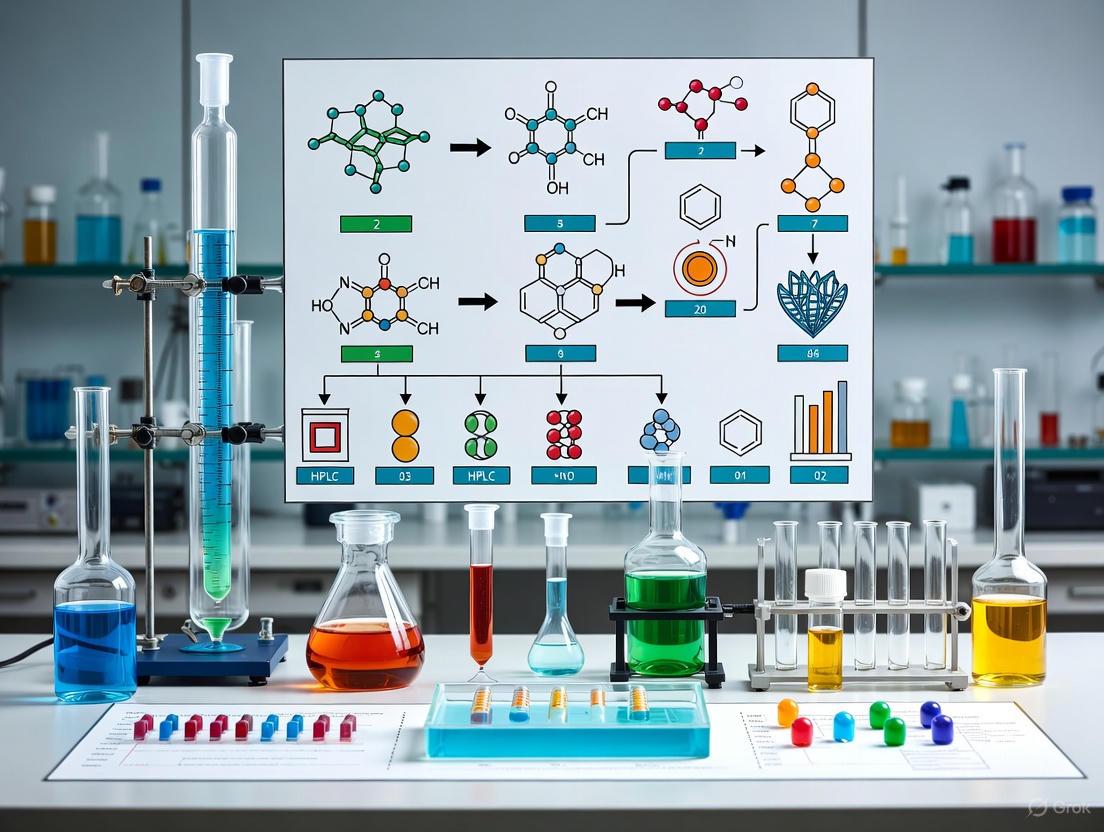
This article provides a comprehensive guide for researchers and drug development professionals on the pivotal roles of chromatography and electrophoresis in biomolecule analysis.
Biomolecule Analysis Decoded: Harnessing Chromatography and Electrophoresis for Advanced Therapeutics
Abstract
This article provides a comprehensive guide for researchers and drug development professionals on the pivotal roles of chromatography and electrophoresis in biomolecule analysis. It covers foundational principles and explores the mechanisms of key techniques like HPLC, UHPLC, UHPLC, SDS-PAGE, and 2D-PAGE. The scope extends to methodological applications in characterizing complex therapeutics, practical troubleshooting for laboratory workflows, and rigorous validation and comparative analysis to inform technique selection. By synthesizing current advancements and practical insights, this resource aims to empower scientists in ensuring the safety, efficacy, and quality of next-generation biopharmaceuticals.
Core Principles: The Science Behind Separating Biomolecules
Chromatography is a foundational technique in analytical science for separating the individual components of a mixture. The process hinges on the differential distribution of analytes between two immiscible phases: a stationary phase and a mobile phase [1]. The mobile phase, which can be a liquid or a gas, serves to transport the sample mixture through the system. The stationary phase, typically a solid or a liquid supported on a solid, remains fixed in place [2]. Separation occurs because each component in the mixture interacts with these two phases with differing strengths, leading to distinct migration rates [3].
Components that exhibit stronger interactions with the stationary phase are retained longer, moving slowly through the system. Conversely, components with greater affinity for the mobile phase move through more rapidly [1]. This differential partitioning is the universal principle underlying all chromatographic techniques, from simple paper chromatography to advanced High-Performance Liquid Chromatography (HPLC) and Gas Chromatography (GC). The balance of intermolecular forces—such as hydrophobic interactions, hydrogen bonding, and ionic attraction—between the analyte, mobile phase, and stationary phase dictates the efficiency and outcome of the separation [4] [3].
Theoretical Foundation: The Thermodynamics of Separation
The separation process in chromatography is governed by thermodynamic principles. The distribution of an analyte between the stationary and mobile phases is described by its partition coefficient, K, which is related to the Gibbs free energy change (ΔG) for the transfer of the analyte from the mobile to the stationary phase [5]:
[\Delta G = -RT \ln K]
Here, R is the gas constant and T is the temperature in Kelvin. A more negative ΔG value signifies a stronger interaction with the stationary phase, resulting in a larger K and longer retention time for the analyte [4] [5].
The retention factor (k), a directly measurable parameter from the chromatogram, is related to the partition coefficient by (k = K \frac{Vs}{Vm}), where (Vs) and (Vm) are the volumes of the stationary and mobile phases, respectively [5]. The ultimate goal in chromatographic separation is to achieve resolution (Rs), which is a function of the retention factor (k), the column efficiency (N), and the selectivity (α) [4]. Selectivity, defined as the ratio of the retention factors of two adjacent peaks ((α = \frac{k2}{k1})), is a direct measure of the stationary phase's ability to distinguish between two analytes based on differences in their chemical properties [4].
Visualizing the Chromatographic Process
The following diagram illustrates the fundamental process of differential partitioning that leads to separation.
Defining the Two Phases: A Comparative Analysis
The careful selection and combination of the mobile and stationary phases are critical for developing a successful chromatographic method. Their properties directly determine the selectivity, efficiency, and speed of the separation. The table below summarizes their distinct roles and characteristics.
Table 1: Comparative Roles and Properties of Mobile and Stationary Phases
| Parameter | Mobile Phase | Stationary Phase |
|---|---|---|
| Physical State | Liquid or Gas [2] [1] | Solid or Liquid immobilized on a solid support [2] [1] |
| Primary Function | Dissolves the sample and carries components through the system [2] | Interacts with components to retard their movement, effecting separation [2] |
| Common Examples | Solvents (e.g., water, methanol, acetonitrile), carrier gases (e.g., He, N₂) [2] [1] | Silica gel, alumina, chemically modified silica (C18, C8), gels, porous polymers [2] [1] [6] |
| Post-Process Handling | Often requires removal (evaporation) after separation [2] | Typically remains within the column for reuse [2] |
| Key Influence on Separation | Solvent strength/eluting power, pH, modifier additives [5] | Surface chemistry, functional groups, pore size, particle geometry [4] [6] |
The Scientist's Toolkit: Essential Research Reagent Solutions
The following table catalogs key materials and reagents essential for setting up and performing chromatographic separations, particularly in the context of biomolecule analysis.
Table 2: Key Research Reagent Solutions for Chromatography
| Item | Function / Purpose |
|---|---|
| Silica-Based Sorbents | A versatile matrix used as-is in normal-phase chromatography or as a substrate for bonded phases in reversed-phase and other modes [6]. |
| Bonded Phases (C18, C8, Phenyl) | Silica chemically modified with alkyl or aryl chains to create hydrophobic surfaces for reversed-phase separation of non-polar to moderately polar molecules [6]. |
| Ion Exchange Resins | Stationary phases containing charged functional groups (e.g., quaternary ammonium for anion exchange, sulfonic acid for cation exchange) to separate biomolecules like proteins and nucleotides based on charge [1]. |
| HPLC-Grade Solvents | High-purity solvents (e.g., acetonitrile, methanol, water) used to prepare the mobile phase; minimized impurities prevent column damage and detector noise [7]. |
| Buffers & Mobile Phase Additives | Salts (e.g., phosphate, acetate) and ion-pairing reagents (e.g., TFA) control pH and ionic strength, modulating analyte charge and interaction with the stationary phase [1] [5]. |
| Affinity Ligands | Specific biological molecules (e.g., antibodies, lectins, metal chelates) immobilized on the stationary phase to selectively capture target biomolecules like recombinant proteins [1]. |
Experimental Protocols
This section provides detailed methodologies for key experiments that illustrate the universal principle of mobile and stationary phase interaction.
Protocol 1: Analyzing Plant Pigments via Thin-Layer Chromatography (TLC)
Purpose: To separate and identify chlorophylls and carotenoids from a leaf extract using TLC, demonstrating adsorption chromatography.
Materials and Reagents:
- TLC plates (silica gel, stationary phase)
- Mortar and pestle
- Fresh spinach leaves
- Organic solvent mixture (e.g., petroleum ether : acetone, 9:1 v/v, mobile phase)
- Developing chamber
- Capillary tubes
Procedure:
- Stationary Phase Preparation: Obtain a pre-coated silica gel TLC plate. Handle by the edges to avoid contamination.
- Sample Application: Using a capillary tube, spot the leaf extract onto the TLC plate approximately 1 cm from the bottom. Allow the spot to dry completely.
- Mobile Phase Introduction: Pour the prepared mobile phase into the developing chamber to a depth of about 0.5 cm. Seal the chamber to allow saturation with solvent vapor.
- Separation (Development): Place the spotted TLC plate vertically into the chamber, ensuring the sample spot is above the solvent level. Close the chamber.
- Termination and Visualization: Once the solvent front has migrated to near the top of the plate (∼15-20 minutes), remove the plate and immediately mark the solvent front. Allow the plate to dry. The separated pigments will appear as distinct colored bands.
Data Analysis: Calculate the retardation factor (Rf) for each pigment: [ R_f = \frac{\text{Distance travelled by pigment spot}}{\text{Distance travelled by solvent front}} ] Compare Rf values to standards for identification [3].
Protocol 2: Purification of a Synthetic Peptide by Reversed-Phase HPLC
Purpose: To purify a crude synthetic peptide mixture using gradient elution in Reversed-Phase HPLC.
Materials and Reagents:
- HPLC system with binary pump, autosampler, and UV-Vis detector
- Reversed-Phase HPLC column (e.g., C18, 250 x 4.6 mm, 5 µm)
- Mobile Phase A: 0.1% Trifluoroacetic acid (TFA) in water
- Mobile Phase B: 0.1% TFA in acetonitrile
- Syringe filters (0.22 µm)
- Crude peptide sample, dissolved in Mobile Phase A
Procedure:
- Sample Preparation: Dissolve the crude peptide in Mobile Phase A. Filter the solution through a 0.22 µm syringe filter to remove particulate matter.
- Mobile Phase and System Preparation: Degas and prepare Mobile Phases A and B. Prime the HPLC system and equilibrate the column with 95% A / 5% B at the desired flow rate (e.g., 1.0 mL/min) until a stable baseline is achieved.
- Method Programming: Set the detector wavelength (e.g., 214 nm for peptide bonds). Program the gradient method:
- 0 min: 95% A, 5% B
- Over 30 min: linear gradient to 40% A, 60% B
- Hold for 5 min
- Return to initial conditions and re-equilibrate.
- Separation (Injection and Elution): Inject the filtered sample via the autosampler. Start the method. The hydrophobic peptide components will elute as the proportion of organic solvent (Mobile Phase B) increases.
- Fraction Collection: Monitor the chromatogram and use a fraction collector to collect the peak corresponding to the target peptide.
Data Analysis: Analyze the chromatogram to assess purity. The retention time of the main peak is characteristic under these specific mobile and stationary phase conditions [6].
Workflow for a Generic Biomolecule Purification
The following diagram outlines a standard workflow for a chromatographic purification, common to many of the protocols described.
Applications in Biomolecule Analysis and Drug Development
The interplay between mobile and stationary phases is exploited across various chromatographic modes to solve complex challenges in biomolecule analysis.
Pharmaceutical Quality Control: HPLC is a cornerstone for ensuring drug purity and stability. It is used to separate active pharmaceutical ingredients (APIs) from synthetic impurities and degradation products. The selectivity offered by different stationary phases (e.g., C18, phenyl) and mobile phase compositions is critical for detecting low-level impurities [8] [6].
Protein and Enzyme Purification: Affinity Chromatography leverages highly specific biological interactions (e.g., antibody-antigen, enzyme-substrate) by immobilizing one binding partner (the ligand) on the stationary phase. This allows for the single-step purification of a target protein from a complex cellular lysate [1]. Size-Exclusion Chromatography (SEC) separates biomolecules like proteins or nucleic acids based on their hydrodynamic volume, using a porous stationary phase for buffer exchange or oligomeric state analysis [1].
Metabolomics and Biomarker Discovery: In HILIC (Hydrophilic Interaction Liquid Chromatography), a polar stationary phase (e.g., bare silica or amide-bonded) is paired with a hydrophobic mobile phase (e.g., acetonitrile) to retain and separate highly polar metabolites that are poorly retained in reversed-phase HPLC. This is essential for comprehensive profiling of cellular metabolites [6].
Pharmacokinetic Studies: LC-MS (Liquid Chromatography-Mass Spectrometry) combines the separation power of HPLC with the identification capability of mass spectrometry. Here, the chromatographic mobile and stationary phases are optimized to resolve drugs and their metabolites from biological matrices, enabling quantification at very low concentrations in plasma or urine [9] [7].
The fundamental principle of chromatography—the differential partitioning of analytes between a moving mobile phase and a stationary phase—provides a powerful and versatile framework for the separation and analysis of complex mixtures. The careful selection and optimization of these phases, guided by the physicochemical properties of the target biomolecules, is the cornerstone of method development in research and industry. From the simple TLC plate to the sophisticated UHPLC-MS system, this universal principle enables scientists to ensure drug safety, advance biomedical research, and unlock the complexities of biological systems.
Within the broader field of biomolecule separation science, electrophoresis stands as a cornerstone technique, complementary to chromatography, for the analysis of nucleic acids, proteins, and other charged biological polymers. While chromatography separates molecules based on their differential partitioning between a mobile and a stationary phase, electrophoresis leverages the fundamental principles of charge, size, and the influence of an electrical field to achieve high-resolution separation [10]. This application note details the core principles and provides standardized protocols for gel electrophoresis, a foundational method critical for researchers and drug development professionals engaged in genomics, proteomics, and biopharmaceutical quality control.
Core Principles of Separation
At its core, electrophoresis is the motion of charged dispersed particles or dissolved charged molecules relative to a fluid under the influence of a spatially uniform electric field [11]. When applied to biomolecules in a gel matrix, this technique separates complexes based on key physical properties.
- Role of Net Charge: The direction of a molecule's migration in an electric field is determined by its net charge. In a standard setup, the electric field creates a positive electrode (anode) and a negative electrode (cathode). Consequently, a molecule with a negative net charge, such as DNA, whose phosphate backbone is negatively charged, will be attracted to and migrate towards the positive anode [12] [11].
- Influence of Size and Molecular Weight: The gel matrix, typically composed of agarose or polyacrylamide, acts as a molecular sieve. Its porous structure means that smaller molecules can navigate through the pores more easily and thus migrate faster over a given time, while larger molecules are impeded and travel more slowly [12] [13]. This results in the ordering of molecules by size.
- The Electrical Field as the Driving Force: The electrical field, defined by the voltage applied, provides the driving force for the movement of charged molecules. The electrophoretic mobility (μe), which defines the rate of migration, is described by the Smoluchowski equation:
μe = v/E = (εrε0ζ)/η, wherevis the drift velocity,Eis the electric field strength,εrandε0are dielectric constants,ζis the zeta potential, andηis viscosity [11]. In practice, higher voltages lead to faster migration but can compromise resolution, often necessitating optimization.
The following diagram illustrates the workflow and logical relationships in a standard gel electrophoresis experiment:
Diagram 1: Gel electrophoresis workflow and principles.
Selection of Gel Matrix: Agarose vs. Polyacrylamide
The choice of gel matrix is critical and depends on the size of the target biomolecules and the required resolution. The tables below summarize the key differences and appropriate applications.
Table 1: Comparison of Agarose and Polyacrylamide Gel Properties
| Property | Agarose Gel | Polyacrylamide Gel (PAGE) |
|---|---|---|
| Source | Polysaccharide from red algae [13] | Synthetic polymer [13] |
| Gel Formation | Dissolves in water and forms extensive hydrogen bonds [13] | Polymerizes in the presence of a crosslinking agent [13] |
| DNA Separation Range | 50 – 50,000 base pairs (bp) [13] | 5 – 3,000 bp [13] |
| Resolving Power | 5 – 10 nucleotides [13] | Single nucleotide [13] |
| Primary Use | Separation of larger DNA/RNA fragments [12] [13] | Separation of smaller nucleic acids or proteins; high-resolution applications [13] |
Table 2: Recommended Agarose Gel Percentages for DNA Separation
| Gel Percentage (%) | Range of Efficient Separation (base pairs) |
|---|---|
| 0.7 | 800 – 12,000 |
| 1.0 | 400 – 8,000 |
| 1.5 | 200 – 3,000 |
| 2.0 | 100 – 2,000 |
| 4.0 | 10 – 500 |
Data compiled from [13].
Table 3: Recommended Polyacrylamide Gel Percentages for DNA Separation
| Gel Percentage (%) (non-denaturing) | Range of Efficient Separation (base pairs) |
|---|---|
| 3.5 | 100 – 1,000 |
| 8.0 | 60 – 400 |
| 12.0 | 50 – 200 |
| 20.0 | 5 – 100 |
Data compiled from [13].
The relationship between gel percentage and fragment separation can be visualized as follows:
Diagram 2: Gel percentage effects on separation.
Detailed Protocol: Agarose Gel Electrophoresis for DNA Analysis
This protocol provides a step-by-step guide for separating DNA fragments using an agarose gel [12] [14].
Equipment and Reagents
Table 4: Research Reagent Solutions for Agarose Gel Electrophoresis
| Item | Function / Explanation |
|---|---|
| Agarose | Polysaccharide polymer that forms the porous gel matrix, acting as a sieve for separating molecules by size [13]. |
| TAE or TBE Buffer | Conducts the electric current and maintains a stable pH during the run. The buffer must be the same in the gel and the tank [12] [14]. |
| DNA Loading Dye | Contains a visible dye to track migration and glycerol to increase sample density, ensuring it sinks into the well [14]. |
| DNA Ladder (Marker) | A mixture of DNA fragments of known sizes, used to estimate the size of unknown DNA fragments in the sample [12]. |
| Ethidium Bromide or Safe Alternative | Fluorescent dye that intercalates with DNA, allowing visualization under ultraviolet (UV) light [14]. Caution: Ethidium bromide is a mutagen; handle with appropriate personal protective equipment (PPE) [14]. |
Step-by-Step Methodology
Gel Preparation
- Weigh and Mix: Weigh the appropriate amount of agarose powder (e.g., 1 g for a 1% gel in 100 mL of buffer) and mix with 1x TAE or TBE buffer in a microwave-safe flask [14].
- Dissolve Agarose: Heat the mixture in a microwave until the agarose is completely dissolved, swirling occasionally to ensure even heating. Take care to avoid boiling over [14].
- Cool and Add Stain: Let the solution cool to about 50°C (comfortable to touch). If using Ethidium Bromide, add it to a final concentration of ~0.2-0.5 μg/mL at this stage [14].
- Cast the Gel: Pour the molten agarose onto a casting tray with a well comb in place. Remove any bubbles with a pipette tip. Allow the gel to solidify completely at room temperature or 4°C [14].
Sample and Ladder Preparation
- Mix your DNA samples with loading buffer. A typical ratio is 5 µL of loading dye per 25 µL of DNA sample [14].
- Prepare the DNA ladder (marker) according to the manufacturer's instructions.
Electrophoretic Run
- Once solidified, place the gel in the electrophoresis chamber and cover it with the same 1x buffer used to prepare the gel [14].
- Carefully remove the well comb.
- Load the DNA ladder into the first well. Load your prepared samples into the remaining wells.
- Secure the lid, ensuring the electrodes are correctly oriented (DNA, being negatively charged, will run towards the positive anode—"Run to Red") [12] [14].
- Apply an electrical current (typically 80-150 V). Run the gel until the dye front has migrated 75-80% of the way down the gel [14].
Visualization and Analysis
- Turn off the power and remove the gel from the tank.
- If not stained during preparation, the gel can be stained post-electrophoresis by soaking in a dye solution [14].
- Visualize the DNA bands using a UV transilluminator or blue light illuminator. Caution: Wear UV-protective eyewear [12] [14].
- Compare the position of your sample bands to the DNA ladder to estimate the size of the DNA fragments [12].
Applications in Biomolecule Analysis Research
Electrophoresis is indispensable in modern life science research and development. Its applications are vast and critical for drug development pipelines.
- Nucleic Acid Analysis: Gel electrophoresis is a fundamental technique for analyzing DNA and RNA. It is used to estimate the size and quantity of PCR products, verify products of cloning and gene editing, and check RNA integrity. DNA fingerprinting for forensic science and paternity testing also relies heavily on this technique [12] [15].
- Protein Analysis: Protein electrophoresis, particularly SDS-PAGE, separates proteins based on their molecular weight. It is a key tool for assessing protein purity, identifying proteins, and studying post-translational modifications, which is vital for characterizing biopharmaceuticals like monoclonal antibodies [15].
- Diagnostics and Clinical Research: Electrophoresis is used in medical diagnostics to detect genetic disorders, identify specific proteins in blood serum, and for the analysis of certain cancers, such as multiple myeloma, by detecting abnormal M proteins [12] [15].
- Drug Development and Quality Control: In the pharmaceutical and biotechnology industries, electrophoresis is crucial for quality control and assurance. It is used to analyze the purity, charge heterogeneity, and stability of protein-based therapeutics, ensuring they meet regulatory standards for safety and efficacy [15] [16].
Electrophoresis, governed by the straightforward yet powerful interplay of molecular charge, size, and an applied electrical field, remains an essential and versatile technique in the researcher's toolkit. Its ability to provide rapid, reliable separation and analysis of biomolecules makes it a fundamental pillar supporting advancements in genomics, proteomics, and the development of novel therapeutics. Mastery of its principles and protocols, as outlined in this application note, is fundamental for scientists engaged in biomolecule analysis.
Chromatography stands as a cornerstone technique in modern biomolecular research, enabling the separation, identification, and purification of complex biological mixtures. The power of chromatography lies in its diverse separation mechanisms, which exploit different physicochemical properties of molecules to achieve resolution. For researchers and drug development professionals, a deep understanding of these mechanisms is paramount for selecting the appropriate technique for specific analytical or purification challenges. This article details the five fundamental chromatographic separation mechanisms—adsorption, partitioning, ion exchange, size exclusion, and affinity—within the context of biomolecule analysis. By providing clear principles, application protocols, and practical optimization strategies, this guide serves as an essential resource for developing robust and reproducible chromatographic methods in biomedical research and therapeutic development.
Each mechanism facilitates unique selectivity and is suited for particular classes of biomolecules. Adsorption chromatography separates based on surface binding, while partition chromatography relies on differential solubility between phases. Ion exchange chromatography exploits molecular charge, size exclusion chromatography separates by hydrodynamic volume, and affinity chromatography utilizes highly specific biological interactions. The choice of mechanism directly impacts the resolution, capacity, and success of downstream applications, from proteomic profiling to the purification of biotherapeutics.
The foundational principle of chromatography involves a stationary phase (a solid or liquid fixed in place) and a mobile phase (a liquid or gas that moves through or across the stationary phase). As the mobile phase carries the sample mixture, components interact differently with the two phases based on their chemical properties, leading to separation as they migrate at different velocities [1]. The specific nature of these interactions defines the separation mechanism.
Table 1: Core Characteristics of Chromatographic Separation Mechanisms
| Separation Mechanism | Primary Basis for Separation | Key Biomolecule Applications | Critical Operational Parameters |
|---|---|---|---|
| Adsorption | Polarity and surface binding affinity [1] | Small organic molecules, isomers [17] | Stationary phase surface activity, mobile phase polarity |
| Partitioning | Differential solubility/partitioning between two liquid phases [1] | Broad range of small molecules and pharmaceuticals [17] | Polarity of stationary vs. mobile phase (normal vs. reverse-phase) |
| Ion Exchange (IEX) | Net surface charge and charge density [18] [19] | Proteins, peptides, nucleic acids, amino acids [18] [19] | Mobile phase pH and ionic strength |
| Size Exclusion (SEC) | Molecular size (hydrodynamic radius) and shape [20] [21] | Protein aggregates, polymer separation, desalting [20] [21] | Pore size of stationary phase beads, column dimensions |
| Affinity | Specific biological interaction (e.g., ligand-receptor) [1] [17] | Antibodies, enzymes, recombinant tagged proteins [17] | Ligand specificity and binding conditions (pH, ionic strength) |
The separation process is universally represented by a chromatogram, which plots detector response against retention time. Each peak corresponds to a separated component, and the area under the peak can be used for quantification. The retention time (tᵣ)—the time taken for a compound to elute from the column—is a key identifying characteristic [1].
Diagram 1: Decision pathway for selecting chromatography mechanisms based on molecule properties.
Adsorption Chromatography
Principle and Theory
Adsorption chromatography, one of the earliest chromatographic methods, separates compounds based on their differential adsorption affinity to a solid stationary phase surface [1]. The mechanism involves the competition between analyte molecules and the mobile phase for binding sites on the adsorbent surface. Molecules with stronger adsorption to the stationary phase are retained longer and elute later, whereas weakly adsorbed components move faster with the mobile phase [1]. Common stationary phases include silica gel (SiO₂) and alumina (Al₂O₃), which possess polar surface groups. Silica gel has silanol (Si-OH) groups that can form hydrogen bonds and other dipole-dipole interactions with analytes [17]. The selectivity is primarily influenced by the polarity of the analyte molecules, with more polar compounds being more strongly retained on polar adsorbents.
Application Protocol: Separation of Plant Pigments by Adsorption Chromatography
Objective: To separate and identify chlorophylls, carotenes, and xanthophylls from a leaf extract using adsorption thin-layer chromatography (TLC).
Materials and Reagents:
- Stationary Phase: TLC plates coated with silica gel (250 µm thickness).
- Mobile Phase: Mixture of petroleum ether and acetone in a 9:1 ratio.
- Sample: Spinach or tomato leaf extract.
- Development Chamber: Glass tank with lid.
- Micropipette and capillary tubes.
- Sprayer for detection reagent.
Procedure:
- Sample Preparation: Grind 2-3 grams of fresh leaves with 5 mL of acetone or ethanol using a mortar and pestle. Filter the extract through a plug of cotton or filter paper into a test tube.
- Spotting: Using a capillary tube, apply a small spot of the concentrated extract approximately 1.5 cm from the bottom edge of the TLC plate. Allow the spot to dry completely.
- Equilibration and Development: Pour the mobile phase into the development chamber to a depth of about 0.5 cm. Seal the chamber and allow it to saturate with solvent vapor for 10-15 minutes. Carefully place the spotted TLC plate into the chamber, ensuring the sample spot is above the solvent level. Replace the lid.
- Development: Allow the mobile phase to ascend via capillary action until it is about 1 cm from the top of the plate (typically 15-20 minutes).
- Visualization: Remove the plate from the chamber and immediately mark the solvent front with a pencil. Allow the plate to dry. The separated pigments will be visible as colored bands: chlorophylls (green), carotenes (yellow-orange), and xanthophylls (yellow).
Analysis: Calculate the Retention factor (Rf) for each pigment band using the formula: Rf = Distance traveled by solute / Distance traveled by solvent front. Compare the Rf values with standards for identification.
Optimization and Troubleshooting
- Mobile Phase Polarity: If separation is poor, adjust the mobile phase polarity. Increase the percentage of a more polar solvent (e.g., acetone or methanol) to decrease retention times of all compounds, or decrease it to increase retention.
- Stationary Phase Activity: The activity of adsorbents like silica gel can be affected by ambient humidity. Activating the plates by heating in an oven at 100-110°C for 30 minutes before use can improve reproducibility.
- Spot Tailing: This can occur if the sample is too concentrated or if there are strong, non-specific interactions with the stationary phase. Dilute the sample or use a more competitive mobile phase to reduce tailing.
Partition Chromatography
Principle and Theory
Partition chromatography separates compounds based on their differing solubilities in two immiscible liquid phases: the stationary phase and the mobile phase [1]. The stationary phase is a liquid immobilized on a solid support, and separation is governed by the partition coefficient (K), which is the ratio of the analyte's concentration in the stationary phase to its concentration in the mobile phase at equilibrium [1]. Compounds with a higher partition coefficient (more soluble in the stationary phase) are retained longer.
Partition chromatography is categorized into normal-phase and reverse-phase modes. In normal-phase partition chromatography, the stationary phase is polar (e.g., water, triethylene glycol) and the mobile phase is non-polar (e.g., hexane, chloroform). Thus, polar analytes are retained more strongly. In reverse-phase chromatography (RPC), which is far more common today, the stationary phase is non-polar (e.g., hydrocarbon chains like C8 or C18 bonded to silica) and the mobile phase is polar (e.g., water, methanol, acetonitrile). Consequently, hydrophobic (non-polar) analytes are retained more strongly in RPC [17].
Application Protocol: Reverse-Phase HPLC Analysis of Pharmaceutical Compounds
Objective: To separate and quantify the components of a pharmaceutical drug product using Reverse-Phase High-Performance Liquid Chromatography (RP-HPLC).
Materials and Reagents:
- HPLC System: Equipped with a pump, degasser, autosampler, column oven, and UV-Vis or Photodiode Array (PDA) detector.
- Column: C18 column (e.g., 150 mm x 4.6 mm, 5 µm particle size).
- Mobile Phase A: 0.1% Trifluoroacetic acid (TFA) in water.
- Mobile Phase B: 0.1% TFA in acetonitrile.
- Standards and Samples: Authentic drug standard and prepared drug product sample.
Procedure:
- Mobile Phase Preparation: Filter and degas both mobile phase A and B through a 0.22 µm or 0.45 µm membrane filter under vacuum with sonication.
- System Equilibration: Prime the system with the mobile phases. Set the initial mobile phase composition to 95% A and 5% B. Flow at 1.0 mL/min for at least 30 minutes or until a stable baseline is achieved.
- Chromatographic Conditions:
- Column Temperature: 30°C
- Detection Wavelength: 254 nm
- Injection Volume: 10 µL
- Gradient Program:
- 0 min: 95% A, 5% B
- 10 min: 50% A, 50% B
- 15 min: 5% A, 95% B
- 17 min: 5% A, 95% B
- 17.1 min: 95% A, 5% B
- 22 min: 95% A, 5% B (for re-equilibration)
- Analysis: Inject the standard and sample solutions. Identify peaks in the sample chromatogram by comparing their retention times with those of the standard. Quantify the active ingredient by integrating the peak area and comparing it to the calibration curve obtained from standards.
Optimization and Troubleshooting
- Gradient vs. Isocratic Elution: For mixtures with a wide range of hydrophobicities, a gradient elution (increasing the percentage of organic solvent over time) is essential. Isocratic elution is suitable for simple mixtures.
- Mobile Phase pH: Using buffers to control pH (e.g., phosphate or ammonium acetate) can significantly improve the peak shape of ionizable compounds by suppressing their ionization.
- Column Selection: C18 columns offer the strongest retention for non-polar compounds. For more polar analytes or for faster analysis, C8 or C4 columns can be used.
Ion Exchange Chromatography (IEX)
Principle and Theory
Ion exchange chromatography separates ionizable compounds based on their net surface charge and its distribution under specified pH conditions [18] [19]. The stationary phase, known as the ion exchanger, contains covalently bound charged functional groups. These immobilized charges are associated with counter-ions of opposite charge that are in equilibrium with the mobile phase.
The two primary types of IEX are:
- Cation Exchange Chromatography: The stationary phase contains negatively charged functional groups (e.g., sulfonate, -SO₃⁻). It retains positively charged cations. The competition can be represented as: R-X⁻C⁺ + M⁺B⁻ ⇄ R-X⁻M⁺ + C⁺ + B⁻ [18].
- Anion Exchange Chromatography: The stationary phase contains positively charged functional groups (e.g., quaternary ammonium, -N(CH₃)₃⁺). It retains negatively charged anions. The competition is: R-X⁺A⁻ + M⁺B⁻ ⇄ R-X⁺B⁻ + M⁺ + A⁻ [18].
The binding of biomolecules like proteins to the ion exchanger is highly dependent on the mobile phase pH relative to the molecule's isoelectric point (pI). A protein will bind to a cation exchanger if the pH is below its pI (giving it a net positive charge), and to an anion exchanger if the pH is above its pI (giving it a net negative charge) [18]. Bound molecules are eluted by increasing the ionic strength of the mobile phase, which introduces competing ions that displace the analyte, or by changing the pH to neutralize the analyte's charge [18] [19].
Application Protocol: Anion Exchange Purification of a Recombinant Protein
Objective: To purify a recombinant protein (pI ~4.9) from a clarified E. coli lysate using anion exchange chromatography [22].
Materials and Reagents:
- Chromatography System: FPLC or HPLC system.
- Column: Anion exchange column (e.g., Q Sepharose Fast Flow, 1 mL column volume).
- Buffer A (Equilibration/Binding Buffer): 20 mM Tris-HCl, pH 8.0.
- Buffer B (Elution Buffer): 20 mM Tris-HCl, pH 8.0, with 1 M NaCl.
- Sample: Clarified cell lysate in Buffer A.
Procedure:
- System and Column Preparation: Equilibrate the column with at least 5 column volumes (CV) of Buffer A until the UV baseline and conductivity are stable.
- Sample Preparation and Loading: Dilute the clarified lysate with Buffer A to ensure the conductivity is similar to that of Buffer A. Centrifuge or filter (0.22 µm) to remove any particulates. Load the sample onto the column at a moderate flow rate (e.g., 1 mL/min).
- Wash: Wash the column with 5-10 CV of Buffer A to elute unbound, non-negatively charged proteins and contaminants.
- Elution: Elute the bound target protein using a linear gradient from 0% to 100% Buffer B over 20 CV, or using a step gradient (e.g., elute with 20% B to remove weakly bound impurities, then with 50% B to elute the target protein). Collect fractions.
- Column Regeneration and Storage: Wash the column with 5 CV of 100% Buffer B to remove any tightly bound material, then re-equilibrate with 5 CV of Buffer A. Store the column according to the manufacturer's instructions.
Analysis: Analyze the collected fractions using SDS-PAGE for purity and a Bradford assay or UV absorbance for protein concentration.
Optimization and Troubleshooting
- Buffer pH Selection: Choose a buffer pH that ensures the target protein and the resin have opposite charges. For anion exchange, a pH at least one unit above the protein's pI is typical.
- Gradient Steepness: A shallow gradient provides better resolution of closely eluting species but takes longer. A steeper gradient is faster but may compromise resolution.
- Counter-ion Competition: The choice of salt (usually NaCl) in the elution buffer is common, but the type of ion can affect selectivity. For cations, the affinity for a cation exchanger generally follows: Li⁺ < H⁺ < Na⁺ < K⁺ [19].
Size Exclusion Chromatography (SEC)
Principle and Theory
Size exclusion chromatography (SEC), also known as gel filtration or gel permeation chromatography, separates molecules based on their size in solution (hydrodynamic radius) and, to some extent, their shape [20] [21]. The stationary phase consists of porous beads with defined pore sizes. The key differentiator of SEC from other modes is that no adsorption occurs between the analyte and the stationary phase; separation is purely a physical sieving process [21].
The separation mechanism is governed by the access analytes have to the pore volume. Larger molecules that cannot enter the pores are excluded and elute first in the void volume (V₀). Smaller molecules that can enter the pores are retained longer and elute later. The total volume accessible to the smallest molecules is the total volume (Vₜ). The elution volume of a solute (Vₑ) is between V₀ and Vₜ [20]. The retention is expressed by the partition coefficient, KD = (Vₑ - V₀) / Vᵢ, where Vᵢ is the internal pore volume. KD ranges from 0 (for completely excluded molecules) to 1 (for molecules that can access all pores) [20].
Application Protocol: Analysis of Protein Aggregates by SEC
Objective: To separate and quantify monomeric and aggregated forms of a monoclonal antibody therapeutic using SEC [20].
Materials and Reagents:
- HPLC/UHPLC System: With an isocratic pump and UV detector.
- SEC Column: Silica-based or polymer-based column with appropriate pore size for proteins (e.g., 150 mm x 7.8 mm, 1.7-5 µm particles with ~300 Å pores).
- Mobile Phase: 100 mM Sodium phosphate, 150 mM NaCl, pH 6.8. Filter (0.22 µm) and degas.
- Samples: Monoclonal antibody reference standard and stressed/test sample.
Procedure:
- System Equilibration: Equilibrate the column with the mobile phase at a constant flow rate (e.g., 0.5-1.0 mL/min for an analytical column) until a stable baseline is achieved. SEC is always performed under isocratic conditions.
- Calibration (Optional): Inject a mixture of globular proteins of known molecular weight (e.g., thyroglobulin, IgG, ovalbumin, myoglobin) to create a calibration curve of log(MW) vs. Vₑ.
- Sample Analysis: Inject a concentrated but low-volume protein sample (e.g., 10-20 µL of 1-2 mg/mL). Monitor the elution at 280 nm.
- Data Analysis: The chromatogram will show peaks corresponding to high molecular weight (HMW) aggregates (eluting first), the monomeric protein, and potentially fragments (eluting last). Integrate the peak areas to calculate the percentage of each species: % HMW = (Area_HMW / Total Area) × 100.
Optimization and Troubleshooting
- Minimizing Non-Ideal Interactions: Electrostatic interactions with residual silanols on silica-based columns can be mitigated by adding 100-150 mM salt to the mobile phase. Hydrophobic interactions can be reduced by adding a small percentage of organic modifier (e.g., 5% ethanol) or arginine [21].
- Flow Rate: Slower flow rates generally improve resolution by allowing for more equilibration between the mobile and stationary phases but increase analysis time [21].
- Sample Volume and Concentration: To avoid volume overloading and ensure optimal resolution, the injected sample volume should typically be 1-2% of the total column volume. High concentrations can cause viscosity effects, leading to peak broadening [21].
Table 2: Key Operational Parameters for Different Chromatography Types
| Parameter | Ion Exchange (IEX) | Size Exclusion (SEC) | Affinity | Reverse-Phase (RP) |
|---|---|---|---|---|
| Sample Load | Medium to High [19] | Low (volume-limited) [21] | Medium to High | Low to Medium |
| Mobile Phase | Aqueous buffer with salt gradient [18] [19] | Constant ionic strength buffer (isocratic) [20] | Binding buffer, then elution buffer [17] | Water/organic solvent gradient [17] |
| Critical Factor | pH and ionic strength [18] | Pore size and column volume [21] | Ligand specificity and binding conditions | Solvent strength and pH |
| Scale-Up | Excellent [19] | Good | Excellent | Good |
| Biomolecule Stability | Good (aqueous, can use pH/salt) | Excellent (non-interactive) [21] | Variable (elution can be denaturing) | Poor (organic solvents can denature) |
Affinity Chromatography
Principle and Theory
Affinity chromatography is a powerful technique that separates biomolecules based on a highly specific biological interaction between the target molecule and a ligand immobilized on the stationary phase [1] [17]. This is not based on general physicochemical properties like charge or size, but on lock-and-key interactions such as enzyme-substrate, antibody-antigen, receptor-hormone, or nucleic acid complementarity [17]. The process involves three main steps: 1) Binding/Adsorption, where the sample is applied and the target molecule binds specifically to the ligand while impurities pass through; 2) Washing, where unbound or weakly bound contaminants are removed; and 3) Elution, where the bound target molecule is released by altering conditions to disrupt the specific interaction [17]. Elution can be achieved by changing pH, increasing ionic strength, or using a competitive ligand (e.g., free substrate for an enzyme, or imidazole for immobilized metal affinity chromatography (IMAC) of His-tagged proteins).
Application Protocol: Purification of IgG Antibodies using Protein A/G Affinity Chromatography
Objective: To purify monoclonal or polyclonal IgG antibodies from cell culture supernatant or serum.
Materials and Reagents:
- Column: Pre-packed column with recombinant Protein A or Protein G agarose.
- Binding Buffer: 20 mM Sodium phosphate, 150 mM NaCl, pH 7.0-7.5.
- Elution Buffer: 0.1 M Glycine-HCl, pH 2.5-3.0.
- Neutralization Buffer: 1 M Tris-HCl, pH 8.5-9.0.
- Sample: Clarified cell culture supernatant or serum.
Procedure:
- Equilibration: Equilibrate the Protein A/G column with 5-10 CV of Binding Buffer.
- Sample Loading: Load the clarified sample onto the column at a slow flow rate to allow efficient binding.
- Washing: Wash the column with 10-15 CV of Binding Buffer until the UV absorbance returns to baseline, removing all non-specifically bound contaminants.
- Elution: Apply Elution Buffer to the column and collect 1 mL fractions into tubes containing 50-100 µL of Neutralization Buffer to immediately neutralize the low pH and preserve antibody activity.
- Column Regeneration and Storage: Wash the column with 5 CV of Binding Buffer, followed by 20% ethanol, and store at 4°C.
Analysis: Measure the absorbance of the collected fractions at 280 nm to determine protein concentration. Analyze purity by SDS-PAGE (reduced and non-reduced) and check functionality by ELISA or other activity assays.
Optimization and Troubleshooting
- Ligand Leakage: A common issue is the leaching of the immobilized ligand into the eluted sample. Using resins with ligands covalently coupled via stable linkages can minimize this.
- Nonspecific Binding: If impurities co-elute with the target, increase the stringency of the wash buffer by adding a mild detergent (e.g., 0.01% Tween-20) or moderate salt concentration (e.g., 0.5 M NaCl) before elution.
- Harsh Elution Conditions: Low pH elution can denature some sensitive antibodies. Test gentler elution conditions, such as using a pH gradient or competitive eluents like ethylene glycol.
The Scientist's Toolkit: Essential Research Reagents and Materials
Table 3: Key Research Reagent Solutions for Chromatography
| Reagent/Material | Function/Application | Example Uses |
|---|---|---|
| Ion Exchange Resins | Separation of charged biomolecules [18] [19] | Q Sepharose (Anion), SP Sepharose (Cation) |
| Size Exclusion Media | Separation by hydrodynamic size; desalting [20] [21] | Sephadex G-25, Superdex (for proteins) |
| Affinity Ligands | Highly specific purification [17] | Protein A/G (antibodies), Ni-NTA (His-tagged proteins) |
| Reverse-Phase Columns | Separation based on hydrophobicity [17] | C18, C8, C4 columns for HPLC/UHPLC |
| Buffers & Salts | Create and maintain the mobile phase environment | Tris, Phosphate buffers; NaCl, (NH₄)₂SO₄ |
| HPLC/UHPLC Systems | High-pressure, high-resolution analytical separation | Agilent, Waters, Shimadzu systems [1] |
Diagram 2: A multi-step purification workflow integrating different chromatographic techniques.
The five separation mechanisms—adsorption, partitioning, ion exchange, size exclusion, and affinity—provide a versatile toolkit for the analysis and purification of biomolecules. Each mechanism offers unique selectivity, and the choice depends on the target molecule's properties and the desired outcome. Ion exchange is unparalleled for charge-based separations, size exclusion is ideal for desalting and aggregate analysis without interaction, and affinity chromatography offers the ultimate purity for targets with specific binding partners. Partition chromatography, particularly in its reverse-phase mode, is a workhorse for analytical chemistry, while adsorption chromatography remains useful for specific applications.
Mastering these techniques involves understanding not only their core principles but also the practical aspects of method development, optimization, and troubleshooting. By strategically combining these techniques in a multi-step purification protocol, as illustrated in Diagram 2, researchers and drug development professionals can achieve the high levels of purity required for demanding applications in structural biology, functional studies, and biopharmaceutical development. The continued evolution of chromatographic media and instrumentation promises even greater resolution, speed, and sensitivity, further solidifying chromatography's central role in biomolecular research.
In the fields of chromatography and electrophoresis for biomolecule analysis, the ability to separate, identify, and quantify complex mixtures is fundamental. The analytical value of these techniques hinges on the analyst's ability to interpret key data outputs accurately. Among these, retention time, resolution, and efficiency are three pivotal parameters that collectively describe the quality and success of a separation [23] [24]. For researchers and drug development professionals, a deep understanding of these metrics is not merely academic; it is essential for developing robust methods, ensuring the purity of biopharmaceuticals like monoclonal antibodies, and making data-driven decisions during analysis [25] [26].
This application note details the core principles, quantitative relationships, and practical protocols for interpreting these critical parameters. The content is framed within the context of biomolecule analysis, providing a concrete foundation for optimizing separations in research and development.
Core Parameter Definitions and Mathematical Relationships
Fundamental Definitions
- Retention Time (tᵣ): The time elapsed between the injection of a sample and the detection of a specific analyte peak [24]. It is a characteristic identifier for an analyte under constant conditions, reflecting its interaction strength with the stationary phase (in chromatography) or its mobility in an electric field (in electrophoresis).
- Efficiency (N): A measure of the peak broadening in a system, expressed as the number of theoretical plates [23]. It is calculated from the peak width and retention time, with a higher N value indicating a narrower peak and a more efficient separation system [23] [27].
- Resolution (Rₛ): The degree of separation between two adjacent peaks [23] [24]. It is the ultimate metric for determining whether two components in a mixture can be quantified independently. Resolution is governed by the combined effects of efficiency, selectivity, and retention [27].
The Resolution Equation
The interdependence of retention time, efficiency, and selectivity is quantitatively described by the fundamental resolution equation [27]:
[ R_s = \frac{\sqrt{N}}{4} \times \frac{\alpha - 1}{\alpha} \times \frac{k}{1 + k} ]
Table 1: Terms in the Chromatographic Resolution Equation
| Term | Description | Impact on Resolution |
|---|---|---|
| N (Efficiency) | Number of theoretical plates; a measure of peak broadening. | Increased N (narrower peaks) leads to higher resolution. The relationship is proportional to the square root of N. |
| α (Selectivity) | The ratio of the retention factors of two adjacent peaks; a measure of the stationary phase's ability to distinguish between two analytes. | An increase in α (α > 1) dramatically improves resolution. Maximizing selectivity is often the most effective way to achieve separation. |
| k (Retention Factor) | Describes how long an analyte is retained on the column relative to the unretained solvent front. | Increasing k improves resolution, but the effect diminishes for k > 10. Very high k values lead to impractically long analysis times [27]. |
The following diagram illustrates the logical relationship between the experimental parameters and the resulting chromatographic resolution:
Experimental Protocols for Parameter Measurement and Optimization
Protocol 1: Measuring Retention Time and Calculating Efficiency
This protocol outlines the standard procedure for acquiring basic chromatographic data and calculating column efficiency.
1. Equipment and Reagents:
- HPLC or UHPLC system with UV/Vis or MS detector
- Appropriate chromatographic column (e.g., C18 for reversed-phase)
- Mobile phase solvents (HPLC grade)
- Standard analyte solutions
- Data acquisition software
2. Procedure: 1. Prepare the mobile phase according to the method specifications, ensuring it is properly filtered and degassed [23]. 2. Equilibrate the column with the starting mobile phase composition until a stable baseline is achieved. 3. Inject a standard solution of a single, well-characterized analyte. 4. Record the resulting chromatogram, noting the retention time (tᵣ) of the analyte peak and the width of the peak at its base (wb) or at half height (w{h/2}). 5. Calculate Efficiency (N): The number of theoretical plates can be calculated using one of the following formulae [27]: - Using peak width at base: ( N = 16 \times (tr / wb)^2 ) - Using peak width at half-height: ( N = 5.54 \times (tr / w{h/2})^2 )
3. Data Interpretation: A high N value indicates a highly efficient column with minimal band broadening. A low N value suggests issues such as column degradation, excessive extra-column volume, or poorly packed columns [23].
Protocol 2: Determining and Optimizing Chromatographic Resolution
This protocol describes how to calculate resolution between two analytes and provides a systematic approach for its optimization.
1. Equipment and Reagents:
- Same as Protocol 1.
- A solution containing two analytes that are not fully separated.
2. Procedure: 1. Follow steps 1-3 from Protocol 1 using the mixture of two analytes. 2. From the chromatogram, measure the retention times for the two peaks (tᵣ₁ and tᵣ₂) and their respective peak widths at the base (wb1 and wb2). 3. Calculate Resolution (Rₛ): Use the standard formula [24]: [ Rs = \frac{2(t{r2} - t{r1})}{w{b1} + w_{b2}} ] 4. Optimization Strategy: If Rₛ is less than 1.5 (indicating incomplete baseline separation), systematically adjust method parameters: - To Increase Efficiency (N): Use a column with smaller particle sizes or reduce extra-column volume [23]. - To Increase Selectivity (α): Modify the mobile phase composition (e.g., pH, solvent type) or change the column chemistry [23] [26]. - To Adjust Retention Factor (k): Alter the solvent strength of the mobile phase (e.g., % organic modifier in reversed-phase HPLC) [27].
Table 2: Troubleshooting Guide for Suboptimal Resolution
| Observation | Potential Cause | Corrective Action |
|---|---|---|
| Low efficiency (broad peaks) | Column degradation, excessive extra-column volume, poorly packed column. | Replace column, use narrower tubing, check system configuration [23]. |
| Poor selectivity (peaks co-elute) | Mobile phase or stationary phase not suited for the analytes. | Adjust mobile phase pH or solvent composition; change column type (e.g., from C18 to phenyl) [23] [26]. |
| Retention too weak or too strong | Incorrect solvent strength in mobile phase. | Adjust the gradient or isocratic composition of the mobile phase [23]. |
Protocol 3: Charge Variant Analysis of Monoclonal Antibodies via Cation-Exchange Chromatography (CEX)
The analysis of charge variants is a critical quality attribute for monoclonal antibodies (mAbs) in biopharmaceutical development [25] [26].
1. Research Reagent Solutions: Table 3: Essential Materials for CEX-MS of mAbs
| Item | Function |
|---|---|
| Cation-Exchange Column | Stationary phase with negative surface charge to separate mAb variants based on electrostatic interactions [26]. |
| Ammonium Acetate Buffers | MS-compatible volatile salts for the mobile phase, enabling both separation and subsequent mass spectrometry detection [25]. |
| Acetonitrile (with additive) | Organic modifier (typically 2%) added to the mobile phase to improve peak shape and ionization efficiency [25]. |
| Intact mAb Standard | Sample for method development and system suitability testing. |
2. Procedure: 1. Mobile Phase Preparation: Prepare eluent A (e.g., 50 mM ammonium acetate, pH 5.0) and eluent B (e.g., 100-160 mM ammonium acetate, pH 8.5), each with 2% acetonitrile [25]. 2. Column Equilibration: Equilibrate the CEX column with the starting conditions (e.g., 55% B) [25]. 3. Gradient Elution: Inject the mAb sample and run a linear gradient (e.g., from 55% B to 85% B over 25 minutes at a low flow rate of 0.1 mL/min) to elute the variants [25]. 4. Detection: Use online UV detection at 280 nm. The acidic variants elute first, followed by the main species, and then the basic variants. 5. MS Coupling: The volatile ammonium acetate buffer allows the eluent to be directly coupled to a mass spectrometer for identification of the specific proteoforms (e.g., lysine variants, glycosylation patterns) responsible for the charge heterogeneity [25].
The following workflow diagram maps the logical sequence of this protocol:
Advanced Data Analysis Techniques
Modern chromatography increasingly leverages advanced data analysis to extract more information from complex datasets, particularly in the analysis of biomolecules.
- Multivariate Analysis: Techniques like Principal Component Analysis (PCA) are used for data reduction and pattern recognition in complex chromatographic fingerprints, such as in metabolomics studies. PCA can transform a large number of correlated variables (e.g., signal intensities across time) into a smaller set of uncorrelated principal components, allowing for the classification of samples or identification of biomarkers [28].
- Machine Learning: Algorithms are being applied to tasks such as automated peak detection and chromatogram classification. This can significantly reduce the need for manual integration and provide objective, high-throughput analysis of chromatographic data, such as classifying pharmaceutical samples based on their profiles [28].
A rigorous understanding of retention time, resolution, and efficiency is the cornerstone of effective method development and data interpretation in biomolecule analysis. By applying the fundamental resolution equation and the systematic optimization strategies outlined in these protocols, researchers can significantly improve their analytical methods. The presented protocols for efficiency measurement and charge variant analysis of mAbs provide a concrete framework applicable to real-world challenges in drug development. As the field advances, the integration of sophisticated data analysis techniques like multivariate analysis and machine learning will further empower scientists to derive deeper insights from their chromatographic and electrophoretic data.
Technique Deep Dive: Applying LC, CE, and PAGE in Biopharmaceutical R&D
Liquid chromatography (LC) has stood as a cornerstone of modern analytical chemistry for over a century, undergoing remarkable technological evolution to meet increasingly complex analytical demands. This evolution from traditional liquid chromatography to high-performance liquid chromatography (HPLC) and ultimately to ultra-high-performance liquid chromatography (UHPLC) represents a paradigm shift in separation science, driven by advancements in pressure capabilities, stationary phase chemistry, and instrumentation design. Within biomolecule research—including protein characterization, peptide mapping, and biopharmaceutical development—these techniques provide indispensable tools for separating, identifying, and quantifying components in complex mixtures [29]. The migration toward advanced chromatographic systems has fundamentally transformed research capabilities in drug development, enabling higher throughput, superior resolution, and enhanced sensitivity for critical quality attributes assessment. This application note delineates the technical progression of liquid chromatography technologies, provides structured comparative analysis, and details practical protocols tailored for biomolecule analysis within the broader context of chromatography and electrophoresis research.
Historical Progression and Technological Evolution
The journey of liquid chromatography began in the early 20th century with the pioneering work of Russian botanist Mikhail Tsvet, who first demonstrated the separation of plant pigments using a liquid solvent percolating through a solid adsorbent in a column [29]. This traditional liquid chromatography (LC) operated under low pressure, often relying on gravity for mobile phase propulsion, which resulted in protracted analysis times and limited resolution. Despite its foundational role, traditional LC proved inadequate for complex separations due to its reliance on larger, irregularly packed stationary phase particles.
A transformative advancement occurred in the 1970s with the emergence of high-performance liquid chromatography (HPLC), which revolutionized the field through the incorporation of high-pressure pumps capable of operating up to 6,000 psi (400 bar) and columns packed with smaller, uniformly sized particles (typically 3-5 μm) [30] [29]. This technological leap significantly enhanced separation efficiency, resolution, and analysis speed, establishing HPLC as the analytical standard across pharmaceutical, environmental, and clinical laboratories.
The continued pursuit of higher efficiency and faster analysis culminated in the commercial introduction of ultra-high-performance liquid chromatography (UHPLC) in 2004, marked by Waters Corporation's trademarked Ultra Performance Liquid Chromatography (UPLC) system [31]. UHPLC technology leverages sub-2-micron particles and specialized instrumentation engineered to withstand extreme pressures up to 19,000 psi (1,500 bar) [32] [29]. These advancements enable superior resolution, reduced solvent consumption, and dramatically shortened run times, making UHPLC particularly valuable for high-throughput environments and the analysis of highly complex biomolecular samples.
Figure 1: The evolution of liquid chromatography from traditional LC to UHPLC, highlighting key technological advancements at each stage.
Technical Comparison of LC, HPLC, and UHPLC
The fundamental differences between LC, HPLC, and UHPLC systems manifest across several technical parameters that directly impact their analytical capabilities and application suitability. Understanding these distinctions is crucial for selecting the appropriate technique for specific research requirements.
Core Technical Parameters
Table 1: Comparative technical specifications of LC, HPLC, and UHPLC systems
| Parameter | Traditional LC | HPLC | UHPLC |
|---|---|---|---|
| Operating Pressure | Low pressure (gravity-driven) | Up to 6,000 psi (400 bar) [30] | 15,000-19,000 psi (1,000-1,300 bar) [30] [32] |
| Particle Size | Large, irregular particles (≥10 μm) [29] | 3-5 μm [30] | <2 μm [30] [29] |
| Analysis Speed | Slow (hours) | Moderate (minutes to hours) | Fast (typically minutes) [29] |
| Separation Efficiency | Low resolution | High resolution | Very high resolution [29] |
| Sensitivity | Low | Moderate | High [30] |
| Sample Volume | Larger volumes | Moderate volumes | Small volumes [30] |
| Solvent Consumption | High | Moderate | Low [29] |
| Theoretical Plates | Low | High | Very high |
| Column Lifespan | Long | Long | Shorter due to higher pressures [30] |
| Instrument Cost | Low | Moderate | High [32] |
Operational Considerations for Biomolecule Analysis
The selection of an appropriate chromatographic technique must align with specific research objectives, sample characteristics, and operational constraints. HPLC remains the workhorse for routine analyses where extreme resolution or minimal analysis time are not critical factors. Its robust nature, lower operational costs, and compatibility with a wide range of established methods make it ideal for quality control environments and standardized assays [32]. The larger particle size in HPLC columns (3-5 μm) contributes to longer column lifespan and reduced susceptibility to clogging, which is particularly advantageous when analyzing complex biological matrices [30].
UHPLC excels in research scenarios demanding maximum resolution, speed, and sensitivity. The implementation of sub-2-micron particles provides significantly increased surface area for interactions, resulting in superior separation efficiency [29]. This enhanced performance is particularly valuable for characterizing complex biomolecular mixtures, such as proteomic digests, antibody-drug conjugates, and glycan profiles, where subtle structural differences must be resolved [33]. The reduced solvent consumption of UHPLC systems also lowers operational costs and environmental impact over time, though this must be balanced against higher initial capital investment and more stringent maintenance requirements [32] [31].
Application Protocols for Biomolecule Analysis
Protocol 1: Peptide Mapping and PTM Analysis Using RP-UHPLC/MS
Principle: Reversed-phase liquid chromatography separates peptides based on hydrophobicity, enabling resolution of proteolytic fragments and identification of post-translational modifications (PTMs) when coupled with mass spectrometry [33].
Sample Preparation:
- Denaturation: Dilute protein to 1 mg/mL in 6 M guanidine hydrochloride, 50 mM Tris, pH 8.0.
- Reduction: Add dithiothreitol to 5 mM final concentration, incubate at 56°C for 30 minutes.
- Alkylation: Add iodoacetamide to 15 mM final concentration, incubate in dark at room temperature for 30 minutes.
- Digestion: Add trypsin at 1:20 (w/w) enzyme-to-substrate ratio, incubate at 37°C for 4-16 hours.
- Quenching: Acidify with 1% formic acid to pH <3, centrifuge at 14,000 × g for 10 minutes.
Chromatographic Conditions:
- System: UHPLC with mass spectrometry compatibility
- Column: C18, 1.0 × 150 mm, 1.7 μm particles
- Mobile Phase A: 0.1% formic acid in water
- Mobile Phase B: 0.1% formic acid in acetonitrile
- Gradient: 2-35% B over 60 minutes, 35-80% B over 5 minutes, hold at 80% B for 5 minutes
- Flow Rate: 0.2 mL/min
- Temperature: 45°C
- Injection Volume: 5-10 μL
- Detection: UV at 214 nm and MS with ESI positive mode
Data Analysis: Identify peptides by database searching of MS/MS spectra. Quantify PTMs by extracted ion chromatograms of modified vs. unmodified peptides.
Protocol 2: Charge Variant Analysis by Ion Exchange Chromatography
Principle: Cation exchange chromatography separates protein variants based on differences in surface charge, enabling characterization of charge heterogeneity in biopharmaceuticals [33].
Sample Preparation:
- Buffer Exchange: Dialyze or desalt protein sample into 20 mM sodium phosphate, pH 6.0.
- Concentration Adjustment: Dilute or concentrate sample to 1 mg/mL in loading buffer.
- Clarification: Filter through 0.22 μm centrifugal filter.
Chromatographic Conditions:
- System: HPLC or UHPLC with high-pressure mixing capability
- Column: Strong cation exchanger (SO3-), 4.6 × 250 mm, 5 μm particles for HPLC; 2.1 × 100 mm, 3 μm particles for UHPLC
- Mobile Phase A: 20 mM sodium phosphate, pH 6.0
- Mobile Phase B: 20 mM sodium phosphate, 500 mM NaCl, pH 6.0
- Gradient: 0-50% B over 30-45 minutes
- Flow Rate: 0.8 mL/min (HPLC) or 0.4 mL/min (UHPLC)
- Temperature: 25°C
- Injection Volume: 10-20 μL
- Detection: UV at 280 nm
Data Analysis: Integrate peak areas for individual charge variants. Compare relative percentages across different batches or formulations.
Protocol 3: Aggregate Analysis by Size Exclusion Chromatography
Principle: Size exclusion chromatography separates molecules based on hydrodynamic radius, enabling quantification of protein aggregates and degradation fragments [33].
Sample Preparation:
- Formulation Matching: Prepare sample in formulation buffer or 100 mM phosphate, 150 mM NaCl, pH 7.0.
- Centrifugation: Clarify by centrifugation at 14,000 × g for 10 minutes.
- Concentration: Adjust to 1-2 mg/mL using an appropriate concentrator.
Chromatographic Conditions:
- System: HPLC with isocratic capability
- Column: SEC column, 7.8 × 300 mm, 5 μm particles
- Mobile Phase: 100 mM phosphate, 150 mM NaCl, pH 7.0
- Flow Rate: 0.5-1.0 mL/min
- Temperature: 25°C
- Injection Volume: 10-25 μL
- Detection: UV at 280 nm, optional multi-angle light scattering (MALS)
Data Analysis: Calculate percentage of high molecular weight species and fragments relative to main peak. For MALS detection, determine absolute molecular weights.
Figure 2: Generalized workflow for chromatographic analysis of biomolecules, highlighting critical steps from sample preparation to data analysis.
The Scientist's Toolkit: Essential Research Reagents and Materials
Successful implementation of chromatographic methods requires careful selection of consumables and reagents optimized for specific separation goals. The following toolkit outlines essential materials for biomolecule analysis using liquid chromatography techniques.
Table 2: Essential research reagents and materials for liquid chromatography of biomolecules
| Item | Function/Application | Technical Specifications | Selection Considerations |
|---|---|---|---|
| C18 Column | Reversed-phase separation of peptides and small proteins [33] | 1.7-5 μm particles; 50-150 mm length; 1.0-4.6 mm ID | Particle size determines efficiency and backpressure; smaller IDs enhance MS sensitivity |
| Cation Exchange Column | Charge variant analysis of monoclonal antibodies and proteins [33] | SO3- functional groups; 3-5 μm particles; 50-100 mm length | Select strong vs. weak exchanger based on target protein pI and stability |
| Size Exclusion Column | Aggregate and fragment analysis [33] | 5 μm particles; 150-300 mm length; appropriate separation range | Pore size should match target protein molecular weight |
| Mass Spectrometry Grade Water | Mobile phase preparation for LC-MS | Low organic content, <0.1 μm filtered | Essential for minimizing background noise in MS detection |
| Mass Spectrometry Grade Acetonitrile | Organic modifier for reversed-phase LC-MS | Low UV cutoff, low residue after evaporation | Higher purity reduces system contamination and background noise |
| Trifluoroacetic Acid (TFA) | Ion-pairing reagent for improved peptide separation | HPLC grade, ≥99.8% purity | Use at 0.05-0.1% in mobile phases; can suppress MS signal |
| Formic Acid | Mobile phase acidifier for LC-MS applications | LC-MS grade, ≥99.5% purity | Typically used at 0.1%; MS-compatible alternative to TFA |
| Ammonium Acetate | Volatile buffer for LC-MS separations | HPLC grade, ≥99.0% purity | Useful for IEX-MS applications; concentration typically 10-50 mM |
| Vial Inserts | Minimize sample volume for limited samples | Glass or polymer with 100-250 μL capacity | Low-volume inserts essential for sample-limited biomolecule studies |
| 0.22 μm Filters | Sample clarification and mobile phase filtration | PVDF or nylon membrane | Critical for protecting columns from particulates, especially in UHPLC |
Implementation Considerations for Research Laboratories
System Selection and Method Transfer
The choice between HPLC and UHPLC involves careful consideration of analytical requirements, sample throughput, and available resources. HPLC systems offer a robust, cost-effective solution for routine analyses with well-characterized methods, providing greater tolerance for sample matrix effects and lower operational costs [32]. The ruggedness of HPLC methodology makes it particularly suitable for laboratories with varying operator experience levels or those analyzing diverse sample types with potential particulate contaminants.
UHPLC systems deliver superior performance for method development, high-throughput screening, and complex separation challenges, but require higher initial investment and more meticulous operation [32]. The enhanced resolution and sensitivity of UHPLC comes with increased demands for sample cleanliness, higher quality solvents, and more frequent system maintenance [31]. Method transfer from HPLC to UHPLC necessitates careful optimization to account for differences in dwell volume, pressure limitations, and detection parameters, though the fundamental separation chemistry remains consistent [29].
Integration with Electrophoretic Techniques in Biomolecule Research
Within comprehensive biomolecule characterization strategies, liquid chromatography functions synergistically with electrophoretic methods to provide orthogonal analytical data. While chromatography excels at separating molecules based on chemical properties (hydrophobicity, charge, size), electrophoresis offers complementary separation based on size (SDS-PAGE, CE-SDS) or charge (IEF, icIEF) [33]. The integration of these techniques provides a more complete molecular profile for complex biologics, enabling comprehensive assessment of attributes including purity, heterogeneity, and product quality.
For instance, size exclusion chromatography may be coupled with CE-SDS to corroborate aggregation and fragmentation profiles, while ion exchange chromatography and icIEF deliver complementary charge heterogeneity data [33]. This multi-analytical approach is particularly valuable in biopharmaceutical development, where comprehensive characterization of product quality attributes is required by regulatory authorities. The selection of appropriate technique combinations should be guided by the specific molecular attributes under investigation and the required level of analytical precision.
The evolution from LC to HPLC and UHPLC represents a continuous trajectory toward higher efficiency, faster analysis, and superior resolution in biomolecule separation science. While each technological iteration maintains the fundamental principles of liquid chromatography, their distinct operational parameters and performance characteristics dictate specific application suitability. HPLC remains the versatile workhorse for routine analyses and quality control, whereas UHPLC provides cutting-edge capabilities for complex separation challenges and high-throughput environments. Understanding the technical distinctions, practical implementation requirements, and complementary nature of these chromatographic techniques empowers researchers to make informed decisions that optimize analytical outcomes in biomolecule research. As liquid chromatography continues to evolve alongside advances in column chemistry, detection technology, and data analysis, its role as a foundational tool in biomolecular analysis remains firmly established.
Capillary Electrophoresis (CE) is a powerful, liquid-based separation technique that has matured into a robust analytical tool complementary to High-Performance Liquid Chromatography (HPLC). While both techniques are capable of separating complex mixtures, they are based on fundamentally different principles. HPLC separations are primarily governed by the partitioning of analytes between a stationary and a mobile phase, whereas CE separates ions based on their electrophoretic mobility under the influence of a high-voltage electric field within a capillary tube [34]. This core difference makes the two techniques orthogonal, meaning CE can often separate compounds that are challenging for HPLC and vice versa [35]. The growth of the biopharmaceutical industry, where CE methods are now embedded in pharmacopoeial monographs, has been a key driver in cementing CE's role in the modern analytical laboratory [34]. This application note details how CE serves as a complementary and often lower-cost alternative to HPLC, with a specific focus on the analysis of biomolecules for research and drug development.
Comparative Advantages and Market Context
The choice between CE and HPLC involves a multi-faceted assessment of analytical performance, practical efficiency, cost, and environmental impact. A comparative evaluation using the RGB model (Red: analytical performance, Green: eco-friendliness, Blue: practical/economic efficiency) illustrates that CE frequently scores highly in the green and blue categories, offering a more sustainable and cost-effective operation [36]. A key advantage of CE is its minimal consumption of samples and solvents; separations are typically performed in capillaries with volumes of about 1 µL, with only nanoliters of sample injected, leading to very low generation of chemical waste [34].
Market Growth and Application Segments (2025-2035)
| Segment | Market Size (2025) | Projected Market Size (2035) | Compound Annual Growth Rate (CAGR) | Primary Application in Biomolecule Analysis |
|---|---|---|---|---|
| Global CE Market [37] | USD 1.2 Billion | USD 2.1 Billion | 5.8% | - |
| DNA Sequencing & Fragment Analysis [37] | ~38% of CE revenue | - | - | Sanger verification, genotyping, NGS library QC |
| Protein & Peptide Characterization [37] | ~27% of CE revenue | - | - | mAb characterization, charge variant analysis (cIEF), purity (CE-SDS) |
| Drug Impurity & Stability Profiling [37] | - | - | 7.0% | Purity profiling of complex biologics, oligonucleotide therapies |
| Clinical Diagnostics [37] | - | - | 6.5% | Hemoglobinopathy screening, minimal residual disease monitoring |
The technique's versatility is reflected in its robust market growth, particularly in applications like nucleic acid analysis, which remains the largest revenue segment, and drug impurity profiling, which is the fastest-growing segment [37]. This growth is powered by the demand for high-resolution biomolecular analysis in the development of biologics and personalized medicine.
Quantitative Comparison: CE vs. HPLC
The following tables summarize key quantitative differences between CE and HPLC, providing a clear basis for instrument selection and cost-benefit analysis.
Table 1: Instrument Cost and Operational Comparison
| Aspect | Capillary Electrophoresis (CE) | High-Performance Liquid Chromatography (HPLC) |
|---|---|---|
| Instrument Cost (New Systems) | $5,000 - $150,000, depending on type and features [38]. Simple systems can be built from low-cost, open-source components [39]. | Typically higher than basic CE systems, though direct price comparisons are vendor-specific. |
| Consumables Cost | Lower buffer consumption (aqueous buffers), but capillaries and specific kits represent recurring costs [40]. | Higher solvent consumption (often acetonitrile), and column costs are significant recurring expenses [36]. |
| Sample Volume | Nanoliters (nL) [34]. | Microliters (µL) to milliliters (mL). |
| Solvent/Waste Generation | Very low (mL per day of aqueous buffer) [36] [34]. | High (liters per day of organic solvents) [36]. |
| Throughput | High (rapid separations, often minutes) [41]. | Moderate to High (can be slower than CE for some applications). |
Table 2: Analytical Performance and Practical Considerations
| Aspect | Capillary Electrophoresis (CE) | High-Performance Liquid Chromatography (HPLC) |
|---|---|---|
| Separation Mechanism | Electrophoretic mobility (charge/size ratio) in an electric field [41]. | Partitioning between stationary and mobile phases [34]. |
| Separation Efficiency | Very high (theoretical plates often > 100,000) [34]. | High (theoretical plates typically 10,000 - 20,000 for a modern column). |
| Primary Applications | Charged species, ions, proteins, DNA, chiral compounds, polar molecules [35] [42]. | A wide range of non-polar to polar molecules, depending on the mode. |
| Sensitivity (UV) | Can be lower due to small injection volumes and short path length [35]. | Generally high due to larger injection volumes and dedicated flow cells. |
| Method Development | Different parameters (buffer pH, composition, voltage) [35]. | Well-understood parameters (mobile phase gradient, column chemistry) [35]. |
| Hyphenation with MS | Established and growing (CE-MS), particularly for metabolomics and proteomics [37] [35]. | Mature and widely used (LC-MS). |
Experimental Protocols
This section provides a detailed methodology for a standard CE analysis, applicable to a wide range of biomolecules, based on a model study comparing CE and HPLC [36].
Protocol: Analysis of a Model Sample by Capillary Zone Electrophoresis (CZE)
4.1.1. Objective To separate and analyze a chemically diverse model sample containing a small cation (nortriptyline), a small neutral molecule (paracetamol), a small anion (acetylsalicylic acid), and a large, globular protein (human apo-transferrin) using CZE [36].
4.1.2. Research Reagent Solutions & Essential Materials
| Item | Function / Description |
|---|---|
| Fused Silica Capillary | Separation pathway. Typical dimensions: 50-100 µm Internal Diameter (ID), 30-60 cm total length. The inner wall generates electroosmotic flow (EOF) [41]. |
| Background Electrolyte (BGE) | Separation medium. Example: 50 mM acetate buffer, pH 5.0. Carries current and defines the separation environment [36]. |
| High Voltage Power Supply | Drives the separation by applying an electric field (typically up to 30 kV) across the capillary [41]. |
| UV-Vis Detector | On-column detection. Monitors analyte bands as they pass a window in the capillary at a specific wavelength (e.g., 210 nm) [36] [41]. |
| Cationic Surfactant (e.g., TTAB) | Optional additive. Can be used to coat the capillary wall and reverse the direction of EOF, modifying the separation [36]. |
4.1.3. Procedure
- Step 1: Capillary Conditioning. Before first use, rinse a new bare fused-silica capillary with methanol (5 min), 0.1 M HCl (3 min), deionized water (3 min), 0.1 M NaOH (10 min), and finally with the BGE (10 min). For daily startup, a shorter rinse with 0.1 M NaOH (1 min) and BGE (2 min) is sufficient [36].
- Step 2: Sample Injection. Hydrodynamically inject the sample by applying a low pressure (e.g., 3.45 kPa or 0.5 psi) to the sample vial for a short time (e.g., 5 seconds) [36].
- Step 3: Separation. Apply a high separation voltage (e.g., 30 kV) across the capillary. The analytes will migrate based on their electrophoretic mobility and the electroosmotic flow of the buffer. Monitor the current and maintain the capillary temperature at a constant level (e.g., 25 °C) [36].
- Step 4: Detection & Data Analysis. Detect the separated analytes using an on-column UV detector set at an appropriate wavelength (e.g., 210 nm). The data system will generate an electropherogram, where peaks represent separated analytes [36] [41].
- Step 5: Capillary Rinsing. Between runs, rinse the capillary with BGE (2 min) to prepare for the next analysis [36].
The workflow for this protocol is summarized in the following diagram:
Modes of Capillary Electrophoresis
CE encompasses a family of related techniques tailored for different analytes. The experimental workflow can be adapted for these different modes, primarily by changing the composition of the background electrolyte.
Table 3: Common Modes of Capillary Electrophoresis
| Mode | Separation Mechanism | Key Application in Biomolecule Analysis |
|---|---|---|
| Capillary Zone Electrophoresis (CZE) | Separation based on charge-to-size ratio in a homogeneous buffer [41]. | Peptides, proteins, ion analysis, small polar molecules [42]. |
| Capillary Gel Electrophoresis (CGE) | Separation based on size using a gel or polymer network that acts as a molecular sieve [41]. | DNA fragment analysis, protein sizing (CE-SDS) [38] [37]. |
| Micellar Electrokinetic Chromatography (MEKC) | Uses a surfactant (e.g., SDS) above its critical micellar concentration to separate both neutral and charged species via a chromatographic mechanism [36] [41]. | Analysis of small neutral molecules, complex mixtures of charged and neutral species [42]. |
| Capillary Isoelectric Focusing (CIEF) | Separates biomolecules based on their isoelectric point (pI) within a pH gradient established in the capillary [38] [41]. | Charge variant analysis of proteins and antibodies [37]. |
| Capillary Electrochromatography (CEC) | A hybrid technique combining CE with HPLC, using electroosmotic flow to pump mobile phase through a capillary containing chromatographic packing [41]. | Separation of acidic and basic drugs [41]. |
The logical relationship for selecting the appropriate CE mode based on the analyte's properties is outlined below:
Applications in Biomolecule Analysis and Drug Development
CE has become an indispensable tool in the biopharmaceutical pipeline, from early research to quality control.
- Protein Therapeutics Characterization: CE is the industry standard for several key analyses of monoclonal antibodies and other biologics. Capillary electrophoresis-sodium dodecyl sulfate (CE-SDS) is routinely used for monitoring purity and assessing size heterogeneity, while capillary isoelectric focusing (cIEF) is critical for resolving and quantifying charge variants, a required test for product quality and stability [37] [35].
- DNA Sequencing and Fragment Analysis: Despite the rise of Next-Generation Sequencing (NGS), CE remains the gold standard for Sanger sequencing and is essential for quality control of NGS libraries. It is also widely used for genotyping, microsatellite analysis, and checking the results of CRISPR edits, providing unparalleled single-base resolution [37].
- Metabolomics and Biomarker Discovery: The coupling of CE with Mass Spectrometry (CE-MS) is a powerful combination for profiling polar and charged metabolites in complex biological fluids like urine and plasma. CE-MS is particularly valuable for detecting isomeric compounds that are difficult to separate by LC-MS, offering a complementary approach in the search for disease biomarkers [35].
- Drug Purity and Impurity Profiling: The high separation efficiency of CE makes it ideal for detecting and quantifying impurities and degradation products in drug substances and products. This application is especially important for complex molecules like oligonucleotide therapies and biosimilars, where even minor impurities can impact safety and efficacy [37].
Capillary Electrophoresis has firmly established itself as a mature, versatile, and cost-effective analytical technique that is highly complementary to HPLC. Its strengths—including minimal sample and solvent consumption, high separation efficiency, and orthogonal separation mechanisms—make it particularly well-suited for the analysis of biomolecules in research and drug development. As the market continues to grow, driven by advancements in biologics and precision medicine, CE and HPLC will remain two essential, complementary tools in the analytical scientist's toolkit.
Within the comprehensive framework of biomolecule analysis, chromatography and electrophoresis stand as foundational techniques for the separation and characterization of complex biological samples. This application note focuses on three pivotal electrophoretic methods—SDS-PAGE, Native-PAGE, and 2D-PAGE—that are indispensable in the toolkit of researchers and drug development professionals. These techniques enable the separation of proteins based on different properties, such as molecular weight, native charge, and isoelectric point, providing critical insights for proteomic studies, biopharmaceutical development, and diagnostic applications. We detail the principles, provide standardized protocols, and list essential reagents to ensure robust and reproducible results in your research.
Principles of Protein Electrophoresis Techniques
Protein electrophoresis techniques separate protein mixtures using an electric field applied through a gel matrix. The specific principle of separation varies significantly between methods, allowing researchers to interrogate different aspects of protein identity and function.
SDS-PAGE (Sodium Dodecyl Sulphate-Polyacrylamide Gel Electrophoresis) separates proteins predominantly based on their molecular weight [43] [44]. The anionic detergent SDS denatures the proteins, disrupting their secondary and tertiary structures by breaking non-covalent bonds and coating the polypeptide backbone with a uniform negative charge [43]. Reducing agents like DTT or 2-mercaptoethanol are added to break disulfide bonds, ensuring complete unfolding [43] [44]. Consequently, the intrinsic charge and shape of the protein are negated, and when an electric field is applied, the SDS-coated proteins migrate through the polyacrylamide gel sieve towards the positive anode, with smaller proteins moving faster than larger ones [43].
Native-PAGE separates proteins in their folded, native conformation based on a combination of their size, shape, and intrinsic charge [45]. This technique uses non-reducing, non-denaturing conditions, preserving protein-protein interactions, enzymatic activity, and native quaternary structure [45]. The migration depends on the protein's charge-to-mass ratio, allowing for the analysis of functional protein complexes and oligomeric states.
2D-PAGE (Two-Dimensional Polyacrylamide Gel Electrophoresis) separates proteins in two orthogonal steps, providing extremely high resolution for complex protein mixtures [46]. In the first dimension, proteins are separated based on their isoelectric point (pI) through isoelectric focusing. In the second dimension, this strip is applied to an SDS-PAGE gel, where proteins are separated based on molecular weight [46]. A advanced variant, 2D-DIGE (Two-Dimensional Difference Gel Electrophoresis), allows for the simultaneous comparison of two or more proteomes on the same gel by pre-labeling different protein samples with distinct fluorescent dyes [46].
Table 1: Comparative Overview of Protein Electrophoresis Techniques
| Feature | SDS-PAGE | Native-PAGE | 2D-PAGE |
|---|---|---|---|
| Separation Principle | Molecular weight [43] | Size, shape, & native charge [45] | 1st dimension: Isoelectric point (pI); 2nd dimension: Molecular weight [46] |
| Protein State | Denatured and linearized [43] | Native, folded [45] | Denatured (in second dimension) |
| Key Reagents | SDS, reducing agents (e.g., DTT) [43] | Non-denaturing detergents | Ampholytes (for pI separation), SDS |
| Key Applications | Molecular weight estimation, purity check, western blotting [43] [44] | Analysis of native complexes, enzyme activity assays [45] | Proteomics, biomarker discovery, post-translational modification analysis [46] |
| Typical Detection Limit (Coomassie) | 5-30 ng/protein band [47] | Similar to SDS-PAGE | Higher sensitivity with fluorescent dyes in 2D-DIGE [46] |
Experimental Protocols
SDS-PAGE Protocol
1. Gel Preparation: The gel is typically composed of two layers: a resolving (or separating) gel and a stacking gel.
- Resolving Gel: Prepare the separating gel solution by mixing acrylamide/bis-acrylamide (concentration chosen based on the target protein size), Tris-HCl (pH 8.8), and SDS. To initiate polymerization, add catalysts Ammonium Persulfate (APS) and TEMED, then pour the solution into a casting chamber. Layer with water-saturated butanol or isopropanol to create a flat surface. Allow it to polymerize completely (approx. 20-30 minutes) [43].
- Stacking Gel: After polymerization of the resolving gel, prepare the stacking gel solution with a lower percentage of acrylamide, Tris-HCl (pH 6.8), SDS, APS, and TEMED. Pour this solution on top of the polymerized resolving gel and insert a comb to create wells. Allow it to polymerize [43].
2. Sample Preparation: Mix the protein sample with an SDS-PAGE sample buffer (containing SDS, Tris, glycerol, bromophenol blue, and a reducing agent like DTT or 2-mercaptoethanol) [43] [44]. Heat the samples at 95-100°C for 5 minutes to ensure complete denaturation [43].
3. Electrophoresis: Place the polymerized gel cassette into the electrophoresis chamber filled with running buffer (e.g., Tris-glycine-SDS buffer) [43]. Carefully load the denatured protein samples and a protein ladder (molecular weight marker) into the wells. Connect the chamber to a power supply and run at a constant current (e.g., 30 mA for a mini-gel) until the dye front reaches the bottom of the gel [43] [44].
4. Protein Visualization: Following electrophoresis, proteins can be visualized using Coomassie staining [47].
- Fixing: Submerge the gel in a fixing solution (e.g., 50% ethanol, 10% acetic acid) for 10-60 minutes.
- Staining: Incubate the gel with Coomassie stain (e.g., 0.1% Coomassie Brilliant Blue R-250, 20% methanol, 10% acetic acid) with gentle agitation for at least 3 hours.
- Destaining: Replace the stain with a destaining solution (e.g., 50% methanol, 10% acetic acid) and agitate until the background is clear and protein bands are visible [47].
- Storage: For long-term preservation, equilibrate the gel in a storage solution (e.g., 5% acetic acid) [47].
Native-PAGE Protocol
1. Gel Preparation: The protocol for casting Native-PAGE gels is similar to SDS-PAGE but excludes SDS from all solutions [45]. Prepare separating and stacking gel solutions using acrylamide/bis-acrylamide, Tris-HCl buffer (pH 8.8 for separating gel), and polymerizing agents APS and TEMED [45]. The running buffer is typically Tris-glycine at pH ~8.3 without SDS [45].
2. Sample Preparation: Mix the protein sample with a non-reducing, non-denaturing sample buffer (e.g., containing Tris, glycerol, and a tracking dye like Bromophenol Blue) [45]. Crucially, do not heat the samples, as this would denature the proteins and defeat the purpose of the native analysis [45].
3. Electrophoresis: Load the samples onto the gel and run the electrophoresis. It is recommended to perform the run at a lower voltage or on ice to prevent heat-induced denaturation of the proteins [45]. The direction of migration depends on the protein's native charge; for very basic proteins (pI > 9), the anode and cathode may need to be reversed [45].
4. Protein Visualization and Analysis: Proteins can be visualized using Coomassie staining as described for SDS-PAGE [47]. Alternatively, since native proteins remain active, specific activity stains (e.g., for enzymes) or immunoblotting can be performed.
2D-PAGE (2D-DIGE) Protocol
1. Sample Labeling (for 2D-DIGE): Separate protein samples are labeled with different fluorescent cyanine dyes (e.g., Cy3, Cy5) prior to electrophoresis [46]. An internal pooled standard is often labeled with a third dye (e.g., Cy2) and run on all gels for accurate cross-gel comparison and quantitation [46].
2. First Dimension: Isoelectric Focusing (IEF) The labeled protein samples are combined and loaded onto an immobilized pH gradient (IPG) strip. Under an electric field, proteins migrate within the strip until they reach their isoelectric point (pI), the pH at which they carry no net charge, forming focused bands [46].
3. Equilibration and Second Dimension: SDS-PAGE The IPG strip is equilibrated in a buffer containing SDS and a reducing agent to denature the proteins and prepare them for the second dimension. The strip is then placed on top of an SDS-PAGE gel, and electrophoresis is performed to separate the proteins by molecular weight, resulting in a 2D map of spots [46].
4. Imaging and Data Analysis: The gel is imaged using a laser scanner capable of exciting each fluorescent dye at its specific wavelength [46]. Software (e.g., SameSpots) is then used to normalize the images, detect protein spots, match corresponding spots across different sample images, and quantify intensity ratios to identify differentially expressed proteins [46].
The Scientist's Toolkit: Essential Research Reagents and Materials
Successful execution of protein electrophoresis requires precise preparation and high-quality reagents. The following table details key materials and their functions.
Table 2: Essential Reagents and Materials for Protein Electrophoresis
| Reagent/Material | Function/Purpose |
|---|---|
| Acrylamide/Bis-acrylamide | Forms the cross-linked polyacrylamide gel matrix that acts as a molecular sieve [43] [45]. |
| SDS (Sodium Dodecyl Sulphate) | Anionic detergent that denatures proteins and confers a uniform negative charge, masking intrinsic charge [43] [44]. |
| TEMED & APS | Catalytic system (TEMED) and initiator (APS) to generate free radicals for polyacrylamide gel polymerization [43] [45]. |
| Tris-based Buffers | Provides the appropriate pH environment for gel polymerization and electrophoresis running conditions [43] [45]. |
| Reducing Agents (DTT, β-mercaptoethanol) | Break disulfide bonds in proteins, ensuring complete denaturation and unfolding for SDS-PAGE [43]. |
| Coomassie Blue Stain | Triphenylmethane dye that binds non-specifically to proteins, enabling visualization after destaining [47]. |
| Protein Ladder/Marker | A mixture of proteins of known molecular weights run alongside samples for size estimation [43] [44]. |
| Fluorescent CyDyes (for 2D-DIGE) | Used to label different protein samples covalently, allowing multiplexed analysis on a single 2D gel [46]. |
| Ampholytes | Create a stable pH gradient in the gel strip for the first dimension separation (IEF) in 2D-PAGE. |
SDS-PAGE, Native-PAGE, and 2D-PAGE are powerful and complementary techniques that form the backbone of protein analysis in modern biological research and drug development. SDS-PAGE provides a robust method for assessing molecular weight and purity, Native-PAGE allows for the functional analysis of proteins in their native state, and 2D-PAGE offers unparalleled resolution for profiling complex proteomes. By integrating these electrophoretic methods with chromatographic separations and advanced detection technologies like mass spectrometry, scientists can achieve a deep and comprehensive understanding of protein structure, function, and dynamics, thereby accelerating biomarker discovery and therapeutic innovation.
The development and quality control of next-generation therapeutics—including monoclonal antibodies (mAbs), messenger RNA (mRNA) therapies, adeno-associated virus (AAV) vectors, and lipid nanoparticles (LNPs)—demand sophisticated analytical techniques to ensure their safety, efficacy, and consistency. Chromatography and electrophoresis have emerged as cornerstone methodologies for characterizing these complex biomolecules and delivery systems [48] [1] [49]. These techniques provide the high resolution, sensitivity, and reproducibility required to analyze critical quality attributes such as identity, purity, integrity, and potency from early development through to quality control (QC) release testing. This application note provides a detailed overview of current chromatographic and electrophoretic applications, complete with experimental protocols and data interpretation guidelines, to support researchers and drug development professionals in the analysis of these advanced therapeutic modalities.
Monoclonal Antibodies (mAbs) Analysis
Analytical Techniques and Applications
The structural complexity of mAbs, including their large size, heterogeneity, and post-translational modifications, necessitates orthogonal analytical approaches for comprehensive characterization [50]. Capillary electrophoresis (CE) and liquid chromatography (LC) techniques are extensively employed throughout mAb development and QC pipelines.
Capillary Zone Electrophoresis (CZE) provides high-resolution separation of mAbs based on their charge heterogeneity, which is crucial for assessing post-translational modifications like deamidation and glycosylation variants [50]. A typical background electrolyte consists of 600 mM ε-amino caproic acid with 2 mM triethylenetetramine (TETA) and 1% (v/v) hydroxymethyl propyl cellulose (pH 5.6) [50]. Size exclusion chromatography (SEC) coupled with multi-angle light scattering (MALS) determines absolute molecular weight and assesses aggregation, a critical quality attribute affecting immunogenicity and potency [50]. For primary structure confirmation and quantification, reversed-phase liquid chromatography coupled to tandem mass spectrometry (RP-LC-MS/MS) following tryptic digestion provides unparalleled specificity and sensitivity, with limits of quantification as low as 41.4 nM demonstrated for mAbs in potentially counterfeit samples [50].
Table 1: Key Analytical Techniques for mAb Characterization
| Technique | Application | Critical Quality Attributes Assessed | Typical Conditions |
|---|---|---|---|
| CZE-UV | Charge variant analysis | Deamidation, glycosylation, sialylation | 600 mM ε-amino caproic acid, 2 mM TETA, 1% HPMC, pH 5.6 [50] |
| SEC-MALS | Size variant analysis | Aggregation, fragmentation | 50 mM phosphate buffer, 300 mM NaCl, pH 6.8 [50] |
| RP-LC-MS/MS | Identity, quantification | Amino acid sequence, post-translational modifications | C18 column, water/acetonitrile gradient with 0.1% formic acid [50] |
| CE-SDS | Purity analysis | Non-glycosylated heavy chain, light chain variants | SDS-containing gel buffer, reduced or non-reduced conditions [51] |
Detailed Protocol: mAb Identity and Quantification via LC-MS/MS
This protocol describes a comprehensive approach for mAb identification and absolute quantification using liquid chromatography coupled to tandem mass spectrometry, incorporating a stable isotope-labeled internal standard for enhanced quantification accuracy [50].
Principle: mAbs are denatured, reduced, alkylated, and digested with trypsin to generate peptide fragments. These peptides are separated by reversed-phase chromatography and analyzed by tandem mass spectrometry. Identification is achieved by matching experimental spectra to theoretical databases, while quantification uses a stable isotope-labeled mAb as an internal standard.
Materials and Reagents:
- Trypsin enzyme (e.g., Promega)
- Dithiothreitol (DTT)
- Iodoacetamide (IAM)
- Stable isotope-labeled infliximab (as surrogate internal standard)
- LC-MS grade water and acetonitrile
- Formic acid
- Ammonium bicarbonate
Equipment:
- UPLC system coupled to tandem mass spectrometer with electrospray ionization
- C18 reversed-phase UPLC column (1.7 µm, 2.1 × 100 mm)
- Thermostated mixing chamber for digestion
- Centrifugal filters (10 kDa molecular weight cutoff)
Procedure:
- Sample Preparation: Dilute mAb samples to 1 mg/mL for characterization or 50 µg/mL for quantification in appropriate buffer.
- Internal Standard Addition: Add stable isotope-labeled internal standard to quantification samples at a predetermined concentration.
- Reduction and Alkylation:
- Add DTT to 10 mM final concentration, incubate at 56°C for 30 minutes
- Add IAM to 25 mM final concentration, incubate in dark at room temperature for 30 minutes
- Digestion: Add trypsin at 1:50 enzyme-to-substrate ratio, incubate at 37°C for 4-16 hours
- LC-MS/MS Analysis:
- Column: C18 reversed-phase UPLC column maintained at 40°C
- Mobile Phase A: 0.1% formic acid in water
- Mobile Phase B: 0.1% formic acid in acetonitrile
- Gradient: 5-35% B over 60 minutes, flow rate 0.3 mL/min
- MS Parameters: ESI positive mode, data-dependent acquisition, mass range 300-1500 m/z
- Data Analysis: Use appropriate software for peptide identification (database search) and quantification (peak area integration relative to internal standard)
Critical Parameters:
- Maintain consistent digestion time and temperature across all samples
- Optimize LC gradient for resolution of target peptides
- Validate method specificity, linearity, accuracy, and precision
- Use at least two unique peptides for quantification to ensure reliability
mRNA Therapeutic Analysis
Analytical Techniques and Applications
mRNA therapeutics require comprehensive characterization of multiple critical quality attributes to ensure proper functionality, stability, and safety. Key attributes include integrity (full-length sequence), identity (sequence confirmation), capping efficiency, poly(A) tail length, and impurity profiles [52].
Capillary gel electrophoresis (CGE) is a primary tool for assessing mRNA integrity and size distribution, capable of resolving full-length mRNA from truncated species with high resolution and minimal sample requirements [52]. Ion-pair reversed-phase liquid chromatography (IP-RP LC) separates mRNA from impurities based on hydrophobic interactions and provides information on capping efficiency [52]. For identity confirmation, oligonucleotide mapping by LC-MS/MS and direct RNA sequencing offer detailed information on sequence and chemical modifications [52]. Additionally, size exclusion chromatography (SEC) helps identify aggregates based on size separation [52].
Table 2: Key Analytical Techniques for mRNA Characterization
| Technique | Application | Critical Quality Attributes Assessed | Typical Conditions |
|---|---|---|---|
| CGE | Integrity analysis | Full-length mRNA, truncated species | Gel-filled capillary, fluorescent detection [52] |
| IP-RP LC | Purity analysis | Capping efficiency, impurity profile | Ion-pairing reagents (e.g., TEAA), acetonitrile gradient [52] |
| LC-MS/MS | Identity, modifications | Sequence confirmation, nucleoside modifications | Reversed-phase column, MS-compatible buffers [52] |
| SEC | Aggregation analysis | High molecular weight impurities | Aqueous buffer, UV detection [52] |
Detailed Protocol: mRNA Integrity Analysis by Capillary Gel Electrophoresis
This protocol describes the analysis of mRNA integrity using capillary gel electrophoresis, which provides high-resolution separation of full-length mRNA from degradants and impurities.
Principle: mRNA molecules are separated based on their size-to-charge ratio in a gel-filled capillary under an applied electric field. The migration time is inversely proportional to the logarithm of molecular size, allowing identification of full-length and truncated mRNA species.
Materials and Reagents:
- Gel matrix for nucleic acid separation (commercially available)
- Fluorescent nucleic acid stain (e.g., SYBR Green II)
- Size standards (RNA ladder, 0.2-10 kb range)
- Separation buffer (commercially available or Tris-borate-EDTA based)
- Nuclease-free water
Equipment:
- Capillary electrophoresis system with laser-induced fluorescence (LIF) detection
- Coated capillary (50 µm internal diameter, 30-50 cm effective length)
- Automated sample tray with temperature control
- Data acquisition and analysis software
Procedure:
- Capillary Preparation: Install capillary according to manufacturer instructions. Pre-rinse with separation buffer for 5 minutes.
- Sample Preparation:
- Dilute mRNA samples to 50-100 ng/µL in nuclease-free water
- Add fluorescent dye according to manufacturer's recommendation
- Denature at 70°C for 2 minutes, then immediately place on ice
- Instrument Setup:
- Detection: LIF with appropriate filters for dye used
- Separation voltage: 6-15 kV (optimize for resolution)
- Temperature: 25°C
- Injection: Electrokinetic (5 kV for 10-30 s) or hydrodynamic (0.5-3 psi for 10-30 s)
- System Suitability:
- Run RNA ladder to verify resolution and migration time reproducibility
- Ensure %RSD of migration times for key peaks is <1%
- Sample Analysis: Inject samples and run separation for 20-40 minutes
- Data Analysis:
- Identify peaks corresponding to full-length mRNA and impurities
- Calculate percentage of full-length mRNA using peak areas
- Compare electropherograms to reference standards
Critical Parameters:
- Maintain strict RNase-free conditions throughout procedure
- Optimize sample loading to avoid overloading while maintaining detection sensitivity
- Regularly replace separation matrix and buffer to ensure reproducible separation
- Include system suitability tests with each run to ensure data quality
Adeno-Associated Virus (AAV) Analysis
Analytical Techniques and Applications
AAV vectors require comprehensive characterization of both capsid proteins and genome integrity to ensure product quality, safety, and efficacy. Key analytical challenges include determining empty/full capsid ratios, viral protein ratios, and genome integrity [53] [51].
Capillary gel electrophoresis with laser-induced fluorescence (CGE-LIF) provides high-resolution analysis of AAV genome integrity, separating full-length genomes from truncated fragments with superior resolution compared to traditional agarose gel electrophoresis [53]. CE-SDS methods offer sensitive analysis of viral capsid proteins (VP1, VP2, VP3) and their stoichiometry, which is critical for potency [51]. Multi-capillary systems such as the BioPhase 8800 platform enable parallel processing of eight samples simultaneously, dramatically reducing analysis time from 48 hours to just 4 hours for method optimization studies [51].
Table 3: Key Analytical Techniques for AAV Characterization
| Technique | Application | Critical Quality Attributes Assessed | Typical Conditions |
|---|---|---|---|
| CGE-LIF | Genome integrity | Full-length vs. truncated genomes, impurities | 1% PVP, 89 mM Tris-borate, 2 mM EDTA, 4 M urea [53] |
| CE-SDS-UV/LIF | Capsid protein analysis | VP1:VP2:VP3 ratio, protein impurities | SDS-containing gel buffer, reduced conditions [51] |
| SEC-MALS | Empty/full capsid ratio | Aggregation, capsid content | Aqueous buffer, UV detection, MALS detection [50] |
| cIEF | Charge heterogeneity | Capsid charge variants, post-translational modifications | Ampholyte solution, cathodic/anodic mobilizers [51] |
Detailed Protocol: AAV Genome Integrity by CGE-LIF
This protocol describes the standard workflow for analyzing AAV genome integrity using capillary gel electrophoresis with laser-induced fluorescence detection, including both benzonase treatment and accelerated preparation methods [53].
Principle: Following release from capsids, AAV genomes are separated based on size through a gel-filled capillary. Fluorescent staining enables sensitive detection of full-length and truncated genomes, providing quantitative assessment of genome integrity.
Materials and Reagents:
- SYBR Green II RNA gel stain (10,000× in DMSO)
- Polyvinylpyrrolidone (PVP, MW 1.3 MDa)
- Benzonase
- Proteinase K
- Guanidine hydrochloride
- QIAquick PCR Purification Kit or equivalent
- 10× Tris Borate EDTA (TBE) buffer
- EDTA
- Amicon Ultra-0.5 centrifugal filter units (100 kDa cutoff)
Equipment:
- Capillary electrophoresis system with LIF detection (excitation 488 nm, emission 520 nm)
- Bare fused silica capillary (total length 30-40 cm, effective length 20-30 cm)
- Temperature-controlled sample compartment
- Centrifuge
- Thermostatic incubator
Procedure - Standard Workflow:
- Benzonase Treatment:
- Combine 10 µL AAV sample, 7 µL formulation buffer, 2 µL 10× DNase I buffer, and 1 µL diluted benzonase
- Incubate 30 min at 37°C to digest external nucleic acids
- Terminate reaction with 2 µL 50 mM EDTA
- Filtration: Add 278 µL AAV formulation buffer and filter through 100 kDa cutoff centrifugal filter to remove benzonase and digested nucleic acids
- Capsid Digestion:
- Resuspend retentate in 95 µL formulation buffer
- Add 5 µL Proteinase K (20 mg/mL)
- Incubate 2 h at 37°C to release AAV genome
- DNA Purification: Purify released DNA using guanidine hydrochloride-based purification kit, elute in 30 µL nuclease-free water
- Sample Denaturation: Heat eluted sample at 70°C for 2 min, then immediately place on ice
- CGE-LIF Analysis:
- Separation matrix: 1% PVP (1.3 MDa), 89 mM Tris-borate (pH 8.3), 2 mM EDTA, 4 M urea, SYBR Green II (1:25,000 dilution)
- Injection: Electrokinetic at 5 kV for 3-10 s
- Separation: 6 kV in reversed polarity
- Detection: LIF (excitation 488 nm, emission 520 nm)
Procedure - Accelerated Workflow:
- DNA Extraction: Purify DNA directly from AAV sample using guanidine hydrochloride-based purification kit, skipping benzonase and Proteinase K treatments
- Sample Denaturation: Heat eluted sample at 70°C for 2 min, then immediately place on ice
- CGE-LIF Analysis: As described in standard workflow
Critical Parameters:
- For standard workflow, ensure complete benzonase digestion to remove external nucleic acid contaminants
- Optimize Proteinase K concentration and incubation time for complete capsid digestion
- Use appropriate RNA or DNA ladders for size estimation since single-stranded DNA standards are not commercially available
- Maintain consistent sample denaturation conditions to ensure reproducible secondary structure
- Method reproducibility should demonstrate ≤0.33% RSD on migration time and ≤2.06% RSD on peak area [53]
Lipid Nanoparticle (LNP) Analysis
Analytical Techniques and Applications
LNPs require comprehensive characterization of both their individual components and the assembled nanoparticle structure to ensure proper drug delivery functionality. Key analytical challenges include determining lipid composition, mRNA encapsulation efficiency, particle size, morphology, and structural organization [54] [55].
Liquid chromatography-mass spectrometry (LC-MS) is the primary technique for lipid identification and quantification, with reversed-phase LC-MS being particularly valuable for characterizing ionizable lipids, phospholipids, and PEG-lipids [54]. Cryogenic transmission electron microscopy (Cryo-TEM) provides detailed information on LNP morphology and internal structure in a near-native state [54]. Analytical ultracentrifugation (AUC) enables differentiation between empty and cargo-loaded LNPs based on their buoyant density and hydrodynamic properties [56]. X-ray diffraction complements microscopy by providing information on the structural organization and phase behavior of lipids within the nanoparticles [54].
Table 4: Key Analytical Techniques for LNP Characterization
| Technique | Application | Critical Quality Attributes Assessed | Typical Conditions |
|---|---|---|---|
| RP-LC-MS | Lipid composition | Ionizable lipids, phospholipids, PEG-lipids | C18 column, water/acetonitrile gradient with 0.1% formic acid [54] |
| Cryo-TEM | Morphology analysis | Particle size, internal structure, lamellarity | Liquid ethane vitrification, cryo-holder, TEM imaging [54] |
| AUC | Encapsulation efficiency | Empty/full particle ratio, cargo distribution | Sedimentation velocity, density variation experiments [56] |
| X-ray diffraction | Structural organization | Lipid phase behavior, crystallinity | X-ray source, detector, temperature control [54] |
Detailed Protocol: LNP Lipid Composition Analysis by LC-MS
This protocol describes the analysis of LNP lipid components using reversed-phase liquid chromatography coupled to mass spectrometry, which provides both identification and quantification of individual lipid species.
Principle: Lipids are extracted from LNPs and separated by reversed-phase chromatography based on their hydrophobicity. Detection by mass spectrometry enables identification based on mass-to-charge ratio and fragmentation patterns, while quantification uses internal standards and calibration curves.
Materials and Reagents:
- LC-MS grade chloroform, methanol, and water
- Ammonium acetate or formic acid
- Lipid internal standards (e.g., deuterated lipids)
- Acetonitrile and isopropanol (LC-MS grade)
- LNP formulation buffer
Equipment:
- UPLC system coupled to mass spectrometer with electrospray ionization
- C8 or C18 reversed-phase UPLC column (1.7 µm, 2.1 × 100 mm)
- Centrifuge
- Vortex mixer
- Nitrogen evaporator
Procedure:
- Lipid Extraction:
- Transfer 100 µL LNP sample to glass tube
- Add appropriate internal standards
- Add 1 mL chloroform:methanol (2:1 v/v)
- Vortex vigorously for 1 minute
- Centrifuge at 3000 × g for 10 minutes to separate phases
- Collect organic (lower) phase
- Evaporate under nitrogen and reconstitute in appropriate LC-MS solvent
- LC-MS Analysis:
- Column: C8 or C18 reversed-phase column maintained at 50°C
- Mobile Phase A: 10 mM ammonium acetate in water:acetonitrile (40:60)
- Mobile Phase B: 10 mM ammonium acetate in isopropanol:acetonitrile (90:10)
- Gradient: 30-100% B over 20 minutes, hold at 100% B for 5 minutes
- Flow rate: 0.3 mL/min
- MS Parameters: ESI positive and negative mode switching, full scan and MRM acquisition
- Data Analysis:
- Identify lipids based on retention time and mass spectra
- Quantify using internal standard method with calibration curves
- Calculate lipid molar ratios and compare to theoretical composition
Critical Parameters:
- Use glassware for lipid extraction to prevent adsorption
- Maintain cold chain during extraction to prevent lipid degradation
- Optimize MS parameters for different lipid classes
- Include system suitability tests with quality control samples
- Validate method for linearity, accuracy, precision, and recovery
Research Reagent Solutions
Table 5: Essential Research Reagents for Next-Generation Therapeutic Analysis
| Reagent/Category | Specific Examples | Function/Application | Key Characteristics |
|---|---|---|---|
| Separation Matrices | Polyvinylpyrrolidone (PVP, MW 1.3 MDa) [53], Hydroxymethyl propyl cellulose (HPMC) [50], Silica gel for TLC [1] | Provide stationary phase for electrophoretic and chromatographic separations | Defined molecular weight, purity, viscosity, resolution capability |
| Buffers & Electrolytes | ε-Aminocaproic acid [50], Tris-Borate-EDTA (TBE) [53], Triethylenetetramine (TETA) [50] | Maintain pH, ionic strength, and conductivity during separations | Purity, buffering capacity, compatibility with detection methods |
| Detection Reagents | SYBR Green II [53], Chromeo dyes [51], Fluorescent tags | Enable sensitive detection of separated analytes | High quantum yield, appropriate excitation/emission, minimal background |
| Digestion Enzymes | Trypsin [50], Benzonase [53], Proteinase K [53] | Digest proteins and nucleic acids for analysis | Specificity, purity, activity, lot-to-lot consistency |
| Reducing/Alkylating Agents | Dithiothreitol (DTT) [50], Iodoacetamide (IAM) [50] | Reduce disulfide bonds and alkylate cysteine residues | Purity, stability, reaction efficiency |
| Chromatography Columns | C18 reversed-phase [50], Size exclusion [50] [52], Ion exchange [1] | Separate analytes based on different chemical properties | Particle size, pore size, surface chemistry, reproducibility |
| Lipid Standards | Deuterated lipids, PEG-lipid standards [54] | Quantify lipid components in LNPs | Isotopic purity, chemical stability, chromatographic behavior |
Maximizing Performance: Troubleshooting Common Pitfalls and Enhancing Methods
In the context of biomolecule analysis research, High-Performance Liquid Chromatography (HPLC) and Ultra-High-Performance Liquid Chromatography (UHPLC) are indispensable techniques for the separation, identification, and quantification of complex biological samples. Their role in assessing the purity, potency, and stability of biopharmaceutical products is critical for regulatory approval [57]. However, researchers often encounter three common issues that can compromise data integrity: pressure abnormalities, peak shape distortions, and baseline noise. This application note provides detailed protocols and structured troubleshooting guides to diagnose and resolve these challenges, ensuring reliable and reproducible results in chromatographic analysis.
Pressure Problems
System pressure is a key diagnostic parameter in HPLC/UHPLC. Abnormal pressure—either too high or too low—indicates underlying issues that can affect separation efficiency, damage the instrument, or lead to analytical inaccuracies.
Troubleshooting Protocol for Pressure Issues
Experimental Protocol: A Stepwise Diagnostic Approach
- Problem Identification: Use the system's pressure gauge or software readout to determine if the pressure is abnormally high, low, or unstable [58].
- System Inspection for High Pressure:
- Step 1: Disconnect the column and connect a union or blank fitting in its place. If the high pressure persists, the issue is in the system tubing, injector, or detector. If the pressure returns to normal, the issue is with the column [58].
- Step 2: For a column-related issue, backflush the column according to the manufacturer's instructions if the column design permits. If fronting returns quickly, investigate the source of particulates (e.g., sample, eluents, pump mechanics, injection valve) [59].
- Step 3: If the column is not the source, systematically check and clean or replace the inline filter, guard column, and frits [58] [60].
- System Inspection for Low Pressure:
- Step 1: Visually inspect all fluidic connections from the solvent reservoirs to the pump and from the pump to the detector for signs of leakage [58].
- Step 2: Check pump seals for wear and ensure the pump is primed and delivering the set flow rate correctly [58].
- Step 3: Verify the column is installed correctly and is not damaged [58].
- Corrective Actions:
- For blockages, flush or replace the affected component. For leaks, tighten fittings or replace worn seals and ferrules.
- Select a column with a suitable particle size and pore size for the application. As a preventative measure, routinely operate columns at less than 70-80% of their pressure specification [59].
- Use high-purity solvents and mobile phases, and filter all samples through a 0.45 µm or 0.2 µm membrane filter [58].
Pressure Issues: Causes and Solutions
Table 1: Troubleshooting guide for common HPLC/UHPLC pressure problems.
| Problem | Possible Cause | Recommended Solution |
|---|---|---|
| High Back Pressure | Column blockage by sample residues or particulates [58]. | Flush or backflush the column; replace the guard column or frit; filter samples [59] [58]. |
| Clogged inline filters or capillary frits [58]. | Clean or replace the inline filter and frits [58]. | |
| Mobile phase viscosity is too high [58]. | Adjust the solvent composition to reduce viscosity; increase the column temperature within specifications [58]. | |
| Pressure shock from a rapid pressure increase damaging the column [59]. | Replace the column. Prevent by increasing the flow rate gradually [59]. | |
| Low Back Pressure | Leaks at connections, seals, or fittings [58]. | Check and tighten connections; replace leaking seals (e.g., pump seals, injector rotor seal) [59] [58]. |
| Air bubbles in the pump or mobile phase [58]. | Prime the pump and thoroughly degas the mobile phase [58] [61]. | |
| Faulty or malfunctioning pump [58]. | Service the pump; check and replace pump seals if necessary [58]. | |
| Improperly installed column [58]. | Re-install the column ensuring correct direction and tight fittings [58]. |
Pressure Troubleshooting Workflow
The following diagram outlines a logical, step-by-step decision process for diagnosing and resolving pressure-related issues.
Peak Shape Anomalies
Optimal peak shape is critical for achieving accurate quantification and resolution, especially in complex biomolecule separations. Deviations from the ideal Gaussian peak shape can indicate problems with the column, mobile phase, or instrument.
Troubleshooting Protocol for Peak Shape Issues
Experimental Protocol: Systematic Peak Shape Investigation
- Problem Identification: Examine the chromatogram for tailing, fronting, splitting, or broadening peaks [60].
- Column and Mobile Phase Evaluation:
- Step 1: Check for column overloading by reducing the injection volume or sample concentration. For high-efficiency columns, often lower sample amounts are needed [62] [60].
- Step 2: Evaluate the sample solvent. Ensure it is not stronger than the initial mobile phase composition, as this can cause peak broadening or splitting. Dissolve or dilute the sample in the starting mobile phase whenever possible [59] [62] [60].
- Step 3: For tailing peaks of basic compounds, consider using a high-purity silica (Type B) column, a polar-embedded phase, or adding a competing base like triethylamine to the mobile phase [59].
- Instrumental and Extra-Column Volume Check:
- Step 1: Ensure all capillary connections are tight and use the correct internal diameter (e.g., 0.13 mm for UHPLC, 0.18 mm for HPLC) to minimize extra-column volume [59].
- Step 2: Verify the detector cell volume is appropriate for the column used. The flow cell volume should not exceed 1/10 of the smallest peak volume [59].
- Corrective Actions:
- Flush the column with a strong solvent as per the manufacturer's instructions to remove contaminants [59] [60].
- If the peak shape does not improve, replace the guard column or the analytical column itself [59] [60].
- For methods using core-shell particles, utilize an injector program to bypass the sample loop after injection, reducing system dwell volume and peak broadening [62].
Peak Shape Issues: Causes and Solutions
Table 2: Troubleshooting guide for common HPLC/UHPLC peak shape anomalies.
| Peak Anomaly | Possible Cause | Recommended Solution |
|---|---|---|
| Tailing Peaks | Secondary interactions with silanol groups on the stationary phase [59]. | Use high-purity silica columns; add a competing base (e.g., TEA) to the mobile phase; use a shielded phase column [59]. |
| Column voiding (particularly at UHPLC pressures) [59]. | Replace the column; avoid pressure shocks and aggressive pH conditions [59]. | |
| Strong sample solvent [62] [60]. | Dissolve sample in a solvent weaker than or similar to the starting mobile phase [62] [60]. | |
| Fronting Peaks | Column overload [59] [60]. | Reduce the amount of sample injected; increase column volume (use larger i.d. column) [59] [60]. |
| Blocked frit or channels in the column [59]. | Replace the pre-column frit or the analytical column [59]. | |
| Temperature mismatch between sample and mobile phase [59]. | Use an eluent pre-heater to ensure consistent temperature [59]. | |
| Broad Peaks | Extra-column volume too large [59]. | Use shorter, narrower internal diameter connection capillaries; use appropriate flow cell [59]. |
| Column degradation or contamination [59] [60]. | Flush or replace the column; use a guard column [59] [60]. | |
| Detector response time (time constant) too long [59]. | Set the detector response time to less than 1/4 of the narrowest peak's width at half-height [59]. | |
| Ghost Peaks | Contamination in the mobile phase, sample, or system [59] [60]. | Use high-purity solvents; flush the sampler and column; perform efficient sample cleanup (e.g., SPE) [59] [60]. |
| Carryover from previous injections [59] [60]. | Extend flush time in the gradient; clean the injection needle and needle seat [59]. |
Peak Shape Troubleshooting Workflow
This workflow provides a systematic approach to diagnosing the root cause of poor peak shape.
Baseline Noise and Instability
A stable, low-noise baseline is fundamental for achieving low limits of detection and precise quantification. Excessive noise can obscure small peaks and increase integration errors.
Troubleshooting Protocol for Baseline Noise
Experimental Protocol: Isolating Sources of Noise
- Problem Characterization: Observe the nature of the noise—whether it is random, periodic (sinusoidal), or consists of sharp spikes. This helps identify the root cause [63] [61].
- Detector and Electronic Noise Check:
- Step 1: Run the detector with the mobile phase flowing but with no column attached. If the noise persists, the issue is likely detector-related [59] [63].
- Step 2: Check the detector lamp (DAD, UV-Vis) using the instrument's on-board diagnostics. An aging lamp is a common source of noise and spikes [63] [61].
- Step 3: Verify detector settings. At lower wavelengths (<220 nm), baseline noise inherently increases. Using acetonitrile instead of methanol as the organic modifier can help, as can optimizing slit width and data acquisition rates [63].
- Mobile Phase and Mixing Evaluation:
- Step 1: Ensure the mobile phase is thoroughly and continuously degassed. Inadequate degassing is a primary cause of noisy, spiky baselines [63] [61].
- Step 2: Check for improper mixing, especially in gradient analysis. The noise from poor mixing often appears as a regular, sinusoidal pattern. Ensure the system's mixer is appropriate for the flow rates used [63].
- Step 3: Use high-purity HPLC-grade water and solvents. Contaminants or bacterial growth in the water reservoir or eluent modifiers can cause noise and ghost peaks [59] [63].
- Corrective Actions:
- Replace the detector lamp if it fails the intensity test or is near the end of its rated life [63].
- Clean the detector flow cell windows according to the manufacturer's instructions to remove any buildup that could scatter light [63].
- If using a charged aerosol detector (CAD) with high noise, wash the nebulizer chamber with 50/50 water:methanol [59].
Baseline Noise Issues: Causes and Solutions
Table 3: Troubleshooting guide for common HPLC/UHPLC baseline noise problems.
| Problem | Possible Cause | Recommended Solution |
|---|---|---|
| High-Frequency Noise | Air bubbles in the detector flow cell [63] [61]. | Thoroughly and continuously degas the mobile phase; ensure detector back-pressure regulator is functioning [63] [61]. |
| Electronic noise from detector or faulty lamp [63] [61]. | Check and replace the detector lamp; ensure proper detector grounding and shielding [63] [61]. | |
| Cyclical (Sinusoidal) Noise | Improper mobile phase mixing [63]. | Check and if necessary, add or replace the pump's static mixer; verify gradient valve operation [63]. |
| Failing pump component (e.g., proportioning valve, seal) [63]. | Service the pump; check for salt crystallization in gradient valves [63]. | |
| Random Spikes | Air bubble passing through the flow cell [61]. | Ensure continuous degassing; check for small leaks that can draw in air [61]. |
| Aging or arcing detector lamp [63]. | Replace the deuterium lamp [63]. | |
| Particulates in flow cell or sample [60]. | Filter mobile phases and samples; flush and clean the flow cell [63] [60]. | |
| Drift | Mobile phase equilibration issues [61]. | Allow sufficient time for the column and system to equilibrate before analysis [61]. |
| Gradual temperature change in column or mobile phase [61]. | Use a thermostatted column compartment to maintain a constant temperature [61]. | |
| Solvent bleed from the column [60]. | Use columns within their specified pH and temperature limits [59]. |
Baseline Noise Troubleshooting Workflow
Follow this logical sequence to identify and eliminate the most common sources of baseline noise.
The Scientist's Toolkit: Essential Research Reagents and Materials
The following table lists key consumables and reagents that are essential for maintaining an HPLC/UHPLC system and preventing common issues.
Table 4: Essential research reagents and materials for HPLC/UHPLC analysis.
| Item | Function/Purpose |
|---|---|
| Guard Column | Protects the analytical column by capturing contaminants and particulates from the sample, preventing blockages and extending column lifespan [58]. |
| In-line Filter | Traps fine debris and insoluble particles in the mobile phase or from system wear before they reach the column or other components [58]. |
| HPLC-Grade Solvents | High-purity solvents minimize UV absorbance background noise and prevent the introduction of contaminants that can cause ghost peaks or blockages [59] [63]. |
| ViPER or Fingertight Fitting Capillaries | Ensure low-dead-volume, leak-free connections that are essential for minimizing extra-column volume, especially in UHPLC applications [59]. |
| Type B (High-Purity) Silica Columns | Minimize silanol interactions for the analysis of basic compounds, reducing peak tailing and improving peak shape [59]. |
| Peak Smooth / Ghost Buster Columns | Specialized columns with optimized surface chemistry to reduce peak tailing, broadening, and the occurrence of ghost peaks [60]. |
| Static In-line Mixer | Improves the mixing efficiency of mobile phases in gradient elution, reducing baseline noise and ripple caused by compositional fluctuations [63]. |
| Triethylamine (TEA) / Competing Amines | Mobile phase additive for analyzing basic compounds; competes with analytes for silanol sites on the stationary phase, reducing peak tailing [59]. |
Capillary Electrophoresis (CE) is a powerful analytical technique that separates ions based on their electrophoretic mobility under the influence of an electric field. The separation efficiency in CE is profoundly influenced by two critical factors: the composition of the background electrolyte (BGE) or buffer, and the properties of the sample injection solvent. Optimization of these parameters is essential for achieving high-resolution separations, particularly for complex biomolecules such as proteins, nucleic acids, and pharmaceuticals. The fundamental principle of CE separation relies on the electrophoretic mobility (μₑₚ) of analytes, which can be represented by the equation: μₑₚ = q/(6πηr), where q represents the charge of the analyte, η is the viscosity of the buffer, and r is the hydrodynamic radius of the analyte [64]. This relationship highlights how buffer properties directly impact separation efficiency by affecting the migration behavior of charged species through the capillary.
The success of CE analyses in pharmaceutical and biotechnological applications, including the characterization of monoclonal antibodies (mAbs) and other biopharmaceuticals, depends heavily on careful method development [65]. mAbs are particularly challenging analytes due to their macro- and microheterogeneities that can affect their safety, quality, and efficacy. Sample preparation and separation conditions must be optimized to preserve the integrity of these complex biomolecules while achieving sufficient resolution to separate closely related variants [65]. This application note provides a comprehensive guide to optimizing CE separations through systematic manipulation of buffer composition and injection solvent properties, with specific protocols for implementation in analytical laboratories.
Theoretical Foundations of CE Optimization
Buffer Composition and Electrophoretic Mobility
The buffer composition in CE serves multiple critical functions: maintaining stable pH, carrying the current, influencing analyte mobility, and in some cases, interacting selectively with analytes. The pH of the buffer determines the ionization state of analytes, particularly for amphoteric molecules like proteins and peptides, thereby controlling their electrophoretic mobility. The buffer concentration (ionic strength) affects the electrical double layer, Joule heating, and electroosmotic flow (EOF), all of which impact separation efficiency and resolution. Volatile buffers such as ammonium acetate and ammonium formate are preferred for CE-MS hyphenation due to their compatibility with mass spectrometry detection, while non-volatile buffers may be used for conventional UV detection [66].
The buffer ionic strength directly influences the electroosmotic flow (EOF) and the degree of solute heating during separation. Higher ionic strength buffers can increase separation efficiency but also generate higher currents and increased Joule heating, which may lead to peak broadening and reduced resolution. Optimal buffer concentrations typically range from 10-100 mM, balancing the need for adequate buffering capacity with manageable current and heating effects [66]. Different CE modes require specific buffer formulations:
- Capillary Zone Electrophoresis (CZE): Uses continuous buffers with possible additives to modify selectivity
- Micellar Electrokinetic Chromatography (MEKC): Incorporates surfactants (e.g., SDS) above critical micellar concentration
- Capillary Gel Electrophoresis (CGE): Utilizes gel-filled capillaries or polymer networks for size-based separations
Injection Solvent and On-Capillary Sample Focusing
The injection solvent properties play a crucial role in determining the initial sample zone geometry inside the capillary, which directly impacts peak efficiency and resolution. The phenomenon of sample stacking occurs when the sample is dissolved in a lower ionic strength solution than the separation buffer, leading to field-amplified sample stacking where analyte ions migrate rapidly through the sample zone and slow down at the buffer interface, resulting in zone compression and improved sensitivity [67]. When the sample diluent has higher ionic strength than the running buffer, destacking or anti-stacking occurs, leading to heavily distorted peak shapes and loss of separation efficiency [67].
The viscosity of the sample solution affects the amount of sample loaded during pressure injection according to the following relationship: Amount loaded ∝ 1/η, where η represents viscosity [67]. Significant viscosity differences between standards and samples can lead to differential loading and incorrect quantitative results. For example, the addition of 500 mM sucrose to a sample solution can reduce the peak area to a third of the original value due to increased viscosity [67]. The use of internal standards can correct for these viscosity effects, as both the analyte and internal standard are affected similarly [67].
Table 1: Critical Parameters for CE Optimization
| Parameter | Optimal Conditions | Impact on Separation |
|---|---|---|
| Buffer Ionic Strength | 10-100 mM (volatile buffers for MS) | Higher ionic strength increases efficiency but may cause Joule heating |
| Sample/Buffer Ionic Strength Ratio | 1:10 dilution of run electrolyte | Maximizes stacking effect; improves sensitivity and resolution |
| Sample Solvent Viscosity | Match between standards and samples | Prevents quantitative errors; ensures accurate loading |
| Organic Solvent Content | <30% for MEKC; may require method adjustment | Higher concentrations disrupt micelle formation in MEKC |
| Buffer pH | 2-3 units away from analyte pI for proteins | Controls analyte charge state and electrophoretic mobility |
Experimental Protocols
Protocol 1: Systematic Buffer Optimization
Principle: This protocol provides a systematic approach for optimizing buffer composition to maximize separation efficiency for unknown analytes.
Materials and Reagents:
- Fused silica capillaries (50 µm ID, 365 µm OD)
- CE instrument with UV/Vis or DAD detector
- Standard buffer components: phosphate, borate, Tris, ammonium acetate/formate
- pH adjustment reagents: NaOH, HCl, acetic acid
- Additives: SDS, methanol, acetonitrile, urea
Procedure:
- Capillary Conditioning: Rinse new capillaries with 1M NaOH for 30 minutes, followed by deionized water for 10 minutes, and finally with run buffer for 20 minutes.
- Initial Screening: Test different buffer systems (phosphate, borate, Tris) at 50 mM concentration and pH values spanning the expected stability range of analytes (typically pH 2-10 for proteins).
- Ionic Strength Optimization: Prepare a series of buffers at the optimal pH from step 2 with concentrations of 10, 25, 50, 75, and 100 mM. Evaluate separation efficiency, current, and analysis time.
- Additive Screening: For challenging separations, incorporate additives:
- MEKC: Add SDS (10-100 mM) for neutral analytes
- Chaotropes: Urea (1-8 M) for denaturing separations
- Organic modifiers: Acetonitrile or methanol (5-30%) to modify selectivity
- Final Method Validation: Validate the optimized method for precision, accuracy, linearity, and robustness according to ICH guidelines.
Troubleshooting:
- High current/baseline noise: Reduce buffer concentration
- Poor peak shape: Adjust pH or add modifiers
- Irreproducible migration times: Extend capillary equilibration
Protocol 2: Injection Solvent Optimization
Principle: This protocol establishes optimal injection solvent composition to maximize sample stacking and minimize matrix effects.
Materials and Reagents:
- Analytical reference standards
- Water (HPLC grade)
- Dilute buffer solutions (5-10 mM)
- Organic solvents (acetonitrile, methanol)
- Internal standard compounds
Procedure:
- Sample Preparation: Prepare standard solutions at target concentration using different dissolution solvents:
- Deionized water
- 1:10 dilution of run buffer
- 1:5 dilution of run buffer
- Run buffer (no stacking)
- Water with 10-30% organic solvent
- Stacking Evaluation: Inject each sample solution using standard hydrodynamic injection conditions (0.5 psi for 5-10 s). Compare peak shapes, heights, and widths.
- Ionic Strength Adjustment: For high ionic strength samples (e.g., physiological saline), evaluate stacking enhancement techniques:
- Zwitterionic additives: Add 50-100 mM zwitterions to increase buffer ionic strength without increasing current
- Acetonitrile addition: Incorporate 10-30% acetonitrile to suppress ionic strength effects
- Short-end injection: Inject from the detection side using shorter effective capillary length
- Viscosity Matching: For viscous samples, either:
- Add internal standard to correct for loading differences, or
- Match standard and sample matrix composition (e.g., add placebo to standard solutions)
- Method Specification: Fully specify the optimized diluent composition in the final method and maintain consistency in validation and application.
Troubleshooting:
- Peak distortion: Optimize sample/buffer ionic strength ratio
- Current breakdown: Avoid pure water or organic solvent injections; use minimal injection times
- Bubble formation: Sonicate samples to remove dissolved gases; avoid high organic content with aqueous buffers
The following workflow diagram illustrates the systematic approach to optimizing CE separations:
Advanced Applications and Case Studies
Analysis of Monoclonal Antibodies (mAbs)
The analysis of therapeutic monoclonal antibodies presents significant challenges due to their structural complexity and heterogeneity. CE methods must be carefully optimized to resolve charge variants resulting from post-translational modifications such as deamidation, sialylation, glycosylation, and C-terminal lysine processing [65]. For intact mAb analysis, samples are typically diluted to 0.2-2 g/L in water or an appropriate buffer. Desalting may be necessary to remove formulation excipients that can interfere with separation, using centrifugal filters or elution columns [65]. The use of dynamic coatings and buffer additives can suppress protein-capillary wall interactions that lead to peak broadening.
Critical considerations for mAb analysis:
- Sample stability: Freeze-thaw cycles may induce aggregation, oxidation, or hydrolysis
- Buffer exchange: Desalting may alter mAb stability and should be carefully controlled
- Detection sensitivity: Derivatization with fluorescent dyes (Cy5 NHS-ester, 5-TAMRA.SE) enhances detection of minor variants
- MS compatibility: Use volatile buffers (ammonium acetate/formate) for CE-MS hyphenation
Green Chemistry Approaches with Deep Eutectic Solvents
Recent advances in CE include the use of deep eutectic solvents (DES) as greener separation media. DES composed of natural compounds such as proline and urea (Proline:Urea, PU) offer an environmentally friendly alternative to conventional organic solvents [68]. These solvents are readily available, cost-effective, and environmentally benign while providing excellent separation capabilities. DES-based separation media have been successfully applied in both CZE and MEKC modes, with the latter utilizing Tween-20 as a surfactant for the separation of structurally similar naphthalene derivatives that could not be resolved by CZE alone [68].
Table 2: Research Reagent Solutions for CE Optimization
| Reagent Category | Specific Examples | Function in CE Separation |
|---|---|---|
| Volatile Buffers | Ammonium acetate, Ammonium formate | MS-compatible background electrolytes |
| Surfactants | SDS, Tween-20 | Micelle formation for MEKC; coating capillaries |
| Organic Modifiers | Acetonitrile, Methanol | Modify selectivity; improve solubility |
| Chaotropic Agents | Urea (1-8 M) | Denature proteins for size-based separation |
| Stacking Enhancers | Zwitterionic additives | Enable stacking of high ionic strength samples |
| Viscosity Modifiers | Sucrose, Glycerol | Control sample loading; match matrix effects |
| Fluorescent Dyes | Cy5 NHS-ester, 5-TAMRA.SE | Enhance detection sensitivity for low abundance variants |
| Green Solvents | Deep Eutectic Solvents (proline:urea) | Environmentally friendly separation media |
CE-MS Coupling for Biomolecular Analysis
The coupling of CE with mass spectrometry (CE-MS) provides exceptional sensitivity and structural information for biomolecular analysis. Two main interface designs are employed: sheath-flow interfaces (industry standard) and sheathless interfaces (high sensitivity) [66]. Sheath-flow interfaces use a coaxial flow of sheath liquid (typically methanol/water with acid) around the CE effluent to establish electrical contact and stable electrospray. Sheathless interfaces operate at CE's native nanoflow rates, providing 10-100× sensitivity enhancement but requiring more careful operation [66].
Optimization strategies for CE-MS:
- Buffer selection: Use volatile components (ammonium acetate/formate) below 100 mM
- Additive avoidance: Eliminate non-volatile salts and surfactants that cause ion suppression
- Sensitivity enhancement: Implement preconcentration techniques (FASS, ITP)
- Flow optimization: Fine-tune sheath liquid composition and flow rates for stable ESI
Optimization of buffer composition and injection solvent properties is fundamental to achieving robust, high-resolution CE separations. The systematic approach outlined in this application note provides researchers with practical protocols for method development that can be applied to various analytical challenges, particularly in the biopharmaceutical sector where the characterization of complex biomolecules demands exceptional separation performance. By understanding and controlling the principles of sample stacking, viscosity matching, and buffer-analyte interactions, analysts can develop CE methods that offer superior resolution, sensitivity, and reproducibility. The continued innovation in CE methodologies, including the development of greener solvents and improved MS interfaces, ensures that capillary electrophoresis remains a powerful tool for biomolecular analysis in both research and quality control environments.
Preventive Maintenance and Best Practices for Robust Daily Operation
Within biomolecular research, the integrity of data generated by chromatography and electrophoresis systems is paramount. These techniques are foundational for the analysis of proteins, peptides, nucleic acids, and other metabolites, directly impacting advancements in disease diagnostics and pharmaceutical development [69]. Preventive maintenance is the routine and regular maintenance that keeps equipment and instruments running as they should, preventing downtime and ensuring data accuracy [70]. A robust maintenance protocol is not merely an operational detail but a critical component of the scientific method, ensuring that results are both reliable and reproducible. This document outlines application notes and detailed protocols to help researchers extend instrument lifespan, reduce costly repairs, and maintain consistent analytical performance [71].
The Critical Role of Preventive Maintenance
Preventive maintenance (PM) is a proactive approach, contrasting sharply with reactive maintenance which occurs only after a failure. The benefits are multifold:
- Data Consistency: Regular maintenance minimizes variations in analyses, ensuring the system delivers precise and reliable results over time [71].
- Instrument Longevity: Proper care significantly extends the operational lifespan of expensive chromatography and electrophoresis equipment, protecting laboratory investments [71] [70].
- Cost Efficiency: Preventive maintenance is more cost-effective than major reactive repairs, as it identifies and addresses minor issues before they escalate into significant problems [71].
- Laboratory Safety: Ensuring the integrity of the system minimizes the risk of accidents, such as gas leaks or electrical hazards, thereby maintaining a safe working environment [71] [72].
Preventive Maintenance Schedules
Adherence to a structured maintenance schedule is the cornerstone of instrument care. The following tables summarize key maintenance tasks and frequencies for Gas Chromatography (GC) and general laboratory electrophoresis systems.
Table 1: Preventive Maintenance Schedule for Gas Chromatography (GC) Systems
| Component | Maintenance Task | Recommended Frequency | Reference |
|---|---|---|---|
| Autosampler Syringe | Clean | Every 200 injections | [73] |
| Replace | When contaminated or leaking | [73] | |
| Septa | Replace | Every 50-100 injections | [73] |
| Inlet Liners | Replace | Every 100-200 injections, or when dirty | [73] |
| Columns | Evaluate Performance | Monthly | [73] |
| Replace | When performance falls below requirements, or every 6 months of use | [73] | |
| Ferrules | Replace | Whenever making a new connection | [73] |
| Detector | Evaluate Performance | Monthly | [73] |
| Bake out or clean | When contaminated or noisy | [73] | |
| Gas Filters | Replace or regenerate | Every 2-4 gas tanks, or as indicating trap requires | [73] |
| Electronic Pressure Control | Check pressure zero | Monthly | [73] |
Table 2: Preventive Maintenance Schedule for Electrophoresis Units
| Component | Maintenance Task | Recommended Frequency | Reference |
|---|---|---|---|
| General Unit (Tank, Trays, Combs) | Inspect for cracks/damage | Before and after each use | [72] |
| Clean with mild detergent & deionized water | After each use | [72] | |
| Electrodes | Rinse with deionized water | After each use | [72] |
| Inspect for corrosion or damage | Weekly or Bi-weekly | [72] | |
| Power Cables & Connectors | Inspect for frayed wires or loose connections | Monthly | [72] |
| Safety Interlock | Test functionality | Monthly | [72] |
| Buffer System | Replace with fresh buffer | For each run | [72] |
Detailed Experimental Protocols
Protocol: Cleaning and Maintenance of an Electrophoresis Unit
This protocol ensures the removal of buffer residues, gel fragments, and potential contaminants that can interfere with separation quality and equipment safety [72].
I. Principle Regular cleaning prevents the buildup of conductive salts and crystalline residues that can cause poor electrical contacts, erratic migration, and corrosion of sensitive components like electrodes.
II. Apparatus and Reagents
- Deionized water
- Mild laboratory detergent
- Soft brushes or lint-free cloths
- Personal Protective Equipment (lab coat, gloves, safety glasses)
III. Step-by-Step Procedure
- Disassemble Safely: Turn off and unplug the power supply. Carefully remove the lid, gel tray, combs, and buffer chamber components [72].
- Initial Rinse: Rinse all components immediately with copious amounts of deionized water to prevent residues from drying [72].
- Deep Cleaning: Prepare a dilute solution of mild lab detergent in deionized water. Gently scrub the tank, trays, and combs with a soft brush or cloth, paying special attention to grooves and crevices. Avoid abrasive cleaners or organic solvents that can damage plastics [72].
- Final Rinse: Rinse all components thoroughly with deionized water to remove any trace of detergent [72].
- Drying and Storage: Allow all parts to air-dry completely in a dust-free environment before reassembly. Store disassembled in a cool, dry place [72].
IV. Safety Considerations
- Always disconnect the power supply before handling the unit [72].
- Wear appropriate PPE throughout the process.
- Dispose of gels and buffers according to institutional environmental health and safety protocols [72].
Protocol: HPLC Pump Seal and Mobile Phase Maintenance
This protocol outlines the maintenance of the HPLC pumping system, critical for maintaining stable flow rates and pressure, which are essential for retention time reproducibility [74].
I. Principle Over time, pump seals wear, and the mobile phase can introduce particulates or microbial growth, leading to pressure fluctuations, leaks, and baseline noise. Preventive maintenance prevents these issues.
II. Apparatus and Reagents
- Methanol or isopropanol
- Sonication bath
- Lint-free cloths
- Replacement seals and inlet filters (if needed)
III. Step-by-Step Procedure
- System Shutdown: Switch off the main power to the HPLC system [74].
- Pump Access: Open the pump module according to the manufacturer's instructions.
- Clean Inlet Filters: Remove solvent inlet filters and sonicate them in methanol for 5 minutes [74].
- Inspect Pump Seals and Plungers: Open the pump head and inspect the plunger for scratches and the seal for wear. Replace if necessary [74].
- Check Check-Valves: Sonicate the inlet and outlet check valves in methanol to dislodge any trapped particulates [74].
- Seal Wash Assembly: Inspect seal wash assembly seals and replace if needed [74].
- Reassemble and Purge: Reassemble the pump and purge with mobile phase or a suitable solvent like methanol to check for leaks and pressure stability [74].
IV. Safety Considerations
- Ensure power is off before starting maintenance [74].
- Handle organic solvents in a well-ventilated area and with appropriate PPE.
Essential Research Reagent Solutions
The following table lists key consumables and reagents vital for the operation and maintenance of chromatography and electrophoresis systems.
Table 3: Key Research Reagent Solutions for Maintenance
| Item | Function | Application Context |
|---|---|---|
| Septum | Seals the GC inlet, withstands needle punctures | GC Inlet Maintenance; replaced every 50-100 injections to prevent leaks and sample loss [73]. |
| Inlet Liner | Site for sample vaporization in GC; can accumulate non-volatile residues | GC Inlet Maintenance; replaced regularly to maintain peak shape and quantification accuracy [73]. |
| Capillary Column Ferrules | Creates a high-pressure, leak-free seal between the column and the inlet/detector | GC System Connections; replaced whenever a connection is remade to ensure integrity [73]. |
| Sheath Liquid | Provides electrical contact and stable spray formation in CE-MS and LC-MS interfaces | CE-MS and LC-MS Coupling; its composition can affect ionization efficiency and sensitivity [69]. |
| Background Electrolyte (BGE) | The buffer solution that carries the analytes through the capillary | Capillary Electrophoresis; its composition and pH are critical for separation efficiency and resolution [69] [75]. |
| Polymer Coating (e.g., PVA, PEI) | Coats the inner wall of FS capillaries to minimize analyte adsorption | CE of Biomolecules; essential for preventing proteins and other macromolecules from sticking to the capillary wall [69]. |
Workflow and System Logic Diagrams
The following diagram illustrates the logical workflow for implementing a comprehensive preventive maintenance program in a research setting.
Preventive Maintenance Implementation Workflow
The sheathflow and sheathless interfaces represent two primary methods for coupling Capillary Electrophoresis to Mass Spectrometry (CE-MS), each with distinct operational principles and performance trade-offs, as shown in the diagram below.
CE-MS Interface Configurations
Implementing the detailed preventive maintenance schedules and protocols outlined in this document is fundamental for any laboratory dedicated to producing high-quality, reliable data in biomolecule analysis. A proactive approach to instrument care, characterized by regular cleaning, systematic part replacement, and meticulous documentation, directly translates to enhanced research outcomes. By protecting these significant laboratory investments, scientists ensure the consistency of their analytical results, accelerate the pace of drug development, and uphold the highest standards of laboratory safety.
In the analytical science of biomolecule separation, the ultimate goal is not merely to develop a method that works under ideal laboratory conditions, but one that remains reliable, precise, and accurate when transferred to quality control (QC) laboratories, when run by different analysts, or when executed on different instrument platforms. This characteristic of a method is known as ruggedness or robustness. For researchers and drug development professionals working with sophisticated techniques like chromatography and capillary electrophoresis (CE), achieving ruggedness is paramount for regulatory compliance and ensuring the consistent quality of biopharmaceuticals. Experimental Design (DoE) provides a systematic, statistically sound framework to reach this goal efficiently. Unlike the traditional one-variable-at-a-time (OVAT) approach, DoE allows for the simultaneous variation of multiple method parameters, enabling the identification of critical factors and their interaction effects on separation performance. This application note details the principles and protocols for employing DoE to develop rugged analytical methods for biomolecule analysis.
Theoretical Foundations of Experimental Design
Key DoE Concepts and Terminology
A proper understanding of DoE terminology is essential for effective application.
- Factors: These are the independent variables of the method that can be deliberately varied. In a separation method, common factors include pH of the mobile phase or background electrolyte, buffer concentration, column temperature, applied voltage (in CE), and organic modifier concentration [76] [77].
- Levels: These are the specific values at which a factor is set during the experiment. For instance, temperature could be evaluated at 30, 40, and 50 °C [77].
- Responses: These are the measurable outputs that define the quality of the separation. Typical responses include resolution (Rs), migration time, peak area, tailing factor, and theoretical plates [76] [77]. The selection of responses should directly align with the method's analytical goals.
- Experimental Domain: This is the multi-dimensional space defined by the ranges of all factor levels under investigation [77].
Classification of Experimental Designs
Different types of experimental designs are employed at various stages of method optimization.
- Screening Designs: Used in the initial phase to identify which factors, among many, have a significant influence on the responses. Fractional factorial designs or Plackett-Burman designs are common choices as they require a relatively small number of experiments to screen a large number of factors [76].
- Optimization Designs: Once the critical few factors are identified, these designs are used to model the response surface and locate the optimum method conditions. Central Composite Designs (CCD) and Box-Behnken Designs are highly effective for this purpose, as they allow for the estimation of quadratic response surfaces [76].
- Robustness Testing: After a method is optimized, a robustness test is performed. This involves introducing small, deliberate variations in the method parameters (as defined by the DoE) to evaluate their impact on quantitative performance, ensuring the method remains unaffected by typical, small fluctuations in a routine environment [76].
Implementing DoE for Rugged Method Development: A Workflow
The following workflow provides a structured protocol for integrating DoE into analytical method development.
Pre-Experimental Planning
- Define the Analytical Goal: Clearly articulate the purpose of the method and the criteria for success (e.g., "Baseline resolution (Rs > 1.5) between the main protein and its closest degradant in under 10 minutes").
- Select Critical Factors and Ranges: Based on prior knowledge and preliminary experiments, choose the factors to be studied. Define realistic high and low levels for each factor that cover a range wider than expected normal operating conditions but within practical limits.
- Choose Appropriate Responses: Select responses that quantitatively describe the separation quality. The use of a chromatographic response function (CRF) or derived desirability function that combines multiple responses into a single value is often beneficial for multi-criteria decision-making [76].
- Select the Experimental Design: Choose a screening or optimization design suitable for the number of factors and the project's goal.
Experimental Execution and Data Analysis
- Execute the Design: Run the experiments in a randomized order to minimize the effect of uncontrolled variables (e.g., instrument drift).
- Model the Data and Generate Response Surfaces: Use statistical software to perform regression analysis on the data. The output will be a mathematical model (e.g., a polynomial equation) for each response, describing how it is affected by the factors.
- Interpret the Models and Locate the Optimum: Interpret the models using contour plots or 3D response surface plots. These visualizations show how responses change simultaneously with two factors, making it easy to identify a region that meets all analytical goals. The concept of desirability functions is particularly useful here, as it allows for the numerical identification of conditions that provide the best overall compromise between multiple, sometimes conflicting, responses [76].
The entire workflow, from planning to establishing a control strategy, is visualized below.
Case Study: Optimization of a Chiral CE Method
To illustrate the practical application, consider the development and optimization of a chiral CE method for impurity profiling.
Background and Objective
A research team set out to develop a highly rugged CE method for the impurity profiling of calcium levofolinate, including the detection of its enantiomeric impurity at a level of 0.1%. The method needed to be fully validated to ICH standards and transferable across different laboratories and instrument types [78].
Experimental Design and Response Analysis
The researchers used statistical experimental designs in a two-stage process. First, a screening design identified the most influential factors. This was followed by a more comprehensive optimization design, such as a Central Composite Design, to model the response surface. The table below summarizes the key parameters and outcomes.
Table 1: Quantitative Data Summary from Chiral CE Method Optimization
| Category | Parameter | Details / Value |
|---|---|---|
| Critical Factors | pH, Buffer Concentration, Type/Concentration of Chiral Selector (Cyclodextrin), Temperature, Applied Voltage | Factors were examined at multiple levels within a defined experimental domain [78]. |
| Key Responses | Resolution (Rs), Migration Time, Peak Efficiency | The primary goal was Rs > 1.5 for all critical peak pairs [78]. |
| Robustness Assessment | Deliberate variation of factors around optimum | Method performance remained acceptable within pre-defined tolerances (e.g., pH ± 0.2, buffer concentration ± 5 mM) [78]. |
| Validation Outcome | Detection of impurities at 0.1% | Method was successfully validated to ICH standards [78]. |
| Ruggedness Result | Successful inter-laboratory transfer | The method was successfully transferred to QC laboratories, demonstrating high repeatability [78]. |
Workflow and Decision Logic
The following diagram outlines the logical flow and decision points in the case study's method development lifecycle, highlighting how robustness was built-in.
Essential Protocols for Rugged Method Development
Protocol: A Generic DoE-Based Optimization Workflow
This protocol provides a step-by-step guide for developing a rugged separation method using DoE.
I. Goal Definition and Preliminary Work
- Define the purpose of the method and all critical quality attributes (CQAs).
- Conduct initial scouting runs to determine feasible ranges for critical method parameters (CMPs).
- Select an appropriate internal standard (IS) to improve precision and repeatability [78].
II. Experimental Phase
- Design: Select a screening design (e.g., Plackett-Burman) if many factors are unknown, or an optimization design (e.g., CCD) if critical factors are already identified. Use statistical software to generate the randomized run table.
- Execution: Prepare buffers and samples precisely as specified. Execute all experiments in the randomized order. Record all responses for each run.
III. Data Analysis and Optimization
- Modeling: Input the data into the statistical software. Fit the data to a model and check for statistical significance (p-value, R², lack-of-fit).
- Visualization: Generate contour and response surface plots for critical responses (e.g., Resolution, Analysis Time).
- Finding the Optimum: Use the software's numerical optimization or desirability function to find the parameter settings that simultaneously satisfy all goals.
IV. Verification and Validation
- Verification: Perform at least three consecutive runs at the predicted optimum conditions to verify that the results match the predictions.
- Robustness Testing: Using a small factorial design, test the method with small, deliberate variations in the CMPs (e.g., flow rate ±0.05 mL/min, temperature ±2°C) to establish method tolerances [76].
- Documentation: Document the method in exhaustive detail, including exact buffer preparation procedures, filtration steps, and equipment settings [78].
The Scientist's Toolkit: Key Reagents and Materials
Table 2: Essential Research Reagent Solutions for Chromatography and Electrophoresis
| Reagent/Material | Function / Purpose | Example & Notes |
|---|---|---|
| Chiral Selectors | Enable enantiomeric separation by forming transient diastereomeric complexes. | Cyclodextrins (native or derivatized); note that derivatized CD lots can vary, affecting reproducibility [78]. |
| Buffers | Maintain stable pH and ionic strength, critical for reproducible migration times and separation. | Phosphate, borate; preparation must be precisely documented (e.g., "50 mM sodium dihydrogen orthophosphate, pH adjusted with 1M NaOH") [78]. |
| Surfactants | Form micelles for Micellar Electrokinetic Chromatography (MEKC) to separate neutral and charged species. | Sodium Dodecyl Sulfate (SDS); avoid adsorption losses during filtration [78]. |
| Internal Standards | Correct for injection volume variability and other instrumental fluctuations, improving precision. | A compound similar to the analyte but clearly resolvable; e.g., potassium used for quantitation of sodium ions [78]. |
| Organic Modifiers | Modify selectivity and retention by altering the solvent strength of the mobile phase/background electrolyte. | Acetonitrile, Methanol; use less volatile solvents like DMSO if possible to minimize evaporation losses [78]. |
The application of Experimental Design is a powerful paradigm shift from traditional, empirical method development. By systematically exploring the multi-dimensional parameter space of an analytical method, DoE provides a deep understanding of the relationship between critical process parameters and critical quality attributes. This science-based approach not only accelerates the development timeline but, more importantly, builds ruggedness directly into the method. The resulting methods are more likely to demonstrate consistent performance, withstand the rigors of inter-laboratory transfer, and meet stringent regulatory requirements, thereby ensuring the reliability and quality of biomolecule-based pharmaceuticals throughout their lifecycle.
Ensuring Data Integrity: Method Validation and Strategic Technique Selection
In the pharmaceutical and biotechnology industries, the reliability of analytical data is paramount. Method validation is the process of demonstrating that an analytical procedure is suitable for its intended purpose, providing assurance of reliability during normal use [79]. For researchers analyzing biomolecules using techniques like chromatography and electrophoresis, validation is not merely a regulatory hurdle but a fundamental component of scientific rigor. It establishes, through documented evidence, that the method consistently generates accurate and precise results that can be trusted for critical decisions in drug development [80].
The International Council for Harmonisation (ICH), FDA, and other regulatory bodies mandate method validation to ensure the identity, strength, quality, purity, and potency of drug substances and products [81]. This process is particularly crucial for stability-indicating methods used in biomolecule analysis, where the separation and quantification of complex mixtures under various stress conditions must be unequivocally demonstrated [80]. The foundation of any validated method rests on several key performance characteristics, with specificity, linearity, precision, and accuracy forming the essential core.
Core Validation Parameters
Specificity
Specificity is the ability of a method to unequivocally assess the analyte in the presence of other components that may be expected to be present in the sample matrix, such as impurities, degradants, or excipients [82] [81]. For biomolecule analysis, this parameter demonstrates that the method can distinguish the target analyte from closely related species, such as metabolites, aggregates, or clipped variants.
Experimental Protocol for Specificity: To validate specificity for a stability-indicating HPLC method for a pharmaceutical biomolecule, analyze the following samples:
- Placebo/Blank: A mock drug product containing all excipients without the active ingredient to demonstrate no interference at the retention time of the analyte.
- Standard Solution: The pure analyte to confirm its retention time and peak characteristics.
- Forced Degradation Samples: Stress the drug substance and product under various conditions to generate degradants:
- Acid and Base Hydrolysis: Treat with 0.1-1.0 N HCl or NaOH at elevated temperatures (e.g., 50-70°C) for several hours to several days.
- Oxidative Stress: Expose to 0.1-3% hydrogen peroxide at room temperature.
- Thermal Stress: Heat solid and/or solution states at elevated temperatures (e.g., 50-80°C).
- Photostress: Expose to UV and visible light per ICH Q1B guidelines. The goal is to generate approximately 10-30% degradation to create meaningful levels of degradation products for evaluation [81].
- Resolution Solution: A "cocktail" mixture of the analyte spiked with available impurities, degradants, and related substances to demonstrate baseline separation of all critical pairs [80].
Data Interpretation: Specificity is demonstrated when the analyte peak is resolved from all interfering peaks and exhibits peak purity when analyzed using a photodiode array (PDA) or mass spectrometry (MS) detector. For peak purity assessment, the purity angle should be less than the purity threshold across the entire peak [80].
Linearity and Range
Linearity refers to the ability of a method to produce test results that are directly proportional to analyte concentration within a given range, while the range is the interval between the upper and lower concentration levels for which suitable levels of precision, accuracy, and linearity have been demonstrated [82] [81].
Experimental Protocol for Linearity: Prepare a minimum of five standard solutions spanning the intended range of the method (e.g., 50%, 75%, 100%, 125%, 150% of the target concentration). For an impurity method, the range should extend from the quantitation limit to at least 120% of the specification limit [81]. Analyze each concentration in triplicate. Plot the mean response against the concentration and perform statistical analysis using linear regression (y = mx + b), where y is the instrument response, m is the slope, x is the concentration, and b is the y-intercept.
Data Interpretation: The correlation coefficient (r) should be greater than 0.99 for assay methods, and the y-intercept should not significantly differ from zero. Visual inspection of the residual plot should show random scatter without systematic patterns [81] [83]. The following table summarizes typical acceptance criteria for linearity:
Table: Linearity Acceptance Criteria for Different Analytical Procedures
| Analytical Procedure | Minimum Concentration Levels | Correlation Coefficient (r) | Visual Inspection |
|---|---|---|---|
| Assay of Drug Substance/Product | 5 | >0.99 | Residuals randomly scattered |
| Impurity Quantitation | 5 | >0.99 | Residuals randomly scattered |
| Content Uniformity | 3 (70-130%) | >0.98 | Residuals randomly scattered |
| Dissolution Testing | 3 (±20% over spec range) | >0.98 | Residuals randomly scattered |
Accuracy
The accuracy of an analytical method expresses the closeness of agreement between the measured value and the value accepted as a true or reference value [82] [81]. It is typically expressed as percent recovery of the known amount of analyte spiked into the sample matrix.
Experimental Protocol for Accuracy: For a drug product assay, prepare a minimum of nine determinations over at least three concentration levels (e.g., 80%, 100%, 120% of target concentration), with three replicates at each level [80] [81]. Spike known amounts of the analyte into placebo or blank matrix. For impurity methods, spike known impurities at levels ranging from the quantitation limit to 120% of the specification limit. Compare the measured value against the known reference value.
Data Interpretation: Calculate percent recovery for each determination and report the mean recovery and relative standard deviation (RSD) at each level. The following table outlines typical acceptance criteria for accuracy:
Table: Accuracy Acceptance Criteria for Pharmaceutical Analysis
| Analytical Procedure | Concentration Level | Acceptance Criteria (% Recovery) | Precision (RSD) |
|---|---|---|---|
| Assay of Drug Substance/Product | 80-120% of target | 98.0-102.0% | ≤2.0% |
| Impurity Quantitation | QL to 120% of specification | <1.0% impurity: ±10% of actual >1.0% impurity: ±5% of actual | Dependent on level |
Precision
Precision expresses the closeness of agreement between a series of measurements obtained from multiple sampling of the same homogeneous sample under prescribed conditions [81]. It is considered at three levels: repeatability, intermediate precision, and reproducibility.
Experimental Protocol for Precision:
- Repeatability (Intra-assay Precision): Assess using a minimum of nine determinations covering the specified range (e.g., three concentrations/three replicates each) or a minimum of six determinations at 100% of the test concentration [81]. A single analyst performs these analyses in one day using the same equipment.
- Intermediate Precision: Evaluate the within-laboratory variation by having different analysts perform the analysis on different days using different instruments [81]. The experimental design should incorporate deliberate variations in experimental conditions.
- Reproducibility: Assess the precision between different laboratories, typically performed during method transfer studies [84].
Data Interpretation: Precision is expressed as the relative standard deviation (RSD) or coefficient of variation (CV) of the data set. The RSD is calculated as (standard deviation/mean) × 100% [83]. Acceptance criteria depend on the analytical procedure and analyte level, with tighter requirements for assay methods (±2.0%) compared to impurity methods, which may allow higher variability at lower concentration levels [80].
Method Validation Workflow
The validation of an analytical method follows a logical sequence, beginning with foundational parameters and building toward a comprehensive validation package. The following workflow diagram illustrates the relationship between core validation parameters and the overall validation process:
Essential Research Reagents and Materials
Successful method validation requires carefully selected, high-quality materials and reagents. The following table details essential components for validating chromatographic and electrophoretic methods for biomolecule analysis:
Table: Essential Research Reagent Solutions for Method Validation
| Reagent/Material | Function in Validation | Quality/Standard Requirements |
|---|---|---|
| Reference Standards | Provides known purity material for accuracy, linearity, and precision studies | Certified reference materials (CRMs) with documented purity and traceability |
| Placebo/Blank Matrix | Evaluates specificity by demonstrating lack of interference from sample matrix | Should contain all formulation components except the active analyte |
| System Suitability Standards | Verifies chromatographic system performance before and during validation testing | Mixture of critical analytes to demonstrate resolution, efficiency, and repeatability |
| Forced Degradation Reagents | Generates degradation products for specificity demonstration | ACS grade or higher acids, bases, oxidants, and appropriate buffers |
| Mobile Phase Components | Creates the separation environment for chromatographic methods | HPLC-grade solvents, high-purity buffers, and additives (e.g., TFA, ammonium salts) |
| Electrophoresis Buffers & Gels | Provides separation matrix for electrophoretic methods | High-purity agarose or polyacrylamide with appropriate buffer systems [85] |
Regulatory Considerations and Compliance
Method validation in regulated environments must adhere to established guidelines from regulatory bodies such as the ICH, FDA, and USP. The ICH Q2(R1) guideline provides the foundational framework for validation parameters and methodologies, defining the requirements for various types of analytical procedures [81]. For compendial methods, verification rather than full validation is required to demonstrate that the method works as intended under actual conditions of use [79].
The validation process must be conducted according to a pre-approved protocol with predefined acceptance criteria, particularly for late-phase methods supporting regulatory submissions [80]. All activities should be thoroughly documented, with data analysis demonstrating that the method meets all predetermined criteria for its intended use. The phase-appropriate approach to validation recognizes that method validation is an ongoing process throughout the product development lifecycle, with early-phase methods requiring less extensive validation than those used for commercial product testing [80].
The validation parameters of specificity, linearity, precision, and accuracy form the foundation of reliable analytical methods in regulated environments. For researchers developing chromatography and electrophoresis methods for biomolecule analysis, rigorous demonstration of these parameters provides scientific and regulatory confidence in the generated data. By following structured experimental protocols and applying appropriate acceptance criteria, scientists can ensure their methods are fit-for-purpose, supporting the development of safe and effective biopharmaceutical products. As analytical technologies evolve, the fundamental principles of method validation remain essential for scientific integrity and regulatory compliance in drug development.
The analysis of complex biomolecules presents significant challenges for pharmaceutical quality control (QC), demanding high-resolution techniques capable of separating structurally similar compounds. As highlighted in a broader thesis on biomolecule analysis, complete resolution of all components in a complex mixture is extremely challenging using a single chromatographic method [86]. This application note presents a direct comparison of Capillary Electrophoresis (CE) and High-Performance Liquid Chromatography (HPLC) for the diagnosis of hemoglobinopathies, a context relevant to the analysis of therapeutic proteins and other biopharmaceuticals [87]. The study demonstrates how these orthogonal techniques, based on different separation mechanisms, can be utilized in a complementary fashion to improve the likelihood that all critical quality attributes are resolved and accurately quantified [86].
Materials and Methods
Research Reagent Solutions
The table below details the essential materials and reagents used for the comparative analysis, with explanations of their specific functions in the experimental workflows.
Table 1: Key Research Reagent Solutions and Materials
| Item | Function/Explanation |
|---|---|
| Blood Samples | Biological matrix containing analytes of interest (hemoglobin variants) for method comparison [87]. |
| HPLC Column | Stationary phase for chromatographic separation; selectivity depends on chemical properties (e.g., C18, ion-exchange) [86]. |
| Capillary | Fused silica capillary tube serving as the separation pathway for CE, where analytes migrate under an electric field [87]. |
| Running Buffer | Provides the conductive medium necessary for applying voltage and enabling electrophoretic separation in CE [87]. |
| Mobile Phase | Liquid solvent system that carries the sample through the HPLC column; composition critically affects retention and selectivity [88]. |
| Hemoglobin Controls | Certified reference materials with known identities and concentrations of hemoglobin variants for system calibration and quality control [87]. |
Experimental Protocol: Capillary Electrophoresis (CE)
2.2.1 Principle CE separates molecules based on their charge-to-size ratio under the influence of an applied electric field within a capillary tube. The electrophoretic mobility (µₑ) of an analyte is given by the equation: µₑ = q / (6πηr), where q is the charge, η is the viscosity, and r is the Stokes radius [89].
2.2.2 Step-by-Step Procedure
- Capillary Conditioning: Rinse a fused silica capillary (e.g., 50 µm inner diameter, 50-60 cm length) with a sequence of solutions: 1.0 M sodium hydroxide for 10 minutes, deionized water for 5 minutes, and running buffer for 10 minutes.
- Sample Preparation: Dilate whole blood samples in a specified diluent and incubate to ensure complete hemolysis.
- Hydrodynamic Injection: Inject the prepared sample into the capillary by applying pressure (e.g., 0.5 psi for 10-30 seconds).
- Separation: Apply a high voltage (e.g., 10-30 kV) across the capillary. Monitor the separation at a specific wavelength (e.g., 415 nm for hemoglobin) using a diode array detector (DAD).
- Data Analysis: Identify and quantify hemoglobin variants (HbA, HbA₂, HbF, HbS, HbE) based on their migration times and peak areas relative to control samples.
- Capillary Cleaning: Between runs, flush the capillary with running buffer to maintain reproducibility.
Experimental Protocol: High-Performance Liquid Chromatography (HPLC)
2.3.1 Principle HPLC separates compounds based on their differential partitioning between a mobile phase (liquid) and a stationary phase (packed column). The theoretical plate number (N), a measure of column efficiency, is calculated as N = 16 (Rt/w)², where Rt is the retention time and w is the peak width at base [89].
2.3.2 Step-by-Step Procedure
- System Equilibration: Prime the HPLC system with the mobile phase and equilibrate the specific column (e.g., a cation-exchange column for hemoglobin) until a stable baseline is achieved.
- Sample Preparation: Prepare blood samples similarly to the CE protocol, ensuring compatibility with the HPLC system.
- Injection: Use an autosampler to inject a precise volume (e.g., 5-20 µL) of the sample into the chromatographic flow path.
- Chromatographic Separation: Pump the mobile phase (often a buffered salt solution with a gradient elution profile) through the column at a controlled flow rate (e.g., 1.0 mL/min) and temperature.
- Detection: Detect the eluting hemoglobin variants using a UV-Vis or DAD detector, typically at 415 nm.
- Data Analysis: Identify variants by their retention times and quantify them by integrating peak areas, comparing them to known standards.
Results and Discussion
Performance Comparison and Quantitative Data
A total of 576 blood samples were analyzed to compare the performance of CE and HPLC for identifying and quantifying hemoglobin variants [87]. The key quantitative results are summarized in the table below.
Table 2: Quantitative Comparison of CE and HPLC Performance
| Analyte / Performance Metric | CE Result | HPLC Result | Statistical Significance (p-value) | Key Finding |
|---|---|---|---|---|
| HbA₂ (Normal Level)(n=215 samples) | Measured | Measured | 0.1488 | No significant difference between methods for normal HbA₂ quantification. |
| HbF (Normal & Elevated)(n=118 samples) | Measured | Measured | 0.6311 | Strong agreement between methods for HbF quantification. |
| Hb Variants (HbS, HbE, etc.)(n=91 samples) | All detected | All detected | < 0.05 | Statistically significant differences in quantified levels, though all variants were identified by both techniques. |
| Specificity: HbA₂ in presence of HbE | Able to differentiate and quantify HbA₂ | HbE and HbA₂ co-eluted | Not Applicable | CE provided a distinct advantage, resolving a critical pair that HPLC could not separate. |
| False Positives | None observed | None observed | Not Applicable | Both methods showed high specificity for the variants studied. |
Workflow and Logical Relationship
The following diagram illustrates the logical workflow for method selection and application as informed by the case study results, highlighting the complementary role of CE and HPLC.
Discussion
The data from this study demonstrates that both CE and HPLC are highly suitable for the identification of major hemoglobin variants, with no false positives observed for either technique [87]. The strong statistical agreement (p-values of 0.1488 and 0.6311) for measuring normal levels of HbA₂ and HbF confirms that both methods are reliable for routine quantification.
However, a key differentiator was observed in a specific challenging separation: the quantification of HbA₂ in the presence of HbE. The study found that CE advantageously measured HbA₂ in this scenario, whereas HPLC was unable to differentiate the two because HbE and HbA₂ co-eluted, sharing the same retention time [87]. This finding is critical for pharmaceutical QC, as it underscores the value of employing orthogonal techniques with different separation mechanisms. Where one method (HPLC) may fail to resolve critical pairs, another (CE) can succeed, thereby ensuring complete impurity profiling and accurate diagnosis—or, in a broader GMP context, ensuring the accurate quantification of a target API in the presence of a structurally similar impurity [86].
This case study directly supports the thesis that a multi-technique approach is often necessary for comprehensive biomolecule analysis. The integration of CE and HPLC, as shown in the workflow, provides a powerful strategy to overcome the inherent limitations of any single analytical method.
This direct comparison confirms that CE and HPLC are both powerful techniques for biomolecule analysis in a pharmaceutical QC context. While both methods showed high reliability for quantifying most hemoglobin variants, CE provided a distinct advantage in resolving the critical pair of HbA₂ and HbE, a separation that proved challenging for the HPLC method used in this study [87]. This finding validates the broader thesis that leveraging orthogonal separation mechanisms—such as the electrophoretic mobility of CE and the partitioning-based separation of HPLC—is essential for comprehensive analytical quality control [86]. For scientists and drug development professionals, this case study argues for the strategic implementation of a multi-modal analytical workflow. When developing QC methods for complex biomolecules, using CE as a complementary technique to HPLC can provide the necessary orthogonality to ensure that all critical quality attributes are adequately monitored, thereby mitigating the risk of co-elution and ensuring product safety and efficacy.
Liquid Chromatography-Mass Spectrometry (LC-MS) combines the physical separation capabilities of liquid chromatography with the exceptional mass analysis and detection capabilities of mass spectrometry. This synergistic combination has established LC-MS as the undisputed gold standard for analytical sensitivity and specificity in biomolecule analysis [90]. The technique is indispensable across biotechnology, pharmaceutical development, and clinical research, where it provides unparalleled capability for identifying and quantifying compounds in complex biological matrices [91] [92].
For biomolecule analysis research, LC-MS addresses critical challenges that chromatography or electrophoresis alone cannot resolve. While techniques like size-exclusion chromatography separate components by molecular size [93] and electrophoresis separates them by migration rates in an electric field [94], neither provides definitive compound identification. LC-MS bridges this gap by delivering both high-resolution separation and confident molecular identification through mass analysis [90].
Fundamental Principles and Advantages
System Configuration and Workflow
A typical LC-MS system comprises three core components: a liquid chromatography unit for sample separation, an interface for efficient transfer of separated components into the mass spectrometer, and the mass spectrometry unit for mass analysis and detection [92] [90]. The most critical technical challenge in LC-MS integration has been the fundamental incompatibility between the pressurized liquid mobile phase used in LC and the high-vacuum environment required for MS operation [90]. This challenge was historically addressed through various interface technologies, with modern systems predominantly utilizing atmospheric pressure ionization (API) interfaces, particularly electrospray ionization (ESI) [95] [90].
In the triple quadrupole LC-MS/MS configuration—the workhorse for quantitative analysis—the system consists of two mass analyzers (Q1 and Q3) with a collision cell (Q2) between them [92]. This configuration enables the highly selective Multiple Reaction Monitoring (MRM) mode, where Q1 filters a specific precursor ion, Q2 fragments it through collision-induced dissociation, and Q3 monitors specific product ions [92]. This process provides exceptional specificity by effectively eliminating chemical noise from complex sample matrices.
Comparative Advantages for Biomolecule Analysis
LC-MS provides several decisive advantages over stand-alone separation techniques or immunoassays for biomolecule analysis:
Unmatched Specificity: Unlike UV detection in HPLC, which may suffer from co-eluting interferents, MS detection provides confirmation of compound identity through mass information [90]. Similarly, while electrophoresis separates based on charge and size, it cannot identify unknown compounds [94].
Superior Sensitivity: Modern LC-MS systems can detect analytes at trace levels (parts-per-billion or even parts-per-trillion) in complex biological samples, enabling biomarker quantification and pharmacokinetic studies [92].
Structural Elucidation: Through fragmentation patterns and precursor ion scans, LC-MS/MS provides structural information that electrophoresis or standard chromatography cannot deliver [92].
Multiplexing Capability: LC-MS can simultaneously quantify hundreds of analytes in a single run, far exceeding the multiplexing limitations of immunoassays or electrophoretic techniques [96].
Compared to ligand binding assays (LBAs), LC-MS provides superior selectivity, specificity, assay precision, and accuracy, with significantly faster method development timelines [95] [97]. While LBAs historically offered better sensitivity for some large molecules, recent LC-MS advancements are rapidly closing this gap [97].
Key Application Areas in Biomolecule Research
Pharmaceutical Analysis and Bioanalysis
LC-MS has become essential throughout pharmaceutical development, from drug discovery and metabolism studies to quality control and impurity identification [91]. The technology plays particularly crucial roles in:
- Pharmacokinetic Studies: Quantifying drug concentrations in biological fluids with precision and accuracy [92].
- Biologics Characterization: Analyzing complex therapeutic modalities including monoclonal antibodies, antibody-drug conjugates, and oligonucleotide-based therapies [96] [97].
- Metabolic Analysis: Identifying and quantifying drug metabolites in vitro and in vivo [92].
The pharmaceutical industry is experiencing a pronounced shift from small-molecule drugs toward biologic therapies, driving increased demand for advanced LC-MS characterization capabilities [96]. These complex formats including multispecific antibodies, drug conjugates, and oligonucleotide-based therapies require sophisticated analytical approaches that only LC-MS can provide [96].
Biomolecule Quantification in Complex Matrices
LC-MS excels at quantifying specific biomolecules in challenging biological samples. A representative example is the quantification of urinary catecholamines, where researchers developed a rapid, specific, and sensitive LC-MS/MS method with exceptional performance characteristics [98]. The method incorporated a diphenylborate-based solid-phase extraction for sample cleanup prior to LC-MS/MS analysis, demonstrating how appropriate sample preparation combined with LC-MS detection achieves outstanding specificity by eliminating interference from 35 structurally-related drugs and metabolites [98].
Table 1: Performance Characteristics of an LC-MS/MS Method for Urinary Catecholamines
| Validation Parameter | Performance Result | Significance |
|---|---|---|
| Linearity | Established across physiological range | Suitable for clinical concentration ranges |
| Specificity | No interference from 35 related compounds | High confidence in results |
| Intra-assay Precision | <2.9% variation | Excellent run-to-run reproducibility |
| Inter-assay Precision | <4.6% variation | Excellent day-to-day reproducibility |
| Application | Biological variation studies | Reliable for clinical research |
This application highlights how LC-MS enables precise quantification of endogenous biomarkers, facilitating studies on biological variation and diurnal rhythms—areas where traditional methods struggle with specificity challenges [98].
Food Safety and Environmental Analysis
Beyond pharmaceutical and clinical applications, LC-MS plays crucial roles in food safety and environmental monitoring:
- Multiresidue Pesticide Analysis: Simultaneous detection and quantification of numerous pesticide residues in food commodities [96].
- Veterinary Drug Residues: Monitoring for unauthorized drug residues in animal-derived food products [92].
- Environmental Contaminants: Sensitive detection of pollutants like PFAS in water, soil, and air matrices [92].
Regulatory requirements and consumer safety concerns continue to drive innovation and application expansion in these areas, with LC-MS representing the preferred technology for compliance monitoring [96].
Experimental Protocols
Protocol 1: LC-MS/MS Analysis of Urinary Catecholamines
This protocol is adapted from a validated method for quantifying catecholamines in human urine [98].
Sample Preparation:
- Solid Phase Extraction: Process urine samples using diphenylborate-based SPE cartridges for selective extraction.
- Elution: Elute catecholamines with appropriate solvent mixture.
- Reconstitution: Reconstitute dried extracts in mobile phase compatible solution.
LC Conditions:
- Column: Reversed-phase C18 column (e.g., 2.1 × 100 mm, 1.7-1.8 μm)
- Mobile Phase: A: 0.1% formic acid in water; B: 0.1% formic acid in acetonitrile
- Gradient: 5-30% B over 5-7 minutes
- Flow Rate: 0.3-0.4 mL/min
- Injection Volume: 5-10 μL
MS Conditions:
- Ionization: Electrospray ionization (ESI) in positive mode
- Detection: Multiple Reaction Monitoring (MRM)
- Transition Selection: Optimize precursor → product ion transitions for each catecholamine
- Source Temperature: 500-550°C
- Ion Spray Voltage: 4500-5500V
Validation Parameters:
- Establish linearity across expected concentration range
- Determine intra-day and inter-day precision (CV <5%)
- Assess accuracy (85-115% of nominal values)
- Evaluate matrix effects and extraction efficiency
Protocol 2: LC-MS/MS Analysis of Peptides and Proteins in Serum
This protocol describes the summation of MRM (SMRM) approach for enhancing sensitivity in large molecule quantification [95].
Sample Preparation:
- Protein Precipitation: For simpler peptide extracts, add 20 μL internal standard and 120 μL 5% trichloroacetic acid to 100 μL serum. Vortex and centrifuge.
- Solid Phase Extraction: For more complex samples, use Oasis PRiME HLB SPE columns:
- Condition with 0.25 mL 0.1% TFA in acetonitrile followed by 0.25 mL 0.1% TFA in water
- Load samples acidified with 0.5 mL 0.1% TFA
- Wash with 2 × 0.5 mL 0.1% TFA in water
- Elute with 2 × 0.5 mL 0.1% TFA/50% acetonitrile in water
- Reconstitution: Reconstitute dried extracts in 50:50 methanol:water with 0.1% formic acid.
LC Conditions:
- Column: Acquity UPLC BEH C18 (1.7 μm, 50 × 2.1 mm) or similar
- Mobile Phase: A: 0.1% formic acid in water; B: 0.1% formic acid in acetonitrile
- Gradient: Optimized for target analytes (typically 5-50% B over 5-10 minutes)
- Temperature: 40-50°C
- Flow Rate: 0.3-0.5 mL/min
MS Conditions:
- Ionization: ESI positive mode
- Detection: SMRM (summation of MRM transitions)
- Charge States: Monitor multiple charge states for large molecules
- Source Parameters: Optimize temperature, gas flows, and voltages for target analytes
Table 2: SMRM Versus Traditional MRM for Large Molecule Analysis
| Parameter | Traditional MRM | SMRM Approach |
|---|---|---|
| Transitions Monitored | Single precursor→product ion | Multiple charge states and fragments |
| Signal Intensity | Lower (signal distributed) | Higher (signals summed) |
| Specificity | High | Maintained with proper separation |
| Dynamic Range | Limited by single transition | Expanded through multiple transitions |
| Best Application | Small molecules (<3000 Da) | Large molecules (>3000 Da) |
Method Optimization Strategies
HPLC Column Selection
Column choice critically impacts separation quality and MS sensitivity, particularly for biomolecules:
- Pore Size: For peptides >30 amino acid residues (~3,000 Da), use wide-pore particles (300 Å or higher) to ensure adequate surface accessibility [99].
- Surface Chemistry: Select highly inert surfaces to minimize secondary interactions, especially for basic compounds rich in arginine, histidine, or lysine residues [99].
- Particle Technology: Core-shell particles can provide high efficiency separations with lower backpressure compared to fully porous particles [96].
Mobile Phase Optimization
Mobile phase composition significantly affects both chromatographic performance and ionization efficiency:
- Acid Additives: Trifluoroacetic acid (TFA) provides excellent chromatography but suppresses MS signal. Alternative approaches include:
- Volatile Buffers: For neutral pH separations, use ammonium acetate; for basic pH, ammonium bicarbonate [99].
- Purity: High-purity solvents and additives minimize sodium adduct formation and background noise [99].
Enhancing Sensitivity for Large Molecules
Large biomolecules present unique challenges due to multiple charge state distribution:
- Summation of MRM (SMRM): Traditional MRM selects a single charged form as the precursor ion, distributing signal intensity. SMRM sums multiple transitions from different charge states, significantly boosting sensitivity while maintaining specificity through chromatographic separation [95].
- Microflow LC: Using smaller diameter columns (1.0 mm or less) and lower flow rates improves ionization efficiency through better droplet formation and desolvation [99] [96].
The following workflow illustrates the SMRM approach for large molecule quantification:
The Scientist's Toolkit: Essential Research Reagents and Materials
Table 3: Essential LC-MS Research Reagents and Materials for Biomolecule Analysis
| Item | Function/Purpose | Examples/Recommendations |
|---|---|---|
| HPLC Columns | Stationary phase for compound separation | Ascentis Express (small molecules), Discovery BIO Wide Pore (peptides/proteins), Acquity UPLC BEH C18 (general purpose) [99] [95] |
| High-Purity Solvents | Mobile phase components | LC-MS grade water, acetonitrile, methanol; absence of sodium ions minimizes adduct formation [99] [95] |
| Mobile Phase Additives | Modify retention and improve ionization | Formic acid, acetic acid, ammonium acetate, ammonium bicarbonate; avoid non-volatile additives [99] |
| SPE Cartridges | Sample cleanup and concentration | Oasis PRiME HLB; diphenylborate-based for selective catecholamine extraction [98] [95] |
| Calibration Standards | Mass accuracy calibration and system QC | High-purity peptide/protein standards; small molecules (caffeine, reserpine, uracil) for performance tests [99] |
| Internal Standards | Normalize analytical variability | Stable isotope-labeled analogs of target analytes; polymyxin B for peptide quantification [95] |
Current Trends and Future Perspectives
The field of LC-MS continues to evolve rapidly, with several key trends shaping its development:
- Automation and Usability: Instrumentation is becoming increasingly automated and user-friendly, enabling broader adoption beyond expert operators [96]. This includes integrated workflows encompassing pre-analytical, data acquisition, and processing components.
- Miniaturization and Microflow LC: Development of micro- and nanobore columns enables detection of extremely low-abundance molecules, particularly beneficial for peptide analysis in limited samples [96].
- Artificial Intelligence Integration: AI-assisted data processing and review helps manage the vast datasets generated by modern high-throughput LC-MS systems [96].
- Biologics Characterization: The shift toward biologic therapies drives innovation in LC-MS capabilities for characterizing complex molecules like monoclonal antibodies, antibody-drug conjugates, and oligonucleotides [96] [97].
- Clinical Adoption: LC-MS is increasingly penetrating clinical applications, particularly therapeutic drug monitoring, toxicology, and forensic applications, where it offers advantages over traditional immunoassays [96].
Future developments will likely focus on overcoming current limitations in ionization efficiency, further improving sensitivity for large molecules, and enhancing system robustness for routine laboratory environments [96]. As these advancements mature, LC-MS will continue to solidify its position as the gold standard for sensitive and specific biomolecule analysis across research and applied settings.
This application note provides a structured decision framework to guide researchers in selecting the most appropriate analytical technique for biomolecule analysis. Focusing on the complementary roles of chromatography, electrophoresis, and real-time interaction analysis, we detail specific experimental protocols and data interpretation guidelines. Designed for scientists in drug development and biomedical research, this document facilitates informed decision-making to optimize resource allocation and enhance data quality in biomolecular characterization.
Biomolecule analysis, a cornerstone of modern biologics and drug development, requires precise tools for separation, purification, and interaction characterization. Key techniques include chromatography for separating complex mixtures, electrophoresis for assessing purity and size, and label-free interaction analysis like Biolayer Interferometry (BLI) and Surface Plasmon Resonance (SPR) for determining binding kinetics and affinity. Selecting the right technique is critical for obtaining reliable, biologically relevant data efficiently.
This framework provides a structured approach to technique selection based on experimental objectives, sample properties, and resource constraints, with a specific focus on workflows integrating chromatography and electrophoresis [49].
Decision Framework for Technique Selection
The following decision pathway (Figure 1) systematically guides the selection of analytical techniques based on the primary research question.
Figure 1. Biomolecule Analysis Technique Decision Pathway. This flowchart guides selection based on primary goal, sample type, and required information. BLI is suitable for unpurified samples, while SPR requires purified samples [100].
Technique Comparison Tables
Table 1: Comparison of Chromatography Techniques [49]
| Technique | Primary Principle | Best For | Sample Requirements | Throughput |
|---|---|---|---|---|
| Affinity Chromatography | Specific ligand-receptor binding (e.g., antigen-antibody) | Protein purification [49] | Complex mixtures, crude lysates | Medium |
| Ion-Exchange Chromatography | Charge interactions | Separating charged biomolecules [49] | Low salt buffer | Medium |
| Size-Exclusion Chromatography | Molecular size/weight | Separating molecules by size; larger molecules elute first [49] | Concentrated, purified sample | Low |
| Reverse-Phase Chromatography (HPLC) | Hydrophobic interaction | Separating biomolecules (proteins, lipids) [49] | Soluble in mobile phase | High |
| Gas Chromatography (GC) | Volatility and affinity | Separating volatile compounds [49] | Volatile and thermally stable | High |
Table 2: Comparison of Electrophoresis and Label-Free Interaction Techniques
| Technique | Principle | Information Obtained | Sample Type | Throughput |
|---|---|---|---|---|
| Agarose Gel Electrophoresis | Separation in electric field by size/charge | DNA/RNA separation, size estimation [49] | DNA, RNA | Medium |
| SDS-PAGE | Separation by molecular weight | Protein size, purity, approximate molecular weight [49] | Denatured proteins | Medium |
| 2D Gel Electrophoresis | Separation by charge (pI) then molecular weight | Protein purity, complexity, post-translational modifications [49] | Complex protein mixtures | Low |
| Biolayer Interferometry (BLI) | Light interference from sensor tip surface | Binding kinetics (kon, koff), affinity (KD), concentration [100] | Unpurified samples (lysates, supernatants) [100] | High (up to 96/384 samples) [100] |
| Surface Plasmon Resonance (SPR) | Refractive index shift on sensor chip | Binding kinetics (kon, koff), affinity (KD) [100] | Purified samples [100] | High (up to 768 samples) [100] |
Detailed Experimental Protocols
Protocol: Antibody Purification and Analysis via Affinity Chromatography and SDS-PAGE
This integrated protocol describes the purification of a monoclonal antibody from cell culture supernatant using Protein A affinity chromatography, followed by purity and size assessment using SDS-PAGE.
Research Reagent Solutions
Table 3: Essential Materials for Antibody Purification and Analysis
| Item | Function | Example/Note |
|---|---|---|
| Protein A Agarose Resin | Stationary phase that specifically binds the Fc region of antibodies. | Ensure binding capacity matches sample load. |
| Binding/Wash Buffer | Condition that promotes antibody binding to the resin (e.g., neutral pH buffer). | 20 mM Sodium Phosphate, 150 mM NaCl, pH 7.0. |
| Elution Buffer | Low pH condition that disrupts antibody-protein A interaction to collect purified antibody. | 0.1 M Glycine-HCl, pH 2.5-3.0. |
| Neutralization Buffer | Returns eluted antibody to a neutral pH to prevent damage. | 1 M Tris-HCl, pH 8.5-9.0. |
| SDS-PAGE Gel | Polyacrylamide matrix for separating proteins by molecular weight. | 4-20% gradient gel recommended for broad size range. |
| SDS-PAGE Running Buffer | Provides conductivity and maintains pH during electrophoresis. | Tris-Glycine-SDS buffer, pH 8.3. |
| Molecular Weight Marker | Standard proteins of known size for estimating sample protein size. | Pre-stained markers allow tracking during run. |
| Coomassie Blue Stain | Dye that binds proteins for visualization after electrophoresis. | Alternatively, use silver stain for higher sensitivity. |
Methodology
- Column Preparation: Pack a chromatography column with a settled volume of Protein A agarose resin. Equilibrate the column with at least 5 column volumes (CV) of Binding Buffer.
- Sample Loading: Clarify the cell culture supernatant by centrifugation (10,000 × g, 20 minutes) and filtration (0.45 μm). Load the clarified supernatant onto the equilibrated column at a slow, controlled flow rate (e.g., 1 mL/min).
- Washing: Wash the column with 10-15 CV of Binding Buffer until the absorbance at 280 nm (A280) returns to baseline. This removes unbound and weakly associated contaminants.
- Elution: Apply 3-5 CV of Elution Buffer. Collect the eluate as 1 CV fractions into tubes containing a pre-measured amount of Neutralization Buffer (e.g., 100 μL of 1 M Tris-HCl, pH 9.0, per 1 mL eluate) to immediately neutralize the low pH.
- Analysis: Measure the A280 of the elution fractions to identify those containing protein. Pool the peak fractions.
- SDS-PAGE Sample Preparation: Mix an aliquot of the purified antibody (diluted to ~1 μg/μL) with an equal volume of 2X Laemmli Sample Buffer. Heat the samples at 95°C for 5 minutes to denature the proteins.
- Gel Electrophoresis: Load the denatured samples and a molecular weight marker onto a pre-cast SDS-PAGE gel. Run the gel at constant voltage (e.g., 120-150 V) until the dye front reaches the bottom of the gel.
- Staining and Visualization: Dismantle the gel apparatus and stain the gel with Coomassie Blue staining solution for 1 hour with gentle agitation. Destain the gel with destaining solution until the background is clear and protein bands are visible.
Data Interpretation A successful purification will show a single, dominant band at ~150 kDa (for intact IgG) under non-reducing conditions, and two bands at ~50 kDa (Heavy chain) and ~25 kDa (Light chain) under reducing conditions. Multiple bands suggest fragmentation, contamination, or incomplete purification.
Protocol: Determining Binding Kinetics using Bio-Layer Interferometry (BLI)
This protocol outlines the steps for measuring the binding affinity and kinetics of an antibody-antigen interaction using BLI on a system like the Sartorius Octet [100].
Methodology
- Sensor Hydration: Hydrate Anti-Human Fc (AHQ) biosensors in a black 96-well plate containing 200 μL of Kinetics Buffer (KB) per well for at least 10 minutes.
- Instrument Setup: Initialize the Octet instrument and set the plate orbital shake speed to 1000 rpm. All steps use a volume of 200 μL.
- Baseline (60 sec): Immerse the hydrated biosensors in a well containing only KB to establish a stable baseline.
- Loading (300 sec): Immerse the biosensors in a well containing 5-10 μg/mL of the antibody to load the ligand onto the sensor surface. The loading level should be optimized for a wavelength shift of ~1 nm.
- Baseline 2 (60 sec): Return the sensors to a KB well to re-stabilize the baseline and wash away unbound ligand.
- Association (300 sec): Immerse the sensors in wells containing a concentration series of the antigen (e.g., 0, 3.7, 11.1, 33.3, 100 nM) to measure the binding rate (kon).
- Dissociation (600 sec): Return the sensors to a KB well to monitor the dissociation of the complex (koff).
- Data Analysis: Fit the collected data to a 1:1 binding model using the instrument's analysis software to calculate the association rate (kon), dissociation rate (koff), and equilibrium dissociation constant (KD = koff/kon).
Data Interpretation A good binding curve will show concentration-dependent association and clear dissociation. The software-provided chi-squared (χ2) value and residual plot indicate the goodness of fit. A high χ2 may suggest a more complex binding model is needed.
Integrated Data Analysis and Workflow
The true power of modern biomolecule analysis lies in the orthogonal use of multiple techniques. The following workflow (Figure 2) illustrates a robust pathway for antibody characterization, integrating separation, sizing, and interaction analysis.
Figure 2. Integrated Biomolecule Characterization Workflow. This pathway combines chromatography, electrophoresis, and interaction analysis for comprehensive characterization, with quality control checkpoints at each stage.
Conclusion
Chromatography and electrophoresis are indispensable, complementary pillars in the biomolecule analysis toolkit. Mastering their foundational principles, diverse applications, and optimization strategies is crucial for accelerating drug discovery and ensuring rigorous quality control. The future points toward increased automation, tighter integration with mass spectrometry, and the development of novel modes like slalom and pressure-enhanced liquid chromatography to meet the demands of emerging modalities such as RNA therapies and genetic medicines. By strategically selecting, troubleshooting, and validating these techniques, scientists can continue to drive the development of safer, more effective, and personalized therapeutic interventions.
References
- 1. : Principle, Types, Steps, Uses, Diagram Chromatography [https://microbenotes.com/chromatography-principle-types-and-applications/]
- 2. vs Mobile Phase Stationary Phase [https://extraktlab.com/mobile-phase-vs-stationary-phase/]
- 3. : Interplay of Intermolecular Forces... | TutorChase Chromatography [https://www.tutorchase.com/notes/ib/chemistry-2025-hl/2-2-10-chromatography:-interplay-of-intermolecular-forces]
- 4. : The Chemistry Behind the Separation Stationary Phase Selectivity [https://www.chromatographyonline.com/view/stationary-phase-selectivity-chemistry-behind-separation-0]
- 5. The Ultimate Guide to Retention Time Optimization [https://www.numberanalytics.com/blog/ultimate-guide-retention-time-optimization]
- 6. Stationary Phase and Surface Chemistry of HPLC Columns - Hawach [https://www.hawachhplccolumn.com/news/stationary-phase-and-surface-chemistry-of-hplc-columns/]
- 7. Similarities between High Performance Liquid Chromatography (HPLC) and Gas Chromatography (GC) [https://uhplcs.com/similarities-between-high-performance-liquid-chromatography-hplc-and-gas-chromatography-gc/]
- 8. of Applications : Uses in Chemistry, Medicine... Chromatography [https://www.vedantu.com/chemistry/applications-of-chromatography]
- 9. What are the Differences between GC and HPLC ? [https://lab-training.com/what-are-the-differences-between-gc-and-hplc/]
- 10. What are the differences between chromatography and electrophoresis? | AAT Bioquest [https://www.aatbio.com/resources/faq-frequently-asked-questions/what-are-the-differences-between-chromatography-and-electrophoresis]
- 11. - Wikipedia Electrophoresis [https://en.wikipedia.org/wiki/Electrophoresis]
- 12. : Principle, Types & Application in Chemistry Electrophoresis [https://www.vedantu.com/chemistry/electrophoresis]
- 13. Steps in Nucleic Acid Gel Electrophoresis | Thermo Fisher Scientific - US [https://www.thermofisher.com/us/en/home/life-science/cloning/cloning-learning-center/invitrogen-school-of-molecular-biology/na-electrophoresis-education/na-electrophoresis-workflow.html]
- 14. Protocols Agarose Gel Electrophoresis [https://www.addgene.org/protocols/gel-electrophoresis/]
- 15. Electrophoresis Market Trends, Share and Forecast, 2025-2032 [https://www.coherentmarketinsights.com/market-insight/electrophoresis-market-2666]
- 16. Electrophoresis Reagents Market Size, Share | CAGR of 3.3% [https://market.us/report/electrophoresis-reagents-market/]
- 17. Four Chromatographic Separation Techniques - Creative Proteomics [https://www.creative-proteomics.com/resource/chromatographic-separation-techniques.htm]
- 18. Ion chromatography - Wikipedia [https://en.wikipedia.org/wiki/Ion_chromatography]
- 19. Ion-Exchange Chromatography and Its Applications | IntechOpen [https://www.intechopen.com/chapters/44033]
- 20. Size-Exclusion Chromatography for the Analysis of Protein Biotherapeutics and their Aggregates - PMC [https://pmc.ncbi.nlm.nih.gov/articles/PMC3556795/]
- 21. Size exclusion chromatography: Fundamentals and applications | Abcam [https://www.abcam.com/en-us/knowledge-center/proteins-and-protein-analysis/size-exclusion-chromatography-fundamentals-and-applications]
- 22. chromatography ion-exchange chromatography: Topics by Science.gov [https://www.science.gov/topicpages/c/chromatography+ion-exchange+chromatography]
- 23. Principles | CHROMacademy [https://www.chromacademy.com/hplc/principles/]
- 24. Mastering Retention in Instrumental Time Analysis [https://www.numberanalytics.com/blog/mastering-retention-time-instrumental-analysis]
- 25. Ion-exchange chromatography, capillary isoelectric focusing, and capillary zone electrophoresis coupled to mass spectrometry for charge variant analysis of monoclonal antibodies - PMC [https://pmc.ncbi.nlm.nih.gov/articles/PMC12320836/]
- 26. Biochromatography Size-Exclusion and Ion-Exchange Techniques | LCGC International [https://www.chromatographyonline.com/view/biochromatography-size-exclusion-and-ion-exchange-techniques]
- 27. 12.3: Optimizing Chromatographic Separations - Chemistry LibreTexts [https://chem.libretexts.org/Courses/Northeastern_University/CHEM_1000%3A_General_Chemistry/12%3A_Chromatographic_and_Electrophoretic_Methods/12.3%3A_Optimizing_Chromatographic_Separations]
- 28. Advanced Chromatography Analysis Techniques Data [https://www.numberanalytics.com/blog/advanced-chromatography-data-analysis-techniques]
- 29. vs. LC vs. HPLC : Tracing the Evolution of... - MetwareBio UHPLC [https://www.metwarebio.com/lc-vs-hplc-vs-uhplc-evolution-chromatography/]
- 30. vs HPLC : Key Differences & UHPLC | Phenomenex Applications [https://www.phenomenex.com/knowledge-center/hplc-knowledge-center/hplc-vs-uhplc]
- 31. vs. HPLC UHPLC [https://www.azom.com/article.aspx?ArticleID=15555]
- 32. vs HPLC - Learn the difference | UHPLC vs UPLC HPLC [https://www.ssi.shimadzu.com/service-support/faq/liquid-chromatography/knowledge-base/hplc-vs-uhplc/index.html]
- 33. Liquid Chromatography | Peptide Mapping Services [https://biopharmaspec.com/instrumentation-methodologies/chromatography-electrophoresis/]
- 34. Why CE (Capillary Electrophoresis)? | Separation Science [https://www.sepscience.com/why-ce-capillary-electrophoresis-7149]
- 35. Capillary Electrophoresis | LCGC International [https://www.chromatographyonline.com/view/capillary-electrophoresis-12]
- 36. Assessment and Comparison of the Overall Analytical Potential of... [https://link.springer.com/article/10.1007/s10337-020-03933-9]
- 37. Market Growth & Trends, Capillary -2035 Electrophoresis 2025 [https://www.futuremarketinsights.com/reports/capillary-electrophoresis-market]
- 38. Capillary Electrophoresis: Instrument Price and Cost Considerations [https://www.labx.com/resources/capillary-electrophoresis-instrument-price-and-cost-considerations/1142]
- 39. Capillary electrophoresis as a simple and low-cost analytical tool for use in money-constrained situations - ScienceDirect [https://www.sciencedirect.com/science/article/abs/pii/S0165993623000791]
- 40. Market Size, Share | Industry [2032] Capillary Electrophoresis [https://www.fortunebusinessinsights.com/capillary-electrophoresis-market-114443]
- 41. : Overview & Capillary Electrophoresis Applications [https://www.excedr.com/resources/capillary-electrophoresis-overview]
- 42. of Applications Capillary Electrophoresis [https://www.azolifesciences.com/article/Applications-of-Capillary-Electrophoresis.aspx]
- 43. : Principle, SDS & Key PAGE Explained Protocol Applications [https://www.vedantu.com/biology/sds-page]
- 44. - SDS : Principle, PAGE , Protocol and... | Testbook.com Applications [https://testbook.com/biology/sds-page]
- 45. - Native PAGE [http://assay-protocol.com/molecular-biology/electrophoresis/native-page.html]
- 46. Two-Dimensional Difference Gel Electrophoresis (2D DIGE) [https://azurebiosystems.com/western-blotting-applications/2d-dige/]
- 47. for Coomassie Staining | AAT Bioquest Protocol [https://www.aatbio.com/resources/application-notes/protocol-for-coomassie-staining]
- 48. of miniaturized Current and... applications chromatographic [https://pubmed.ncbi.nlm.nih.gov/24784002/]
- 49. Biochemical Techniques: Chromatography and Electrophoresis [https://scientiaeducare.com/biochemical-techniques-chromatography-spectroscopy-and-electrophoresis/]
- 50. Structural identification and absolute quantification of monoclonal ... [https://pmc.ncbi.nlm.nih.gov/articles/PMC8802745/]
- 51. Accelerating AAV capsid analysis using a new multi-capillary electrophoresis platform [https://www.insights.bio/cell-and-gene-therapy-insights/journal/article/2394/Accelerating-AAV-capsid-analysis-using-a-new-multi-capillary-electrophoresis-platform]
- 52. Current Analytical Strategies for mRNA -Based Therapeutics - PMC [https://pmc.ncbi.nlm.nih.gov/articles/PMC11990077/]
- 53. Rapid Adeno-Associated Virus Genome Integrity Analysis by Capillary Gel Electrophoresis [https://www.chromatographyonline.com/view/rapid-adeno-associated-virus-genome-integrity-analysis-by-capillary-gel-electrophoresis]
- 54. Analysis of Lipid Nanoparticles | LCGC International [https://www.chromatographyonline.com/view/analysis-of-lipid-nanoparticles]
- 55. Lipid nanoparticle‐mediated RNA delivery for immune cell modulation - PMC [https://pmc.ncbi.nlm.nih.gov/articles/PMC11628889/]
- 56. mRNA in Lipid Nanoparticles (LNPs) and Liposomes - NANOLYTICS [https://www.nanolytics.com/atmps/mrna-in-lnps/]
- 57. Biopharmaceutical Analysis by HPLC: Practices and Challenges - PubMed [https://pubmed.ncbi.nlm.nih.gov/39958269/]
- 58. Step-by-step Troubleshooting Back Pressure In Issue ... HPLC [https://uhplcs.com/step-by-step-troubleshooting-back-pressure-issue-in-hplc/]
- 59. | Thermo Fisher Scientific - US HPLC Troubleshooting [https://www.thermofisher.com/us/en/home/industrial/chromatography/chromatography-learning-center/high-performance-liquid-chromatography-hplc-support/hplc-troubleshooting.html]
- 60. Troubleshooting Solution Column - HPLC Peak Shape uHPLCs [https://uhplcs.com/hplc-peak-shape-troubleshooting-solution-column/]
- 61. HPLC CHROMATOGRAPHY HINTS and TIPS FOR CHROMATOGRAPHERS [HPLC TRAINING ARTICLES] : Common Causes of Baseline Noise in HPLC, UHPLC. [https://hplctips.blogspot.com/2014/09/common-causes-of-baseline-noise.html]
- 62. LC Technical Tip: LC System Optimization | Phenomenex [https://www.phenomenex.com/knowledge-center/hplc-knowledge-center/lc-system-optimisation-for-uhplc-performance-on-any-hplc]
- 63. The LCGC Blog: HPLC Diagnostic Skills–Noisy Baselines | LCGC International [https://www.chromatographyonline.com/view/lcgc-blog-hplc-diagnostic-skills-noisy-baselines]
- 64. Mastering CE in Analytical Chemistry [https://www.numberanalytics.com/blog/mastering-ce-in-analytical-chemistry]
- 65. Analysis of Monoclonal Antibodies by Capillary Electrophoresis: Sample Preparation, Separation, and Detection [https://www.mdpi.com/2297-8739/8/1/4]
- 66. -MS Coupling: Interfaces, Challenges, and Applications in... CE [https://www.sepscience.com/ce-ms-coupling-interfaces-challenges-and-applications-in-biopharma-and-omics-12156]
- 67. Effects of Sample-dissolving Solvent and Sample Ionic Strength in... [https://www.chromatographyonline.com/view/effects-sample-dissolving-solvent-and-sample-ionic-strength-routine-ce-operation]
- 68. Capillary electrophoresis separations with deep eutectic solvents as... [https://pubmed.ncbi.nlm.nih.gov/38237289/]
- 69. A Comprehensive Review on Capillary Electrophoresis–Mass Spectrometry in Advancing Biomolecular Research - PMC [https://pmc.ncbi.nlm.nih.gov/articles/PMC12461452/]
- 70. Benefits of preventative for your maintenance ... chromatography [https://www.lcservicesltd.co.uk/benefits-of-preventative-maintenance-for-your-chromatography-equipment/]
- 71. Tips for GC Preventive - GenTech Scientific Maintenance [https://gentechscientific.com/tech-tip-best-practices-for-gc-preventive-maintenance/]
- 72. Essential Guide to Caring for Your Electrophoresis Unit in the... [https://blog.edvotek.com/2025/07/31/essential-guide-to-caring-for-your-electrophoresis-unit-in-the-laboratory/]
- 73. Ask the Editor: Seven Preventive Tips for Gas... Maintenance [https://www.chromatographyonline.com/view/ask-editor-seven-preventive-maintenance-tips-gas-chromatography-systems]
- 74. Preventive Maintenance of HPLC’s [https://pharmaceuticalupdates.com/2021/03/21/procedure-for-preventive-maintenance-of-hplcs/]
- 75. Capillary Electrophoresis: Trends and Recent Advances - PMC [https://pmc.ncbi.nlm.nih.gov/articles/PMC5994730/]
- 76. Experimental design-based optimization strategies for chromatographic and capillary electrophoretic separations - ScienceDirect [https://www.sciencedirect.com/science/article/abs/pii/B9780444640703000059]
- 77. Methodologies for the... | SpringerLink Experimental Design [https://link.springer.com/protocol/10.1007/978-1-4939-9438-0_27]
- 78. Why is method repeatability so important in capillary electrophoresis ? [https://www.chromatographyonline.com/view/how-optimize-method-repeatability-analysis-small-molecules-capillary-electrophoresis]
- 79. Analytical Method Validation: Back to Basics, Part I | LCGC International [https://www.chromatographyonline.com/view/analytical-method-validation-back-basics-part-i]
- 80. Validation of Stability-Indicating HPLC Methods for Pharmaceuticals: Overview, Methodologies, and Case Studies | LCGC International [https://www.chromatographyonline.com/view/validation-of-stability-indicating-hplc-methods-for-pharmaceuticals-overview-methodologies-and-case-studies]
- 81. Method Validation - ICH /USP Validation , Linearity and Repeatability [https://www.slideshare.net/slideshow/method-validation-sigma-test-research-centre-56733326/56733326]
- 82. The 6 Key Aspects of Analytical Method Validation [https://www.elementlabsolutions.com/uk/chromatography-blog/post/6-key-aspects-of-analytical-method-validation]
- 83. Method Validation Essentials [https://www.numberanalytics.com/blog/ultimate-guide-method-validation-analytical-chemistry]
- 84. 10 Validation of analytical methods using capillary electrophoresis - ScienceDirect [https://www.sciencedirect.com/science/article/abs/pii/S0149639507000104]
- 85. Gel Electrophoresis Tables | Thermo Fisher Scientific - US [https://www.thermofisher.com/us/en/home/references/ambion-tech-support/rna-electrophoresis-markers/general-articles/gel-electrophoresis-tables.html]
- 86. The Role of Complimentary Methods in Analytical Quality Control [https://www.americanpharmaceuticalreview.com/Featured-Articles/182871-The-Role-of-Complimentary-Methods-in-Analytical-Quality-Control/]
- 87. The evaluation of capillary electrophoresis ( CE ) performance and... [https://researchoutput.csu.edu.au/en/publications/the-evaluation-of-capillary-electrophoresis-ce-performance-and-co]
- 88. Study of UV And Comparative Methods for Estimation of Drug HPLC [https://www.ijsrtjournal.com/article/Comparative+Study+of+UV+And+HPLC+Methods+for+Estimation+of+Drug]
- 89. Presentation2 (1) | PPTX [https://www.slideshare.net/slideshow/presentation2-1-16779664/16779664]
- 90. Liquid chromatography–mass spectrometry - Wikipedia [https://en.wikipedia.org/wiki/Liquid_chromatography%E2%80%93mass_spectrometry]
- 91. Current developments in LC-MS for pharmaceutical analysis - PubMed [https://pubmed.ncbi.nlm.nih.gov/31971527/]
- 92. Triple Quadrupole LC - MS /MS : SHIMADZU (Shimadzu Corporation) [https://www.shimadzu.com/an/products/liquid-chromatograph-mass-spectrometry/triple-quadrupole-lc-msms/index.html]
- 93. 4: Chromatography-based Biomolecule Purification Methods [https://www.jove.com/v/5683/size-exclusion-and-affinity-chromatography]
- 94. Chromatography and electrophoresis - ScienceDirect [https://www.sciencedirect.com/science/article/abs/pii/B9780128154991000089]
- 95. Enhancement of Sensitivity and Quantification Quality in the... [https://pmc.ncbi.nlm.nih.gov/articles/PMC8804067/]
- 96. Trends and Developments in LC–MS [https://www.chromatographyonline.com/view/trends-and-developments-in-lc-ms]
- 97. AAPS PharmSci 360 2025: The Role of LC–MS in Bioanalysis | Pharmaceutical Technology [https://www.pharmtech.com/view/aaps-pharmsci-360-2025-the-role-of-lc-ms-in-bioanalysis]
- 98. Development and validation of a specific and sensitive - LC /MS... MS [https://pubmed.ncbi.nlm.nih.gov/25228076/]
- 99. Optimising the LC - MS of Analysis Biomolecules [https://www.sigmaaldrich.com/US/en/technical-documents/technical-article/analytical-chemistry/large-molecule-hplc/optimising-the-lc-ms]
- 100. BLI vs. SPR: Choosing the Ideal Method for Analyzing Biomolecular... [https://www.sartorius.hr/en/news/blog/bli-vs-spr-choosing-the-ideal-method-for-analyzing-biomolecular-interactions/]