Beyond the Shallow Surface: Innovative Strategies for Targeting SH2 Domains in Drug Discovery
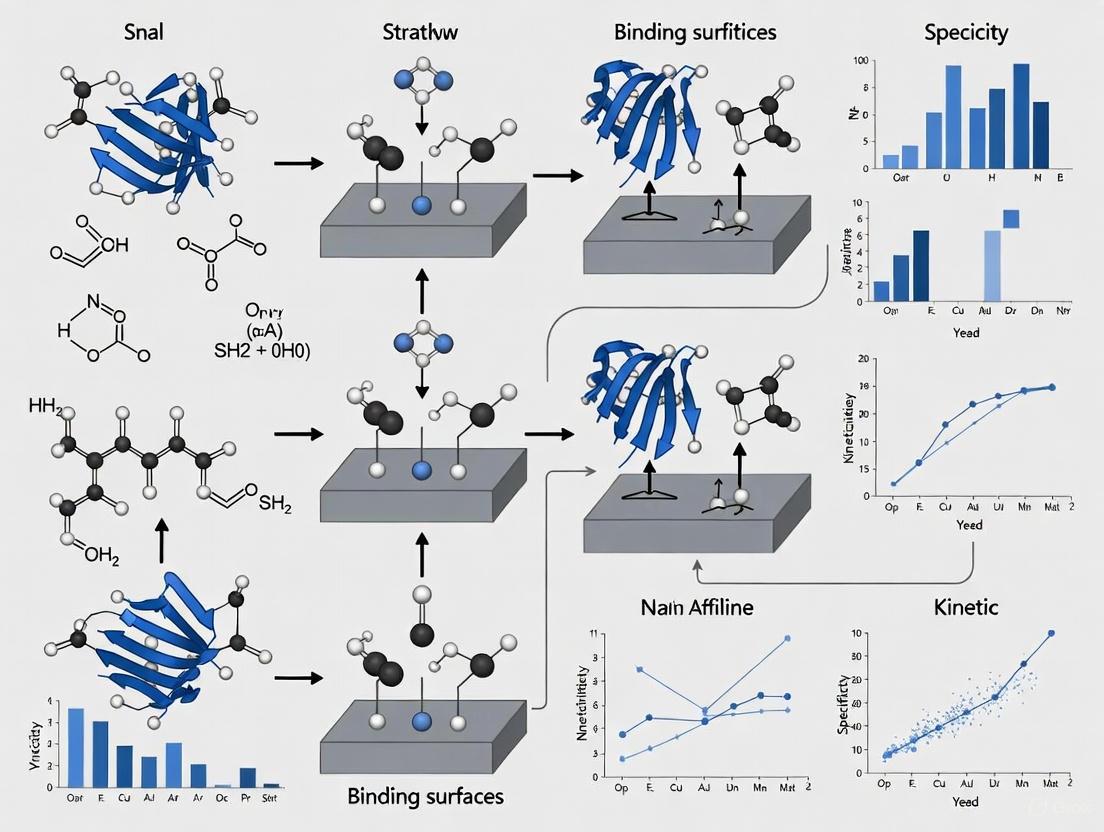
Targeting the shallow binding surfaces of Src Homology 2 (SH2) domains represents a significant challenge and opportunity in therapeutic development, particularly for cancer and neurodegenerative diseases.
Beyond the Shallow Surface: Innovative Strategies for Targeting SH2 Domains in Drug Discovery
Abstract
Targeting the shallow binding surfaces of Src Homology 2 (SH2) domains represents a significant challenge and opportunity in therapeutic development, particularly for cancer and neurodegenerative diseases. This article provides a comprehensive overview of modern strategies to overcome the historical difficulties of inhibiting these protein-protein interaction modules. We explore the foundational structural biology of SH2 domains, delve into cutting-edge computational and experimental methodologies for inhibitor design, address key challenges in achieving selectivity and potency, and review validation techniques that bridge the gap from in silico predictions to clinical application. Aimed at researchers and drug development professionals, this review synthesizes recent advances to chart a course for the next generation of SH2 domain-targeted therapeutics.
Decoding SH2 Domain Architecture: From Canonical Binding to Novel Therapeutic Opportunities
SH2 Domain FAQs: Structure and Specificity
1. What is the fundamental structural paradox of SH2 domains? All SH2 domains share a highly conserved structural fold of approximately 100 amino acids, characterized by a central antiparallel β-sheet flanked by two α-helices. Despite this conserved architecture, different SH2 domains recognize distinct phosphotyrosine (pY) peptide motifs, achieving remarkable functional diversity. This specificity is primarily determined by surface loops that control access to binding pockets rather than changes to the core fold itself [1] [2] [3].
2. How do surface loops dictate binding specificity? The EF loop (connecting β-strands E and F) and BG loop (connecting α-helix B and β-strand G) function as "gatekeepers" that control ligand access to key specificity pockets. Through variations in their sequence and conformation, these loops can plug or open binding subsites, enabling different SH2 domains to recognize residues at P+2, P+3, or P+4 positions C-terminal to the phosphotyrosine [1] [4].
3. Why is the conserved arginine residue critical for function? An invariant arginine residue at position βB5 within the FLVR motif forms a bidentate salt bridge with the phosphate moiety of the phosphotyrosine. This interaction provides the majority of the binding energy and ensures phosphorylation-dependent recognition. Mutation of this residue abrogates pY binding both in vitro and in vivo [2] [3] [5].
4. How can the same structural fold accommodate diverse specificities? The conserved fold maintains the fundamental pY-binding function, while sequence variations in the loops create combinatorial control over which specificity pockets are accessible. This allows the same structural framework to recognize different peptide contexts with minimal disturbance to the overall domain architecture [1] [4].
5. What experimental approaches best characterize SH2 domain specificity? High-throughput methods including peptide library screening with bacterial or phage display, peptide arrays (OPAL), and next-generation sequencing coupled with computational modeling (ProBound) have proven effective for comprehensively profiling SH2 domain specificities and building accurate sequence-to-affinity models [6] [7] [8].
Experimental Protocols for SH2 Domain Analysis
Protocol 1: Bacterial Peptide Display with NGS for Affinity Profiling
Principle: This method combines bacterial display of genetically-encoded peptide libraries with enzymatic phosphorylation of displayed peptides, affinity-based selection, and next-generation sequencing to quantitatively profile SH2 domain binding specificity across highly diverse peptide libraries [6].
Step-by-Step Workflow:
- Library Construction: Generate random phosphopeptide libraries (10⁶-10⁷ sequences) displayed on bacterial surfaces with degenerate sequences flanking the central tyrosine residue.
- Enzymatic Phosphorylation: Treat displayed peptides with tyrosine kinases to generate phosphorylated tyrosine (pY) residues in situ.
- Affinity Selection: Incubate phosphorylated library with the SH2 domain of interest; separate bound from unbound populations using magnetic beads or FACS.
- Multi-Round Selection: Perform 3-5 rounds of selection to enrich high-affinity binders while maintaining diversity.
- Next-Generation Sequencing: Sequence input and selected populations after each round to obtain quantitative count data.
- ProBound Analysis: Use the ProBound computational framework to analyze multi-round NGS data and build additive models that predict binding free energy across the full theoretical sequence space [6].
Troubleshooting Tips:
- Low Enrichment: Ensure proper phosphorylation efficiency by optimizing kinase concentration and reaction time.
- High Non-specific Binding: Include control selections with unphosphorylated library or competition with excess pY peptide.
- Limited Diversity: Use highly complex input libraries (>10⁶ sequences) and avoid excessive selection rounds that dramatically reduce sequence diversity.
Protocol 2: Combinatorial Peptide Library Screening with PED/MS
Principle: The "one-bead-one-compound" approach screens SH2 domains against synthetic pY peptide libraries chemically synthesized on solid support, identifying high-affinity binders through enzymatic detection followed by partial Edman degradation and mass spectrometry for sequencing [7].
Step-by-Step Workflow:
- Library Synthesis: Use split-and-pool synthesis on TentaGel beads to create a library of pY peptides with 5 randomized positions (TAXXpYXXXLNBBRM-resin), where X represents 18 proteinogenic amino acids (excluding Cys and Met) plus norleucine and α-aminobutyric acid.
- Screening: Incubate beads with tagged SH2 domain, detect binding with enzyme-linked immunoassay using anti-tag antibodies.
- Positive Bead Isolation: Manually pick beads showing positive binding signals.
- Peptide Sequencing: Sequence individual beads using partial Edman degradation coupled with mass spectrometry (PED/MS).
- Motif Analysis: Align sequences from positive beads to determine consensus binding motif [7].
Troubleshooting Tips:
- Weak Detection Signal: Optimize antibody concentration and detection substrate incubation time.
- High Background: Include stringent washes with detergents (e.g., 0.1% Tween-20) and competitive inhibitors (e.g., free pY).
- Ambiguous Sequencing: Confirm sequences with tandem mass spectrometry when PED results are unclear.
SH2 Domain Structural Features and Classification
Table 1: Key Structural Elements Governing SH2 Domain Function
| Structural Element | Location | Functional Role | Conservation |
|---|---|---|---|
| pY-binding pocket | Formed by βB, βC, βD, αA, BC loop | Binds phosphotyrosine via invariant ArgβB5 | Highly conserved across all SH2 domains |
| Specificity pocket | Hydrophobic cavity molded by EF and BG loops | Determines preference for residues C-terminal to pY | Variable; defines specificity classes |
| EF loop | Connects β-strands E and F | Controls access to P+2/P+3 binding pockets | Sequence and length variable |
| BG loop | Connects α-helix B and β-strand G | Controls access to P+3/P+4 binding pockets | Sequence and length variable |
| Central β-sheet | Core of SH2 domain | Provides structural scaffold | Highly conserved fold |
Table 2: Major SH2 Domain Specificity Classes
| Specificity Class | Representative Domains | Preferred Motif | Key Structural Determinants |
|---|---|---|---|
| P+3 binders | SRC, FYN, ABL1, NCK1 | pY[-][-]ψ (ψ = hydrophobic) | Open P+3 pocket; accessible hydrophobic cavity |
| P+2 binders | GRB2, GADS, GRB7 | pYxN (Asn at P+2) | EF loop blocks P+3 pocket; hydrogen bonding to Asn |
| P+4 binders | BRDG1, BKS, CBL | pYxxxψ (ψ = hydrophobic) | BG loop plugs P+3 pocket; open P+4 basket |
| STAT type | STAT1, STAT3, STAT5 | pYxxQ (Gln at P+3) | Lack βE and βF strands; distinct dimerization interface |
Research Reagent Solutions
Table 3: Essential Research Tools for SH2 Domain Studies
| Reagent/Tool | Application | Key Features | Reference Source |
|---|---|---|---|
| Random peptide libraries | Bacterial/phage display | 10⁶-10⁷ diversity; central tyrosine for phosphorylation | [6] |
| One-bead-one-compound libraries | Solid-phase screening | TAXXpYXXXLNBBRM format; 18 amino acids + surrogates | [7] |
| High-density pTyr peptide chips | Specificity profiling | 6,200+ human phosphopeptides; SPOT synthesis technology | [8] |
| ProBound software | Data analysis & modeling | Free-energy regression; multi-round NGS data analysis | [6] |
| NetSH2 predictors | In silico binding prediction | Artificial neural networks trained on experimental data | [8] |
Structural and Mechanism Visualization
SH2 Domain Structure-Function Relationship
High-Throughput Specificity Profiling Workflow
Troubleshooting Guides: Resolving Experimental Challenges in SH2 Domain Research
Issue 1: Low Binding Affinity or Unexpected Specificity in SH2:Peptide Interactions
Problem: Your assay shows weaker-than-expected binding affinity or detects interactions with non-cognate peptides, potentially due to unconventional SH2 binding mechanisms.
| Possible Cause | Diagnostic Experiments | Proposed Solution |
|---|---|---|
| Non-canonical FLVR motif | Sequence alignment against known unusual SH2s (e.g., SPT6, Legionella); Isothermal Titration Calorimetry (ITC) to measure binding thermodynamics [9] [10]. | Use degenerate peptide libraries to profile specificity; do not assume binding relies solely on +3 position. |
| Dual phosphotyrosine requirement | Design peptides with varying pY-pY spacing; use Analytical Ultracentrifugation (AUC) or Small-Angle X-Ray Scattering (SAXS) to check for domain compaction [11]. | Ensure peptide ligands contain two appropriately spaced phosphotyrosines (e.g., for p120RasGAP). |
| Inhibitory SH2 conformation | Compare binding in presence/absence of regulatory proteins (e.g., p85β cSH2); use Hydrogen-Deuterium Exchange Mass Spectrometry (HDX-MS) to detect allosteric changes [12] [13]. | Employ activating phosphopeptides that extend beyond pYXXM motif to relieve autoinhibition. |
Verification Protocol: After implementing solutions, verify binding using Surface Plasmon Resonance (SPR) with a negative control SH2 domain containing a mutated FLVR arginine (R→K). A true positive interaction should show >100-fold reduced affinity in the mutant [9] [10].
Issue 2: Difficulty in Targeting Shallow SH2 Binding Surfaces
Problem: Small-molecule inhibitors fail to bind or show poor specificity due to the extensive, flat protein-protein interaction interface.
| Possible Cause | Diagnostic Experiments | Proposed Solution |
|---|---|---|
| Lack of deep binding pockets | Conduct high-throughput crystallography/fragment screening; map surface topology with alanine scanning mutagenesis [14] [2]. | Develop bivalent inhibitors targeting both pY pocket and secondary surface sites; use pTyr bioisosteres (e.g., 4'-phosphonodifluoromethyl phenylalanine). |
| Lipid-mediated membrane recruitment | Perform co-sedimentation assays with PIP2/PIP3 lipids; create SH2 domain mutants in cationic lipid-binding region [2]. | Design hybrid molecules that target both SH2 domain and membrane phospholipids; consider allosteric inhibition via lipid-binding pocket. |
| Phase separation-mediated clustering | Use fluorescence microscopy to visualize SH2 condensation; Fluorescence Recovery After Photobleaching (FRAP) to assess dynamics [2]. | Develop inhibitors that disrupt multivalent interactions driving liquid-liquid phase separation (LLPS). |
Verification Protocol: Test cellular efficacy using a GRB2 SH2 inhibition assay. A successful inhibitor should block EGF-induced SOS recruitment and RAS activation, measured by GST-RAF1 RBD pull-down, without affecting SRCC SH2 domain interactions [14].
Frequently Asked Questions (FAQs)
Q1: What are the most common unusual features found in SH2 domains beyond the canonical FLVR motif?
The most frequently observed atypical features include: (1) Recognition of non-tyrosine phosphorylation: The ancestral SPT6 SH2 domain binds phospho-threonine and phospho-serine peptides from RNA polymerase II [9] [10]. (2) Unusual binding pockets: Legionella pneumophila SH2 domains lack selectivity pockets and use large loop inserts to "clamp" pTyr peptides with high affinity but low sequence specificity [9]. (3) Multiple pTyr recognition sites: Some SH2 domains, like those in p85β, have secondary binding sites that require extended peptide motifs beyond the canonical pYXXM [12] [13]. (4) Dual pY binding: Tandem SH2 domains in proteins like p120RasGAP synergistically bind two phosphotyrosines, inducing compaction of the SH2-SH3-SH2 module [11].
Q2: How can I experimentally distinguish between canonical and atypical SH2 binding mechanisms?
A three-step experimental approach is recommended: First, perform systematic peptide library screening (e.g., bacterial peptide display with NGS) to map binding specificity beyond the +3 position [6]. Second, use structural analysis (X-ray crystallography or cryo-EM) to visualize peptide-bound complexes, paying attention to FLVR motif conformation and secondary interaction surfaces [9] [11]. Third, conduct binding affinity measurements (SPR or ITC) with wild-type and mutant SH2 domains (e.g., FLVR arginine mutation) - atypical binding often shows significant residual affinity even when the canonical pTyr pocket is compromised [9] [10].
Q3: What strategies are most effective for targeting shallow SH2 binding surfaces in drug development?
Successful strategies include: (1) Bivalent inhibitors that simultaneously engage both the pTyr pocket and secondary surface sites [14] [2]. (2) pTyr bioisosteres that mimic the phosphate group while improving pharmacodynamics (e.g., difluoromethyl phosphonate) [14]. (3) Allosteric inhibition targeting lipid-binding sites or regulatory interfaces, as demonstrated for Syk kinase where nonlipidic inhibitors target the lipid-protein interaction interface [2]. (4) Disruption of phase separation by targeting multivalent interactions that drive SH2 domain condensation in signaling clusters [2].
Experimental Protocols for Studying Atypical SH2 Binding
Protocol 1: Profiling SH2 Specificity Using Bacterial Peptide Display and NGS
Purpose: To quantitatively map SH2 domain binding specificity across theoretical sequence space [6].
Workflow:
Key Reagents:
- Random peptide library: Degenerate oligonucleotides encoding pY-centered 9-mer peptides with flanking random sequences [6].
- SH2 domain: Recombinantly expressed with affinity tag (GST or His).
- ProBound software: For computational analysis of NGS data and free energy regression [6].
Procedure Details:
- Library construction: Clone degenerate oligonucleotide library into bacterial display vector. Validate library diversity by NGS of input population.
- Affinity selection: Incubate library with immobilized SH2 domain for 1h at 4°C. Wash with low-stringency buffer (50mM Tris, 150mM NaCl, 0.1% Tween-20). Elute bound peptides with free pTyr (10mM) or high pH buffer.
- NGS preparation: Amplify recovered peptides by PCR using barcoded primers. Sequence on Illumina platform to obtain ≥100,000 reads per selection round.
- Computational analysis: Input NGS count data into ProBound to train additive model predicting ΔΔG for any peptide sequence.
- Validation: Synthesize top 10 predicted binders and measure affinity by ITC. Model should achieve R² > 0.85 between predicted and measured ΔΔG [6].
Protocol 2: Characterizing Tandem SH2 Domain Binding by SAXS
Purpose: To analyze conformational changes in tandem SH2 domains upon dual phosphotyrosine engagement [11].
Workflow:
Key Reagents:
- Tandem SH2 protein: Recombinant SH2-SH3-SH2 module (e.g., p120RasGAP residues 1-300) [11].
- Dual pY peptide: Biotinylated peptide containing two phosphotyrosines with appropriate spacing (e.g., p190RhoGAP derived).
- SAXS instrument: Synchrotron-based beamline with in-line size exclusion chromatography.
Procedure Details:
- Sample preparation: Purify SH2-SH3-SH2 module to >95% homogeneity by SEC. Confirm monodispersity by DLS.
- Complex formation: Incubate protein with 1.2 molar excess of dual pY peptide for 30min at 4°C.
- SAXS data collection: Collect scattering data for apo and peptide-bound protein at multiple concentrations (1-5 mg/mL). Perform SEC-SAXS to eliminate aggregation.
- Data analysis: Calculate radius of gyration (Rg) and maximum dimension (Dmax) from Guinier plot and pair distribution function. Compare Kratky plots to assess rigidity.
- Structural interpretation: Use ensemble optimization to model conformational changes. Tandem SH2 domains typically show compaction upon dual pY binding, with Rg decreasing by 10-15% [11].
Research Reagent Solutions
| Reagent/Category | Specific Examples | Function/Application | Key Features |
|---|---|---|---|
| Peptide Libraries | Random pY 9-mer library; Proteome-derived peptide library [6] | Specificity profiling; Native interaction mapping | High diversity (10^6-10^7); Framed around fixed pY; Compatible with display technologies |
| Expression Systems | E. coli SH2 expression; Baculovirus for tandem domains [11] | Recombinant protein production | High yield for isolated domains; Proper folding for complex multi-domain proteins |
| Bioinformatic Tools | ProBound; SH2 signature motif database [6] [9] | Data analysis; Specificity prediction | Free-energy regression from NGS data; Catalog of canonical and unusual binding motifs |
| Binding Assays | SPR; ITC; FP [9] [11] | Affinity measurement; Thermodynamic profiling | Label-free kinetics; Complete thermodynamic profile; High-throughput capability |
| Structural Methods | X-ray crystallography; SAXS; HDX-MS [12] [11] | 3D structure determination; Solution conformation analysis | Atomic resolution; Solution state information; Dynamics and allostery |
| Cellular Assays | GRB2 inhibition; Phase separation imaging [14] [2] | Functional validation; Pathological relevance | Pathway-specific readout; Visualization of biomolecular condensates |
Structural Mechanisms of Atypical SH2 Domains
Visualizing Unusual SH2 Binding Modes:
Quantitative Data on Unusual SH2 Binding Properties:
| SH2 Domain Type | Key Structural Feature | Binding Affinity (Kd) | Specificity Determinants | Biological Role |
|---|---|---|---|---|
| Canonical (Src) | Conserved FLVR arginine [9] | 0.1-10 μM [15] [2] | +3 residue relative to pY [9] [15] | Signal transduction |
| SPT6 (Ancestral) | FLVR binds pThr, accommodates Tyr [9] [10] | Not reported | pT-X-Y motif [10] | Transcription elongation |
| Legionella LeSH | Large EF loop insert, clamping mechanism [9] | High affinity (low nM range) | Minimal sequence specificity [9] | Host pathogen interaction |
| p85β cSH2 | Exposed pY site, distal inhibitory contact [12] [13] | ~10 μM (peptide) [12] | Extended motif beyond pYXXM [12] [13] | PI3K regulation |
| p120RasGAP Tandem | Two SH2 domains in SH2-SH3-SH2 cassette [11] | ~100 nM (dual pY) [11] | Spacing between two pY residues [11] | Ras/Rho signaling crosstalk |
FAQs: Troubleshooting SH2 Domain Research
Q1: Our SH2 domain inhibitors show poor selectivity in cellular assays. What could be the cause?
A1: Poor selectivity often stems from the high structural conservation across the 120 human SH2 domains. To address this:
- Investigate Specificity Pockets: Focus on the EF and BG loops of your target SH2 domain. These loops control access to ligand specificity pockets and are a primary source of natural binding diversity [2]. Design compounds that exploit unique amino acid residues in these regions.
- Utilize Advanced Screening: Employ platforms that integrate DNA-encoded libraries and massively parallel structure-activity relationship (SAR) determination to rapidly identify selective lead compounds, as demonstrated in the development of Bruton's tyrosine kinase (BTK) SH2 inhibitors [16].
- Consider Allosteric Inhibition: Explore regions outside the conserved phosphotyrosine (pY) pocket. For example, some synthetic binding proteins (monobodies) achieve strong selectivity for Src family kinase (SFK) SH2 domains by binding to distinct, non-overlapping surfaces [17].
Q2: What are the best practices for validating that a compound acts by disrupting SH2 domain-phosphotyrosine interactions?
A2: A multi-faceted approach is required for rigorous validation.
- Direct Binding Assays: Use isothermal titration calorimetry (ITC) or fluorescence polarization (FP) assays to confirm that your inhibitor directly binds to the SH2 domain and competes with pY-containing peptides [17].
- Cellular Pathway Analysis: In cell-based assays, monitor the inhibition of downstream signaling events known to be dependent on the target SH2 domain. For instance, a BTK SH2 inhibitor should robustly inhibit proximal SH2-dependent phosphorylation signaling (e.g., pERK) and downstream immune cell activation markers (e.g., B cell CD69 expression) [16].
- Interactome Analysis: For a global view, express the SH2 domain intracellularly as a bait and use tandem affinity purification-mass spectrometry (TAP-MS) to confirm that the inhibitor disrupts the domain's interaction with its physiological protein partners without affecting other SH2-containing proteins [17].
Q3: How can we overcome the challenge of targeting the shallow and featureless pY-binding surface?
A3: The shallow binding surface is a key challenge. Emerging strategies include:
- Targeting Non-Canonical Binding Sites: Look beyond the pY pocket. SH2 domains can bind lipid molecules like PIP2 and PIP3 at cationic sites near the pY-binding pocket. Targeting these lipid-binding sites offers a promising alternative for developing selective inhibitors [2].
- Exploiting Contextual Recognition: SH2 domains recognize both permissive residues (enhance binding) and non-permissive residues (oppose binding) in the peptide sequence. Understanding this complex "linguistics" allows for the design of inhibitors that mimic high-affinity, context-dependent physiological ligands [18].
- Using Protein-Based Inhibitors: As an alternative to small molecules, monobodies can be engineered to bind SH2 domains with high affinity and selectivity, often by engaging surfaces that are difficult to target with traditional small molecules [17].
Q4: Are SH2 domains relevant targets in neurodegenerative diseases (NDs) like Alzheimer's?
A4: Yes, emerging research implicates SH2 domain-containing proteins in NDs.
- The Case of Shp2: The phosphatase Shp2, which contains two SH2 domains, is a core component of feedback networks in NDs. It is linked to pathogenic factors like oxidative stress, mitochondrial dysfunction, and neuroinflammation [19].
- Potential Therapeutic Target: In Alzheimer's disease, Shp2 interacts with the adaptor protein Gab2, which is involved in the formation of amyloid-β (Aβ). Treatment with Shp2 inhibitors has been shown to reduce the accumulation of Aβ in neuronal cells, suggesting its potential as a therapeutic target [19].
Experimental Protocols for Key Assays
Protocol 1: Fluorescence Polarization (FP) Competition Binding Assay
Purpose: To determine the half-maximal inhibitory concentration (IC50) of a novel compound by measuring its ability to compete with a fluorescent pY-peptide for binding to a recombinant SH2 domain [18].
Workflow:
Materials:
- Recombinant SH2 domain protein, purified (e.g., via GST-tag in E. coli [18]).
- Fluorescently-labeled pY-peptide corresponding to a known physiological ligand.
- Black, flat-bottom, low-volume 384-well microplates.
- Plate reader capable of measuring fluorescence polarization.
- Test compounds in a serial dilution series.
Procedure:
- Prepare a master mixture containing the recombinant SH2 domain and the fluorescent pY-peptide at a concentration near the Kd of their interaction in an appropriate assay buffer.
- Dispense the master mixture into the wells of the 384-well plate.
- Immediately add the serially diluted test compounds or DMSO vehicle control to the respective wells. Incubate the plate in the dark for 30-60 minutes at room temperature.
- Measure the fluorescence polarization (in millipolarization units, mP) for each well using the plate reader.
- Data Analysis: Plot the mP value against the logarithm of the inhibitor concentration. Fit the data to a sigmoidal dose-response curve to determine the IC50 value.
Protocol 2: SPOT Peptide Array Analysis for SH2 Domain Specificity Profiling
Purpose: To semiquantitatively profile the binding specificity of an SH2 domain across a large library of physiological pY-peptide sequences [18].
Workflow:
Materials:
- Custom peptide array membrane synthesized with 11-amino-acid-long pY-peptides, where the phosphotyrosine is fixed at the fifth position [18].
- Purified SH2 domain protein (e.g., as a GST-fusion).
- Anti-GST primary antibody and compatible HRP-conjugated secondary antibody.
- Chemiluminescence detection kit and imaging system.
Procedure:
- Block the peptide array membrane with 5% non-fat dry milk in TBST for 1 hour at room temperature.
- Incubate the membrane with the purified SH2 domain protein in blocking buffer for 2 hours.
- Wash the membrane thoroughly with TBST to remove non-specifically bound protein.
- Incubate with an anti-GST primary antibody, followed by an HRP-conjugated secondary antibody.
- Develop the membrane using a chemiluminescence substrate and image the signals.
- Data Analysis: The intensity of each spot corresponds to the relative binding affinity of the SH2 domain for that particular pY-peptide sequence. This allows for the identification of permissive and non-permissive residues surrounding the pY [18].
Research Reagent Solutions
Table 1: Essential Research Reagents for SH2 Domain-Targeted Studies
| Reagent / Tool | Function / Application | Key Characteristics / Examples |
|---|---|---|
| Recombinant SH2 Domains (GST-tagged) | Used in direct binding assays (FP, ITC, SPOT) to characterize interactions and screen inhibitors. | Purified from E. coli; Essential for biophysical and structural studies [18] [17]. |
| Monobodies | Synthetic binding proteins used as high-affinity, selective inhibitors to perturb specific SH2 domain functions in cells. | Can discriminate between subfamilies (e.g., SrcA vs. SrcB); Tool for dissecting SFK functions [17]. |
| DNA-Encoded Libraries (DELs) | Integrated discovery platforms for identifying potent and selective small-molecule inhibitors of challenging targets like SH2 domains. | Used in platform integrating custom DELs and parallel SAR; Enabled discovery of BTK SH2 inhibitor [16]. |
| SPOT Peptide Arrays | Semiquantitative method for high-throughput profiling of SH2 domain binding specificity against hundreds of physiological pY-peptides. | Nitrocellulose membrane with addressable peptides; Reveals contextual sequence recognition [18]. |
| SH2 Domain Inhibitors (Clinical Stage) | Validates the therapeutic relevance of SH2 domains. Provides benchmarks for novel inhibitor development. | STAT3, STAT6, and BTK SH2 inhibitors have reached clinical development [20] [16]. |
Quantitative Data on SH2 Domain Characteristics and Targeting
Table 2: Quantitative and Structural Data on SH2 Domains and Inhibitors
| Parameter | Typical Range / Value | Significance / Context |
|---|---|---|
| Human SH2 Domain Count | 121 domains in 110 proteins [5] [21] | Highlights the extensive network of pY-mediated signaling and the challenge of achieving selectivity. |
| Binding Affinity (Kd) | 0.1 - 10 µM for physiological pY-ligands [2] | Moderate affinity allows for specific, yet reversible and regulatable, signaling interactions. |
| SH2 Domain Length | ~100 amino acids [5] [22] [23] | Defines a compact, modular unit that is highly structured. |
| Key Conserved Residue | Arginine at position βB5 (part of FLVR motif) [2] | Forms a critical salt bridge with the phosphate moiety of pY; essential for binding. |
| BTK SH2 Inhibitor Selectivity | Best-in-class; No off-target inhibition of TEC kinase [16] | Demonstrates the potential for superior selectivity by targeting SH2 domains instead of kinase domains. |
FAQs: Understanding SH2 Domain Mechanisms
Q1: What are the non-canonical functions of SH2 domains beyond phosphotyrosine (pY) binding? Emerging research shows that SH2 domains have two significant non-canonical roles. First, approximately 75% of human SH2 domains can bind to membrane lipids, particularly phosphoinositides like PIP₂ and PIP₃, with high affinity and specificity [2] [24]. This lipid-binding activity is evolutionarily conserved and plays a crucial role in membrane recruitment and the modulation of catalytic activity [25]. Second, SH2 domains participate in biomolecular phase separation, driving the formation of membraneless organelles and signaling condensates through multivalent interactions [2]. This process, known as liquid-liquid phase separation (LLPS), enhances signaling efficiency in pathways such as T-cell receptor signaling [2].
Q2: How does lipid binding influence SH2 domain function in cellular signaling? Lipid binding controls membrane localization and regulates the activity of SH2 domain-containing proteins. For instance, lipid interaction modulates the scaffolding function of SYK, facilitating non-catalytic STAT3/5 activation [2]. For ABL tyrosine kinase, PIP₂ binding via its SH2 domain is essential for membrane recruitment and activity modulation [2] [24]. This lipid-binding capability allows SH2 domains to browse membrane lipids in addition to tyrosine-phosphorylated proteins to find matching partners, thereby increasing the specificity and efficiency of signal transduction [24].
Q3: What is the role of SH2 domains in biomolecular condensates? SH2 domains contribute to the formation of biomolecular condensates via multivalent interactions. In T-cells, interactions among GRB2, Gads, and the LAT receptor drive condensate formation through LLPS, enhancing T-cell receptor signaling amplitude and efficiency [2]. In kidney podocyte cells, phase separation of adapter protein NCK, which contains an SH2 domain, increases the membrane dwell time of N-WASP and Arp2/3 complexes, promoting actin polymerization [2]. These condensates form signaling hubs that concentrate components to accelerate reactions and regulate pathway output.
Q4: How do disease-associated mutations affect SH2 domain lipid binding and phase separation? Studies indicate that many disease-causing mutations in SH2 domains are localized within their lipid-binding pockets, disrupting normal lipid interactions and leading to aberrant signaling [2]. In cancer and neurodegenerative diseases, aberrant phase separation behavior is observed; for example, mutant p53 forms irreversible dense condensates via LLPS, losing tumor-suppressive function while acquiring oncogenic properties [26]. Dysregulation of these processes can convert reversible liquid droplets into irreversible pathogenic aggregates or alter signal fidelity.
Troubleshooting Guides: Experimental Challenges
Table 1: Troubleshooting Lipid-Binding Assays
| Problem | Possible Cause | Solution |
|---|---|---|
| Weak or no lipid binding signal in SPR | Non-physiological lipid vesicle composition | Use plasma membrane-mimetic vesicles containing 5-10% PIP₂ or PIP₃ in a PC/PS background [24]. |
| Low affinity binding despite high pY-peptide affinity | Overlap between lipid and pY-binding pockets | Test binding in the absence of competing pY ligands; mutagenesis of cationic residues (e.g., R152, R175 in Abl) can differentiate binding sites [24]. |
| Poor plasma membrane localization in vivo | Depletion of specific phosphoinositides | Validate lipid specificity in vitro; use pharmacological (e.g., wortmannin) or optogenetic tools to manipulate PIP₃ levels in cells [24]. |
| Inconsistent lipid binding affinities | Variations in protein purification tags | Use cleavable tags (e.g., TEV protease site) during purification to avoid steric interference with lipid-binding surfaces [24]. |
Table 2: Troubleshooting Phase Separation Studies
| Problem | Possible Cause | Solution |
|---|---|---|
| Irreversible condensate formation | Mutations or conditions promoting aggregation | Optimize buffer conditions (salt, pH, crowding agents); confirm reversibility by diluting the sample and observing dissolution [26]. |
| Failure to observe expected condensates | Lack of multivalency or insufficient component concentration | Ensure presence of multivalent components (e.g., proteins with multiple SH2/SH3 domains and their phosphorylated partners) [2] [26]. |
| Difficulty distinguishing functional condensates | Condensates exhibiting solid-like properties | Use fluorescence recovery after photobleaching (FRAP) to assay for liquid-like dynamics and reversibility [26]. |
| Challenges in linking condensation to function | Lack of direct functional readouts | Correlate condensation with specific activity assays (e.g., kinase activity, actin polymerization) in reconstituted systems [2]. |
Experimental Protocols for Key Assays
Protocol 1: Assessing SH2 Domain Lipid-Binding Specificity In Vitro
Purpose: To quantitatively characterize the affinity and specificity of SH2 domain binding to phosphoinositides. Materials: Purified SH2 domain protein, surface plasmon resonance (SPR) biosensor, L-α-phosphatidylcholine (PC), L-α-phosphatidylserine (PS), PIP₂, PIP₃. Method:
- Prepare lipid vesicles: Create vesicles mimicking the cytosolic plasma membrane leaflet (e.g., PC:PS:PIP₂ in 75:20:5 molar ratio) and vesicles with varied phosphoinositides for specificity screening [24].
- Immobilize lipid vesicles on SPR sensor chip L1 surface.
- Inject purified SH2 domain at a range of concentrations (e.g., 0.1-10 µM) in HEPES-buffered saline.
- Record binding kinetics (association/dissociation) and calculate equilibrium dissociation constant (Kd) [24].
- Competition assay: Pre-incubate SH2 domain with a cognate pY-peptide (e.g., 100 µM) and monitor changes in lipid binding response.
Protocol 2: Reconstituting SH2 Domain-Mediated Phase Separation
Purpose: To observe and quantify phase separation driven by multivalent SH2 domain interactions. Materials: Recombinant SH2-containing proteins (e.g., GRB2, NCK), their binding partners (e.g., phosphorylated LAT, N-WASP), fluorescently labeled components, physiological buffer with crowding agent (e.g., 5% PEG-8000). Method:
- Prepare reaction mixture: Combine SH2-containing proteins and their binding partners at physiological ratios (e.g., 1-10 µM total protein) in a buffer containing a crowding agent to mimic intracellular conditions [2].
- Induce phase separation: Initiate condensation by adding multivalent phosphorylated scaffolds or adjusting temperature to 37°C.
- Visualize condensates: Use differential interference contrast (DIC) microscopy and confocal fluorescence microscopy (if components are labeled).
- Assay dynamics: Perform FRAP by photobleaching a region within condensates and monitoring fluorescence recovery over time to confirm liquid-like properties [26].
- Functional validation: Couple with an activity assay (e.g., phosphorylation or actin polymerization) to confirm enhanced function within condensates.
Key Signaling Pathways and Mechanisms
Diagram 1: SH2 Domains in Membrane Proximal Signaling and Condensation
Research Reagent Solutions
Table 3: Essential Reagents for Studying SH2 Domain Non-Canonical Functions
| Reagent | Function/Application | Key Details |
|---|---|---|
| Plasma membrane-mimetic vesicles | Lipid-binding assays | PC:PS:PIP₂ (75:20:5) or PC:PS:PIP₃ mixtures; used in SPR and liposome sedimentation [24]. |
| Hydrogen-deuterium exchange mass spectrometry (HDX-MS) | Mapping membrane-binding interfaces | Identifies intramolecular contacts and conformational changes; used to study SHIP1 autoinhibition [27]. |
| Supported lipid bilayers (SLBs) | Single-molecule imaging of membrane binding | Platform for TIRF microscopy to quantify SH2 domain membrane binding frequency and dynamics [27]. |
| Fluorescent protein tags (mNeonGreen, mCherry) | Live-cell imaging of localization and condensation | Fused to SH2 domains to visualize plasma membrane targeting and condensate formation in vivo [2] [24]. |
| Crowding agents (PEG-8000, Ficoll) | In vitro phase separation reconstitution | Mimic intracellular crowded environment to promote and stabilize biomolecular condensates [2]. |
| Nonlipidic small-molecule inhibitors | Targeting lipid-protein interactions | Potential therapeutic strategy; e.g., nonlipidic inhibitors of Syk kinase that block its PIP₃-dependent membrane binding [2]. |
Computational and Experimental Arsenal for SH2 Domain Ligand Discovery
This technical support center provides guidance for researchers employing quantitative affinity modeling, specifically the ProBound framework, to study SH2 domain interactions. SH2 domains are protein modules of approximately 100 amino acids that specifically bind to phosphorylated tyrosine (pY) motifs, playing a crucial role in cellular signaling networks [2]. The affinity of an SH2 domain for its pY-containing ligand is highly dependent on the amino acid sequence flanking the phosphotyrosine [6]. Accurately predicting this binding energy is essential for understanding signaling pathways, elucidating the impact of pathogenic mutations, and developing strategies to target these often shallow binding surfaces for therapeutic purposes [6] [2].
ProBound is a computational statistical learning method that transforms Next-Generation Sequencing (NGS) data from affinity selection experiments into a quantitative model predicting binding free energy [6]. This guide addresses common experimental and computational challenges encountered when applying this powerful technique to SH2 domains.
★ Key Research Reagent Solutions
Table 1: Essential reagents and materials for ProBound experiments on SH2 domains.
| Item | Function/Application |
|---|---|
| Bacterial Peptide Display System [6] | Genetically encoded system for presenting highly diverse random peptide libraries for affinity selection. |
| Random Phosphopeptide Library [6] | A degenerate library (e.g., with 10⁶–10⁷ sequences) used to comprehensively profile SH2 domain binding specificity. |
| SH2 Domain Profiling Data [6] | Existing binding specificity data for SH2 domains, which can be used for model training and validation. |
| ProBound Software [6] | A statistical learning method for building sequence-to-affinity models from multi-round selection NGS data. |
| Nuclease-free Water [28] | Used to dilute samples to the correct concentration (e.g., ~70 ng/μl) prior to library preparation to prevent issues. |
| Fluorometer (e.g., Qubit) [28] | For accurate DNA concentration measurement immediately before starting the NGS library preparation protocol. |
Frequently Asked Questions (FAQs)
FAQ 1: What is the primary advantage of using ProBound over a simple Position-Specific Scoring Matrix (PSSM) for SH2 domain analysis? While a PSSM classifies sequences as binders or non-binders, ProBound goes further by training an additive model that accurately predicts the binding free energy (ΔΔG) for any peptide sequence within the theoretical space [6]. This provides a quantitative, biophysically interpretable measure of affinity (relative to an optimal sequence) rather than a qualitative score, enabling prediction of novel phosphosite targets and the impact of phosphosite variants on binding [6].
FAQ 2: My NGS data shows inconsistent results. What are some common experimental pitfalls? Common issues that affect NGS data quality include:
- Sample Contamination: Contamination by salts or solvents like phenol can interfere with reactions. Re-purify samples by ethanol precipitation [28].
- Inaccurate DNA Quantification: DNA concentration can drift during storage. Always measure concentration using a fluorometer like Qubit immediately before beginning your protocol [28].
- Over-concentrated gDNA: Excessively concentrated genomic DNA can lead to problems during shearing. Dilute samples to ~70 ng/μl in nuclease-free water prior to fragmentation [28].
FAQ 3: Why is a highly degenerate random peptide library preferred over a proteome-derived library for ProBound modeling? A fully random library allows ProBound to explore the entire theoretical sequence space without bias, which is crucial for training a model that can make accurate predictions across all possible sequences [6]. While proteome-derived libraries are useful, their limited diversity (typically 10³–10⁴ sequences) restricts the model's ability to generalize across the full spectrum of potential ligands [6].
Troubleshooting Guides
Issue 1: Poor Model Performance or Inaccurate Affinity Predictions
Problem: The final ProBound model does not accurately predict validated binding affinities.
| Potential Cause | Solution |
|---|---|
| Insufficient Library Diversity | Use a highly complex random peptide library (10⁶–10⁷ sequences) to ensure adequate coverage of the sequence space [6]. |
| Suboptimal Selection Stringency | Either too many or too few selection rounds can skew data. Multi-round selection is required, but excessive rounds can deplete information about low-affinity binders. Optimize the number of selection rounds and the protein concentration used in each round [6]. |
| Low Sequencing Depth | Ensure sufficient NGS sequencing depth to obtain reliable count data for individual sequences, especially after selection rounds where high-affinity sequences are still a minority [6]. |
Issue 2: High Background or Non-Specific Binding in Affinity Selections
Problem: The selection output contains an overabundance of low-affinity binders, making it difficult to identify true high-affinity sequences.
Solution:
- Validate SH2 Domain Integrity: Ensure the expressed SH2 domain is properly folded and functional.
- Include Competitive Elution: Use specific phosphopeptides during the elution step to competitively displace true binders and reduce background from non-specifically bound peptides.
- Troubleshoot Experimental Carry-over: Implement stringent wash steps to minimize carry-over of non-specifically bound peptides between selection rounds. ProBound's computational model is designed to account for some degree of non-specific binding, but minimizing it experimentally yields cleaner data [6].
Experimental Protocols
Detailed Methodology: Generating NGS Data for ProBound with SH2 Domains
This protocol outlines the key steps for profiling SH2 domain binding specificity using bacterial peptide display and NGS.
1. Library Construction and Preparation
- Library Design: Synthesize a degenerate random oligonucleotide library that encodes for peptides of a fixed length, containing a central tyrosine flanked by random amino acids. The theoretical diversity should be between 10⁶ and 10⁷ sequences [6].
- Cloning and Transformation: Clone the library into an appropriate bacterial display vector. Transform the construct into a compatible bacterial host and ensure high transformation efficiency to maintain library diversity.
- Library Validation: Sequence a subset of the library (e.g., via Sanger sequencing) to confirm the correct representation of random regions before proceeding to display.
2. Bacterial Display and Affinity Selection
- Peptide Display: Induce the expression of the peptide library on the surface of the bacteria.
- Enzymatic Phosphorylation: Treat the displayed peptides with a tyrosine kinase (e.g., c-Src) to phosphorylate the central tyrosine residue, creating a library of random phosphopeptides [6].
- Multi-Round Affinity Selection:
- Incubation: Incubate the displayed phosphopeptide library with the immobilized SH2 domain of interest.
- Washing: Perform stringent washes to remove non-specifically bound and unbound cells.
- Elution: Elute the specifically bound cells. This can be done by competition with a known high-affinity ligand or by other means that preserve cell viability.
- Amplification and Repetition: Grow the eluted cells and use them as the input for the next round of selection. Typically, 2-4 rounds of selection are performed to enrich for high-affinity binders [6].
3. Sequencing and Data Processing
- Sample Preparation: After the final selection round, isolate the plasmid DNA from the enriched population and prepare it for NGS.
- Next-Generation Sequencing: Sequence the region encoding the random peptide using a high-throughput NGS platform to obtain millions of sequencing reads.
- Data Quality Control: Process the raw sequencing data to filter out low-quality reads and correct for PCR amplification biases. Align the sequences to a reference to generate count data for each unique peptide sequence in the input and selected populations.
ProBound Computational Analysis Workflow
ProBound Analysis Workflow for SH2 Domain Data
Data Interpretation Standards
Table 2: Key metrics and parameters for evaluating ProBound model quality and output.
| Metric/Parameter | Description | Interpretation |
|---|---|---|
| Relative Binding Affinity (exp(-ΔΔG/RT)) | A quantity between 0 and 1, inversely proportional to the dissociation constant (K_D), where 1 represents the affinity of the optimal sequence [6]. | Used to rank and compare the predicted strength of different peptide ligands for the SH2 domain. |
| Additive Model | The simplest ProBound model assumes that the binding free energy contribution of each amino acid position is independent [6]. | Provides an easily interpretable energy matrix. Model accuracy should be validated with held-out test sequences. |
| Model Validation | The process of testing the model's predictions against experimental affinity measurements not used in training. | A robust model will show a strong correlation between predicted ΔΔG and experimentally measured K_D values across multiple orders of magnitude. |
This guide outlines the core principles and procedures for implementing ProBound and free-energy regression to model SH2 domain binding affinities from NGS data. The provided FAQs, troubleshooting guides, and standard protocols are designed to help researchers overcome common challenges in this domain. For further technical support on specific computational or experimental issues, consult the primary ProBound literature and the developer's documentation [6]. As research into targeting shallow SH2 domain surfaces progresses, these quantitative models will be indispensable for predicting the functional consequences of mutations and designing targeted therapeutic strategies.
Computational Pipelines for Predicting pH-Sensitive and Allosteric Sites
Troubleshooting Guide: FAQs for Pipeline Implementation
This guide addresses common challenges researchers face when using computational pipelines to predict pH-sensitive and allosteric sites, with a specific focus on SH2 domain proteins.
FAQ 1: The pipeline predicts a very high number of potential pH-sensitive sites. How can I distinguish biologically relevant hits from false positives?
A high number of hits is common in initial scans. To prioritize results for experimental validation:
- Apply Evolutionary Conservation Filters: Use tools like ConSurf to filter results, focusing on ionizable residues (e.g., Histidine, Glutamic Acid) that are evolutionarily conserved, as these are more likely to be functionally important [29].
- Analyze Structural Context: Manually inspect the 3D protein structure to determine if predicted residues form a continuous network. A cluster of ionizable residues is a stronger indicator of a functional pH-sensing network than a single residue [29] [2].
- Leverage Experimental Data: Cross-reference predictions with existing phosphoproteomics or functional data. A predicted site is more compelling if it is near a known functional region, such as a phosphotyrosine-binding pocket in an SH2 domain [29] [2].
FAQ 2: My computational model for SH2-peptide binding affinity performs poorly on new data. What could be wrong?
Poor generalization often stems from issues with training data or model features.
- Check Training Data Diversity: Ensure the peptide library used for training covers a sufficiently diverse and representative sequence space. Models trained on limited or biased libraries will not perform well [6] [30].
- Validate Feature Selection: Re-evaluate the features used in your model. For SH2 domains, key features often include the amino acids at specific positions relative to the phosphotyrosine (e.g., pY+1, pY+2, pY+3). Using an additive model based on binding free energy (ΔΔG) can improve quantitative predictions [6] [30].
- Inspect for Data Drift: The biochemical properties of your new experimental data (e.g., peptide length, charge) should match the data on which the model was trained. Significant discrepancies can cause performance drops [31].
FAQ 3: The pipeline fails during execution with opaque error messages. What is a systematic way to diagnose the problem?
Complex pipelines can fail for many reasons. Follow a structured isolation approach [32] [33]:
- Isolate the Problem Stage: Determine if the failure occurs during data ingestion, alignment, model training, or output generation. Check the log files for the first occurrence of an error or warning.
- Verify Input Data and Dependencies: Confirm that your input data format matches the pipeline's expectations. A common issue is version incompatibility; ensure all software dependencies (e.g., Python libraries, bioinformatics tools) are the correct versions. Using containerization (e.g., Docker) can prevent dependency conflicts [32] [34].
- Test with a Minimal Dataset: Run the pipeline on a small, known-good subset of your data. This simplifies debugging and confirms the pipeline's core functionality [33].
FAQ 4: How can I validate that a predicted pH-sensitive site is functionally allosteric?
Computational prediction requires experimental validation. A multi-pronged approach is most convincing [29]:
- Constant-pH Molecular Dynamics (CpHMD) Simulations: These simulations can directly visualize how changes in pH alter protein conformation and dynamics, providing evidence for allosteric communication between the predicted pH-sensing site and the protein's active site [29].
- In Vitro Activity Assays: Measure the enzymatic activity (e.g., kinase or phosphatase activity) of the wild-type protein versus a mutant where the predicted pH-sensing residues are altered. Perform these assays across a range of pH values. A abolished or reduced pH-dependent activity in the mutant strongly supports the prediction [29].
- Cellular Functional Assays: In cell-based assays, introduce mutations at the predicted site and measure downstream signaling outputs using techniques like Western blotting to assess the functional impact of disrupting the putative pH sensor [29].
FAQ 5: The pipeline runs successfully, but the results are not reproducible. What are the key factors to check?
Reproducibility is a cornerstone of scientific computing. Focus on:
- Version Control: Document the exact versions of the pipeline code, all software tools, and operating system used. A single version change can alter results [32] [34].
- Parameter Documentation: Record every parameter and configuration setting used for the run. Many pipelines have default settings that may change between versions.
- Data Provenance: Keep a precise record of the input dataset, including its source and any pre-processing steps applied. Ideally, use a data management system that tracks this information automatically.
Experimental Protocols for Key Methodologies
Protocol 1: In Vitro Validation of pH Sensitivity using Activity Assays
This protocol is used to biochemically validate computational predictions of pH sensitivity for enzymes like SHP2 or SRC [29].
- Protein Purification: Express and purify the wild-type protein and a mutant form where key predicted ionizable residues (e.g., His116 and Glu252 in SHP2) are mutated to alanine or other non-ionizable residues.
- Prepare Assay Buffers: Create a series of buffered solutions covering a physiologically and pathologically relevant pH range (e.g., pH 6.0 to 8.0).
- Perform Kinase/Phosphatase Reaction: Incubate the purified protein with its substrate in the different pH buffers. For a kinase, include ATP; for a phosphatase, provide a phosphorylated substrate.
- Quantify Activity: Measure the initial reaction rate for each pH condition. For kinases, this could involve quantifying ADP production or substrate phosphorylation. For phosphatases, measure phosphate release.
- Data Analysis: Plot enzyme activity (Vmax or kcat/Km) versus pH. A significant shift in the pH-activity profile between the wild-type and mutant protein confirms the functional role of the mutated residues in pH sensing.
Protocol 2: Building a Sequence-to-Affinity Model for SH2 Domains
This protocol details the integrated computational and experimental workflow for quantitatively predicting SH2 domain binding affinities [6] [30].
- Library Construction: Generate a highly diverse library of random phosphopeptides (complexity of 10^6–10^7 sequences) using bacterial peptide display.
- Affinity Selection: Express the SH2 domain of interest and perform multiple rounds of affinity-based selection against the peptide library.
- Next-Generation Sequencing (NGS): Sequence the input library and the peptides enriched after each selection round using NGS.
- Free-Energy Regression with ProBound: Input the NGS count data into the ProBound computational framework. The algorithm learns an additive model that predicts the binding free energy (ΔΔG) for any peptide sequence in the theoretical space.
- Model Validation: The trained model can be used to predict novel binding partners from the phosphoproteome or assess the impact of single-point mutations in known binding sites on affinity.
The following tables consolidate key quantitative findings from recent research on SH2 domains and pH-sensing.
Table 1: Characteristics of Validated pH-Sensing Residues in SH2 Domain-Containing Proteins
| Protein | Identified pH-Sensing Residues | Experimental System | Key Functional Impact |
|---|---|---|---|
| SHP2 | His116, Glu252 [29] | In vitro phosphatase assay & cellular signaling | Abolished pH-sensitive activity when mutated [29] |
| SRC | Network of ionizable residues (specific mutations not listed) [29] | In vitro kinase assay & constant-pH MD simulations | pH-sensitive regulation functions alongside phosphorylation [29] |
Table 2: Performance Metrics of SH2 Domain Binding Affinity Models
| Modeling Approach | Key Input Data | Output | Key Application |
|---|---|---|---|
| ProBound with Free-Energy Regression [6] [30] | NGS data from multi-round affinity selection on random peptide libraries | Quantitative prediction of binding free energy (ΔΔG) | Predict novel phosphosite targets; impact of phosphosite variants [6] |
| Traditional Position-Specific Scoring Matrix (PSSM) | Affinity data for a limited set of peptides | Classification of binders vs. non-binders | Rapid scanning for potential binding sites [6] |
Research Reagent Solutions
Table 3: Essential Research Reagents and Resources
| Reagent / Resource | Function / Description | Relevance to Research |
|---|---|---|
| Random Peptide Library | A highly diverse, genetically encoded library of peptides (e.g., 10^7 sequences) for bacterial display. | Profiling the sequence specificity of SH2 domains or other peptide-binding domains [6]. |
| ProBound Software | A statistical learning method for building quantitative sequence-to-affinity models from NGS data. | Transforming peptide display data into predictive models of binding free energy [6] [30]. |
| Constant-pH Molecular Dynamics (CpHMD) | A specialized simulation method that allows protonation states of ionizable residues to change dynamically with pH. | Studying the molecular mechanism of pH-dependent allostery and validating predicted pH-sensing networks [29]. |
Workflow and Pathway Visualizations
The following diagrams illustrate the core computational and experimental workflows described in this guide.
Diagram 1: pH-Sensitive Site Prediction Pipeline
Diagram 2: SH2 Domain Affinity Profiling
Diagram 3: SH2 Domain Signaling Context
Understanding the recognition specificity of SH2 domains is fundamental to decoding cellular signaling networks and developing therapeutic strategies for pathologies arising from their dysregulation [5]. These domains function as critical "readers" of phosphotyrosine (pTyr) signaling, with human cells containing approximately 120 SH2 domains across 110 proteins that modulate signal transduction by binding to short peptides containing phosphorylated tyrosines [8] [5]. High-throughput profiling technologies have emerged as powerful tools to comprehensively map these interactions on a proteome-wide scale, enabling researchers to tackle the challenging nature of shallow SH2 domain binding surfaces.
This technical support center provides detailed methodologies, troubleshooting guidance, and strategic insights for implementing two complementary high-throughput approaches—bacterial peptide display and degenerate library screening—to advance research on SH2 domain binding specificity. These methodologies enable the quantitative description of sequence specificity needed to predict signaling pathways and design sequences for biomedical applications [35] [36].
Core Methodologies and Technical Approaches
Bacterial Peptide Display Platform
The bacterial peptide display platform combines genetically encoded peptide libraries displayed on the surface of E. coli cells with deep sequencing to quantitatively profile sequence recognition by SH2 domains [35] [36]. The methodology involves displaying peptide libraries as fusions to the engineered bacterial surface-display protein eCPX, followed by binding with purified SH2 domains, magnetic bead-based separation using biotinylated bait proteins and avidin-functionalized magnetic beads, and deep sequencing analysis to determine binding affinities across the library [36].
Key Workflow Steps:
- Library Transformation: Introduce genetically encoded peptide library into E. coli cells for surface display
- Peptide Display: Express peptide-eCPX fusions on bacterial surface
- SH2 Domain Binding: Incubate displayed library with purified SH2 domains
- Magnetic Separation: Islect bound cells using biotinylated bait proteins and avidin-functionalized magnetic beads
- Sequencing & Analysis: Amplify and sequence DNA from selected cells to determine enrichment scores
Degenerate Peptide Library Screening
Degenerate peptide library approaches investigate SH2 domain specificity using synthetic peptide libraries with a central phosphorylated tyrosine residue [8] [37]. The oriented peptide library method, originally pioneered for SH2 domain characterization, presents libraries where fixed positions flanking the central pTyr enable systematic determination of position-specific amino acid preferences [8] [38]. Recent advancements include high-density peptide chip technology containing nearly the full complement of tyrosine phosphopeptides in the human proteome, allowing probing of SH2 domain affinity against thousands of potential binding partners simultaneously [8].
Table: Comparison of High-Throughput Profiling Approaches
| Parameter | Bacterial Peptide Display | Degenerate Library Screening |
|---|---|---|
| Library Diversity | 10⁶-10⁷ unique sequences [35] | Hundreds to thousands of predefined sequences [8] |
| Throughput | High (magnetic bead processing of multiple samples) [36] | Moderate to High (depends on platform) [8] |
| Quantitative Output | Relative binding affinities from enrichment scores [36] | Binding intensity measurements (Z-scores, fluorescence) [8] |
| Key Advantage | Customizable libraries for specific questions [35] | Direct profiling of human proteome-derived peptides [8] |
| Equipment Needs | Deep sequencing capability, magnetic separation [36] | Peptide synthesis/screening platform, detection system [8] |
Troubleshooting Guides and FAQs
Common Experimental Challenges and Solutions
Table: Troubleshooting Common Issues in High-Throughput SH2 Profiling
| Problem | Potential Causes | Recommended Solutions |
|---|---|---|
| Low Library Yield | Poor input quality, contaminants, inaccurate quantification [39] | Re-purify input samples; use fluorometric quantification (Qubit) instead of UV absorbance; verify pipette calibration [39] |
| High Background Binding | Non-specific SH2 domain interactions; insufficient washing [37] | Optimize binding buffer conditions (salt concentration, detergent); increase wash stringency; include control domains [37] |
| Poor Library Diversity | Over-amplification; inefficient transformation [39] | Limit PCR cycles; use high-efficiency transformation protocols; assess library complexity by sequencing before selection [39] |
| Inconsistent Results Between Replicates | Technical variation in binding or separation steps [8] | Standardize incubation times and temperatures; use master mixes for reagents; implement robotic liquid handling [8] [39] |
| Weak or No Binding Signal | Protein stability issues; incorrect peptide presentation [37] | Verify SH2 domain folding and activity; check display system functionality; confirm phosphorylation status of peptides [37] |
Frequently Asked Questions
Q: What library design is most appropriate for comprehensively profiling SH2 domain specificity? A: For initial characterization, the X5-pY-X5 random library provides unbiased determination of sequence preferences. For disease-focused studies, proteome-derived libraries containing known phosphorylation sites with natural variants are more relevant [35] [36]. The optimal approach often involves using both sequentially to first define the binding motif and then test against physiological sequences.
Q: How can I validate interactions identified through high-throughput screening? A: Orthogonal validation methods are essential. Fluorescence polarization assays provide quantitative binding affinities for individual peptides [37]. Co-immunoprecipitation or pull-down assays in cellular contexts can confirm physiological relevance, and structural approaches like X-ray crystallography or NMR can elucidate binding mechanisms [4] [10].
Q: What controls should be included in SH2 domain binding experiments? A: Essential controls include: (1) Non-phosphorylated peptide library to assess phosphorylation dependence; (2) SH2 domains with point mutations in the FLVR motif (e.g., R→K) to verify phosphotyrosine-specific binding [10]; (3) Known strong and weak binding peptides as benchmarks; (4) Unrelated SH2 domains to detect non-specific interactions.
Q: How can I address the challenge of shallow binding surfaces in SH2 domains? A: Focus on extended binding interfaces beyond the canonical pY and +3 pockets. The EF and BG loops that connect secondary structure elements can encode diverse specificities and offer targeting opportunities [4]. Consider screening libraries with longer flanking sequences (-6 to +6 positions) to capture these extended interfaces [10].
Experimental Protocols
Bacterial Peptide Display for SH2 Domain Profiling
Materials Required:
- eCPX bacterial display system [36]
- Genetically encoded peptide library (X5-Y-X5 or proteome-derived) [35]
- Purified SH2 domain (GST-tagged recommended) [37]
- Biotinylated pan-phosphotyrosine antibody [36]
- Avidin-functionalized magnetic beads [36]
- Deep sequencing platform (Illumina) [35]
Step-by-Step Protocol:
- Library Preparation: Transform the peptide library into the eCPX display system and culture under appropriate selection conditions.
- Induction: Induce peptide display with appropriate inducer (e.g., 0.2% arabinose for eCPX) at mid-log phase.
- Binding Reaction: Incubate displayed library (10⁸-10⁹ cells) with purified SH2 domain (100-500 nM) in binding buffer (PBS with 0.1-0.5% BSA, 0.1% NP-40) for 30-60 minutes at room temperature with gentle mixing.
- Magnetic Separation: Add biotinylated pan-pTyr antibody (1:1000 dilution), incubate 20 minutes, then add avidin-functionalized magnetic beads. Capture bound cells using a magnet.
- Washing: Wash beads 3-5 times with binding buffer to remove non-specific binders.
- Elution and Sequencing: Elute bound cells, recover plasmid DNA, and prepare libraries for deep sequencing.
- Data Analysis: Calculate enrichment scores for each peptide by comparing frequency after selection to initial library frequency.
Degenerate Peptide Library Screening Protocol
Materials Required:
- SPOT synthesis membrane or peptide microarray [8]
- Phosphotyrosine-oriented peptide library [8] [37]
- GST-tagged SH2 domains [8]
- Anti-GST fluorescent antibody [8] [37]
- Fluorescence scanner or plate reader [8]
Step-by-Step Protocol:
- Library Synthesis: Generate peptide library using SPOT synthesis or microarray printing technology. Include control peptides with known binding properties.
- Blocking: Incubate membrane/chip with blocking buffer (5% BSA in TBST) for 1 hour.
- Probing: Incubate with GST-tagged SH2 domain (1-10 μg/mL) in binding buffer for 2 hours.
- Detection: Wash to remove unbound protein, then incubate with anti-GST fluorescent antibody (1:4000 dilution) for 1 hour.
- Imaging: Scan membrane/chip using appropriate fluorescence detection system.
- Data Analysis: Normalize signals, calculate Z-scores, and generate sequence logos from high-binding peptides.
The Scientist's Toolkit: Essential Research Reagents
Table: Key Research Reagent Solutions for SH2 Domain Profiling
| Reagent/Category | Specific Examples | Function/Application | Technical Notes |
|---|---|---|---|
| Display Systems | eCPX bacterial display [36] | Peptide library presentation | Provides high valency display; compatible with FACS and magnetic separation |
| Library Types | X5-Y-X5 random library; pTyr-Var proteomic library [35] | Determinining specificity; assessing natural variants | pTyr-Var library contains ~3000 human phosphosites + ~5000 variants |
| Detection Reagents | Biotinylated pan-pTyr antibodies; Anti-GST antibodies [36] [37] | Detection of SH2-bound phosphorylated peptides | Fluorescent or magnetic conjugates for different detection modalities |
| Separation Systems | Avidin-functionalized magnetic beads [36] | Isolation of SH2-bound peptides | Enable benchtop processing of multiple samples simultaneously |
| Expression Constructs | GST-tagged SH2 domains [8] [37] | Production of recombinant SH2 domains | GST tag facilitates purification and detection |
| Binding Assay Tools | Fluorescence polarization reagents [37] | Validation of individual interactions | Provides quantitative Kd measurements for hit confirmation |
Visualization of Methodologies and Binding Relationships
Bacterial Peptide Display Workflow
SH2 Domain Binding Mechanism
Strategic Applications for SH2 Domain Research
The integration of bacterial peptide display and degenerate library screening provides complementary advantages for targeting shallow SH2 domain binding surfaces. Bacterial display offers unparalleled diversity for discovering novel binding motifs, while degenerate libraries enable focused investigation of proteome-relevant sequences. Together, these methods facilitate:
Comprehensive Specificity Mapping: Identify key residues beyond the canonical pY+3 motif that contribute to binding affinity and selectivity, including the role of negative selection in shaping recognition specificity [35].
Impact of Genetic Variation: Profile the effects of disease-associated mutations and natural polymorphisms on SH2 domain interactions using variant libraries, revealing phosphosite-proximal mutations that significantly impact recognition [36].
Rational Design of Inhibitors: Develop peptidomimetics and competitive inhibitors by identifying high-affinity binding sequences that can be optimized for specificity and stability [37].
Network Biology Insights: Construct probabilistic SH2-mediated interaction networks by integrating high-throughput binding data with orthogonal context-specific information, advancing systems-level understanding of tyrosine phosphorylation signaling [8].
These approaches are particularly valuable for addressing the challenging nature of shallow SH2 domain binding surfaces by enabling systematic exploration of extended interfaces and the contribution of multiple weak interactions to overall binding affinity. The structural flexibility observed in SH2 domain surface loops [4] further highlights the importance of comprehensive profiling to capture the full spectrum of binding possibilities.
Frequently Asked Questions (FAQs) & Troubleshooting Guides
FAQ 1: What are the non-canonical functions of SH2 domains beyond phosphotyrosine (pY) binding? SH2 domains are not limited to pY recognition. A significant non-canonical function is their interaction with membrane lipids. Research indicates that nearly 75% of SH2 domains can interact with lipid molecules, particularly phosphoinositides like PIP2 and PIP3 [2]. These interactions are crucial for membrane recruitment and the regulation of catalytic or scaffolding functions of SH2-containing proteins [2].
- Troubleshooting Guide: Investigating SH2-Lipid Interactions
- Problem: Inconsistent binding data in lipid interaction assays.
- Potential Cause: The presence of a functional pY-binding pocket may be competing with or influencing the lipid-binding event.
- Solution: Characterize the two binding sites independently. Use site-directed mutagenesis to create mutants that are deficient in pY-binding (e.g., mutate the critical arginine in the FLVR motif) or lipid-binding (see FAQ 2) to isolate their individual contributions [40].
- Problem: Poor protein-membrane association in cellular studies.
- Potential Cause: The lipid-binding pocket may be disrupted, or the specific lipid moiety may not be present in the experimental system.
- Solution: Verify the lipid composition of your cellular or in vitro system. Utilize surface plasmon resonance (SPR) with artificial lipid bilayers containing specific phosphoinositides to quantitatively measure binding affinity and specificity [40].
- Problem: Inconsistent binding data in lipid interaction assays.
FAQ 2: Which specific residues in SH2 domains are critical for lipid binding, and how can I study them? Lipid-binding pockets in SH2 domains are often distinct from the pY-binding pocket. They are typically characterized by the presence of basic (positively charged) residues, such as lysine (Lys or K), flanked by hydrophobic amino acids [2]. For example, in the C1-Ten/Tensin2 SH2 domain, three basic residues were identified as critical for high-affinity binding to PIP3 [40].
- Troubleshooting Guide: Mutagenesis of Lipid-Binding Pockets
- Problem: A lipid-binding site mutant shows unexpected protein instability.
- Potential Cause: The introduced mutation disrupts the structural integrity of the SH2 domain fold.
- Solution: Always check the protein expression level and solubility. Perform circular dichroism (CD) spectroscopy or similar assays to confirm that the mutant retains a properly folded structure.
- Problem: A mutant designed to abolish lipid binding also loses pY-peptide binding.
- Potential Cause: The mutated residue might be involved in stabilizing the overall SH2 domain structure, or the lipid and pY pockets may be allosterically linked.
- Solution: Map the mutated residue onto a 3D structure of the SH2 domain. If it is not part of the canonical pY pocket, perform functional assays to test for allosteric effects.
- Problem: A lipid-binding site mutant shows unexpected protein instability.
FAQ 3: What experimental strategies can be used to target the shallow lipid-binding pockets of SH2 domains? Targeting these dynamic and hydrophobic pockets requires a combination of computational and experimental approaches. Homology modeling and induced-fit docking can predict ligand-binding poses within the pocket [41]. Furthermore, bacterial peptide display coupled with next-generation sequencing (NGS) and computational analysis using tools like ProBound can profile binding specificities and help build quantitative sequence-to-affinity models, even for weak interactions [6].
- Troubleshooting Guide: Targeting Shallow Pockets
- Problem: Small molecules designed for the lipid pocket show low binding affinity.
- Potential Cause: The compounds may not adequately address the pocket's hydrophobicity or dynamic nature.
- Solution: Focus on designing or screening for compounds with hydrophobic moieties. Consider covalent inhibitors that can form stable bonds with cysteine or other residues in the pocket [42].
- Problem: Difficulty in expressing and purifying full-length SH2-containing proteins for structural studies.
- Potential Cause: Multi-domain proteins can be unstable or insoluble.
- Solution: Express the SH2 domain as an isolated module. Protocols for the expression and production of recombinant SH2 domain proteins are well-established and can be adapted for structural and biophysical analyses [43].
- Problem: Small molecules designed for the lipid pocket show low binding affinity.
Experimental Protocols & Methodologies
Protocol: Identifying Critical Lipid-Binding Residues via Site-Directed Mutagenesis and SPR
This protocol is adapted from studies on the C1-Ten/Tensin2 SH2 domain [40].
1. Hypothesis and Computational Prediction:
- Objective: Identify residues critical for PIP3 binding.
- Method: Use homology modeling and docking of the lipid ligand (e.g., 14,15-EET for GPCRs) to the SH2 domain structure to predict the binding pocket [41]. Look for a cluster of basic and hydrophobic residues.
2. Mutagenesis:
- Reagents: Wild-type SH2 domain plasmid (e.g., in pRSET-B vector with an N-terminal His6 tag for purification).
- Method: Use a site-directed mutagenesis kit (e.g., QuickChange) to generate point mutations, converting basic residues (Lys, Arg) to alanine or other neutral residues [40].
- Example: Generate mutants K1134A, R1154A, and K1187A for the C1-Ten SH2 domain [40].
3. Protein Expression and Purification:
- Expression System: E. coli BL21(DE3)pLysS.
- Purification: Utilize the His6 tag for purification via nickel-affinity chromatography, followed by size-exclusion chromatography to ensure monodispersity [40].
4. Surface Plasmon Resonance (SPR) Binding Assay:
- Sensor Chip: Use a chip suitable for liposome capture (e.g., L1 chip).
- Liposome Preparation: Create liposomes composed of POPC:POPS (e.g., 80:15 molar ratio) with or without 5% of the target lipid (e.g., PIP3). Include control lipids (e.g., PIP2) [40].
- Binding Analysis:
- Immobilize liposomes on the sensor chip.
- Inject purified wild-type and mutant SH2 domains at a range of concentrations.
- Record sensorgrams and determine the equilibrium dissociation constant (KD).
- Interpretation: A significant increase in KD (weaker binding) for a mutant compared to wild-type indicates the residue is critical for lipid interaction [40].
Protocol: Bacterial Display and NGS for Profiling SH2 Specificity
This protocol outlines the integrated experimental-computational workflow for building quantitative affinity models [6].
1. Library Construction:
- Create a highly diverse, random peptide library displayed on the surface of bacteria. The library should be genetically encoded to allow for NGS linkage [6].
2. Affinity Selection:
- Incubate the bacterial display library with the purified SH2 domain of interest.
- Use enzymatic phosphorylation (if necessary) to generate phosphotyrosine in the displayed peptides [6].
- Perform multiple rounds of affinity-based selection to enrich for high-affinity binders. The number of rounds is critical to retain information on low-affinity sequences [6].
3. Next-Generation Sequencing (NGS):
- Isolate DNA from the input library and from populations after each selection round.
- Perform NGS to obtain millions of sequence reads, tabulating the count for each peptide sequence in each sample [6].
4. Computational Analysis with ProBound:
- Use the ProBound software framework to analyze the multi-round NGS data.
- ProBound uses a free-energy regression model to account for library complexity, selection biases, and non-specific binding.
- Output: The software generates an additive model that predicts the relative binding free energy (∆∆G) for any peptide sequence within the theoretical space, providing a quantitative sequence-to-affinity map [6].
Workflow for Quantitative Affinity Profiling
Data Presentation: SH2 Domain Lipid-Binding Properties
Table 1: Experimentally Characterized Lipid-Binding SH2 Domains and Their Functions
| Protein Name | Function of Lipid Association | Lipid Moiet(y/ies) | Key Experimental Evidence |
|---|---|---|---|
| C1-Ten/Tensin2 | Regulation of phosphorylation of IRS-1 in insulin signaling; produces a negative feedback loop [40]. | PtdIns(3,4,5)P₃ (PIP3) | SPR binding assays with PIP3-containing liposomes; site-directed mutagenesis of SH2 basic residues [40]. |
| SYK | PIP3-dependent membrane binding required for non-catalytic activation of STAT3/5 scaffolding function [2]. | PIP3 | Functional assays showing disrupted STAT3/5 signaling upon lipid-binding disruption [2]. |
| ZAP70 | Facilitates and sustains interactions with TCR-ζ chain in T-cell signaling [2]. | PIP3 | Evidence from studies on T-cell receptor signaling complexes [2]. |
| VAV2 | Modulates interaction with membrane receptors (e.g., EphA2) [2]. | PIP2, PIP3 | Structural and functional analyses of the VAV2 SH2 domain [2]. |
| ABL | Membrane recruitment and modulation of Abl kinase activity [2]. | PIP2 | Studies on Abl kinase localization and activity regulation [2]. |
Table 2: Key Reagents for Studying Non-Canonical SH2 Domain Functions
| Research Reagent | Function/Application | Example Use Case | Reference Protocol |
|---|---|---|---|
| PIP3-containing Liposomes | Artificial membrane models for measuring lipid-protein interactions in vitro. | SPR binding assays to quantify SH2 domain affinity for PIP3 [40]. | Section 2.1 [40] |
| His-tagged SH2 Domains | Allows for high-yield recombinant expression and purification for biophysical assays. | Purification of isolated SH2 domains for SPR, NMR, or crystallography [40]. | Section 2.1 [40] |
| Site-Directed Mutagenesis Kits | Generation of specific point mutations in SH2 domains to test residue function. | Creating lipid-binding or pY-binding deficient mutants for functional studies [40]. | Section 2.1 [40] |
| Random Peptide Phage/Bacterial Libraries | Highly diverse libraries for profiling binding specificity without sequence bias. | Identifying optimal peptide sequences and characterizing binding energetics for SH2 domains [6]. | Section 2.2 [6] |
| ProBound Software | Computational framework for building quantitative models from multi-round NGS data. | Converting deep sequencing data into predictive models of binding free energy [6]. | Section 2.2 [6] |
Visualizing Signaling and Targeting Concepts
SH2 Lipid-Binding in Insulin Signaling
Challenges & Strategies for Targeting Lipid Pockets
Overcoming Hurdles: Selectivity, Potency, and Cellular Efficacy in SH2 Targeting
FAQs: Addressing Key Experimental Challenges
FAQ 1: Why is it so difficult to develop selective inhibitors for individual SH2 domains, and what are the main hurdles?
The primary challenge stems from the high degree of structural conservation among SH2 domains. They share a nearly identical core fold designed to recognize phosphotyrosine (pY), with the pY-binding pocket being particularly deep and conserved [2] [44]. This results in two major hurdles:
- Targeting the Canonical Pocket: Developing small molecules that compete with the high-affinity pY ligand is difficult because these compounds often require strong negative charges (to mimic the phosphate group), which leads to poor cellular permeability and bioavailability [44].
- Achieving Selectivity: Because the pY-binding site is so similar across different SH2 domains, achieving selectivity for one SH2 domain over the 100+ others in the human proteome is a formidable task. Promiscuous binding is a common problem for pY-mimetic compounds [45] [44].
FAQ 2: Our binding assays show unexpected interactions for an SH2 domain. What could explain this?
Canonical SH2 binding is a "two-pronged plug" model involving the pY residue and the amino acid at the +3 position. However, several non-canonical mechanisms can explain unexpected interactions [10]:
- Lipid Binding: Many SH2 domains, including those in ABL, ZAP70, and LCK, can also bind to membrane lipids like PIP2 and PIP3. This lipid binding can modulate the domain's activity, influence its localization, and potentially compete with or enhance pY-peptide binding [46] [2].
- Unphosphorylated Ligands: Some SH2 domains can bind to specific unphosphorylated peptide sequences. The SAP SH2 domain, for example, binds a motif on the SLAM receptor family without requiring phosphorylation [10] [44].
- Extended Binding Interfaces: Specificity can be influenced by interactions beyond the +3 residue. The N-terminal SH2 domain of PLCγ1, for instance, uses an extended binding surface to achieve high selectivity for FGFR1 [10].
FAQ 3: How can I accurately profile the binding specificity of an SH2 domain for novel phosphopeptides?
Traditional methods like peptide libraries have been enhanced by new technologies that allow for more quantitative and comprehensive profiling.
- High-Density Peptide Chips: One advanced method uses SPOT synthesis to create arrays containing thousands of tyrosine phosphopeptides, representing a large fraction of the human phosphoproteome. These chips can be probed with purified SH2 domains to experimentally identify thousands of putative interactions simultaneously [8] [47].
- Next-Generation Sequencing (NGS) with Bacterial Display: For quantitative affinity modeling, you can use bacterial display of highly diverse random peptide libraries followed by affinity selection and NGS. Coupling this data with a computational tool like ProBound allows you to train a model that predicts binding affinity across the entire theoretical ligand sequence space, moving beyond simple classification to true quantification [6].
FAQ 4: Beyond competitive inhibition, what novel strategies are emerging to target SH2 domains?
Researchers are developing innovative strategies that move beyond simply blocking the pY pocket.
- Targeting Allosteric Sites: Synthetic binding proteins called monobodies have been developed that bind to SFK SH2 domains with high affinity and selectivity. Crystallography has revealed that these monobodies can bind in distinct modes, sometimes targeting surfaces outside the canonical pY pocket, thereby allosterically inhibiting function [45].
- Targeting Lipid Interactions: Given that many SH2 domains interact with lipids, there is growing interest in developing inhibitors that disrupt these specific lipid-protein interactions. This represents a promising alternative to pY-competitive inhibition [2].
- Exploiting Multivalent Interactions: SH2 domains often function in the context of liquid-liquid phase separation (LLPS), driven by multivalent interactions. Understanding and targeting the mechanisms of condensate formation could offer new avenues for modulating SH2 domain function in signaling [2].
Troubleshooting Guides
Guide 1: Troubleshooting Selectivity and Affinity Issues in SH2 Inhibitor Development
| Problem | Possible Cause | Solution / Strategy |
|---|---|---|
| Poor Selectivity | Compound targets the highly conserved pY-binding pocket. | Strategy: Exploit less conserved regions. Develop bidentate inhibitors that also engage the specificity pocket (+3 site) or target unique surface grooves outside the pY pocket [45] [44]. |
| Low Cellular Activity | High negative charge on pY-mimetic group leads to poor cell permeability. | Strategy: Use structure-based drug design to replace the phosphate group with non-charged, bioisosteric replacements that maintain high affinity [44]. |
| Unexpected Off-target Effects | Lack of comprehensive selectivity profiling across the entire SH2 family. | Strategy: Use a high-density peptide chip platform [8] or a competitive binding assay against a panel of purified SH2 domains to empirically define the interaction landscape of your inhibitor. |
Guide 2: Troubleshooting Experimental Characterization of SH2 Domain Specificity
| Problem | Possible Cause | Solution / Strategy |
|---|---|---|
| Weak or No Binding Signal | The chosen peptide does not match the SH2 domain's true specificity profile. | Solution: Determine the domain's precise specificity using a degenerate peptide library (e.g., bacterial display [6]) instead of relying on a single predicted sequence. |
| High Background in Pull-Down Assays | Non-specific binding of proteins to beads or the SH2 domain itself. | Solution: Include control beads and a point mutant of the SH2 domain where the critical arginine in the FLVR motif (e.g., βB5) is mutated, which abolishes pY binding [10]. |
| Discrepancy between in vitro and cellular data | Cellular context (e.g., membrane localization, lipid interactions, oligomeric state) influences binding. | Solution: Investigate potential lipid binding [46] [2] or the role of tandem domains/multivalency in your protein. Use techniques like ITC to measure true thermodynamic affinity in solution [45]. |
Experimental Protocols
Protocol 1: Determining SH2 Binding Specificity Using High-Density Peptide Chips
Purpose: To empirically profile the recognition specificity of an SH2 domain against a large library of human tyrosine phosphopeptides. Principle: This method uses SPOT synthesis to create a cellulose membrane array of thousands of defined phosphopeptides, which are then transferred to a glass chip. The SH2 domain of interest is incubated with the chip, and binding is detected via a fluorescently labeled tag [8] [47].
Procedure:
- Chip Probing: Incubate the pTyr-chip with your purified, tagged SH2 domain (e.g., GST-tagged) in a suitable binding buffer.
- Washing: Remove unbound domain by washing the chip thoroughly.
- Detection: Incubate the chip with a fluorescently labeled antibody against the tag (e.g., anti-GST Cy3).
- Signal Acquisition: Scan the chip with a fluorescence scanner.
- Data Analysis: Identify peptides with a signal exceeding a set threshold (e.g., Z-score > 2). Align these peptide sequences to generate a sequence logo representing the domain's binding motif.
Technical Notes:
- This method is highly reproducible, with Pearson correlation coefficients often >0.95 for technical replicates [8].
- The data can be used to train an artificial neural network predictor (NetSH2) to predict binding for any phosphopeptide sequence [8].
Protocol 2: Generating Quantitative Affinity Models with Bacterial Display and NGS
Purpose: To build a quantitative model that predicts the binding free energy (ΔΔG) for any peptide sequence within a defined theoretical space. Principle: A highly complex library of random peptides is displayed on the surface of bacteria. The library undergoes multiple rounds of affinity selection against the immobilized SH2 domain. The input and selected pools from each round are deep-sequenced, and the data is analyzed with the ProBound software to learn a predictive additive model [6].
Procedure:
- Library Construction: Generate a bacterial display library encoding a degenerate random peptide sequence (complexity of 10^6–10^7 variants) flanking a central tyrosine.
- Affinity Selection: Perform 3-4 rounds of selection. In each round, incubate the library with the SH2 domain, collect bound cells, and regrow the enriched pool.
- Sequencing: Extract DNA from the initial library and from each round of selection. Perform NGS on all samples.
- Computational Modeling: Input the NGS count data into ProBound. The software will jointly analyze the multi-round selection data to account for non-specific binding and experimental noise, outputting a model that predicts relative binding affinity (∆∆G) for any peptide sequence.
Technical Notes:
- This method is powerful for sparse, highly diverse libraries and provides biophysically interpretable parameters [6].
- The resulting model can predict novel binding sites in proteomes and the impact of phosphosite mutations on SH2 binding.
Data Presentation: SH2 Domain Specificity and Targeting
Table 1: Engineered Monobodies for Selective Targeting of Src Family Kinase (SFK) SH2 Domains
| Monobody Name | Target SH2 Domain | Binding Affinity (Kd) | Selectivity Profile | Key Feature | Application in Signaling | Citation |
|---|---|---|---|---|---|---|
| Mb(Src_2) | Src | ~150-420 nM | SrcA subgroup (Yes, Src, Fyn, Fgr) | Competes with pY ligand; distinct binding mode | Activates recombinant Src kinase | [45] |
| Mb(Lck_1) | Lck | 10-20 nM | SrcB subgroup (Lck, Lyn, Blk, Hck) | Competes with pY ligand; high affinity | Inhibits proximal TCR signaling | [45] |
| Mb(Hck_2) | Hck | Low nanomolar (ITC) | SrcB subgroup | Diversified CD and FG loops | Activates recombinant Hck kinase | [45] |
Table 2: Examples of Non-Canonical Lipid Binding by SH2 Domains
| SH2 Domain Protein | Lipid Binder | Lipid Specificity | Proposed Biological Function of Lipid Binding | Citation |
|---|---|---|---|---|
| ABL | SH2 domain | PIP2 | Mutually exclusive with pY binding; regulates membrane recruitment and activity. | [46] [2] |
| ZAP70 | C-terminal SH2 | PIP3 | Facilitates sustained activation during T-cell receptor signaling. | [46] [2] |
| LCK | SH2 domain | PIP2, PIP3 | Modulates interaction with partners in the TCR complex. | [46] [2] |
| C1-Ten/Tensin2 | C-terminal SH2 | PIP3 | Regulates targeting to IRS-1 in insulin signaling. | [46] [2] |
Visualization of Concepts and Workflows
Diagram 1: Navigating SH2 conservation for specific targeting.
Diagram 2: Workflow for quantitative SH2 affinity modeling.
The Scientist's Toolkit: Key Research Reagents & Solutions
Table 3: Essential Research Reagents for SH2 Domain Studies
| Reagent / Tool | Function / Application | Key Feature / Consideration |
|---|---|---|
| High-Density pTyr Peptide Chips | Empirically determine SH2 domain specificity against a large fraction of the human phosphoproteome. | Contains thousands of spotted peptides; allows for high-throughput, reproducible profiling [8] [47]. |
| Bacterial Peptide Display Libraries | Profile SH2 domain binding across highly diverse (>10^6) random peptide sequences. | Enables discovery of novel binding motifs and quantitative affinity modeling when coupled with NGS [6]. |
| ProBound Software | Computational analysis of multi-round selection/NGS data to build predictive affinity models. | Generates biophysically interpretable models (predicts ΔΔG) and handles sparse, complex library data [6]. |
| Monobodies | High-affinity, highly selective synthetic binding proteins to target SH2 domains. | Can inhibit via competition or allostery; excellent tools for perturbing signaling in cells [45]. |
| FLVR (βB5) Mutant SH2 Domains | Critical negative control for binding experiments (e.g., pull-downs, BLI, ITC). | Point mutation (e.g., R→K) in the conserved pY-binding pocket ablates phosphopeptide binding [10]. |
FAQs and Troubleshooting Guides
FAQ 1: Why might my allosteric inhibitor show significantly reduced potency against certain SHP2 mutants, and how can I address this?
Answer: This is a common issue caused by oncogenic gain-of-function mutations (e.g., E76K, D61G) that shift SHP2's conformational equilibrium toward the active, open state.
- Underlying Cause: Allosteric inhibitors like SHP099 function via a conformational selection mechanism, binding to and stabilizing the closed, autoinhibited conformation of SHP2. Oncogenic mutations at the N-SH2/PTP interface destabilize this closed state, reducing the population of the inhibitor-binding competent conformation and thus, dramatically lowering the inhibitor's apparent affinity [48] [49]. The inhibitory potency against SHP2 variants can scale inversely with the activating strength of the mutation [49].
- Troubleshooting Steps:
- Characterize the Conformational Equilibrium: Use techniques like Hydrogen-Deuterium Exchange Mass Spectrometry (HDX-MS) or Native Mass Spectrometry to assess the open/closed state population of your SHP2 construct or mutant.
- Determine True Binding Affinity: Employ biophysical methods like Isothermal Titration Calorimetry (ITC) to measure the binding affinity (Kd) independently of the conformational equilibrium. This will confirm if the reduced potency is due to poor binding or a shifted equilibrium.
- Strategic Compound Design: Focus on discovering novel allosteric inhibitors that bind to sites less affected by these common interface mutations, or develop bifunctional molecules (e.g., PROTACs) that can degrade the protein regardless of its conformational state [49].
FAQ 2: My fragment-based screen for a new allosteric site on an SH2 domain returned many low-affinity binders. What are the best strategies for optimizing these fragments into lead compounds?
Answer: Optimizing low-affinity fragments is a standard part of fragment-based drug discovery (FBDD). Success relies on efficient structure-guided optimization.
- Underlying Cause: Fragments are, by design, small and simple molecules that probe the fundamental binding interactions of a site. They typically exhibit low molecular weight and, consequently, low affinity, but offer high ligand efficiency [50].
- Troubleshooting Steps:
- Obtain High-Resolution Structures: The paramount step is to determine co-crystal structures of your top fragments bound to the target protein. This visualizes the binding mode and reveals vectors for chemical elaboration [50] [51].
- Utilize Computational Chemistry: Employ structure-based design methods such as:
- Molecular Dynamics (MD) Simulations: To understand protein flexibility and stability of the fragment-bound conformation.
- Free Energy Perturbation (FEP) Calculations: To predict the binding affinity changes for proposed synthetic analogs before embarking on resource-intensive synthesis.
- Fragment Growing and Linking: Systematically add functional groups to the initial fragment core to extend into adjacent sub-pockets identified in the crystal structure. If two fragments bind in proximal sites, explore strategies to chemically link them into a single, higher-affinity molecule [50].
FAQ 3: How can I experimentally identify and validate a novel, cryptic allosteric site on a challenging target like an SH2 domain?
Answer: Identifying cryptic sites requires a combination of computational prediction and experimental validation.
- Underlying Cause: Cryptic allosteric sites are not visible in static, ligand-free crystal structures. They emerge due to protein dynamics and conformational flexibility, making them invisible to standard structure-based screening methods [51] [52].
- Troubleshooting Steps:
- Computational Mapping: Use server-based or simulation-based methods to predict potential hot spots.
- FTMap: A fast computational analog of experimental fragment screening that identifies binding hot spots by exhaustively docking small molecular probes [51].
- Mixed-Solvent MD (MSMD): Simulations like MixMD or SILCS involve running molecular dynamics of the protein in aqueous solutions of organic solvents (e.g., acetone, acetonitrile). The locations where probe molecules consistently cluster indicate potential binding sites, including cryptic ones [51] [52].
- Experimental Validation:
- X-ray Crystallography with Fragments: Soak the protein crystal with high concentrations of the fragment libraries predicted by computational mapping. This can reveal electron density for fragments bound to the novel site [50] [51].
- NMR Spectroscopy: Monitor chemical shift perturbations or paramagnetic relaxation enhancement (PRE) upon titration of fragments into 15N-labeled protein. This can detect binding to transient sites in solution [48] [53].
- Mutagenesis: Once a site is identified, introduce point mutations at the proposed allosteric site. If these mutations diminish the functional effect of your allosteric inhibitor without affecting orthosteric function, it validates the biological relevance of the site.
- Computational Mapping: Use server-based or simulation-based methods to predict potential hot spots.
The following table consolidates key quantitative data from recent studies on allosteric inhibitors, providing a reference for expected potencies and properties.
Table 1: Profile of Select Allosteric Inhibitors and their Effects
| Target / System | Inhibitor / Effector | Key Metric (IC50, Kd, etc.) | Experimental Context & Notes | Source |
|---|---|---|---|---|
| SHP2 (Wild-type) | SHP099 | IC50 = 71 nM | First tunnel allosteric inhibitor; stabilizes autoinhibited state. | [49] |
| SHP2 (Wild-type) | SHP099 | Kd = Nanomolar affinity | Binds closed state via conformational selection. | [48] |
| SHP2 (E76K Mutant) | SHP099 | Much weaker affinity | Reduced population of binding-competent closed state. | [48] |
| SHP2 (Fragment-to-Lead) | Lead compound | IC50 = Low nanomolar | Optimized from fragment; inhibited tumor growth in HCC827 xenograft mouse model. | [50] |
| KRAS | Sotorasib | N/A | Clinically validated allosteric inhibitor binding outside the nucleotide/effector sites. | [54] |
Experimental Protocols
Protocol 1: Mapping Allosteric Sites Using Mixed-Solvent Molecular Dynamics (MixMD)
Objective: To identify potential cryptic allosteric binding pockets on a protein target using molecular dynamics simulations in organic cosolvent.
Materials:
- High-performance computing (HPC) cluster
- MD simulation software (e.g., GROMACS, AMBER, NAMD)
- Protein structure file (PDB format)
- Parameter files for the protein and cosolvent molecules
Methodology:
- System Setup:
- Obtain a crystal structure of your target protein. If available, use multiple structures to account for flexibility.
- Place the protein in the center of a simulation box with a suitable water model (e.g., TIP3P).
- Replace a percentage of water molecules (e.g., 5-20%) with small organic probes such as acetonitrile (mimics protein H-bond acceptors), isopropanol (mimics both H-bond donors and acceptors), and pyrimidine (mimics aromatic moieties) [51].
- Simulation Run:
- Energy-minimize the system to remove steric clashes.
- Equilibrate the system under NVT (constant Number of particles, Volume, and Temperature) and NPT (constant Number of particles, Pressure, and Temperature) ensembles.
- Run production MD simulations for a sufficient timescale (e.g., 100 ns to 1 µs) to allow for adequate sampling of probe distributions.
- Data Analysis:
- Analyze the simulation trajectories to identify regions where the probe molecules consistently cluster. These consensus sites represent binding "hot spots" [51] [52].
- Calculate the occupancy and residence time of probes at these sites. High-occupancy sites are high-priority candidates for experimental validation.
Protocol 2: Characterizing Allosteric Binding Mechanism via Stopped-Flow Kinetics
Objective: To determine whether an allosteric inhibitor binds via an induced-fit or conformational selection mechanism.
Materials:
- Stopped-flow spectrometer
- Purified target protein
- Allosteric inhibitor stock solution
- Suitable fluorescent label or intrinsic fluorescence
Methodology:
- Assay Design:
- Identify a spectroscopic signal that reports on the conformational change (e.g., intrinsic tryptophan fluorescence, fluorescence resonance energy transfer (FRET) labels).
- Rapid Mixing:
- Load one syringe of the stopped-flow instrument with the protein and another with the inhibitor.
- Rapidly mix the solutions and monitor the fluorescence change over time (on the millisecond timescale).
- Data Fitting and Interpretation:
- Fit the resulting kinetic trace to appropriate models. A conformational selection mechanism is indicated if the observed rate constant (kobs) for the signal change is independent of the inhibitor concentration at high concentrations. This suggests the rate-limiting step is the slow interconversion of protein conformations, with the inhibitor selectively binding to one. In contrast, in induced fit, kobs often shows a hyperbolic dependence on ligand concentration [48]. Studies on SHP2 inhibitor SHP099 confirmed a pure conformational selection mechanism [48].
Signaling Pathway and Experimental Workflow Diagrams
SHP2 Conformational Equilibrium and Allosteric Inhibition
Computational Workflow for Allosteric Site Discovery
The Scientist's Toolkit: Research Reagent Solutions
Table 2: Essential Reagents and Tools for Allosteric SH2 Domain Research
| Reagent / Tool | Function / Description | Key Application in Research |
|---|---|---|
| SHP099 | The prototypical tunnel allosteric inhibitor of SHP2. | Used as a positive control in enzymatic assays, structural studies, and to validate the allosteric inhibition mechanism [48] [49]. |
| Fragment Libraries | Collections of 500-1500 small, simple molecules (MW < 250 Da). | For experimental screening (X-ray, NMR) to identify initial hits binding to allosteric sites [50] [51]. |
| N-SH2 Domain Mutants (e.g., E76K) | Recombinant proteins with gain-of-function mutations. | Essential for studying the impact of mutations on conformational equilibrium, inhibitor potency, and resistance mechanisms [48] [49]. |
| FTMap Server | A free, web-based computational mapping tool. | Provides a fast, initial prediction of binding hot spots on a protein structure before committing to experimental screens [51]. |
| Phosphopeptide Ligands | Peptides containing phosphotyrosine (pY) motifs. | Used in activity assays to activate SHP2 and in competition studies to probe the relationship between orthosteric and allosteric sites [53]. |
Troubleshooting Common Experimental Issues
FAQ: Our SH2 domain binding assays show inconsistent results when we introduce histidine mutations intended to restore pH sensing. What could be causing this?
Inconsistent results often stem from protein stability issues or insufficient characterization of the protonation state. Histidine mutations can destabilize the SH2 domain fold if not properly placed. We recommend the following troubleshooting steps:
Verify Structural Integrity: First, ensure your histidine mutations do not disrupt the conserved SH2 fold. The SH2 domain has a highly conserved "sandwich" structure with a central beta sheet flanked by alpha helices [2]. Use the SH2db database to align your domain with wild-type structures and confirm mutations are placed in surface-accessible, non-conserved structural regions [55].
Characterize Protonation State: The effectiveness of histidine depends on its protonation state, which changes with pH. Calculate the theoretical pKa of introduced histidines using computational tools like the "Calculate Protein Ionization and Residue pK" protocol [56]. Experimentally validate protonation states via NMR or isothermal titration calorimetry across your pH range of interest.
Control Buffer Conditions: Use appropriate buffering systems (HEPES for pH 7.0-8.0, MES for pH 5.5-6.5) with sufficient ionic strength (e.g., 140 mM KCl) to maintain constant pH during assays [57].
FAQ: How can we accurately measure the pH-dependent binding affinity changes introduced by our mutations?
Traditional binding assays often lack the sensitivity to detect subtle pH-dependent changes. Implement these improved methodologies:
Surface Plasmon Resonance (SPR) with pH Gradients: Perform kinetic measurements across a pH series (e.g., pH 6.0-7.8) using the same sensor chip. Include a negative control with non-phosphorylated peptide to account for non-specific binding. Ensure thorough buffer equilibration between pH changes.
Bacterial Peptide Display with ProBound Analysis: This high-throughput method combines bacterial display of random peptide libraries with next-generation sequencing and ProBound computational analysis. It generates quantitative sequence-to-affinity models that can predict binding free energy (ΔΔG) across pH conditions [6]. The multi-round affinity selection on random phosphopeptide libraries is particularly sensitive to subtle affinity changes caused by pH-dependent mutations.
FAQ: We've successfully created a pH-sensitive SH2 variant, but it shows reduced binding affinity even at permissive pH. How can we improve this?
This common issue indicates your mutations may have disrupted the native binding interface. Consider these strategies:
Compensatory Stabilizing Mutations: Introduce secondary mutations that stabilize the binding pocket without affecting pH sensitivity. For SH2 domains, the central beta sheet contains highly conserved residues critical for phosphotyrosine binding [2]. Focus on positions in the EF or BG loops, which determine ligand specificity but are less critical for structural integrity.
Iterative Affinity Maturation: Use the bacterial display system [6] to screen for variants that maintain pH sensitivity but recover binding affinity. Create mutagenesis libraries focused on the regions surrounding your histidine mutations and select under permissive pH conditions.
Computational & Structural Biology Guides
FAQ: What computational approaches can predict optimal histidine placement for introducing pH sensitivity?
Computational methods can dramatically reduce experimental screening time:
pH-Dependent Virtual Mutagenesis: Use the MPH protocol in Discovery Studio or similar software that calculates mutation effects as a function of pH [56]. This method integrates over proton binding isotherms and evaluates free energy differences between wild-type and mutants across pH values, specifically modeling the cooperativity of proton binding.
3D Surface Profile Analysis: This technique identifies geometrically and chemically similar protein surfaces [58]. By creating a 3D profile of your SH2 domain's binding pocket, you can screen for optimal mutation sites that mimic natural pH-sensing surfaces while maintaining structural integrity.
Molecular Dynamics at Different pH Values: Simulate your SH2 domain with protonated and deprotonated histidine states to observe conformational changes. Pay particular attention to the phosphotyrosine-binding pocket, which contains an almost invariant arginine residue (βB5) critical for binding [2].
Table: Computational Tools for pH-Sensitive Protein Engineering
| Tool/Method | Primary Function | Key Output | Experimental Validation Required |
|---|---|---|---|
| pH-Dependent Virtual Mutagenesis (MPH) [56] | Predicts ΔΔG of mutations across pH | Mutation energy as function of pH | SPR, ITC |
| ProBound [6] | Builds sequence-to-affinity models from NGS data | Binding free energy prediction | Bacterial display validation |
| 3D Surface Profiling [58] | Identifies similar chemical microenvironments | Surface similarity scores | Crystallography, mutagenesis |
| SH2db [55] | Structural database with generic residue numbering | Structural alignment & conservation | - |
Advanced Experimental Protocols
Protocol: Bacterial Peptide Display for pH-Dependent Binding Selection
This protocol adapts the method described by Rube et al. for profiling SH2 domain binding specificity [6], with modifications for pH-dependent selection.
Materials Required:
- SH2 domain of interest (cloned into bacterial display vector)
- Random phosphopeptide library (typically 7-15 residues with central pY)
- Anti-SH2 domain detection antibody (if using epitope tag)
- Glutathione Sepharose beads (for GST-tagged domains)
- Binding buffers at target pH values (e.g., pH 6.0, 6.8, 7.4)
Procedure:
- Library Preparation: Transform the random phosphopeptide library into display-competent bacteria. Induce expression with 1 mM IPTG at 37°C for 6 hours [57].
pH-Controlled Selections:
- Divide the library into aliquots for each pH condition
- Incubate 0.25 μM DNA library with 2.5 μM SH2 domain for 30 min at RT in binding buffer at specific pH [57]
- Add pre-equilibrated glutathione Sepharose beads, incubate 30 min with end-over-end mixing
- Pellet complexes by centrifugation (5000 rpm, 4 min)
- Wash twice with 300 μL binding buffer at corresponding pH
Elution and Amplification:
- Resuspend in 100 μL binding buffer
- Heat dissociate at 65°C for 5 min
- Amplify eluted DNA for next selection round
- Typically perform 3-5 selection rounds with increasing stringency
Sequencing and Analysis:
- Submit final selected pools for next-generation sequencing
- Analyze with ProBound to build quantitative affinity models [6]
Workflow for pH-dependent bacterial peptide display selection. Parallel selections at different pH conditions enable identification of mutations that confer pH-sensitive binding.
Protocol: Measuring pH-Dependent Binding Affinity Using Fluorescence Anisotropy
This method provides quantitative binding constants across pH conditions for validating your designed SH2 variants.
Materials:
- Purified wild-type and mutant SH2 domains (≥95% pure by SDS-PAGE)
- Fluorescently-labeled phosphopeptide (FAM-labeled, 5-10 residues)
- Polarization-compatible microplate (black, low-volume)
- Plate reader capable of fluorescence polarization/anisotropy measurements
- Buffers across pH range (pH 5.5-7.8) with constant ionic strength
Procedure:
- Sample Preparation:
- Exchange proteins and peptides into anisotropy buffer (20 mM HEPES/MES, 140 mM KCl, 0.05 mM TCEP-HCl) at target pH using desalting columns or dialysis [57]
- Confirm pH after buffer exchange using micro-pH electrode
Titration Series:
- Prepare 2× serial dilutions of SH2 domain in appropriate pH buffer (typical range: 0.1 nM - 100 μM)
- Mix equal volumes of protein dilution with fixed concentration of fluorescent peptide (typically 10 nM)
- Incubate 30 min at room temperature in dark
- Include peptide-only controls at each pH
Measurement:
- Read anisotropy using appropriate filters (excitation 485 nm, emission 535 nm for FAM)
- Perform triplicate measurements for each data point
Data Analysis:
- Fit data to single-site binding model: A = Amin + (Amax - Amin) * [P] / (Kd + [P])
- Plot K_d values versus pH to identify pH-dependent affinity changes
- Compare wild-type versus mutant profiles
Table: Troubleshooting Fluorescence Anisotropy Measurements
| Problem | Potential Cause | Solution |
|---|---|---|
| High background anisotropy | Peptide aggregation | Centrifuge peptide stock, add 0.01% Tween-20 |
| No binding observed | Incorrect peptide phosphorylation | Verify phosphorylation by mass spectrometry |
| Poor curve fitting | Non-specific binding | Include control with excess unlabeled peptide |
| pH drift during measurement | Inadequate buffering capacity | Increase buffer concentration to 50 mM |
Research Reagent Solutions
Table: Essential Research Reagents for pH-Sensing SH2 Domain Engineering
| Reagent/Catalog | Supplier Examples | Application Notes | Critical Parameters |
|---|---|---|---|
| SH2 Domain Clones | Addgene, DNASU | Full-length and domain-only constructs | Verify canonical isoform using SH2db [55] |
| Bacterial Display Vectors | Academia, commercial kits | Peptide library display | Compatible with phosphopeptide expression |
| Phosphopeptide Libraries | Custom synthesis | Specificity profiling | Include degenerate positions flanking pY |
| ProBound Software | Academic license | Affinity model building | Requires NGS data from selection experiments |
| SH2db Database | Public webserver | Structural comparison | Use generic numbering for cross-domain comparison [55] |
| pH-XM Mutagenesis Tools | Discovery Studio | pH-dependent mutation prediction | Models protonation state cooperativity [56] |
Mechanism of engineered pH-sensitive SH2 domains. Introduced histidine residues undergo protonation changes in response to pH fluctuations, modulating phosphotyrosine binding affinity.
Data Interpretation & Validation Framework
FAQ: How do we distinguish true pH-sensitive mutations from general destabilizing mutations?
True pH-sensing mutations show characteristic patterns in binding data:
- Reversible Binding Changes: Authentic pH sensitivity demonstrates reversible affinity changes when pH is cycled between permissive and restrictive conditions.
- Minimal Structural Perturbation: Use circular dichroism to confirm that introduced mutations don't significantly alter secondary structure content across the pH range.
- Characteristic pKa Signature: Plot binding affinity versus pH should show a sigmoidal transition centered near histidine's theoretical pKa (≈6.5). Sharp transitions suggest single-residue protonation events, while gradual transitions may indicate distributed effects.
FAQ: What orthogonal assays best validate our pH-sensing SH2 variants?
Employ this multi-modal validation strategy:
Cellular Context Validation: Express your engineered SH2 variants as fusions with fluorescent reporters in cell lines. Monitor localization changes in response to extracellular pH manipulation or pharmacological agents that alter intracellular pH [59] [60].
Structural Validation: For lead variants, determine crystal structures at different pH conditions (if feasible). Alternatively, use NMR to monitor chemical shift changes of key residues across pH gradients.
Functional Cellular Assays: Implement BRET or FRET biosensors incorporating your pH-sensitive SH2 domains to monitor real-time signaling dynamics in response to pH changes.
Frequently Asked Questions (FAQs)
Q1: Our peptidomimetic compound shows excellent in vitro binding to the SH2 domain but poor cellular activity. What could be the cause?
A: This common issue often stems from poor membrane permeability or rapid metabolic degradation. Peptides and peptidomimetics frequently contain amide bonds that are susceptible to enzymatic hydrolysis and have high polarity that limits cell membrane crossing [61]. Potential solutions include:
- Introduce metabolic stability enhancements: Incorporate D-amino acids, N-methylation, or cyclization to reduce protease susceptibility [62] [61].
- Improve permeability: Apply structural modifications such as N-alkylation, use of hydrophobic residues, or conjugation to cell-penetrating peptides [62].
- Utilize prodrug strategies: Design lipophilic precursors that convert to active compounds inside cells [62].
Q2: How can we determine which residues in our peptide lead are essential for SH2 domain binding and should be retained in small molecule designs?
A: Several experimental and computational approaches can identify critical binding residues:
- Alanine scanning: Systematically replace each residue with alanine to identify side chains crucial for binding [63].
- Structure-based analysis: Use X-ray crystallography or NMR of peptide-SH2 complexes to identify key interactions [64] [4].
- Molecular docking and dynamics: Computational simulations can map interaction hotspots and quantify binding energy contributions [65].
Q3: What strategies can help overcome the challenge of targeting shallow SH2 domain binding surfaces?
A: SH2 domains present characteristically shallow, phosphotyrosine-dependent binding surfaces that are challenging for small molecules [5]. Effective strategies include:
- Extended surface engagement: Design compounds that bind beyond the canonical pY pocket, particularly engaging the specificity-determining EF and BG loops [4].
- Bivalent inhibitors: For multi-domain proteins, create molecules that simultaneously engage both SH2 and adjacent domains [64].
- Allosteric modulation: Target alternative sites such as lipid-binding regions that can modulate SH2 domain function [64] [2].
Troubleshooting Common Experimental Challenges
Problem: Low binding affinity in early-stage small molecule SH2 inhibitors
| Potential Cause | Diagnostic Experiments | Solution Approaches |
|---|---|---|
| Incomplete pharmacophore | Compare binding pose with native peptide via molecular docking | Incorporate pY mimetics with proper geometry; engage specificity pockets [64] [4] |
| Insufficient engagement of specificity pockets | Mutagenesis of EF/BG loop residues; structural studies | Optimize extensions that interact with BG (pY+1 to pY+3) and EF (pY+4 to pY+6) loops [4] |
| Entropic penalties | ITC to measure thermodynamic parameters | Constrain molecule conformation via macrocyclization or rigid scaffolds [63] |
Problem: Poor solubility or pharmacokinetics of optimized compounds
| Potential Cause | Diagnostic Experiments | Solution Approaches |
|---|---|---|
| Excessive hydrophobicity | LogP measurement; kinetic solubility assays | Introduce solubilizing groups (polar heterocycles, amines); create prodrugs [63] |
| High rotatable bond count | Rule of 5 analysis; conformational analysis | Reduce flexible bonds; introduce ring structures; rigidify linkers [63] |
| Metabolic soft spots | Liver microsome stability assay; metabolite ID | Introduce deuterium; fluorination; blocking groups at labile sites [66] |
Experimental Protocols for SH2 Domain Inhibitor Development
Protocol 1: Determining SH2 Domain Binding Specificity Profiles
Purpose: To characterize the sequence specificity of SH2 domain binding and identify key residues for engagement.
Materials:
- Purified SH2 domain protein (concentration: 0.1-1 mg/mL)
- Phosphopeptide library (diverse sequences C-terminal to pY)
- Surface Plasmon Resonance (SPR) system or Isothermal Titration Calorimetry (ITC)
- Binding buffer: 50 mM HEPES, pH 7.5, 150 mM NaCl, 0.005% Tween-20
Procedure:
- Immobilize SH2 domain on SPR chip via amine coupling, or load into ITC sample cell
- For each peptide, prepare serial dilutions in binding buffer
- Inject peptides over SH2 surface (SPR) or titrate into sample cell (ITC)
- Measure binding kinetics (SPR: ka, kd) or thermodynamics (ITC: Kd, ΔH, ΔS)
- Analyze data to determine specificity preferences at pY+1 to pY+6 positions
- Validate key interactions through site-directed mutagenesis of SH2 domain residues
Expected Outcomes: Quantitative binding affinities (Kd values) revealing sequence specificity profile, identification of critical binding pocket residues [4].
Protocol 2: Peptidomimetic to Small Molecule Optimization
Purpose: To systematically convert a peptide lead into a drug-like small molecule while maintaining SH2 domain binding.
Materials:
- Peptide lead with confirmed SH2 binding
- Unnatural amino acids (D-amino acids, N-methylated, β-amino acids)
- Peptide bond isosteres (hydroxyethylamine, hydroxyethylene, etc.)
- Structural biology resources (X-ray crystallography or homology modeling)
Procedure:
- Identify critical pharmacophores: Perform alanine scan to determine essential binding residues
- Truncate non-essential regions: Remove terminal residues that don't contribute significantly to binding
- Replace peptide bonds: Incorporate isosteres to enhance metabolic stability
- Conformational constraint: Introduce cyclization or rigid scaffolds to reduce flexibility
- Engage specificity pockets: Optimize side chains to interact with EF/BG loops
- Iterative optimization: Test analogs in binding and cellular assays, use structure-guided design
Expected Outcomes: Small molecule compounds with molecular weight <500 Da, improved metabolic stability, and maintained binding to target SH2 domain [63] [66].
Quantitative Data Tables
Table 1: Comparison of Peptide and Small Molecule Properties for SH2 Domain Targeting
| Property | Peptide Leads | Optimized Small Molecules | Ideal Drug-like Range |
|---|---|---|---|
| Molecular Weight | 500-2000 Da | 300-500 Da | <500 Da |
| Kd (Binding Affinity) | 0.1-10 μM | 0.001-1 μM | <0.1 μM |
| Passive Permeability | Low (Papp <1 × 10⁻⁶ cm/s) | Moderate to High (Papp >5 × 10⁻⁶ cm/s) | >5 × 10⁻⁶ cm/s |
| Microsomal Stability | <15% remaining after 30 min | >30% remaining after 30 min | >30% remaining |
| Solubility | Variable, often high | >100 μg/mL | >100 μg/mL |
| Plasma Protein Binding | Variable | Moderate to High (>90%) | Optimized for target |
Table 2: Common Peptide Bond Isosteres and Their Applications in SH2 Inhibitors
| Isostere Type | Structure | Key Features | Application Examples |
|---|---|---|---|
| Hydroxyethylamine | -CH(OH)-CH₂-NH- | Transition state mimic; adaptable geometry | HIV protease inhibitors; SH2 pY mimetics [66] |
| Hydroxyethylene | -CH(OH)-CH₂- | Maintains chain length; improved stability | Renin inhibitors; STAT3 SH2 inhibitors [66] |
| N-Methyl Amide | -NH(CH₃)-CO- | Reduced H-bonding; enhanced permeability | Cyclic peptide optimization [66] |
| Reduced Amide | -CH₂-NH- | Protease resistance; flexible | Early protease inhibitors |
| β-Amino Acids | -NH-CH(CH₂)-CO- | Altered backbone; helical propensity | STAT3/4 inhibitors [65] |
Essential Signaling Pathways and Workflows
SH2 Inhibitor Development Workflow
The Scientist's Toolkit: Research Reagent Solutions
Table 3: Essential Research Reagents for SH2 Domain Studies
| Reagent Category | Specific Examples | Function & Application |
|---|---|---|
| SH2 Domain Proteins | Recombinant STAT3-SH2, SRC-SH2, PIK3R1-SH2 | Binding assays, structural studies, screening [64] [5] |
| Phosphopeptide Libraries | Diverse pY-containing sequences; positional scanning | Specificity profiling, epitope mapping [4] |
| Binding Assay Systems | SPR chips, ITC instruments, FP reagents | Quantitative binding measurements [5] |
| Structural Biology | Crystallization screens, NMR isotopes | 3D structure determination [64] [4] |
| Cell-Based Assays | Pathway reporter cells, phospho-specific antibodies | Cellular target engagement validation [64] [2] |
| Computational Tools | Molecular docking software, MD simulation packages | Binding pose prediction, dynamics studies [65] |
SH2 Domain Structure and Targeting
From Prediction to Patient: Validating SH2 Inhibitors Across Models and Systems
Src Homology 2 (SH2) domains are protein modules that specifically bind to phosphorylated tyrosine (pY) motifs, playing crucial roles in cellular signaling networks related to development, homeostasis, and immune responses [2]. For researchers developing therapeutic strategies against shallow SH2 domain binding surfaces, a persistent challenge lies in effectively correlating computational binding affinity predictions with experimental validation data. This technical guide addresses common pitfalls and provides proven methodologies to bridge this critical gap, enabling more reliable prediction of novel phosphosite targets and assessment of phosphosite variants [6].
Frequently Asked Questions
FAQ 1: Our computational models show strong predicted binding for SH2 domain ligands, but these results don't correlate with experimental validation. What could explain this discrepancy?
Several factors can contribute to this common issue:
- Non-Interfacial Residue Effects: Traditional models often focus exclusively on binding interface residues, but non-interfacial residues can significantly influence binding affinity through their local structural environments, including secondary structure types and solvent-accessible surfaces [67].
- Lipid Binding Interactions: Nearly 75% of SH2 domains interact with membrane lipids like PIP2 or PIP3, with cationic regions near the pY-binding pocket serving as lipid-binding sites. These interactions can modulate SH2 domain signaling and affect experimental outcomes [2].
- Liquid-Liquid Phase Separation: Multivalent SH2 domain interactions can drive condensate formation via liquid-liquid phase separation, enhancing signaling capacity and potentially creating discrepancies between predicted and measured affinities [2].
FAQ 2: What experimental techniques provide the most reliable binding affinity measurements for SH2 domain validation?
For quantifying SH2 domain binding affinities, several established techniques provide reliable data:
- Isothermal Titration Calorimetry (ITC): Directly measures heat changes during binding interactions, providing both affinity (Kd) and thermodynamic parameters [67] [68].
- Surface Plasmon Resonance (SPR): Measures real-time binding interactions without requiring labeling, though immobilization can affect conformational entropy [67].
- Bacterial Peptide Display with NGS: Combines display technologies with next-generation sequencing to profile binding across large phosphopeptide libraries, enabling training of quantitative sequence-to-affinity models [6].
Table 1: Comparison of Experimental Techniques for SH2 Domain Binding Affinity Measurement
| Technique | Affinity Range | Key Advantages | Key Limitations |
|---|---|---|---|
| Isothermal Titration Calorimetry (ITC) | Moderate (nM-μM) | Provides full thermodynamic profile; label-free | Requires substantial protein; limited for very tight/weak binding |
| Surface Plasmon Resonance (SPR) | Broad (pM-mM) | Real-time kinetics; low sample consumption | Immobilization may affect entropy |
| Bacterial Display + NGS | Wide dynamic range | High-throughput; profiles entire sequence space | Requires specialized library construction |
| Peptide Array Libraries | Moderate (nM-μM) | Parallel screening of many sequences | Membrane-based format may not reflect solution conditions |
FAQ 3: How can we improve our computational models to better predict experimental SH2 domain binding affinities?
Implement these strategies to enhance predictive accuracy:
- Incorporate Additive Free Energy Models: Tools like ProBound can analyze multi-round selection data from random peptide libraries to build additive models that accurately predict binding free energy across full theoretical ligand sequence spaces [6].
- Include Non-Interfacial Residue Contributions: Reformulate binding affinity calculations to account for contributions from both interfacial and non-interfacial residues based on their solvent-accessible surfaces and secondary structural types [67].
- Utilize Multi-Modal Machine Learning: Combine traditional machine learning and deep learning approaches that leverage increasing amounts of protein-ligand data, moving beyond rigid conventional methods [69].
Troubleshooting Guides
Problem: High Variance in Replicate Binding Affinity Measurements
Symptoms: Inconsistent Kd values between technical replicates; poor correlation coefficients in binding curves.
Solution Checklist:
- Control for Phosphatase Activity: Include phosphatase inhibitors in all buffers, as dephosphorylation of pY ligands during assays significantly affects binding [6].
- Standardize Lipid Conditions: Account for lipid interactions by controlling membrane composition in assays or including lipid-binding parameters in computational models [2].
- Optimize Selection Rounds: For display-based methods, avoid excessive selection rounds that exponentially deplete low-affinity sequences and remove information about binding hierarchy [6].
Table 2: Troubleshooting SH2 Domain Experimental-Computational Correlation
| Problem | Potential Causes | Solutions |
|---|---|---|
| Systematic overprediction of binding affinity | Model trained only on high-affinity binders; insufficient negative examples | Curate balanced datasets including non-binding sequences; use degenerate libraries covering full sequence space [6] [69] |
| Poor correlation for mutant variants | Failure to account for structural perturbations beyond binding interface | Implement methods that consider secondary structure changes and solvent accessibility [67] |
| Model performs well on training data but poorly on new SH2 domains | Overfitting to specific SH2 domain structural features | Use simpler additive models; incorporate multi-task learning across multiple SH2 domains [6] |
| Discrepancies between solution and cellular assays | Neglect of cellular environment factors (lipids, phase separation) | Include lipid-binding parameters; account for phase separation potential in models [2] |
Problem: Computational Models Fail to Predict Mutation Effects on Binding
Symptoms: Models accurately predict wild-type binding but perform poorly on phosphosite variants; inability to rank mutant binding affinities correctly.
Solution Protocol:
- Implement Structural Environment Parameters: Calculate contributions based on residue-specific structural environments (secondary structure, solvent accessibility) rather than just residue identity [67].
- Use Monte Carlo Parameter Optimization: Apply Monte Carlo algorithms to search parameter space and optimize weights for different residue contributions, maximizing correlation between calculated and experimental binding affinities [67].
- Validate with Saturation Mutagenesis: Test models against comprehensive mutagenesis data rather than limited variant sets to ensure broad predictive capability [6].
Experimental Protocols
Protocol 1: Bacterial Peptide Display with NGS for SH2 Domain Specificity Profiling
Purpose: Generate high-quality training data for computational models by quantitatively profiling SH2 domain binding specificity across diverse peptide sequences.
Materials:
- Random phosphopeptide library (complexity 10^6-10^7 sequences)
- SH2 domain of interest (purified)
- Bacterial display system
- Next-generation sequencing platform
- Phosphotyrosine-specific antibody (optional)
Procedure:
- Library Construction: Clone degenerate random peptide library into bacterial display vector, ensuring diversity covers theoretical sequence space of interest [6].
- Peptide Display and Phosphorylation: Express peptide library on bacterial surface; enzymatically phosphorylate displayed peptides using appropriate tyrosine kinases [6].
- Affinity Selection: Incubate displayed phosphopeptide library with immobilized SH2 domain; perform multiple rounds of selection with increasing stringency [6].
- Sequencing and Analysis: Isolate DNA from input and selected populations; sequence using NGS; analyze enrichment ratios across selection rounds [6].
- Model Training: Use ProBound or similar computational framework to infer sequence-to-affinity model from multi-round selection data [6].
Visualization of Experimental Workflow:
Protocol 2: Integrated Computational-Experimental Binding Affinity Validation
Purpose: Systematically validate and refine computational binding affinity predictions using experimental data.
Materials:
- Computational model (PSSM, machine learning, or deep learning-based)
- Experimental binding affinity dataset (ITC, SPR, or display-based)
- Monte Carlo optimization framework
- Structural models of SH2 domains and ligands
Procedure:
- Initial Prediction: Calculate binding affinities for test set of ligands using computational model [67] [69].
- Experimental Measurement: Determine experimental binding affinities using preferred technique (ITC recommended for thermodynamic parameters) [67].
- Correlation Analysis: Calculate correlation coefficient between predicted and experimental values [67].
- Parameter Optimization: Use Monte Carlo algorithm to search parameter space, optimizing weights for different residue contributions and structural features [67].
- Model Refinement: Update computational model with optimized parameters; validate with independent test set [67].
Visualization of Validation Workflow:
The Scientist's Toolkit
Table 3: Essential Research Reagent Solutions for SH2 Domain Studies
| Reagent/Tool | Function | Application Notes |
|---|---|---|
| ProBound Software | Statistical learning method for building sequence-to-affinity models | Analyzes multi-round selection data; generates quantitative models predicting binding free energy; handles sparse coverage of complex libraries [6] |
| Degenerate Peptide Libraries | Diverse peptide sequences for comprehensive specificity profiling | Should cover 10^6-10^7 sequences; random regions flanking fixed pY position; used in display technologies [6] |
| Phosphotyrosine-specific Antibodies | Detection and purification of phosphorylated peptides | Essential for validating phosphorylation status; can be used in pull-down assays after enzymatic phosphorylation [6] |
| Monte Carlo Optimization Algorithms | Parameter space searching for model refinement | Optimizes weights for residue contributions; maximizes correlation between calculated and experimental affinities [67] |
| SH2 Domain Lipid Binding Assays | Characterization of lipid-SH2 domain interactions | Measures PIP2/PIP3 binding; identifies cationic regions near pY-binding pocket; explains membrane recruitment [2] |
| 3DID Database | Curated database of domain-domain interactions | Source of protein complex structures for knowledge-based potential development; provides representative 3D items for analysis [67] |
Successfully correlating computational predictions with experimental binding affinities for SH2 domains requires addressing several key challenges. Implement these best practices in your research:
Employ Multi-Round Selection Strategies: Use progressive affinity selection with random peptide libraries to generate robust data for model training, avoiding excessive selection rounds that eliminate information about low-affinity binders [6].
Account for Non-Canonical Binding Mechanisms: Incorporate lipid-binding parameters and phase separation potential into models, as these significantly influence SH2 domain function in cellular environments [2].
Utilize Interpretable Machine Learning: Implement methods like ProBound that provide biophysically interpretable models rather than black-box predictors, enabling mechanistic insights into binding determinants [6].
Validate Comprehensively: Test models against diverse data types including saturation mutagenesis, structural variants, and binding affinities across multiple orders of magnitude [6] [69].
By adopting these strategies and troubleshooting approaches, researchers can significantly improve the correlation between computational predictions and experimental results, accelerating the development of therapeutic strategies targeting SH2 domain-mediated signaling pathways.
This technical support guide provides detailed methodologies for using single-molecule imaging to study the membrane recruitment and dwell time of proteins containing Src Homology 2 (SH2) domains. SH2 domains are protein modules of approximately 100 amino acids that specifically recognize and bind to phosphotyrosine (pTyr) motifs, playing crucial roles in intracellular signaling networks [2] [10]. Research into their "shallow binding surfaces" is technically challenging due to the transient nature of these interactions and the complex cellular environment. Single-molecule imaging has emerged as a powerful technique to directly visualize and quantify these dynamics in live cells, offering insights that traditional ensemble methods cannot provide [70] [71].
Frequently Asked Questions (FAQs) & Troubleshooting
Q1: Our single-particle tracking data for an SH2 domain shows unusually short dwell times on the membrane. What could be causing this?
- A1: Short dwell times can stem from several experimental factors. First, verify the integrity of your fluorescent tag; tags that are too large or poorly positioned can sterically hinder the SH2 domain's access to its binding partners [70]. Second, consider the phosphorylation status of your system, as SH2 binding is strictly dependent on tyrosine-phosphorylated motifs [2] [72]. Use phosphatase inhibitors in your buffers and validate phosphorylation via western blot. Finally, ensure your imaging conditions are not perturbing the native membrane environment, as lipids like PIP2 and PIP3 can interact with the cationic regions of SH2 domains and influence their membrane residence [2].
Q2: We observe high non-specific background signal in our TIRF microscopy experiments. How can we improve the signal-to-noise ratio?
- A2: High background is a common challenge. Optimize the angle of the TIRF laser to ensure the evanescent field only excites fluorophores within the ~100 nm section closest to the coverslip, thereby drastically reducing background from the cell's interior [71]. Furthermore, titrate the concentration of your labeled SH2 domain construct. Using excessively high concentrations will increase non-specific binding. Start with low nanomolar concentrations and gradually increase until a specific signal is detected. Using a HaloTag system with cell-permeable, covalently-binding dyes can also provide a brighter and more specific signal [70].
Q3: How can we confirm that the dwell times we measure are biologically relevant and not an artifact of our fusion protein?
- A3: Always include critical negative controls. Generate a mutant SH2 domain where the essential arginine residue in the conserved FLVR motif (e.g., βB5) is mutated [10] [72]. This mutation ablates pTyr binding and should eliminate specific membrane recruitment, serving as a baseline for non-specific interactions. Additionally, as demonstrated in live-cell studies, perform your experiments in cells where key accessory proteins (like AEBP2 or PCL proteins for PRC2 complex binding) have been knocked out. A significant reduction in dwell time in these cells confirms the biological relevance of your measurements [70].
Key Experimental Protocols
Protocol: Live-Cell Single-Molecule Imaging of SH2 Domain Membrane Recruitment
This protocol outlines the steps to track the dynamics of a HaloTagged SH2 domain in live cells using Total Internal Reflection Fluorescence (TIRF) microscopy.
1. Cell Line Preparation:
- Use a well-characterized cell line such as human U2OS osteosarcoma cells.
- Generate cell lines expressing SH2 domain fusion proteins (e.g., 3xFlag-HaloTag-SH2) from their endogenous loci using CRISPR/Cas9 genome editing to ensure physiological expression levels [70].
- Validate edited clones by PCR and western blotting to confirm correct molecular weight and absence of the untagged protein.
2. Fluorescent Labeling of SH2 Domains:
- Incubate cells with a low concentration (e.g., 1-10 nM) of a cell-permeable, covalently-binding HaloTag ligand (e.g., JF646) for 15-30 minutes [70].
- Wash cells thoroughly with pre-warmed culture medium to remove excess dye.
3. TIRF Microscopy and Image Acquisition:
- Mount the labeled cells on a TIRF microscope system equipped with a high-sensitivity EMCCD or sCMOS camera.
- Set the TIRF laser angle to achieve an evanescent field depth of ~100 nm.
- Acquire time-lapse images with a high frame rate (e.g., 10-30 frames per second) to adequately capture binding and diffusion events.
- Keep the laser power low to minimize phototoxicity and fluorophore bleaching, while still achieving a sufficient signal-to-noise ratio.
4. Data Analysis:
- Use single-particle tracking software (e.g., TrackMate in ImageJ) to reconstruct the trajectories of individual fluorescent spots.
- Analyze trajectories to determine key parameters:
- Dwell Time: The duration a molecule remains in a confined region, often calculated from the survival probability of bound molecules.
- Diffusion Coefficients: Categorize molecules into rapidly diffusing (~80%) and chromatin-bound (~20%) populations, as previously shown for complexes like PRC2 [70].
Protocol: Validating SH2-Peptide Interactions via smFRET
This protocol uses single-molecule Förster Resonance Energy Transfer (smFRET) to probe the conformation of SH2-ligand complexes directly in cells.
1. Sample Labeling:
- Engineer two variants of your protein of interest (e.g., the ligand or the SH2 domain itself) with single cysteine residues at strategic positions.
- Label these cysteine residues in vitro with maleimide-conjugated donor (e.g., Cy3B) and acceptor (e.g., ATTO 647N) fluorophores.
- Determine the degree of labeling and confirm protein activity remains intact after labeling, for instance, by checking its ability to induce phosphorylation in a cellular assay [73].
2. smFRET Measurement in Live Cells:
- Introduce the labeled proteins into live cells (e.g., U-2 OS) via microinjection or other delivery methods.
- Use TIRF microscopy with alternating laser excitation to directly visualize and quantify FRET efficiency between donor and acceptor pairs on individual molecules.
- A stable, high-FRET efficiency indicates a close and specific interaction between the two labeled sites, providing a molecular ruler for complex formation [73].
3. Data Interpretation:
- Construct FRET efficiency histograms. A peak at high FRET efficiency confirms the formation of the expected complex in the native cellular environment.
- This approach can be used to distinguish between conflicting structural models of receptor-ligand complexes by testing which model predicts the observed FRET distances [73].
Table 1: Key Quantitative Parameters from Single-Molecule SH2 Domain Studies
| Parameter | Typical Value / Range | Experimental Context | Citation |
|---|---|---|---|
| SH2-pTyr Peptide Binding Affinity (K_D) | 0.2 - 5 µM (specific motif); ~20 µM (random sequence) | Measured in vitro for canonical binding | [72] |
| Fraction of Chromatin-Bound PRC2 (via EZH2/SUZ12) | ~20% | Live-cell single-particle tracking in U2OS cells | [70] |
| Fraction of Rapidly Diffusing PRC2 | ~80% | Live-cell single-particle tracking in U2OS cells | [70] |
| Evanescent Field Penetration Depth (TIRF) | ~100 nm | Standard parameter for TIRF microscopy | [71] |
Table 2: Essential Research Reagents for Single-Molecule SH2 Studies
| Reagent / Tool | Function / Application | Example Use Case |
|---|---|---|
| HaloTag | A 33.5-kDa protein tag for covalent, specific labeling with cell-permeable fluorescent dyes. | Endogenous tagging of EZH2 or SUZ12 for single-particle tracking of PRC2 complex [70]. |
| CRISPR/Cas9 Genome Editing | Enables precise insertion of tags (e.g., HaloTag) into endogenous gene loci. | Ensures physiological expression levels of SH2 fusion proteins, avoiding overexpression artifacts [70]. |
| TIRF Microscope | Limits fluorescence excitation to a thin optical section near the coverslip, reducing background. | Essential for high-signal-to-noise imaging of single molecules at the plasma membrane [71]. |
| smFRET (e.g., Cy3B/ATTO 647N) | Measures distances between two fluorophores at the 1-10 nm scale. | Used to resolve the structure and conformation of ligand-receptor complexes like MET:InlB in live cells [73]. |
| FLVRES Motif Mutant | A mutant SH2 domain (e.g., R→A at βB5) that disrupts pTyr binding. | Critical negative control to distinguish specific binding from non-specific interactions [10] [72]. |
Visualizing Signaling Pathways and Workflows
Frequently Asked Questions (FAQs)
FAQ 1: Why is achieving selectivity for SH2 domains so challenging in drug development? SH2 domains are highly conserved, with all members adopting a nearly identical three-dimensional fold centered on a deep pocket that binds the phosphotyrosine (pY) residue. This pocket contains an almost invariable arginine (at position βB5) that forms a critical salt bridge with the pY residue, making it difficult to design inhibitors that can distinguish between different SH2 domains. Furthermore, the moderate binding affinity (Kd typically 0.1–10 µM) and fast off-rates characteristic of these interactions add to the challenge of creating highly specific, drug-like molecules. [2]
FAQ 2: What emerging strategies can help target the shallow binding surfaces of SH2 domains? Recent research has revealed non-canonical targeting opportunities. Nearly 75% of SH2 domains interact with membrane lipids like PIP2 and PIP3 via cationic regions near the pY-binding pocket. Targeting these lipid-protein interactions offers a promising alternative strategy. Additionally, the role of SH2 domain-containing proteins in liquid-liquid phase separation (LLPS) presents a new frontier. Multivalent interactions involving SH2 domains drive the formation of signaling condensates, providing a new mechanistic angle for therapeutic intervention. [2]
FAQ 3: How can I experimentally profile the binding specificity of an SH2 domain? An integrated method using bacterial display of genetically-encoded random peptide libraries combined with affinity-based selection and next-generation sequencing (NGS) is highly effective. The resulting data can be analyzed with computational tools like ProBound to build quantitative sequence-to-affinity models. This approach can predict binding free energy for any ligand sequence in the theoretical space, allowing for comprehensive specificity profiling. [6]
FAQ 4: What computational methods can predict off-target effects across the human kinome? Machine learning approaches like X-ReactKIN can virtually profile the entire human kinome for cross-reactivity. This method combines sequence-based, structure-based, and ligand-based similarity scores from predicted kinase structures to calculate a probabilistic cross-reactivity (CR) score. This helps identify alternate molecular targets with significant potential for cross-reactivity, even for kinases without experimentally solved structures. [74]
FAQ 5: What are the key considerations for setting up a functional screen for STAT inhibitors? A robust screen uses a luciferase reporter gene under the control of a STAT-responsive promoter. To ensure specificity, use cell lines that minimize interference from related STATs (e.g., STAT1-null cells for STAT3 screening). The most critical component is a parallel counter-screen—such as an NFκB-dependent reporter system—to exclude compounds that reduce activity through non-specific mechanisms like cytotoxicity or general transcription/translation inhibition. [75]
Troubleshooting Guides
Problem 1: High False-Positive Rate in Functional Screening
Symptoms: Many hits from a primary screen show no specific activity in secondary validation; compounds appear pan-toxic or non-specifically disruptive.
- Solution A: Implement a Rigorous Counter-Screen
- Protocol: Screen all compounds in parallel against a cell line with a reporter for a different transcription factor (e.g., NFκB). [75]
- Validation: True hits will show significant activity in your primary STAT/Src screen but minimal effect in the counter-screen. Discard compounds that hit multiple unrelated pathways.
- Solution B: Dose-Response Analysis
- Perform a dose-response curve for initial hits. Genuine inhibitors typically show a sigmoidal inhibition curve, whereas non-specific cytotoxic compounds often show a steep, linear decline in viability.
Problem 2: Poor Selectivity of Inhibitors Within the STAT or Src Families
Symptoms: Your inhibitor affects the intended target but also potently inhibits closely related proteins.
- Solution A: Leverage Computational Cross-Reactivity Profiling
- Protocol: Use tools like X-ReactKIN to construct a virtual cross-reactivity profile before synthesis or purchase. This predicts potential off-target kinases by calculating a CR-score based on ATP-binding site similarities. [74]
- Tool Input: You will need the sequence or model of your target kinase.
- Solution B: Targeted Experimental Profiling
- Protocol: Test your compound against a panel of recombinantly expressed kinases, focusing on those predicted by computational tools or those with high sequence identity in the SH2 or kinase domains.
Problem 3: Difficulty in Targeting the Conserved pY-Binding Pocket of SH2 Domains
Symptoms: Designed inhibitors lack potency or fail to achieve specificity between different SH2 domains.
- Solution A: Target Specificity-Determining Regions
- Protocol: Focus on the structural regions that confer specificity, which are often not the conserved pY pocket itself. Key areas include:
- Solution B: Explore Non-Canonical Binding Sites
- Protocol: Investigate alternative binding modes. For example, target the lipid-binding sites found in many SH2 domains. Non-lipidic small molecules have been developed to potently and selectively inhibit these interactions in kinases like Syk. [2]
Data Presentation
Table 1: Computational Tools for Predicting Selectivity and Off-Target Effects
| Tool Name | Primary Method | Application | Accessibility |
|---|---|---|---|
| X-ReactKIN [74] | Machine Learning (Naive Bayes classifier) combining sequence, structure, and ligand-binding similarity. | Predicts cross-reactivity potential across the human kinome. Generates a probabilistic CR-score. | Freely available for academic use. |
| ProBound [6] | Free-energy regression from multi-round selection NGS data. | Builds quantitative sequence-to-affinity models for peptide recognition domains (e.g., SH2). | Method described in literature; software availability may vary. |
Table 2: Key Research Reagent Solutions for Cross-Binding Analysis
| Reagent / Material | Function in Experiment | Key Consideration |
|---|---|---|
| Conformation-Selective Kinase Inhibitors (e.g., Dasatinib, DAS-DFGO2) [76] | To stabilize specific active or inactive conformations of kinases (like Src) for structural and dynamic studies (NMR, X-ray crystallography). | Select inhibitors with similar binding affinities (Kd) and off-rates (koff) to ensure observed effects are due to conformation, not binding kinetics. |
| STAT-Specific Luciferase Reporter Construct [75] | For functional, cell-based screening of inhibitors against a specific STAT transcription factor. | Use a cell line deficient in related STATs (e.g., STAT1-null) to ensure signal specificity. |
| Degenerate Random Peptide Phage/Bacterial Display Library [6] | For high-throughput, unbiased profiling of the sequence specificity of SH2 domains or kinase substrates. | Libraries with high diversity (>10^6 sequences) are essential for covering a wide theoretical sequence space. |
| Isotopically Labeled Protein Domains (e.g., ^15^N, ^13^C) [76] | For solution-state NMR studies to monitor ligand-induced conformational and dynamic changes at atomic resolution. | Requires specialized expression in minimal media and protein purification protocols. |
Experimental Protocols
Protocol 1: Functional Screening for STAT Inhibitors with Counter-Screening This protocol is adapted from the strategy used to identify a STAT3 inhibitor now in clinical trials. [75]
Cell Line Preparation:
- Generate a stable cell line (e.g., in STAT1-deficient human fibrosarcoma cells) containing a luciferase reporter gene driven by a high-affinity STAT3-responsive promoter.
- Prepare a second stable cell line with a luciferase reporter dependent on a different transcription factor (e.g., NFκB) for counter-screening.
Screening Execution:
- Plate both cell lines in 96- or 384-well plates.
- Stimulate the STAT3-reporter cells with IL-6 (or another relevant cytokine) to activate STAT3 signaling.
- Stimulate the NFκB-reporter cells with TNF-α (or another relevant agonist).
- Add compounds from your chemical library to both cell lines. Include controls (DMSO for 100% activity, a known inhibitor for baseline).
- Incubate for a predetermined time (e.g., 6-8 hours).
- Measure luciferase activity using a luminometer.
Hit Identification:
- Calculate the percentage inhibition for each compound in both the STAT3 and NFκB assays.
- Prioritize compounds that show significant inhibition (>50%) in the STAT3 assay but minimal effect (<20%) in the NFκB counter-screen for further validation.
Protocol 2: NMR-Based Analysis of Kinase Dynamics and Allostery This protocol is based on studies investigating allosteric communication in Src kinase. [76]
Sample Preparation:
- Express and purify the Src kinase domain (or full-length protein) using an isotopic labeling strategy (e.g., in M9 minimal media with ^15^NH~4~Cl as the sole nitrogen source) to produce ^15^N-labeled protein.
- For studies on the full-length protein, consider segmental labeling strategies to reduce spectral complexity.
Data Acquisition:
- Acquire a series of ^1^H-^15^N HSQC NMR spectra for different states of the protein:
- Apo (ligand-free) state.
- Bound to conformation-selective inhibitors (e.g., dasatinib for active form, DAS-DFGO2 for "DFG-Asp-out" inactive form).
- Activation-loop phosphorylated state (pSrcKD).
- The ^1^H-^15^N HSQC spectrum serves as a "fingerprint" of the protein's backbone.
- Acquire a series of ^1^H-^15^N HSQC NMR spectra for different states of the protein:
Data Analysis:
- Chemical Shift Perturbation (CSP): Calculate CSPs to identify residues experiencing conformational changes upon ligand binding. Large CSPs are typically local to the binding site, but long-range perturbations suggest allosteric effects.
- Resonance Intensity Perturbation (IP): Monitor changes in peak intensities. Significant intensity reductions can indicate dynamic processes on an intermediate timescale (µs-ms), often associated with allosteric communication.
Pathway and Workflow Visualizations
Diagram 1: Core JAK-STAT signaling pathway.
Diagram 2: Screening workflow for specific STAT inhibitors.
Diagram 3: Computational prediction of kinase off-target effects.
FAQ: What is the clinical rationale for targeting SH2 domains?
SH2 domains are protein modules that specifically recognize and bind to phosphorylated tyrosine residues, acting as critical "readers" in intracellular signaling pathways. They are found in over 110 human proteins, including kinases, phosphatases, and transcription factors, and are essential for processes like cell growth, differentiation, and immune responses [5] [77]. Because dysregulation of SH2-mediated protein-protein interactions is implicated in a plethora of diseases, including cancer, inflammatory conditions, and immune deficiencies, targeting these domains offers a promising strategy to disrupt pathogenic signaling pathways at their root [64] [78].
FAQ: Are there any SH2-targeting compounds in clinical development?
Yes, compounds targeting SH2 domains are advancing in development. Recludix Pharma is a leader in this area, with programs focused on inhibiting the SH2 domains of STAT3 and STAT6.
The following table summarizes a key developer and their prominent SH2-targeting programs:
| Company / Developer | Target / Program | Development Stage | Key Characteristics & Indications |
|---|---|---|---|
| Recludix Pharma [79] | STAT3 Inhibitor | Preclinical (Development candidate selection imminent) | Orally administered, potent, selective, reversible inhibitor. Targeted for Th17-driven inflammatory diseases (e.g., psoriasis, rheumatoid arthritis, inflammatory bowel disease) and oncology. |
| Recludix Pharma (in partnership with Sanofi) [79] | STAT6 Inhibitor | Preclinical/Development | Partnership for development and commercialization. |
Recludix reports that in preclinical models of multiple sclerosis and psoriasis, their STAT3 inhibitor demonstrated significant disease control, in some cases showing effects comparable or superior to JAK inhibitors [79].
FAQ: What are the major technical challenges in developing SH2 domain inhibitors?
The development of small-molecule inhibitors for SH2 domains faces several significant hurdles, which is why these targets were historically considered "undruggable" [80] [79].
- Charged and Shallow Binding Pockets: The primary function of the SH2 domain is to bind a negatively charged phosphotyrosine (pY) group. The binding pocket for this pY residue is highly conserved and features a critical arginine residue (in the FLVR motif) that forms a salt bridge with the phosphate [64] [81]. Designing a drug that competes with this high-affinity, charged interaction is exceptionally difficult.
- Achieving Selectivity: The human proteome contains 121 SH2 domains across 111 proteins, all sharing a very similar core structure [5] [77]. A major challenge is creating an inhibitor that binds to the SH2 domain of one specific protein (e.g., STAT3) without affecting the SH2 domains of other, sometimes closely related, proteins (e.g., STAT1 or STAT5), which could lead to off-target effects [79].
- Drug-Like Properties: Many early SH2 inhibitors were peptide-based molecules, which typically have poor oral bioavailability and metabolic stability. The field has advanced by using innovative drug discovery platforms to identify non-peptidic, orally available small molecules [79].
Troubleshooting Guide: Common Issues in SH2-Targeting Research
Issue: Low potency or selectivity of a candidate SH2 inhibitor.
Potential Solutions and Investigation Avenues:
- Explore Allosteric Inhibition: If directly targeting the conserved pY-binding site proves difficult, investigate allosteric sites. The dynamic nature of the loops connecting the secondary structures in SH2 domains can offer alternative pockets for binding that may provide greater selectivity [77].
- Leverage Focused Compound Libraries: Utilize commercially available SH2-domain focused libraries for screening. These libraries are pre-designed using computational methods like pharmacophore modeling based on X-ray structures of SH2-inhibitor complexes, enriching for compounds with a higher probability of binding [78].
- Investigate Lipid-Binding Sites: Emerging research indicates that nearly 75% of SH2 domains can also interact with membrane lipids like PIP2 and PIP3 at a site close to the pY-binding pocket [64]. Targeting this lipid-binding activity represents a novel, non-competitive approach to modulating SH2 domain function, as demonstrated by early work on Syk kinase [64].
Issue: Difficulty in characterizing binding interactions and compound mechanism of action.
Recommended Experimental Protocols:
- Molecular Docking and Dynamics Simulations: A standard computational protocol to study SH2-inhibitor binding involves:
- Structure Preparation: Obtain the SH2 domain crystal structure from the PDB (e.g., PDB ID: 2SHP for the SHP2 N-SH2 domain). Remove water molecules and add missing hydrogen atoms [81].
- Binding Site Identification: Use tools like Fpocket to identify druggable pockets, focusing on the region containing the conserved arginine residue (e.g., Arg32 in SHP2) [81].
- Molecular Docking: Perform docking studies using software like Smina or AutoDock Vina to predict the binding pose and affinity of your candidate compound [81].
- Molecular Dynamics (MD) Simulations: Run MD simulations (e.g., using GROMACS) for 100 nanoseconds or more to assess the stability of the protein-ligand complex in a simulated physiological environment [81].
- Binding Free Energy Calculation: Use methods like MM/PBSA (Molecular Mechanics/Poisson-Boltzmann Surface Area) on trajectories from the MD simulation to quantitatively estimate the binding free energy, which often correlates better with experimental affinity than docking scores alone [81].
Computational Workflow for SH2 Inhibitor Characterization
The Scientist's Toolkit: Key Research Reagents & Platforms
The following table details essential materials and technologies used in the discovery of SH2 domain inhibitors.
| Research Reagent / Platform | Function in SH2 Drug Discovery |
|---|---|
| SH2 Domain Focused Library [78] | A pre-designed collection of drug-like compounds for high-throughput screening. These are generated via pharmacophore modeling based on X-ray structures of SH2-inhibitor complexes. |
| DNA-Encoded Libraries (DELs) [79] | A technology that allows for the efficient screening of vast collections of small molecules, each tagged with a DNA barcode, against a target SH2 domain to rapidly identify hits. |
| Recludix Platform [79] | An integrated proprietary platform that combines custom DELs, massively parallel structure-activity relationship determination, and a proprietary screening tool to ensure potency and selectivity. |
| SHP2 (PTPN11) N-SH2 Domain [81] | A key protein target for cancers and developmental disorders. Its N-SH2 domain (e.g., PDB ID: 2SHP) is frequently used in structural and inhibition studies to find allosteric inhibitors that prevent its interaction with the PTP domain. |
Conclusion
The strategic targeting of SH2 domains is progressing from a formidable challenge to a tractable frontier in drug discovery. By integrating deep structural knowledge with advanced computational pipelines like ProBound for quantitative affinity prediction and innovative experimental methods such as bacterial peptide display, researchers are developing a sophisticated toolkit to navigate the shallow binding surfaces. The future of SH2-targeted therapeutics lies in moving beyond traditional active-site competition to exploit allosteric mechanisms, lipid interactions, and cellular context, including pH sensitivity and phase separation. As validation techniques continue to improve, linking in silico predictions with single-molecule cellular imaging and clinical outcomes, the potential for developing precise, effective treatments for cancer, neurodegenerative diseases, and autoimmune disorders through SH2 domain inhibition appears increasingly within reach.
References
- 1. Loops Govern SH2 Domain Specificity by Controlling Access ... [https://pmc.ncbi.nlm.nih.gov/articles/PMC6590088/]
- 2. Update on Structure and Function of SH2 Domains [https://www.mdpi.com/1422-0067/26/18/9060]
- 3. Specificity and regulation of phosphotyrosine signaling ... [https://pmc.ncbi.nlm.nih.gov/articles/PMC7337045/]
- 4. Surface Loops in a Single SH2 Domain Are Capable of ... [https://www.sciencedirect.com/science/article/pii/S1535947620318776]
- 5. SH2 Domains: Folding, Binding and Therapeutical Approaches [https://pmc.ncbi.nlm.nih.gov/articles/PMC9783222/]
- 6. Accurate affinity models for SH2 domains from peptide binding ... [https://pmc.ncbi.nlm.nih.gov/articles/PMC12521615/]
- 7. Defining SH2 domain and PTP specificity by screening ... [https://pmc.ncbi.nlm.nih.gov/articles/PMC2041848/]
- 8. The SH2 domain interaction landscape - PMC - PubMed Central [https://pmc.ncbi.nlm.nih.gov/articles/PMC4110347/]
- 9. SH2 Domain Binding: Diverse FLVRs of Partnership - PMC [https://pmc.ncbi.nlm.nih.gov/articles/PMC7530234/]
- 10. SH2 Domain Binding: Diverse FLVRs of Partnership [https://www.frontiersin.org/journals/endocrinology/articles/10.3389/fendo.2020.575220/full]
- 11. Tandem engagement of phosphotyrosines by the dual SH2 ... [https://www.sciencedirect.com/science/article/pii/S0969212622004488]
- 12. Structure of lipid kinase p110β/p85β elucidates an unusual ... [https://pubmed.ncbi.nlm.nih.gov/21362552/]
- 13. Article Structure of Lipid Kinase p110β/p85β Elucidates an ... [https://www.sciencedirect.com/science/article/pii/S1097276511000815]
- 14. Review SH2 domain inhibition: a problem solved? [https://www.sciencedirect.com/science/article/pii/S1367593100002222]
- 15. Phosphotyrosine recognition domains: the typical, the atypical ... [https://pmc.ncbi.nlm.nih.gov/articles/PMC3507883/]
- 16. Bruton's tyrosine kinase (BTK) SH2 inhibitor reduced skin ... [https://recludixpharma.com/recludix-pharma-presents-preclinical-data-on-first-in-class-btk-sh2-domain-inhibitor-demonstrating-powerful-btk-inhibition-exceptional-selectivity-and-encouraging-efficacy-in-a-model-of-chronic-spon/]
- 17. Selective Targeting of SH2 Domain–Phosphotyrosine ... [https://www.sciencedirect.com/science/article/pii/S0022283617301390]
- 18. SH2 Domains Recognize Contextual Peptide Sequence ... [https://pmc.ncbi.nlm.nih.gov/articles/PMC2984226/]
- 19. Targeting Shp2 as a therapeutic strategy for ... [https://www.nature.com/articles/s41398-024-03222-1]
- 20. Update on Structure and Function of SH2 Domains [https://pubmed.ncbi.nlm.nih.gov/41009621/]
- 21. Identification of SH2 domain-containing proteins and motifs ... [https://www.sciencedirect.com/science/article/abs/pii/S0010482523005309]
- 22. Progress towards the development of SH2 domain inhibitors [https://pubmed.ncbi.nlm.nih.gov/23396540/]
- 23. SH2 and SH3 domains as targets for anti-proliferative agents [https://www.sciencedirect.com/science/article/abs/pii/S1040842801001421]
- 24. Novel Roles of SH2 and SH3 Domains in Lipid Binding [https://www.mdpi.com/2073-4409/10/5/1191]
- 25. Researchers identify SH2 domains as lipid-binding ... [https://www.sciencedaily.com/releases/2016/03/160328095220.htm]
- 26. Biomolecular phase separation in tumorigenesis [https://pmc.ncbi.nlm.nih.gov/articles/PMC12374321/]
- 27. SH2-mediated steric occlusion of the C2 domain regulates ... [https://www.sciencedirect.com/science/article/pii/S0021925825026407]
- 28. What's wrong with my NGS? [https://www.ogt.com/resources/ngs-resources-and-support/ngs-support/whats-wrong-with-my-ngs/]
- 29. Ionizable networks mediate pH-dependent allostery in the ... [https://pubmed.ncbi.nlm.nih.gov/41218103/]
- 30. Accurate affinity models for SH2 domains from peptide binding ... [https://pubmed.ncbi.nlm.nih.gov/41088778/]
- 31. Chapter 9 Troubleshooting and Testing Pipelines [https://ppml.dev/troubleshooting-code.html]
- 32. Bioinformatics Pipeline Troubleshooting [https://www.meegle.com/en_us/topics/bioinformatics-pipeline/bioinformatics-pipeline-troubleshooting]
- 33. Effective Troubleshooting Strategies for Big Data Pipelines [https://www.womeninbigdata.org/effective-troubleshooting-strategies-for-big-data-pipelines/]
- 34. Pipeline plunk | Research Communities by Springer Nature [http://bioengineeringcommunity.nature.com/posts/pipeline-plunk]
- 35. High-throughput profiling of sequence recognition by ... [https://elifesciences.org/articles/82345]
- 36. High-throughput profiling of sequence recognition by tyrosine ... [https://pmc.ncbi.nlm.nih.gov/articles/PMC10065799/]
- 37. A Degenerate Peptide Library Approach to Reveal Sequence ... [https://pmc.ncbi.nlm.nih.gov/articles/PMC7160673/]
- 38. Peptide and Protein Library Screening Defines Optimal ... [https://www.sciencedirect.com/science/article/pii/S0021925820887171]
- 39. How to Troubleshoot Sequencing Preparation Errors (NGS ... [https://www.cd-genomics.com/resource-sequencing-preparation-troubleshooting.html]
- 40. Cellular Phosphatase Activity of C1-Ten/Tensin2 is Controlled ... [https://pmc.ncbi.nlm.nih.gov/articles/PMC6392469/]
- 41. Mapping the molecular architecture required for lipid ... [https://pmc.ncbi.nlm.nih.gov/articles/PMC8630984/]
- 42. Mapping lipid pockets to drug the undruggable proteome [https://www.drugtargetreview.com/article/190873/mapping-lipid-pockets-to-drug-the-undruggable-proteome/]
- 43. SH2 Domains: Methods and Protocols [https://link.springer.com/book/10.1007/978-1-4939-6762-9]
- 44. Review The SH2 domain: versatile signaling module and ... [https://www.sciencedirect.com/science/article/abs/pii/S1570963904002882]
- 45. Selective Targeting of SH2 Domain–Phosphotyrosine ... [https://pmc.ncbi.nlm.nih.gov/articles/PMC5417323/]
- 46. Novel Roles of SH2 and SH3 Domains in Lipid Binding - PMC [https://pmc.ncbi.nlm.nih.gov/articles/PMC8152464/]
- 47. The SH2 Domain Interaction Landscape [https://www.sciencedirect.com/science/article/pii/S2211124713001083]
- 48. Mechanism of activating mutations and allosteric drug ... [https://www.nature.com/articles/s41467-018-06814-w]
- 49. Advances in SHP2 tunnel allosteric inhibitors and ... [https://www.sciencedirect.com/science/article/abs/pii/S0223523424004598]
- 50. Fragment-Based Discovery of Allosteric Inhibitors of SH2 ... [https://pubmed.ncbi.nlm.nih.gov/38462716/]
- 51. Mapping the binding sites of challenging drug targets - PMC [https://pmc.ncbi.nlm.nih.gov/articles/PMC9790766/]
- 52. Recent advances in computational strategies for allosteric ... [https://www.sciencedirect.com/science/article/abs/pii/S1359644625001795]
- 53. An allosteric interaction controls the activation mechanism of ... [https://pmc.ncbi.nlm.nih.gov/articles/PMC7595171/]
- 54. The energetic and allosteric landscape for KRAS inhibition [https://www.nature.com/articles/s41586-023-06954-0]
- 55. SH2db, an information system for the SH2 domain - PMC [https://pmc.ncbi.nlm.nih.gov/articles/PMC10320075/]
- 56. pH-selective mutagenesis of protein–protein interfaces [https://pmc.ncbi.nlm.nih.gov/articles/PMC3601434/]
- 57. A role for pH dynamics regulating transcription factor DNA ... [https://pmc.ncbi.nlm.nih.gov/articles/PMC12135187/]
- 58. Three-dimensional profiles: a new tool to identify protein ... [https://www.sciencedirect.com/science/article/abs/pii/S0022283698922483]
- 59. Regulation of inflammatory responses by pH-dependent ... [https://www.sciencedirect.com/science/article/pii/S0092867425007354]
- 60. pH sensing and regulation in cancer [https://www.frontiersin.org/journals/physiology/articles/10.3389/fphys.2013.00370/full]
- 61. Therapeutic peptides: current applications and future ... [https://www.nature.com/articles/s41392-022-00904-4]
- 62. How to Overcome 9 Key Peptide Drug Development ... [https://labtesting.wuxiapptec.com/2025/10/10/how-to-overcome-9-key-peptide-drug-development-challenges/]
- 63. Transformation of peptides to small molecules in medicinal ... [https://pmc.ncbi.nlm.nih.gov/articles/PMC11544290/]
- 64. Update on Structure and Function of SH2 Domains [https://pmc.ncbi.nlm.nih.gov/articles/PMC12470777/]
- 65. In-silico assessment of novel peptidomimetics inhibitor ... [https://www.sciencedirect.com/science/article/abs/pii/S0006291X24011203]
- 66. Small Molecule Protease Inhibitors as Model ... [https://www.mdpi.com/1424-8247/18/9/1377]
- 67. Computational Assessment of Protein–protein Binding ... [https://pmc.ncbi.nlm.nih.gov/articles/PMC9403033/]
- 68. Experimental and computational models to understand ... [https://www.sciencedirect.com/science/article/pii/S2772417424000050]
- 69. Binding Affinity Prediction: From Conventional to Machine ... [https://arxiv.org/html/2410.00709v2]
- 70. Live-cell imaging reveals the dynamics of PRC2 and ... [https://pmc.ncbi.nlm.nih.gov/articles/PMC6049511/]
- 71. Unravelling the Mystery inside Cells by Using Single- ... [https://pmc.ncbi.nlm.nih.gov/articles/PMC10532472/]
- 72. Molecular Mechanisms of SH2- and PTB-Domain-Containing ... [https://pmc.ncbi.nlm.nih.gov/articles/PMC3839611/]
- 73. Single-molecule imaging and molecular dynamics ... [https://www.nature.com/articles/s41467-024-53772-7]
- 74. Cross-reactivityvirtual profiling of the human kinome by X- ... [https://pmc.ncbi.nlm.nih.gov/articles/PMC2997910/]
- 75. Screening approaches to generating STAT inhibitors [https://pmc.ncbi.nlm.nih.gov/articles/PMC3670287/]
- 76. Survey of solution dynamics in Src kinase reveals allosteric ... [https://www.nature.com/articles/s41467-017-02240-6]
- 77. SH2 Domains: Folding, Binding and Therapeutical ... [https://www.mdpi.com/1422-0067/23/24/15944]
- 78. SH2 Domain Focused Library [https://lifechemicals.com/screening-libraries/targeted-and-focused-screening-libraries/sh2-domain-focused-library]
- 79. Recludix Pharma Presents Preclinical Data from its STAT3 ... [https://recludixpharma.com/recludix-pharma-presents-preclinical-data-from-its-stat3-inhibitor-program-at-the-international-conference-of-the-inflammation-research-association-ira/]
- 80. Recent advances in targeting the “undruggable” proteins [https://www.nature.com/articles/s41392-023-01589-z]
- 81. Determination of promising inhibitors for N-SH2 domain of ... [https://pmc.ncbi.nlm.nih.gov/articles/PMC11612003/]