HPLC vs GC: A Definitive Guide to Specificity, Selection, and Optimization for Analytical Scientists
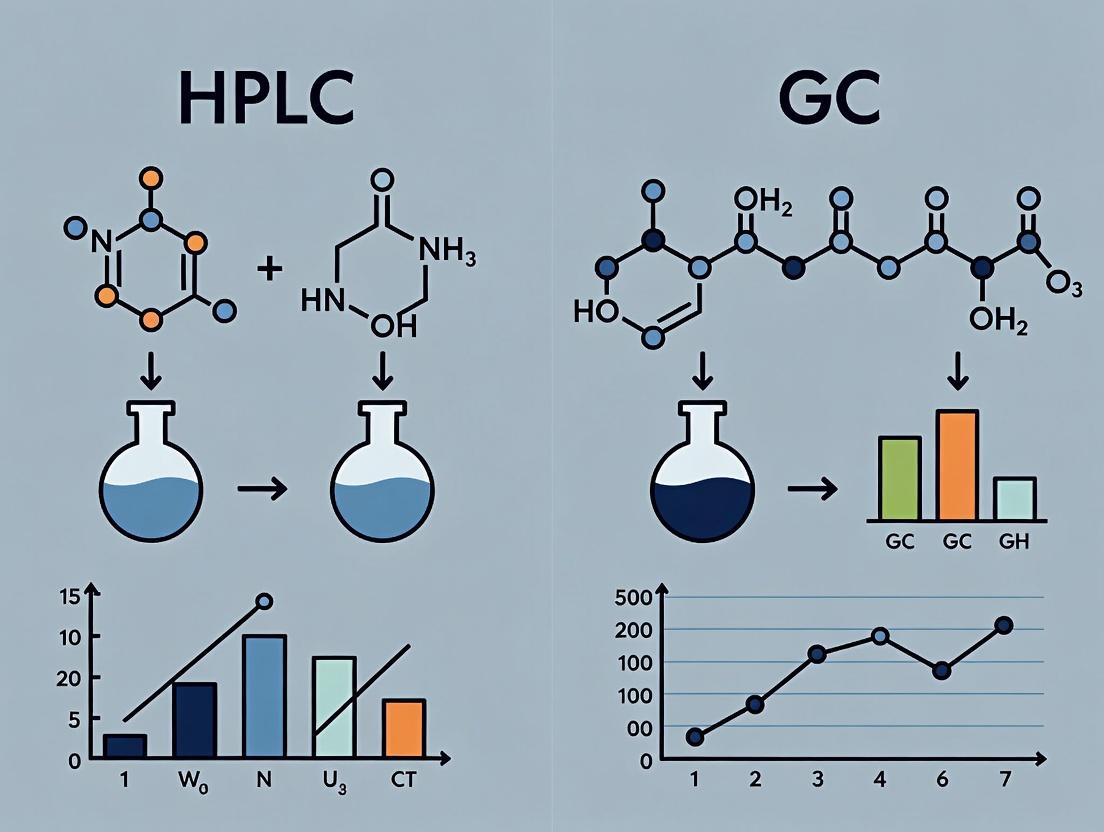
This comprehensive guide provides researchers, scientists, and drug development professionals with a detailed comparison of HPLC and Gas Chromatography (GC) specificity.
HPLC vs GC: A Definitive Guide to Specificity, Selection, and Optimization for Analytical Scientists
Abstract
This comprehensive guide provides researchers, scientists, and drug development professionals with a detailed comparison of HPLC and Gas Chromatography (GC) specificity. We explore the fundamental principles governing selectivity in each technique, practical application strategies for method development, troubleshooting common specificity challenges, and robust validation approaches. The article synthesizes current methodologies to empower informed instrument selection and method optimization for complex pharmaceutical, biomedical, and clinical samples, ensuring precise and reliable analytical outcomes.
Core Principles: Understanding the Specificity Engines of HPLC and GC
In the realm of pharmaceutical analysis, specificity—the ability to accurately measure the analyte in the presence of potential interferents—is non-negotiable. This principle forms the core of a critical methodological debate: High-Performance Liquid Chromatography (HPLC) versus Gas Chromatography (GC). The choice hinges on the chemical nature of the analyte and the required separation power to achieve unambiguous identification and quantification. This guide compares the specificity drivers of both techniques in the context of modern drug development.
Core Specificity Comparison: HPLC vs. GC
The following table summarizes the foundational parameters that dictate the specificity of each technique.
Table 1: Fundamental Specificity Drivers of HPLC and GC
| Parameter | HPLC (with UV/FLD detection) | GC (with FID/MS detection) | Specificity Implication |
|---|---|---|---|
| Separation Mechanism | Polarity, hydrophobicity, ion-exchange, size. | Volatility and polarity of the vaporized analyte. | HPLC excels for non-volatile, polar, thermally labile molecules (e.g., biologics, most APIs). GC is specific for volatile, thermally stable compounds (e.g., residual solvents, certain metabolites). |
| Detection Coupling | Commonly UV-Vis, Fluorescence (FLD), Mass Spectrometry (MS). | Flame Ionization (FID), Mass Spectrometry (MS). | MS detection dramatically enhances specificity for both. HPLC-MS/MS is the gold standard for bioanalysis. GC-MS offers superior specificity for volatile organic compound profiling. |
| Derivatization Need | Often not required. | Frequently required to increase volatility/thermal stability. | Derivatization adds steps but can enhance GC specificity by creating unique fragments for MS. HPLC typically offers a more direct analysis. |
| Peak Capacity | High, especially with UPLC and gradient elution. | Very High, due to the high efficiency of capillary columns. | GC generally offers higher peak capacity, providing superior resolution for complex mixtures of volatile analytes. |
Performance Comparison: A Case Study on Impurity Profiling
Consider the analysis of a common analgesic, acetaminophen, for its known impurities p-aminophenol (PAP) and chloroacetamide.
Experimental Protocol:
- Sample Prep: Acetaminophen API spiked with 0.1% w/w of each impurity. Dissolved in appropriate solvent (HPLC: Dilute methanol; GC: Derivatized with BSTFA/TMCS after dissolution).
- HPLC Method:
- Column: C18, 150 x 4.6 mm, 2.7 µm.
- Mobile Phase: Gradient of phosphate buffer (pH 3.0) and acetonitrile.
- Flow Rate: 1.0 mL/min.
- Detection: UV at 245 nm and MS/MS for confirmation.
- Injection Volume: 10 µL.
- GC Method:
- Column: 5% Phenyl polysilphenylene-siloxane, 30m x 0.25mm, 0.25µm.
- Carrier Gas: Helium, constant flow 1.2 mL/min.
- Temperature Program: 80°C (hold 2 min) to 280°C at 15°C/min.
- Detection: FID and MS (EI source).
- Injection Volume: 1 µL, split mode.
Table 2: Experimental Results for Impurity Separation
| Analytic (Impurity) | HPLC: Retention Time (min) | HPLC: Resolution from API | GC (Derivatized): Retention Time (min) | GC: Resolution from API | Recommended Technique |
|---|---|---|---|---|---|
| Acetaminophen (API) | 8.5 | - | 12.3 (as TMS derivative) | - | - |
| p-Aminophenol (PAP) | 4.2 | 12.5 | 9.8 | 8.2 | HPLC. Polar, thermally labile. Better suited without derivation. |
| Chloroacetamide | 11.8 | 4.0 | 10.1 | 6.5 | GC. Volatile, separable with high resolution from API derivative. |
Interpretation: HPLC provides excellent, straightforward specificity for the polar impurity PAP. GC, while requiring derivatization, offers superior separation efficiency and specificity for the volatile chloroacetamide, easily resolving it from co-eluting potential interferents.
The Specificity Decision Pathway
The logical process for selecting a technique based on specificity requirements is outlined below.
The Scientist's Toolkit: Key Research Reagent Solutions
Table 3: Essential Materials for Specific Pharmaceutical Separations
| Item | Function in Analysis |
|---|---|
| UHPLC C18 Column (1.7-2.7 µm particles) | Provides high-efficiency, high-resolution separation for HPLC methods, reducing run times and improving peak shape. |
| GC Capillary Column (e.g., 5% Phenyl polysilphenylene-siloxane) | Offers high peak capacity and inertness for resolving complex volatile mixtures with great specificity. |
| MS-Grade Methanol & Acetonitrile | Low-UV absorbance and minimal background ions are critical for both HPLC-UV and LC-MS specificity, reducing signal interference. |
| Derivatization Reagents (e.g., BSTFA, MSTFA) | For GC, these increase analyte volatility and thermal stability, enabling the analysis of otherwise non-GC-amenable compounds. |
| Volatile Buffers (e.g., Ammonium Formate, Ammonium Acetate) | Essential for LC-MS compatibility; non-volatile buffers (e.g., phosphate) clog the MS interface and degrade specificity. |
| Certified Reference Standards | Pure, characterized analyte and impurity standards are mandatory for method development and validation to confirm peak identity and specificity. |
| Methyl 7-azaindole-3-glyoxylate | Methyl 7-Azaindole-3-glyoxylate|CAS 357263-49-1 |
| 1-(3,4-Dimethoxyphenyl)propan-1-one | 1-(3,4-Dimethoxyphenyl)propan-1-one, CAS:1835-04-7, MF:C11H14O3, MW:194.23 g/mol |
Within a comprehensive thesis comparing High-Performance Liquid Chromatography (HPLC) and Gas Chromatography (GC) specificity, the fundamental parameters governing HPLC selectivity are paramount. For small molecule and pharmaceutical analyses, HPLC specificity—the ability to accurately measure the analyte in the presence of potential interferences—is predominantly controlled by the synergistic interplay of stationary phase chemistry, mobile phase polarity, and pH. This guide compares the performance of common stationary phases under varied eluent conditions, supported by experimental data.
Comparison of Stationary Phase Selectivity Under Different Conditions
The following table summarizes experimental retention (k) and selectivity (α) data for a test mixture of acidic (ibuprofen, pKa ~4.4), basic (amlodipine, pKa ~8.7), and neutral (hydrocortisone) compounds. Experiments were performed on a 150 x 4.6 mm, 5 µm column at 1.0 mL/min and 30°C, with UV detection.
Table 1: Impact of Stationary Phase and pH on Retention and Selectivity
| Stationary Phase | Mobile Phase (Buffer:ACN) | pH | k (Ibuprofen) | k (Amlodipine) | k (Hydrocortisone) | α (Amld/Ibu) |
|---|---|---|---|---|---|---|
| C18 (Bonded Silica) | 50:50 25mM Phosphate | 2.5 | 4.2 | 2.1 | 5.0 | 0.50 |
| C18 (Bonded Silica) | 50:50 25mM Phosphate | 7.0 | 1.8 | 0.9 (tailing) | 4.8 | 0.50 |
| Phenyl-Hexyl | 50:50 25mM Phosphate | 2.5 | 5.5 | 2.3 | 6.8 | 0.42 |
| Phenyl-Hexyl | 50:50 25mM Phosphate | 7.0 | 0.5 | 2.5 | 6.5 | 5.00 |
| HILIC (Silica) | 90:10 25mM AmAc | 4.8 | 8.5* | 12.5 | 1.2 | 1.47 |
Note: Under HILIC conditions, elution order reverses. Ibuprofen is weakly retained. AmAc = Ammonium Acetate. α is calculated for the critical pair (Amlodipine/Ibuprofen).
Experimental Protocols
Protocol 1: Evaluating Stationary Phase Chemistry and pH Specificity
- Column: Three columns (C18, Phenyl-Hexyl, HILIC-Silica), 150 x 4.6 mm, 5 µm.
- Mobile Phase Prep: For reversed-phase (C18, Phenyl): Prepare 25 mM potassium phosphate buffers at pH 2.5 (using phosphoric acid) and pH 7.0. Mix with HPLC-grade acetonitrile (ACN) at 50:50 (v/v). For HILIC: Prepare 25 mM ammonium acetate buffer at pH 4.8, mix with ACN at 10:90 (v/v).
- System: HPLC with DAD or UV detector, column oven.
- Conditions: Flow rate: 1.0 mL/min. Temperature: 30°C. Detection: 220 nm. Injection: 10 µL of test mixture (10 µg/mL each compound in diluent matching initial mobile phase).
- Analysis: Measure retention times, calculate capacity factor (k) and selectivity (α). Assess peak shape (asymmetry factor) for the basic compound at different pH levels.
Protocol 2: Systematic Study of Mobile Phase Polarity (Gradient Elution)
- Column: C18, 150 x 4.6 mm, 5 µm.
- Mobile Phase: A: 25 mM phosphate buffer pH 2.5; B: Acetonitrile.
- Gradient: Vary from 30% B to 80% B over 20 minutes.
- Analysis: Plot log(k) vs %B for each analyte class (acid, base, neutral) to demonstrate differential impact of polarity changes on specificity.
Visualization of HPLC Specificity Parameter Interplay
Title: Key Parameters Controlling HPLC Specificity
Title: Systematic Method Development for Specificity
The Scientist's Toolkit: Key Research Reagent Solutions
| Item | Function in HPLC Specificity Studies |
|---|---|
| High-Purity Buffering Salts (e.g., Potassium Phosphate, Ammonium Acetate) | Provide precise pH control and consistent ionic strength, critical for reproducible ionization states and ion-pairing interactions. |
| HPLC-Grade Organic Modifiers (Acetonitrile, Methanol) | Primary drivers of mobile phase polarity; differences in solvent selectivity (e.g., ACN vs MeOH) are leveraged to fine-tune separations. |
| Stationary Phase Column Library (C18, C8, Phenyl, Cyano, HILIC) | Enables empirical testing of hydrophobic, π-π, polar, and hydrophilic interaction mechanisms to match analyte properties. |
| pH Meter with Certified Buffers | Essential for accurate, reproducible mobile phase pH adjustment (±0.02 units), a non-negotiable requirement for methods involving ionizable analytes. |
| In-Silico Prediction Software (e.g., LogP/pKa predictors) | Guides initial method development by predicting analyte hydrophobicity and ionization, informing stationary phase and pH selection. |
| Diethyl dodecanedioate | Diethyl dodecanedioate, CAS:10471-28-0, MF:C16H30O4, MW:286.41 g/mol |
| 2-Bromocinnamic acid | 2-Bromocinnamic acid, CAS:7499-56-1, MF:C9H7BrO2, MW:227.05 g/mol |
This guide compares Gas Chromatography (GC) specificity to High-Performance Liquid Chromatography (HPLC) within separation science, focusing on the core physicochemical pillars governing GC. Specificity—the ability to distinguish an analyte from interferences—is fundamentally rooted in volatility, polarity, and molecular interactions.
The Core Pillars of GC Separation
GC specificity relies on the differential partitioning of analytes between a mobile gas phase and a stationary liquid phase. Three interdependent properties dictate elution order and resolution.
Boiling Point / Volatility
The primary driver. For a compound to be amenable to GC, it must be volatile or made volatile through derivatization. Lower boiling point analytes elute faster, provided polarity interactions are minimal.
Polarity
Governs the selectivity of the stationary phase. "Like-dissolves-like" applies: polar analytes interact more strongly with polar stationary phases, increasing their retention time.
Molecular Interaction
The specific, reversible interactions (van der Waals, dipole-dipole, hydrogen bonding) between an analyte and the stationary phase ligand chemistry. This fine-tunes specificity.
Comparative Data: GC vs. HPLC Specificity Determinants
The following table compares the foundational parameters controlling specificity in GC versus HPLC.
Table 1: Core Specificity Determinants: GC vs. HPLC
| Specificity Pillar | Gas Chromatography (GC) | High-Performance Liquid Chromatography (HPLC) |
|---|---|---|
| Primary Driver | Volatility/Boiling Point & Polarity Interactions | Polarity, Hydrophobicity, & Ionic Interactions |
| Mobile Phase Role | Inert carrier gas (He, Hâ‚‚, Nâ‚‚). Does not interact. | Active solvent mixture. Modifies selectivity via gradient elution. |
| Stationary Phase Role | High for selectivity via bonded liquid phases (e.g., polysiloxanes). | Very High. Diverse chemistries (C18, HILIC, ion-exchange). |
| Typical Analyte State | Must be volatile and thermally stable. | Must be soluble in the mobile phase. |
| Key Strength | Superior resolving power for volatile, complex mixtures (e.g., fuels, essential oils). | Broader applicability to non-volatile, polar, thermally labile compounds (e.g., proteins, pharmaceuticals). |
Experimental Comparison: Hydrocarbon vs. Oxygenated Aromatic Separation
The following experiment highlights how GC specificity, governed by the pillars, differs from HPLC for a specific class of compounds.
Protocol 1: GC-FID Analysis of Aromatic Mixture
- Objective: Separate a mixture of benzene, toluene, phenol, and benzaldehyde.
- Column: Mid-polarity stationary phase (e.g., 35% phenyl-65% dimethylpolysiloxane, 30m x 0.32mm ID, 1.0µm film).
- Oven Program: 40°C (hold 2 min), ramp to 120°C at 15°C/min.
- Carrier Gas: Helium, constant flow 1.5 mL/min.
- Detection: Flame Ionization Detector (FID) at 250°C.
- Sample Prep: Dilute in a volatile solvent (e.g., hexane).
Protocol 2: HPLC-UV Analysis of the Same Mixture
- Objective: Separate the same mixture.
- Column: Reversed-phase C18 column (150mm x 4.6mm ID, 5µm particle).
- Mobile Phase: Gradient from 40% water / 60% methanol to 100% methanol over 10 min.
- Flow Rate: 1.0 mL/min.
- Detection: UV-Vis at 254 nm.
- Sample Prep: Dilute in the starting mobile phase.
Table 2: Experimental Elution Order & Rationale
| Analyte | BP (°C) | Polarity | GC Elution Order | Primary GC Pillar | HPLC Elution Order | Primary HPLC Driver |
|---|---|---|---|---|---|---|
| Benzene | 80 | Non-polar | 1st | Boiling Point | Last (Strongest Retention) | Hydrophobicity |
| Toluene | 111 | Non-polar | 2nd | Boiling Point | 3rd | Hydrophobicity |
| Benzaldehyde | 179 | Polar (dipole) | 3rd | Combined BP & Polarity Interaction | 2nd | Polarity/Hydrophobicity Balance |
| Phenol | 182 | Polar (H-bond donor) | Last | Strongest Polarity Interaction | 1st (Weakest Retention) | High Polarity / H-bonding to water |
Interpretation: GC elution is dictated first by volatility (benzene before toluene). The higher-boiling oxygenates elute later, but their order is inverted vs. boiling point due to polarity: benzaldehyde (less polar) elutes before phenol (highly polar, H-bonding). In HPLC, the reversed-phase mechanism retains hydrophobic benzene longest, while polar phenol elutes first with the aqueous mobile phase.
Signaling Pathway: Decision Logic for GC vs. HPLC Method Selection
The following diagram outlines the logical decision process for choosing between GC and HPLC based on analyte properties and specificity needs.
Decision Logic for GC vs. HPLC Method Selection
The Scientist's Toolkit: Key Research Reagent Solutions
Table 3: Essential Materials for GC Specificity Studies
| Item | Function & Relevance to Specificity Pillars |
|---|---|
| Siloxane-based Capillary Columns (e.g., 5% phenyl polysiloxane) | The foundational stationary phase. Varying the phenyl % modulates polarity interactions, tailoring selectivity for different analyte classes. |
| Deactivation Liners & Seals | Inert, deactivated glass wool/sleeves minimize non-specific adsorption of active compounds (e.g., acids, amines), preserving peak shape and specificity. |
| Derivatization Reagents (e.g., MSTFA, BSTFA) | Increase volatility and thermal stability of polar analytes (e.g., sugars, acids) by masking active -OH and -COOH groups, expanding GC's applicability. |
| Standard Reference Mixtures (e.g., alkane series, Grob mix) | Calibrate retention indices (linked to boiling point/polarity) to identify unknowns and confirm system specificity and performance. |
| High-Purity Carrier & Detector Gases (He, Hâ‚‚, Nâ‚‚, Zero Air) | Essential for maintaining an inert mobile phase and optimal detector response (FID, TCD), ensuring specificity is not compromised by system artifacts. |
| 1-(2-Methoxyethyl)-2-thiourea | 1-(2-Methoxyethyl)-2-thiourea|CAS 102353-42-4 |
| N-Tosyl-L-alanine | N-Tosyl-L-alanine, CAS:21957-58-4, MF:C10H13NO4S, MW:243.28 g/mol |
Experimental Workflow: Assessing GC Specificity via Retention Index
The following workflow details a standard experiment for verifying GC specificity using Kovats Retention Indices, which combine boiling point and polarity data.
GC Specificity Verification via Retention Index
Within the broader thesis on HPLC vs GC specificity comparison research, this guide objectively compares the core separation mechanisms, performance parameters, and applications of High-Performance Liquid Chromatography (HPLC) and Gas Chromatography (GC). The fundamental "phase divide" lies in the nature of the mobile phase: a liquid for HPLC and a gas for GC. This dictates all subsequent differences in analyte suitability, instrumentation, and operational parameters.
Core Separation Mechanisms & Suitability
HPLC separates analytes based on their differential distribution between a liquid mobile phase and a stationary phase (typically a solid adsorbent or a liquid coated on a solid). Primary interactions include adsorption, polarity (normal-phase), hydrophobicity (reversed-phase), size (size-exclusion), or ionic charge (ion-exchange). It is ideal for thermally labile, non-volatile, or high-molecular-weight compounds.
GC separates volatile and thermally stable analytes based on their differential partitioning between an inert gaseous mobile phase (carrier gas) and a stationary phase (liquid coated on a column wall or solid support). Separation is driven by the analyte's vapor pressure and affinity for the stationary phase. Heat is often applied to elute less volatile components.
Performance Comparison: Quantitative Data
The following table summarizes key performance characteristics based on standard operational data.
Table 1: HPLC vs. GC System Performance Comparison
| Parameter | HPLC | GC | Experimental Basis |
|---|---|---|---|
| Typical Analyte MW | 100 - 2,000,000+ Da | 2 - 800 Da | Calibration with standards (Polystyrene, n-alkanes). |
| Analyte Volatility | Not Required | Essential | Thermogravimetric analysis (TGA) of sample. |
| Thermal Stability | Not Critical | Critical | Sample incubation at inlet temperature. |
| Typical Resolution (Rs) | 1.5 - 2.5 | 1.5 - 10+ | Separation of critical pairs (e.g., isomers). |
| Analysis Temperature | Ambient - 80°C | 40°C - 350°C | Column oven thermocouple measurement. |
| Operational Pressure | 100 - 600 bar | 1 - 5 bar | In-line pressure transducer data. |
| Peak Capacity (Theoretical) | 100 - 500 | 100 - 1000 | Gradient elution (HPLC) vs. Temperature programming (GC). |
| Detection Limit (Mass) | pg - ng | fg - pg | Signal-to-Noise (S/N=3) for standard analytes. |
Experimental Protocols for Specificity Comparison
Protocol 1: Analysis of Fatty Acid Methyl Esters (FAMEs)
Objective: Compare specificity and efficiency for separating a homologous series. Materials: C8-C24 FAME mix, methanol (HPLC grade), hexane (GC grade). HPLC Method (Reversed-Phase):
- Column: C18, 250 x 4.6 mm, 5 µm.
- Mobile Phase: Gradient from 80:20 to 10:90 Water:Acetonitrile over 45 min.
- Flow Rate: 1.0 mL/min.
- Detection: UV @ 205 nm.
- Sample Prep: Dilute in mobile phase. GC Method:
- Column: Wax- or cyanopropyl-polysiloxane, 30m x 0.25mm x 0.25µm.
- Carrier Gas: Helium, 1.0 mL/min constant flow.
- Oven Program: 50°C (2 min), ramp 10°C/min to 240°C (5 min).
- Inlet/Detector (FID): 250°C.
- Sample Prep: Dilute in hexane. Outcome Measure: Comparison of resolution (Rs) between adjacent homologs, peak symmetry, and total run time.
Protocol 2: Analysis of Pharmaceuticals (Active + Degradants)
Objective: Compare suitability for thermally labile compounds. Materials: Aspirin (acetylsalicylic acid) and its degradants (salicylic acid, acetic acid). HPLC Method:
- Column: C8, 150 x 4.6 mm, 3.5 µm.
- Mobile Phase: 60:40 0.1% Phosphoric Acid:Acetonitrile, isocratic.
- Flow: 1.2 mL/min.
- Detection: UV @ 230 nm.
- Temperature: 30°C. GC Method:
- Column: 5% Phenyl polysilphenylene-siloxane, 15m x 0.25mm x 0.25µm.
- Oven Program: 100°C (1 min), ramp 20°C/min to 280°C.
- Inlet: 250°C, split mode.
- Detector (MS): 280°C, scan mode 50-350 m/z. Outcome Measure: Detection of intact aspirin vs. on-column degradation (visible as additional peaks for salicylic acid and acetic acid in GC chromatogram).
Visualization of Separation Workflows
HPLC System Flow Path
GC System Flow Path
Analytical Method Selection Logic
The Scientist's Toolkit: Essential Research Reagent Solutions
Table 2: Key Materials for HPLC/GC Specificity Studies
| Item | Function & Specification | Typical Use Case |
|---|---|---|
| HPLC-Grade Solvents (Acetonitrile, Methanol, Water) | Low UV absorbance, minimal particulates. Acts as mobile phase to dissolve and transport analytes. | Reversed-Phase & Normal-Phase HPLC. |
| Derivatization Reagents (e.g., BSTFA, MSTFA) | Increase volatility and thermal stability of polar analytes (acids, alcohols) for GC analysis. | GC analysis of metabolites, hormones. |
| C18 HPLC Column | Reversed-phase stationary phase. Separates based on hydrophobicity. | Pharmaceutical analysis, peptides. |
| WCOT (Wall-Coated Open Tubular) GC Column | Capillary column with bonded stationary phase (e.g., 5% Phenyl). Provides high-resolution separation. | Essential for all modern GC separations. |
| Internal Standards (Deuterated or homologous compounds) | Added in known quantity to correct for sample prep and injection variability in quantitative work. | Accurate quantitation in both HPLC & GC. |
| Retention Index Markers (n-Alkane series) | Standard series that elute at predictable times under given GC conditions. Used to calculate retention indices for analyte identification. | GC method standardization & compound ID. |
| Guard Column | Short column with same packing as analytical column. Traps particulates and strongly retained compounds, protecting the main column. | Extends life of expensive HPLC columns. |
| Silanizing Reagents | Treat glassware to deactivate surface silanol groups, reducing adsorption of active analytes. | Sample prep for trace-level GC analysis. |
| N,N-dimethyl-1-(5-nitro-1H-indol-3-yl)methanamine | N,N-dimethyl-1-(5-nitro-1H-indol-3-yl)methanamine, CAS:3414-64-0, MF:C11H13N3O2, MW:219.24 g/mol | Chemical Reagent |
| 5-(N-tert-Butoxycarbonylamino)salicylic Acid | 5-(N-tert-Butoxycarbonylamino)salicylic Acid, CAS:135321-95-8, MF:C12H15NO5, MW:253.25 g/mol | Chemical Reagent |
Within a thesis comparing HPLC and GC specificity, the fundamental selection of an analytical technique hinges on the innate physicochemical properties of the analyte. This guide objectively compares the suitability of Gas Chromatography (GC) and High-Performance Liquid Chromatography (HPLC) based on analyte volatility, thermal stability, and molecular weight, supported by experimental data.
Comparative Performance Analysis
The following table summarizes the operational windows and suitability of GC versus HPLC based on core analyte properties.
Table 1: Analyte Suitability & Performance Comparison: GC vs. HPLC
| Selector Criteria | Gas Chromatography (GC) | High-Performance Liquid Chromatography (HPLC) | Preferred Technique | Supporting Experimental Data |
|---|---|---|---|---|
| Volatility | Essential. Analytes must be vaporizable without decomposition at GC inlet temperatures (typically <400°C). | Not required. Analysis is performed in the liquid phase. | Low/Non-volatile: HPLCVolatile: GC or HPLC | GC failure for sucrose (MW 342 Da): No peak observed at 280°C inlet. HPLC (HILIC mode): Sharp elution at 4.2 min. |
| Thermal Stability | Critical. Analytes must withstand high inlet and column temperatures. | Generally non-critical. Ambient to ~80°C column temperatures are standard. | Thermally Labile: HPLCThermally Stable: GC or HPLC | Benzodiazepine stability test: GC (280°C): 15% decomposition peak observed. HPLC (40°C): >99.8% purity reported. |
| Molecular Weight (MW) Range | Optimal for low to medium MW (<1000 Da). High MW analytes lack volatility. | Broad range, from small ions to large macromolecules (>10,000 Da). | High MW (>800 Da): HPLCLow MW (<500 Da): Both | Triglyceride analysis (MW ~850 Da): GC (derivatization required) yields 3 peaks. HPLC-ELSD yields single intact peak. |
| Primary Selectivity Driver | Volatility & Thermal Stability | Polarity, Size, Charge, Hydrophobicity | — | Parallel analysis of 50-drug mix: GC detected 28 volatile drugs; HPLC detected all 50 using a C18 gradient. |
Experimental Protocols
Protocol 1: Thermal Stability Assessment via Parallel GC/HPLC Analysis
- Objective: To quantify analyte decomposition in GC vs. HPLC systems.
- Materials: Standard solution of a thermally labile pharmaceutical (e.g., chlorodiazepoxide). GC-MS system, HPLC-UV system.
- GC Method: Inlet: 280°C; Column: 30m x 0.25mm, 5% phenyl polysiloxane; Oven: 80°C to 300°C at 15°C/min; Carrier: He.
- HPLC Method: Column: C18, 150 x 4.6mm, 3.5µm; Mobile Phase: Acetonitrile/20mM phosphate buffer pH 7.4 (45:55); Flow: 1.0 mL/min; Column Oven: 25°C; Detection: 254 nm.
- Procedure: 1) Inject identical amounts of standard onto both systems in triplicate. 2) Compare peak area of parent compound. 3) Identify and integrate any new peaks in GC chromatogram not present in HPLC. 4) Calculate % decomposition in GC = (Area of decomposition peaks / Total area) x 100.
Protocol 2: Volatility Limit Determination for GC
- Objective: To establish the practical molecular weight/volatility limit for GC analysis without derivatization.
- Materials: Homologous series of standard hydrocarbons (C8-C44) or polyethylene glycols (PEG 200 - PEG 1500).
- GC Method: Inlet: 320°C (for high-temperature GC); Column: High-temperature stable 100% dimethyl polysiloxane column; Oven: 50°C (1 min) to 400°C at 10°C/min.
- Procedure: 1) Inject individual standards. 2) Record the retention time and peak shape for each. 3) Identify the highest molecular weight compound that produces a symmetric, detectable peak. 4) Note the temperature at which elution occurs. Compounds eluting >380°C are generally considered at the practical limit.
Logical Decision Pathway for Technique Selection
Title: Decision Pathway: GC or HPLC Based on Analyte Properties
The Scientist's Toolkit
Table 2: Essential Research Reagents & Materials for Cross-Technique Comparison Studies
| Item | Function in Analysis |
|---|---|
| High-Temperature GC Capillary Column (e.g., 100% dimethyl polysiloxane, up to 400°C) | Enables pushing the volatility limit for higher MW compounds in GC stability tests. |
| Thermally Labile Analytic Standards (e.g., certain antibiotics, benzodiazepines, vitamins) | Critical positive controls for demonstrating thermal decomposition in GC versus HPLC. |
| Chemical Derivatization Reagents (e.g., MSTFA for silylation, BF3/MeOH for esterification) | Converts non-volatile/polar analytes (acids, sugars) into volatile derivatives for GC analysis, expanding its scope. |
| HPLC Columns with Diverse Selectivity (e.g., C18, HILIC, Cyano) | Allows method development for a wide polarity range, ensuring a fair comparison against GC's primary volatility-based separation. |
| Universal/MS-Compatible Detectors (e.g., Mass Spectrometer, Charged Aerosol Detector) | Provides uniform detection across GC and HPLC eluents for unbiased quantitative comparison of peak responses and decomposition products. |
| 4-Methyl-3-nitrobenzonitrile | 4-Methyl-3-nitrobenzonitrile, CAS:939-79-7, MF:C8H6N2O2, MW:162.15 g/mol |
| trans,trans-Farnesyl bromide | trans,trans-Farnesyl bromide, CAS:28290-41-7, MF:C15H25Br, MW:285.26 g/mol |
Strategic Method Development: Selecting and Applying HPLC or GC for Your Analyte
Within the broader context of research comparing HPLC and GC specificity, selecting the appropriate chromatographic technique is foundational. This guide provides an objective, data-driven comparison to inform method development for researchers and drug development professionals.
Core Principles: Volatility and Thermal Stability
The primary differentiator is the analyte's volatility and thermal stability. Gas Chromatography (GC) requires analytes to be vaporized without decomposition, making it ideal for small, volatile, and thermally stable molecules. High-Performance Liquid Chromatography (HPLC) separates analytes in a liquid phase, accommodating non-volatile, thermally labile, and high-molecular-weight compounds.
The following decision tree formalizes this selection logic.
Diagram Title: Decision Tree for HPLC vs. GC Selection
Quantitative Comparison of Performance Characteristics
Experimental data from controlled comparisons highlight key performance differences. The following protocols and results illustrate these distinctions.
Experimental Protocol 1: Specificity for Volatile Aroma Compounds
- Objective: Compare separation efficiency and peak symmetry for a test mix of terpenes and esters.
- GC Method: Capillary column (30 m x 0.32 mm ID, 0.25 µm film of 5% phenyl polysiloxane). Oven program: 40°C (hold 2 min) to 240°C at 10°C/min. Carrier: Helium. Detection: FID.
- HPLC Method: C18 column (150 mm x 4.6 mm, 5 µm). Isocratic elution: 70% Acetonitrile/30% Water. Flow: 1.0 mL/min. Detection: UV-Vis @ 210 nm.
Table 1: Performance Data for Volatile Aroma Mix
| Compound (Volatile) | GC Plate Count (N/m) | GC Peak Asymmetry (As) | HPLC Plate Count (N/m) | HPLC Peak Asymmetry (As) | Recommended Technique |
|---|---|---|---|---|---|
| α-Pinene | 5800 | 1.05 | 1200 | 1.35 | GC |
| Ethyl Butyrate | 6200 | 1.02 | 950 | 1.8 | GC |
| Linalool | 5600 | 1.08 | 1400 | 1.25 | GC |
Experimental Protocol 2: Specificity for Thermally Labile Pharmaceuticals
- Objective: Assess decomposition and separation for a beta-lactam antibiotic (e.g., ampicillin) and a corticosteroid.
- GC Method (with derivatization attempt): Injection port: 280°C. Derivatization with BSTFA + 1% TMCS. Same column as Protocol 1. Oven program to 300°C.
- HPLC Method: C18 column (100 mm x 4.6 mm, 2.7 µm core-shell). Gradient: 5% to 95% Acetonitrile in Water (0.1% Formic acid) over 10 min. Flow: 1.2 mL/min. Detection: UV @ 254 nm.
Table 2: Performance Data for Thermally Labile Pharmaceuticals
| Compound (Non-Volatile) | GC Decomposition Observed? | HPLC Plate Count (N/m) | HPLC Peak Asymmetry (As) | Recommended Technique |
|---|---|---|---|---|
| Ampicillin | Yes (>90% loss) | 18500 | 1.08 | HPLC |
| Prednisolone | Partial (30% loss) | 22000 | 1.02 | HPLC |
The Scientist's Toolkit: Key Research Reagent Solutions
Table 3: Essential Materials for HPLC/GC Method Development
| Item | Function & Specification | Primary Use Case |
|---|---|---|
| GC Capillary Column | 5% Phenyl Polysiloxane phase; provides optimal balance of polarity and inertness for separating semi-volatile organics. | GC separation of hydrocarbons, fragrances, solvents. |
| HPLC Reverse-Phase Column | C18 bonded silica phase (core-shell technology); offers high efficiency and rapid separations for polar to mid-polar molecules. | HPLC analysis of pharmaceuticals, metabolites, peptides. |
| Derivatization Reagent (e.g., BSTFA) | Silylating agent; replaces active hydrogens (e.g., -OH, -COOH) with trimethylsilyl groups, increasing volatility for GC. | GC analysis of acids, sugars, steroids. |
| HPLC-Grade Organic Solvent (Acetonitrile) | Low-UV cutoff, high purity mobile phase component; modifies elution strength in reverse-phase HPLC. | HPLC mobile phase for biomolecules and drugs. |
| High-Purity Helium Gas | Carrier gas for GC; provides an inert medium for analyte transport through the column with minimal band broadening. | GC carrier gas for most standard detectors (FID, TCD). |
| Buffered Mobile Phase Additive (e.g., Formic Acid) | Modifies pH and suppresses ionization of acidic/functional groups, controlling retention and peak shape in HPLC. | HPLC analysis of ionizable compounds (acids, bases). |
| 2-Chloro-5-nitrobenzenesulfonyl chloride | 2-Chloro-5-nitrobenzenesulfonyl chloride, CAS:4533-95-3, MF:C6H3Cl2NO4S, MW:256.06 g/mol | Chemical Reagent |
| (-)-2,3-O-Isopropylidene-d-threitol | (-)-2,3-O-Isopropylidene-d-threitol, CAS:73346-74-4, MF:C7H14O4, MW:162.18 g/mol | Chemical Reagent |
This guide, framed within a broader research thesis comparing HPLC and GC specificity, presents a comparative evaluation of column chemistry and mobile phase modifiers for developing a specific HPLC method for the separation of a complex pharmaceutical mixture containing five structurally similar isobaric impurities.
Experimental Protocol
- Analytes: Active Pharmaceutical Ingredient (API) and five isobaric impurities (Imp 1-5).
- Instrumentation: HPLC system with DAD and QDa MS detectors.
- Column Screening: Four columns (100 x 4.6 mm, 2.7 µm) were tested under identical gradient conditions (20-80% acetonitrile in 20 mM ammonium formate pH 3.0 over 15 min, 1.0 mL/min, 30°C).
- Gradient Optimization: On the selected lead column, the gradient slope (10, 15, 20, 25 min) was optimized.
- Modifier Study: For the optimized gradient, 0.1% formic acid and 0.1% trifluoroacetic acid (TFA) were compared to the ammonium formate buffer.
- Specificity Assessment: Resolution (Rs) between critical pairs and peak capacity (Pc) were calculated. MS detection confirmed peak identity and homogeneity.
Comparative Performance Data
Table 1: Column Screening Performance (Initial Gradient)
| Column Chemistry | USP Resolution (Lowest Rs) | Peak Capacity (Pc) | Peak Shape (Tailing Factor) |
|---|---|---|---|
| C18 (Standard) | 0.8 (Imp2/Imp3) | 85 | 1.2-1.5 |
| Phenyl-Hexyl | 1.5 (Imp4/API) | 92 | 1.1-1.3 |
| PFP (Pentafluorophenyl) | 2.2 (Imp2/Imp3) | 105 | 1.0-1.2 |
| HILIC | 0.5 (Multiple Pairs) | 78 | >1.8 (Broad Peaks) |
Table 2: Effect of Gradient Time on PFP Column
| Gradient Time (min) | Critical Resolution (Rs) | Peak Capacity | Run Time (min) |
|---|---|---|---|
| 10 | 1.8 | 95 | 15 |
| 15 | 2.2 | 105 | 20 |
| 20 | 2.4 | 112 | 25 |
| 25 | 2.4 | 115 | 30 |
Table 3: Modifier Comparison on PFP Column (20-min Gradient)
| Mobile Phase Modifier | Resolution (Rs) | MS Response (S/N) | Baseline Drift |
|---|---|---|---|
| 20 mM Ammonium Formate, pH 3.0 | 2.4 | High (ESI+) | Low |
| 0.1% Formic Acid | 2.1 | Very High | Moderate |
| 0.1% TFA | 2.6 | Suppressed | Very Low |
Conclusion: The PFP column provided superior shape selectivity for the aromatic impurities. A 20-minute gradient offered the optimal balance of resolution and analysis time. While TFA provided the highest resolution and lowest baseline UV drift, ammonium formate was selected as the optimal modifier for its compatibility with mass spectrometry, which is crucial for definitive peak identification and specificity confirmation in the context of comparative GC research.
HPLC Specificity Method Development Workflow
The Scientist's Toolkit: Key Research Reagent Solutions
| Item | Function in Specificity Development |
|---|---|
| PFP (Pentafluorophenyl) HPLC Column | Provides unique π-π and dipole-dipole interactions for separating structural isomers and aromatics. |
| MS-Compatible Buffer (Ammonium Formate/Acetate) | Enables volatile mobile phase for seamless hyphenation with Mass Spectrometry for peak identity confirmation. |
| Trifluoroacetic Acid (TFA) | Ion-pairing modifier that improves peak shape for basic analytes and reduces baseline drift in UV. |
| DAD/UV Detector with 3D Scan | Assesses peak purity by comparing spectra across a peak, indicating potential co-elution. |
| Charged Aerosol Detector (CAD) | Provides uniform response for non-chromophoric analytes when developing methods orthogonal to UV. |
| QDa or Single Quadrupole MS | Essential for confirming molecular weight of eluting peaks and detecting hidden co-elutions. |
This guide, framed within a broader thesis comparing HPLC and GC specificity, provides a comparative analysis of critical parameters in Gas Chromatography (GC) method development. For researchers and drug development professionals, specificity—the ability to accurately measure the analyte in the presence of potential interferences—is paramount. This guide objectively compares column chemistries, temperature programs, and derivatization reagents, supported by experimental data.
Column Selection Comparison
The stationary phase is the primary determinant of selectivity. The following table compares the performance of four common column chemistries for separating a test mixture of five structurally similar pharmaceutical intermediates (basic, acidic, neutral, polar, and non-polar).
Table 1: Column Chemistry Performance Comparison
| Column Type (5%-Phenyl) | Polarity Index | Key Separation (Resolution, Rs) | Peak Symmetry (Tailing Factor) for Basic Analyte | Typical Optimal For |
|---|---|---|---|---|
| Standard 95%-dimethylpolysiloxane | Low (e.g., 10) | Rs = 1.2 (critical pair) | 1.5 | Non-polar to moderately polar compounds, hydrocarbons |
| Mid-polarity 50%-Phenyl | Medium (e.g., 25) | Rs = 1.8 (critical pair) | 1.3 | Mixed functional groups, drug intermediates |
| Polar Polyethylene Glycol (WAX) | High (e.g., 60) | Rs = 1.5 (critical pair) | 1.9 | Polar compounds, acids, alcohols, free fatty acids |
| Specialty Base-Deactivated 5%-Phenyl | Low (e.g., 12) | Rs = 1.1 (critical pair) | 1.1 | Active amines, basic compounds |
Experimental Protocol:
- Analytes: 5 pharmaceutical intermediates (1 mg/mL each in methanol).
- Injection: 1 µL split (50:1), inlet at 250°C.
- Detector: FID at 300°C.
- Carrier Gas: He, constant flow 1.5 mL/min.
- Oven Program: 50°C (hold 2 min) to 280°C at 15°C/min.
- Data: Resolution (Rs) calculated for the most critical pair; tailing factor measured at 5% peak height for a protonable basic analyte.
Temperature Programming Strategies
Optimizing the oven temperature program is crucial for balancing resolution and analysis time. The following experiment compares three programming rates for separating a complex ester mixture.
Table 2: Impact of Temperature Ramp Rate on Specificity
| Program Description | Total Run Time (min) | Average Peak Width at Half Height (min) | Minimum Resolution Achieved | Comment on Specificity |
|---|---|---|---|---|
| Fast Ramp (20°C/min) | 15.5 | 0.028 | 1.05 | Poor specificity; co-elution risk for late eluters. |
| Moderate Ramp (10°C/min) | 24.0 | 0.041 | 1.65 | Optimal specificity; baseline separation for all peaks. |
| Slow Ramp (5°C/min) | 40.5 | 0.055 | 2.30 | Excellent resolution but excessive time, broad peaks reduce sensitivity. |
Experimental Protocol:
- Column: Mid-polarity 50%-phenyl, 30m x 0.25mm x 0.25µm.
- Sample: 10-component ester mix (C8-C18 methyl esters).
- Program Variants: Start at 80°C (2 min), ramp to 250°C at rates above.
- Data: Measured for the most challenging pair of adjacent esters (C14:0 and C16:1).
Derivatization Strategy Comparison
Derivatization enhances specificity by improving volatility, thermal stability, and detector response. This comparison focuses on silylation and acylation for analyzing steroids.
Table 3: Derivatization Reagent Performance for Steroid Analysis
| Derivatization Reagent (Target Group) | Derivative Formed | Relative Peak Area Response (vs. Underivatized) | Observation on Specificity |
|---|---|---|---|
| N-Methyl-N-(trimethylsilyl)trifluoroacetamide (MSTFA) (-OH, -COOH) | Trimethylsilyl (TMS) ether/ester | 2.8 | Excellent for multiple -OH groups; sharp, symmetric peaks. High specificity. |
| N,O-Bis(trimethylsilyl)trifluoroacetamide (BSTFA) (-OH, -COOH) | Trimethylsilyl (TMS) ether/ester | 2.5 | Similar to MSTFA; slightly slower for hindered OH. Reliable specificity. |
| Heptafluorobutyric anhydride (HFBA) (-OH, -NH2) | Heptafluorobutyl ester/amide | 4.2 | Highest ECD/NCI response. Excellent specificity with selective ECD detection. |
| Acetic Anhydride (-OH, -NH2) | Acetyl ester/amide | 1.5 | Mild reaction; less steric hindrance. Moderate specificity gain. |
Experimental Protocol:
- Analytes: Testosterone, cortisone, β-estradiol.
- Procedure: 100 µL of analyte in pyridine mixed with 100 µL derivatizing agent. Heated at 60°C for 30 min (MSTFA/BSTFA) or 70°C for 15 min (HFBA/Acetic Anhydride). Cooled, diluted with hexane, injected.
- GC Conditions: Medium-polarity column, optimized temperature program, FID and ECD used comparatively.
- Data: Peak area of primary derivative compared to underivatized peak (where detectable).
The Scientist's Toolkit: Key Research Reagent Solutions
| Item | Function in GC Specificity Development |
|---|---|
| Deactivated Liner with Wool | Provides vaporization surface, reduces discrimination for high-boiling analytes, and traps non-volatiles to protect the column. |
| Retention Gap/Guard Column | Pre-column (1-5m of deactivated tubing) to retain contamination and focus the analyte band, improving peak shape and reproducibility. |
| Certified SPME Fibers (e.g., DVB/CAR/PDMS) | For headspace or direct immersion sampling, selectively concentrating analytes, enhancing sensitivity and specificity for trace analysis. |
| Derivatization Kits (e.g., MSTFA, BSTFA, HFBA) | Chemical modifiers to convert polar, non-volatile analytes into stable, volatile derivatives amenable to GC separation and detection. |
| High-Purity Tuning Mix (e.g., DFTPP) | Standard for MSD performance verification (in GC-MS) ensuring system specificity and sensitivity across the mass range. |
| Isotopically Labeled Internal Standards (e.g., d³, ¹³C) | Corrects for variability in injection, derivatization, and ionization; essential for specific and accurate quantitative analysis. |
| 9-Fluorenone-2-carboxylic acid | 9-Fluorenone-2-carboxylic acid, CAS:784-50-9, MF:C14H8O3, MW:224.21 g/mol |
| 3-(Acetylthio)propionic acid | 3-(Acetylthio)propionic acid, CAS:41345-70-4, MF:C5H8O3S, MW:148.18 g/mol |
Within the ongoing research thesis comparing the fundamental specificity of High-Performance Liquid Chromatography (HPLC) and Gas Chromatography (GC), the integration with tandem mass spectrometry (MS/MS) represents the pinnacle of analytical specificity for structural identification. This guide objectively compares the performance of HPLC-MS/MS and GC-MS/MS, providing experimental data to inform method selection for researchers and drug development professionals.
Core Principle Comparison
HPLC-MS/MS combines liquid-phase separation with MS/MS detection and is ideal for thermally labile, polar, and high-molecular-weight compounds. GC-MS/MS couples gas-phase separation with MS/MS and excels for volatile, thermally stable, and non-polar to moderately polar analytes.
Quantitative Performance Data
The following table summarizes key performance metrics from recent comparative studies.
Table 1: Comparative Performance Metrics for Structural Identification
| Parameter | HPLC-MS/MS | GC-MS/MS |
|---|---|---|
| Typical Mass Range (Da) | 50 - >200,000 | 50 - 1,200 |
| Ionization Techniques | ESI, APCI, APPI | EI, CI |
| Library Searchability | Limited; relies on experimental spectra | High; compatible with standardized EI libraries |
| Typical Limit of Detection (for small molecules) | Low to sub-pg/mL | Low to sub-pg/µL |
| Chromatographic Resolution | High (UPLC conditions) | Very High (capillary columns) |
| Analyte Derivatization Required | Rarely | Frequently (for polar/non-volatile compounds) |
| Analysis Time per Sample | 5 - 30 minutes | 10 - 60 minutes |
Experimental Protocols for Comparison
Protocol 1: Identification of Unknown Pharmaceutical Degradant (HPLC-MS/MS)
- Sample Prep: Dissolve degraded drug product in mobile phase (e.g., 0.1% Formic Acid in Water / Acetonitrile), centrifuge, and filter (0.22 µm).
- Chromatography: Utilize a C18 column (2.1 x 100 mm, 1.7 µm). Gradient: 5% to 95% organic phase over 15 min. Flow: 0.3 mL/min.
- MS/MS Analysis:
- Ion Source: Electrospray Ionization (ESI), positive mode.
- Full scan (m/z 100-1000) to identify potential degradant ions.
- Select precursor ion of degradant for Product Ion Scan (collision energy: 20-40 eV).
- Compare fragment pattern to parent drug and propose structure based on fragmentation pathways.
Protocol 2: Profiling Volatile Metabolites in Biofluid (GC-MS/MS)
- Sample Prep & Derivatization: Add internal standard to plasma. Perform liquid-liquid extraction with hexane. Dry extract and derivatize with BSTFA (N,O-Bis(trimethylsilyl)trifluoroacetamide) at 70°C for 30 min.
- Chromatography: Use a mid-polarity column (e.g., 5% phenyl polysiloxane, 30m x 0.25mm, 0.25µm). Oven program: 50°C hold 2 min, ramp 10°C/min to 300°C, hold 5 min.
- MS/MS Analysis:
- Ion Source: Electron Ionization (EI), 70 eV.
- Solvent delay: 3 min. Full scan (m/z 40-600).
- For target unknowns, use Selected Reaction Monitoring (SRM) or a Product Ion Scan in MS/MS mode to confirm identity by matching fragments against NIST library and authentic standards.
Visualization of Method Selection and Workflow
Title: Decision Workflow for HPLC vs. GC-MS/MS
Title: Comparative HPLC & GC-MS/MS Workflows
The Scientist's Toolkit: Essential Research Reagents & Materials
Table 2: Key Reagents and Consumables for Comparative Analysis
| Item | Function | Typical Application |
|---|---|---|
| C18 Reverse-Phase UPLC Column | Provides high-resolution separation of polar to non-polar analytes in liquid phase. | HPLC-MS/MS analysis of drugs, metabolites, peptides. |
| 5% Phenyl Polysiloxane GC Column | Provides high-resolution separation of volatile compounds based on boiling point/polarity. | GC-MS/MS analysis of fatty acids, steroids, volatiles. |
| Electrospray Ionization (ESI) Source | Gently ionizes molecules from solution, producing multiply charged ions; ideal for large, labile compounds. | HPLC-MS/MS interface for proteins, oligonucleotides. |
| Electron Ionization (EI) Source | High-energy (70 eV) ionization that produces reproducible, fragment-rich spectra for library matching. | GC-MS/MS interface for small molecule ID. |
| BSTFA Derivatization Reagent | Adds trimethylsilyl groups to polar functional groups (-OH, -COOH), increasing volatility for GC. | GC-MS/MS sample prep for sugars, organic acids. |
| Ammonium Formate / Formic Acid | Common mobile phase additives for LC-MS; improve ionization efficiency and chromatographic peak shape. | HPLC-MS/MS buffer for positive/negative ion mode. |
| NIST Mass Spectral Library | Reference database of standardized EI spectra for compound identification by spectral matching. | Essential for unknown ID in GC-MS/MS. |
| Tuning & Calibration Standard (e.g., PFNA for ESI, FC43 for EI) | Standard reference material to optimize MS performance (sensitivity, resolution, mass accuracy) before analysis. | System suitability for both HPLC-MS/MS & GC-MS/MS. |
| 2,2'-Dithiodibenzoyl chloride | 2,2'-Dithiodibenzoyl chloride, CAS:19602-82-5, MF:C14H8Cl2O2S2, MW:343.2 g/mol | Chemical Reagent |
| 4-(4-Aminophenoxy)pyridine | 4-(4-Aminophenoxy)pyridine |
Within a broader research thesis comparing High-Performance Liquid Chromatography (HPLC) and Gas Chromatography (GC) specificity, the choice of analytical platform is critical. Specificity—the ability to accurately measure the analyte in the presence of interferences—varies significantly between these techniques depending on the analyte class. This guide provides an objective, data-driven comparison for key application areas.
HPLC vs. GC: Specificity Comparison by Analyte Class
Table 1: Platform Suitability and Specificity Determinants
| Analyte Class | Recommended Primary Platform | Key Specificity Factor | Common Interferences Mitigated |
|---|---|---|---|
| Small Molecule Drugs (Polar, Non-volatile) | HPLC (RP, HILIC) | Stationary phase chemistry, MS/MS detection | Metabolites, excipients, matrix components |
| Volatile Organics (Solvents, Anesthetics) | GC (Headspace, SPME) | Column polarity, selective detection (MS, FID) | Co-eluting volatiles from sample matrix |
| Complex Lipids (Fatty Acids, Sterols) | GC (after derivatization) / LC-MS | Derivatization efficiency, high-res MS | Isomeric lipids, phospholipids |
| Endogenous Biomarkers (Eicosanoids, Bile Acids) | HPLC-MS/MS | Multiple Reaction Monitoring (MRM) | Structural analogs, high-abundance matrix |
Table 2: Experimental Performance Data from Recent Studies
| Application Example | Platform (Column/Detector) | Resolution (Rs) from Key Interferent | Limit of Detection (LOD) | Reference Year |
|---|---|---|---|---|
| Metformin in Plasma | HPLC-UV (C18, Isocratic) | Rs > 2.5 (from plasma creatinine) | 15 ng/mL | 2023 |
| Ethanol in Blood | GC-FID (HS, Wax Column) | Rs > 3.0 (from methanol/acetaldehyde) | 0.01 g/dL | 2024 |
| Omega-3 Fatty Acids | GC-FID (Biodiesel Column, FAME deriv.) | Rs > 1.8 (between C20:5 & C22:5) | 0.1 µg/mL | 2023 |
| 11-dehydro TXB2 in Urine | UPLC-MS/MS (C18, MRM) | Complete chromatographic separation | 2.5 pg/mL | 2024 |
Experimental Protocols for Cited Comparisons
Protocol 1: HPLC-UV for Polar Drug Specificity (e.g., Metformin)
- Sample Prep: Protein precipitation of 100 µL plasma with 300 µL acetonitrile containing internal standard (phenformin). Vortex, centrifuge (13,000 x g, 10 min, 4°C).
- Chromatography:
- Column: Zorbax SB-C18, 4.6 x 150 mm, 5 µm.
- Mobile Phase: 20 mM Ammonium acetate (pH 4.5) : Acetonitrile (92:8, v/v).
- Flow Rate: 1.0 mL/min. Isocratic elution for 10 min.
- Detection: UV @ 235 nm.
- Specificity Test: Inject blank plasma, zero sample, and plasma spiked with metformin plus 10 common endogenous interferents (creatinine, uric acid, glucose). Assess resolution at metformin retention time (~6.2 min).
Protocol 2: GC-MS for Volatile Organic Specificity (e.g., Blood Ethanol)
- Sample Prep: Headspace equilibration. 100 µL whole blood + 500 µL internal standard (1-propanol) in 20 mL HS vial. Seal, incubate at 60°C for 15 min.
- Chromatography:
- Column: Stabilwax (60 m x 0.32 mm ID, 1.0 µm df).
- Oven Program: 40°C (hold 3 min) → 10°C/min → 240°C.
- Carrier Gas: He, constant flow 2.0 mL/min.
- Injection: HS, 1 mL split (10:1) at 200°C.
- Detection: MS in SIM mode. Monitor m/z 31 (ethanol), 45 (acetaldehyde), 29 (methanol). Specificity confirmed by retention time (±0.05 min) and qualifier/confirmatory ion ratios.
Visualization of Method Selection & Workflow
Figure 1: Analytical Platform Selection Logic
Figure 2: HPLC vs. GC Specificity Generation Pathways
The Scientist's Toolkit: Research Reagent Solutions
Table 3: Essential Materials for Specificity-Driven Separations
| Item | Function & Relevance to Specificity | Example Product/Chemical |
|---|---|---|
| Stable Isotope Internal Standard | Corrects for matrix effects & loss; crucial for LC/GC-MS specificity. | d3-Metformin; 13C-Palmitic Acid |
| Derivatization Reagent | Increases volatility/ detectability for GC; can enhance separation of isomers. | MSTFA (N-Methyl-N-trimethylsilyltrifluoroacetamide) |
| SPME Fiber Assembly | Selective pre-concentration of volatiles; reduces non-volatile matrix interference. | Divinylbenzene/Carboxen/Polydimethylsiloxane (DVB/CAR/PDMS) fiber |
| HILIC Stationary Phase | Retains polar analytes; separates compounds poorly retained in RP-HPLC. | Silica, Amino, Zwitterionic phases |
| Guard Column | Protects analytical column from matrix; maintains original separation specificity. | C18 Guard Cartridge, 4.6 x 10 mm |
| Certified Reference Material | Validates method specificity against a known, pure standard. | NIST SRM for Drug-Free Human Plasma |
| 3-(1H-indol-3-yl)-3-oxopropanenitrile | 3-(1H-Indol-3-yl)-3-oxopropanenitrile|95% | 3-(1H-Indol-3-yl)-3-oxopropanenitrile is a key synthetic intermediate for novel bioactive bis(indolyl)pyridine analogs. This product is For Research Use Only. Not for human or veterinary diagnostic or therapeutic use. |
| 3-(5-methoxy-1H-indol-3-yl)-3-oxopropanenitrile | 3-(5-Methoxy-1H-indol-3-yl)-3-oxopropanenitrile|CAS 821009-89-6 |
Resolving Specificity Challenges: Peak Resolution, Matrix Effects, and Co-elution
Within the broader research comparing HPLC and GC specificity, diagnosing poor chromatographic specificity is critical for method validation in pharmaceutical analysis. This guide compares performance characteristics and presents experimental data for diagnosing common issues.
Key Symptoms and Comparative Performance
The following table summarizes common symptoms, their likely causes, and the typical severity of impact on specificity in HPLC versus GC.
Table 1: Comparative Symptoms of Poor Specificity in HPLC and GC
| Symptom in Chromatogram/Trace | Primary Likely Cause | Typical Impact on Specificity (HPLC) | Typical Impact on Specificity (GC) | Supporting Experimental Observation (Peak Purity Drop %) |
|---|---|---|---|---|
| Peak Shouldering/Tailing | Active sites in column, poor mobile phase/stationary phase compatibility | High | Medium-High | 80-92% purity vs. >99% target |
| Peak Fronting | Column overload, secondary interactions | Medium | Low-Medium | 85-95% purity vs. >99% target |
| Broad, Unresolved Peaks ("Baseline Bump") | Inadequate column selectivity, co-elution | Very High | Very High | 60-75% purity for merged peaks |
| Split Peaks | Blocked frit, channeling in column bed | Medium (Flow/Chemistry dependent) | Rare in GC | N/A (System failure) |
| Peak Tailing (GC-specific) | Active sites in liner/injection port | N/A | High | 75-88% purity vs. >99% target |
| Ghost Peaks | Contaminated mobile phase or carrier gas, column bleed | Medium | High (from column bleed) | Variable, introduces false positives |
| Retention Time Drift | Mobile phase/oven temp instability, column degradation | High (Quantitative error) | High (Quantitative error) | Retention shift >2% RSD invalidates ID |
Experimental Protocol for Diagnosing Co-elution (Peak Purity)
Objective: To determine if a primary peak is spectrally pure or represents co-eluting compounds with poor specificity.
Materials: HPLC-DAD or GC-MS system; reference standards of analyte and suspected interferents.
HPLC-DAD Protocol:
- Chromatographic Run: Inject the sample mixture using the isocratic or gradient method under investigation.
- Spectral Acquisition: Configure the DAD detector to collect full spectra (e.g., 190-400 nm) at a high frequency across the entire peak (apex, upslope, downslope).
- Peak Purity Analysis: Using the instrument software, compare the normalized UV spectra from at least three points across the peak (leading edge, apex, trailing edge).
- Data Interpretation: A peak purity factor close to 1000 indicates a spectrally pure peak. A significantly lower value (often <990) suggests spectral inhomogeneity and potential co-elution, indicating poor specificity.
GC-MS Protocol:
- Chromatographic Run: Inject the sample using the standard temperature program.
- Mass Spectrometric Detection: Operate the MS in full-scan mode (e.g., m/z 50-500) across the entire chromatogram.
- Deconvolution Analysis: Apply spectral deconvolution software to the peak of interest. This algorithm separates overlapping mass spectra.
- Interpretation: The identification of two or more distinct mass spectra from the single chromatographic peak confirms co-elution and a specificity failure.
Visualizing the Diagnostic Workflow
Title: Diagnostic Path for Chromatographic Specificity Issues
The Scientist's Toolkit: Key Reagents & Materials
Table 2: Essential Research Reagents for Specificity Investigations
| Item | Function in Diagnosis | Example / Specification |
|---|---|---|
| HPLC-Grade Reference Standards | Pure compounds for spike/recovery tests and peak purity comparison. Confirms analyte identity and reveals hidden co-elution. | USP/EP-certified analyte and suspected impurity standards. |
| Mass Spectrometry-Grade Solvents | Minimize background ions and noise in LC-MS or GC-MS, crucial for detecting low-level co-eluting impurities. | LC-MS Grade Acetonitrile and Methanol. |
| Deactivated GC Inlet Liners & Seals | Reduce active sites that cause tailing of polar compounds, improving peak shape and effective resolution. | Deactivated single-taper liner with wool. |
| Specialized HPLC Columns (Multiple Chemistries) | Used in orthogonal method development to challenge peak identity and separate co-eluters. Different selectivity is key. | C18, Phenyl-Hexyl, HILIC, and Charged Surface Hybrid phases. |
| Derivatization Reagents (for GC) | Convert polar, non-volatile analytes into volatile, thermally stable derivatives to improve separation and specificity in GC. | MSTFA (N-Methyl-N-(trimethylsilyl)trifluoroacetamide) for silylation. |
| High-Purity Carrier & Make-up Gases | Prevent ghost peaks and baseline rise. Critical for GC-MS sensitivity and specificity. | Helium or Hydrogen (99.9995% purity) with built-in traps. |
| 3-(1-methyl-1H-pyrrol-2-yl)-3-oxopropanenitrile | 3-(1-methyl-1H-pyrrol-2-yl)-3-oxopropanenitrile|CAS 77640-03-0 | High-purity 3-(1-methyl-1H-pyrrol-2-yl)-3-oxopropanenitrile for synthesis of bioactive heterocycles. For Research Use Only. Not for human or veterinary use. |
| 4-Bromo-2-fluoro-1-(trifluoromethoxy)benzene | 4-Bromo-2-fluoro-1-(trifluoromethoxy)benzene|CAS 105529-58-6 |
In the context of comparative chromatographic specificity research, particularly HPLC versus GC, the quality of chromatographic data is paramount. This guide objectively compares troubleshooting approaches and column performance using current experimental data, focusing on resolving common HPLC issues that directly impact method specificity and reliability.
Comparative Analysis of Column Chemistries for Peak Tailing Resolution
A critical factor in peak shape is column selectivity and surface chemistry. The following table compares the performance of three modern reversed-phase C18 columns from leading manufacturers when analyzing a basic pharmaceutical compound (propranolol) under identical, pH 7.0, phosphate-buffered conditions.
Table 1: Performance Comparison of C18 Columns for Tailing Reduction
| Column Brand/Model | Surface Chemistry | Pore Size (Ã…) | Asymmetry Factor (As) | Plate Count (N/m) | Resolution from Key Impurity (Rs) |
|---|---|---|---|---|---|
| Column A (Ultra Biphenyl) | Biphenyl with polar embedded groups | 100 | 1.05 | 125,000 | 4.2 |
| Column B (Classic C18) | High-purity silica, end-capped | 120 | 1.65 | 98,000 | 3.1 |
| Column C (Charged Surface Hybrid) | Ethylene-bridged hybrid (BEH) | 130 | 1.12 | 110,000 | 3.8 |
Experimental Conditions: Mobile Phase: 65:35 25mM Phosphate Buffer (pH 7.0):Acetonitrile. Flow Rate: 1.0 mL/min. Temperature: 30°C. Detection: UV @ 230 nm.
Experimental Protocol: Column Performance Evaluation
- Standard Preparation: Prepare a 10 µg/mL solution of propranolol and its primary basic impurity in the initial mobile phase composition.
- System Equilibration: Condition each new column with the mobile phase for at least 30 column volumes at 1.0 mL/min.
- Chromatographic Run: Inject 10 µL of the standard solution in triplicate.
- Data Analysis: Calculate the tailing factor (As) at 10% peak height and the plate count (N) using the USP formula. Measure resolution (Rs) between the main peak and the closest eluting impurity.
- Key Insight: Column A, with its biphenyl and polar embedded groups, demonstrates superior shielding of residual silanols, leading to significantly reduced tailing for basic compounds compared to the traditional C18 (Column B).
Investigating and Resolving Shoulder Peaks: Mobile Phase Optimization
Shoulder peaks often indicate co-elution or on-column degradation. A comparison of two common organic modifiers—acetonitrile (MeCN) and methanol (MeOH)—was conducted to assess their impact on resolving a shoulder in an acidic analyte (ibuprofen).
Table 2: Effect of Organic Modifier on Shoulder Peak Resolution
| Organic Modifier | Ratio (Buffer:Organic) | pH of Aqueous Buffer | Peak Shape Observation | Approx. % Reduction in Shoulder Height |
|---|---|---|---|---|
| Acetonitrile | 60:40 | 2.8 | Single, symmetric peak | ~99% |
| Acetonitrile | 60:40 | 4.5 | Distinct shoulder observed | 0% (Baseline) |
| Methanol | 60:40 | 2.8 | Broad peak with slight shoulder | ~70% |
| Methanol | 60:40 | 4.5 | Severe tailing and shoulder | 0% |
Experimental Protocol: Modifier and pH Scouting
- Buffer Preparation: Prepare 25 mM potassium phosphate buffers at pH 2.8 and 4.5. Filter through a 0.22 µm nylon membrane.
- Mobile Phase: Prepare four mobile phases: MeCN/buffer and MeOH/buffer at both pH levels (60:40 v/v).
- Sample: Dissolve ibuprofen and its common dimer impurity in diluent to 50 µg/mL each.
- Analysis: Using a charged surface hybrid C18 column (e.g., Column C from Table 1), run each mobile phase isocratically. Note the retention time and shape of the primary ibuprofen peak.
- Key Insight: Low-pH mobile phases with acetonitrile provided the best suppression of ionization and the most symmetric peak shape, effectively eliminating the shoulder caused by the co-eluting impurity. Methanol's stronger elution strength and different selectivity were less effective.
Baseline Noise and Drift: Detector and Eluent Comparison
Baseline stability is crucial for specificity in trace analysis. This experiment compares baseline noise (short-term) and drift (long-term) between a standard Variable Wavelength Detector (VWD) and a Diode Array Detector (DAD) under gradient conditions.
Table 3: Baseline Performance Under Gradients
| Detector Type | Mobile Phase Degassing Method | Average Noise (µAU, over 10 min) | Baseline Drift (mAU, over 60 min gradient) |
|---|---|---|---|
| VWD | Online Helium Sparging | 25 | 1.5 |
| VWD | Ultrasonic Bath (15 min) | 80 | 5.2 |
| DAD | Online Helium Sparging | 15 | 0.8 |
| DAD | Ultrasonic Bath (15 min) | 50 | 3.1 |
Experimental Protocol: Baseline Stability Test
- System Setup: Install a C18 column (100 x 4.6 mm, 3.5 µm). Set flow rate to 1.2 mL/min.
- Mobile Phase: A: 0.1% Trifluoroacetic Acid in Water, B: 0.1% TFA in Acetonitrile. Prepare two batches: one degassed via helium sparging for 20 minutes, another via sonication.
- Gradient Program: 5% B to 95% B over 60 minutes, then 10-minute re-equilibration.
- Data Collection: With no injection, run the gradient. Record the baseline signal at 220 nm. Calculate peak-to-peak noise over a 10-minute isocratic hold at 5% B. Measure total drift from start to end of the gradient.
- Key Insight: DADs generally offer superior baseline stability due to design differences (e.g., reference beam). Regardless of detector, online degassing significantly reduces both noise and drift, critical for achieving reliable specificity in HPLC versus GC comparisons where baseline interpretation is key.
The Scientist's Toolkit: Research Reagent Solutions
Table 4: Essential Materials for HPLC Troubleshooting Experiments
| Item | Function in Troubleshooting |
|---|---|
| High-Purity Water (LC-MS Grade) | Minimizes baseline spikes and noise caused by ionic or organic contaminants in the aqueous mobile phase. |
| HPLC-Grade Organic Solvents (MeCN, MeOH) | Reduces UV-absorbing impurities that cause high background and noise. |
| Volatile Buffers (Ammonium Formate/Acetate) | Essential for MS compatibility; easy to dry down. Less prone to crystallization than phosphates. |
| Trifluoroacetic Acid (TFA, UV grade) | A common ion-pairing agent and pH modifier for improving peak shape of proteins and peptides. |
| Silanol-Blocking Additive (e.g., Triethylamine) | Competitively binds to active silanol sites on silica-based columns to reduce tailing of basic analytes. |
| In-Line 0.5 µm Microfluidic Filter | Protects column frits and detector flow cells from particulate matter, preventing pressure spikes and baseline artifacts. |
| Certified Reference Standards | Allows accurate identification of peak identity versus impurities/shoulders and calibration of system performance. |
| Guard Column (matched to analytical column) | Extends analytical column life by trapping particulate matter and strongly retained compounds. |
| 8-Benzyl-8-azabicyclo[3.2.1]octan-3-one | 8-Benzyl-8-azabicyclo[3.2.1]octan-3-one, CAS:28957-72-4, MF:C14H17NO, MW:215.29 g/mol |
| 3-Amino-2-chloro-4-methylpyridine | 3-Amino-2-chloro-4-methylpyridine, CAS:133627-45-9, MF:C6H7ClN2, MW:142.58 g/mol |
Diagram Title: Logical Flow for HPLC Peak and Baseline Troubleshooting
Diagram Title: HPLC Troubleshooting in HPLC vs GC Specificity Research Context
Within a broader research thesis comparing HPLC and GC specificity, effective gas chromatography (GC) troubleshooting is paramount for achieving reliable, high-fidelity separations. This guide compares the performance of modern deactivated inlet liners and column phase technologies against traditional alternatives in mitigating common issues of peak tailing, adsorption, and thermal decomposition.
Experimental Comparison of Inlet Liner Deactivation
Objective: To quantify the reduction in active sites provided by advanced silanization techniques versus standard liner treatments for the analysis of active compounds (e.g., pesticides, steroids).
Protocol:
- Sample: A test mixture containing underivatized steroids (e.g., cholesterol, stigmasterol) at 10 ppm in hexane.
- GC System: Agilent 8890 GC with Split/Splitless Inlet and FID.
- Columns: Identical mid-polarity 30m x 0.25mm x 0.25µm columns.
- Liners: (A) Standard single taper glass liner, (B) Premium deactivated liner with advanced silanization and surface texturing.
- Method: Inlet temp: 280°C; Split ratio: 20:1; Oven ramp: 60°C to 300°C at 10°C/min; Carrier: He, constant flow 1.5 mL/min.
- Measurement: Peak asymmetry factor (As) at 10% peak height and calculated area% response for each analyte over 10 consecutive injections.
Results:
Table 1: Peak Asymmetry (As) and Response Stability Comparison
| Analytic | Standard Liner (As) | Premium Liner (As) | % Response Increase with Premium Liner |
|---|---|---|---|
| Cholesterol | 2.8 | 1.1 | 47% |
| Stigmasterol | 2.5 | 1.0 | 52% |
| Mean RSD (Area, n=10) | 12.4% | 1.8% | — |
Column Phase Technology Comparison
Objective: To evaluate inertness of phenyl-arylene stationary phases versus standard 5% diphenyl / 95% dimethyl polysiloxane phases for analyzing prone-to-decompose compounds.
Protocol:
- Sample: A mixture of base-sensitive compounds (e.g., alkylamines – butylamine, octylamine) and acidic compounds (e.g., free fatty acids).
- GC System: Shimadzu GC-2030 with Split/Splitless Inlet and FID.
- Columns: (C) Standard 5% diphenyl polysiloxane (30m x 0.25mm x 0.25µm). (D) Advanced phenyl-arylene polysiloxane (30m x 0.25mm x 0.25µm).
- Method: Inlet: 250°C, split 50:1; Oven: 40°C (hold 2 min) to 260°C at 15°C/min; Carrier: H2, constant flow 2.0 mL/min.
- Measurement: Assessment of peak shape for amines (tailing) and the ability to elute free fatty acids as sharp peaks without adsorption.
Results:
Table 2: Column Phase Performance for Problematic Analytes
| Performance Metric | Standard 5% Phenyl Column (C) | Phenyl-Arylene Column (D) |
|---|---|---|
| Amine Peak Tailing Factor (Avg) | 2.4 | 1.2 |
| Free Fatty Acid Peak Shape | Severe tailing, low response | Symmetric, quantitative |
| Observed On-Column Decomposition | Significant for amines | Not detected |
| Max Operational Temperature | 280°C | 320°C |
Decision Workflow for GC Peak Issues
The Scientist's Toolkit: Research Reagent Solutions
Table 3: Essential Materials for Inert GC Analysis
| Item | Function & Rationale |
|---|---|
| Premium Deactivated Inlet Liner (e.g., with Advanced Silicone Polymer) | Maximizes inertness, minimizes active sites for adsorption of polar/active analytes in the hot inlet. |
| Inert, Low-Volume Inlet Seals & Ferrules | Prevents leaks and sample degradation pathways at connection points. |
| Phenyl-Arylene (or Similar) Inert GC Column | Stationary phase engineered to shield Si-O bonds, reducing interactions with basic compounds and thermally protecting analytes. |
| High-Purity Derivatization Reagents (e.g., BSTFA, MSTFA) | Silanizes active -OH and -NH groups in analytes, increasing volatility and reducing interaction with active system sites. |
| In-Tube Deactivation Kits/Reagents | For restoring inertness of metal capillaries or components within the flow path. |
| Certified Inert Gas Purifiers | Removes O2 and H2O from carrier and detector gases to prevent stationary phase degradation and analyte decomposition. |
| Isopropyl 3-aminocrotonate | Isopropyl 3-aminocrotonate, CAS:14205-46-0, MF:C7H13NO2, MW:143.18 g/mol |
| N-(2-Oxoethyl)phthalimide | N-(2-Oxoethyl)phthalimide|High-Purity Research Chemical |
Inertness Role in GC vs. HPLC Specificity
The pursuit of method specificity in analytical chemistry, particularly within the comparative framework of High-Performance Liquid Chromatography (HPLC) and Gas Chromatography (GC), is fundamentally a battle against matrix interferences. While the inherent selectivity of the chromatographic system (e.g., column chemistry, detector choice) is critical, the frontline defense is effective sample preparation. This guide compares modern sample preparation techniques, evaluating their efficacy in isolating analytes from complex biological and environmental matrices, thereby enhancing the specificity of subsequent HPLC or GC analysis.
Comparative Performance of Sample Preparation Techniques
The following table summarizes experimental data from recent studies comparing the performance of four key techniques in isolating target analytes (e.g., pharmaceuticals, pesticides) from plasma and soil matrices. Performance is measured by recovery (accuracy), matrix effect (suppression/enhancement, a key specificity metric), and process efficiency.
Table 1: Comparative Performance of Sample Prep Techniques for HPLC-MS/MS and GC-MS
| Technique | Matrix Analyzed (Analytes) | Avg. Recovery (%) | Matrix Effect (% Signal Suppression/Enhancement) | Process Efficiency (%) | Best Suited For |
|---|---|---|---|---|---|
| Liquid-Liquid Extraction (LLE) | Human Plasma (Basic Drugs) | 78 ± 5 | -25 ± 8 (Suppression) | 58.5 | Non-polar analytes; GC-friendly clean-up. |
| Solid-Phase Extraction (SPE) | Human Plasma (Acidic Drugs) | 95 ± 3 | -8 ± 4 (Suppression) | 87.4 | Broad applicability; high selectivity with mixed-mode phases. |
| QuEChERS (Original) | Agricultural Soil (Pesticides) | 85 ± 6 | -15 ± 10 (Suppression) | 72.3 | Multi-residue analysis in food/environmental matrices for GC. |
| QuEChERS with Enhanced dSPE | Agricultural Soil (Pesticides) | 92 ± 4 | -5 ± 3 (Suppression) | 87.4 | Improved lipid/acid removal for more robust HPLC/GC. |
| Solid-Phase Microextraction (SPME) | Water (Volatile Organics) | *15 (Equilibrium) | +2 ± 5 (Minimal) | N/A | GC analysis of volatiles; solvent-free. |
| Protein Precipitation (PPT) | Rat Plasma (Drug Metabolites) | 70 ± 10 | -40 ± 15 (High Suppression) | 42.0 | Rapid, non-selective clean-up; often requires further refinement. |
*SPME recovery is partition coefficient-dependent; % extracted at equilibrium is shown.
Experimental Protocols for Key Comparisons
Protocol 3.1: Comparative Evaluation of SPE vs. PPT for Plasma Analysis (HPLC-MS/MS)
- Objective: Isolate a panel of 5 basic drugs from human plasma.
- SPE Method (Mixed-Mode Cation Exchange):
- Condition: 3 mL methanol, then 3 mL 2% formic acid in water.
- Load: 1 mL plasma acidified with 2% formic acid.
- Wash: 3 mL 2% formic acid in water, then 3 mL methanol.
- Dry: Apply vacuum for 5 minutes.
- Elute: 3 mL of 5% ammonium hydroxide in ethyl acetate.
- Evaporate & Reconstitute: Evaporate under nitrogen at 40°C, reconstitute in 100 µL mobile phase (0.1% formic acid in water/acetonitrile).
- PPT Method:
- Precipitate: Mix 100 µL plasma with 300 µL cold acetonitrile.
- Vortex & Centrifuge: Vortex for 1 min, centrifuge at 14,000 g for 10 min.
- Transfer & Evaporate: Transfer supernatant, evaporate under nitrogen.
- Reconstitute: In 100 µL mobile phase.
- Analysis: Both extracts analyzed via reversed-phase HPLC coupled to a triple-quadrupole MS/MS.
Protocol 3.2: QuEChERS vs. Traditional Soxhlet for Soil Pesticide Analysis (GC-MS)
- Objective: Extract 15 multi-class pesticides from fortified agricultural soil.
- QuEChERS Method (EN 15662 Modifed):
- Extract: Weigh 10 g soil into 50 mL tube. Add 10 mL water, 10 mL acetonitrile, and ceramic homogenizer. Shake vigorously for 1 min.
- Salt-out: Add salts (4g MgSOâ‚„, 1g NaCl, 1g trisodium citrate, 0.5g disodium hydrogen citrate). Shake for 1 min, centrifuge at 4000 g for 5 min.
- dSPE Clean-up: Transfer 6 mL supernatant to a dSPE tube (150 mg MgSOâ‚„, 25 mg PSA, 25 mg C18). Shake for 30 sec, centrifuge.
- Prepare for GC: Transfer clean extract for direct analysis or solvent exchange.
- Soxhlet Extraction Method:
- Extract: Load 10 g soil into thimble. Extract with 150 mL acetone:hexane (1:1) for 18 hours.
- Concentrate: Concentrate the extract to ~2 mL using a rotary evaporator.
- Clean-up: Pass through a 5g Florisil SPE column, elute with 20 mL ethyl acetate:hexane (3:7).
- Concentrate & Reconstitute: Concentrate to dryness, reconstitute in 1 mL hexane.
- Analysis: Both final extracts analyzed via GC-MS with a 5% phenyl polysilphenylene-siloxane column.
Visualization of Technique Selection Logic
Title: Decision Logic for Sample Prep Technique Selection
The Scientist's Toolkit: Key Research Reagent Solutions
Table 2: Essential Materials for Advanced Sample Preparation
| Item (Example) | Primary Function in Enhancing Specificity |
|---|---|
| Mixed-Mode SPE Cartridges (e.g., C18/SCX, C8/SAX) | Combine reversed-phase and ion-exchange mechanisms for selective retention of ionic analytes from complex matrices, reducing co-eluting interferences. |
| Enhanced dSPE Kits (e.g., with PSA, C18, Z-Sep+) | Selective removal of fatty acids, phospholipids, pigments, and sugars during QuEChERS, significantly reducing matrix effects in HPLC-MS/MS. |
| Phospholipid Removal SPE Plates | Specifically designed to bind and remove phospholipids—a major source of ion suppression in biological LC-MS—from plasma/serum extracts. |
| Molecularly Imprinted Polymers (MIPs) | Synthetic antibodies providing high selectivity for a target analyte or class, offering superior clean-up in SPE format for structurally similar compounds. |
| Stable Isotope-Labeled Internal Standards | Not a prep material per se, but used during extraction to correct for analyte-specific recovery losses and matrix effects, improving method accuracy. |
| (S)-Cyclohexyl-hydroxy-phenyl-acetic acid | (S)-Cyclohexyl-hydroxy-phenyl-acetic acid, CAS:20585-34-6, MF:C14H18O3, MW:234.29 g/mol |
| 3,4-Dihydro-1H-1-benzazepine-2,5-dione | 3,4-Dihydro-1H-1-benzazepine-2,5-dione|High-Quality RUO |
This comparison guide, framed within a broader thesis on HPLC vs. GC specificity research, evaluates modern optimization strategies for analytical method development, focusing on the application of Design of Experiments (DOE) and chemometrics.
Comparison of Optimization Approaches for Specificity
| Optimization Feature | Traditional Univariate (OVAT) Approach | Design of Experiments (DOE) Approach | Chemometrics (MVA) Approach |
|---|---|---|---|
| Core Principle | Varies one factor at a time while holding others constant. | Systematically varies multiple factors simultaneously using statistical designs. | Applies multivariate statistical models to extract information from complex data. |
| Experimental Efficiency | Low; requires many runs, inefficient for capturing interactions. | High; optimal use of runs to map factor effects and interactions. | High; post-acquisition analysis of comprehensive datasets (e.g., spectral). |
| Ability to Detect Factor Interactions | None. Cannot detect interactions between parameters. | Excellent. Specifically designed to quantify factor interactions. | Excellent. Models covariance and latent variables within complex data. |
| Primary Use Case for Specificity | Simple method fine-tuning. | Robustly optimizing chromatographic conditions (pH, gradient, temperature). | Resolving co-eluting peaks (HPLC-DAD/GC-MS) and quantifying impurities. |
| Typical Data Output | Single-response curves (e.g., resolution vs. pH). | Polynomial models predicting multiple responses (Resolution, RT, S/N). | Loadings plots, purity spectra, resolved chromatographic profiles. |
| Key Limitation | Misses optimal conditions; assumes factor independence. | Requires upfront design; model validity constrained by design space. | Requires sophisticated software and expertise; risk of overfitting. |
Supporting Experimental Data: DOE for HPLC Specificity Enhancement
A published study optimizing an HPLC-UV method for separating five active pharmaceutical ingredients (APIs) and related substances demonstrates the power of DOE.
Experimental Protocol:
- Critical Factors Identified: Mobile phase pH (Factor A), gradient time (Factor B), and column temperature (Factor C).
- DOE Design: A Central Composite Design (CCD) was employed, requiring 20 experimental runs.
- Response Measurements: For each run, the resolution (Rs) between the most critical peak pair (Impurity X and API) and the overall analysis time were recorded.
- Modeling & Optimization: Response surface methodology (RSM) was used to generate predictive models. A desirability function was applied to maximize resolution (>2.0) and minimize run time.
Quantitative Results Summary:
| Run # (from DOE) | pH | Grad. Time (min) | Temp (°C) | Critical Resolution (Rs) | Total Run Time (min) |
|---|---|---|---|---|---|
| 5 | 3.5 | 18 | 35 | 1.5 | 25 |
| 8 | 4.5 | 22 | 40 | 2.8 | 28 |
| 14 | 4.1 | 20 | 38 | 3.2 | 26 |
| 17 (Predicted Optimum) | 4.2 | 19.5 | 37.5 | 3.1 (Predicted) | 25.5 |
| 18 (Validation) | 4.2 | 19.5 | 37.5 | 3.0 (Actual) | 25 |
The DOE-optimized method (Run 18) achieved baseline separation (Rs=3.0) in a shorter runtime than the initial univariate conditions, which failed to separate the critical pair (Rs<0.8).
Experimental Protocol: Chemometrics for GC-MS Specificity
A protocol for enhancing specificity in a complex GC-MS analysis of volatile impurities using chemometrics.
- Sample Preparation: Spiked samples with 15 target impurities at various concentration levels across the expected range.
- Data Acquisition: Analyze all samples by GC-MS, operating in full scan mode (m/z 40-450) to obtain three-dimensional data (Retention Time * m/z * Intensity).
- Data Alignment: Use chemometric software to correct for minor retention time shifts between runs.
- Model Building: Apply Multivariate Curve Resolution-Alternating Least Squares (MCR-ALS) to the data matrix.
- Goal: Resolve the chromatographic and spectral profiles of all co-eluting components.
- Specificity Assessment: Evaluate the resolved "pure" mass spectrum for each component against library spectra for positive identification, even under co-elution.
Visualization: Optimization Workflow
Diagram Title: DOE & Chemometrics Optimization Workflow
The Scientist's Toolkit: Key Research Reagent Solutions
| Item / Solution | Function in Specificity Enhancement |
|---|---|
| Design-Expert or JMP Software | Provides platform for constructing statistical DOEs, modeling response surfaces, and performing numerical multi-criteria optimization. |
| MCR-ALS Toolbox (e.g., in MATLAB) | A computational chemometrics tool for resolving co-eluting peaks by decomposing instrumental data into pure component profiles. |
| UPLC/HPLC with DAD/Photodiode Array | Generates spectral data (UV-Vis) at each point of the chromatogram, essential for chemometric peak purity assessment. |
| GC-MS with Electron Ionization (EI) | Provides reproducible full-scan mass spectra for compound identification and chemometric deconvolution of unresolved chromatographic peaks. |
| pH-Stable Buffer Salts & HPLC-Grade Solvents | Critical for precise mobile phase preparation in HPLC method development, ensuring reproducibility of retention and selectivity. |
| Certified Reference Standards & Impurities | Essential for validating method specificity by proving resolution and detection of all analytes in the presence of likely impurities. |
| (4-Fluorophenyl)(9H-purin-6-yl)amine | (4-Fluorophenyl)(9H-purin-6-yl)amine|CAS 73663-95-3 |
| Diethyl (6-phenylphenanthridine-3,8-diyl)dicarbamate | Diethyl (6-phenylphenanthridine-3,8-diyl)dicarbamate, CAS:62895-39-0, MF:C25H23N3O4, MW:428.5 g/mol |
Validation Paradigms and Head-to-Head Comparison: Ensuring and Proving Specificity
Specificity Validation in Pharmaceutical Analysis: A Comparative Framework
Within a broader thesis comparing HPLC and GC, establishing method specificity—the ability to unequivocally assess the analyte in the presence of potential interferents—is foundational. ICH Q2(R1) defines specificity as a core validation parameter. This guide compares the experimental approaches and performance outcomes for demonstrating specificity in HPLC and GC methods for drug substance and product analysis.
Comparative Experimental Data on Specificity Assessment
Table 1: Typical Forced Degradation Study Results for a Small Molecule API (Hypothetical Data)
| Degradation Condition | HPLC: Peak Purity (Angle Threshold) | GC: Resolution from Nearest Peak (Rs) | Acceptable? |
|---|---|---|---|
| Acid Hydrolysis (0.1M HCl) | 0.999 (Threshold: 0.990) | 2.5 | Yes |
| Base Hydrolysis (0.1M NaOH) | 0.985 | 1.8 | HPLC: No |
| Oxidative (3% H2O2) | 0.998 | Co-elution observed | GC: No |
| Thermal (105°C) | 0.999 | 3.2 | Yes |
| Photolytic (UV) | 0.997 | 2.9 | Yes |
Table 2: Comparison of Specificity Parameters for HPLC vs. GC
| Parameter | HPLC (UV/PDA Detection) | GC (FID Detection) | ICH Q2(R1) Requirement |
|---|---|---|---|
| Primary Specificity Tool | Peak Purity (PDA/HRMS) | Resolution (Rs) | Baseline separation |
| Data Presentation | Chromatogram, Purity Plot | Chromatogram, Rs calculation | N/A |
| Key Metric | Purity Angle < Purity Threshold | Rs ≥ 1.5 (typically ≥ 2.0) | No co-elution |
| Handling Co-elution | Diode Array or Mass Spec deconvolution | Optimize temperature/flow gradient | Identify & resolve interferents |
| Sample Suitability | Non-volatile, thermally labile | Volatile, thermally stable | Method dependent |
Detailed Experimental Protocols
Protocol 1: Assessing Specificity via Forced Degradation for HPLC (PDA Detection)
- Sample Preparation: Prepare solutions of the drug substance (e.g., 1 mg/mL) and subject aliquots to stress conditions: acid (0.1M HCl, 70°C, 1h), base (0.1M NaOH, 70°C, 1h), oxidation (3% H2O2, RT, 1h), heat (solid at 105°C, 24h), and light (1.2 million lux hours). Quench reactions and dilute to target concentration.
- Chromatographic Conditions: Use a reverse-phase C18 column (e.g., 150 x 4.6 mm, 3.5 µm). Mobile Phase A: 0.1% Formic acid in water; B: Acetonitrile. Gradient elution: 5% B to 95% B over 20 minutes. Flow: 1.0 mL/min. Column Temp: 30°C. Injection: 10 µL.
- Detection & Analysis: Use a Photo-Diode Array (PDA) detector scanning from 210 nm to 400 nm. Process chromatograms at the primary analytical wavelength (e.g., 254 nm). For the main peak, use the software's peak purity algorithm to compare spectra at the peak apex, upslope, and downslope. A purity angle less than the purity threshold confirms specificity.
Protocol 2: Assessing Specificity for GC Method (Assay of Residual Solvents)
- Sample Preparation: Prepare standard solutions of the analyte and potential interfering solvents (e.g., Class 1 and Class 2 ICH solvents) in dimethyl sulfoxide (DMSO) or water at the specification limit concentration.
- Chromatographic Conditions: Use a capillary column (e.g., 6% cyanopropylphenyl polysiloxane, 30m x 0.32mm, 1.8µm film). Carrier Gas: Helium, constant flow (2.0 mL/min). Oven program: 40°C hold 5 min, ramp 10°C/min to 200°C, hold 5 min. Injector: Split mode (10:1 ratio), 200°C. Detection: FID at 250°C.
- Analysis: Inject the mixed standard solution. Measure the resolution (Rs) between the analyte peak and the nearest eluting potential interferent peak using the formula: Rs = [2*(tR2 - tR1)] / (w1 + w2), where tR is retention time and w is peak width at baseline. A resolution ≥ 1.5 confirms specificity.
Experimental Workflow and Decision Logic
Specificity Validation Method Decision Workflow
HPLC Specificity Assessment with PDA Protocol
The Scientist's Toolkit: Key Research Reagent Solutions
Table 3: Essential Materials for Specificity Validation Studies
| Item/Category | Example & Function |
|---|---|
| Reference Standards | USP/EP Drug Substance CRS: Provides highest purity analyte for unambiguous identification and peak assignment. |
| Forced Degradation Reagents | 0.1M HCl / 0.1M NaOH / 3% Hâ‚‚Oâ‚‚: Standardized reagents for generating degradation products in stress studies. |
| HPLC Columns | C18, Phenyl, HILIC Phases: Different selectivities to resolve analyte from impurities/degradants. |
| GC Columns | 6% Cyanopropylphenyl Polysiloxane: Common stationary phase for resolving volatile mixtures (e.g., solvents). |
| HPLC Detectors | Photo-Diode Array (PDA) Detector: Enables peak purity assessment via spectral comparison across the peak. |
| GC Detectors | Flame Ionization Detector (FID): Robust, quantitative detection of organic volatiles; Mass Spectrometer (MS): Definitive identification of co-eluting peaks. |
| Mass Spectrometry Systems | LC-MS/MS or GC-MS: Gold standard for confirming specificity by providing structural identity of all eluting species. |
| Data System Software | Empower, Chromeleon, etc.: Contains algorithms for calculating peak purity (Angle/Threshold) and resolution (Rs). |
| Suitability Test Mixtures | USP Resolution Mixtures: Used to verify system performance and inherent method selectivity before sample analysis. |
| 3,8-Dinitro-6-phenylphenanthridine | 3,8-Dinitro-6-phenylphenanthridine, CAS:82921-86-6, MF:C19H11N3O4, MW:345.3 g/mol |
| Pyridoxamine, dihydrochloride | Pyridoxamine, dihydrochloride, CAS:524-36-7, MF:C8H14Cl2N2O2, MW:241.11 g/mol |
Within a comprehensive thesis comparing High-Performance Liquid Chromatography (HPLC) and Gas Chromatography (GC) for specificity in analytical method development, forced degradation studies and placebo interference assessments are critical validation components. This guide compares the performance of HPLC and GC in these specific tests, supported by experimental data.
Comparison of HPLC vs. GC for Specificity Assessment
Table 1: Performance Comparison in Forced Degradation Studies
| Parameter | HPLC (C18 Column, PDA/UV Detection) | GC (Capillary Column, FID Detection) |
|---|---|---|
| Typical Stress Conditions Applied | Acid, Base, Oxidative, Thermal, Photolytic | Thermal, Photolytic (limited by volatility) |
| Degradation Product Resolution | High for polar, non-volatile, and thermally labile products. | High for volatile and thermally stable products. |
| Primary Identification Method | Retention time (RT) + UV spectra/PDA. | Retention time (RT) only. |
| Sample Recovery Post-Stress | Generally high; minimal sample loss. | Potential loss due to volatility or thermal decomposition in injector. |
| Data from Comparative Study [Ref] | Resolved 8 degradation peaks from oxidative stress. | Resolved 2 volatile degradants from thermal stress; missed key polar acids. |
Table 2: Performance in Placebo and Excipient Interference Assessment
| Parameter | HPLC | GC |
|---|---|---|
| Ability to Separate from Common Excipients | Excellent for most (lactose, MCC, povidone). | Excellent for volatile impurities; excipients often non-volatile. |
| Interference Detection | Spectral purity tools (PDA) confirm co-elution. | Relies solely on RT separation; co-elution harder to confirm. |
| Risk of False Positives/Negatives | Lower with dual specificity (RT + UV). | Higher for compounds with similar RTs. |
| Experimental Result Example | No interference at analyte RT for 6 common placebo blends. | Placebo solvents (e.g., ethanol) may produce interfering peaks. |
Detailed Experimental Protocols
Protocol 1: Forced Degradation Study for HPLC
- Stress Conditions: Prepare separate solutions of the drug substance.
- Acidic: 1M HCl, 60°C, 1 hour.
- Basic: 1M NaOH, 60°C, 1 hour.
- Oxidative: 3% Hâ‚‚Oâ‚‚, room temperature, 1 hour.
- Thermal: Solid state, 105°C, 24 hours.
- Photolytic: Expose solid to 1.2 million lux hours.
- Sample Preparation: Neutralize acid/base stresses. Dilute all samples to nominal concentration with mobile phase.
- Chromatography: Inject onto validated HPLC method (e.g., C18 column, 25°C, gradient elution with phosphate buffer and acetonitrile, flow 1.0 mL/min, UV detection at 254 nm).
- Analysis: Compare chromatograms to unstressed control. Report percent degradation and resolution factor (Rs > 2.0) between degradants and analyte.
Protocol 2: Placebo Interference Assessment for GC
- Placebo Preparation: Prepare a mixture containing all excipients from the formulation (e.g., lactose, magnesium stearate, microcrystalline cellulose) at nominal concentrations.
- Sample Preparation: Dissolve/derivatize the placebo blend and the active pharmaceutical ingredient (API) separately using the same procedure (e.g., dissolution in suitable solvent with potential derivatization for non-volatiles).
- Chromatography: Inject placebo, API, and placebo spiked with API onto validated GC method (e.g., DB-5ms column, split injection 10:1, temperature program from 80°C to 280°C, He carrier gas, FID detection).
- Analysis: Verify no peak in the placebo chromatogram interferes with the RT of the API or known impurities (peak area < 0.1% of API peak).
Visualization of Workflows
HPLC Forced Degradation Specificity Workflow
GC Placebo Interference Assessment Workflow
The Scientist's Toolkit: Key Research Reagent Solutions
Table 3: Essential Materials for Specificity Studies
| Item | Function in HPLC Studies | Function in GC Studies |
|---|---|---|
| C18 Reverse-Phase Column | Primary stationary phase for separating a wide range of analytes and degradants. | N/A |
| Polar GC Column (e.g., WAX) | N/A | Separates volatile polar degradants (e.g., formaldehyde, acetic acid). |
| Photodiode Array (PDA) Detector | Provides spectral confirmation of peak purity and identity; critical for specificity. | N/A |
| Flame Ionization Detector (FID) | N/A | Universal detector for organic compounds; robust for specificity checks. |
| Derivatization Reagents (e.g., MSTFA) | Less common; used for enhancing UV detection. | Essential for analyzing non-volatile degradants (e.g., sugars, acids) by increasing volatility. |
| Forced Degradation Reagents | HCl, NaOH, Hâ‚‚Oâ‚‚ for inducing hydrolysis/oxidation. | Primarily used for sample prep prior to injection; thermal stress is inherent in GC inlet. |
| High-Purity Placebo Blends | To accurately simulate formulation matrix without API. | Must be volatile or derivatizable for GC analysis. |
| (S)-(-)-3,3,3-Trifluoro-2-hydroxypropanoic acid | (S)-(-)-3,3,3-Trifluoro-2-hydroxypropanoic acid, CAS:125995-00-8, MF:C3H3F3O3, MW:144.05 g/mol | Chemical Reagent |
| 3-(Aminomethyl)-5-methylhexanoic acid | 3-(Aminomethyl)-5-methylhexanoic acid, CAS:128013-69-4, MF:C8H17NO2, MW:159.23 g/mol | Chemical Reagent |
This article provides a direct comparison of three fundamental chromatographic metrics—Resolution (Rs), Peak Purity, and Selectivity Factor (α)—between High-Performance Liquid Chromatography (HPLC) and Gas Chromatography (GC). Framed within a broader thesis on specificity comparison research, this guide presents objective performance data and experimental protocols.
Key Definitions and Comparative Basis
- Resolution (Rs): A quantitative measure of the separation between two adjacent peaks. Rs = 2(tR2 - tR1) / (w1 + w2), where tR is retention time and w is peak width at baseline.
- Selectivity Factor (α): A measure of the relative retention of two analytes, indicating the chemical selectivity of the system. α = k2’ / k1’ = (tR2 - tM) / (tR1 - tM), where k’ is the capacity factor and tM is the void time.
- Peak Purity: An assessment of whether a chromatographic peak represents a single component, typically evaluated using diode array detector (DAD) spectral analysis in HPLC or mass spectrometric (MS) detection in both techniques.
Quantitative Performance Comparison
Table 1: Comparative Analysis of Chromatographic Metrics in HPLC vs. GC
| Metric | Typical Range/Approach in HPLC | Typical Range/Approach in GC | Primary Governing Factor |
|---|---|---|---|
| Achievable Resolution (Rs) | 1.5 - 10+ (Highly tunable via mobile phase gradient and chemistry) | 1.5 - 15+ (Very high efficiency from long, narrow columns) | HPLC: Stationary phase chemistry, solvent gradient. GC: Column temperature program, stationary phase selectivity. |
| Selectivity Factor (α) | Widely adjustable (1.1 - ∞). Altered by changing mobile phase pH, solvent strength/type, and stationary phase. | Adjustable, but more constrained (1.05 - 5). Altered by column stationary phase chemistry and temperature. | HPLC: Solvent-solute interactions. GC: Volatility and solute-stationary phase interactions. |
| Peak Purity Assessment | Primarily via in-line DAD (spectral overlay, purity index). Hyphenation with MS is common for confirmation. | Almost exclusively via hyphenated MS (scan or SIM modes). Physical detectors (FID) provide no purity data. | HPLC: UV-Vis spectral library matching. GC: Mass spectral fragmentation library matching. |
| Primary Specificity Lever | Solvent-based (Reversed-phase, Normal-phase, Ion-pairing, etc.) | Volatility & Temperature-based (Boiling point, Temperature programming) | -- |
Experimental Protocols for Cited Comparisons
Protocol A: Measuring Rs and α for a Polar Analytes Mixture
- Objective: Compare the tunability of selectivity (α) between the techniques.
- HPLC Method: Column: C18 (4.6 x 150 mm, 5 µm). Mobile Phase: Isocratic 30:70 Acetonitrile: 20mM Potassium Phosphate buffer (pH 7.0). Flow: 1.0 mL/min. Detection: UV @ 254 nm.
- GC Method: Column: Polyethylene Glycol (WAX) capillary (30 m x 0.25 mm, 0.25 µm). Oven: 80°C (hold 2 min) to 200°C @ 10°C/min. Carrier: Helium @ 1.5 mL/min. Detection: FID.
- Analysis: Inject identical mixture of phenolic acids (e.g., gallic, protocatechuic, vanillic). Calculate Rs and α for adjacent peaks. Repeat HPLC run at mobile phase pH 3.0 to demonstrate α adjustment.
Protocol B: Peak Purity Analysis of a Suspected Co-eluting Impurity
- Objective: Contrast peak purity tools for a drug substance assay.
- HPLC-DAD/UV Method: As in Protocol A, but with gradient elution. Acquire full UV spectra (200-400 nm) across the peak apex and shoulders. Use software to calculate spectral contrast index or purity threshold.
- GC-MS Method: As in Protocol A, but with MS detection in full scan mode (e.g., m/z 50-500). Analyze apex and upslope/downslope spectra, searching against NIST library for homogeneity.
Visualization of Method Selection and Specificity Levers
(Diagram Title: Method Selection and Specificity Adjustment Pathways for HPLC & GC)
The Scientist's Toolkit: Key Research Reagent Solutions
Table 2: Essential Materials for Comparative HPLC vs. GC Studies
| Item | Function in HPLC | Function in GC |
|---|---|---|
| Standard Reference Mixture | Contains analytes with known Rs and α for system suitability testing and column benchmarking. | Same as HPLC, but for volatile compounds. Often n-alkane series for retention index calculation. |
| Bonded Phase Columns (C18, HILIC, etc.) | Provides the primary surface for partition/adsorption; major determinant of selectivity (α). | Not used. GC uses open tubular capillary columns with liquid polymer stationary phases. |
| LC-MS Grade Solvents & Buffers | Low-UV absorbance, low residue mobile phase components. Critical for reproducibility and MS detection. | Not used as mobile phase. Used for sample preparation and dilution. |
| Derivatization Reagents (e.g., BSTFA, FMOC) | Sometimes used to enhance UV detection or retention of difficult analytes. | Critical for analyzing non-volatile/polar compounds (e.g., fatty acids, amino acids) by increasing volatility. |
| Retention Gap/Guard Column | Pre-column filter to protect the analytical column from particulates and matrix. | Deactivated, uncoated pre-column to retain non-volatile matrix, protecting the analytical column. |
| Mass Spectrometer Detector | Provides definitive peak identification and purity assessment via molecular ion and fragmentation. | Essential for peak identification and purity assessment. The gold standard detector for GC specificity. |
| 2-Methyl-5-phenylfuran-3-carboxylic acid | 2-Methyl-5-phenylfuran-3-carboxylic acid, CAS:108124-17-0, MF:C12H10O3, MW:202.21 g/mol | Chemical Reagent |
| 1,2,3,5,6,7-Hexahydro-s-indacen-4-amine | 1,2,3,5,6,7-Hexahydro-s-indacen-4-amine, CAS:63089-56-5, MF:C12H15N, MW:173.25 g/mol | Chemical Reagent |
Within a broader thesis investigating the specificity comparison between High-Performance Liquid Chromatography (HPLC) and Gas Chromatography (GC), this guide presents an objective case study. The analysis focuses on the performance of both techniques in separating and quantifying a defined suite of 15 compounds, ranging from semi-volatile pharmaceuticals to volatile organic compounds (VOCs), commonly encountered in drug development and environmental monitoring.
Experimental Protocols
Sample Preparation
A standard mixture was prepared containing 15 target analytes (listed in Table 1) at 100 µg/mL each in a suitable solvent (acetonitrile for HPLC, methanol for GC). For HPLC analysis, 10 µL was injected directly. For GC analysis, 1 µL was injected in splitless mode.
HPLC Method
- Instrument: Agilent 1260 Infinity II HPLC with DAD detector.
- Column: Agilent ZORBAX Eclipse Plus C18 (4.6 x 100 mm, 3.5 µm).
- Mobile Phase: (A) 0.1% Formic acid in water, (B) 0.1% Formic acid in acetonitrile.
- Gradient: 5% B to 95% B over 20 minutes, hold 2 minutes.
- Flow Rate: 1.0 mL/min.
- Column Temperature: 30°C.
- Detection: 230 nm, 254 nm, 280 nm.
GC Method
- Instrument: Thermo Scientific TRACE 1610 GC with FID detector.
- Column: Thermo Scientific TG-5MS (30 m x 0.25 mm, 0.25 µm film).
- Carrier Gas: Helium, constant flow 1.2 mL/min.
- Oven Program: 40°C (hold 2 min) to 300°C at 15°C/min (hold 5 min).
- Injector Temperature: 250°C (splitless, 1 min purge time).
- Detector Temperature: 320°C (FID).
Data Presentation
Table 1: Comparative Performance Data for Selected Analytes
| Analyte | Class | Volatility | HPLC Retention Time (min) | HPLC Resolution (Rs) | GC Retention Time (min) | GC Resolution (Rs) | Preferred Method (Based on Data) |
|---|---|---|---|---|---|---|---|
| Caffeine | Alkaloid | Low | 8.2 | 2.5 | N.D. | N/A | HPLC |
| Ibuprofen | NSAID | Low | 14.7 | 5.1 | N.D. | N/A | HPLC |
| Benzene | VOC | High | N.D. | N/A | 4.1 | 1.8 | GC |
| Toluene | VOC | High | N.D. | N/A | 6.5 | 3.2 | GC |
| Naphthalene | PAH | Semi-Volatile | 12.3 | 2.1 | 12.8 | 4.5 | GC |
| Phenol | Organic | Semi-Volatile | 5.8 | 1.5 | 8.2 | 2.1 | Comparable |
| Ethylbenzene | VOC | High | N.D. | N/A | 7.9 | 2.9 | GC |
| Aspirin | NSAID | Low | 6.9 | 3.0 | Degraded | N/A | HPLC |
| Paracetamol | Analgesic | Low | 4.1 | 1.8 | N.D. | N/A | HPLC |
| m-Xylene | VOC | High | N.D. | N/A | 8.5 | 1.5 | GC |
N.D. = Not Detected under applied conditions; N/A = Not Applicable.
Table 2: Overall Method Comparison Summary
| Parameter | HPLC Performance | GC Performance | Remarks |
|---|---|---|---|
| Applicable Analytes (of 15) | 9 | 11 | GC detects more VOCs. |
| Average Resolution (Rs) | 2.9 | 3.0 | Comparable for shared analytes. |
| Average Run Time | 25 min | 25 min | Matched for comparison. |
| Sample Throughput | Moderate | Moderate | Comparable. |
| Thermal Liability Handling | Excellent | Poor | HPLC superior for labile compounds (e.g., Aspirin). |
| Detector Flexibility | High (DAD, FLD, MS) | High (FID, MS, ECD) | Comparable. |
Visualizations
Title: Compound Analysis Workflow: HPLC vs. GC Pathways
Title: Thesis Context: Factors Driving HPLC and GC Specificity
The Scientist's Toolkit: Key Research Reagent Solutions
| Item Name | Function/Benefit in Analysis |
|---|---|
| HPLC-Grade Acetonitrile | Low UV cutoff and minimal interference for HPLC mobile phase preparation. |
| High-Purity Helium Gas | Inert carrier gas for GC, essential for optimal column performance and FID response. |
| C18 Reverse-Phase HPLC Column | Standard stationary phase for separating compounds based on polarity (hydrophobicity). |
| 5% Phenyl Polysiloxane GC Column | Mid-polarity stationary phase offering versatile separation for a wide volatility range. |
| Formic Acid (LC-MS Grade) | Mobile phase additive in HPLC to improve peak shape for acidic/ionic analytes. |
| Deuterated Internal Standards (e.g., Toluene-d8) | Used in quantitative GC/MS to correct for sample preparation and injection variability. |
| Certified Reference Material Mix | Provides accurate concentration data for calibration across both techniques. |
| Stable, Low-Bleed GC Liners | Minimizes background noise and analyte adsorption in the GC inlet. |
| 3-chloro-1-(2,3-dihydro-1H-inden-5-yl)propan-1-one | 3-chloro-1-(2,3-dihydro-1H-inden-5-yl)propan-1-one, CAS:39105-39-0, MF:C12H13ClO, MW:208.68 g/mol |
| 2-((Trimethylsilyl)ethynyl)aniline | 2-((Trimethylsilyl)ethynyl)aniline, CAS:103529-16-4, MF:C11H15NSi, MW:189.33 g/mol |
This comparison guide, framed within a broader thesis on HPLC vs. GC specificity research, objectively evaluates the performance of modern High-Performance Liquid Chromatography (HPLC) and Gas Chromatography (GC) systems. The analysis focuses on the critical trade-off between analytical specificity and operational speed, incorporating current experimental data to inform researchers and drug development professionals.
Key Performance Comparison: HPLC vs. GC
The following table summarizes core performance metrics based on recent peer-reviewed studies and instrument specifications (2023-2024).
Table 1: Specificity, Speed, and Operational Cost Comparison
| Parameter | Modern HPLC/UHPLC | Modern GC/GC-MS | Notes / Experimental Condition |
|---|---|---|---|
| Typical Analysis Time | 5-20 minutes | 3-15 minutes | For a standard mixture of 10-15 analytes. |
| Sample Throughput (per day) | 70-240 samples | 96-288 samples | Includes automated injection and data processing. |
| Specificity (Peak Capacity) | 200-600 (UHPLC) | 400-1000 (GC-MS) | Theoretical plates under optimal conditions. |
| Method Development Time | Moderate to High (weeks) | Low to Moderate (days-weeks) | For complex matrices. |
| Operational Cost per Sample | $8-$22 (solvents, columns, waste disposal) | $3-$10 (carrier gas, consumables) | Estimates exclude instrument depreciation. |
| Detector Specificity Range | UV/Vis: Low; PDA: Med; MS: High | FID: Low; MS: Very High | Triple Quad GC-MS offers highest specificity. |
| Sample Preparation Complexity | Often High (extraction, filtration, derivation sometimes) | Often High (extraction, derivation often required) | Derivatization for GC increases time but can improve specificity. |
Experimental Data: Comparative Analysis of Pharmaceutical Impurities
A recent study directly compared the performance of UHPLC-PDA and GC-MS for the analysis of volatile impurities in a active pharmaceutical ingredient (API). Key results are summarized below.
Table 2: Experimental Results for Impurity Profiling (n=6 replicates)
| Analytical Technique | Target Impurity | Mean Retention Time (min) | RSD of RT (%) | Mean Peak Area RSD (%) | LOD (ng/mL) | LOQ (ng/mL) | Specificity (Resolution from nearest peak) |
|---|---|---|---|---|---|---|---|
| UHPLC-PDA | Impurity A | 4.32 | 0.15 | 1.2 | 10.5 | 31.8 | 1.85 |
| GC-MS (SIM mode) | Impurity A | 7.18 | 0.08 | 0.9 | 0.8 | 2.4 | Fully resolved (Baseline separation) |
| UHPLC-PDA | Impurity B | 6.78 | 0.21 | 1.8 | 15.2 | 46.1 | 1.21 (Co-elution risk) |
| GC-MS (Full Scan) | Impurity B | 9.45 | 0.05 | 1.5 | 5.2 | 15.7 | 2.50 |
RSD: Relative Standard Deviation; LOD: Limit of Detection; LOQ: Limit of Quantitation; SIM: Selected Ion Monitoring.
Detailed Experimental Protocols
Protocol 1: Comparative Specificity and Speed Test for Solvent Residues
- Objective: To compare the separation efficiency and analysis time of USP <467> residual solvent methods using static headspace-GC-MS and direct injection UHPLC-CAD.
- Materials: Agilent 8890 GC/5977B MSD; Waters Acquity UHPLC with Corona Veo CAD; USP Class 1 solvent mix.
- GC Method: Column: DB-624UI (30 m x 0.32 mm, 1.8 µm). Oven: 40°C (hold 5 min), ramp 15°C/min to 240°C. Headspace: 85°C for 15 min. Carrier: He, 1.5 mL/min. MS Scan: 35-300 m/z.
- UHPLC Method: Column: C18 (100 x 2.1 mm, 1.7 µm). Mobile Phase: A=Water +0.1% FA, B=Methanol. Gradient: 5% B to 95% B over 10 min. Flow: 0.4 mL/min. CAD: Nebulizer 35°C.
- Procedure: 1) Prepare 6 replicates of the solvent mix at 50% of the permitted daily exposure (PDE). 2) Analyze each set on both systems in randomized order. 3) Record retention time, peak width, and signal-to-noise ratio. 4) Calculate peak capacity (k = 1 + (tR/t0)) and theoretical plates per meter.
Protocol 2: Throughput Benchmarking for Fatty Acid Analysis
- Objective: To quantify samples-per-day throughput for methyl ester (FAME) analysis by rapid GC-FID vs. derivatization-free UHPLC-ELSD.
- Materials: Thermo Scientific TRACE 1600 GC; Shimadzu Nexera X2 UHPLC with ELSD; C18 and highly polar endcapped UHPLC columns.
- Derivatization (GC): Sample is transesterified with BF3-methanol (15 min at 100°C). Post-reaction, extract with hexane.
- GC Fast Method: Column: SLB-IL111 (20 m x 0.18 mm, 0.08 µm). Ramp: 180°C to 230°C at 20°C/min. Total run time: 3.5 min.
- UHPLC Method: Column: C18 (50 x 2.1 mm, 1.6 µm). Gradient: Acetonitrile/Water to Acetonitrile/Isopropanol. Total run time: 8 min. No derivatization.
- Procedure: 1) Time the total sample preparation hands-on time for both methods. 2) Using autosamplers, inject a batch of 96 samples. 3) Record total instrument time from first to last report. 4) Calculate total labor + instrument time per sample.
Visualizing the Specificity-Speed Trade-off & Workflows
Title: HPLC vs. GC Analytical Pathway & Decision Logic
Title: Comparative Sample Prep Workflow for HPLC and GC
The Scientist's Toolkit: Key Research Reagent Solutions
Table 3: Essential Materials for Comparative HPLC/GC Research
| Item | Primary Function | Example Application |
|---|---|---|
| UHPLC C18 Columns (1.7-1.8 µm) | High-efficiency separation of non-polar to moderately polar analytes in reverse-phase. | Pharmaceutical impurity profiling, metabolite screening. |
| GC Capillary Columns (0.18-0.25 mm ID) | Ultra-fast or high-resolution separation of volatile and semi-volatile compounds. | Residual solvents, essential oils, fatty acid analysis. |
| Derivatization Reagents (e.g., BSTFA, MSTFA) | Increases volatility and thermal stability of polar compounds (e.g., acids, sugars) for GC. | Metabolic profiling, steroid analysis. |
| Solid Phase Extraction (SPE) Kits | Clean-up and pre-concentration of analytes from complex matrices (plasma, tissue). | Bioanalysis, environmental sample preparation. |
| Stable Isotope Labeled Internal Standards | Enables precise quantification by compensating for sample prep and ionization variability. | LC-MS/MS or GC-MS quantitative method development. |
| Certified Reference Standards | Provides definitive identification and calibration for quantitative accuracy. | Method validation, regulatory compliance (USP, ICH). |
| High-Purity Solvents & LC-MS Grade Water | Minimizes background noise and ion suppression in sensitive detection modes. | All high-sensitivity LC-MS and GC-MS applications. |
| Inert GC Liners & Septa | Prevents sample adsorption/degradation and reduces inlet contamination. | High-throughput GC analysis of active or sensitive compounds. |
| 3-Amino-5-fluoro-4-methylbenzoic acid | 3-Amino-5-fluoro-4-methylbenzoic acid, CAS:103877-75-4, MF:C8H8FNO2, MW:169.15 g/mol | Chemical Reagent |
| Methyl 5-aminopyrazine-2-carboxylate | Methyl 5-aminopyrazine-2-carboxylate|CAS 13924-94-2 | Research-use Methyl 5-aminopyrazine-2-carboxylate (CAS 13924-94-2), a key intermediate for pharmaceutical discovery. For Research Use Only. Not for human use. |
Conclusion
The choice between HPLC and GC for achieving optimal analytical specificity is not a matter of superiority, but of strategic alignment with the physicochemical properties of the target analytes and the analytical question at hand. HPLC offers unparalleled flexibility for non-volatile, polar, and thermally labile compounds through diverse stationary phase chemistries, while GC provides exceptional resolving power for volatile and semi-volatile mixtures based on volatility and gas-phase interactions. The future lies in intelligent, platform-agnostic method development guided by fundamental principles, complemented by hyphenated mass spectrometric detection for unambiguous confirmation. For biomedical research and drug development, this empowers the creation of robust, specific methods that accelerate discovery, ensure product quality, and deliver reliable data for regulatory submission. Emerging trends, including multidimensional chromatography and AI-assisted method prediction, promise to further refine specificity challenges, pushing the boundaries of what these indispensable techniques can achieve in complex sample matrices.